PainPal AI
Personalized AI-driven pain tracking and management platform offering real-time insights, adaptive coping strategies, and medication reminders for chronic pain sufferers.
Understanding the need for AI-powered pain tracking
Chronic pain affects over 1.5 billion people worldwide, with conditions like fibromyalgia, arthritis, and neuropathic pain significantly impacting quality of life. Traditional pain diaries—often paper-based or basic digital logs—fall short in providing actionable insights or real-time support. This gap leaves patients and clinicians struggling to identify triggers, patterns, and effective coping strategies.
PainPal AI addresses this challenge by leveraging artificial intelligence to transform pain tracking into a proactive, personalized experience. By analyzing user-reported symptoms, environmental data, and behavioral patterns, PainPal AI predicts flare-ups and delivers tailored coping recommendations, empowering users to manage their pain more effectively.
Who is PainPal AI for? Target audience analysis
Understanding the core user base is essential for building a solution that resonates and delivers value. PainPal AI’s primary and secondary audiences include:
Primary audience
- Chronic pain sufferers: Individuals with conditions such as fibromyalgia, rheumatoid arthritis, migraines, endometriosis, or back pain who need to track symptoms and identify patterns.
- Patients with complex, fluctuating symptoms: Those whose pain varies in intensity, location, or triggers, making pattern recognition difficult without advanced tools.
- People seeking self-management: Users motivated to take an active role in their health, looking for data-driven insights and personalized strategies.
Secondary audience
- Healthcare providers: Physicians, pain specialists, and therapists who benefit from structured, AI-analyzed patient data to inform treatment plans.
- Caregivers and family members: Those supporting chronic pain sufferers, seeking better understanding and communication tools.
- Researchers: Academics and organizations studying pain patterns, treatment efficacy, or digital health interventions.
User personas
Sarah, 34, Fibromyalgia Patient
Struggles with unpredictable pain and fatigue. Wants to identify triggers and communicate more effectively with her doctor.
Dr. Lee, Pain Specialist
Needs reliable, structured patient data to tailor treatment and monitor progress over time.
Alex, 28, Migraine Sufferer
Seeks early warning of flare-ups and actionable coping strategies to minimize work disruption.
Identifying the market opportunity and gaps
Despite the proliferation of health apps, most pain diaries remain static, offering little more than digital note-taking. Key market gaps PainPal AI addresses:
- Lack of predictive analytics: Most tools do not forecast flare-ups or suggest preventive actions.
- Limited personalization: Generic advice fails to account for individual triggers, comorbidities, or lifestyle factors.
- Poor integration with clinical workflows: Data is often siloed, making it hard for clinicians to use in decision-making.
- Low engagement: Manual entry and lack of feedback lead to user drop-off.
Market trends and validation
- Rising prevalence of chronic pain: With aging populations and increased awareness, demand for effective management tools is growing.
- AI in digital health: AI-powered health apps are projected to grow at a CAGR of 38%+ through 2027 (see: [Statista Digital Health Market Outlook]).
- Patient-centered care: There’s a shift toward empowering patients with actionable insights and self-management tools.
Industry insight
AI-driven symptom tracking is rapidly gaining traction, but few solutions offer true predictive analytics and personalized coping strategies for chronic pain. PainPal AI’s focus on these features positions it at the forefront of digital pain management.
Core features and solution details
PainPal AI’s feature set is designed to maximize user engagement, deliver actionable insights, and support both patients and clinicians.
1. Intelligent pain and symptom logging
- Natural language input: Users can describe symptoms in their own words; NLP parses and categorizes entries.
- Multi-dimensional tracking: Log pain intensity, location, duration, triggers, mood, sleep, medication, and activity.
- Voice and image support: Optional voice notes and photos for richer context.
2. AI-powered pattern analysis
- Trend detection: Machine learning identifies correlations between symptoms, activities, weather, and other factors.
- Personalized insights: Users receive feedback on likely triggers, effective coping strategies, and progress over time.
3. Flare-up prediction
- Predictive modeling: AI forecasts potential pain spikes based on historical data and real-time inputs.
- Early warnings: Push notifications alert users to take preventive action.
4. Personalized coping strategy recommendations
- Evidence-based suggestions: Tailored advice on pacing, relaxation, exercise, or medication adjustments.
- Adaptive learning: Recommendations improve as the system learns from user feedback and outcomes.
5. Data sharing and reporting
- Exportable reports: Summaries for clinical appointments, including visualizations and key trends.
- Secure sharing: Users control who can access their data (e.g., doctors, caregivers).
6. Privacy and security
- End-to-end encryption: Protects sensitive health data.
- Compliance: Adheres to HIPAA, GDPR, and other relevant regulations.
Feature comparison table
| AI pattern analysis | Manual entry only | Flare-up prediction | Personalized strategies | Data export |
|---|---|---|---|---|
| ✅ | ❌ | ❌ | ✅ | ❌ |
| ✅ | ❌ | ✅ | ✅ | ❌ |
Recommended tech stack for PainPal AI
Selecting the right technology stack is crucial for scalability, security, and user experience. Here’s a recommended stack with trade-offs:
Frontend
- React: Robust, component-based UI for web and mobile (with React Native).
- TailwindCSS: Utility-first CSS for rapid, consistent styling.
- PWA support: For offline access and push notifications.
Trade-off: React Native accelerates cross-platform development but may require native modules for advanced features (e.g., health data integration).
Backend
- Node.js: Scalable, event-driven server for API and real-time features.
- Express: Lightweight framework for RESTful APIs.
- Python (AI/ML): For machine learning models (e.g., using TensorFlow or PyTorch).
Trade-off: Python excels at AI/ML but may require orchestration (e.g., via microservices) to integrate with a Node.js backend.
Database
- PostgreSQL: Reliable, relational database for structured health data.
- MongoDB: For flexible, unstructured data (e.g., user notes, logs).
AI/ML infrastructure
- TensorFlow or PyTorch: For building and deploying predictive models.
- Hugging Face Transformers: For NLP tasks (e.g., parsing symptom descriptions).
Security and compliance
Analytics and monitoring
- Mixpanel or Amplitude: User engagement analytics.
- Sentry: Error tracking and performance monitoring.
Monetization strategy options
PainPal AI can adopt several monetization models, each with distinct advantages:
1. Freemium model
- Free tier: Basic symptom tracking and limited insights.
- Premium subscription: Advanced analytics, flare-up prediction, personalized strategies, and data export.
2. B2B partnerships
- Clinics and hospitals: Offer enterprise plans for healthcare providers to monitor patient cohorts.
- Research institutions: License anonymized, aggregated data for academic studies (with user consent).
3. In-app purchases
- Add-ons: Guided meditations, expert consultations, or integration with wearable devices.
4. White-label solutions
- Custom branding: License the platform to pain clinics or digital health startups.
Pricing considerations
- Accessibility: Chronic pain sufferers may have limited income; offer discounts or scholarships.
- Transparency: Clearly communicate data usage and privacy policies.
Potential risks and mitigation strategies
Building an AI-powered pain diary involves unique challenges. Here’s how to address them:
Chronic pain data is highly sensitive. Ensure end-to-end encryption, regular security audits, and compliance with HIPAA/GDPR. Be transparent about data usage and obtain explicit user consent.
AI models may underperform for underrepresented groups or rare conditions. Use diverse training data, regularly validate models, and allow users to provide feedback on predictions.
Manual tracking can be tedious. Minimize friction with voice input, reminders, and instant feedback. Gamify progress and celebrate milestones.
Ensure that recommendations are evidence-based and reviewed by medical professionals. Collaborate with clinicians and researchers for ongoing validation.
Competitive advantage analysis
PainPal AI stands out in a crowded market by combining advanced AI with a user-centric approach:
- True predictive analytics: Most competitors offer only retrospective analysis; PainPal AI forecasts flare-ups and suggests preventive actions.
- Personalized, adaptive strategies: Recommendations evolve with user feedback and outcomes, not just static advice.
- Seamless clinical integration: Exportable, structured reports facilitate better doctor-patient communication.
- Privacy-first design: End-to-end encryption and transparent data policies build trust.
- Engagement-focused UX: Natural language, voice, and image support reduce friction and increase adherence.
Unique selling proposition (USP)
PainPal AI is the only pain diary that not only tracks and analyzes symptoms but also predicts flare-ups and delivers truly personalized coping strategies—empowering users to take control of their chronic pain journey.
Actionable implementation steps
Ready to bring PainPal AI to life? Here’s a step-by-step roadmap:
Conduct user research: Interview chronic pain sufferers and clinicians to refine feature priorities and UX.
Design MVP: Focus on core features—intelligent logging, AI pattern analysis, and basic prediction.
Build AI/ML models: Collect anonymized symptom data, train models for pattern recognition and flare-up prediction.
Develop frontend and backend: Use React, Node.js, and Python microservices for scalable, secure architecture.
Implement privacy and compliance: Integrate Auth0, ensure HIPAA/GDPR compliance, and conduct security audits.
Beta test with real users: Gather feedback, iterate on UX, and validate AI recommendations.
Launch and scale: Roll out premium features, pursue B2B partnerships, and invest in user education and support.
Conclusion: Why PainPal AI is the future of pain management
Chronic pain is complex, personal, and often misunderstood. PainPal AI leverages the latest in artificial intelligence to transform pain tracking from a passive chore into an active, empowering process. By predicting flare-ups, delivering personalized coping strategies, and facilitating better communication with clinicians, PainPal AI offers a comprehensive solution for millions seeking relief and control.
Whether you’re a patient, provider, or innovator in digital health, PainPal AI represents a leap forward in personalized, data-driven pain management. To accelerate your SaaS journey, consider leveraging TurboStarter for rapid prototyping and deployment.
Frequently asked questions
PainPal AI uses end-to-end encryption and complies with HIPAA/GDPR standards. Users have full control over their data and can delete or export it at any time.
Yes! PainPal AI allows you to generate exportable, structured reports that can be shared securely with your healthcare provider.
Unlike basic pain diaries, PainPal AI uses advanced AI to predict flare-ups and deliver personalized, adaptive coping strategies—making it a proactive partner in your pain management journey.
More 🤖 AI Startup SaaS ideas
Discover more innovative ai startup SaaS ideas that are trending in 2026. Each idea is AI-generated with market validation and growth potential to help you find your next profitable venture faster than competitors.
Your competitors are building with TurboStarter
Below are some of the SaaS ideas that have been generated and built with our starter kit.
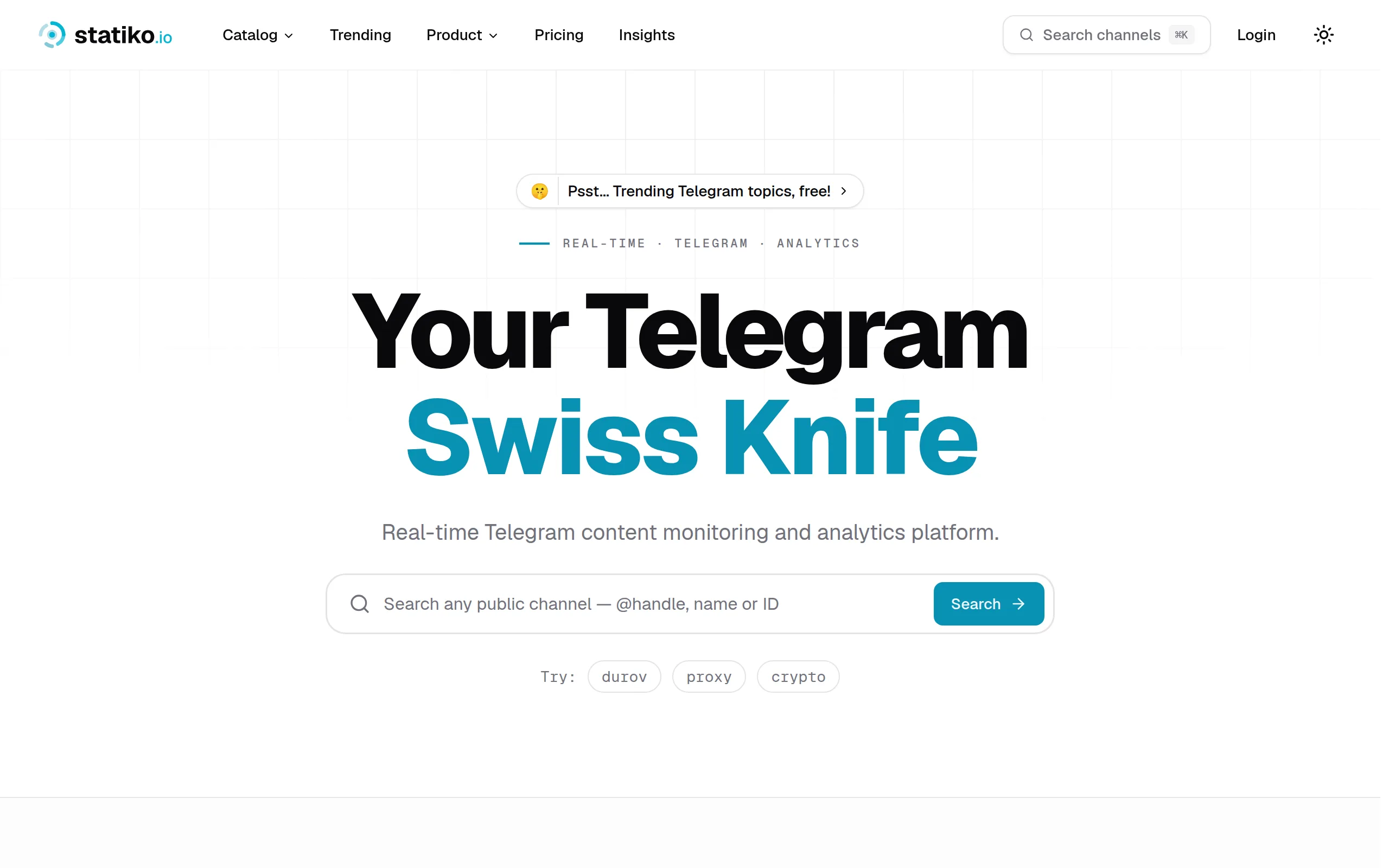
Statiko
Monitor any Telegram channel in real time - track posts, edits, deletions, and growth with AI recaps 📡

Shibui
AI website builder - describe your business, pick a niche template, edit by chatting, and publish instantly ✨

Pro Service
Find verified home service professionals, compare quotes, and pay securely through escrow - built for Brazilians across the US 🏠
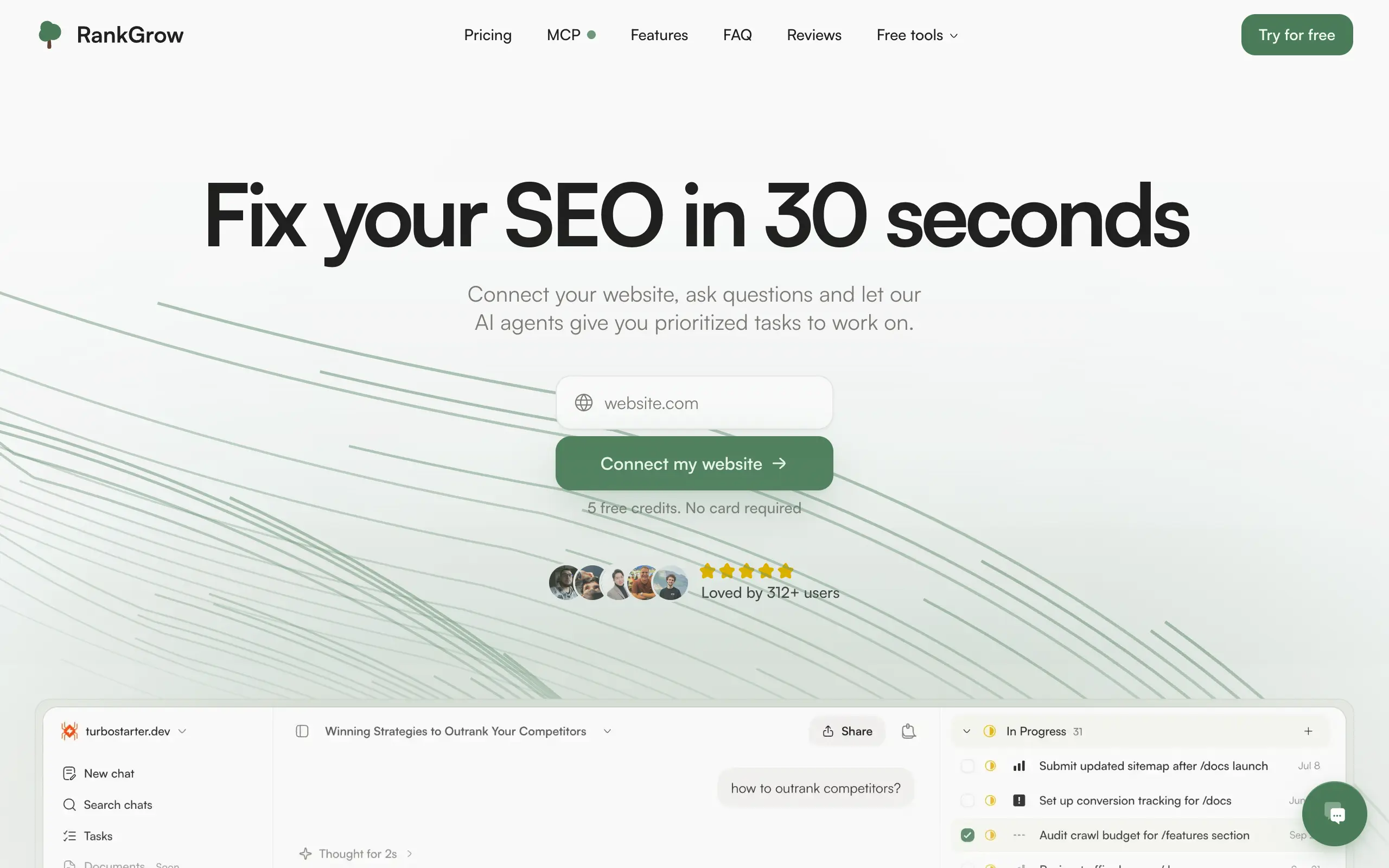
RankGrow
Fix your SEO with AI agents - connect Search Console, get prioritized tasks, and grow organic traffic 📈
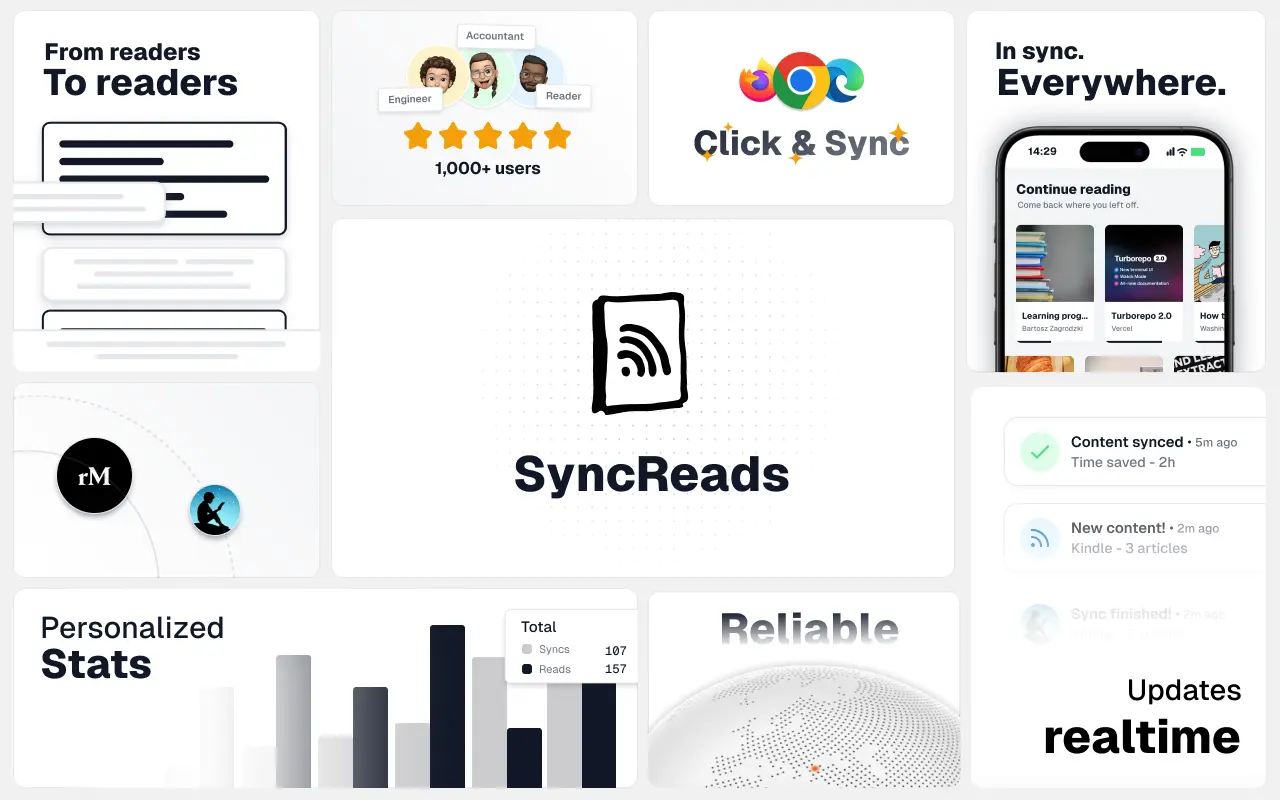
SyncReads
Sync your favorite content for distraction-free reading, save time and replace multiple apps. Anytime, anywhere 🔄
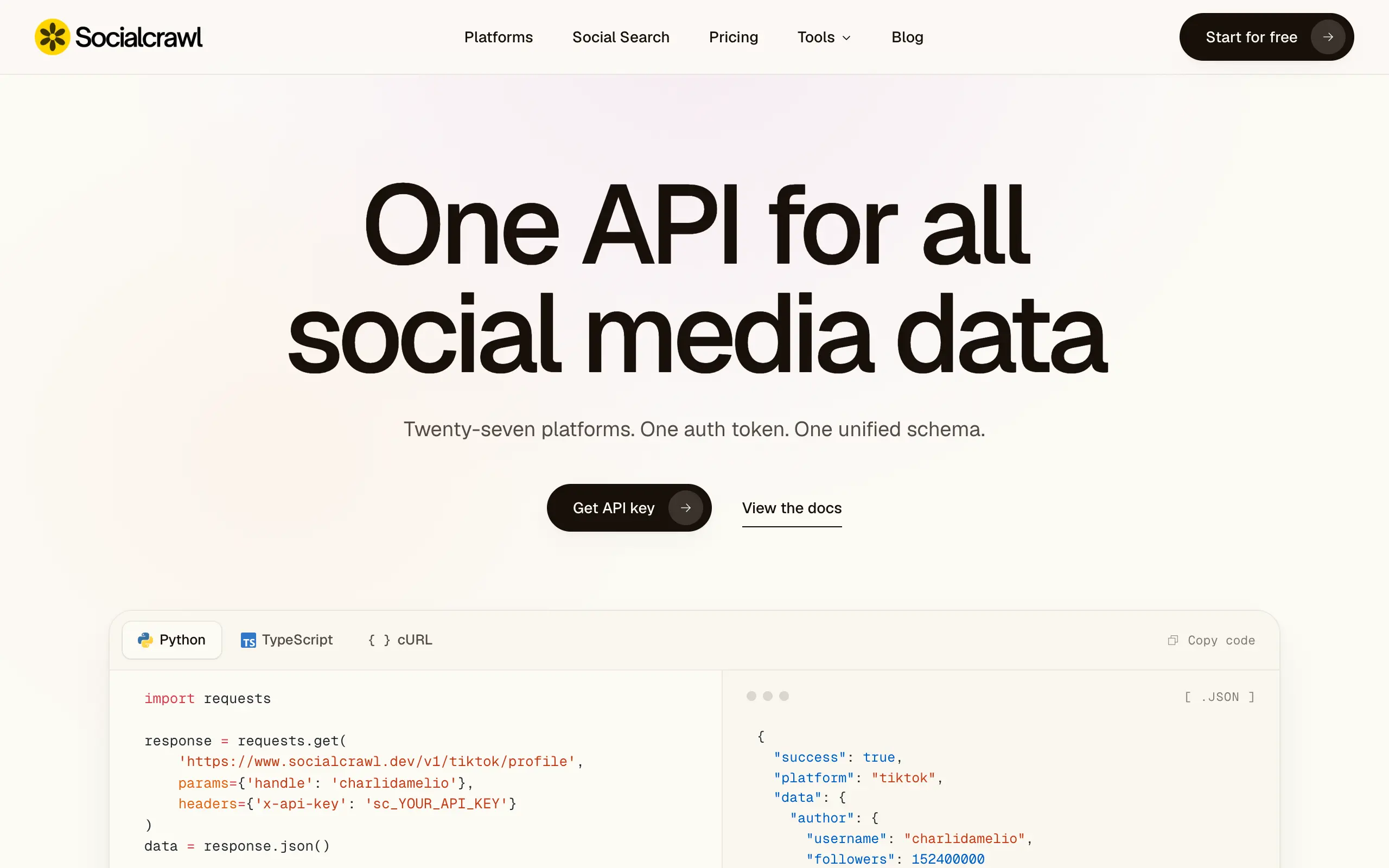
Socialcrawl
Get clean, structured data from 21 platforms like TikTok, Instagram, and YouTube with a single request 📊
Statiko
Monitor any Telegram channel in real time - track posts, edits, deletions, and growth with AI recaps 📡
Shibui
AI website builder - describe your business, pick a niche template, edit by chatting, and publish instantly ✨
Pro Service
Find verified home service professionals, compare quotes, and pay securely through escrow - built for Brazilians across the US 🏠
RankGrow
Fix your SEO with AI agents - connect Search Console, get prioritized tasks, and grow organic traffic 📈
SyncReads
Sync your favorite content for distraction-free reading, save time and replace multiple apps. Anytime, anywhere 🔄
Socialcrawl
Get clean, structured data from 21 platforms like TikTok, Instagram, and YouTube with a single request 📊
Statiko
Monitor any Telegram channel in real time - track posts, edits, deletions, and growth with AI recaps 📡
Shibui
AI website builder - describe your business, pick a niche template, edit by chatting, and publish instantly ✨
Pro Service
Find verified home service professionals, compare quotes, and pay securely through escrow - built for Brazilians across the US 🏠
RankGrow
Fix your SEO with AI agents - connect Search Console, get prioritized tasks, and grow organic traffic 📈
SyncReads
Sync your favorite content for distraction-free reading, save time and replace multiple apps. Anytime, anywhere 🔄
Socialcrawl
Get clean, structured data from 21 platforms like TikTok, Instagram, and YouTube with a single request 📊
Statiko
Monitor any Telegram channel in real time - track posts, edits, deletions, and growth with AI recaps 📡
Shibui
AI website builder - describe your business, pick a niche template, edit by chatting, and publish instantly ✨
Pro Service
Find verified home service professionals, compare quotes, and pay securely through escrow - built for Brazilians across the US 🏠
RankGrow
Fix your SEO with AI agents - connect Search Console, get prioritized tasks, and grow organic traffic 📈
SyncReads
Sync your favorite content for distraction-free reading, save time and replace multiple apps. Anytime, anywhere 🔄
Socialcrawl
Get clean, structured data from 21 platforms like TikTok, Instagram, and YouTube with a single request 📊
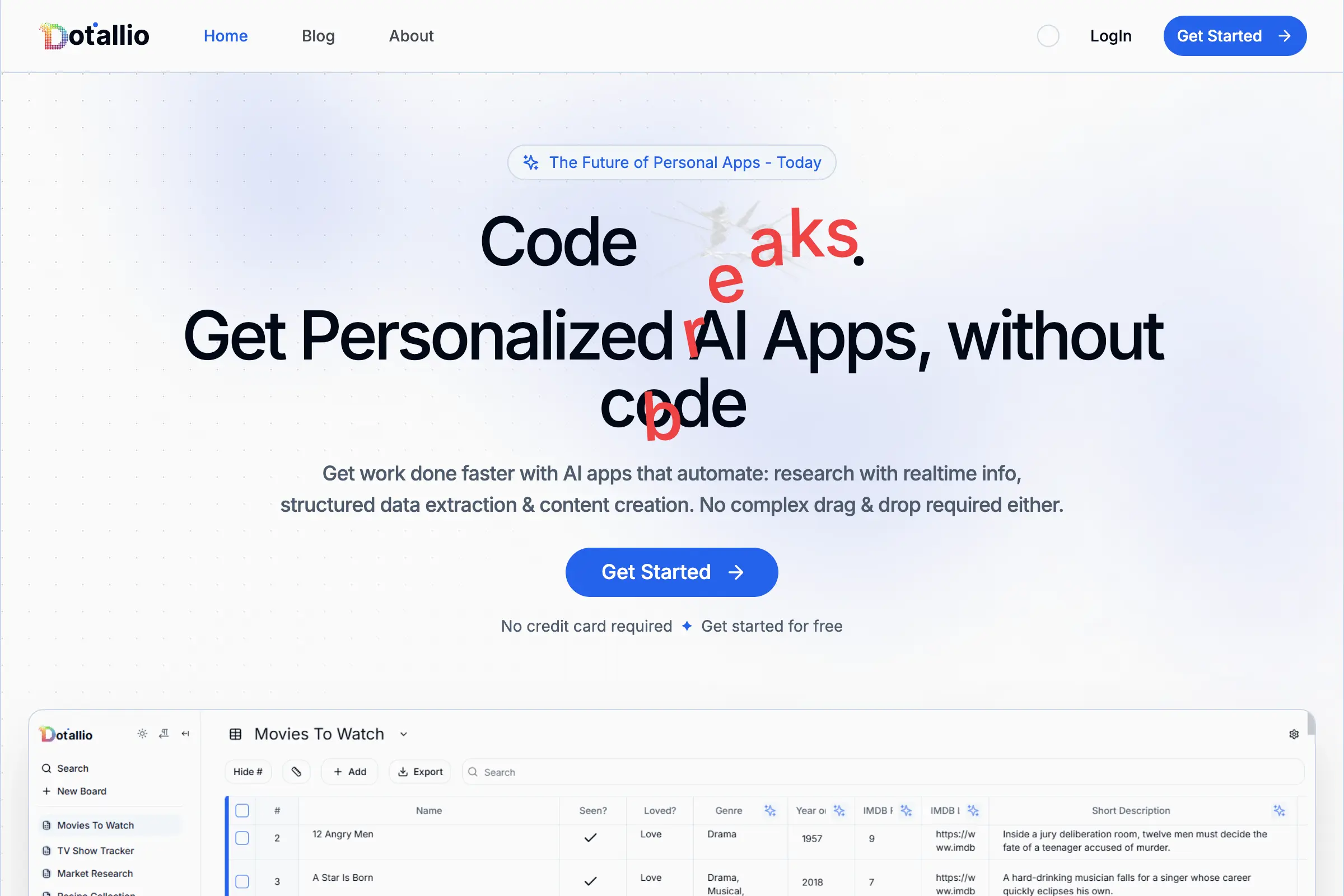
Dotallio
Personalized AI apps that automate research, data extraction, and content creation without code 🤖
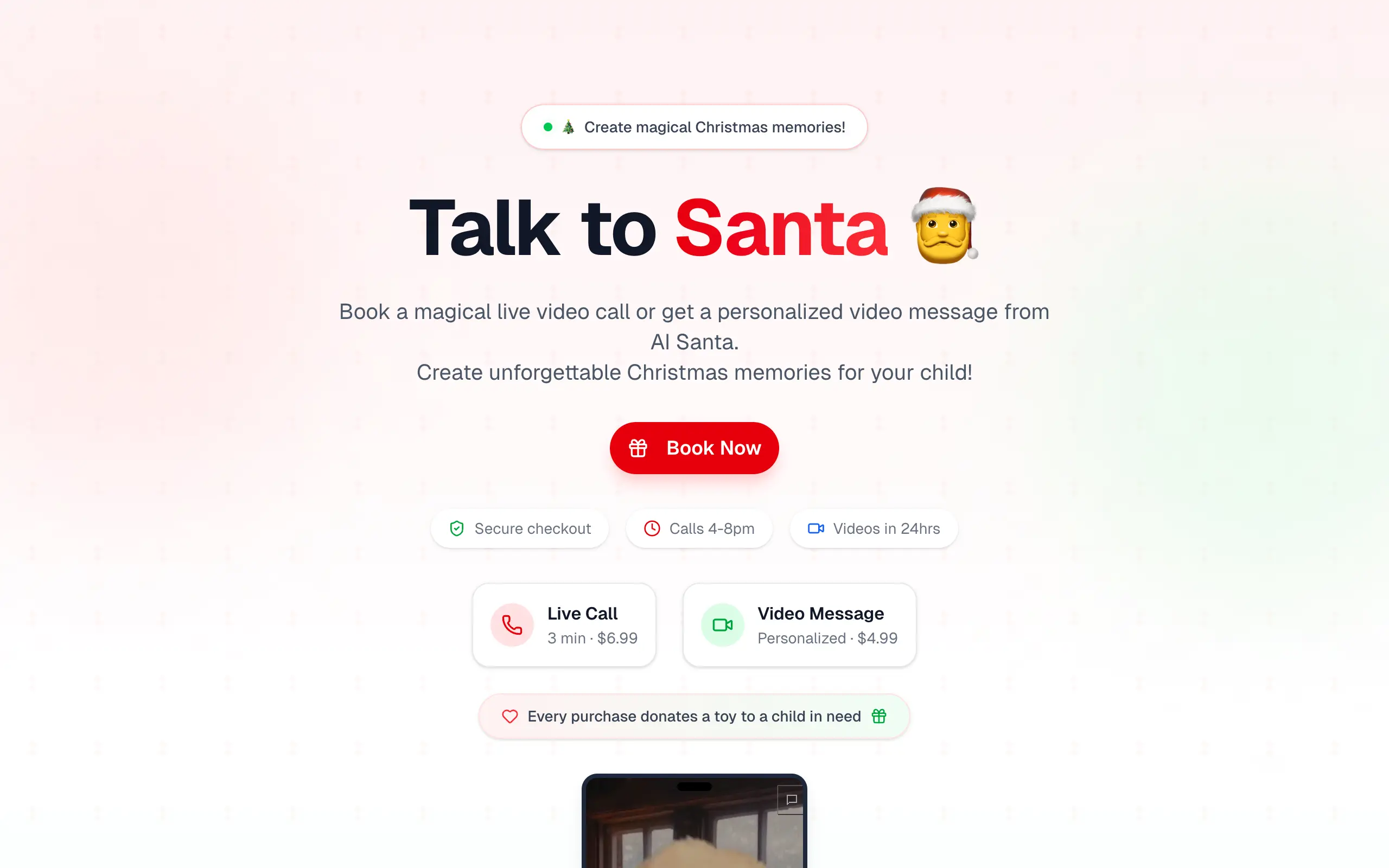
Talk to Santa
Enjoy a magical live video chat or receive a unique AI-generated video greeting from Santa Claus 🎅
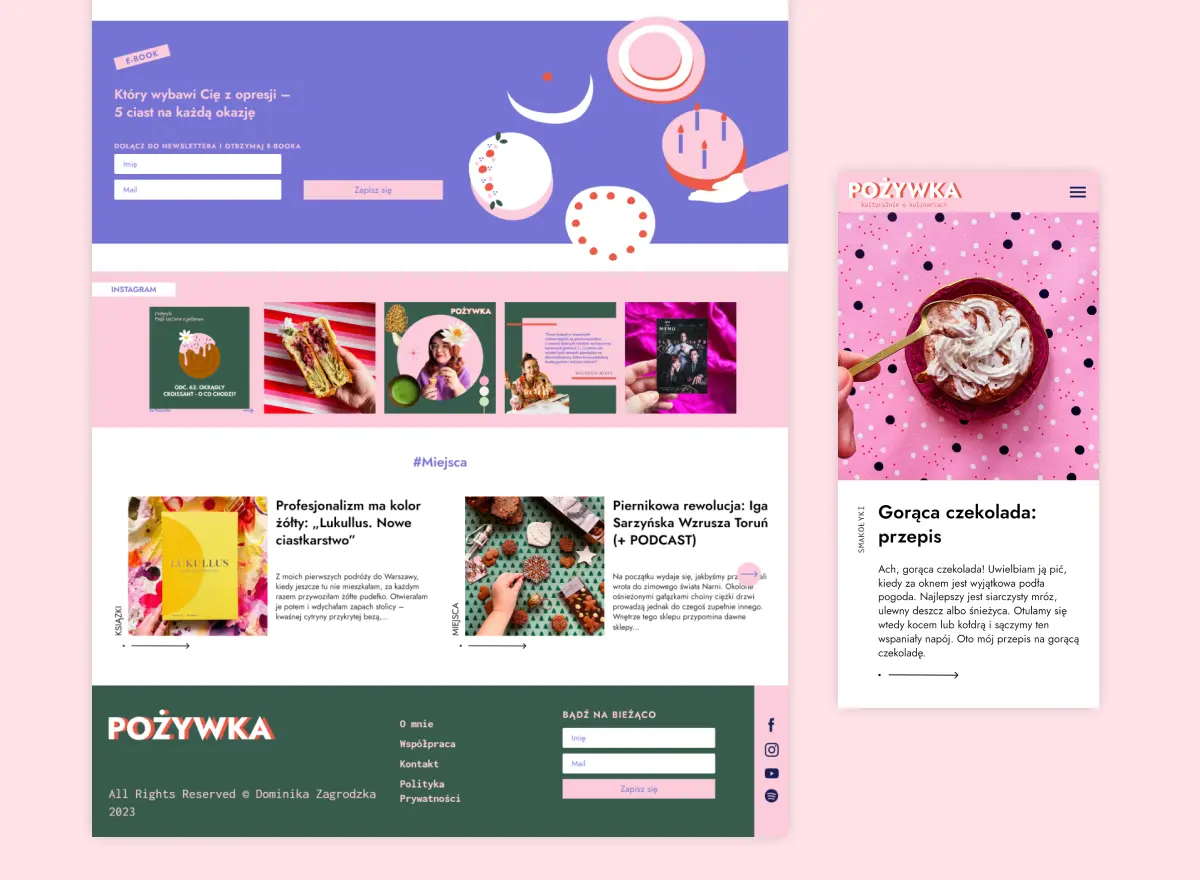
pozywka.pl
Scalable blog for food journalist, focused on performance and user experience 🌭
zagrodzki.me
Personal blog and portfolio of Bart Zagrodzki, where he shares his knowledge and work 💼
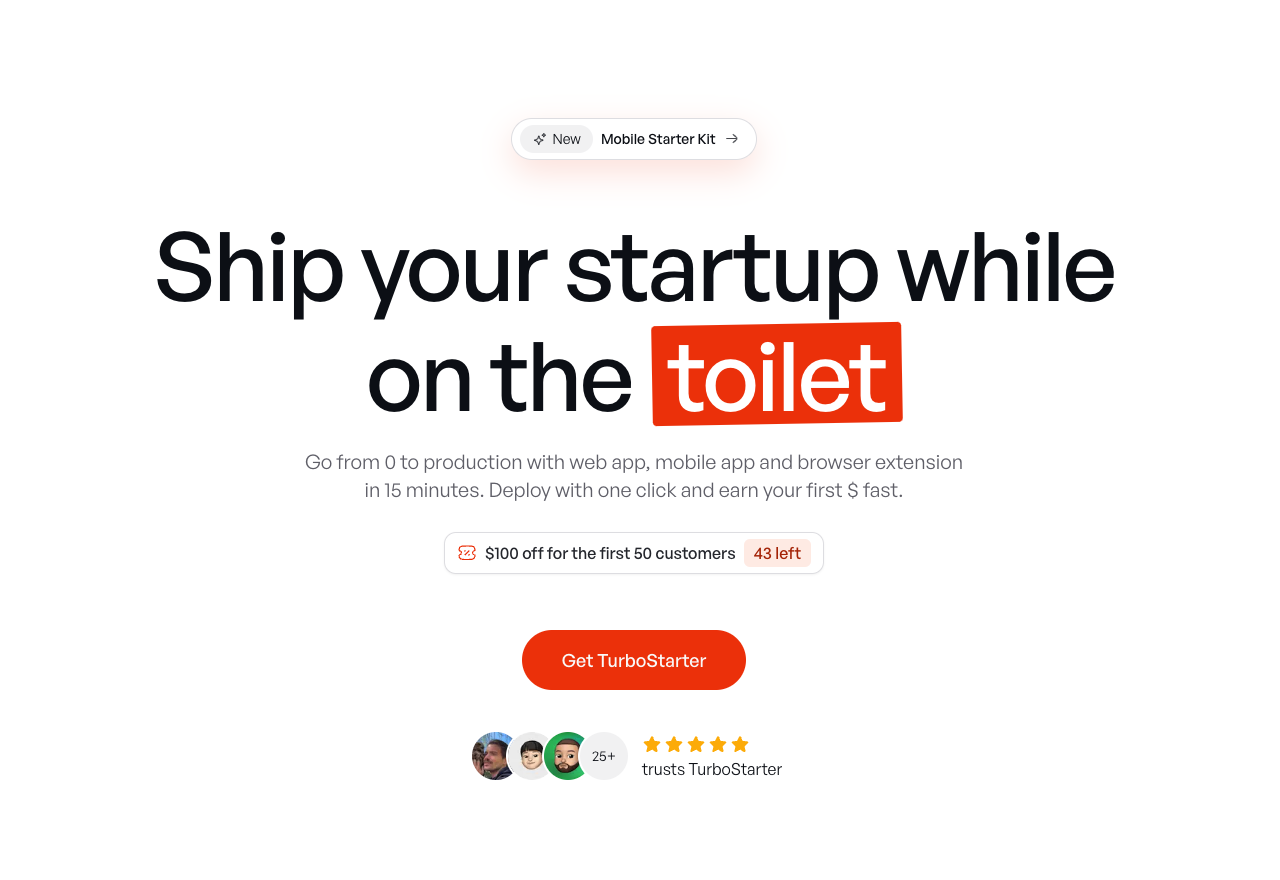
TurboStarter
Ship your startup everywhere. In minutes.
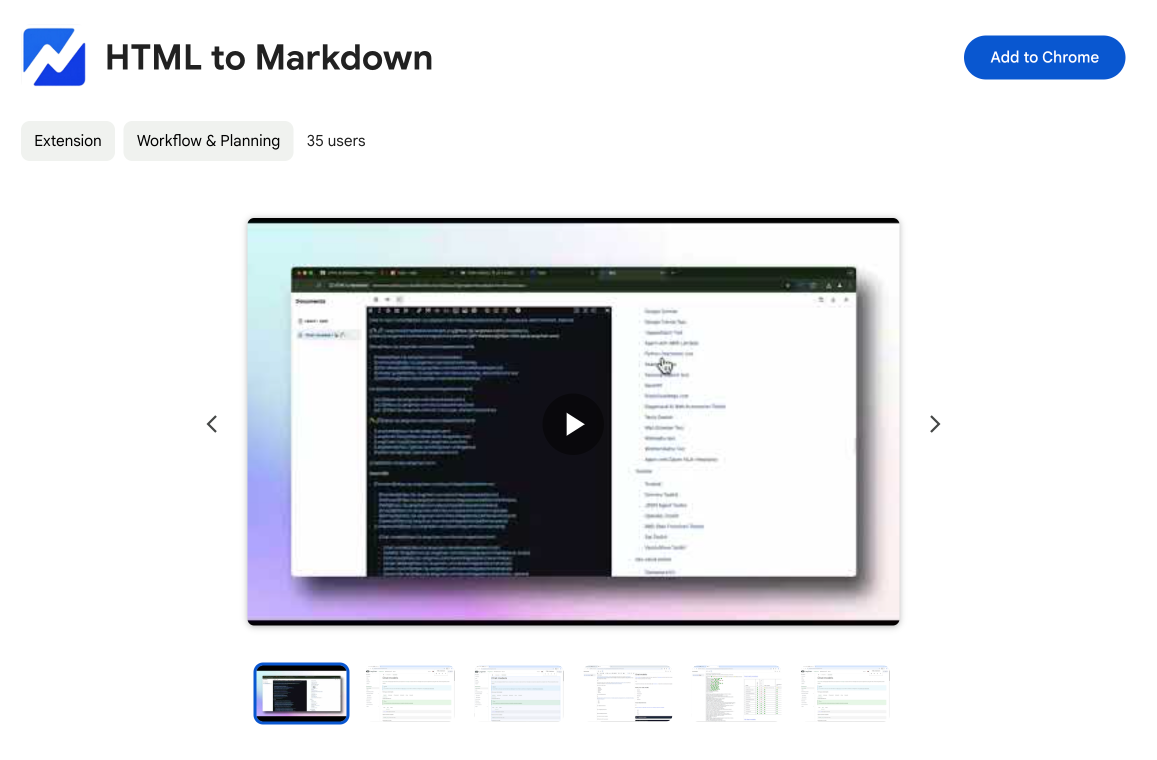
HTML to Markdown
Convert HTML to Markdown with ease, directly in your browser 📄
Dotallio
Personalized AI apps that automate research, data extraction, and content creation without code 🤖
Talk to Santa
Enjoy a magical live video chat or receive a unique AI-generated video greeting from Santa Claus 🎅
pozywka.pl
Scalable blog for food journalist, focused on performance and user experience 🌭
zagrodzki.me
Personal blog and portfolio of Bart Zagrodzki, where he shares his knowledge and work 💼
TurboStarter
Ship your startup everywhere. In minutes.
HTML to Markdown
Convert HTML to Markdown with ease, directly in your browser 📄
Dotallio
Personalized AI apps that automate research, data extraction, and content creation without code 🤖
Talk to Santa
Enjoy a magical live video chat or receive a unique AI-generated video greeting from Santa Claus 🎅
pozywka.pl
Scalable blog for food journalist, focused on performance and user experience 🌭
zagrodzki.me
Personal blog and portfolio of Bart Zagrodzki, where he shares his knowledge and work 💼
TurboStarter
Ship your startup everywhere. In minutes.
HTML to Markdown
Convert HTML to Markdown with ease, directly in your browser 📄
Dotallio
Personalized AI apps that automate research, data extraction, and content creation without code 🤖
Talk to Santa
Enjoy a magical live video chat or receive a unique AI-generated video greeting from Santa Claus 🎅
pozywka.pl
Scalable blog for food journalist, focused on performance and user experience 🌭
zagrodzki.me
Personal blog and portfolio of Bart Zagrodzki, where he shares his knowledge and work 💼
TurboStarter
Ship your startup everywhere. In minutes.
HTML to Markdown
Convert HTML to Markdown with ease, directly in your browser 📄
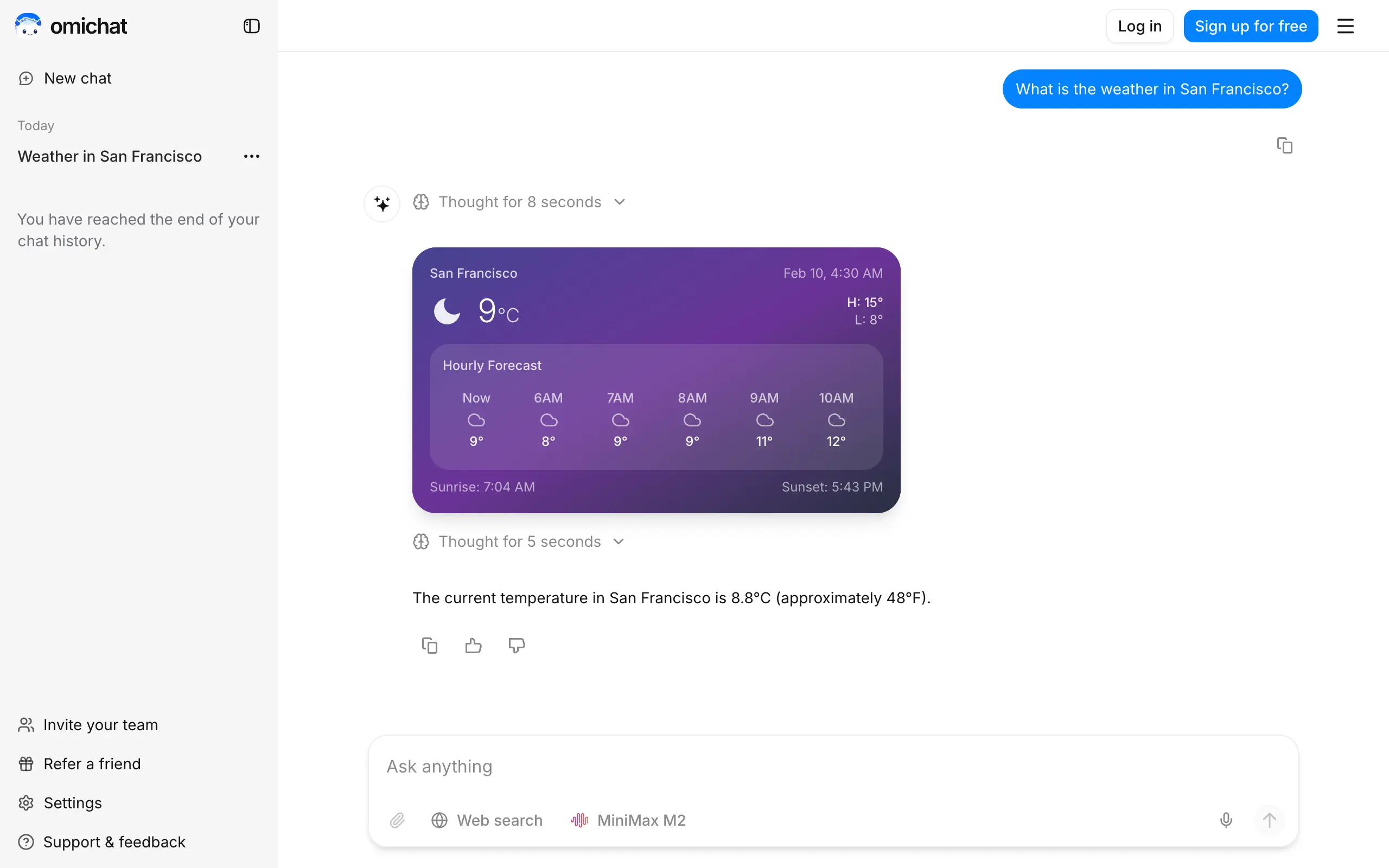
Omichat
Chat with 50+ AI models, including ChatGPT and Claude, in one place - switch models anytime without losing context 🤖
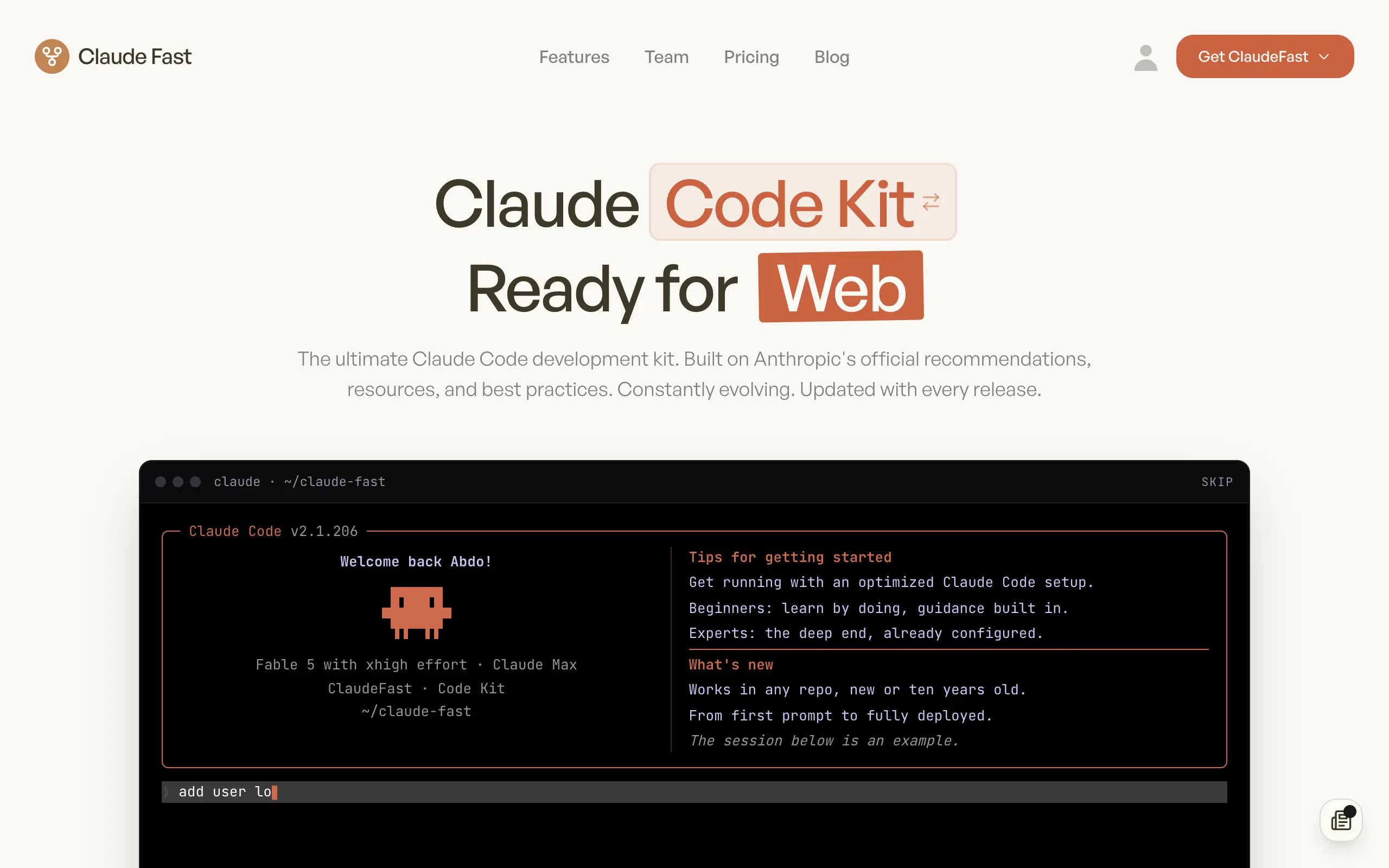
Claude Fast
Supercharge your Claude Code with 6x effective context window and specialized AI agents 🤖
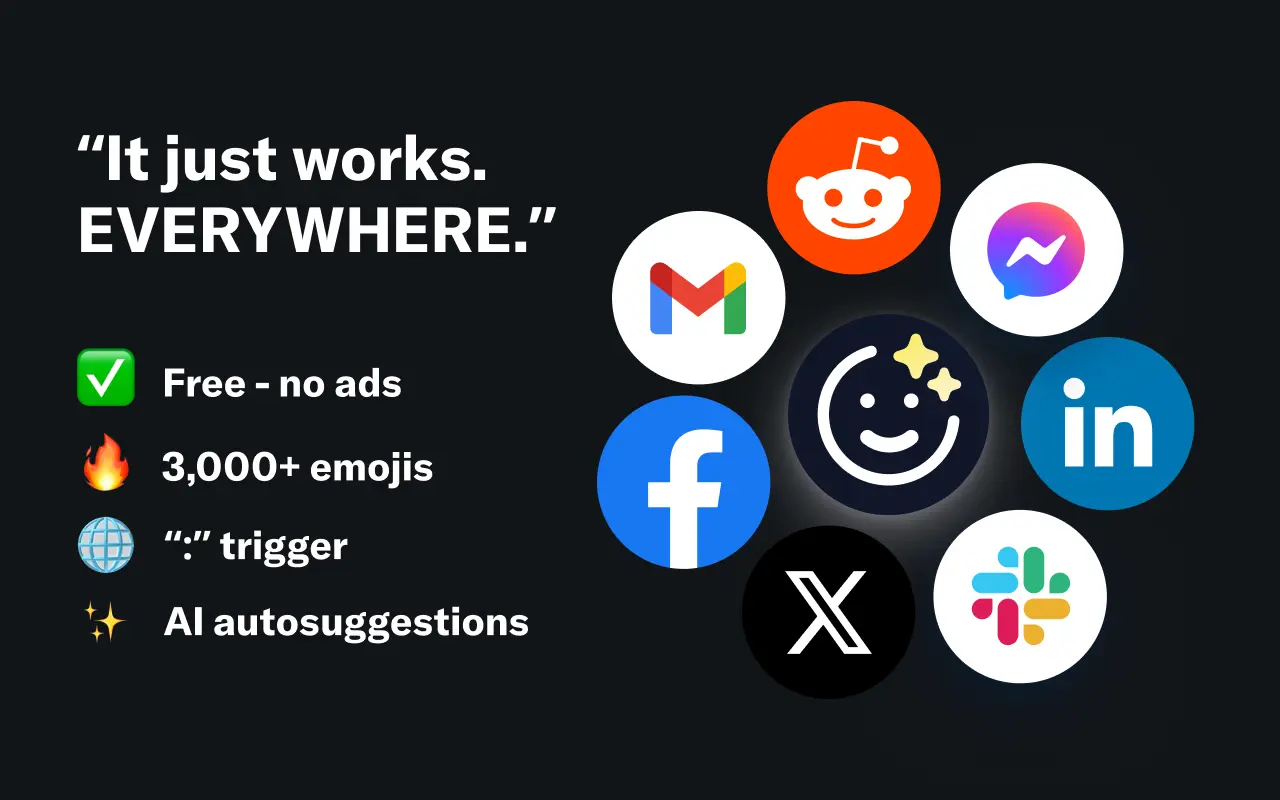
EmojAI
AI-powered emoji picker with smart, context-aware suggestions 🤖
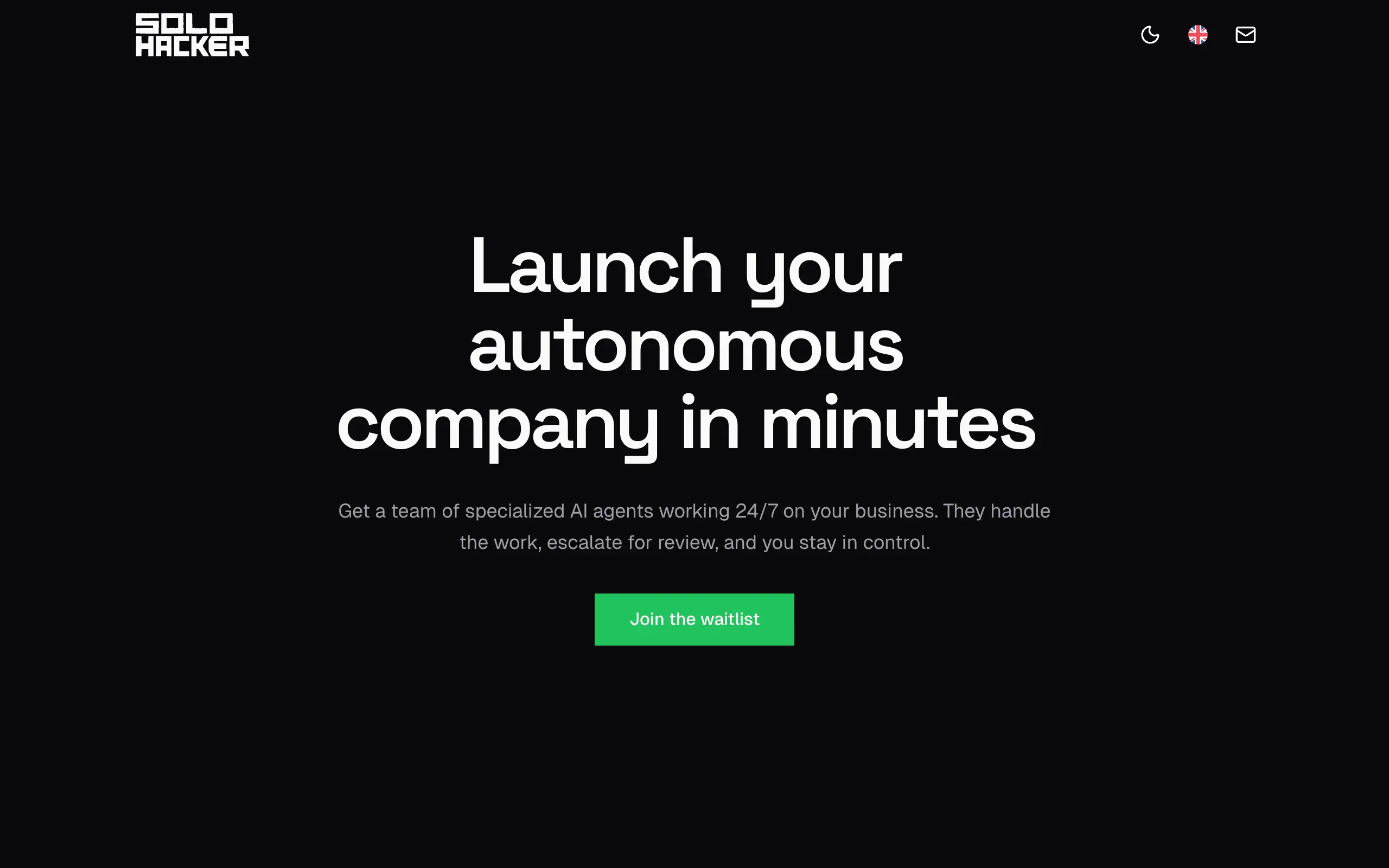
Solohacker
Autonomous company launcher - AI agents work 24/7, escalate what matters, and you stay in control 🤖
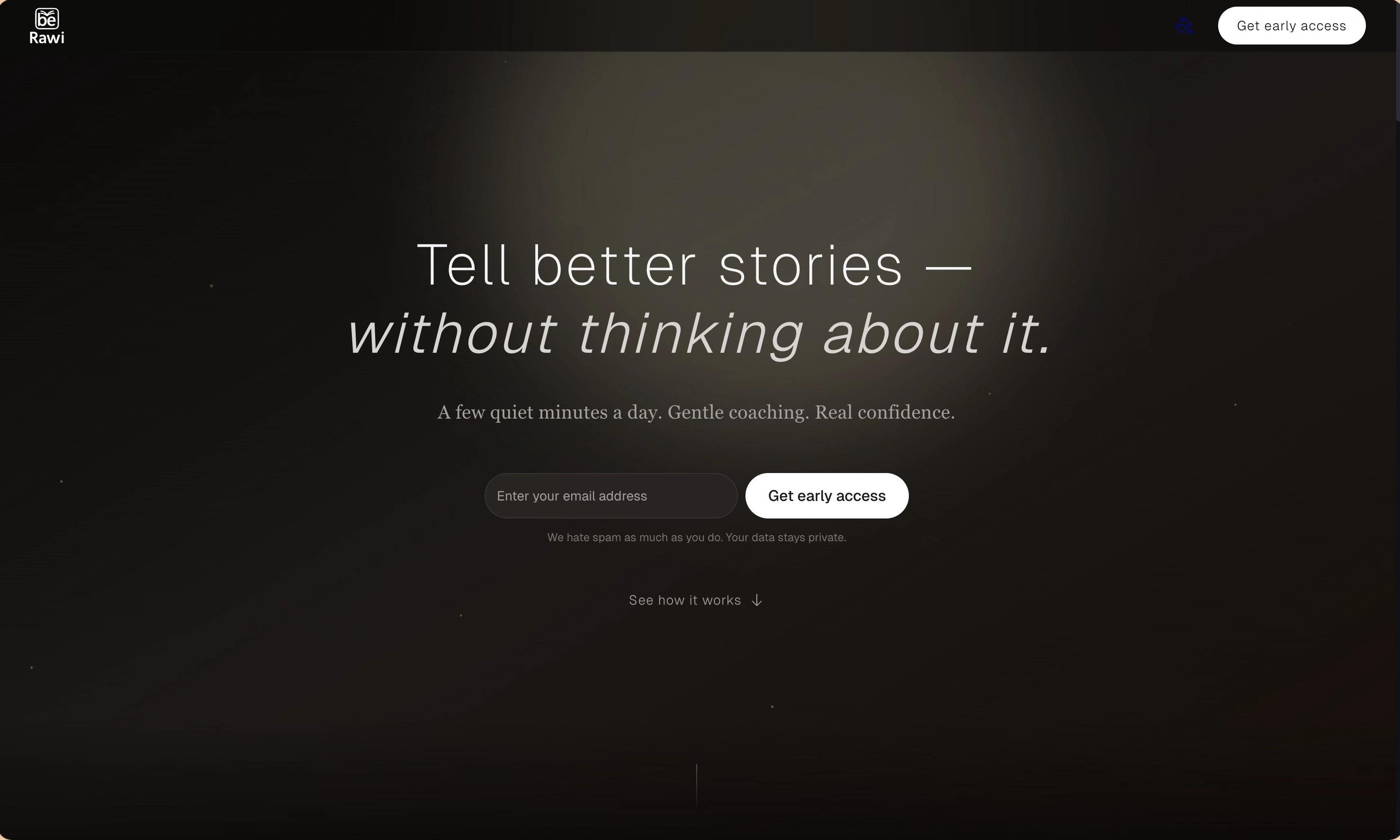
BeRawi: Storytelling Coach
Practice storytelling daily with instant feedback to sound clearer, more engaging, and confident 🎤
Omichat
Chat with 50+ AI models, including ChatGPT and Claude, in one place - switch models anytime without losing context 🤖
Claude Fast
Supercharge your Claude Code with 6x effective context window and specialized AI agents 🤖
EmojAI
AI-powered emoji picker with smart, context-aware suggestions 🤖
Solohacker
Autonomous company launcher - AI agents work 24/7, escalate what matters, and you stay in control 🤖
BeRawi: Storytelling Coach
Practice storytelling daily with instant feedback to sound clearer, more engaging, and confident 🎤
Omichat
Chat with 50+ AI models, including ChatGPT and Claude, in one place - switch models anytime without losing context 🤖
Claude Fast
Supercharge your Claude Code with 6x effective context window and specialized AI agents 🤖
EmojAI
AI-powered emoji picker with smart, context-aware suggestions 🤖
Solohacker
Autonomous company launcher - AI agents work 24/7, escalate what matters, and you stay in control 🤖
BeRawi: Storytelling Coach
Practice storytelling daily with instant feedback to sound clearer, more engaging, and confident 🎤
Omichat
Chat with 50+ AI models, including ChatGPT and Claude, in one place - switch models anytime without losing context 🤖
Claude Fast
Supercharge your Claude Code with 6x effective context window and specialized AI agents 🤖
EmojAI
AI-powered emoji picker with smart, context-aware suggestions 🤖
Solohacker
Autonomous company launcher - AI agents work 24/7, escalate what matters, and you stay in control 🤖
BeRawi: Storytelling Coach
Practice storytelling daily with instant feedback to sound clearer, more engaging, and confident 🎤

Connect with like-minded people
Join our community to get feedback, support, and grow together with 1,000+ builders on board, let's ship it!
Join usShip your startup everywhere. In minutes.
Don't burn tokens on setup and start building features on day one.