ParcelProof
A customer-facing tracking hub for local service businesses that combines job progress, pickup readiness and delivery updates in one QR link.
Local service businesses often lose customer trust in the gap between “we received your request” and “your item is ready” or “your delivery is on the way.” Phone calls, manual status emails, handwritten labels, and disconnected delivery tools create uncertainty at exactly the moment customers want reassurance.
ParcelProof is a customer-facing tracking hub designed to close that visibility gap. It gives each customer a simple QR code or link where they can follow job progress, pickup readiness, and delivery updates without creating an account, calling the business, or downloading an app.
For laundromats, repair shops, caterers, florists, tailoring services, local couriers, auto detailers, appliance repair providers, and other appointment or fulfillment-based businesses, this model can turn status communication into a branded customer experience. The opportunity is not simply to build another parcel tracking tool. It is to build the operating layer that makes every local service order feel organized, transparent, and reliable.
What ParcelProof solves for local service businesses
The primary keyword for this concept is customer-facing tracking hub, supported by related terms such as local service tracking software, pickup readiness notifications, delivery status updates, QR code order tracking, and service job progress tracking.
Most local businesses do not need enterprise logistics software. They need a lightweight way to answer common customer questions before those questions become phone calls:
- “Has my repair been started?”
- “Is my dry cleaning ready for pickup?”
- “What time will my delivery arrive?”
- “Did the driver leave the order at my door?”
- “Can I share this tracking link with someone else?”
- “Why is my job delayed?”
- “Where can I find the pickup instructions?”
Existing workflows usually split these answers across several tools:
- A point-of-sale system tracks payments and basic order states.
- Staff use paper tickets or spreadsheets for production status.
- Drivers use messaging apps to coordinate deliveries.
- Customers receive inconsistent updates through SMS, email, or phone calls.
- Owners have no reliable record of when updates were sent or viewed.
ParcelProof brings these touchpoints into one branded tracking page. A customer scans a QR code on a receipt, label, or confirmation card, then sees the current job stage, relevant timing, pickup instructions, delivery status, and proof of completion.
The core product insight
Customers rarely care which internal system manages their order. They care whether the business can clearly explain what is happening next. ParcelProof should make that answer immediate, accurate, and easy to access.
The strongest product positioning is not “parcel tracking for small businesses.” It is customer visibility software for service fulfillment. That distinction matters because many tracked items are not parcels in the conventional shipping sense. They may be repaired phones, catered meals, altered garments, cleaned rugs, prescriptions, flower arrangements, rental equipment, or prepared orders.
Who needs a customer-facing tracking hub
ParcelProof should avoid treating “local businesses” as one uniform market. The best early customers have high order volume, frequent customer status questions, and a meaningful handoff moment involving pickup, delivery, or completion.
Primary audience: owner-operators and operations managers
The most likely initial buyer is an owner, general manager, operations manager, or service coordinator at a local business with 3 to 50 staff members. They are close enough to daily operations to feel the pain of repetitive status calls, but they often lack the budget and implementation capacity for enterprise software.
Their priorities tend to include:
- Reducing “is it ready yet?” calls and messages
- Improving customer satisfaction without adding staff
- Making the business look more professional
- Avoiding missed pickups and failed deliveries
- Reducing disputes about delivery completion
- Giving staff a simple process that does not require extensive training
- Keeping customers informed during delays
These buyers value a quick setup path more than a long feature list. They need a product that works alongside their current point-of-sale, booking, or spreadsheet workflow.
Secondary audience: customer-facing staff
Front-desk employees, dispatchers, technicians, delivery drivers, and production workers will determine whether the system remains accurate. Their experience must be fast enough to fit a busy shift.
For these users, ParcelProof should reduce work rather than create a new administrative task. Status updates should take one or two taps, support predefined workflows, and trigger the right customer communication automatically.
End users: customers tracking a service order
Customers are not buying ParcelProof directly, but the product experience must serve them exceptionally well. They want certainty, not a dashboard.
A strong customer tracking experience should be:
- Mobile-first and readable without zooming
- Accessible without app downloads or password creation
- Branded with the local business identity
- Clear about what the current status means
- Specific about next actions, especially pickup windows
- Honest about delays and revised estimates
- Secure enough that order details are not exposed publicly
High-potential verticals for ParcelProof
Not every local service business has the same workflow. ParcelProof should begin with verticals where status tracking already maps naturally to a multi-stage lifecycle.
Laundry and dry cleaning
Ideal for drop-off, cleaning, quality check, ready-for-pickup, out-for-delivery, and delivered updates.
Repair services
Useful for diagnostics, quote approval, repair in progress, parts delay, ready for collection, and proof of handoff.
Local delivery businesses
Supports order preparation, driver assignment, live delivery milestones, delivery evidence, and exception handling.
Tailoring and alterations
Creates visibility around fitting, alteration work, quality control, completion, and appointment or pickup readiness.
Other attractive use cases include local florists, equipment rentals, catering companies, meal-prep businesses, print shops, bike repair shops, electronics repair providers, and specialty retailers with curbside pickup.
The market gap: visibility software between POS and delivery apps
The market opportunity exists because small and mid-sized service businesses operate in a gap between simple business tools and expensive logistics platforms.
A typical point-of-sale or booking tool may mark an order as paid, open, or complete. However, it often does not provide a flexible, customer-facing timeline for internal job stages. Conversely, dedicated delivery management platforms may offer routing and driver tools but can be too expensive or complex for a business that only needs pickup and delivery visibility.
ParcelProof can occupy the middle layer:
- It is lighter than enterprise transportation management software.
- It is more customer-friendly than a back-office order screen.
- It is more operationally structured than manually sending text messages.
- It is more useful across service industries than a single vertical-specific tracking tool.
The key market gap is shared operational visibility. Small businesses frequently have internal knowledge of an order’s status, but they do not have a reliable, branded method to share that knowledge with customers in real time.
Why QR-based tracking is a compelling wedge
QR codes are especially useful for local services because they bridge physical and digital workflows. A customer can scan a printed receipt, bag tag, repair ticket, counter display, invoice, or pickup label without needing to search through old messages.
The QR code should resolve to a secure tracking URL, such as a unique tokenized order page. This approach works well for customers who may not be comfortable downloading a new app or setting up credentials for a one-time service transaction.
A QR-first model creates several advantages:
- The business can add tracking to existing paper workflows quickly.
- Customers can open the page from their phone camera.
- Staff can reprint or resend the link when needed.
- The tracking page can include instructions, payment reminders, and review prompts.
- Businesses can measure whether customers viewed the latest update.
The tracking link should remain useful even when customers do not scan a QR code. Email, SMS, and messaging channels can all point to the same canonical page.
Demand validation before building
Before investing heavily in a full platform, validate whether target businesses see status communication as a costly problem. Conduct structured interviews with 20 to 30 businesses in two narrow verticals, such as dry cleaners and repair shops.
Ask questions focused on actual behavior:
- How many incoming calls or messages are about order status each week?
- Which job stages are hardest to communicate?
- How do staff currently decide an item is ready?
- How often do customers arrive before an order is ready?
- How are failed delivery attempts recorded?
- What happens when a job is delayed?
- What software is currently used for point-of-sale, scheduling, or delivery?
- Would customers scan a code printed on a receipt or ticket?
Avoid asking only whether they “would use” ParcelProof. Instead, quantify time spent, recurring failures, and the value of a better workflow. A founder should also test a concierge version first, manually setting up tracking pages for a handful of pilot businesses.
How ParcelProof should work
The ParcelProof product should create a clean relationship between an internal job record and an external customer tracking page.
At a high level, the workflow is simple:
- A staff member creates or imports a job.
- ParcelProof generates a unique tracking link and QR code.
- The customer receives the link through a receipt, SMS, email, or printed tag.
- Staff update job stages as work progresses.
- ParcelProof updates the tracking page and sends notifications based on rules.
- The business records pickup, delivery, or completion evidence.
The user experience must stay simple even if the underlying data model supports complex workflows.
Core workflow stages
A default workflow might include:
- Received
- In progress
- Waiting for customer approval
- Waiting for parts or materials
- Quality check
- Ready for pickup
- Scheduled for delivery
- Out for delivery
- Delivered or collected
- Closed
Each business should be able to rename stages and hide irrelevant ones. A dry cleaner may need “cleaning” and “pressing,” while a phone repair shop may need “diagnosis,” “estimate approval,” and “repair complete.”
The public page should not expose every internal detail. Businesses need separate internal and customer-visible notes. For example, “waiting on supplier invoice” may be internal, while “part on order, revised estimated completion Friday” is customer-facing.
Essential ParcelProof features for an MVP
The first version should focus on the tightest possible loop between status updates and customer confidence.
| Feature | Customer value | Business value | MVP priority | Complexity |
|---|---|---|---|---|
| Branded tracking page | Clear self-service visibility | Fewer inbound status requests | High | Medium |
| QR code generation | Fast access from receipts and tags | Fits existing physical workflows | High | Low |
| Status timeline | Understand progress and next steps | Standardized staff communication | High | Medium |
| SMS and email alerts | Proactive updates | Reduced manual follow-up | High | Medium |
| Delivery proof capture | Confidence after handoff | Fewer delivery disputes | Medium | Medium |
The MVP should include the following capabilities:
- Multi-tenant business accounts with separate branding and staff access
- Job creation with a customer name, contact method, service details, and estimated ready date
- Unique, non-sequential tracking URLs and QR codes
- Customizable status stages and customer-visible messages
- A mobile-responsive public tracking page
- Email and SMS notification templates
- A basic internal dashboard for active, delayed, and ready jobs
- Pickup confirmation and delivery completion records
- An audit trail of status changes and notifications
- Simple reporting for tracking link views, completion times, and exceptions
Features that should wait until after product-market fit
Several appealing ideas may distract from the initial value proposition:
- Full route optimization
- Native mobile apps for every user role
- Complex warehouse inventory management
- Deep integrations with every point-of-sale provider
- AI chatbots that answer every customer question
- Real-time map tracking for all deliveries
- Large marketplace or consumer discovery features
These capabilities may become useful, but they bring cost, support obligations, and implementation complexity. ParcelProof should first prove that businesses will pay for straightforward customer status visibility.
Using AI responsibly in ParcelProof
Because ParcelProof is positioned as an AI SaaS idea, AI should improve the workflow without becoming a gimmick. The most valuable early use cases involve summarization, message quality, and exception detection rather than autonomous operational decisions.
Practical AI features with real business value
AI can help business owners write clearer updates when a job changes status. For example, a staff member could select “waiting for parts,” add a short internal note, and receive a customer-ready message that explains the delay professionally.
Useful AI-assisted capabilities include:
- Turning internal notes into concise customer-facing updates
- Suggesting a revised completion estimate based on prior job durations
- Detecting jobs that have been inactive longer than expected
- Categorizing inbound customer replies by urgency or topic
- Generating multilingual customer messages from approved templates
- Summarizing a job history for staff before a customer call
- Flagging inconsistent states, such as “delivered” without delivery evidence
The system should always preserve human control. A local business should approve communication rules, edit generated text, and decide whether AI-generated messages are sent automatically.
Do not let AI invent operational facts
AI should never fabricate a delivery location, completion time, delay explanation, or job estimate. Generated copy must be grounded in the actual job record and clearly constrained by approved business data.
Building trustworthy AI workflows
For customer communications, the safest design is retrieval and templating rather than open-ended generation. Use the job’s known fields, the business’s policy library, and approved message templates as the source of truth.
For example, the model can receive:
- Current status
- Original estimated completion date
- Updated estimated completion date
- Customer’s preferred language
- Approved business tone
- A structured reason code for the delay
It should not receive unrestricted instructions to “explain why the job is late.” This prevents misleading statements and reduces legal or reputational risk.
Businesses should be able to view the input data and output message in the activity log. That auditability becomes especially important when ParcelProof serves industries handling high-value goods, regulated products, or time-sensitive services.
Recommended tech stack for ParcelProof
A modern SaaS stack should optimize for speed of development, reliable multi-tenancy, secure public tracking links, and maintainable notification workflows.
A practical web application stack can use React for the user interface and Next.js for full-stack rendering, routing, server-side capabilities, and SEO-friendly public tracking pages. Tailwind CSS is well suited to creating a consistent branded component system quickly.
For the database layer, PostgreSQL is a strong fit because ParcelProof depends on relational records: businesses, users, customers, jobs, events, notifications, delivery proofs, and subscriptions. A managed platform such as Supabase can accelerate authentication, database provisioning, storage, and row-level security for an early-stage launch.
Suggested architecture
Start with a modular monolith. Use Next.js for the dashboard and public tracking pages, PostgreSQL for transactional data, object storage for proof-of-delivery images, and a background job queue for notifications. This reduces deployment complexity and makes iteration faster during customer discovery.
As volume grows, separate notification processing, integration syncs, analytics events, and AI workflows into independently scalable workers. Keep the primary job and tracking event ledger in PostgreSQL so the operational truth remains consistent and auditable.
Recommended components include:
- Next.js for the application framework
- React for interface composition
- TypeScript for type safety across jobs, events, and API payloads
- Tailwind CSS for design system velocity
- PostgreSQL for transactional multi-tenant data
- Supabase for a fast managed backend option
- Stripe for subscription billing
- Twilio for SMS notifications
- Resend for transactional email delivery
- Sentry for error monitoring and performance visibility
- OpenAI or another model provider for constrained AI-assisted messaging
Trade-offs to consider
A managed backend reduces engineering overhead, but some teams may outgrow its conventions as integrations and workflow volume expand. Starting with PostgreSQL and clear domain boundaries makes later migration easier.
SMS creates a high-engagement customer channel, but message fees can affect gross margins. It should be priced carefully, with included usage caps or add-on message bundles. Email is cheaper but often less immediate for pickup and delivery alerts.
Real-time GPS tracking can improve delivery transparency, but it introduces battery, privacy, driver adoption, and location-consent concerns. For the first version, milestone-based tracking such as “driver assigned,” “out for delivery,” and “delivered” may provide most of the value with far less complexity.
A basic event model might look like this:
type JobStatus =
  | "received"
  | "in_progress"
  | "awaiting_approval"
  | "ready_for_pickup"
  | "out_for_delivery"
  | "completed";

type TrackingEvent = {
  id: string;
  jobId: string;
  status: JobStatus;
  customerVisible: boolean;
  message: string | null;
  createdAt: string;
  createdByUserId: string | null;
};

type Job = {
  id: string;
  businessId: string;
  publicTrackingToken: string;
  status: JobStatus;
  estimatedReadyAt: string | null;
  customerPhone: string | null;
  customerEmail: string | null;
};
The public tracking route should query by a high-entropy token rather than a predictable order number. That is an important security measure because sequential identifiers can make customer records easier to enumerate.
Data privacy, security, and customer trust
ParcelProof will handle personally identifiable information such as customer names, phone numbers, email addresses, service details, and sometimes delivery photos. Trust cannot be an afterthought.
The product should follow privacy-by-design principles from the first release:
- Use opaque public tracking tokens instead of exposing internal order IDs.
- Show only the information needed on the public tracking page.
- Avoid displaying sensitive internal notes, payment data, or precise addresses by default.
- Encrypt data in transit and at rest using reputable infrastructure providers.
- Apply role-based access controls for owners, staff, drivers, and support users.
- Log status changes, notification sends, and evidence uploads.
- Set clear retention rules for delivery photos and completed job records.
- Provide account deletion and data export processes appropriate to applicable privacy requirements.
- Obtain appropriate consent for SMS communications and provide opt-out handling.
For compliance-sensitive messaging, work with legal counsel familiar with the business’s jurisdiction and communication channels. Do not make compliance claims without verifying the specific requirements. When publishing security practices, link to documentation, policies, and audit information only after those materials are genuinely available.
Monetization strategies for ParcelProof
ParcelProof should use simple recurring pricing that matches the value customers receive: fewer support calls, better retention, and more reliable fulfillment. A usage-aware SaaS model is likely more sustainable than a flat fee because notification volume and active jobs vary widely.
Recommended pricing model
A tiered subscription can combine a base monthly fee with included active jobs and notification allowances.
- "Starter": built for single-location businesses with a limited number of active jobs and one branded tracking page.
- "Growth": supports more staff, custom workflows, automation rules, delivery proof, and higher notification limits.
- "Multi-location": includes multiple branches, centralized reporting, team permissions, white-label options, and priority support.
- "Usage add-ons": additional SMS credits, active job bundles, extra locations, and AI-assisted communication credits.
Avoid charging customers simply for every tracking page view. Tracking views are a sign that the product is delivering value. Instead, tie pricing to operational usage such as active jobs, locations, staff seats, or customer notifications.
Value-based pricing logic
Suppose a local repair business receives 25 status calls per week. If each call consumes even a few minutes of staff time, the weekly cost adds up quickly. If ParcelProof reduces those calls while improving the customer experience, a monthly subscription can be easy to justify.
The pricing conversation should focus on outcomes:
- Reduced front-desk interruption
- Fewer missed pickups
- Lower delivery dispute rates
- Better on-time communication during delays
- Higher repeat business and referrals
- A more professional brand experience
For market research, cite data from credible sources such as industry associations, official small business reports, reputable customer experience research firms, or payment processors. Any published claim about call reduction, retention lift, or revenue impact should be clearly labeled as a customer result, pilot result, or benchmark rather than a universal guarantee.
Competitive advantage and positioning
ParcelProof will compete indirectly with point-of-sale systems, delivery tracking platforms, generic SMS tools, customer relationship management products, and vertical-specific service software.
Its competitive advantage should come from being narrower, faster, and more customer-centered than broad operational platforms.
ParcelProof’s unique selling proposition
ParcelProof gives local service businesses one branded QR link that turns every job update, pickup instruction, and delivery confirmation into a clear customer experience.
That USP is powerful because it is easy to understand. It connects a physical service item or job to a digital source of truth that customers can access themselves.
Differentiation against common alternatives
Generic messaging tools can send a text, but they do not create a persistent job timeline, tracking page, pickup workflow, or proof-of-delivery record. ParcelProof turns notifications into a complete self-service experience.
Point-of-sale systems manage transactions well, but many do not offer flexible customer-visible progress stages across repairs, preparation, pickup, and local delivery. ParcelProof can complement a POS rather than replace it.
Enterprise logistics tools may provide advanced routing and carrier operations, but they can be too expensive and operationally heavy for a single-location or regional service business. ParcelProof should win on speed, simplicity, and service workflow fit.
Manual communication is personal but inconsistent, difficult to audit, and expensive at scale. ParcelProof preserves the human touch while making routine updates automatic and transparent.
The product should also develop a defensible advantage through workflow data. Over time, ParcelProof can identify typical completion ranges, common delay patterns, notification timing preferences, and operational bottlenecks by vertical. This data can improve benchmarks and AI recommendations, provided it is aggregated responsibly and handled in accordance with privacy commitments.
Risks and mitigation strategies
Every SaaS concept in local operations faces adoption and reliability risks. ParcelProof must solve a real pain point without becoming another system staff forget to update.
Risk: staff do not keep statuses current
If the tracking page is inaccurate, it can damage trust more than having no tracking at all.
Mitigation should include:
- One-tap status updates optimized for mobile use
- Default workflows tailored to each vertical
- Automated reminders for stale jobs
- Bulk updates for common operational steps
- Integrations with existing POS or booking systems where practical
- Dashboard alerts for jobs that are overdue or ready but uncollected
Risk: customers do not scan QR codes
Some customers may prefer text messages, email, or direct staff communication.
Mitigation should include sending the same tracking URL through multiple channels. QR codes should be an access method, not the only method. The business can print the code on a receipt while also including the link in a confirmation message.
Risk: notification costs reduce margins
SMS pricing can become material for high-volume businesses.
Mitigation should include included message allowances, configurable notification triggers, customer preference controls, email fallback, and clear overage pricing. Businesses should be able to choose which status changes warrant an SMS.
Risk: integration requirements slow sales
Many prospects will ask whether ParcelProof works with their existing tools.
Mitigation should start with CSV import, copy-paste order creation, webhooks, and a simple API. Build native integrations only after repeated demand proves which platforms matter most. An integration roadmap should be driven by paid customer concentration, not anecdotal requests.
Risk: public links expose customer information
Tracking links can be forwarded or accidentally shared.
Mitigation should use long, random tokens; minimize visible personal data; support optional verification such as a phone number suffix or postal code; and allow businesses to expire links after completion. High-risk use cases may require stronger authentication.
Risk: overly broad product positioning
Trying to serve every business with pickup or delivery can make onboarding confusing and marketing ineffective.
Mitigation should focus early go-to-market efforts on one or two verticals. Build specific templates, landing pages, and onboarding flows for those customers before expanding.
Go-to-market strategy for local service tracking software
The fastest path to traction is likely a vertical-first, founder-led sales approach. ParcelProof should initially sell a clear operational outcome to businesses that already feel the pain.
A promising first vertical may be dry cleaning and laundry services because the lifecycle is easy to understand, pickup readiness is central, physical QR tags fit naturally, and repeat customers create recurring value. Repair businesses are another strong option because estimates, delays, parts, and completion stages all create communication complexity.
Customer acquisition channels
Early acquisition can combine:
- Direct outreach to businesses in a focused city or region
- Partnerships with local POS consultants and service business agencies
- Industry-specific landing pages targeting “pickup notification software” and “repair status tracking”
- Demo videos showing a real QR code journey from intake to pickup
- Referral incentives for business owners
- Content marketing around reducing customer status calls
- Local trade associations and vertical software communities
- Integration partnerships after validating core demand
The sales motion should be consultative but concise. A compelling demo begins with a printed receipt or repair tag, scans the QR code, and shows the customer experience immediately. Then it shows how a staff member changes the status in seconds.
Actionable implementation plan
ParcelProof should be built in focused stages that prioritize evidence of demand over feature volume.
A practical first milestone is not thousands of signups. It is five businesses using ParcelProof for real customer orders every day and reporting that it meaningfully improves communication or saves staff time.
For founders who want to move faster, TurboStarter can provide a foundation for launching a SaaS product with common application requirements already considered, allowing more development time to go into ParcelProof’s distinctive workflow, tracking experience, and vertical-specific onboarding.
Final perspective on the ParcelProof opportunity
ParcelProof has a strong SaaS opportunity because it focuses on a highly visible but frequently neglected problem: local businesses often know the status of a customer’s job internally, yet fail to communicate that status in a consistent, self-service way.
The winning version of this product will not be the one with the most complex logistics features. It will be the one that makes a local business feel dependable at every handoff. A customer should be able to scan one QR code and immediately understand whether their item is being processed, ready for pickup, on the way, or safely delivered.
By starting with a narrow vertical, building around simple status updates, protecting customer data, and using AI only where it improves clarity and operational discipline, ParcelProof can become a differentiated customer-facing tracking hub for the service economy.
More 🤖 AI Startup SaaS ideas
Discover more innovative ai startup SaaS ideas that are trending in 2026. Each idea is AI-generated with market validation and growth potential to help you find your next profitable venture faster than competitors.
Your competitors are building with TurboStarter
Below are some of the SaaS ideas that have been generated and built with our starter kit.

Statiko
Monitor any Telegram channel in real time - track posts, edits, deletions, and growth with AI recaps 📡

Shibui
AI website builder - describe your business, pick a niche template, edit by chatting, and publish instantly ✨
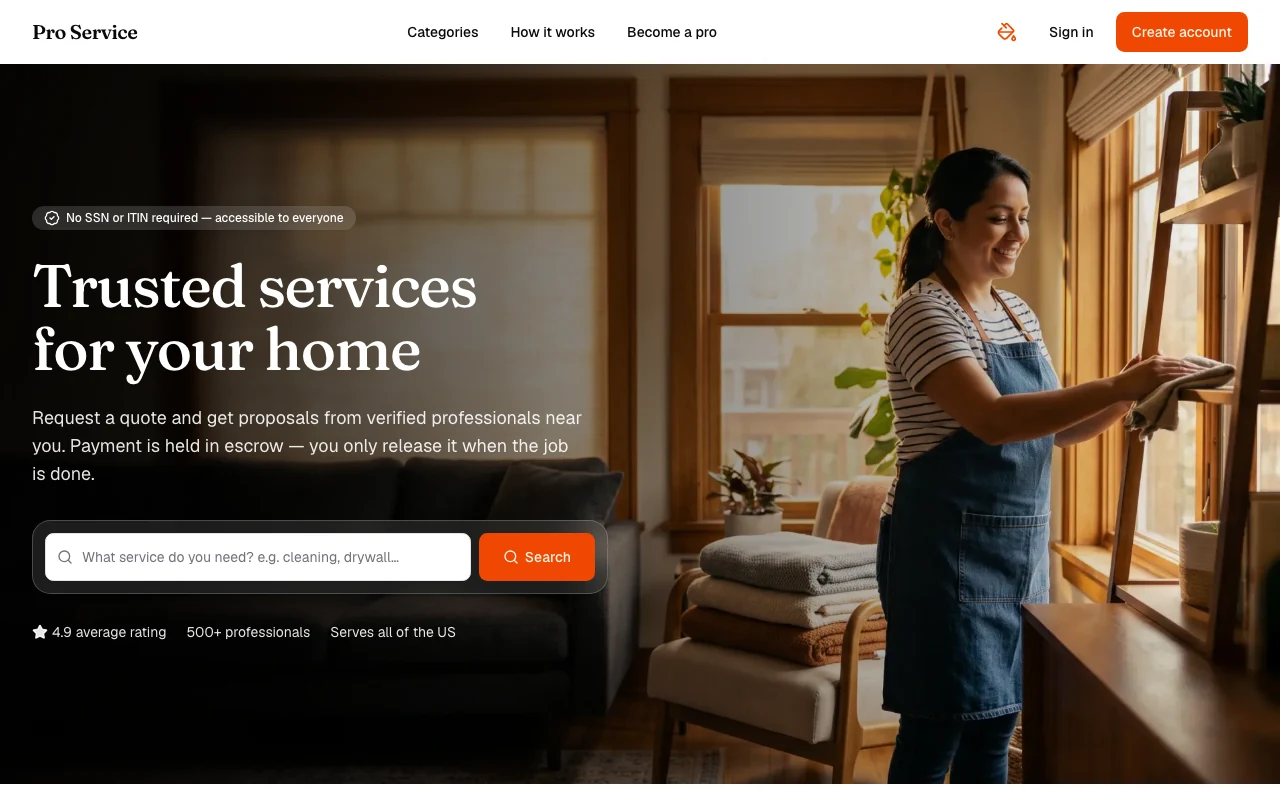
Pro Service
Find verified home service professionals, compare quotes, and pay securely through escrow - built for Brazilians across the US 🏠
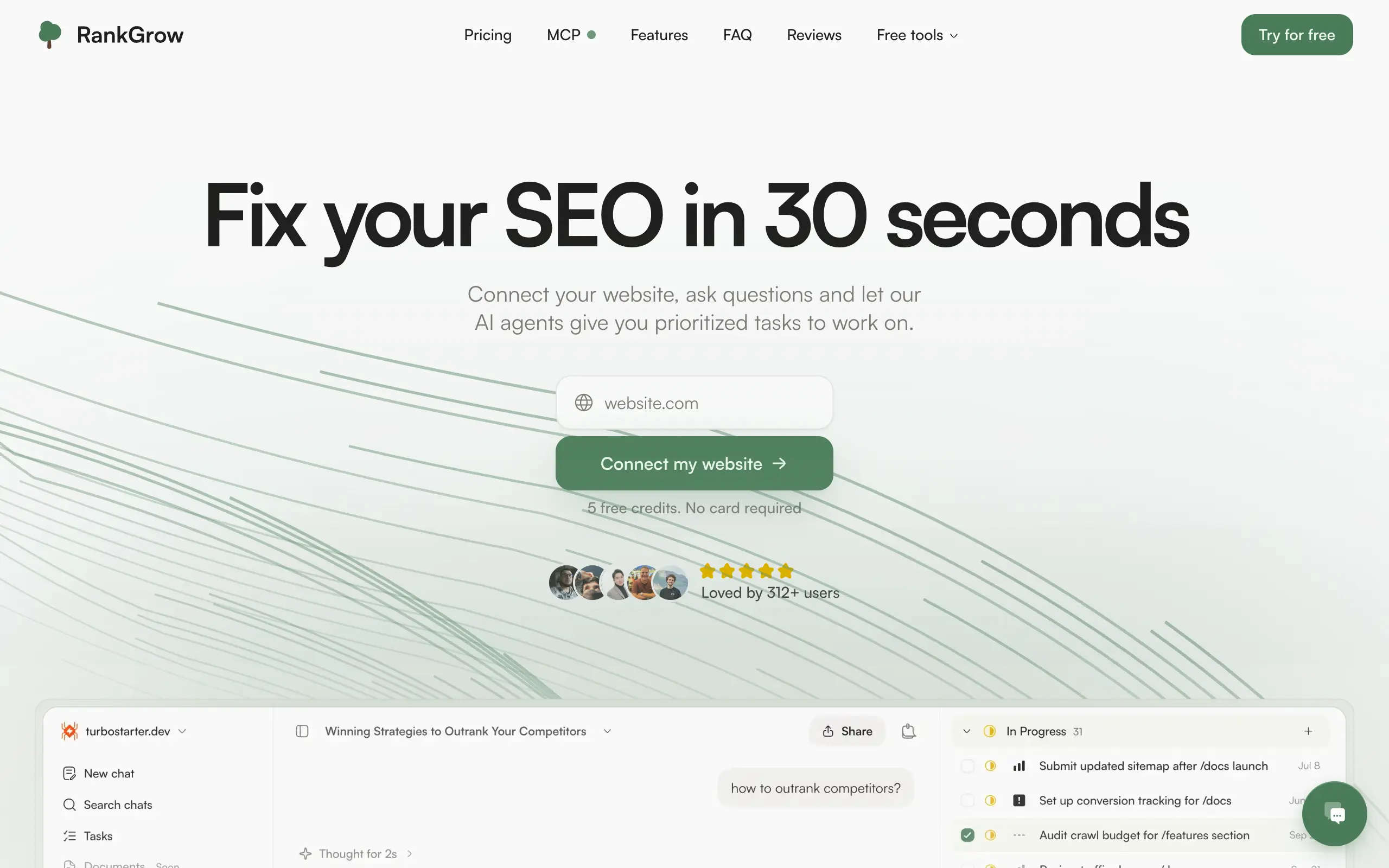
RankGrow
Fix your SEO with AI agents - connect Search Console, get prioritized tasks, and grow organic traffic 📈
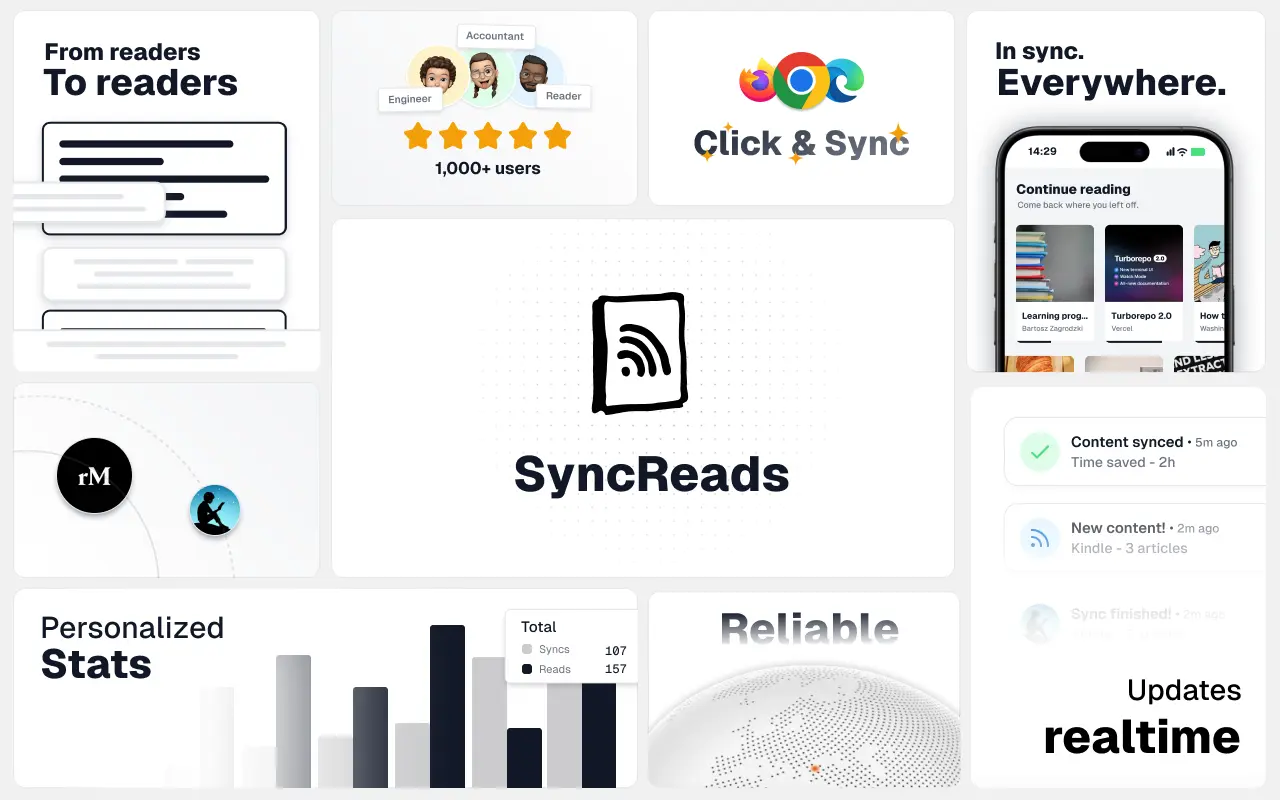
SyncReads
Sync your favorite content for distraction-free reading, save time and replace multiple apps. Anytime, anywhere 🔄
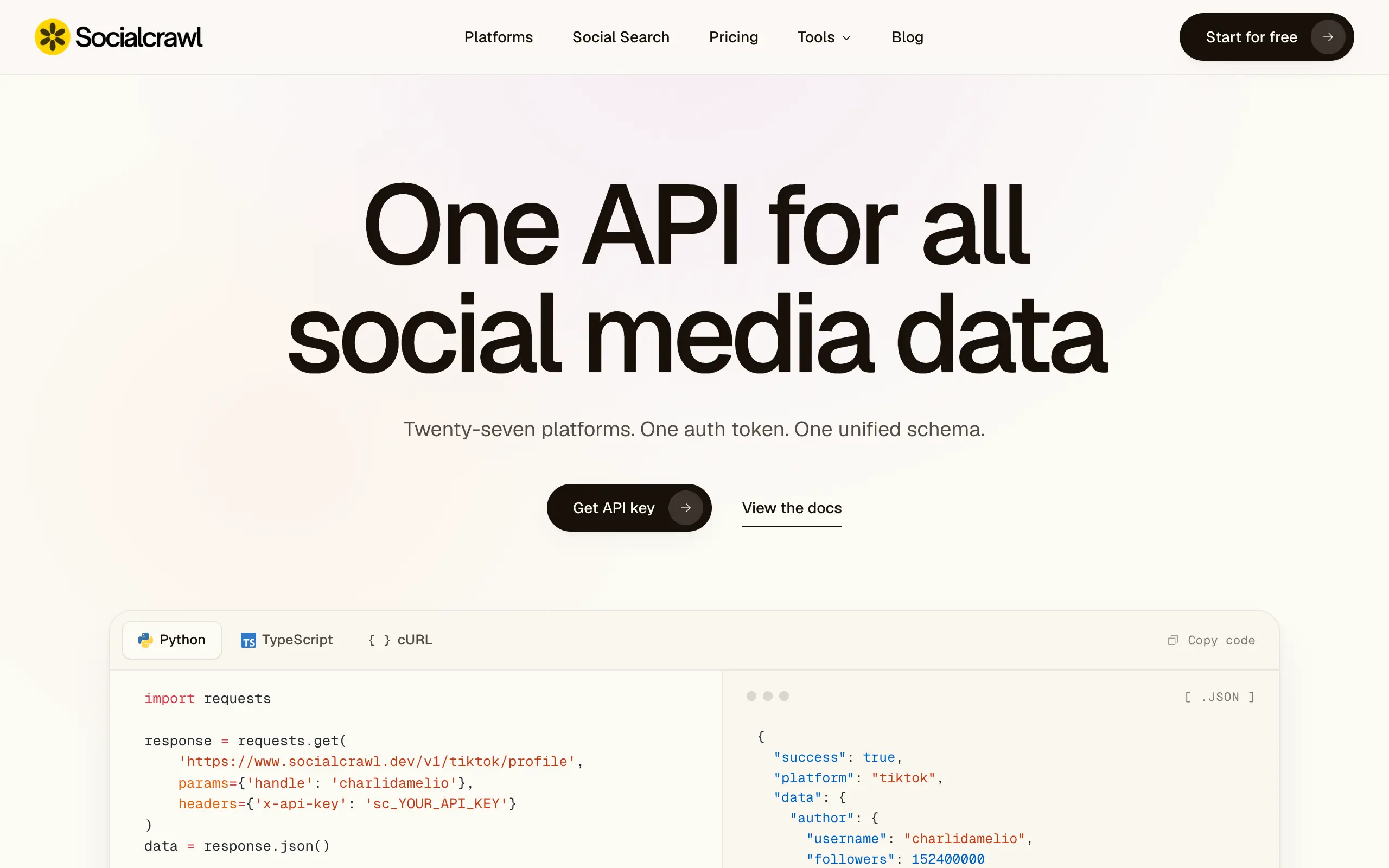
Socialcrawl
Get clean, structured data from 21 platforms like TikTok, Instagram, and YouTube with a single request 📊
Statiko
Monitor any Telegram channel in real time - track posts, edits, deletions, and growth with AI recaps 📡
Shibui
AI website builder - describe your business, pick a niche template, edit by chatting, and publish instantly ✨
Pro Service
Find verified home service professionals, compare quotes, and pay securely through escrow - built for Brazilians across the US 🏠
RankGrow
Fix your SEO with AI agents - connect Search Console, get prioritized tasks, and grow organic traffic 📈
SyncReads
Sync your favorite content for distraction-free reading, save time and replace multiple apps. Anytime, anywhere 🔄
Socialcrawl
Get clean, structured data from 21 platforms like TikTok, Instagram, and YouTube with a single request 📊
Statiko
Monitor any Telegram channel in real time - track posts, edits, deletions, and growth with AI recaps 📡
Shibui
AI website builder - describe your business, pick a niche template, edit by chatting, and publish instantly ✨
Pro Service
Find verified home service professionals, compare quotes, and pay securely through escrow - built for Brazilians across the US 🏠
RankGrow
Fix your SEO with AI agents - connect Search Console, get prioritized tasks, and grow organic traffic 📈
SyncReads
Sync your favorite content for distraction-free reading, save time and replace multiple apps. Anytime, anywhere 🔄
Socialcrawl
Get clean, structured data from 21 platforms like TikTok, Instagram, and YouTube with a single request 📊
Statiko
Monitor any Telegram channel in real time - track posts, edits, deletions, and growth with AI recaps 📡
Shibui
AI website builder - describe your business, pick a niche template, edit by chatting, and publish instantly ✨
Pro Service
Find verified home service professionals, compare quotes, and pay securely through escrow - built for Brazilians across the US 🏠
RankGrow
Fix your SEO with AI agents - connect Search Console, get prioritized tasks, and grow organic traffic 📈
SyncReads
Sync your favorite content for distraction-free reading, save time and replace multiple apps. Anytime, anywhere 🔄
Socialcrawl
Get clean, structured data from 21 platforms like TikTok, Instagram, and YouTube with a single request 📊
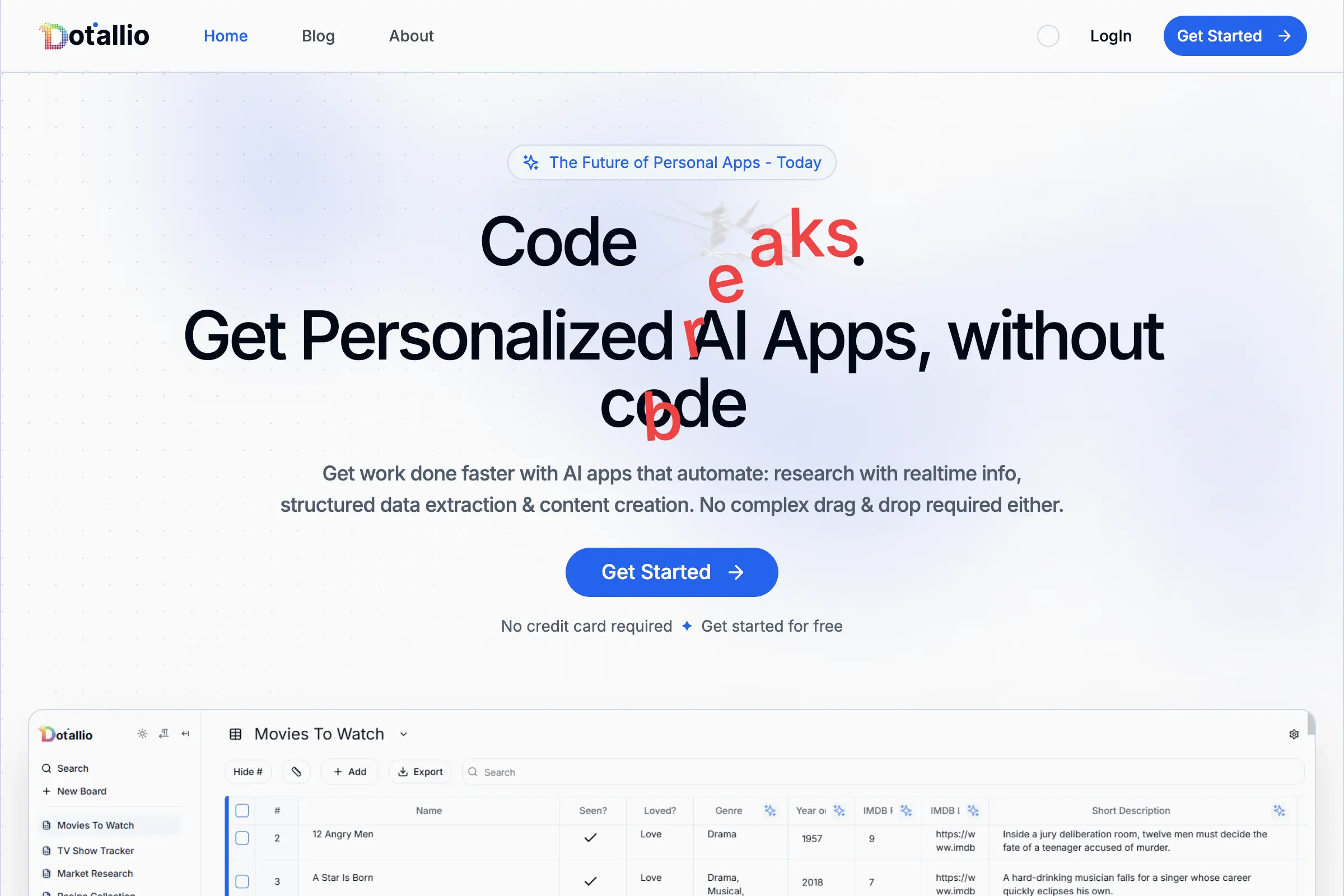
Dotallio
Personalized AI apps that automate research, data extraction, and content creation without code 🤖
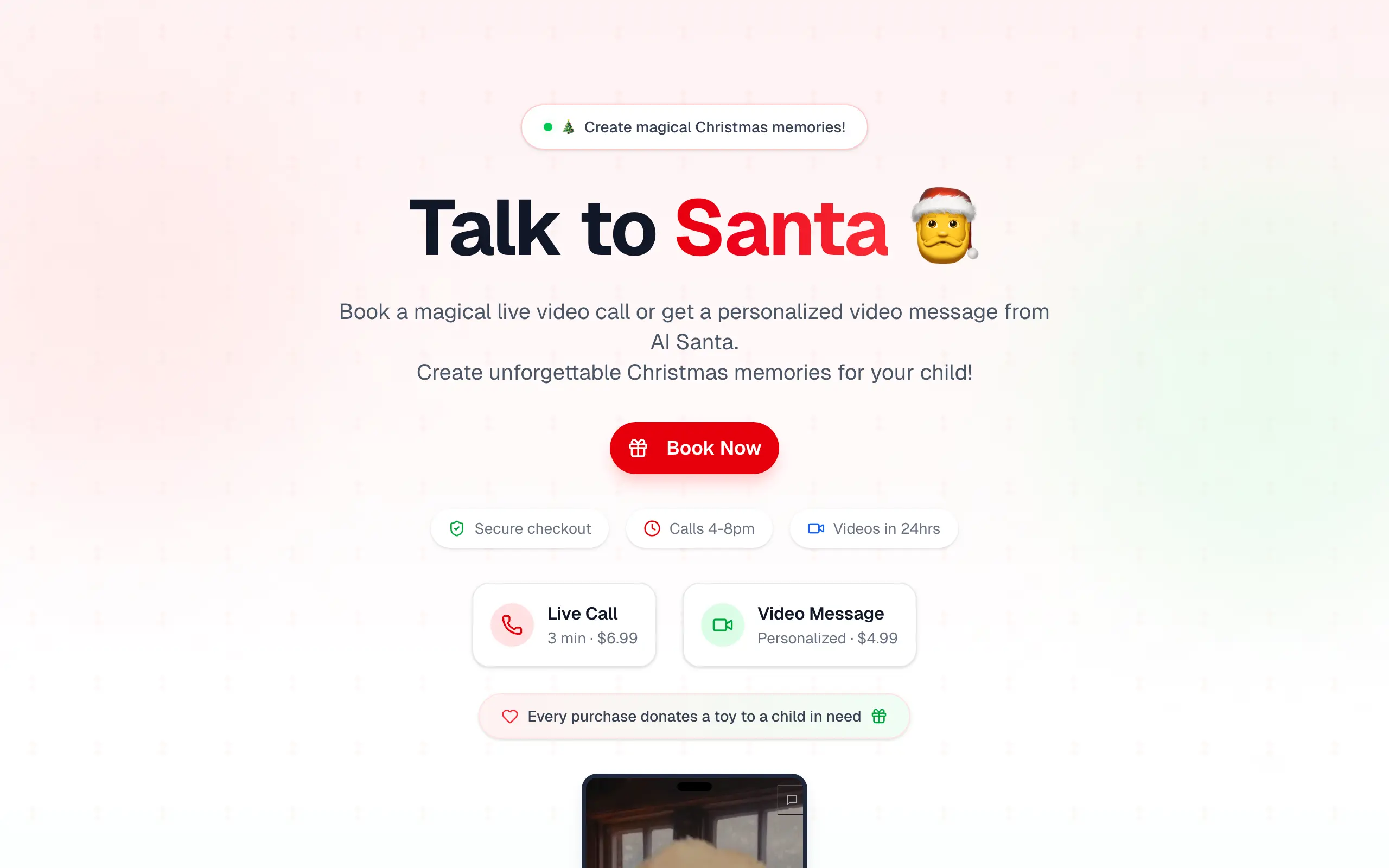
Talk to Santa
Enjoy a magical live video chat or receive a unique AI-generated video greeting from Santa Claus 🎅

pozywka.pl
Scalable blog for food journalist, focused on performance and user experience 🌭
zagrodzki.me
Personal blog and portfolio of Bart Zagrodzki, where he shares his knowledge and work 💼
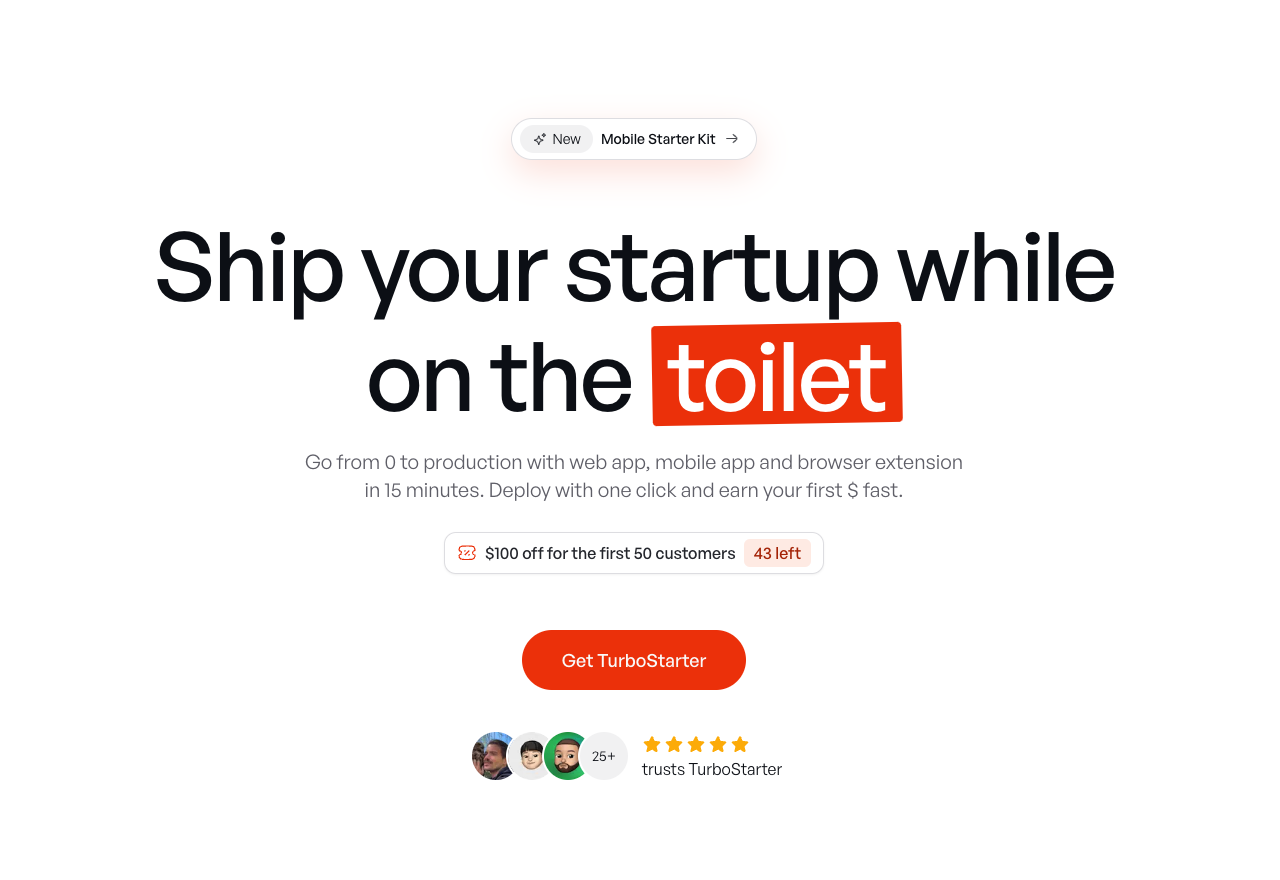
TurboStarter
Ship your startup everywhere. In minutes.
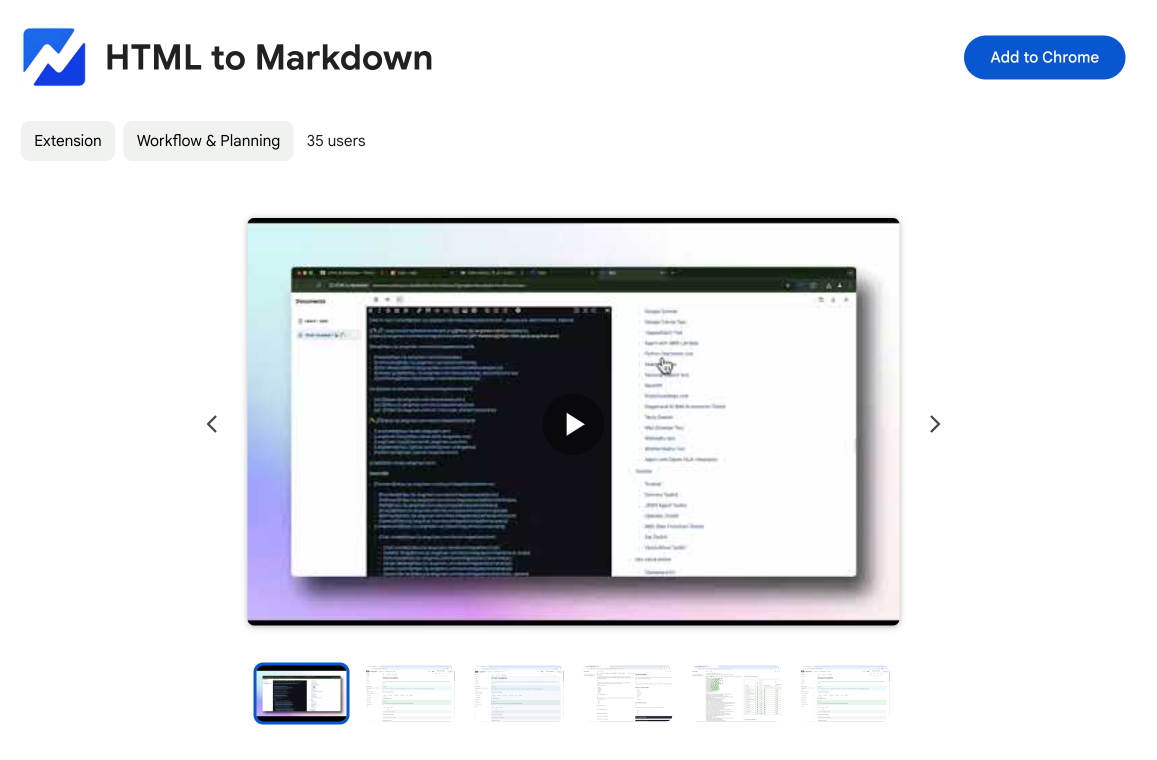
HTML to Markdown
Convert HTML to Markdown with ease, directly in your browser 📄
Dotallio
Personalized AI apps that automate research, data extraction, and content creation without code 🤖
Talk to Santa
Enjoy a magical live video chat or receive a unique AI-generated video greeting from Santa Claus 🎅
pozywka.pl
Scalable blog for food journalist, focused on performance and user experience 🌭
zagrodzki.me
Personal blog and portfolio of Bart Zagrodzki, where he shares his knowledge and work 💼
TurboStarter
Ship your startup everywhere. In minutes.
HTML to Markdown
Convert HTML to Markdown with ease, directly in your browser 📄
Dotallio
Personalized AI apps that automate research, data extraction, and content creation without code 🤖
Talk to Santa
Enjoy a magical live video chat or receive a unique AI-generated video greeting from Santa Claus 🎅
pozywka.pl
Scalable blog for food journalist, focused on performance and user experience 🌭
zagrodzki.me
Personal blog and portfolio of Bart Zagrodzki, where he shares his knowledge and work 💼
TurboStarter
Ship your startup everywhere. In minutes.
HTML to Markdown
Convert HTML to Markdown with ease, directly in your browser 📄
Dotallio
Personalized AI apps that automate research, data extraction, and content creation without code 🤖
Talk to Santa
Enjoy a magical live video chat or receive a unique AI-generated video greeting from Santa Claus 🎅
pozywka.pl
Scalable blog for food journalist, focused on performance and user experience 🌭
zagrodzki.me
Personal blog and portfolio of Bart Zagrodzki, where he shares his knowledge and work 💼
TurboStarter
Ship your startup everywhere. In minutes.
HTML to Markdown
Convert HTML to Markdown with ease, directly in your browser 📄
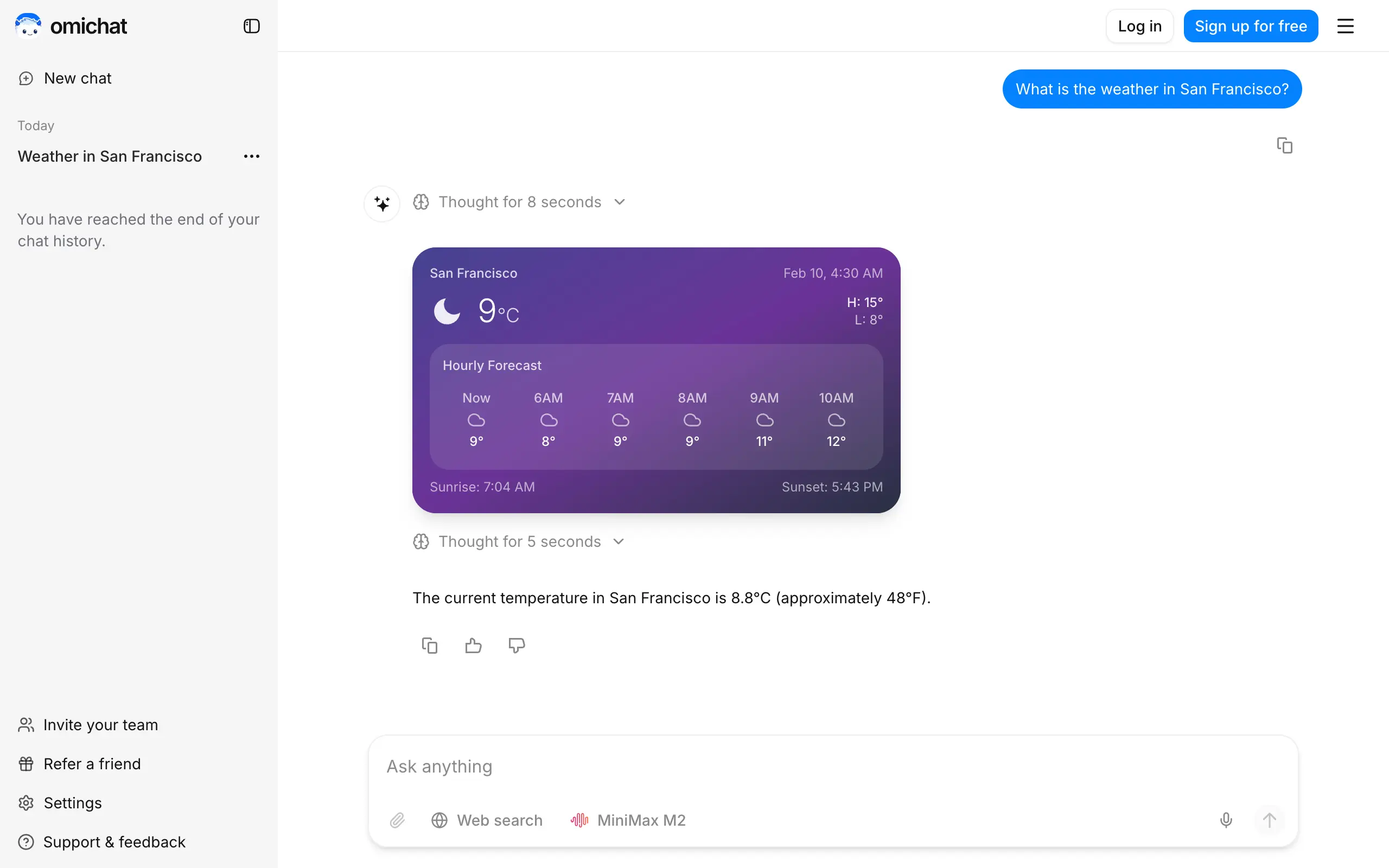
Omichat
Chat with 50+ AI models, including ChatGPT and Claude, in one place - switch models anytime without losing context 🤖
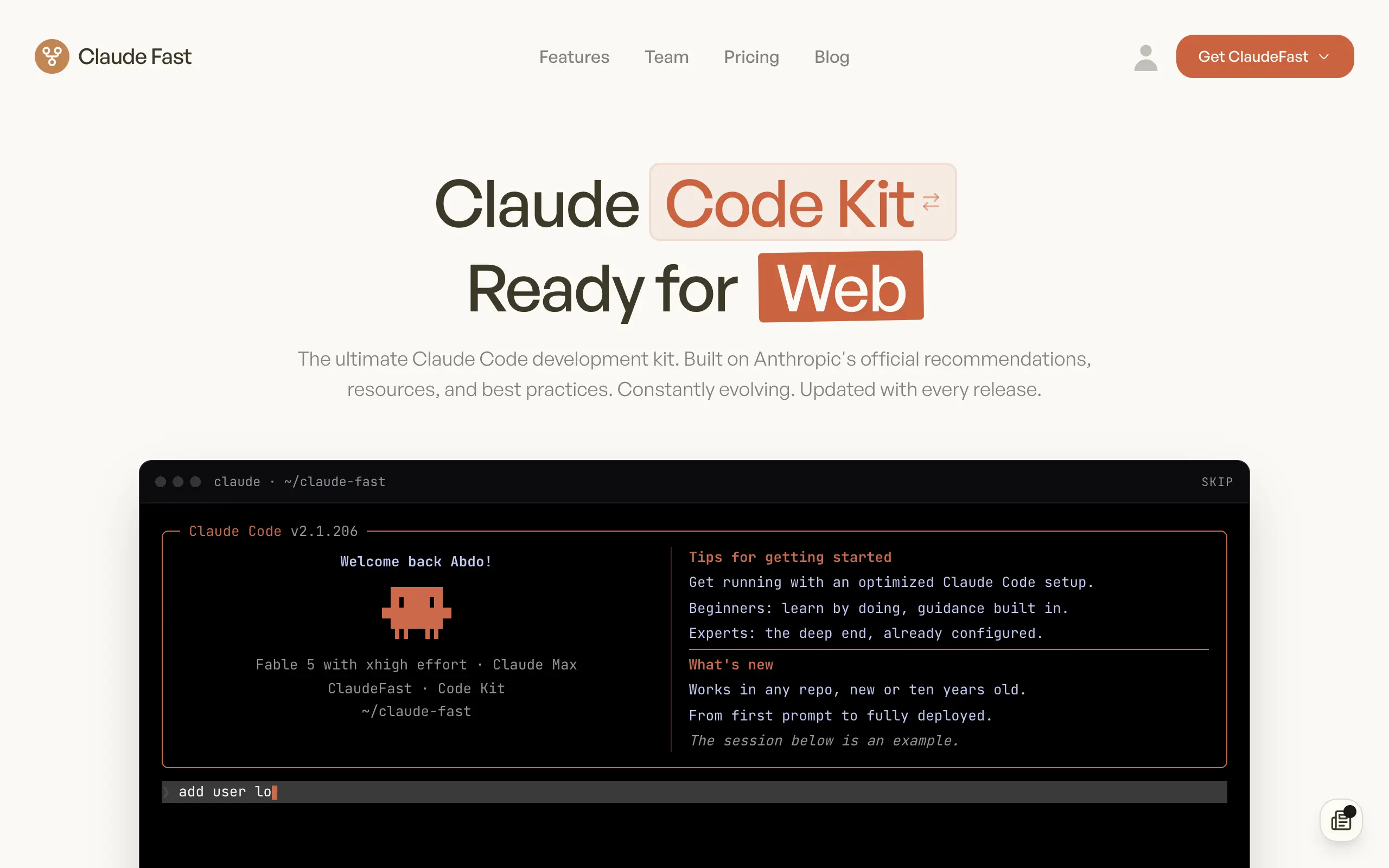
Claude Fast
Supercharge your Claude Code with 6x effective context window and specialized AI agents 🤖
EmojAI
AI-powered emoji picker with smart, context-aware suggestions 🤖
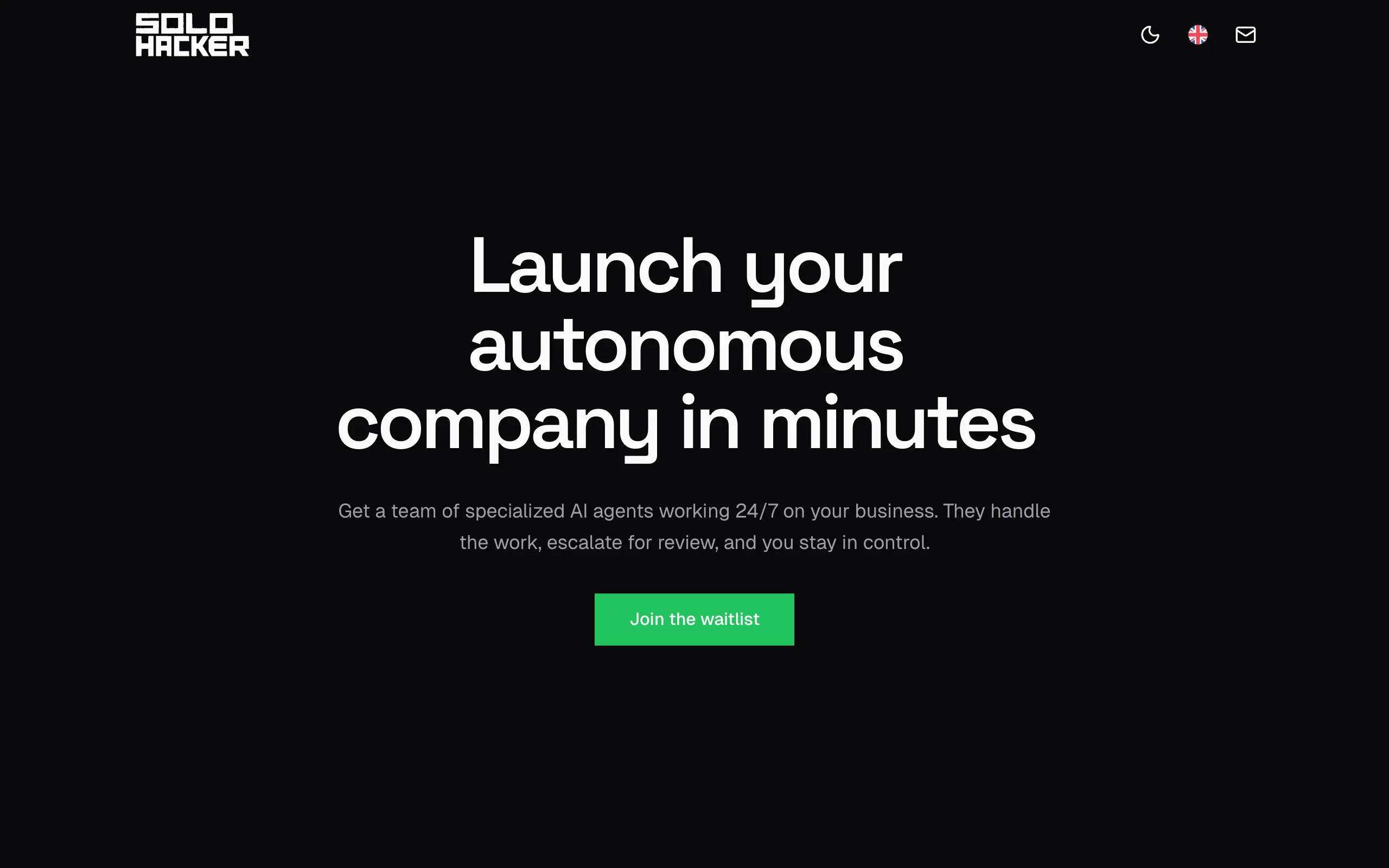
Solohacker
Autonomous company launcher - AI agents work 24/7, escalate what matters, and you stay in control 🤖

BeRawi: Storytelling Coach
Practice storytelling daily with instant feedback to sound clearer, more engaging, and confident 🎤
Omichat
Chat with 50+ AI models, including ChatGPT and Claude, in one place - switch models anytime without losing context 🤖
Claude Fast
Supercharge your Claude Code with 6x effective context window and specialized AI agents 🤖
EmojAI
AI-powered emoji picker with smart, context-aware suggestions 🤖
Solohacker
Autonomous company launcher - AI agents work 24/7, escalate what matters, and you stay in control 🤖
BeRawi: Storytelling Coach
Practice storytelling daily with instant feedback to sound clearer, more engaging, and confident 🎤
Omichat
Chat with 50+ AI models, including ChatGPT and Claude, in one place - switch models anytime without losing context 🤖
Claude Fast
Supercharge your Claude Code with 6x effective context window and specialized AI agents 🤖
EmojAI
AI-powered emoji picker with smart, context-aware suggestions 🤖
Solohacker
Autonomous company launcher - AI agents work 24/7, escalate what matters, and you stay in control 🤖
BeRawi: Storytelling Coach
Practice storytelling daily with instant feedback to sound clearer, more engaging, and confident 🎤
Omichat
Chat with 50+ AI models, including ChatGPT and Claude, in one place - switch models anytime without losing context 🤖
Claude Fast
Supercharge your Claude Code with 6x effective context window and specialized AI agents 🤖
EmojAI
AI-powered emoji picker with smart, context-aware suggestions 🤖
Solohacker
Autonomous company launcher - AI agents work 24/7, escalate what matters, and you stay in control 🤖
BeRawi: Storytelling Coach
Practice storytelling daily with instant feedback to sound clearer, more engaging, and confident 🎤

Connect with like-minded people
Join our community to get feedback, support, and grow together with 1,000+ builders on board, let's ship it!
Join usShip your startup everywhere. In minutes.
Don't burn tokens on setup and start building features on day one.