PasarPintar
A smart marketplace assistant for small Indonesian businesses, using AI to optimize inventory management, pricing strategies, and customer engagement. It helps local vendors increase sales and reduce waste by analyzing market trends and consumer behavior.
Empowering Small Businesses with AI-Driven Market Insights
Small businesses have unique challenges in a rapidly shifting marketplace. This solution is designed for businesses operating in Indonesia, which often struggle with inventory management, pricing strategies, and customer engagement. By leveraging advanced AI algorithms, the platform delivers actionable insights and recommendations, helping entrepreneurs and store owners grow their operations efficiently. In this article, we dive into the key aspects that make such an initiative a game changer.
Target Audience and User Personas
This intelligent marketplace assistant is crafted with a diverse group of users in mind:
- Small Business Owners: Entrepreneurs running local stores, markets, or online shops can use the tool to fine-tune pricing strategies and optimize stock levels.
- Retail Managers: Those overseeing multiple outlets or franchise owners can monitor trends and adapt quickly to market demands.
- Marketing Teams: Professionals looking for data-driven insights to understand customer behavior and launch targeted campaigns.
- Financial Advisors: Consultants assisting businesses with cost management and revenue forecasting.
Imagine a small retail shop owner who juggles numerous responsibilities. This solution enables them to access AI-driven recommendations that simplify daily decisions—like optimizing current inventory levels, adjusting prices based on demand, or even tailoring marketing messages for seasonal promotions.
By addressing the specific needs of these user groups, the platform helps them harness modern technology to overcome market inefficiencies that have traditionally hindered business growth.
Untapped Market Opportunity
Indonesia's small business sector represents an immense opportunity. With millions of businesses serving a vast and diverse population, modernizing their operations through digital transformation can lead to exponential growth.
Key Market Trends
- Digital Transformation in Southeast Asia: Many small businesses are starting to adopt digital tools, making this a timely addition to their operations.
- Growth of E-commerce: As more consumers shift their shopping behavior online, small businesses need smart solutions to remain competitive.
- Government Initiatives: Local government programs aimed at supporting economic growth create an ecosystem ripe for innovation and technological advancements.
These trends underline the huge market potential, with small businesses eager for a reliable resource to streamline operations and enhance customer engagement. By integrating robust AI systems, the platform not only serves a lucrative market but also drives economic development at a community level.
Did you know?
AI-powered solutions in developing markets are growing steadily, providing small businesses with unprecedented opportunities to level the playing field with larger corporations.
Cutting-Edge Tech Stack
The backbone of this marketplace assistant is a robust tech stack designed for speed, reliability, and scalability. Here's how each component contributes:
-
Front-End:
Modern frameworks such as React or Vue ensure dynamic and interactive user interfaces.
Example code snippet:const test = () => { console.log("this is a code snippet!"); } -
Back-End:
Utilizing Node.js or Python-based frameworks for efficient API processing ensures secure and rapid data management. -
AI and Machine Learning:
Python libraries like TensorFlow or PyTorch enable real-time analytics and prediction models that provide customized recommendations. -
Database Management:
SQL for structured data and NoSQL systems for handling diverse datasets work in tandem to efficiently store and retrieve data. -
Cloud Infrastructure:
Leveraging cloud services ensures scalable operations, with options like AWS, Google Cloud, or Azure providing the necessary computational power.
When rapid implementation is essential, projects like TurboStarter offer a comprehensive starter kit, drastically accelerating development for web, mobile, or browser-based applications.
Furthermore, a modular design approach means new features and insights can be added without disrupting existing services. This adaptability ensures that the tech stack remains resilient, even as market conditions and user needs evolve.
Monetization Strategy and Revenue Streams
A clear monetization strategy transforms innovative ideas into sustainable businesses. The solution leverages multiple revenue streams to balance sustainable growth with practical value delivery.
Diverse Revenue Models
- Subscription-Based Model:
Offering tiered pricing packages is key. Basic packages provide essential insights while premium tiers deliver more in-depth analytics, real-time recommendations, and access to advanced features. - Usage-Based Fees:
Businesses that generate a high volume of transactions or require more frequent insights can opt for pay-as-you-go models, ensuring that costs align with actual usage. - Freemium Model:
A free, limited version of the platform can attract a broad user base. Once businesses witness the transformative power of the solution, converting to a paid plan becomes a natural progression. - Data Analytics Services:
Aggregated, anonymized data analysis can offer market trends to larger partners or government bodies, creating an additional revenue stream. - Strategic Partnerships:
Collaboration with local financial institutions, digital marketing agencies, or supply chain firms can create bundled service offerings that bring value to all parties involved.
Key Benefits of This Strategy
- Predictable Cash Flow:
Subscription models help maintain a steady revenue base. - Scalability:
The system can easily grow with the user base, transferring costs proportionately. - High User Retention:
By integrating useful tools for everyday business operations, users are likely to remain loyal long-term. - Market Expansion:
The freemium model provides an accessible entry point, making the platform popular among users who are initially cautious about investing in new technology.
Navigating Risks and Mitigation Strategies
Every technology initiative faces certain risks. By identifying and preparing for these challenges, businesses can navigate uncertainties effectively.
Primary Risks
- Adoption Hurdles:
Traditional small business owners may be hesitant to adopt new AI-driven technologies.- Mitigation: Implement user-friendly interfaces and provide extensive user support and training materials.
- Data Privacy and Security:
Handling sensitive business data comes with its own set of challenges, including cybersecurity threats.- Mitigation: Invest in robust encryption methods, regular security audits, and compliance with local data protection regulations.
- Market Competition:
As more players enter the market, maintaining a competitive edge becomes critical.- Mitigation: Continuous innovation and a focus on tailored local insights ensure that the platform remains relevant and beneficial.
- Economic Variability:
Fluctuations in the economic environment of emerging markets like Indonesia can affect purchasing power and market dynamics.- Mitigation: Flexible pricing strategies and diversified revenue streams help absorb market volatility.
Risk Management Practices
- Regular Audits and Feedback Loops:
Consistent monitoring of system performance and user feedback can identify emerging issues promptly. - Partnerships with Cybersecurity Firms:
Outsourcing security audits and vulnerability assessments builds a robust defensive barrier. - Incremental Rollouts:
Phased implementations allow gradual testing and adaptation, reducing the impact of potential issues.
Investment in intuitive UIs, community engagement sessions, and personalized customer support ensures users gradually transition into the digital age.
Partnering with leading cybersecurity experts and implementing state-of-the-art encryption protocols fortify the platform against data breaches.
Competitive Advantages and Unique Selling Propositions
In an increasingly crowded marketplace, standing out requires clear competitive advantages. This solution leverages several crucial differentiators:
Differentiators That Set It Apart
- Localized Insights and AI Customization:
The platform is specifically designed to cater to Indonesian small businesses, factoring in local market trends, consumer behavior, and economic conditions. This localization ensures that recommendations are tailored to real-world challenges. - User-Centric Interface:
By focusing on intuitive design and ease of use, the solution removes barriers to tech adoption, even for those with minimal technical expertise. - Scalability and Flexibility:
A modular architecture allows the solution to evolve quickly, incorporating feedback and emerging trends without extensive downtime. - Data-Driven Decision Making:
Real-time analytics empower business owners to make informed choices, reducing reliance on guesswork. - Cost Efficiency:
The multi-tiered monetization strategy ensures that even small operators can access valuable tools without breaking their budget.
Feature highlight
Local insights tailored to the Indonesian market ensure that every recommendation resonates with the local consumer base.
In-Depth Comparison
While other platforms may offer generic business analytics, this solution's deep dive into specific variables affecting Indonesian markets gives it an edge. Competitors often lack:
- The ability to incorporate local cultural nuances in their recommendations.
- A focus on sustainable growth rather than short-term gains.
- Seamless scalability that accommodates businesses as they expand.
The inherent advantage of using advanced AI means the system continually learns from each interaction, making its recommendations more precise over time. Such a competitive edge is challenging to replicate and provides a significant barrier to entry for potential competitors.
Implementation and Roadmap for Success
Successful deployment of this solution requires a detailed roadmap and clear implementation steps. Here’s how to move forward:
Gradual Rollout Approach
The roadmap is divided into several stages, focusing on iterative development and continuous improvement:
Development Acceleration Options
For teams looking to expedite the initial phases, utilizing resources like TurboStarter can dramatically reduce development time. This comprehensive starter kit streamlines the setup process for web, mobile, and browser extension projects, ensuring that teams can concentrate on building innovative features instead of reinventing the wheel.
Integration Best Practices
- Iterative Releases:
Launching in phases minimizes risks and lets users adapt gradually to new features. - Real-Time Analytics Integration:
Seamlessly incorporate AI insights into user dashboards so that business owners can access actionable data with minimal delay. - Extensive Testing Regimes:
Rigorous quality assurance processes ensure that the platform remains reliable and secure under various operational conditions.
Continuous Improvement and Feedback
The long-term success of this solution hinges on the ability to adapt to user needs and market trends. Establishing a solid feedback loop through in-app surveys, user interviews, and monitoring product usage analytics will help in fine-tuning features and enhancing overall user satisfaction.
Deploying a mix of automated tools and direct customer engagement techniques, such as focus groups and one-on-one interviews, ensures you receive real, actionable insights. This strategy not only improves the service but reinforces user trust and loyalty.
Concluding Implementation Steps
The journey towards building an AI-powered marketplace assistant for Indonesian small businesses is both challenging and rewarding. With a clear understanding of the target audience, a strong market opportunity, and robust risk management strategies, the foundation is set for success. Here’s a summary of the final implementation steps:
- Initial Research and Planning:
- Assess market needs through surveys and interviews.
- Identify critical user requirements and pain points.
- Prototype Development:
- Utilize TurboStarter for rapid prototyping.
- Build an MVP focusing on core functionalities like inventory and pricing optimization.
- Beta Testing and Iteration:
- Launch a controlled beta with select businesses.
- Collect feedback and refine features based on real-world usage.
- Full Scale Launch:
- Implement marketing strategies to drive adoption.
- Ensure robust customer support and detailed onboarding sessions.
- Continuous Assessment:
- Develop an ongoing evaluation plan to integrate user feedback.
- Expand functionalities based on evolving market trends and user demands.
By following these implementation steps, businesses not only lay down a solid technical foundation but also build trust with end-users who increasingly depend on data-driven insights to steer their operations.
In conclusion, this innovative AI solution isn’t just another analytics tool—it represents a dynamic, growth-oriented approach to empowering small businesses. By merging cutting-edge technology with deep market insights, it offers a clear path for traditional retail owners to embrace the digital future. Take the leap into the transformative world of AI and watch as these tailored insights propel your business forward.
This comprehensive analysis, replete with real-world examples, technical insights, and actionable steps, is designed to serve as your go-to resource for understanding and implementing a powerful marketplace assistant. With the right tools and strategies in place, the opportunities for growth are both exciting and limitless.
More 🤖 AI Startup SaaS ideas
Discover more innovative ai startup SaaS ideas that are trending in 2026. Each idea is AI-generated with market validation and growth potential to help you find your next profitable venture faster than competitors.
Your competitors are building with TurboStarter
Below are some of the SaaS ideas that have been generated and built with our starter kit.

Statiko
Monitor any Telegram channel in real time - track posts, edits, deletions, and growth with AI recaps 📡

Shibui
AI website builder - describe your business, pick a niche template, edit by chatting, and publish instantly ✨

Pro Service
Find verified home service professionals, compare quotes, and pay securely through escrow - built for Brazilians across the US 🏠
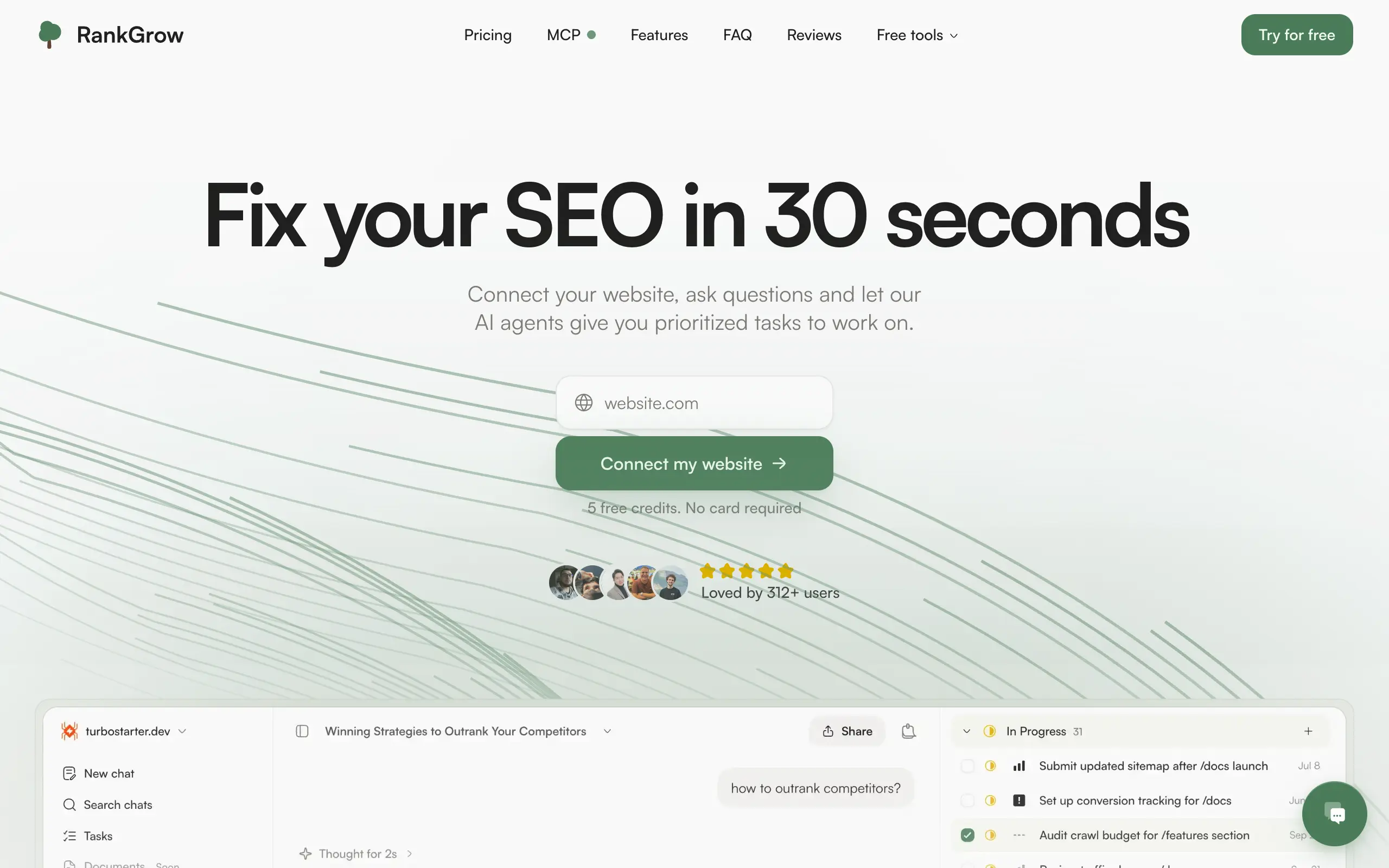
RankGrow
Fix your SEO with AI agents - connect Search Console, get prioritized tasks, and grow organic traffic 📈
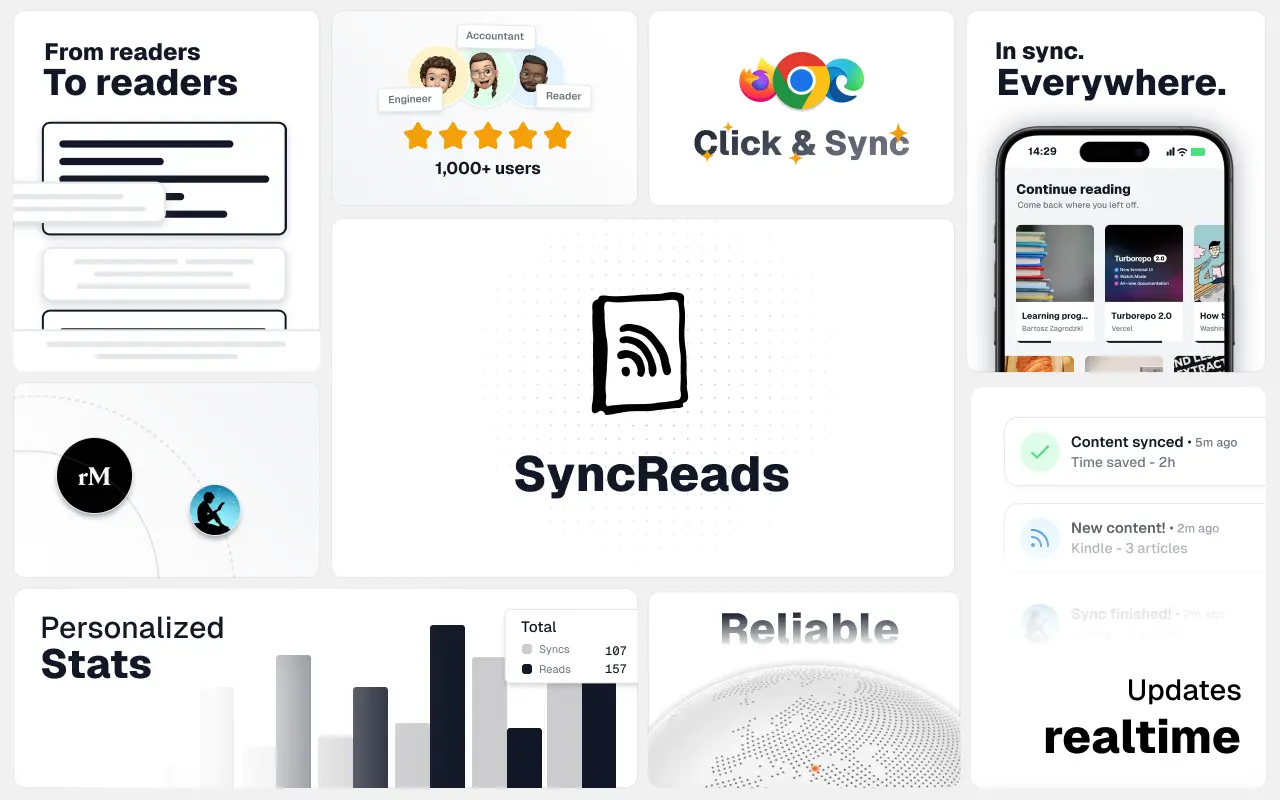
SyncReads
Sync your favorite content for distraction-free reading, save time and replace multiple apps. Anytime, anywhere 🔄
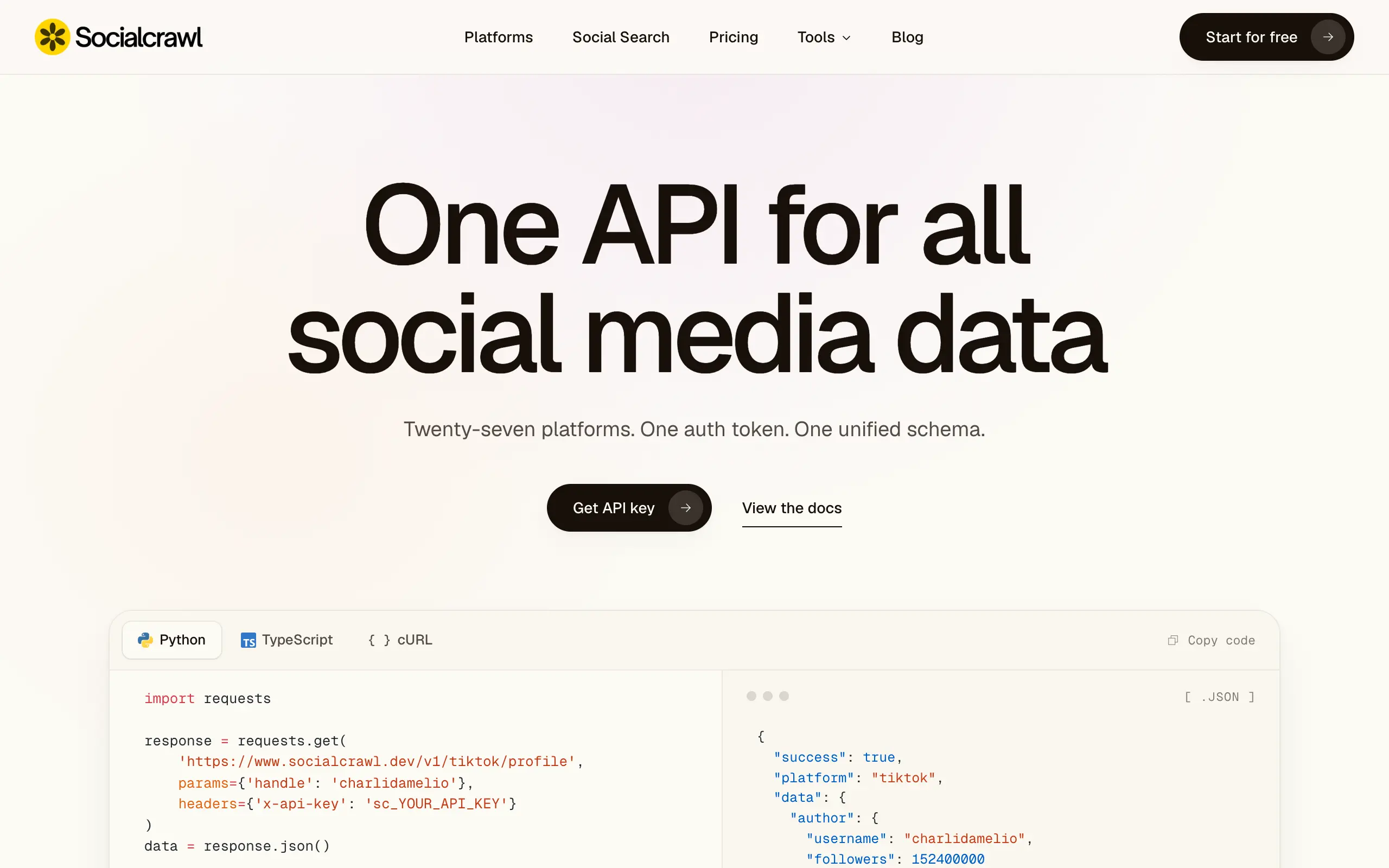
Socialcrawl
Get clean, structured data from 21 platforms like TikTok, Instagram, and YouTube with a single request 📊
Statiko
Monitor any Telegram channel in real time - track posts, edits, deletions, and growth with AI recaps 📡
Shibui
AI website builder - describe your business, pick a niche template, edit by chatting, and publish instantly ✨
Pro Service
Find verified home service professionals, compare quotes, and pay securely through escrow - built for Brazilians across the US 🏠
RankGrow
Fix your SEO with AI agents - connect Search Console, get prioritized tasks, and grow organic traffic 📈
SyncReads
Sync your favorite content for distraction-free reading, save time and replace multiple apps. Anytime, anywhere 🔄
Socialcrawl
Get clean, structured data from 21 platforms like TikTok, Instagram, and YouTube with a single request 📊
Statiko
Monitor any Telegram channel in real time - track posts, edits, deletions, and growth with AI recaps 📡
Shibui
AI website builder - describe your business, pick a niche template, edit by chatting, and publish instantly ✨
Pro Service
Find verified home service professionals, compare quotes, and pay securely through escrow - built for Brazilians across the US 🏠
RankGrow
Fix your SEO with AI agents - connect Search Console, get prioritized tasks, and grow organic traffic 📈
SyncReads
Sync your favorite content for distraction-free reading, save time and replace multiple apps. Anytime, anywhere 🔄
Socialcrawl
Get clean, structured data from 21 platforms like TikTok, Instagram, and YouTube with a single request 📊
Statiko
Monitor any Telegram channel in real time - track posts, edits, deletions, and growth with AI recaps 📡
Shibui
AI website builder - describe your business, pick a niche template, edit by chatting, and publish instantly ✨
Pro Service
Find verified home service professionals, compare quotes, and pay securely through escrow - built for Brazilians across the US 🏠
RankGrow
Fix your SEO with AI agents - connect Search Console, get prioritized tasks, and grow organic traffic 📈
SyncReads
Sync your favorite content for distraction-free reading, save time and replace multiple apps. Anytime, anywhere 🔄
Socialcrawl
Get clean, structured data from 21 platforms like TikTok, Instagram, and YouTube with a single request 📊
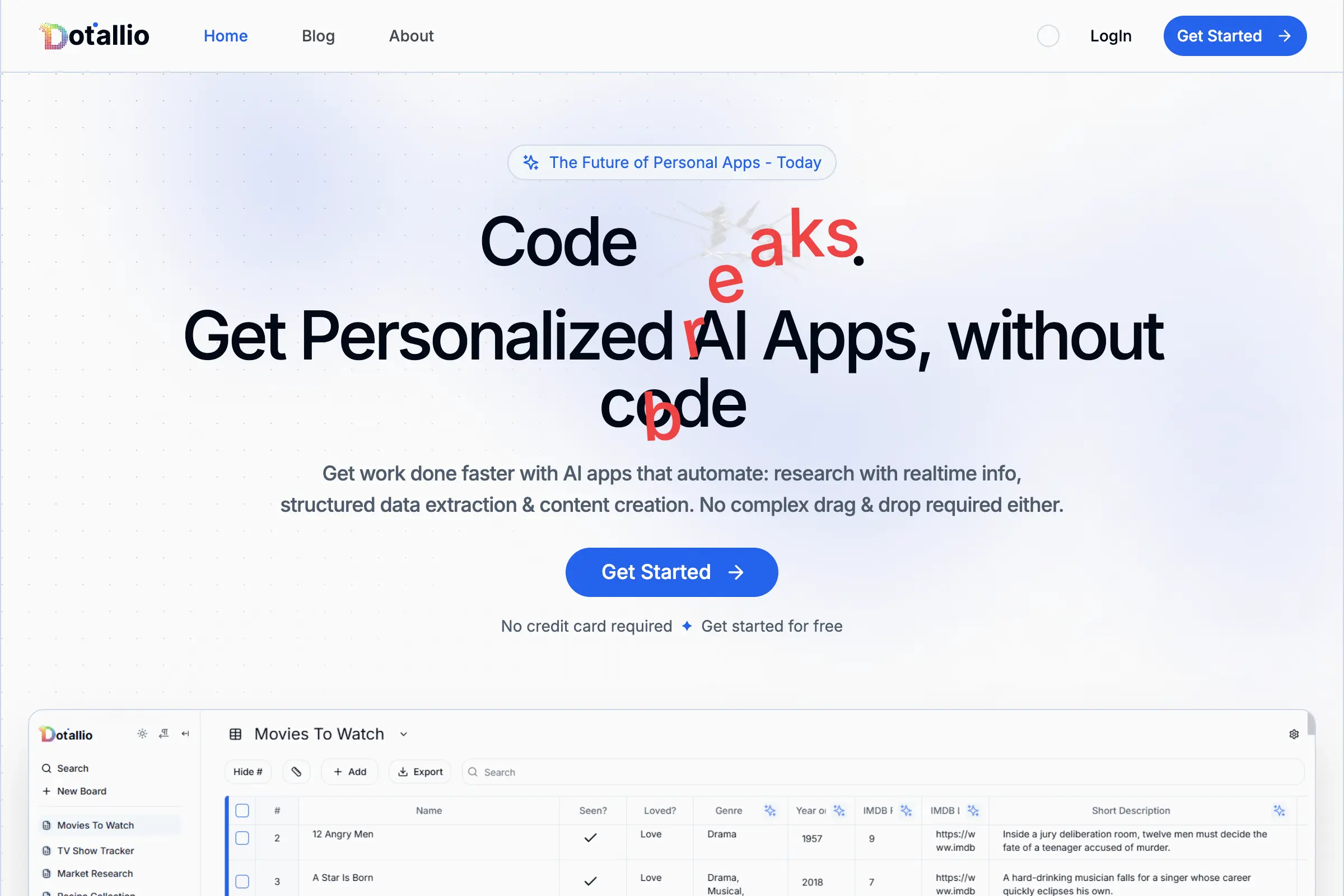
Dotallio
Personalized AI apps that automate research, data extraction, and content creation without code 🤖

Talk to Santa
Enjoy a magical live video chat or receive a unique AI-generated video greeting from Santa Claus 🎅
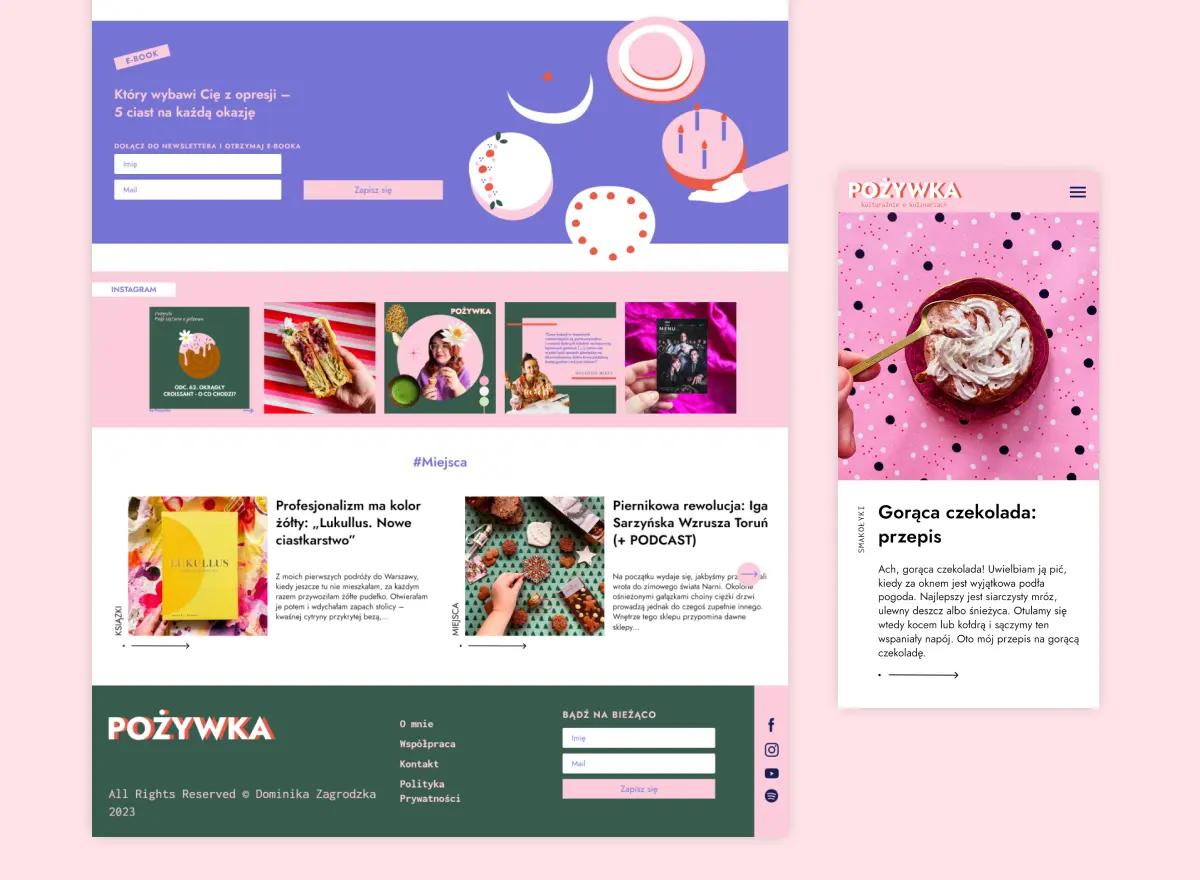
pozywka.pl
Scalable blog for food journalist, focused on performance and user experience 🌭
zagrodzki.me
Personal blog and portfolio of Bart Zagrodzki, where he shares his knowledge and work 💼
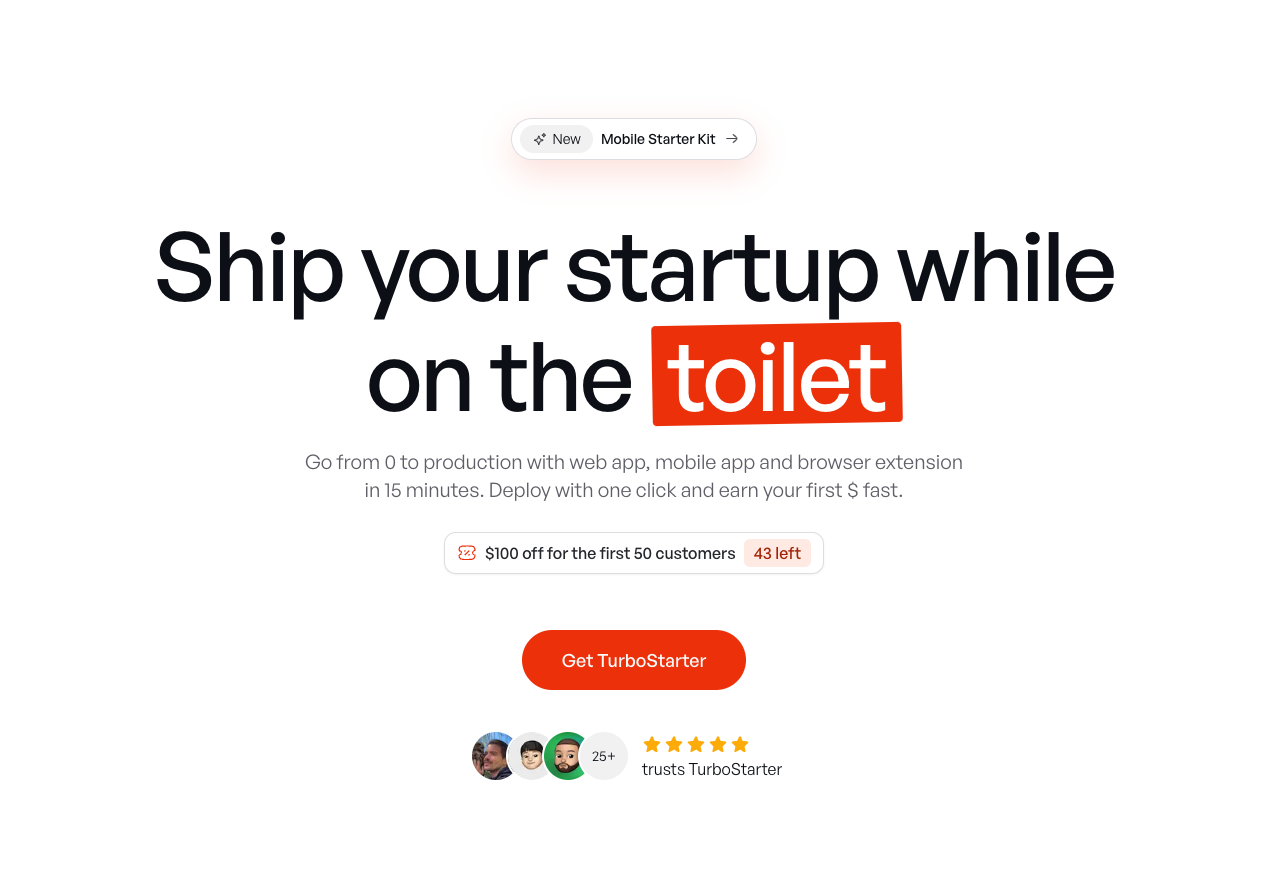
TurboStarter
Ship your startup everywhere. In minutes.
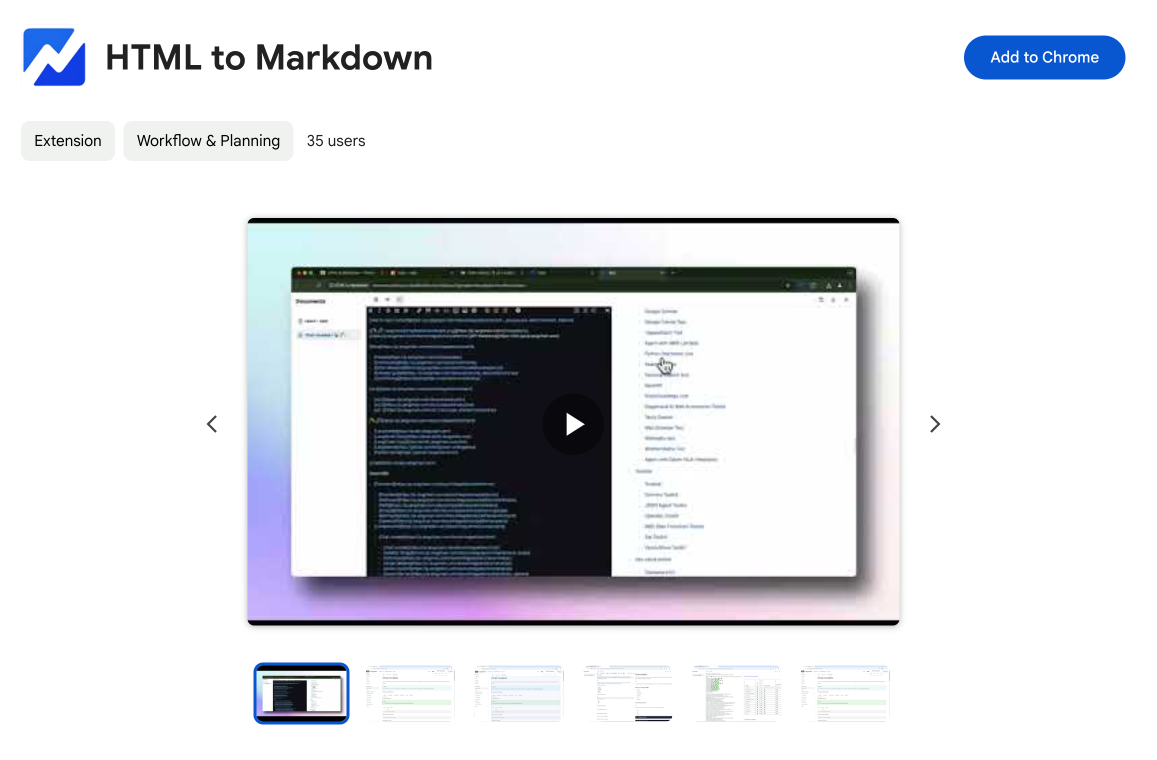
HTML to Markdown
Convert HTML to Markdown with ease, directly in your browser 📄
Dotallio
Personalized AI apps that automate research, data extraction, and content creation without code 🤖
Talk to Santa
Enjoy a magical live video chat or receive a unique AI-generated video greeting from Santa Claus 🎅
pozywka.pl
Scalable blog for food journalist, focused on performance and user experience 🌭
zagrodzki.me
Personal blog and portfolio of Bart Zagrodzki, where he shares his knowledge and work 💼
TurboStarter
Ship your startup everywhere. In minutes.
HTML to Markdown
Convert HTML to Markdown with ease, directly in your browser 📄
Dotallio
Personalized AI apps that automate research, data extraction, and content creation without code 🤖
Talk to Santa
Enjoy a magical live video chat or receive a unique AI-generated video greeting from Santa Claus 🎅
pozywka.pl
Scalable blog for food journalist, focused on performance and user experience 🌭
zagrodzki.me
Personal blog and portfolio of Bart Zagrodzki, where he shares his knowledge and work 💼
TurboStarter
Ship your startup everywhere. In minutes.
HTML to Markdown
Convert HTML to Markdown with ease, directly in your browser 📄
Dotallio
Personalized AI apps that automate research, data extraction, and content creation without code 🤖
Talk to Santa
Enjoy a magical live video chat or receive a unique AI-generated video greeting from Santa Claus 🎅
pozywka.pl
Scalable blog for food journalist, focused on performance and user experience 🌭
zagrodzki.me
Personal blog and portfolio of Bart Zagrodzki, where he shares his knowledge and work 💼
TurboStarter
Ship your startup everywhere. In minutes.
HTML to Markdown
Convert HTML to Markdown with ease, directly in your browser 📄
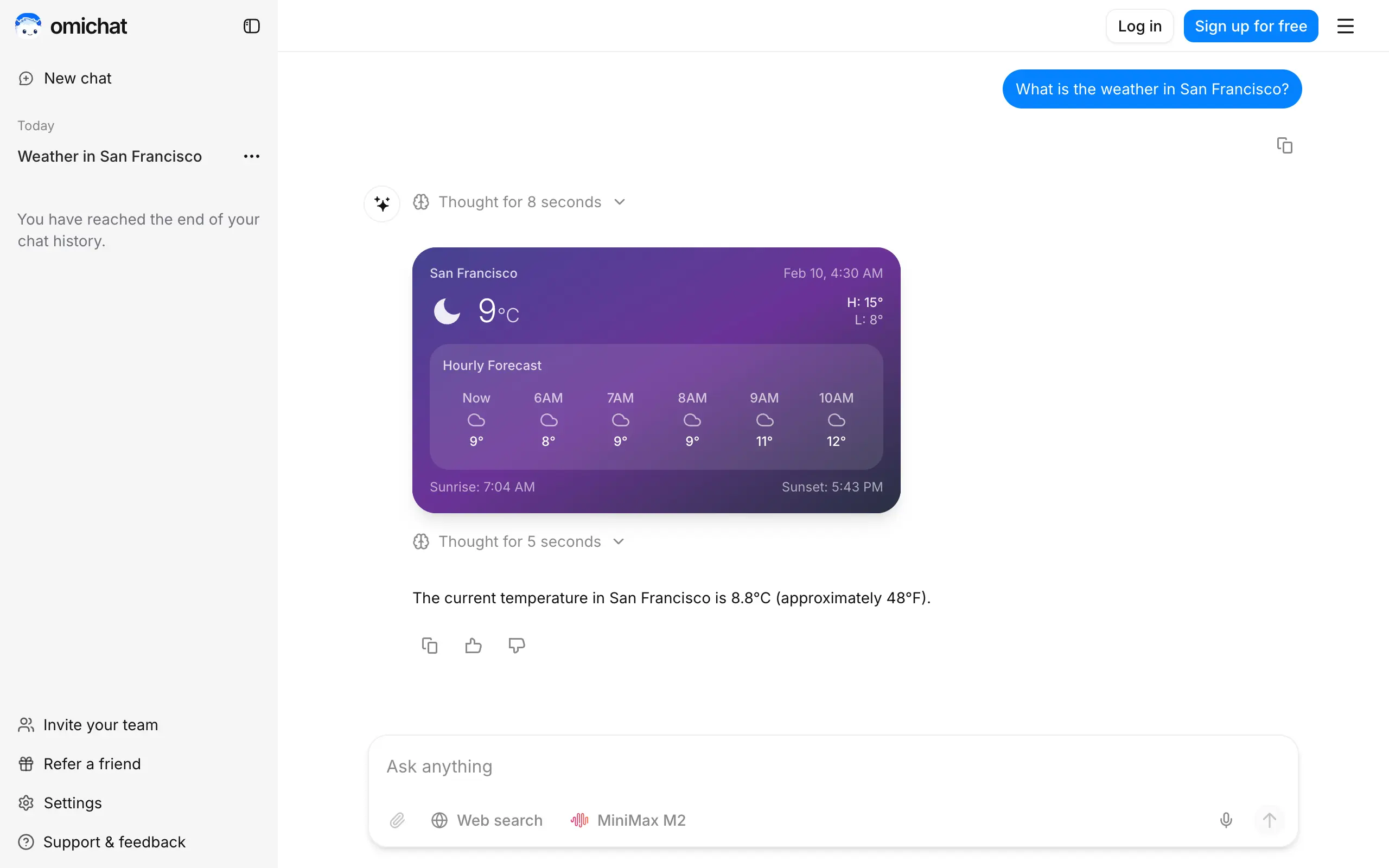
Omichat
Chat with 50+ AI models, including ChatGPT and Claude, in one place - switch models anytime without losing context 🤖
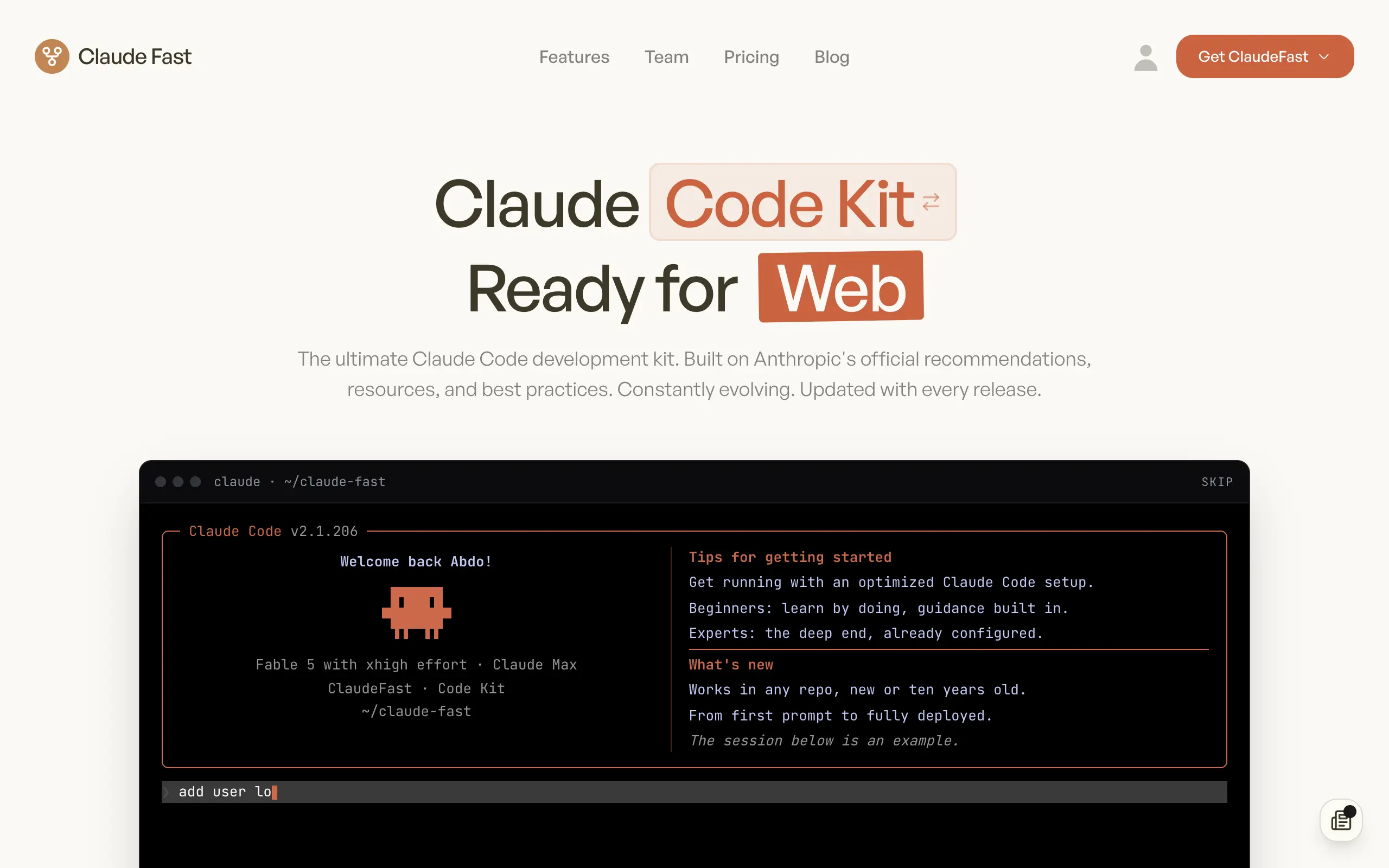
Claude Fast
Supercharge your Claude Code with 6x effective context window and specialized AI agents 🤖
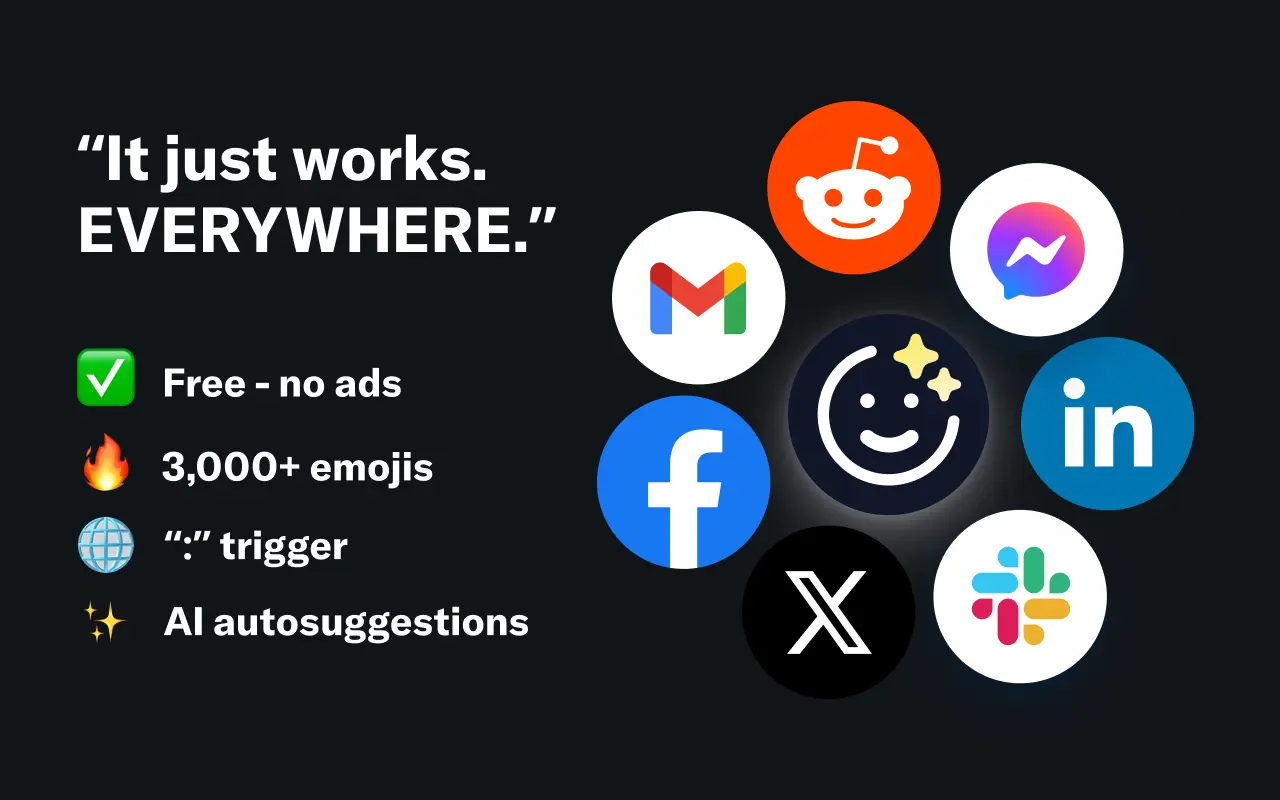
EmojAI
AI-powered emoji picker with smart, context-aware suggestions 🤖

Solohacker
Autonomous company launcher - AI agents work 24/7, escalate what matters, and you stay in control 🤖

BeRawi: Storytelling Coach
Practice storytelling daily with instant feedback to sound clearer, more engaging, and confident 🎤
Omichat
Chat with 50+ AI models, including ChatGPT and Claude, in one place - switch models anytime without losing context 🤖
Claude Fast
Supercharge your Claude Code with 6x effective context window and specialized AI agents 🤖
EmojAI
AI-powered emoji picker with smart, context-aware suggestions 🤖
Solohacker
Autonomous company launcher - AI agents work 24/7, escalate what matters, and you stay in control 🤖
BeRawi: Storytelling Coach
Practice storytelling daily with instant feedback to sound clearer, more engaging, and confident 🎤
Omichat
Chat with 50+ AI models, including ChatGPT and Claude, in one place - switch models anytime without losing context 🤖
Claude Fast
Supercharge your Claude Code with 6x effective context window and specialized AI agents 🤖
EmojAI
AI-powered emoji picker with smart, context-aware suggestions 🤖
Solohacker
Autonomous company launcher - AI agents work 24/7, escalate what matters, and you stay in control 🤖
BeRawi: Storytelling Coach
Practice storytelling daily with instant feedback to sound clearer, more engaging, and confident 🎤
Omichat
Chat with 50+ AI models, including ChatGPT and Claude, in one place - switch models anytime without losing context 🤖
Claude Fast
Supercharge your Claude Code with 6x effective context window and specialized AI agents 🤖
EmojAI
AI-powered emoji picker with smart, context-aware suggestions 🤖
Solohacker
Autonomous company launcher - AI agents work 24/7, escalate what matters, and you stay in control 🤖
BeRawi: Storytelling Coach
Practice storytelling daily with instant feedback to sound clearer, more engaging, and confident 🎤

Connect with like-minded people
Join our community to get feedback, support, and grow together with 1,000+ builders on board, let's ship it!
Join usShip your startup everywhere. In minutes.
Don't burn tokens on setup and start building features on day one.