Patch & Pint
Turn game nights into effortless plans with venue picks, shared wishlists, split bills, and live queues for your friend group.
Why Patch & Pint solves a real social planning problem for developer teams
Developer teams do not lack social options. They lack timely, low-friction reasons to actually meet.
A game launch arrives on Friday, a highly anticipated movie premieres the same week, a local sports fixture creates a perfect pub-night theme, and the team calendar has a rare open evening. Yet these moments often pass without anyone organizing something. The usual reasons are familiar:
- Planning falls to one enthusiastic person.
- Team members use different calendars and chat tools.
- Availability changes faster than a manual poll can be completed.
- Suggestions feel generic instead of tailored to a shared interest.
- Organizers worry about excluding remote colleagues, parents, introverts, or people with different budgets.
Patch & Pint is an AI social planner designed around this exact coordination gap. It turns game releases, movie premieres, team schedules, local events, and availability signals into well-timed developer hangouts, launch nights, co-working sessions, and pub meetups.
The core idea is compelling because it combines three behaviors that already exist:
- Developers follow product launches, games, films, and cultural moments.
- Teams benefit from informal connection beyond standups and retrospectives.
- Most workplace social planning is still manual, fragmented, and poorly personalized.
Instead of being another generic event tool, Patch & Pint can become the social operating layer for engineering culture. It can recognize moments people already care about, recommend an event format, identify the best timing, draft the invitation, collect RSVPs, and learn what each team genuinely enjoys.
Primary opportunity
Patch & Pint should not position itself as a calendar app. Its strongest position is an AI-powered team culture planner that transforms shared interests and relevant launches into low-effort social moments.
Who needs an AI social planner for developer hangouts
The best SaaS products begin with a precise understanding of who experiences the problem, how often it occurs, and what failure looks like. Patch & Pint has several viable customer segments, but it should initially focus on buyers who have both a strong incentive to build team culture and enough organizational structure to pay for software.
Engineering managers and team leads
Engineering managers are a primary audience because they are frequently responsible for team morale, retention, and collaboration without having dedicated event-planning support.
Their problems include:
- Maintaining connection in hybrid and distributed teams.
- Creating inclusive social rituals without spending hours organizing them.
- Avoiding awkward, forced “fun” events.
- Finding suitable occasions around release schedules, sprint milestones, and on-call rotations.
- Giving newer developers easy ways to build relationships across the team.
For this user, the value is not simply “plan a pub night.” The value is consistent, authentic connection with minimal administrative overhead.
A manager might connect Google Calendar or Microsoft 365, add the team’s preferred interests, and receive recommendations such as:
“The new co-op game launches two days after your sprint review. Six of eight team members are free after 6:30 PM. Suggest a casual game-and-pizza night at a nearby venue, with a remote Discord option.”
That is far more actionable than a blank calendar or an unstructured Slack message asking, “Does anyone want to do something next week?”
People operations and culture teams
People operations teams support engagement at scale, especially in organizations with multiple engineering squads, office hubs, or remote regions.
They need tools that can:
- Support local and distributed social events.
- Set budget guidelines and approval workflows.
- Avoid repeated manual coordination.
- Create measurable participation data.
- Encourage cross-functional connection without forcing participation.
- Surface inclusive alternatives for people who do not drink alcohol or attend late-night events.
For this segment, Patch & Pint can evolve from a planner into a lightweight culture engagement platform. It can help a people team understand which event formats have healthy uptake, which offices are underserved, and where event fatigue may be growing.
Startup founders and operations leaders
Early-stage companies often have a strong team identity but few formal systems. Social planning gets handled in chat until growth makes the approach chaotic.
Founders and operations leaders may use Patch & Pint to create repeatable rituals around:
- Major product milestones.
- Release celebrations.
- New-hire welcome events.
- Demo-day watch parties.
- Game, film, or sports releases.
- Quarterly team offsites.
- Coworking and lunch sessions.
This customer values speed, simplicity, and an affordable price. They are likely to adopt a self-serve product with deep Slack integration and a fast setup experience.
Community managers and developer relations teams
Developer relations teams, coworking spaces, gaming communities, and local tech organizers are another promising segment. They regularly create programming for developers and often want a reason to make events feel more relevant than generic networking.
Patch & Pint could help them plan themed gatherings around:
- Major game and hardware launches.
- Developer conference watch parties.
- Movie premieres with technology or gaming relevance.
- Local esports events.
- Product release nights.
- Open-source contribution sessions.
- Hack nights linked to industry news.
This segment may require more public event capabilities, venue tools, and ticketing integrations. It is likely better suited to a later expansion after the workplace use case is validated.
The market gap in team social planning software
The market contains many adjacent tools, but the intersection that Patch & Pint targets remains underserved.
Calendar platforms answer, “When is everyone free?” Event platforms answer, “How do I invite people?” Chat platforms answer, “How do we communicate?” Employee engagement platforms may help with surveys and recognition.
Few products answer the more valuable question:
“What should this specific team do next, and when will it feel naturally relevant?”
That distinction is Patch & Pint’s market gap.
Existing tools are reactive, not proactive
Traditional calendar scheduling requires an organizer to invent the event first. Polling tools require them to suggest date options. Event tools require them to write descriptions, manage attendee lists, and chase confirmations.
Patch & Pint can operate proactively. It can detect contextual triggers, such as a highly anticipated game release, a major movie premiere, the end of a stressful deployment cycle, or a rare overlap in local team availability.
The product then proposes a complete plan rather than another empty workflow.
| Workflow | Traditional calendar | Polling tool | Event platform | Patch & Pint opportunity |
|---|---|---|---|---|
| Find a relevant reason to meet | ❌ | ❌ | ❌ | ✅ |
| Identify realistic timing | ✅ | ✅ | Limited | ✅ |
| Use team interests | ❌ | ❌ | Limited | ✅ |
| Draft and launch the event | ❌ | ❌ | ✅ | ✅ |
| Learn what team members prefer | ❌ | ❌ | Limited | ✅ |
Hybrid work has made spontaneous connection harder
In office-first environments, social connection often happened incidentally. Colleagues went for lunch, discussed a launch near the coffee machine, or decided to visit a pub after work. Hybrid work reduced those spontaneous moments.
At the same time, remote work created a new challenge. Teams need social opportunities that include people regardless of location, time zone, caregiving responsibilities, budget, alcohol preferences, or social energy.
Patch & Pint should treat this as a product principle rather than an edge case. A great AI social planner does not assume every event is an in-person pub night. It recommends the appropriate format based on the team.
Examples include:
- A local pub meetup with a virtual game room for remote teammates.
- A lunchtime movie discussion rather than an evening screening.
- A coffee-and-code session instead of drinks.
- A small-group board game night for teams that avoid large gatherings.
- An asynchronous launch prediction challenge for globally distributed employees.
- A team meal budget that includes delivery credits for remote attendees.
Cultural relevance creates stronger participation
Generic “team bonding” language can feel mandatory or artificial. A social event tied to a real shared interest is easier to join because it has a clear reason to exist.
A developer team might be more enthusiastic about:
- Watching a major science-fiction release.
- Trying a new cooperative game after a release milestone.
- Hosting a retro arcade evening before a company hackathon.
- Meeting for a local sports match.
- Gathering around a technology conference keynote.
- Celebrating a product launch with a themed dinner.
The key is that Patch & Pint makes social planning feel like a natural extension of team identity rather than an HR obligation.
The Patch & Pint product vision and unique selling proposition
Patch & Pint’s unique selling proposition is straightforward:
Patch & Pint uses AI to turn cultural releases, team availability, and shared interests into timely, inclusive developer social events that are ready to approve and attend.
This is more distinctive than “AI event planning.” The product should own the category of context-aware team social planning.
Its intelligence comes from combining data that is usually isolated:
- Team calendars and working patterns.
- Public entertainment and game release calendars.
- Individual opt-in interests.
- Company social policies and budget rules.
- Past event engagement.
- Local venue and transport context.
- Remote participation preferences.
The product should never merely flood a workspace with suggestions. Its role is to deliver a small number of high-confidence recommendations, explain why each one fits, and make approval effortless.
Context-aware timing
Finds openings around sprints, on-call schedules, holidays, and attendee availability.
Interest-led recommendations
Matches game launches, movie releases, and local happenings to opt-in team preferences.
Inclusive event formats
Suggests in-person, hybrid, daytime, alcohol-free, and asynchronous alternatives.
One-click coordination
Drafts invites, creates calendar holds, gathers RSVPs, and posts updates in team chat.
Core features for an AI social planner MVP
The MVP should prove that Patch & Pint can reliably create better social plans than a manager can create manually in Slack. That means solving the full path from inspiration to attendance, while avoiding overly complex event-management features too early.
Team onboarding and preference profiles
The onboarding flow should be short and privacy-conscious. Teams should connect only the tools necessary to get useful recommendations.
Recommended onboarding inputs include:
- Team name and primary location or time zone.
- Work model, such as office-based, hybrid, or remote.
- Connected team calendar.
- Preferred communication channel.
- Social preferences, including games, films, food, sports, coffee, board games, and learning events.
- Constraints, including budget, typical event hours, accessibility needs, and alcohol-free preferences.
- Team size and event frequency goals.
Individual members should be able to provide opt-in preference signals without exposing sensitive personal data to managers. For example, users can select “enjoys co-op games” without revealing a detailed entertainment history.
Release and cultural event intelligence
This feature is the creative engine of Patch & Pint. The platform needs a structured content layer that tracks potentially relevant moments.
Initial sources may include:
- Video game releases and major updates.
- Film and streaming premieres.
- Major developer conferences and keynotes.
- Local sporting events.
- Seasonal occasions and public holidays.
- Company milestones pulled from internal calendars.
- Team release milestones and sprint completions.
The product does not need every release in the world. It needs a high-quality, well-tagged catalog that can support recommendations for the first target audience.
For example, a team with strong interest in cooperative games could receive a recommendation when a relevant title launches. A team that follows science-fiction films could receive a suggestion to book a screening discussion or themed dinner.
Data quality matters
Poor recommendations will erode trust quickly. Start with a narrower, curated release catalog and transparent recommendation explanations before attempting broad automated discovery.
Availability-aware recommendation engine
Availability is where Patch & Pint becomes practically useful. The recommendation engine should assess a team calendar without exposing more information than necessary.
It can calculate:
- Likely attendance windows.
- Meeting density before and after the proposed event.
- On-call and release blackout periods.
- Public holidays and local commute constraints.
- Preferred social hours.
- Time-zone fairness for remote participation.
- Conflicts with existing company events.
A useful recommendation should include a confidence score and a human explanation.
For example:
“Thursday at 6:30 PM has the strongest overlap for the Berlin team. It falls two days after the game launch, avoids the Friday deployment window, and matches the team’s preferred monthly event cadence.”
This explanation is essential. Managers must understand why the AI selected a particular option before they trust it.
AI event brief and invitation generator
Once the system identifies an opportunity, Patch & Pint should generate a practical event brief. This is a major time saver for organizers.
The event brief can contain:
- Suggested title.
- Recommended time and duration.
- Event type.
- Expected audience.
- Budget estimate.
- Venue or virtual platform suggestions.
- Accessibility and inclusion notes.
- A concise invitation message.
- Slack or Microsoft Teams announcement copy.
- Calendar description.
- RSVP deadline.
- Backup plan for low attendance or poor weather.
The AI writing must remain editable. Teams have their own voice, and organizers should be able to choose between casual, concise, or polished invitations.
const eventProposal = {
  title: "Co-op launch night and pizza",
  timing: "Thursday, 6:30 PM to 9:00 PM",
  rationale: [
    "Seven of nine local team members are available",
    "Scheduled after the new co-op game launch",
    "Avoids the Friday production deployment window"
  ],
  format: "Hybrid-friendly pub meetup with a remote Discord room",
  estimatedBudget: "€25 per attendee"
};
RSVP, reminders, and attendance learning
An event recommendation becomes valuable only when it turns into participation. Patch & Pint should make RSVP management lightweight.
Core coordination features should include:
- Calendar holds.
- RSVP statuses.
- Dietary and accessibility notes where appropriate.
- Reminder scheduling.
- Waitlists for capped events.
- Venue capacity tracking.
- Optional anonymous feedback after the event.
- Attendance history and preference learning.
The platform should learn from aggregate outcomes. If Thursday evening events repeatedly have poor attendance, it should reduce confidence in similar future recommendations. If smaller coffee events outperform pub nights for a particular team, that should influence future plans.
Team culture insights dashboard
A dashboard should be useful without becoming surveillance software. The goal is to help teams improve social planning, not rank employees by participation.
Useful aggregate insights include:
- Event attendance trends.
- Most successful formats.
- Preferred days and time windows.
- Engagement by office or team, shown only when privacy thresholds are met.
- Budget usage.
- RSVP-to-attendance conversion.
- Representation of remote and local teammates.
- Frequency of alcohol-free and daytime alternatives.
Avoid presenting individual participation scores. This would undermine trust and make optional social events feel compulsory.
How the Patch & Pint AI recommendation system should work
The strongest technical differentiator is the recommendation engine. It should combine rules, retrieval, and generative AI rather than rely entirely on a large language model.
Use deterministic rules for constraints
Hard constraints should never be left to probabilistic AI behavior.
Examples include:
- Do not propose events during an on-call shift.
- Respect event budgets.
- Avoid calendar conflicts.
- Require accessibility information where venues are suggested.
- Exclude employees who have not opted into social planning.
- Honor quiet hours and local time zones.
- Enforce minimum RSVP thresholds before committing to a venue.
Rules are transparent, testable, and easier to explain.
Use scoring models for recommendation quality
A recommendation score can balance factors such as:
- Interest affinity.
- Calendar overlap.
- Distance or travel friction.
- Event novelty.
- Budget fit.
- Team cadence.
- Historical attendance likelihood.
- Inclusion score.
- Relevance to a release or milestone.
A simplified scoring model could look like this:
type EventScoreInputs = {
  interestAffinity: number;
  availabilityOverlap: number;
  budgetFit: number;
  novelty: number;
  inclusion: number;
  historicalSuccess: number;
};

export function calculateEventScore(input: EventScoreInputs) {
  return (
    input.interestAffinity * 0.25 +
    input.availabilityOverlap * 0.3 +
    input.budgetFit * 0.1 +
    input.novelty * 0.1 +
    input.inclusion * 0.15 +
    input.historicalSuccess * 0.1
  );
}
The actual system should allow weights to vary by organization. A remote-first company may value time-zone fairness more heavily, while an office-based studio may prioritize local attendance and venue distance.
Use generative AI for language and alternatives
Generative AI is ideal for tasks such as:
- Writing invitation copy.
- Summarizing why a plan is recommended.
- Turning a manager’s prompt into an event brief.
- Creating inclusive alternatives.
- Generating themed event ideas.
- Answering questions about a planned gathering.
For example, a manager could ask:
“Plan a low-cost, alcohol-free celebration for our mobile team after the next app release. Half the team is remote.”
Patch & Pint should generate several suitable options while respecting the organization’s constraints.
Create a feedback loop, not a black box
Every recommendation should offer simple feedback:
- “Great suggestion”
- “Wrong timing”
- “Not interested in this theme”
- “Too expensive”
- “Prefer virtual”
- “Show fewer pub events”
This feedback is more useful than trying to infer everything from attendance. It also gives users control over the experience.
Recommended tech stack for Patch & Pint
Patch & Pint needs a stack that supports fast product iteration, reliable integrations, privacy-aware data handling, and AI workflows. For an early-stage SaaS, TypeScript across the application layer offers speed and maintainability.
Recommended application stack
A pragmatic stack could include:
- Next.js for the web application, server rendering, APIs, and product marketing site.
- React for interactive planning, onboarding, calendar views, and dashboards.
- TypeScript for safer integrations and domain modeling.
- Tailwind CSS for rapid, consistent UI development.
- PostgreSQL for relational data such as organizations, users, events, preferences, RSVPs, and audit logs.
- Prisma for database access and schema management.
- Redis for caching, rate limiting, job queues, and short-lived recommendation state.
- OpenAI API or another enterprise-capable LLM provider for content generation and natural-language planning.
- Stripe for subscriptions, metered billing, and invoicing.
- Sentry for production error monitoring and performance diagnostics.
For teams looking to reduce setup time, TurboStarter can provide a faster starting point for building a production-oriented SaaS foundation with authentication, billing patterns, and modern application architecture.
Calendar and communication integrations
Calendar integration is essential, but it is also sensitive. Start with the platforms your target customers already use.
Priority integrations should include:
- Google Calendar through Google Workspace authorization.
- Microsoft Outlook through Microsoft 365 and Microsoft Graph.
- Slack for notifications, RSVP prompts, and event announcements.
- Discord for gaming-oriented and remote developer communities.
- Microsoft Teams as an expansion path for larger organizations.
The first version should request the minimum calendar scope required to identify free or busy availability. It should avoid reading event titles and descriptions unless the customer explicitly enables deeper context.
Trade-offs to consider
A monolithic Next.js application is often the right MVP decision because it reduces deployment and operational complexity. However, calendar sync, venue enrichment, release ingestion, and notifications may eventually require background workers.
A sensible evolution path is:
- Start with Next.js server routes and a managed database.
- Add a durable job queue for sync and notification processing.
- Separate recommendation processing into a dedicated worker when volume grows.
- Introduce event-driven architecture only when integration complexity justifies it.
Do not build microservices too early. The product risk is discovering whether teams want AI social planning, not proving that a distributed architecture can run.
Monetization strategies for Patch & Pint
Patch & Pint has a strong business-to-business SaaS model because the buyer receives direct operational and cultural value. The ideal pricing structure should align with the number of employees or active teams served, while preserving a low-friction entry point.
Freemium plan for small teams
A free plan can help Patch & Pint spread through startups, open-source communities, and developer teams.
Possible free plan limits include:
- One workspace.
- Up to 10 or 15 members.
- One calendar integration.
- A limited number of AI event proposals per month.
- Basic RSVPs and Slack posting.
- Limited event history.
The free tier should be useful enough to create a habit while making the value of automation clear.
Team subscription pricing
A paid Team plan can target startups and small engineering organizations.
Potential inclusions:
- More members and multiple teams.
- Unlimited event proposals.
- Advanced scheduling logic.
- Preference profiles.
- Budget settings.
- Event templates.
- Attendance insights.
- More calendar and chat integrations.
- Custom branding for invitations.
Pricing can be per workspace with member bands, rather than strictly per seat. This may feel fairer for a product where not every employee is a frequent organizer.
Business and enterprise plans
Larger organizations need controls that smaller teams do not.
Enterprise capabilities may include:
- Single sign-on.
- SCIM provisioning.
- Audit logs.
- Data retention controls.
- Custom integrations.
- Role-based permissions.
- Multiple offices and regions.
- Dedicated onboarding.
- Custom support agreements.
- Vendor security documentation.
- Advanced privacy controls.
- Central budget and approval workflows.
An enterprise plan can also include a private release catalog or custom internal milestones. For example, a game studio could connect Patch & Pint to internal shipping schedules and plan team celebrations around approved release phases.
Optional transactional revenue
Transactional revenue should be approached carefully because it can distract from the core SaaS model. Still, it may become useful later.
Potential options include:
- Venue booking referral fees.
- Catering partner commissions.
- Corporate gift card fulfillment.
- Ticketing partner revenue.
- Premium event concierge services.
The product should remain vendor-neutral in recommendations. If sponsorship or commissions influence venue ranking, Patch & Pint must disclose that clearly to retain user trust.
Competitive advantage for Patch & Pint
Patch & Pint can win by becoming much more than a scheduling interface and much more focused than a generic AI assistant.
It starts with cultural triggers, not blank-page planning
Most planning products begin after an organizer decides to host an event. Patch & Pint begins before that point by identifying meaningful reasons for the team to connect.
This creates a fundamentally better user experience. Instead of asking a manager to spend creative energy, the platform delivers a relevant prompt at the right moment.
It understands developer team rhythms
Developer teams have distinct rhythms:
- Sprints and retrospectives.
- Release freezes.
- On-call rotations.
- Incident recovery.
- Demo days.
- Hackathons.
- Conference seasons.
- Product launch cycles.
Patch & Pint can model those rhythms and avoid proposing social events at exactly the wrong time. This domain focus is a defensible advantage over broad event tools.
It treats inclusion as a recommendation requirement
A pub-centered brand can be memorable, but the product must not equate team connection with alcohol or late-night attendance. The “Pint” in the name can represent a relaxed social moment, while the actual product supports many formats.
Patch & Pint should actively recommend alternatives based on team preferences:
- Alcohol-free meetups.
- Daytime activities.
- Remote-friendly sessions.
- Small-group formats.
- Family-friendly events where appropriate.
- Accessible venues.
- Low-cost options.
Teams will trust the product more when it recognizes that belonging does not look the same for every employee.
It learns from outcomes over time
The product becomes more valuable as it learns:
- Which events receive strong RSVP rates.
- Which recommendations are dismissed.
- What times work by office and team.
- Whether virtual alternatives improve participation.
- How budgets affect attendance.
- Which interests create genuine cross-team engagement.
That accumulated preference and outcome data can create a meaningful moat, especially if Patch & Pint presents it through transparent, privacy-respecting recommendations.
Risks and mitigation strategies
Every SaaS concept involving AI, employee data, and calendar integrations carries important risks. Addressing them early improves product trust and makes enterprise sales easier later.
Use least-privilege authorization, collect only the data required for each feature, and clearly explain how availability is calculated. Prefer free/busy data over event content. Make social preference sharing opt-in, offer deletion controls, and document retention policies.
Do not over-notify teams. Limit recommendation frequency, let organizations set event cadence, and learn from RSVP outcomes. Recommend smaller and more varied formats instead of repeatedly suggesting evening pub events.
Combine deterministic rules with curated data and human-editable proposals. Show recommendation rationales, provide quick feedback controls, and introduce a review step before public announcements are posted.
Begin with a focused, reliable content catalog. Store source metadata, track changes, and design the product so recommendations can still be generated from internal milestones and team preferences when external data is incomplete.
Start with the most valuable integrations, isolate provider-specific logic behind adapters, and build comprehensive monitoring for sync failures. Avoid promising every calendar and chat platform in the first release.
Compliance and security cannot be an afterthought
Patch & Pint will likely process employee-related information, even if it avoids sensitive personal data. The product should be designed around privacy by default.
Practical requirements include:
- Encryption in transit and at rest.
- Secure OAuth token storage.
- Data access logging.
- Role-based permission controls.
- Clear consent language.
- Data export and deletion processes.
- Vendor risk documentation.
- Incident response procedures.
- Regular dependency and security review.
For public claims about security, avoid vague promises. State what is actually implemented and update the documentation as the platform matures. Organizations evaluating software will appreciate clear, specific answers.
Go-to-market strategy for Patch & Pint
The best initial go-to-market approach is likely a focused bottom-up strategy aimed at engineering leaders in hybrid startups and scale-ups.
Start with a sharp niche
The initial customer profile could be:
- Technology companies with 20 to 250 employees.
- Hybrid engineering teams.
- Teams using Slack and Google Workspace.
- Organizations with recurring but manually organized social events.
- Companies that care about retention and team cohesion.
- Developer-heavy cultures with interest in games, films, and tech events.
This audience has an immediate pain point, fast purchasing cycles, and strong word-of-mouth potential.
Build distribution around useful content
Patch & Pint can earn organic visibility through content that addresses practical management questions:
- How to plan inclusive developer team events.
- Team-building ideas for hybrid engineering teams.
- How to celebrate a software release without forcing participation.
- Best Slack workflows for team social planning.
- Remote-friendly game night formats.
- How engineering managers can improve team connection.
- Event ideas around major game launches and developer conferences.
For statistics about employee engagement, hybrid work, or retention, cite reputable primary research in the published version. Good sources may include established workplace research providers, academic studies, or official labor datasets. Use current reports and clearly label the publication year, methodology, and region rather than relying on unsupported claims.
Use product-led loops
Patch & Pint has several natural loops:
- An organizer invites coworkers.
- Coworkers see a polished, useful experience.
- A participant creates a new team workspace.
- Event templates spread across departments.
- Community managers use the product for local developer groups.
- Successful events create shareable, privacy-safe recaps.
The product should make it easy for an attendee to become an organizer without requiring a complicated setup process.
An actionable implementation roadmap
A disciplined roadmap will help Patch & Pint validate demand before investing heavily in complex AI and venue infrastructure.
Define the initial customer segment as hybrid engineering teams using Slack and Google Calendar. Interview at least 20 engineering managers, founders, and people leaders about how they currently organize social events, what routinely fails, and which events have achieved the best attendance.
Build a clickable prototype that demonstrates the key flow: connect calendar, select team interests, receive an event recommendation, edit an AI-generated invitation, and post it to Slack. Test the concept before building a broad release-data pipeline.
Launch an MVP with Google Calendar availability, Slack notifications, a curated game and movie release catalog, configurable team preferences, event proposals, RSVP tracking, and basic feedback controls.
Measure activation carefully. A meaningful activation event could be a workspace that connects a calendar, publishes its first event, and receives at least three RSVPs within the first two weeks.
Add recommendation quality improvements based on real behavior, including event timing preferences, remote participation options, budget settings, recurring rituals, and post-event feedback.
Expand to Microsoft 365, Microsoft Teams, multi-office support, enterprise privacy controls, and deeper people operations reporting only after the core planner demonstrates repeatable engagement.
MVP success metrics to track
Patch & Pint should not judge success by signups alone. The product’s value comes from real-world social coordination.
Track metrics such as:
- Workspace activation rate.
- Time from signup to first event proposal.
- Proposal-to-published-event conversion.
- RSVP rate.
- RSVP-to-attendance conversion.
- Percentage of events with remote or inclusive alternatives.
- Repeat organizer rate.
- Monthly events per active workspace.
- Recommendation dismissal reasons.
- Net revenue retention for paid workspaces.
A strong early signal is not merely that managers like the AI-generated ideas. It is that teams repeatedly use those ideas to create events people actually attend.
The long-term opportunity for Patch & Pint
Patch & Pint can begin as an AI social planner for developer hangouts and grow into a broader platform for intentional team connection.
The long-term product may coordinate moments across the employee lifecycle:
- New-hire welcome rituals.
- Milestone celebrations.
- Project kickoffs.
- Cross-team introductions.
- Learning circles.
- Conference watch parties.
- Customer community events.
- Local office programming.
- Team offsites.
- Recognition moments.
However, the initial product should stay tightly focused. The winning experience is not “an AI that can plan any event.” It is an AI that understands a team’s context well enough to say:
“This is the right reason, this is the right time, this is the right format, and here is everything you need to make it happen.”
That is the promise that makes Patch & Pint memorable. It transforms social planning from a neglected administrative task into a reliable team ritual, built around the interests and rhythms that developers already share.
More 🤖 AI Startup SaaS ideas
Discover more innovative ai startup SaaS ideas that are trending in 2026. Each idea is AI-generated with market validation and growth potential to help you find your next profitable venture faster than competitors.
Your competitors are building with TurboStarter
Below are some of the SaaS ideas that have been generated and built with our starter kit.
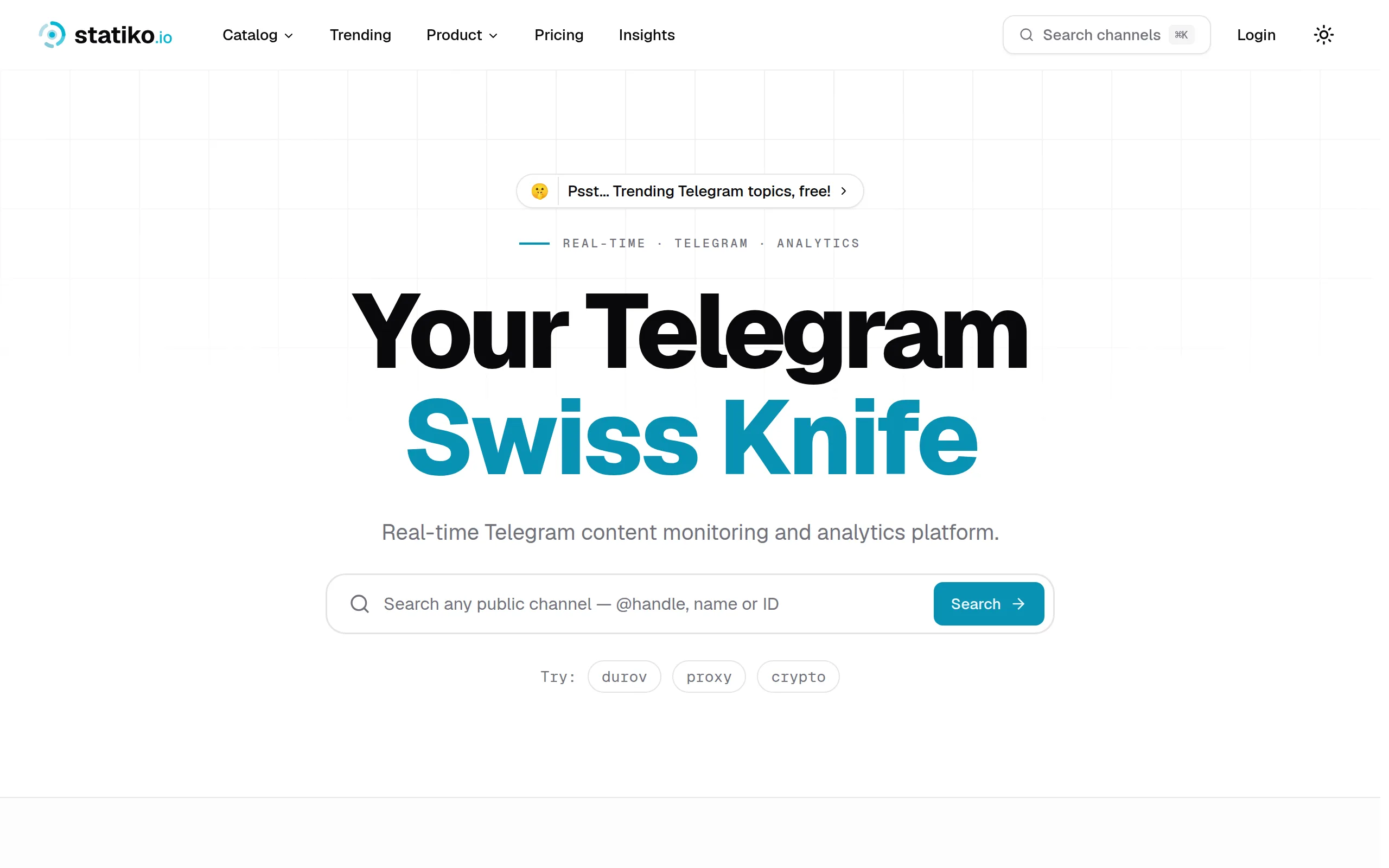
Statiko
Monitor any Telegram channel in real time - track posts, edits, deletions, and growth with AI recaps 📡
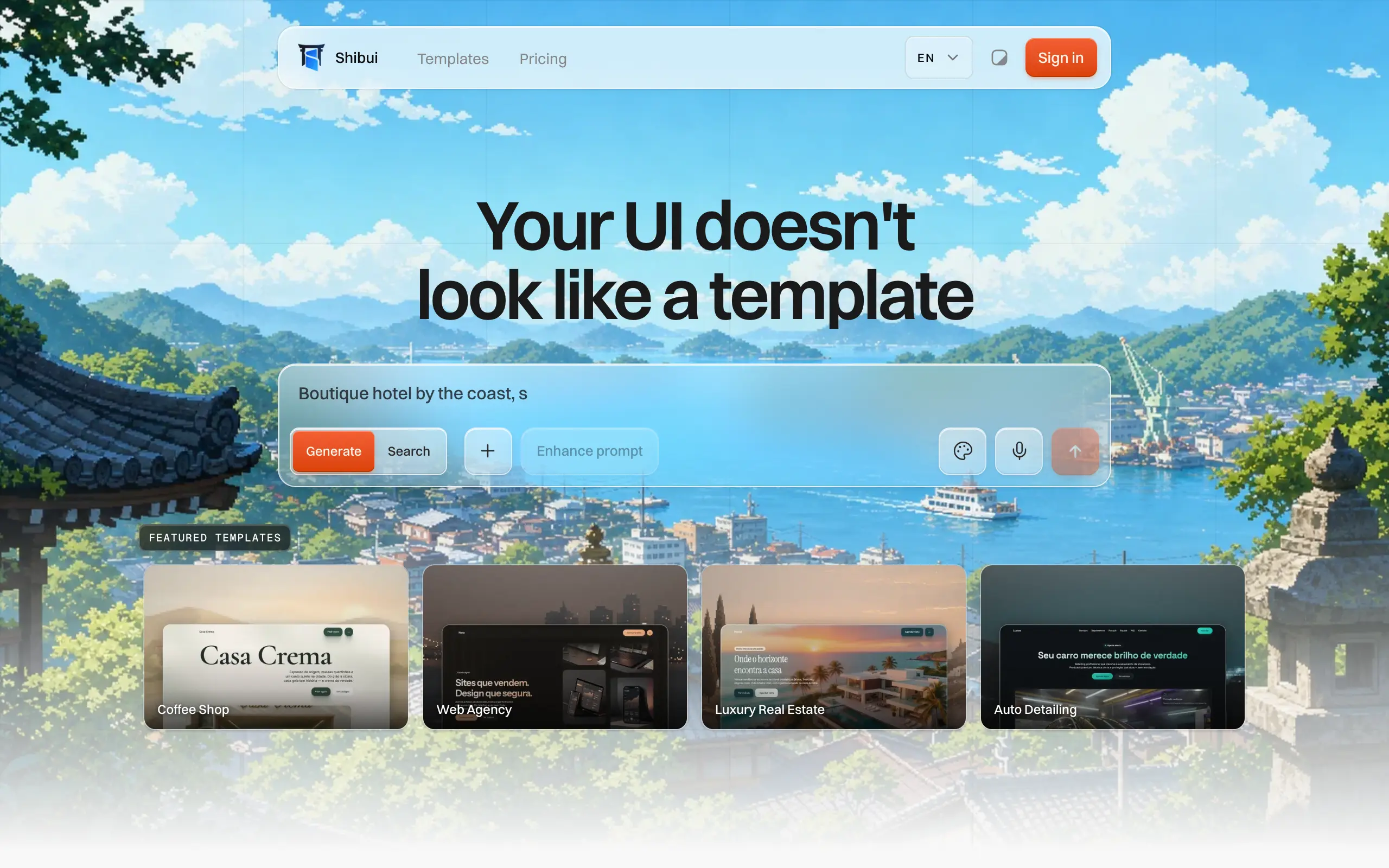
Shibui
AI website builder - describe your business, pick a niche template, edit by chatting, and publish instantly ✨
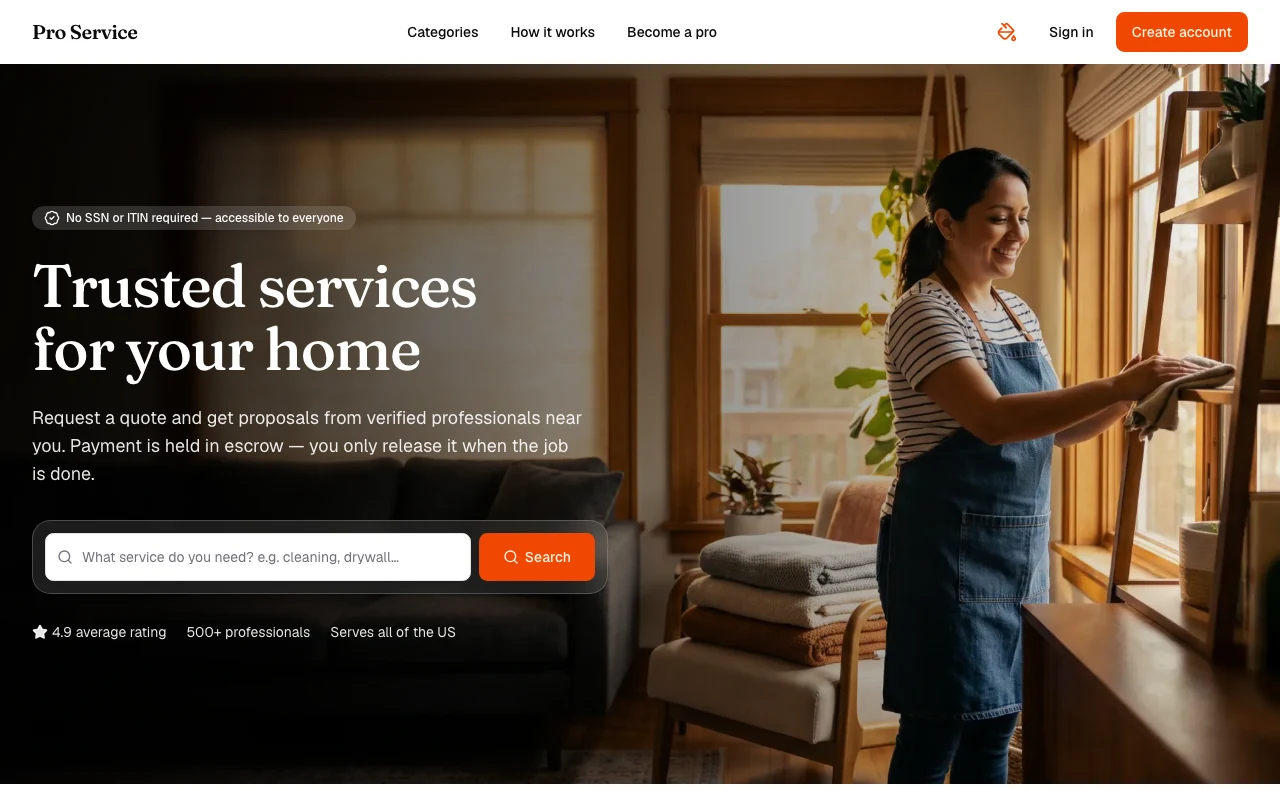
Pro Service
Find verified home service professionals, compare quotes, and pay securely through escrow - built for Brazilians across the US 🏠
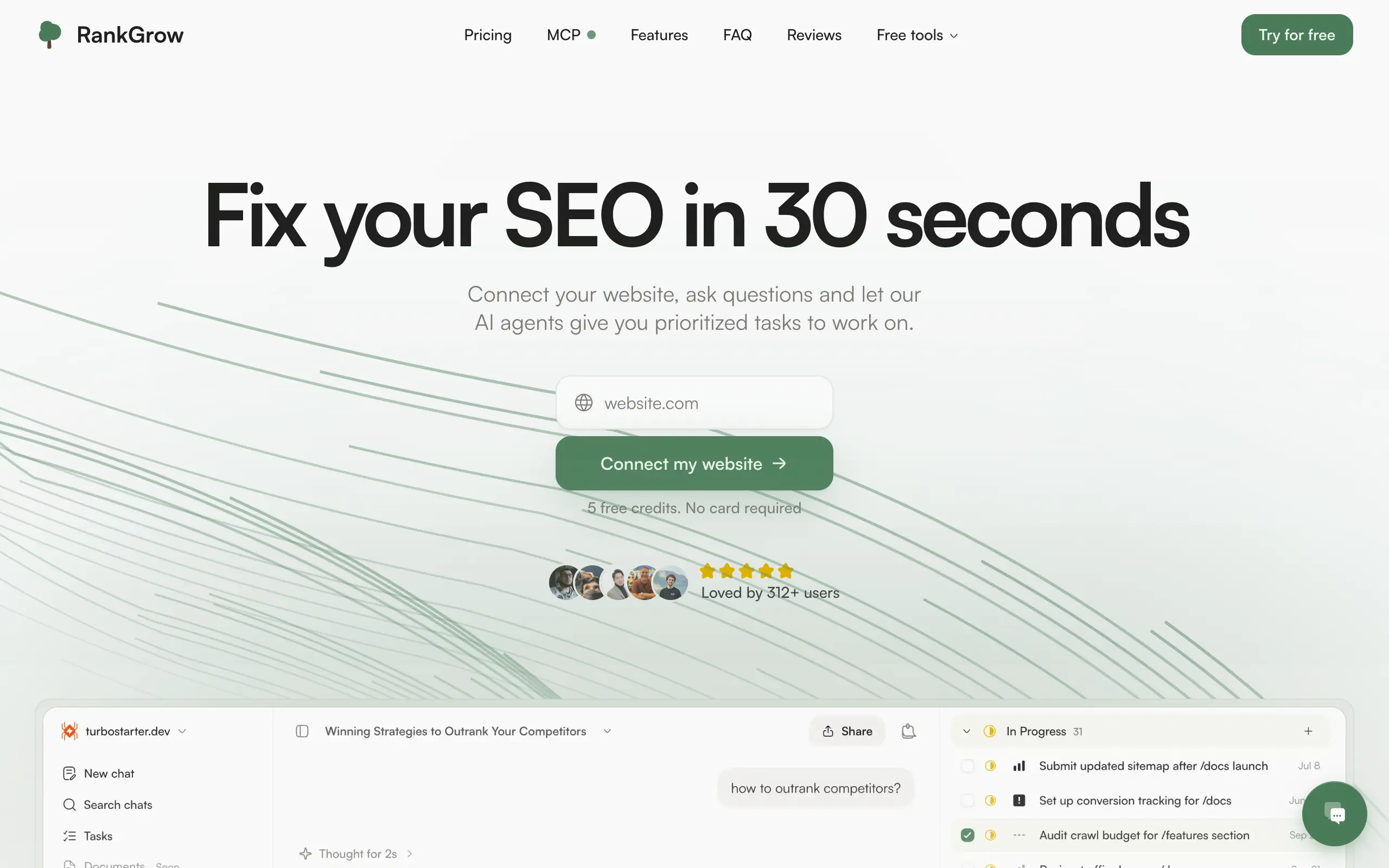
RankGrow
Fix your SEO with AI agents - connect Search Console, get prioritized tasks, and grow organic traffic 📈
SyncReads
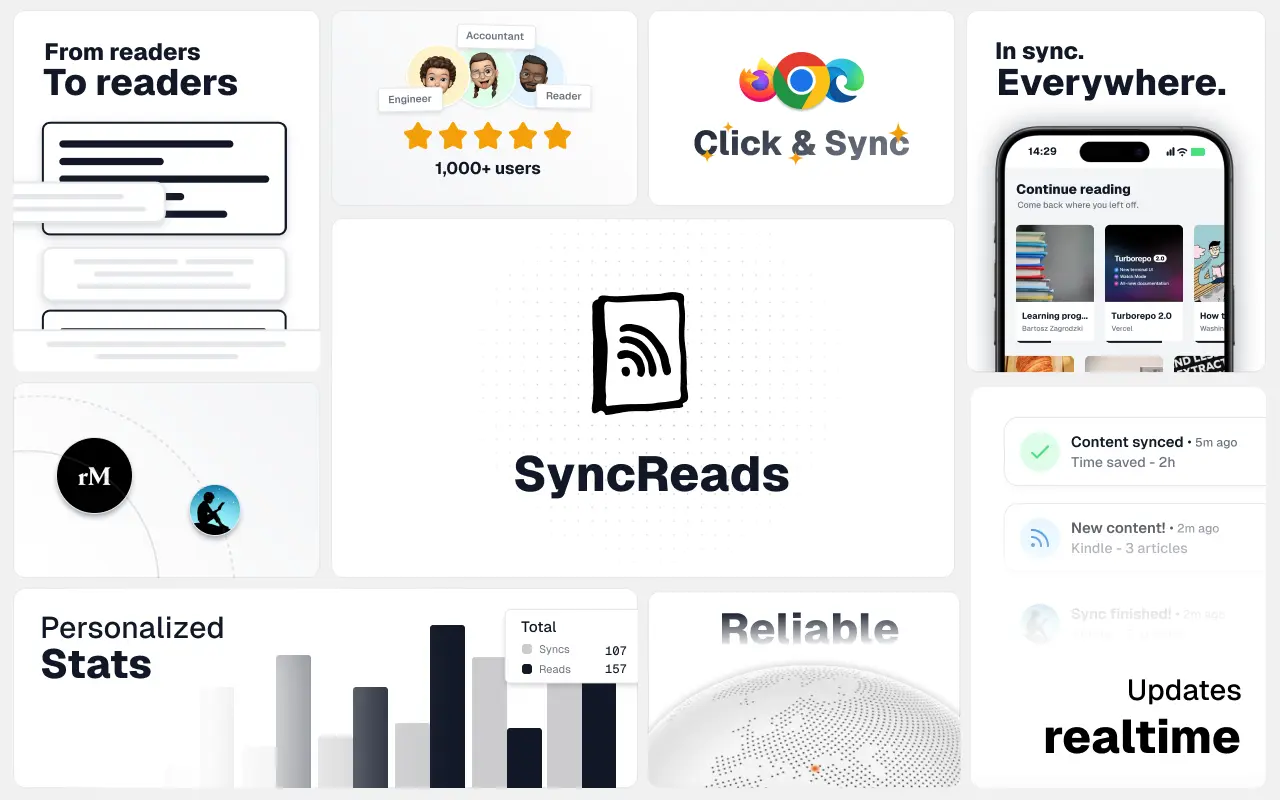
Sync your favorite content for distraction-free reading, save time and replace multiple apps. Anytime, anywhere 🔄
Socialcrawl
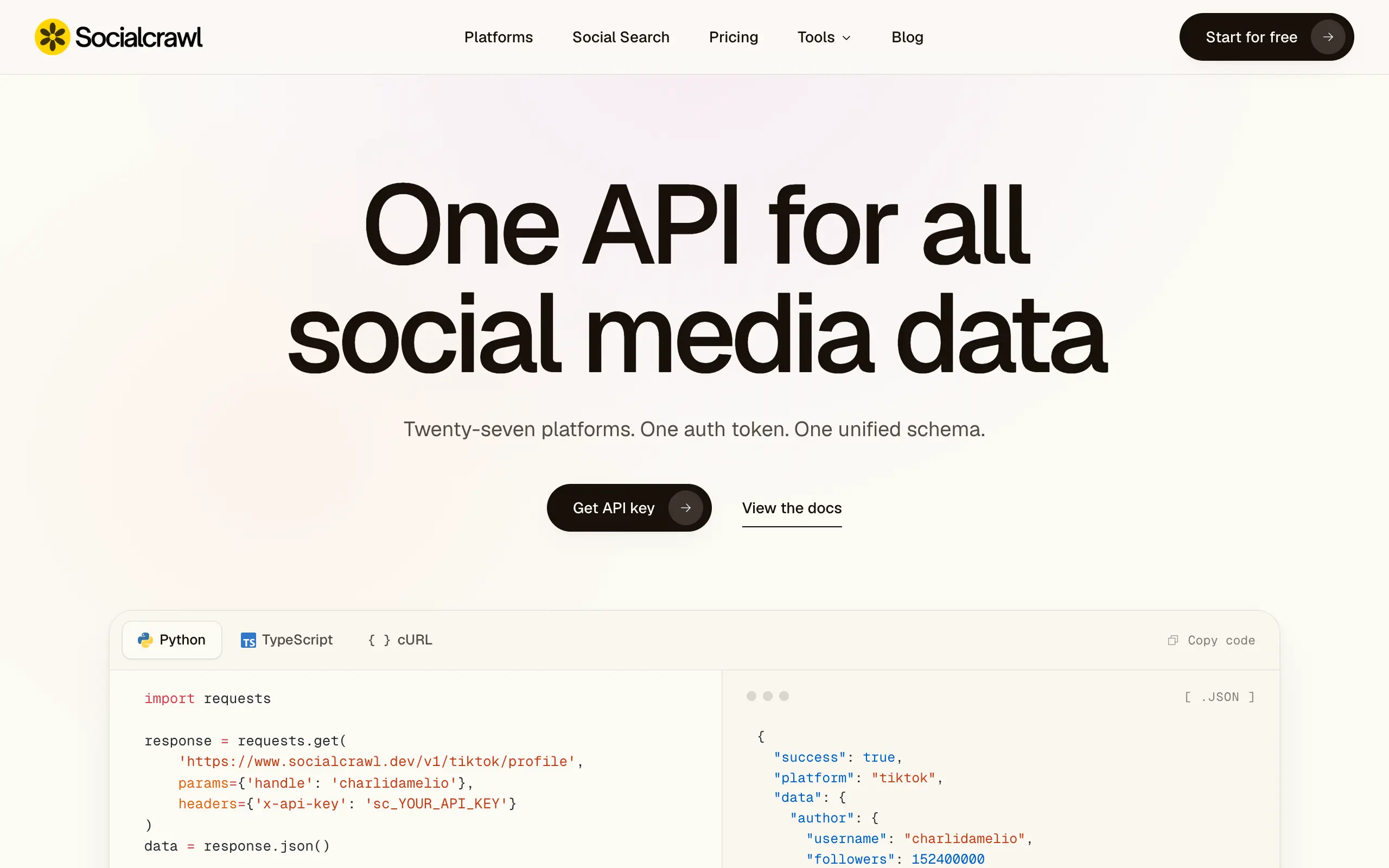
Get clean, structured data from 21 platforms like TikTok, Instagram, and YouTube with a single request 📊
Statiko
Monitor any Telegram channel in real time - track posts, edits, deletions, and growth with AI recaps 📡
Shibui
AI website builder - describe your business, pick a niche template, edit by chatting, and publish instantly ✨
Pro Service
Find verified home service professionals, compare quotes, and pay securely through escrow - built for Brazilians across the US 🏠
RankGrow
Fix your SEO with AI agents - connect Search Console, get prioritized tasks, and grow organic traffic 📈
SyncReads
Sync your favorite content for distraction-free reading, save time and replace multiple apps. Anytime, anywhere 🔄
Socialcrawl
Get clean, structured data from 21 platforms like TikTok, Instagram, and YouTube with a single request 📊
Statiko
Monitor any Telegram channel in real time - track posts, edits, deletions, and growth with AI recaps 📡
Shibui
AI website builder - describe your business, pick a niche template, edit by chatting, and publish instantly ✨
Pro Service
Find verified home service professionals, compare quotes, and pay securely through escrow - built for Brazilians across the US 🏠
RankGrow
Fix your SEO with AI agents - connect Search Console, get prioritized tasks, and grow organic traffic 📈
SyncReads
Sync your favorite content for distraction-free reading, save time and replace multiple apps. Anytime, anywhere 🔄
Socialcrawl
Get clean, structured data from 21 platforms like TikTok, Instagram, and YouTube with a single request 📊
Statiko
Monitor any Telegram channel in real time - track posts, edits, deletions, and growth with AI recaps 📡
Shibui
AI website builder - describe your business, pick a niche template, edit by chatting, and publish instantly ✨
Pro Service
Find verified home service professionals, compare quotes, and pay securely through escrow - built for Brazilians across the US 🏠
RankGrow
Fix your SEO with AI agents - connect Search Console, get prioritized tasks, and grow organic traffic 📈
SyncReads
Sync your favorite content for distraction-free reading, save time and replace multiple apps. Anytime, anywhere 🔄
Socialcrawl
Get clean, structured data from 21 platforms like TikTok, Instagram, and YouTube with a single request 📊
Dotallio
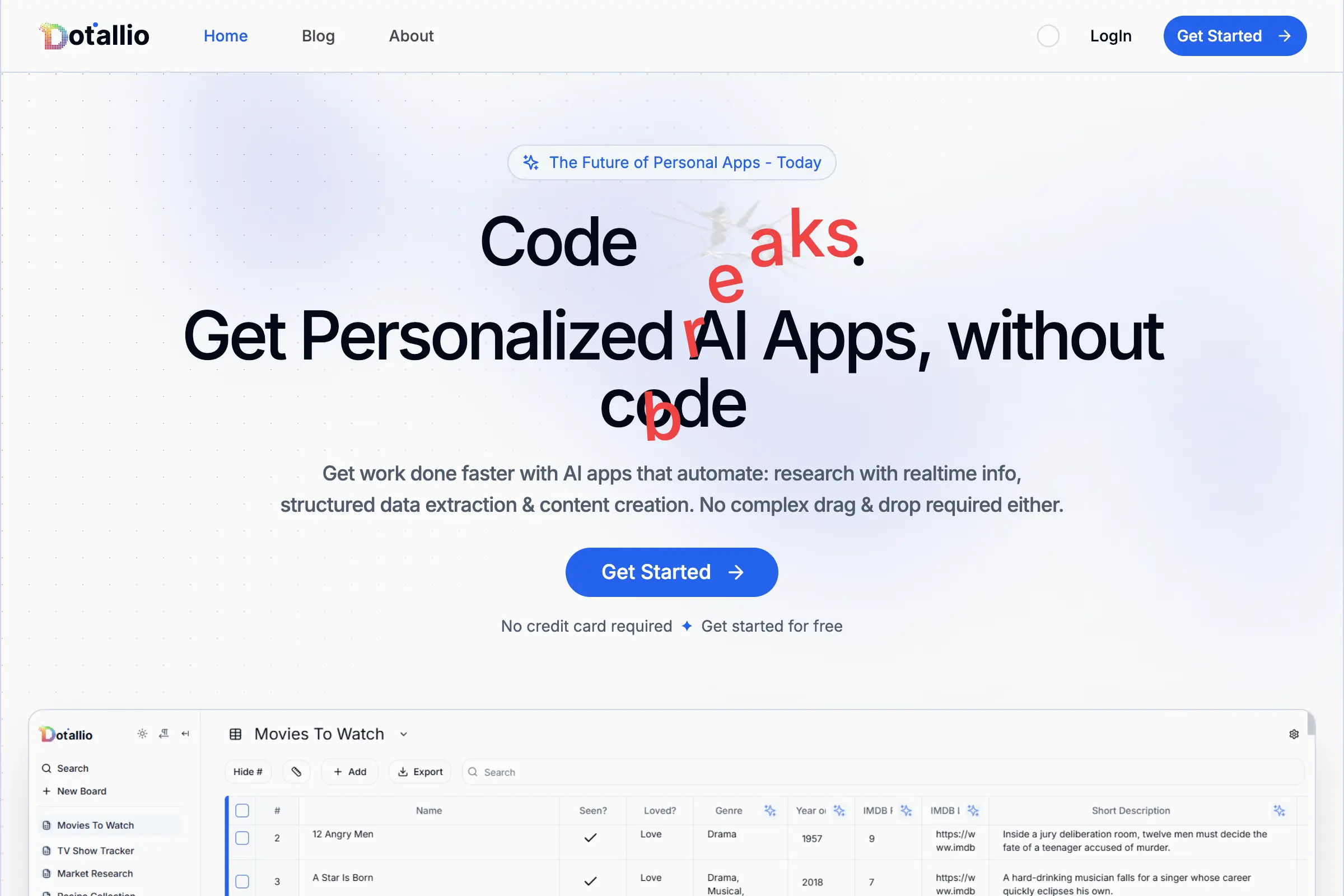
Personalized AI apps that automate research, data extraction, and content creation without code 🤖
Talk to Santa
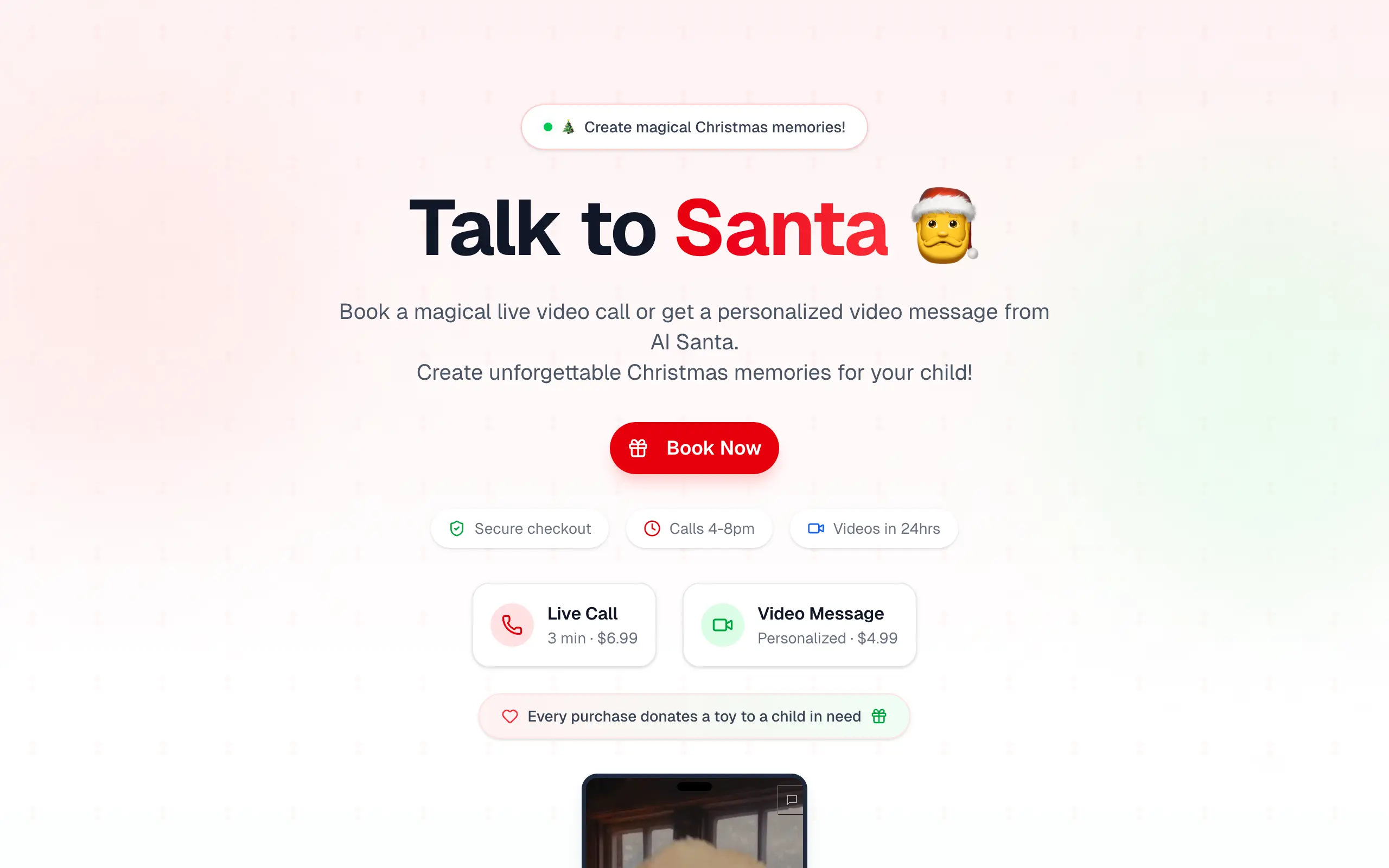
Enjoy a magical live video chat or receive a unique AI-generated video greeting from Santa Claus 🎅
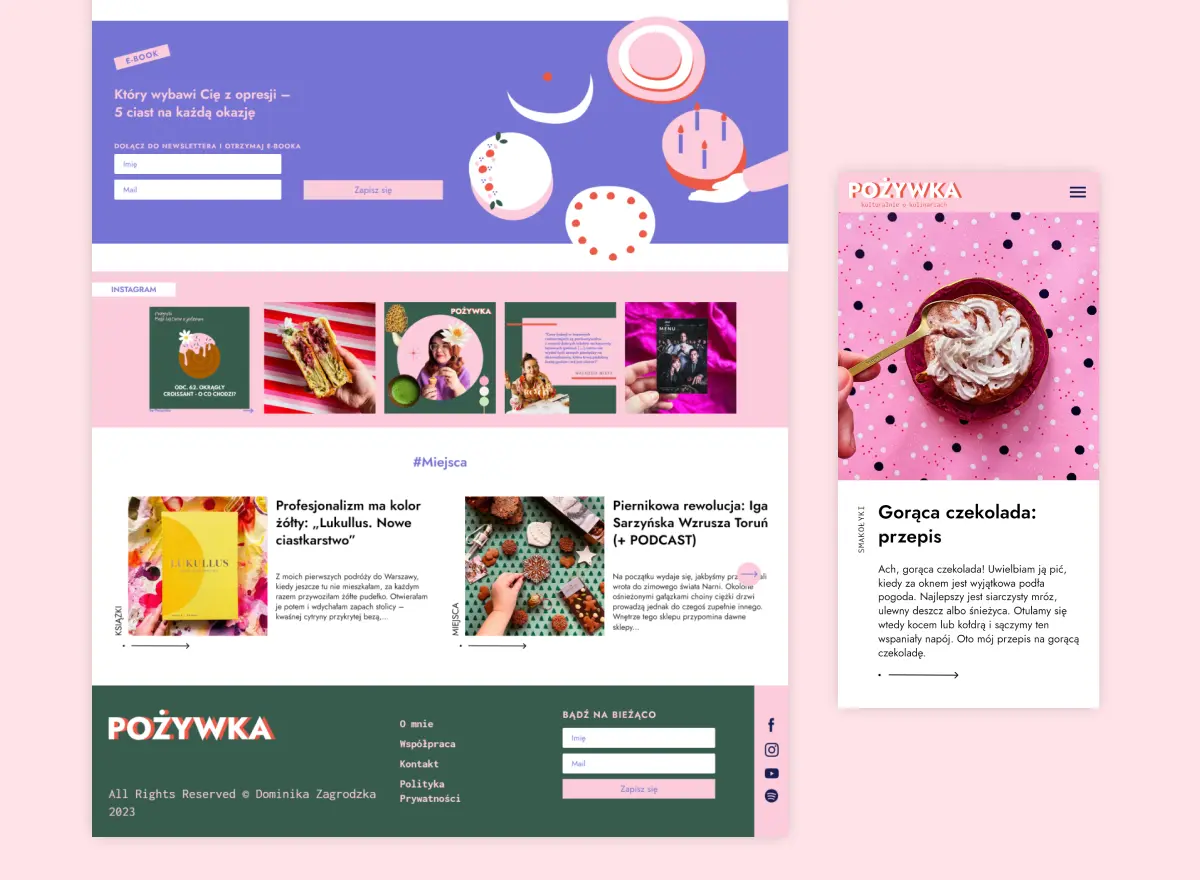
pozywka.pl
Scalable blog for food journalist, focused on performance and user experience 🌭
zagrodzki.me
Personal blog and portfolio of Bart Zagrodzki, where he shares his knowledge and work 💼
TurboStarter
Ship your startup everywhere. In minutes.
HTML to Markdown
Convert HTML to Markdown with ease, directly in your browser 📄
Dotallio
Personalized AI apps that automate research, data extraction, and content creation without code 🤖
Talk to Santa
Enjoy a magical live video chat or receive a unique AI-generated video greeting from Santa Claus 🎅
pozywka.pl
Scalable blog for food journalist, focused on performance and user experience 🌭
zagrodzki.me
Personal blog and portfolio of Bart Zagrodzki, where he shares his knowledge and work 💼
TurboStarter
Ship your startup everywhere. In minutes.
HTML to Markdown
Convert HTML to Markdown with ease, directly in your browser 📄
Dotallio
Personalized AI apps that automate research, data extraction, and content creation without code 🤖
Talk to Santa
Enjoy a magical live video chat or receive a unique AI-generated video greeting from Santa Claus 🎅
pozywka.pl
Scalable blog for food journalist, focused on performance and user experience 🌭
zagrodzki.me
Personal blog and portfolio of Bart Zagrodzki, where he shares his knowledge and work 💼
TurboStarter
Ship your startup everywhere. In minutes.
HTML to Markdown
Convert HTML to Markdown with ease, directly in your browser 📄
Dotallio
Personalized AI apps that automate research, data extraction, and content creation without code 🤖
Talk to Santa
Enjoy a magical live video chat or receive a unique AI-generated video greeting from Santa Claus 🎅
pozywka.pl
Scalable blog for food journalist, focused on performance and user experience 🌭
zagrodzki.me
Personal blog and portfolio of Bart Zagrodzki, where he shares his knowledge and work 💼
TurboStarter
Ship your startup everywhere. In minutes.
HTML to Markdown
Convert HTML to Markdown with ease, directly in your browser 📄
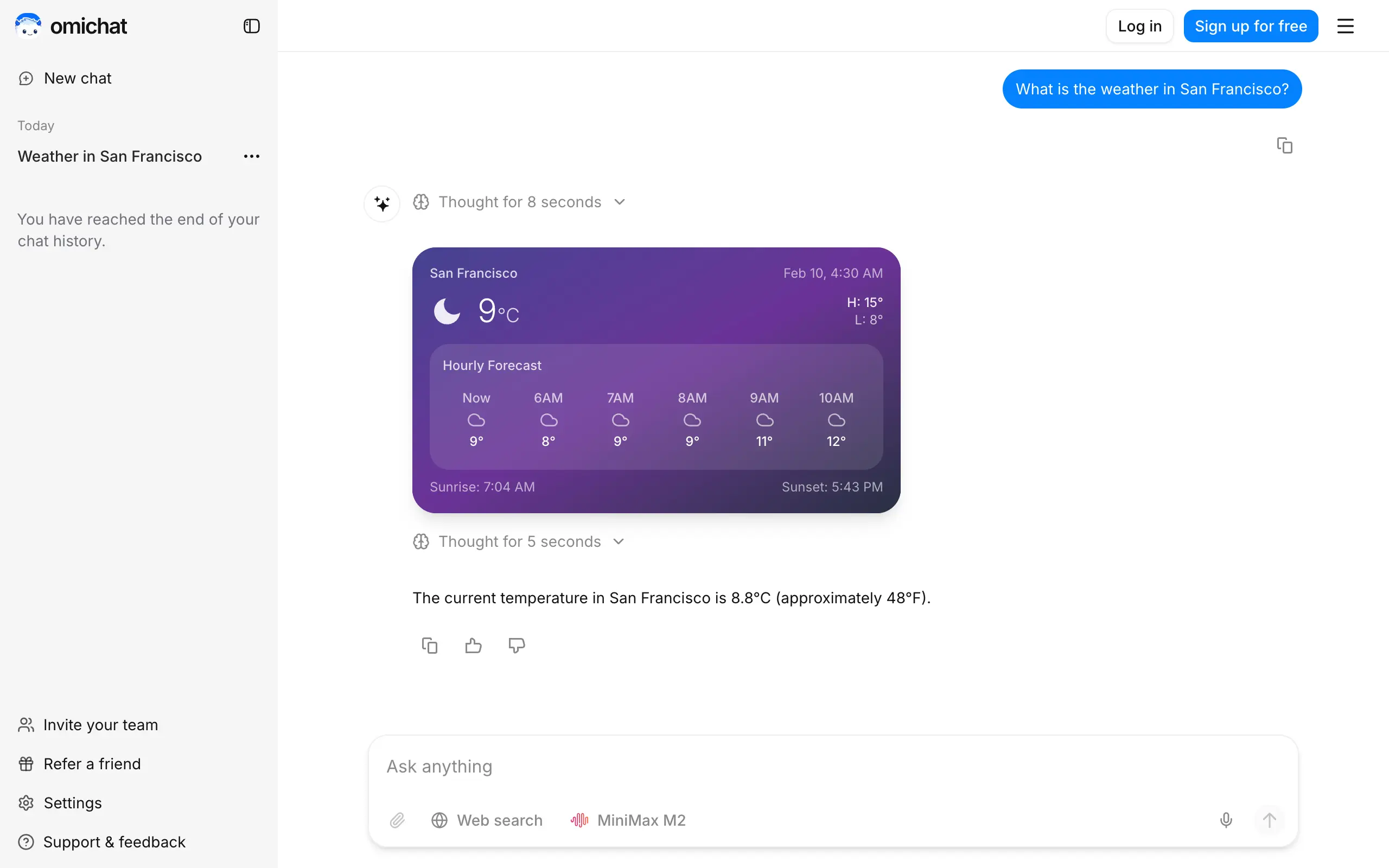
Omichat
Chat with 50+ AI models, including ChatGPT and Claude, in one place - switch models anytime without losing context 🤖
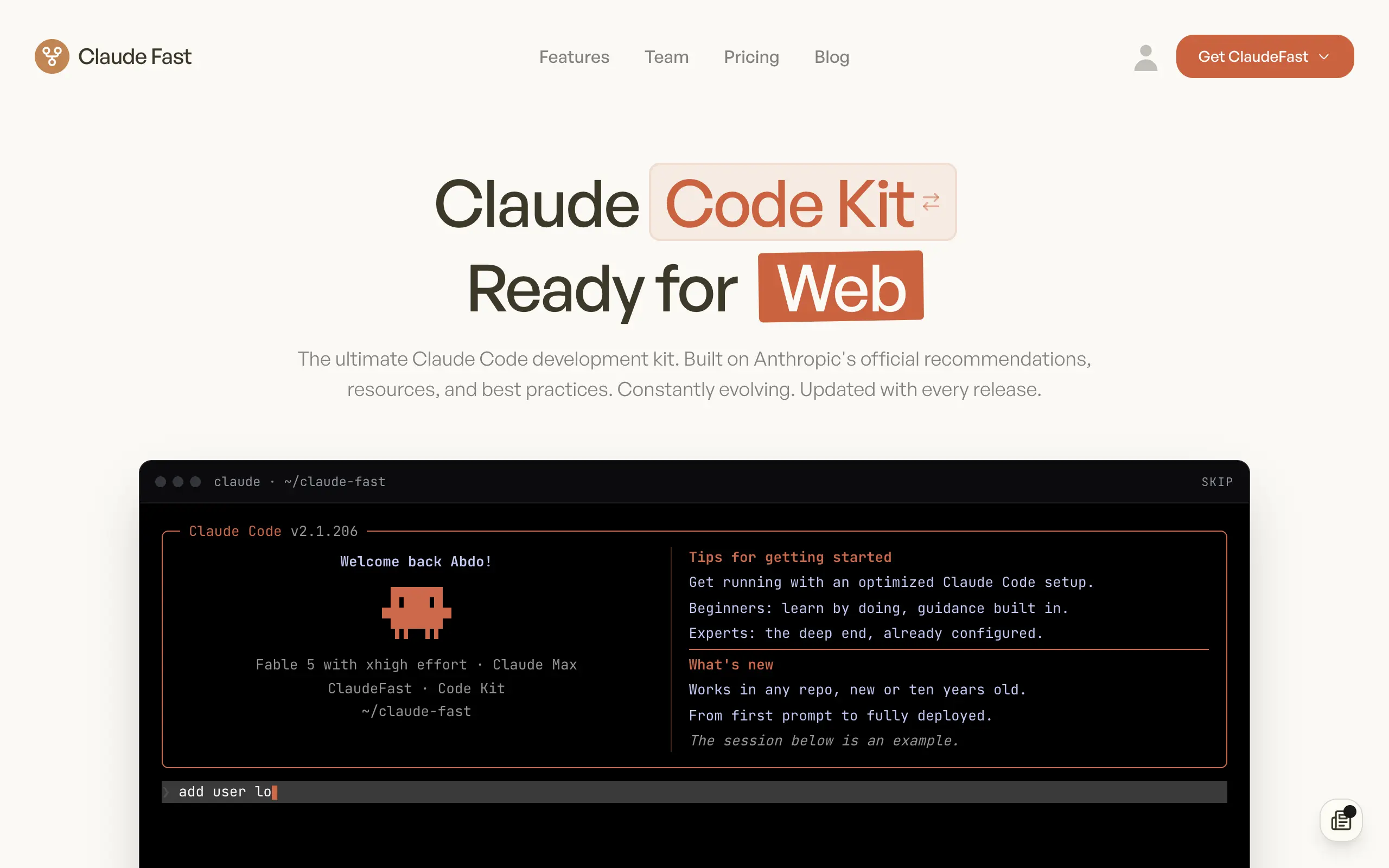
Claude Fast
Supercharge your Claude Code with 6x effective context window and specialized AI agents 🤖
EmojAI
AI-powered emoji picker with smart, context-aware suggestions 🤖
Solohacker
Autonomous company launcher - AI agents work 24/7, escalate what matters, and you stay in control 🤖
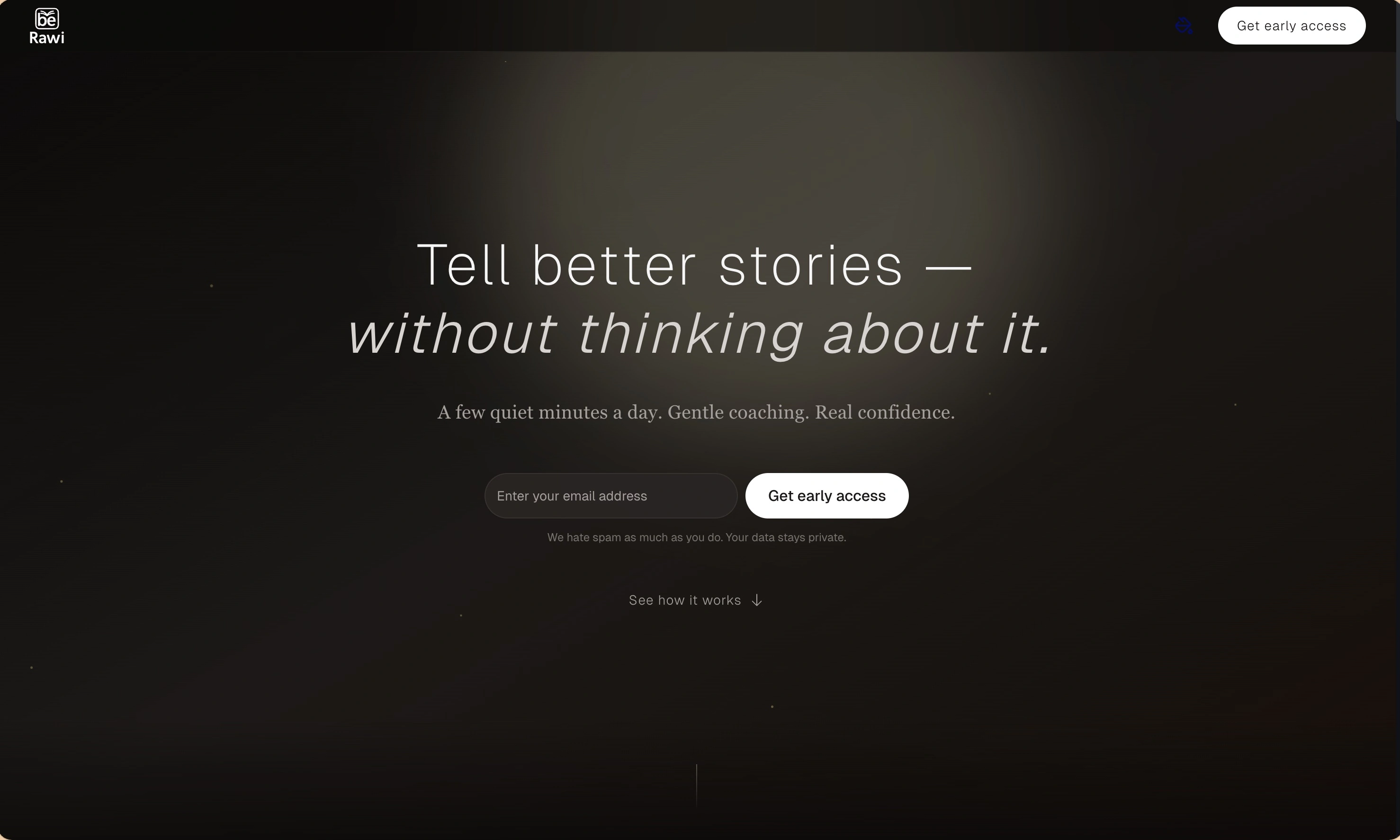
BeRawi: Storytelling Coach
Practice storytelling daily with instant feedback to sound clearer, more engaging, and confident 🎤
Omichat
Chat with 50+ AI models, including ChatGPT and Claude, in one place - switch models anytime without losing context 🤖
Claude Fast
Supercharge your Claude Code with 6x effective context window and specialized AI agents 🤖
EmojAI
AI-powered emoji picker with smart, context-aware suggestions 🤖
Solohacker
Autonomous company launcher - AI agents work 24/7, escalate what matters, and you stay in control 🤖
BeRawi: Storytelling Coach
Practice storytelling daily with instant feedback to sound clearer, more engaging, and confident 🎤
Omichat
Chat with 50+ AI models, including ChatGPT and Claude, in one place - switch models anytime without losing context 🤖
Claude Fast
Supercharge your Claude Code with 6x effective context window and specialized AI agents 🤖
EmojAI
AI-powered emoji picker with smart, context-aware suggestions 🤖
Solohacker
Autonomous company launcher - AI agents work 24/7, escalate what matters, and you stay in control 🤖
BeRawi: Storytelling Coach
Practice storytelling daily with instant feedback to sound clearer, more engaging, and confident 🎤
Omichat
Chat with 50+ AI models, including ChatGPT and Claude, in one place - switch models anytime without losing context 🤖
Claude Fast
Supercharge your Claude Code with 6x effective context window and specialized AI agents 🤖
EmojAI
AI-powered emoji picker with smart, context-aware suggestions 🤖
Solohacker
Autonomous company launcher - AI agents work 24/7, escalate what matters, and you stay in control 🤖
BeRawi: Storytelling Coach
Practice storytelling daily with instant feedback to sound clearer, more engaging, and confident 🎤

Connect with like-minded people
Join our community to get feedback, support, and grow together with 1,000+ builders on board, let's ship it!
Join usShip your startup everywhere. In minutes.
Don't burn tokens on setup and start building features on day one.