Patchnote
Summarizes game patch notes and balance changes into what matters for your main character or build. Competitive players stop reading long changelogs and adjust their loadouts faster.
Patchnote is an AI tool that reads a game's patch notes and tells each competitive player only what changed for their main character, build or role, plus what to adjust before their next ranked session. In 2026, patch cycles are faster, rosters are bigger and changelogs are longer, so the gap between "the patch dropped" and "I understand what it means for me" is a real, repeatable pain that an AI-powered patch note summarizer for competitive players can close.
Key takeaways
- Target customer: ranked and competitive players in a few live-service games with frequent balance patches, plus coaches and content creators who cover them.
- Pricing angle: a free tier for one game and one main, and a paid plan around $5 to $9/month for multiple mains, alerts and build suggestions.
- Biggest risk: accuracy. One confidently wrong summary of a nerf destroys trust in a tool whose whole promise is "you don't need to read the source."
- Time to MVP: about 3 to 4 weeks for one game with a solo founder, assuming you start from a starter kit.
What problem does an AI patch note summarizer solve?
Competitive players need to know how a patch affects their character, but official patch notes are written for everyone at once. A typical changelog mixes hero changes, item tweaks, map edits, bug fixes and cosmetic news in one long page. The player cares about perhaps three lines.
The cost is real. If you play ranked and miss that your main's key ability lost 10% damage, you queue with the old build and lose games before you notice. Players who read carefully spend 20 to 40 minutes after each patch. Players who skim guess.
Who is Patchnote for?
The best first customer is a dedicated ranked player of one game who plays one to three mains. They check patch notes on release day, they care about win rate, and they already pay for things like a battle pass or a stats tracker.
The current workaround and why it fails
Today they use a mix of sources:
- Official notes: complete but long, and they rarely explain what a number change means in practice.
- YouTube patch breakdowns: useful but generic, published hours or days late, and they cover every character at roughly the same depth.
- Reddit and Discord threads: fast, but noisy, and early takes are often wrong.
- Streamer opinions: biased toward the streamer's own playstyle.
None of these are personalized. None remember that you play a specific character on a specific role. That personalization is the gap.
Secondary segments
Coaches who prep students, content creators who need a quick first pass before recording, and esports analysts who track many characters at once. They are smaller in number but willing to pay more.
Is there a market for AI patch note tools in 2026?
Yes, but it is a niche you win by being narrow. The opportunity comes from three trends:
- Live-service games patch constantly. Many popular competitive titles ship balance updates on a regular cadence, and each one resets what is optimal.
- Rosters keep growing. More characters, items and systems mean more interactions, and the changelog gets harder to parse.
- Language models are good at structured extraction. Matching "this line affects this entity" across a changelog is now cheap enough to run on every patch.
The gap in existing solutions
Stat sites such as Mobalytics, U.GG and Blitz are well known in this space. They are strong on win rates, builds and in-match overlays, and they usually add short patch summaries. What they typically do not offer is a personal, per-player diff that says "here is what changed for you, and here is what to try." They are also incentivized to keep you in their own ecosystem rather than be a neutral reading layer.
Patchnote's position is the personal change summary, not another stats database. Be honest that a stat site could copy the feature. Your defense is speed, quality and focus on the moment of the patch.
What should the Patchnote MVP include?
Build for one game first. Pick a title with frequent patches, a passionate community and clearly structured notes. Cut everything else.
The aha moment is this: a user picks their main, pastes or selects the latest patch, and within seconds sees three to five bullet points that match what they would have found after 30 minutes of reading.
Main profile
Players pick a game, a character and optionally a role or build so every summary is filtered to what they actually play.
Personal patch summary
Each patch becomes a short digest of buffs, nerfs and side effects for your main, with the original line quoted for verification.
Adjustment suggestions
Plain-language prompts such as which item or rune to reconsider, framed as ideas to test rather than guaranteed answers.
Patch alerts
Email or push notification when a new patch lands, with your personalized summary already generated.
What to cut from version one
- Live win rate data and overlays. That is a different, much heavier product.
- Support for many games. One game done well beats five done loosely.
- Social features, leaderboards and comments.
- Mobile apps. Email alerts and a responsive web app cover the first months.
How is Patchnote different from stat sites and YouTube breakdowns?
The unique selling proposition is simple: "Only the changes that affect you, with the source line attached." The source quote matters. It lets players verify the summary in two seconds, which turns a risky AI claim into a trustworthy shortcut.
| Option | Personalized to your main | Ready on patch day | Shows source line | Effort for the player |
|---|---|---|---|---|
| Patchnote | ✅ | ✅ | ✅ | Low |
| Official patch notes | ❌ | ✅ | ✅ | High |
| YouTube breakdowns | ❌ | Hours to days | ❌ | Medium |
| Stat sites | Partly | Depends | ❌ | Medium |
| DIY with a chatbot | Possible | ✅ | Depends | Medium, needs prompting |
The DIY row is the real competitor. Anyone can paste a changelog into a chatbot. Patchnote wins by remembering your mains, ingesting patches automatically, structuring the output consistently and alerting you before you ask.
How would Patchnote make money?
Start simple and keep the free tier genuinely useful, because habit is what you are building.
Option 1: freemium subscription
Free for one game and one main. Paid unlocks multiple mains, multiple games, alerts and suggestions. If you charge $7/month and convert 3% of active users, you need roughly 1,400 active users for about $300 in monthly recurring revenue. Treat those numbers as assumptions to test, not forecasts.
Option 2: coach and creator plan
A higher price, perhaps $15 to $30/month, for tracking many characters, exporting summaries and sharing a branded digest with students or viewers. Fewer customers, much lower churn in most cases.
Option 3: sponsorship or affiliate
Patch day newsletters can carry sponsors from peripherals or coaching marketplaces. This works only after you have reach, so treat it as a later add-on rather than the core model.
Which growth channel works first?
Community posting on patch day. Share generic summaries for the most popular characters in the game's subreddit and Discord, with a link to personalize the rest. Short clips for creators also work. Paid ads rarely pay back for a $7 subscription.
How do you validate the idea before building?
Spend one to two weeks proving that players care and will return on the next patch.
Interview eight ranked players
Ask what they did after the last patch, how long it took and what they got wrong. Listen for specific stories about a build or pick they changed late.
Run a manual concierge test
On the next patch day, write personalized summaries by hand (with a chatbot as a drafting aid) for five players and send them over DM. Ask if they would want this every patch.
Ship a landing page with a waitlist
State one promise for one game and collect emails with a field for their main. The mains people type in tell you where demand is concentrated.
Test willingness to pay
Offer a founding member price, such as a discounted annual plan, to the most engaged waitlist members. Even a handful of paid commitments is a stronger signal than hundreds of signups.
What tech stack do you need to build Patchnote?
The product is a data pipeline plus a thin personalized web app. The pipeline fetches patch notes, splits them into change entries, tags each entry with the characters or items it affects, and stores them. The app then filters by the user's main and writes a short summary.
Using TurboStarter removes most of the undifferentiated work. You get a monorepo for web and mobile, authentication, billing for subscriptions, a database layer and emails for patch alerts already wired. Your time goes to ingestion quality and summary accuracy, which is the whole product. Scheduled patch checks fit its background tasks support, and the AI tooling covers model calls.
A simple data model
Store structured changes rather than only summaries. That lets you re-generate output as prompts improve.
type PatchChange = {
  id: string;
  gameId: string;
  patchVersion: string;
  entity: string; // character, item, map
  changeType: "buff" | "nerf" | "rework" | "bugfix" | "other";
  sourceText: string; // exact quote from the notes
  summary: string;
};
Choosing an AI approach
Best for the MVP. Extraction quality is high, setup takes hours and you can pay per patch. Costs are low because you process each patch once, then reuse results for all users. The trade-off is vendor dependence and variable pricing.
Worth considering once volume grows or you need predictable cost. It needs more evaluation work to reach the same accuracy on messy notes. Start hosted, then compare on your saved patches before switching.
A key design choice: extract once per patch, personalize cheaply per user. Do not call a model for each user on patch day. Filter stored changes by main, then use a short generation step for phrasing and suggestions.
What are the risks and how do you reduce them?
Biggest risk: wrong summaries destroy trust
A summary that misses a nerf or invents a buff costs a player real ranked games, and they will not give you a second chance. Always show the exact source line next to each claim, label suggestions as ideas to test, and keep a human review step for your first several patches.
Other reasons this could fail
- Incumbents add the feature. Stat sites could ship personal digests. Move faster, go deeper on one game and build a patch day habit and newsletter they will not prioritize.
- Publisher dependence. Patch notes are public, but formats change and some publishers dislike scraping. Use public pages respectfully, keep the source linked and watch each game's terms.
- Low willingness to pay. Players often expect free tools. Test paid plans early and consider coaches and creators as the revenue base.
- Spiky usage. Traffic clusters on patch days, and quiet weeks lead to churn. Add between-patch value such as a "what changed since you last played" digest or meta shift notes.
What does a 30-day launch plan look like?
Days 1 to 5: pick the game and validate
Choose one game, run interviews and publish the waitlist page. Save the last five patch notes as a test set.
Days 6 to 12: build the ingestion pipeline
Fetch notes, split them into entries and tag entities. Measure extraction accuracy against your hand-labeled test set.
Days 13 to 20: build the app
Add sign-in, main selection, the personal summary page and billing. A starter kit saves most of this week.
Days 21 to 25: private beta
Invite 20 waitlist players and review every summary by hand before it goes out. Log each error and fix the prompt or tagging.
Days 26 to 30: launch on patch day
Publish generic summaries in community spaces with a link to personalize. Ask for feedback and offer the founding member price.
Pick one game this week and save its last five patches as a test set. If you want to skip the boilerplate and ship the first version faster, start from TurboStarter and spend your time on summary quality.
FAQ
Write personalized summaries by hand for a handful of ranked players on the next patch day and see if they ask for the next one. Pair that with a waitlist that captures each player's main. Repeat requests and a few paid commitments matter more than signup counts.
A range of $5 to $9/month fits an individual player, while coaches and creators can bear $15 to $30/month. Keep one game and one main free so people form the habit. Test two price points with your waitlist before committing.
Stat and build sites like Mobalytics, U.GG and Blitz, YouTube patch breakdowns, community threads and DIY chatbot prompts. The chatbot route is the most relevant because it is free. Your edge is automation, memory of your mains and source-linked output.
A TypeScript web app with a relational database, a scheduled job for fetching patches and a hosted language model for extraction works well. Using a starter kit like TurboStarter covers auth, billing, emails and database setup so you focus on the pipeline.
A solo founder can ship a one-game MVP in about 3 to 4 weeks. Model costs are typically small because each patch is processed once and reused. Your largest costs are your time and the manual review during the beta.
Patch notes are published publicly, and short summaries with attributed quotes are generally low risk. Rules differ by publisher and region, so read each game's terms, link to the original and avoid copying full notes wholesale.
More 🤖 AI Startup SaaS ideas
Discover more innovative ai startup SaaS ideas that are trending in 2026. Each idea is AI-generated with market validation and growth potential to help you find your next profitable venture faster than competitors.
Your competitors are building with TurboStarter
Below are some of the SaaS ideas that have been generated and built with our starter kit.

Monitor any Telegram channel in real time - track posts, edits, deletions, and growth with AI recaps 📡

AI website builder - describe your business, pick a niche template, edit by chatting, and publish instantly ✨

Find verified home service professionals, compare quotes, and pay securely through escrow - built for Brazilians across the US 🏠
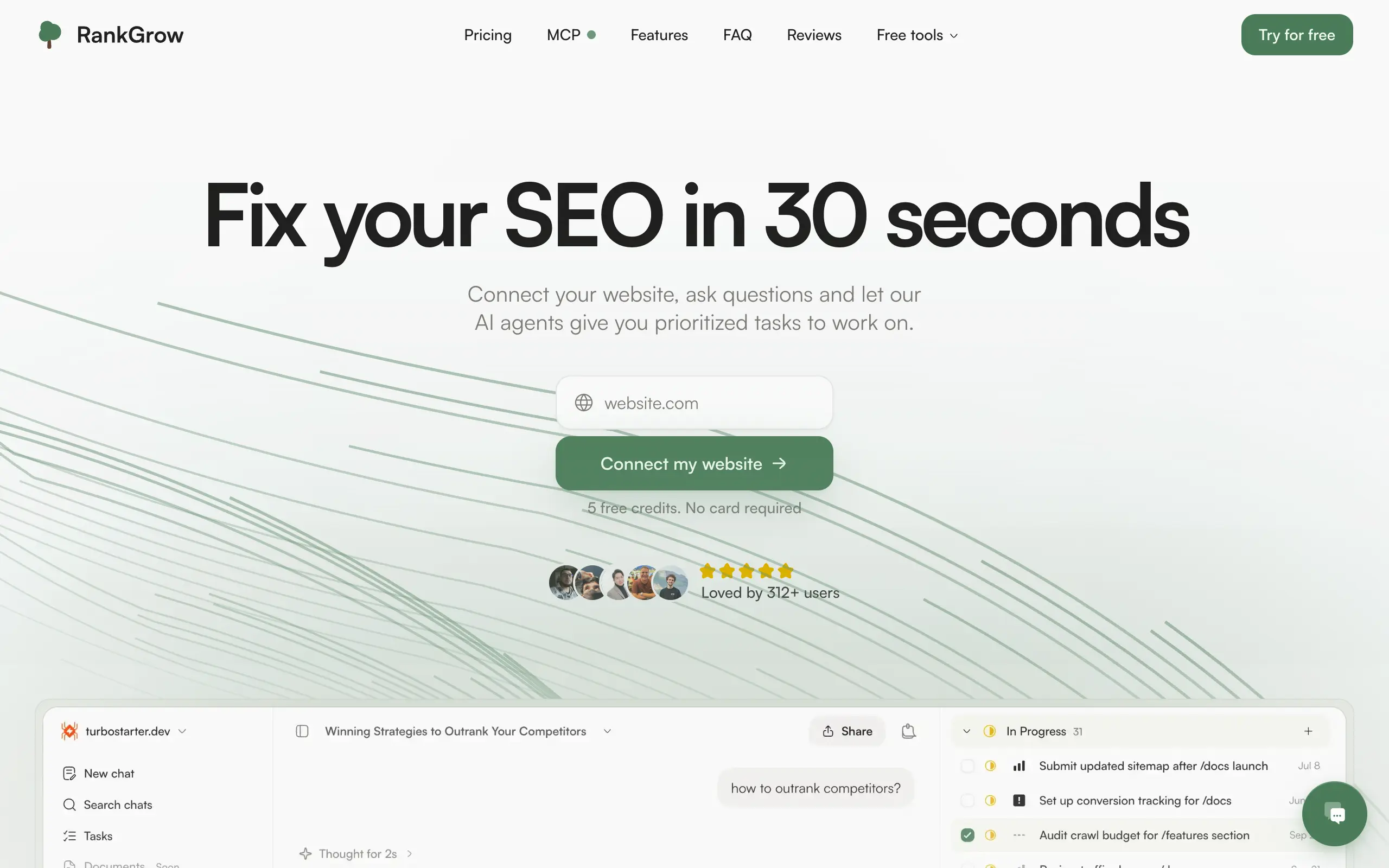
Fix your SEO with AI agents - connect Search Console, get prioritized tasks, and grow organic traffic 📈
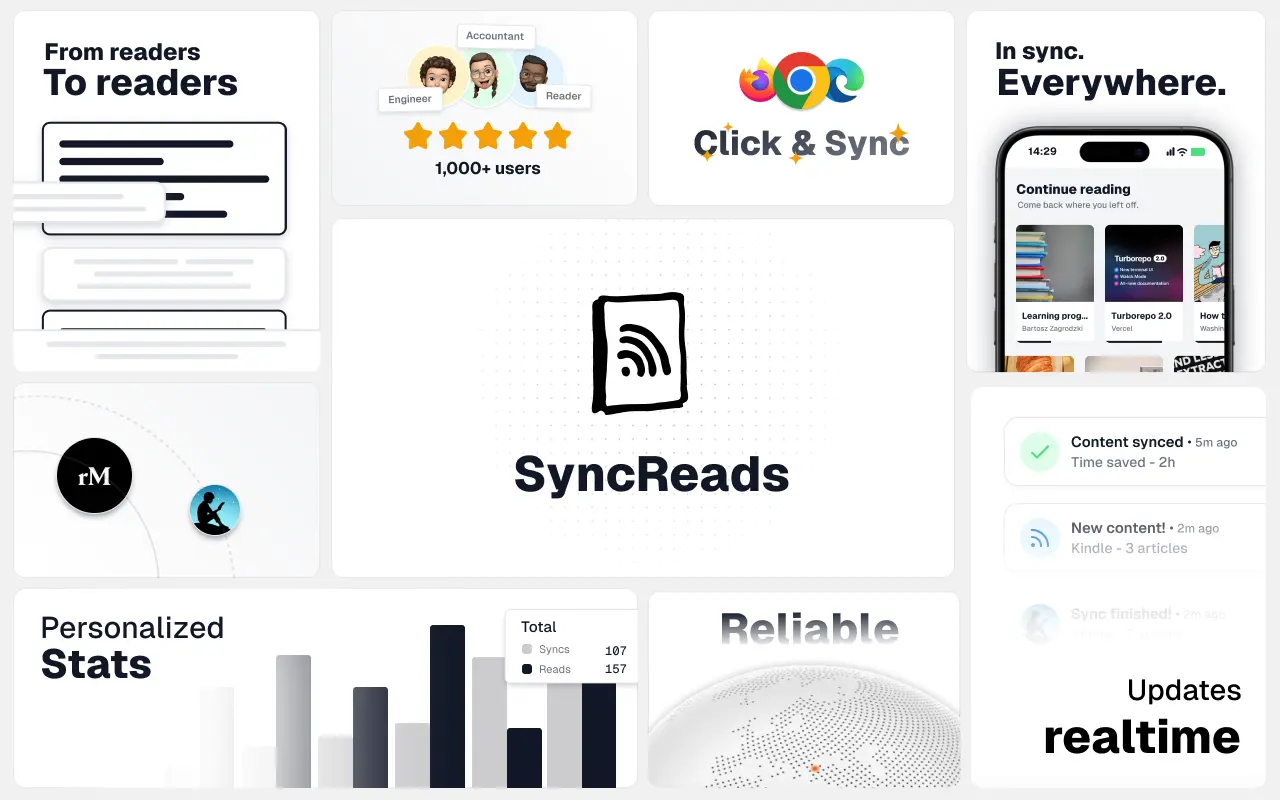
Sync your favorite content for distraction-free reading, save time and replace multiple apps. Anytime, anywhere 🔄
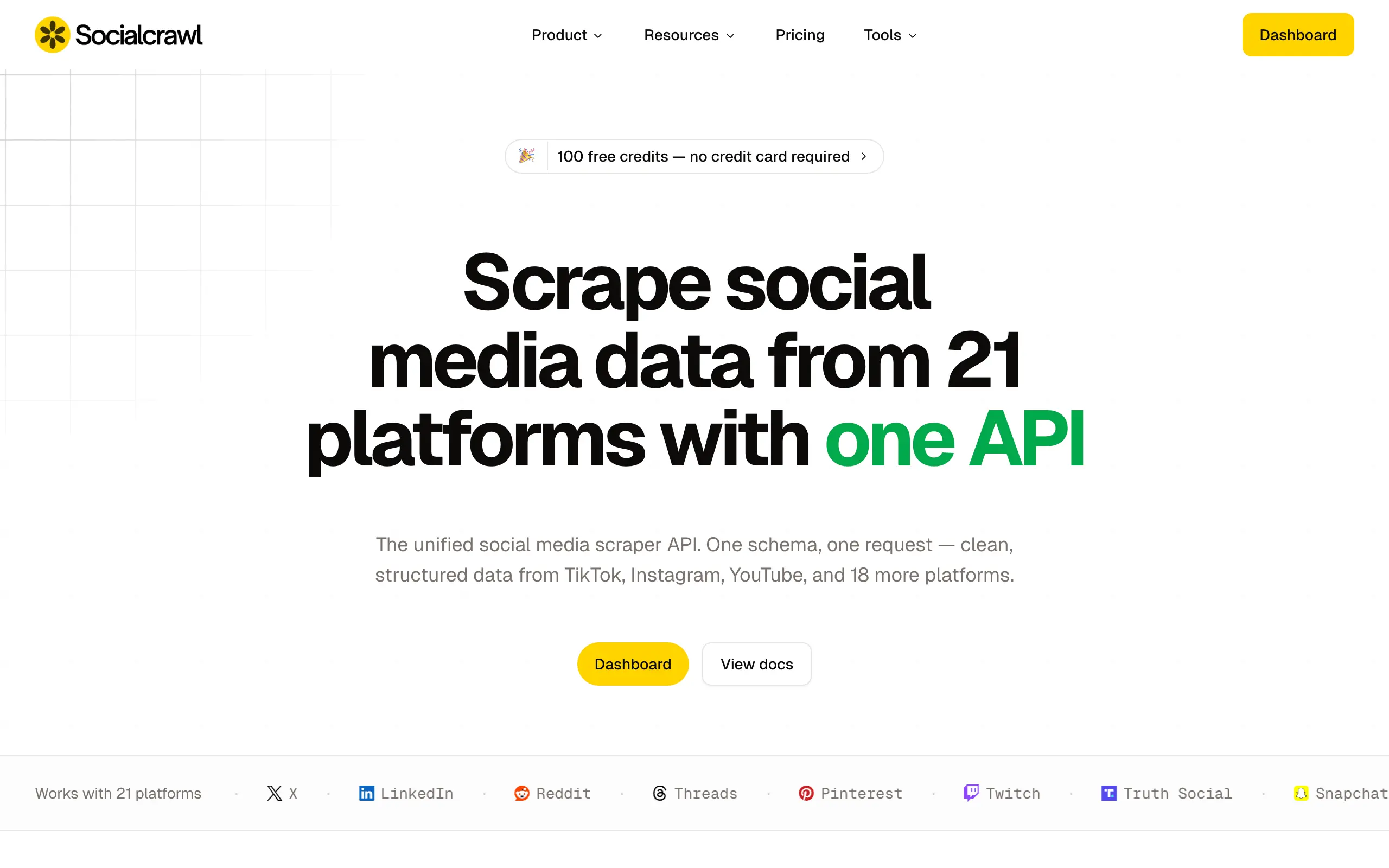
Get clean, structured data from 21 platforms like TikTok, Instagram, and YouTube with a single request 📊
Monitor any Telegram channel in real time - track posts, edits, deletions, and growth with AI recaps 📡
AI website builder - describe your business, pick a niche template, edit by chatting, and publish instantly ✨
Find verified home service professionals, compare quotes, and pay securely through escrow - built for Brazilians across the US 🏠
Fix your SEO with AI agents - connect Search Console, get prioritized tasks, and grow organic traffic 📈
Sync your favorite content for distraction-free reading, save time and replace multiple apps. Anytime, anywhere 🔄
Get clean, structured data from 21 platforms like TikTok, Instagram, and YouTube with a single request 📊
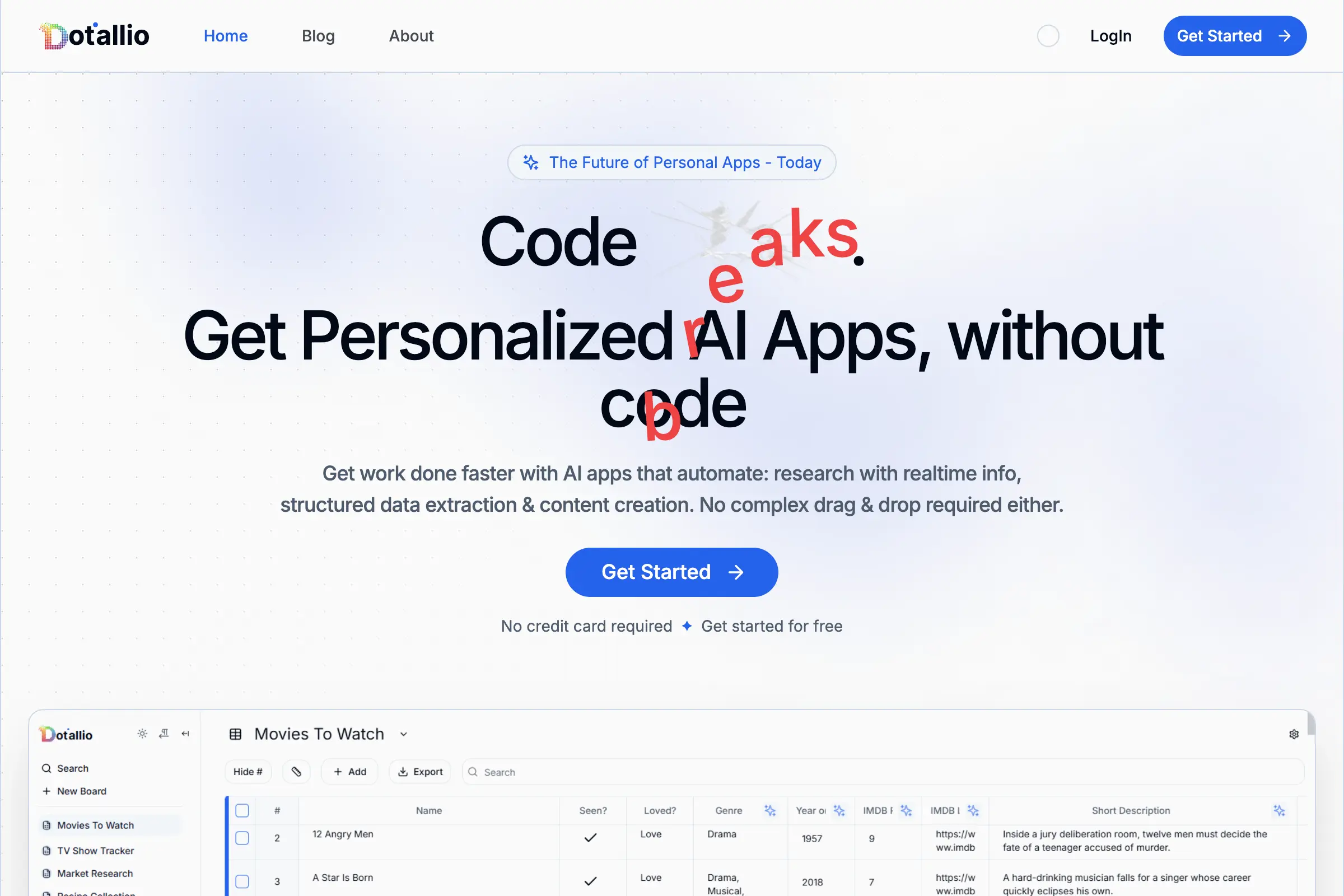
Personalized AI apps that automate research, data extraction, and content creation without code 🤖
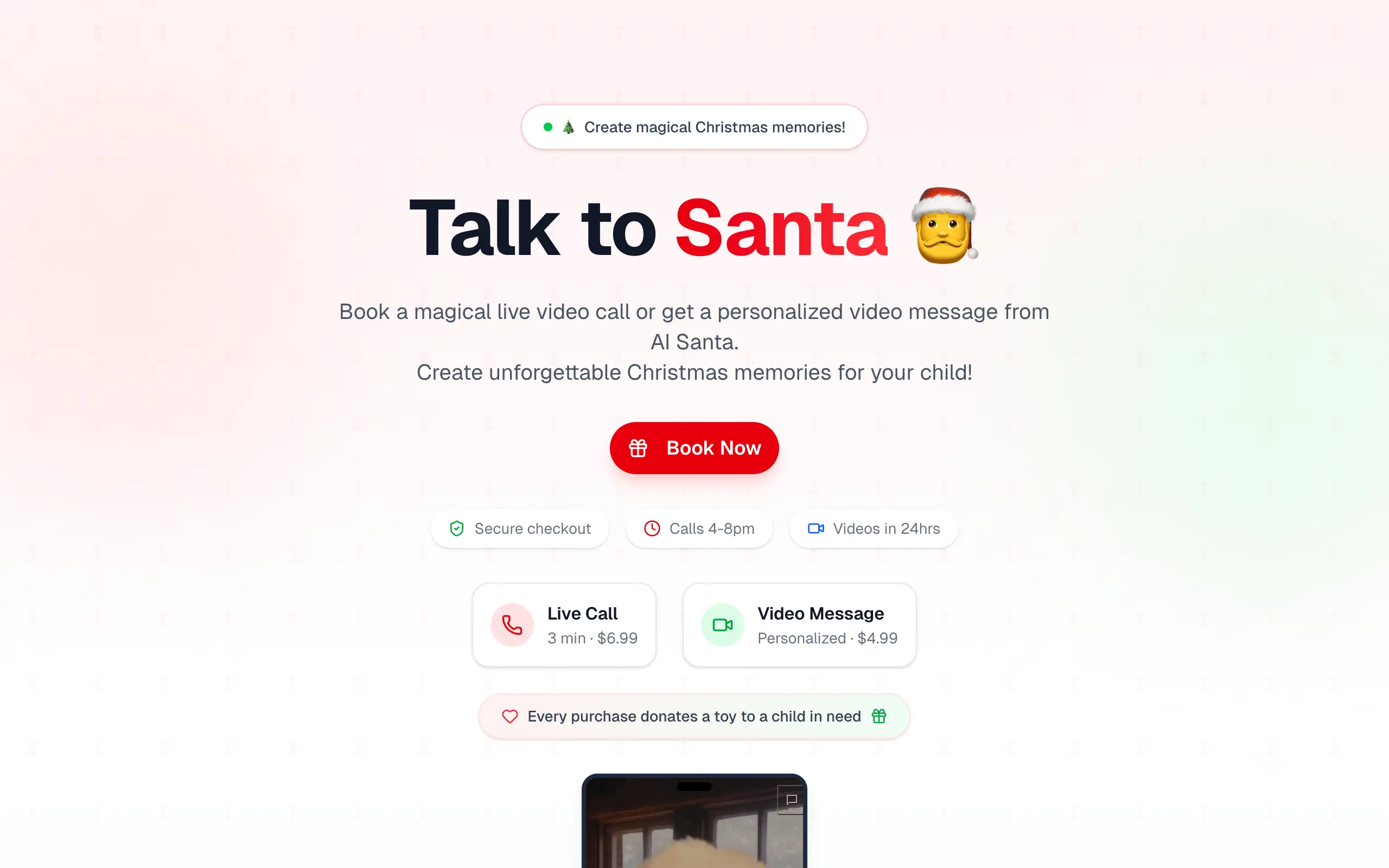
Enjoy a magical live video chat or receive a unique AI-generated video greeting from Santa Claus 🎅
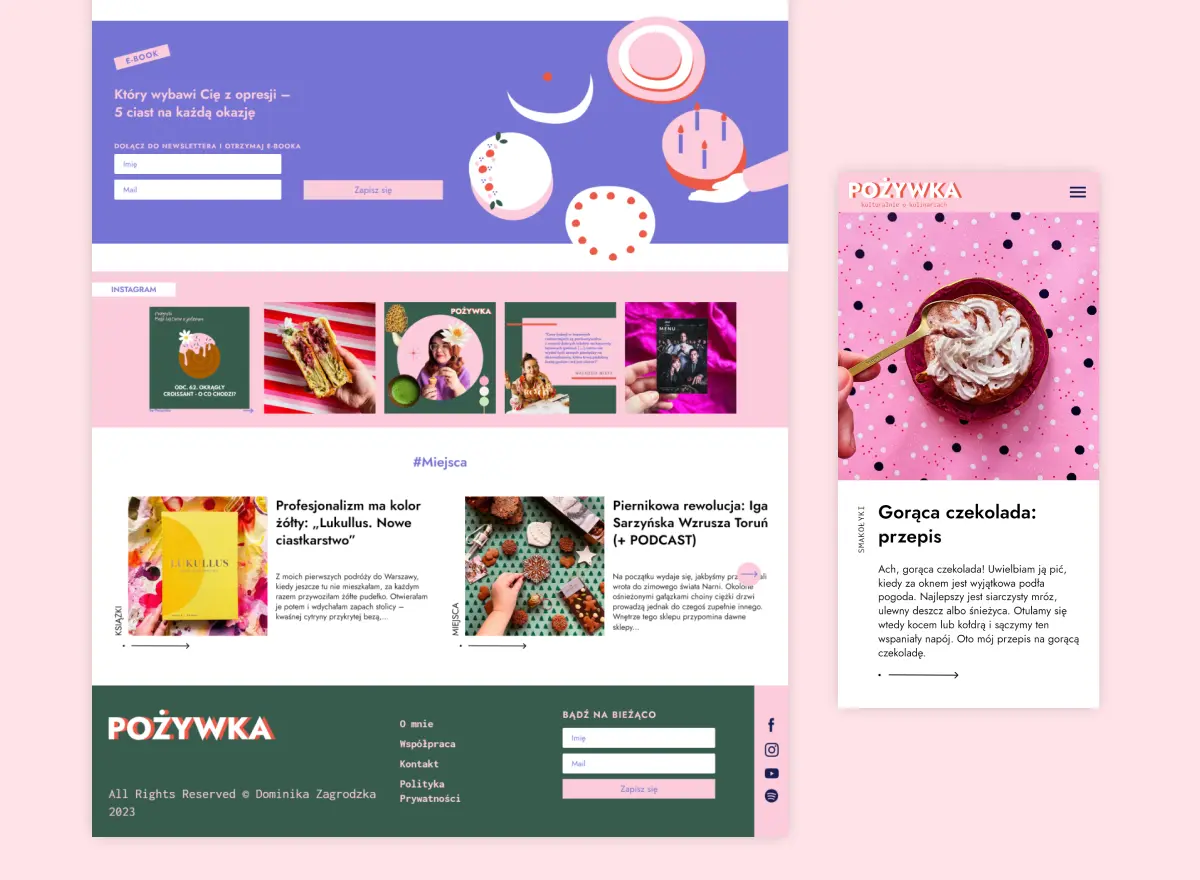
Scalable blog for food journalist, focused on performance and user experience 🌭
Personal blog and portfolio of Bart Zagrodzki, where he shares his knowledge and work 💼
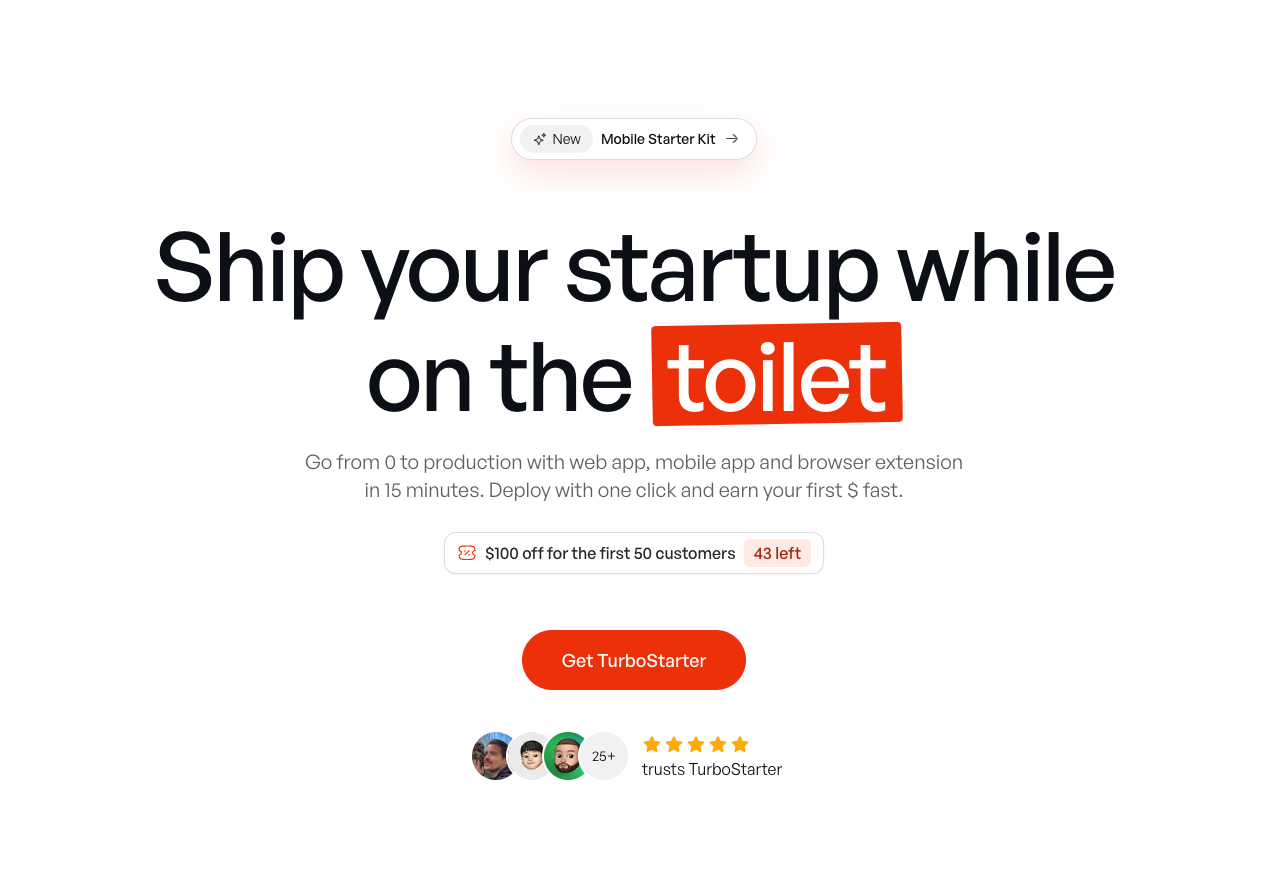
Ship your startup everywhere. In minutes.
Convert HTML to Markdown with ease, directly in your browser 📄
Personalized AI apps that automate research, data extraction, and content creation without code 🤖
Enjoy a magical live video chat or receive a unique AI-generated video greeting from Santa Claus 🎅
Scalable blog for food journalist, focused on performance and user experience 🌭
Personal blog and portfolio of Bart Zagrodzki, where he shares his knowledge and work 💼
Ship your startup everywhere. In minutes.
Convert HTML to Markdown with ease, directly in your browser 📄
Chat with 50+ AI models, including ChatGPT and Claude, in one place - switch models anytime without losing context 🤖
Supercharge your Claude Code with 6x effective context window and specialized AI agents 🤖
AI-powered emoji picker with smart, context-aware suggestions 🤖
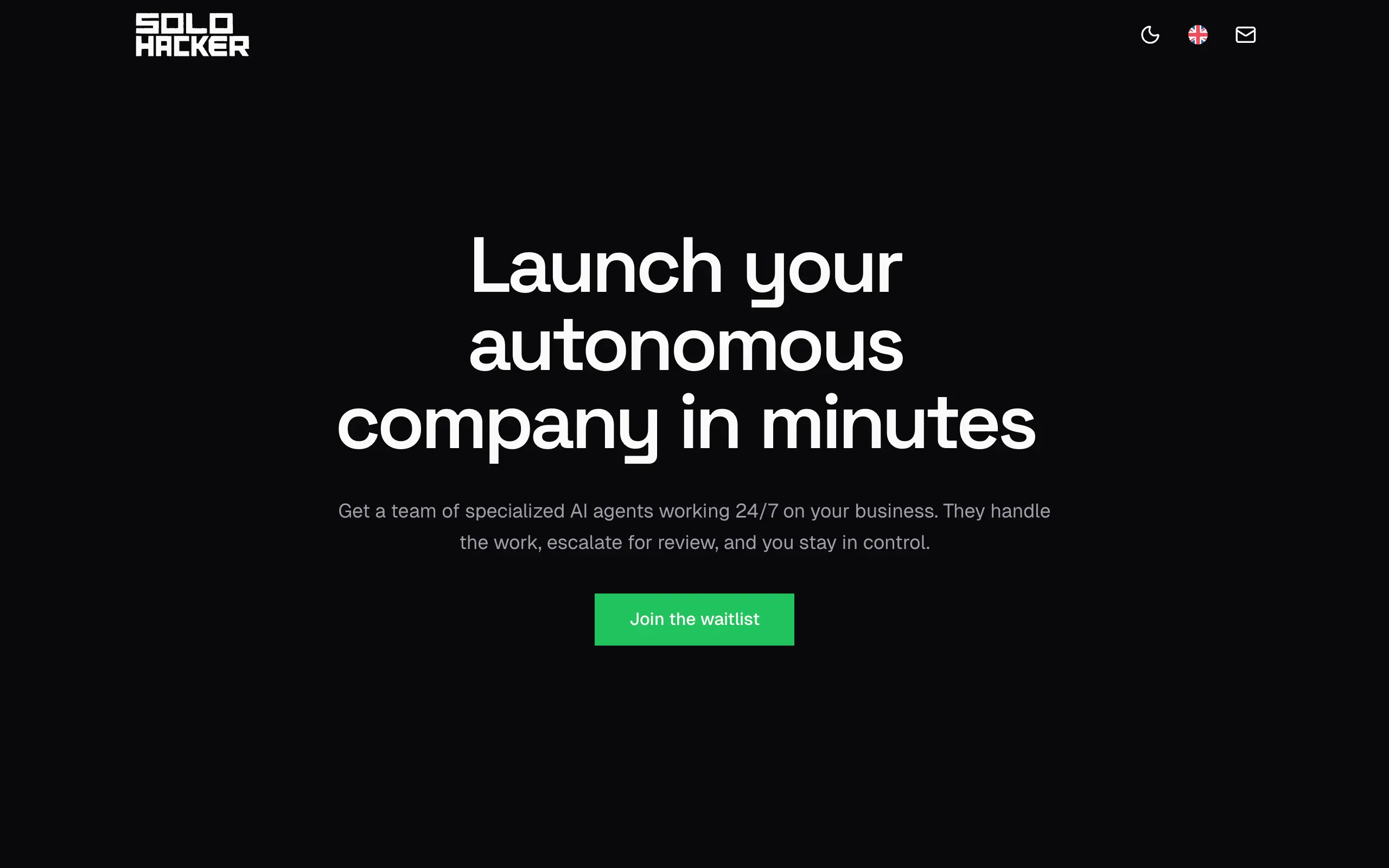
Autonomous company launcher - AI agents work 24/7, escalate what matters, and you stay in control 🤖
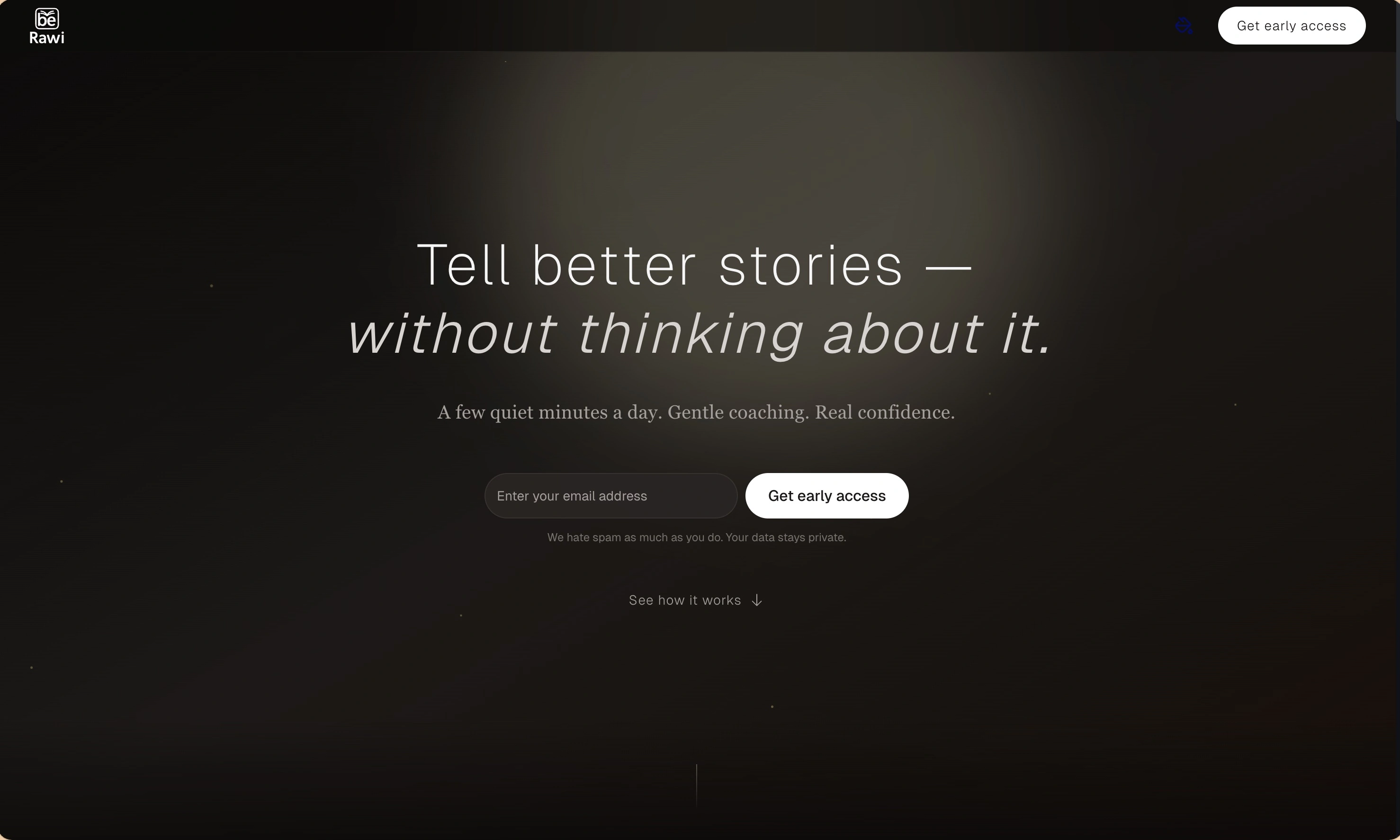
Practice storytelling daily with instant feedback to sound clearer, more engaging, and confident 🎤
Chat with 50+ AI models, including ChatGPT and Claude, in one place - switch models anytime without losing context 🤖
Supercharge your Claude Code with 6x effective context window and specialized AI agents 🤖
AI-powered emoji picker with smart, context-aware suggestions 🤖
Autonomous company launcher - AI agents work 24/7, escalate what matters, and you stay in control 🤖
Practice storytelling daily with instant feedback to sound clearer, more engaging, and confident 🎤

Connect with like-minded people
Join our community to get feedback, support, and grow together with 1,000+ builders on board, let's ship it!
Join usShip your startup everywhere. In minutes.
Don't burn tokens on setup and start building features on day one.