PatchWizard AI
AI analyzes poorly rated games and auto-generates actionable patches, balance fixes, and bug predictions for dev teams.
What is an AI-powered game patch generator and why it matters
The modern game development cycle doesn’t end at launch—it starts there. With live-service expectations, constant player feedback, and platform-wide reviews shaping perception, developers are under pressure to iterate quickly and intelligently. This is where an AI-powered game patch generator like PatchWizard AI becomes a compelling SaaS opportunity.
At its core, PatchWizard AI analyzes poorly rated games, extracts patterns from player complaints, identifies likely bugs or balance issues, and generates actionable patch suggestions. It goes beyond simple sentiment analysis—it bridges the gap between feedback and implementation.
This idea directly aligns with growing search intent around:
- "how to fix bad game reviews"
- "AI tools for game developers"
- "automated bug detection in games"
- "game balancing tools using AI"
The demand is real—and underserved.
Understanding the target audience
To build and position PatchWizard AI effectively, you need a precise understanding of who will use it and why.
Primary audience segments
1. Indie game developers
- Small teams or solo creators
- Limited QA and analytics resources
- Highly dependent on early user reviews
- Need fast, affordable iteration cycles
2. Mid-sized game studios
- Managing multiple live titles
- Require structured feedback pipelines
- Interested in reducing manual triage work
3. Live-service game teams
- Focused on player retention and engagement
- Constantly tuning mechanics and balance
- Need predictive insights before issues escalate
4. QA and product teams
- Responsible for bug tracking and prioritization
- Overwhelmed with fragmented feedback sources
Pain points across audiences
- Overwhelming volume of unstructured feedback
- Difficulty distinguishing signal from noise
- Delayed response to critical issues
- Lack of predictive insights (fixing problems after damage is done)
- Manual effort in converting feedback into actionable tickets
PatchWizard AI directly addresses these friction points.
Market opportunity and gap analysis
The gaming industry continues to expand, with global revenue projected to exceed $200 billion annually (source: Newzoo reports). At the same time, user expectations are rising.
Existing solutions (and their limitations)
Let’s break down the current ecosystem:
| Solution Type | Examples | Strengths | Weaknesses | Opportunity Gap |
|---|---|---|---|---|
| User review platforms | Steam, Metacritic | Raw feedback volume | No actionable insights | AI-driven synthesis |
| Bug tracking tools | Jira, Linear | Structured workflows | Manual input required | Automated issue generation |
| Analytics tools | GameAnalytics | Behavioral data | No sentiment context | Combine qualitative + quantitative |
| Playtesting tools | UserTesting | Controlled insights | Expensive, limited scale | Continuous feedback analysis |
The core gap
There is no dominant solution that automatically converts player dissatisfaction into prioritized, implementable fixes.
PatchWizard AI fills this gap by:
- Aggregating feedback from multiple sources
- Using AI to interpret intent and urgency
- Generating ready-to-implement patch recommendations
How PatchWizard AI works
At a high level, PatchWizard AI operates as a feedback intelligence engine combined with a development assistant.
Core workflow
Example output
Instead of:
"This game is unbalanced and frustrating"
PatchWizard AI outputs:
- Identified issue: Early-game difficulty spike in level 3
- Suggested fix: Reduce enemy HP by 15% and increase player shield duration by 1.2 seconds
- Confidence score: 87%
- Supporting evidence: 1,243 similar complaints
Core features that drive value
1. AI-powered feedback clustering
- Groups thousands of reviews into meaningful themes
- Detects hidden patterns across platforms
- Eliminates duplicate noise
2. Automated patch recommendations
- Generates:
- Bug fix suggestions
- Balance adjustments
- UX improvements
- Structured for direct use in dev workflows
3. Bug prediction engine
- Uses historical patterns and player behavior signals
- Flags likely future issues before they escalate
4. Sentiment heatmaps
- Visual breakdown of player frustration points
- Helps teams prioritize high-impact fixes
5. Integration with dev tools
6. Patch simulation insights
- Predict how a change might affect:
- Player retention
- Difficulty curve
- Engagement metrics
Recommended tech stack (with trade-offs)
Building PatchWizard AI requires a careful balance between scalability, performance, and AI capability.
Frontend
Why:
- Fast UI development
- Highly customizable dashboards
Backend
- Node.js or Python (FastAPI)
Trade-offs:
- Node.js: Better for real-time systems
- Python: Better for AI-heavy workloads
AI & NLP layer
- OpenAI models or open-source alternatives like LLaMA
- Hugging Face transformers for fine-tuning
Consideration:
- API-based models = faster to launch
- Self-hosted = better long-term cost control
Data pipeline
- Apache Kafka (streaming feedback ingestion)
- PostgreSQL (structured data)
- Elasticsearch (search and clustering)
Infrastructure
- AWS or GCP
- Use GPU instances for model inference
Monetization strategy
PatchWizard AI lends itself well to a SaaS pricing model.
Tiered pricing model
Free tier
- Limited feedback sources
- Basic insights
Pro ($49–$99/month)
- Full feedback aggregation
- Patch recommendations
- Integrations
Studio ($199–$499/month)
- Advanced analytics
- Predictive bug detection
- Team collaboration tools
Enterprise (custom pricing)
- Custom models
- Dedicated infrastructure
- SLA support
Additional revenue streams
- API access for studios
- White-label solutions
- Consulting for AAA studios
Competitive advantage and differentiation
PatchWizard AI’s edge lies in actionability.
Most tools stop at insights. PatchWizard goes further.
Key differentiators
From feedback to fixes
Not just analytics—actual patch suggestions ready for implementation.
Predictive intelligence
Anticipates issues before they impact ratings.
Cross-platform aggregation
Combines data from multiple ecosystems into one unified view.
Developer-first design
Outputs structured data that fits directly into dev workflows.
Risks and mitigation strategies
No SaaS idea is without challenges. Here are the main risks and how to address them.
1. Accuracy of AI-generated patches
Risk: Incorrect or naive suggestions could harm gameplay.
Mitigation:
- Provide confidence scores
- Include human-in-the-loop validation
- Allow customization of recommendations
2. Data quality issues
Risk: Garbage input leads to poor output.
Mitigation:
- Filter spam and low-quality reviews
- Weight verified users more heavily
3. Developer skepticism
Risk: Studios may resist AI-generated solutions.
Mitigation:
- Position as assistant, not replacement
- Provide transparent reasoning behind suggestions
4. Platform API limitations
Risk: Restricted access to review data
Mitigation:
- Use scraping where legal
- Encourage direct integrations (Discord bots, SDKs)
Real-world use cases
Indie developer recovering from bad launch
- Problem: 60% negative Steam reviews
- Solution: PatchWizard identifies top 3 issues
- Result: Rapid patch rollout → improved ratings
Live-service balancing
- Problem: Player churn due to difficulty spikes
- Solution: AI suggests dynamic adjustments
- Result: Increased retention
QA automation
- Problem: Overloaded QA team
- Solution: AI generates bug reports automatically
- Result: Faster development cycles
SEO strategy for scaling PatchWizard AI
To dominate search rankings, content and product strategy must align.
High-intent keywords to target
- AI for game development
- game patch automation
- fix bad game reviews
- game balancing tools
- AI bug detection software
Content ideas
- "How to recover from negative Steam reviews"
- "AI in game development: trends and tools"
- "Automating bug detection in indie games"
Implementation roadmap
If you were to build PatchWizard AI today, here’s a realistic path:
Phase 1: MVP (0–3 months)
Phase 2: Intelligence layer (3–6 months)
Phase 3: Advanced features (6–12 months)
Example: patch generation logic
type Feedback = {
  text: string
  sentiment: number
}

function generatePatchSuggestion(feedbacks: Feedback[]) {
  const negative = feedbacks.filter(f => f.sentiment < 0.4)

  if (negative.length > 100) {
    return {
      issue: "Difficulty spike detected",
      suggestion: "Reduce enemy damage by 10%",
      confidence: 0.82
    }
  }

  return null
}
Future trends shaping this space
1. AI-native game development
AI won’t just assist—it will co-create systems, levels, and mechanics.
2. Real-time adaptive gameplay
Games will adjust dynamically based on player behavior and sentiment.
3. Autonomous QA pipelines
AI agents will test, detect, and fix issues continuously.
PatchWizard AI is positioned right at the intersection of these trends.
Why this idea stands out
Most SaaS tools optimize workflows. PatchWizard AI optimizes outcomes.
It doesn’t just tell developers what’s wrong—it helps them fix it faster and smarter.
That’s a powerful value proposition in an industry where user sentiment can make or break a game overnight.
Actionable next steps
If you’re serious about building this:
Final thoughts
PatchWizard AI sits at a unique crossroads of AI, gaming, and developer productivity. It solves a real, painful problem with a clear ROI: better games, faster updates, happier players.
If executed well, it has the potential to become a core tool in every game developer’s toolkit.
Before building everything from scratch, consider using a launch framework like TurboStarter to accelerate development and focus on your core differentiator—the AI engine.
More 🤖 AI Startup SaaS ideas
Discover more innovative ai startup SaaS ideas that are trending in 2026. Each idea is AI-generated with market validation and growth potential to help you find your next profitable venture faster than competitors.
Your competitors are building with TurboStarter
Below are some of the SaaS ideas that have been generated and built with our starter kit.
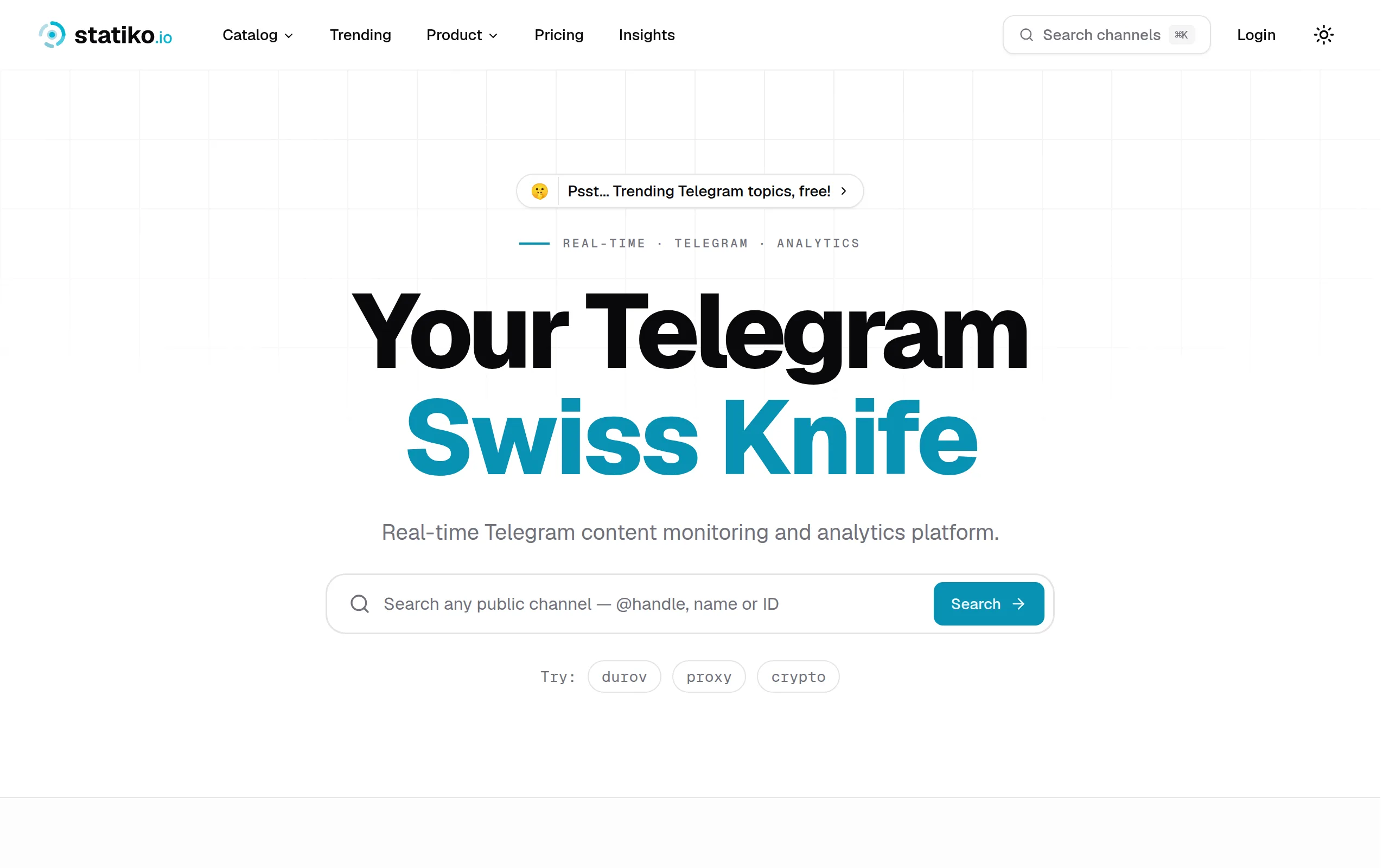
Statiko
Monitor any Telegram channel in real time - track posts, edits, deletions, and growth with AI recaps 📡

Shibui
AI website builder - describe your business, pick a niche template, edit by chatting, and publish instantly ✨

Pro Service
Find verified home service professionals, compare quotes, and pay securely through escrow - built for Brazilians across the US 🏠
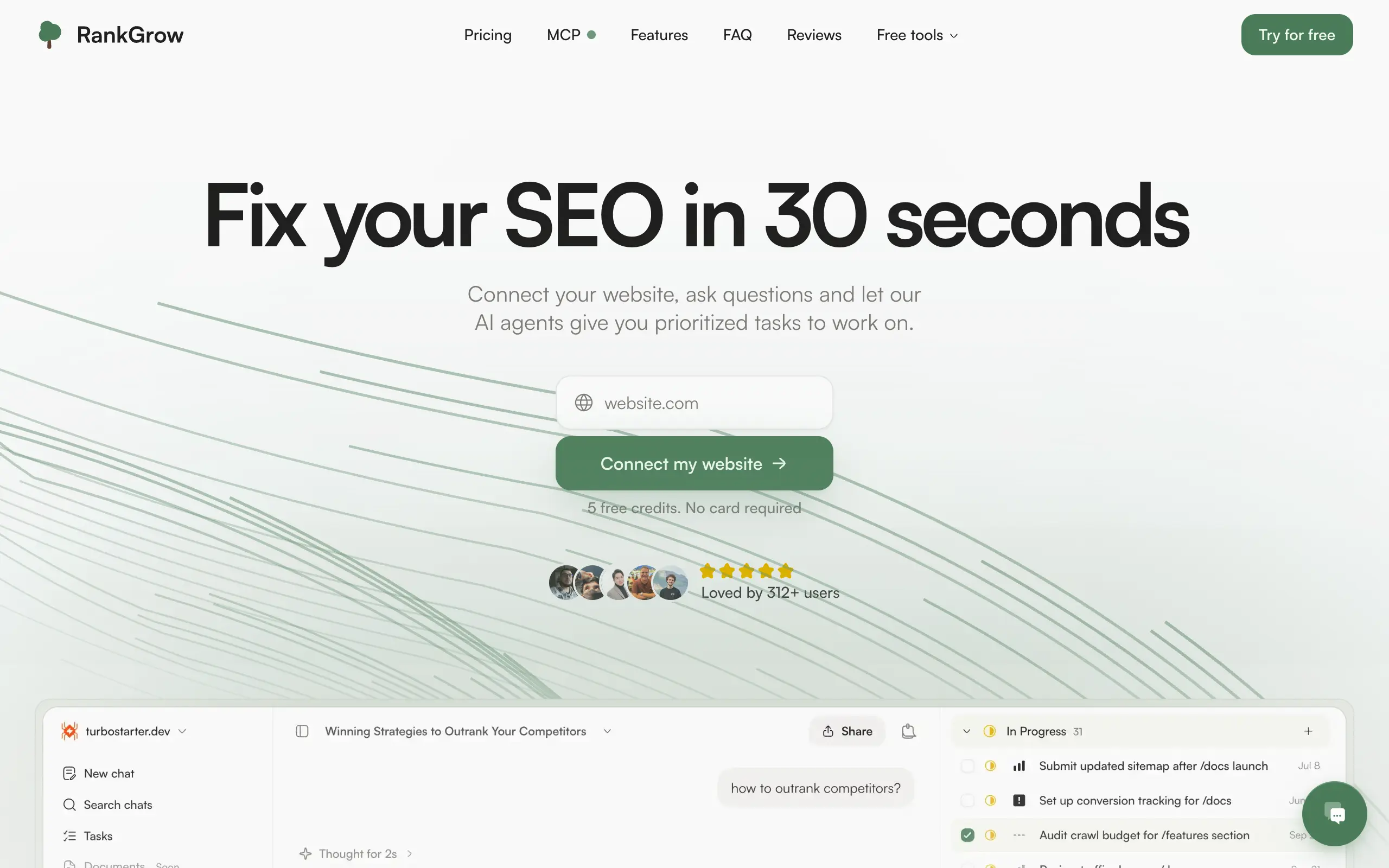
RankGrow
Fix your SEO with AI agents - connect Search Console, get prioritized tasks, and grow organic traffic 📈
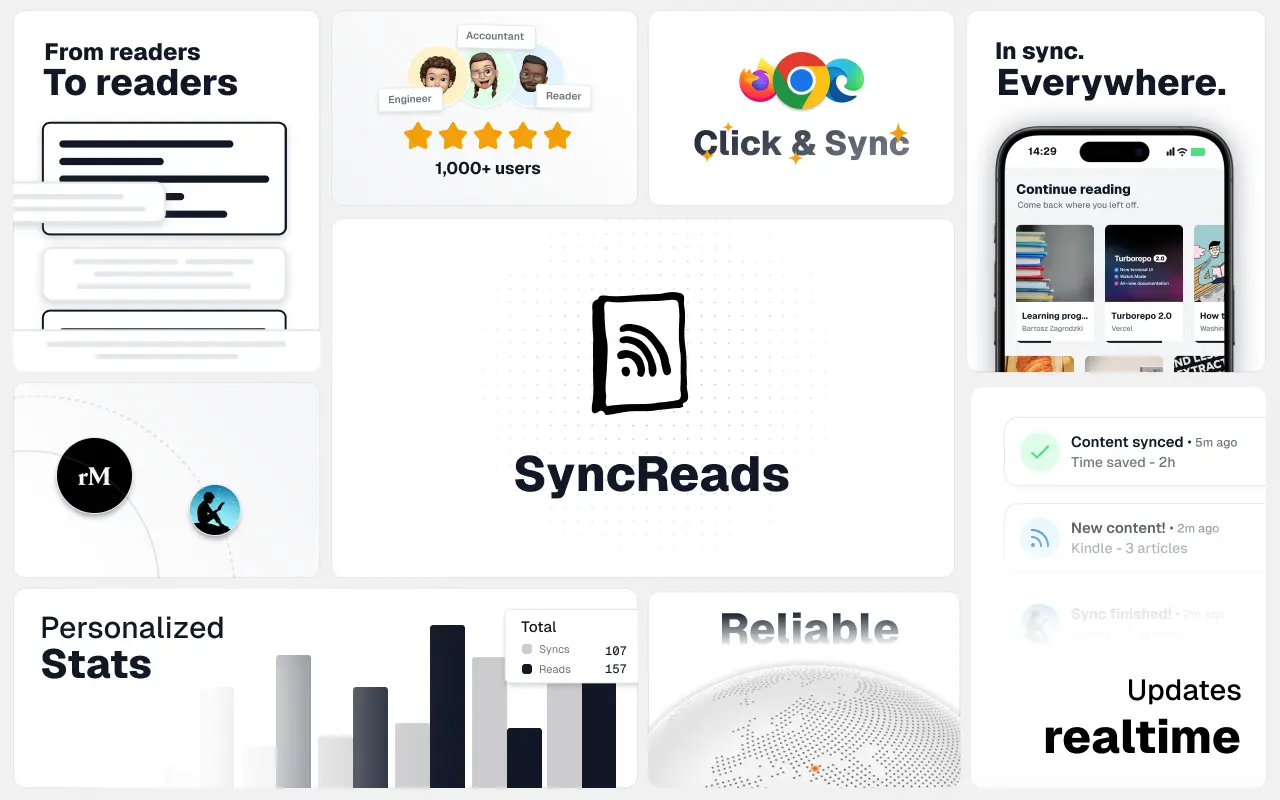
SyncReads
Sync your favorite content for distraction-free reading, save time and replace multiple apps. Anytime, anywhere 🔄
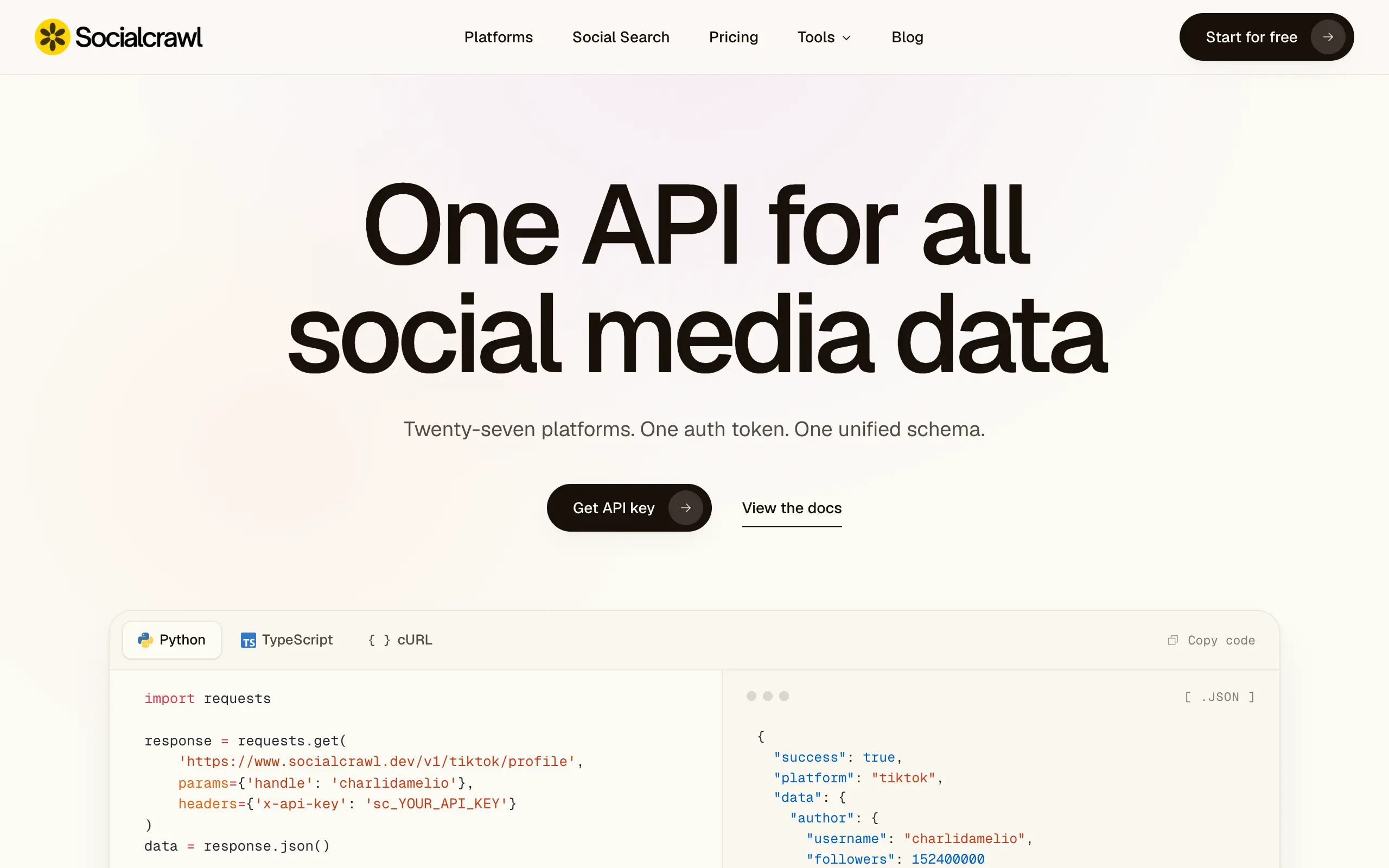
Socialcrawl
Get clean, structured data from 21 platforms like TikTok, Instagram, and YouTube with a single request 📊
Statiko
Monitor any Telegram channel in real time - track posts, edits, deletions, and growth with AI recaps 📡
Shibui
AI website builder - describe your business, pick a niche template, edit by chatting, and publish instantly ✨
Pro Service
Find verified home service professionals, compare quotes, and pay securely through escrow - built for Brazilians across the US 🏠
RankGrow
Fix your SEO with AI agents - connect Search Console, get prioritized tasks, and grow organic traffic 📈
SyncReads
Sync your favorite content for distraction-free reading, save time and replace multiple apps. Anytime, anywhere 🔄
Socialcrawl
Get clean, structured data from 21 platforms like TikTok, Instagram, and YouTube with a single request 📊
Statiko
Monitor any Telegram channel in real time - track posts, edits, deletions, and growth with AI recaps 📡
Shibui
AI website builder - describe your business, pick a niche template, edit by chatting, and publish instantly ✨
Pro Service
Find verified home service professionals, compare quotes, and pay securely through escrow - built for Brazilians across the US 🏠
RankGrow
Fix your SEO with AI agents - connect Search Console, get prioritized tasks, and grow organic traffic 📈
SyncReads
Sync your favorite content for distraction-free reading, save time and replace multiple apps. Anytime, anywhere 🔄
Socialcrawl
Get clean, structured data from 21 platforms like TikTok, Instagram, and YouTube with a single request 📊
Statiko
Monitor any Telegram channel in real time - track posts, edits, deletions, and growth with AI recaps 📡
Shibui
AI website builder - describe your business, pick a niche template, edit by chatting, and publish instantly ✨
Pro Service
Find verified home service professionals, compare quotes, and pay securely through escrow - built for Brazilians across the US 🏠
RankGrow
Fix your SEO with AI agents - connect Search Console, get prioritized tasks, and grow organic traffic 📈
SyncReads
Sync your favorite content for distraction-free reading, save time and replace multiple apps. Anytime, anywhere 🔄
Socialcrawl
Get clean, structured data from 21 platforms like TikTok, Instagram, and YouTube with a single request 📊
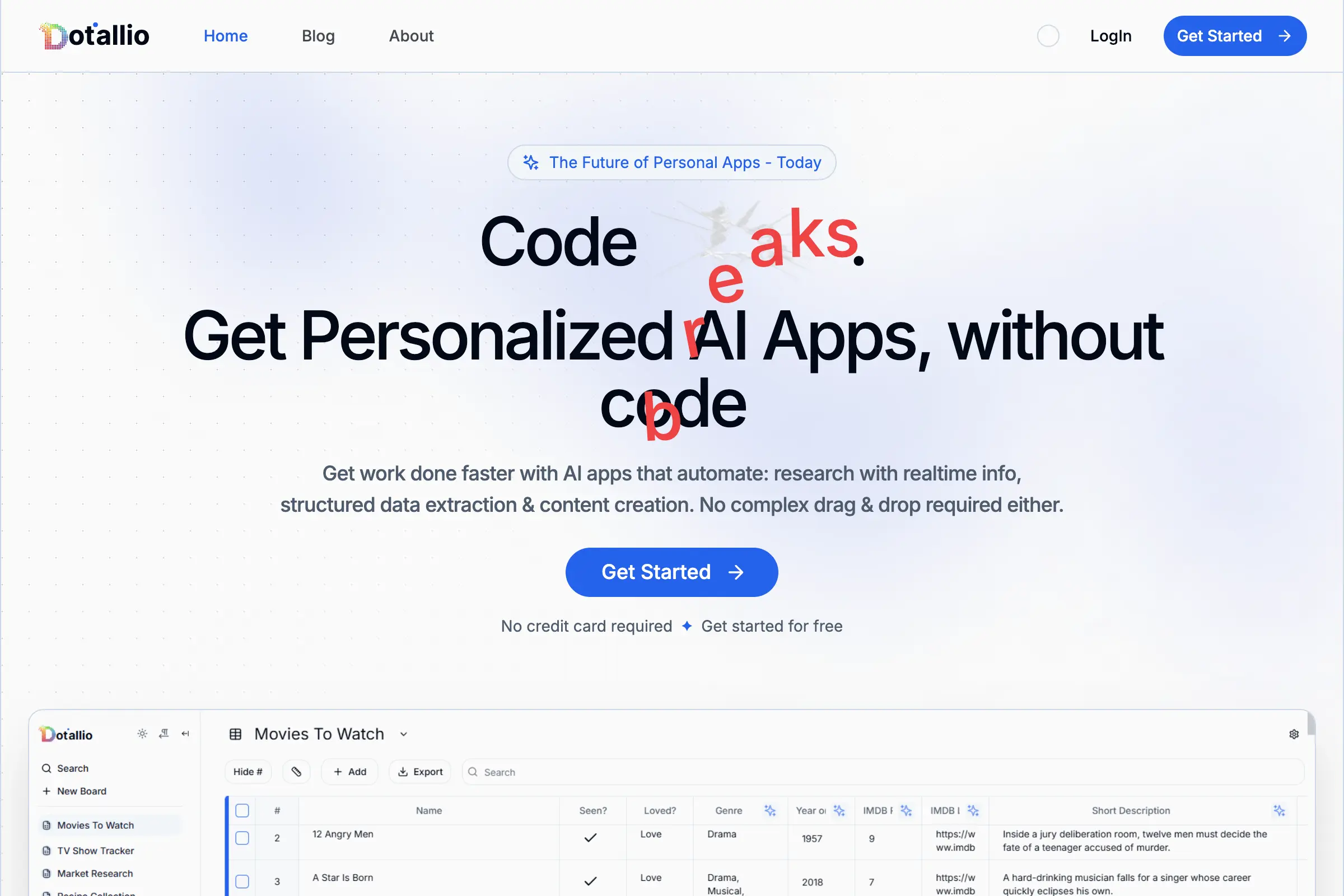
Dotallio
Personalized AI apps that automate research, data extraction, and content creation without code 🤖

Talk to Santa
Enjoy a magical live video chat or receive a unique AI-generated video greeting from Santa Claus 🎅

pozywka.pl
Scalable blog for food journalist, focused on performance and user experience 🌭
zagrodzki.me
Personal blog and portfolio of Bart Zagrodzki, where he shares his knowledge and work 💼
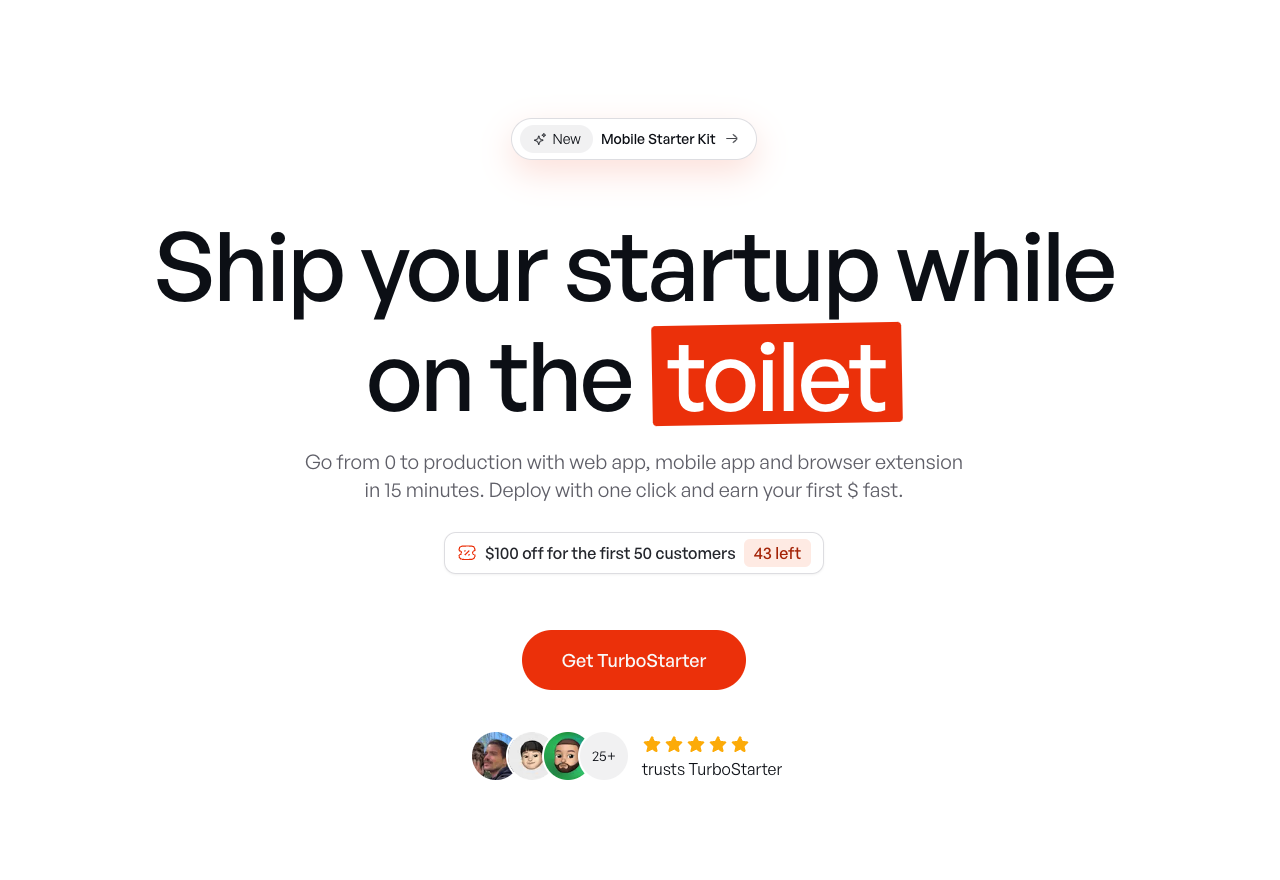
TurboStarter
Ship your startup everywhere. In minutes.
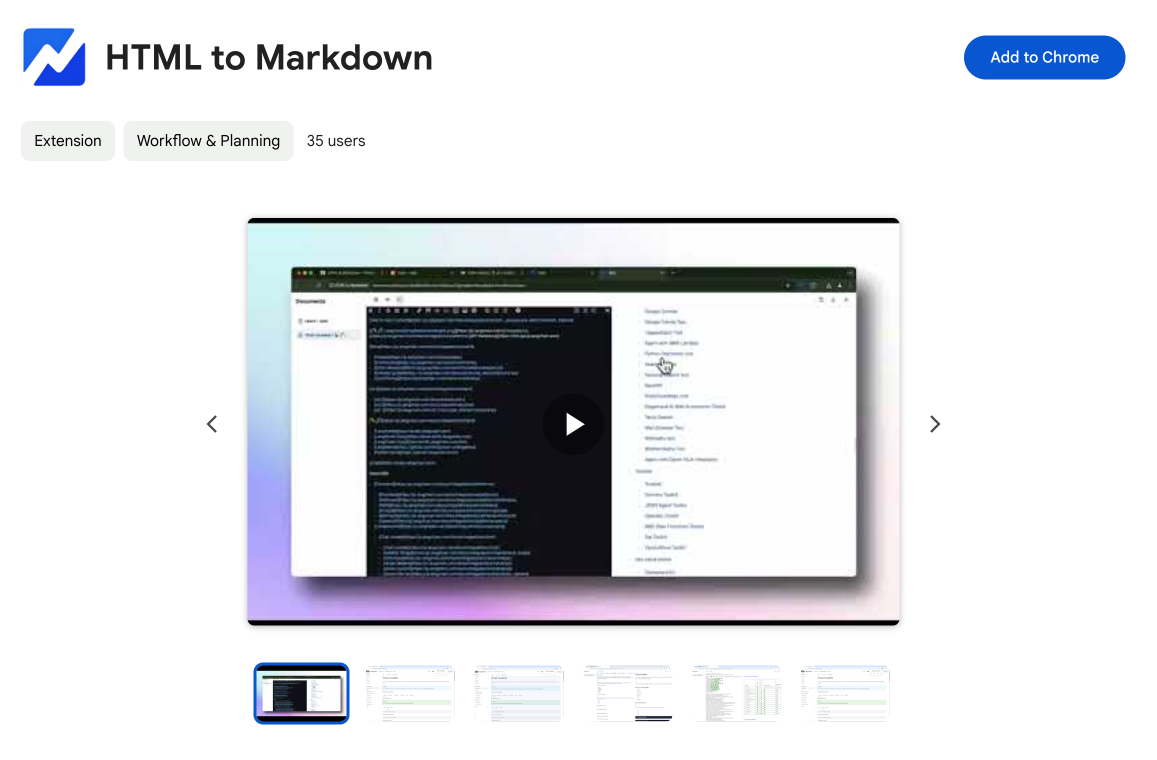
HTML to Markdown
Convert HTML to Markdown with ease, directly in your browser 📄
Dotallio
Personalized AI apps that automate research, data extraction, and content creation without code 🤖
Talk to Santa
Enjoy a magical live video chat or receive a unique AI-generated video greeting from Santa Claus 🎅
pozywka.pl
Scalable blog for food journalist, focused on performance and user experience 🌭
zagrodzki.me
Personal blog and portfolio of Bart Zagrodzki, where he shares his knowledge and work 💼
TurboStarter
Ship your startup everywhere. In minutes.
HTML to Markdown
Convert HTML to Markdown with ease, directly in your browser 📄
Dotallio
Personalized AI apps that automate research, data extraction, and content creation without code 🤖
Talk to Santa
Enjoy a magical live video chat or receive a unique AI-generated video greeting from Santa Claus 🎅
pozywka.pl
Scalable blog for food journalist, focused on performance and user experience 🌭
zagrodzki.me
Personal blog and portfolio of Bart Zagrodzki, where he shares his knowledge and work 💼
TurboStarter
Ship your startup everywhere. In minutes.
HTML to Markdown
Convert HTML to Markdown with ease, directly in your browser 📄
Dotallio
Personalized AI apps that automate research, data extraction, and content creation without code 🤖
Talk to Santa
Enjoy a magical live video chat or receive a unique AI-generated video greeting from Santa Claus 🎅
pozywka.pl
Scalable blog for food journalist, focused on performance and user experience 🌭
zagrodzki.me
Personal blog and portfolio of Bart Zagrodzki, where he shares his knowledge and work 💼
TurboStarter
Ship your startup everywhere. In minutes.
HTML to Markdown
Convert HTML to Markdown with ease, directly in your browser 📄
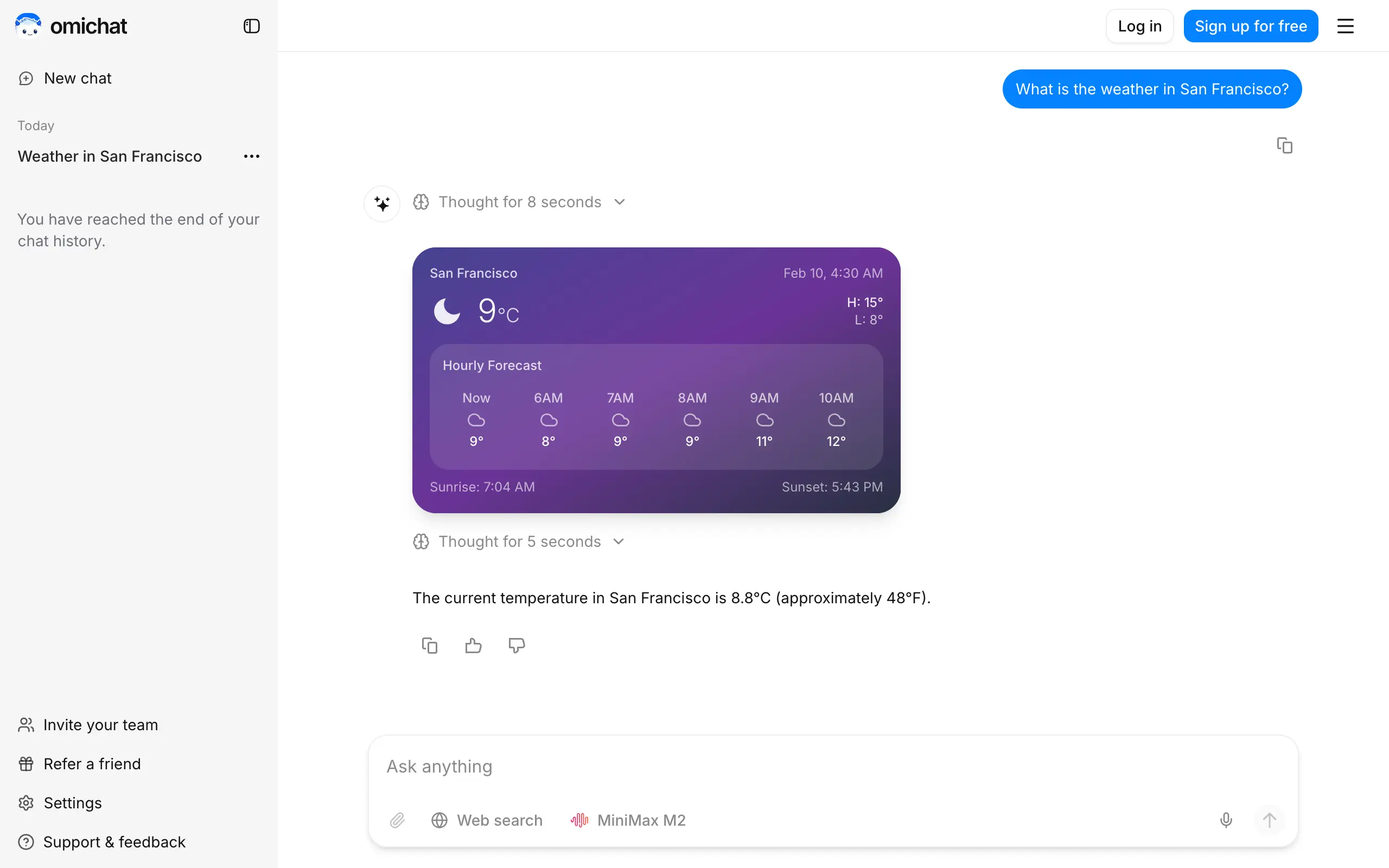
Omichat
Chat with 50+ AI models, including ChatGPT and Claude, in one place - switch models anytime without losing context 🤖
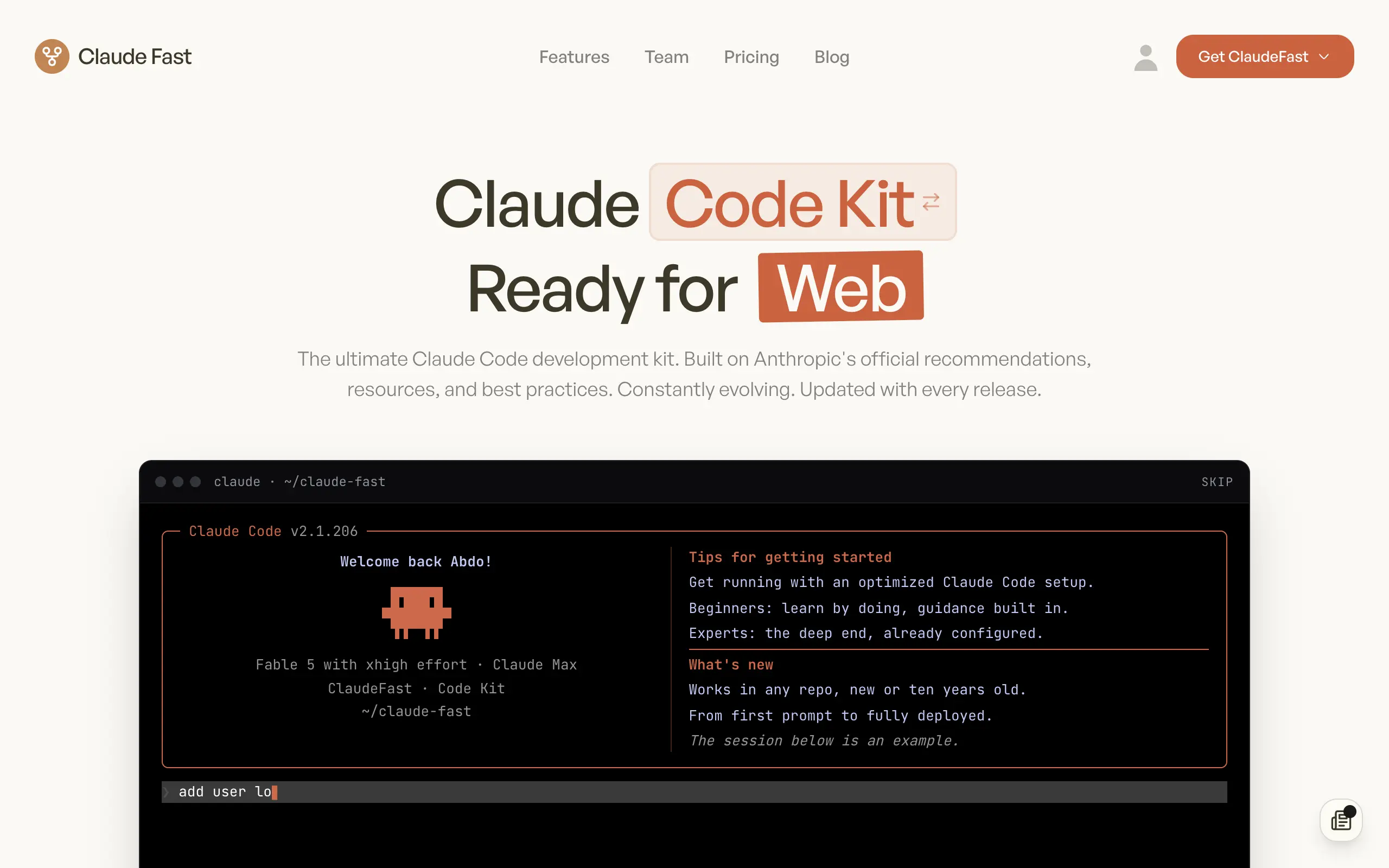
Claude Fast
Supercharge your Claude Code with 6x effective context window and specialized AI agents 🤖
EmojAI
AI-powered emoji picker with smart, context-aware suggestions 🤖
Solohacker
Autonomous company launcher - AI agents work 24/7, escalate what matters, and you stay in control 🤖
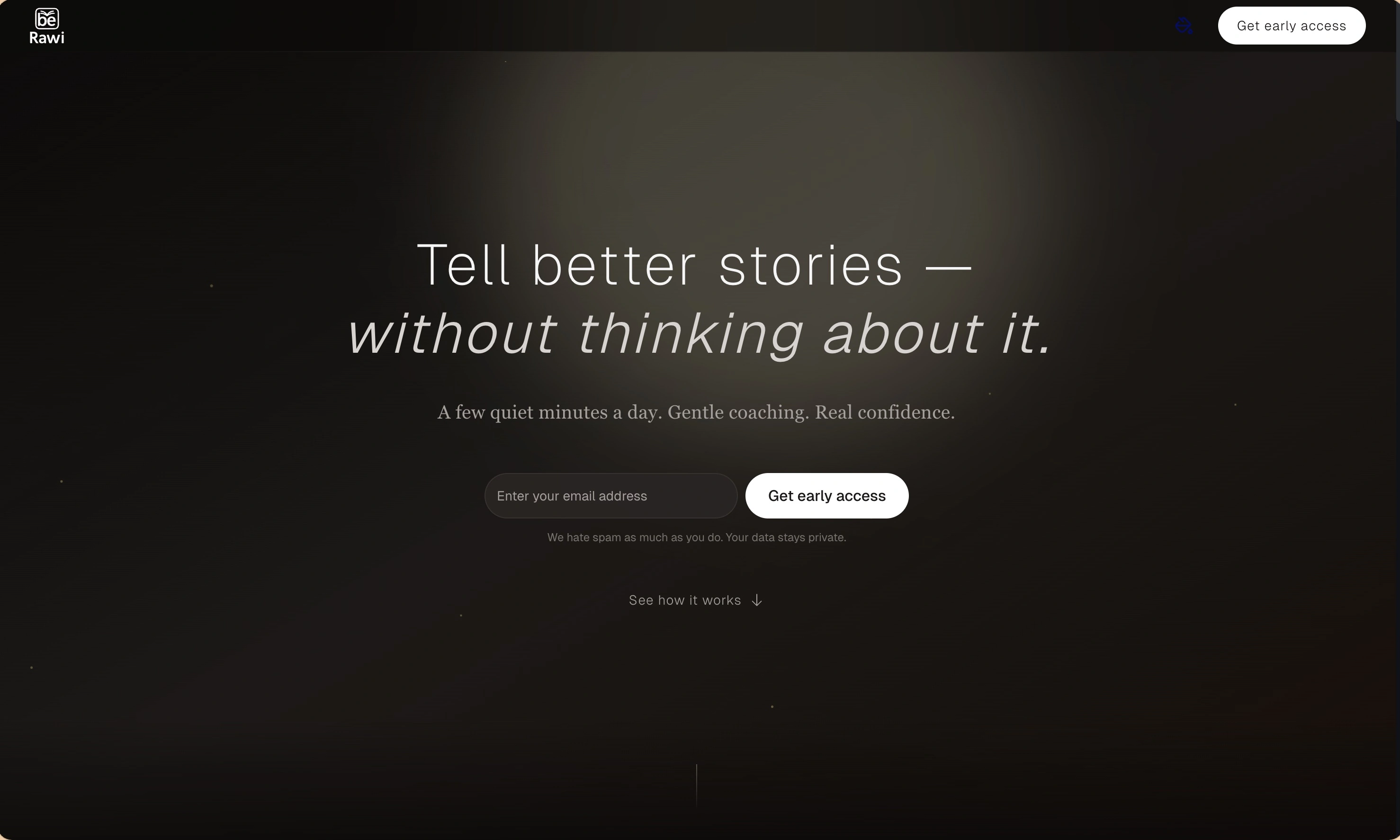
BeRawi: Storytelling Coach
Practice storytelling daily with instant feedback to sound clearer, more engaging, and confident 🎤
Omichat
Chat with 50+ AI models, including ChatGPT and Claude, in one place - switch models anytime without losing context 🤖
Claude Fast
Supercharge your Claude Code with 6x effective context window and specialized AI agents 🤖
EmojAI
AI-powered emoji picker with smart, context-aware suggestions 🤖
Solohacker
Autonomous company launcher - AI agents work 24/7, escalate what matters, and you stay in control 🤖
BeRawi: Storytelling Coach
Practice storytelling daily with instant feedback to sound clearer, more engaging, and confident 🎤
Omichat
Chat with 50+ AI models, including ChatGPT and Claude, in one place - switch models anytime without losing context 🤖
Claude Fast
Supercharge your Claude Code with 6x effective context window and specialized AI agents 🤖
EmojAI
AI-powered emoji picker with smart, context-aware suggestions 🤖
Solohacker
Autonomous company launcher - AI agents work 24/7, escalate what matters, and you stay in control 🤖
BeRawi: Storytelling Coach
Practice storytelling daily with instant feedback to sound clearer, more engaging, and confident 🎤
Omichat
Chat with 50+ AI models, including ChatGPT and Claude, in one place - switch models anytime without losing context 🤖
Claude Fast
Supercharge your Claude Code with 6x effective context window and specialized AI agents 🤖
EmojAI
AI-powered emoji picker with smart, context-aware suggestions 🤖
Solohacker
Autonomous company launcher - AI agents work 24/7, escalate what matters, and you stay in control 🤖
BeRawi: Storytelling Coach
Practice storytelling daily with instant feedback to sound clearer, more engaging, and confident 🎤

Connect with like-minded people
Join our community to get feedback, support, and grow together with 1,000+ builders on board, let's ship it!
Join usShip your startup everywhere. In minutes.
Don't burn tokens on setup and start building features on day one.