PawMind
An AI health and behavior assistant that analyzes your pet’s symptoms, habits, and activity to provide early risk alerts and personalized care guidance.
Why an AI pet health and behavior assistant like PawMind matters now
Pet owners increasingly treat their animals as family. Spending on pet care continues to rise globally, with strong growth in veterinary services, premium food, and wellness products. At the same time, veterinary clinics are overwhelmed, appointments can take days or weeks, and early symptoms are often missed because they’re subtle or behavioral.
This is the exact gap PawMind, an AI pet health and behavior assistant, is designed to fill.
PawMind analyzes a pet’s symptoms, habits, and activity patterns to deliver:
- Early risk alerts for potential health issues
- Personalized care guidance based on breed, age, and lifestyle
- Behavioral insights that connect subtle changes to possible underlying causes
- Proactive wellness recommendations, not just reactive advice
The primary keyword here is AI pet health assistant, and PawMind positions itself as a next-generation solution in the broader categories of:
- AI veterinary assistant
- Pet symptom checker
- Pet health monitoring app
- AI pet behavior analysis tool
- Preventive pet care platform
This article provides a comprehensive breakdown of the opportunity, strategy, features, technical architecture, monetization, risks, and implementation roadmap behind building and scaling PawMind.
Understanding user intent behind an AI pet health assistant
Before diving into product design, it’s critical to understand why users would search for a solution like PawMind.
Core user search intents
-
Symptom-based urgency
- “Why is my dog shaking?”
- “Cat vomiting yellow foam what does it mean?”
- “Is limping serious in dogs?”
-
Behavioral uncertainty
- “Why is my cat hiding suddenly?”
- “Dog aggressive out of nowhere”
-
Preventive care curiosity
- “How to keep my dog healthy long term?”
- “Signs of early arthritis in dogs”
-
Tracking & monitoring needs
- “Pet health tracker app”
- “Monitor dog activity and health”
PawMind must address all four intents by combining reactive triage and proactive care guidance.
Key insight
Most pet owners don’t want a diagnosis — they want clarity: “Is this urgent?” “What should I do next?” “Is this normal?” PawMind should focus on risk stratification and next-step guidance, not medical diagnosis.
Target audience analysis
A successful AI pet health assistant requires precise audience segmentation.
1. First-time pet owners
Profile:
- Ages 22–35
- Urban dwellers
- Heavy mobile users
- Likely to search Google for every symptom
Pain points:
- Anxiety over minor symptoms
- Lack of knowledge about normal vs abnormal behavior
- High vet costs
Why they adopt PawMind:
- Instant reassurance
- Educational guidance
- Preventive alerts
2. Busy professionals with pets
Profile:
- 30–50 years old
- High disposable income
- Limited time for appointments
Pain points:
- Delayed vet visits
- Missed early warning signs
- Inconsistent observation
Why they adopt PawMind:
- Daily health summaries
- Activity-based alerts
- Smart reminders
3. Owners of senior pets
Profile:
- Pets aged 7+
- Increased risk of chronic disease
Pain points:
- Subtle early symptoms
- Frequent vet monitoring
- Medication tracking complexity
Why they adopt PawMind:
- Chronic condition tracking
- Pattern-based AI detection
- Quality-of-life scoring
4. Pet influencers and premium pet parents
Profile:
- Highly engaged
- Already use smart collars or trackers
Pain points:
- Fragmented data across apps
- No unified AI analysis
Why they adopt PawMind:
- Centralized health dashboard
- Data-driven insights
- Shareable health reports
Market opportunity and gap identification
The current landscape
The pet tech market includes:
- Symptom checker websites
- Smart collars (activity trackers)
- Vet telehealth apps
- Pet health record storage tools
However, there is a critical gap:
Most tools are reactive, isolated, or data-dumb.
They either:
- Provide static advice
- Track activity without analysis
- Offer tele-vet access without longitudinal insights
The gap PawMind fills
PawMind combines:
- Long-term data modeling
- Behavioral pattern recognition
- Symptom-based AI triage
- Personalized breed-aware insights
In other words, it becomes a preventive intelligence layer over pet ownership.
Core features of PawMind
1. AI-powered pet symptom analyzer
Users input:
- Observable symptoms
- Duration
- Severity
- Behavior changes
- Environmental factors
The AI responds with:
- Risk level (low / moderate / urgent)
- Possible categories (digestive, neurological, musculoskeletal, etc.)
- Clear next steps
- Emergency indicators
2. Behavior pattern detection
PawMind tracks:
- Sleep patterns
- Activity levels
- Eating habits
- Bathroom frequency
- Mood/behavior notes
Over time, the AI detects deviations:
“Your dog’s activity has decreased by 32% over 5 days — consider monitoring for joint discomfort.”
3. Personalized care recommendations
Recommendations are tailored by:
- Breed
- Age
- Weight
- Activity level
- Known conditions
Examples:
- Early arthritis prevention plan
- Breed-specific health risks
- Nutritional adjustments
4. Early risk alert system
Instead of waiting for crisis, PawMind flags:
- Gradual appetite decline
- Sleep disruptions
- Increased hiding behavior in cats
- Progressive stiffness in older dogs
This transforms PawMind from a chatbot into a longitudinal AI health assistant.
5. Vet-ready health reports
Users can generate structured summaries:
- Symptom history
- Timeline visualization
- Activity graphs
- Risk trend analysis
This reduces friction during vet visits.
Competitive advantage analysis
Let’s compare PawMind against common alternatives.
| Feature | Static symptom sites | Smart collars | Tele-vet apps | PawMind |
|---|---|---|---|---|
| AI triage | ❌ | ❌ | ✅ | ✅ |
| Long-term pattern detection | ❌ | Limited | ❌ | ✅ |
| Behavior analysis | ❌ | Limited | ❌ | ✅ |
| Vet report export | ❌ | ❌ | Limited | ✅ |
Unique selling proposition (USP)
PawMind is not just an AI chatbot. It is a:
Preventive, longitudinal AI pet health assistant that connects behavior, symptoms, and activity data into actionable early risk insights.
Recommended tech stack and architecture
A scalable AI SaaS like PawMind requires thoughtful architectural choices.
Frontend
- React or Next.js for dynamic UI
- TailwindCSS for fast styling
- Mobile-first responsive design
Trade-off:
- React offers flexibility
- Next.js adds SEO and performance benefits
For an SEO-heavy content strategy (symptom pages), Next.js is preferable.
Backend
- Node.js with Express or NestJS
- PostgreSQL for structured data
- Redis for caching alerts
AI layer
Components:
- LLM-based symptom reasoning
- Rule-based safety checks
- Statistical anomaly detection
- Time-series modeling for activity patterns
Hybrid architecture is crucial:
- LLM for natural language understanding
- Deterministic rules for safety
- ML for behavioral anomaly detection
Example risk scoring logic
function calculateRiskScore(symptoms, activityDrop, appetiteChange) {
  let score = 0;

  if (symptoms.includes("vomiting")) score += 2;
  if (symptoms.includes("lethargy")) score += 3;
  if (activityDrop > 25) score += 2;
  if (appetiteChange === "reduced") score += 2;

  if (score >= 7) return "High Risk";
  if (score >= 4) return "Moderate Risk";
  return "Low Risk";
}
This hybrid approach increases safety and trust.
Monetization strategy for PawMind
A strong AI pet health assistant monetization plan should balance accessibility with premium value.
1. Freemium model
Free tier:
- Basic symptom analysis
- Limited history tracking
- Manual logging
Premium tier:
- Advanced AI risk detection
- Behavioral anomaly alerts
- Vet-ready reports
- Smart device integrations
2. Subscription tiers
Basic ($9–12/month)
Unlimited symptom checks, activity logging, and personalized guidance.
Pro ($19–25/month)
AI risk alerts, advanced analytics, vet export reports, and priority support.
Family Plan ($29–39/month)
Multiple pets, household accounts, shared dashboards.
3. Additional revenue streams
- Affiliate partnerships with pet insurance
- Premium AI-generated wellness plans
- Integration with wearable pet devices
- B2B veterinary clinic dashboards
Risks and mitigation strategies
1. Legal and medical liability risk
Risk:
- Misinterpretation as medical diagnosis
Mitigation:
- Clear disclaimers
- Risk categorization, not diagnosis
- Escalation for emergency symptoms
2. AI hallucination risk
Mitigation:
- Controlled prompt engineering
- Structured output constraints
- Rule-based overrides
- Vet-reviewed training data
3. Data privacy concerns
Pet data may include owner location and personal information.
Mitigation:
- Strong encryption
- GDPR compliance
- Clear data usage transparency
4. Trust barrier
Pet owners must trust the AI.
Mitigation:
- Vet advisory board
- Transparent explanation of risk scoring
- Evidence-backed recommendations
Go-to-market strategy
Phase 1: SEO-led growth
Target long-tail keywords:
- “AI pet symptom checker”
- “Dog health AI app”
- “Cat behavior analysis tool”
- “Early signs of arthritis in dogs”
Build high-quality symptom pages optimized for search.
Phase 2: Influencer partnerships
- Pet TikTok creators
- Instagram pet pages
- YouTube dog training channels
Offer early access + affiliate incentives.
Phase 3: Veterinary partnerships
Provide clinics with:
- Branded dashboards
- Client referral codes
- Data-driven reports
Implementation roadmap
Building PawMind faster with a SaaS starter kit
Time-to-market is critical in AI SaaS.
Instead of building authentication, billing, and infrastructure from scratch, use a production-ready foundation like TurboStarter.
This allows you to focus on:
- AI health modeling
- Behavioral analytics
- UX optimization
- Veterinary credibility
Rather than:
- Payment flows
- Auth systems
- Boilerplate dashboards
Final thoughts: why PawMind can become a category leader
The future of pet care is:
- Preventive
- Data-driven
- AI-augmented
- Behavior-aware
PawMind aligns perfectly with macro trends:
- Rising pet humanization
- Increased spending on wellness
- AI-powered personalization
- Remote-first health support
If executed with:
- Clinical responsibility
- Transparent AI logic
- Strong UX design
- Strategic SEO
PawMind can evolve from an AI pet health assistant into a central intelligence hub for modern pet ownership.
The opportunity is not just to answer “What’s wrong?”
It’s to prevent problems before they start.
And that is where true long-term value — and defensible SaaS growth — lives.
More 🤖 AI Startup SaaS ideas
Discover more innovative ai startup SaaS ideas that are trending in 2026. Each idea is AI-generated with market validation and growth potential to help you find your next profitable venture faster than competitors.
Your competitors are building with TurboStarter
Below are some of the SaaS ideas that have been generated and built with our starter kit.
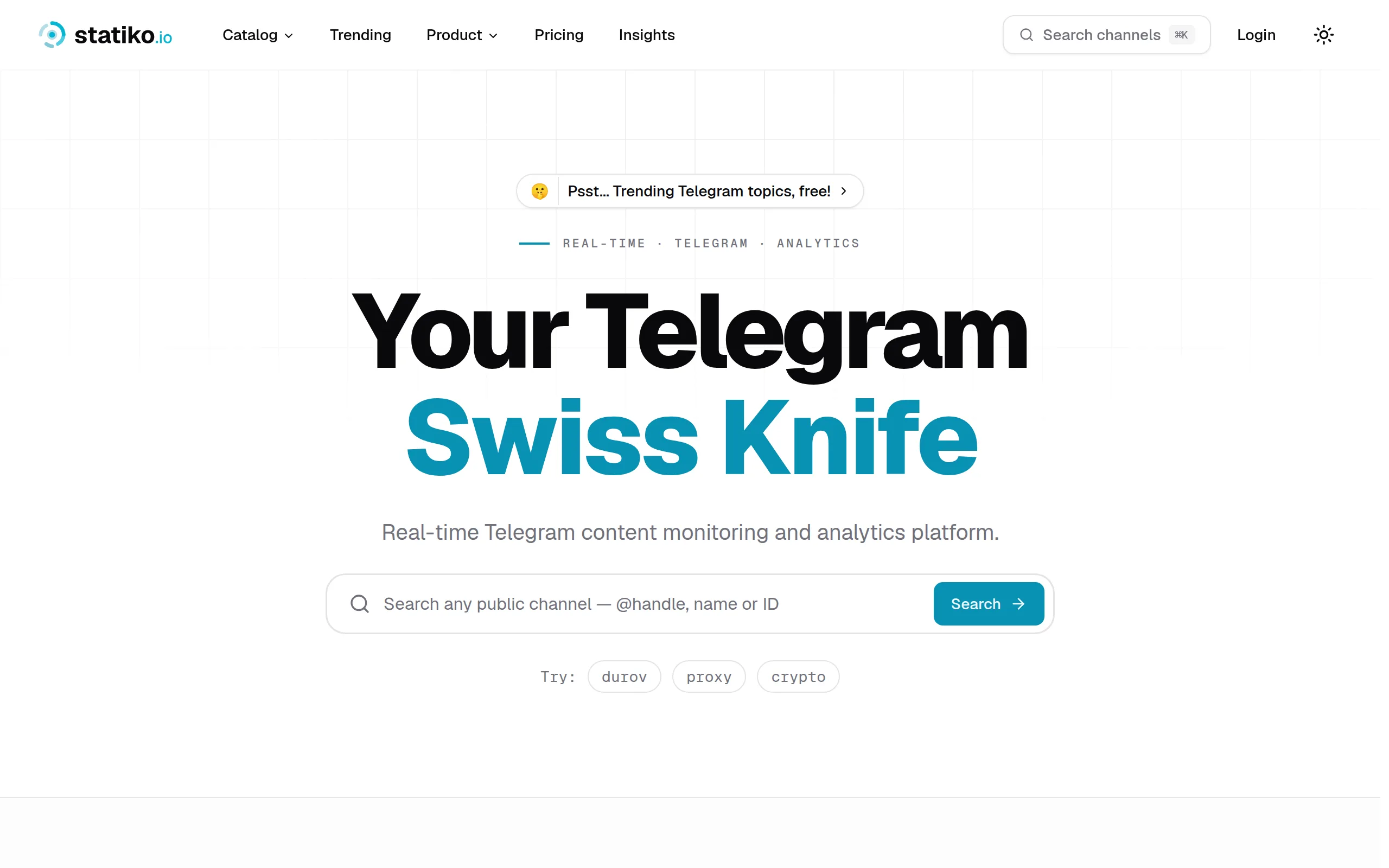
Statiko
Monitor any Telegram channel in real time - track posts, edits, deletions, and growth with AI recaps 📡

Shibui
AI website builder - describe your business, pick a niche template, edit by chatting, and publish instantly ✨

Pro Service
Find verified home service professionals, compare quotes, and pay securely through escrow - built for Brazilians across the US 🏠
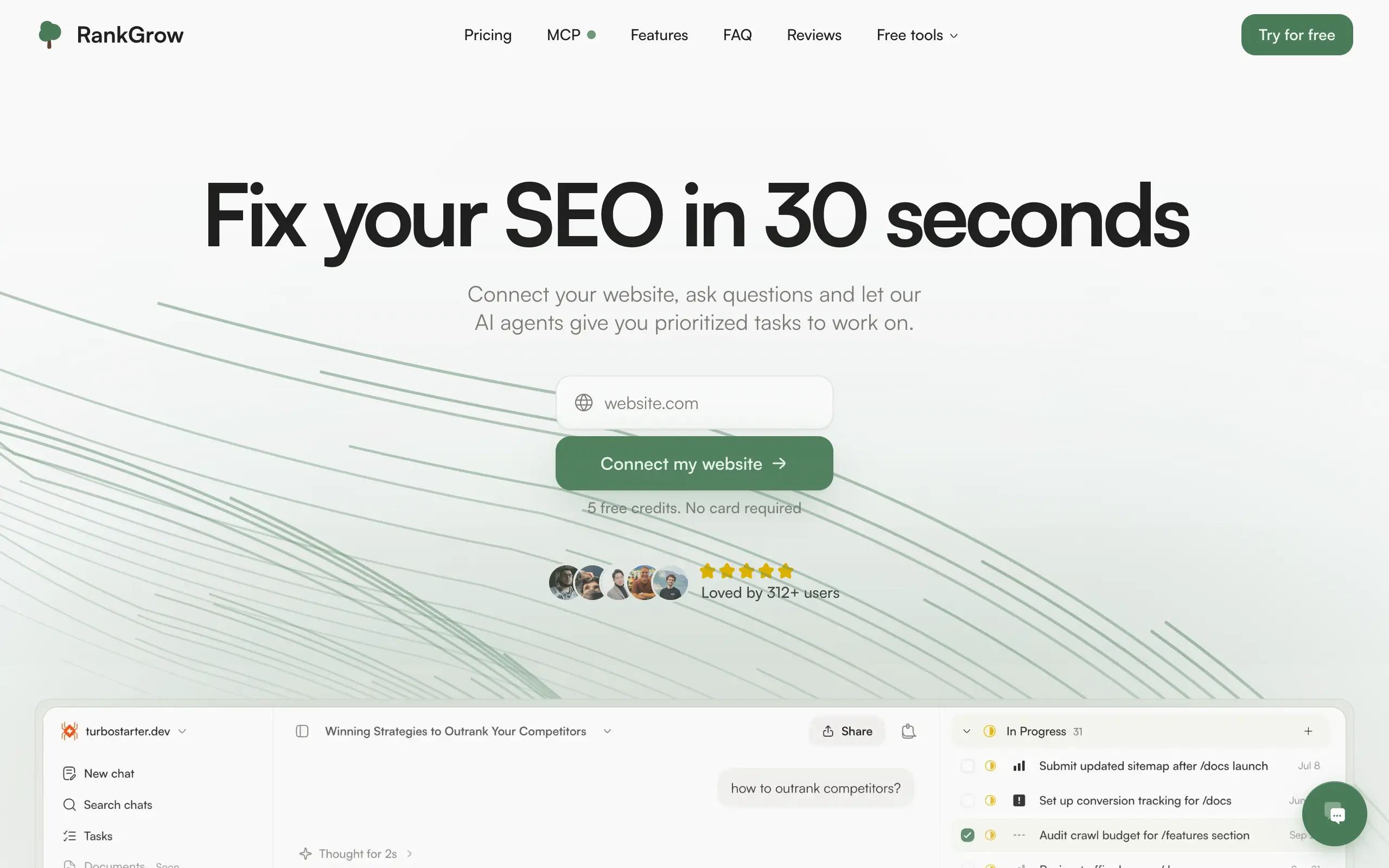
RankGrow
Fix your SEO with AI agents - connect Search Console, get prioritized tasks, and grow organic traffic 📈
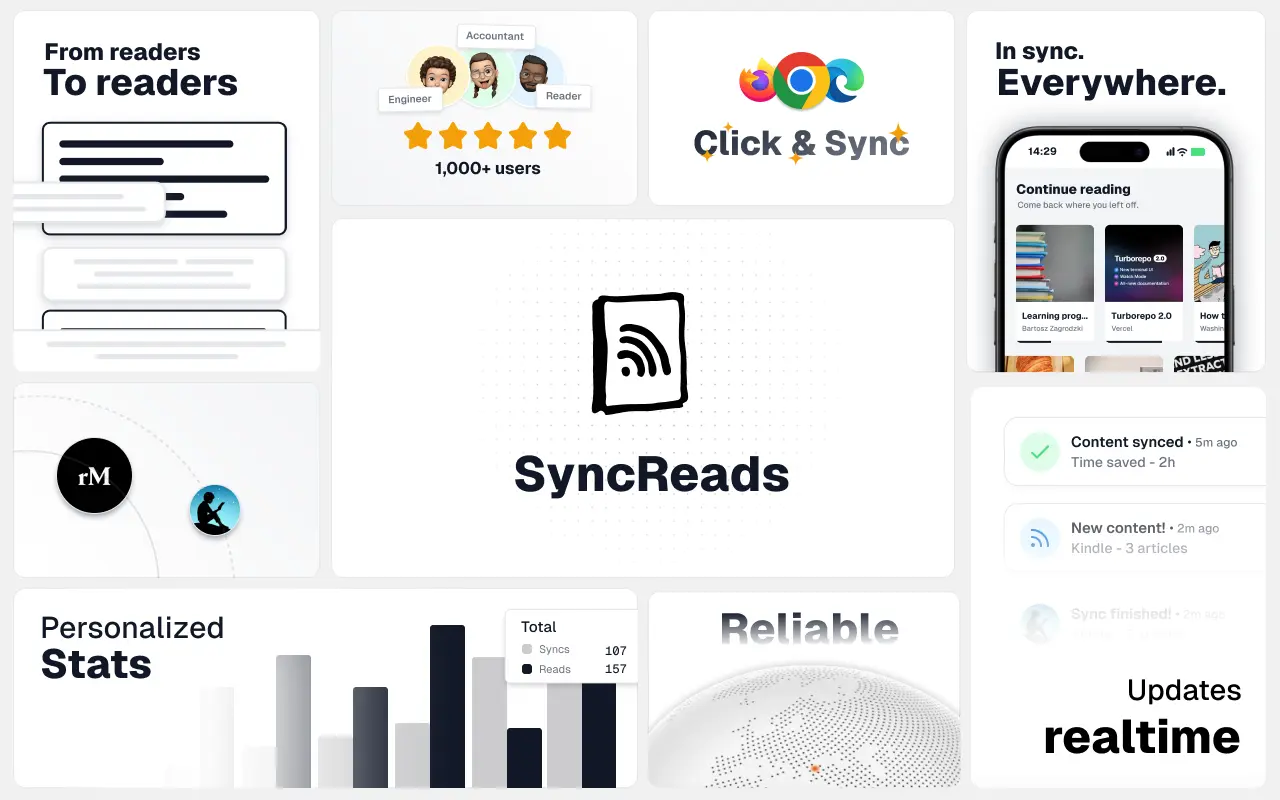
SyncReads
Sync your favorite content for distraction-free reading, save time and replace multiple apps. Anytime, anywhere 🔄
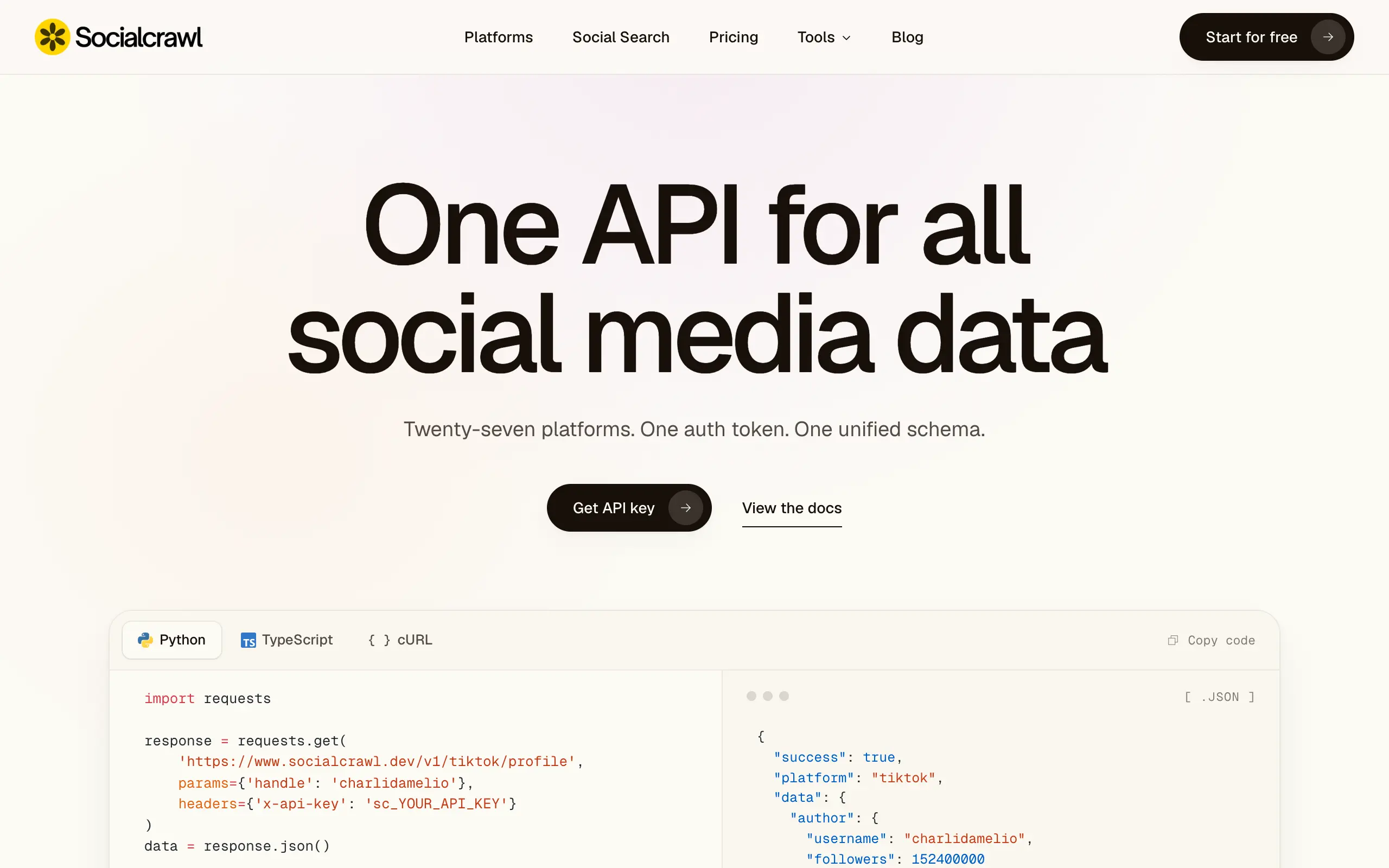
Socialcrawl
Get clean, structured data from 21 platforms like TikTok, Instagram, and YouTube with a single request 📊
Statiko
Monitor any Telegram channel in real time - track posts, edits, deletions, and growth with AI recaps 📡
Shibui
AI website builder - describe your business, pick a niche template, edit by chatting, and publish instantly ✨
Pro Service
Find verified home service professionals, compare quotes, and pay securely through escrow - built for Brazilians across the US 🏠
RankGrow
Fix your SEO with AI agents - connect Search Console, get prioritized tasks, and grow organic traffic 📈
SyncReads
Sync your favorite content for distraction-free reading, save time and replace multiple apps. Anytime, anywhere 🔄
Socialcrawl
Get clean, structured data from 21 platforms like TikTok, Instagram, and YouTube with a single request 📊
Statiko
Monitor any Telegram channel in real time - track posts, edits, deletions, and growth with AI recaps 📡
Shibui
AI website builder - describe your business, pick a niche template, edit by chatting, and publish instantly ✨
Pro Service
Find verified home service professionals, compare quotes, and pay securely through escrow - built for Brazilians across the US 🏠
RankGrow
Fix your SEO with AI agents - connect Search Console, get prioritized tasks, and grow organic traffic 📈
SyncReads
Sync your favorite content for distraction-free reading, save time and replace multiple apps. Anytime, anywhere 🔄
Socialcrawl
Get clean, structured data from 21 platforms like TikTok, Instagram, and YouTube with a single request 📊
Statiko
Monitor any Telegram channel in real time - track posts, edits, deletions, and growth with AI recaps 📡
Shibui
AI website builder - describe your business, pick a niche template, edit by chatting, and publish instantly ✨
Pro Service
Find verified home service professionals, compare quotes, and pay securely through escrow - built for Brazilians across the US 🏠
RankGrow
Fix your SEO with AI agents - connect Search Console, get prioritized tasks, and grow organic traffic 📈
SyncReads
Sync your favorite content for distraction-free reading, save time and replace multiple apps. Anytime, anywhere 🔄
Socialcrawl
Get clean, structured data from 21 platforms like TikTok, Instagram, and YouTube with a single request 📊
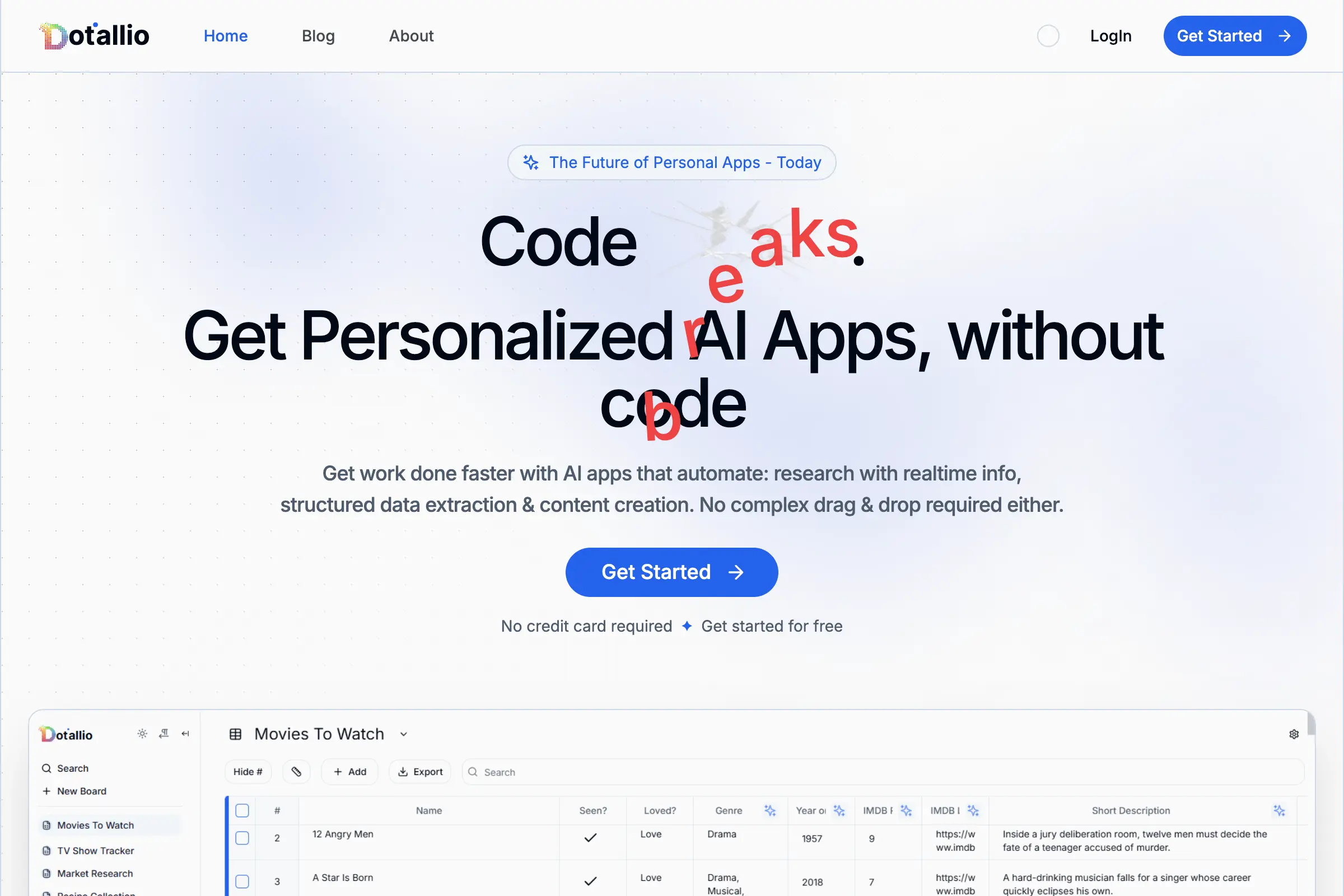
Dotallio
Personalized AI apps that automate research, data extraction, and content creation without code 🤖

Talk to Santa
Enjoy a magical live video chat or receive a unique AI-generated video greeting from Santa Claus 🎅

pozywka.pl
Scalable blog for food journalist, focused on performance and user experience 🌭
zagrodzki.me
Personal blog and portfolio of Bart Zagrodzki, where he shares his knowledge and work 💼
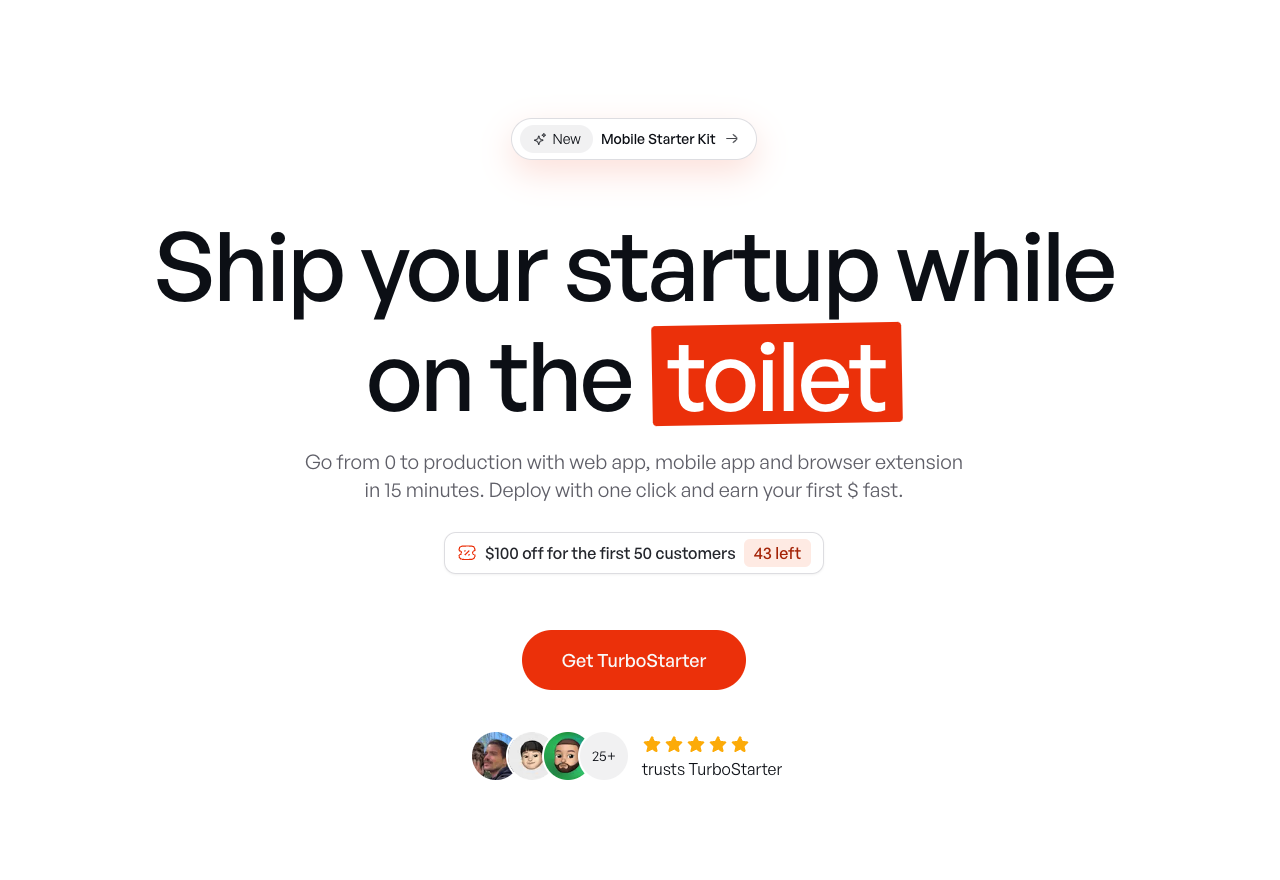
TurboStarter
Ship your startup everywhere. In minutes.
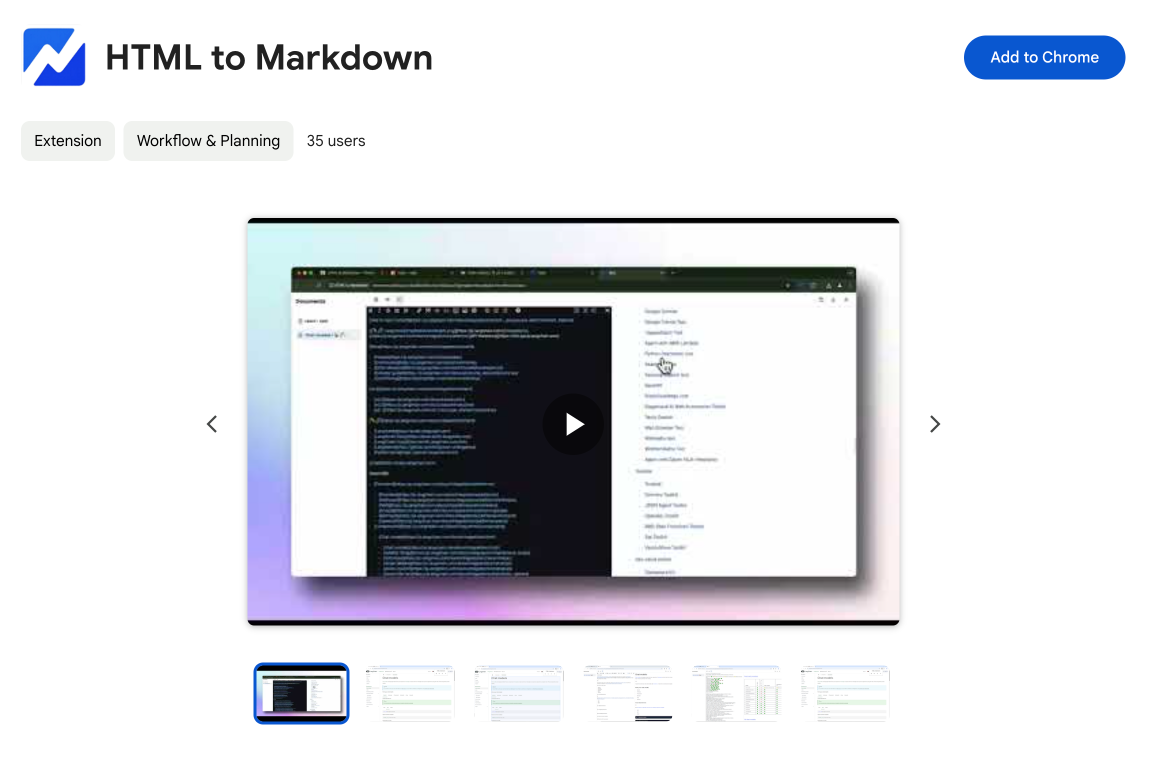
HTML to Markdown
Convert HTML to Markdown with ease, directly in your browser 📄
Dotallio
Personalized AI apps that automate research, data extraction, and content creation without code 🤖
Talk to Santa
Enjoy a magical live video chat or receive a unique AI-generated video greeting from Santa Claus 🎅
pozywka.pl
Scalable blog for food journalist, focused on performance and user experience 🌭
zagrodzki.me
Personal blog and portfolio of Bart Zagrodzki, where he shares his knowledge and work 💼
TurboStarter
Ship your startup everywhere. In minutes.
HTML to Markdown
Convert HTML to Markdown with ease, directly in your browser 📄
Dotallio
Personalized AI apps that automate research, data extraction, and content creation without code 🤖
Talk to Santa
Enjoy a magical live video chat or receive a unique AI-generated video greeting from Santa Claus 🎅
pozywka.pl
Scalable blog for food journalist, focused on performance and user experience 🌭
zagrodzki.me
Personal blog and portfolio of Bart Zagrodzki, where he shares his knowledge and work 💼
TurboStarter
Ship your startup everywhere. In minutes.
HTML to Markdown
Convert HTML to Markdown with ease, directly in your browser 📄
Dotallio
Personalized AI apps that automate research, data extraction, and content creation without code 🤖
Talk to Santa
Enjoy a magical live video chat or receive a unique AI-generated video greeting from Santa Claus 🎅
pozywka.pl
Scalable blog for food journalist, focused on performance and user experience 🌭
zagrodzki.me
Personal blog and portfolio of Bart Zagrodzki, where he shares his knowledge and work 💼
TurboStarter
Ship your startup everywhere. In minutes.
HTML to Markdown
Convert HTML to Markdown with ease, directly in your browser 📄
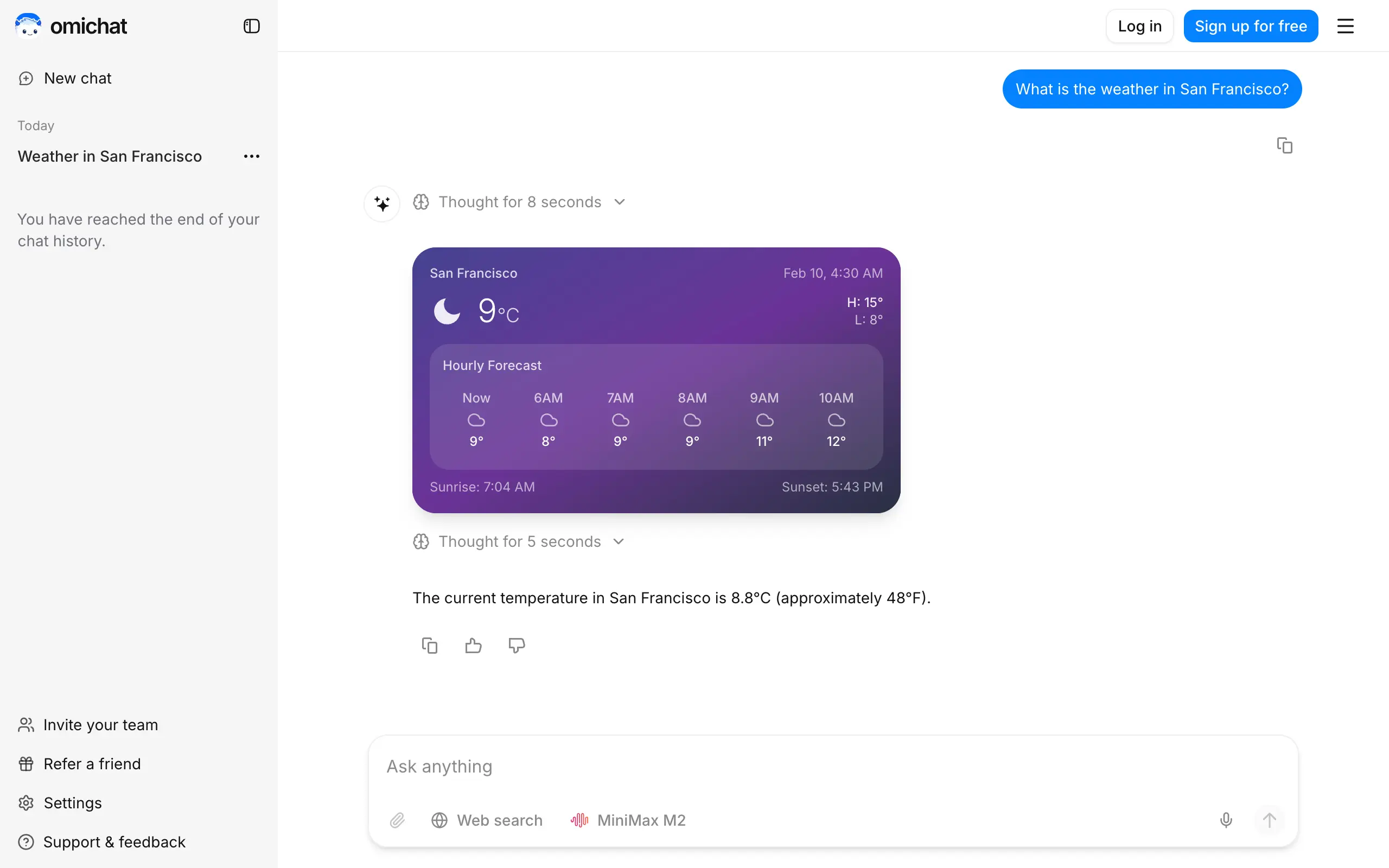
Omichat
Chat with 50+ AI models, including ChatGPT and Claude, in one place - switch models anytime without losing context 🤖
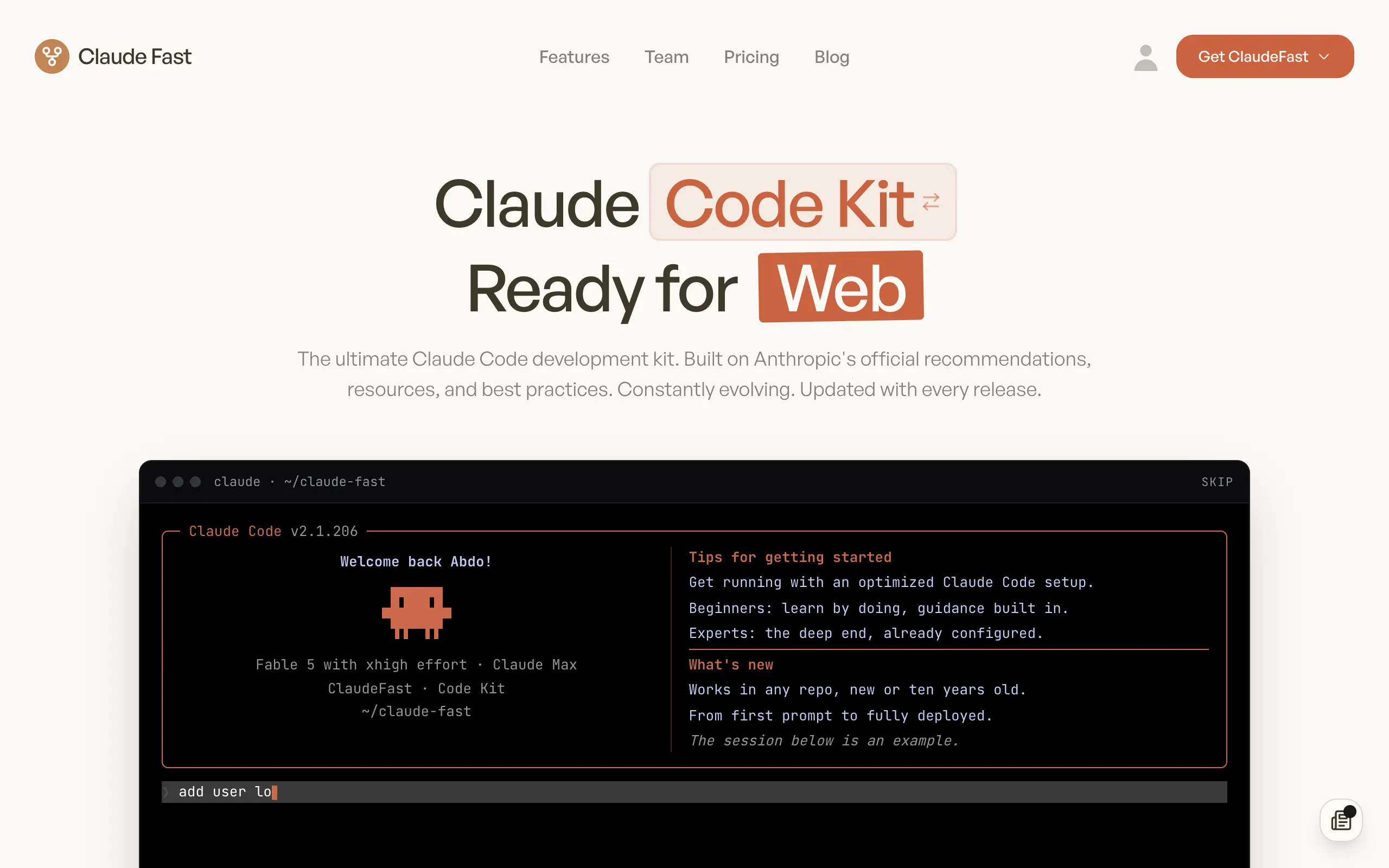
Claude Fast
Supercharge your Claude Code with 6x effective context window and specialized AI agents 🤖
EmojAI
AI-powered emoji picker with smart, context-aware suggestions 🤖
Solohacker
Autonomous company launcher - AI agents work 24/7, escalate what matters, and you stay in control 🤖
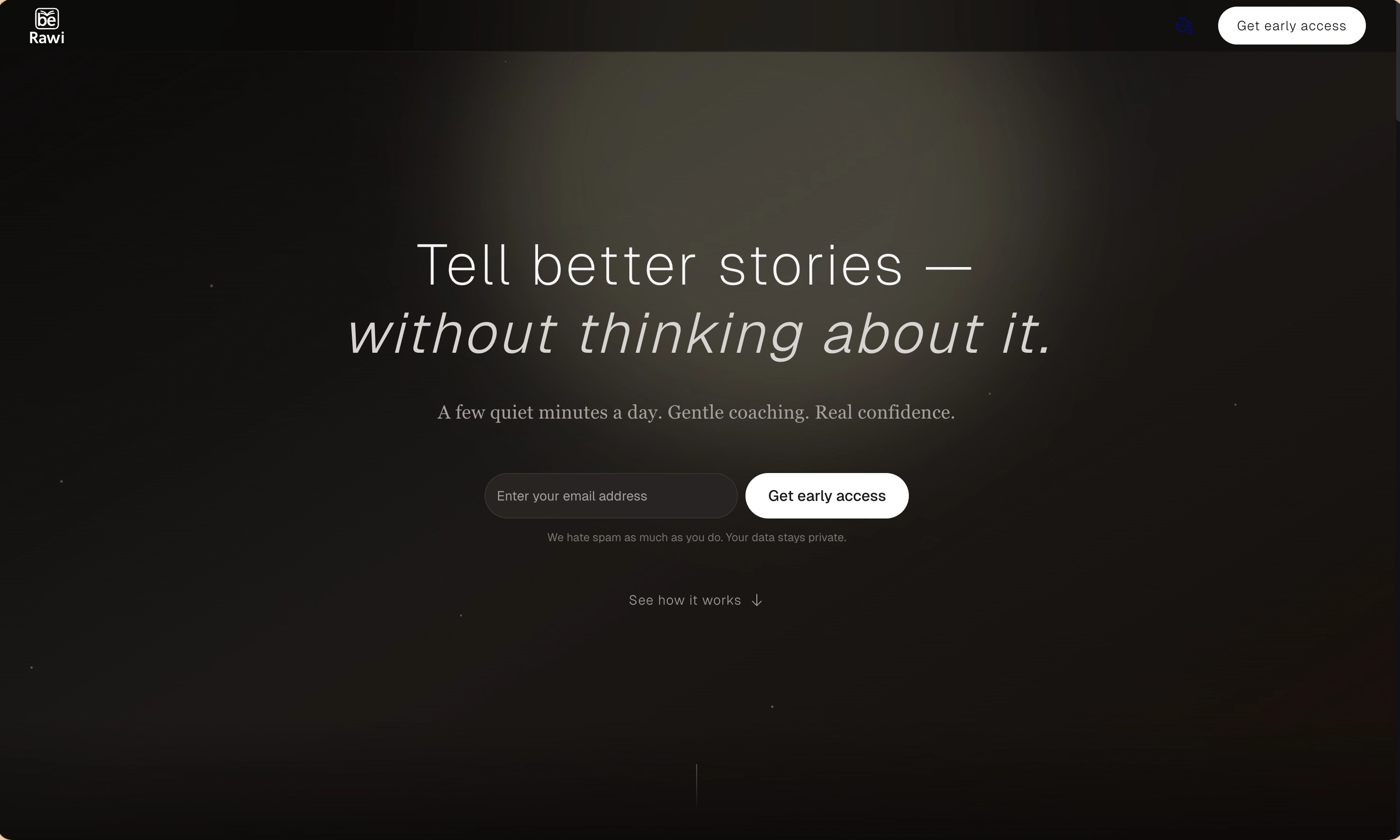
BeRawi: Storytelling Coach
Practice storytelling daily with instant feedback to sound clearer, more engaging, and confident 🎤
Omichat
Chat with 50+ AI models, including ChatGPT and Claude, in one place - switch models anytime without losing context 🤖
Claude Fast
Supercharge your Claude Code with 6x effective context window and specialized AI agents 🤖
EmojAI
AI-powered emoji picker with smart, context-aware suggestions 🤖
Solohacker
Autonomous company launcher - AI agents work 24/7, escalate what matters, and you stay in control 🤖
BeRawi: Storytelling Coach
Practice storytelling daily with instant feedback to sound clearer, more engaging, and confident 🎤
Omichat
Chat with 50+ AI models, including ChatGPT and Claude, in one place - switch models anytime without losing context 🤖
Claude Fast
Supercharge your Claude Code with 6x effective context window and specialized AI agents 🤖
EmojAI
AI-powered emoji picker with smart, context-aware suggestions 🤖
Solohacker
Autonomous company launcher - AI agents work 24/7, escalate what matters, and you stay in control 🤖
BeRawi: Storytelling Coach
Practice storytelling daily with instant feedback to sound clearer, more engaging, and confident 🎤
Omichat
Chat with 50+ AI models, including ChatGPT and Claude, in one place - switch models anytime without losing context 🤖
Claude Fast
Supercharge your Claude Code with 6x effective context window and specialized AI agents 🤖
EmojAI
AI-powered emoji picker with smart, context-aware suggestions 🤖
Solohacker
Autonomous company launcher - AI agents work 24/7, escalate what matters, and you stay in control 🤖
BeRawi: Storytelling Coach
Practice storytelling daily with instant feedback to sound clearer, more engaging, and confident 🎤

Connect with like-minded people
Join our community to get feedback, support, and grow together with 1,000+ builders on board, let's ship it!
Join usShip your startup everywhere. In minutes.
Don't burn tokens on setup and start building features on day one.