Pawprint Notes
Turns veterinary visit recordings into structured medical summaries for solo dog groomers and small clinics. Owners get a clear record of treatments and follow-up dates without manual note writing.
Pawprint Notes is an AI tool that turns recorded vet or grooming visits into structured medical summaries, so solo groomers and small clinics get clean records and follow-up dates without typing notes after hours. In 2026, transcription and structured extraction are cheap and accurate enough that a narrow vertical product can beat generic note-takers on workflow, not on raw AI. This is a realistic AI scribe for small veterinary practices and groomers business, as long as you stay narrow and treat privacy and accuracy seriously.
Key takeaways
- Target customer: solo dog groomers, mobile groomers and small clinics (one to three vets) that currently write notes by hand or not at all.
- Pricing angle: flat monthly subscription per practice, for example $19 to $39/month, with a free trial of a few visits.
- Biggest risk: summaries that contain a wrong medication, dose or date, which damages trust and creates liability.
- Time to MVP: about 3 to 5 weeks for one developer using a starter kit, assuming you skip integrations with practice management software.
What problem does an AI scribe for small veterinary practices solve?
Small practices lose time and records at the end of the day. After a visit, the groomer or vet has to remember what was found, what was applied or prescribed, and when the animal should come back. Most of that either gets scribbled, typed late at night, or never written down.
Who is Pawprint Notes for?
The ideal customer is a solo or two-person practice with no front-desk staff and no dedicated records person. Think of a mobile dog groomer who sees six to ten dogs a day, notices skin irritation, a lump, ear infections or matting, and tells the owner verbally. Or a small clinic where the vet dictates to a technician who has no time to type.
Secondary users are pet owners, who receive a readable record of what happened and when to return.
What do they do today, and why does it fail?
The current workarounds are predictable:
- Paper cards or a notebook: fast, but unsearchable and easy to lose.
- Notes app or text messages to yourself: unstructured, so follow-up dates get buried.
- Generic practice management software: often built for larger clinics, with note templates that still require typing.
- Memory: the most common option, and the one that fails when a dog comes back three months later.
The pattern is that the data exists in the practitioner's head and voice during the visit, then decays. Any tool that asks for extra typing loses to the notebook.
Why is now a good time for AI note-taking for groomers and vets?
The gap is a workflow-specific, low-effort record for practices too small for enterprise software. Human medicine has had ambient scribe products for a while, which has trained buyers to expect "record the conversation, get the note." Veterinary and grooming practices see that idea but rarely find something priced and shaped for them.
What changed in 2026
- Speech-to-text handles noisy rooms, accents and animal sounds far better than a few years ago.
- Language models reliably extract structured fields (findings, treatments, follow-up date) from messy speech when given a strict schema.
- Phone-based recording is normal, so no new hardware is needed.
- Owners expect digital records and reminders, the way they get them from their own doctors.
Competitive categories
You will compete with general practice management systems used by clinics, generic AI meeting note-takers, and plain voice memo apps. None is tuned for a groomer saying "slight redness in the left ear, recommended a vet check in two weeks." That is the gap, though a larger vendor could add a scribe feature, so speed and niche focus matter.
What should the MVP include?
Build the shortest path from a recording to a record the owner can read. The aha moment is when a groomer finishes a visit, taps stop, and within a minute sees a clean summary with a follow-up date they would have forgotten.
Four core features
One-tap visit recording
Record from a phone browser or app, with upload for later processing if the connection is poor.
Structured summary
Transcript converted into fixed fields: findings, treatments, products used, concerns and follow-up date.
Review and edit
A quick screen where the practitioner confirms or fixes the summary before it is saved or shared.
Owner record and reminder
A shareable link or email with the visit record and an automatic reminder near the follow-up date.
What to cut at first
- Integrations with existing clinic software.
- Billing or invoicing for the practice's own clients.
- Multi-language support, unless your first customers need it.
- Diagnostic suggestions. Stay a record keeper, never a clinical advisor.
How is Pawprint Notes different from spreadsheets and general tools?
The unique selling proposition: speak naturally during the visit, get a structured, owner-ready record with follow-up dates, no typing. It is narrower than a practice management suite and more structured than a transcript.
| Option | No typing needed | Structured fields | Follow-up reminders | Fits solo groomers |
|---|---|---|---|---|
| Pawprint Notes | ✅ | ✅ | ✅ | ✅ |
| Paper or notes app | ❌ | ❌ | ❌ | ✅ |
| Spreadsheet | ❌ | Manual | Manual | ✅ |
| Generic AI meeting notes | ✅ | ❌ | ❌ | Partly |
| Full practice management software | Varies | ✅ | Often | Often too heavy |
The honest caveat: incumbents with large customer bases can copy a scribe feature. Your defense is owning the groomer and tiny-clinic workflow, pricing and onboarding better than they will bother to.
How would Pawprint Notes make money?
Charge the practice, not the owner. Simple flat pricing suits people who hate metered bills.
Pricing options
- Flat monthly plan: for example $19/month for up to a set number of visits. If you charge $19/month and convert 3% of 1,000 trial users, that is 30 customers and about $570 in monthly recurring revenue, which shows why you need volume or higher prices.
- Tiered by practice size: a solo plan, and a clinic plan at roughly $49 to $99/month with multiple users and shared records. This is where organizations and team features matter.
- Annual discount: offer two months free for yearly payment to improve cash flow and retention.
Watch your cost per visit. Transcription and model calls scale with audio minutes, so model your margin before setting limits, and measure average visit length in your pilot.
First growth channel
Start with direct outreach and local communities: groomer Facebook groups, mobile grooming associations, and local clinics you can visit. A short demo video where a real groomer records a visit works better than ads. Referrals between groomers are likely to be your cheapest channel once the first ten customers are happy.
How do I validate Pawprint Notes before building?
Spend one to two weeks proving that people will pay for the outcome.
Interview ten practitioners
Talk to solo groomers and small-clinic staff about their last three visits and how they recorded them. Listen for time lost and forgotten follow-ups.
Run a manual concierge test
Ask three people to send you a voice memo after a visit and return a structured summary yourself, with an AI draft you check. See whether they use it again the next day.
Launch a landing page
State one promise, show a sample summary, and collect waitlist emails. Send targeted traffic from the groups where you did interviews.
Ask for pre-sales
Offer a founding-member price and request a small deposit or a card on file. Real payment is stronger evidence than waitlist signups.
What tech stack should I use to build an AI vet note app?
Use a TypeScript web app with a mobile-friendly recording flow, a managed database, a transcription provider and a language model with strict structured output. The aim is to spend your time on summary quality, not plumbing.
Where TurboStarter saves time
TurboStarter provides a monorepo with web and mobile apps, plus the parts every SaaS needs. That covers authentication, billing for subscriptions, a database layer, emails for owner reminders, and file storage for audio. You can also use its AI setup as a base for the summarization pipeline. That leaves you to build the part that matters: reliable extraction and a fast review screen.
Choosing an AI approach
Send audio directly to a model that accepts it. Fewer moving parts and quicker to prototype, but you get less control over the transcript, and debugging wrong summaries is harder.
Transcribe first, then pass text to a language model with a fixed schema. More steps, but you can store and show the transcript, swap providers independently and audit errors. This is usually the better choice for a medical-style record.
A starting data model
type VisitSummary = {
  visitId: string;
  animalName: string;
  findings: string[];
  treatments: { name: string; detail?: string }[];
  concerns: string[];
  followUpDate?: string; // ISO date, null if not stated
  needsReview: boolean;  // true when the model is unsure
};
Make unknown fields explicit rather than letting the model guess. Run transcription in a queue so long recordings do not block the request, which is where background tasks help.
What could make Pawprint Notes fail?
Biggest risk: wrong details in the record
If the summary invents or garbles a medication, dose or follow-up date, a practitioner or owner may act on it. Always require a human review step, show the original transcript beside the summary, and flag low-confidence fields. Do not present the output as medical advice, and check the rules on recording and data retention where your customers operate.
Other risks to plan for:
- Privacy and consent: recording owners and animals' records involves personal data. Add clear consent wording, deletion controls and sensible retention.
- Low willingness to pay: many groomers run tight margins. Test prices early and keep the plan simple.
- Noisy audio: barking dryers and clippers hurt accuracy. Test in real salons and add a quick "dictate after the visit" mode.
- Incumbent response: larger software vendors may add scribing. Stay focused on small practices and onboarding speed.
What is a 30-day plan to launch Pawprint Notes?
Week 1: validate and scope
Complete interviews, run the concierge test and write the exact summary schema based on what practitioners actually need.
Week 2: build the core loop
Set up the starter kit, authentication and billing, then build record, transcribe, summarize and review.
Week 3: add owner delivery
Ship the owner record page and email reminders, then test with three friendly practices in real working conditions.
Week 4: charge and learn
Open to your waitlist with founding pricing, watch where summaries need edits, and fix the top three error types.
If this AI scribe for small veterinary practices fits a problem you have seen up close, start with the interviews this week and build the first version on a TurboStarter foundation.
FAQ
A focused MVP typically takes 3 to 5 weeks for one developer using a starter kit, assuming a web-based recorder and no third-party integrations. Expect extra time for testing with real recordings, which is where most of the quality work happens.
Your main variable costs are transcription and model calls per visit, plus audio storage. Measure average minutes per visit in your pilot and set plan limits so your gross margin holds at your chosen price.
Competition comes from practice management software, generic AI meeting note-takers and simple voice memos. Few are tuned for solo groomers and tiny clinics, so focus on that segment and on owner-ready records.
Run a concierge test: collect voice memos from a few practitioners and return structured summaries manually. If they ask for the next one without prompting, and agree to a founding price, you have real signal.
A TypeScript web app, a managed database, a transcription provider and a language model with structured output is enough. A starter kit like TurboStarter covers authentication, billing, emails and storage so you can focus on summary accuracy.
More 🤖 AI Startup SaaS ideas
Discover more innovative ai startup SaaS ideas that are trending in 2026. Each idea is AI-generated with market validation and growth potential to help you find your next profitable venture faster than competitors.
Your competitors are building with TurboStarter
Below are some of the SaaS ideas that have been generated and built with our starter kit.

Monitor any Telegram channel in real time - track posts, edits, deletions, and growth with AI recaps 📡

AI website builder - describe your business, pick a niche template, edit by chatting, and publish instantly ✨
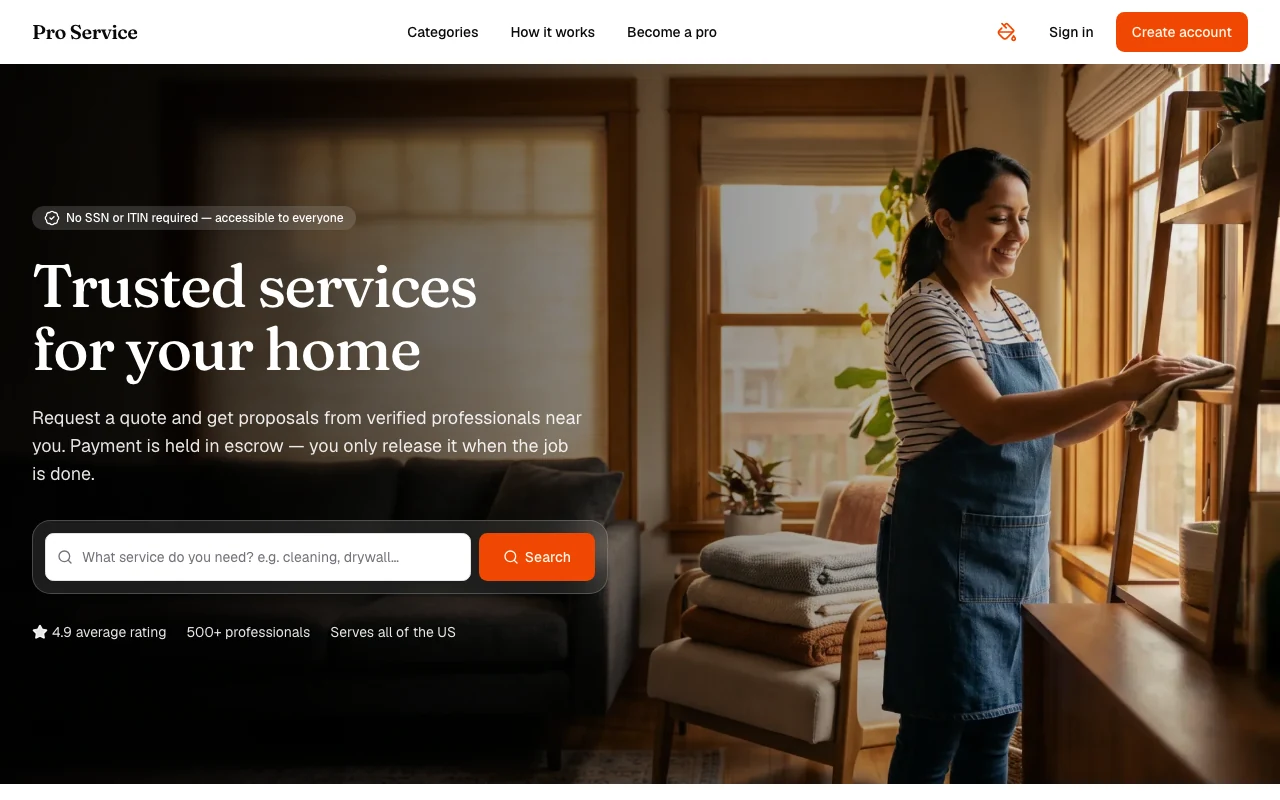
Find verified home service professionals, compare quotes, and pay securely through escrow - built for Brazilians across the US 🏠
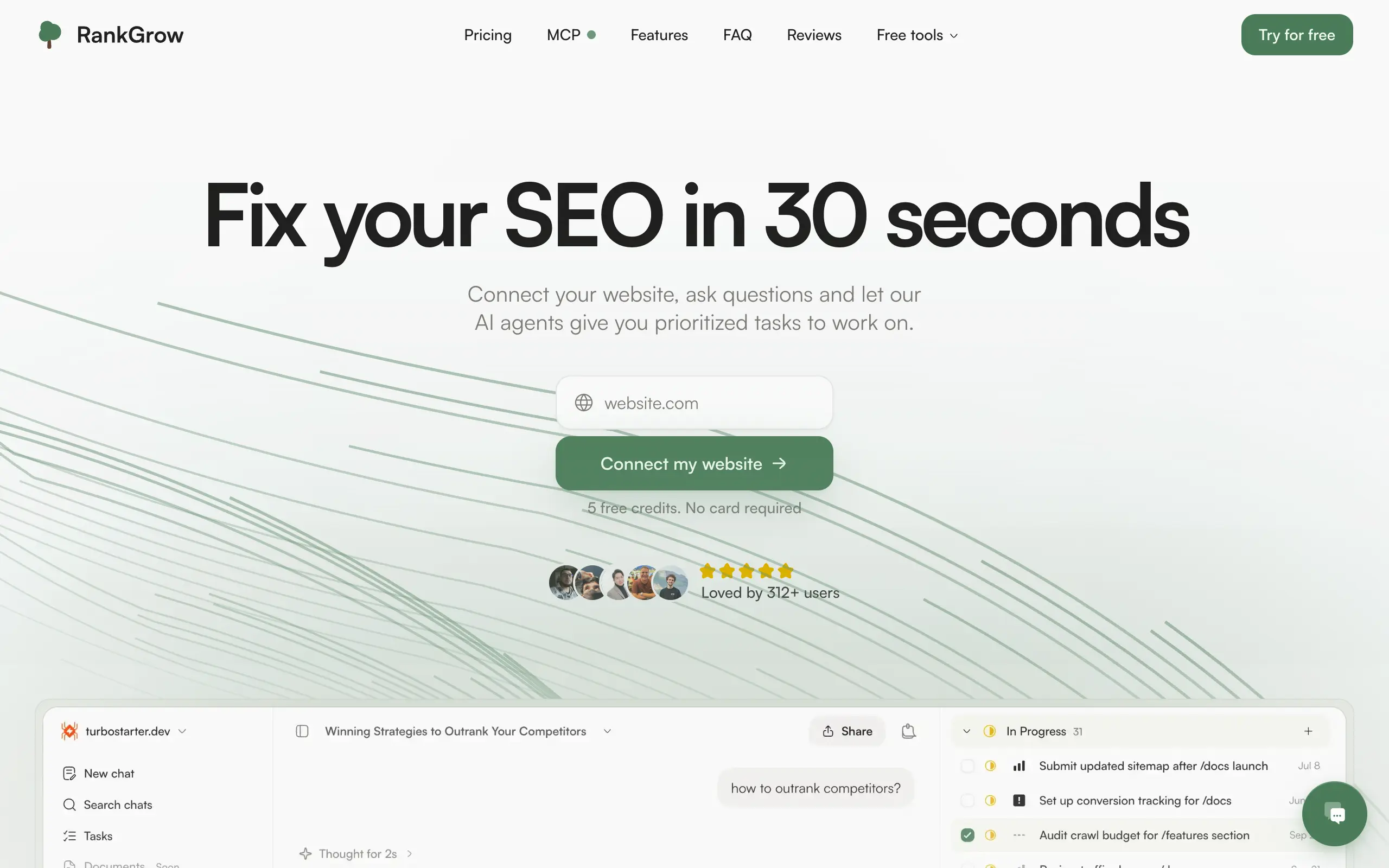
Fix your SEO with AI agents - connect Search Console, get prioritized tasks, and grow organic traffic 📈

Sync your favorite content for distraction-free reading, save time and replace multiple apps. Anytime, anywhere 🔄

Get clean, structured data from 21 platforms like TikTok, Instagram, and YouTube with a single request 📊
Monitor any Telegram channel in real time - track posts, edits, deletions, and growth with AI recaps 📡
AI website builder - describe your business, pick a niche template, edit by chatting, and publish instantly ✨
Find verified home service professionals, compare quotes, and pay securely through escrow - built for Brazilians across the US 🏠
Fix your SEO with AI agents - connect Search Console, get prioritized tasks, and grow organic traffic 📈
Sync your favorite content for distraction-free reading, save time and replace multiple apps. Anytime, anywhere 🔄
Get clean, structured data from 21 platforms like TikTok, Instagram, and YouTube with a single request 📊

Personalized AI apps that automate research, data extraction, and content creation without code 🤖

Enjoy a magical live video chat or receive a unique AI-generated video greeting from Santa Claus 🎅

Scalable blog for food journalist, focused on performance and user experience 🌭

Personal blog and portfolio of Bart Zagrodzki, where he shares his knowledge and work 💼

Ship your startup everywhere. In minutes.

Convert HTML to Markdown with ease, directly in your browser 📄
Personalized AI apps that automate research, data extraction, and content creation without code 🤖
Enjoy a magical live video chat or receive a unique AI-generated video greeting from Santa Claus 🎅
Scalable blog for food journalist, focused on performance and user experience 🌭
Personal blog and portfolio of Bart Zagrodzki, where he shares his knowledge and work 💼
Ship your startup everywhere. In minutes.
Convert HTML to Markdown with ease, directly in your browser 📄

Chat with 50+ AI models, including ChatGPT and Claude, in one place - switch models anytime without losing context 🤖

Supercharge your Claude Code with 6x effective context window and specialized AI agents 🤖

AI-powered emoji picker with smart, context-aware suggestions 🤖

Autonomous company launcher - AI agents work 24/7, escalate what matters, and you stay in control 🤖

Practice storytelling daily with instant feedback to sound clearer, more engaging, and confident 🎤
Chat with 50+ AI models, including ChatGPT and Claude, in one place - switch models anytime without losing context 🤖
Supercharge your Claude Code with 6x effective context window and specialized AI agents 🤖
AI-powered emoji picker with smart, context-aware suggestions 🤖
Autonomous company launcher - AI agents work 24/7, escalate what matters, and you stay in control 🤖
Practice storytelling daily with instant feedback to sound clearer, more engaging, and confident 🎤

Connect with like-minded people
Join our community to get feedback, support, and grow together with 1,000+ builders on board, let's ship it!
Join usShip your startup everywhere. In minutes.
Don't burn tokens on setup and start building features on day one.