PayConfirm AI
AI-powered invoice reconciliation tool that checks payment status across accounting systems and auto-initiates refunds, reminders, or ledger updates.
What is an AI-powered invoice reconciliation tool and why it matters now
Manual invoice reconciliation is one of the most time-consuming and error-prone processes in finance operations. Even in 2026, many small and mid-sized businesses (SMBs) still rely on spreadsheets, email threads, and manual cross-checking between payment gateways, accounting systems, and bank statements.
PayConfirm AI is an AI-powered invoice reconciliation tool designed to automatically check payment status across accounting systems and trigger intelligent actions such as:
- Sending payment reminders
- Initiating refunds
- Updating ledger entries
- Flagging discrepancies for review
As digital payments scale and companies adopt multiple financial tools (Stripe, PayPal, QuickBooks, Xero, bank APIs), the reconciliation layer becomes fragmented. The result?
- Duplicate payments
- Missed invoices
- Delayed cash flow
- Compliance risks
- Hours of manual bookkeeping
This article explores the full business case, technical architecture, monetization model, and competitive advantage behind building and scaling PayConfirm AI.
Understanding user search intent: who needs an AI invoice reconciliation tool?
When someone searches for:
- “AI invoice reconciliation software”
- “automated invoice matching tool”
- “reconcile payments across accounting systems”
- “automate payment reminders and refunds”
They’re usually looking for one of four things:
- Operational efficiency – reduce manual bookkeeping work.
- Cash flow optimization – improve collection speed.
- Error reduction – eliminate mismatches and duplicates.
- System integration – unify fragmented financial tools.
Primary target audiences
Let’s break this down.
SMBs & startups
Teams without dedicated finance automation. Often using QuickBooks or Xero + Stripe + manual spreadsheets.
E-commerce businesses
High volume of transactions, refunds, chargebacks, and subscription payments.
SaaS companies
Recurring billing, prorations, failed payments, revenue recognition complexity.
Accounting firms
Managing reconciliation for multiple clients across different systems.
Secondary audience
- CFOs and finance leads at scale-ups
- Revenue operations teams
- Fintech startups looking for embedded reconciliation
Each segment has slightly different pain points, but they all share one core issue:
Payment systems are fragmented, and reconciliation is manual.
The market opportunity for AI-powered invoice reconciliation
The financial operations automation wave
Several macro trends support the opportunity:
- Rapid SaaS adoption across finance stacks
- API-first accounting tools (QuickBooks, Xero, NetSuite)
- Increased regulatory scrutiny and audit requirements
- Growth of AI agents for business automation
According to publicly available industry reports (e.g., Gartner and McKinsey digital finance studies), finance automation is one of the fastest-growing segments in enterprise software.
However, most tools focus on:
- Billing
- Expense management
- Accounts payable
- Subscription management
Few specialize in cross-system reconciliation intelligence.
The gap in the market
Let’s analyze existing categories:
| Category | Handles invoices | Cross-system checks | AI-driven actions | Auto-refunds/reminders |
|---|---|---|---|---|
| Accounting software | ✅ | ❌ | ❌ | ❌ |
| Payment gateways | ✅ | ❌ | ❌ | ❌ |
| ERP systems | ✅ | ✅ | Limited | ❌ |
| PayConfirm AI | ✅ | ✅ | ✅ | ✅ |
Key insight:
Most systems record data. Very few interpret discrepancies and take intelligent actions.
That’s the core opportunity.
Core problem: why invoice reconciliation is broken
Let’s walk through a common real-world scenario.
Example: SaaS startup with Stripe + QuickBooks
- Customer pays via Stripe.
- Stripe takes fees.
- A payout is batched.
- QuickBooks imports Stripe data.
- Bank statement shows net deposit.
- Bookkeeper manually reconciles invoice to payment to bank deposit.
Now multiply this by:
- Refunds
- Failed payments
- Partial payments
- Multi-currency
- Chargebacks
The result: messy books and delayed financial reporting.
Hidden costs of manual reconciliation
- 5–15 hours per week for SMBs
- Audit risk from inconsistent ledger entries
- Delayed revenue recognition
- Increased DSO (Days Sales Outstanding)
An AI-powered invoice reconciliation tool like PayConfirm AI reduces these inefficiencies through automation and intelligent decision logic.
How PayConfirm AI works
At a high level, PayConfirm AI sits between:
- Payment processors
- Accounting systems
- Bank data
- ERP platforms
Core workflow
Key features of PayConfirm AI
1. Cross-system payment verification
- Matches invoices to payments across multiple systems
- Handles partial and batched payments
- Identifies mismatched currencies
- Recognizes transaction fees
Uses AI-based pattern recognition rather than strict ID matching, which allows flexibility across inconsistent datasets.
2. Intelligent discrepancy detection
AI models detect:
- Duplicate invoices
- Overpayments
- Unrecorded refunds
- Ghost payments (paid but not logged)
- Ledger inconsistencies
Instead of simple rule-based matching, the system uses:
- Fuzzy matching
- Transaction similarity scoring
- Pattern recognition across historical behavior
3. Automated actions engine
When a discrepancy is detected, PayConfirm AI can:
- Send automated payment reminders
- Initiate refund workflows
- Suggest ledger corrections
- Push journal entries to accounting systems
- Notify finance teams via Slack or email
Human-in-the-loop model
For compliance-sensitive industries, actions can require approval before execution, ensuring audit safety.
4. Audit-ready reporting
Finance teams can export:
- Reconciliation reports
- Discrepancy logs
- Refund activity history
- Action history with timestamps
This supports compliance and external audits.
5. AI-driven cash flow insights
Beyond reconciliation, PayConfirm AI can surface:
- Recurring late payers
- Payment delay trends
- Refund rate anomalies
- Forecasted reconciliation workload
This positions it not just as a tool, but as a financial intelligence layer.
Recommended tech stack for building PayConfirm AI
Building an AI-powered invoice reconciliation SaaS requires reliability, security, and scalability.
Frontend
Why?
- Component-based UI for dashboards
- Server-side rendering for SEO
- Rapid development and design consistency
Backend
- Node.js (API layer)
- Python (AI/ML services)
- PostgreSQL (transactional storage)
- Redis (caching)
AI & data layer
- Transaction matching model (supervised learning)
- Embeddings for similarity detection
- Rule-based fallback engine
- LLM for anomaly explanation
Example simplified matching logic:
function matchInvoiceToPayment(invoice, payments) {
  return payments.find(payment => {
    const amountMatch = Math.abs(payment.amount - invoice.amount) < 0.01;
    const dateMatch = Math.abs(payment.date - invoice.date) < 7;
    return amountMatch && dateMatch;
  });
}
In production, this becomes probabilistic and ML-driven rather than deterministic.
Integrations
- Stripe API
- PayPal API
- Plaid (bank integrations)
- QuickBooks API
- Xero API
- NetSuite API
Security considerations:
- OAuth 2.0
- Encrypted data at rest (AES-256)
- SOC 2 readiness
- Role-based access control
Monetization strategy for PayConfirm AI
Several monetization models are viable.
1. Tiered SaaS pricing
- Starter (up to 1,000 transactions/month)
- Growth (up to 10,000)
- Enterprise (custom)
Pricing drivers:
- Number of connected systems
- Monthly transaction volume
- Advanced AI features
- Automated action permissions
2. Usage-based pricing
Charge per:
- Reconciled invoice
- Automated action triggered
- API call
This aligns pricing with value delivered.
3. Accounting firm partnerships
Offer white-label solutions:
- Branded dashboard
- Multi-client management
- Revenue share model
4. Embedded fintech offering
Integrate PayConfirm AI as a reconciliation layer for:
- Neobanks
- Payment processors
- Vertical SaaS platforms
This expands TAM significantly.
Competitive advantage and unique selling proposition (USP)
PayConfirm AI differentiates itself through:
- Action-oriented AI (not just reporting)
- Cross-system intelligence
- Human-in-the-loop compliance design
- Predictive reconciliation analytics
Most competitors focus on:
- Recording transactions
- Displaying mismatches
Very few:
- Automatically initiate refunds
- Send payment reminders
- Correct ledgers programmatically
That’s the edge.
Potential risks and mitigation strategies
1. Regulatory compliance risk
Mitigation:
- SOC 2 certification
- Audit logs
- Approval workflows
- Clear liability terms
2. Data security concerns
Finance tools require deep access.
Mitigation:
- Zero-trust architecture
- Encrypted tokens
- Minimal data retention policies
3. API dependency risk
Third-party APIs may change.
Mitigation:
- Modular connector architecture
- Version tracking
- Fallback manual upload support
4. False positives in AI decisions
Automated refunds or ledger changes can be risky.
Mitigation:
- Confidence scoring
- Manual review threshold
- Explainable AI reports
Never fully autonomous at launch
Start with suggestion mode before enabling automated financial actions.
Go-to-market strategy
Phase 1: Niche focus
Start with:
- SaaS companies using Stripe + QuickBooks
Why?
- Clear pain
- Standardized stack
- High transaction volume
Phase 2: Expand integrations
Add:
- Xero
- PayPal
- Shopify
- NetSuite
Phase 3: Accounting firm distribution
Accountants can bring:
- Dozens of clients
- High trust factor
- Recurring revenue
Implementation roadmap
To accelerate development and reduce engineering overhead, using a production-ready SaaS boilerplate like TurboStarter can dramatically shorten time-to-market.
It provides:
- Authentication
- Billing integration
- Role management
- SaaS-ready architecture
This allows your team to focus on the core AI reconciliation engine instead of rebuilding infrastructure.
Long-term vision: autonomous financial operations
The future of finance is:
- AI-assisted
- API-connected
- Real-time
- Autonomous but supervised
PayConfirm AI can evolve into:
- A full reconciliation AI agent
- Embedded finance intelligence for SaaS platforms
- A CFO co-pilot for SMBs
Frequently asked questions about AI invoice reconciliation
Yes, if implemented with enterprise-grade security: encryption, OAuth, audit logs, and compliance standards such as SOC 2.
No. It augments accountants by eliminating repetitive reconciliation tasks, allowing them to focus on advisory and strategic work.
With proper training data and hybrid rule-based systems, accuracy can exceed manual reconciliation while reducing human error.
Final thoughts: why PayConfirm AI is a high-potential SaaS opportunity
AI-powered invoice reconciliation sits at the intersection of:
- Finance automation
- AI-driven business operations
- API-first infrastructure
- Embedded fintech
The pain is real.
The workflows are repetitive.
The data is structured.
The ROI is measurable.
That combination makes PayConfirm AI a compelling SaaS opportunity in 2026 and beyond.
If built with:
- A focused initial niche
- Strong compliance foundations
- Action-oriented AI
- Thoughtful monetization
It can become the financial automation layer that modern businesses rely on daily.
More 🤖 AI Startup SaaS ideas
Discover more innovative ai startup SaaS ideas that are trending in 2026. Each idea is AI-generated with market validation and growth potential to help you find your next profitable venture faster than competitors.
Your competitors are building with TurboStarter
Below are some of the SaaS ideas that have been generated and built with our starter kit.

Statiko
Monitor any Telegram channel in real time - track posts, edits, deletions, and growth with AI recaps 📡

Shibui
AI website builder - describe your business, pick a niche template, edit by chatting, and publish instantly ✨

Pro Service
Find verified home service professionals, compare quotes, and pay securely through escrow - built for Brazilians across the US 🏠
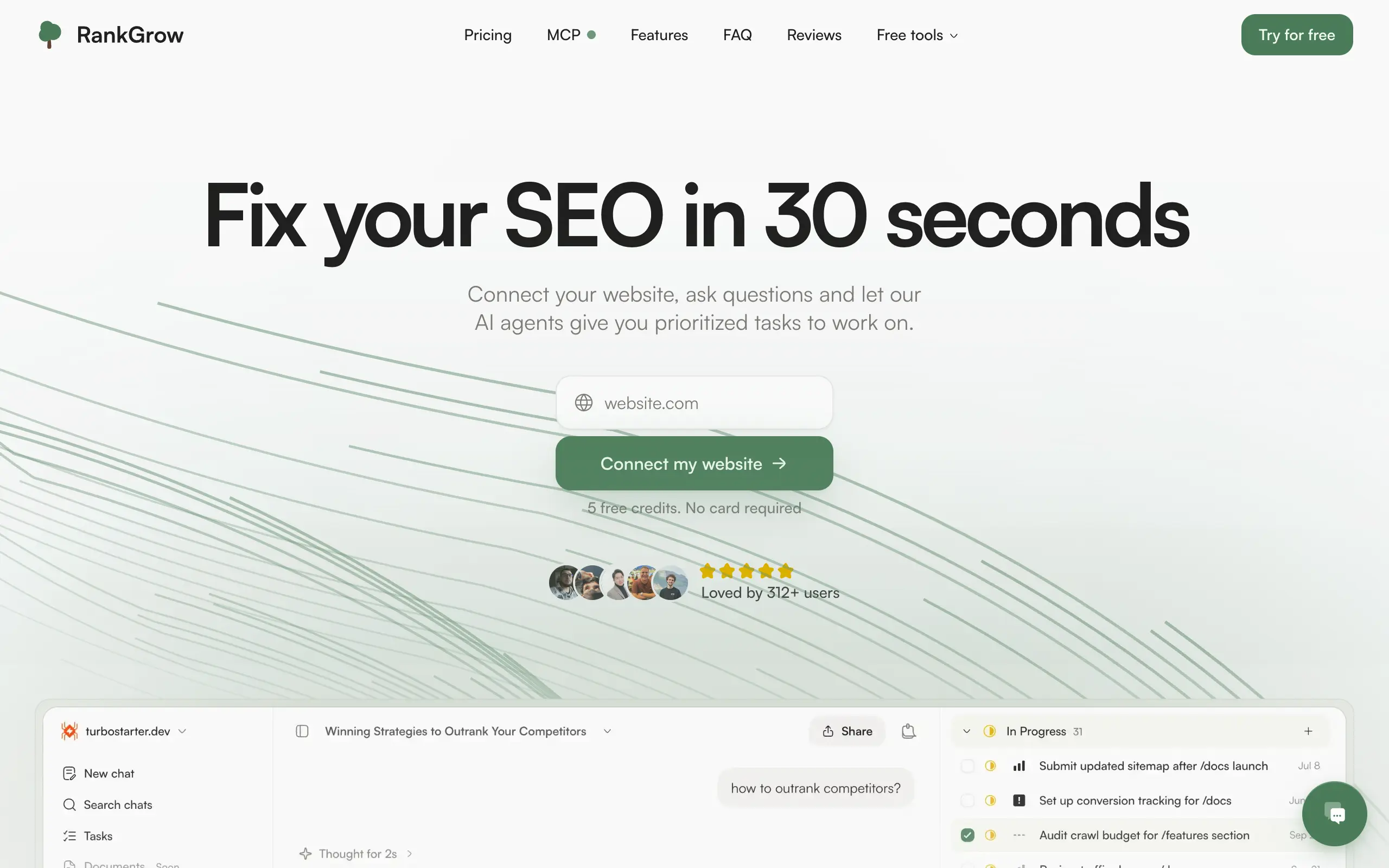
RankGrow
Fix your SEO with AI agents - connect Search Console, get prioritized tasks, and grow organic traffic 📈
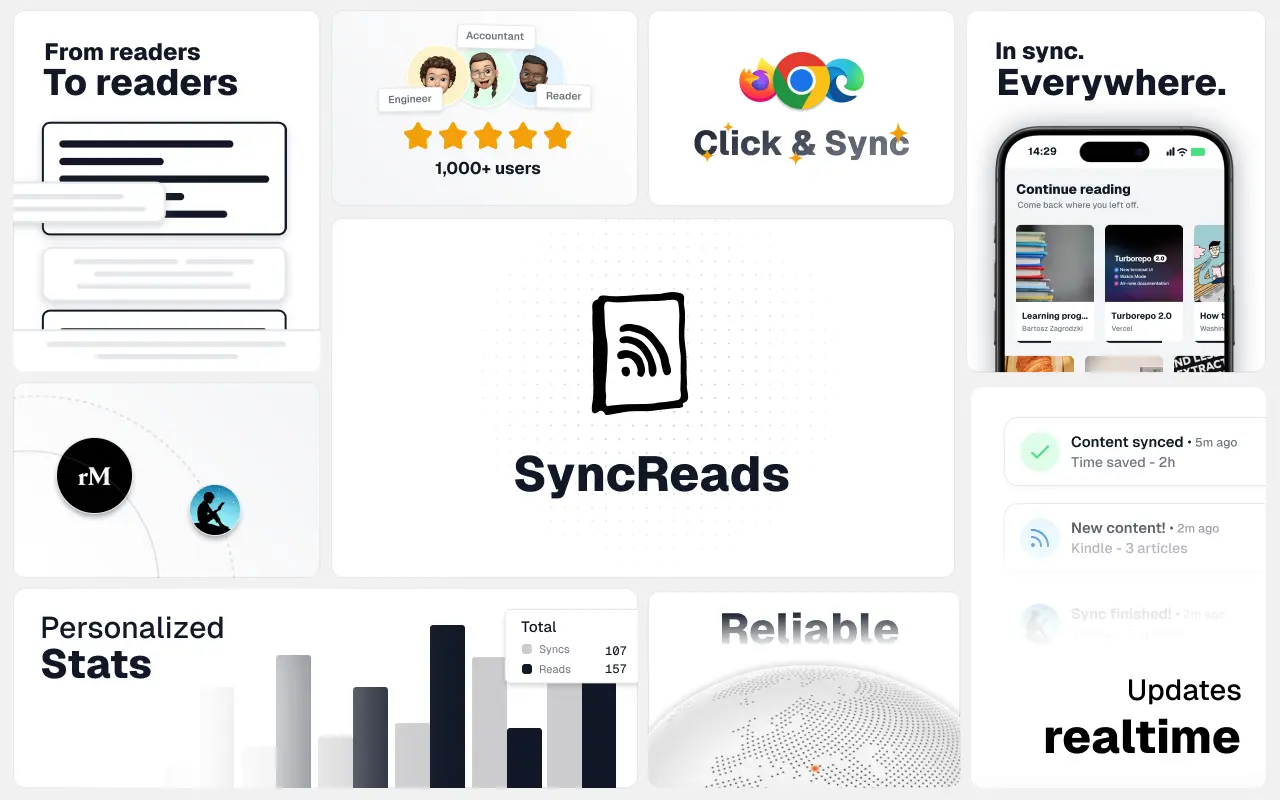
SyncReads
Sync your favorite content for distraction-free reading, save time and replace multiple apps. Anytime, anywhere 🔄
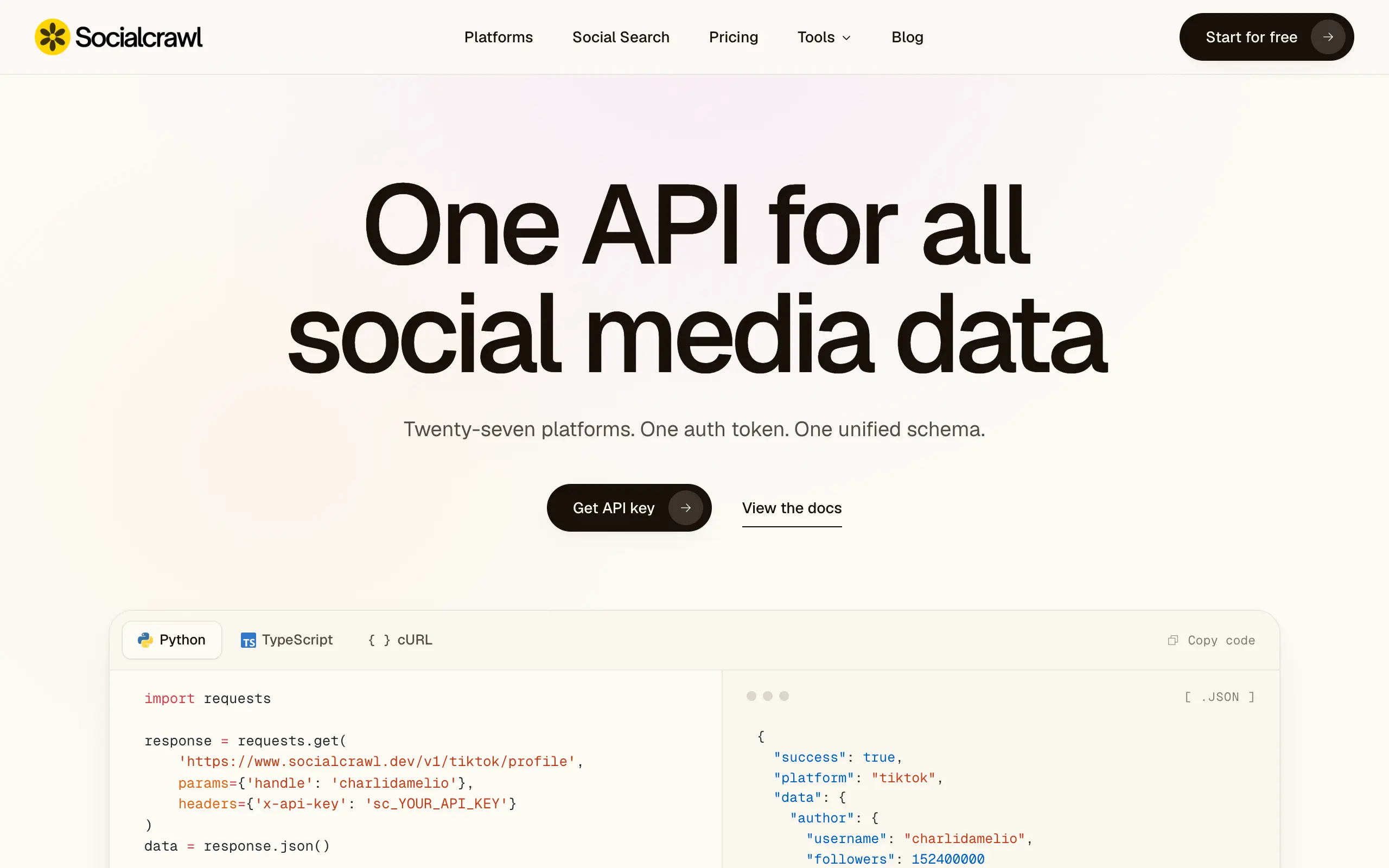
Socialcrawl
Get clean, structured data from 21 platforms like TikTok, Instagram, and YouTube with a single request 📊
Statiko
Monitor any Telegram channel in real time - track posts, edits, deletions, and growth with AI recaps 📡
Shibui
AI website builder - describe your business, pick a niche template, edit by chatting, and publish instantly ✨
Pro Service
Find verified home service professionals, compare quotes, and pay securely through escrow - built for Brazilians across the US 🏠
RankGrow
Fix your SEO with AI agents - connect Search Console, get prioritized tasks, and grow organic traffic 📈
SyncReads
Sync your favorite content for distraction-free reading, save time and replace multiple apps. Anytime, anywhere 🔄
Socialcrawl
Get clean, structured data from 21 platforms like TikTok, Instagram, and YouTube with a single request 📊
Statiko
Monitor any Telegram channel in real time - track posts, edits, deletions, and growth with AI recaps 📡
Shibui
AI website builder - describe your business, pick a niche template, edit by chatting, and publish instantly ✨
Pro Service
Find verified home service professionals, compare quotes, and pay securely through escrow - built for Brazilians across the US 🏠
RankGrow
Fix your SEO with AI agents - connect Search Console, get prioritized tasks, and grow organic traffic 📈
SyncReads
Sync your favorite content for distraction-free reading, save time and replace multiple apps. Anytime, anywhere 🔄
Socialcrawl
Get clean, structured data from 21 platforms like TikTok, Instagram, and YouTube with a single request 📊
Statiko
Monitor any Telegram channel in real time - track posts, edits, deletions, and growth with AI recaps 📡
Shibui
AI website builder - describe your business, pick a niche template, edit by chatting, and publish instantly ✨
Pro Service
Find verified home service professionals, compare quotes, and pay securely through escrow - built for Brazilians across the US 🏠
RankGrow
Fix your SEO with AI agents - connect Search Console, get prioritized tasks, and grow organic traffic 📈
SyncReads
Sync your favorite content for distraction-free reading, save time and replace multiple apps. Anytime, anywhere 🔄
Socialcrawl
Get clean, structured data from 21 platforms like TikTok, Instagram, and YouTube with a single request 📊
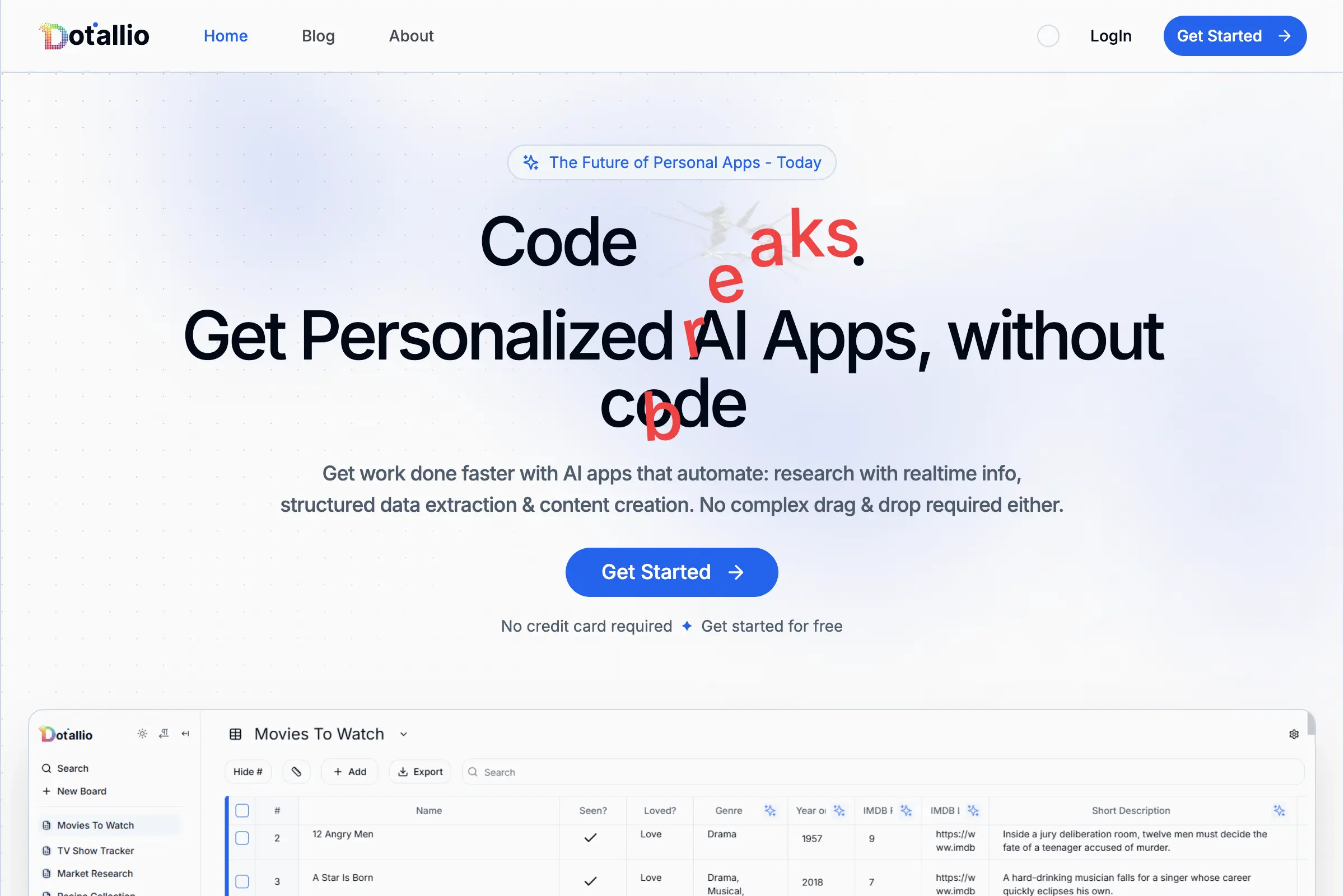
Dotallio
Personalized AI apps that automate research, data extraction, and content creation without code 🤖

Talk to Santa
Enjoy a magical live video chat or receive a unique AI-generated video greeting from Santa Claus 🎅

pozywka.pl
Scalable blog for food journalist, focused on performance and user experience 🌭
zagrodzki.me
Personal blog and portfolio of Bart Zagrodzki, where he shares his knowledge and work 💼
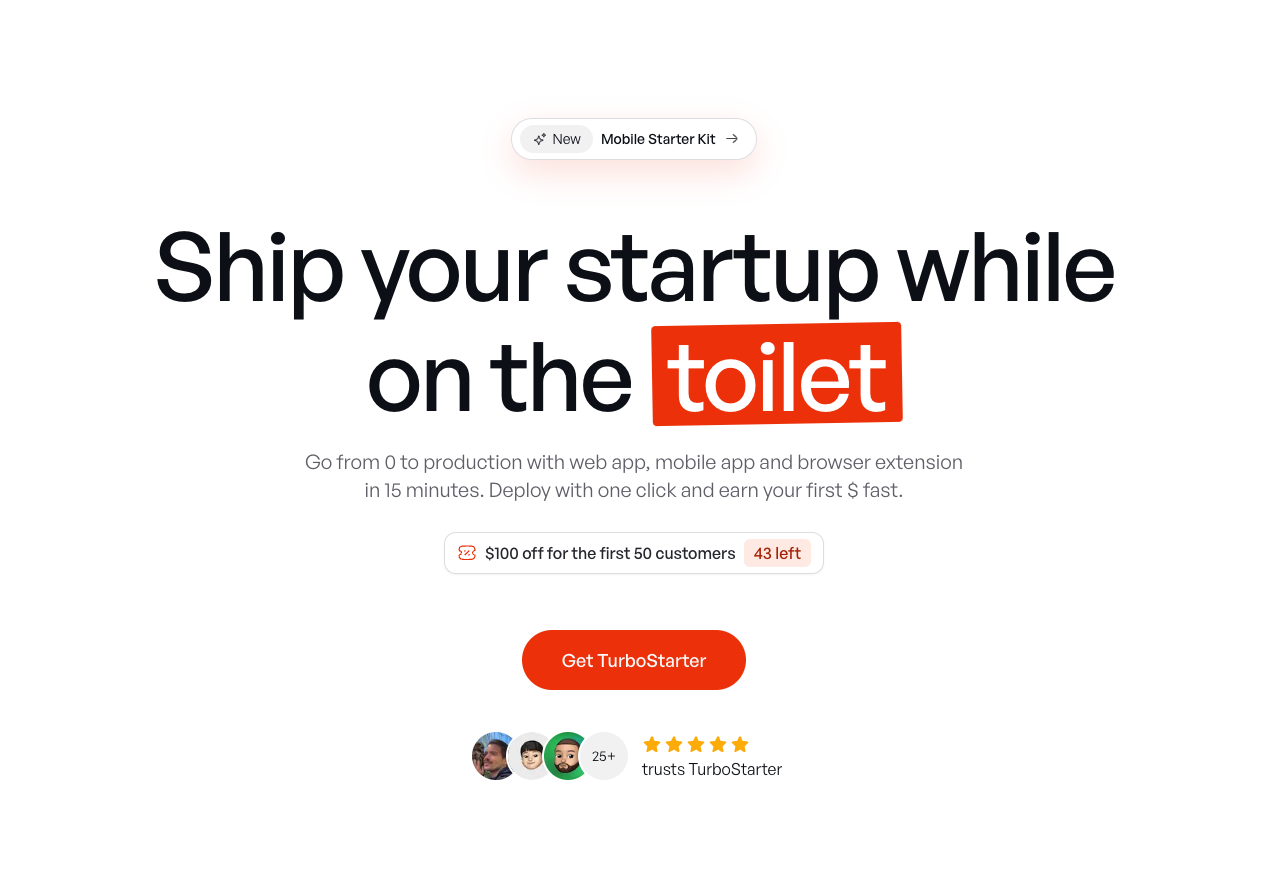
TurboStarter
Ship your startup everywhere. In minutes.
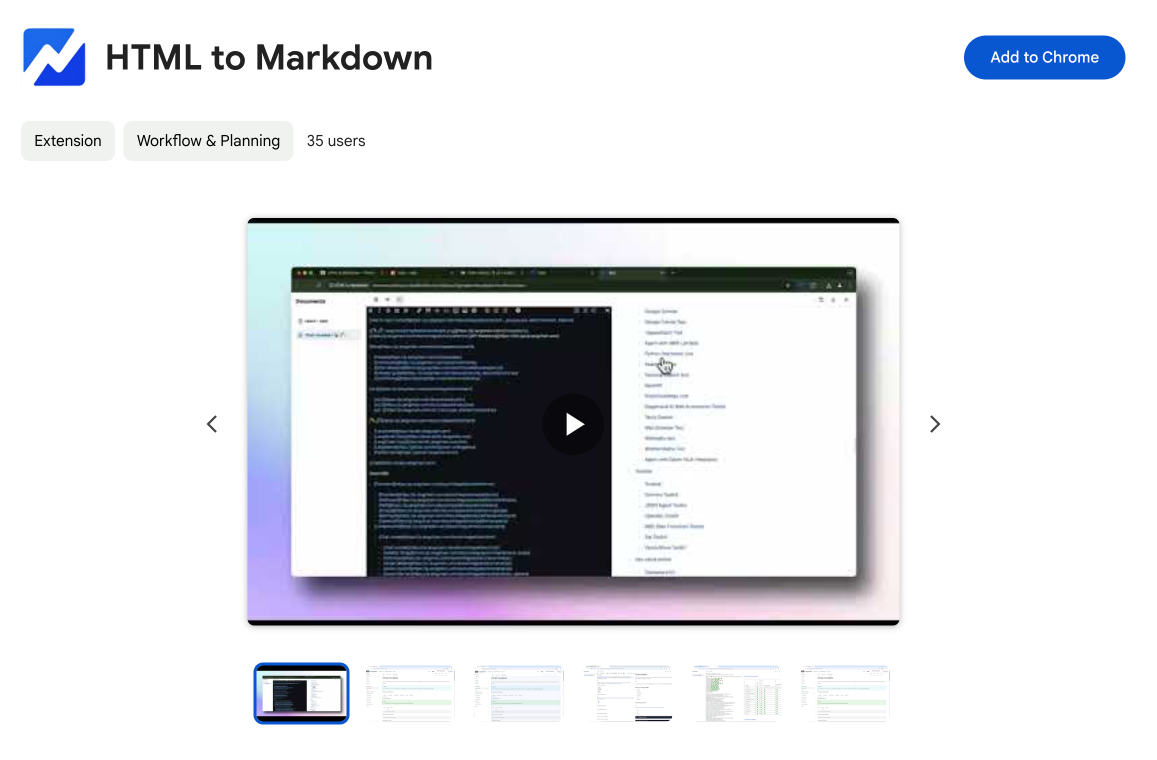
HTML to Markdown
Convert HTML to Markdown with ease, directly in your browser 📄
Dotallio
Personalized AI apps that automate research, data extraction, and content creation without code 🤖
Talk to Santa
Enjoy a magical live video chat or receive a unique AI-generated video greeting from Santa Claus 🎅
pozywka.pl
Scalable blog for food journalist, focused on performance and user experience 🌭
zagrodzki.me
Personal blog and portfolio of Bart Zagrodzki, where he shares his knowledge and work 💼
TurboStarter
Ship your startup everywhere. In minutes.
HTML to Markdown
Convert HTML to Markdown with ease, directly in your browser 📄
Dotallio
Personalized AI apps that automate research, data extraction, and content creation without code 🤖
Talk to Santa
Enjoy a magical live video chat or receive a unique AI-generated video greeting from Santa Claus 🎅
pozywka.pl
Scalable blog for food journalist, focused on performance and user experience 🌭
zagrodzki.me
Personal blog and portfolio of Bart Zagrodzki, where he shares his knowledge and work 💼
TurboStarter
Ship your startup everywhere. In minutes.
HTML to Markdown
Convert HTML to Markdown with ease, directly in your browser 📄
Dotallio
Personalized AI apps that automate research, data extraction, and content creation without code 🤖
Talk to Santa
Enjoy a magical live video chat or receive a unique AI-generated video greeting from Santa Claus 🎅
pozywka.pl
Scalable blog for food journalist, focused on performance and user experience 🌭
zagrodzki.me
Personal blog and portfolio of Bart Zagrodzki, where he shares his knowledge and work 💼
TurboStarter
Ship your startup everywhere. In minutes.
HTML to Markdown
Convert HTML to Markdown with ease, directly in your browser 📄
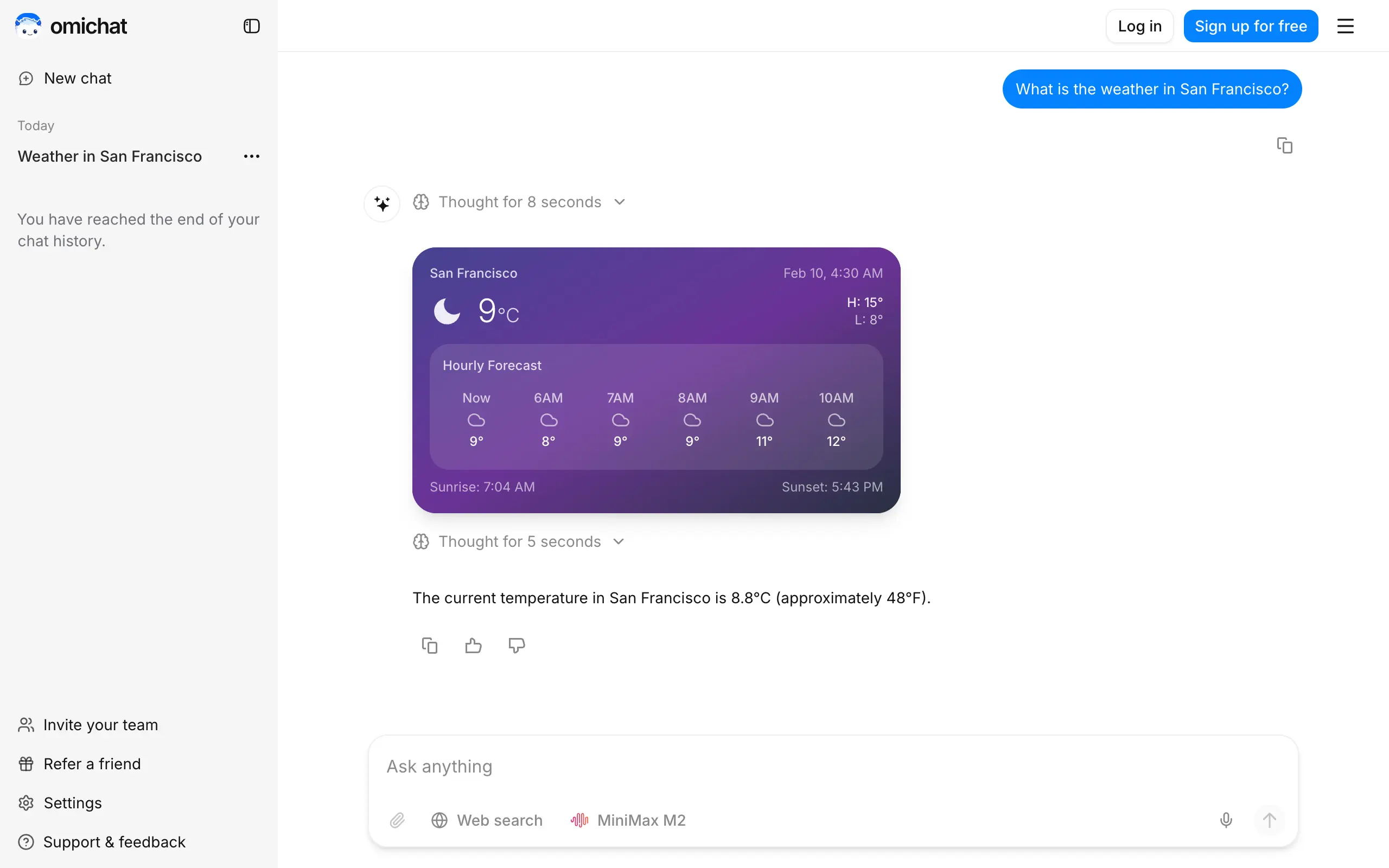
Omichat
Chat with 50+ AI models, including ChatGPT and Claude, in one place - switch models anytime without losing context 🤖
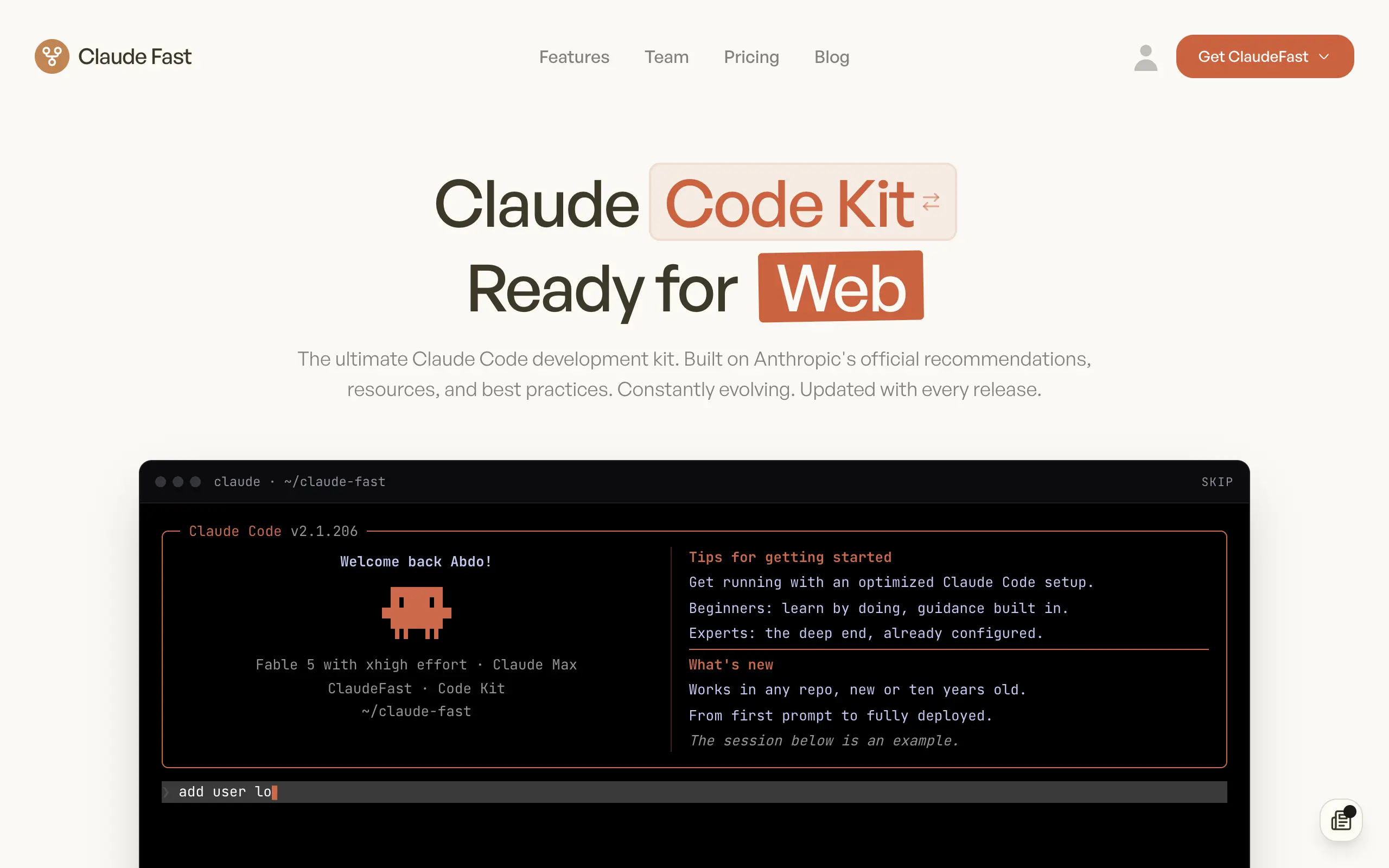
Claude Fast
Supercharge your Claude Code with 6x effective context window and specialized AI agents 🤖
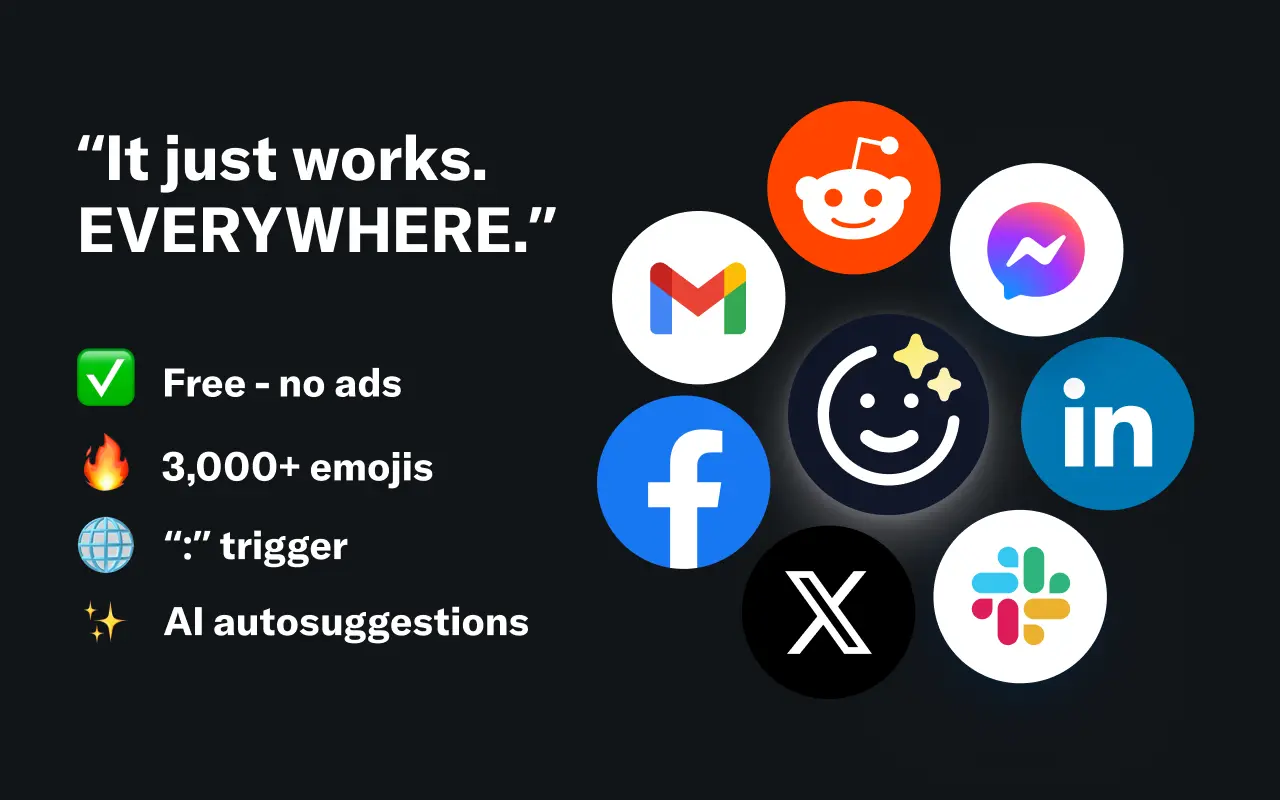
EmojAI
AI-powered emoji picker with smart, context-aware suggestions 🤖

Solohacker
Autonomous company launcher - AI agents work 24/7, escalate what matters, and you stay in control 🤖
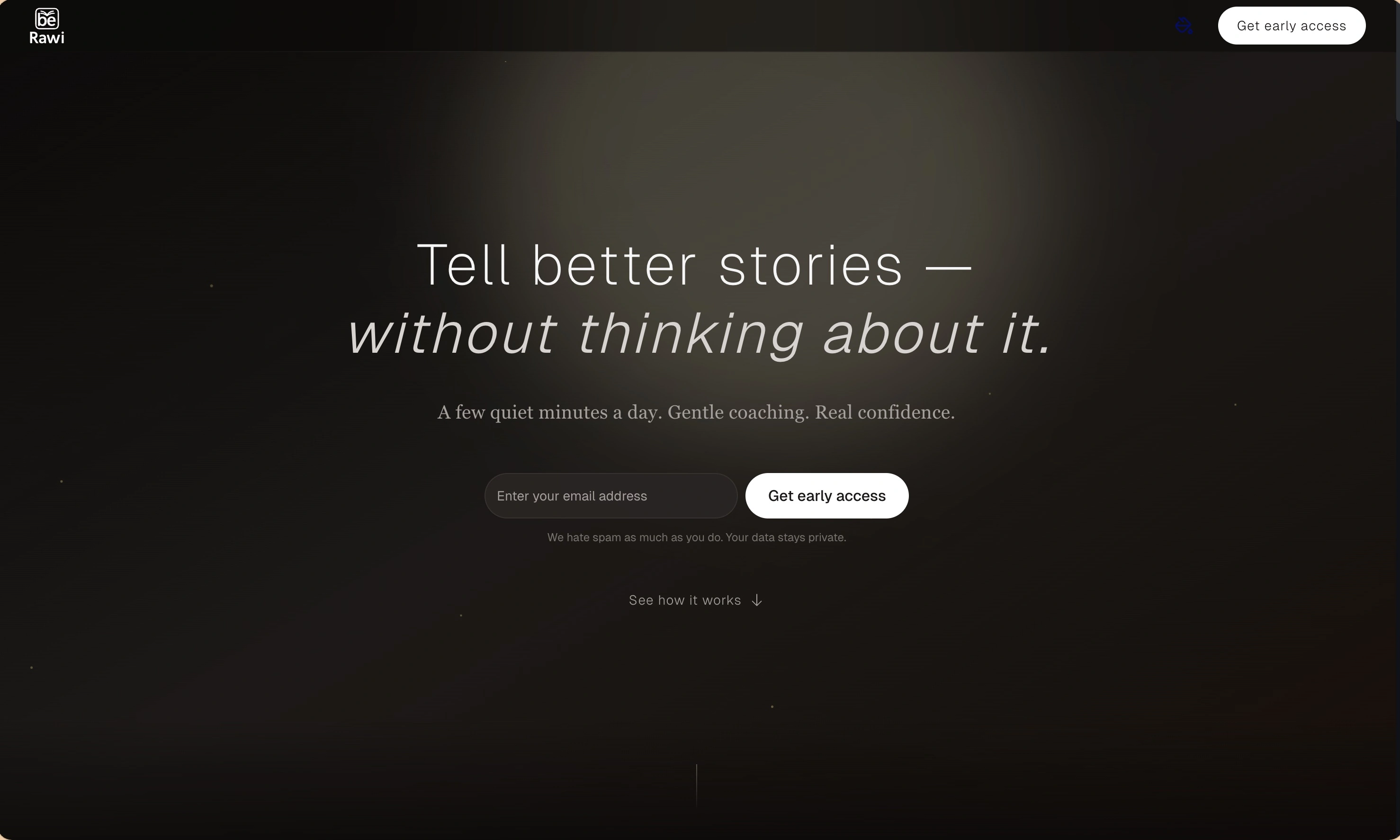
BeRawi: Storytelling Coach
Practice storytelling daily with instant feedback to sound clearer, more engaging, and confident 🎤
Omichat
Chat with 50+ AI models, including ChatGPT and Claude, in one place - switch models anytime without losing context 🤖
Claude Fast
Supercharge your Claude Code with 6x effective context window and specialized AI agents 🤖
EmojAI
AI-powered emoji picker with smart, context-aware suggestions 🤖
Solohacker
Autonomous company launcher - AI agents work 24/7, escalate what matters, and you stay in control 🤖
BeRawi: Storytelling Coach
Practice storytelling daily with instant feedback to sound clearer, more engaging, and confident 🎤
Omichat
Chat with 50+ AI models, including ChatGPT and Claude, in one place - switch models anytime without losing context 🤖
Claude Fast
Supercharge your Claude Code with 6x effective context window and specialized AI agents 🤖
EmojAI
AI-powered emoji picker with smart, context-aware suggestions 🤖
Solohacker
Autonomous company launcher - AI agents work 24/7, escalate what matters, and you stay in control 🤖
BeRawi: Storytelling Coach
Practice storytelling daily with instant feedback to sound clearer, more engaging, and confident 🎤
Omichat
Chat with 50+ AI models, including ChatGPT and Claude, in one place - switch models anytime without losing context 🤖
Claude Fast
Supercharge your Claude Code with 6x effective context window and specialized AI agents 🤖
EmojAI
AI-powered emoji picker with smart, context-aware suggestions 🤖
Solohacker
Autonomous company launcher - AI agents work 24/7, escalate what matters, and you stay in control 🤖
BeRawi: Storytelling Coach
Practice storytelling daily with instant feedback to sound clearer, more engaging, and confident 🎤

Connect with like-minded people
Join our community to get feedback, support, and grow together with 1,000+ builders on board, let's ship it!
Join usShip your startup everywhere. In minutes.
Don't burn tokens on setup and start building features on day one.