PCOS CareMap
AI-guided PCOS care organizer that helps users prepare for appointments, track treatments, and understand changes without replacing clinicians.
PCOS care is rarely a single treatment decision. It is an ongoing process of noticing symptoms, understanding lab results, evaluating medication effects, preparing for appointments, and making sustainable lifestyle adjustments alongside a clinician. For many people, that process is fragmented across notes apps, pharmacy reminders, wearable dashboards, patient portals, and memories of rushed appointments.
An AI PCOS care organizer such as PCOS CareMap can solve this operational problem without claiming to diagnose, prescribe, or replace medical care. Its role is to help people organize the facts of their journey, recognize discussion-worthy patterns, and arrive at appointments more prepared.
This article explores the product strategy, audience, features, technology, monetization, safety model, and launch path behind PCOS CareMap.
Important product boundary
PCOS CareMap should be positioned as an educational and organizational support tool. It can help users prepare informed questions and track information, but it must not diagnose PCOS, recommend medication changes, interpret urgent symptoms as safe, or substitute for a qualified clinician.
Why an AI PCOS care organizer has a meaningful market opportunity
Polycystic ovary syndrome, commonly called PCOS, is a complex endocrine and metabolic condition. Its presentation varies substantially from person to person. One user may primarily experience irregular cycles, while another may be focused on acne, unwanted hair growth, fertility planning, insulin resistance, weight changes, mood changes, or medication side effects.
That variation makes continuity difficult.
A typical person managing PCOS may interact with a primary care clinician, OB-GYN, endocrinologist, dermatologist, registered dietitian, therapist, fertility specialist, or pharmacist. Each professional may see only part of the picture. Meanwhile, the patient must remember timelines, symptoms, medications, lab results, questions, and the outcomes of previous treatment plans.
The opportunity for PCOS CareMap is not to automate clinical judgment. It is to reduce the cognitive and administrative burden that prevents people from participating effectively in their own care.
The core gap is between data collection and useful preparation
Many existing health tools do one narrow job well:
- Period trackers log cycle dates
- Medication apps send reminder notifications
- Wearables track sleep, activity, and heart rate
- Patient portals store clinical documents
- General AI chatbots answer broad questions
- Fertility tools help users monitor ovulation-related information
However, most products do not combine these pieces into a safe, PCOS-specific workflow that answers practical questions such as:
- What changed since my last appointment?
- Which symptoms are worth discussing with my clinician?
- When did I start or stop a medication?
- What questions should I bring to my next visit?
- How can I explain a pattern without trying to self-diagnose?
- Which part of my treatment plan feels difficult to follow?
- What information should I export for a new specialist?
An AI-guided PCOS care organizer can transform a passive record into an appointment-ready care map.
Why this problem is especially suited to structured AI assistance
Artificial intelligence is useful when it summarizes complex, user-provided information into understandable language and repeatable workflows. For PCOS CareMap, AI should operate on a tightly controlled scope.
It can:
- Summarize timelines from user-entered events
- Turn scattered notes into appointment questions
- Explain terms from clinician-provided instructions in plain language
- Identify incomplete tracking fields
- Help users compare their own reported patterns over time
- Draft a concise visit summary for review
- Surface appropriate safety guidance when a user mentions concerning symptoms
It should not:
- Diagnose a condition from symptom inputs
- Predict fertility outcomes
- Tell users to begin, stop, or adjust medication
- Provide certainty about the cause of a symptom
- Replace clinician interpretation of laboratory values
- Reassure a user when urgent evaluation may be needed
This restricted use case creates a more trustworthy product than a generic “ask anything about your health” chatbot.
Target audience for PCOS CareMap
The strongest initial audience is not every person with an interest in women’s health. PCOS CareMap should focus on people who already have a PCOS diagnosis, suspect PCOS and are preparing to seek clinical evaluation, or are actively navigating treatment with a clinician.
A focused launch audience improves onboarding, safety copy, product messaging, and retention.
Recently diagnosed users
People who need help understanding terminology, organizing prior symptoms, and preparing for their first follow-up care conversations.
People managing ongoing symptoms
Users who want a reliable timeline of cycles, symptoms, medications, lifestyle efforts, and clinician recommendations.
Fertility planning users
People who need structured, clinician-aligned tracking and better appointment preparation without fertility outcome promises.
Users changing clinicians
People who need a portable, readable record when moving, seeking a second opinion, or adding a specialist to their care team.
Primary persona: the overwhelmed care coordinator
The primary persona may be a working adult between their twenties and forties who has received a PCOS diagnosis or is undergoing evaluation. They may have seen multiple clinicians, tried different approaches, and feel that every appointment starts from scratch.
Their core pain is not a lack of health content. There is already an enormous amount of content online, much of it conflicting or untrustworthy. Their pain is a lack of personal context.
They need a product that can help them say:
“Here is what has happened since my last visit, what I have tried, what feels different, and what I want to ask next.”
This user values clarity, privacy, nonjudgmental language, and the ability to stay in control of what information is stored or shared.
Secondary persona: the clinician-supported self-advocate
This user already has a trusted clinician but wants to use limited appointment time well. They may be highly motivated, comfortable with technology, and tired of manually reconstructing their history before every visit.
For this audience, the most valuable feature may be a concise exportable visit brief that includes:
- A timeline of notable changes
- Current treatment list
- Adherence notes written by the user
- Symptom trends based on user tracking
- Questions generated from the user’s stated goals
- A short section for clinician instructions after the appointment
Tertiary persona: the care team or health educator
In a later business-to-business expansion, PCOS CareMap could support registered dietitians, health coaches working within scope, educational programs, or specialty clinics. This market should come after the consumer workflow is proven.
Professional users need a different product layer with consent controls, clear role boundaries, and workflows that do not create unsupported clinical expectations.
The PCOS CareMap value proposition
The unique selling proposition is simple:
PCOS CareMap helps people turn fragmented PCOS information into a safe, understandable care timeline and appointment-ready action plan.
That positioning is stronger than “AI for PCOS” because it explains the practical outcome. It also avoids implying that the product has diagnostic authority.
A differentiated product promise could be:
Organize what is happening, understand what to ask, and make every care conversation more productive.
The best version of the product combines three systems:
- Personal health organization
- AI-guided education and summarization
- Appointment preparation and continuity
This combination creates higher retention than a standalone symptom tracker and greater trust than an unrestricted medical chatbot.
Core features for an AI PCOS care organizer
The initial feature set should be narrow enough to launch safely while still offering a complete user outcome. Users should be able to join, add their context, track meaningful events, prepare for an appointment, and revisit their care plan afterward.
Build a private care timeline
The timeline is the product’s foundation. Rather than asking users to log every possible health metric, PCOS CareMap should let them record meaningful care events with flexible detail.
Suggested event categories include:
- Cycle and bleeding notes
- Symptoms and symptom severity
- Medication starts, stops, or refill notes
- Supplements entered by the user
- Lab result references and uploaded documents
- Appointments and clinician recommendations
- Lifestyle goals and personal observations
- Fertility planning milestones
- Questions or concerns to revisit later
The timeline should make chronology visible. People often remember that something changed but cannot remember whether it happened before or after starting a medication, changing a routine, or seeing a clinician.
A useful UX pattern is to offer both quick entry and detailed entry. A user should be able to log “acne worse this week” in seconds, then add context later if desired.
Use AI to create appointment briefs
The appointment brief is likely the clearest recurring value driver.
Before a visit, users can select a date range and answer a few prompts about their goals. The AI can generate a draft that organizes only the information the user has provided.
A good brief might include:
- Reason for the upcoming visit
- Changes since the previous appointment
- Current medications and user-reported adherence context
- Key symptoms the user chose to track
- Questions the user wants to ask
- Topics that may need clarification
- Space for clinician notes after the visit
The important word is draft. Users should always review, edit, remove, and approve any summary before exporting or sharing it.
Provide plain-language educational guidance
Health literacy support can make PCOS CareMap more valuable, especially for newly diagnosed users. The educational assistant should explain PCOS-related terms, common care pathways, and questions a person may discuss with a clinician.
Examples of safe prompts include:
- “Explain what insulin resistance means in plain language.”
- “Help me understand this term from my clinician’s after-visit summary.”
- “What questions could I ask about irregular periods at my next appointment?”
- “Help me make a list of concerns from these notes.”
- “What information is useful to track before discussing medication side effects?”
Every AI-generated explanation should include uncertainty-aware language, encourage clinical discussion where appropriate, and avoid presenting generalized information as personalized treatment advice.
Create a treatment and routine organizer
Adherence is rarely just a matter of motivation. People may struggle with side effects, costs, refill access, changing schedules, unclear instructions, or uncertainty about what a treatment is intended to address.
The organizer can help users track:
- Medication name and self-entered schedule
- Prescribing clinician details
- Start dates and changes
- Refill reminders
- User-reported side effects to discuss
- Supplement records
- Care plan actions
- Follow-up dates
The product should avoid medication instructions that conflict with the prescription label or clinician guidance. Reminder language should say “Follow your prescription instructions” rather than prescribe a regimen.
Add symptom patterns without overclaiming causality
Pattern recognition is useful, but causal conclusions are risky. The product can display neutral observations based on user-entered data.
Appropriate phrasing includes:
- “You logged fatigue more often in the past two weeks.”
- “Your notes mention sleep disruption on several dates.”
- “You recorded a medication change before this symptom entry.”
- “Consider discussing this timeline with your clinician.”
Inappropriate phrasing includes:
- “Your medication is causing fatigue.”
- “This symptom confirms insulin resistance.”
- “You are ovulating.”
- “Your condition is worsening.”
The difference is clinically important. PCOS CareMap should help people notice and communicate patterns, not make medical claims.
Support post-appointment follow-through
An appointment is only one moment in a care cycle. Users need a simple way to record what happened afterward.
A post-appointment workflow can prompt users to capture:
- New questions answered
- Tests or referrals discussed
- Follow-up timing
- Personal goals for the next period
- Instructions to confirm with their clinician
- Tasks such as requesting records or scheduling a referral
This makes PCOS CareMap a living care organizer rather than a one-time appointment tool.
What the user journey should look like
A successful product journey should create a meaningful outcome in the first session. Asking users to complete a long clinical intake before receiving value will harm activation.
A user selects their primary goal, such as organizing symptoms, preparing for a visit, understanding a new diagnosis, or tracking a treatment plan. They add only a few key details and receive a starter care map.
The user logs notable changes in under a minute, reviews reminders, and saves questions as they arise. The app should not pressure them to track every day.
The user selects an appointment date, reviews their timeline, chooses priority concerns, and generates an editable discussion brief.
The user records next steps, adds follow-up dates, and updates their plan based on clinician guidance. This closes the loop and supports retention.
A healthy retention model comes from utility at care transitions, not from aggressive daily engagement mechanics. Avoid gamifying symptoms, body weight, or adherence in a way that feels shaming or clinically inappropriate.
Competitive advantage in the PCOS health app market
The PCOS app market includes symptom trackers, period apps, community platforms, fertility products, general health journals, telehealth providers, and AI chat tools. PCOS CareMap does not need to beat each category at its primary function.
Instead, it needs to own a specific position between them.
| Product category | Primary strength | Common gap | PCOS CareMap advantage | Safety priority |
|---|---|---|---|---|
| Period tracker | Cycle logging | Limited care coordination | Connects events to visit preparation | Do not infer diagnosis |
| Generic AI chatbot | Fast explanations | Weak personal structure and risk controls | Purpose-built guided workflows | Constrained medical responses |
| Patient portal | Clinical documents | Often difficult to summarize across time | User-owned timeline and readable briefs | Consent-based sharing |
| Wellness app | Habit support | May not reflect clinical goals | Clinician-conversation orientation | Avoid wellness cure claims |
The defensible advantage is workflow, not the model
Large language models are increasingly accessible. A competitor can copy a chat interface quickly. It is much harder to replicate a trustworthy, domain-specific workflow with thoughtful safety rules, structured user data, high-quality summaries, and an interface designed around real appointment preparation.
The defensible product assets include:
- A carefully designed PCOS event taxonomy
- High-quality prompt templates and evaluation datasets
- Medical safety policies reviewed by qualified experts
- User-controlled longitudinal care records
- Appointment summary formatting optimized for real conversations
- Trust earned through transparent privacy and AI boundaries
- Outcome data showing that users feel more prepared and organized
The product should compete on clarity and trust, not on sensational medical claims.
Recommended technology stack for PCOS CareMap
A modern web-first SaaS stack is appropriate for an MVP. It enables fast iteration, responsive access on mobile devices, and lower development complexity than launching native iOS and Android applications simultaneously.
A practical starting stack includes React, Next.js, TypeScript, and Tailwind CSS.
Frontend and application architecture
Use Next.js for a full-stack web application with server rendering, routing, API endpoints, and strong deployment options. TypeScript is especially valuable because medical-adjacent products benefit from explicit data types and fewer silent data handling errors.
Recommended frontend components include:
- A responsive timeline interface
- A guided onboarding flow
- Accessible forms with autosave
- An appointment brief editor
- A document upload and review area
- A clear privacy center
- A clinician-sharing workflow that is opt-in by default
For rapid SaaS implementation, TurboStarter can provide a strong foundation for authentication, billing, dashboard patterns, and production-ready app structure. The time saved on standard SaaS infrastructure can be redirected into clinical safety design and user research.
Data storage and security design
A relational database such as PostgreSQL is a strong fit for structured care events, user preferences, audit data, and access controls. A managed backend such as Supabase can speed up authentication, database setup, row-level security, and file storage.
The key trade-off is convenience versus control.
- A managed platform accelerates MVP delivery and reduces operational burden.
- A more customized infrastructure may provide greater flexibility for advanced security, regional data residency, and enterprise integrations later.
For an early-stage consumer product, managed infrastructure can be reasonable if the team configures it carefully and conducts security reviews. Sensitive health-adjacent data should never be treated like ordinary analytics data.
Minimum security practices should include:
- Encryption in transit and at rest
- Strong authentication and secure session management
- Role-based access controls
- Explicit user consent for any sharing
- Audit logs for sensitive actions
- Data export and deletion workflows
- Vendor review for AI and analytics services
- Data minimization principles
- Separate production and testing environments
- No real user health data in development fixtures or support screenshots
Health data requires a higher bar
Legal obligations depend on jurisdiction, business model, data flows, and partnerships. Do not assume that a consumer wellness app is exempt from privacy responsibilities, and do not claim regulatory compliance without qualified legal review. Engage privacy counsel before launch, especially before working with providers, employers, insurers, or clinical data integrations.
AI architecture and guardrails
The AI layer should be designed as a controlled service rather than a free-form chat endpoint. Start with specific tasks, structured inputs, and predictable outputs.
Examples of task-specific AI endpoints include:
summarizeTimelinedraftAppointmentBriefrewriteInPlainLanguagegenerateDiscussionQuestionsextractActionItemsclassifySafetyConcern
A structured output model reduces the risk of malformed, inconsistent, or overly broad responses.
type AppointmentBrief = {
  visitGoal: string;
  userReportedChanges: string[];
  currentTreatments: string[];
  questionsForClinician: string[];
  notesForDiscussion: string[];
  safetyMessage?: string;
};
The AI system should receive only the minimum relevant context. For example, an appointment brief generator may need selected timeline events and user goals, but it does not need unrestricted access to every historical note.
A robust safety layer should include:
- Input classification for urgent or high-risk language
- A response policy that blocks diagnosis and treatment instructions
- Retrieval from medically reviewed educational content where appropriate
- Clear language about limitations and uncertainty
- User review before any export or share action
- Continuous quality evaluation using realistic test scenarios
- Human escalation guidance for crisis or urgent symptom mentions
For high-risk phrases, the product should shift out of normal conversational flow and recommend appropriate urgent support. The exact triage content should be medically and legally reviewed for the regions served.
Integrations to defer until product-market fit
It is tempting to add wearable data, electronic health records, lab integrations, pharmacy services, and telehealth from day one. Most early products should resist this.
Each integration introduces consent complexity, data quality issues, maintenance work, and potential compliance obligations. An MVP can create value through user-entered data and document uploads.
Consider integrations later when there is evidence that users repeatedly request them and the team has the resources to build them safely.
Monetization options for PCOS CareMap
The most viable initial model is likely a freemium subscription. Users can try the core organizing experience at no cost, then upgrade when they need more advanced planning, exports, and long-term storage.
A practical freemium structure
The free tier could include:
- Basic care timeline
- Limited symptom and treatment entries
- One active appointment brief
- Core educational explanations
- Basic reminders
- Data export access for user trust
A premium tier could include:
- Unlimited appointment briefs
- AI-powered timeline summaries
- Advanced pattern views based on user-entered data
- Custom tracking categories
- Document organization
- Longer history retention
- Shared caregiver access with consent controls
- Clinician-ready PDF exports
- Priority support
Do not lock data export behind a paywall. For a health-adjacent product, user data portability is both ethically important and strategically beneficial for trust.
Additional revenue paths
Once the consumer product demonstrates retention and safe usage, possible expansion paths include:
- Clinic licenses for patient preparation workflows
- White-label educational programs for women’s health organizations
- Partnerships with registered dietitians and care programs
- Employer benefits partnerships, subject to robust privacy protections
- Educational content subscriptions for nonclinical support organizations
The greatest caution applies to advertising and data monetization. Selling or sharing sensitive health inferences can destroy user trust, create legal exposure, and undermine the product’s mission. A privacy-first subscription model is more aligned with the brand.
Risks and mitigation strategies
PCOS CareMap operates in a sensitive category. Strong product strategy means treating safety, privacy, and user trust as core product features rather than legal footnotes.
Medical misinformation risk
AI can generate confident but inaccurate content, particularly when prompts are vague or users describe complex symptoms.
Mitigation includes:
- Limit AI features to predefined tasks
- Use clinician-reviewed content for educational retrieval
- Add hard rules against diagnosis and medication changes
- Present AI output as educational support, not medical advice
- Include user-visible source and review practices where possible
- Perform regular adversarial testing with medical experts
User overreliance risk
Some users may treat a well-written summary or explanation as clinical guidance.
Mitigation includes:
- Use consistent boundary language
- Make clinician discussion the intended next step
- Avoid authoritative visual cues that imply diagnosis
- Include “questions to ask” rather than “what you should do”
- Build urgent-symptom escalation flows
- Never describe the product as a doctor, clinician, or diagnostic tool
Privacy and trust risk
Users may enter deeply personal information involving reproductive health, mental health, medications, and fertility.
Mitigation includes:
- Clear privacy notices in plain language
- Conservative data collection defaults
- Transparent AI data handling explanations
- Easy deletion and export controls
- No surprise sharing features
- No use of sensitive entries for ad targeting
- Strong internal access policies
Retention risk
PCOS management can be episodic. Users may not need the product daily, and that is acceptable. The product must be useful at moments that matter.
Mitigation includes:
- Focus on appointment cycles and treatment transitions
- Offer lightweight check-ins instead of demanding daily logs
- Let users customize reminders
- Surface meaningful summaries before likely care moments
- Build a useful post-appointment workflow
- Measure successful outcomes beyond daily active users
Regulatory positioning risk
Making claims that imply diagnosis, treatment, or clinical decision-making can change the product’s regulatory profile.
Mitigation includes:
- Obtain legal and regulatory guidance early
- Maintain a product claims review process
- Keep marketing language aligned with actual functionality
- Document risk assessments and AI safety decisions
- Avoid “detect,” “diagnose,” “treat,” “cure,” or “prevent” claims unless the product is built and cleared for those purposes
How to validate demand before building everything
Before investing heavily in AI workflows or integrations, validate whether the appointment-preparation problem is urgent enough that users will return and pay.
The best research combines qualitative interviews with a narrow prototype.
Interview people with real PCOS care experience
Recruit participants who are diagnosed, undergoing evaluation, changing treatment plans, fertility planning, or switching clinicians. Aim for diversity in age, location, symptoms, care access, and diagnosis journey.
Ask open questions such as:
- “Tell me about the last time you prepared for a PCOS appointment.”
- “What information did you wish you had available?”
- “How do you currently track medications, symptoms, and questions?”
- “What feels confusing about your care plan?”
- “What would make you trust or distrust an AI-based organizer?”
- “What would make this useful enough to pay for?”
Avoid leading questions such as “Would you use an AI PCOS app?” People are better at describing past behavior than predicting future behavior.
Test a concierge MVP
A concierge MVP can validate the desired outcome before extensive engineering. Create a private prototype where a participant submits a few notes, and a researcher manually produces an appointment-ready summary using a standardized, clinically reviewed template.
Measure:
- Whether users find the summary accurate
- Whether they would edit it
- Whether they bring it to an appointment
- Whether it improves their ability to ask questions
- Whether they return before the next care event
- Whether they would pay for the workflow
The result will reveal whether the true product value is in tracking, summarization, education, export formatting, reminders, or a combination of these.
Implementation roadmap for launching PCOS CareMap
A sensible roadmap prioritizes trust and a complete core workflow over feature breadth.
For the first release, the north-star metric should not be generic engagement. A better metric is:
The percentage of activated users who create, review, and save an appointment-ready care brief.
Supporting metrics can include:
- Time to first useful outcome
- Timeline entries before an appointment
- Appointment brief export rate
- Return rate after an appointment
- User-reported preparedness
- AI summary edit rate
- Safety escalation accuracy
- Trust and privacy satisfaction scores
A high edit rate is not necessarily bad at first. It may indicate that users are actively reviewing AI content, which is desirable in a medical-adjacent product. The objective is not to make AI output unquestioned. The objective is to make users more organized and better prepared.
Frequently asked questions about AI PCOS care organizers
No. A responsible AI PCOS care organizer should not diagnose PCOS or any other condition. Diagnosis requires clinical judgment, history, examination, and potentially laboratory or imaging evaluation by qualified professionals. PCOS CareMap can help users organize symptoms and questions for a clinical discussion.
It can be useful when it acts as an organizer rather than a prescriber. Users can record medication details, refill needs, and questions about side effects. The product should direct users to follow prescription labels and clinician instructions, not recommend medication changes.
A period tracker primarily records cycle information. A PCOS care organizer connects cycles with treatment notes, symptoms, appointments, questions, documents, and clinician-directed next steps. Its primary outcome is better care continuity and appointment preparation.
That should always be the user’s decision. The product should support selective, editable sharing so users can export only the information relevant to a specific appointment or care conversation.
The product should not attempt to assess emergencies through ordinary chat. When users enter language that may indicate urgent concerns, it should provide clear, medically reviewed guidance to seek appropriate immediate help and avoid reassuring or diagnostic language.
Final perspective
PCOS CareMap has the potential to address a real and persistent problem in chronic-condition management: people are asked to be active participants in care without being given practical tools to organize the story of their own health.
The winning product will not be the one that makes the boldest AI claims. It will be the one that earns trust by being clear about what it can and cannot do.
A strong AI PCOS care organizer should help users capture meaningful changes, understand health information in plain language, prepare thoughtful questions, and carry a coherent care history from one appointment to the next. By combining structured personal records with tightly scoped AI guidance, PCOS CareMap can become a valuable bridge between everyday life and better clinical conversations.
More 🤖 AI Startup SaaS ideas
Discover more innovative ai startup SaaS ideas that are trending in 2026. Each idea is AI-generated with market validation and growth potential to help you find your next profitable venture faster than competitors.
Your competitors are building with TurboStarter
Below are some of the SaaS ideas that have been generated and built with our starter kit.
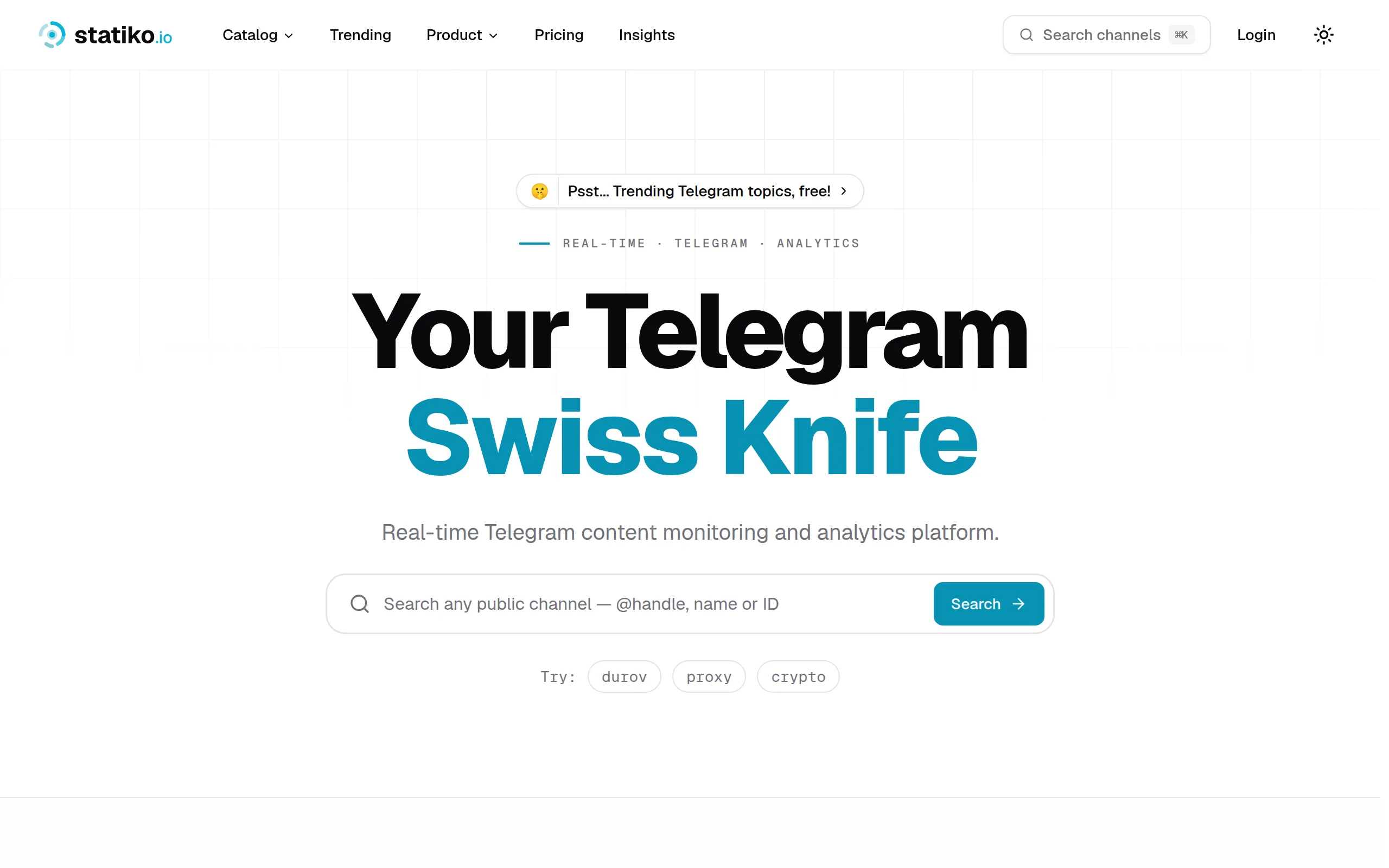
Statiko
Monitor any Telegram channel in real time - track posts, edits, deletions, and growth with AI recaps 📡

Shibui
AI website builder - describe your business, pick a niche template, edit by chatting, and publish instantly ✨
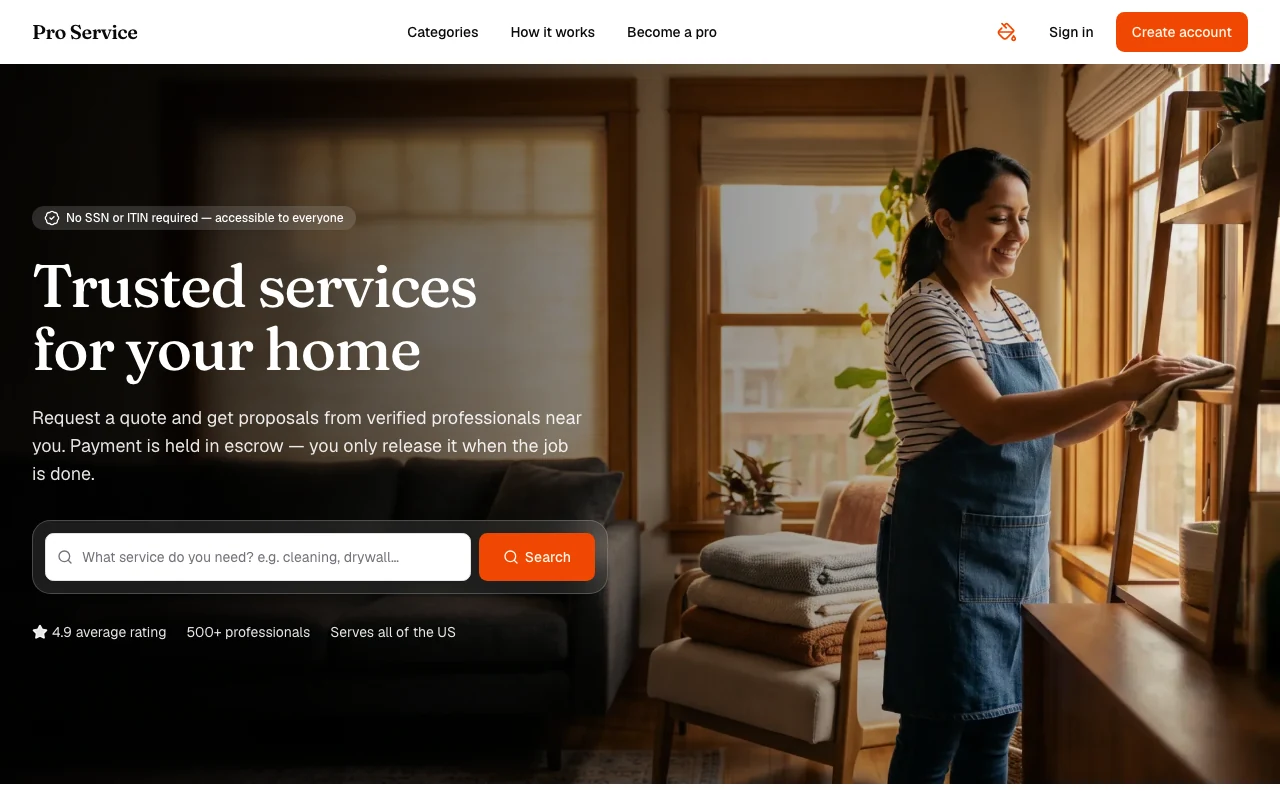
Pro Service
Find verified home service professionals, compare quotes, and pay securely through escrow - built for Brazilians across the US 🏠
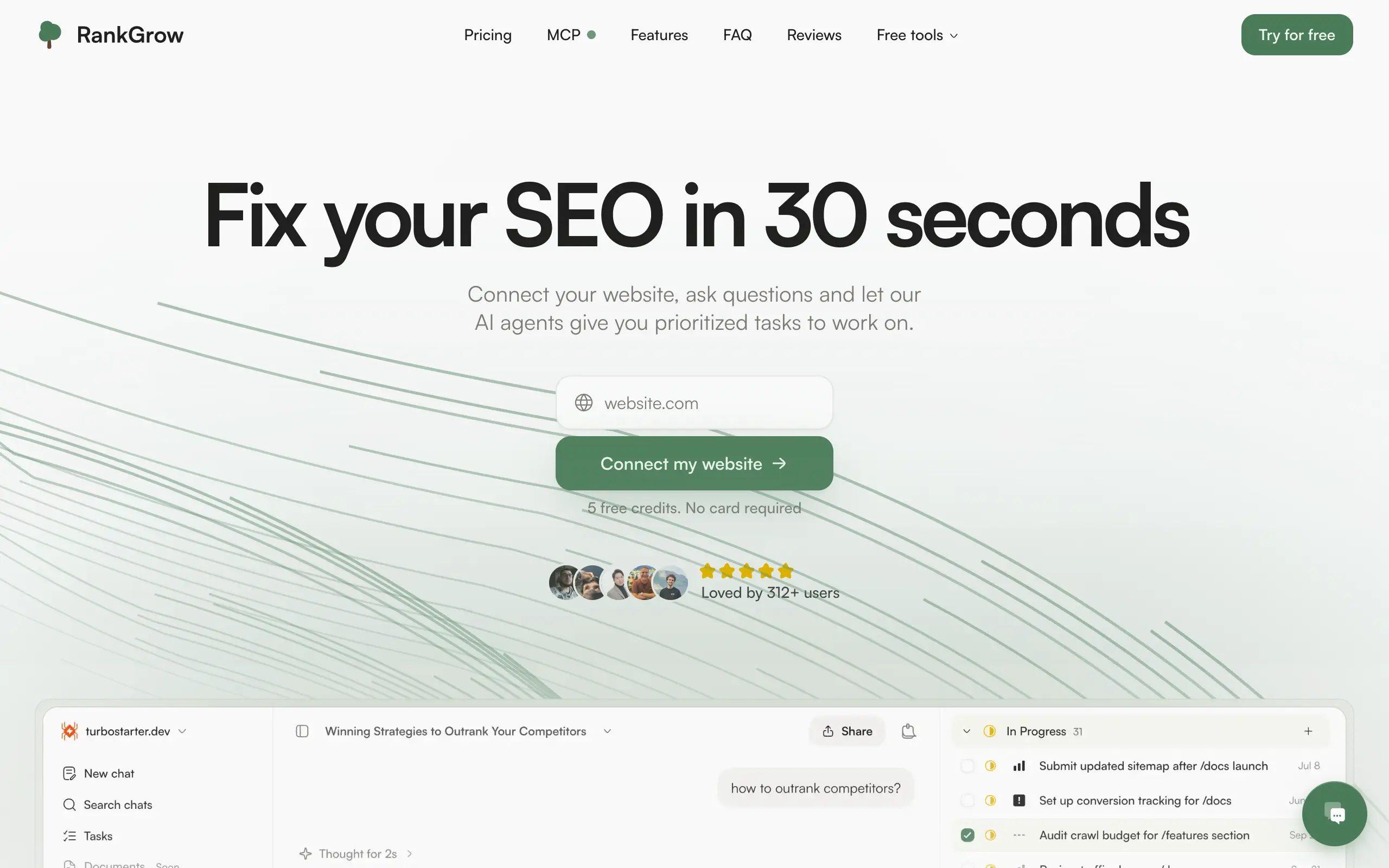
RankGrow
Fix your SEO with AI agents - connect Search Console, get prioritized tasks, and grow organic traffic 📈
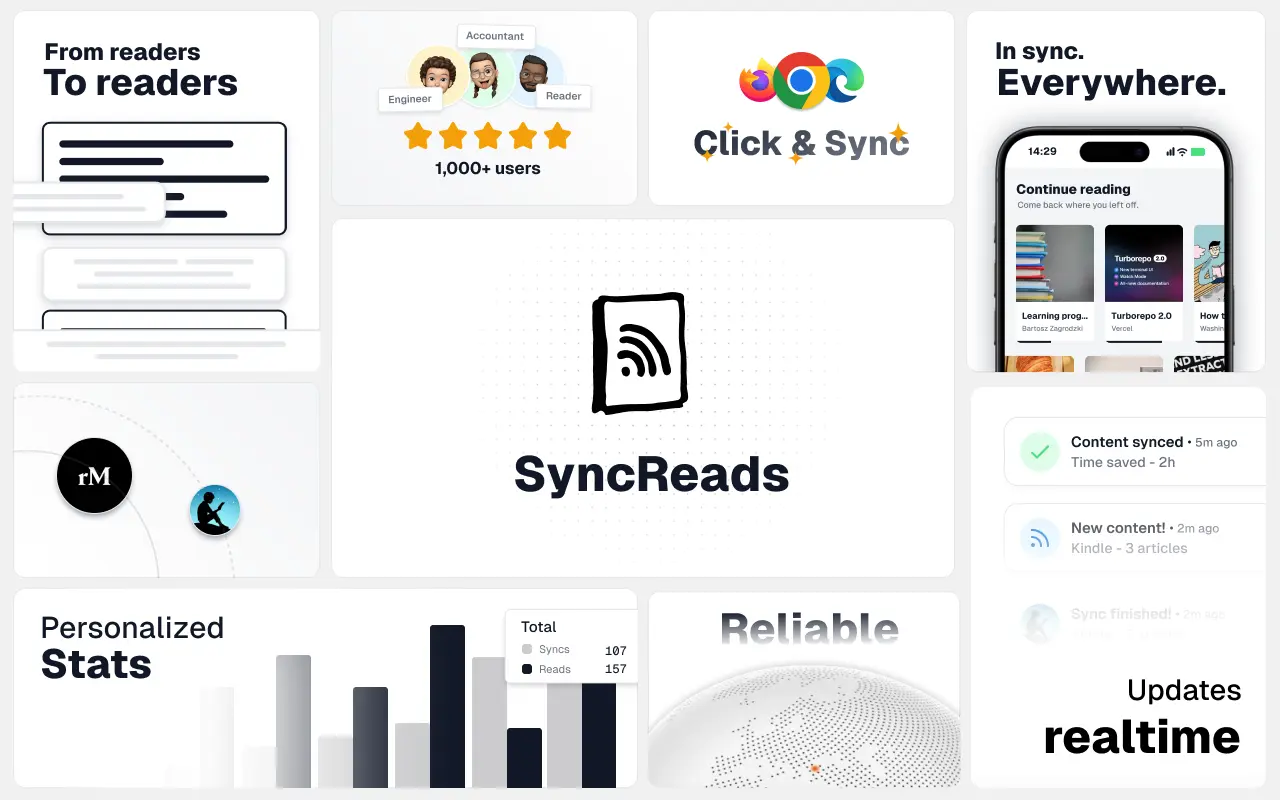
SyncReads
Sync your favorite content for distraction-free reading, save time and replace multiple apps. Anytime, anywhere 🔄
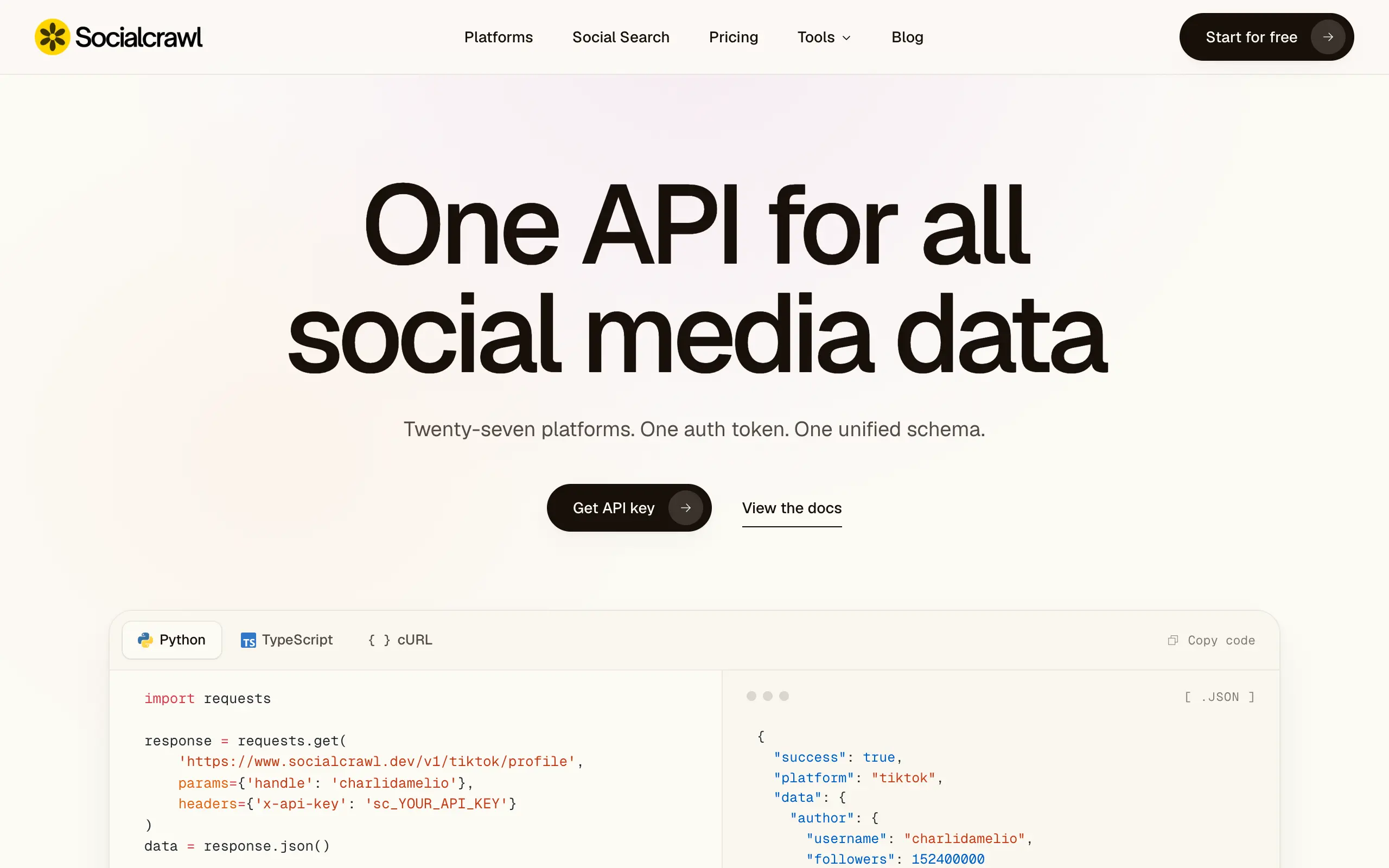
Socialcrawl
Get clean, structured data from 21 platforms like TikTok, Instagram, and YouTube with a single request 📊
Statiko
Monitor any Telegram channel in real time - track posts, edits, deletions, and growth with AI recaps 📡
Shibui
AI website builder - describe your business, pick a niche template, edit by chatting, and publish instantly ✨
Pro Service
Find verified home service professionals, compare quotes, and pay securely through escrow - built for Brazilians across the US 🏠
RankGrow
Fix your SEO with AI agents - connect Search Console, get prioritized tasks, and grow organic traffic 📈
SyncReads
Sync your favorite content for distraction-free reading, save time and replace multiple apps. Anytime, anywhere 🔄
Socialcrawl
Get clean, structured data from 21 platforms like TikTok, Instagram, and YouTube with a single request 📊
Statiko
Monitor any Telegram channel in real time - track posts, edits, deletions, and growth with AI recaps 📡
Shibui
AI website builder - describe your business, pick a niche template, edit by chatting, and publish instantly ✨
Pro Service
Find verified home service professionals, compare quotes, and pay securely through escrow - built for Brazilians across the US 🏠
RankGrow
Fix your SEO with AI agents - connect Search Console, get prioritized tasks, and grow organic traffic 📈
SyncReads
Sync your favorite content for distraction-free reading, save time and replace multiple apps. Anytime, anywhere 🔄
Socialcrawl
Get clean, structured data from 21 platforms like TikTok, Instagram, and YouTube with a single request 📊
Statiko
Monitor any Telegram channel in real time - track posts, edits, deletions, and growth with AI recaps 📡
Shibui
AI website builder - describe your business, pick a niche template, edit by chatting, and publish instantly ✨
Pro Service
Find verified home service professionals, compare quotes, and pay securely through escrow - built for Brazilians across the US 🏠
RankGrow
Fix your SEO with AI agents - connect Search Console, get prioritized tasks, and grow organic traffic 📈
SyncReads
Sync your favorite content for distraction-free reading, save time and replace multiple apps. Anytime, anywhere 🔄
Socialcrawl
Get clean, structured data from 21 platforms like TikTok, Instagram, and YouTube with a single request 📊
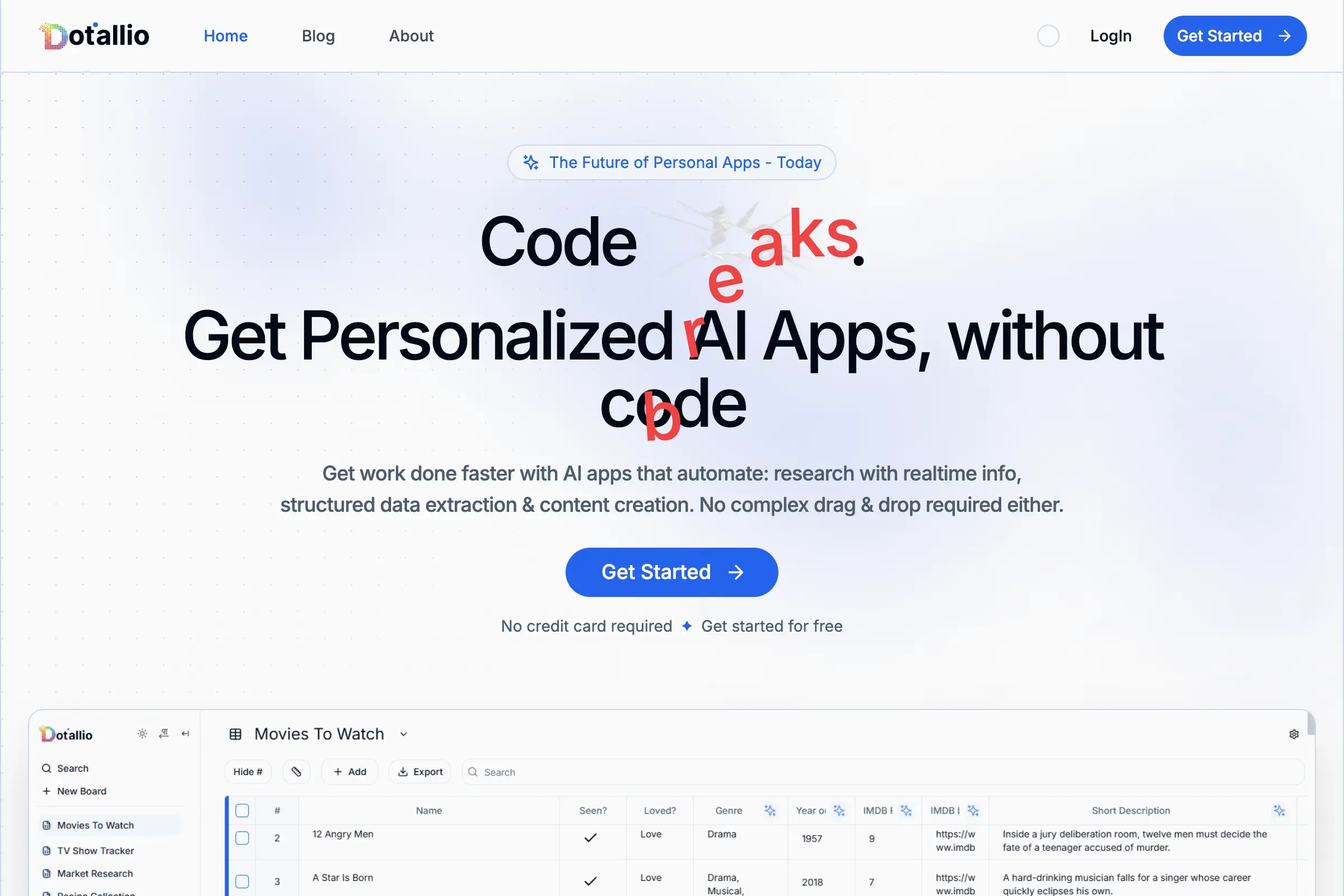
Dotallio
Personalized AI apps that automate research, data extraction, and content creation without code 🤖
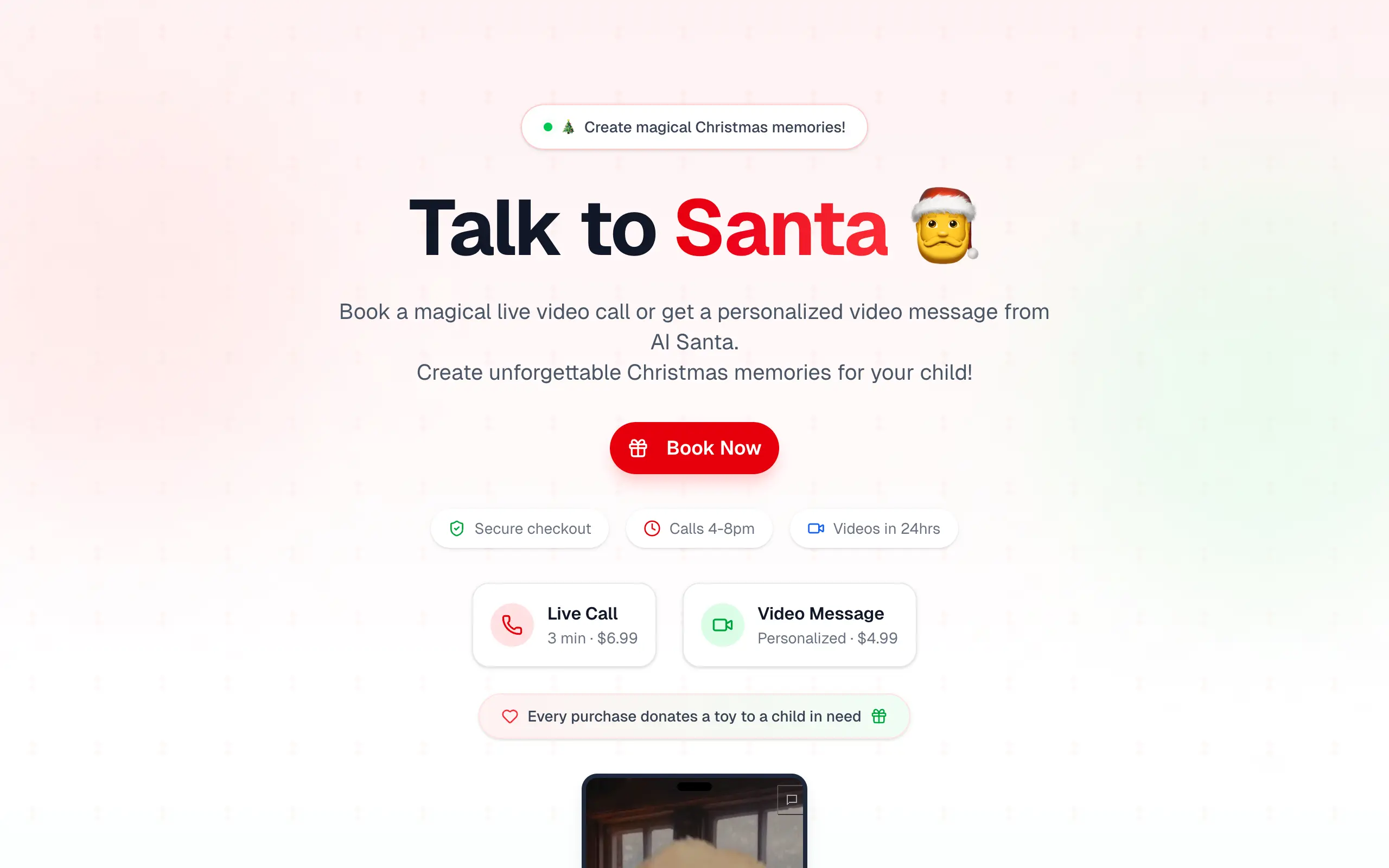
Talk to Santa
Enjoy a magical live video chat or receive a unique AI-generated video greeting from Santa Claus 🎅
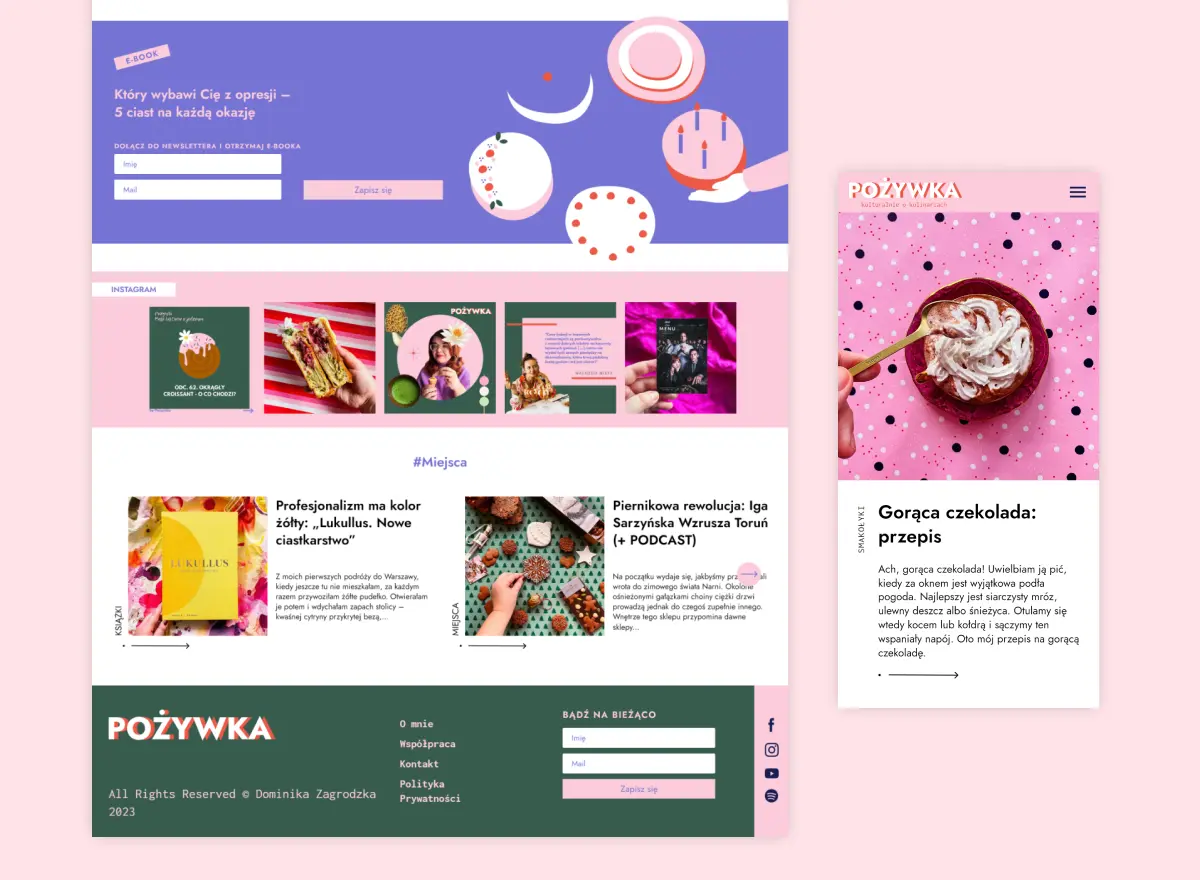
pozywka.pl
Scalable blog for food journalist, focused on performance and user experience 🌭
zagrodzki.me
Personal blog and portfolio of Bart Zagrodzki, where he shares his knowledge and work 💼
TurboStarter
Ship your startup everywhere. In minutes.
HTML to Markdown
Convert HTML to Markdown with ease, directly in your browser 📄
Dotallio
Personalized AI apps that automate research, data extraction, and content creation without code 🤖
Talk to Santa
Enjoy a magical live video chat or receive a unique AI-generated video greeting from Santa Claus 🎅
pozywka.pl
Scalable blog for food journalist, focused on performance and user experience 🌭
zagrodzki.me
Personal blog and portfolio of Bart Zagrodzki, where he shares his knowledge and work 💼
TurboStarter
Ship your startup everywhere. In minutes.
HTML to Markdown
Convert HTML to Markdown with ease, directly in your browser 📄
Dotallio
Personalized AI apps that automate research, data extraction, and content creation without code 🤖
Talk to Santa
Enjoy a magical live video chat or receive a unique AI-generated video greeting from Santa Claus 🎅
pozywka.pl
Scalable blog for food journalist, focused on performance and user experience 🌭
zagrodzki.me
Personal blog and portfolio of Bart Zagrodzki, where he shares his knowledge and work 💼
TurboStarter
Ship your startup everywhere. In minutes.
HTML to Markdown
Convert HTML to Markdown with ease, directly in your browser 📄
Dotallio
Personalized AI apps that automate research, data extraction, and content creation without code 🤖
Talk to Santa
Enjoy a magical live video chat or receive a unique AI-generated video greeting from Santa Claus 🎅
pozywka.pl
Scalable blog for food journalist, focused on performance and user experience 🌭
zagrodzki.me
Personal blog and portfolio of Bart Zagrodzki, where he shares his knowledge and work 💼
TurboStarter
Ship your startup everywhere. In minutes.
HTML to Markdown
Convert HTML to Markdown with ease, directly in your browser 📄
Omichat
Chat with 50+ AI models, including ChatGPT and Claude, in one place - switch models anytime without losing context 🤖
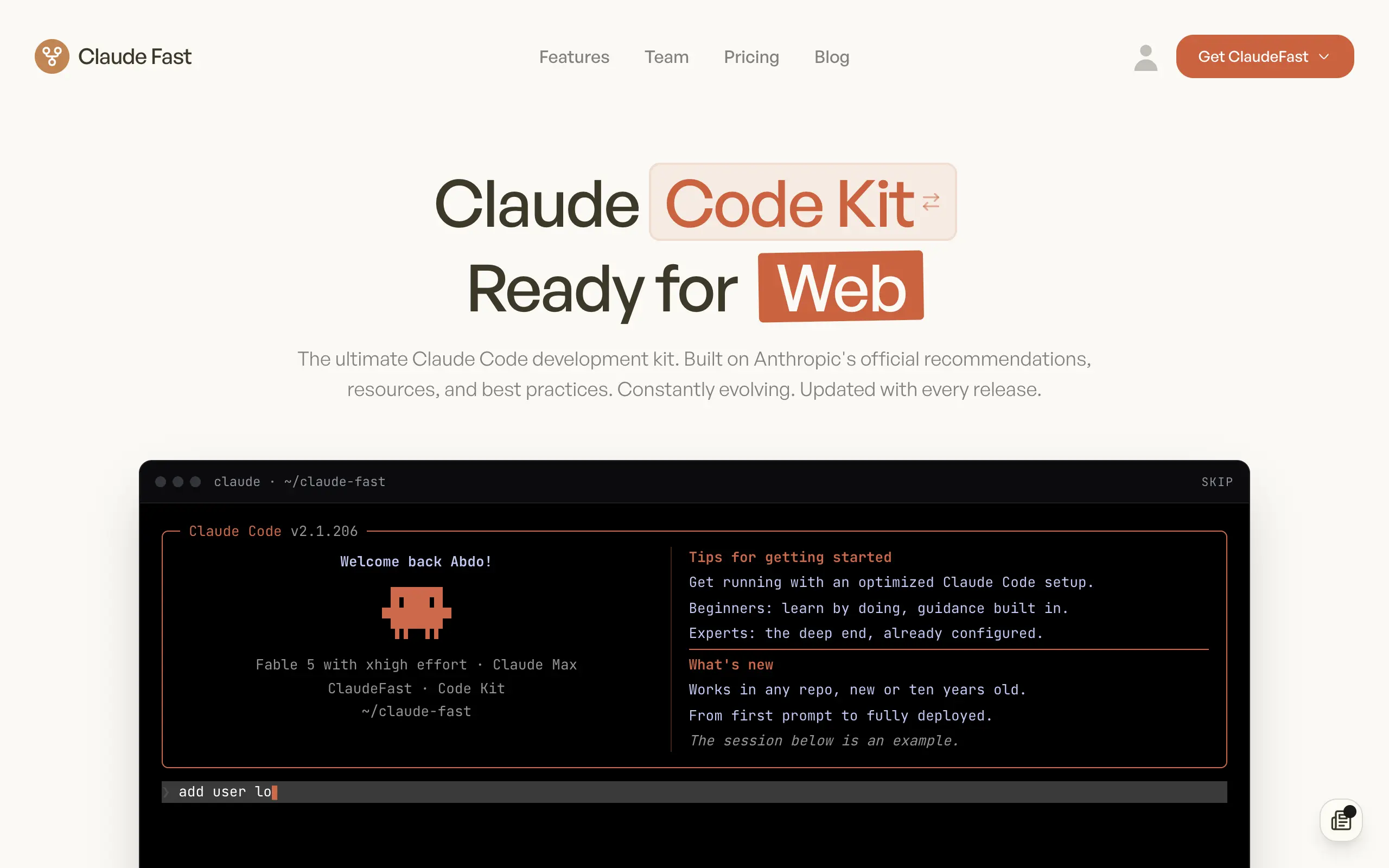
Claude Fast
Supercharge your Claude Code with 6x effective context window and specialized AI agents 🤖
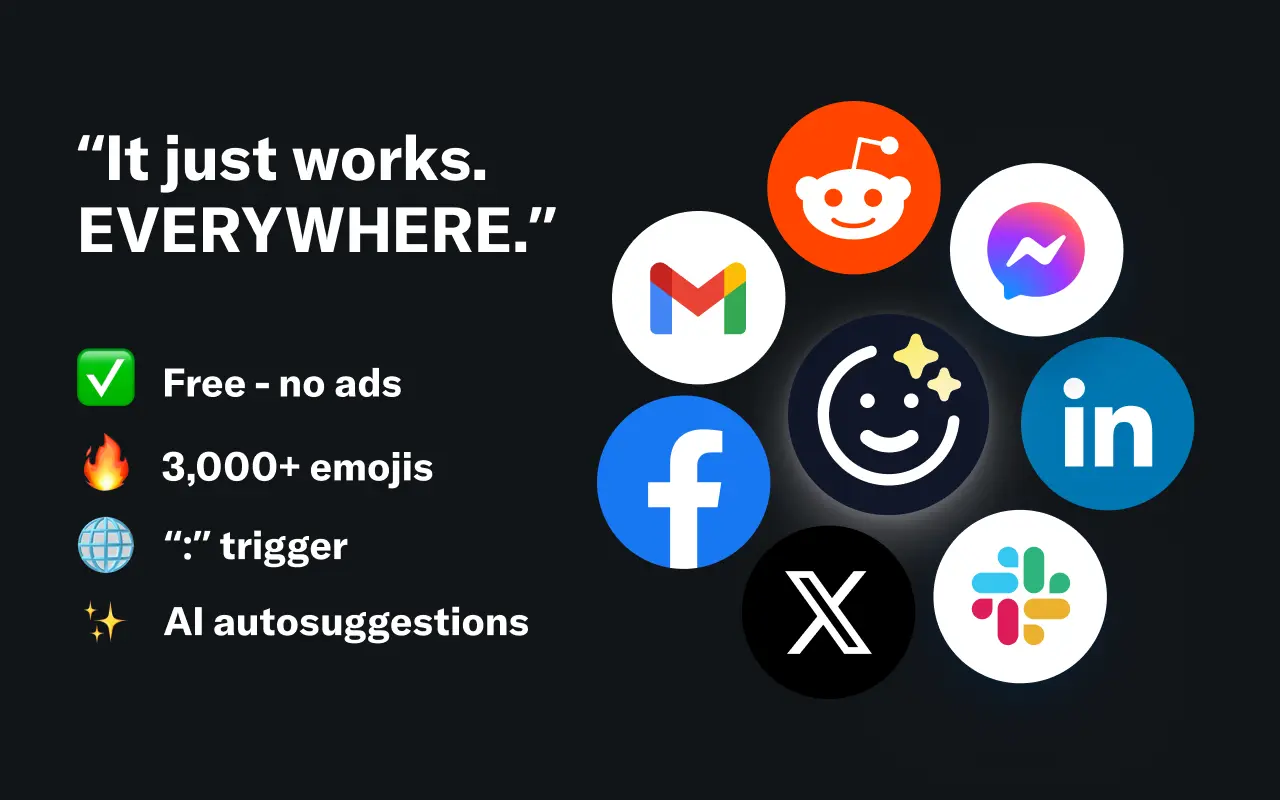
EmojAI
AI-powered emoji picker with smart, context-aware suggestions 🤖
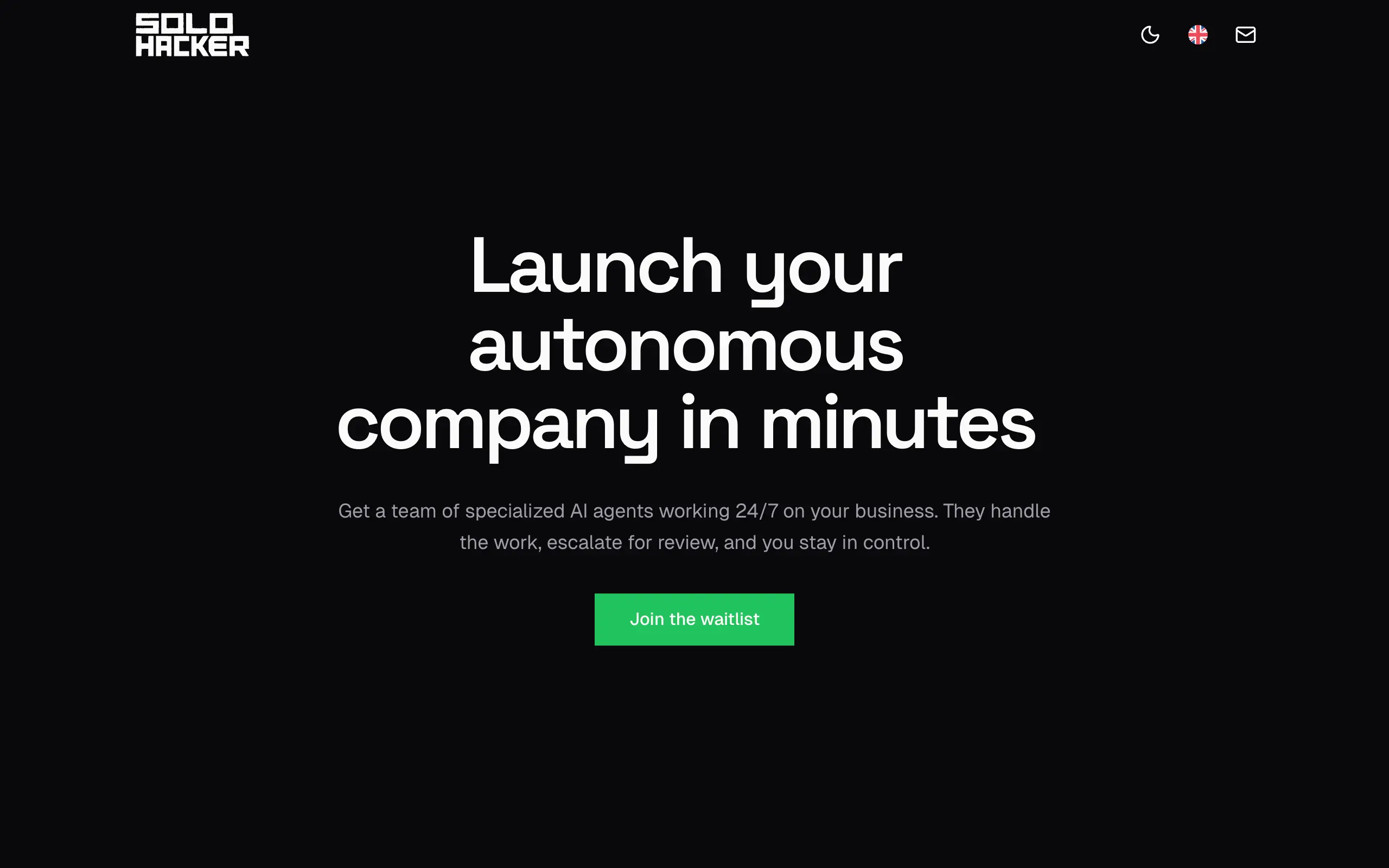
Solohacker
Autonomous company launcher - AI agents work 24/7, escalate what matters, and you stay in control 🤖
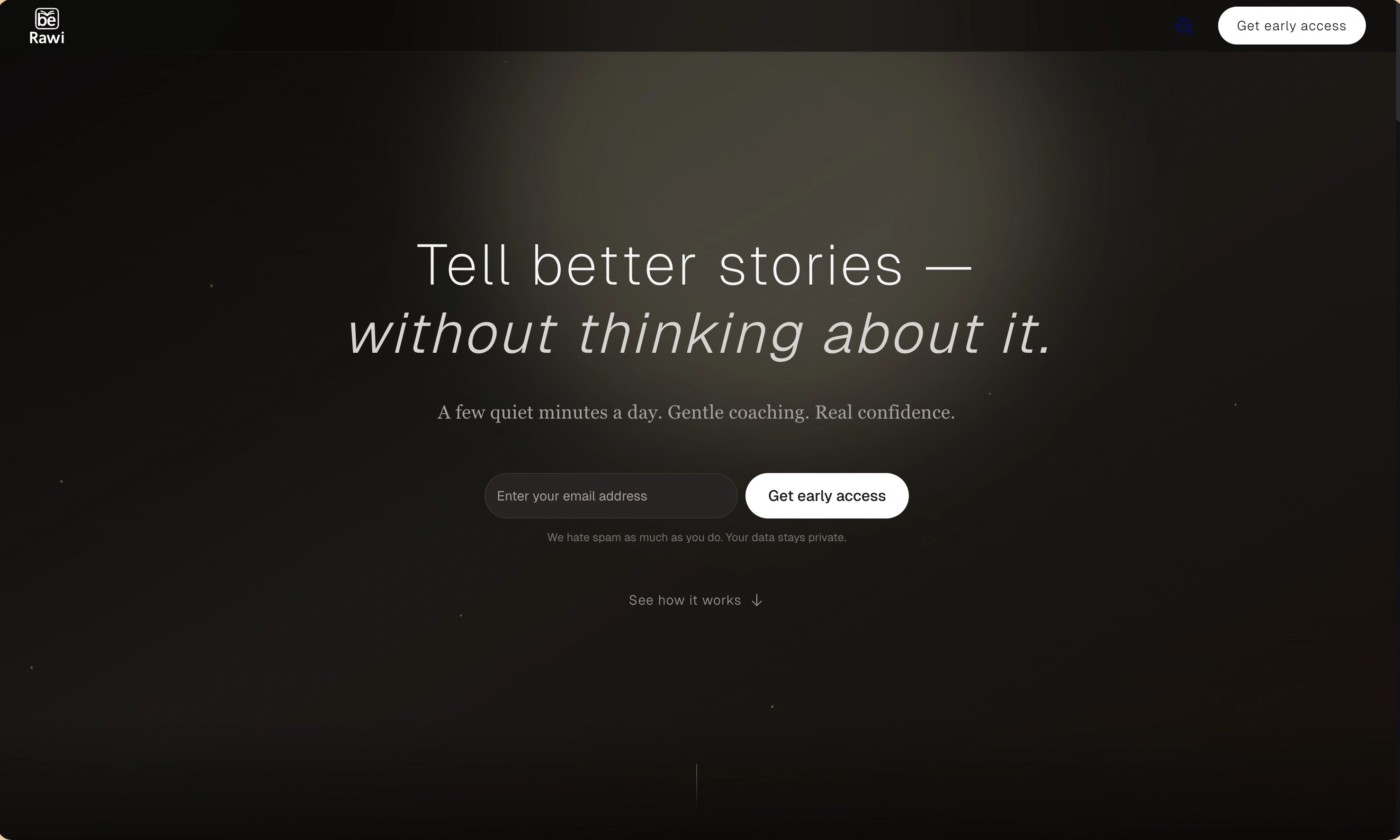
BeRawi: Storytelling Coach
Practice storytelling daily with instant feedback to sound clearer, more engaging, and confident 🎤
Omichat
Chat with 50+ AI models, including ChatGPT and Claude, in one place - switch models anytime without losing context 🤖
Claude Fast
Supercharge your Claude Code with 6x effective context window and specialized AI agents 🤖
EmojAI
AI-powered emoji picker with smart, context-aware suggestions 🤖
Solohacker
Autonomous company launcher - AI agents work 24/7, escalate what matters, and you stay in control 🤖
BeRawi: Storytelling Coach
Practice storytelling daily with instant feedback to sound clearer, more engaging, and confident 🎤
Omichat
Chat with 50+ AI models, including ChatGPT and Claude, in one place - switch models anytime without losing context 🤖
Claude Fast
Supercharge your Claude Code with 6x effective context window and specialized AI agents 🤖
EmojAI
AI-powered emoji picker with smart, context-aware suggestions 🤖
Solohacker
Autonomous company launcher - AI agents work 24/7, escalate what matters, and you stay in control 🤖
BeRawi: Storytelling Coach
Practice storytelling daily with instant feedback to sound clearer, more engaging, and confident 🎤
Omichat
Chat with 50+ AI models, including ChatGPT and Claude, in one place - switch models anytime without losing context 🤖
Claude Fast
Supercharge your Claude Code with 6x effective context window and specialized AI agents 🤖
EmojAI
AI-powered emoji picker with smart, context-aware suggestions 🤖
Solohacker
Autonomous company launcher - AI agents work 24/7, escalate what matters, and you stay in control 🤖
BeRawi: Storytelling Coach
Practice storytelling daily with instant feedback to sound clearer, more engaging, and confident 🎤

Connect with like-minded people
Join our community to get feedback, support, and grow together with 1,000+ builders on board, let's ship it!
Join usShip your startup everywhere. In minutes.
Don't burn tokens on setup and start building features on day one.