PersonaForge AI
AI engine that turns raw customer data into dynamic, continuously updated buyer personas with actionable messaging and campaign recommendations.
The new standard for AI-powered buyer personas
Modern marketing teams are drowning in data but starving for clarity. CRMs store thousands of contacts. Product analytics track every click. Ad platforms generate endless metrics. Yet when it comes to answering a simple question — “Who is our real customer and what messaging will convert them?” — many companies still rely on outdated slide decks and gut instinct.
This is where PersonaForge AI changes the game.
PersonaForge AI is an AI-powered buyer persona engine that transforms raw customer data into dynamic, continuously updated buyer personas — complete with actionable messaging, campaign recommendations, and performance insights. Instead of static PDFs, you get living, data-backed personas that evolve as your customers do.
In this guide, we’ll break down:
- The market opportunity behind AI-generated buyer personas
- Target audience and user intent analysis
- Core features and technical architecture
- Recommended tech stack (with trade-offs)
- Monetization strategies
- Competitive landscape and differentiation
- Risks and mitigation strategies
- Step-by-step implementation roadmap
If you’re evaluating this SaaS idea from a founder, investor, or product strategist perspective — this is your blueprint.
The problem: static personas in a dynamic market
Traditional buyer personas are fundamentally broken.
Most companies create personas during a quarterly workshop, document them in slides, and never revisit them. Meanwhile:
- Customer behavior shifts
- Market conditions change
- New acquisition channels emerge
- Messaging fatigue increases
- Product positioning evolves
Yet the personas remain frozen in time.
Why static buyer personas fail
- They are subjective – Often built on anecdotal sales insights.
- They become outdated quickly – Markets change monthly, not yearly.
- They aren’t connected to real-time data – No direct CRM or analytics integration.
- They don’t drive execution – Few provide concrete messaging or campaign suggestions.
- They’re rarely operationalized – Marketing teams don’t actively use them in daily workflows.
Search intent analysis shows that users searching for:
- “AI buyer persona generator”
- “Dynamic customer personas”
- “AI marketing insights tool”
- “Customer segmentation AI software”
- “How to create buyer personas with AI”
…are typically looking for automation, accuracy, and real-time insights, not templates.
PersonaForge AI directly addresses this gap.
Market opportunity: why AI-powered persona tools are rising
The timing for PersonaForge AI is ideal due to three converging trends:
1. Explosion of customer data
Businesses now collect data from:
- CRM platforms (HubSpot, Salesforce)
- Product analytics tools
- Email marketing systems
- Social platforms
- Customer support tickets
- Surveys and NPS responses
The problem isn’t data scarcity — it’s data synthesis.
2. AI adoption in marketing
Generative AI and predictive analytics are now mainstream. Marketing teams are comfortable using AI for:
- Copy generation
- Campaign optimization
- Predictive lead scoring
- Customer segmentation
An AI buyer persona engine is a natural next step.
3. Demand for personalization
Modern consumers expect tailored experiences. Companies that personalize messaging effectively see measurable lift in engagement and revenue (industry reports from firms like McKinsey consistently highlight personalization ROI gains — founders should cite updated reports when publishing).
Dynamic personas are foundational to personalization at scale.
Target audience analysis
PersonaForge AI serves multiple high-value segments.
Primary target audience
1. Growth-stage SaaS companies (Series A–C)
- 10–200 employees
- Dedicated marketing team
- CRM + analytics infrastructure already in place
- Need scalable messaging alignment
Pain point: Messaging inconsistency across channels and teams.
2. B2B marketing teams
- Complex sales cycles
- Multiple decision-makers
- Need segmentation clarity
Pain point: Generic messaging that fails to resonate with different roles (CFO vs CTO vs operator).
3. Marketing agencies
- Managing multiple client accounts
- Need rapid persona creation
- Require ongoing optimization
Pain point: Time-consuming persona research for each new client.
Secondary audiences
- E-commerce brands
- Product marketing managers
- RevOps teams
- Early-stage startups validating PMF
User intent breakdown
Understanding search intent ensures PersonaForge AI ranks effectively.
Users searching for:
- “How to create buyer personas with AI”
- “Best way to segment customers using AI”
- “What is a dynamic buyer persona”
They want education and frameworks.
Content strategy: Blog posts, guides, and case studies explaining the methodology behind AI-generated personas.
Users searching for:
- “Best AI persona software”
- “AI marketing analytics tools”
- “Customer segmentation SaaS comparison”
They are comparing tools.
Content strategy: Feature breakdowns, competitor comparisons, ROI calculators.
Users searching for:
- “Buy AI persona tool”
- “AI persona generator pricing”
- “Customer segmentation AI demo”
They are ready to evaluate.
Content strategy: Clear landing pages, pricing transparency, demo CTAs.
Core features of PersonaForge AI
PersonaForge AI must go beyond static persona generation. It should function as a continuous intelligence engine.
1. Data ingestion and normalization
Integrations:
- CRM (HubSpot, Salesforce)
- Product analytics
- Email marketing tools
- Customer support systems
- Survey tools
Features:
- API-based ingestion
- Real-time sync
- Data cleaning & enrichment
- Identity resolution
2. AI-powered segmentation engine
This is the core innovation.
Capabilities:
- Behavioral clustering
- Revenue-based segmentation
- Lifecycle stage grouping
- Predictive churn segmentation
- Engagement scoring
Machine learning models identify patterns that humans miss.
3. Dynamic persona generation
Instead of static profiles, each persona includes:
- Demographic & firmographic data
- Behavioral triggers
- Buying motivations
- Objection patterns
- Preferred channels
- Lifetime value range
- Conversion likelihood
And crucially:
- Messaging recommendations
- Channel prioritization
- Campaign angle suggestions
4. Messaging intelligence
PersonaForge AI generates:
- Value proposition variants
- Email subject lines
- Ad messaging hooks
- Landing page angles
- Sales call talking points
All personalized to each persona cluster.
5. Continuous updates
Personas automatically evolve when:
- New data enters the system
- Behavioral patterns shift
- Conversion rates change
- New customer segments emerge
Key differentiation
Most persona tools stop at generation. PersonaForge AI introduces continuous evolution powered by real-time data ingestion.
6. Visualization dashboard
Clear, executive-friendly dashboards showing:
- Segment size
- Revenue contribution
- CAC vs LTV
- Engagement trends
- Messaging performance
Feature comparison snapshot
| Feature | Static Persona Tools | Analytics Platforms | AI Copy Tools | PersonaForge AI |
|---|---|---|---|---|
| Dynamic updates | ❌ | ✅ | ❌ | ✅ |
| Data-driven segmentation | ❌ | ✅ | ❌ | ✅ |
| Messaging recommendations | ❌ | ❌ | ✅ | ✅ |
| CRM integrations | ❌ | ✅ | ❌ | ✅ |
Recommended tech stack
Choosing the right stack is critical for scalability and performance.
Frontend
Why:
- Scalable UI
- Component reusability
- Rapid iteration
Backend
Options:
- Node.js (fast iteration, JS ecosystem alignment)
- Python (better for ML-heavy workloads)
Recommendation:
- Hybrid architecture
- Node.js API layer
- Python microservices for ML
AI and ML layer
- Large language models (OpenAI or similar provider)
- Custom clustering algorithms
- Vector database (e.g., Pinecone or similar — reference vendor documentation during implementation)
- Embeddings for customer behavior similarity mapping
Trade-off:
- Fully custom ML = more control, higher cost
- API-based LLM approach = faster go-to-market, less defensibility
Data infrastructure
- PostgreSQL for structured data
- Warehouse layer (e.g., Snowflake-style architecture)
- Event streaming (Kafka-style system)
SaaS foundation
To accelerate development, use a boilerplate like:
It provides:
- Auth
- Billing
- SaaS scaffolding
- Deployment setup
This reduces time-to-market significantly.
Monetization strategy
PersonaForge AI should adopt value-based pricing.
Tiered SaaS pricing model
Starter
For startups. Limited integrations and persona count.
Growth
For scaling companies. Advanced segmentation and messaging intelligence.
Enterprise
Custom integrations, dedicated ML models, SLA support.
Pricing variables
- Number of contacts analyzed
- Number of integrations
- Persona clusters generated
- Messaging outputs
- API access
Additional revenue streams
- API access for agencies
- White-label offering
- Add-on predictive analytics
- Consulting services
Competitive landscape
Competitors fall into three buckets:
- Traditional persona tools (static builders)
- CRM analytics platforms
- AI copywriting tools
None combine:
- Data ingestion
- Behavioral clustering
- Persona generation
- Messaging intelligence
- Continuous updates
That integration is PersonaForge AI’s USP.
Competitive advantage analysis
PersonaForge AI differentiates through:
1. Continuous persona evolution
2. Real-time messaging recommendations
3. Cross-channel campaign intelligence
4. Unified data integration
5. AI-native architecture
Defensibility strategy
Long-term defensibility comes from proprietary customer data patterns and model fine-tuning — not just UI or integrations.
Risks and mitigation
Risk 1: Data privacy concerns
Mitigation:
- SOC 2 compliance
- Data encryption at rest and transit
- Transparent data usage policy
Risk 2: Overreliance on third-party LLM APIs
Mitigation:
- Model abstraction layer
- Optional self-hosted models
- Gradual development of proprietary models
Risk 3: Poor data quality
Mitigation:
- Data health scoring
- Automated anomaly detection
- Data cleaning workflows
Risk 4: Market education required
Mitigation:
- Strong content marketing
- Webinars
- Case studies
- ROI calculators
Implementation roadmap
MVP feature scope
Focus on:
- HubSpot integration
- Basic segmentation
- 3 persona outputs
- Messaging suggestions
- Visual dashboard
Avoid overbuilding predictive modeling initially.
Example architecture snippet
// Persona clustering service (simplified)
import { clusterCustomers } from "./mlEngine";

export async function generatePersonas(customerData) {
  const segments = await clusterCustomers(customerData);

  return segments.map(segment => ({
    name: segment.label,
    size: segment.count,
    revenueImpact: segment.ltv,
    messaging: generateMessaging(segment)
  }));
}
Go-to-market strategy
Phase 1: Niche positioning
Target:
- B2B SaaS companies with $1M–$10M ARR
Messaging: “Turn your CRM into continuously updated buyer personas.”
Phase 2: Content-led SEO
Target keywords:
- AI buyer persona generator
- Dynamic customer personas
- AI marketing segmentation tool
- Customer segmentation SaaS
- AI messaging optimization software
Create:
- Deep guides
- Case studies
- Comparison pages
Phase 3: Partnerships
- CRM marketplaces
- Marketing agencies
- RevOps consultants
Why PersonaForge AI wins
The biggest opportunity is not in creating better slides — it’s in creating living customer intelligence systems.
PersonaForge AI:
- Connects raw customer data
- Uses AI to find hidden patterns
- Translates them into real marketing execution
- Continuously updates insights
That closes the loop between data → persona → messaging → campaign → revenue.
Few tools achieve that full cycle.
Final execution checklist
If you’re building PersonaForge AI, here’s your tactical blueprint:
- Validate problem intensity.
- Secure 3 design partners.
- Build lean MVP.
- Integrate one CRM deeply.
- Focus on clarity over feature breadth.
- Build content authority early.
- Prioritize trust and compliance.
- Iterate using real customer data.
Then scale.
The future of buyer personas is dynamic
Marketing is no longer about assumptions. It’s about real-time adaptation.
Static personas belong to the last decade.
AI-powered buyer persona engines — like PersonaForge AI — represent the next evolution: continuously updated, deeply integrated, execution-focused customer intelligence platforms.
If built correctly, this SaaS doesn’t just generate insights — it becomes the strategic brain of modern marketing teams.
The opportunity is massive. The timing is right. The differentiation is clear.
Now it’s time to forge smarter personas.
More 🤖 AI Startup SaaS ideas
Discover more innovative ai startup SaaS ideas that are trending in 2026. Each idea is AI-generated with market validation and growth potential to help you find your next profitable venture faster than competitors.
Your competitors are building with TurboStarter
Below are some of the SaaS ideas that have been generated and built with our starter kit.
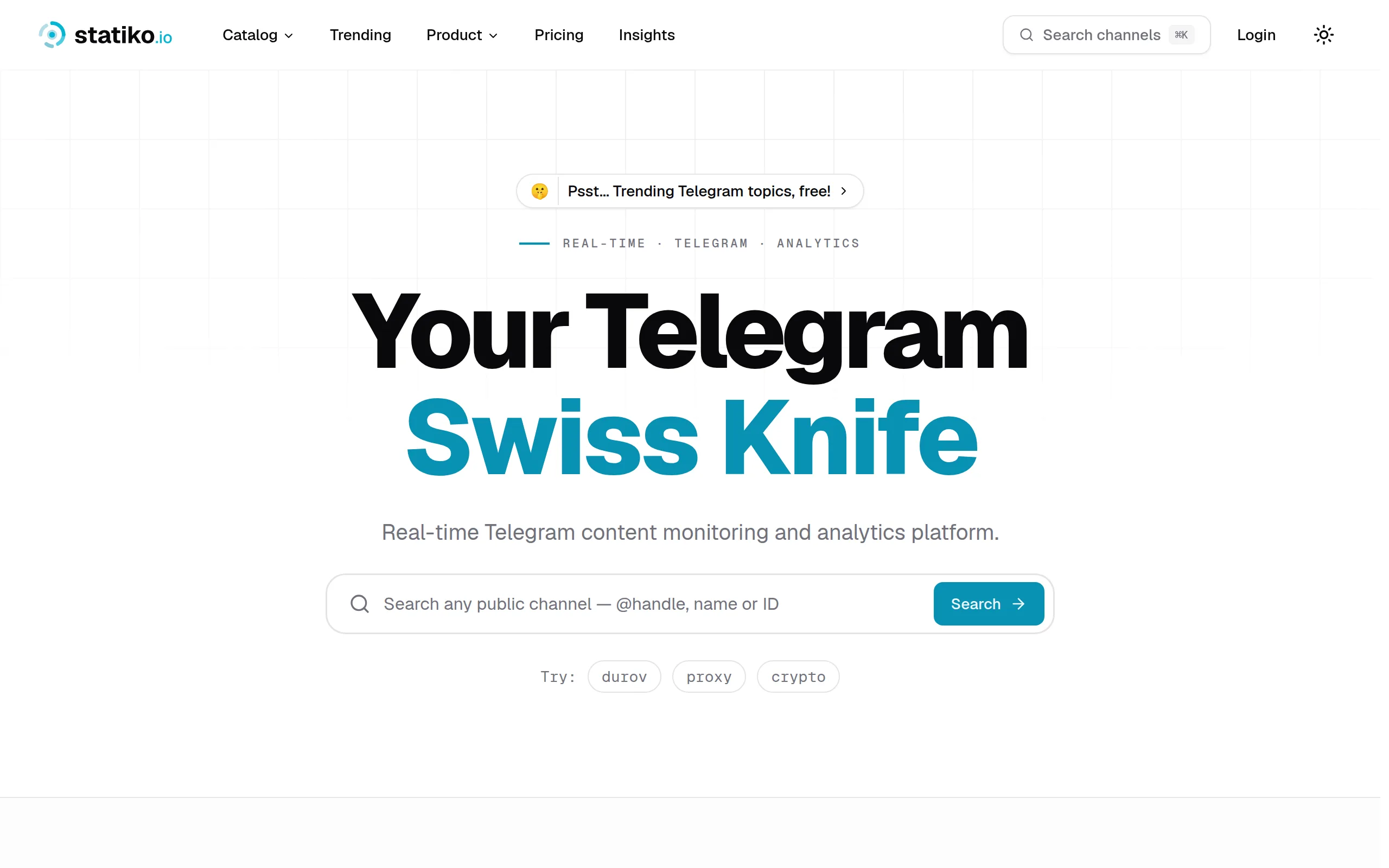
Statiko
Monitor any Telegram channel in real time - track posts, edits, deletions, and growth with AI recaps 📡

Shibui
AI website builder - describe your business, pick a niche template, edit by chatting, and publish instantly ✨

Pro Service
Find verified home service professionals, compare quotes, and pay securely through escrow - built for Brazilians across the US 🏠
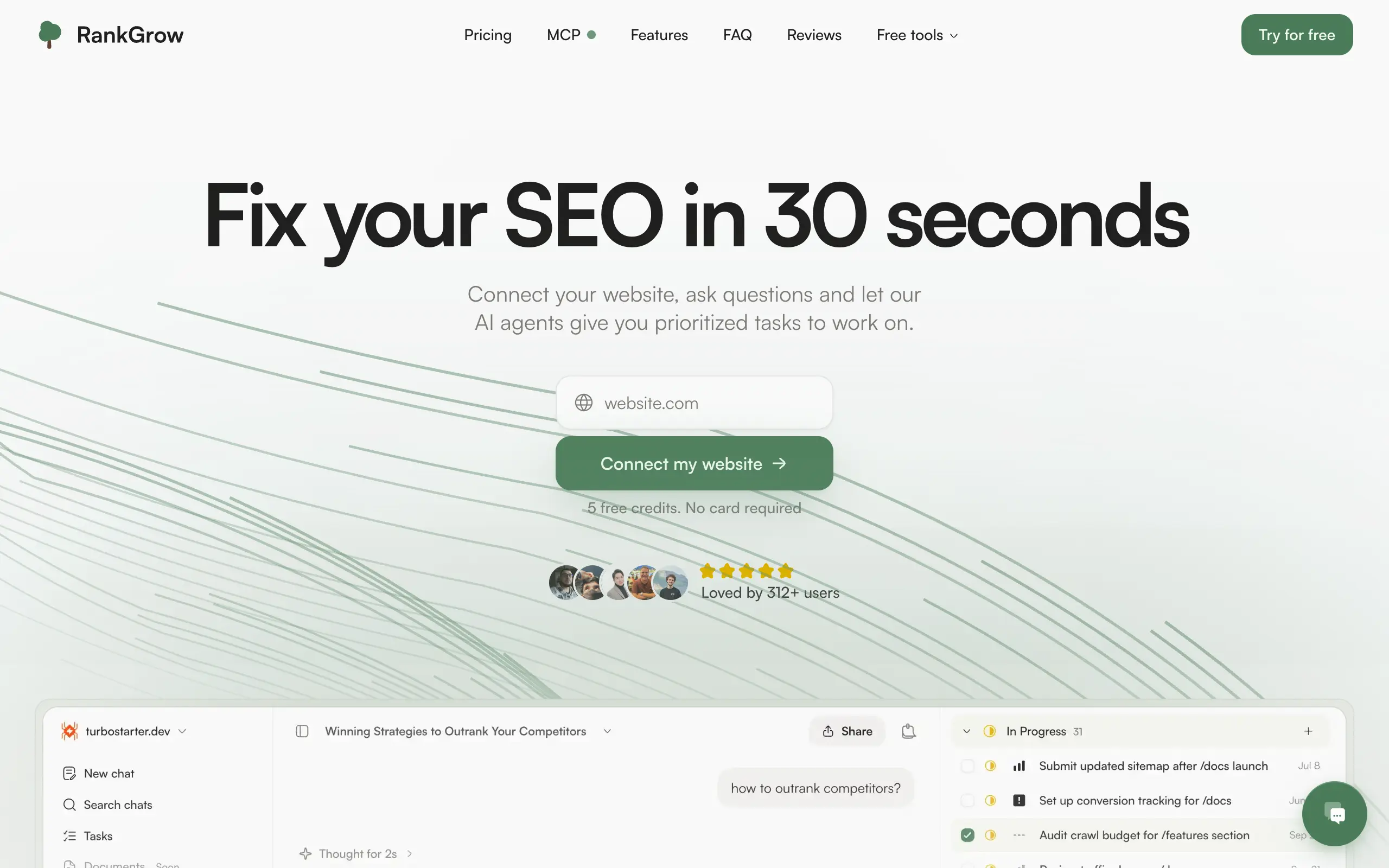
RankGrow
Fix your SEO with AI agents - connect Search Console, get prioritized tasks, and grow organic traffic 📈
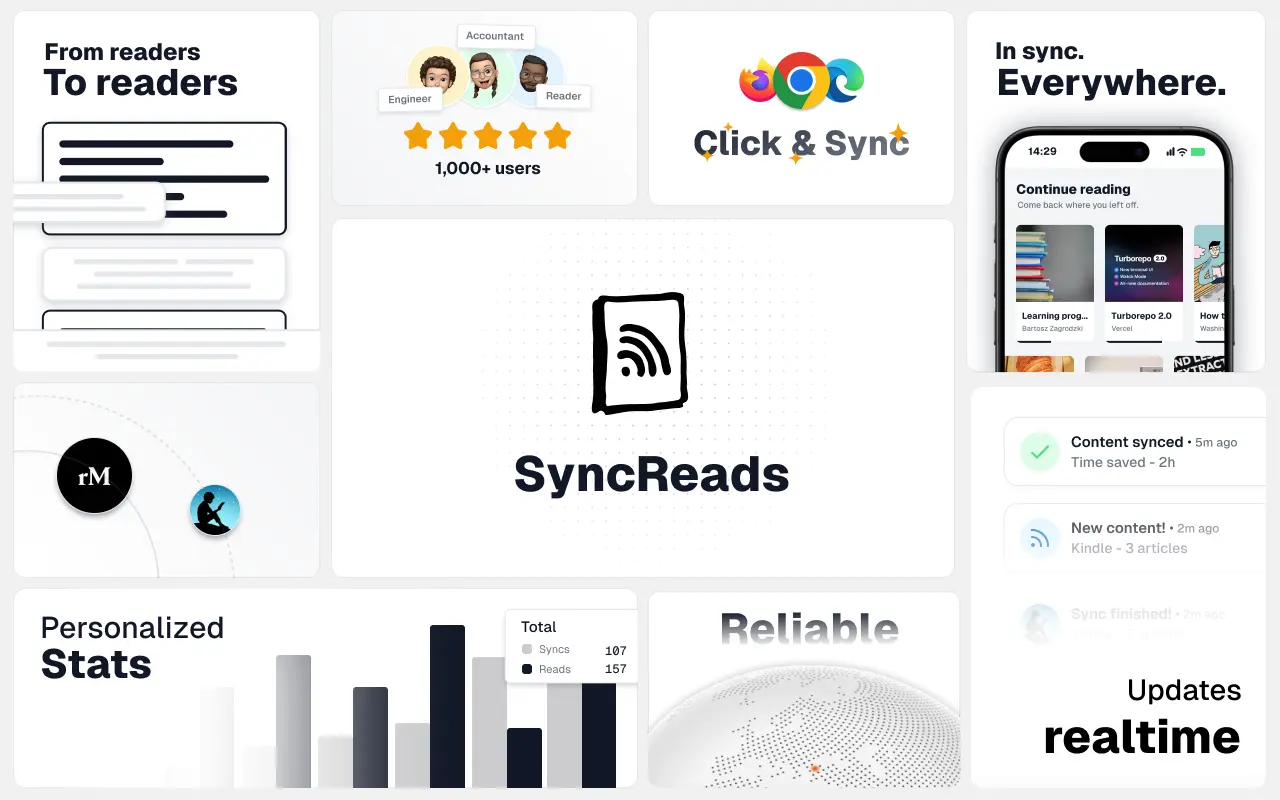
SyncReads
Sync your favorite content for distraction-free reading, save time and replace multiple apps. Anytime, anywhere 🔄
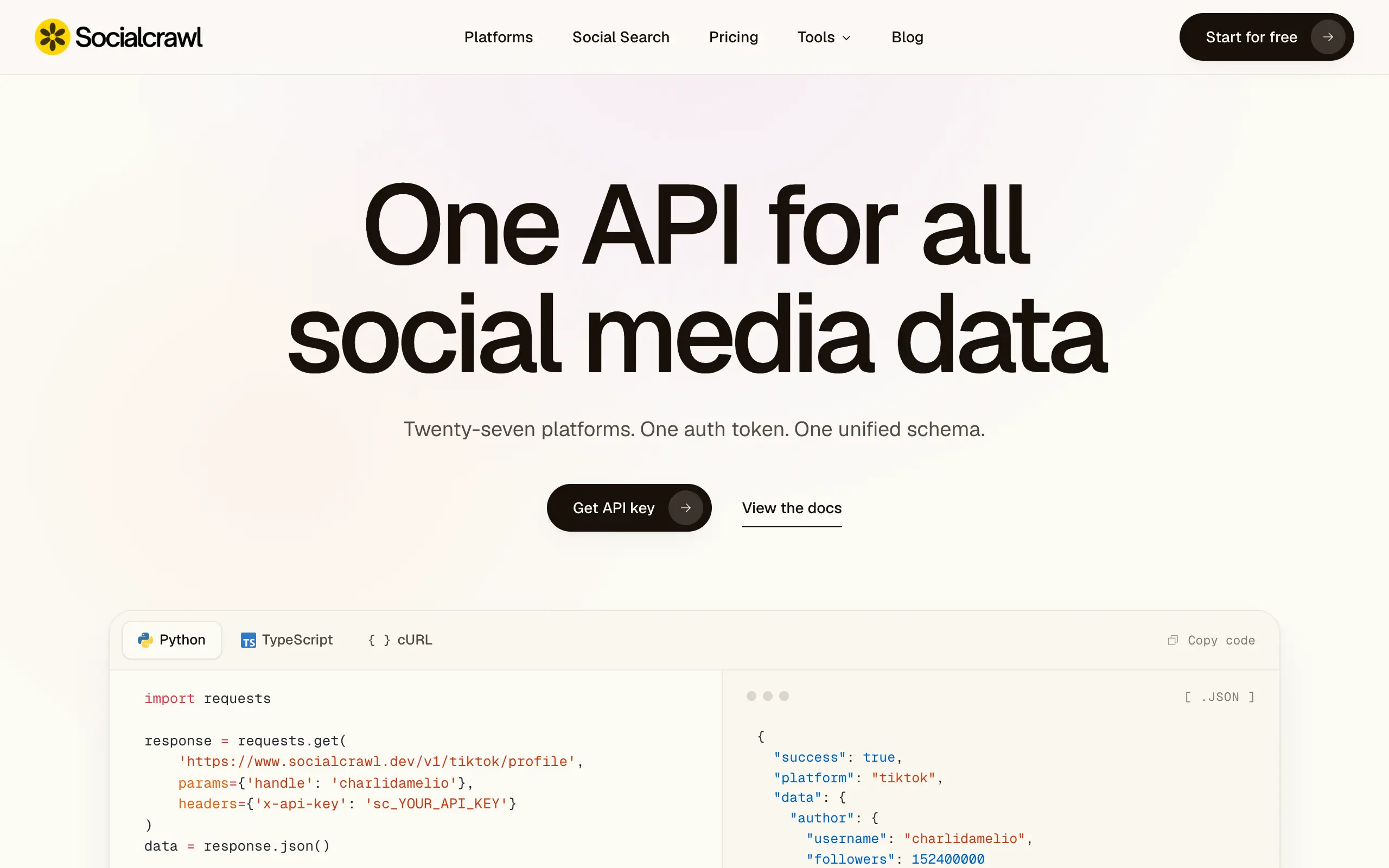
Socialcrawl
Get clean, structured data from 21 platforms like TikTok, Instagram, and YouTube with a single request 📊
Statiko
Monitor any Telegram channel in real time - track posts, edits, deletions, and growth with AI recaps 📡
Shibui
AI website builder - describe your business, pick a niche template, edit by chatting, and publish instantly ✨
Pro Service
Find verified home service professionals, compare quotes, and pay securely through escrow - built for Brazilians across the US 🏠
RankGrow
Fix your SEO with AI agents - connect Search Console, get prioritized tasks, and grow organic traffic 📈
SyncReads
Sync your favorite content for distraction-free reading, save time and replace multiple apps. Anytime, anywhere 🔄
Socialcrawl
Get clean, structured data from 21 platforms like TikTok, Instagram, and YouTube with a single request 📊
Statiko
Monitor any Telegram channel in real time - track posts, edits, deletions, and growth with AI recaps 📡
Shibui
AI website builder - describe your business, pick a niche template, edit by chatting, and publish instantly ✨
Pro Service
Find verified home service professionals, compare quotes, and pay securely through escrow - built for Brazilians across the US 🏠
RankGrow
Fix your SEO with AI agents - connect Search Console, get prioritized tasks, and grow organic traffic 📈
SyncReads
Sync your favorite content for distraction-free reading, save time and replace multiple apps. Anytime, anywhere 🔄
Socialcrawl
Get clean, structured data from 21 platforms like TikTok, Instagram, and YouTube with a single request 📊
Statiko
Monitor any Telegram channel in real time - track posts, edits, deletions, and growth with AI recaps 📡
Shibui
AI website builder - describe your business, pick a niche template, edit by chatting, and publish instantly ✨
Pro Service
Find verified home service professionals, compare quotes, and pay securely through escrow - built for Brazilians across the US 🏠
RankGrow
Fix your SEO with AI agents - connect Search Console, get prioritized tasks, and grow organic traffic 📈
SyncReads
Sync your favorite content for distraction-free reading, save time and replace multiple apps. Anytime, anywhere 🔄
Socialcrawl
Get clean, structured data from 21 platforms like TikTok, Instagram, and YouTube with a single request 📊
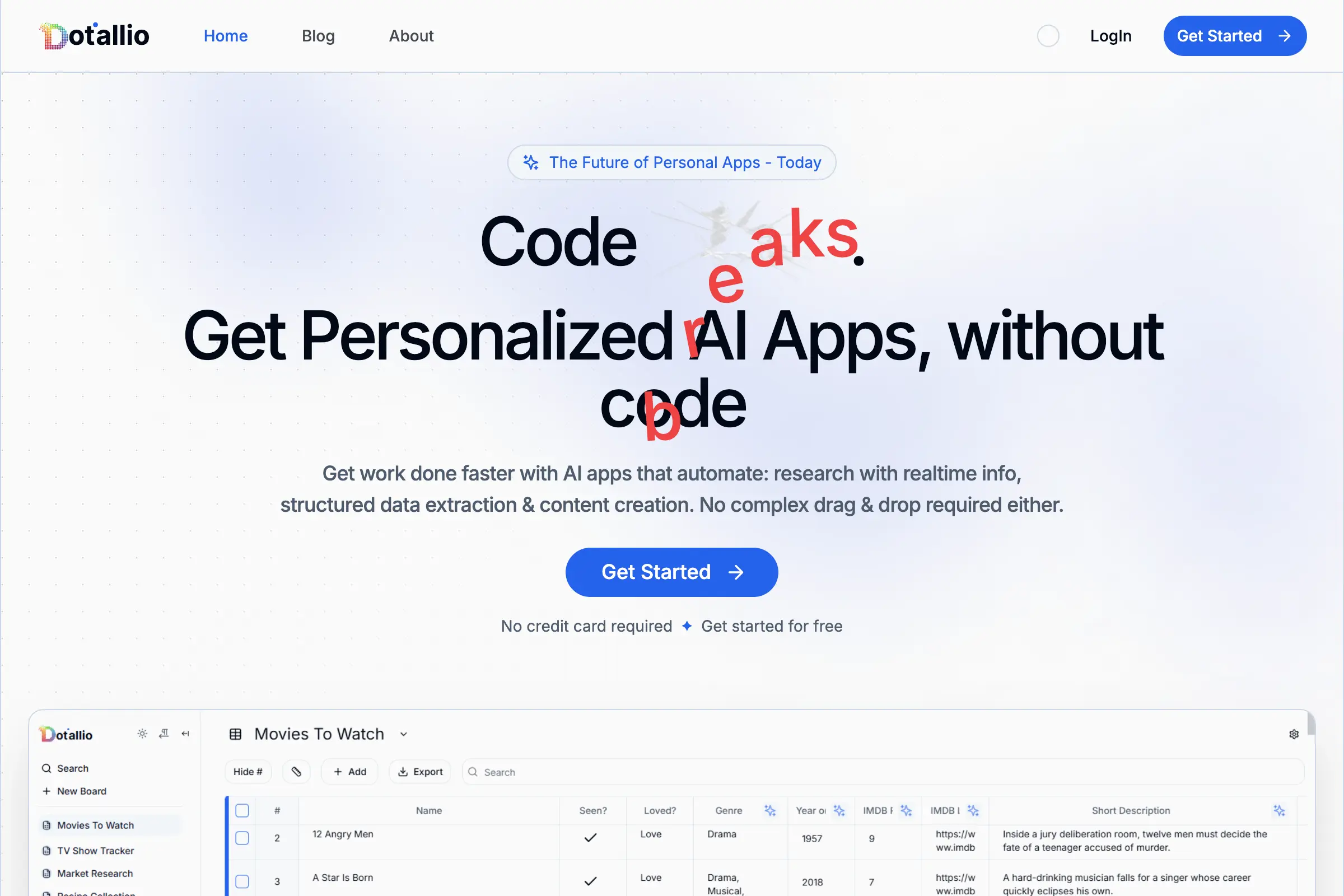
Dotallio
Personalized AI apps that automate research, data extraction, and content creation without code 🤖
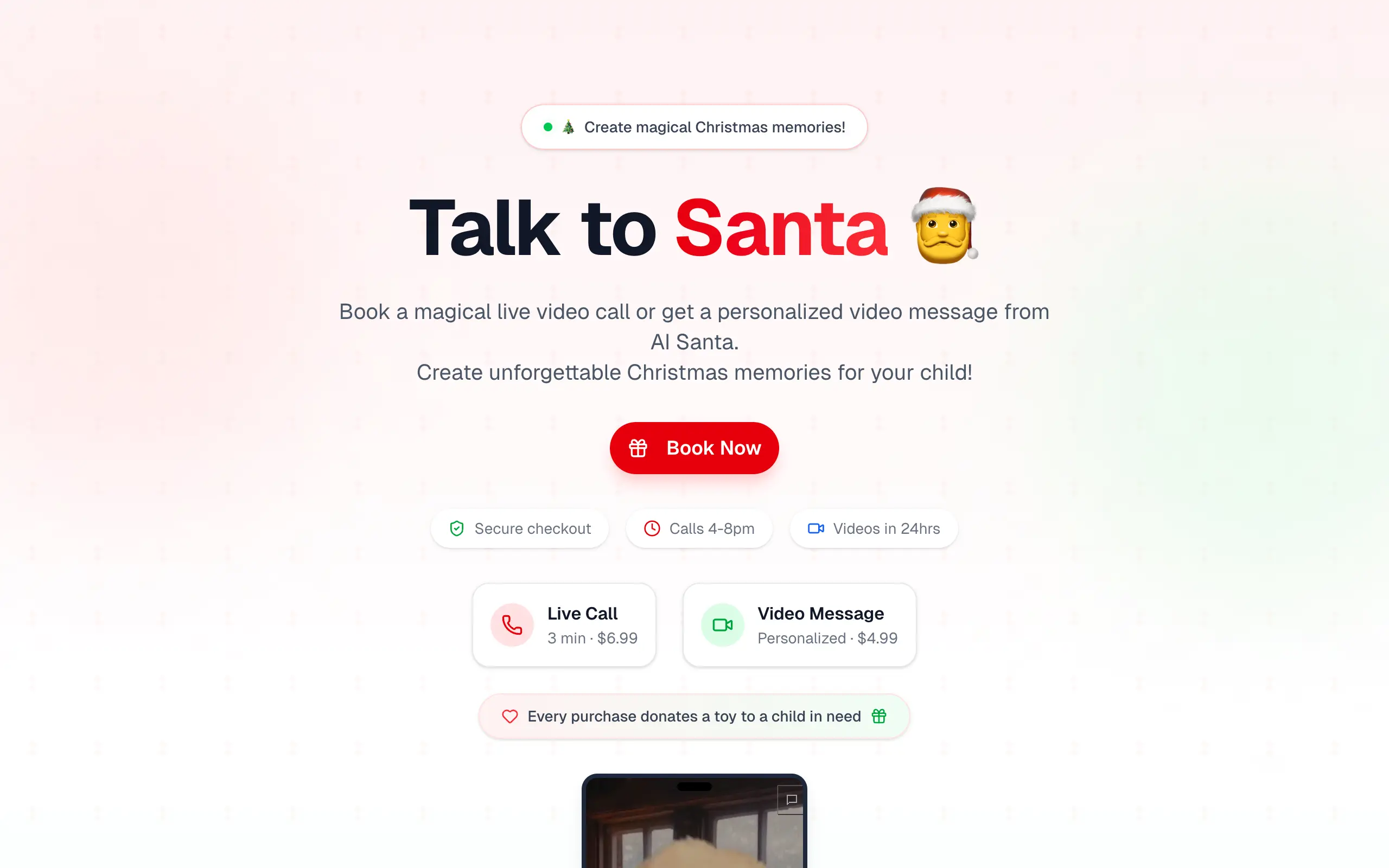
Talk to Santa
Enjoy a magical live video chat or receive a unique AI-generated video greeting from Santa Claus 🎅
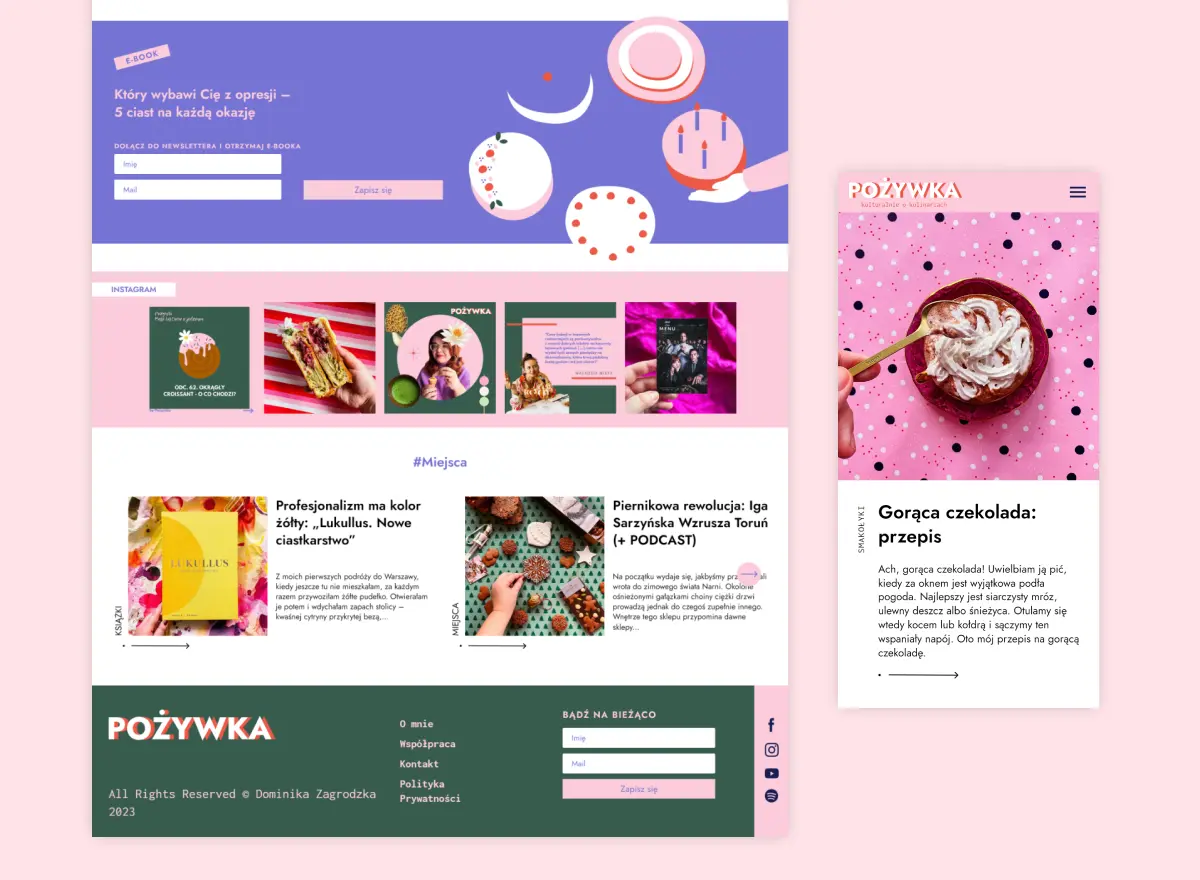
pozywka.pl
Scalable blog for food journalist, focused on performance and user experience 🌭
zagrodzki.me
Personal blog and portfolio of Bart Zagrodzki, where he shares his knowledge and work 💼
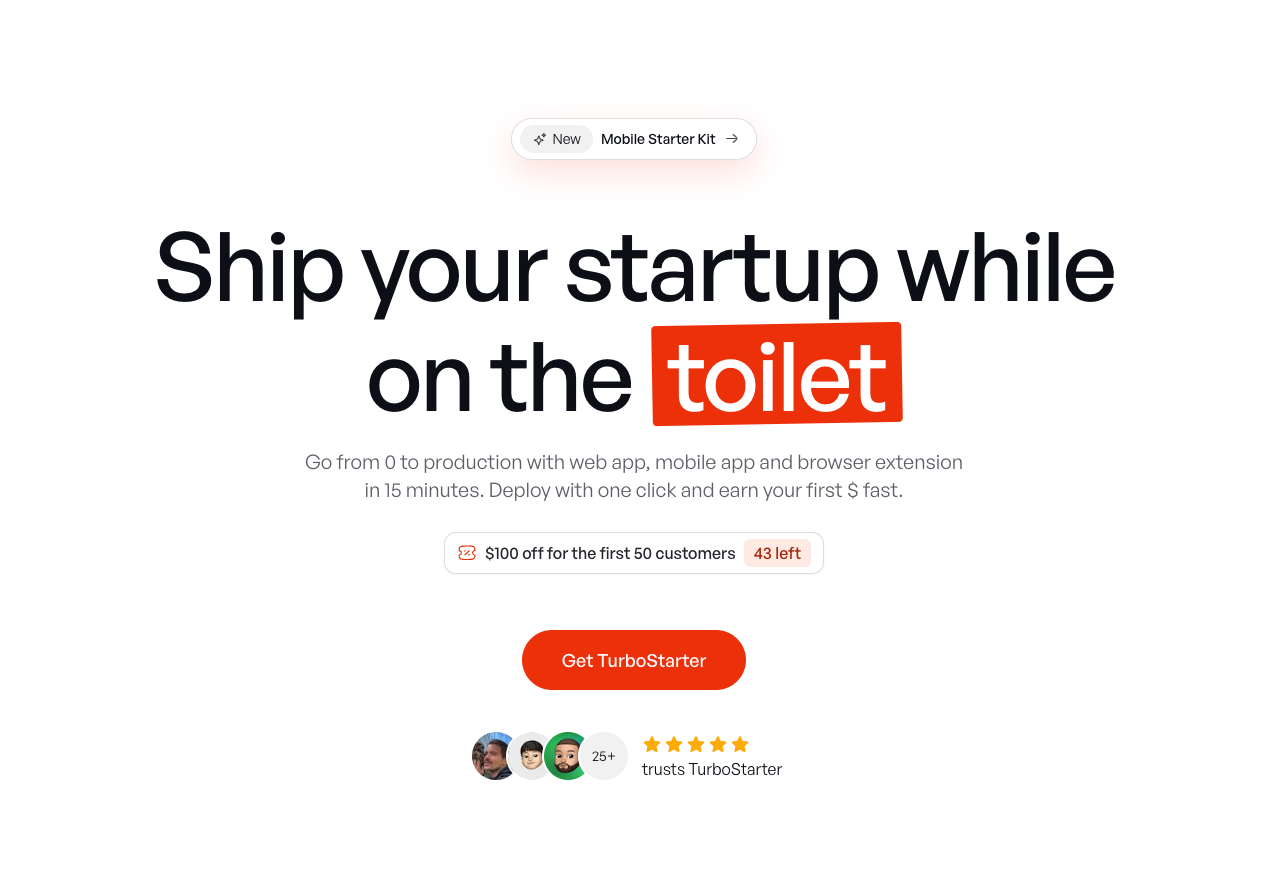
TurboStarter
Ship your startup everywhere. In minutes.
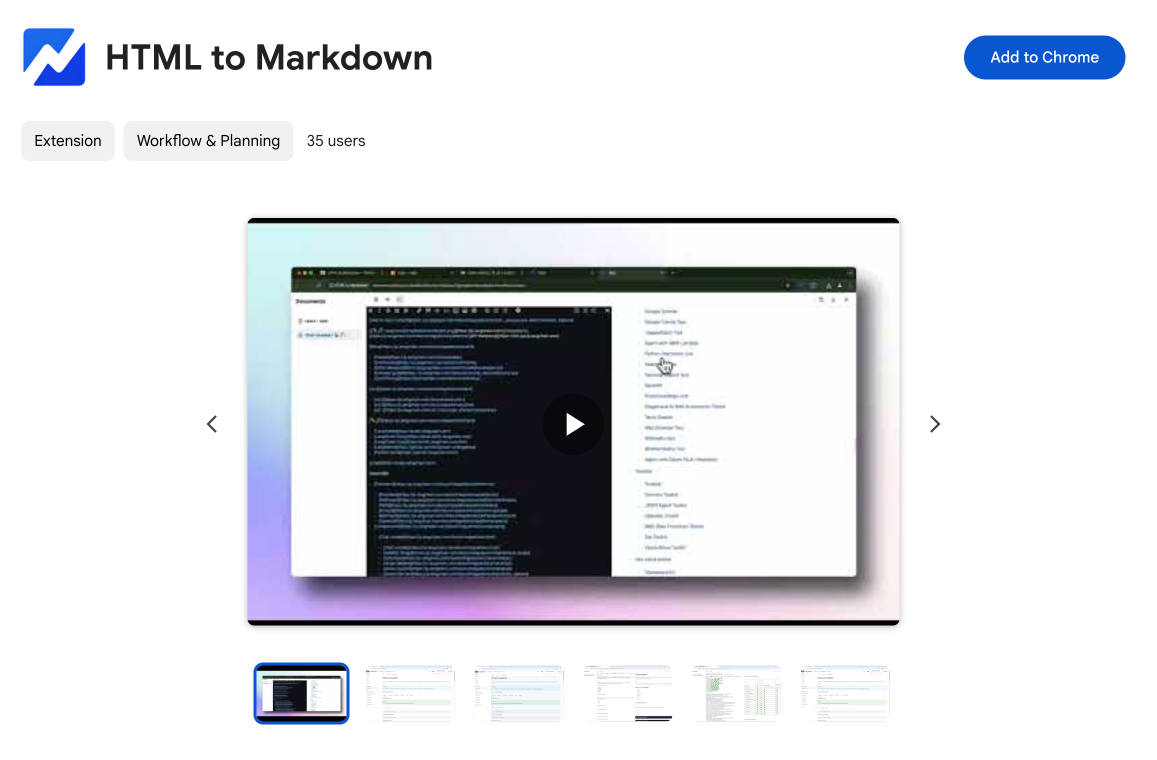
HTML to Markdown
Convert HTML to Markdown with ease, directly in your browser 📄
Dotallio
Personalized AI apps that automate research, data extraction, and content creation without code 🤖
Talk to Santa
Enjoy a magical live video chat or receive a unique AI-generated video greeting from Santa Claus 🎅
pozywka.pl
Scalable blog for food journalist, focused on performance and user experience 🌭
zagrodzki.me
Personal blog and portfolio of Bart Zagrodzki, where he shares his knowledge and work 💼
TurboStarter
Ship your startup everywhere. In minutes.
HTML to Markdown
Convert HTML to Markdown with ease, directly in your browser 📄
Dotallio
Personalized AI apps that automate research, data extraction, and content creation without code 🤖
Talk to Santa
Enjoy a magical live video chat or receive a unique AI-generated video greeting from Santa Claus 🎅
pozywka.pl
Scalable blog for food journalist, focused on performance and user experience 🌭
zagrodzki.me
Personal blog and portfolio of Bart Zagrodzki, where he shares his knowledge and work 💼
TurboStarter
Ship your startup everywhere. In minutes.
HTML to Markdown
Convert HTML to Markdown with ease, directly in your browser 📄
Dotallio
Personalized AI apps that automate research, data extraction, and content creation without code 🤖
Talk to Santa
Enjoy a magical live video chat or receive a unique AI-generated video greeting from Santa Claus 🎅
pozywka.pl
Scalable blog for food journalist, focused on performance and user experience 🌭
zagrodzki.me
Personal blog and portfolio of Bart Zagrodzki, where he shares his knowledge and work 💼
TurboStarter
Ship your startup everywhere. In minutes.
HTML to Markdown
Convert HTML to Markdown with ease, directly in your browser 📄
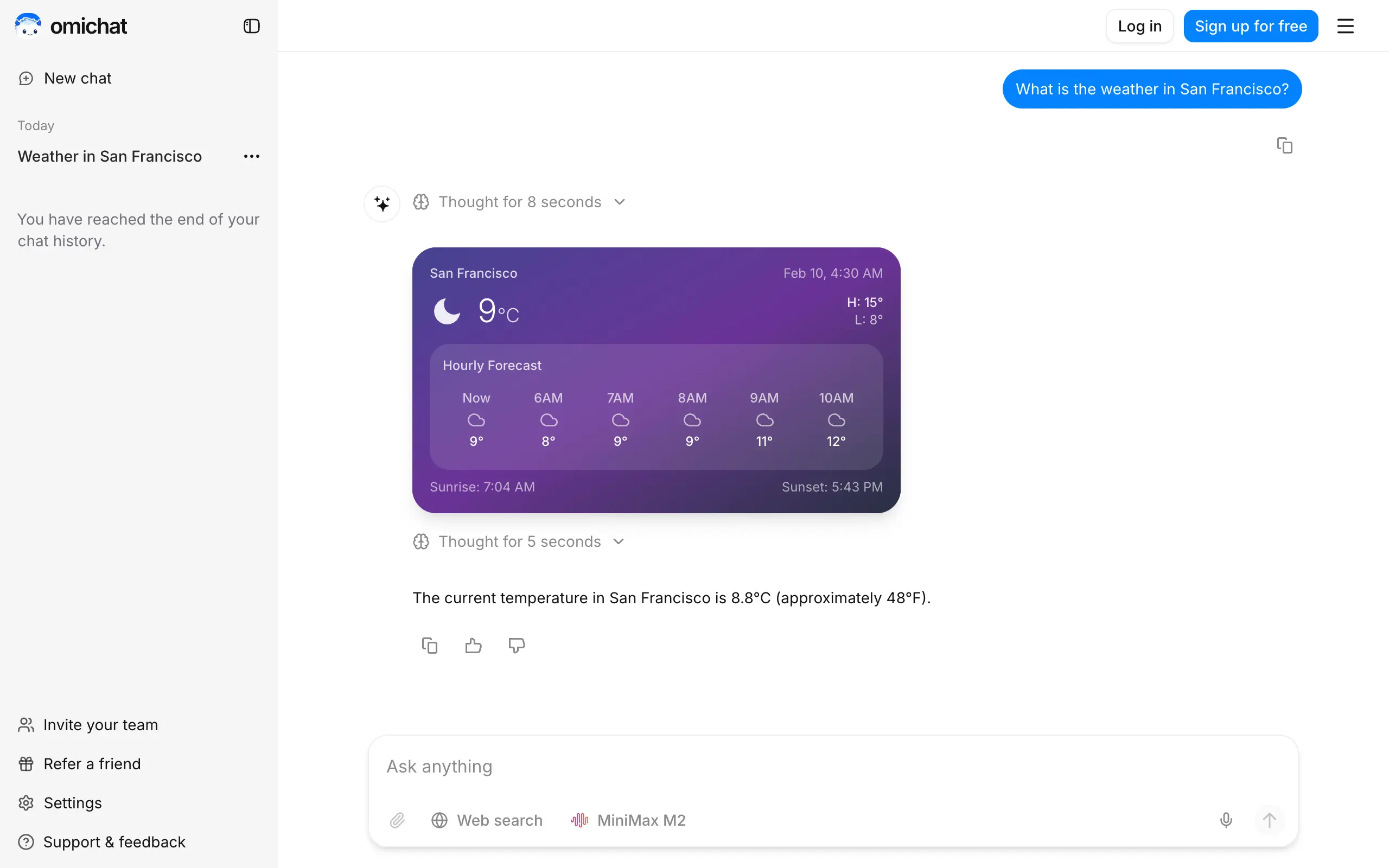
Omichat
Chat with 50+ AI models, including ChatGPT and Claude, in one place - switch models anytime without losing context 🤖
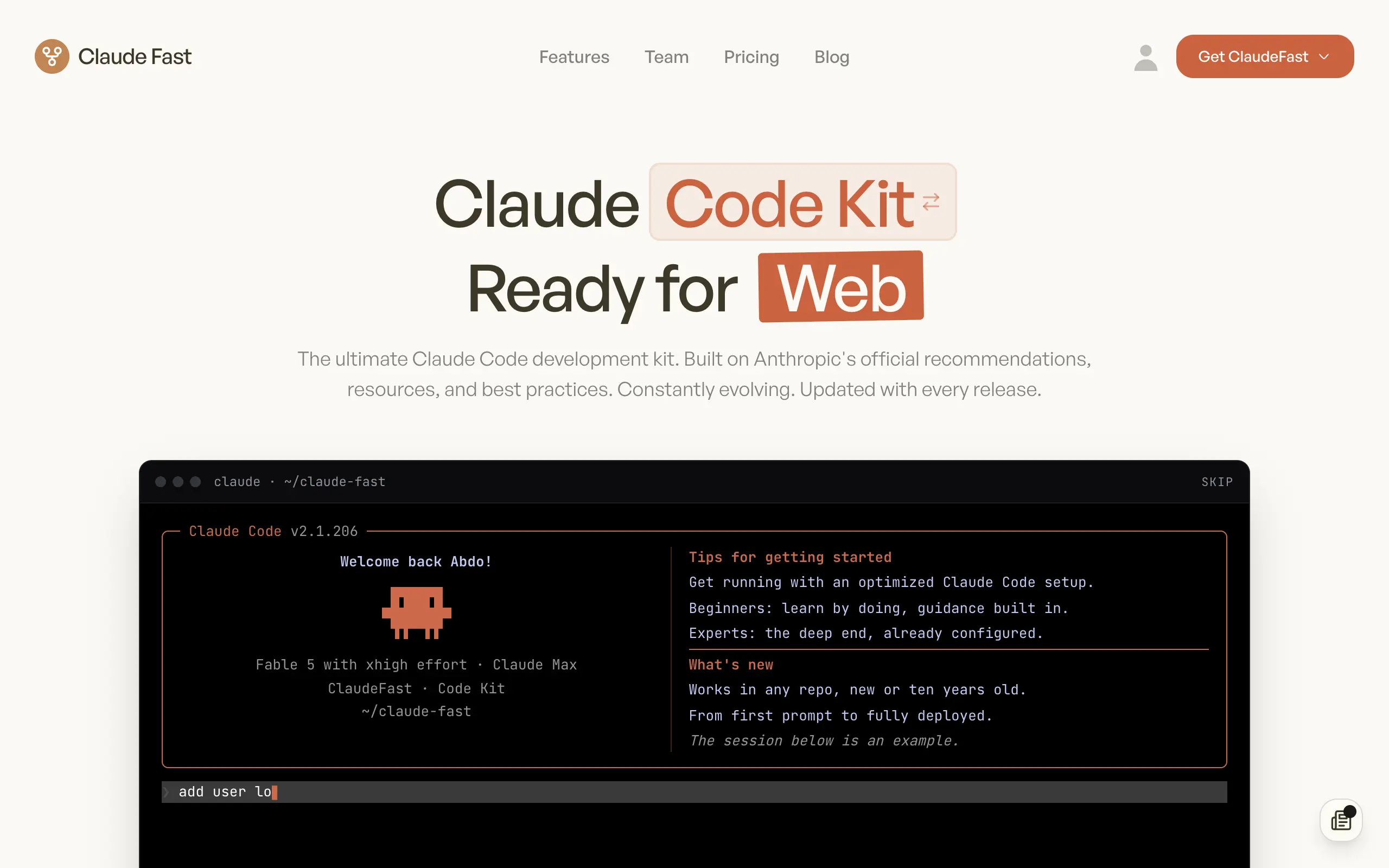
Claude Fast
Supercharge your Claude Code with 6x effective context window and specialized AI agents 🤖
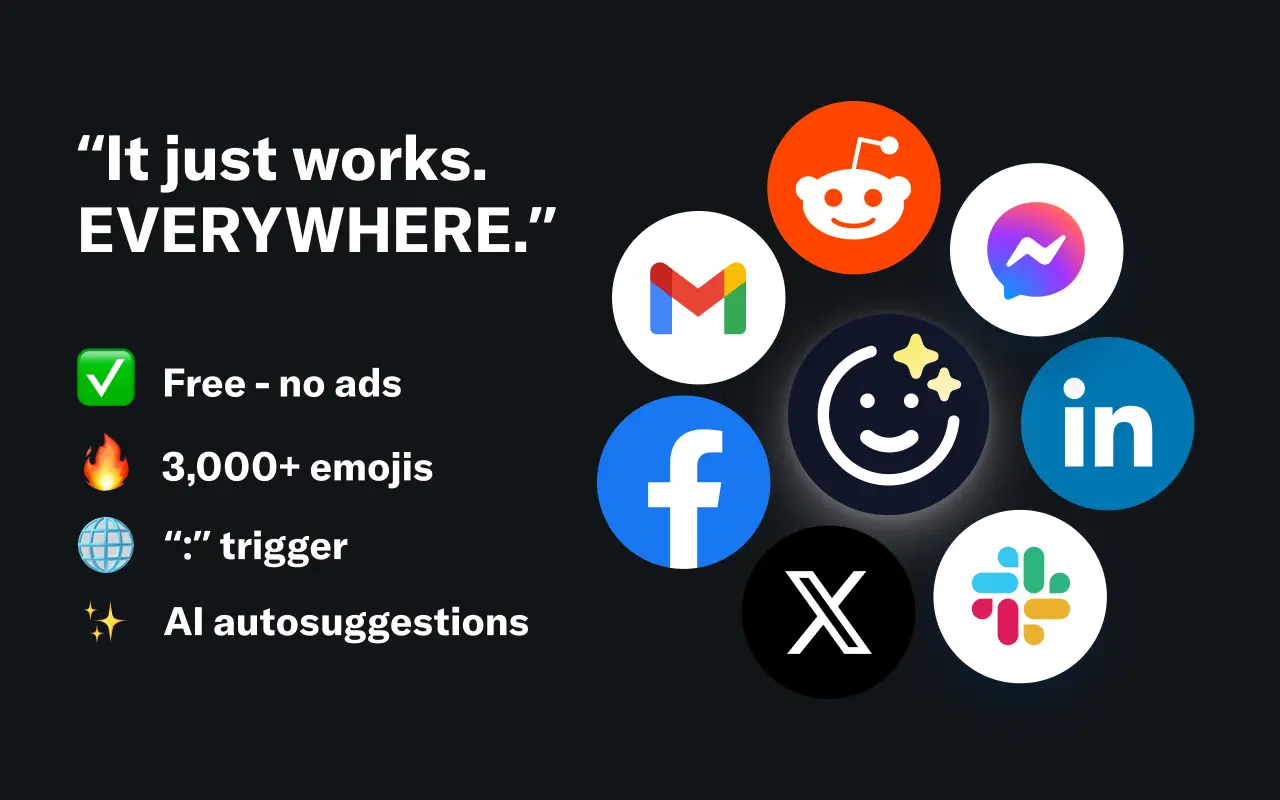
EmojAI
AI-powered emoji picker with smart, context-aware suggestions 🤖
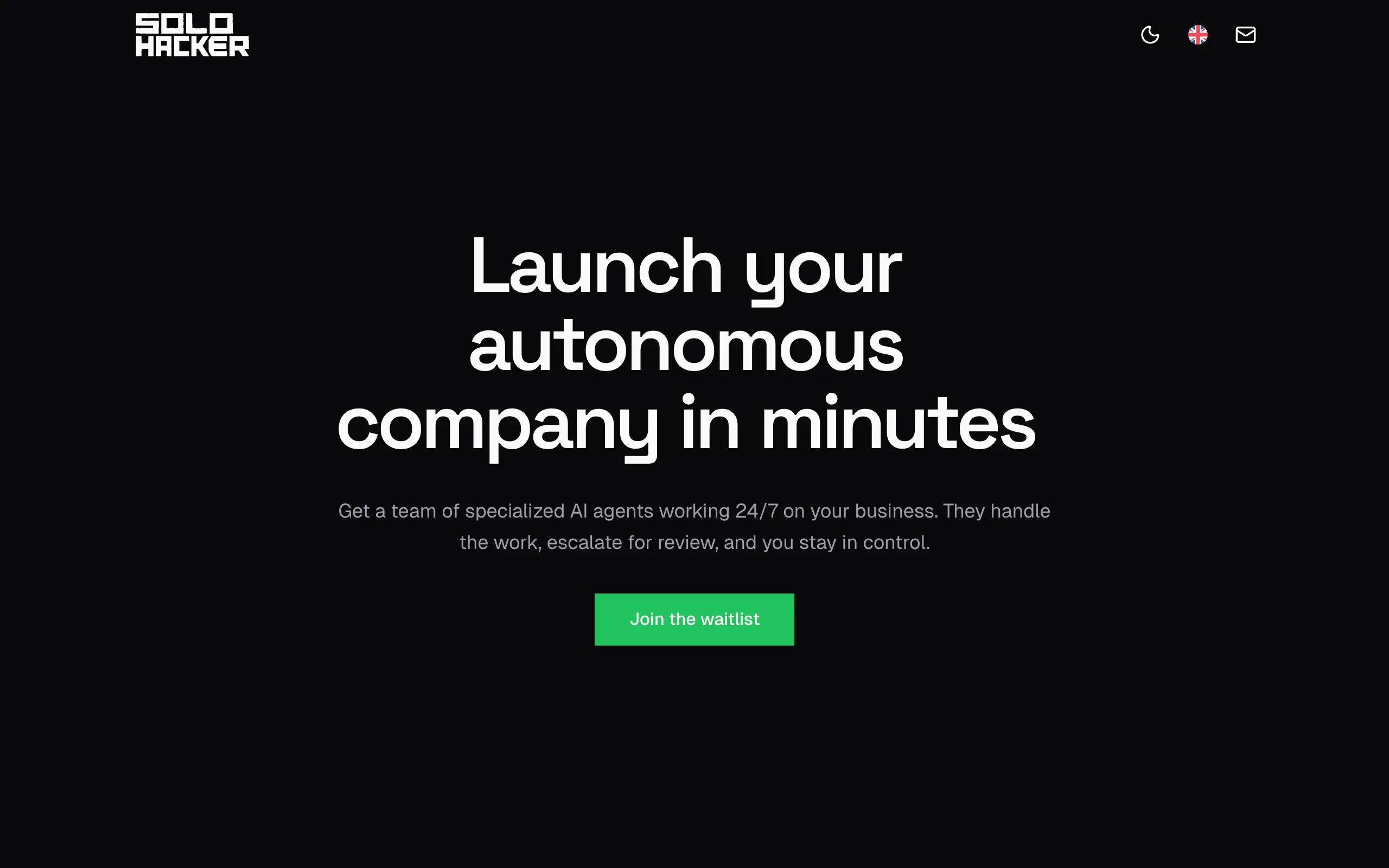
Solohacker
Autonomous company launcher - AI agents work 24/7, escalate what matters, and you stay in control 🤖
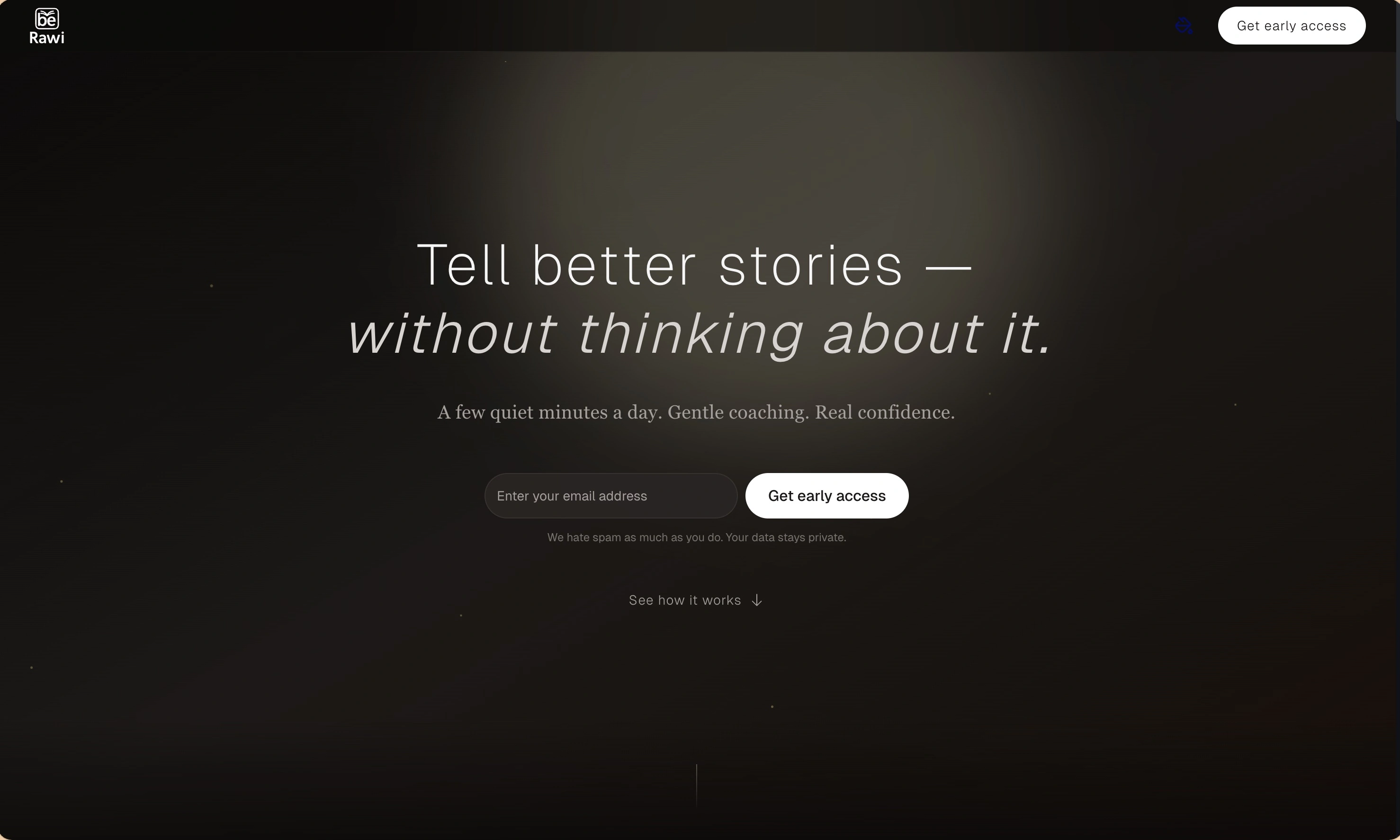
BeRawi: Storytelling Coach
Practice storytelling daily with instant feedback to sound clearer, more engaging, and confident 🎤
Omichat
Chat with 50+ AI models, including ChatGPT and Claude, in one place - switch models anytime without losing context 🤖
Claude Fast
Supercharge your Claude Code with 6x effective context window and specialized AI agents 🤖
EmojAI
AI-powered emoji picker with smart, context-aware suggestions 🤖
Solohacker
Autonomous company launcher - AI agents work 24/7, escalate what matters, and you stay in control 🤖
BeRawi: Storytelling Coach
Practice storytelling daily with instant feedback to sound clearer, more engaging, and confident 🎤
Omichat
Chat with 50+ AI models, including ChatGPT and Claude, in one place - switch models anytime without losing context 🤖
Claude Fast
Supercharge your Claude Code with 6x effective context window and specialized AI agents 🤖
EmojAI
AI-powered emoji picker with smart, context-aware suggestions 🤖
Solohacker
Autonomous company launcher - AI agents work 24/7, escalate what matters, and you stay in control 🤖
BeRawi: Storytelling Coach
Practice storytelling daily with instant feedback to sound clearer, more engaging, and confident 🎤
Omichat
Chat with 50+ AI models, including ChatGPT and Claude, in one place - switch models anytime without losing context 🤖
Claude Fast
Supercharge your Claude Code with 6x effective context window and specialized AI agents 🤖
EmojAI
AI-powered emoji picker with smart, context-aware suggestions 🤖
Solohacker
Autonomous company launcher - AI agents work 24/7, escalate what matters, and you stay in control 🤖
BeRawi: Storytelling Coach
Practice storytelling daily with instant feedback to sound clearer, more engaging, and confident 🎤

Connect with like-minded people
Join our community to get feedback, support, and grow together with 1,000+ builders on board, let's ship it!
Join usShip your startup everywhere. In minutes.
Don't burn tokens on setup and start building features on day one.