PhiloGraph
Turn dense philosophical texts into interactive knowledge maps with AI-generated summaries, argument breakdowns, and concept connections.
Why AI-powered philosophy tools are the next frontier in knowledge work
Philosophy is foundational to law, politics, ethics, cognitive science, and artificial intelligence. Yet for many students, researchers, and lifelong learners, dense philosophical texts remain intimidating and inaccessible. Works by Kant, Hegel, Heidegger, or even contemporary thinkers often require slow, iterative reading, cross-referencing, and secondary commentary to fully grasp.
PhiloGraph — an AI-powered platform that transforms philosophical texts into interactive knowledge maps with AI-generated summaries, argument breakdowns, and concept connections — addresses a clear gap in modern learning infrastructure.
As AI accelerates access to information, the bottleneck shifts from finding content to structuring understanding. PhiloGraph directly tackles that problem by converting complex philosophical works into structured, explorable knowledge graphs.
This article explores:
- The target audience and real user pain points
- Market opportunity and competitive gap
- Core features and product architecture
- Recommended tech stack (with trade-offs)
- Monetization strategy
- Risks and mitigation
- Competitive advantages
- Actionable implementation roadmap
If you’re evaluating the viability of building an AI knowledge-mapping SaaS like PhiloGraph, this is your comprehensive blueprint.
Understanding user intent: who is PhiloGraph really for?
Before building any AI SaaS, clarity around user intent is essential. Users searching for tools like:
- “AI philosophy summary tool”
- “visualize philosophical arguments”
- “knowledge graph for books”
- “break down Kant’s Critique of Pure Reason”
- “interactive philosophy learning app”
are typically seeking one of three outcomes:
- Comprehension – Simplify difficult texts
- Structure – Understand arguments and logical flow
- Connection – See how ideas relate across authors and eras
PhiloGraph should be designed to satisfy all three.
Primary target segments
Philosophy students
Undergraduates and graduate students needing structured summaries and argument maps for coursework and exams.
Researchers & academics
Scholars mapping conceptual relationships across texts and traditions.
Self-learners
Curious thinkers who want digestible explanations without losing intellectual rigor.
Interdisciplinary professionals
Lawyers, AI researchers, ethicists, and policy analysts working with philosophical frameworks.
Core pain points
- Dense prose and archaic language
- Non-linear argument structures
- Cross-referencing across chapters or works
- Abstract terminology without visual structure
- Time-consuming note organization
Most existing tools (ChatGPT, note-taking apps, PDFs) provide answers — but not structured understanding.
PhiloGraph’s opportunity lies in transforming passive reading into interactive cognition.
Market opportunity and gap analysis
The EdTech and AI learning boom
According to global market research reports (e.g., HolonIQ and Statista — citation recommended), AI-powered education tools are projected to grow rapidly through 2030.
Simultaneously:
- Knowledge graph technology is gaining traction in enterprise AI
- Personalized learning tools are in high demand
- Students increasingly expect visual and interactive tools
Yet the niche of philosophy-specific structured AI learning remains underdeveloped.
Competitive landscape
Current alternatives fall into several categories:
- Generic AI chat tools (ChatGPT, Claude, etc.)
- Note-taking apps (Notion, Obsidian)
- Academic summary platforms (Blinkist, Shortform)
- Research graph tools (Connected Papers)
But none specialize in argument mapping + philosophical knowledge graphs.
Here’s a simplified comparison:
| Feature | Generic AI | Note Apps | Summary Apps | PhiloGraph |
|---|---|---|---|---|
| Argument breakdown | ✅ | ❌ | ❌ | ✅ |
| Interactive concept graph | ❌ | ⚠️ (manual) | ❌ | ✅ |
| Cross-author connections | ❌ | ❌ | ❌ | ✅ |
| Philosophy-specialized AI tuning | ❌ | ❌ | ❌ | ✅ |
The gap is clear: no platform integrates AI reasoning + knowledge graph visualization + philosophical specialization.
The core solution: how PhiloGraph works
PhiloGraph transforms dense philosophical works into layered, explorable knowledge systems.
1. AI-generated structured summaries
Rather than simple paragraph summaries, PhiloGraph produces:
- Chapter-level summaries
- Thesis statements
- Key arguments
- Supporting premises
- Objections and counterarguments
- Philosophical implications
2. Argument mapping engine
Every major claim is broken into:
- Premises
- Logical connectors
- Conclusions
- Dependencies
This creates a formal argument structure that users can visually inspect.
3. Interactive knowledge graph
Concepts are represented as nodes:
- “Categorical imperative”
- “Phenomenology”
- “Being-in-itself”
- “Utilitarianism”
Edges show:
- Conceptual influence
- Opposition
- Logical dependency
- Historical influence
Users can zoom from:
- A single paragraph → argument → chapter → full book → cross-author ecosystem
4. Concept explanations on demand
Clicking a node reveals:
- Definition
- Contextual meaning
- Related philosophers
- Usage examples
5. Cross-text connections
For example:
- Kant’s autonomy → Rawls’ justice
- Aristotle’s virtue → MacIntyre’s virtue ethics
- Heidegger’s being → Sartre’s existentialism
This feature creates an intellectual “map of philosophy.”
Technical architecture and recommended tech stack
Building an AI knowledge graph SaaS requires thoughtful architecture.
Frontend
Recommended:
Why?
- Component-based UI ideal for interactive maps
- SSR for SEO (important for public concept pages)
- Performance optimization
Graph visualization
Options:
- D3.js (maximum control, steeper learning curve)
- React Flow (easier integration)
- Cytoscape.js (strong graph capabilities)
Trade-offs:
- D3 = ultimate flexibility
- React Flow = developer speed
- Cytoscape = robust graph modeling
For MVP: React Flow or Cytoscape is pragmatic.
Backend
- Node.js (API layer)
- Python microservice for AI processing
- Graph database (Neo4j or PostgreSQL with graph extensions)
Why a graph database?
PhiloGraph’s core is relationships. A relational database can work initially, but graph DBs handle:
- Node-edge modeling
- Efficient traversal queries
- Concept expansion
AI integration
- LLM API (OpenAI or Anthropic)
- Custom prompt templates for structured extraction
- Fine-tuning or RAG (Retrieval-Augmented Generation)
Example structured extraction prompt:
Extract the following from the text:
1. Main thesis
2. Key arguments
3. Supporting premises
4. Counterarguments
5. Key philosophical concepts (with definitions)
Return in structured JSON format.
Infrastructure
- Vercel for frontend hosting
- AWS or Railway for backend
- Vector database (e.g., Pinecone) for semantic search
Data pipeline design
PhiloGraph’s value depends on structured transformation.
Pipeline overview
Advanced feature: concept merging
If “categorical imperative” appears across 10 books:
- Merge into global concept node
- Track contextual differences
- Show timeline of evolution
This becomes a philosophical meta-database.
Monetization strategy
A multi-tier pricing model is ideal.
1. Freemium
- Limited book access
- Basic summaries
- Limited graph depth
2. Pro subscription ($15–$29/month)
- Unlimited uploads
- Full interactive maps
- Cross-book linking
- Export to PDF or Notion
3. Academic plan
- Bulk student licensing
- LMS integration
- Classroom dashboards
4. Enterprise / Research
- Institutional knowledge graph
- Custom ontology
- API access
Competitive advantage and differentiation
PhiloGraph’s defensibility comes from:
1. Structured argument database
Over time, the structured philosophical argument corpus becomes a unique asset.
2. Ontology layer
A curated philosophical ontology (ethics, metaphysics, epistemology categories) increases semantic precision.
3. Domain specialization
Generic AI tools are broad. PhiloGraph is deep.
4. Community contributions (future feature)
- Scholar-reviewed maps
- Public annotations
- Version-controlled interpretations
Risks and mitigation strategies
Risk 1: AI hallucination
Mitigation:
- RAG with original text grounding
- Confidence scores
- User flagging system
- Citation linking to source paragraph
Risk 2: Intellectual property concerns
Mitigation:
- Focus on public domain works initially
- Allow user uploads rather than hosting copyrighted texts
- Consult legal advisors
Risk 3: Academic skepticism
Mitigation:
- Transparent AI methodology
- Peer advisory board
- Scholar endorsements
Risk 4: Complexity overwhelm
Mitigation:
- Layered UI (basic vs advanced view)
- Tutorial walkthrough
- Progressive feature reveal
UX principles for philosophical clarity
PhiloGraph must prioritize:
- Cognitive simplicity
- Clear node labeling
- Minimal clutter
- Hierarchical expansion
Use:
- Color-coded domains (ethics, metaphysics, etc.)
- Collapsible argument trees
- Search-driven navigation
Implementation roadmap
If you’re building PhiloGraph from scratch, follow this roadmap:
To accelerate development, consider starting with a production-ready SaaS foundation like TurboStarter, which reduces setup time for authentication, billing, and dashboard infrastructure.
Long-term expansion opportunities
Once validated, PhiloGraph can expand into:
- AI ethics corporate training
- Legal reasoning visualization
- Theology knowledge mapping
- Political theory analysis
- AI model interpretability research
Eventually, it could evolve into:
The world’s structured map of human thought.
Why PhiloGraph matters now
As AI increasingly generates content, the next critical layer is structured understanding.
PhiloGraph doesn’t replace philosophical thinking — it augments it.
It:
- Reduces cognitive overload
- Reveals hidden connections
- Encourages structured reasoning
- Makes philosophy more accessible
In an age of information overload, tools that clarify deep thought are not luxuries — they are necessities.
Final takeaways
PhiloGraph represents a high-potential AI SaaS opportunity because it:
- Targets a clear educational pain point
- Combines LLM power with knowledge graphs
- Operates in an under-served niche
- Builds long-term defensible data assets
- Scales into academia and enterprise
If built thoughtfully — with academic rigor, strong ontology design, and reliable AI structuring — it could become the definitive platform for interactive philosophical exploration.
And in a world increasingly shaped by AI, structured philosophical literacy may become more valuable than ever.
More 🤖 AI Startup SaaS ideas
Discover more innovative ai startup SaaS ideas that are trending in 2026. Each idea is AI-generated with market validation and growth potential to help you find your next profitable venture faster than competitors.
Your competitors are building with TurboStarter
Below are some of the SaaS ideas that have been generated and built with our starter kit.
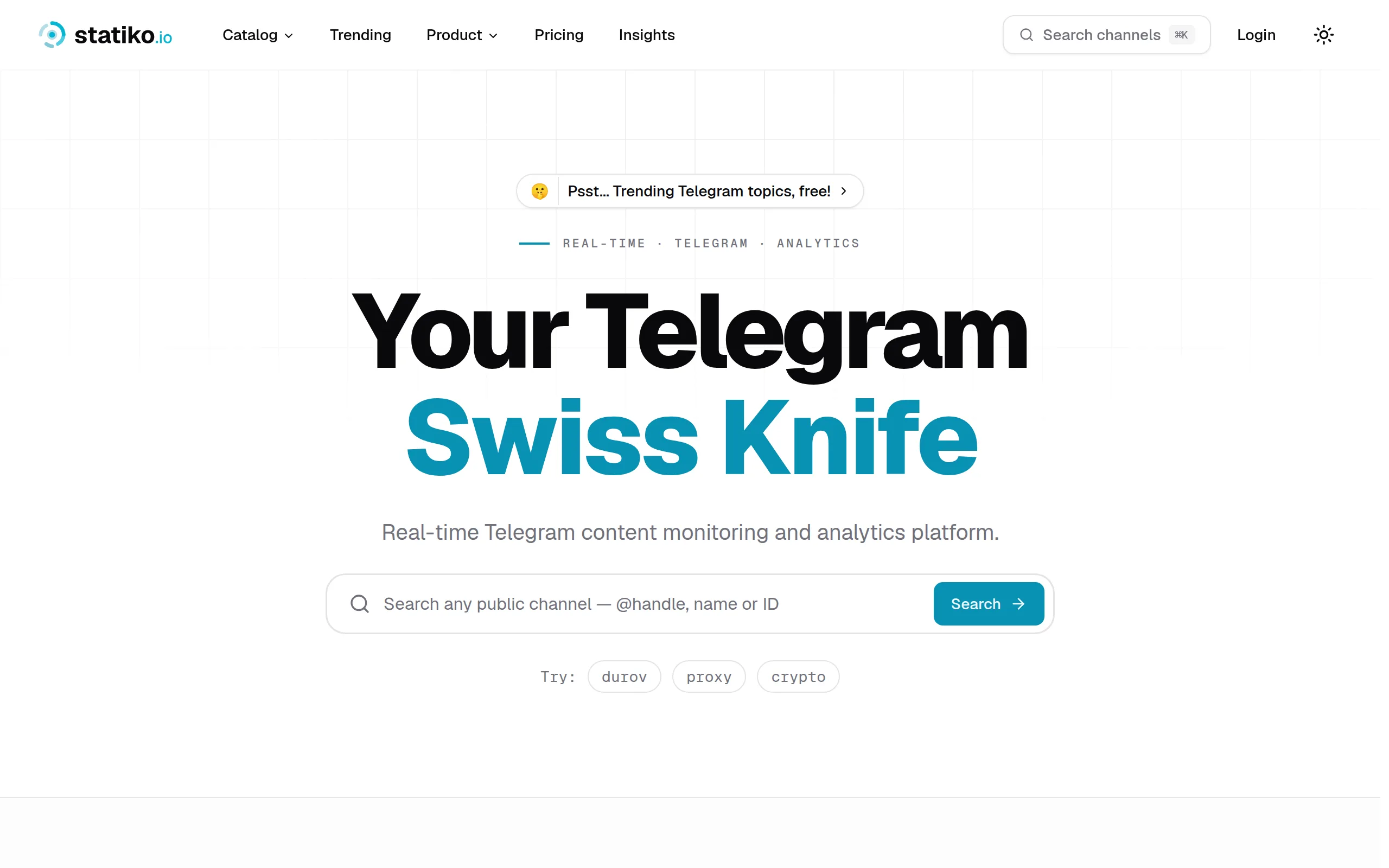
Statiko
Monitor any Telegram channel in real time - track posts, edits, deletions, and growth with AI recaps 📡

Shibui
AI website builder - describe your business, pick a niche template, edit by chatting, and publish instantly ✨

Pro Service
Find verified home service professionals, compare quotes, and pay securely through escrow - built for Brazilians across the US 🏠
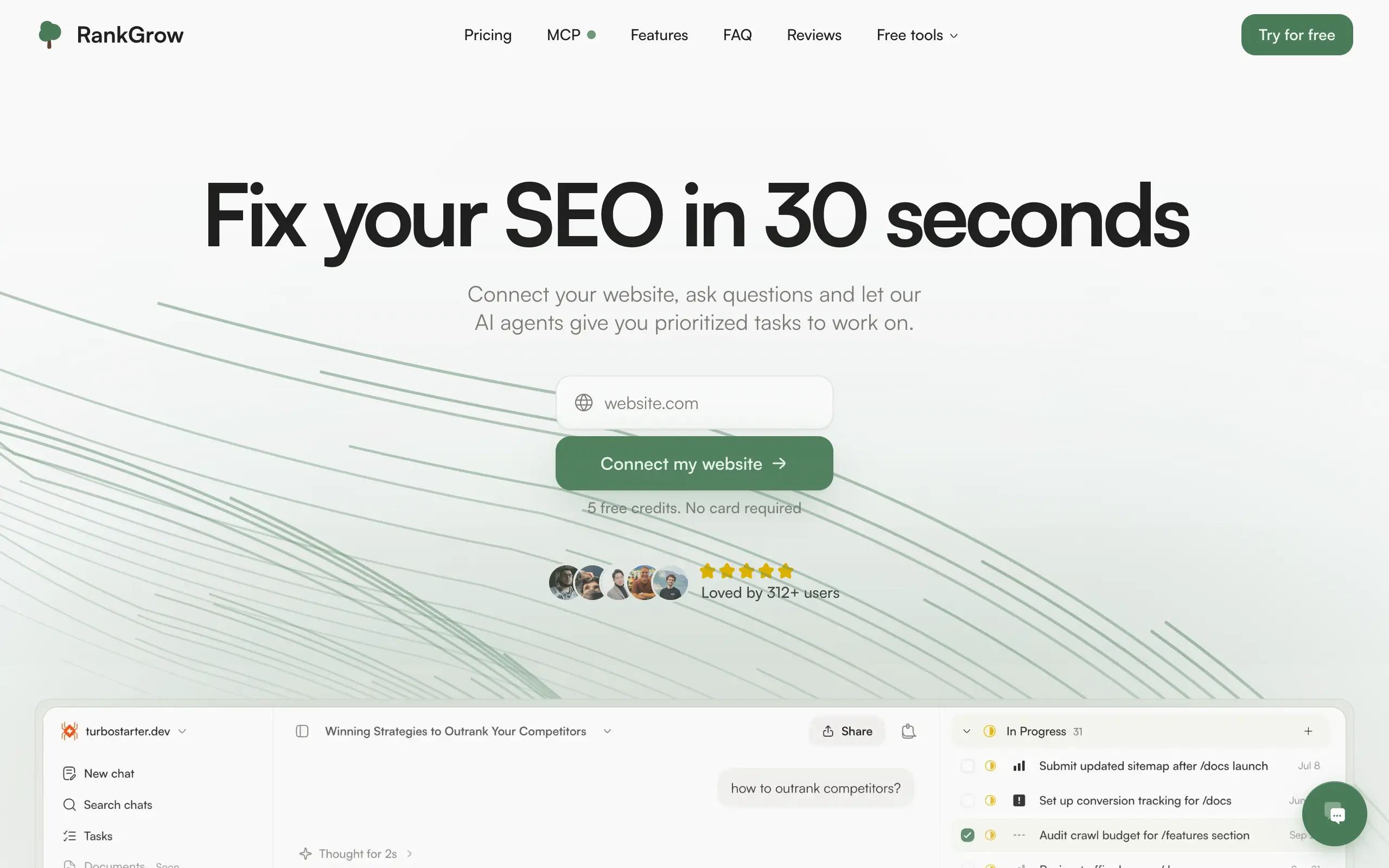
RankGrow
Fix your SEO with AI agents - connect Search Console, get prioritized tasks, and grow organic traffic 📈
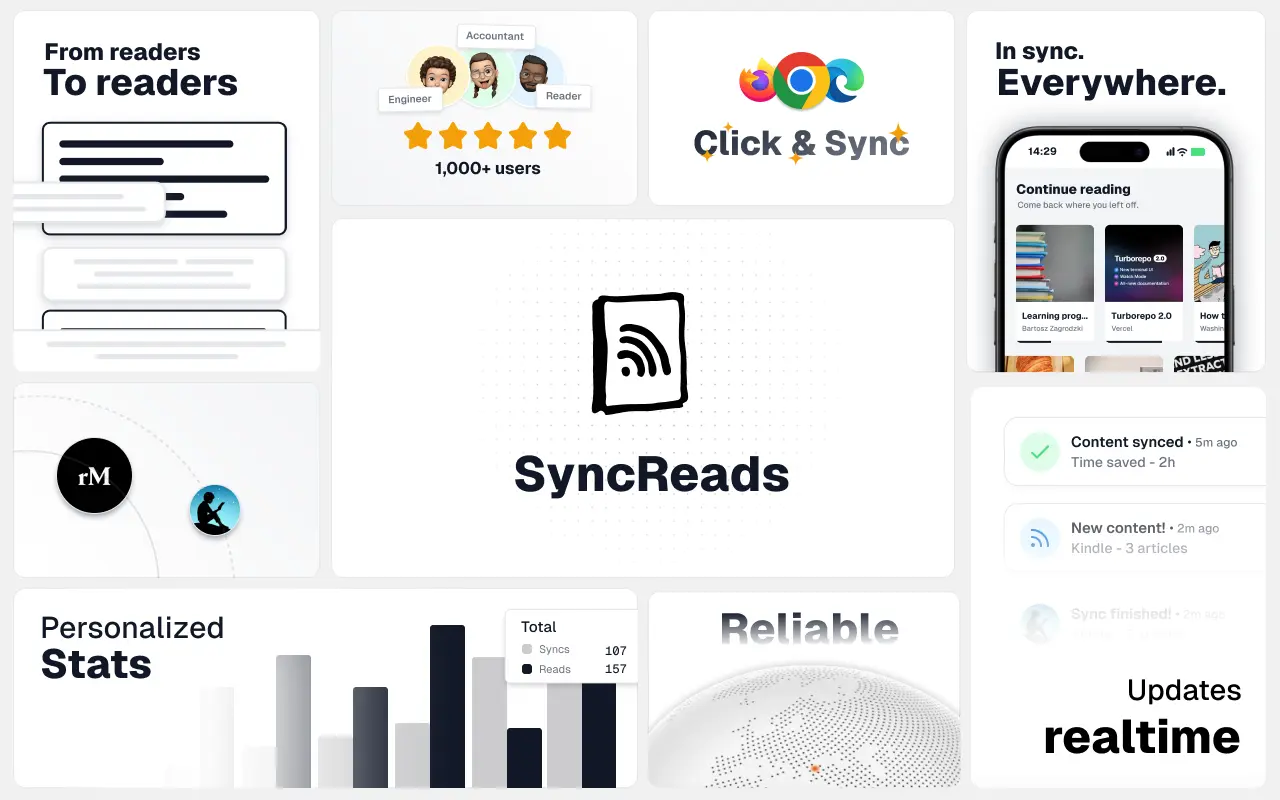
SyncReads
Sync your favorite content for distraction-free reading, save time and replace multiple apps. Anytime, anywhere 🔄
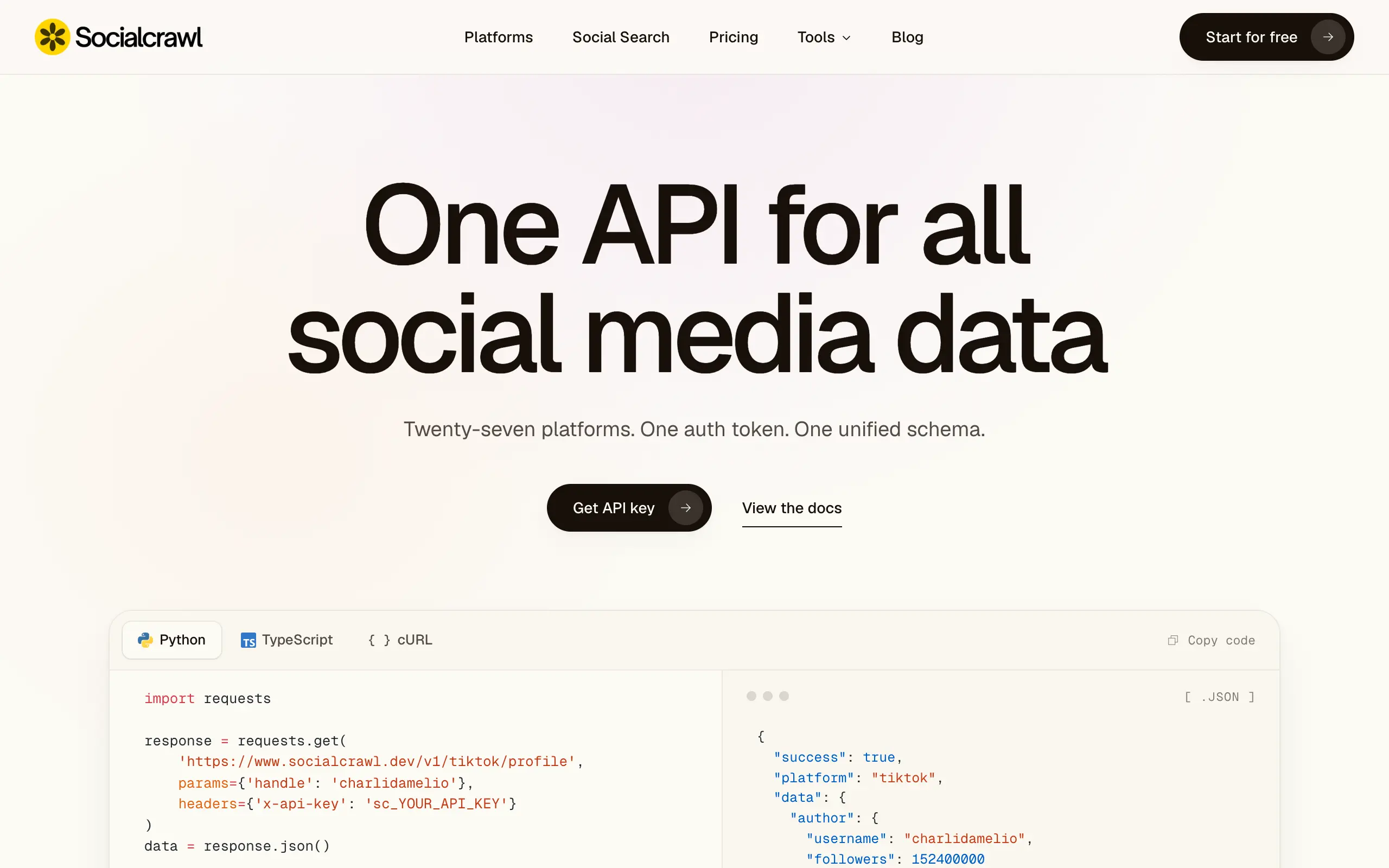
Socialcrawl
Get clean, structured data from 21 platforms like TikTok, Instagram, and YouTube with a single request 📊
Statiko
Monitor any Telegram channel in real time - track posts, edits, deletions, and growth with AI recaps 📡
Shibui
AI website builder - describe your business, pick a niche template, edit by chatting, and publish instantly ✨
Pro Service
Find verified home service professionals, compare quotes, and pay securely through escrow - built for Brazilians across the US 🏠
RankGrow
Fix your SEO with AI agents - connect Search Console, get prioritized tasks, and grow organic traffic 📈
SyncReads
Sync your favorite content for distraction-free reading, save time and replace multiple apps. Anytime, anywhere 🔄
Socialcrawl
Get clean, structured data from 21 platforms like TikTok, Instagram, and YouTube with a single request 📊
Statiko
Monitor any Telegram channel in real time - track posts, edits, deletions, and growth with AI recaps 📡
Shibui
AI website builder - describe your business, pick a niche template, edit by chatting, and publish instantly ✨
Pro Service
Find verified home service professionals, compare quotes, and pay securely through escrow - built for Brazilians across the US 🏠
RankGrow
Fix your SEO with AI agents - connect Search Console, get prioritized tasks, and grow organic traffic 📈
SyncReads
Sync your favorite content for distraction-free reading, save time and replace multiple apps. Anytime, anywhere 🔄
Socialcrawl
Get clean, structured data from 21 platforms like TikTok, Instagram, and YouTube with a single request 📊
Statiko
Monitor any Telegram channel in real time - track posts, edits, deletions, and growth with AI recaps 📡
Shibui
AI website builder - describe your business, pick a niche template, edit by chatting, and publish instantly ✨
Pro Service
Find verified home service professionals, compare quotes, and pay securely through escrow - built for Brazilians across the US 🏠
RankGrow
Fix your SEO with AI agents - connect Search Console, get prioritized tasks, and grow organic traffic 📈
SyncReads
Sync your favorite content for distraction-free reading, save time and replace multiple apps. Anytime, anywhere 🔄
Socialcrawl
Get clean, structured data from 21 platforms like TikTok, Instagram, and YouTube with a single request 📊
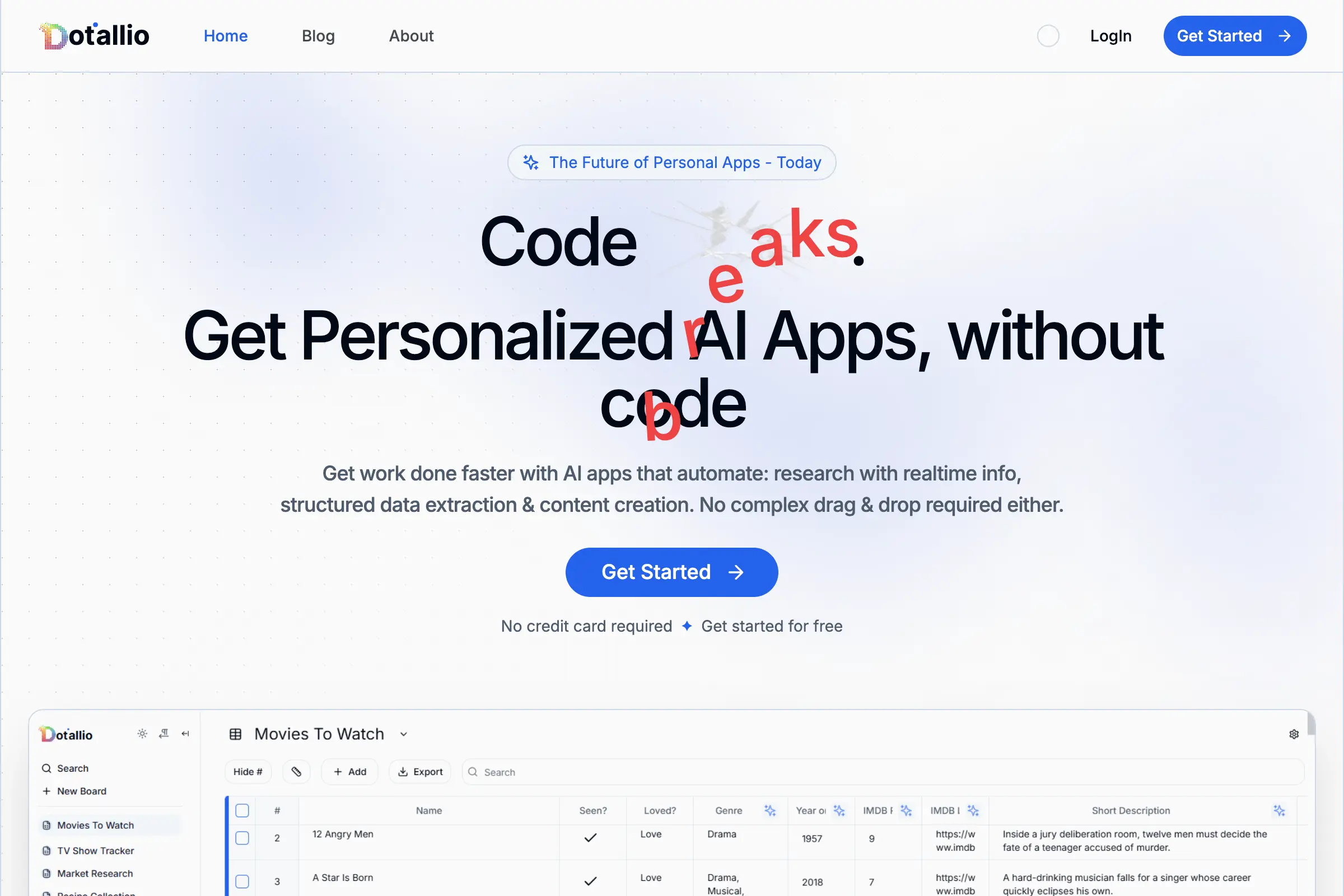
Dotallio
Personalized AI apps that automate research, data extraction, and content creation without code 🤖

Talk to Santa
Enjoy a magical live video chat or receive a unique AI-generated video greeting from Santa Claus 🎅

pozywka.pl
Scalable blog for food journalist, focused on performance and user experience 🌭
zagrodzki.me
Personal blog and portfolio of Bart Zagrodzki, where he shares his knowledge and work 💼
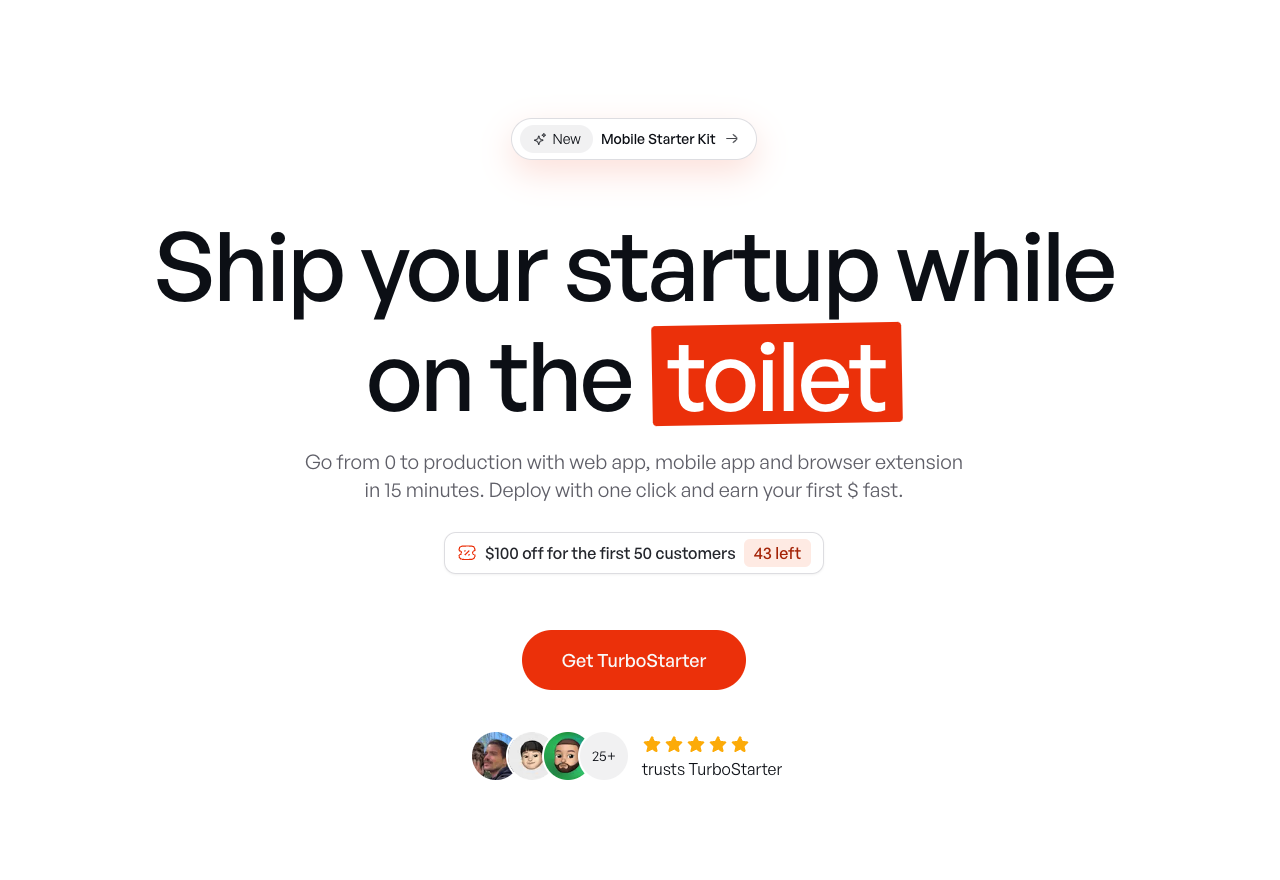
TurboStarter
Ship your startup everywhere. In minutes.
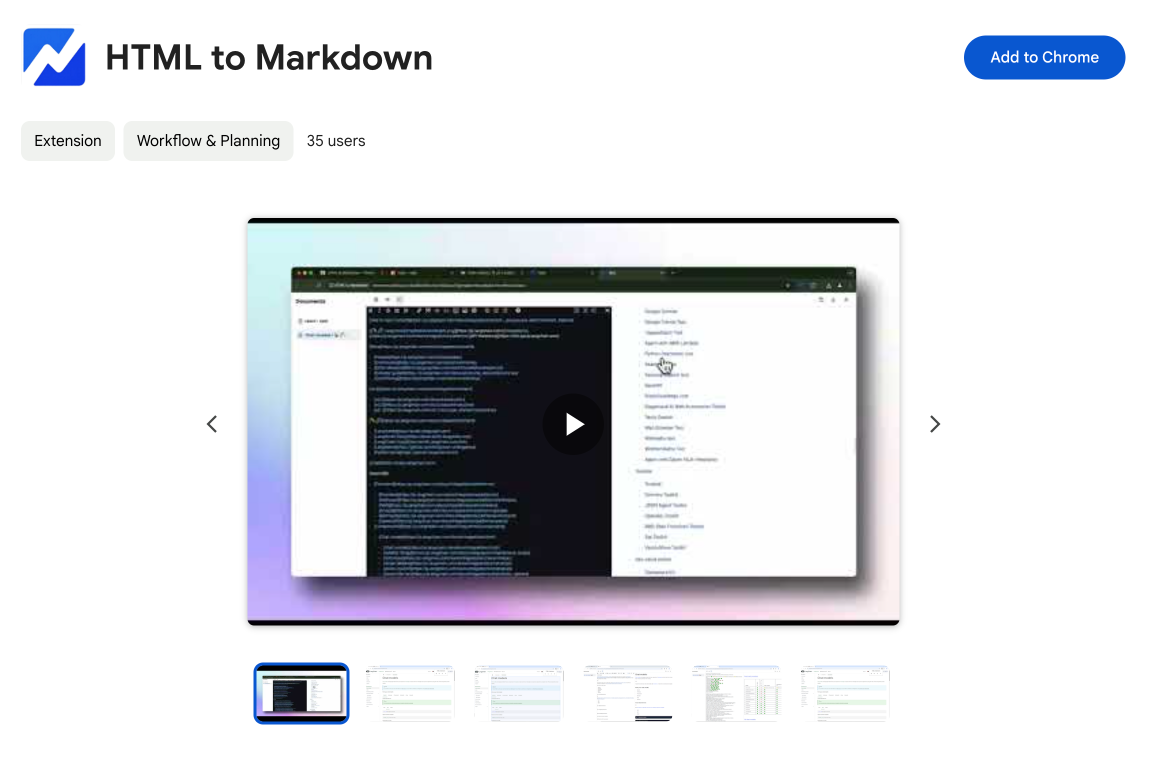
HTML to Markdown
Convert HTML to Markdown with ease, directly in your browser 📄
Dotallio
Personalized AI apps that automate research, data extraction, and content creation without code 🤖
Talk to Santa
Enjoy a magical live video chat or receive a unique AI-generated video greeting from Santa Claus 🎅
pozywka.pl
Scalable blog for food journalist, focused on performance and user experience 🌭
zagrodzki.me
Personal blog and portfolio of Bart Zagrodzki, where he shares his knowledge and work 💼
TurboStarter
Ship your startup everywhere. In minutes.
HTML to Markdown
Convert HTML to Markdown with ease, directly in your browser 📄
Dotallio
Personalized AI apps that automate research, data extraction, and content creation without code 🤖
Talk to Santa
Enjoy a magical live video chat or receive a unique AI-generated video greeting from Santa Claus 🎅
pozywka.pl
Scalable blog for food journalist, focused on performance and user experience 🌭
zagrodzki.me
Personal blog and portfolio of Bart Zagrodzki, where he shares his knowledge and work 💼
TurboStarter
Ship your startup everywhere. In minutes.
HTML to Markdown
Convert HTML to Markdown with ease, directly in your browser 📄
Dotallio
Personalized AI apps that automate research, data extraction, and content creation without code 🤖
Talk to Santa
Enjoy a magical live video chat or receive a unique AI-generated video greeting from Santa Claus 🎅
pozywka.pl
Scalable blog for food journalist, focused on performance and user experience 🌭
zagrodzki.me
Personal blog and portfolio of Bart Zagrodzki, where he shares his knowledge and work 💼
TurboStarter
Ship your startup everywhere. In minutes.
HTML to Markdown
Convert HTML to Markdown with ease, directly in your browser 📄
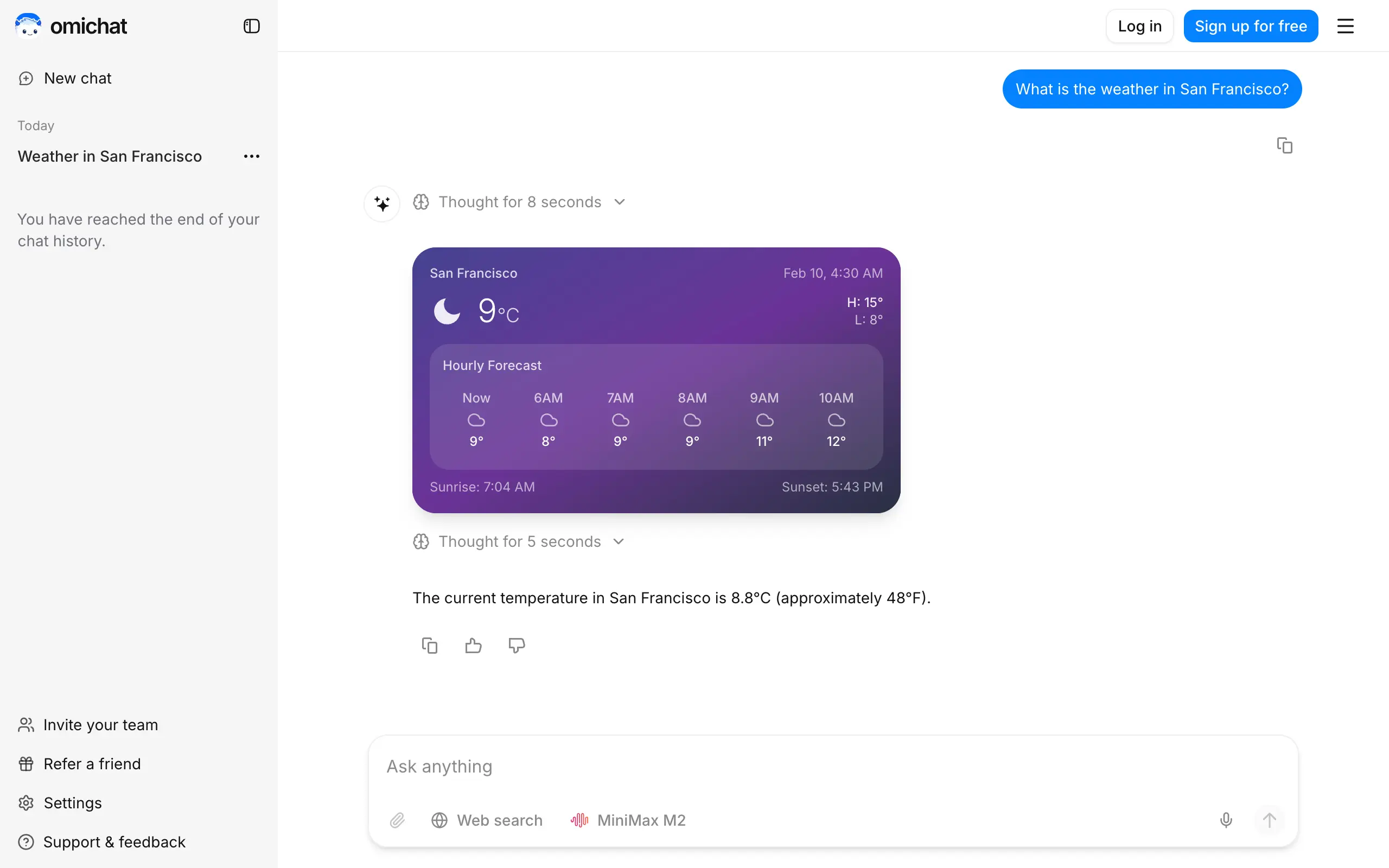
Omichat
Chat with 50+ AI models, including ChatGPT and Claude, in one place - switch models anytime without losing context 🤖
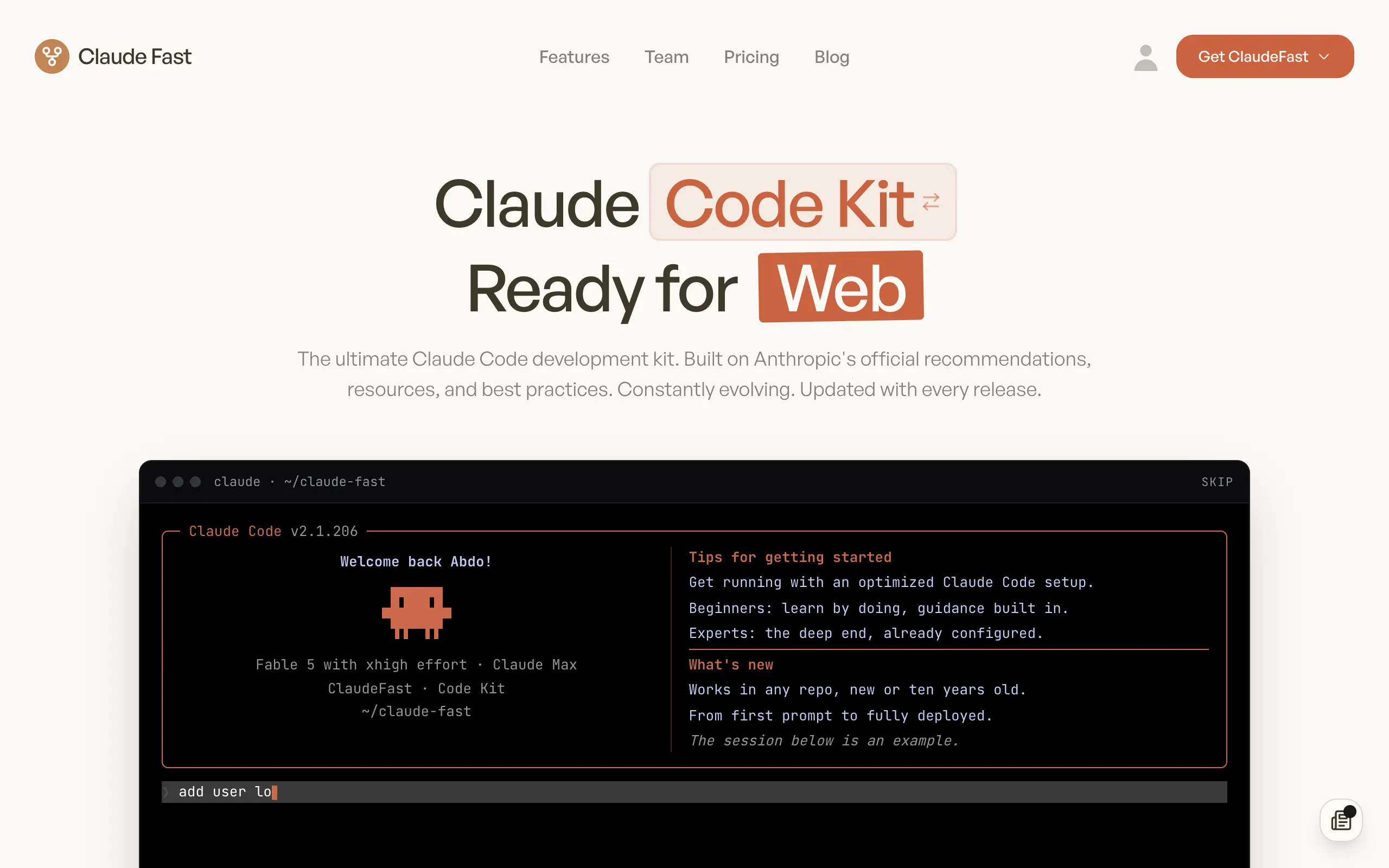
Claude Fast
Supercharge your Claude Code with 6x effective context window and specialized AI agents 🤖
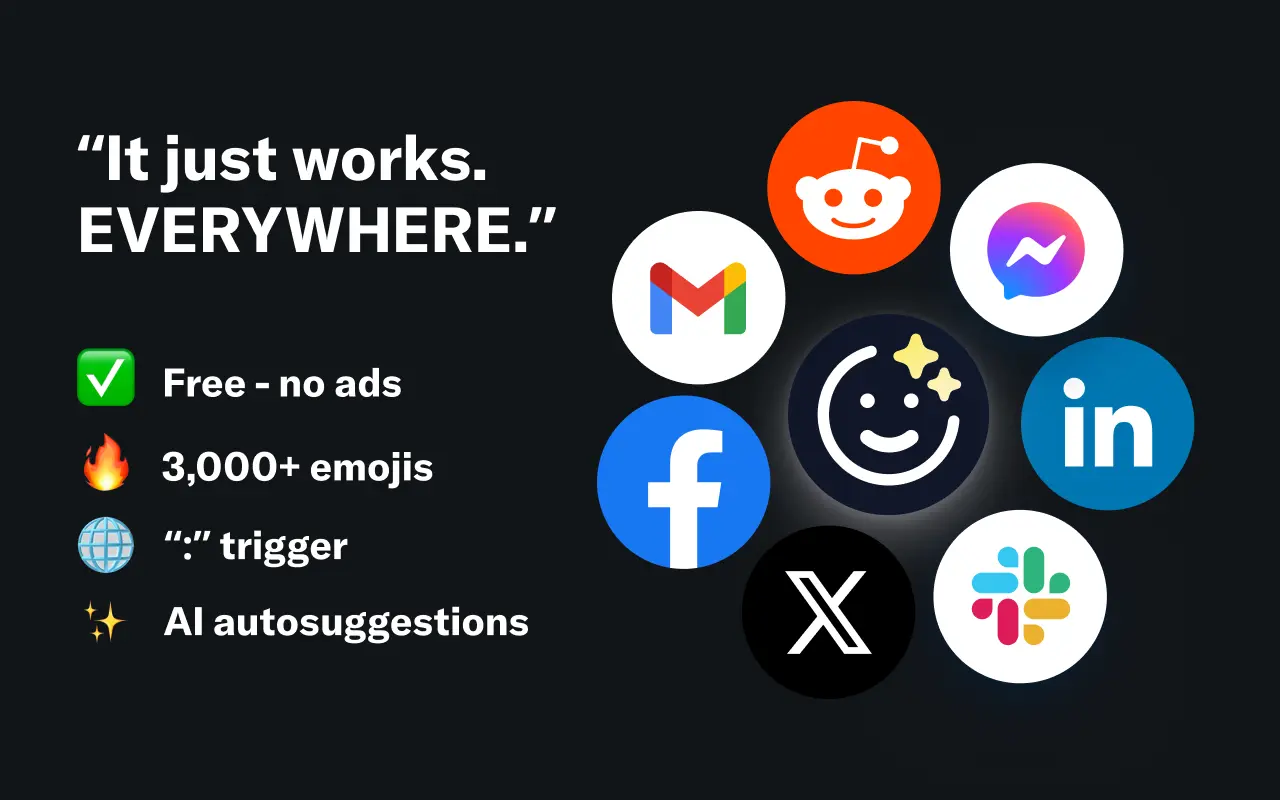
EmojAI
AI-powered emoji picker with smart, context-aware suggestions 🤖
Solohacker
Autonomous company launcher - AI agents work 24/7, escalate what matters, and you stay in control 🤖
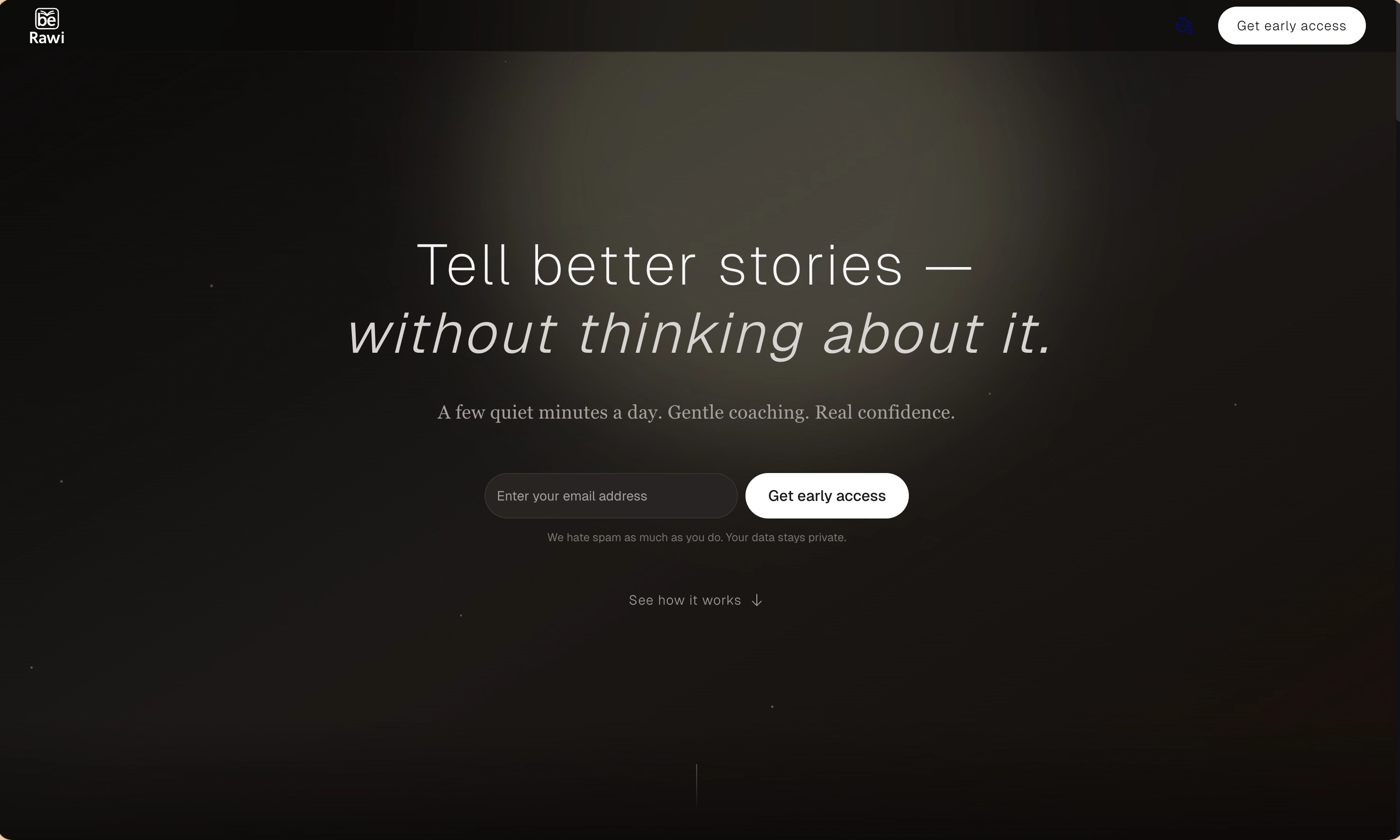
BeRawi: Storytelling Coach
Practice storytelling daily with instant feedback to sound clearer, more engaging, and confident 🎤
Omichat
Chat with 50+ AI models, including ChatGPT and Claude, in one place - switch models anytime without losing context 🤖
Claude Fast
Supercharge your Claude Code with 6x effective context window and specialized AI agents 🤖
EmojAI
AI-powered emoji picker with smart, context-aware suggestions 🤖
Solohacker
Autonomous company launcher - AI agents work 24/7, escalate what matters, and you stay in control 🤖
BeRawi: Storytelling Coach
Practice storytelling daily with instant feedback to sound clearer, more engaging, and confident 🎤
Omichat
Chat with 50+ AI models, including ChatGPT and Claude, in one place - switch models anytime without losing context 🤖
Claude Fast
Supercharge your Claude Code with 6x effective context window and specialized AI agents 🤖
EmojAI
AI-powered emoji picker with smart, context-aware suggestions 🤖
Solohacker
Autonomous company launcher - AI agents work 24/7, escalate what matters, and you stay in control 🤖
BeRawi: Storytelling Coach
Practice storytelling daily with instant feedback to sound clearer, more engaging, and confident 🎤
Omichat
Chat with 50+ AI models, including ChatGPT and Claude, in one place - switch models anytime without losing context 🤖
Claude Fast
Supercharge your Claude Code with 6x effective context window and specialized AI agents 🤖
EmojAI
AI-powered emoji picker with smart, context-aware suggestions 🤖
Solohacker
Autonomous company launcher - AI agents work 24/7, escalate what matters, and you stay in control 🤖
BeRawi: Storytelling Coach
Practice storytelling daily with instant feedback to sound clearer, more engaging, and confident 🎤

Connect with like-minded people
Join our community to get feedback, support, and grow together with 1,000+ builders on board, let's ship it!
Join usShip your startup everywhere. In minutes.
Don't burn tokens on setup and start building features on day one.