PhishForge AI
AI-powered phishing simulation platform that generates hyper-realistic, adaptive attack scenarios to train employees and benchmark human risk in real time.
Why AI-powered phishing simulation is becoming mission-critical
Cybersecurity leaders are facing a hard truth: human error remains the #1 attack vector in data breaches. According to IBM’s annual Cost of a Data Breach Report (see ibm.com/security/data-breach), phishing and social engineering consistently rank among the most common initial attack methods. Despite growing investments in security tools, firewalls, and endpoint detection, attackers continue to bypass defenses through one simple channel — people.
This is where an AI-powered phishing simulation platform like PhishForge AI enters the picture.
Instead of generic, template-based phishing drills, PhishForge AI generates hyper-realistic, adaptive attack scenarios that evolve based on employee behavior, industry trends, and organizational risk profiles. The result: measurable human risk reduction, real-time benchmarking, and actionable security intelligence.
This article provides a deep dive into:
- The market gap in phishing simulation tools
- Target audience and buyer psychology
- Core features and technical architecture
- AI stack recommendations
- Monetization strategy
- Competitive differentiation
- Risks and mitigation
- Step-by-step implementation roadmap
If you’re validating or building a SaaS in the cybersecurity AI space, this guide is structured to satisfy both strategic and technical intent.
The market problem: outdated phishing training in a rapidly evolving threat landscape
Traditional phishing simulation platforms rely on:
- Static templates
- Scheduled campaigns
- Predictable patterns
- Limited personalization
Attackers, on the other hand, use:
- Generative AI to craft context-aware messages
- Real-time social data
- Deepfake voice phishing (vishing)
- Business email compromise (BEC) automation
This asymmetry creates a dangerous gap.
Why current solutions fail to reduce human risk
- Employees recognize templates over time.
- Simulations lack contextual realism.
- Reporting metrics focus on click rates, not behavioral risk modeling.
- There is minimal adaptive learning.
Security awareness programs often become compliance exercises instead of behavior-changing interventions.
Key insight
Phishing training fails when it becomes predictable. Attackers evolve daily. Simulations must evolve faster.
Target audience analysis
PhishForge AI targets B2B customers across multiple segments.
Primary buyers
- Chief Information Security Officers (CISOs)
- Security Operations (SecOps) leaders
- Risk & Compliance teams
- IT directors
These stakeholders care about:
- Reducing breach probability
- Demonstrating compliance (SOC 2, ISO 27001, HIPAA, PCI-DSS)
- Quantifying human risk exposure
- Board-level reporting
Secondary influencers
- HR departments (training coordination)
- Legal/compliance teams
- Managed Security Service Providers (MSSPs)
Ideal customer profile (ICP)
| Attribute | Ideal Profile |
|---|---|
| Company size | 200–5,000 employees |
| Industry | Finance, healthcare, SaaS, fintech, legal |
| Compliance pressure | Moderate to high |
| Security maturity | Established but improving |
| Budget | $15k–$150k annual security training budget |
Why mid-market is ideal
Enterprise customers often already use legacy vendors (e.g., KnowBe4, Proofpoint). SMBs may lack budget. The mid-market segment is ideal for:
- Faster sales cycles
- Growing compliance requirements
- High ROI sensitivity
Market opportunity and industry trends
1. Rise of generative AI in cybercrime
Attackers now use large language models to:
- Mimic executive writing styles
- Translate phishing into flawless multilingual campaigns
- Generate realistic spear-phishing emails
This dramatically increases phishing success rates.
2. Board-level focus on human risk
Cyber insurance providers increasingly assess:
- Phishing training frequency
- Simulation effectiveness
- Behavioral risk metrics
Organizations now need quantifiable human risk scoring.
3. Shift from awareness to behavior analytics
Modern security strategy is evolving toward:
- Continuous behavioral monitoring
- Risk-based training
- Personalized interventions
PhishForge AI aligns perfectly with this shift.
Core features of PhishForge AI
1. AI-generated hyper-realistic phishing scenarios
Instead of selecting templates, administrators input:
- Industry
- Organizational structure
- Known vendors
- Security maturity
- Current events
The AI generates:
- Contextual spear-phishing emails
- SMS phishing (smishing)
- Voice phishing scripts
- Internal impersonation attempts
Example generation flow:
// Simplified scenario generation logic
const scenario = await generatePhishingScenario({
  industry: "FinTech",
  targetRole: "Finance Manager",
  currentThreatTrend: "Vendor invoice fraud",
  personalizationLevel: "High"
});
2. Adaptive difficulty engine
The system learns from employee behavior:
- Clicks
- Time to report
- Reporting channel used
- Historical performance
It then adjusts difficulty dynamically.
Beginner → Intermediate → Advanced → Targeted spear-phishing
This ensures:
- Continuous challenge
- No simulation fatigue
- True behavioral improvement
3. Real-time human risk scoring
PhishForge AI introduces a Human Risk Index (HRI):
- Individual risk score
- Department risk heatmap
- Organizational benchmark
- Industry percentile comparison
Individual risk score
Dynamic score based on behavior, not just clicks.
Department heatmap
Identify high-risk business units instantly.
Executive dashboard
Board-ready security reporting in real time.
4. Attack surface personalization engine
The platform integrates with:
- Microsoft 365
- Google Workspace
- HRIS systems
- Slack / Teams
It detects:
- Role-based privileges
- Executive assistants
- Finance access
- Sensitive departments
Simulations prioritize high-risk users.
5. AI-powered remediation
Instead of generic training videos:
- Micro-learning modules triggered by behavior
- Adaptive training length
- Personalized risk feedback
- Gamified security scoring
Competitive analysis
Major competitors include:
- KnowBe4
- Proofpoint Security Awareness
- Cofense
- Hoxhunt
Let’s analyze positioning:
| Feature | KnowBe4 | Proofpoint | Hoxhunt | PhishForge AI |
|---|---|---|---|---|
| AI-generated scenarios | ❌ | Limited | ✅ | ✅ Advanced |
| Adaptive difficulty | ❌ | ❌ | ✅ | ✅ Dynamic |
| Real-time human risk index | Limited | ✅ | ✅ | ✅ Advanced behavioral model |
| Executive AI reporting | Basic | ✅ | ✅ | ✅ Predictive |
Competitive advantage
PhishForge AI’s differentiation lies in:
- True generative AI-driven simulations
- Continuous adaptive risk modeling
- Real-time benchmarking
- Predictive risk scoring
It shifts the paradigm from training tool → behavioral intelligence platform.
Recommended tech stack (with trade-offs)
Building an AI-powered phishing simulation platform requires balancing:
- Scalability
- Security
- Compliance
- AI performance
Frontend
- React
- TailwindCSS
- Next.js (for SSR and SEO)
Why:
- Fast dashboard rendering
- Scalable component architecture
- Enterprise-grade UX
Backend
- Node.js (API layer)
- Python (AI services)
- PostgreSQL (relational data)
- Redis (real-time scoring engine)
AI layer
- LLM API (OpenAI, Anthropic, or self-hosted Llama)
- Fine-tuned phishing dataset
- Retrieval-Augmented Generation (RAG)
Trade-offs:
- Hosted API: Faster development, less control
- Self-hosted LLM: Higher compliance control, more infrastructure cost
Infrastructure
- AWS (preferred for compliance flexibility)
- S3 for template storage
- Lambda for event-driven triggers
- Kubernetes for scaling AI workloads
Email simulation system
- Dedicated phishing simulation mail servers
- Domain isolation
- DMARC/DKIM configuration
Security isolation is critical to prevent real-world misuse.
Monetization strategy
PhishForge AI can adopt a tiered SaaS pricing model.
1. Per-user subscription
- $2–$5 per employee/month
- Scales with company size
2. Risk-based pricing (premium model)
Charge based on:
- Advanced AI personalization
- Risk analytics depth
- Benchmarking access
3. Enterprise add-ons
- Custom threat modeling
- Dedicated compliance reporting
- MSSP reseller licensing
Example pricing tiers
Starter
Basic AI simulations, monthly campaigns, reporting dashboard.
Growth
Adaptive AI engine, department scoring, integrations.
Enterprise
Predictive risk modeling, compliance toolkit, API access.
Potential risks and mitigation
Risk 1: Ethical misuse of AI-generated phishing
Mitigation:
- Strict tenant isolation
- Usage monitoring
- Approval workflows
- Simulation-only domain enforcement
Risk 2: Regulatory scrutiny
Phishing simulations must:
- Avoid psychological harm
- Exclude sensitive topics
- Respect employee privacy
Ensure:
- Legal disclaimers
- Transparent policy frameworks
- GDPR compliance
Risk 3: Market saturation
Differentiate through:
- Behavioral AI
- Real-time benchmarking
- Human risk modeling
Not just templates.
Implementation roadmap
Building the MVP efficiently
To accelerate development:
- Use a SaaS starter infrastructure
- Prebuilt authentication
- Subscription billing
- Role-based access
This significantly reduces time-to-market.
A solution like TurboStarter can provide:
- Authentication scaffolding
- Multi-tenant SaaS structure
- Billing integrations
- Admin dashboards
Allowing you to focus on the AI and behavioral engine instead of boilerplate code.
Go-to-market strategy
1. CISO-led content marketing
Publish:
- Human risk reports
- AI phishing trend analysis
- Industry-specific threat insights
2. Cyber insurance partnerships
Offer:
- Risk benchmarking for policy discounts
3. MSSP channel distribution
White-label licensing model.
Why PhishForge AI stands out
PhishForge AI isn’t just another phishing simulation tool.
It is:
- A behavioral intelligence engine
- A predictive human risk platform
- A continuously learning AI threat emulator
By combining generative AI with adaptive learning and real-time benchmarking, it transforms phishing simulation from a compliance checkbox into a strategic security asset.
Final thoughts and next steps
The cybersecurity landscape is evolving faster than traditional training programs can handle. Organizations no longer need static phishing templates — they need adaptive AI-driven simulation platforms that mirror real-world attacker behavior.
PhishForge AI fills a clear market gap by:
- Generating hyper-realistic, evolving attack scenarios
- Measuring and benchmarking human risk in real time
- Delivering personalized remediation
- Providing board-ready security intelligence
For founders and SaaS builders, this represents a high-value opportunity at the intersection of:
- AI
- Cybersecurity
- Behavioral analytics
- Compliance tech
The key is execution speed, strong AI architecture, and clear differentiation.
If you’re ready to build, validate quickly, and launch securely — start with a strong SaaS foundation and focus relentlessly on measurable human risk reduction.
In a world where attackers already use AI, the only sustainable defense is AI that trains humans faster than adversaries can exploit them.
More 🤖 AI Startup SaaS ideas
Discover more innovative ai startup SaaS ideas that are trending in 2026. Each idea is AI-generated with market validation and growth potential to help you find your next profitable venture faster than competitors.
Your competitors are building with TurboStarter
Below are some of the SaaS ideas that have been generated and built with our starter kit.
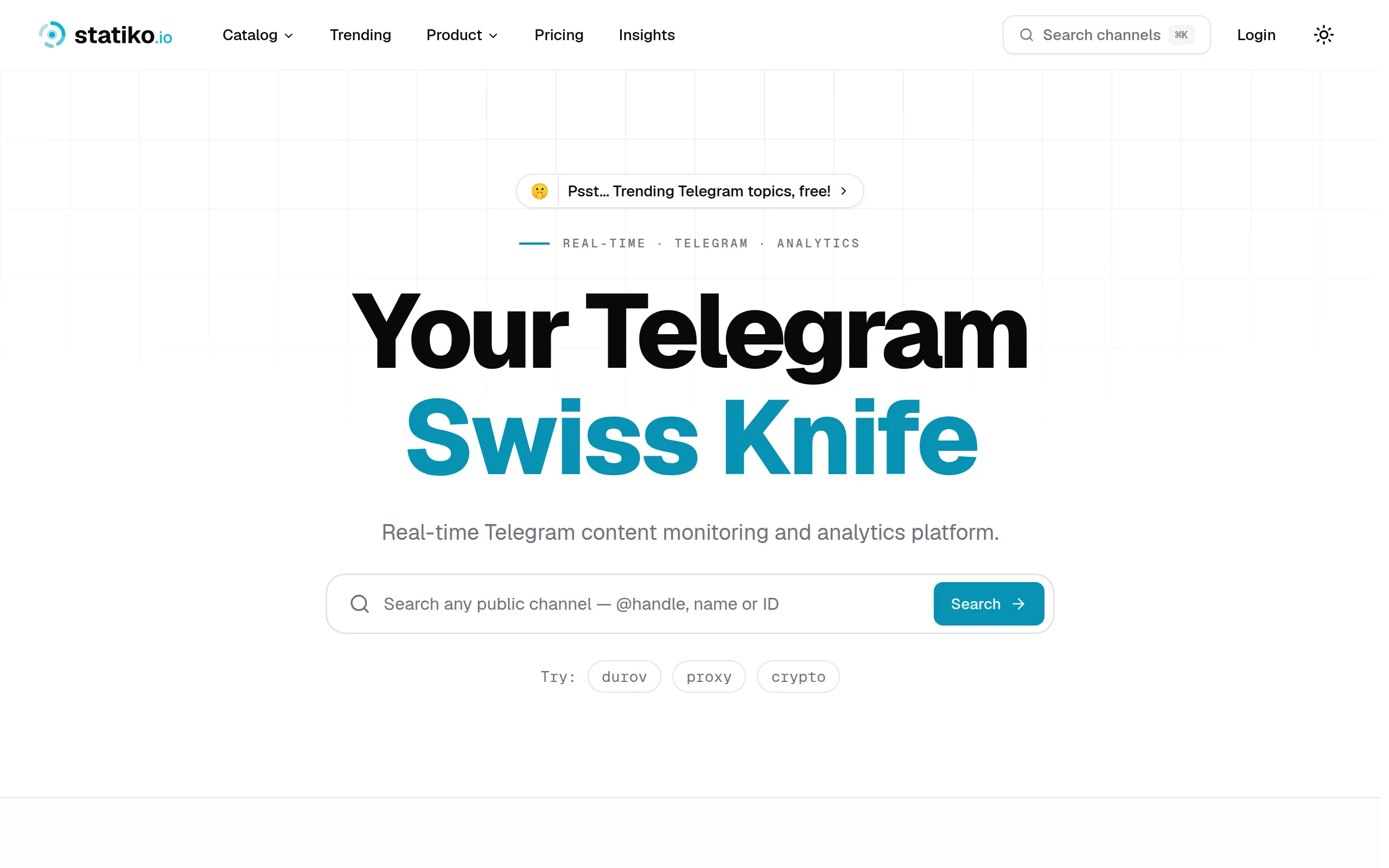
Statiko
Monitor any Telegram channel in real time - track posts, edits, deletions, and growth with AI recaps 📡

Shibui
AI website builder - describe your business, pick a niche template, edit by chatting, and publish instantly ✨

Pro Service
Find verified home service professionals, compare quotes, and pay securely through escrow - built for Brazilians across the US 🏠
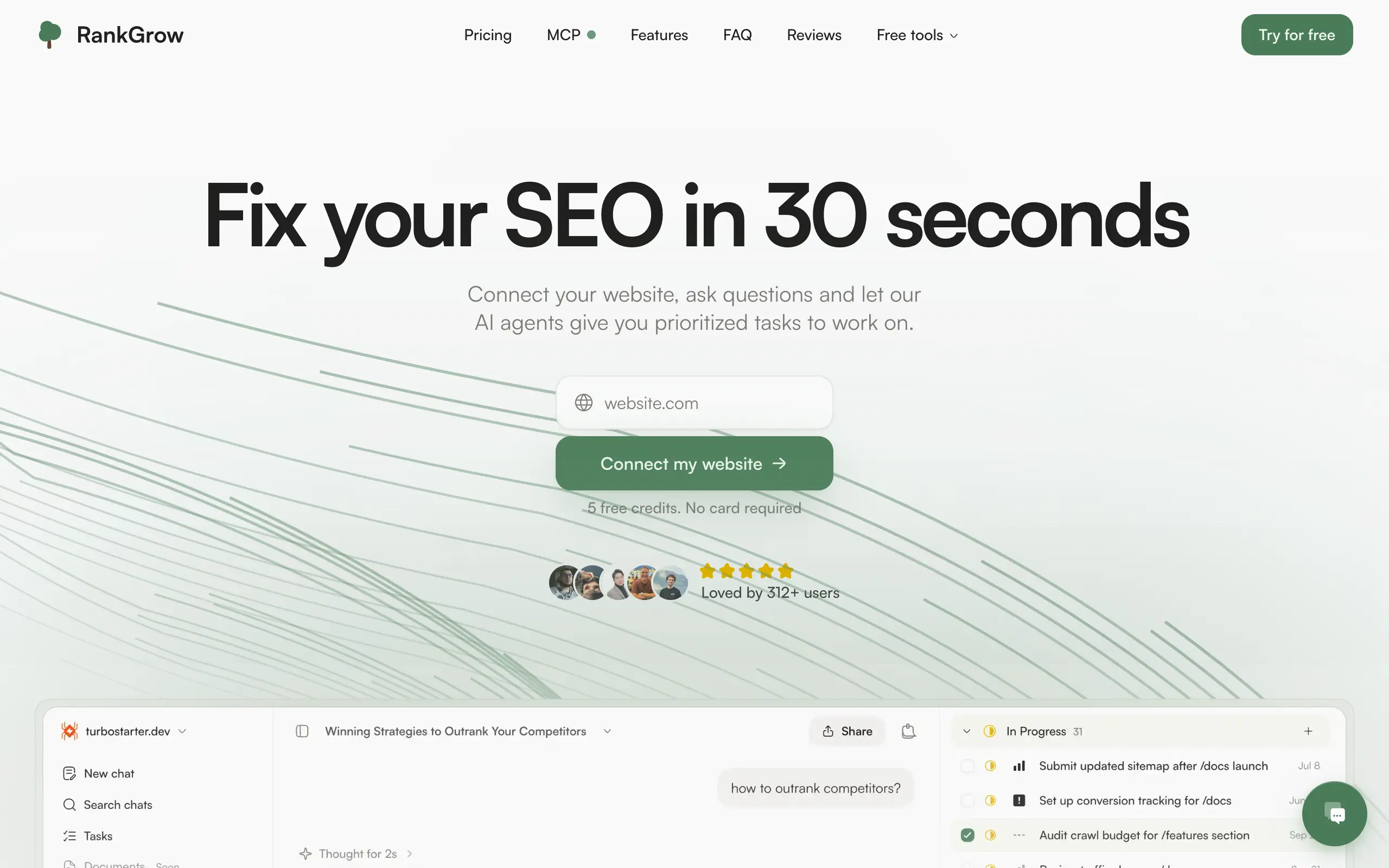
RankGrow
Fix your SEO with AI agents - connect Search Console, get prioritized tasks, and grow organic traffic 📈
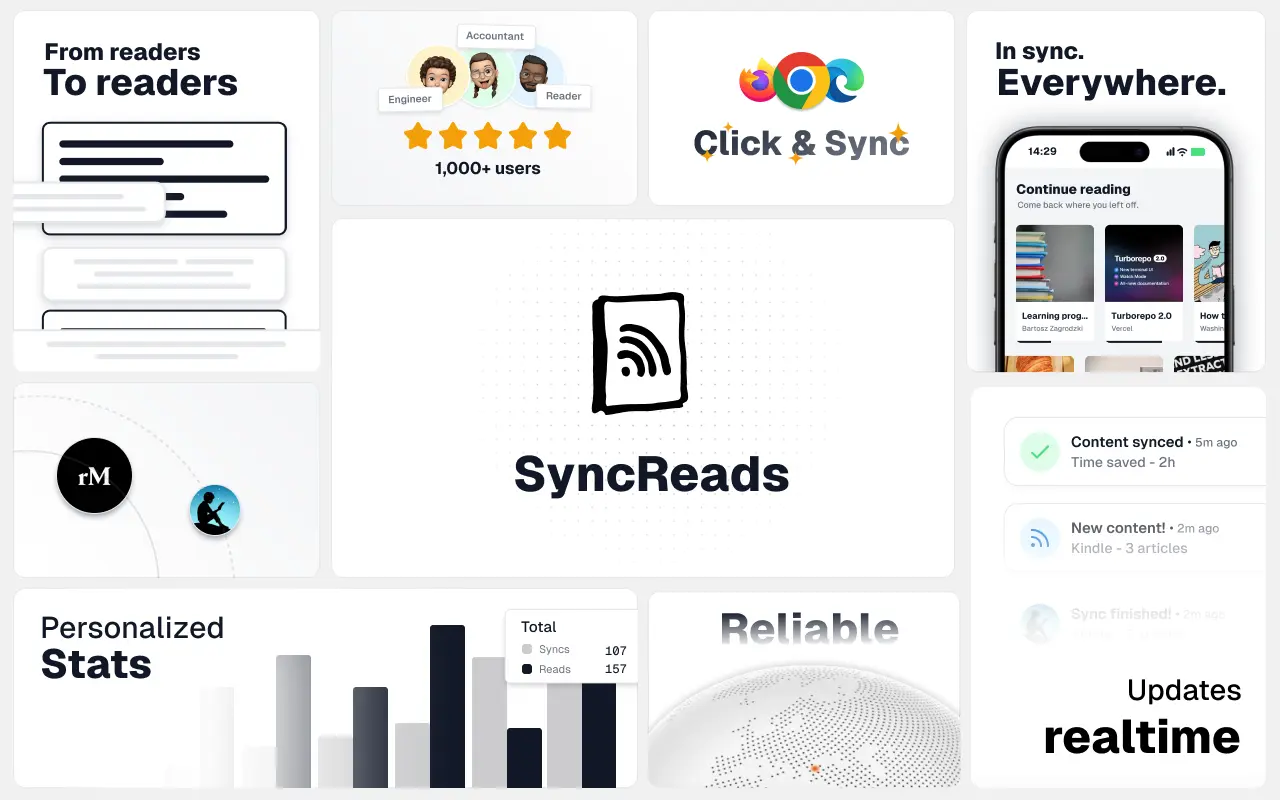
SyncReads
Sync your favorite content for distraction-free reading, save time and replace multiple apps. Anytime, anywhere 🔄
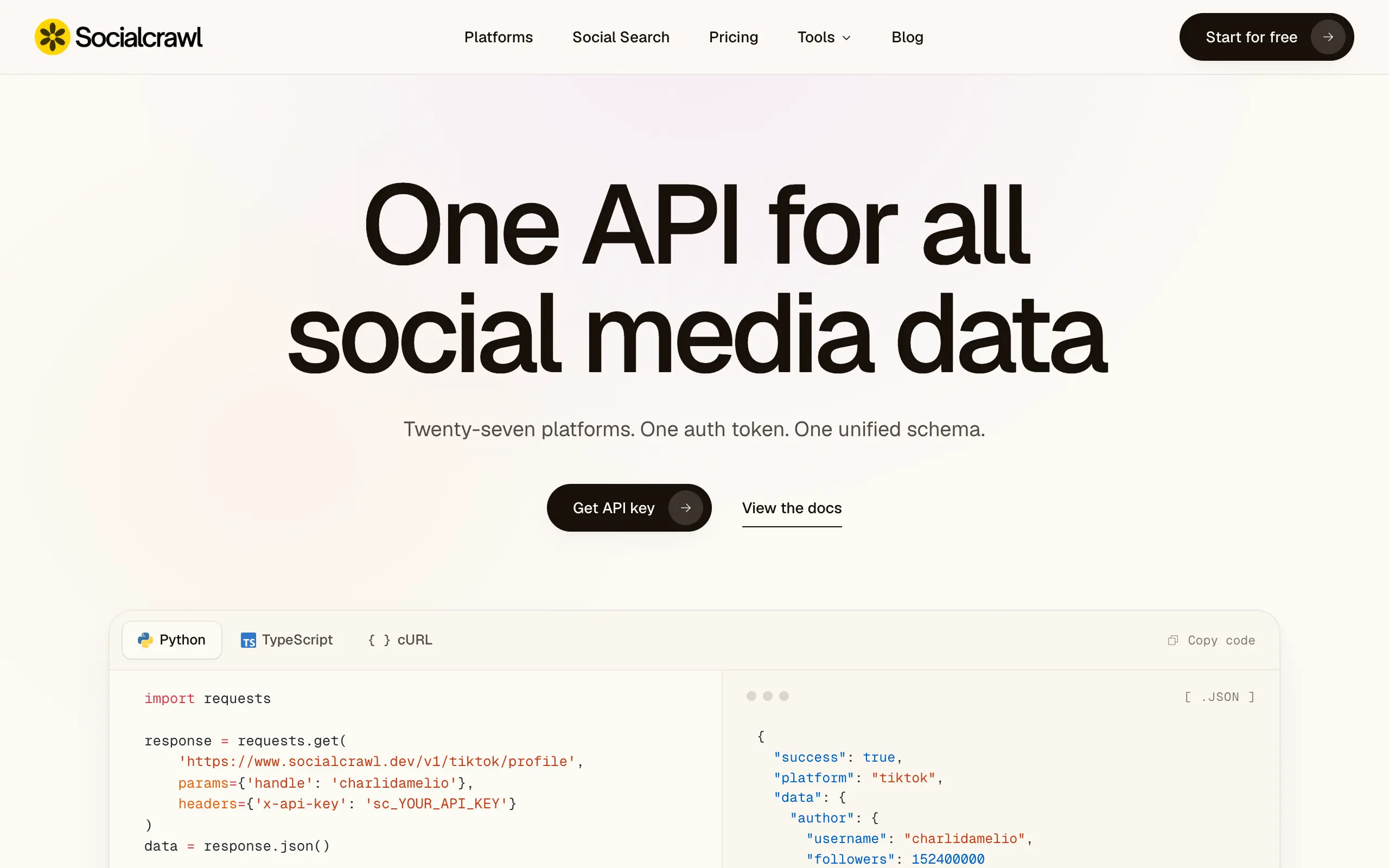
Socialcrawl
Get clean, structured data from 21 platforms like TikTok, Instagram, and YouTube with a single request 📊
Statiko
Monitor any Telegram channel in real time - track posts, edits, deletions, and growth with AI recaps 📡
Shibui
AI website builder - describe your business, pick a niche template, edit by chatting, and publish instantly ✨
Pro Service
Find verified home service professionals, compare quotes, and pay securely through escrow - built for Brazilians across the US 🏠
RankGrow
Fix your SEO with AI agents - connect Search Console, get prioritized tasks, and grow organic traffic 📈
SyncReads
Sync your favorite content for distraction-free reading, save time and replace multiple apps. Anytime, anywhere 🔄
Socialcrawl
Get clean, structured data from 21 platforms like TikTok, Instagram, and YouTube with a single request 📊
Statiko
Monitor any Telegram channel in real time - track posts, edits, deletions, and growth with AI recaps 📡
Shibui
AI website builder - describe your business, pick a niche template, edit by chatting, and publish instantly ✨
Pro Service
Find verified home service professionals, compare quotes, and pay securely through escrow - built for Brazilians across the US 🏠
RankGrow
Fix your SEO with AI agents - connect Search Console, get prioritized tasks, and grow organic traffic 📈
SyncReads
Sync your favorite content for distraction-free reading, save time and replace multiple apps. Anytime, anywhere 🔄
Socialcrawl
Get clean, structured data from 21 platforms like TikTok, Instagram, and YouTube with a single request 📊
Statiko
Monitor any Telegram channel in real time - track posts, edits, deletions, and growth with AI recaps 📡
Shibui
AI website builder - describe your business, pick a niche template, edit by chatting, and publish instantly ✨
Pro Service
Find verified home service professionals, compare quotes, and pay securely through escrow - built for Brazilians across the US 🏠
RankGrow
Fix your SEO with AI agents - connect Search Console, get prioritized tasks, and grow organic traffic 📈
SyncReads
Sync your favorite content for distraction-free reading, save time and replace multiple apps. Anytime, anywhere 🔄
Socialcrawl
Get clean, structured data from 21 platforms like TikTok, Instagram, and YouTube with a single request 📊
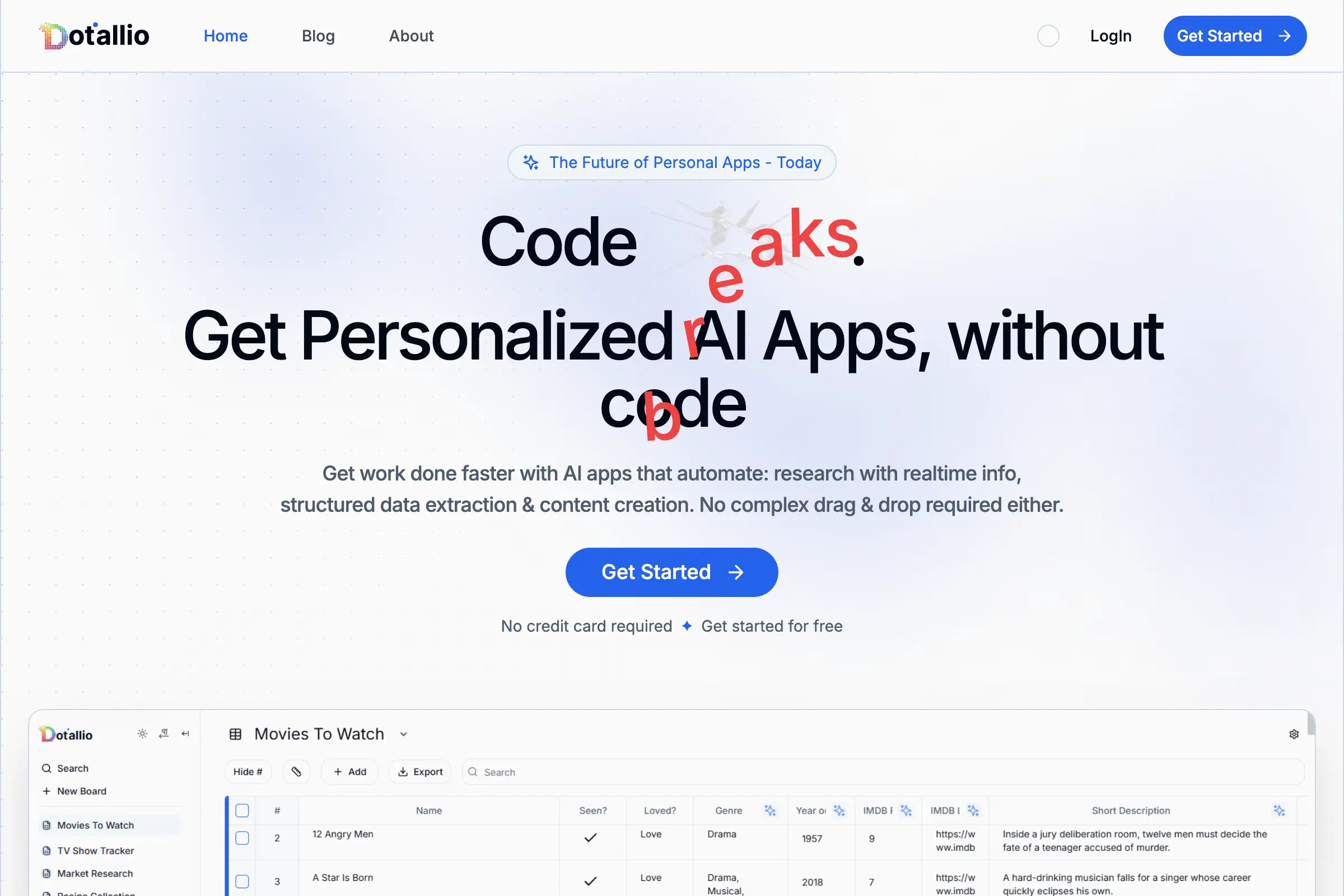
Dotallio
Personalized AI apps that automate research, data extraction, and content creation without code 🤖

Talk to Santa
Enjoy a magical live video chat or receive a unique AI-generated video greeting from Santa Claus 🎅

pozywka.pl
Scalable blog for food journalist, focused on performance and user experience 🌭
zagrodzki.me
Personal blog and portfolio of Bart Zagrodzki, where he shares his knowledge and work 💼
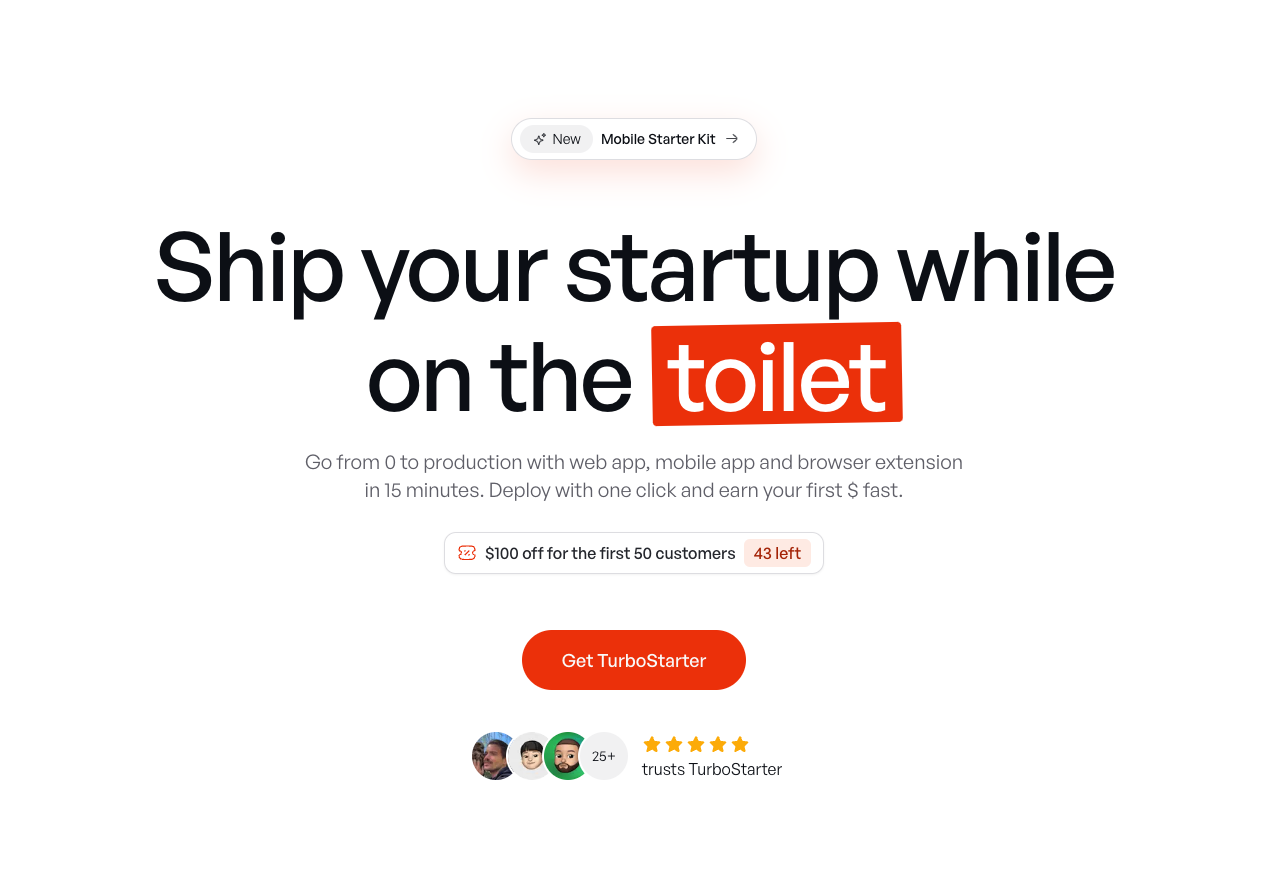
TurboStarter
Ship your startup everywhere. In minutes.
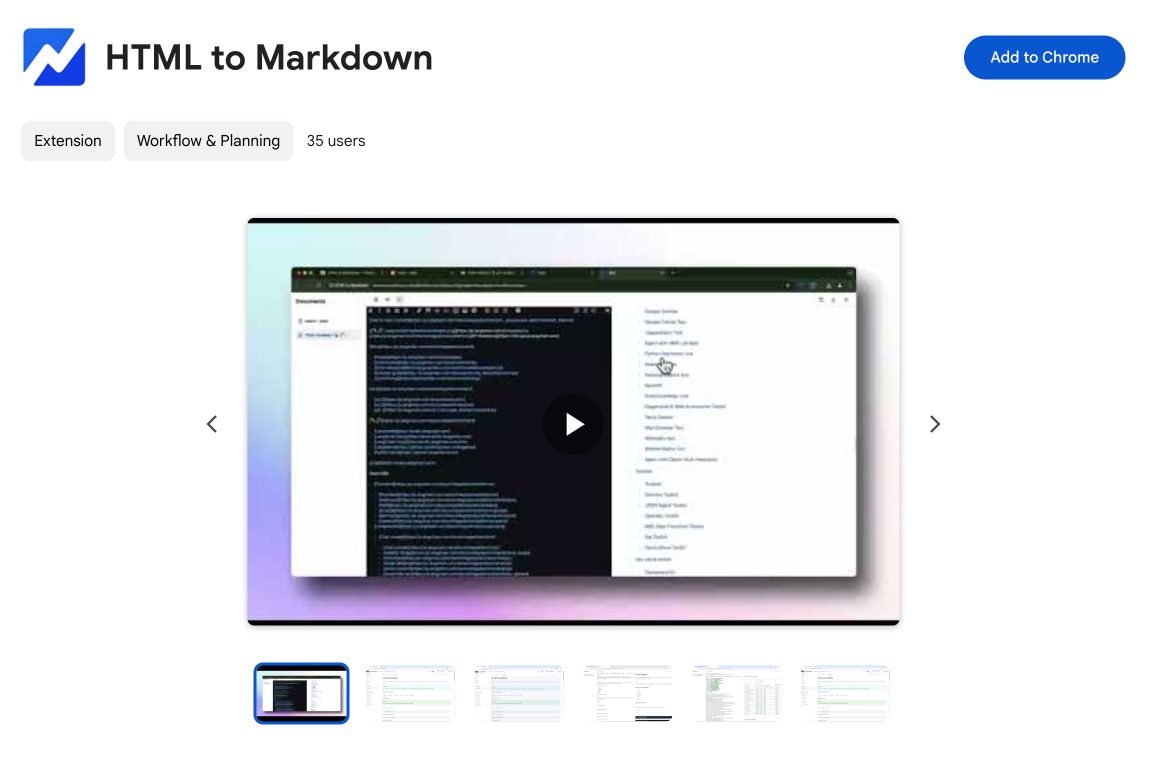
HTML to Markdown
Convert HTML to Markdown with ease, directly in your browser 📄
Dotallio
Personalized AI apps that automate research, data extraction, and content creation without code 🤖
Talk to Santa
Enjoy a magical live video chat or receive a unique AI-generated video greeting from Santa Claus 🎅
pozywka.pl
Scalable blog for food journalist, focused on performance and user experience 🌭
zagrodzki.me
Personal blog and portfolio of Bart Zagrodzki, where he shares his knowledge and work 💼
TurboStarter
Ship your startup everywhere. In minutes.
HTML to Markdown
Convert HTML to Markdown with ease, directly in your browser 📄
Dotallio
Personalized AI apps that automate research, data extraction, and content creation without code 🤖
Talk to Santa
Enjoy a magical live video chat or receive a unique AI-generated video greeting from Santa Claus 🎅
pozywka.pl
Scalable blog for food journalist, focused on performance and user experience 🌭
zagrodzki.me
Personal blog and portfolio of Bart Zagrodzki, where he shares his knowledge and work 💼
TurboStarter
Ship your startup everywhere. In minutes.
HTML to Markdown
Convert HTML to Markdown with ease, directly in your browser 📄
Dotallio
Personalized AI apps that automate research, data extraction, and content creation without code 🤖
Talk to Santa
Enjoy a magical live video chat or receive a unique AI-generated video greeting from Santa Claus 🎅
pozywka.pl
Scalable blog for food journalist, focused on performance and user experience 🌭
zagrodzki.me
Personal blog and portfolio of Bart Zagrodzki, where he shares his knowledge and work 💼
TurboStarter
Ship your startup everywhere. In minutes.
HTML to Markdown
Convert HTML to Markdown with ease, directly in your browser 📄
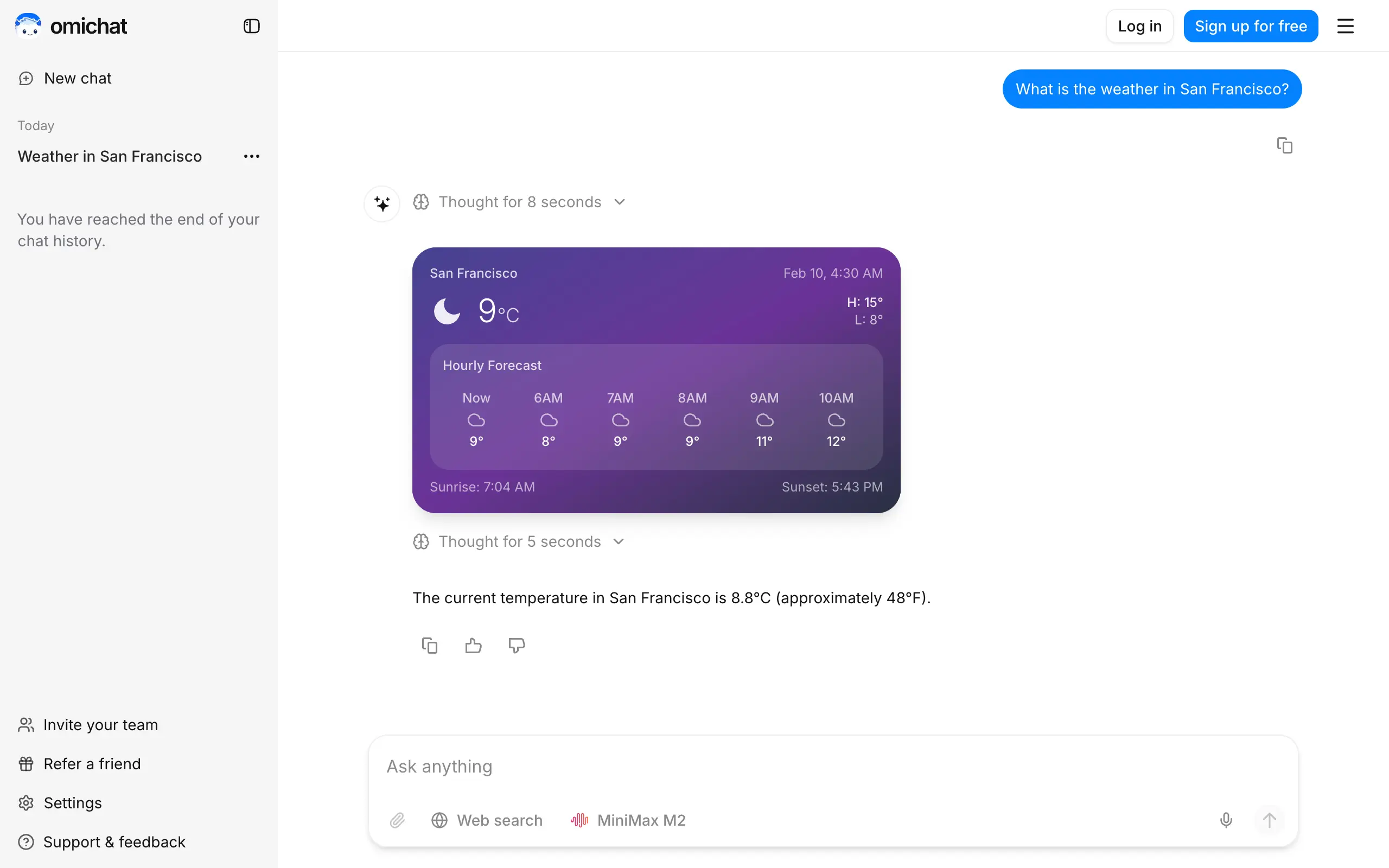
Omichat
Chat with 50+ AI models, including ChatGPT and Claude, in one place - switch models anytime without losing context 🤖
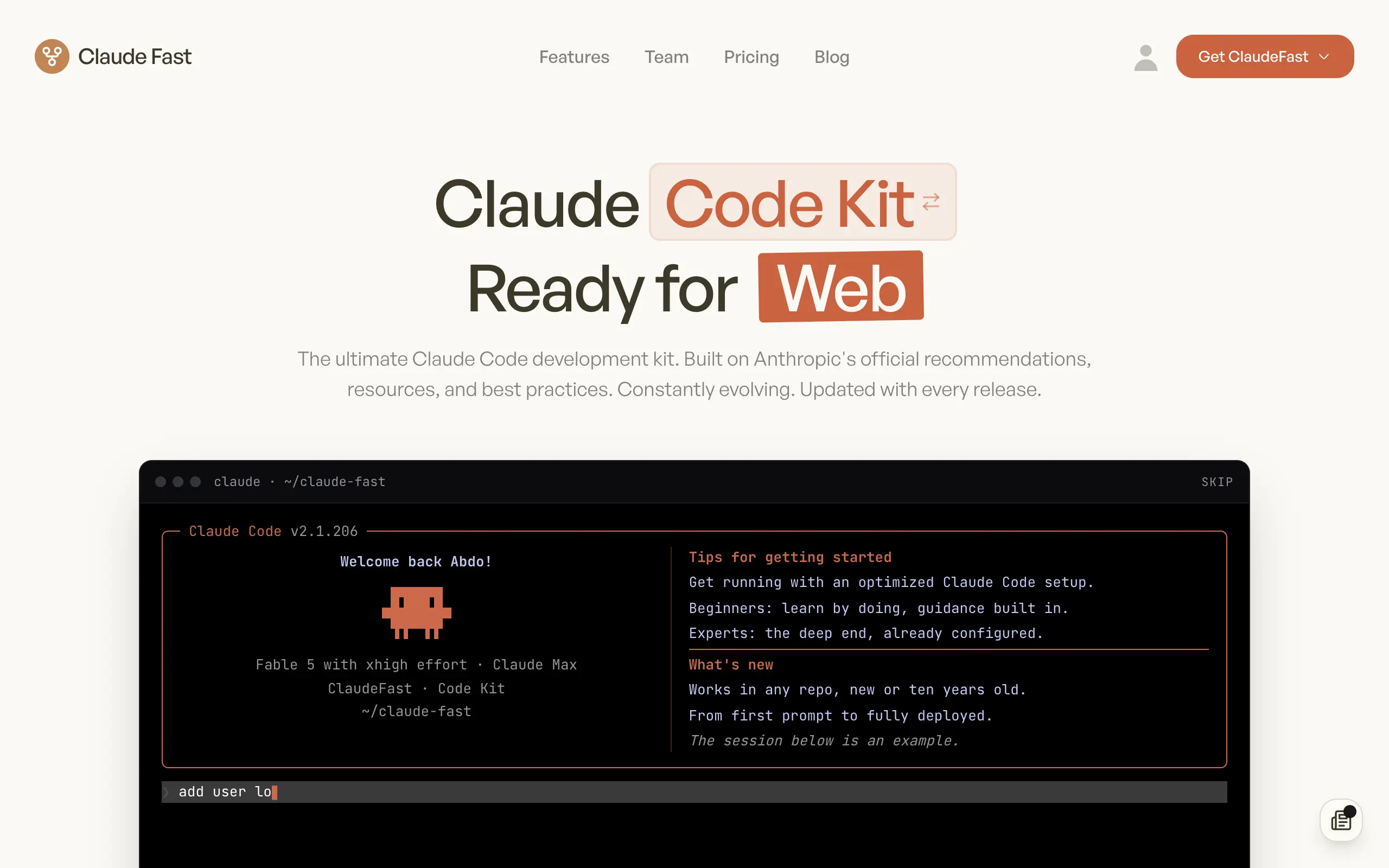
Claude Fast
Supercharge your Claude Code with 6x effective context window and specialized AI agents 🤖
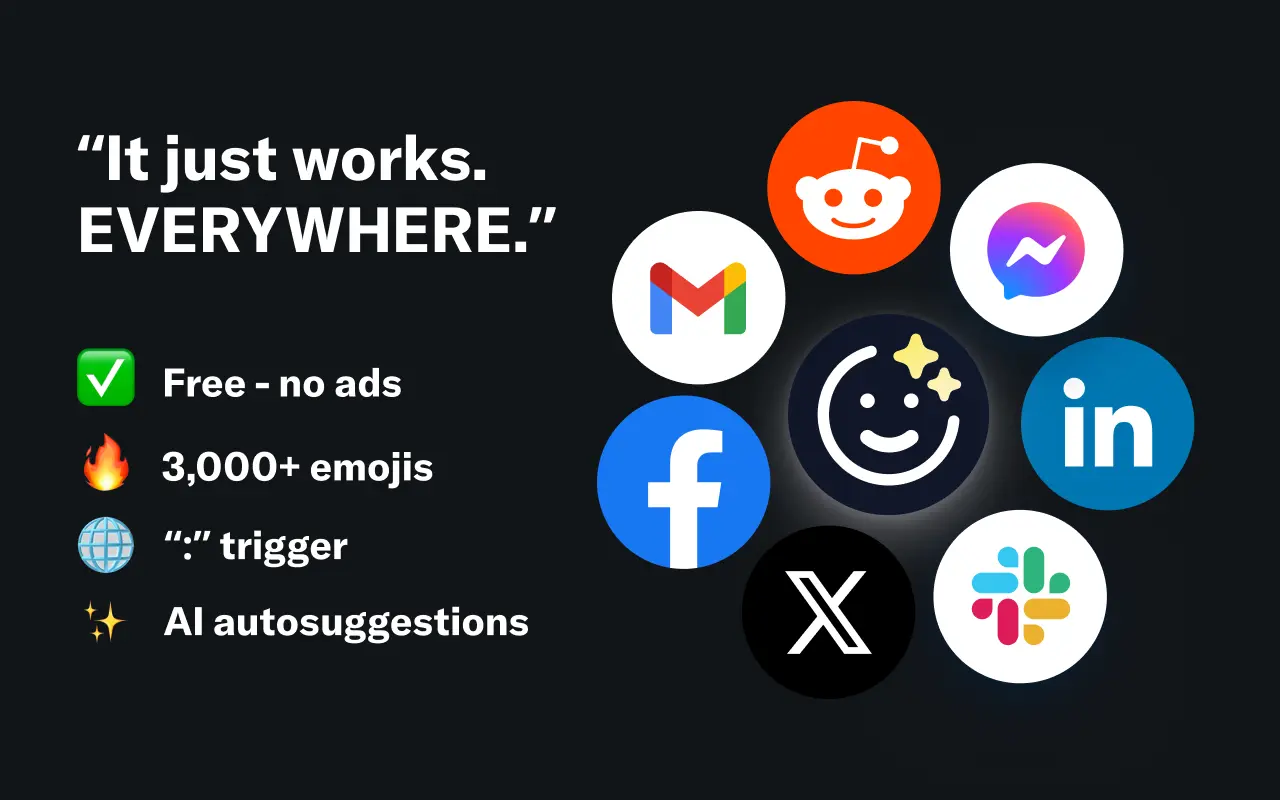
EmojAI
AI-powered emoji picker with smart, context-aware suggestions 🤖

Solohacker
Autonomous company launcher - AI agents work 24/7, escalate what matters, and you stay in control 🤖
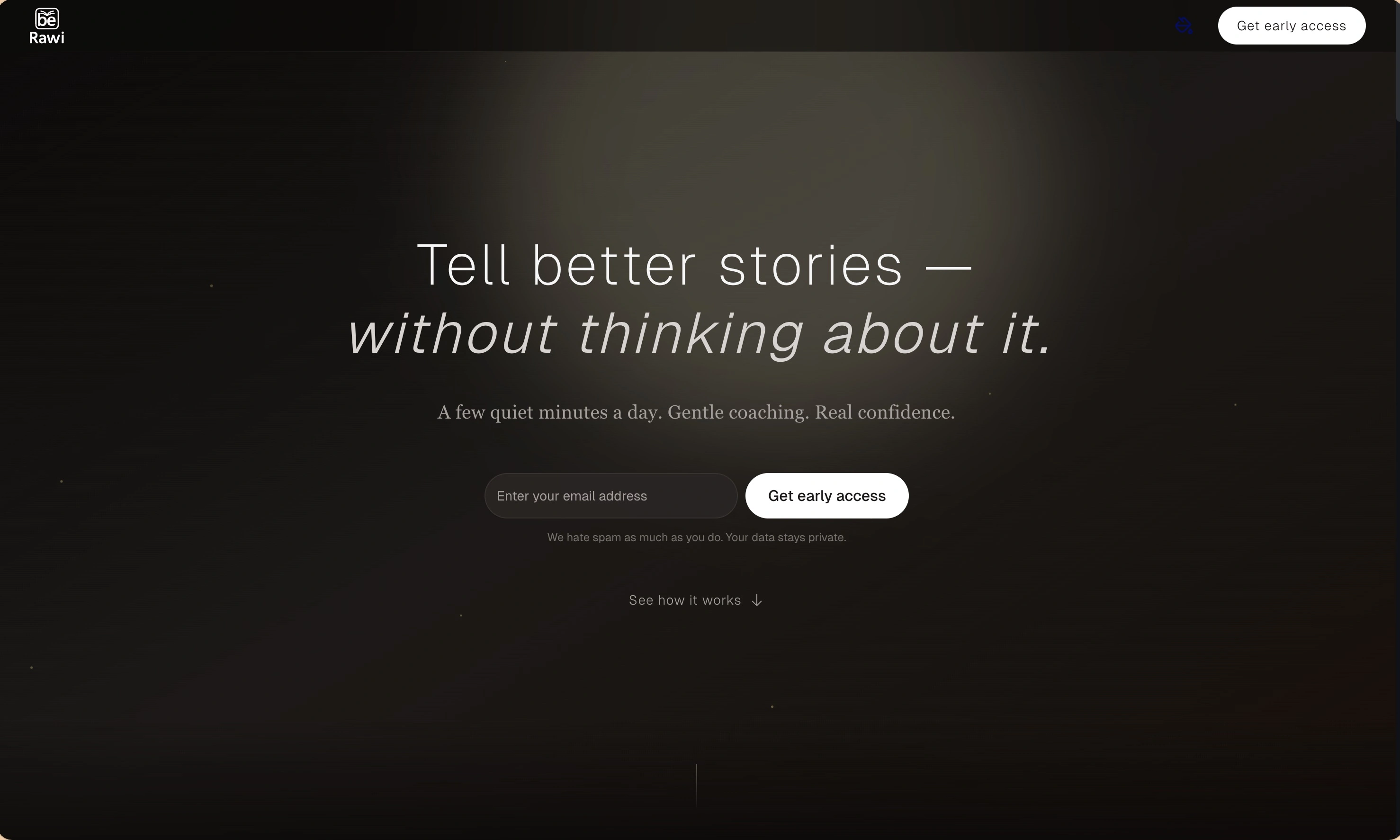
BeRawi: Storytelling Coach
Practice storytelling daily with instant feedback to sound clearer, more engaging, and confident 🎤
Omichat
Chat with 50+ AI models, including ChatGPT and Claude, in one place - switch models anytime without losing context 🤖
Claude Fast
Supercharge your Claude Code with 6x effective context window and specialized AI agents 🤖
EmojAI
AI-powered emoji picker with smart, context-aware suggestions 🤖
Solohacker
Autonomous company launcher - AI agents work 24/7, escalate what matters, and you stay in control 🤖
BeRawi: Storytelling Coach
Practice storytelling daily with instant feedback to sound clearer, more engaging, and confident 🎤
Omichat
Chat with 50+ AI models, including ChatGPT and Claude, in one place - switch models anytime without losing context 🤖
Claude Fast
Supercharge your Claude Code with 6x effective context window and specialized AI agents 🤖
EmojAI
AI-powered emoji picker with smart, context-aware suggestions 🤖
Solohacker
Autonomous company launcher - AI agents work 24/7, escalate what matters, and you stay in control 🤖
BeRawi: Storytelling Coach
Practice storytelling daily with instant feedback to sound clearer, more engaging, and confident 🎤
Omichat
Chat with 50+ AI models, including ChatGPT and Claude, in one place - switch models anytime without losing context 🤖
Claude Fast
Supercharge your Claude Code with 6x effective context window and specialized AI agents 🤖
EmojAI
AI-powered emoji picker with smart, context-aware suggestions 🤖
Solohacker
Autonomous company launcher - AI agents work 24/7, escalate what matters, and you stay in control 🤖
BeRawi: Storytelling Coach
Practice storytelling daily with instant feedback to sound clearer, more engaging, and confident 🎤

Connect with like-minded people
Join our community to get feedback, support, and grow together with 1,000+ builders on board, let's ship it!
Join usShip your startup everywhere. In minutes.
Don't burn tokens on setup and start building features on day one.