PhishShield Tutor
An AI-powered training app that teaches students to detect phishing, scams, and social engineering using real-world simulations and instant feedback.
Understanding the rise of AI phishing training platforms
Cyber threats have evolved faster than traditional education systems can keep up. Phishing attacks, social engineering schemes, and impersonation scams are no longer obvious or poorly written—they’re highly sophisticated, context-aware, and increasingly powered by AI.
That’s where an AI phishing training platform like PhishShield Tutor becomes not just useful, but essential.
PhishShield Tutor is designed as an interactive, simulation-based learning environment that teaches users how to identify phishing attempts in real-world contexts. Instead of passive videos or static quizzes, it leverages AI to dynamically generate scenarios, provide instant feedback, and adapt to each learner’s skill level.
This article explores the full SaaS opportunity behind an AI-powered phishing education tool, including target users, market demand, core features, monetization strategies, and a realistic roadmap to build and scale it.
Why phishing education is broken (and how AI fixes it)
Most cybersecurity training tools fail for one reason: they’re boring and disconnected from reality.
Traditional training methods include:
- Slide decks
- Compliance checklists
- One-size-fits-all quizzes
These approaches don’t reflect how phishing actually works in real life—fast, deceptive, and context-rich.
The modern phishing threat landscape
Recent industry reports (for example, Verizon’s annual Data Breach Investigations Report) consistently show that:
- Phishing is involved in a majority of breaches
- Human error is the primary vulnerability
- AI-generated phishing emails are becoming more convincing
Attackers now:
- Mimic internal company communication
- Use personal data scraped from social media
- Craft messages with near-perfect grammar and tone
The gap in current solutions
There’s a clear gap between:
- Static training tools (low engagement)
- Real-world attack complexity (high sophistication)
PhishShield Tutor bridges this gap with:
- AI-generated simulations
- Behavioral feedback loops
- Personalized difficulty scaling
Key insight
People don’t learn cybersecurity by reading—they learn by making mistakes in safe environments. Simulation-based training dramatically improves retention and real-world performance.
Target audience analysis
PhishShield Tutor serves multiple high-value segments, each with distinct needs and willingness to pay.
1. Educational institutions (primary entry market)
Schools and universities are ideal early adopters because:
- Students are frequent phishing targets
- Institutions have compliance requirements
- Digital literacy is a growing curriculum priority
Key users:
- High school students
- College freshmen
- IT departments in universities
2. SMBs and startups
Small and mid-sized businesses:
- Lack dedicated cybersecurity teams
- Are frequent phishing targets
- Need affordable, scalable training
Pain points:
- Employees click malicious links
- Weak password practices
- Lack of awareness of social engineering
3. Enterprise security teams
Larger organizations already invest in training but want:
- More engaging tools
- Better analytics
- Continuous simulation environments
4. Individual learners
A growing segment includes:
- Freelancers
- Remote workers
- Parents teaching digital safety to children
Market opportunity and timing
The cybersecurity awareness training market is growing rapidly, fueled by:
- Remote work expansion
- Increased attack sophistication
- Regulatory pressure (GDPR, SOC 2, ISO 27001)
Key trends supporting this idea
- AI vs AI arms race: Attackers use AI → defenders must too
- Microlearning adoption: Short, interactive lessons outperform long courses
- Gamification demand: Users engage more with interactive content
- Zero trust culture: Every employee is a security checkpoint
Competitive landscape
Existing tools include:
- KnowBe4
- Cofense
- Proofpoint Security Awareness
But most lack:
- Real-time AI simulation
- Personalized learning paths
- Consumer-friendly UX
| Feature | Traditional Tools | PhishShield Tutor | User Engagement | AI Adaptivity |
|---|---|---|---|---|
| Simulation realism | ❌ | ✅ | ✅ | ✅ |
| Personalized feedback | ❌ | ✅ | ✅ | ✅ |
Core features of PhishShield Tutor
To stand out in the AI cybersecurity training space, the product must combine realism, personalization, and usability.
1. AI-powered phishing simulations
Users receive simulated:
- Emails
- SMS messages
- Social media DMs
- Voice phishing (vishing) scenarios
The AI engine generates:
- Context-aware messages
- Industry-specific scams
- Personalized attack patterns
2. Instant feedback engine
After each interaction:
- Users get a breakdown of mistakes
- The system explains red flags
- Risk scores are updated in real time
3. Adaptive learning paths
The system tracks:
- Weakness patterns
- Response time
- Decision accuracy
Then adjusts:
- Scenario difficulty
- Frequency of training
- Attack sophistication
4. Gamification layer
To boost engagement:
- Points and levels
- Leaderboards (for teams/schools)
- Achievement badges
5. Admin dashboard (B2B)
Organizations can:
- Track employee risk scores
- Monitor improvement over time
- Identify high-risk individuals
6. Scenario builder (advanced feature)
Admins can create:
- Custom phishing templates
- Internal communication simulations
- Company-specific attack vectors
Recommended tech stack (with trade-offs)
Building an AI phishing training platform requires a scalable and flexible architecture.
Frontend
- React for dynamic UI
- TailwindCSS for rapid styling
Pros:
- Fast development
- Strong ecosystem
Trade-off:
- Requires performance optimization for large dashboards
Backend
- Node.js (NestJS or Express)
- PostgreSQL for structured data
- Redis for caching
AI layer
- LLM APIs (e.g., OpenAI or similar providers)
- Fine-tuned models for phishing simulation
Trade-offs:
- Cost vs accuracy
- Latency considerations for real-time feedback
Infrastructure
- Vercel or AWS for hosting
- Cloudflare for security and performance
Example simulation generation flow
async function generatePhishingScenario(userProfile) {
  const prompt = `
  Create a phishing email targeting a ${userProfile.role}
  in the ${userProfile.industry} industry.
  Include subtle red flags.
  `;

  const response = await aiClient.generate(prompt);
  return response.text;
}
Monetization strategies
PhishShield Tutor can adopt a multi-tier SaaS model.
1. Subscription tiers
- Free plan: limited simulations
- Pro plan: full access for individuals
- Team plan: dashboards + analytics
- Enterprise: custom integrations
2. Per-seat pricing (B2B)
- $3–$10 per user/month depending on features
3. Certification programs
Offer paid:
- Cyber awareness certifications
- Completion badges for students
4. API access
Allow developers to:
- Integrate phishing simulations into LMS platforms
Competitive advantage (USP)
PhishShield Tutor stands out due to its AI-native design.
Key differentiators
- Real-time adaptive simulations
- Personalized attack scenarios
- Instant behavioral feedback
- Consumer-friendly UX (not just enterprise-focused)
AI-first approach
Built around dynamic simulations instead of static content.
Behavioral learning
Focuses on user decision-making patterns, not just knowledge.
Cross-platform training
Covers email, SMS, social media, and voice phishing.
Risks and mitigation strategies
1. AI-generated false positives
Risk:
- Overtraining users to distrust legitimate communication
Mitigation:
- Include balanced scenarios (legitimate vs malicious)
- Teach nuance, not paranoia
2. Data privacy concerns
Risk:
- Handling user behavior data
Mitigation:
- GDPR compliance
- Transparent data policies
3. Market competition
Risk:
- Established players dominate enterprise
Mitigation:
- Focus on UX and education-first approach
- Target underserved segments (schools, individuals)
Implementation roadmap
Building PhishShield Tutor requires a phased approach.
MVP scope
Start with:
- Email phishing simulations
- Basic scoring system
- Simple dashboard
Avoid:
- Overbuilding AI complexity early
Go-to-market strategy
1. Content marketing (SEO-first)
Target keywords:
- AI phishing training
- cybersecurity awareness training
- phishing simulation tools
2. Partnerships
Collaborate with:
- Schools
- EdTech platforms
- Cybersecurity communities
3. Product-led growth
- Free simulations
- Viral sharing (leaderboards)
Future expansion opportunities
PhishShield Tutor can evolve into a broader security platform:
- Deepfake detection training
- AI-generated scam detection tools
- Browser extensions for real-time alerts
- Corporate compliance automation
Building faster with modern SaaS tools
Instead of building everything from scratch, founders can accelerate development using prebuilt SaaS frameworks like TurboStarter, which provides authentication, billing, and scalable architecture out of the box.
This reduces:
- Time to market
- Engineering complexity
- Infrastructure overhead
Final thoughts and actionable next steps
PhishShield Tutor isn’t just another cybersecurity tool—it represents a shift toward interactive, AI-driven education that mirrors real-world threats.
If you’re considering building this:
- Start with a niche (students or SMBs)
- Focus on simulation quality over feature quantity
- Use AI where it adds real value (not just hype)
- Prioritize UX—engagement is everything
- Launch जल्दी and iterate based on user behavior
The opportunity is clear: as cyber threats grow smarter, training must evolve faster. An AI-powered phishing education platform is not just viable—it’s inevitable.
More 🤖 AI Startup SaaS ideas
Discover more innovative ai startup SaaS ideas that are trending in 2026. Each idea is AI-generated with market validation and growth potential to help you find your next profitable venture faster than competitors.
Your competitors are building with TurboStarter
Below are some of the SaaS ideas that have been generated and built with our starter kit.

Statiko
Monitor any Telegram channel in real time - track posts, edits, deletions, and growth with AI recaps 📡

Shibui
AI website builder - describe your business, pick a niche template, edit by chatting, and publish instantly ✨

Pro Service
Find verified home service professionals, compare quotes, and pay securely through escrow - built for Brazilians across the US 🏠
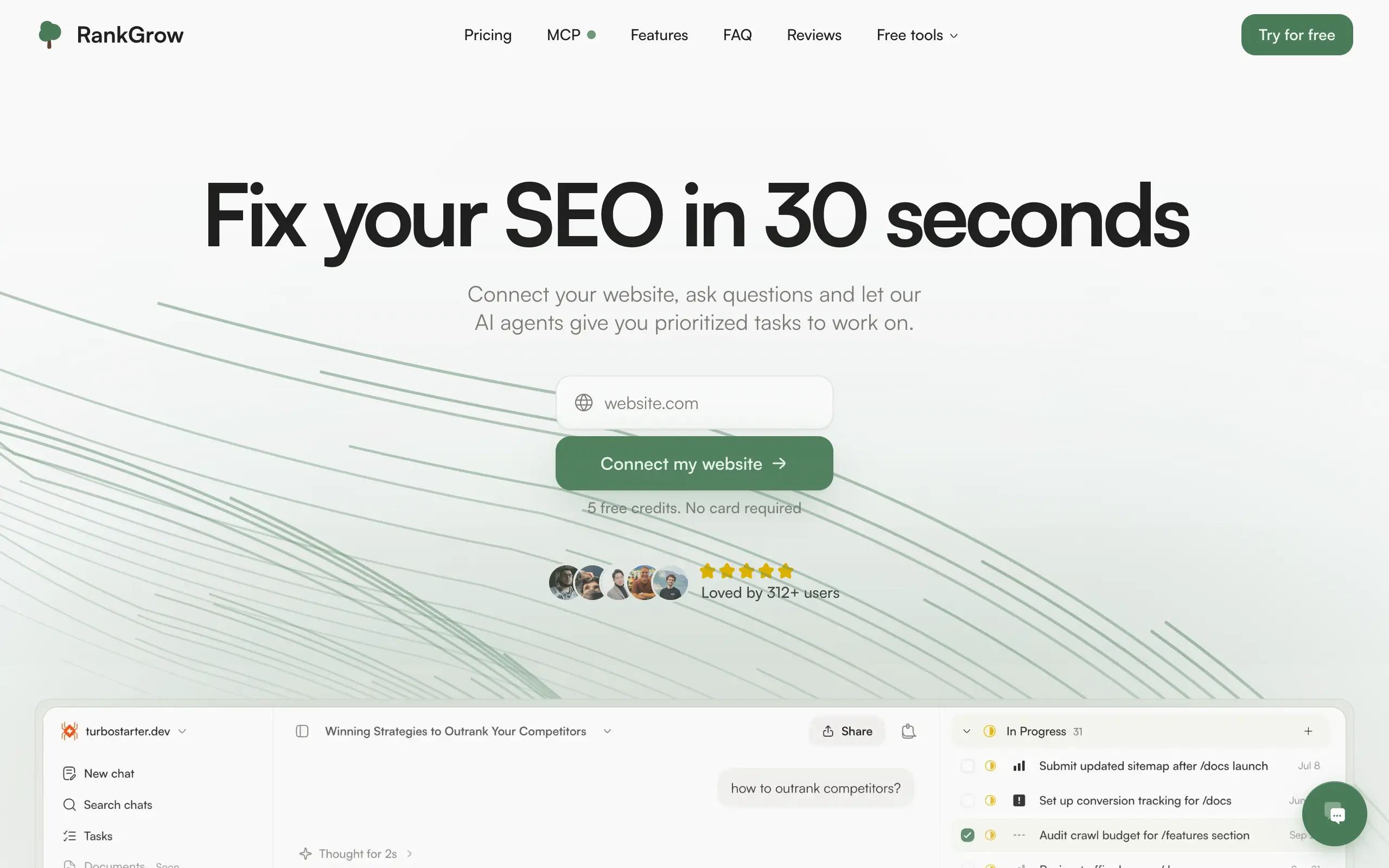
RankGrow
Fix your SEO with AI agents - connect Search Console, get prioritized tasks, and grow organic traffic 📈
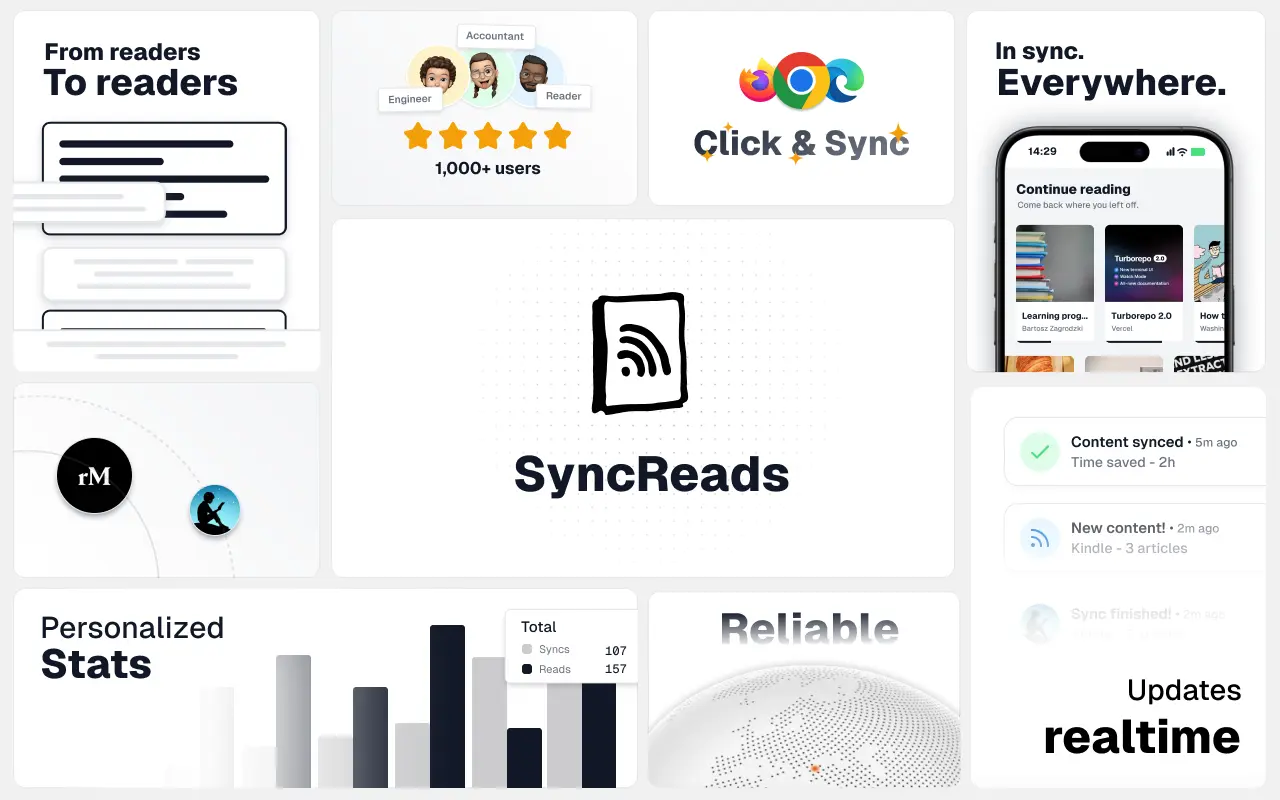
SyncReads
Sync your favorite content for distraction-free reading, save time and replace multiple apps. Anytime, anywhere 🔄
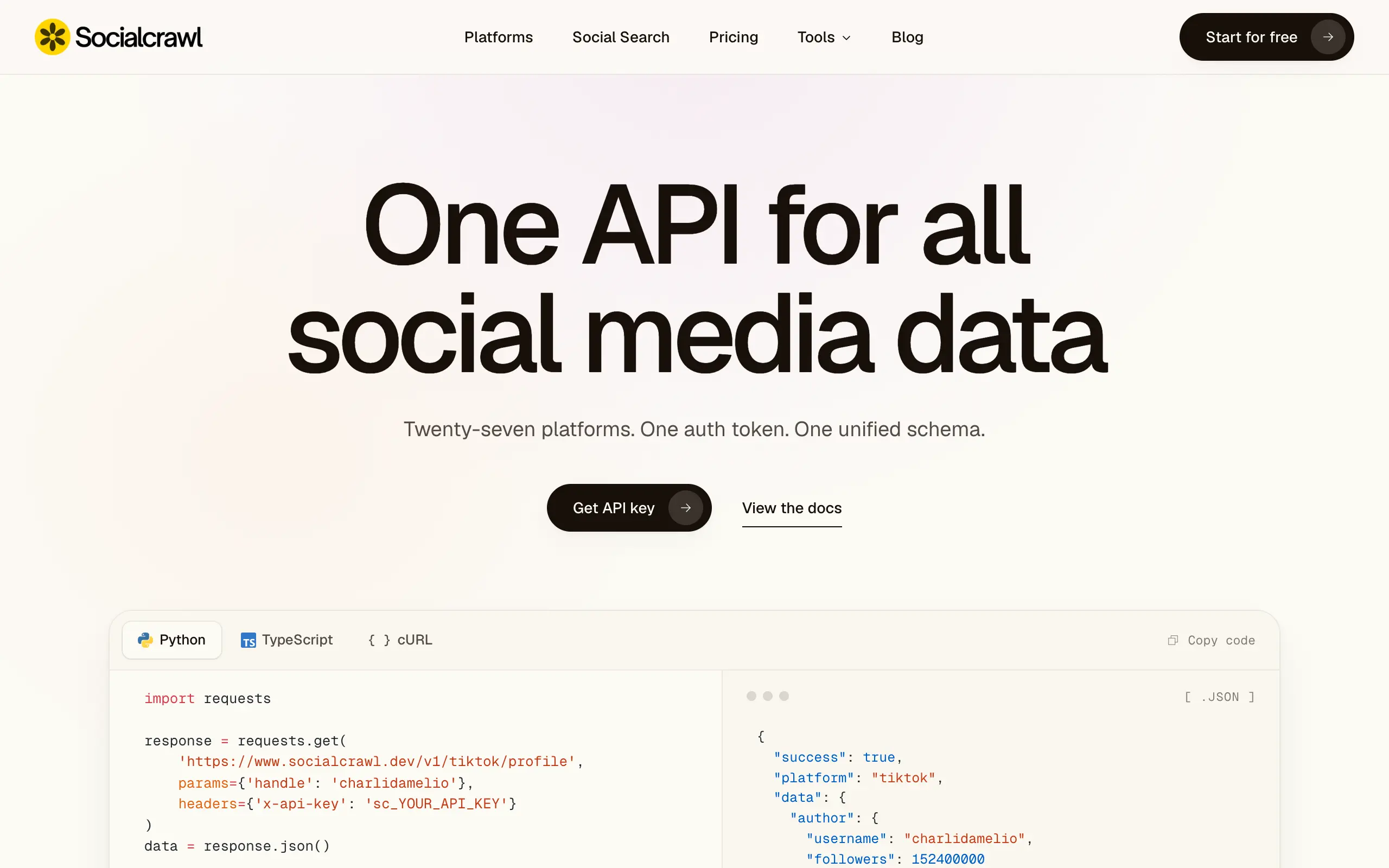
Socialcrawl
Get clean, structured data from 21 platforms like TikTok, Instagram, and YouTube with a single request 📊
Statiko
Monitor any Telegram channel in real time - track posts, edits, deletions, and growth with AI recaps 📡
Shibui
AI website builder - describe your business, pick a niche template, edit by chatting, and publish instantly ✨
Pro Service
Find verified home service professionals, compare quotes, and pay securely through escrow - built for Brazilians across the US 🏠
RankGrow
Fix your SEO with AI agents - connect Search Console, get prioritized tasks, and grow organic traffic 📈
SyncReads
Sync your favorite content for distraction-free reading, save time and replace multiple apps. Anytime, anywhere 🔄
Socialcrawl
Get clean, structured data from 21 platforms like TikTok, Instagram, and YouTube with a single request 📊
Statiko
Monitor any Telegram channel in real time - track posts, edits, deletions, and growth with AI recaps 📡
Shibui
AI website builder - describe your business, pick a niche template, edit by chatting, and publish instantly ✨
Pro Service
Find verified home service professionals, compare quotes, and pay securely through escrow - built for Brazilians across the US 🏠
RankGrow
Fix your SEO with AI agents - connect Search Console, get prioritized tasks, and grow organic traffic 📈
SyncReads
Sync your favorite content for distraction-free reading, save time and replace multiple apps. Anytime, anywhere 🔄
Socialcrawl
Get clean, structured data from 21 platforms like TikTok, Instagram, and YouTube with a single request 📊
Statiko
Monitor any Telegram channel in real time - track posts, edits, deletions, and growth with AI recaps 📡
Shibui
AI website builder - describe your business, pick a niche template, edit by chatting, and publish instantly ✨
Pro Service
Find verified home service professionals, compare quotes, and pay securely through escrow - built for Brazilians across the US 🏠
RankGrow
Fix your SEO with AI agents - connect Search Console, get prioritized tasks, and grow organic traffic 📈
SyncReads
Sync your favorite content for distraction-free reading, save time and replace multiple apps. Anytime, anywhere 🔄
Socialcrawl
Get clean, structured data from 21 platforms like TikTok, Instagram, and YouTube with a single request 📊
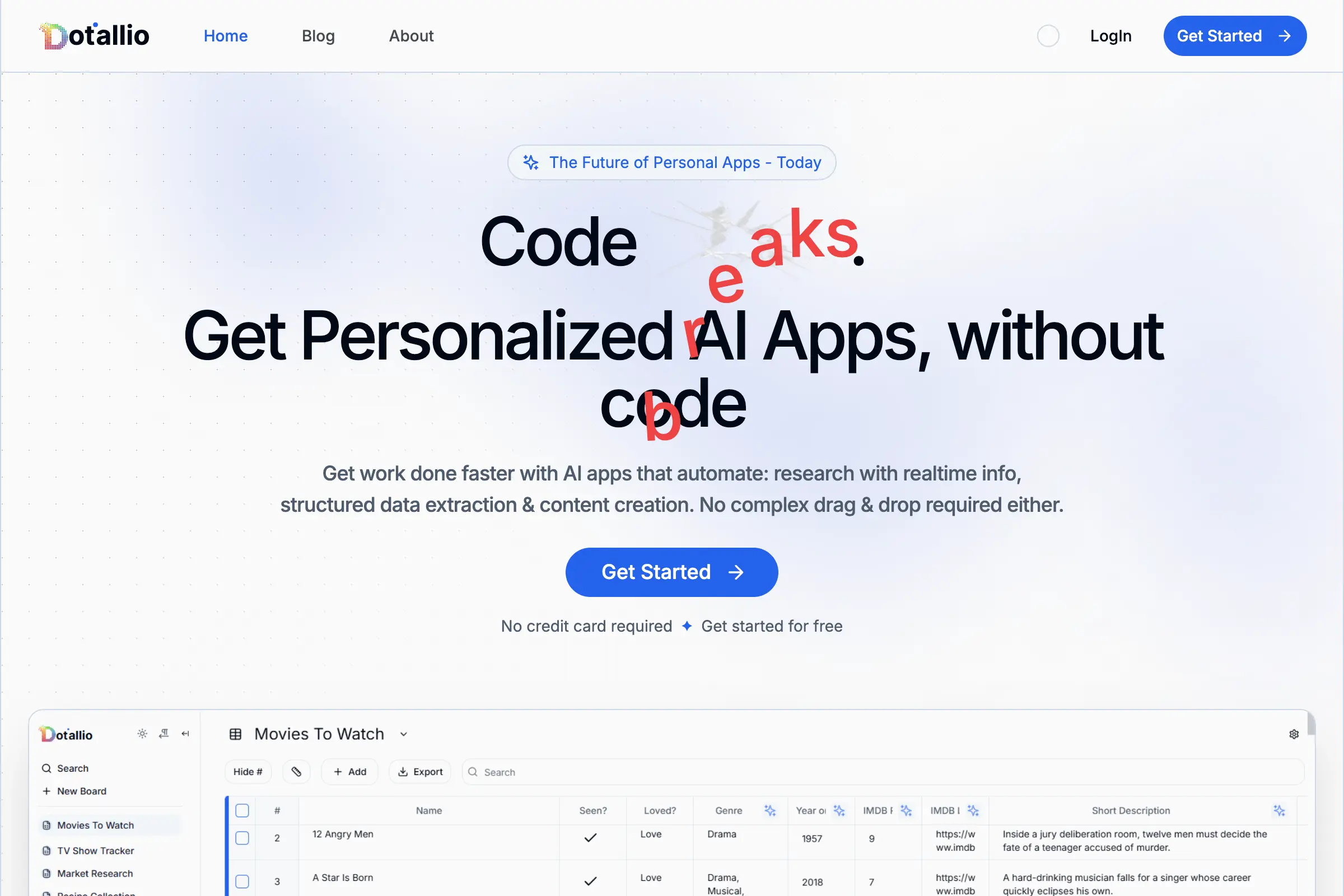
Dotallio
Personalized AI apps that automate research, data extraction, and content creation without code 🤖

Talk to Santa
Enjoy a magical live video chat or receive a unique AI-generated video greeting from Santa Claus 🎅

pozywka.pl
Scalable blog for food journalist, focused on performance and user experience 🌭
zagrodzki.me
Personal blog and portfolio of Bart Zagrodzki, where he shares his knowledge and work 💼
TurboStarter
Ship your startup everywhere. In minutes.
HTML to Markdown
Convert HTML to Markdown with ease, directly in your browser 📄
Dotallio
Personalized AI apps that automate research, data extraction, and content creation without code 🤖
Talk to Santa
Enjoy a magical live video chat or receive a unique AI-generated video greeting from Santa Claus 🎅
pozywka.pl
Scalable blog for food journalist, focused on performance and user experience 🌭
zagrodzki.me
Personal blog and portfolio of Bart Zagrodzki, where he shares his knowledge and work 💼
TurboStarter
Ship your startup everywhere. In minutes.
HTML to Markdown
Convert HTML to Markdown with ease, directly in your browser 📄
Dotallio
Personalized AI apps that automate research, data extraction, and content creation without code 🤖
Talk to Santa
Enjoy a magical live video chat or receive a unique AI-generated video greeting from Santa Claus 🎅
pozywka.pl
Scalable blog for food journalist, focused on performance and user experience 🌭
zagrodzki.me
Personal blog and portfolio of Bart Zagrodzki, where he shares his knowledge and work 💼
TurboStarter
Ship your startup everywhere. In minutes.
HTML to Markdown
Convert HTML to Markdown with ease, directly in your browser 📄
Dotallio
Personalized AI apps that automate research, data extraction, and content creation without code 🤖
Talk to Santa
Enjoy a magical live video chat or receive a unique AI-generated video greeting from Santa Claus 🎅
pozywka.pl
Scalable blog for food journalist, focused on performance and user experience 🌭
zagrodzki.me
Personal blog and portfolio of Bart Zagrodzki, where he shares his knowledge and work 💼
TurboStarter
Ship your startup everywhere. In minutes.
HTML to Markdown
Convert HTML to Markdown with ease, directly in your browser 📄
Omichat
Chat with 50+ AI models, including ChatGPT and Claude, in one place - switch models anytime without losing context 🤖
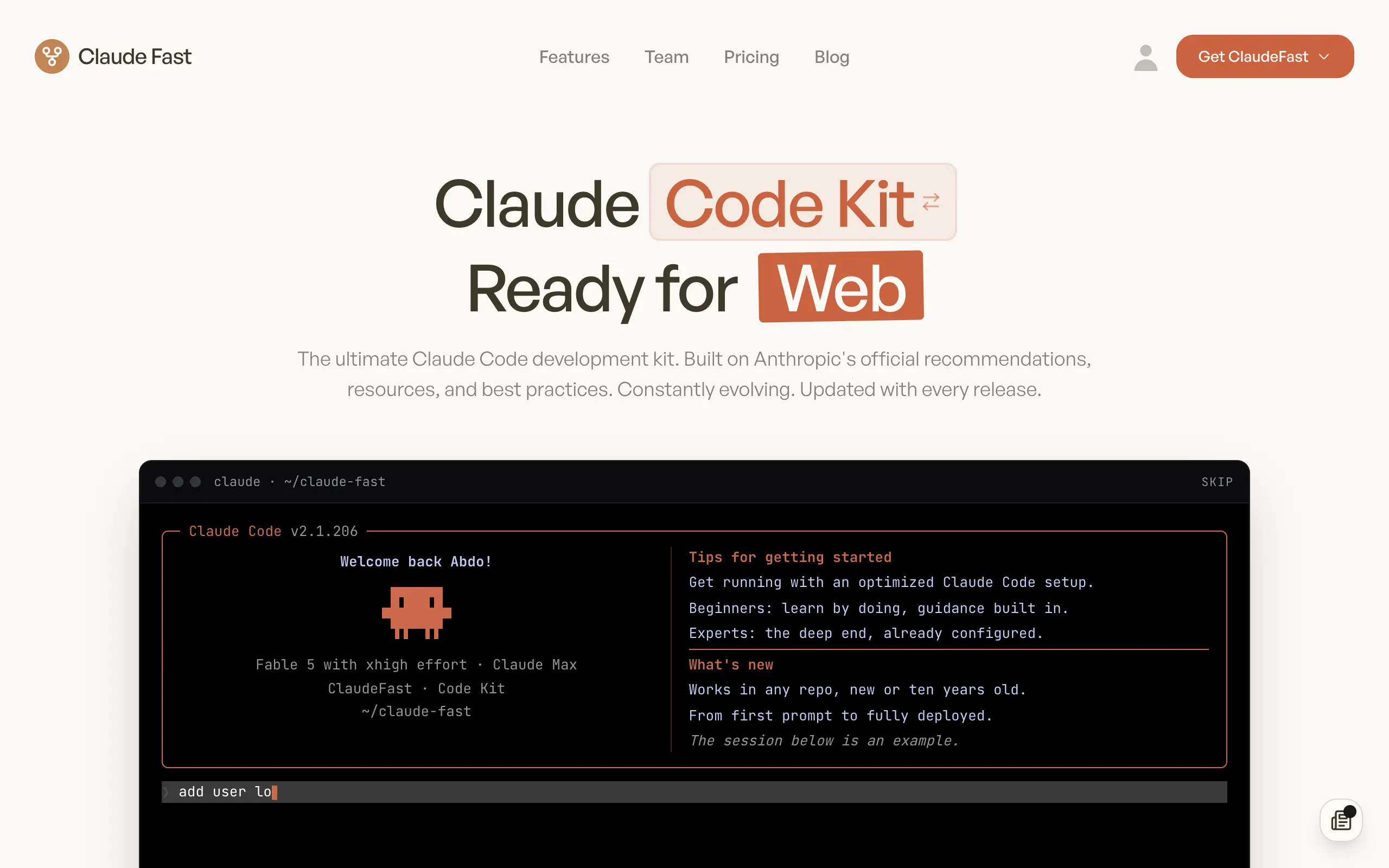
Claude Fast
Supercharge your Claude Code with 6x effective context window and specialized AI agents 🤖
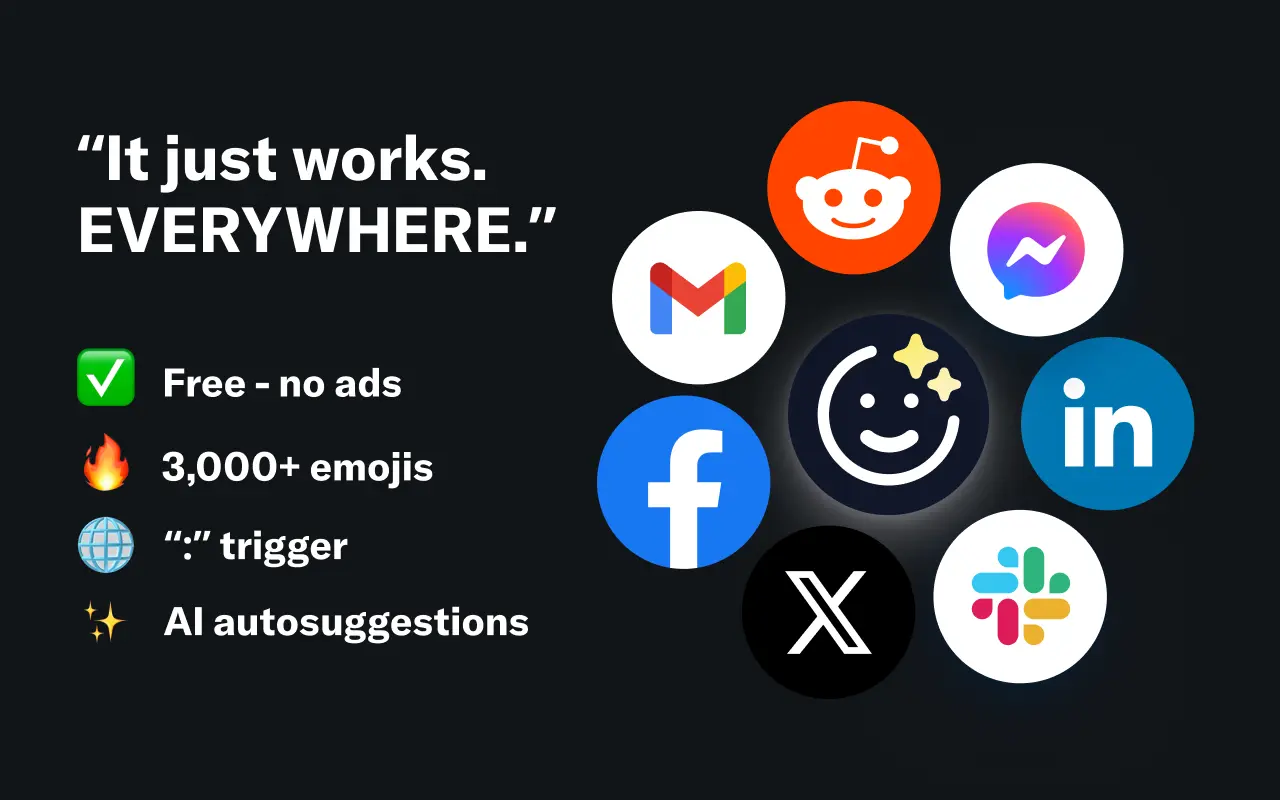
EmojAI
AI-powered emoji picker with smart, context-aware suggestions 🤖

Solohacker
Autonomous company launcher - AI agents work 24/7, escalate what matters, and you stay in control 🤖
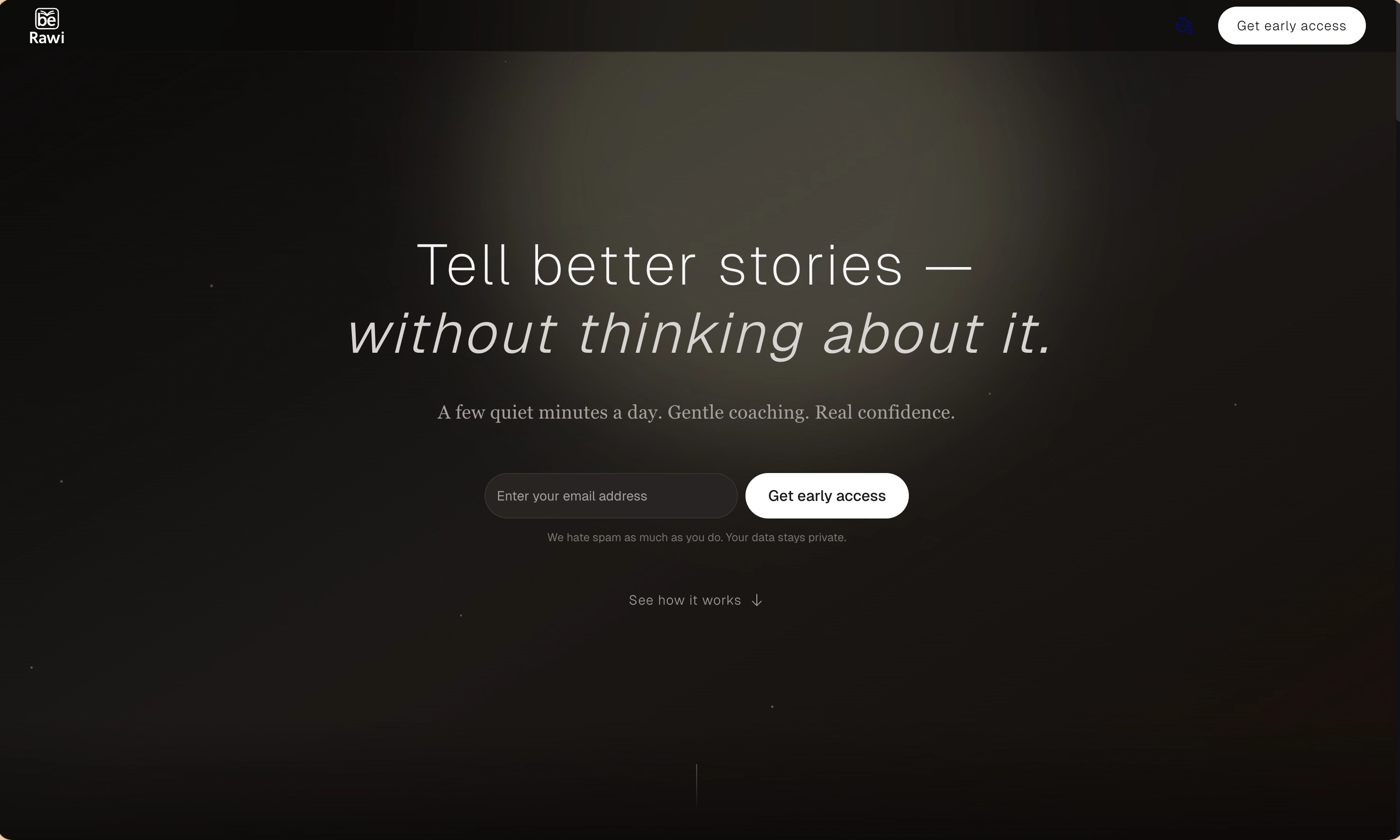
BeRawi: Storytelling Coach
Practice storytelling daily with instant feedback to sound clearer, more engaging, and confident 🎤
Omichat
Chat with 50+ AI models, including ChatGPT and Claude, in one place - switch models anytime without losing context 🤖
Claude Fast
Supercharge your Claude Code with 6x effective context window and specialized AI agents 🤖
EmojAI
AI-powered emoji picker with smart, context-aware suggestions 🤖
Solohacker
Autonomous company launcher - AI agents work 24/7, escalate what matters, and you stay in control 🤖
BeRawi: Storytelling Coach
Practice storytelling daily with instant feedback to sound clearer, more engaging, and confident 🎤
Omichat
Chat with 50+ AI models, including ChatGPT and Claude, in one place - switch models anytime without losing context 🤖
Claude Fast
Supercharge your Claude Code with 6x effective context window and specialized AI agents 🤖
EmojAI
AI-powered emoji picker with smart, context-aware suggestions 🤖
Solohacker
Autonomous company launcher - AI agents work 24/7, escalate what matters, and you stay in control 🤖
BeRawi: Storytelling Coach
Practice storytelling daily with instant feedback to sound clearer, more engaging, and confident 🎤
Omichat
Chat with 50+ AI models, including ChatGPT and Claude, in one place - switch models anytime without losing context 🤖
Claude Fast
Supercharge your Claude Code with 6x effective context window and specialized AI agents 🤖
EmojAI
AI-powered emoji picker with smart, context-aware suggestions 🤖
Solohacker
Autonomous company launcher - AI agents work 24/7, escalate what matters, and you stay in control 🤖
BeRawi: Storytelling Coach
Practice storytelling daily with instant feedback to sound clearer, more engaging, and confident 🎤

Connect with like-minded people
Join our community to get feedback, support, and grow together with 1,000+ builders on board, let's ship it!
Join usShip your startup everywhere. In minutes.
Don't burn tokens on setup and start building features on day one.