PhishSimAI
Create realistic, AI-generated phishing simulations to test and train organizations' security awareness, with analytics for hackers and security pros.
Understanding the need for AI-powered phishing simulation
Phishing remains one of the most persistent and damaging cybersecurity threats facing organizations today. According to recent industry reports, over 90% of successful cyberattacks begin with a phishing email, and the sophistication of these attacks continues to rise each year. As a result, security teams and IT leaders are searching for more effective ways to train employees and test their organization’s resilience against social engineering threats.
PhishSimAI addresses this critical need by leveraging artificial intelligence to generate highly realistic phishing simulations. Unlike traditional, template-based tools, PhishSimAI adapts to emerging attack patterns and tailors simulations to mimic real-world threats, providing organizations with a dynamic and effective security awareness training solution.
Who is PhishSimAI for? Target audience analysis
Understanding the target audience is essential for building a SaaS product that delivers real value. PhishSimAI is designed for a range of users within the cybersecurity and IT landscape:
- Security professionals and CISOs: Responsible for organizational security posture, compliance, and risk management.
- IT administrators: Tasked with implementing and monitoring security training programs.
- Managed security service providers (MSSPs): Offering security awareness as a service to multiple clients.
- HR and compliance officers: Ensuring employees meet regulatory training requirements.
- Penetration testers and ethical hackers: Using advanced simulations to assess vulnerabilities.
Key user needs:
- Realistic, up-to-date phishing simulations that reflect current attack trends.
- Actionable analytics to measure employee susceptibility and improvement over time.
- Customizable campaigns to target specific departments or risk profiles.
- Easy integration with existing security and HR systems.
- Scalable solutions for organizations of all sizes.
Identifying the market opportunity and gaps
The security awareness training market is projected to surpass $10 billion by 2027, driven by increasing regulatory requirements and the growing sophistication of cyber threats. However, several gaps persist in existing solutions:
- Static templates: Many platforms rely on outdated, generic phishing templates that fail to mimic the latest attack vectors.
- Limited adaptability: Traditional tools struggle to keep pace with evolving tactics used by cybercriminals.
- Lack of personalization: One-size-fits-all simulations do not account for organizational context or individual risk profiles.
- Insufficient analytics: Many solutions provide basic reporting, lacking deep insights into user behavior and campaign effectiveness.
PhishSimAI fills these gaps by using AI to generate context-aware, realistic phishing scenarios and providing advanced analytics for both security professionals and ethical hackers.
Core features and solution details
PhishSimAI’s feature set is designed to deliver maximum value to organizations seeking to bolster their security awareness programs:
AI-generated phishing simulations
- Dynamic content creation: AI models generate unique phishing emails, SMS, and even voice phishing (vishing) scripts based on the latest threat intelligence.
- Contextual targeting: Simulations can be tailored to specific departments, roles, or even individual users, increasing realism and training effectiveness.
- Adaptive learning: The system continuously updates its attack library by analyzing real-world phishing trends and user responses.
Advanced analytics and reporting
- Susceptibility scoring: Track which users or groups are most vulnerable to phishing attempts.
- Behavioral insights: Analyze how users interact with simulated attacks (e.g., clicking links, reporting emails).
- Campaign effectiveness: Measure improvements over time and identify areas needing further training.
Customization and integration
- Campaign builder: Easily create, schedule, and manage simulation campaigns.
- Integration with HR and security tools: Sync user data and training results with platforms like Okta, Microsoft 365, and Slack.
- Localization: Support for multiple languages and regional attack styles.
Ethical hacking and red teaming support
- Hacker analytics dashboard: Provide penetration testers with detailed feedback on simulation outcomes.
- API access: Allow integration with custom red team tools and workflows.
Compliance and privacy
- GDPR and CCPA compliance: Ensure all simulations and data handling meet regulatory standards.
- User privacy controls: Allow organizations to anonymize results and manage data retention policies.
AI-driven realism
Simulations adapt to the latest phishing tactics, making training more effective.
Deep analytics
Actionable insights for both security teams and ethical hackers.
Seamless integration
Connect with HR, IT, and security tools for streamlined workflows.
Customizable campaigns
Target specific users, departments, or risk profiles with tailored simulations.
Recommended tech stack for PhishSimAI
Selecting the right technology stack is crucial for building a scalable, secure, and high-performing SaaS platform. Here’s a recommended stack for PhishSimAI, along with trade-offs to consider:
Frontend
- React: Modern, component-based UI development.
- TailwindCSS: Utility-first CSS framework for rapid styling.
- Next.js: Server-side rendering and static site generation for performance and SEO.
Trade-off: React and Next.js offer flexibility and scalability, but may require more initial setup compared to simpler frameworks.
Backend
- Node.js: Asynchronous, event-driven server environment.
- Express: Minimalist web framework for building APIs.
- Python (for AI modules): Leverage libraries like TensorFlow or PyTorch for natural language processing and content generation.
Trade-off: Combining Node.js for API and Python for AI requires inter-process communication, but allows leveraging the best tools for each task.
Database
- PostgreSQL: Robust, scalable relational database.
- Redis: In-memory caching for performance.
AI and NLP
- OpenAI GPT: For generating realistic phishing content.
- spaCy: For text analysis and language processing.
DevOps and security
- Docker: Containerization for consistent deployment.
- Kubernetes: Orchestration for scaling.
- AWS or Azure: Cloud infrastructure.
- Snyk: Security scanning for dependencies.
Email and communication
Monetization strategy options
A successful SaaS product requires a sustainable and scalable monetization model. For PhishSimAI, several strategies can be considered:
Subscription-based pricing
- Tiered plans: Offer different feature sets (e.g., basic, pro, enterprise) based on organization size and needs.
- Per-user pricing: Charge based on the number of employees or users enrolled in training.
Pay-as-you-go
- Campaign-based billing: Allow organizations to pay for individual simulation campaigns or analytics reports.
White-label and API access
- MSSP licensing: Enable managed security providers to offer PhishSimAI under their own brand.
- API monetization: Charge for API usage by ethical hackers and red teams.
Add-ons and premium features
- Advanced analytics: Offer deeper insights and benchmarking as a premium add-on.
- Custom AI models: Provide tailored phishing simulation engines for high-risk industries.
A freemium tier can attract smaller organizations or startups, offering basic simulations and analytics, with paid upgrades for advanced features and integrations.
Potential risks and mitigation strategies
Launching and scaling an AI-powered phishing simulation platform involves several risks. Here’s how to address them:
Data privacy and compliance
- Risk: Mishandling sensitive employee data or violating privacy regulations.
- Mitigation: Implement strict data encryption, anonymization, and compliance checks (GDPR, CCPA).
AI misuse
- Risk: Generated phishing content could be misused for real attacks.
- Mitigation: Restrict access to simulation tools, monitor usage, and require organizational verification.
Evolving threat landscape
- Risk: AI models may become outdated as phishing tactics evolve.
- Mitigation: Continuously retrain models using up-to-date threat intelligence and user feedback.
Deliverability and detection
- Risk: Simulated emails may be flagged as spam or blocked by security tools.
- Mitigation: Work with IT teams to whitelist simulation domains and follow best practices for email deliverability.
User resistance
- Risk: Employees may feel targeted or demoralized by frequent simulations.
- Mitigation: Communicate the purpose of training, offer positive reinforcement, and provide educational resources.
Competitive advantage analysis
The security awareness market is crowded, but PhishSimAI stands out due to its unique combination of AI-driven realism, advanced analytics, and flexible integration.
| AI-generated content | Static templates | Deep analytics | API access | White-label |
|---|---|---|---|---|
| ✅ | ❌ | ❌ | ✅ | ❌ |
| ✅ | ❌ | ✅ | ✅ | ❌ |
Key differentiators:
- Realistic, adaptive simulations: AI-generated content that mirrors real-world attacks.
- Comprehensive analytics: Actionable insights for both defenders and ethical hackers.
- Flexible deployment: API, white-label, and integration options for diverse use cases.
- Continuous improvement: AI models retrained with the latest threat intelligence.
Actionable steps to implement PhishSimAI
Building and launching PhishSimAI requires a structured approach. Here’s a step-by-step guide:
Why PhishSimAI is uniquely positioned for success
PhishSimAI’s unique selling proposition lies in its ability to deliver realistic, adaptive, and actionable phishing simulations powered by AI. By bridging the gap between static training tools and the dynamic nature of real-world threats, PhishSimAI empowers organizations to build a truly resilient security culture.
Key takeaways:
- Addresses a critical, growing need in cybersecurity training.
- Leverages cutting-edge AI for realism and adaptability.
- Delivers deep, actionable analytics for both defenders and ethical hackers.
- Flexible, scalable, and compliant with modern enterprise requirements.
Ready to build your own AI-powered SaaS?
Turbocharge your SaaS journey with TurboStarter — the fastest way to launch, scale, and secure your next big idea.
Conclusion: Building the future of security awareness
As phishing attacks grow more sophisticated, organizations need training tools that keep pace. PhishSimAI offers a next-generation solution, combining AI-driven simulations, advanced analytics, and seamless integration to help businesses stay ahead of cyber threats. By focusing on user needs, market gaps, and continuous innovation, PhishSimAI is poised to become a leader in the security awareness space.
Start building a safer, more resilient organization today with PhishSimAI.
More 🤖 AI Startup SaaS ideas
Discover more innovative ai startup SaaS ideas that are trending in 2026. Each idea is AI-generated with market validation and growth potential to help you find your next profitable venture faster than competitors.
Your competitors are building with TurboStarter
Below are some of the SaaS ideas that have been generated and built with our starter kit.
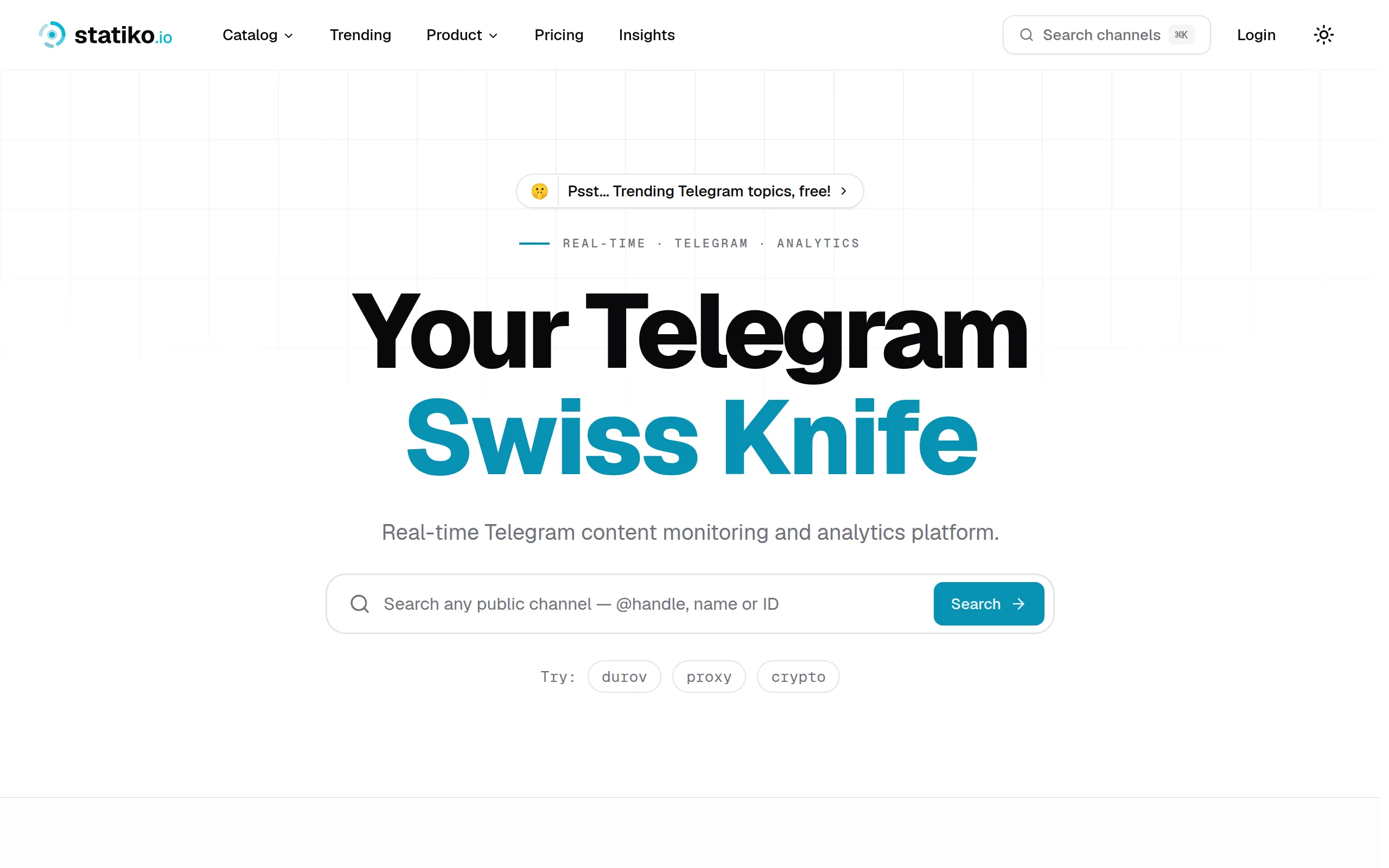
Statiko
Monitor any Telegram channel in real time - track posts, edits, deletions, and growth with AI recaps 📡

Shibui
AI website builder - describe your business, pick a niche template, edit by chatting, and publish instantly ✨

Pro Service
Find verified home service professionals, compare quotes, and pay securely through escrow - built for Brazilians across the US 🏠
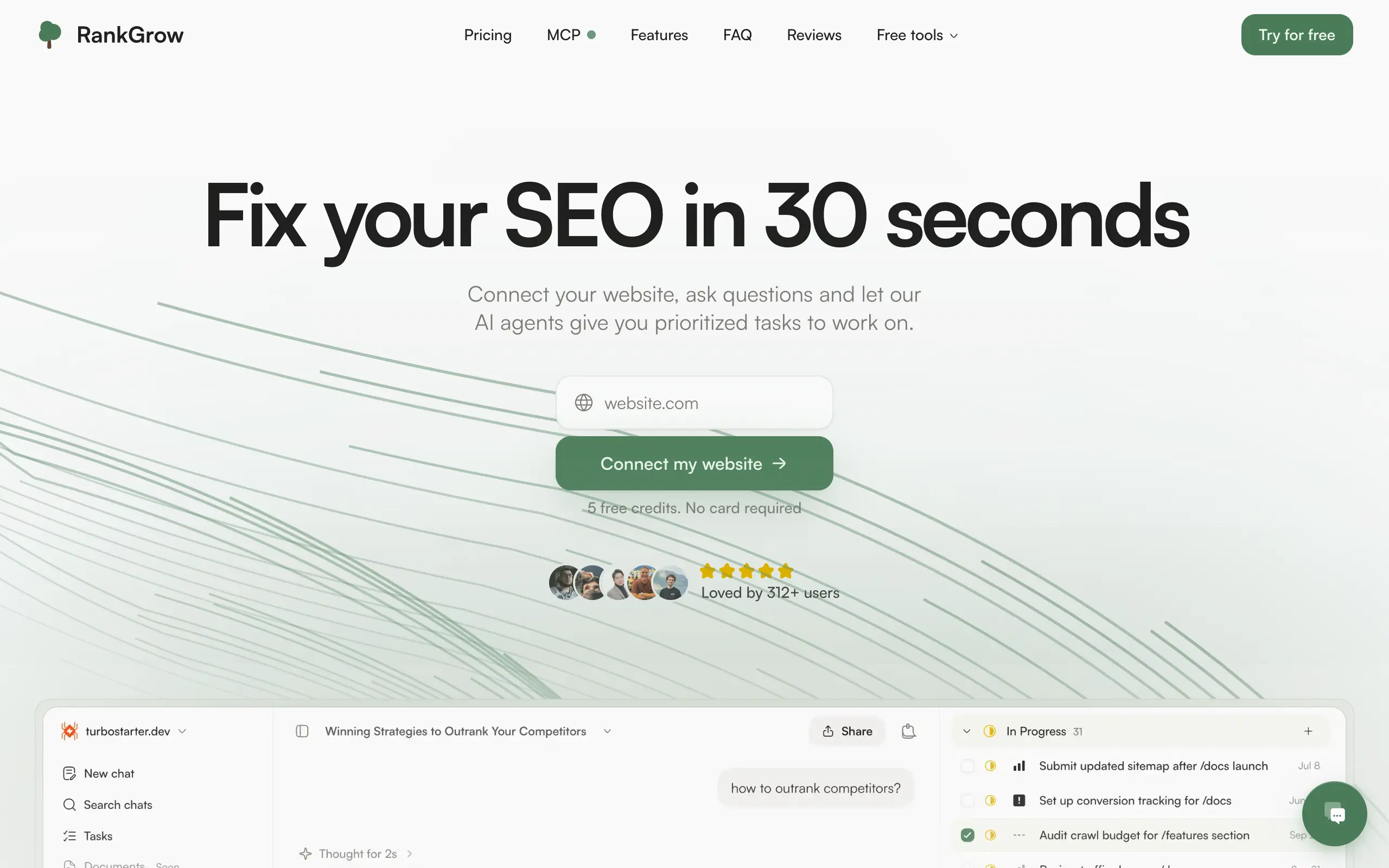
RankGrow
Fix your SEO with AI agents - connect Search Console, get prioritized tasks, and grow organic traffic 📈
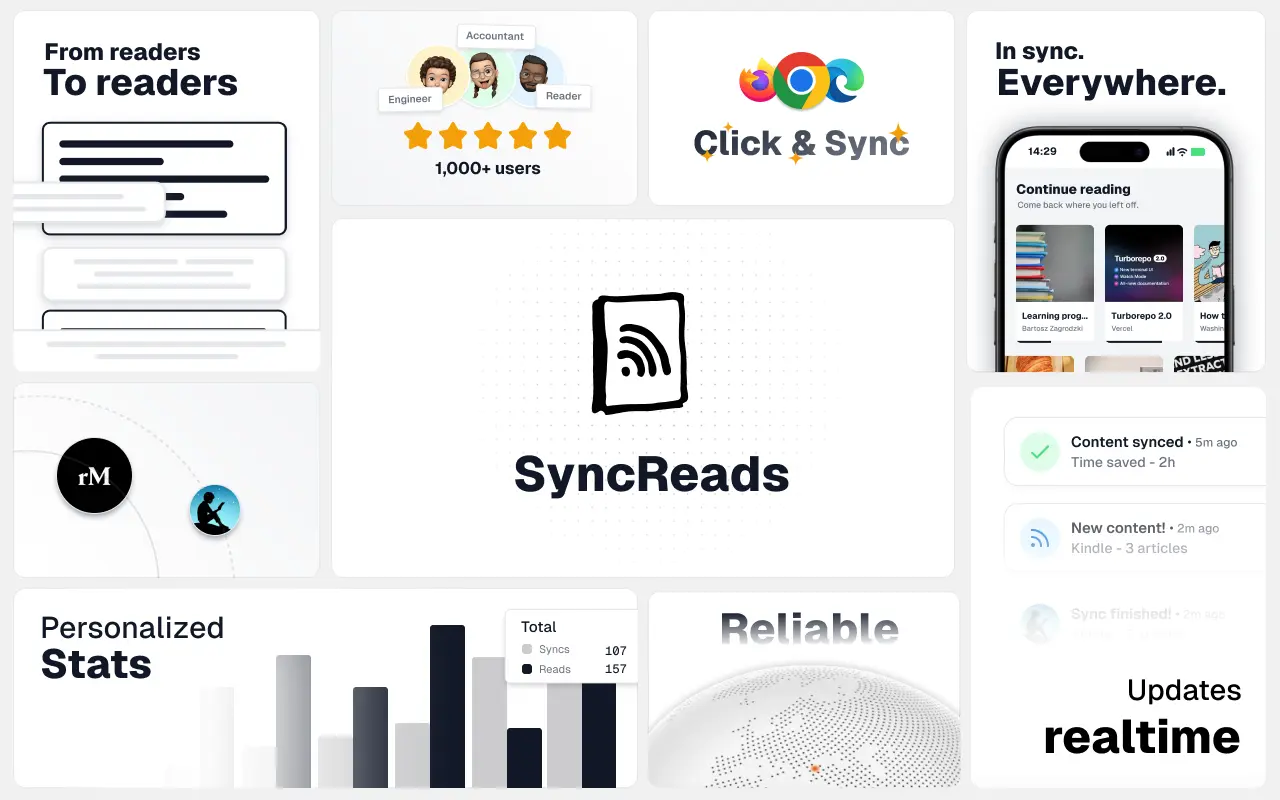
SyncReads
Sync your favorite content for distraction-free reading, save time and replace multiple apps. Anytime, anywhere 🔄
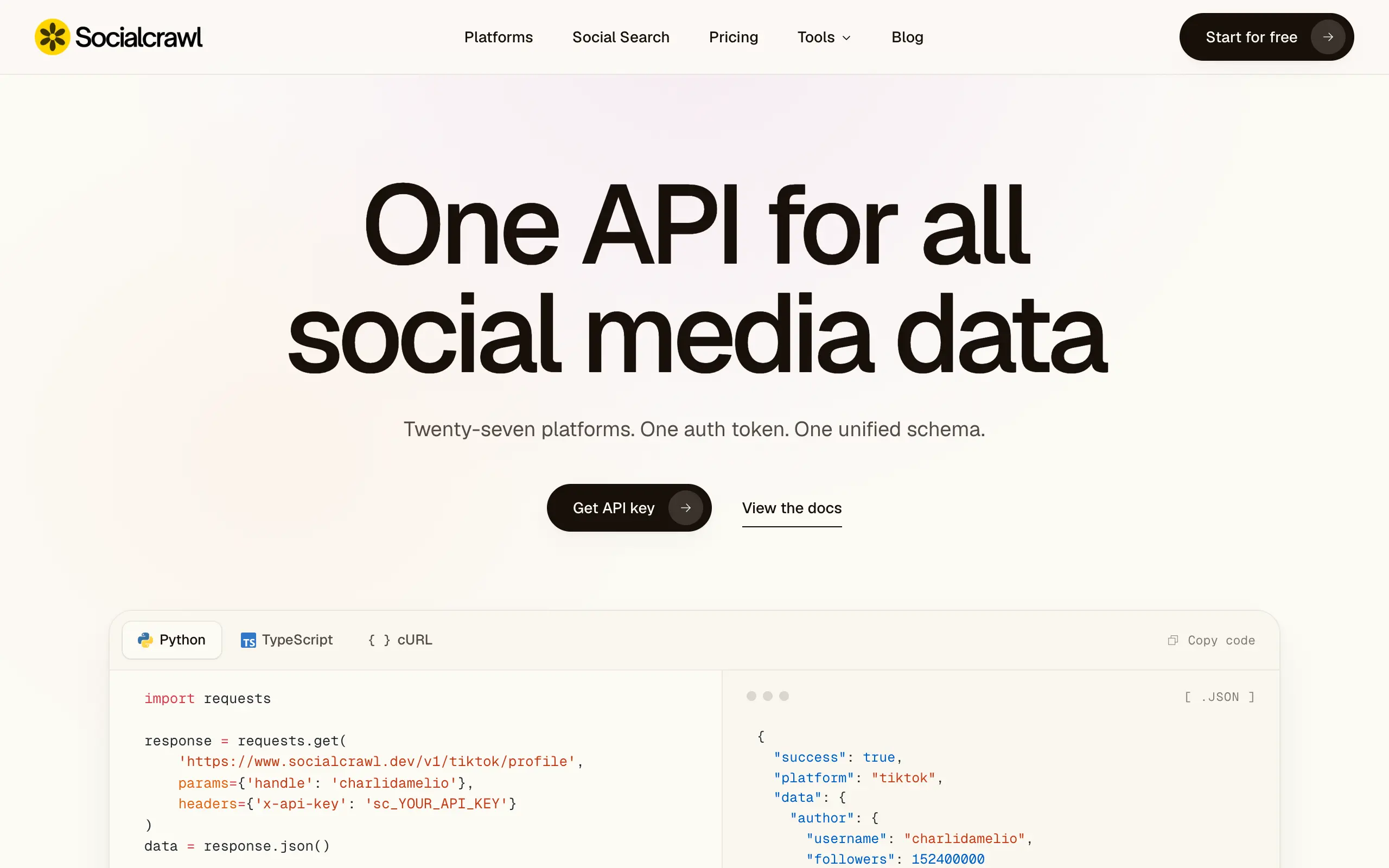
Socialcrawl
Get clean, structured data from 21 platforms like TikTok, Instagram, and YouTube with a single request 📊
Statiko
Monitor any Telegram channel in real time - track posts, edits, deletions, and growth with AI recaps 📡
Shibui
AI website builder - describe your business, pick a niche template, edit by chatting, and publish instantly ✨
Pro Service
Find verified home service professionals, compare quotes, and pay securely through escrow - built for Brazilians across the US 🏠
RankGrow
Fix your SEO with AI agents - connect Search Console, get prioritized tasks, and grow organic traffic 📈
SyncReads
Sync your favorite content for distraction-free reading, save time and replace multiple apps. Anytime, anywhere 🔄
Socialcrawl
Get clean, structured data from 21 platforms like TikTok, Instagram, and YouTube with a single request 📊
Statiko
Monitor any Telegram channel in real time - track posts, edits, deletions, and growth with AI recaps 📡
Shibui
AI website builder - describe your business, pick a niche template, edit by chatting, and publish instantly ✨
Pro Service
Find verified home service professionals, compare quotes, and pay securely through escrow - built for Brazilians across the US 🏠
RankGrow
Fix your SEO with AI agents - connect Search Console, get prioritized tasks, and grow organic traffic 📈
SyncReads
Sync your favorite content for distraction-free reading, save time and replace multiple apps. Anytime, anywhere 🔄
Socialcrawl
Get clean, structured data from 21 platforms like TikTok, Instagram, and YouTube with a single request 📊
Statiko
Monitor any Telegram channel in real time - track posts, edits, deletions, and growth with AI recaps 📡
Shibui
AI website builder - describe your business, pick a niche template, edit by chatting, and publish instantly ✨
Pro Service
Find verified home service professionals, compare quotes, and pay securely through escrow - built for Brazilians across the US 🏠
RankGrow
Fix your SEO with AI agents - connect Search Console, get prioritized tasks, and grow organic traffic 📈
SyncReads
Sync your favorite content for distraction-free reading, save time and replace multiple apps. Anytime, anywhere 🔄
Socialcrawl
Get clean, structured data from 21 platforms like TikTok, Instagram, and YouTube with a single request 📊
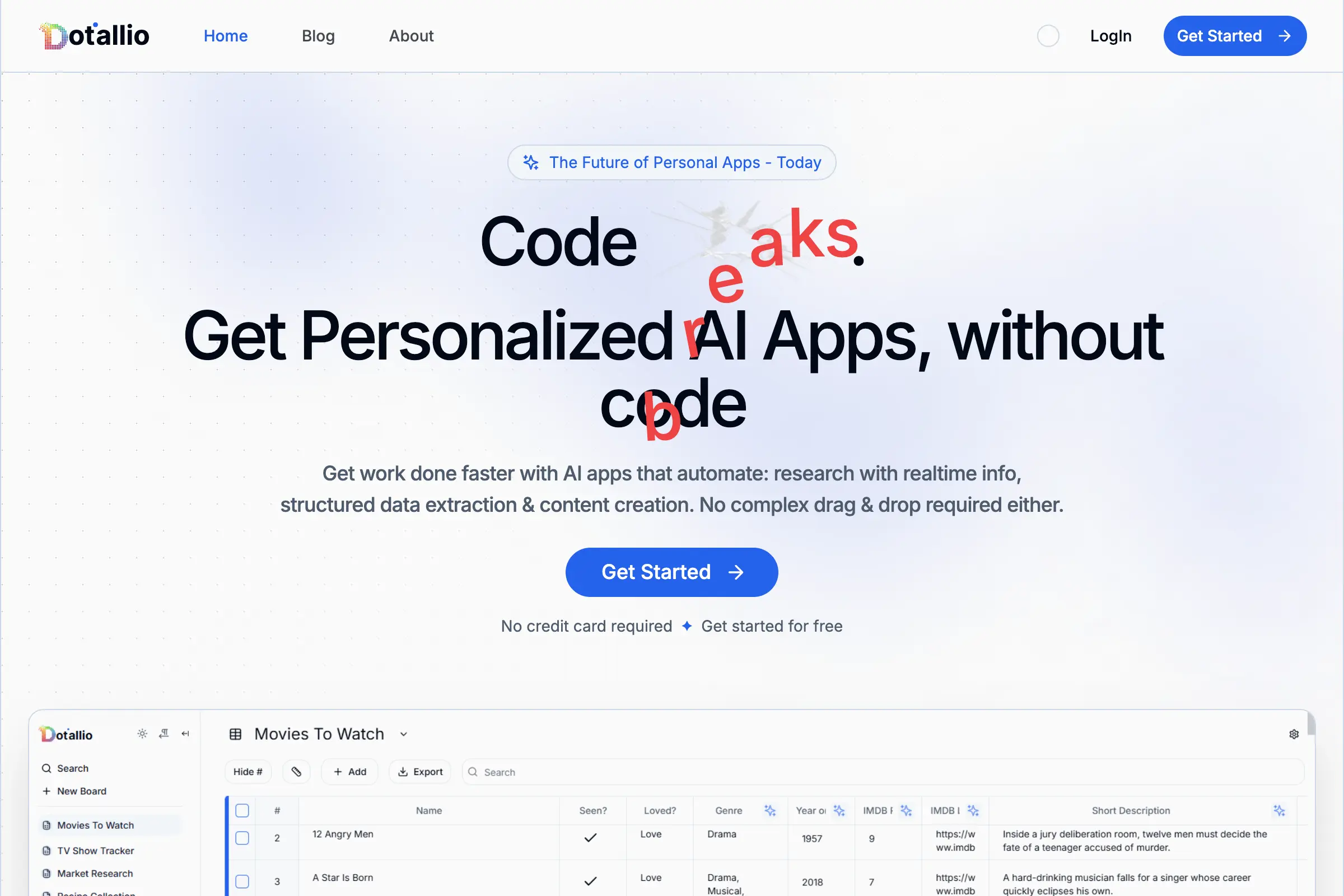
Dotallio
Personalized AI apps that automate research, data extraction, and content creation without code 🤖

Talk to Santa
Enjoy a magical live video chat or receive a unique AI-generated video greeting from Santa Claus 🎅
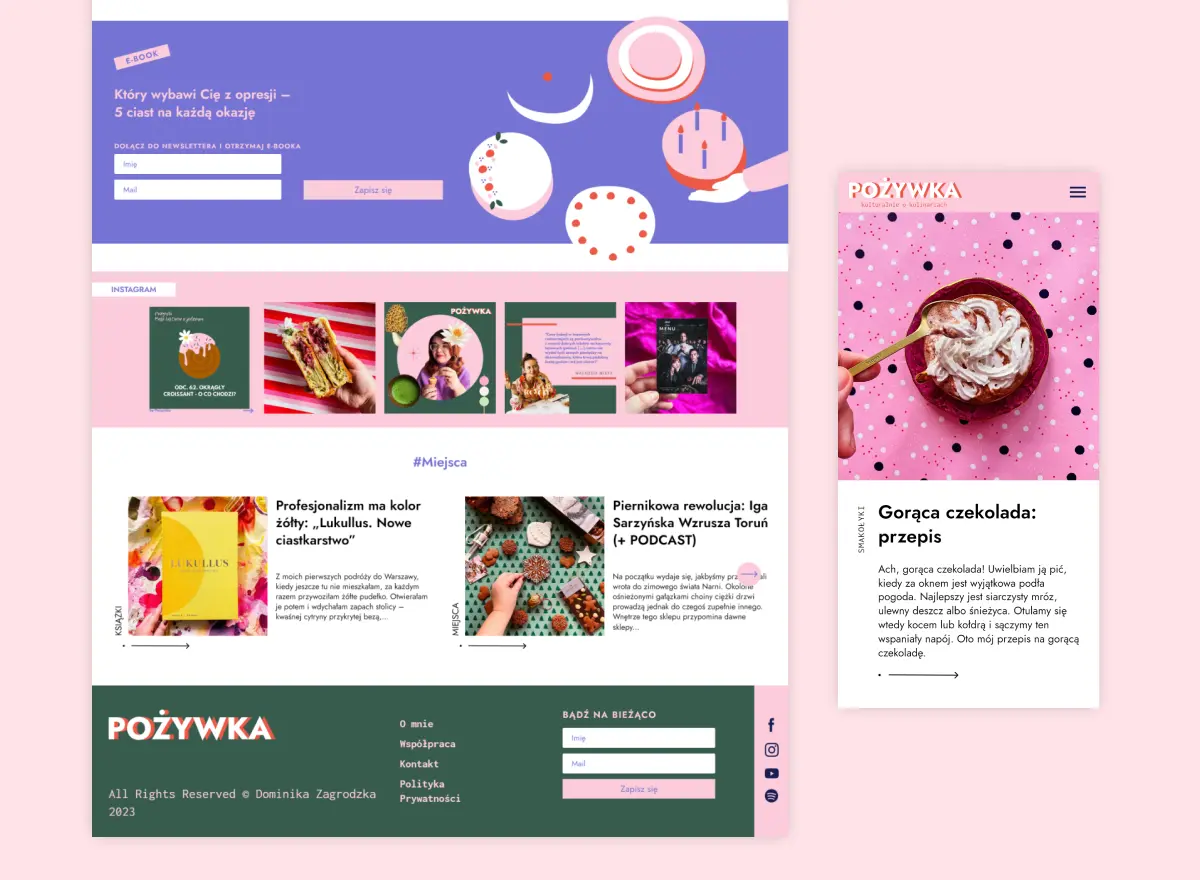
pozywka.pl
Scalable blog for food journalist, focused on performance and user experience 🌭
zagrodzki.me
Personal blog and portfolio of Bart Zagrodzki, where he shares his knowledge and work 💼
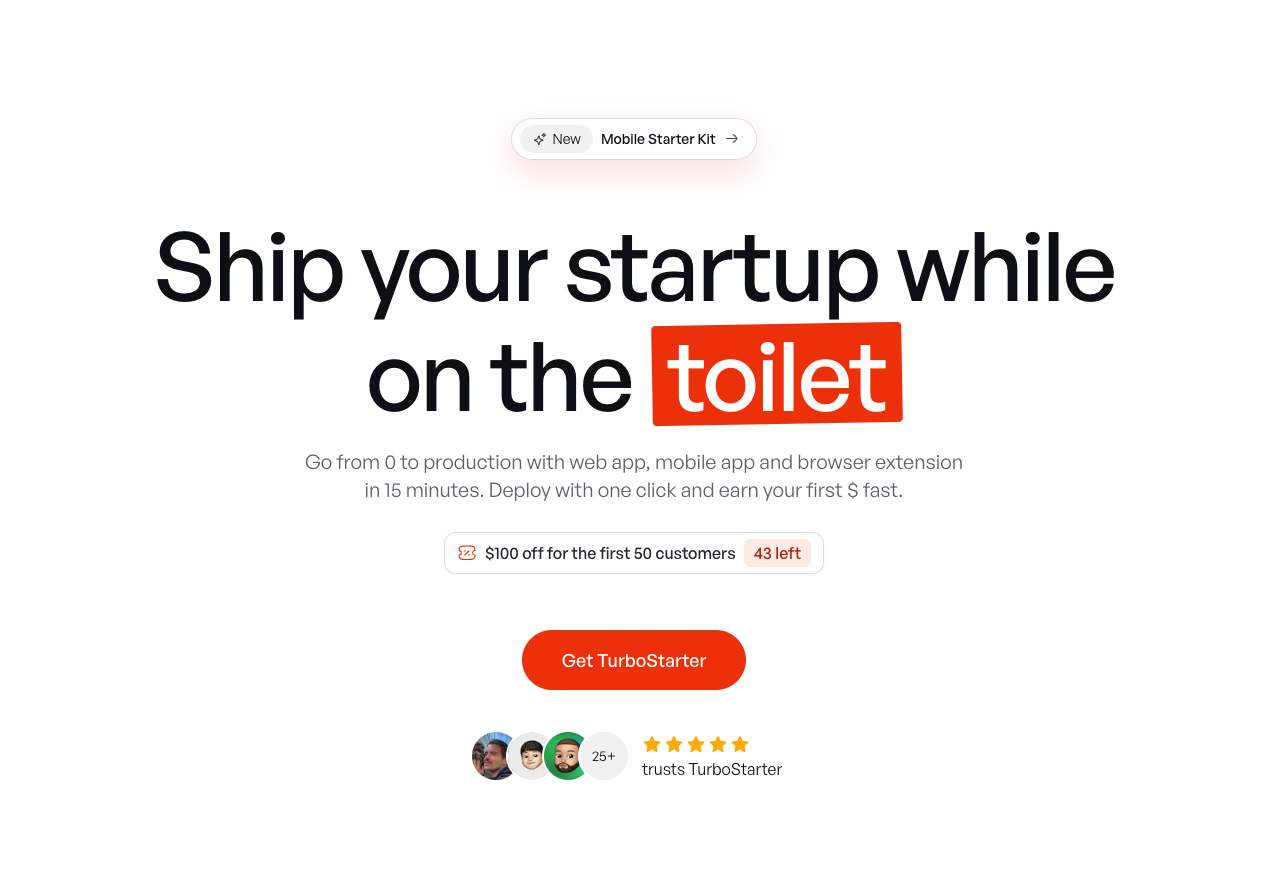
TurboStarter
Ship your startup everywhere. In minutes.
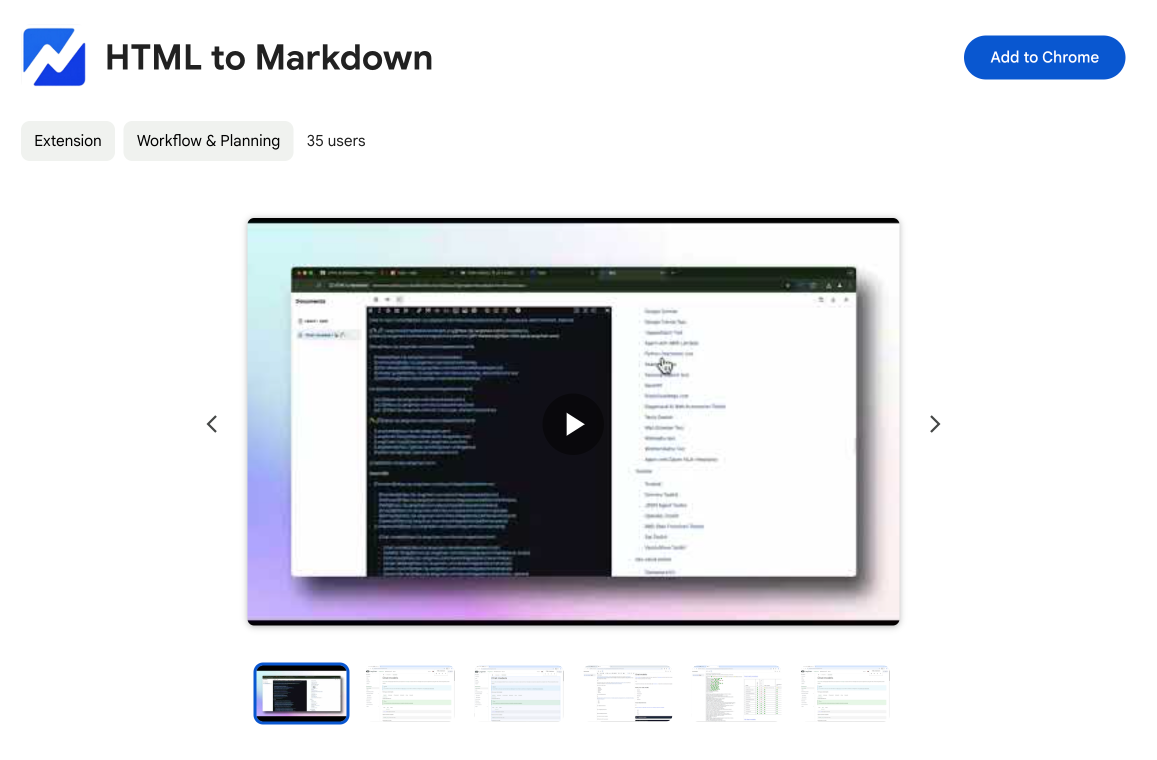
HTML to Markdown
Convert HTML to Markdown with ease, directly in your browser 📄
Dotallio
Personalized AI apps that automate research, data extraction, and content creation without code 🤖
Talk to Santa
Enjoy a magical live video chat or receive a unique AI-generated video greeting from Santa Claus 🎅
pozywka.pl
Scalable blog for food journalist, focused on performance and user experience 🌭
zagrodzki.me
Personal blog and portfolio of Bart Zagrodzki, where he shares his knowledge and work 💼
TurboStarter
Ship your startup everywhere. In minutes.
HTML to Markdown
Convert HTML to Markdown with ease, directly in your browser 📄
Dotallio
Personalized AI apps that automate research, data extraction, and content creation without code 🤖
Talk to Santa
Enjoy a magical live video chat or receive a unique AI-generated video greeting from Santa Claus 🎅
pozywka.pl
Scalable blog for food journalist, focused on performance and user experience 🌭
zagrodzki.me
Personal blog and portfolio of Bart Zagrodzki, where he shares his knowledge and work 💼
TurboStarter
Ship your startup everywhere. In minutes.
HTML to Markdown
Convert HTML to Markdown with ease, directly in your browser 📄
Dotallio
Personalized AI apps that automate research, data extraction, and content creation without code 🤖
Talk to Santa
Enjoy a magical live video chat or receive a unique AI-generated video greeting from Santa Claus 🎅
pozywka.pl
Scalable blog for food journalist, focused on performance and user experience 🌭
zagrodzki.me
Personal blog and portfolio of Bart Zagrodzki, where he shares his knowledge and work 💼
TurboStarter
Ship your startup everywhere. In minutes.
HTML to Markdown
Convert HTML to Markdown with ease, directly in your browser 📄
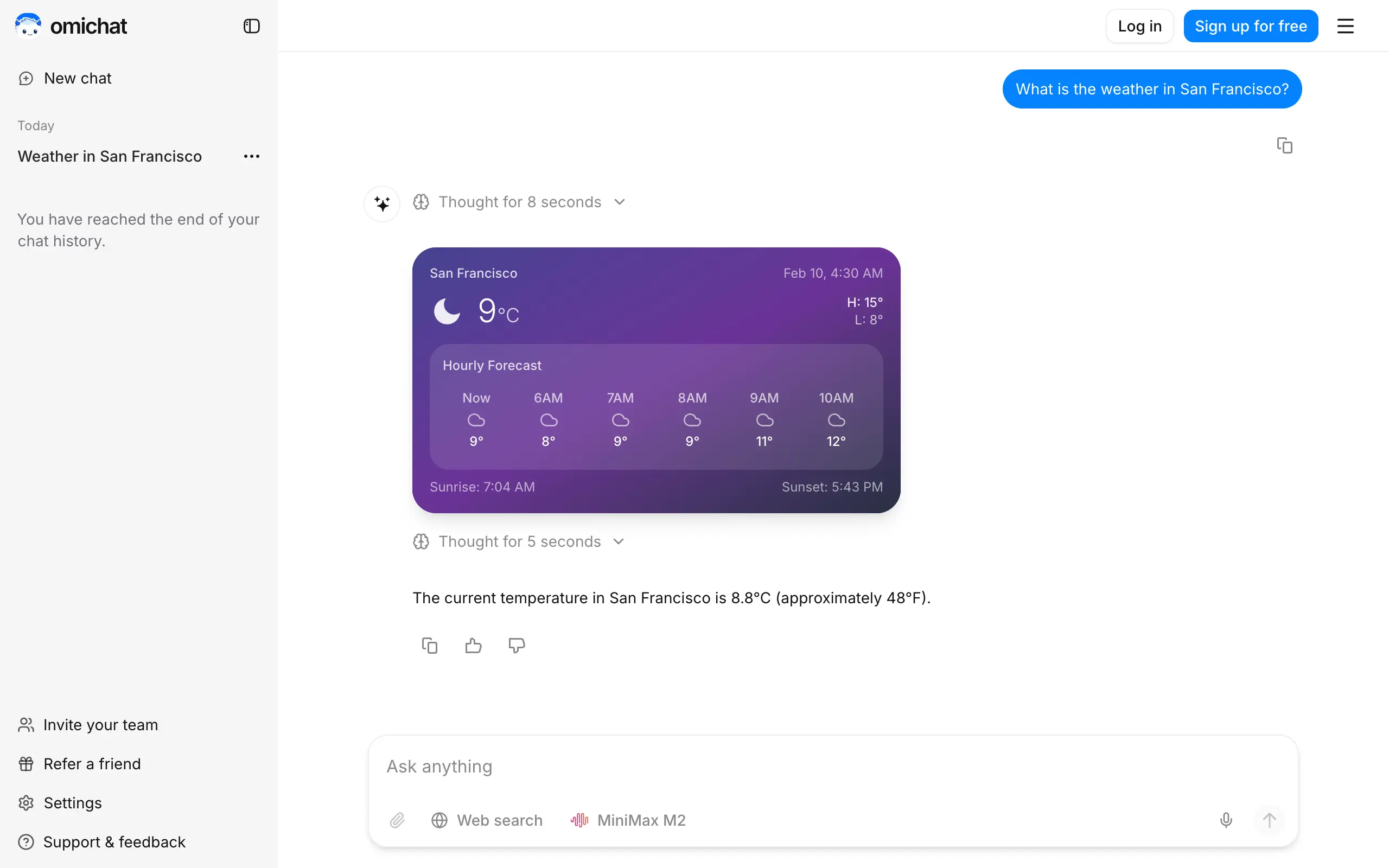
Omichat
Chat with 50+ AI models, including ChatGPT and Claude, in one place - switch models anytime without losing context 🤖
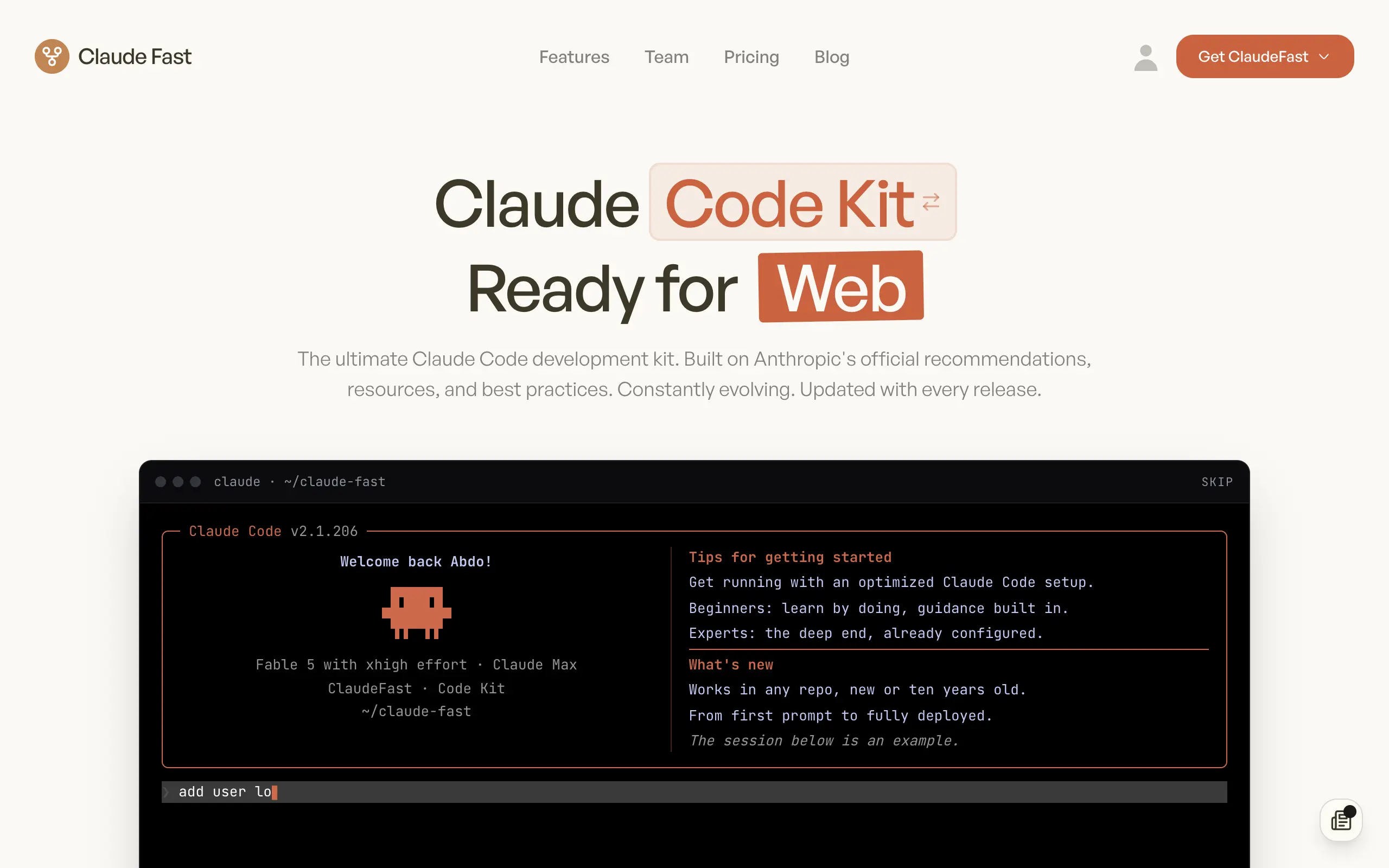
Claude Fast
Supercharge your Claude Code with 6x effective context window and specialized AI agents 🤖
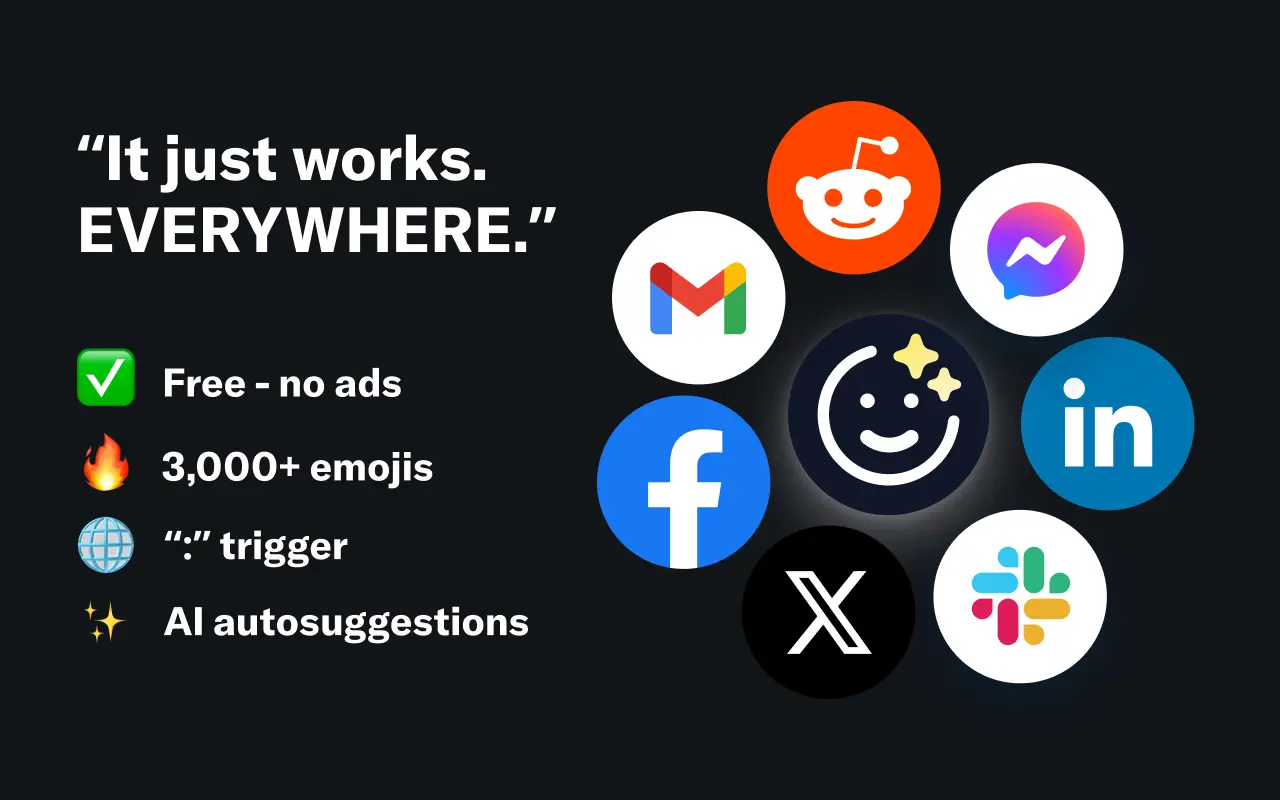
EmojAI
AI-powered emoji picker with smart, context-aware suggestions 🤖
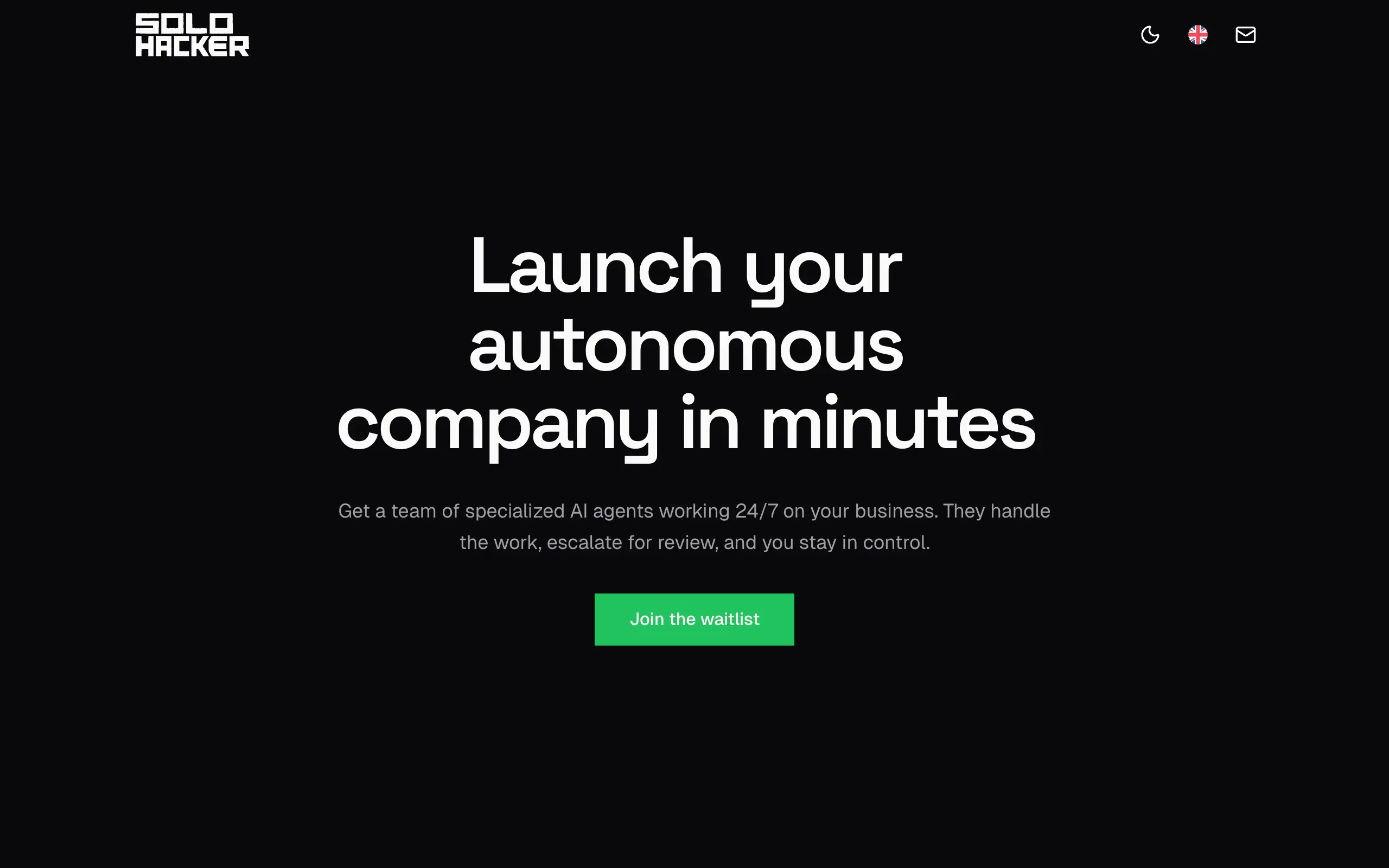
Solohacker
Autonomous company launcher - AI agents work 24/7, escalate what matters, and you stay in control 🤖
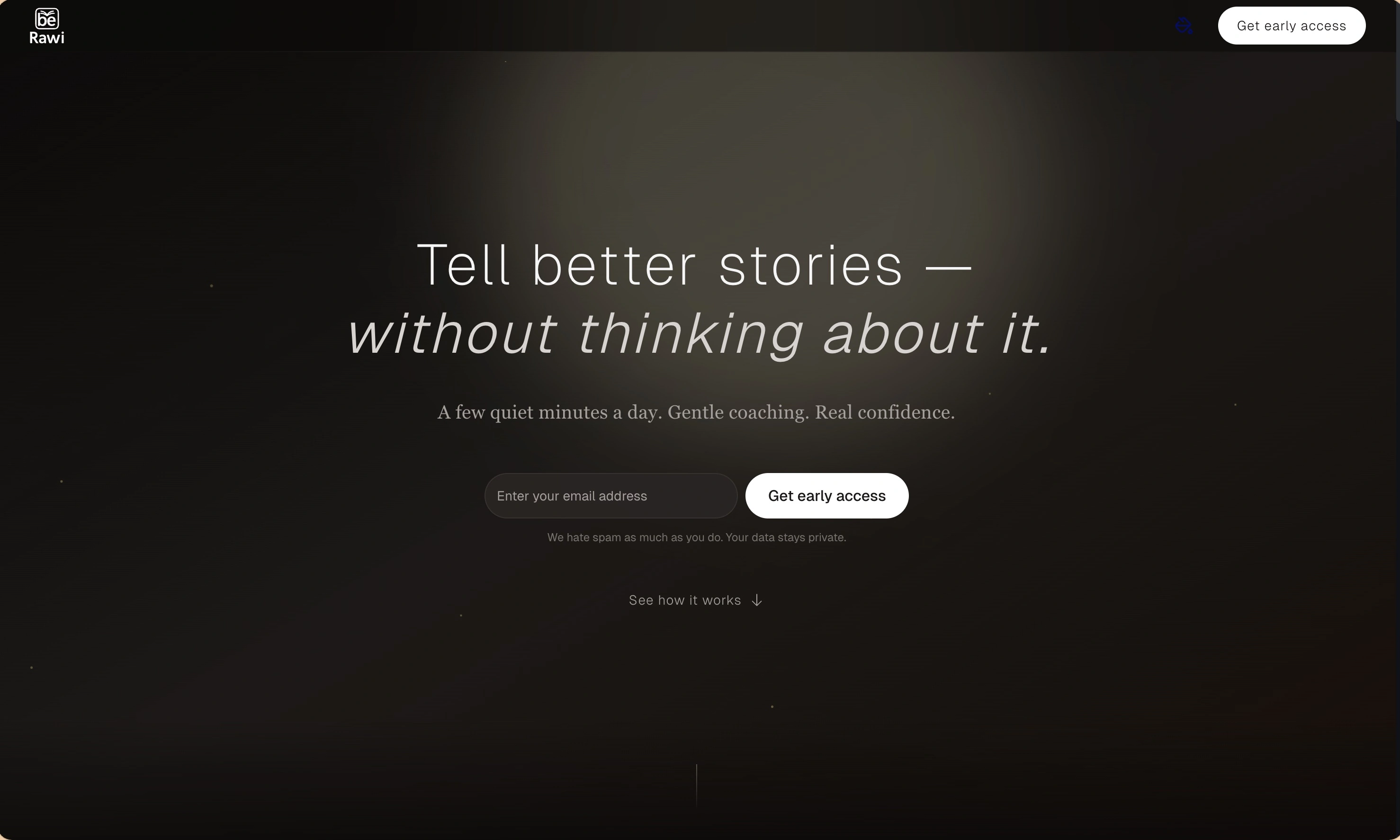
BeRawi: Storytelling Coach
Practice storytelling daily with instant feedback to sound clearer, more engaging, and confident 🎤
Omichat
Chat with 50+ AI models, including ChatGPT and Claude, in one place - switch models anytime without losing context 🤖
Claude Fast
Supercharge your Claude Code with 6x effective context window and specialized AI agents 🤖
EmojAI
AI-powered emoji picker with smart, context-aware suggestions 🤖
Solohacker
Autonomous company launcher - AI agents work 24/7, escalate what matters, and you stay in control 🤖
BeRawi: Storytelling Coach
Practice storytelling daily with instant feedback to sound clearer, more engaging, and confident 🎤
Omichat
Chat with 50+ AI models, including ChatGPT and Claude, in one place - switch models anytime without losing context 🤖
Claude Fast
Supercharge your Claude Code with 6x effective context window and specialized AI agents 🤖
EmojAI
AI-powered emoji picker with smart, context-aware suggestions 🤖
Solohacker
Autonomous company launcher - AI agents work 24/7, escalate what matters, and you stay in control 🤖
BeRawi: Storytelling Coach
Practice storytelling daily with instant feedback to sound clearer, more engaging, and confident 🎤
Omichat
Chat with 50+ AI models, including ChatGPT and Claude, in one place - switch models anytime without losing context 🤖
Claude Fast
Supercharge your Claude Code with 6x effective context window and specialized AI agents 🤖
EmojAI
AI-powered emoji picker with smart, context-aware suggestions 🤖
Solohacker
Autonomous company launcher - AI agents work 24/7, escalate what matters, and you stay in control 🤖
BeRawi: Storytelling Coach
Practice storytelling daily with instant feedback to sound clearer, more engaging, and confident 🎤

Connect with like-minded people
Join our community to get feedback, support, and grow together with 1,000+ builders on board, let's ship it!
Join usShip your startup everywhere. In minutes.
Don't burn tokens on setup and start building features on day one.