PickyPalate Planner
AI-driven meal planner for large families, letting you exclude ingredients, manage allergies, and find recipes everyone will actually eat.
PickyPalate Planner is an AI-driven meal planning SaaS designed specifically for large families. It empowers users to exclude unwanted ingredients, manage allergies, and discover recipes that everyone will actually eat. In this comprehensive guide, we’ll explore the market need, target audience, core features, technology stack, monetization strategies, competitive landscape, and actionable steps to launch and scale this solution.
Understanding the user: Who needs an AI meal planner for large families?
Before diving into features and technology, it’s crucial to understand the core user base and their pain points. The primary keyword here is AI meal planner for large families, with related LSI keywords including "family meal planning," "allergy-friendly recipes," "ingredient exclusion," and "personalized meal suggestions."
Key user personas
- Parents of large families: Juggling multiple dietary preferences, allergies, and time constraints.
- Caregivers and guardians: Responsible for meal prep in group homes or multi-generational households.
- People with food allergies or intolerances: Need to avoid specific ingredients for health reasons.
- Busy professionals: Looking for efficient, stress-free meal planning.
- Health-conscious families: Want to ensure balanced, nutritious meals.
Core pain points
- Complexity: Managing diverse tastes, allergies, and restrictions is overwhelming.
- Time constraints: Planning, shopping, and cooking for many is time-consuming.
- Repetitiveness: Families get stuck in a rut, repeating the same meals.
- Food waste: Unused ingredients lead to waste and higher costs.
- Safety: Accidental exposure to allergens can have serious consequences.
Did you know?
According to the Food Allergy Research & Education (FARE) organization, 1 in 13 children in the U.S. has a food allergy. This makes allergy management a top priority for many families.
Market opportunity: Why now is the time for an AI-driven family meal planner
The meal planning SaaS market is growing rapidly, driven by increased health awareness, the rise of food allergies, and the demand for convenience. However, most existing solutions are generic, focusing on individual users or small households.
Identifying the gap
- Lack of true family-centric solutions: Most meal planners don’t scale well for large families or groups.
- Limited allergy management: Few platforms offer robust, AI-powered exclusion of allergens and disliked ingredients.
- Personalization: Current tools often lack the intelligence to suggest meals that satisfy everyone’s preferences.
Industry trends
- AI in food tech: AI is revolutionizing recipe recommendations, grocery shopping, and nutrition analysis.
- Rise in food allergies: The CDC reports a steady increase in food allergies among children.
- Remote work and home cooking: More families are cooking at home, increasing the need for efficient meal planning.
AI-powered personalization
Leverage machine learning to suggest meals everyone will enjoy.
Allergy & exclusion management
Automatically filter out unsafe or unwanted ingredients.
Family-scale planning
Plan meals for large groups, not just individuals.
Core features: What makes PickyPalate Planner unique?
The heart of PickyPalate Planner lies in its AI-driven, family-focused approach. Here’s a breakdown of the essential features that set it apart from generic meal planning apps.
Ingredient exclusion and allergy management
- Custom ingredient blacklists: Exclude any ingredient (e.g., mushrooms, shellfish, nuts) for the whole family or individual members.
- Allergy profiles: Create detailed allergy profiles for each family member.
- Cross-contamination alerts: Warn users about potential allergen cross-contact in recipes.
Personalized recipe recommendations
- AI-powered suggestions: Machine learning algorithms analyze family preferences, past ratings, and dietary needs.
- Dynamic filtering: Instantly filter recipes by cuisine, prep time, nutrition, and more.
- “Will everyone eat this?” scoring: Predicts the likelihood that all family members will enjoy a recipe.
Smart meal planning and shopping
- Weekly meal plans: Auto-generate balanced plans for breakfast, lunch, dinner, and snacks.
- Smart grocery lists: Consolidate ingredients, account for pantry staples, and optimize for bulk buying.
- Leftover management: Suggest recipes to use up leftovers and reduce waste.
Collaboration and sharing
- Family accounts: Multiple users can contribute preferences and feedback.
- Recipe sharing: Share favorite recipes with friends or the PickyPalate community.
- Mobile and web access: Seamless experience across devices.
Integration and extensibility
- Grocery delivery integration: Connect with services like Instacart or Amazon Fresh.
- Calendar sync: Export meal plans to Google Calendar or iCal.
- API access: For advanced users and partners.
The AI uses a combination of explicit feedback (ratings, likes/dislikes) and implicit signals (which recipes you view, skip, or repeat) to refine its recommendations over time.
Yes! You can create custom meal plans for holidays, parties, or temporary diets (e.g., vegetarian week).
Recommended tech stack: Building a scalable, AI-powered SaaS
Choosing the right technology stack is critical for performance, scalability, and maintainability. Here’s a recommended stack for PickyPalate Planner, with trade-offs explained.
Frontend
- React: Modern, component-based UI development.
- TailwindCSS: Utility-first CSS for rapid, responsive design.
- TypeScript: Type safety and better developer experience.
- PWA support: For offline access and mobile usability.
Backend
- Node.js: High-performance, event-driven server environment.
- Express.js: Lightweight, flexible web framework.
- Python (for AI/ML modules): Leverage libraries like TensorFlow or PyTorch for machine learning.
- RESTful API: For frontend-backend communication.
Database
- PostgreSQL: Robust, scalable relational database for user data and recipes.
- Redis: Caching for fast recipe lookups and session management.
AI/ML infrastructure
- TensorFlow or PyTorch: For building and training recommendation models.
- Hugging Face Transformers: For natural language processing (e.g., parsing ingredient lists).
Hosting and DevOps
- AWS or Google Cloud: Scalable, secure cloud infrastructure.
- Docker: Containerization for consistent deployments.
- CI/CD pipelines: Automated testing and deployment.
Trade-offs
- Python vs. Node.js for AI: Python is preferred for AI/ML, but Node.js excels at real-time APIs. A hybrid approach leverages both.
- Monolithic vs. microservices: Start monolithic for speed, migrate to microservices as the user base grows.
| Stack | Pros | Cons | Scalability | AI Support |
|---|---|---|---|---|
| React + Node.js | ✅ | ❌ | ✅ | ✅ |
| Python (AI modules) | ✅ | ❌ | ✅ | ✅ |
Monetization strategies: How to generate revenue with PickyPalate Planner
A successful SaaS needs a sustainable business model. Here are proven monetization options for an AI meal planner targeting large families.
Freemium model
- Free tier: Basic meal planning, limited recipe access, and simple ingredient exclusion.
- Premium tier: Advanced AI recommendations, unlimited profiles, allergy management, and integrations.
Subscription plans
- Monthly/annual family plans: Priced per household, with discounts for annual billing.
- Group/caregiver plans: For group homes, schools, or organizations.
Add-ons and integrations
- Grocery delivery integration: Small fee or revenue share for connecting to delivery services.
- Custom meal plans: One-time purchases for special diets or occasions.
Affiliate partnerships
- Grocery stores and brands: Earn commissions for driving purchases through the platform.
- Cookware and kitchen gadgets: Recommend products relevant to meal prep.
White-label and API licensing
- Licensing to health organizations or schools: Offer a branded version or API access for bulk use.
Competitive analysis: Standing out in the meal planning SaaS market
To ensure PickyPalate Planner’s success, it’s essential to understand the competition and articulate a clear competitive advantage.
Key competitors
- Paprika: Popular recipe manager, but lacks advanced AI and family-scale planning.
- Mealime: Focuses on healthy meal planning, but limited allergy management.
- Yummly: Strong recipe database, but personalization is less robust for large families.
- PlateJoy: Offers some personalization, but not as granular for ingredient exclusion.
PickyPalate Planner’s unique selling proposition (USP)
- AI-driven, family-scale personalization: Not just for individuals—tailored for large, diverse households.
- Comprehensive allergy and exclusion management: Industry-leading safety features.
- Smart, collaborative planning: Multiple users, real-time feedback, and shared preferences.
- Integration-first approach: Connects with grocery delivery, calendars, and more.
Why PickyPalate Planner wins
By focusing on the unique needs of large families and leveraging advanced AI, PickyPalate Planner fills a critical gap left by generic meal planning apps.
Potential risks and mitigation strategies
Launching a SaaS in the food and health space comes with unique challenges. Here’s how to address them proactively.
Data privacy and security
- Risk: Storing sensitive health and allergy data.
- Mitigation: Use end-to-end encryption, comply with GDPR and CCPA, and conduct regular security audits.
AI accuracy and bias
- Risk: Inaccurate recommendations or missed allergens.
- Mitigation: Continuous model training, human-in-the-loop review, and transparent feedback mechanisms.
User adoption and retention
- Risk: Families may revert to old habits or find the app too complex.
- Mitigation: Intuitive onboarding, gamification (e.g., meal streaks), and proactive support.
Competition
- Risk: Larger players could add similar features.
- Mitigation: Move fast, focus on deep family-centric features, and build a strong brand community.
Actionable steps: How to launch your AI meal planner for large families
Ready to bring PickyPalate Planner to life? Here’s a step-by-step roadmap to guide your implementation.
Conclusion: Why PickyPalate Planner is the future of family meal planning
PickyPalate Planner isn’t just another meal planning app—it’s a purpose-built, AI-driven solution for the real-world challenges of large families. By combining advanced ingredient exclusion, allergy management, and collaborative planning, it delivers unmatched value and peace of mind.
Whether you’re a founder, developer, or investor, now is the perfect time to capitalize on this market gap. With the right technology, user focus, and go-to-market strategy, PickyPalate Planner can become the go-to platform for families everywhere.
Frequently asked questions
Each family member can have a unique profile with their own allergies and dislikes. The AI cross-references all profiles to suggest meals that are safe and appealing for everyone.
Absolutely! The platform supports a wide range of dietary filters and can generate plans for any combination of restrictions.
Yes. The platform uses industry-standard encryption and complies with all relevant privacy regulations.
Further resources
- TurboStarter — Accelerate your SaaS launch with expert tools and templates.
- React — Official documentation for building modern UIs.
- TailwindCSS — Utility-first CSS framework for rapid design.
By focusing on the unique needs of large families and leveraging the latest in AI and SaaS best practices, PickyPalate Planner is poised to transform the way families plan, shop, and eat together.
More 🤖 AI Startup SaaS ideas
Discover more innovative ai startup SaaS ideas that are trending in 2026. Each idea is AI-generated with market validation and growth potential to help you find your next profitable venture faster than competitors.
Your competitors are building with TurboStarter
Below are some of the SaaS ideas that have been generated and built with our starter kit.

Shibui
AI website builder - describe your business, pick a niche template, edit by chatting, and publish instantly ✨

Pro Service
Find verified home service professionals, compare quotes, and pay securely through escrow - built for Brazilians across the US 🏠
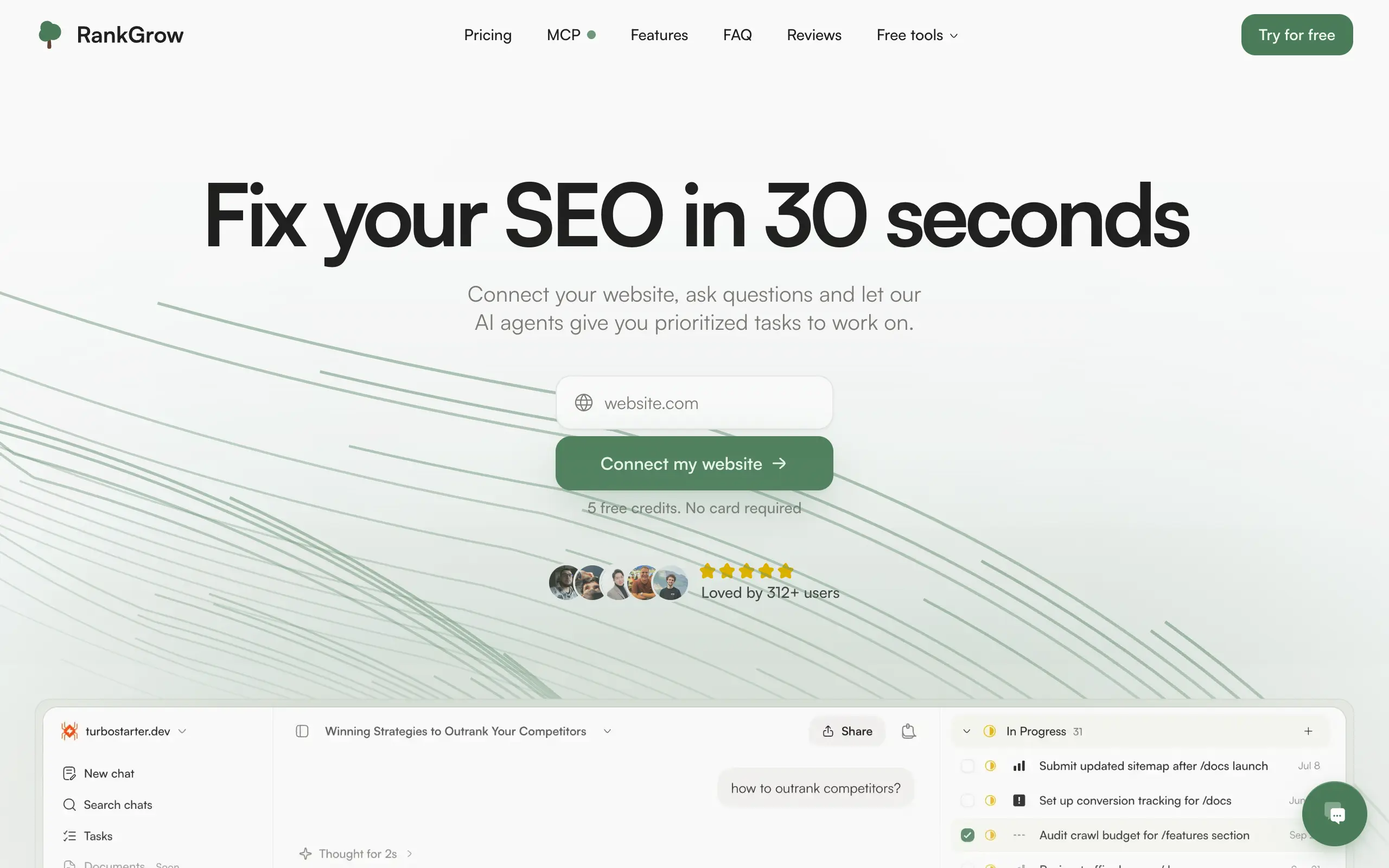
RankGrow
Fix your SEO with AI agents - connect Search Console, get prioritized tasks, and grow organic traffic 📈
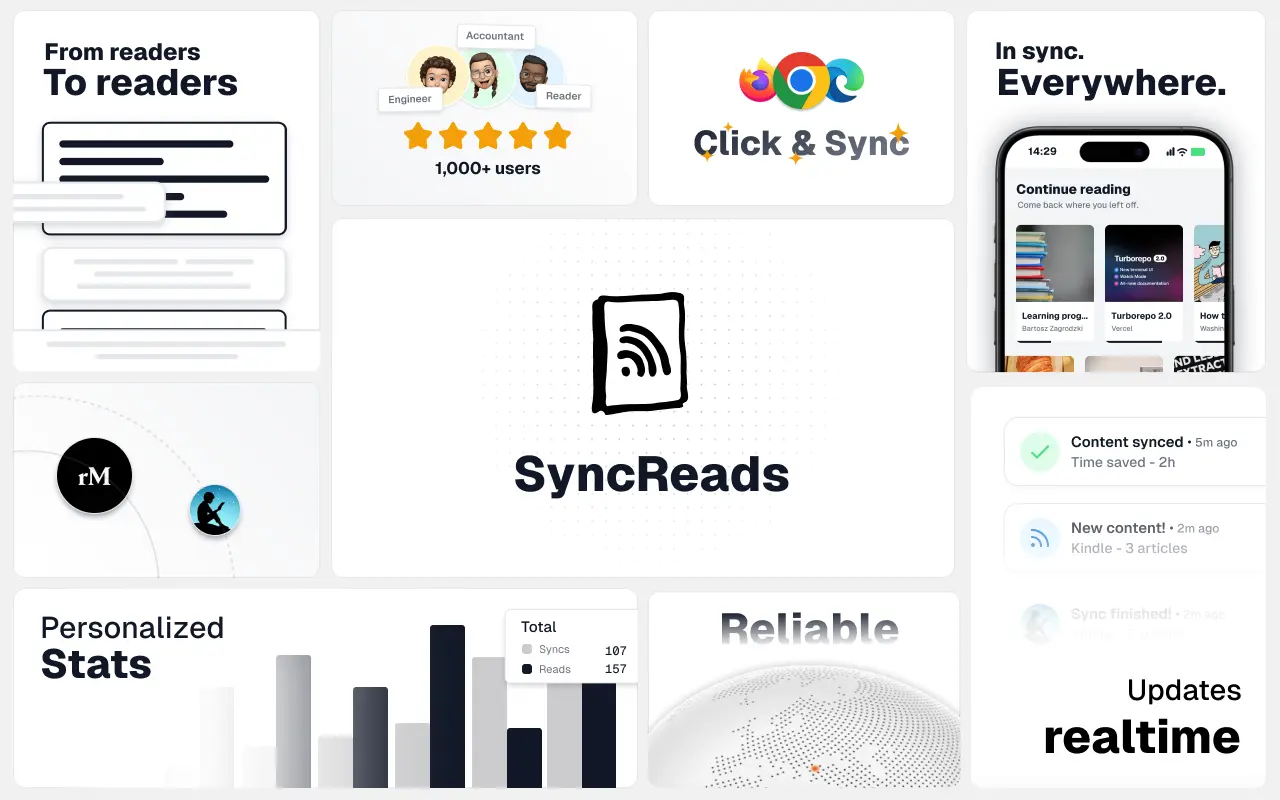
SyncReads
Sync your favorite content for distraction-free reading, save time and replace multiple apps. Anytime, anywhere 🔄
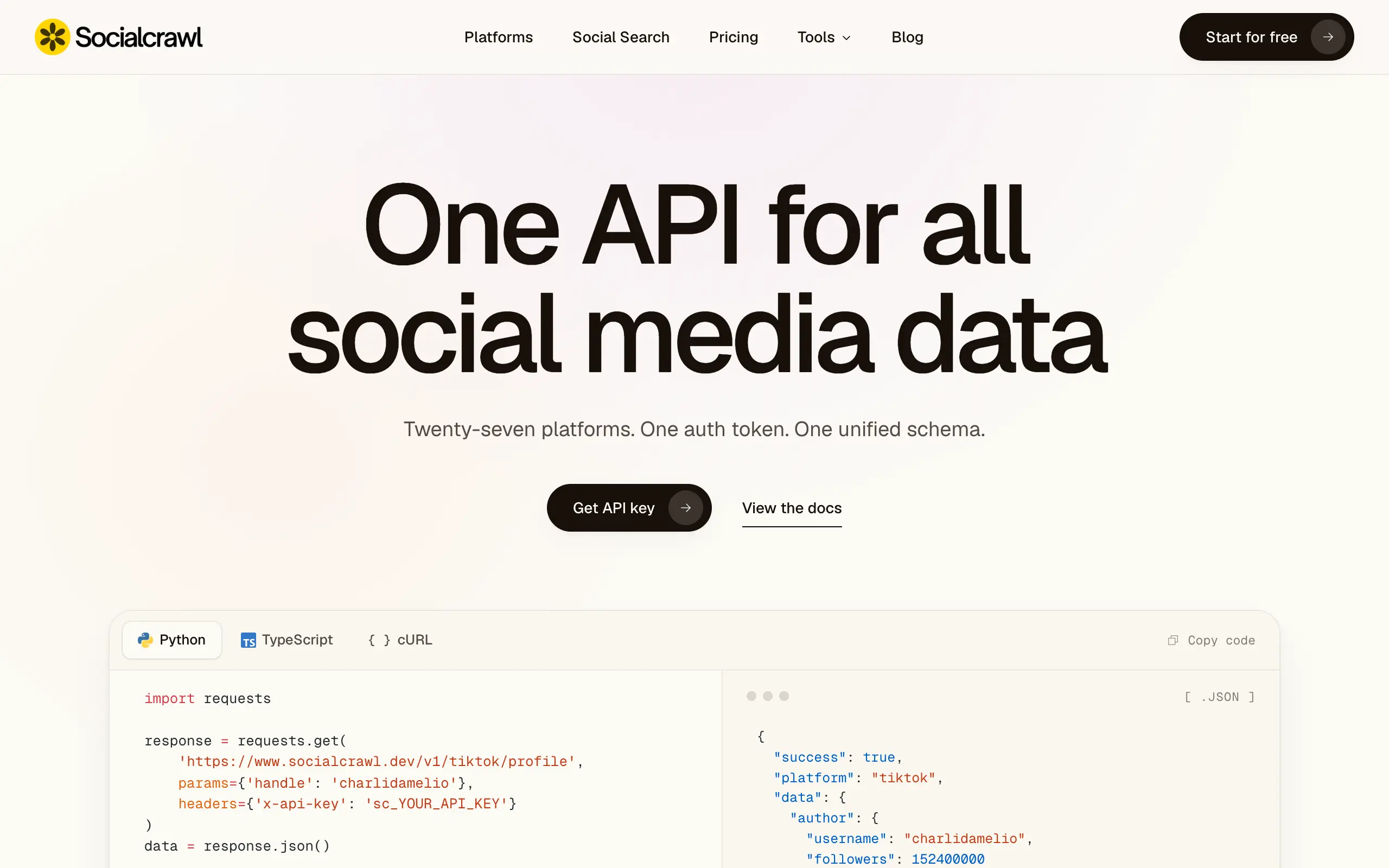
Socialcrawl
Get clean, structured data from 21 platforms like TikTok, Instagram, and YouTube with a single request 📊
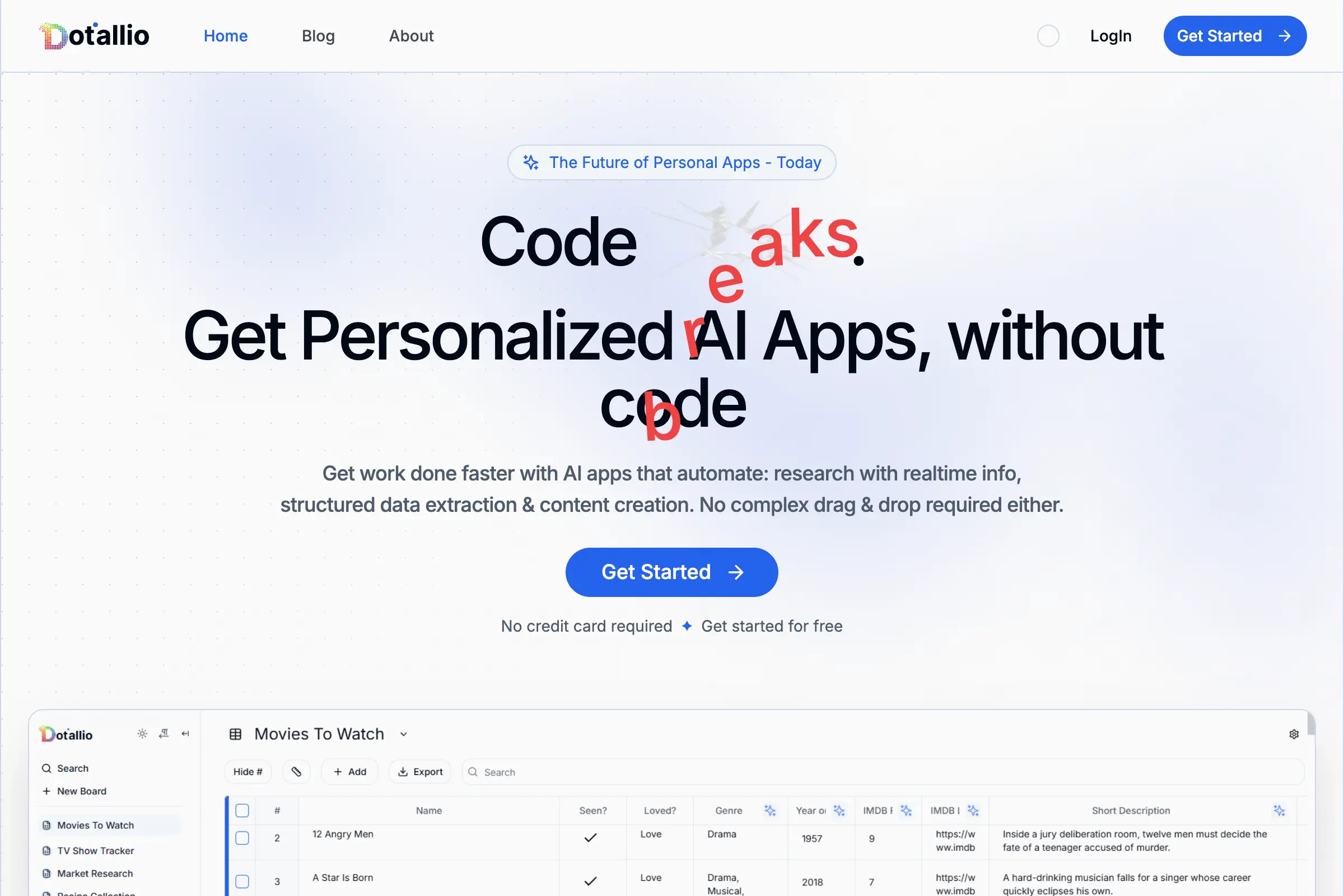
Dotallio
Personalized AI apps that automate research, data extraction, and content creation without code 🤖
Shibui
AI website builder - describe your business, pick a niche template, edit by chatting, and publish instantly ✨
Pro Service
Find verified home service professionals, compare quotes, and pay securely through escrow - built for Brazilians across the US 🏠
RankGrow
Fix your SEO with AI agents - connect Search Console, get prioritized tasks, and grow organic traffic 📈
SyncReads
Sync your favorite content for distraction-free reading, save time and replace multiple apps. Anytime, anywhere 🔄
Socialcrawl
Get clean, structured data from 21 platforms like TikTok, Instagram, and YouTube with a single request 📊
Dotallio
Personalized AI apps that automate research, data extraction, and content creation without code 🤖
Shibui
AI website builder - describe your business, pick a niche template, edit by chatting, and publish instantly ✨
Pro Service
Find verified home service professionals, compare quotes, and pay securely through escrow - built for Brazilians across the US 🏠
RankGrow
Fix your SEO with AI agents - connect Search Console, get prioritized tasks, and grow organic traffic 📈
SyncReads
Sync your favorite content for distraction-free reading, save time and replace multiple apps. Anytime, anywhere 🔄
Socialcrawl
Get clean, structured data from 21 platforms like TikTok, Instagram, and YouTube with a single request 📊
Dotallio
Personalized AI apps that automate research, data extraction, and content creation without code 🤖
Shibui
AI website builder - describe your business, pick a niche template, edit by chatting, and publish instantly ✨
Pro Service
Find verified home service professionals, compare quotes, and pay securely through escrow - built for Brazilians across the US 🏠
RankGrow
Fix your SEO with AI agents - connect Search Console, get prioritized tasks, and grow organic traffic 📈
SyncReads
Sync your favorite content for distraction-free reading, save time and replace multiple apps. Anytime, anywhere 🔄
Socialcrawl
Get clean, structured data from 21 platforms like TikTok, Instagram, and YouTube with a single request 📊
Dotallio
Personalized AI apps that automate research, data extraction, and content creation without code 🤖

Talk to Santa
Enjoy a magical live video chat or receive a unique AI-generated video greeting from Santa Claus 🎅
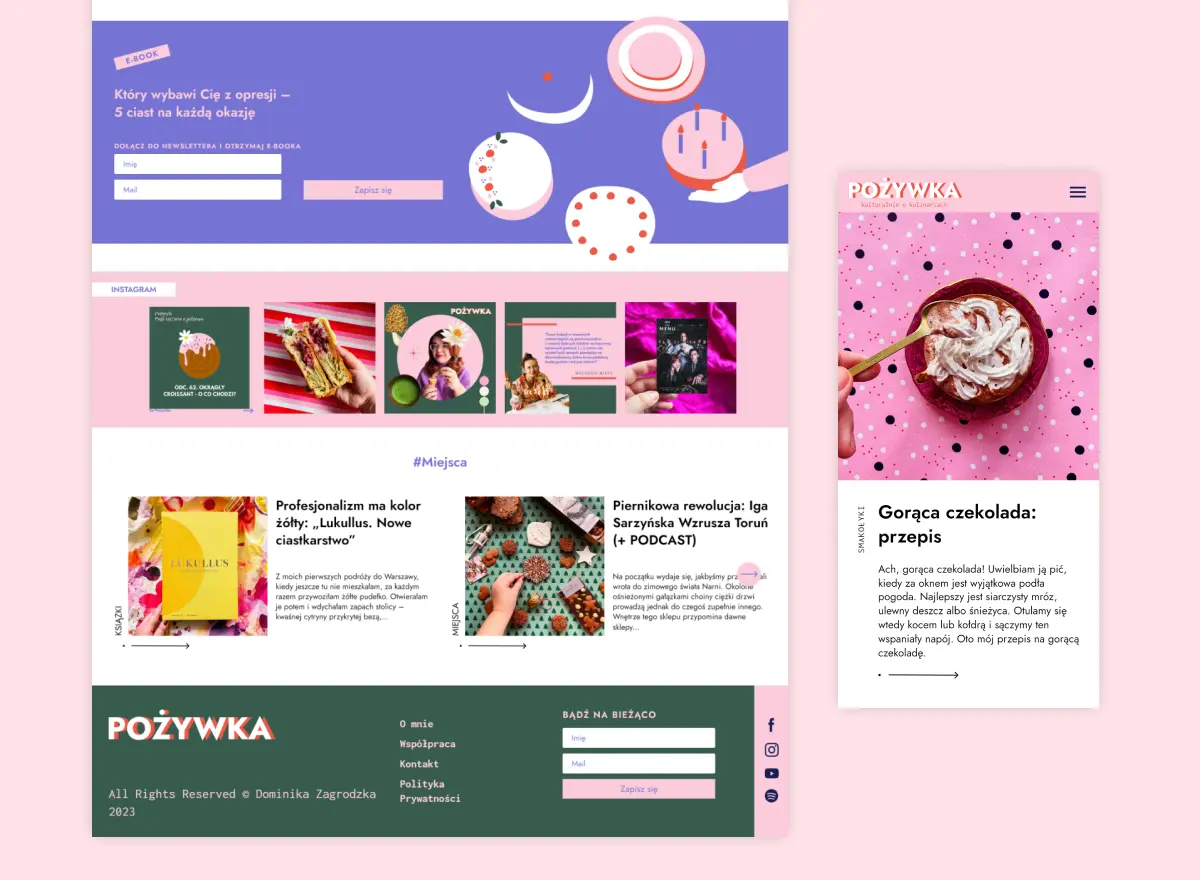
pozywka.pl
Scalable blog for food journalist, focused on performance and user experience 🌭
zagrodzki.me
Personal blog and portfolio of Bart Zagrodzki, where he shares his knowledge and work 💼
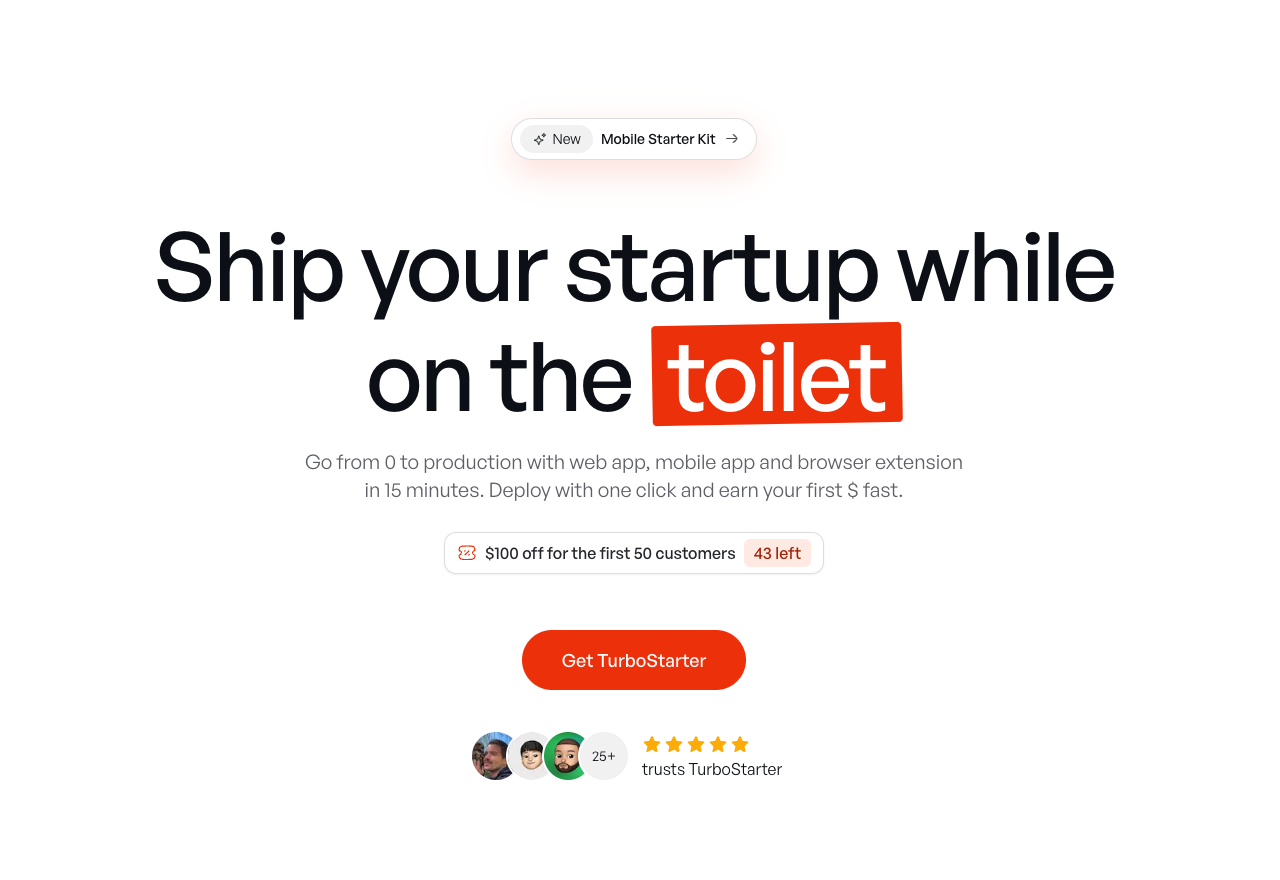
TurboStarter
Ship your startup everywhere. In minutes.
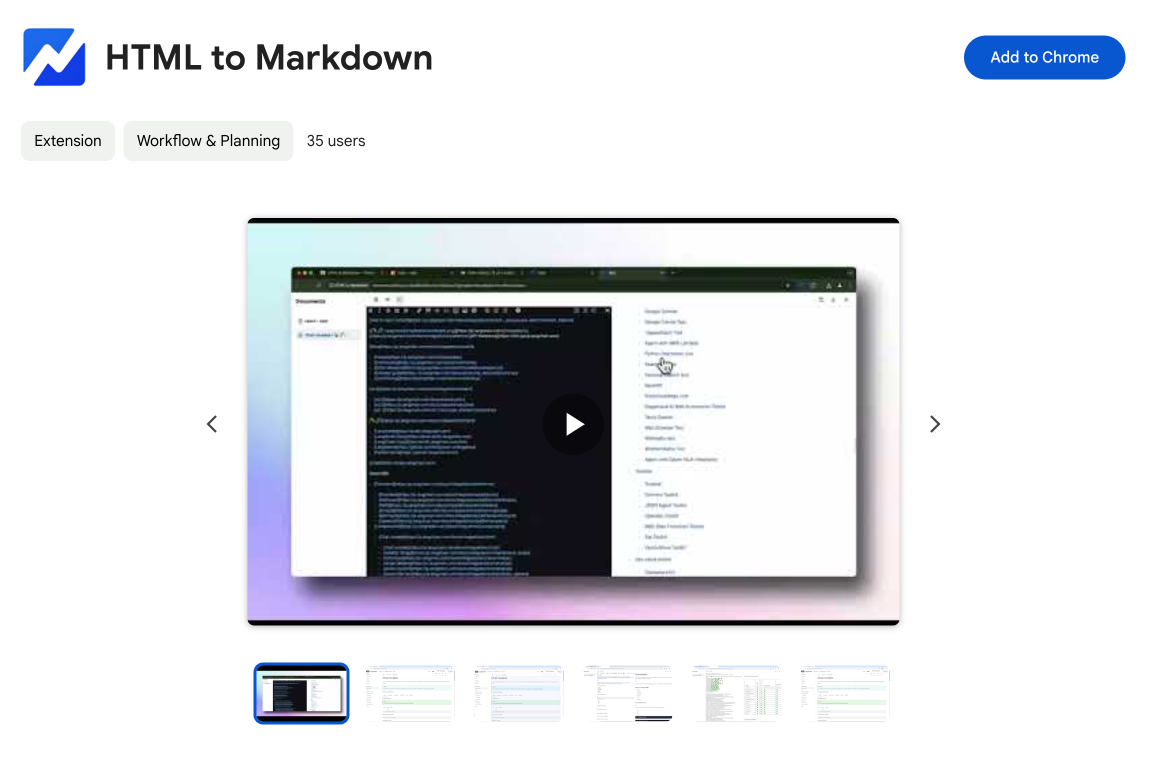
HTML to Markdown
Convert HTML to Markdown with ease, directly in your browser 📄
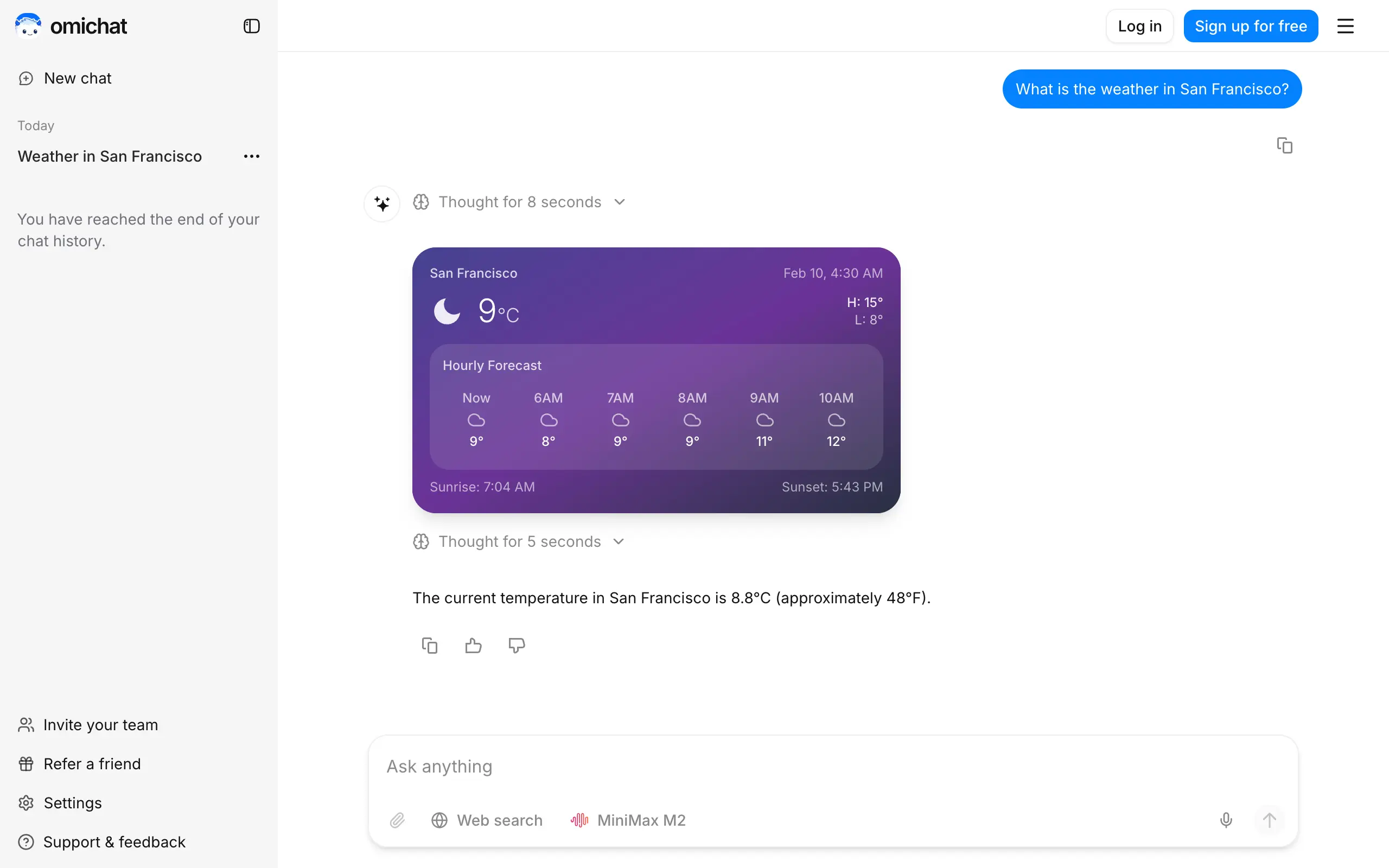
Omichat
Chat with 50+ AI models, including ChatGPT and Claude, in one place - switch models anytime without losing context 🤖
Talk to Santa
Enjoy a magical live video chat or receive a unique AI-generated video greeting from Santa Claus 🎅
pozywka.pl
Scalable blog for food journalist, focused on performance and user experience 🌭
zagrodzki.me
Personal blog and portfolio of Bart Zagrodzki, where he shares his knowledge and work 💼
TurboStarter
Ship your startup everywhere. In minutes.
HTML to Markdown
Convert HTML to Markdown with ease, directly in your browser 📄
Omichat
Chat with 50+ AI models, including ChatGPT and Claude, in one place - switch models anytime without losing context 🤖
Talk to Santa
Enjoy a magical live video chat or receive a unique AI-generated video greeting from Santa Claus 🎅
pozywka.pl
Scalable blog for food journalist, focused on performance and user experience 🌭
zagrodzki.me
Personal blog and portfolio of Bart Zagrodzki, where he shares his knowledge and work 💼
TurboStarter
Ship your startup everywhere. In minutes.
HTML to Markdown
Convert HTML to Markdown with ease, directly in your browser 📄
Omichat
Chat with 50+ AI models, including ChatGPT and Claude, in one place - switch models anytime without losing context 🤖
Talk to Santa
Enjoy a magical live video chat or receive a unique AI-generated video greeting from Santa Claus 🎅
pozywka.pl
Scalable blog for food journalist, focused on performance and user experience 🌭
zagrodzki.me
Personal blog and portfolio of Bart Zagrodzki, where he shares his knowledge and work 💼
TurboStarter
Ship your startup everywhere. In minutes.
HTML to Markdown
Convert HTML to Markdown with ease, directly in your browser 📄
Omichat
Chat with 50+ AI models, including ChatGPT and Claude, in one place - switch models anytime without losing context 🤖
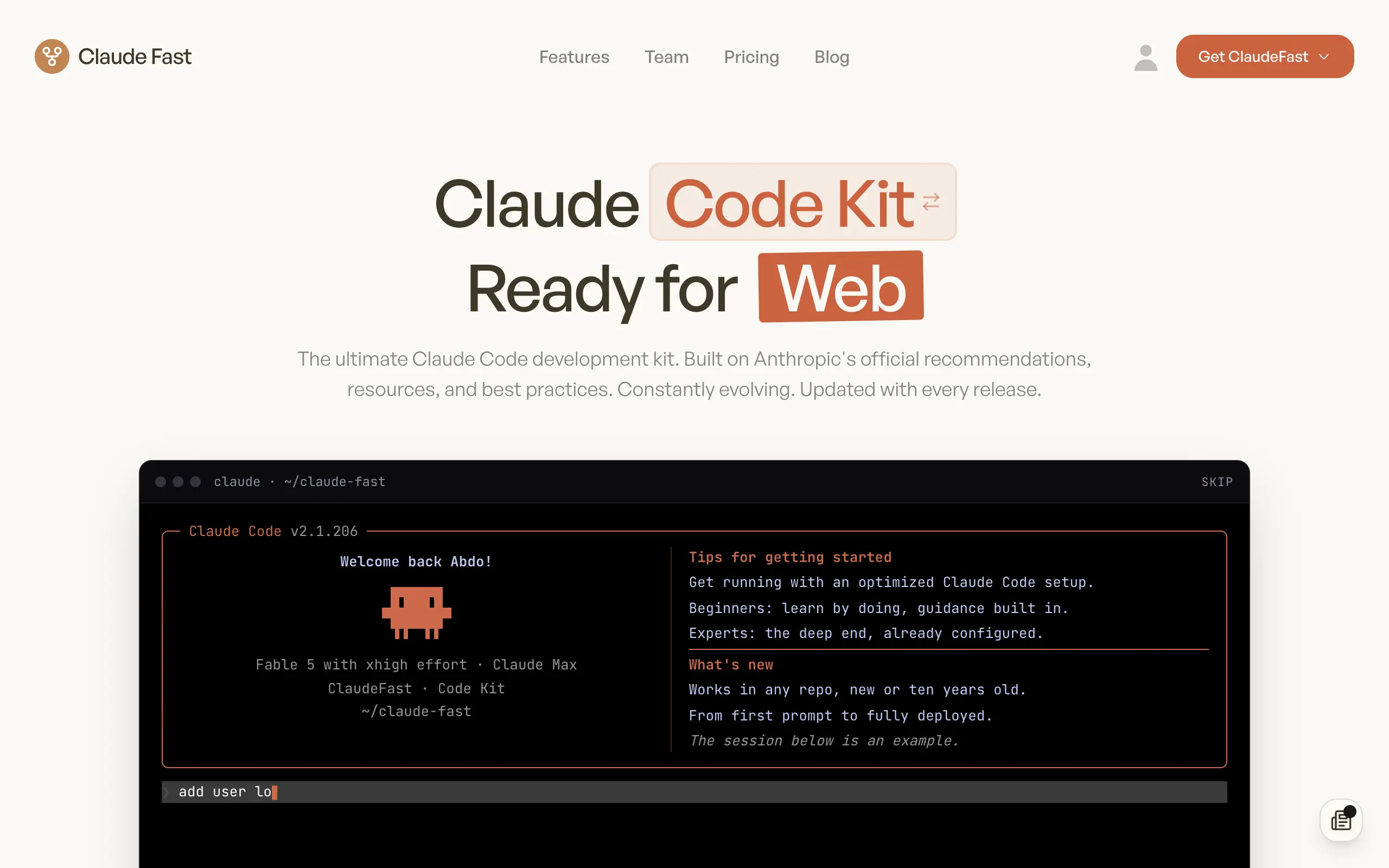
Claude Fast
Supercharge your Claude Code with 6x effective context window and specialized AI agents 🤖
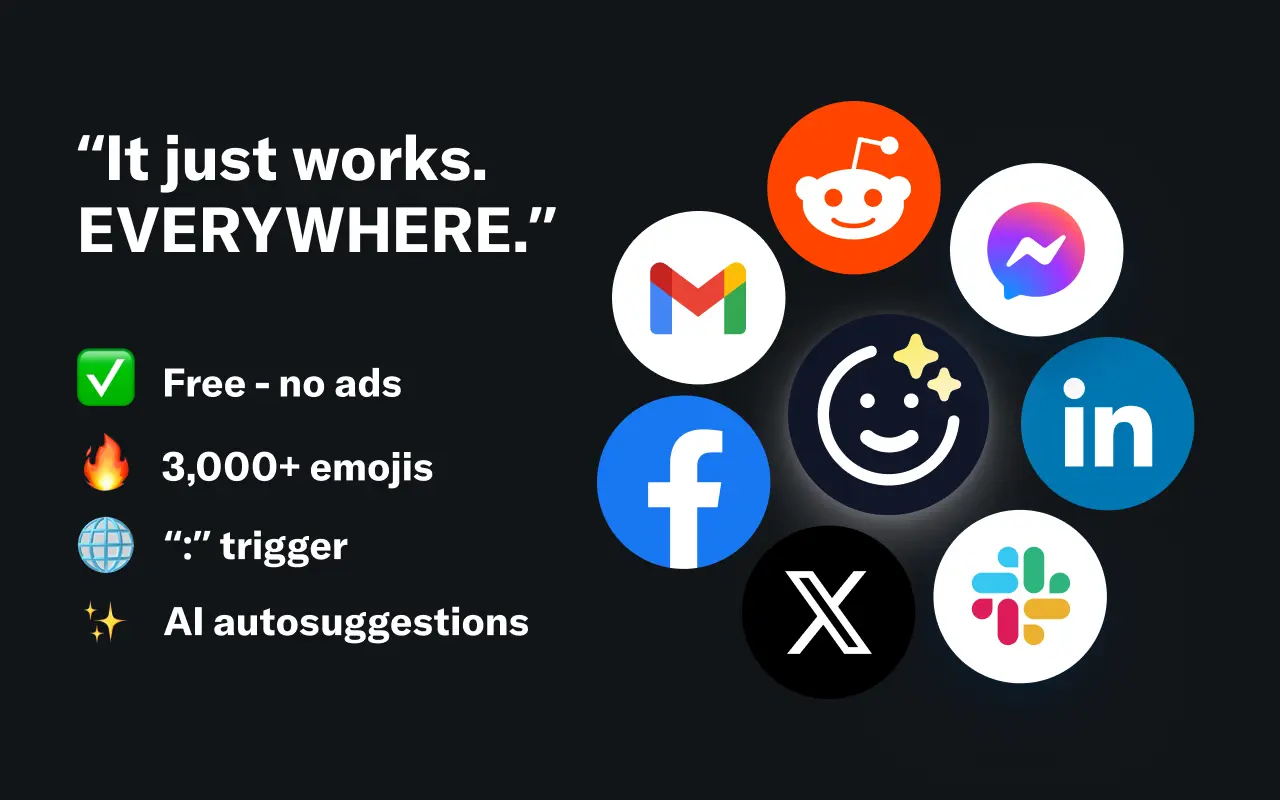
EmojAI
AI-powered emoji picker with smart, context-aware suggestions 🤖
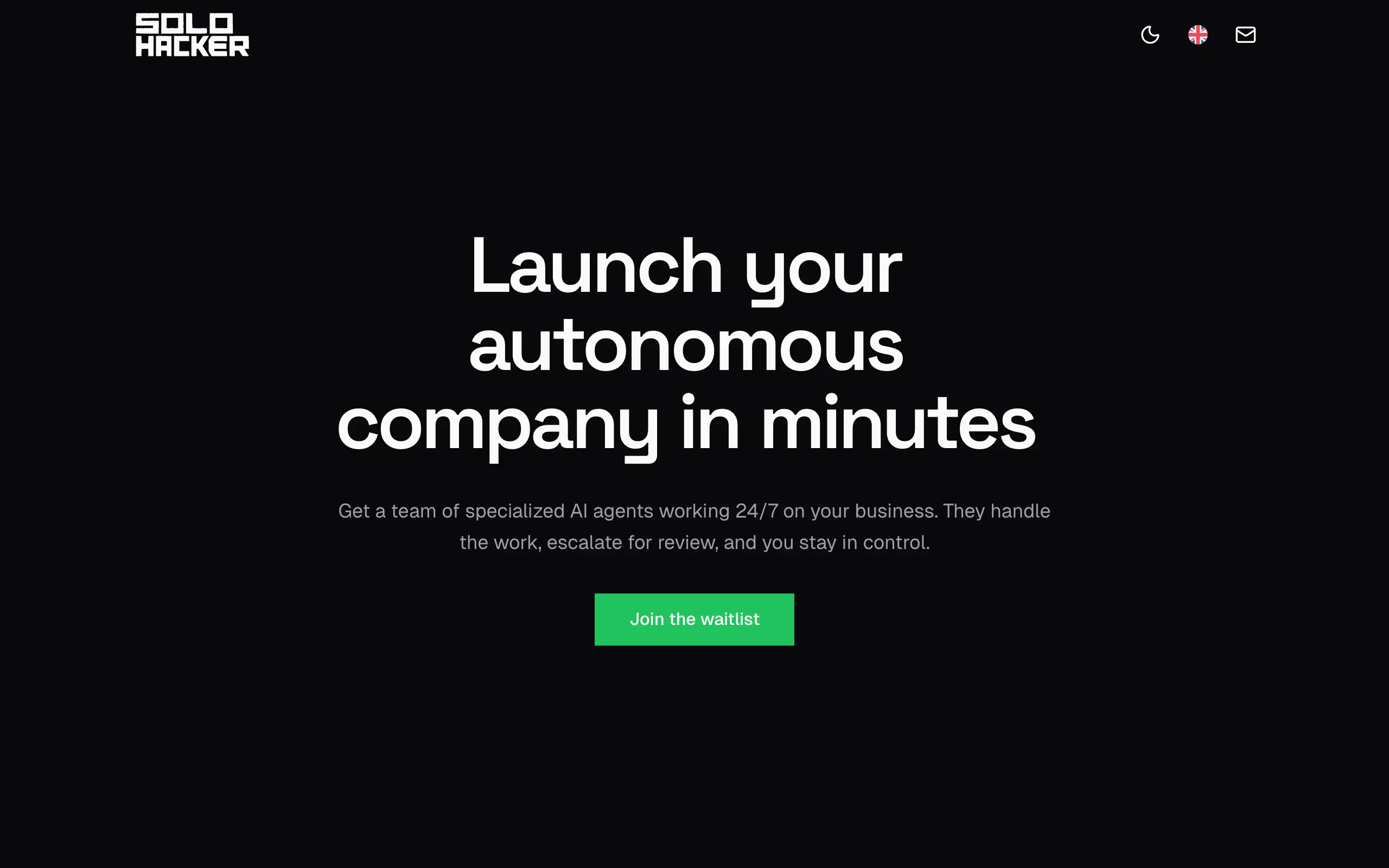
Solohacker
Autonomous company launcher - AI agents work 24/7, escalate what matters, and you stay in control 🤖
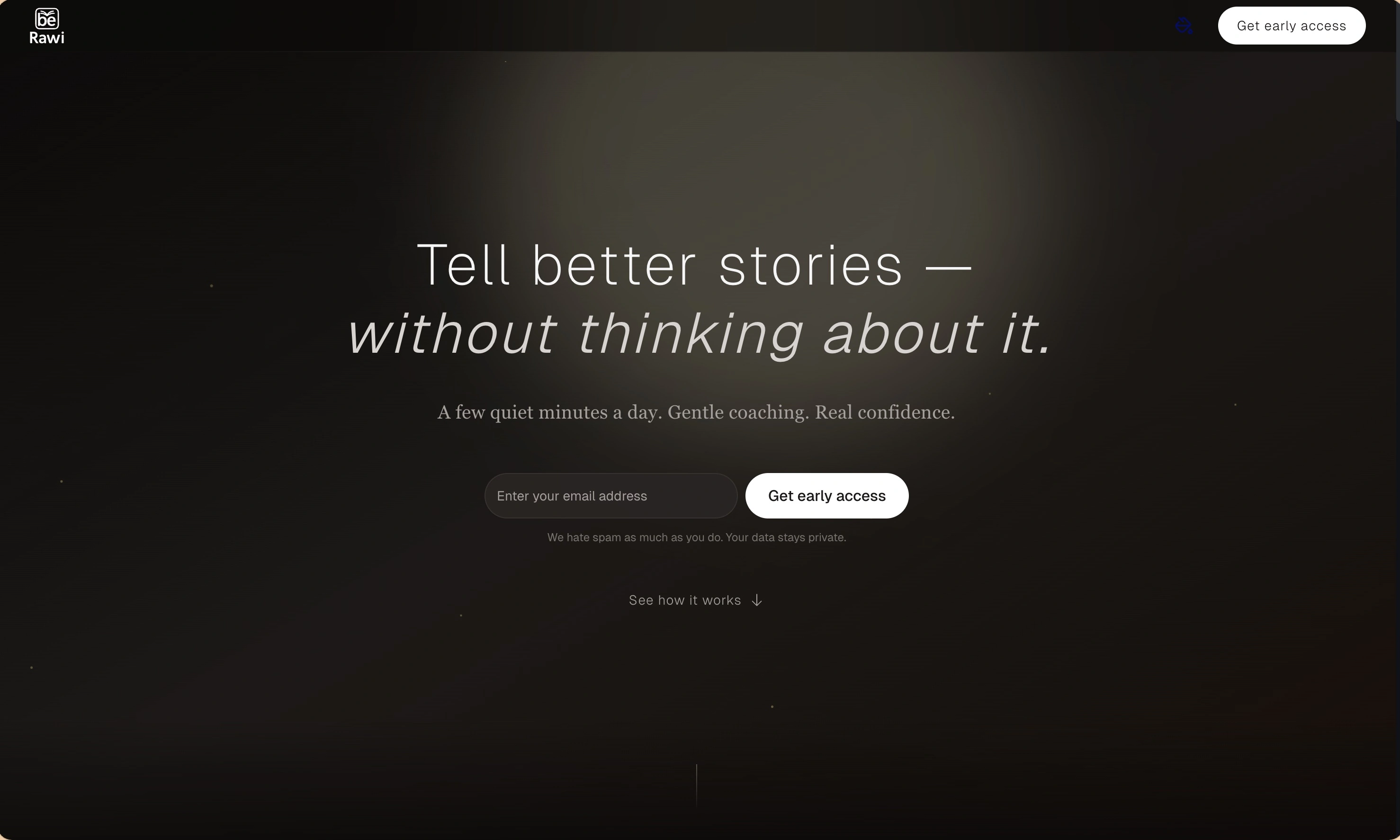
BeRawi: Storytelling Coach
Practice storytelling daily with instant feedback to sound clearer, more engaging, and confident 🎤
Claude Fast
Supercharge your Claude Code with 6x effective context window and specialized AI agents 🤖
EmojAI
AI-powered emoji picker with smart, context-aware suggestions 🤖
Solohacker
Autonomous company launcher - AI agents work 24/7, escalate what matters, and you stay in control 🤖
BeRawi: Storytelling Coach
Practice storytelling daily with instant feedback to sound clearer, more engaging, and confident 🎤
Claude Fast
Supercharge your Claude Code with 6x effective context window and specialized AI agents 🤖
EmojAI
AI-powered emoji picker with smart, context-aware suggestions 🤖
Solohacker
Autonomous company launcher - AI agents work 24/7, escalate what matters, and you stay in control 🤖
BeRawi: Storytelling Coach
Practice storytelling daily with instant feedback to sound clearer, more engaging, and confident 🎤
Claude Fast
Supercharge your Claude Code with 6x effective context window and specialized AI agents 🤖
EmojAI
AI-powered emoji picker with smart, context-aware suggestions 🤖
Solohacker
Autonomous company launcher - AI agents work 24/7, escalate what matters, and you stay in control 🤖
BeRawi: Storytelling Coach
Practice storytelling daily with instant feedback to sound clearer, more engaging, and confident 🎤

Connect with like-minded people
Join our community to get feedback, support, and grow together with 1,000+ builders on board, let's ship it!
Join usShip your startup everywhere. In minutes.
Don't burn tokens on setup and start building features on day one.