PitchVision Pro
Computer vision app that breaks down pitching and hitting mechanics from smartphone video with instant AI feedback and injury-risk alerts.
Why an AI-powered pitching and hitting analysis app is the next big opportunity in sports tech
Baseball and softball training have traditionally relied on in-person coaching, expensive motion capture labs, and subjective feedback. Yet today, nearly every athlete carries a high-resolution camera in their pocket. PitchVision Pro, an AI-powered computer vision app that breaks down pitching and hitting mechanics from smartphone video with instant feedback and injury-risk alerts, sits at the intersection of sports science, mobile technology, and artificial intelligence.
This article explores the full strategic blueprint behind building and scaling a product like PitchVision Pro—from market opportunity and target users to technical architecture, monetization, risks, and go-to-market execution.
If you're evaluating this SaaS idea, building in the sports-tech space, or validating an AI startup concept, this guide will give you the depth you need.
Understanding the user intent behind “AI pitching analysis app”
When users search for:
- “AI pitching mechanics analysis”
- “Baseball swing analysis app”
- “Pitching injury prevention software”
- “Computer vision baseball coaching”
They typically fall into one of these categories:
- Youth or amateur players looking for affordable coaching.
- Parents wanting to reduce injury risk and improve performance.
- Coaches seeking scalable tools to analyze multiple athletes.
- High school/college athletes trying to gain a competitive edge.
- Sports performance startups researching feasibility and tech stacks.
PitchVision Pro must address:
- Performance improvement
- Injury prevention
- Accessibility (smartphone-first)
- Affordable alternative to $10k+ motion capture systems
That alignment with real, urgent needs creates strong product-market potential.
Market opportunity in AI sports analytics
The shift toward data-driven sports performance
Sports have become increasingly analytics-driven. From MLB’s Statcast to wearable tech and biomechanics labs, teams now rely heavily on quantitative insights.
Key macro-trends driving opportunity:
- Proliferation of smartphone cameras (4K, slow-motion)
- Advances in real-time computer vision
- Increased awareness of pitching-related injuries (e.g., UCL tears)
- Growth in youth sports spending
- Rise of at-home and remote coaching platforms
Youth baseball participation remains high in North America and parts of Asia. Parents spend thousands annually on:
- Travel teams
- Private coaching
- Strength training
- Equipment
An AI pitching and hitting analysis app priced at $20–$60/month fits naturally within this spending ecosystem.
The core problem PitchVision Pro solves
1. Coaching is expensive and inconsistent
Private pitching coaches often cost $75–$150 per session.
2. Biomechanics labs are inaccessible
Motion capture labs require:
- Markers
- Specialized cameras
- On-site visits
- Thousands of dollars per evaluation
3. Injury risk is poorly understood at youth level
Overuse injuries are common. Many players (and parents) don’t recognize:
- Arm slot changes
- Early trunk rotation
- Elbow lag issues
- Hip-shoulder separation inefficiencies
4. Feedback loops are slow
Athletes record video → send to coach → wait for response.
PitchVision Pro shortens this loop to seconds.
Core solution: how PitchVision Pro works
At its core, PitchVision Pro is a mobile-first AI biomechanics engine.
Step-by-step experience
- User records pitching or hitting video from smartphone.
- App runs computer vision pose estimation.
- Biomechanics model extracts joint angles and movement timing.
- AI compares motion to performance and injury benchmarks.
- User receives:
- Performance feedback
- Drill recommendations
- Injury risk alerts
Core features that define product differentiation
1. Real-time pose detection
Using computer vision to detect:
- Shoulder rotation angle
- Elbow flexion
- Hip-shoulder separation
- Stride length
- Arm slot
- Bat path and launch angle (for hitters)
2. AI performance scoring
Each pitch or swing generates:
- Efficiency score
- Power potential score
- Mechanical consistency score
- Injury-risk index
3. Injury-risk alerts (major differentiator)
This is the strongest USP.
Instead of just “you’re dropping your elbow,” the system could say:
“Increased valgus stress detected. Repeated pattern may elevate UCL strain risk.”
This positions PitchVision Pro as a performance + health platform, not just a coaching tool.
4. Historical tracking dashboard
Athletes can see:
- Weekly progress
- Mechanical trend shifts
- Fatigue signals
- Consistency scores over time
5. Drill recommendation engine
Based on mechanical inefficiencies:
- Mobility drills
- Strength drills
- Technical corrections
Target audience analysis
Primary segments
Age 10–18 athletes
- Motivated to improve velocity or batting average
- Comfortable using mobile apps
- Often lack consistent elite coaching
- Highly active on social media
Pain point: Want pro-level insights without pro-level cost.
Parents
- Concerned about arm injuries
- Investing heavily in development
- Seek measurable progress
- Value safety
Pain point: Hard to assess coaching quality and injury risk.
Team coaches
- Manage 12–20 players
- Limited time for 1-on-1 feedback
- Need scalable evaluation
Pain point: Hard to track progress across a roster.
High school/college hopefuls
- Competing for scholarships
- Need data-backed improvement
- Already filming sessions
Pain point: Need competitive edge and measurable gains.
Competitive landscape analysis
Current alternatives include:
- High-end biomechanics labs
- Wearable sensor devices
- Generic video analysis apps
- Manual coaching feedback
| Feature | PitchVision Pro | Biomechanics Lab | Wearable Sensors | Generic Video Apps |
|---|---|---|---|---|
| Smartphone-based | ✅ | ❌ | ❌ | ✅ |
| Instant AI feedback | ✅ | ❌ | ✅ | ❌ |
| Injury-risk alerts | ✅ | ✅ | ❌ | ❌ |
| Low cost subscription | ✅ | ❌ | ✅ | ✅ |
Competitive advantage:
Combining injury prediction + instant feedback + smartphone accessibility.
Recommended tech stack for building PitchVision Pro
Building an AI computer vision sports app requires balancing performance, scalability, and cost.
Frontend
- React (web dashboard)
- React Native (mobile app)
- Tailwind CSS (UI styling)
Backend
- Node.js with TypeScript
- Python microservices for ML inference
- REST or GraphQL API
AI / Computer Vision
- Pose estimation: MediaPipe or OpenPose
- Custom-trained biomechanics model
- PyTorch or TensorFlow for model training
Infrastructure
- AWS or GCP
- GPU-backed inference servers
- S3-compatible storage for videos
- CDN for performance
Trade-offs in technical architecture
On-device vs cloud processing
On-device advantages:
- Lower latency
- Better privacy
- Reduced server cost
Cloud advantages:
- More powerful models
- Easier updates
- Centralized improvements
Hybrid model recommended:
- Basic pose detection on-device
- Advanced biomechanical analysis in cloud
Example AI inference pipeline (simplified)
// Example pseudo-pipeline for processing pitching video

async function analyzePitch(videoFile: File) {
  const frames = await extractFrames(videoFile);
  const poses = await detectPose(frames); // MediaPipe or custom model

  const biomechanicsMetrics = calculateJointAngles(poses);

  const riskScore = predictInjuryRisk(biomechanicsMetrics);
  const performanceScore = calculatePerformanceScore(biomechanicsMetrics);

  return {
    riskScore,
    performanceScore,
    recommendations: generateDrills(biomechanicsMetrics)
  };
}
Monetization strategy for PitchVision Pro
1. Subscription model (primary)
- Free tier: limited analyses per month
- Pro tier: $29–$49/month
- Team tier: $199–$499/month
2. Add-on services
- Personalized coach review
- Advanced biomechanics reports
- Recruitment-ready analytics exports
3. B2B partnerships
- Travel teams
- High schools
- Training academies
- Sports physical therapy clinics
4. Data partnerships (long-term)
Aggregated, anonymized biomechanics insights for research institutions.
Important compliance note
If offering injury-risk analysis, legal disclaimers and medical liability protection are essential. Consult legal experts to avoid positioning as medical diagnosis.
Unique selling proposition (USP)
PitchVision Pro is not just a swing analysis app.
It is:
A smartphone-based AI biomechanics assistant that detects performance inefficiencies AND injury-risk patterns in real time.
Three differentiators:
- Injury-risk index (rare at consumer level)
- Real-time AI analysis (not delayed manual review)
- Historical trend tracking for fatigue and overuse
Risks and mitigation strategies
1. Accuracy concerns
Risk: Inaccurate pose estimation leads to misleading feedback.
Mitigation: Train models using diverse datasets and validate with real coaches.
2. Legal liability
Risk: Injury predictions seen as medical advice.
Mitigation: Strong disclaimers + positioning as performance analytics.
3. Data privacy
Risk: Video of minors.
Mitigation: COPPA compliance, encrypted storage, parental controls.
4. High compute costs
Risk: GPU inference expensive.
Mitigation: Hybrid inference + video compression.
Go-to-market strategy
Phase 1: Niche domination
Target:
- Travel baseball teams
- Pitching academies
- High school coaches
Offer:
- Free team pilot
- Data-driven case studies
Phase 2: Social proof marketing
Baseball thrives on video culture.
- Share anonymized before/after clips
- Partner with youth influencers
- Showcase velocity improvements
Phase 3: Referral loops
Gamify:
- “Velocity gains leaderboard”
- Consistency awards
- Team analytics dashboard
Implementation roadmap
Building efficiently with a startup-ready foundation
AI startups often fail not because of the model—but because of slow execution.
Using a production-ready SaaS foundation like TurboStarter can accelerate:
- Authentication
- Billing (Stripe integration)
- Dashboard UI
- Team-based access
- Admin panels
This lets founders focus on the core differentiator: biomechanics AI.
Long-term expansion opportunities
Once validated in baseball:
- Softball pitching mechanics
- Cricket bowling analysis
- Tennis serve analysis
- Golf swing biomechanics
The core engine becomes a sports biomechanics platform, not just a baseball app.
Future trends that strengthen this opportunity
- Edge AI improvements in smartphones
- Cheaper GPU compute
- Growing sports data literacy
- Increased focus on injury prevention
AI-powered coaching will likely become standard, not optional.
PitchVision Pro positions itself early in that wave.
Final execution checklist for founders
Before building:
- Interview 20+ coaches
- Validate willingness to pay
- Confirm injury-risk feature demand
During build:
- Prioritize speed over perfection
- Focus on feedback clarity
- Track retention metrics
After launch:
- Measure performance improvements
- Publish case studies
- Expand into B2B licensing
Conclusion
PitchVision Pro represents a high-potential SaaS opportunity at the convergence of AI, sports performance, and mobile accessibility.
By delivering:
- Instant biomechanics analysis
- Injury-risk alerts
- Affordable access to elite-level insights
It addresses a massive gap between casual coaching and elite biomechanics labs.
With strong technical execution, careful legal positioning, and strategic go-to-market focus, PitchVision Pro can become a category-defining AI sports performance platform.
For founders ready to build in the AI + sports analytics space, this is a scalable, defensible, and timely opportunity.
More 🤖 AI Startup SaaS ideas
Discover more innovative ai startup SaaS ideas that are trending in 2026. Each idea is AI-generated with market validation and growth potential to help you find your next profitable venture faster than competitors.
Your competitors are building with TurboStarter
Below are some of the SaaS ideas that have been generated and built with our starter kit.

Shibui
AI website builder - describe your business, pick a niche template, edit by chatting, and publish instantly ✨

Pro Service
Find verified home service professionals, compare quotes, and pay securely through escrow - built for Brazilians across the US 🏠
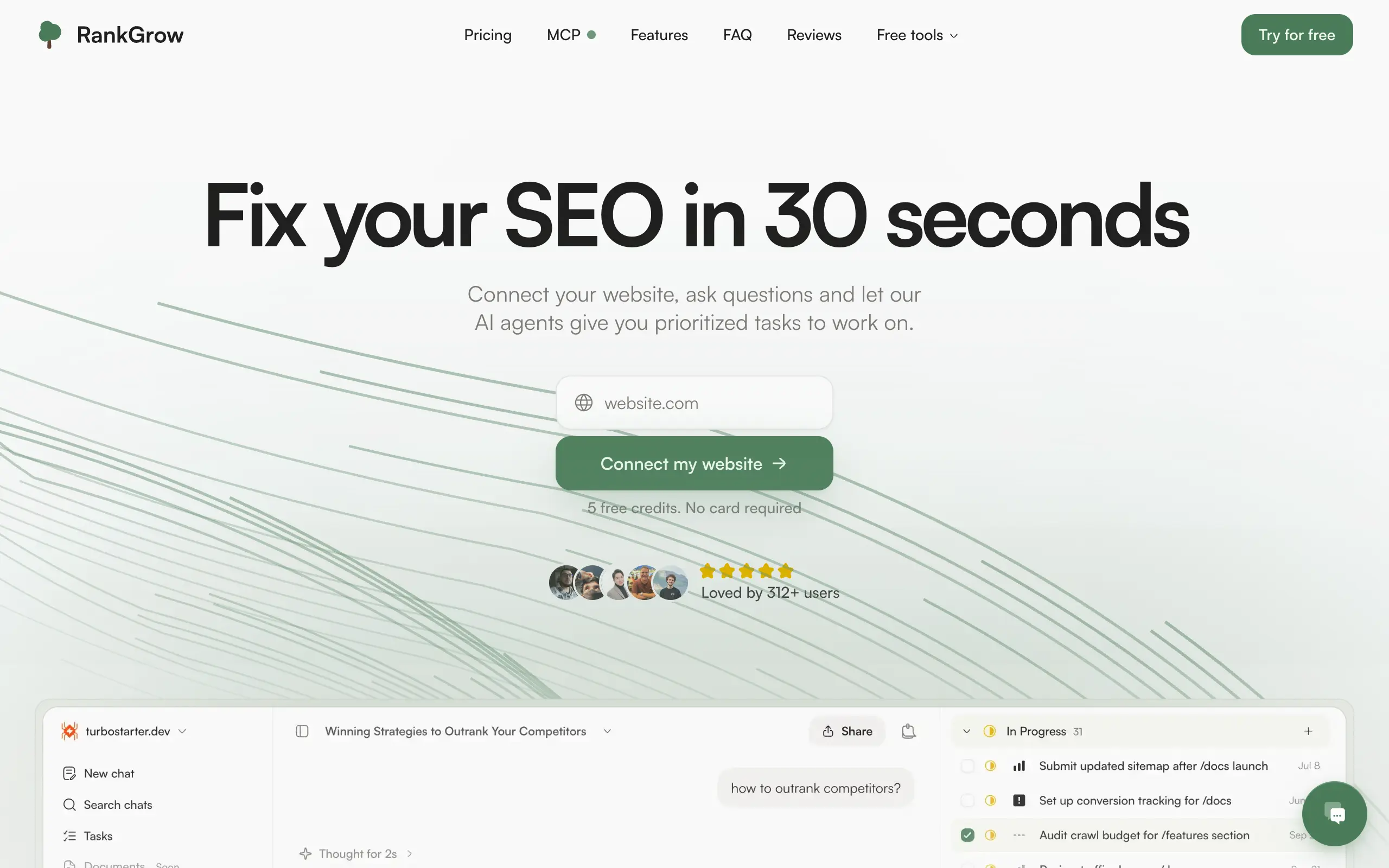
RankGrow
Fix your SEO with AI agents - connect Search Console, get prioritized tasks, and grow organic traffic 📈
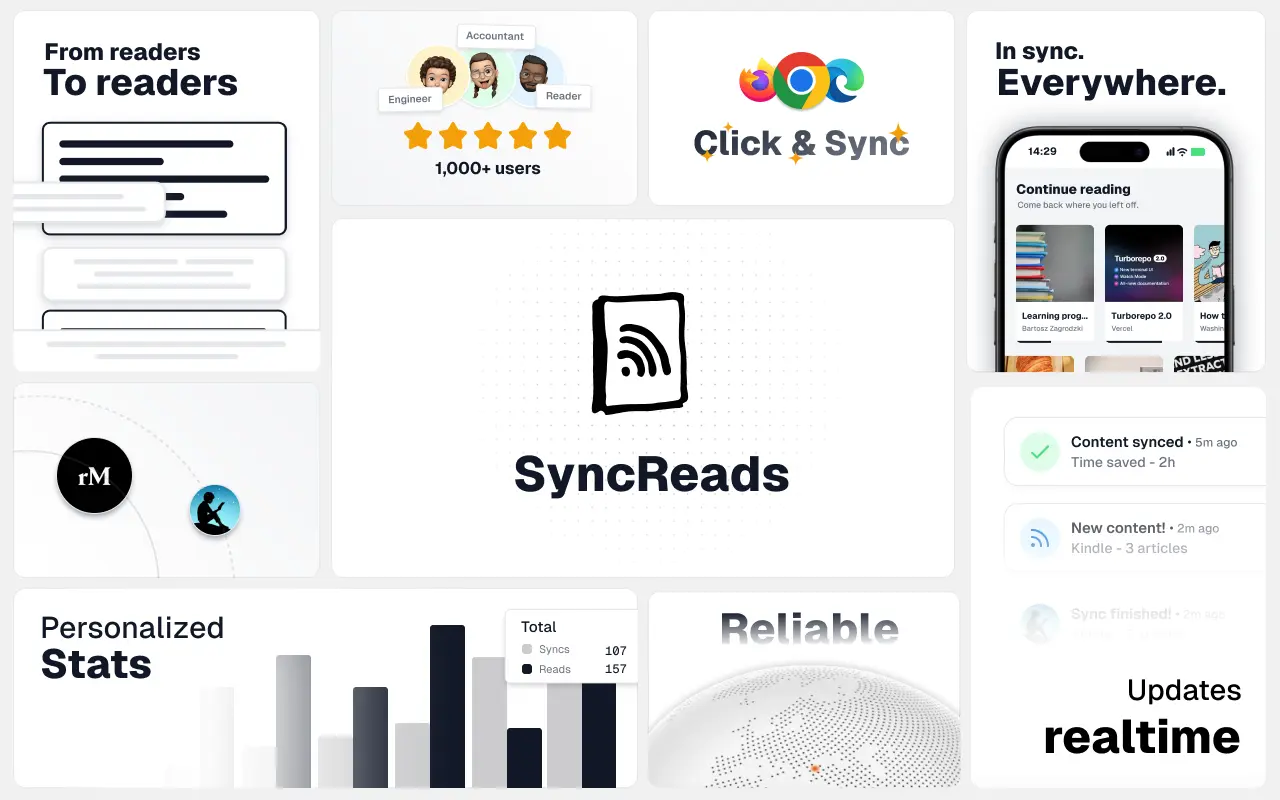
SyncReads
Sync your favorite content for distraction-free reading, save time and replace multiple apps. Anytime, anywhere 🔄
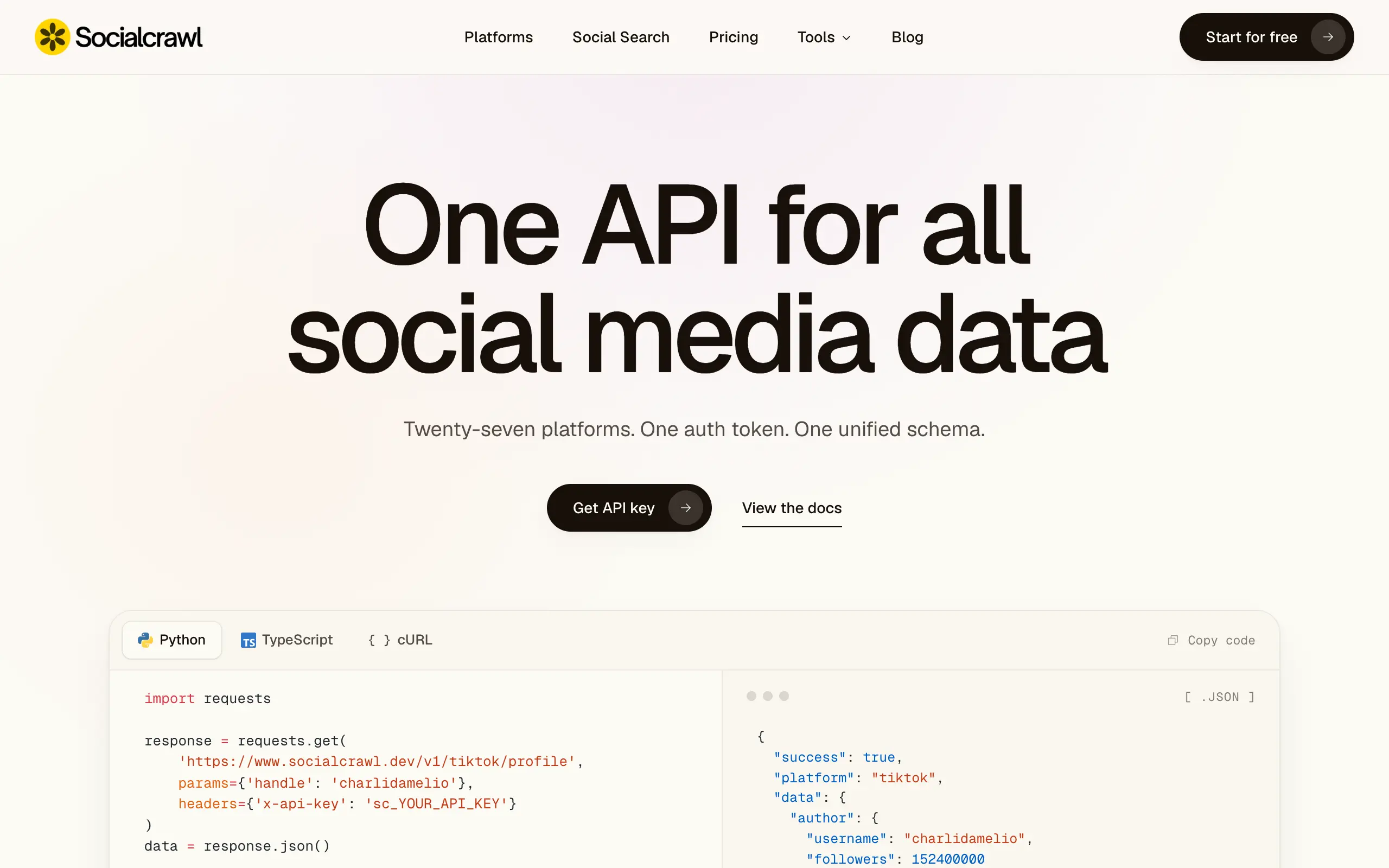
Socialcrawl
Get clean, structured data from 21 platforms like TikTok, Instagram, and YouTube with a single request 📊
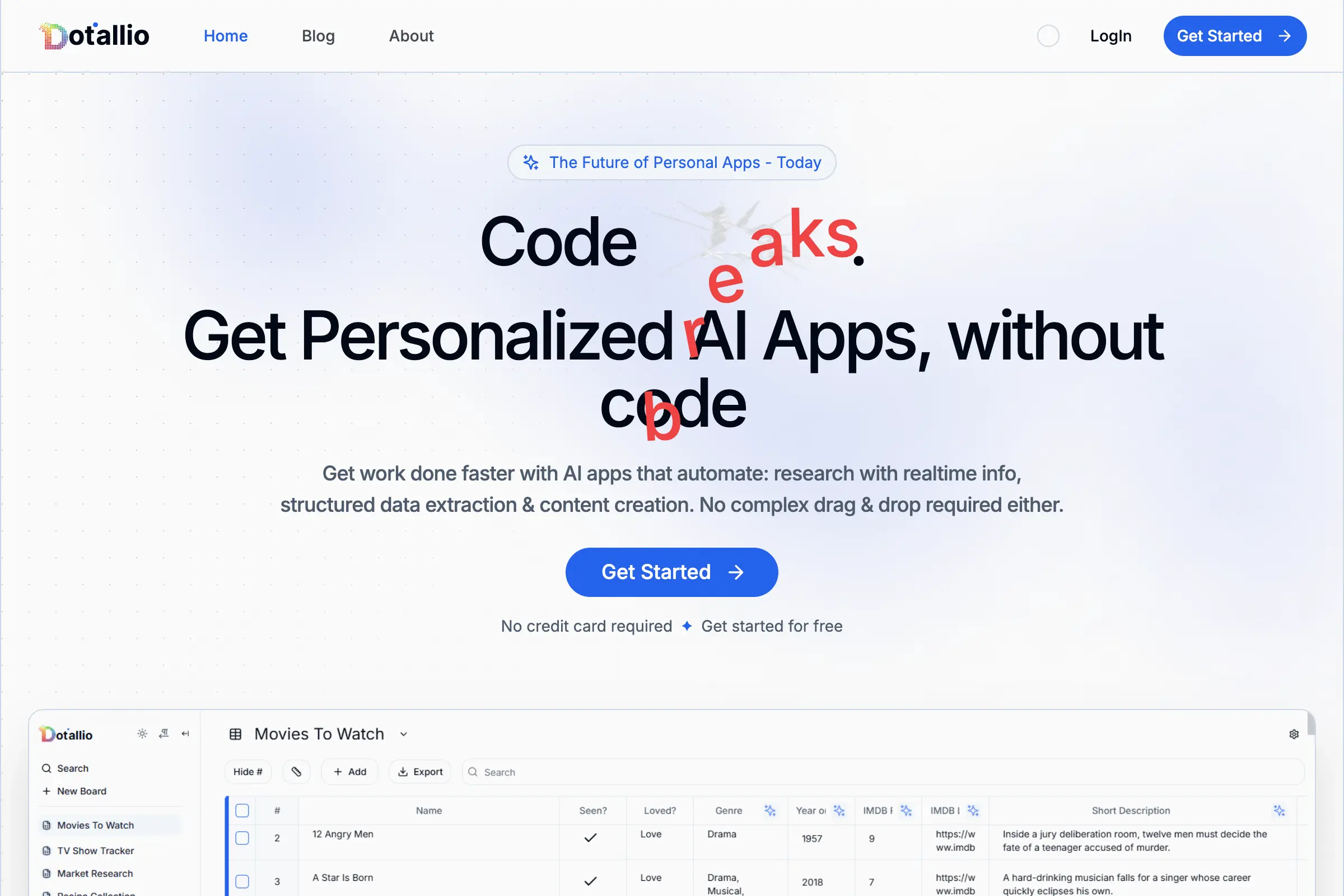
Dotallio
Personalized AI apps that automate research, data extraction, and content creation without code 🤖
Shibui
AI website builder - describe your business, pick a niche template, edit by chatting, and publish instantly ✨
Pro Service
Find verified home service professionals, compare quotes, and pay securely through escrow - built for Brazilians across the US 🏠
RankGrow
Fix your SEO with AI agents - connect Search Console, get prioritized tasks, and grow organic traffic 📈
SyncReads
Sync your favorite content for distraction-free reading, save time and replace multiple apps. Anytime, anywhere 🔄
Socialcrawl
Get clean, structured data from 21 platforms like TikTok, Instagram, and YouTube with a single request 📊
Dotallio
Personalized AI apps that automate research, data extraction, and content creation without code 🤖
Shibui
AI website builder - describe your business, pick a niche template, edit by chatting, and publish instantly ✨
Pro Service
Find verified home service professionals, compare quotes, and pay securely through escrow - built for Brazilians across the US 🏠
RankGrow
Fix your SEO with AI agents - connect Search Console, get prioritized tasks, and grow organic traffic 📈
SyncReads
Sync your favorite content for distraction-free reading, save time and replace multiple apps. Anytime, anywhere 🔄
Socialcrawl
Get clean, structured data from 21 platforms like TikTok, Instagram, and YouTube with a single request 📊
Dotallio
Personalized AI apps that automate research, data extraction, and content creation without code 🤖
Shibui
AI website builder - describe your business, pick a niche template, edit by chatting, and publish instantly ✨
Pro Service
Find verified home service professionals, compare quotes, and pay securely through escrow - built for Brazilians across the US 🏠
RankGrow
Fix your SEO with AI agents - connect Search Console, get prioritized tasks, and grow organic traffic 📈
SyncReads
Sync your favorite content for distraction-free reading, save time and replace multiple apps. Anytime, anywhere 🔄
Socialcrawl
Get clean, structured data from 21 platforms like TikTok, Instagram, and YouTube with a single request 📊
Dotallio
Personalized AI apps that automate research, data extraction, and content creation without code 🤖
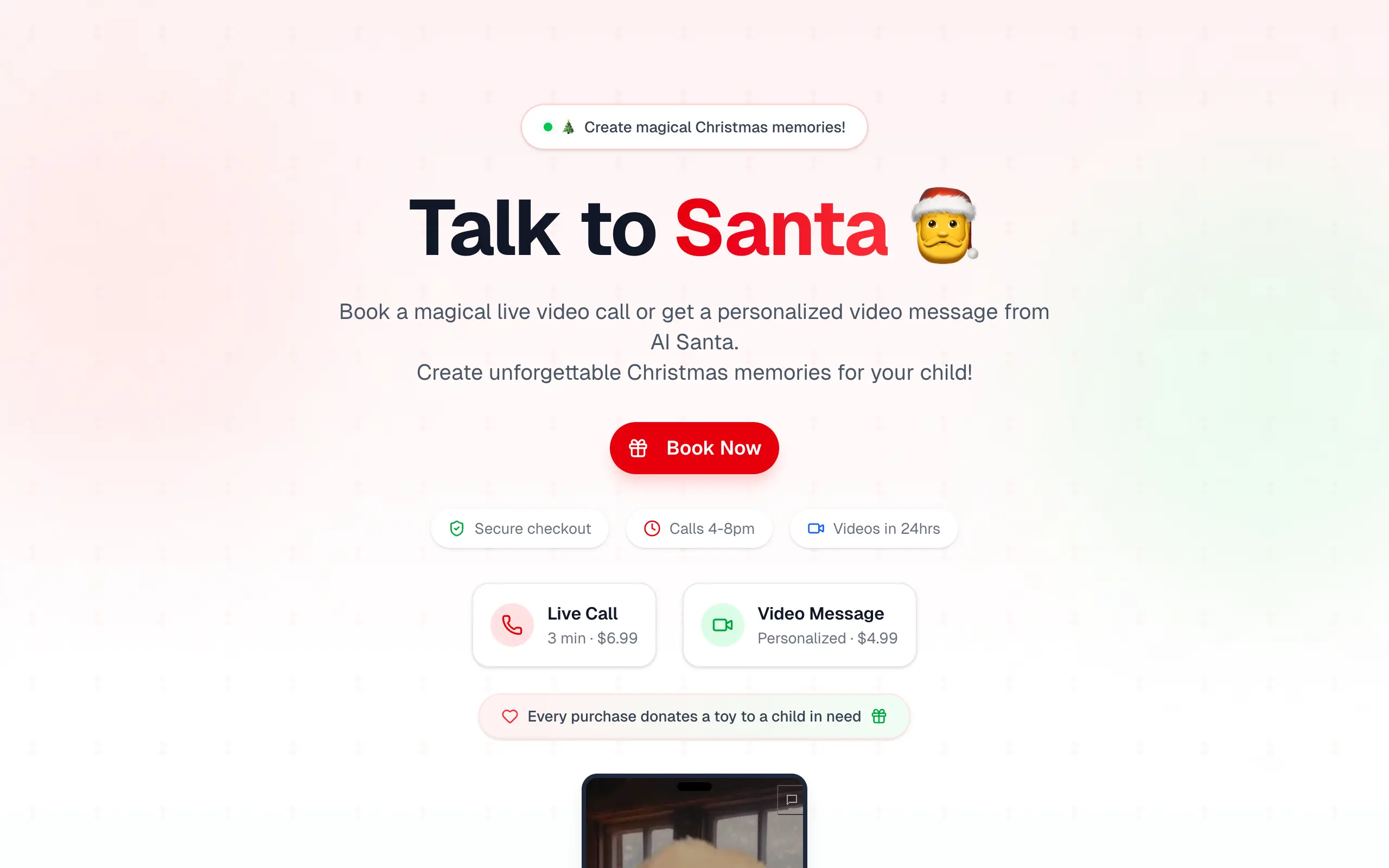
Talk to Santa
Enjoy a magical live video chat or receive a unique AI-generated video greeting from Santa Claus 🎅

pozywka.pl
Scalable blog for food journalist, focused on performance and user experience 🌭
zagrodzki.me
Personal blog and portfolio of Bart Zagrodzki, where he shares his knowledge and work 💼
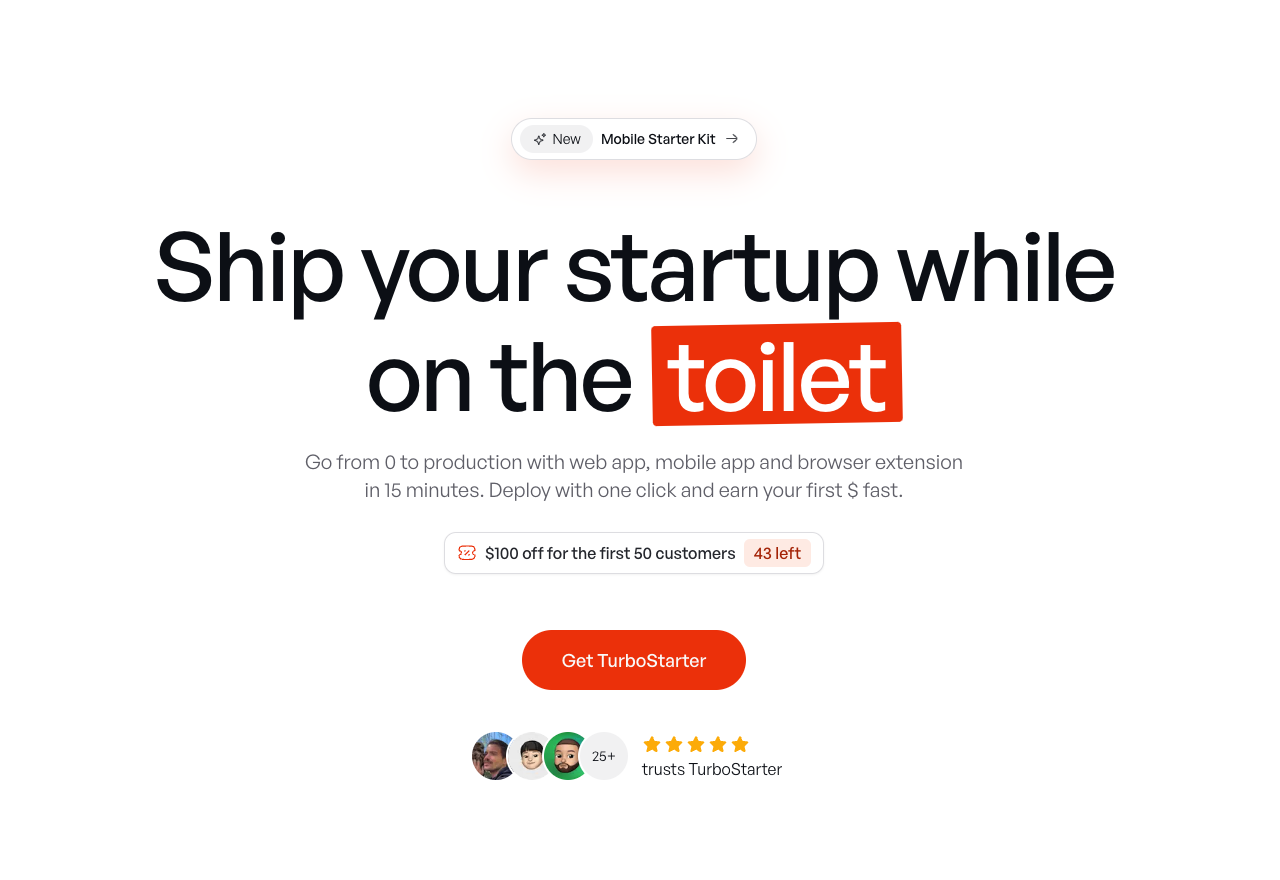
TurboStarter
Ship your startup everywhere. In minutes.
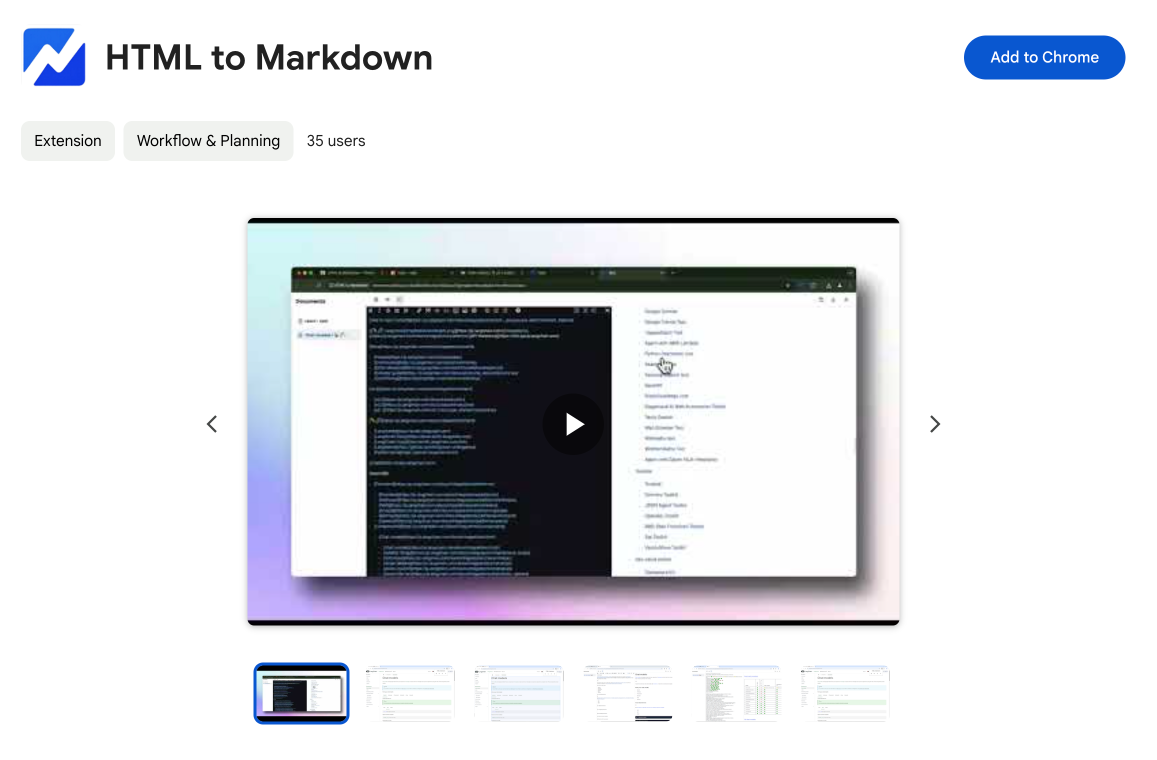
HTML to Markdown
Convert HTML to Markdown with ease, directly in your browser 📄
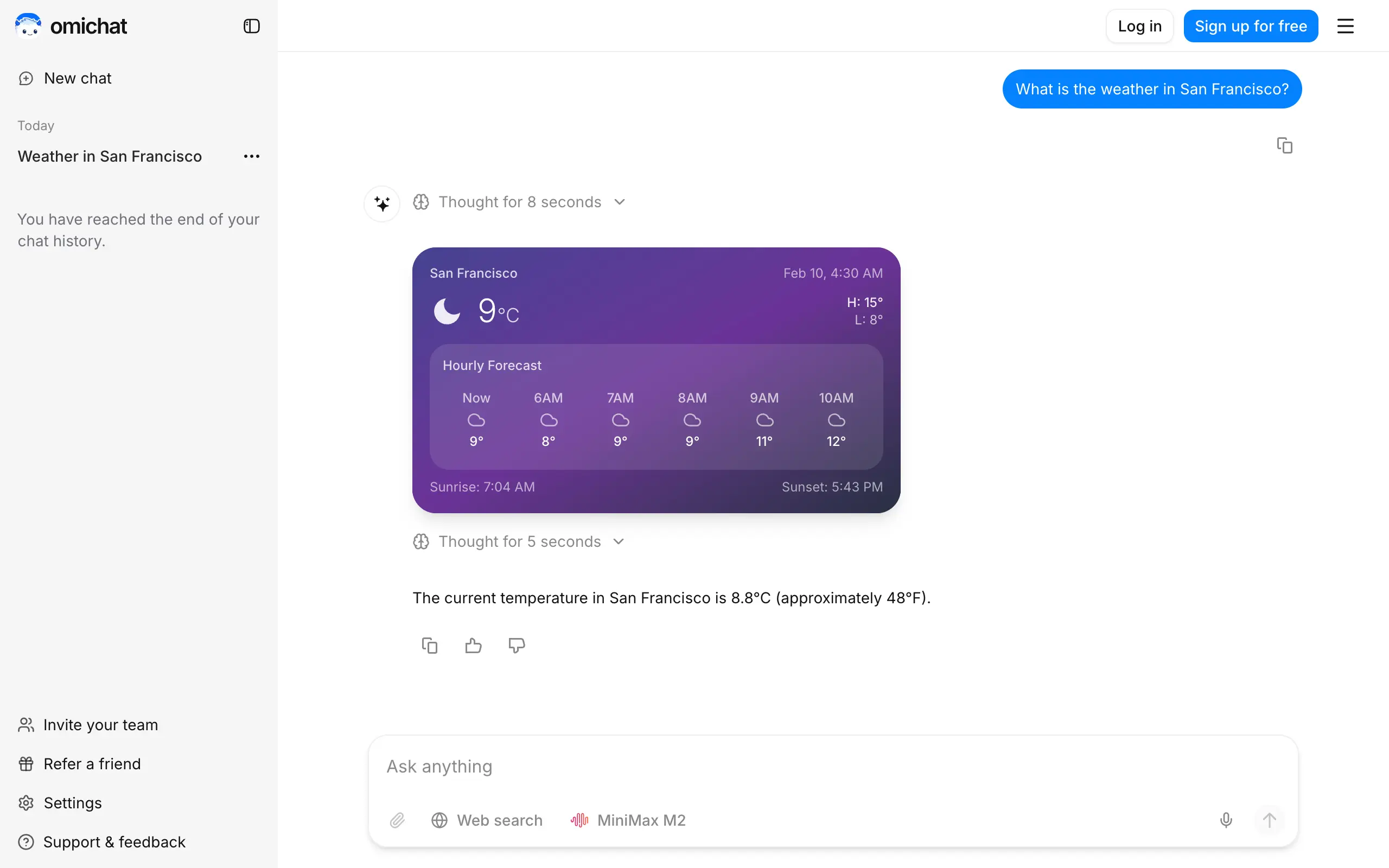
Omichat
Chat with 50+ AI models, including ChatGPT and Claude, in one place - switch models anytime without losing context 🤖
Talk to Santa
Enjoy a magical live video chat or receive a unique AI-generated video greeting from Santa Claus 🎅
pozywka.pl
Scalable blog for food journalist, focused on performance and user experience 🌭
zagrodzki.me
Personal blog and portfolio of Bart Zagrodzki, where he shares his knowledge and work 💼
TurboStarter
Ship your startup everywhere. In minutes.
HTML to Markdown
Convert HTML to Markdown with ease, directly in your browser 📄
Omichat
Chat with 50+ AI models, including ChatGPT and Claude, in one place - switch models anytime without losing context 🤖
Talk to Santa
Enjoy a magical live video chat or receive a unique AI-generated video greeting from Santa Claus 🎅
pozywka.pl
Scalable blog for food journalist, focused on performance and user experience 🌭
zagrodzki.me
Personal blog and portfolio of Bart Zagrodzki, where he shares his knowledge and work 💼
TurboStarter
Ship your startup everywhere. In minutes.
HTML to Markdown
Convert HTML to Markdown with ease, directly in your browser 📄
Omichat
Chat with 50+ AI models, including ChatGPT and Claude, in one place - switch models anytime without losing context 🤖
Talk to Santa
Enjoy a magical live video chat or receive a unique AI-generated video greeting from Santa Claus 🎅
pozywka.pl
Scalable blog for food journalist, focused on performance and user experience 🌭
zagrodzki.me
Personal blog and portfolio of Bart Zagrodzki, where he shares his knowledge and work 💼
TurboStarter
Ship your startup everywhere. In minutes.
HTML to Markdown
Convert HTML to Markdown with ease, directly in your browser 📄
Omichat
Chat with 50+ AI models, including ChatGPT and Claude, in one place - switch models anytime without losing context 🤖
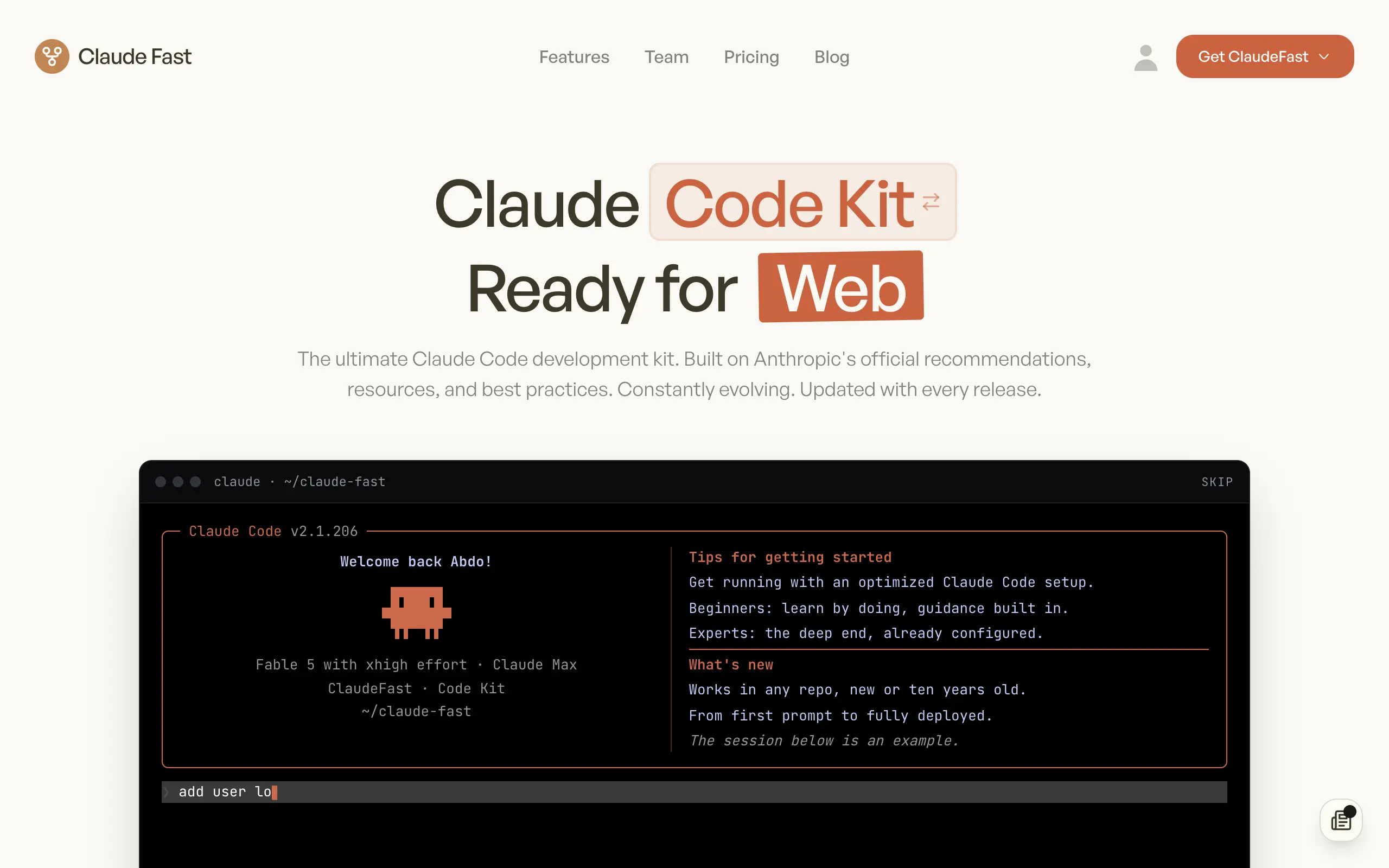
Claude Fast
Supercharge your Claude Code with 6x effective context window and specialized AI agents 🤖
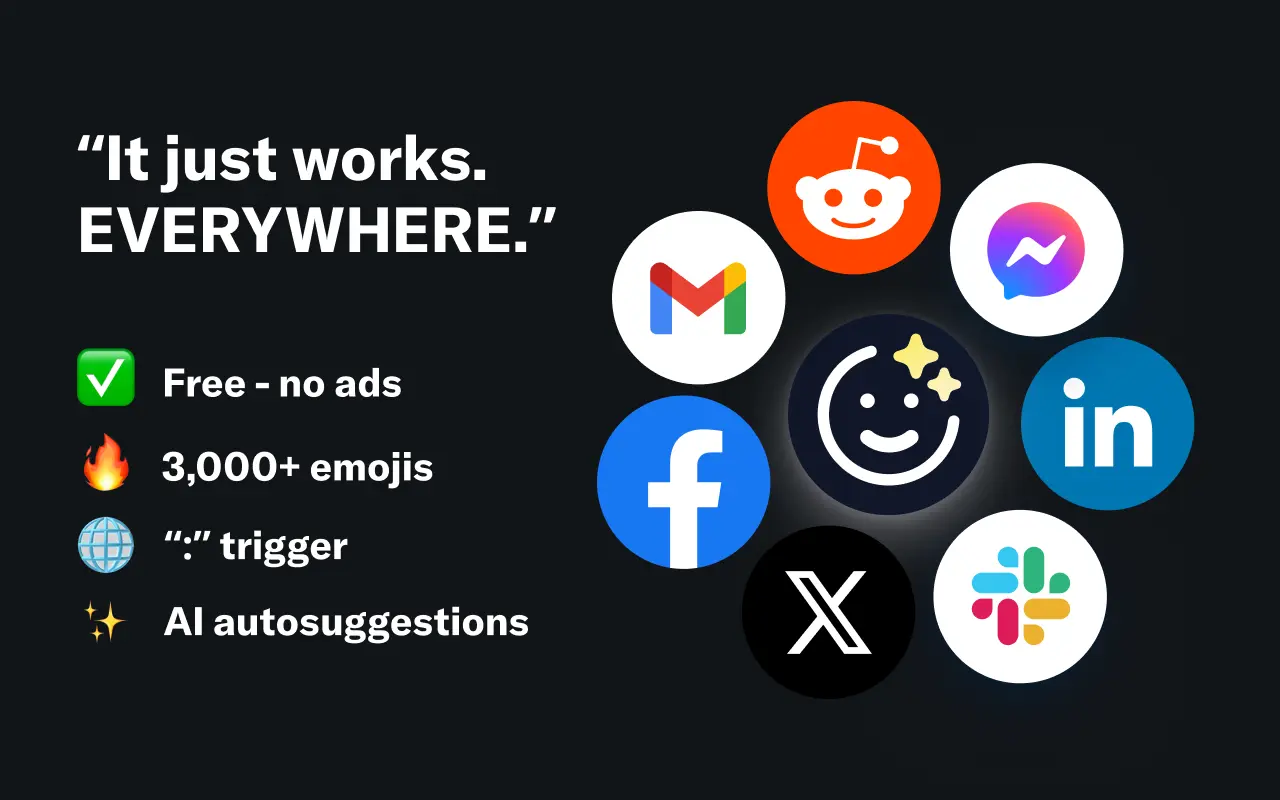
EmojAI
AI-powered emoji picker with smart, context-aware suggestions 🤖
Solohacker
Autonomous company launcher - AI agents work 24/7, escalate what matters, and you stay in control 🤖
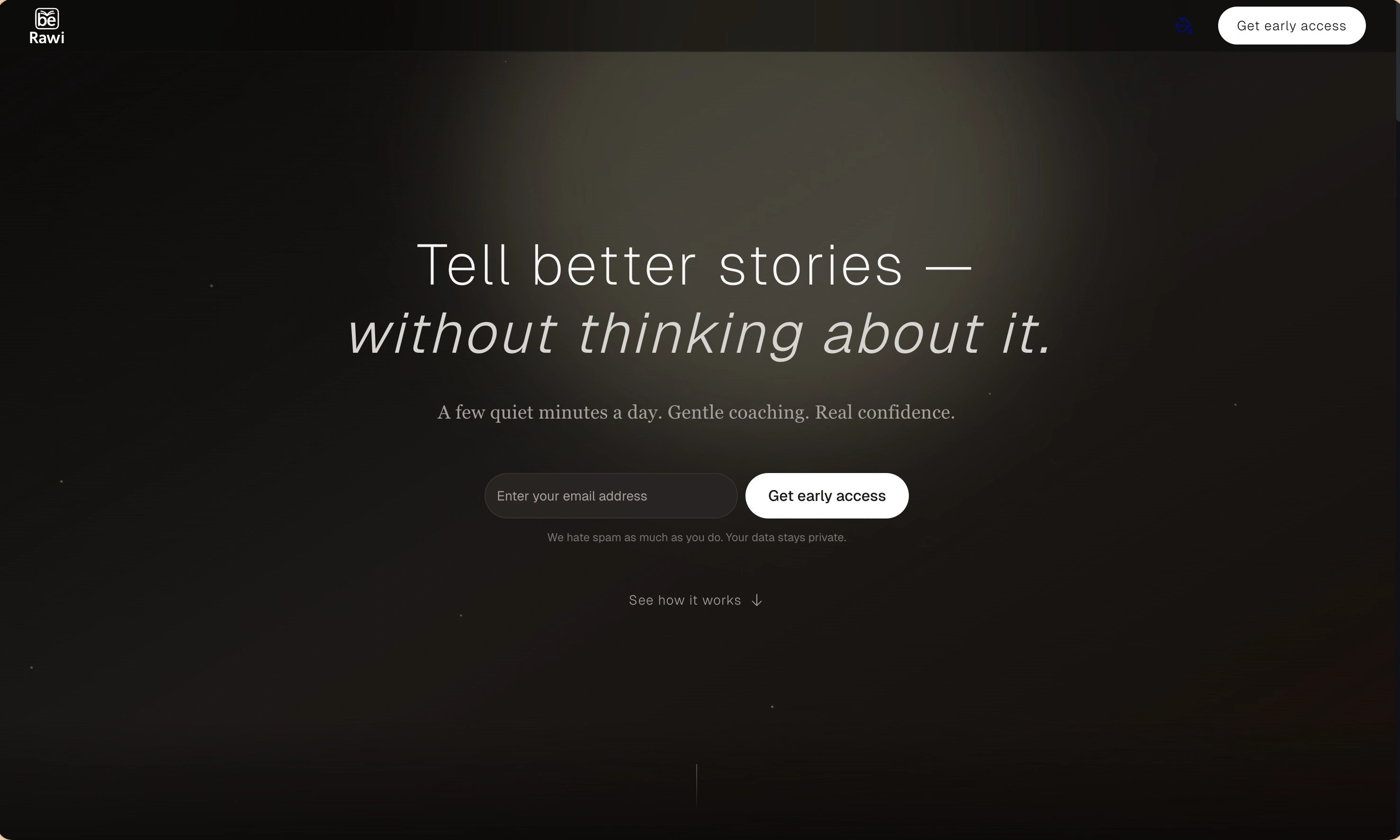
BeRawi: Storytelling Coach
Practice storytelling daily with instant feedback to sound clearer, more engaging, and confident 🎤
Claude Fast
Supercharge your Claude Code with 6x effective context window and specialized AI agents 🤖
EmojAI
AI-powered emoji picker with smart, context-aware suggestions 🤖
Solohacker
Autonomous company launcher - AI agents work 24/7, escalate what matters, and you stay in control 🤖
BeRawi: Storytelling Coach
Practice storytelling daily with instant feedback to sound clearer, more engaging, and confident 🎤
Claude Fast
Supercharge your Claude Code with 6x effective context window and specialized AI agents 🤖
EmojAI
AI-powered emoji picker with smart, context-aware suggestions 🤖
Solohacker
Autonomous company launcher - AI agents work 24/7, escalate what matters, and you stay in control 🤖
BeRawi: Storytelling Coach
Practice storytelling daily with instant feedback to sound clearer, more engaging, and confident 🎤
Claude Fast
Supercharge your Claude Code with 6x effective context window and specialized AI agents 🤖
EmojAI
AI-powered emoji picker with smart, context-aware suggestions 🤖
Solohacker
Autonomous company launcher - AI agents work 24/7, escalate what matters, and you stay in control 🤖
BeRawi: Storytelling Coach
Practice storytelling daily with instant feedback to sound clearer, more engaging, and confident 🎤

Connect with like-minded people
Join our community to get feedback, support, and grow together with 1,000+ builders on board, let's ship it!
Join usShip your startup everywhere. In minutes.
Don't burn tokens on setup and start building features on day one.