PitCrew Pro
Smart maintenance assistant that predicts car issues, schedules service, and tracks vehicle health using AI and onboard diagnostics data.
understanding the opportunity behind an AI-powered car maintenance assistant
The automotive industry is undergoing a massive shift—not just toward electrification and autonomy, but toward data-driven vehicle ownership. Modern vehicles already generate enormous amounts of diagnostic data through onboard diagnostics (OBD-II), telematics systems, and embedded sensors. Yet most drivers still rely on reactive maintenance: waiting for something to break, a dashboard warning light, or a reminder sticker.
This gap creates a powerful opportunity for a product like PitCrew Pro, an AI-powered maintenance assistant that transforms raw vehicle data into predictive insights, automated service scheduling, and continuous vehicle health tracking.
The primary keyword here is AI car maintenance assistant, supported by related terms like predictive vehicle maintenance, smart car diagnostics, OBD analytics platform, vehicle health monitoring software, and automated car service scheduling.
This article breaks down how to build, position, and scale PitCrew Pro into a category-defining SaaS platform.
the shift from reactive to predictive vehicle maintenance
Traditional car maintenance follows a simple pattern:
- Fixed intervals (e.g., oil changes every 5,000 miles)
- Reactive repairs after failures
- Manual inspection and guesswork
This approach is inefficient, costly, and often unsafe.
why predictive maintenance is becoming essential
Modern vehicles produce signals that can reveal:
- Engine performance anomalies
- Battery degradation trends
- Brake wear patterns
- Transmission irregularities
- Fuel efficiency changes
AI systems can analyze this data to detect early signs of failure before symptoms appear.
Industry trend
Predictive maintenance is already widely adopted in industrial IoT and fleet management. Consumer automotive is the next frontier, driven by connected cars and affordable diagnostics hardware.
PitCrew Pro brings this capability to everyday drivers, independent mechanics, and fleet operators.
target audience and ideal customer profiles
A strong SaaS product starts with precise audience segmentation. PitCrew Pro has multiple high-value segments.
everyday car owners (primary market)
These users want simplicity and peace of mind.
Pain points:
- Forgetting maintenance schedules
- Unexpected breakdowns
- Lack of trust in mechanics
- Difficulty interpreting dashboard warnings
What they value:
- Clear alerts ("Your battery may fail in ~3 weeks")
- Automated service booking
- Cost-saving insights
- Mobile-first experience
gig economy drivers and fleet operators
This is a high-frequency, high-value segment.
Examples:
- Uber/Lyft drivers
- Delivery drivers (DoorDash, Amazon Flex)
- Small logistics fleets
Pain points:
- Downtime = lost income
- Poor visibility into vehicle health
- Inefficient maintenance planning
What they value:
- Predictive downtime alerts
- Maintenance optimization
- Multi-vehicle dashboards
- ROI-focused insights
auto repair shops and service centers
A B2B expansion opportunity.
Pain points:
- Irregular customer flow
- Reactive service requests
- Lack of customer retention tools
What they value:
- Pre-diagnosed issues
- Scheduled inbound jobs
- Customer lifecycle tracking
- Integration with booking systems
car enthusiasts and DIY mechanics
A niche but engaged segment.
What they value:
- Deep diagnostics
- Performance insights
- Custom alerts
- Historical data tracking
defining the core product: what PitCrew Pro actually does
At its core, PitCrew Pro is a data intelligence layer for vehicle health.
key capabilities
predictive diagnostics
AI models detect early signs of component failure using OBD and sensor data.
automated service scheduling
Integrates with local service providers to book maintenance at the right time.
vehicle health scoring
A simple, dynamic score representing overall vehicle condition.
maintenance history tracking
Logs all services, repairs, and costs in one place.
how the system works
-
Data collection
- OBD-II device or connected car API
- Mobile app integration
- Optional manual inputs
-
Data processing
- Real-time ingestion
- Signal normalization
- Pattern detection
-
AI analysis
- Predictive models trained on failure patterns
- Anomaly detection
- Maintenance forecasting
-
User output
- Alerts and recommendations
- Cost estimates
- Service booking options
feature breakdown: building a compelling MVP and beyond
MVP features (phase 1)
Focus on delivering immediate value:
- OBD-II integration
- Real-time diagnostics dashboard
- Maintenance reminders
- Basic predictive alerts
- Service history logging
growth features (phase 2)
- AI-powered failure prediction
- Cost estimation engine
- Local mechanic marketplace integration
- Push notifications and alerts
- Multi-vehicle support
advanced features (phase 3)
- Machine learning personalization
- Insurance integration (usage-based pricing)
- Fleet analytics dashboard
- API for third-party integrations
- Voice assistant support
competitive landscape and differentiation
There are existing tools in this space, but most fall short.
current competitors
- OBD apps (e.g., Torque, Car Scanner)
- Manufacturer apps (limited scope)
- Fleet management tools (not consumer-friendly)
- Maintenance trackers (manual input only)
competitive comparison
| Feature | PitCrew Pro | OBD Apps | OEM Apps | Fleet Tools |
|---|---|---|---|---|
| Predictive AI | ✅ | ❌ | ❌ | ✅ |
| Consumer-friendly UX | ✅ | ❌ | ✅ | ❌ |
| Automated scheduling | ✅ | ❌ | ❌ | ✅ |
| Multi-vehicle support | ✅ | ✅ | ❌ | ✅ |
unique selling proposition (USP)
PitCrew Pro stands out by combining:
- Predictive intelligence (not just diagnostics)
- Consumer-grade simplicity
- End-to-end workflow (detect → decide → schedule)
This is not just a tool—it’s a vehicle health operating system.
recommended tech stack and architecture
Building an AI-powered automotive SaaS requires careful infrastructure choices.
frontend
- React for dynamic UI
- TailwindCSS for fast styling
- React Native for mobile apps
backend
- Node.js or Python (FastAPI)
- GraphQL or REST API
- PostgreSQL for structured data
- Redis for caching
AI/ML layer
- Python-based models (scikit-learn, TensorFlow)
- Time-series analysis for sensor data
- Anomaly detection algorithms
data ingestion
- OBD-II Bluetooth adapters
- Telematics APIs
- Streaming pipelines (Kafka or similar)
infrastructure
- AWS or GCP
- Serverless for scalability
- Docker for containerization
example API endpoint
// Example: vehicle diagnostics ingestion endpoint
app.post("/api/vehicle/data", async (req, res) => {
  const { vehicleId, sensorData } = req.body;

  // Process incoming telemetry
  const anomalies = await detectAnomalies(sensorData);

  // Store and respond
  await saveTelemetry(vehicleId, sensorData);

  res.json({
    status: "processed",
    alerts: anomalies
  });
});
trade-offs to consider
- Real-time vs batch processing
- Edge processing vs cloud-only
- Accuracy vs speed in predictions
- Hardware dependency (OBD devices)
monetization strategies that actually work
PitCrew Pro can monetize across multiple layers.
subscription model (core)
- Free tier: basic diagnostics
- Pro tier ($8–$15/month):
- Predictive alerts
- Scheduling automation
- Advanced analytics
marketplace commissions
- Partner with repair shops
- Take a cut per booking (5–15%)
fleet SaaS pricing
- Per vehicle/month pricing
- Volume discounts
data insights (long-term)
- Aggregate anonymized data
- Sell insights to insurers or manufacturers (with strict compliance)
Handling vehicle data requires strong privacy policies and compliance with regulations like GDPR. Transparency is critical for trust.
SEO strategy for scaling PitCrew Pro
To rank for AI car maintenance assistant, your content and product must align with search intent.
high-intent keyword clusters
- predictive car maintenance software
- car diagnostic app with AI
- vehicle health monitoring system
- smart car maintenance assistant
- OBD data analytics platform
content strategy
- Educational blog posts:
- "How to predict car failures before they happen"
- "Top signs your engine is about to fail"
- Comparison pages:
- "Best car diagnostic apps in 2026"
- Use-case pages:
- "For Uber drivers"
- "For fleet managers"
authority building
- Publish case studies
- Collaborate with mechanics
- Reference industry data (e.g., McKinsey, Statista—cite properly)
risks and how to mitigate them
data accuracy risk
AI predictions can be wrong.
Mitigation:
- Continuous model training
- Confidence scores in alerts
- Human-readable explanations
hardware dependency
OBD devices may create friction.
Mitigation:
- Partner with device manufacturers
- Offer bundled hardware
- Support connected car APIs
user trust
Users must trust recommendations.
Mitigation:
- Transparent insights
- Clear cost breakdowns
- Verified service providers
competition from OEMs
Car manufacturers may build similar tools.
Mitigation:
- Stay platform-agnostic
- Offer better UX and cross-brand support
step-by-step implementation roadmap
go-to-market strategy
phase 1: niche domination
Focus on:
- Gig drivers
- Tech-savvy car owners
phase 2: partnerships
- Repair shops
- Insurance companies
- Fleet operators
phase 3: scale
- App store optimization
- SEO content engine
- Referral programs
future trends that strengthen this idea
- Rise of connected vehicles
- Increased EV adoption (battery analytics opportunity)
- AI becoming more accessible
- Growth of usage-based insurance
PitCrew Pro is positioned at the intersection of all these trends.
why this idea has long-term potential
PitCrew Pro is not just solving a convenience problem—it’s addressing:
- Cost savings
- Safety
- Time efficiency
- Data transparency
It has strong expansion potential into:
- Insurance
- Fleet logistics
- Smart city infrastructure
actionable next steps to build PitCrew Pro
- Define your initial ICP (likely gig drivers)
- Build a no-code prototype or landing page
- Validate interest with real users
- Develop MVP using TurboStarter
- Integrate OBD data ingestion
- Launch beta and iterate quickly
- Layer in AI capabilities over time
final thoughts
The future of car ownership is proactive, data-driven, and automated. An AI car maintenance assistant like PitCrew Pro has the potential to become an essential tool for millions of drivers.
By focusing on real user pain points, leveraging predictive analytics, and building a seamless experience, you can create a product that doesn’t just compete—but defines a new category.
The opportunity is wide open.
More 🤖 AI Startup SaaS ideas
Discover more innovative ai startup SaaS ideas that are trending in 2026. Each idea is AI-generated with market validation and growth potential to help you find your next profitable venture faster than competitors.
Your competitors are building with TurboStarter
Below are some of the SaaS ideas that have been generated and built with our starter kit.
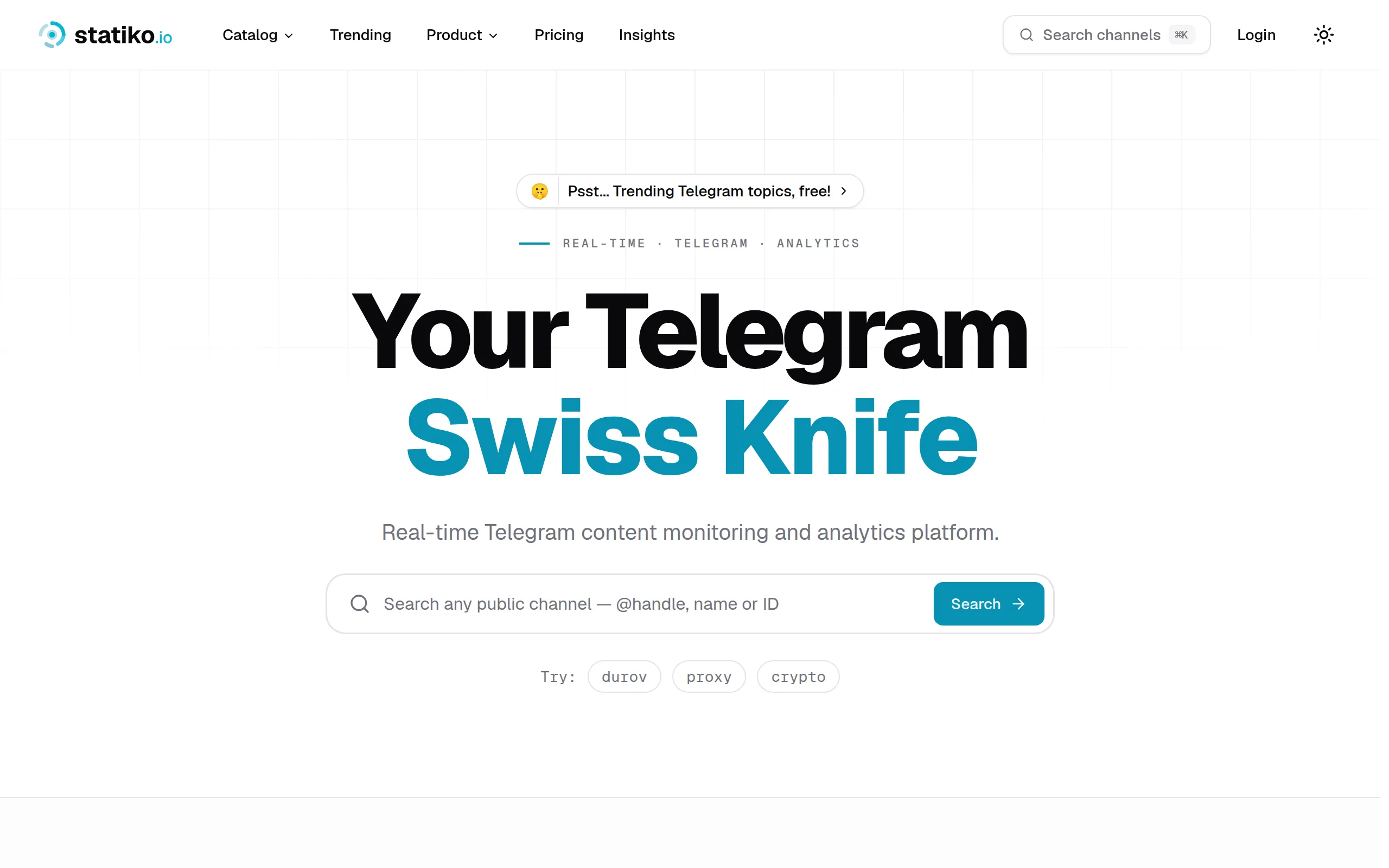
Statiko
Monitor any Telegram channel in real time - track posts, edits, deletions, and growth with AI recaps 📡
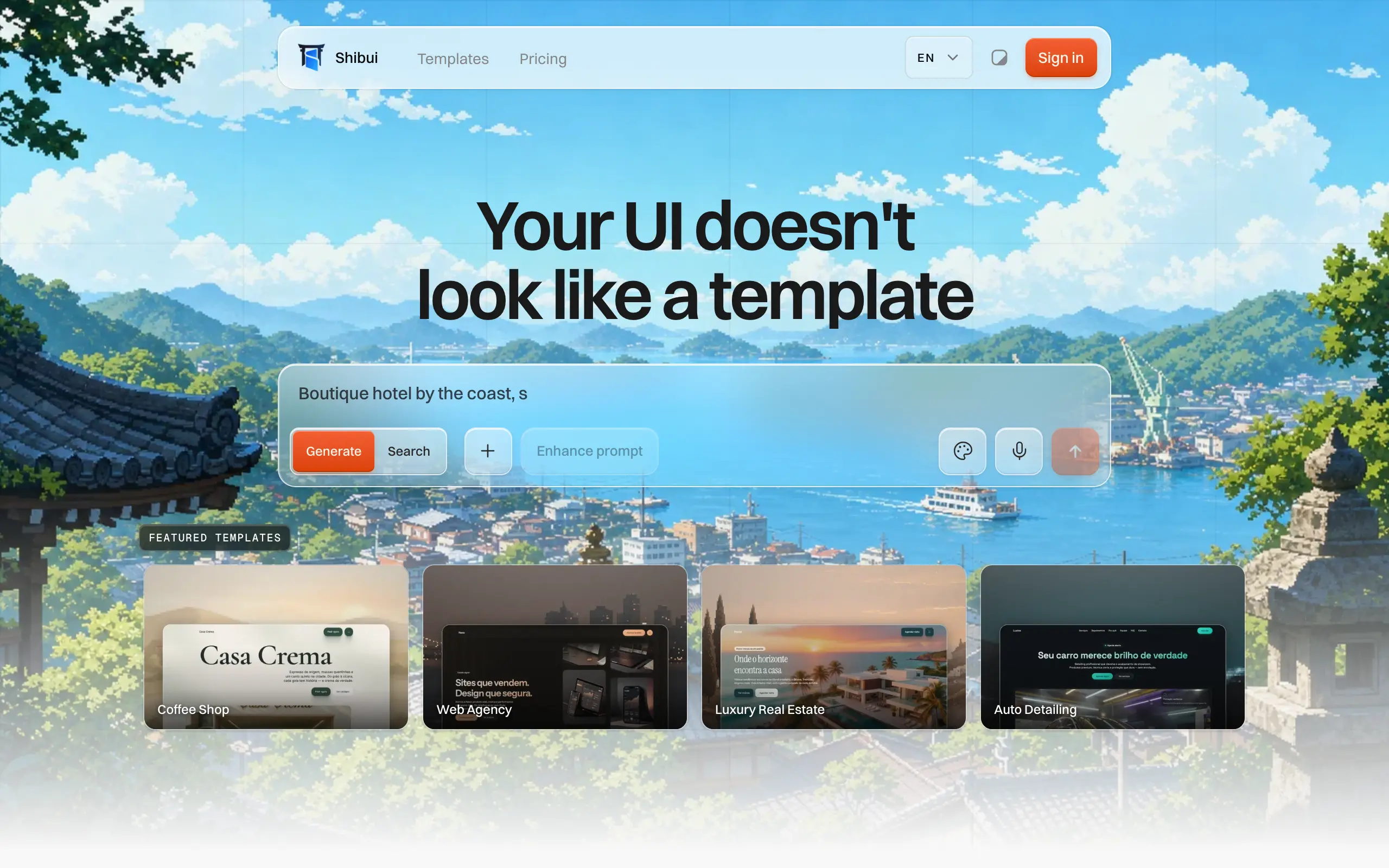
Shibui
AI website builder - describe your business, pick a niche template, edit by chatting, and publish instantly ✨
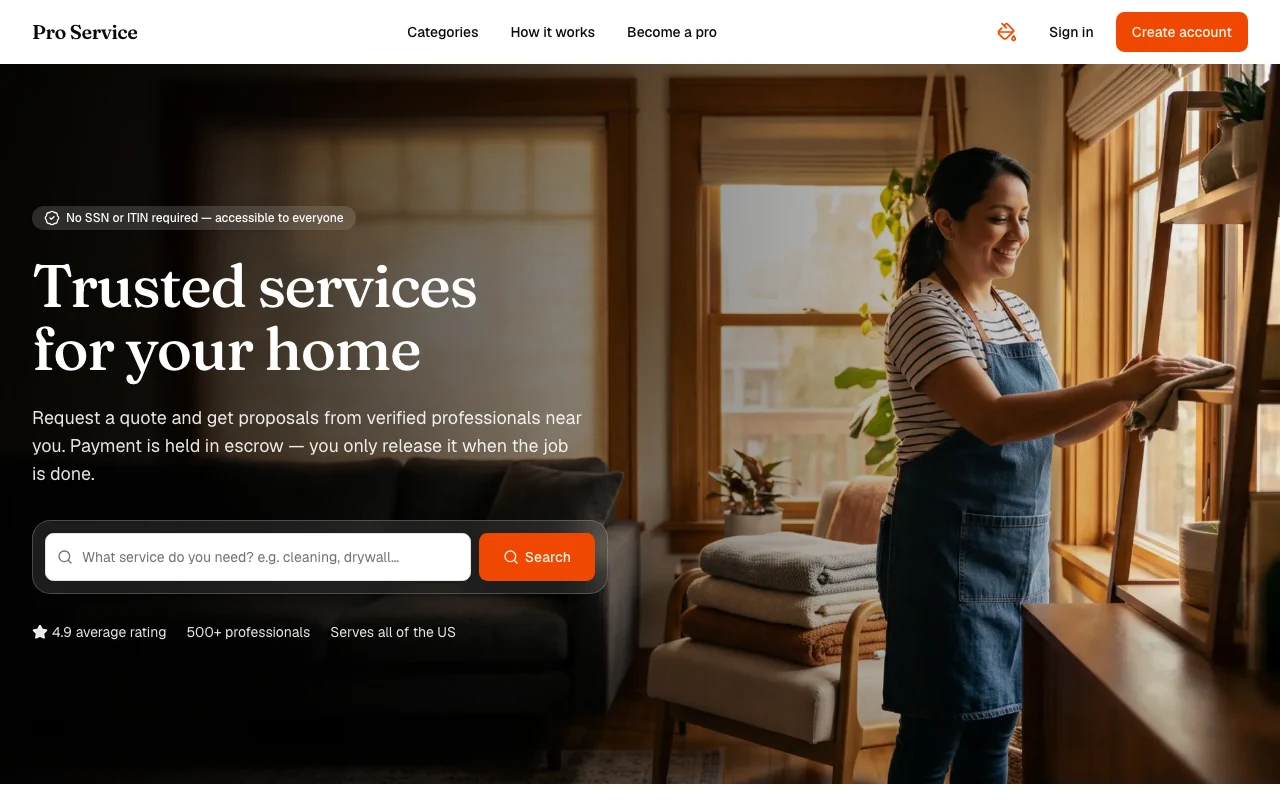
Pro Service
Find verified home service professionals, compare quotes, and pay securely through escrow - built for Brazilians across the US 🏠
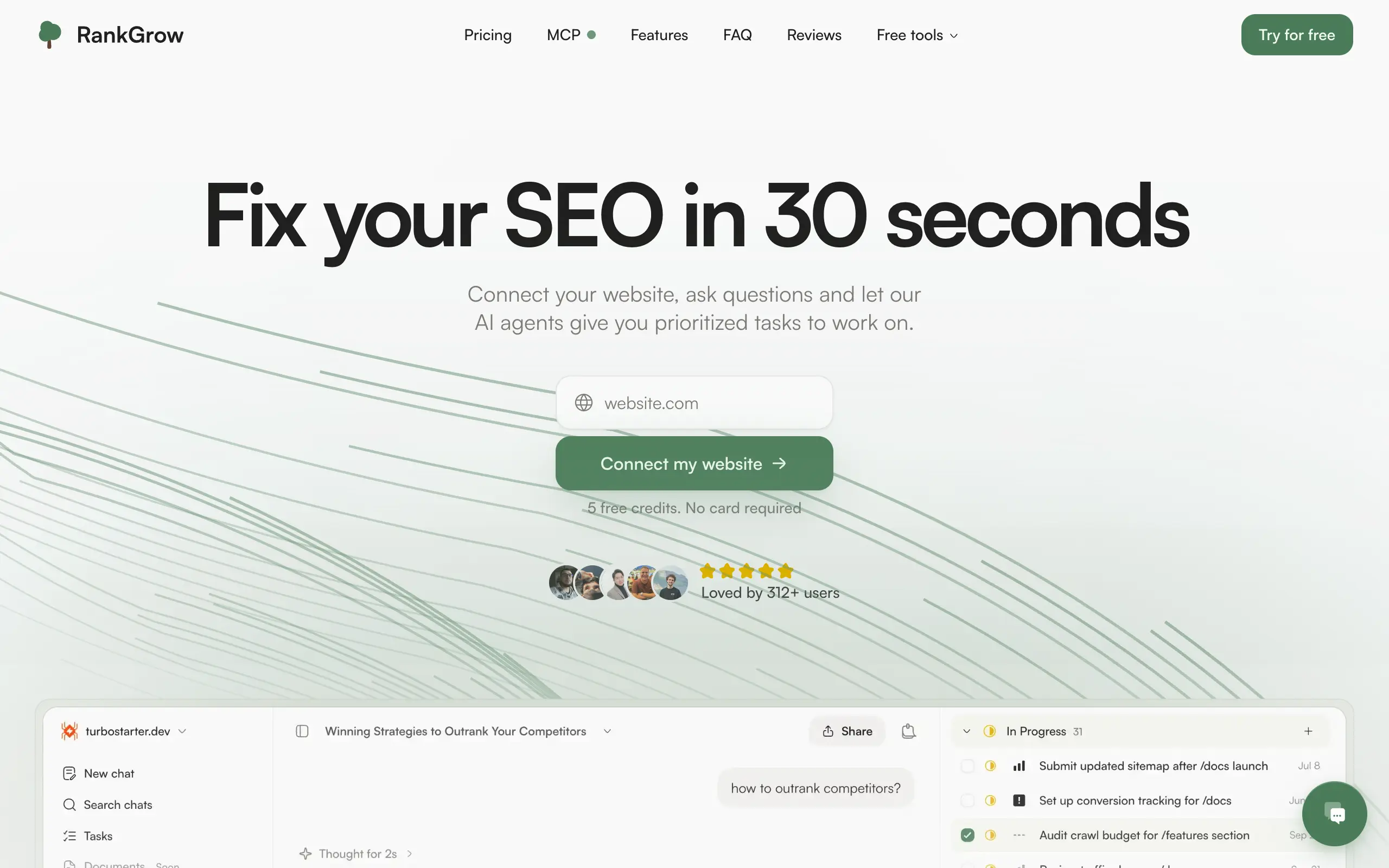
RankGrow
Fix your SEO with AI agents - connect Search Console, get prioritized tasks, and grow organic traffic 📈
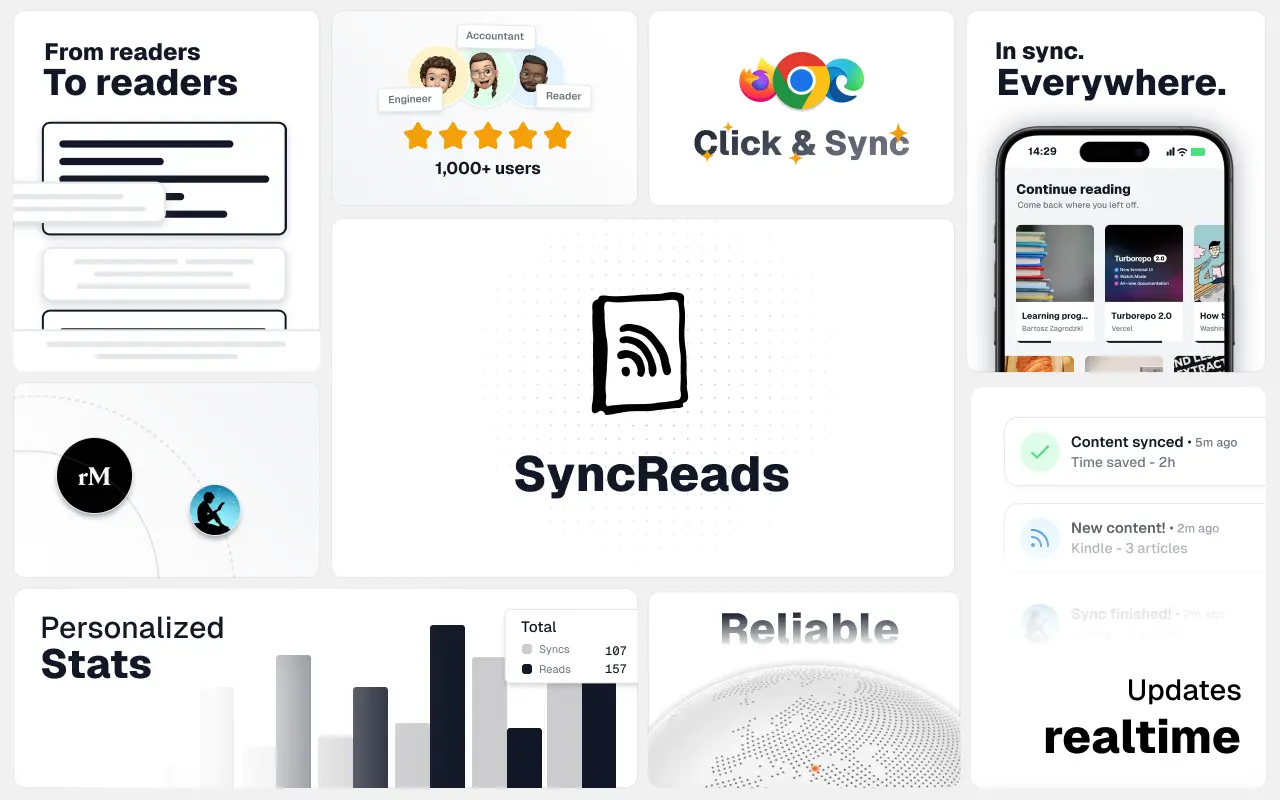
SyncReads
Sync your favorite content for distraction-free reading, save time and replace multiple apps. Anytime, anywhere 🔄
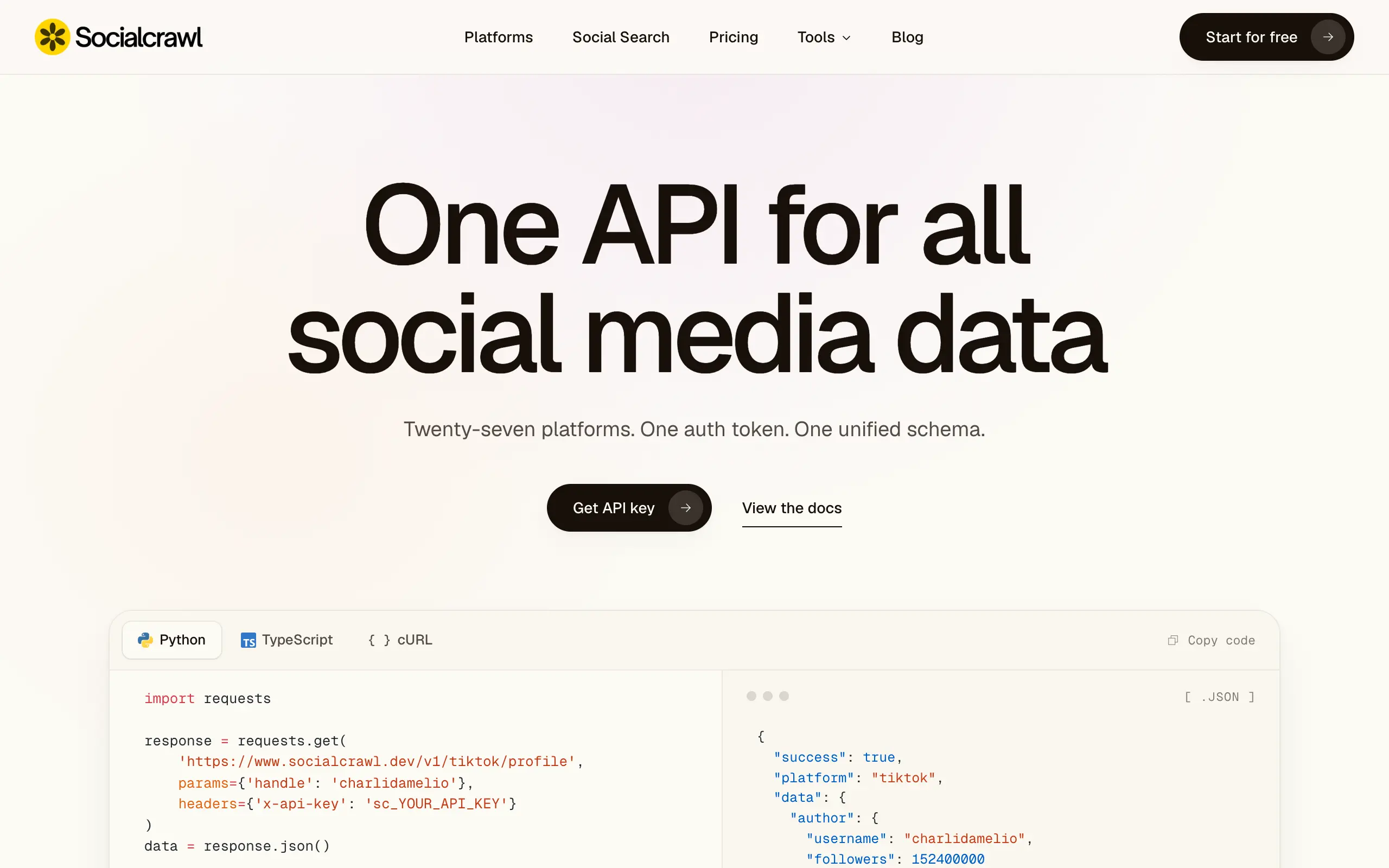
Socialcrawl
Get clean, structured data from 21 platforms like TikTok, Instagram, and YouTube with a single request 📊
Statiko
Monitor any Telegram channel in real time - track posts, edits, deletions, and growth with AI recaps 📡
Shibui
AI website builder - describe your business, pick a niche template, edit by chatting, and publish instantly ✨
Pro Service
Find verified home service professionals, compare quotes, and pay securely through escrow - built for Brazilians across the US 🏠
RankGrow
Fix your SEO with AI agents - connect Search Console, get prioritized tasks, and grow organic traffic 📈
SyncReads
Sync your favorite content for distraction-free reading, save time and replace multiple apps. Anytime, anywhere 🔄
Socialcrawl
Get clean, structured data from 21 platforms like TikTok, Instagram, and YouTube with a single request 📊
Statiko
Monitor any Telegram channel in real time - track posts, edits, deletions, and growth with AI recaps 📡
Shibui
AI website builder - describe your business, pick a niche template, edit by chatting, and publish instantly ✨
Pro Service
Find verified home service professionals, compare quotes, and pay securely through escrow - built for Brazilians across the US 🏠
RankGrow
Fix your SEO with AI agents - connect Search Console, get prioritized tasks, and grow organic traffic 📈
SyncReads
Sync your favorite content for distraction-free reading, save time and replace multiple apps. Anytime, anywhere 🔄
Socialcrawl
Get clean, structured data from 21 platforms like TikTok, Instagram, and YouTube with a single request 📊
Statiko
Monitor any Telegram channel in real time - track posts, edits, deletions, and growth with AI recaps 📡
Shibui
AI website builder - describe your business, pick a niche template, edit by chatting, and publish instantly ✨
Pro Service
Find verified home service professionals, compare quotes, and pay securely through escrow - built for Brazilians across the US 🏠
RankGrow
Fix your SEO with AI agents - connect Search Console, get prioritized tasks, and grow organic traffic 📈
SyncReads
Sync your favorite content for distraction-free reading, save time and replace multiple apps. Anytime, anywhere 🔄
Socialcrawl
Get clean, structured data from 21 platforms like TikTok, Instagram, and YouTube with a single request 📊
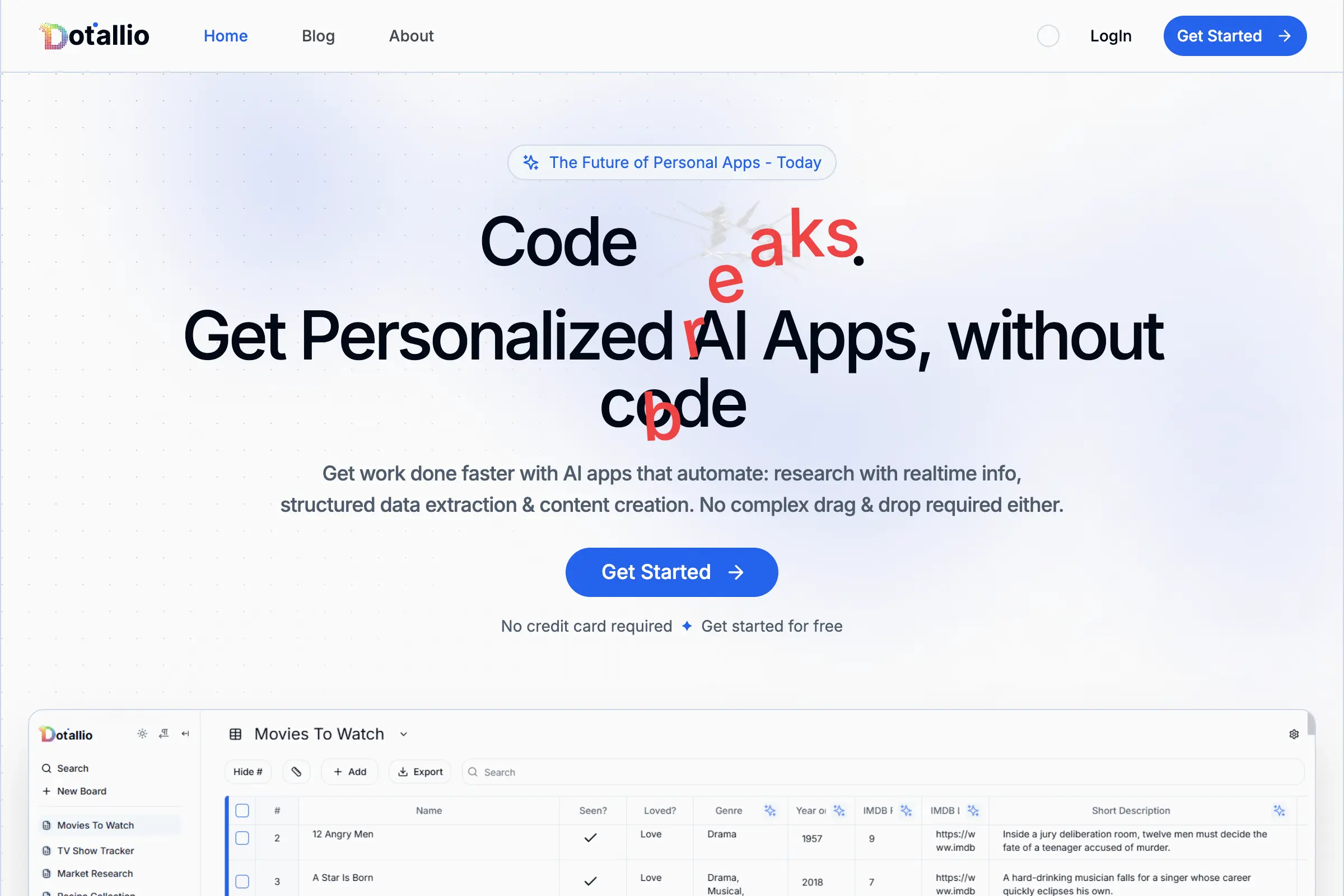
Dotallio
Personalized AI apps that automate research, data extraction, and content creation without code 🤖
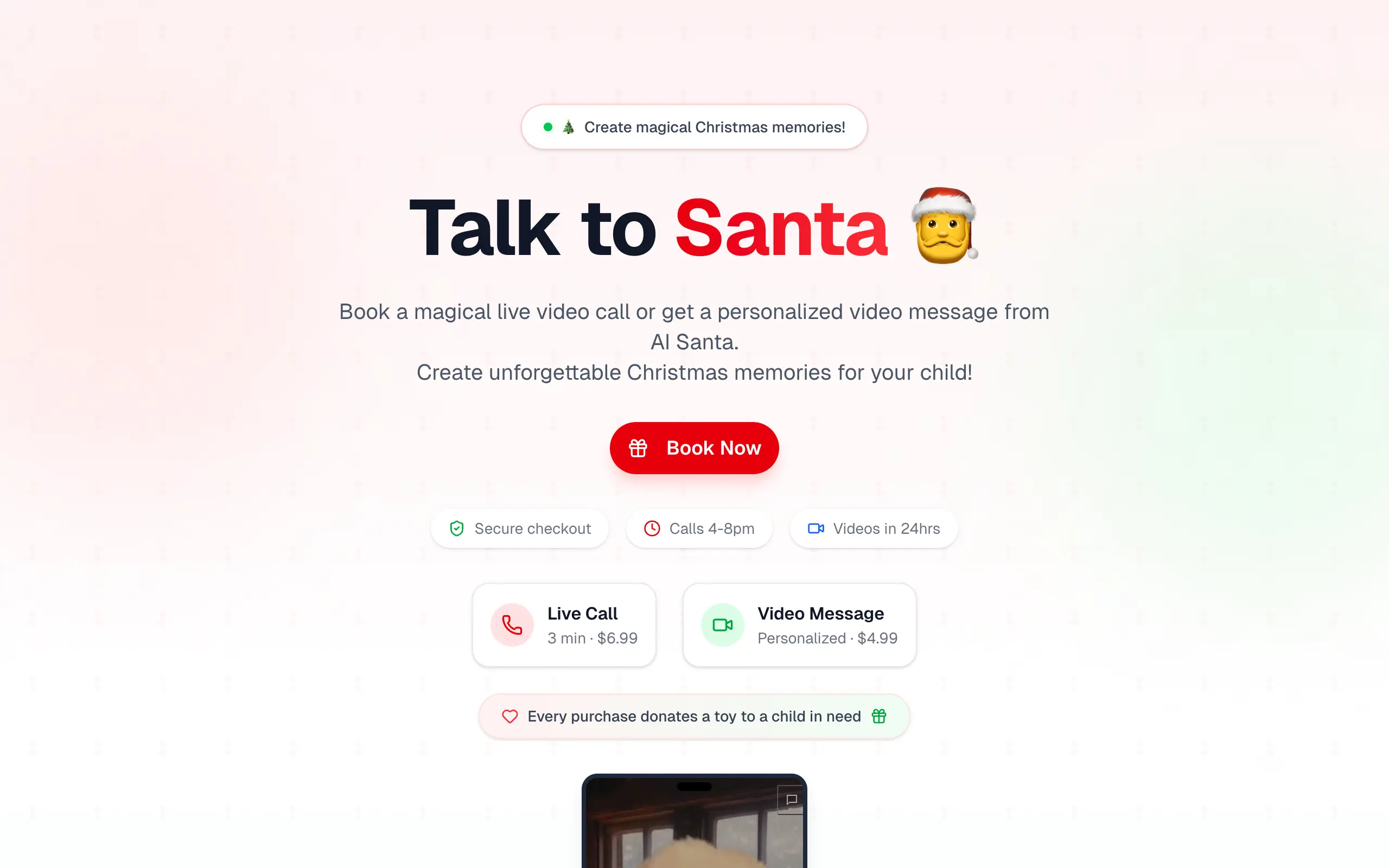
Talk to Santa
Enjoy a magical live video chat or receive a unique AI-generated video greeting from Santa Claus 🎅
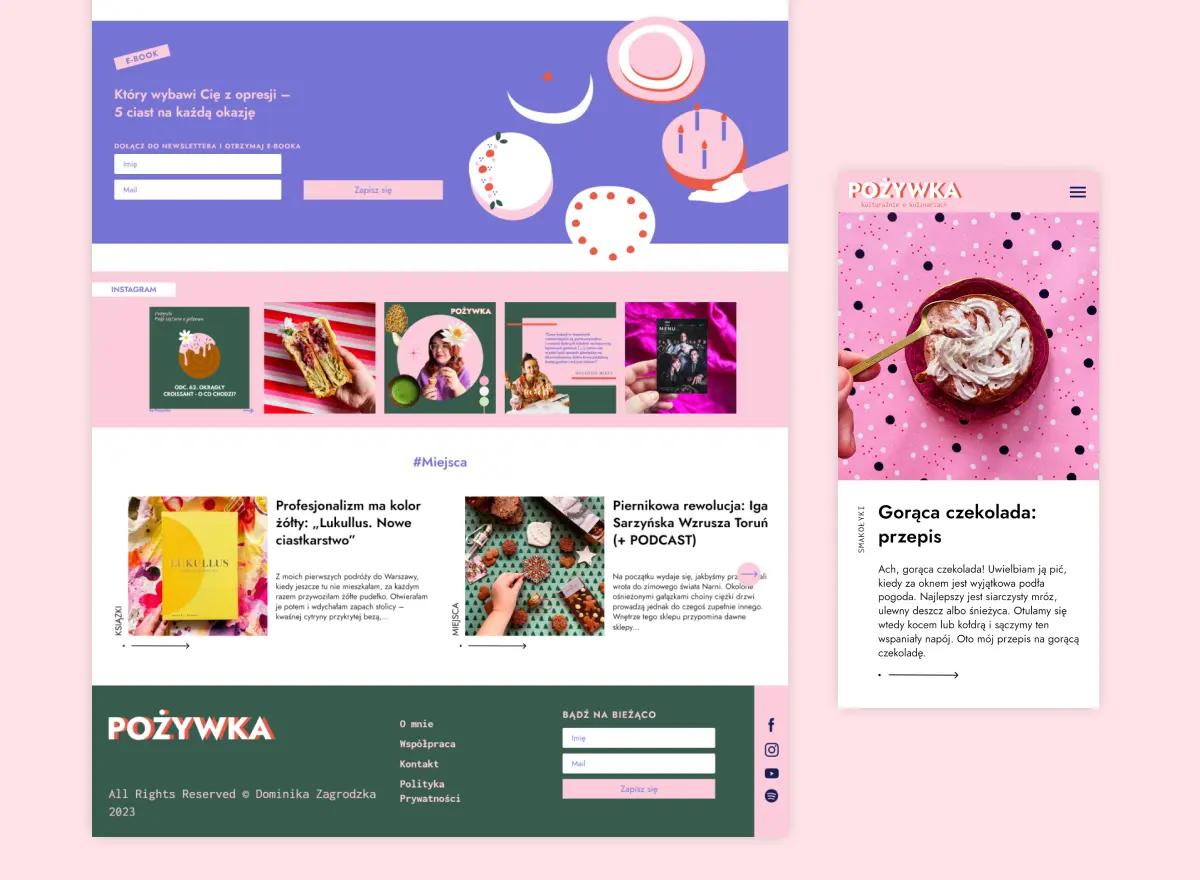
pozywka.pl
Scalable blog for food journalist, focused on performance and user experience 🌭
zagrodzki.me
Personal blog and portfolio of Bart Zagrodzki, where he shares his knowledge and work 💼
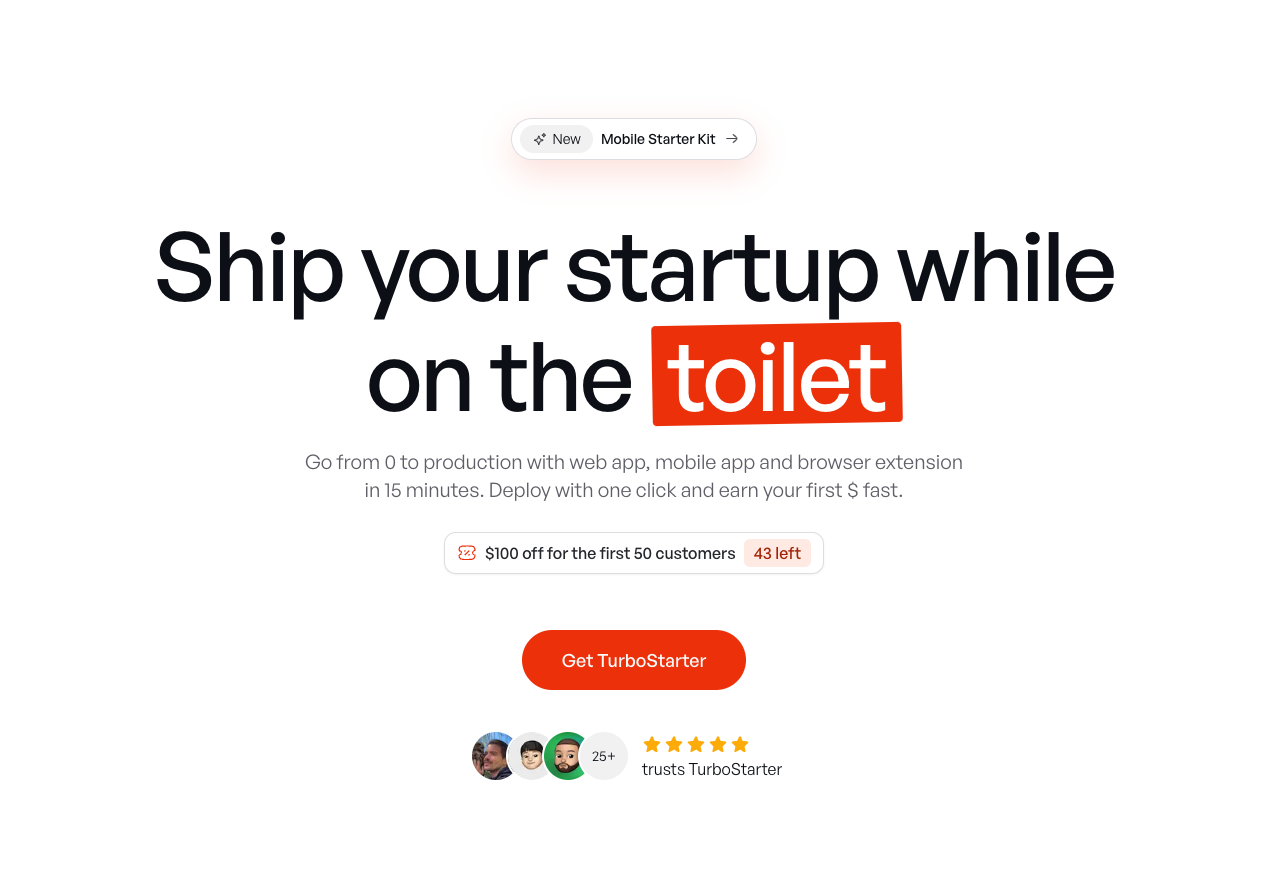
TurboStarter
Ship your startup everywhere. In minutes.
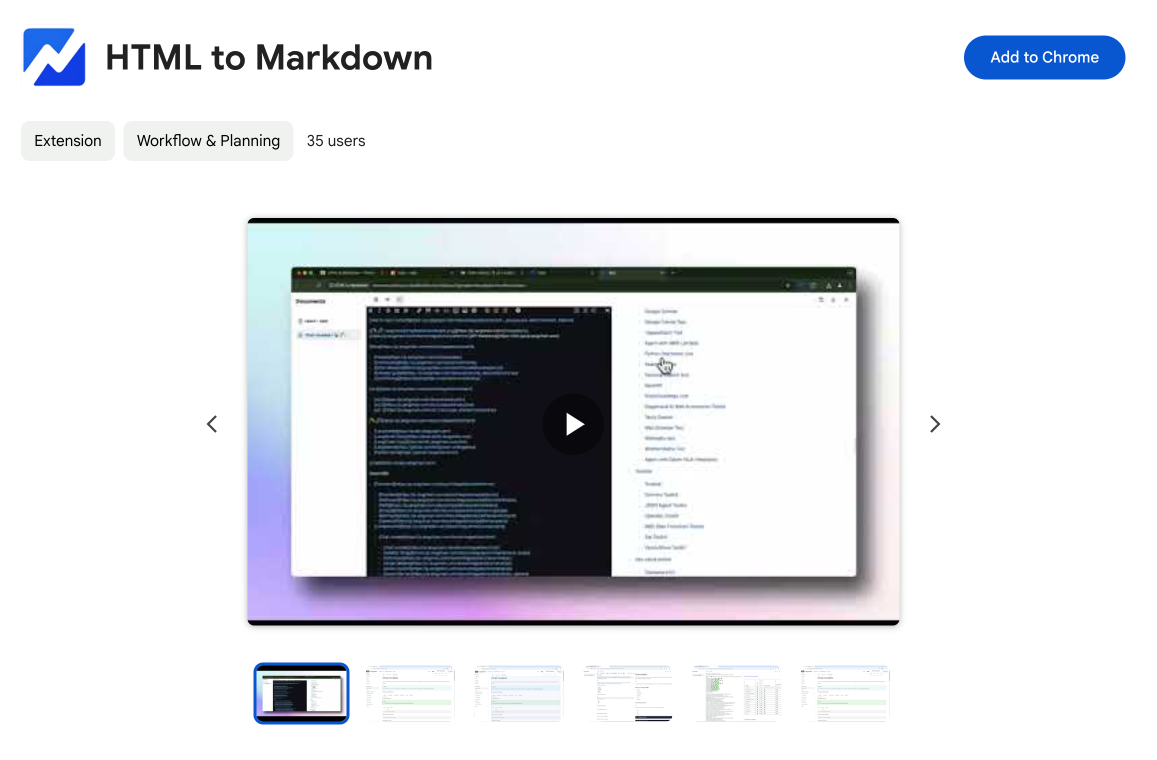
HTML to Markdown
Convert HTML to Markdown with ease, directly in your browser 📄
Dotallio
Personalized AI apps that automate research, data extraction, and content creation without code 🤖
Talk to Santa
Enjoy a magical live video chat or receive a unique AI-generated video greeting from Santa Claus 🎅
pozywka.pl
Scalable blog for food journalist, focused on performance and user experience 🌭
zagrodzki.me
Personal blog and portfolio of Bart Zagrodzki, where he shares his knowledge and work 💼
TurboStarter
Ship your startup everywhere. In minutes.
HTML to Markdown
Convert HTML to Markdown with ease, directly in your browser 📄
Dotallio
Personalized AI apps that automate research, data extraction, and content creation without code 🤖
Talk to Santa
Enjoy a magical live video chat or receive a unique AI-generated video greeting from Santa Claus 🎅
pozywka.pl
Scalable blog for food journalist, focused on performance and user experience 🌭
zagrodzki.me
Personal blog and portfolio of Bart Zagrodzki, where he shares his knowledge and work 💼
TurboStarter
Ship your startup everywhere. In minutes.
HTML to Markdown
Convert HTML to Markdown with ease, directly in your browser 📄
Dotallio
Personalized AI apps that automate research, data extraction, and content creation without code 🤖
Talk to Santa
Enjoy a magical live video chat or receive a unique AI-generated video greeting from Santa Claus 🎅
pozywka.pl
Scalable blog for food journalist, focused on performance and user experience 🌭
zagrodzki.me
Personal blog and portfolio of Bart Zagrodzki, where he shares his knowledge and work 💼
TurboStarter
Ship your startup everywhere. In minutes.
HTML to Markdown
Convert HTML to Markdown with ease, directly in your browser 📄
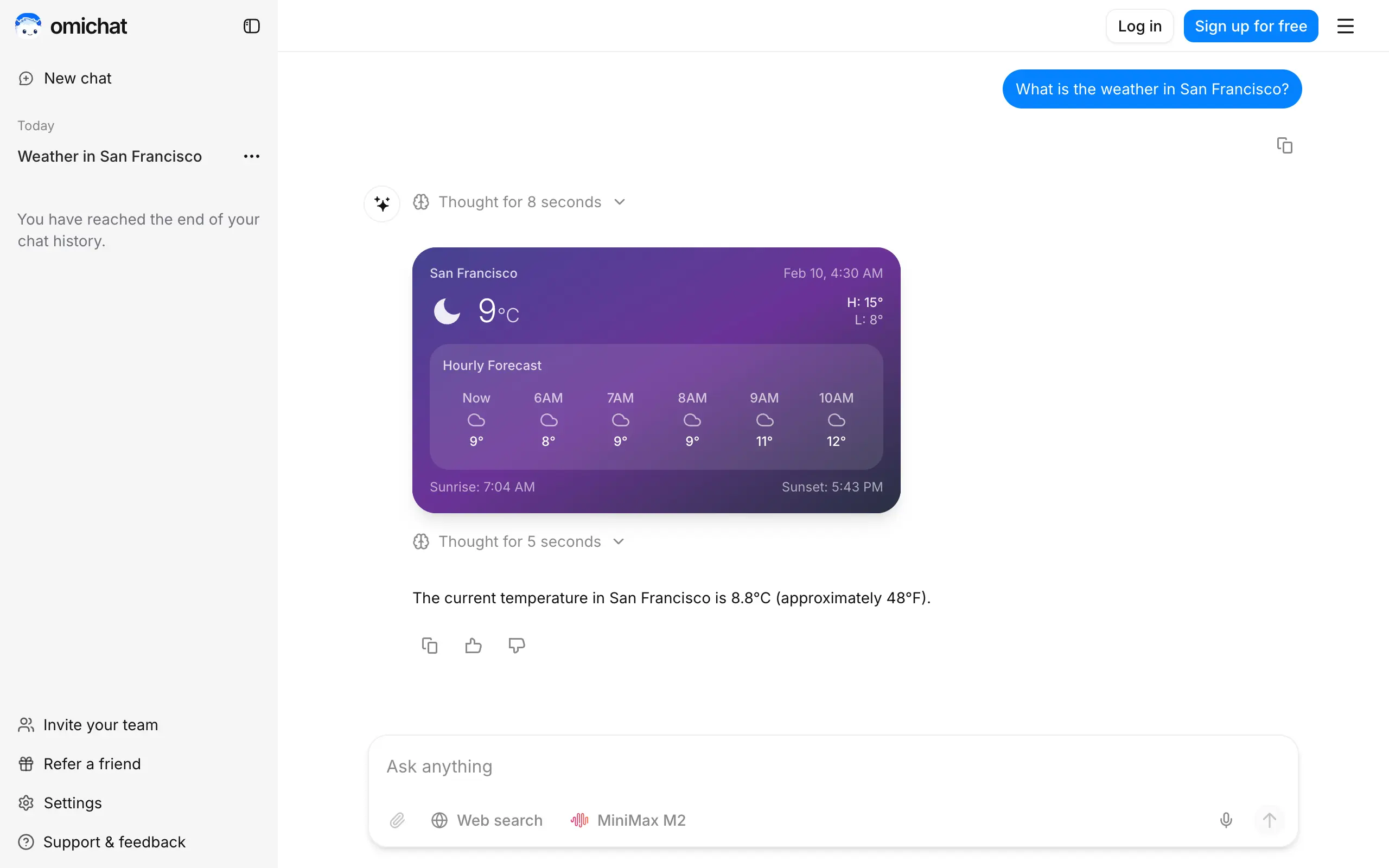
Omichat
Chat with 50+ AI models, including ChatGPT and Claude, in one place - switch models anytime without losing context 🤖
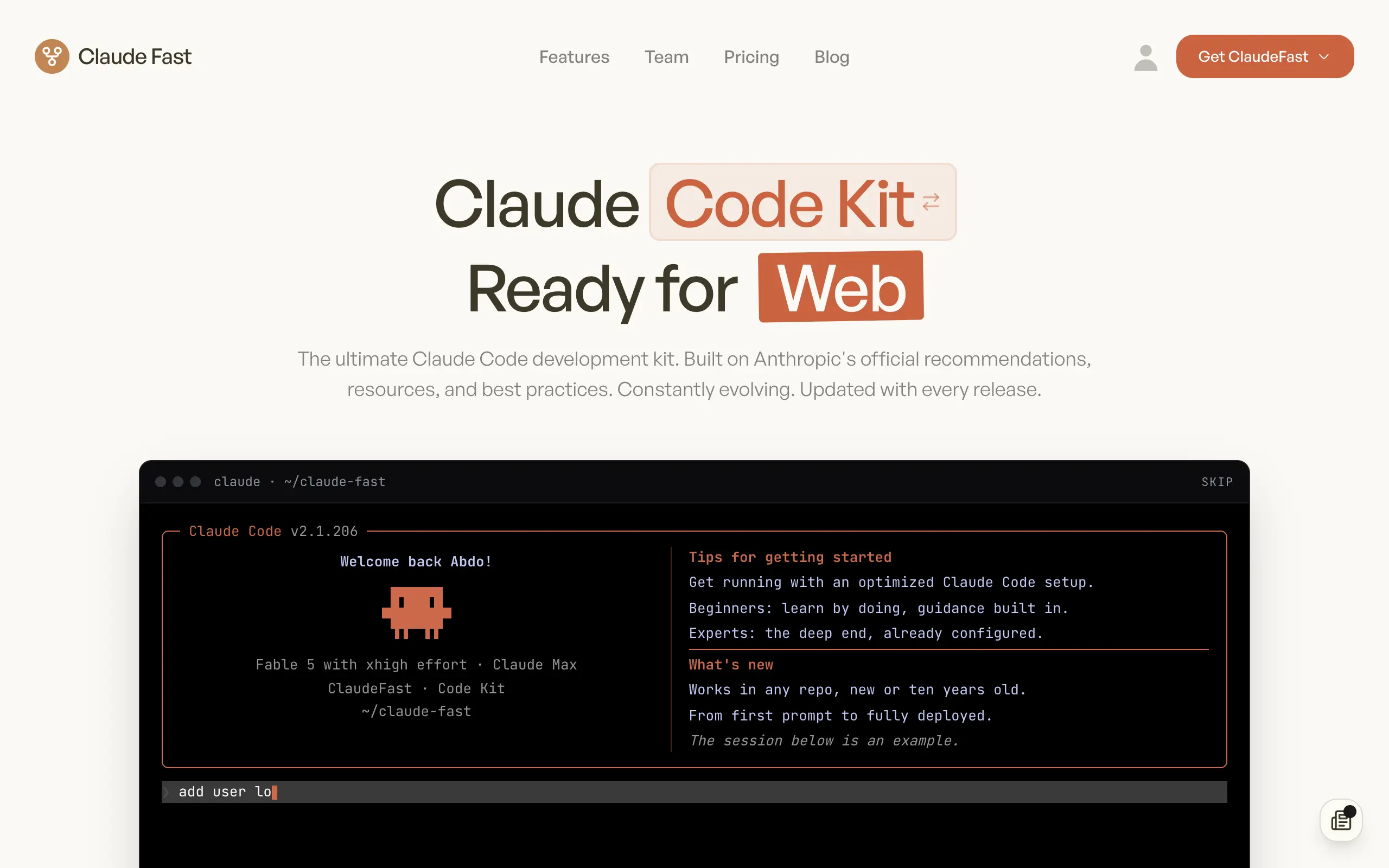
Claude Fast
Supercharge your Claude Code with 6x effective context window and specialized AI agents 🤖
EmojAI
AI-powered emoji picker with smart, context-aware suggestions 🤖
Solohacker
Autonomous company launcher - AI agents work 24/7, escalate what matters, and you stay in control 🤖
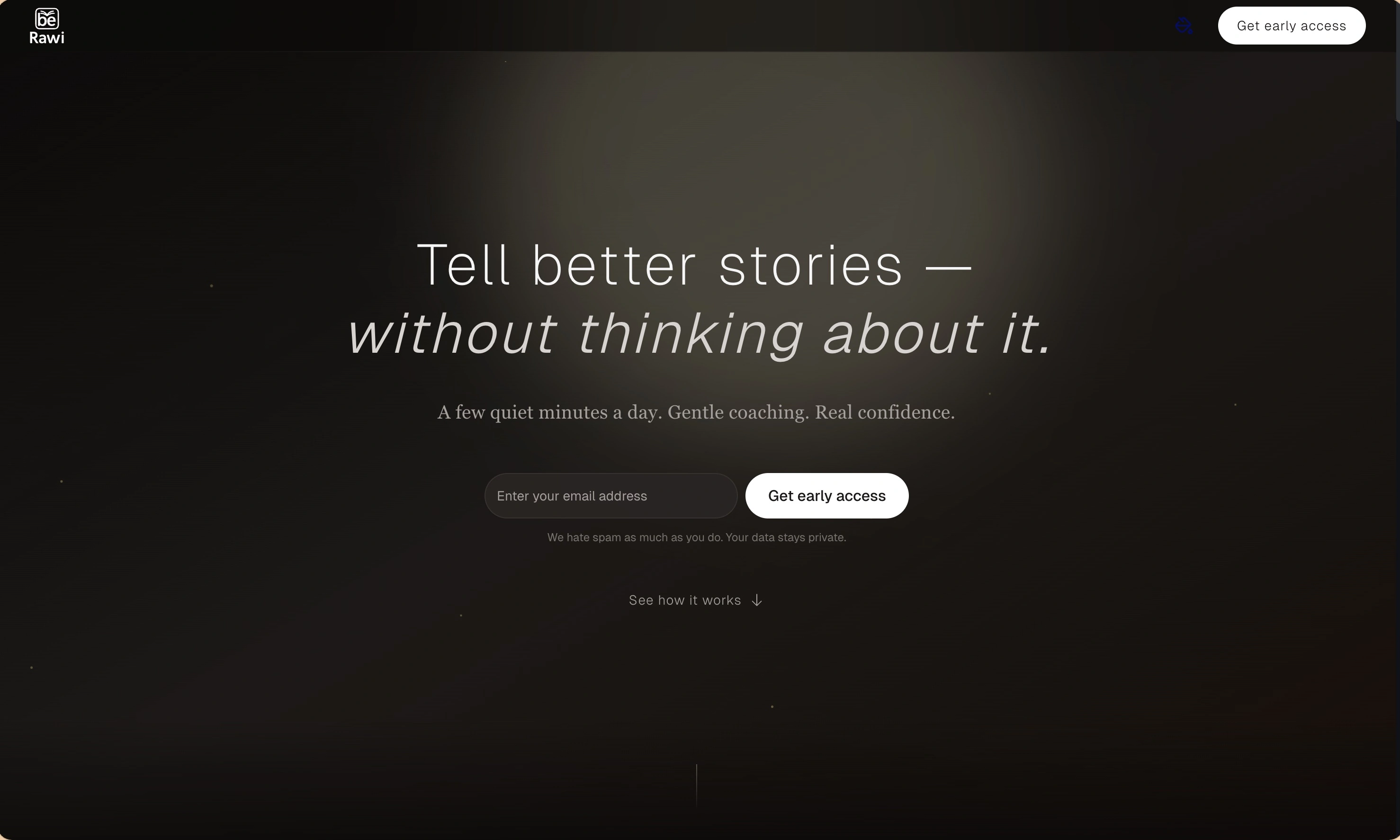
BeRawi: Storytelling Coach
Practice storytelling daily with instant feedback to sound clearer, more engaging, and confident 🎤
Omichat
Chat with 50+ AI models, including ChatGPT and Claude, in one place - switch models anytime without losing context 🤖
Claude Fast
Supercharge your Claude Code with 6x effective context window and specialized AI agents 🤖
EmojAI
AI-powered emoji picker with smart, context-aware suggestions 🤖
Solohacker
Autonomous company launcher - AI agents work 24/7, escalate what matters, and you stay in control 🤖
BeRawi: Storytelling Coach
Practice storytelling daily with instant feedback to sound clearer, more engaging, and confident 🎤
Omichat
Chat with 50+ AI models, including ChatGPT and Claude, in one place - switch models anytime without losing context 🤖
Claude Fast
Supercharge your Claude Code with 6x effective context window and specialized AI agents 🤖
EmojAI
AI-powered emoji picker with smart, context-aware suggestions 🤖
Solohacker
Autonomous company launcher - AI agents work 24/7, escalate what matters, and you stay in control 🤖
BeRawi: Storytelling Coach
Practice storytelling daily with instant feedback to sound clearer, more engaging, and confident 🎤
Omichat
Chat with 50+ AI models, including ChatGPT and Claude, in one place - switch models anytime without losing context 🤖
Claude Fast
Supercharge your Claude Code with 6x effective context window and specialized AI agents 🤖
EmojAI
AI-powered emoji picker with smart, context-aware suggestions 🤖
Solohacker
Autonomous company launcher - AI agents work 24/7, escalate what matters, and you stay in control 🤖
BeRawi: Storytelling Coach
Practice storytelling daily with instant feedback to sound clearer, more engaging, and confident 🎤

Connect with like-minded people
Join our community to get feedback, support, and grow together with 1,000+ builders on board, let's ship it!
Join usShip your startup everywhere. In minutes.
Don't burn tokens on setup and start building features on day one.