PlantMind AI
AI-powered predictive operations platform for industrial plants that forecasts equipment failures, optimizes energy usage, and reduces downtime using real-time sensor data.
Why AI-powered predictive operations platforms are redefining industrial plant performance
Industrial plants are under immense pressure. Rising energy costs, stricter environmental regulations, aging equipment, labor shortages, and global supply chain volatility are forcing manufacturers and plant operators to operate with near-zero tolerance for downtime.
This is where an AI-powered predictive operations platform like PlantMind AI becomes transformational.
PlantMind AI is designed to forecast equipment failures, optimize energy usage, and reduce downtime using real-time sensor data. It combines predictive maintenance, industrial IoT (IIoT), machine learning, and operational analytics into a unified platform tailored for heavy industries.
In this in-depth guide, we’ll explore:
- The market opportunity for AI in industrial plants
- The target users and their urgent pain points
- Core features and differentiators
- Recommended technology stack
- Monetization strategies
- Competitive landscape
- Risks and mitigation
- Step-by-step implementation roadmap
This article is written for founders, product leaders, plant managers, industrial engineers, and investors evaluating the predictive maintenance SaaS space.
The growing market opportunity for AI in industrial plants
The industrial downtime crisis
Unplanned downtime is one of the most expensive problems in manufacturing.
Industry research from firms like McKinsey and Deloitte consistently highlights:
- Unplanned downtime can cost industrial manufacturers millions of dollars per year
- Predictive maintenance can reduce breakdowns by 30–50%
- Maintenance costs can be reduced by 10–40%
- Equipment lifetime can increase by 20–40%
(For credibility in a live production article, cite official McKinsey or Deloitte reports.)
The opportunity is massive because:
- Most plants still rely on reactive maintenance
- Preventive maintenance schedules are often inefficient
- Energy optimization remains underleveraged
- Sensor data is collected but rarely used intelligently
Why now? Key industry trends
The timing for launching an AI-powered predictive operations platform is ideal due to:
- IoT adoption growth – Industrial IoT sensors are becoming cheaper and more reliable.
- Edge computing maturity – Real-time analytics at the plant floor is now feasible.
- Cloud infrastructure scalability – Platforms like AWS, Microsoft Azure, and Google Cloud make industrial data processing accessible.
- AI/ML democratization – Frameworks like TensorFlow and PyTorch accelerate model development.
- Sustainability mandates – Energy optimization is now both a cost and compliance issue.
The convergence of AI, IoT, and cloud computing creates a rare window for a new predictive operations SaaS platform to gain traction.
Target audience analysis: who needs PlantMind AI most?
Understanding the target audience is critical for product-market fit and messaging.
Primary segments
1. Manufacturing plants (discrete manufacturing)
- Automotive
- Electronics
- Machinery
- Consumer goods
Pain points:
- Conveyor failures
- Robotic arm breakdowns
- Production line bottlenecks
- Energy inefficiencies
2. Process industries
- Oil & gas
- Chemical processing
- Food & beverage
- Pharmaceuticals
Pain points:
- Pump and compressor failures
- Heat exchanger inefficiencies
- High energy consumption
- Compliance risks
3. Heavy industry & utilities
- Power plants
- Water treatment facilities
- Mining operations
- Steel plants
Pain points:
- Turbine failures
- Pipeline leaks
- Load balancing
- Emissions monitoring
Key decision-makers
To sell PlantMind AI effectively, messaging must resonate with:
- Plant managers (focused on uptime and productivity)
- Maintenance managers (focused on reducing breakdowns)
- Operations directors (focused on efficiency)
- CFOs (focused on ROI and cost reduction)
- Sustainability officers (focused on energy and emissions)
Each stakeholder needs different value propositions:
- “Reduce downtime by 40%”
- “Lower energy costs by 15%”
- “Extend equipment lifespan by 30%”
- “Meet ESG targets”
Core problem: reactive and fragmented operations
Most plants suffer from:
- Siloed data (SCADA, ERP, CMMS not integrated)
- Manual inspection processes
- Static preventive maintenance schedules
- No predictive failure modeling
- No real-time energy optimization
The result?
- Emergency repairs
- Production delays
- Safety incidents
- Excess energy usage
- Poor resource allocation
PlantMind AI’s core mission is to unify and intelligently interpret real-time sensor data to drive proactive decisions.
Core features of PlantMind AI
Below is a structured breakdown of essential features for an AI-powered predictive operations platform.
1. Real-time sensor data ingestion
- Integration with PLCs and SCADA systems
- IIoT sensor compatibility
- MQTT and OPC-UA protocol support
- Edge gateway data aggregation
Key requirement:
- High-throughput, low-latency data ingestion pipeline
2. Predictive maintenance engine
This is the heart of PlantMind AI.
Capabilities:
- Anomaly detection using time-series models
- Remaining Useful Life (RUL) estimation
- Failure probability scoring
- Early warning alerts
Models used may include:
- LSTM neural networks
- Gradient boosting models
- Bayesian survival analysis
- Autoencoders for anomaly detection
3. Energy optimization module
Energy costs are often 20–40% of operational expenses in heavy industries.
Features:
- Energy consumption pattern analysis
- Peak load prediction
- Optimization recommendations
- Carbon footprint tracking
This module creates a strong sustainability angle — critical for enterprise adoption.
4. Unified operations dashboard
An intuitive dashboard is non-negotiable.
Must include:
- Equipment health score
- Downtime risk forecast
- Energy efficiency metrics
- Alert prioritization
- ROI impact visualization
Use a modern frontend stack like React and TailwindCSS for performance and flexibility.
5. CMMS and ERP integration
Integration with:
- SAP
- Oracle
- IBM Maximo
- Custom ERP systems
This enables:
- Automatic work order generation
- Maintenance scheduling
- Cost tracking
- Inventory alignment
Competitive landscape and positioning
The predictive maintenance market includes:
- Large incumbents (Siemens, GE Digital)
- Industrial automation providers
- Niche AI startups
Here’s how PlantMind AI can differentiate:
| Feature | Traditional CMMS | Generic AI Platform | Industrial OEM Tool | PlantMind AI |
|---|---|---|---|---|
| Real-time AI predictions | ❌ | ✅ | ✅ | ✅ |
| Energy optimization | ❌ | ❌ | ✅ | ✅ |
| Vendor-neutral integration | ✅ | ✅ | ❌ | ✅ |
| SME-friendly pricing | ✅ | ❌ | ❌ | ✅ |
Unique selling proposition (USP)
PlantMind AI stands out by:
- Combining predictive maintenance + energy optimization
- Being vendor-neutral
- Offering AI-first architecture
- Providing clear ROI dashboards
- Targeting mid-sized plants underserved by enterprise incumbents
Recommended tech stack for PlantMind AI
Backend
- Node.js or Python (FastAPI)
- Time-series database: InfluxDB or TimescaleDB
- Streaming: Apache Kafka
- AI models: PyTorch or TensorFlow
- API layer: REST or GraphQL
Frontend
- React
- TailwindCSS
- Recharts or D3 for visualizations
Infrastructure
- Cloud: AWS, Azure, or GCP
- Edge devices for local processing
- Docker + Kubernetes for scalability
Trade-offs
- Cloud-only model: Easier to manage, but latency-sensitive environments may struggle.
- Hybrid edge-cloud: More complex, but ideal for industrial real-time use.
Monetization strategy for PlantMind AI
Multiple pricing models can be tested.
1. Subscription (SaaS)
- Per plant per month
- Per machine monitored
- Tiered pricing based on data volume
2. Performance-based pricing
- % of cost savings achieved
- Uptime improvement incentives
3. Enterprise licensing
- Custom contracts
- Dedicated support
- On-premise deployment
4. Add-on modules
- Advanced energy analytics
- ESG reporting
- API access
Hybrid monetization (base subscription + add-ons) is ideal.
Risks and mitigation strategies
Risk 1: Data quality issues
Industrial data is often noisy.
Mitigation:
- Advanced preprocessing
- Sensor validation layers
- AI model retraining pipelines
Risk 2: Long enterprise sales cycles
Industrial buyers move slowly.
Mitigation:
- Offer pilot programs
- Provide ROI simulations
- Case-study-driven marketing
Risk 3: Integration complexity
Legacy systems can be difficult to connect.
Mitigation:
- Build standardized connectors
- Offer integration support services
- Create SDKs for custom systems
Risk 4: Trust in AI predictions
Maintenance teams may distrust black-box AI.
Mitigation:
- Explainable AI dashboards
- Clear failure probability scores
- Transparent model performance metrics
Go-to-market strategy
Phase 1: Focused niche entry
Start with:
- Mid-sized manufacturing plants
- High-energy-consuming industries
Why?
- Faster decision-making
- Clear ROI metrics
- Less bureaucratic resistance
Phase 2: Land and expand
- Start with predictive maintenance
- Upsell energy optimization
- Expand to multi-plant contracts
Implementation roadmap
Example architecture snippet
Below is a simplified example of a real-time ingestion endpoint using FastAPI:
from fastapi import FastAPI
from pydantic import BaseModel

app = FastAPI()

class SensorData(BaseModel):
    machine_id: str
    temperature: float
    vibration: float
    timestamp: str

@app.post("/ingest")
async def ingest_data(data: SensorData):
    # Save to time-series database
    # Trigger anomaly detection pipeline
    return {"status": "received"}
Building faster with the right foundation
Industrial SaaS platforms are complex.
To accelerate development:
- Use prebuilt authentication
- Implement multi-tenancy architecture
- Integrate billing from day one
- Design for enterprise-grade security
Instead of starting from scratch, founders can leverage modern SaaS starter kits like TurboStarter to speed up authentication, payments, multi-tenant setup, and admin dashboards — allowing teams to focus on AI modeling and industrial integrations.
Long-term vision: autonomous industrial plants
PlantMind AI can evolve into:
- Self-optimizing production systems
- Autonomous maintenance scheduling
- Real-time digital twins
- Cross-plant benchmarking networks
Eventually, the platform could:
- Recommend process adjustments
- Automatically trigger work orders
- Integrate with robotics
- Power carbon-neutral operations
This transforms PlantMind AI from a predictive maintenance tool into a full AI-driven industrial intelligence layer.
Why PlantMind AI has strong investment potential
Investors are attracted to:
- High switching costs
- Deep operational integration
- Recurring revenue
- Measurable ROI
- Data network effects
Once embedded in a plant’s operational workflow, churn becomes extremely low.
Additionally:
- Industrial AI is still underpenetrated
- Energy optimization aligns with global ESG trends
- Data accumulation improves predictive accuracy over time
This creates compounding competitive advantages.
Final actionable strategy
To successfully launch PlantMind AI:
- Focus on one vertical first.
- Prove ROI with real pilot data.
- Prioritize explainable AI.
- Design enterprise-grade security from day one.
- Build a strong integration ecosystem.
The future of industrial plants is predictive, data-driven, and AI-powered. PlantMind AI is positioned to be the intelligence layer that prevents failures before they happen and transforms reactive operations into optimized, resilient systems.
If executed correctly, PlantMind AI won’t just reduce downtime — it will redefine how modern industrial plants operate in the age of artificial intelligence.
More 🤖 AI Startup SaaS ideas
Discover more innovative ai startup SaaS ideas that are trending in 2026. Each idea is AI-generated with market validation and growth potential to help you find your next profitable venture faster than competitors.
Your competitors are building with TurboStarter
Below are some of the SaaS ideas that have been generated and built with our starter kit.
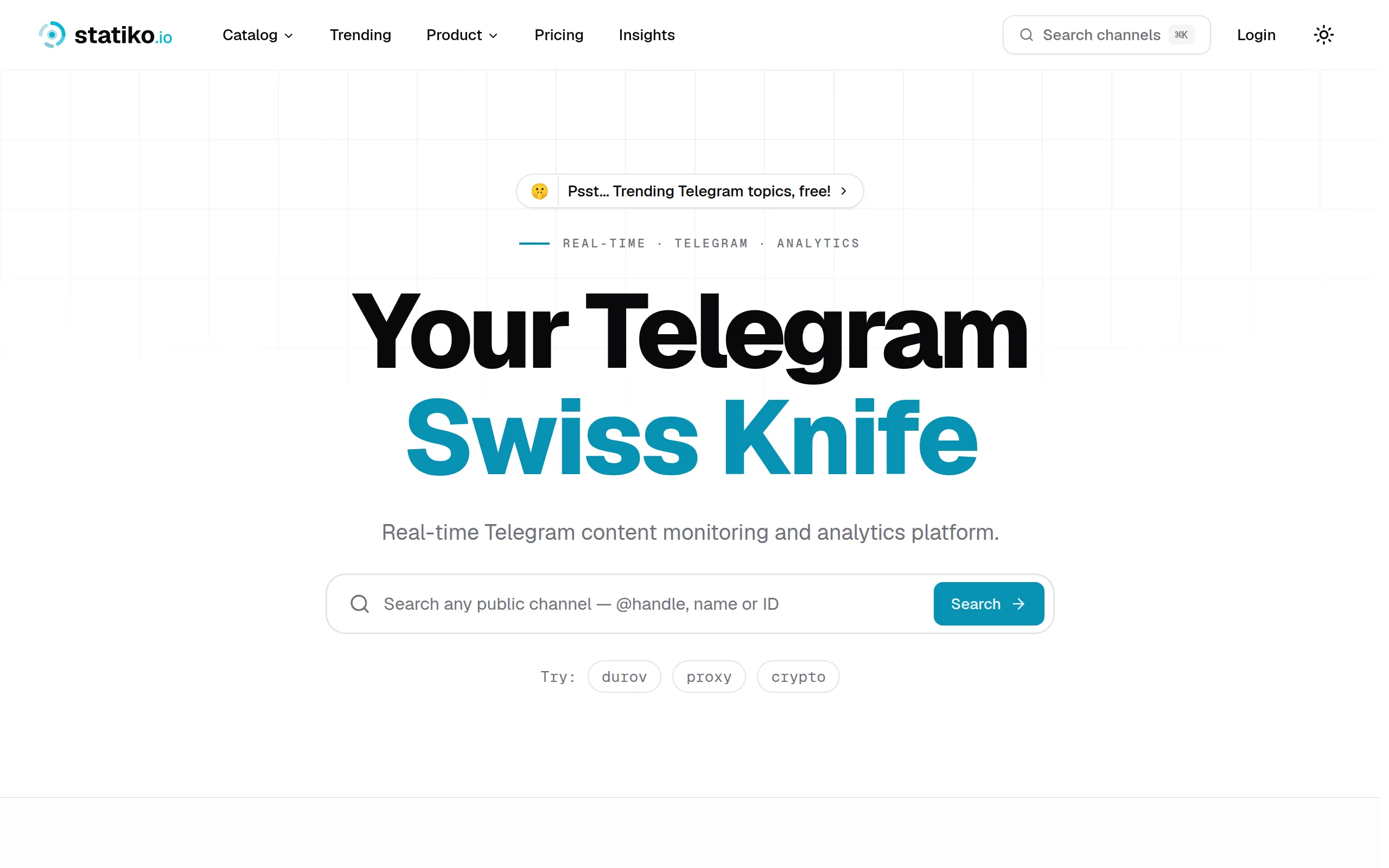
Statiko
Monitor any Telegram channel in real time - track posts, edits, deletions, and growth with AI recaps 📡

Shibui
AI website builder - describe your business, pick a niche template, edit by chatting, and publish instantly ✨

Pro Service
Find verified home service professionals, compare quotes, and pay securely through escrow - built for Brazilians across the US 🏠
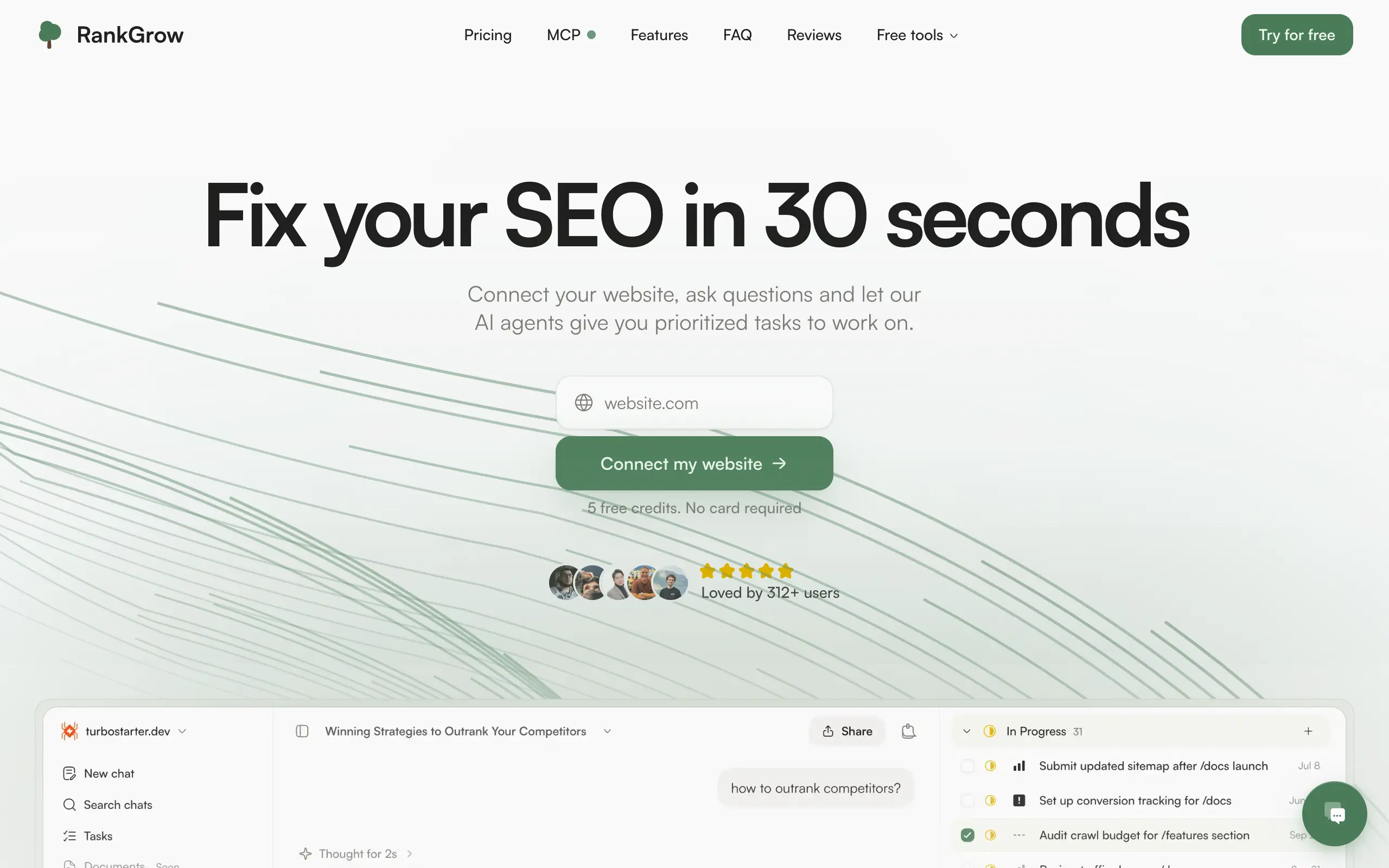
RankGrow
Fix your SEO with AI agents - connect Search Console, get prioritized tasks, and grow organic traffic 📈
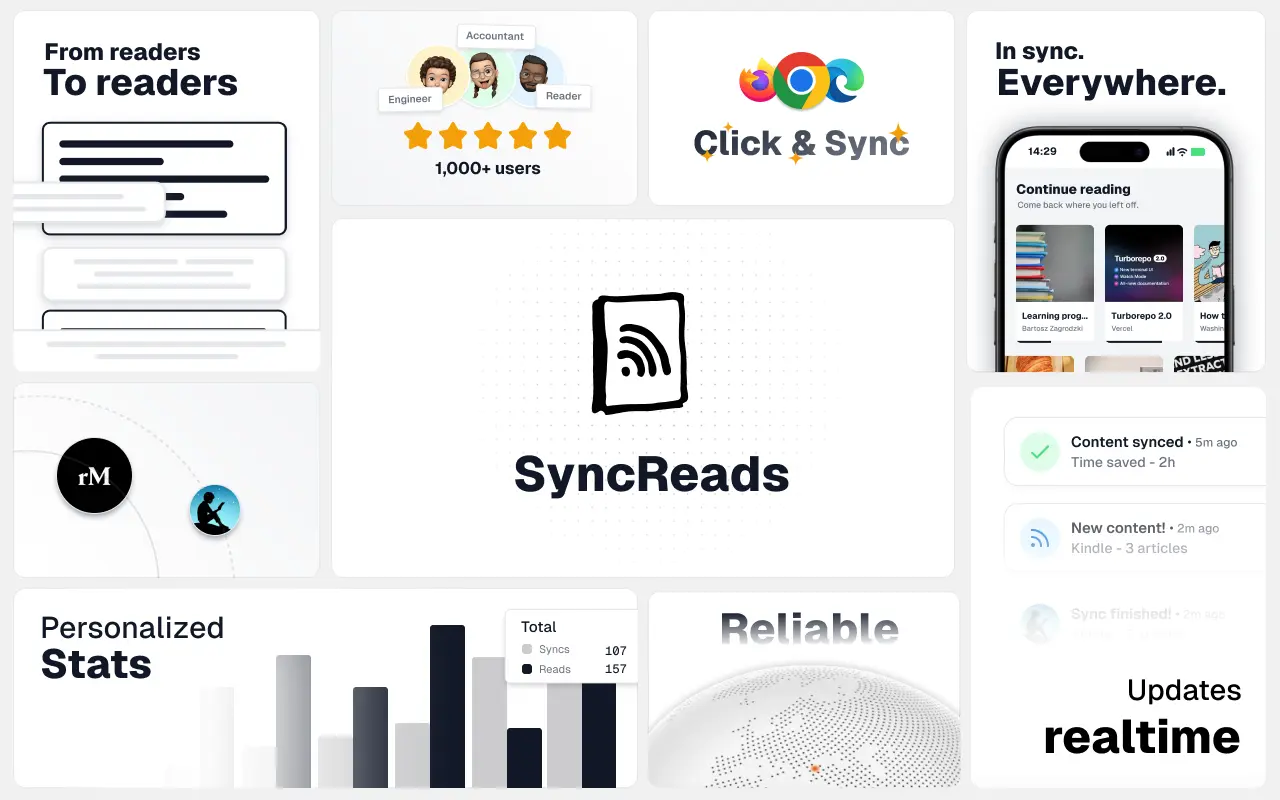
SyncReads
Sync your favorite content for distraction-free reading, save time and replace multiple apps. Anytime, anywhere 🔄
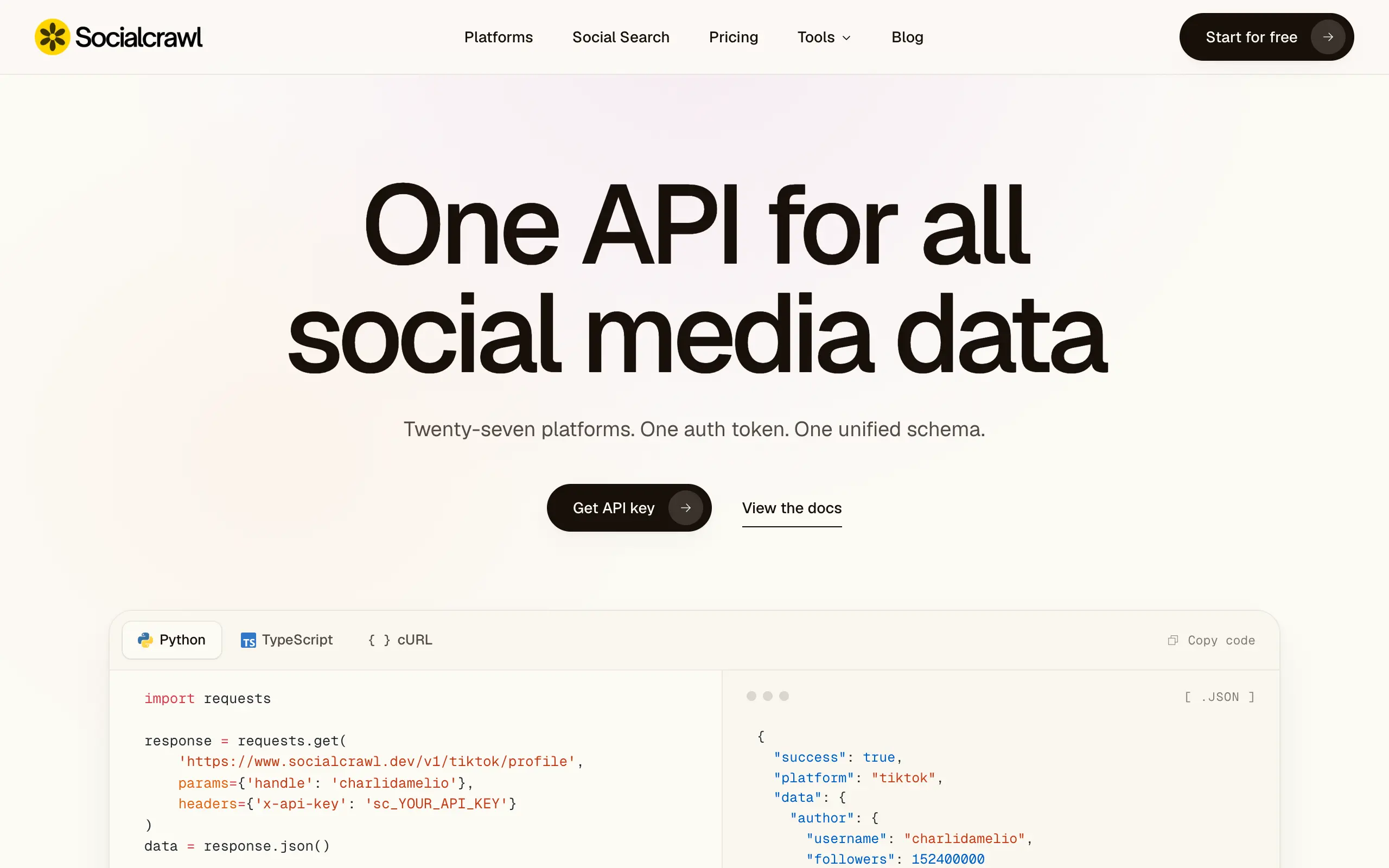
Socialcrawl
Get clean, structured data from 21 platforms like TikTok, Instagram, and YouTube with a single request 📊
Statiko
Monitor any Telegram channel in real time - track posts, edits, deletions, and growth with AI recaps 📡
Shibui
AI website builder - describe your business, pick a niche template, edit by chatting, and publish instantly ✨
Pro Service
Find verified home service professionals, compare quotes, and pay securely through escrow - built for Brazilians across the US 🏠
RankGrow
Fix your SEO with AI agents - connect Search Console, get prioritized tasks, and grow organic traffic 📈
SyncReads
Sync your favorite content for distraction-free reading, save time and replace multiple apps. Anytime, anywhere 🔄
Socialcrawl
Get clean, structured data from 21 platforms like TikTok, Instagram, and YouTube with a single request 📊
Statiko
Monitor any Telegram channel in real time - track posts, edits, deletions, and growth with AI recaps 📡
Shibui
AI website builder - describe your business, pick a niche template, edit by chatting, and publish instantly ✨
Pro Service
Find verified home service professionals, compare quotes, and pay securely through escrow - built for Brazilians across the US 🏠
RankGrow
Fix your SEO with AI agents - connect Search Console, get prioritized tasks, and grow organic traffic 📈
SyncReads
Sync your favorite content for distraction-free reading, save time and replace multiple apps. Anytime, anywhere 🔄
Socialcrawl
Get clean, structured data from 21 platforms like TikTok, Instagram, and YouTube with a single request 📊
Statiko
Monitor any Telegram channel in real time - track posts, edits, deletions, and growth with AI recaps 📡
Shibui
AI website builder - describe your business, pick a niche template, edit by chatting, and publish instantly ✨
Pro Service
Find verified home service professionals, compare quotes, and pay securely through escrow - built for Brazilians across the US 🏠
RankGrow
Fix your SEO with AI agents - connect Search Console, get prioritized tasks, and grow organic traffic 📈
SyncReads
Sync your favorite content for distraction-free reading, save time and replace multiple apps. Anytime, anywhere 🔄
Socialcrawl
Get clean, structured data from 21 platforms like TikTok, Instagram, and YouTube with a single request 📊
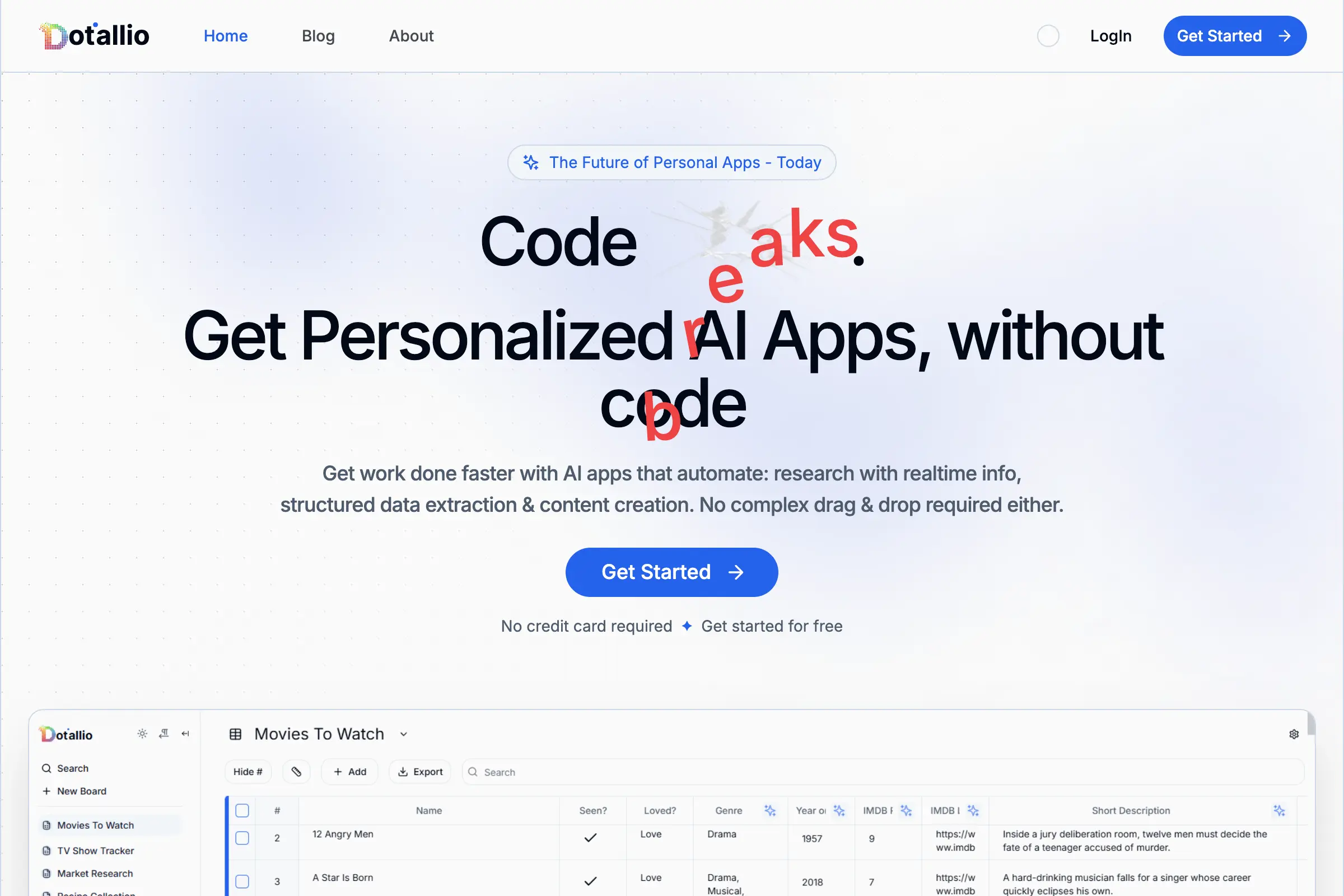
Dotallio
Personalized AI apps that automate research, data extraction, and content creation without code 🤖

Talk to Santa
Enjoy a magical live video chat or receive a unique AI-generated video greeting from Santa Claus 🎅
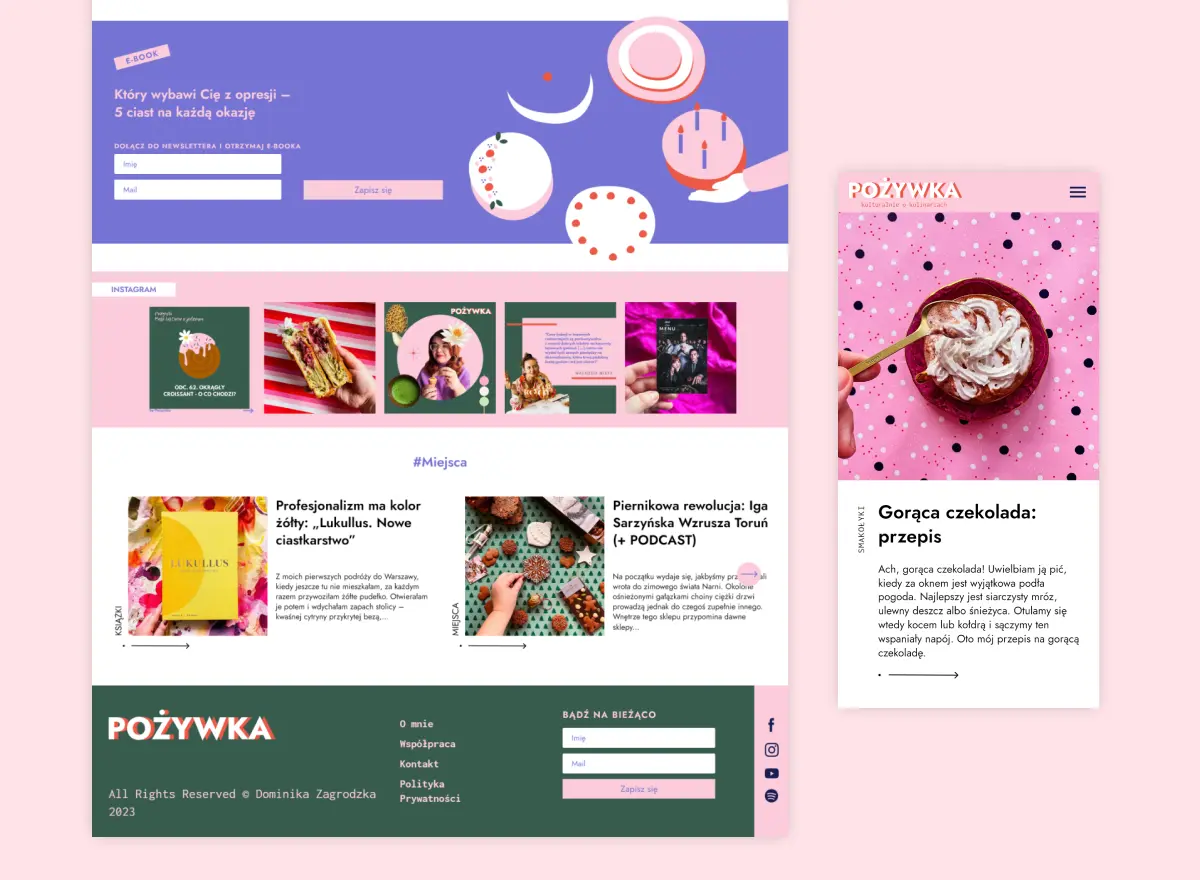
pozywka.pl
Scalable blog for food journalist, focused on performance and user experience 🌭
zagrodzki.me
Personal blog and portfolio of Bart Zagrodzki, where he shares his knowledge and work 💼
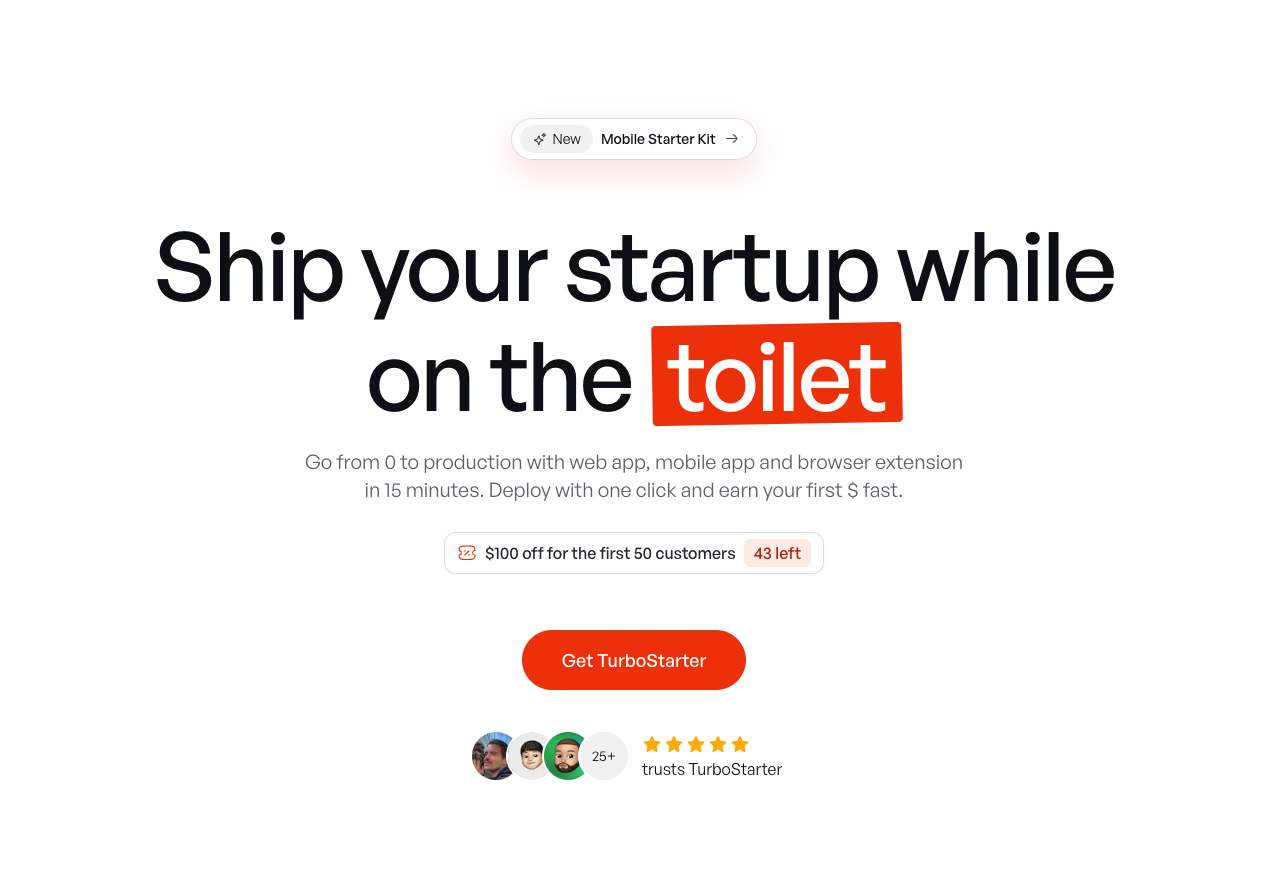
TurboStarter
Ship your startup everywhere. In minutes.
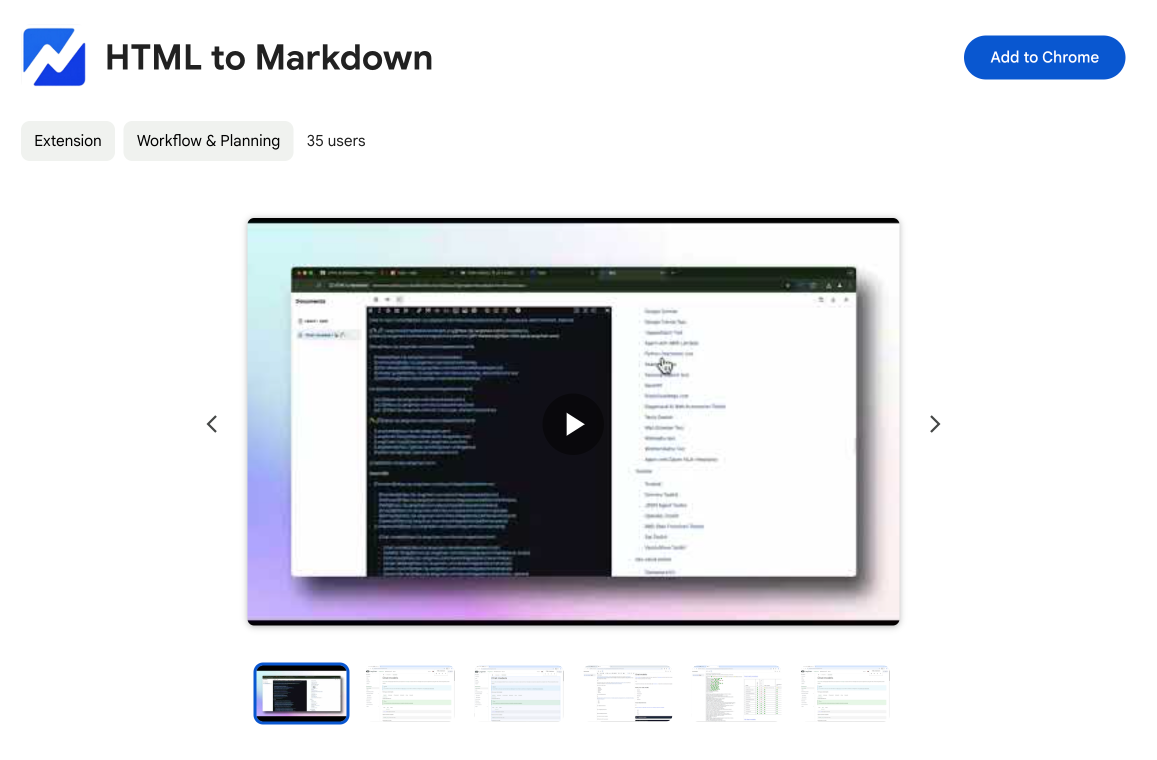
HTML to Markdown
Convert HTML to Markdown with ease, directly in your browser 📄
Dotallio
Personalized AI apps that automate research, data extraction, and content creation without code 🤖
Talk to Santa
Enjoy a magical live video chat or receive a unique AI-generated video greeting from Santa Claus 🎅
pozywka.pl
Scalable blog for food journalist, focused on performance and user experience 🌭
zagrodzki.me
Personal blog and portfolio of Bart Zagrodzki, where he shares his knowledge and work 💼
TurboStarter
Ship your startup everywhere. In minutes.
HTML to Markdown
Convert HTML to Markdown with ease, directly in your browser 📄
Dotallio
Personalized AI apps that automate research, data extraction, and content creation without code 🤖
Talk to Santa
Enjoy a magical live video chat or receive a unique AI-generated video greeting from Santa Claus 🎅
pozywka.pl
Scalable blog for food journalist, focused on performance and user experience 🌭
zagrodzki.me
Personal blog and portfolio of Bart Zagrodzki, where he shares his knowledge and work 💼
TurboStarter
Ship your startup everywhere. In minutes.
HTML to Markdown
Convert HTML to Markdown with ease, directly in your browser 📄
Dotallio
Personalized AI apps that automate research, data extraction, and content creation without code 🤖
Talk to Santa
Enjoy a magical live video chat or receive a unique AI-generated video greeting from Santa Claus 🎅
pozywka.pl
Scalable blog for food journalist, focused on performance and user experience 🌭
zagrodzki.me
Personal blog and portfolio of Bart Zagrodzki, where he shares his knowledge and work 💼
TurboStarter
Ship your startup everywhere. In minutes.
HTML to Markdown
Convert HTML to Markdown with ease, directly in your browser 📄
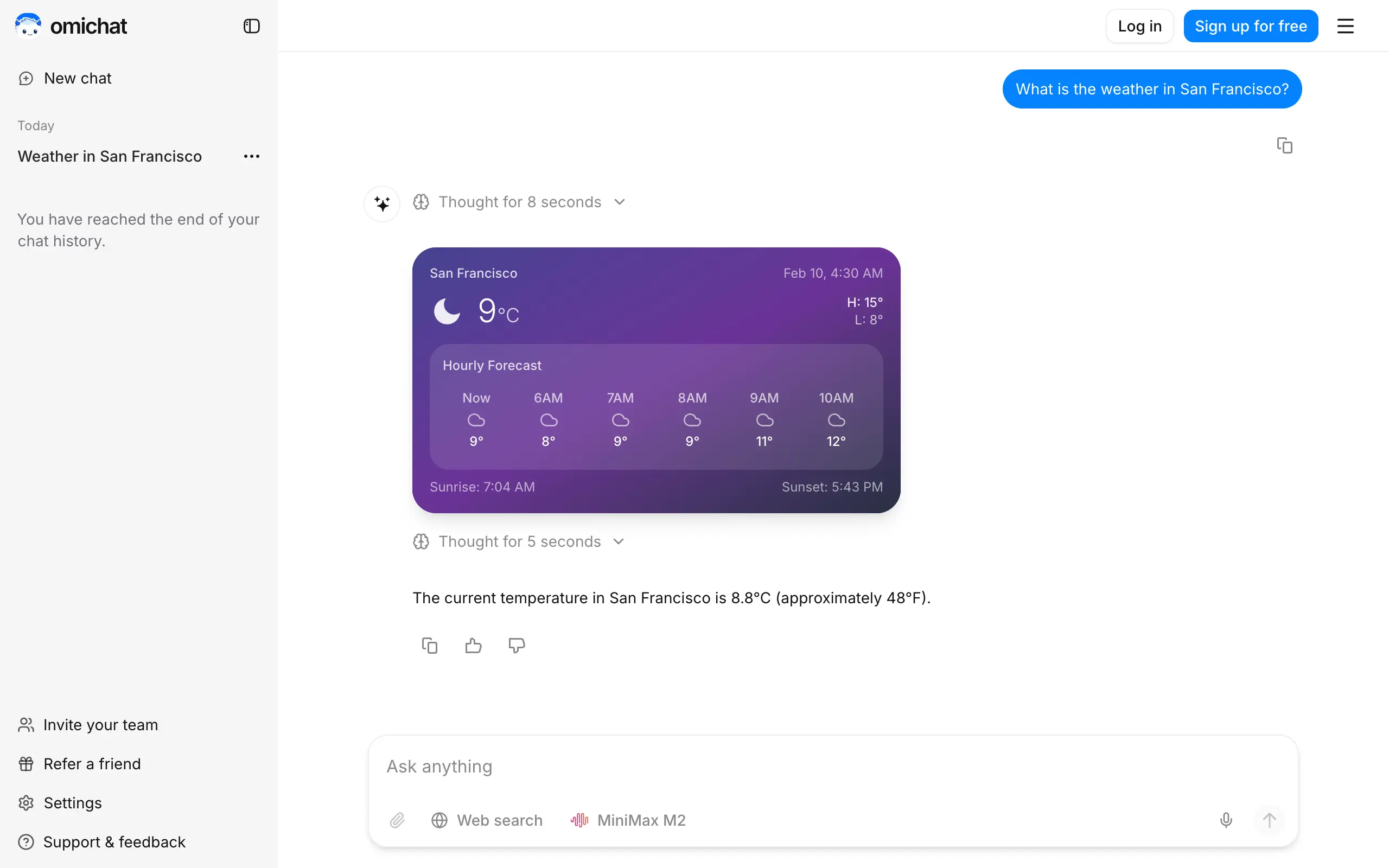
Omichat
Chat with 50+ AI models, including ChatGPT and Claude, in one place - switch models anytime without losing context 🤖
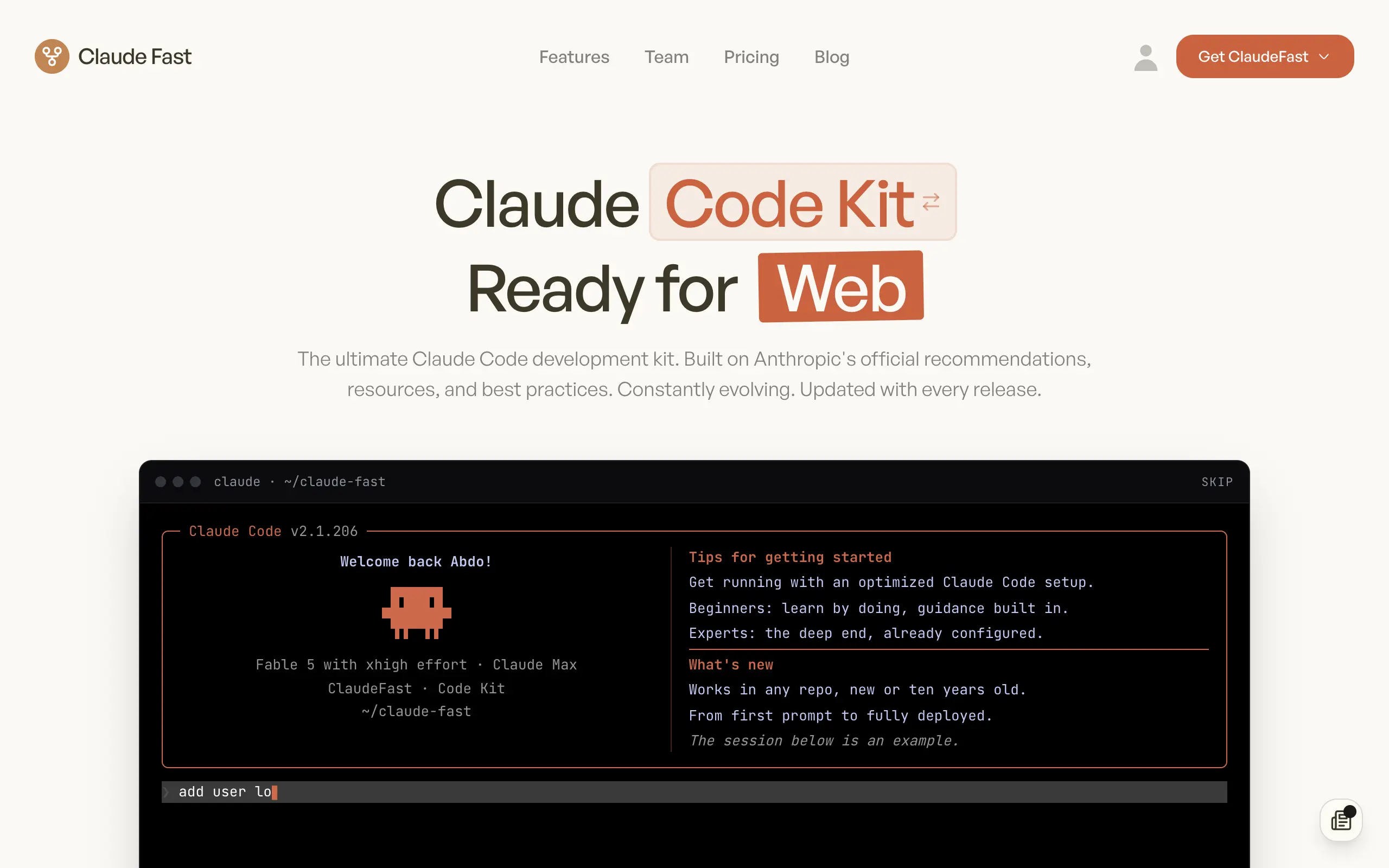
Claude Fast
Supercharge your Claude Code with 6x effective context window and specialized AI agents 🤖
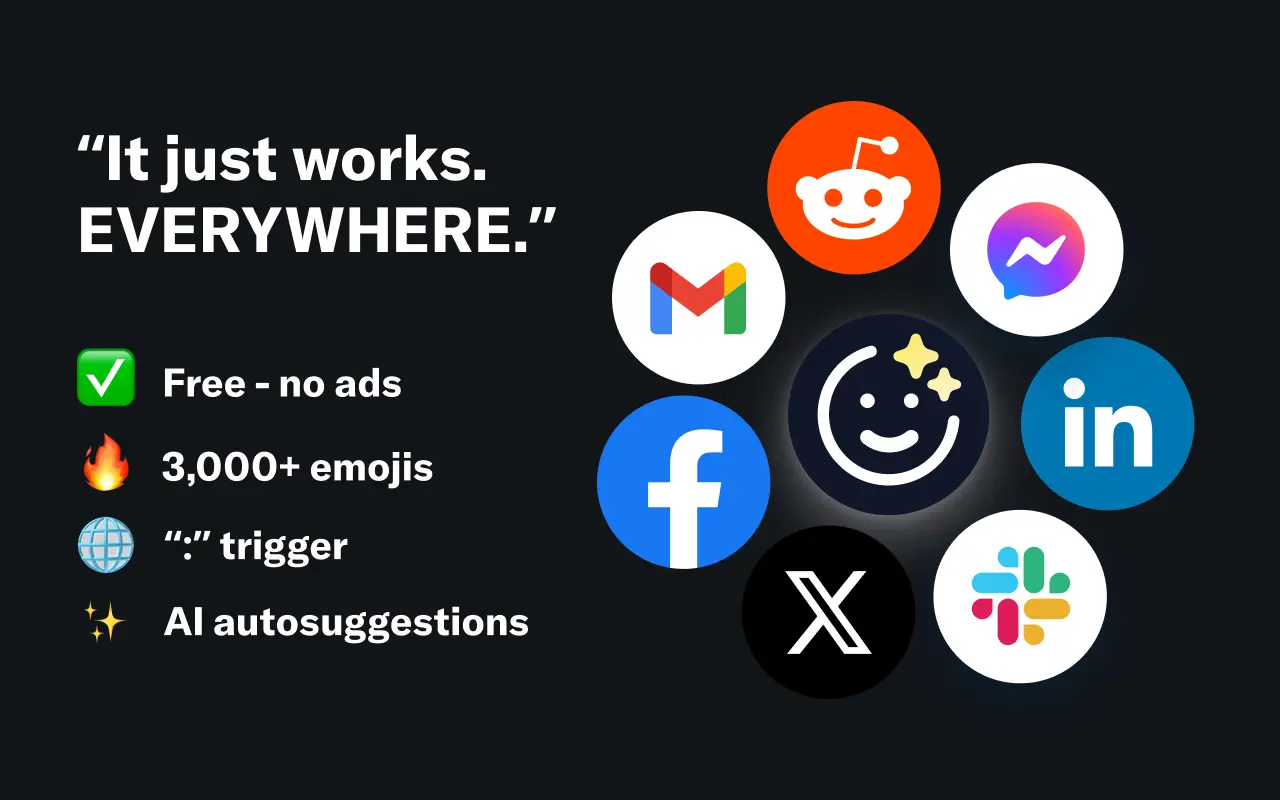
EmojAI
AI-powered emoji picker with smart, context-aware suggestions 🤖
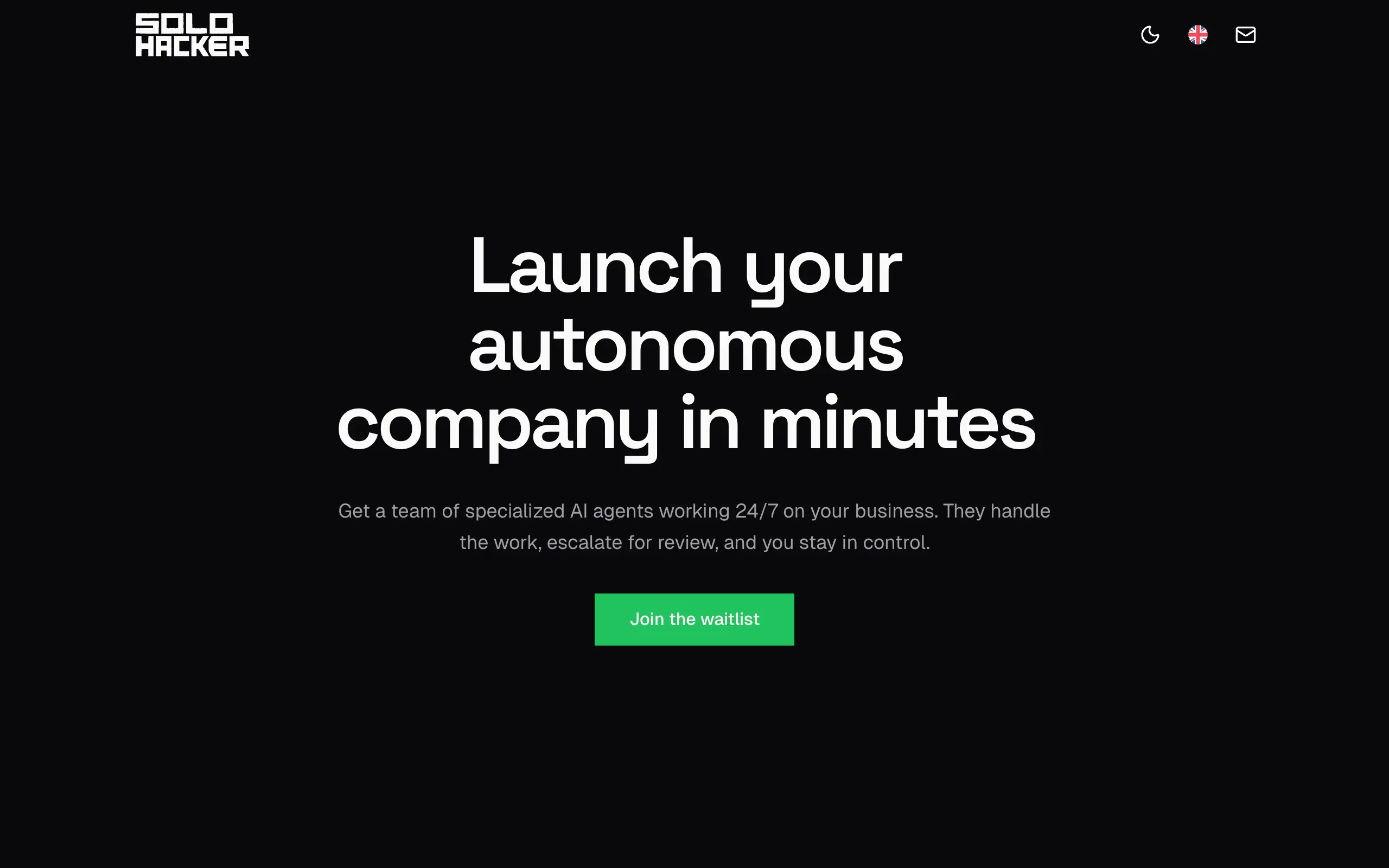
Solohacker
Autonomous company launcher - AI agents work 24/7, escalate what matters, and you stay in control 🤖
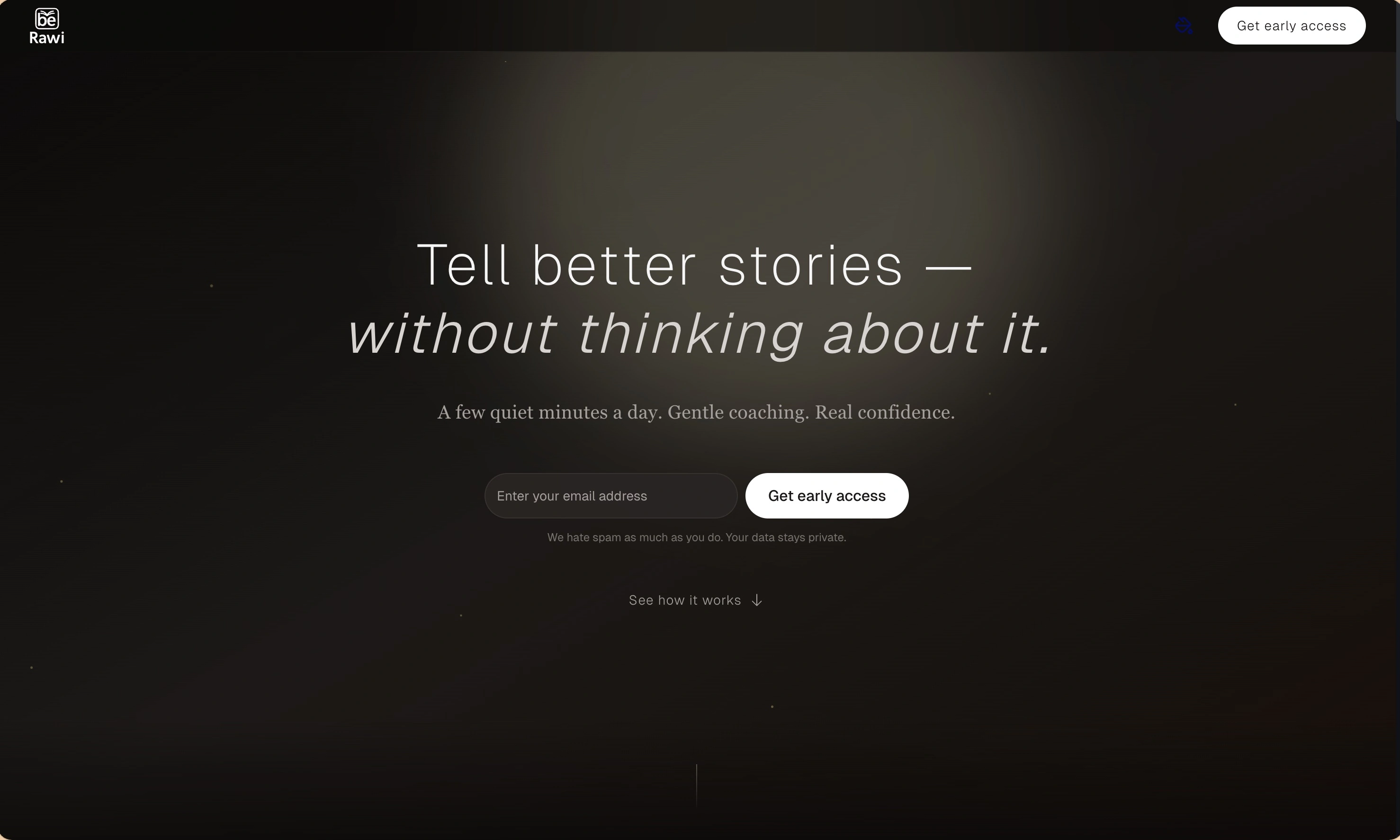
BeRawi: Storytelling Coach
Practice storytelling daily with instant feedback to sound clearer, more engaging, and confident 🎤
Omichat
Chat with 50+ AI models, including ChatGPT and Claude, in one place - switch models anytime without losing context 🤖
Claude Fast
Supercharge your Claude Code with 6x effective context window and specialized AI agents 🤖
EmojAI
AI-powered emoji picker with smart, context-aware suggestions 🤖
Solohacker
Autonomous company launcher - AI agents work 24/7, escalate what matters, and you stay in control 🤖
BeRawi: Storytelling Coach
Practice storytelling daily with instant feedback to sound clearer, more engaging, and confident 🎤
Omichat
Chat with 50+ AI models, including ChatGPT and Claude, in one place - switch models anytime without losing context 🤖
Claude Fast
Supercharge your Claude Code with 6x effective context window and specialized AI agents 🤖
EmojAI
AI-powered emoji picker with smart, context-aware suggestions 🤖
Solohacker
Autonomous company launcher - AI agents work 24/7, escalate what matters, and you stay in control 🤖
BeRawi: Storytelling Coach
Practice storytelling daily with instant feedback to sound clearer, more engaging, and confident 🎤
Omichat
Chat with 50+ AI models, including ChatGPT and Claude, in one place - switch models anytime without losing context 🤖
Claude Fast
Supercharge your Claude Code with 6x effective context window and specialized AI agents 🤖
EmojAI
AI-powered emoji picker with smart, context-aware suggestions 🤖
Solohacker
Autonomous company launcher - AI agents work 24/7, escalate what matters, and you stay in control 🤖
BeRawi: Storytelling Coach
Practice storytelling daily with instant feedback to sound clearer, more engaging, and confident 🎤

Connect with like-minded people
Join our community to get feedback, support, and grow together with 1,000+ builders on board, let's ship it!
Join usShip your startup everywhere. In minutes.
Don't burn tokens on setup and start building features on day one.