PlatePCOS
An AI meal-planning companion for PCOS that creates realistic grocery lists, blood-sugar-aware recipes, and flexible nutrition guidance.
PlatePCOS is an AI PCOS meal planner designed for people who want practical, blood-sugar-aware nutrition support without restrictive rules, complicated macro tracking, or generic meal plans that ignore real life. The product opportunity sits at the intersection of personalized nutrition, women’s health technology, AI meal planning, and grocery-list automation.
For people managing polycystic ovary syndrome, food decisions can feel disproportionately difficult. They may be trying to support insulin sensitivity, manage energy crashes, reduce inflammation, improve fertility outcomes, lose or maintain weight, and still cook affordable meals their household will eat. Most nutrition apps solve only a fraction of that problem.
A strong PlatePCOS product should turn clinical nutrition principles into flexible daily decisions. Instead of asking users to follow a rigid protocol, it can recommend recipes, swaps, portions, grocery lists, and meal timing guidance based on their preferences, symptoms, budget, schedule, and dietary needs.
Important positioning note
PlatePCOS should be positioned as educational wellness and meal-planning support, not as a diagnostic or medical treatment tool. Users with PCOS deserve evidence-informed guidance, but personalized medical recommendations should remain within the scope of qualified clinicians and registered dietitians.
Why an AI PCOS meal planner has a meaningful market opportunity
PCOS is one of the most common endocrine conditions affecting people of reproductive age, yet practical nutrition support remains fragmented. Many people receive broad advice such as “eat less sugar,” “lose weight,” or “avoid carbs” without the context needed to apply that advice sustainably.
That gap creates an opportunity for PlatePCOS to become a trusted day-to-day companion rather than another static recipe database.
The market has several favorable tailwinds:
- Growing consumer interest in personalized nutrition and metabolic health
- Increased awareness of insulin resistance and blood glucose management
- Strong demand for women’s health products that address historically underserved needs
- Rapid improvement in AI systems that can create context-aware meal plans and conversational guidance
- Frustration with calorie-counting products that do not address hormonal health concerns
- Expansion of telehealth, nutrition coaching, and employer wellness benefits
For market sizing and condition prevalence claims, the PlatePCOS content strategy should cite trusted clinical sources such as the World Health Organization, national health services, peer-reviewed endocrinology journals, and current PCOS clinical practice guidelines. Avoid presenting health statistics without a dated source and clear methodology.
The immediate user intent behind searches such as “PCOS meal plan,” “PCOS grocery list,” “foods for insulin resistance,” and “AI meal planner for PCOS” is practical. Searchers usually do not need another abstract explanation of PCOS. They want to know what to buy, what to cook, what to eat when busy, and how to make choices that feel supportive rather than punishing.
That is where an AI-powered PCOS meal planning app can outperform generic wellness tools.
The problem PlatePCOS should solve
A broad meal-planning tool may let a user select “low carb” or “high protein,” but that does not address the nuanced decisions often involved in PCOS nutrition. Users may need support balancing carbohydrate quality, fiber, protein, fat, meal regularity, food preferences, cultural meals, and affordability.
The core problem is not a lack of recipes. It is decision fatigue under health uncertainty.
A user may ask questions like:
- “What can I eat for breakfast that will keep me full until lunch?”
- “How do I make pasta work in a PCOS-friendly dinner?”
- “What should I buy for five quick dinners under my budget?”
- “Can I eat vegetarian meals while prioritizing protein?”
- “What should I make when I am tired, stressed, and have no time to cook?”
- “How can I build balanced meals without cutting every carbohydrate?”
PlatePCOS can respond with helpful, non-judgmental, context-aware suggestions. The product should not treat food as moral or label individual foods as universally “good” or “bad.” Instead, it can teach users how to create meals that are more satisfying, fiber-forward, protein-supported, and appropriate for their personal goals.
Target audience for PlatePCOS
The primary audience is not one homogeneous group. A successful AI PCOS meal planner should serve distinct user segments while keeping the product experience simple.
Newly diagnosed users
People who have recently received a PCOS diagnosis and need clear, practical starting points without feeling overwhelmed by conflicting advice.
Insulin-resistance-focused users
Users seeking food patterns that support steadier energy, balanced meals, and a more intentional approach to carbohydrate quality.
Busy professionals and parents
People who need realistic recipes, repeatable grocery lists, leftovers planning, and low-effort meals for demanding schedules.
Fertility-focused users
People preparing for conception who may want nutrition routines that complement clinician-led care and overall wellness goals.
Dietary preference users
Vegetarian, vegan, gluten-free, dairy-free, halal, kosher, culturally specific, and budget-conscious users who need personalization beyond a default meal plan.
Primary user persona
The highest-intent early adopter is likely a person aged 24 to 42 who has diagnosed or suspected PCOS, regularly searches for meal ideas online, and has tried generic diet apps without finding them sustainable.
They are often motivated, informed, and tired of contradictory advice. They may have saved dozens of recipes but still order takeout because the plans do not account for ingredients, prep time, cravings, household preferences, or grocery budgets.
Their desired outcome is simple: “Tell me what to eat in a way that fits my life and helps me feel more in control.”
Secondary user personas
PlatePCOS can later expand into adjacent audiences:
- People with insulin resistance who do not have PCOS
- Registered dietitians who need scalable client-facing meal-planning tools
- PCOS coaches and health educators
- Fertility clinics and women’s health practices
- Employers offering inclusive wellness benefits
- Partners or family members who share meal preparation responsibilities
The product should initially avoid trying to serve every metabolic health use case. A focused PCOS-first brand creates stronger trust, clearer SEO positioning, and more relevant onboarding data.
The underserved gap in PCOS nutrition apps
Existing alternatives typically fall into one of five categories:
| Solution type | Strength | Common limitation | PlatePCOS opportunity | User value |
|---|---|---|---|---|
| Generic calorie tracker | Large food databases | Often encourages logging over planning | Offer proactive, PCOS-aware meal decisions | Less daily guesswork |
| Recipe website | Recipe variety | Limited personalization and grocery workflow | Convert recipes into adaptive weekly plans | Recipes users can actually execute |
| Strict diet program | Clear rules and structure | May feel restrictive or unsustainable | Promote flexible patterns and practical swaps | More sustainable habits |
| General AI chatbot | Fast conversational answers | Inconsistent nutrition guardrails | Use vetted nutrition logic and structured outputs | Higher confidence and usability |
| Dietitian-led care | High-quality personal expertise | Limited access and higher recurring cost | Support users between appointments | Affordable daily guidance |
The product gap is not merely “AI-generated recipes.” Recipe generation is easy to copy. The defensible opportunity is an integrated workflow that connects evidence-informed nutrition principles with a user’s shopping, cooking, schedule, preferences, and feedback.
A useful positioning statement could be:
PlatePCOS helps people with PCOS plan satisfying, blood-sugar-aware meals and groceries that fit their schedule, preferences, and budget.
This framing is clearer and safer than promising to “reverse PCOS” or “fix hormones.” It speaks to an actionable user benefit without making medical claims that are difficult to substantiate.
Core PlatePCOS features and solution design
The best minimum viable product should solve a complete weekly workflow. Users need more than a chat box. They need a plan that reaches the grocery store and the dinner table.
Personalized onboarding and nutrition profile
The onboarding experience should gather enough data to personalize recommendations without turning setup into a clinical intake form.
Useful inputs include:
- Dietary pattern and restrictions
- Food allergies and ingredients to avoid
- Cooking skill and available kitchen equipment
- Household size
- Weekly grocery budget range
- Typical meal schedule
- Preferred cuisines
- Time available for weekday cooking
- Favorite meals and disliked foods
- Goals such as energy, satiety, meal consistency, or fertility-supportive routines
- Whether the user wants snacks included
- Whether leftovers should be intentionally planned
Avoid requiring weight, calorie goals, or symptom logging at launch unless those inputs provide clear value. Many users have difficult histories with dieting, and a supportive PCOS meal planning experience should not make extensive body data feel mandatory.
Blood-sugar-aware recipe intelligence
“Blood-sugar-aware” must mean something concrete inside the product. PlatePCOS should use structured recipe logic rather than vague claims.
For every recipe, the system can assess:
- Protein source and approximate protein contribution
- Fiber-rich ingredients such as beans, vegetables, seeds, whole grains, and fruit
- Carbohydrate source, portion context, and pairing opportunities
- Added sugar signals
- Fat sources that support flavor and satiety
- Meal balance and likely fullness
- Prep time, batch-cooking suitability, and leftover compatibility
The app should present recommendations in understandable language. For example:
This meal pairs lentils and roasted vegetables with a yogurt-herb sauce, adding protein, fiber, and fat to a carbohydrate-containing base.
That explanation is more helpful than assigning a simplistic score with no context. Users learn why a meal may work for them, while retaining autonomy.
Adaptive weekly meal plans
The signature PlatePCOS experience should generate a seven-day plan that does not look like a clinical meal chart.
A high-quality plan should:
- Reuse ingredients across multiple meals to reduce waste.
- Include quick meals for high-pressure days.
- Build in flexible swap options.
- Account for leftovers.
- Offer a realistic prep session rather than demanding daily cooking.
- Include restaurant or convenience-food guidance when needed.
- Adjust based on user feedback.
For example, a user who says, “I only want to cook twice this week,” should receive a plan built around batch-prepped proteins, sheet-pan vegetables, assembled lunches, frozen options, and intentional leftovers.
Smart grocery list generation
A grocery list is one of the strongest retention features because it turns advice into action.
PlatePCOS should automatically consolidate meal-plan ingredients, calculate approximate quantities, and organize items by store category:
- Produce
- Protein and refrigerated items
- Pantry staples
- Frozen food
- Bakery and grains
- Optional extras
Users should be able to exclude pantry items they already have, increase servings, substitute items, and see lower-cost alternatives. In later versions, integrations with grocery delivery or retailer carts may be useful, but the early product should first prove that its grocery lists are accurate and trusted.
Flexible meal swaps and pantry rescue
Rigid meal plans fail when real life changes. PlatePCOS needs a “swap this meal” interaction that retains the nutritional intent of the original recommendation.
Useful requests include:
- “Swap chicken for a vegetarian protein.”
- “Give me a 15-minute option.”
- “Make this dairy-free.”
- “Use what I have: eggs, spinach, canned beans, and rice.”
- “I do not want to cook tonight.”
- “Give me a lower-cost alternative.”
The AI should not simply generate random alternatives. It should preserve relevant constraints such as time, ingredients, cuisine preferences, food restrictions, and meal balance.
Educational guidance that avoids diet culture
A trusted PCOS nutrition app must be empathetic. Its language should make users feel supported rather than monitored.
Instead of saying “avoid bad carbs,” PlatePCOS can explain:
- How adding protein, fiber, and fat may support fullness and steadier energy
- Why meal regularity can be useful for some people
- How to pair favorite foods with satisfying additions
- How to make convenience meals more balanced
- Why an all-or-nothing approach usually breaks down
PlatePCOS should avoid universal carbohydrate limits. Individual needs vary based on medication, activity, preferences, medical history, culture, and clinician guidance. The app can focus on carbohydrate quality, portions in context, fiber, protein pairing, and meals that users can sustain.
Supplement guidance carries more risk than recipe recommendations. A safe launch approach is to offer general education and encourage users to discuss supplements, interactions, dosages, and lab results with a qualified clinician. Do not generate personalized supplement protocols without expert review and appropriate safeguards.
No. The product can support planning, education, and consistency between appointments. It should clearly encourage professional care for medical nutrition therapy, eating disorder concerns, pregnancy, fertility treatment, medication changes, and complex health conditions.
The unique selling proposition of PlatePCOS
The PlatePCOS USP is practical personalization for PCOS nutrition that begins with the weekly grocery list, not a restrictive diet rulebook.
Many health apps lead with tracking. Many meal apps lead with recipes. PlatePCOS should lead with reduced decision fatigue.
Its differentiation comes from combining five elements:
- PCOS-specific nutritional context
- AI-driven personalization that improves over time
- Blood-sugar-aware recipe composition
- Grocery and meal-prep execution tools
- A flexible, non-shaming user experience
The product should make a user feel that their plan was built for their actual Tuesday night, not an idealized version of their life.
That is a valuable competitive advantage because retention in meal-planning products depends on execution. If a user cannot shop for, prepare, and repeat the meals, even excellent nutrition content has limited value.
Recommended technology stack for an AI PCOS meal planner
PlatePCOS needs a stack that supports fast iteration, reliable structured data, secure user accounts, and AI features with strong guardrails.
For a modern SaaS foundation, TurboStarter can accelerate implementation by providing a production-oriented starting point for a web application. It reduces time spent rebuilding standard SaaS infrastructure, allowing the team to focus on the PCOS nutrition workflow and user experience.
Suggested application architecture
A practical stack could include:
- Next.js for the web application, server rendering, API routes, and SEO-friendly public content
- React for interactive meal planning interfaces
- TypeScript for safer application logic and shared data contracts
- Tailwind CSS for rapid, consistent responsive interface development
- PostgreSQL for relational data such as users, recipes, meal plans, ingredients, and subscriptions
- Prisma for type-safe database access and schema management
- Stripe for subscription billing and payment management
- OpenAI or a comparable model provider for constrained natural-language generation
- Sentry for error monitoring and production observability
- Vercel for streamlined deployment of a Next.js-based application
Why structured data matters more than a clever prompt
The meal-planning engine should not rely entirely on a language model to invent recipes and nutrition estimates. That creates inconsistency and increases the risk of misleading outputs.
Instead, use a structured recipe catalog and ingredient database. Store normalized fields such as:
- Ingredient names and quantities
- Serving counts
- Nutrition estimates
- Allergens
- Dietary tags
- Cuisine tags
- Prep and cook times
- Cost ranges
- Batch-cooking suitability
- Fiber and protein signals
- Required equipment
- Substitution relationships
The AI layer should act as an orchestrator. It can select recipes, explain recommendations, create substitutions, and respond conversationally, while deterministic logic validates the plan against user constraints.
A simplified server-side planning flow may look like this:
type MealPlanRequest = {
  dietaryPreferences: string[]
  allergies: string[]
  householdSize: number
  weeklyBudget: number
  cookingDays: number
  maxWeeknightMinutes: number
  goals: string[]
}

async function createMealPlan(request: MealPlanRequest) {
  const eligibleRecipes = await recipeRepository.findEligible({
    dietaryPreferences: request.dietaryPreferences,
    allergies: request.allergies,
    maxWeeknightMinutes: request.maxWeeknightMinutes,
  })

  const balancedRecipes = rankRecipesByNutritionSignals(eligibleRecipes, {
    prioritizeProtein: true,
    prioritizeFiber: true,
    limitHighAddedSugar: true,
  })

  const optimizedPlan = buildPlanWithIngredientReuse(balancedRecipes, {
    householdSize: request.householdSize,
    weeklyBudget: request.weeklyBudget,
    cookingDays: request.cookingDays,
  })

  return validateMealPlan(optimizedPlan, request)
}
This approach improves reliability, testability, and trust. It also makes it easier for registered dietitians to review the underlying logic.
AI safety and quality controls
Generative AI should be constrained through retrieval, schemas, and validation rules.
Important safeguards include:
- Retrieval from dietitian-reviewed educational content
- Structured JSON outputs for plans, swaps, and recipe modifications
- Allergy and dietary restriction validation before results are shown
- Clear refusal pathways for medical diagnosis and urgent symptoms
- Human review for high-risk content categories
- Prompt and output logging with privacy-conscious redaction
- Regular evaluation using a test library of realistic user scenarios
High-risk health scenarios
Users who mention pregnancy complications, eating disorders, severe symptoms, medication dosing, acute illness, or self-harm should not receive generic AI meal advice alone. PlatePCOS should offer careful, supportive guidance to contact an appropriate qualified professional or emergency service where relevant.
Monetization strategies for PlatePCOS
A subscription model is likely the best core monetization approach because meal planning is a recurring need. The key is to make the free experience useful enough to build trust while reserving ongoing personalization for paid plans.
Freemium subscription model
A recommended pricing structure could include:
- A free tier with a limited number of meal plans or recipe swaps each month
- A monthly premium plan with unlimited AI meal planning, grocery lists, and adaptive swaps
- An annual plan with a meaningful discount for users committed to long-term routines
- A higher-tier household plan for shared grocery lists and multiple dietary profiles
Premium features can include:
- Weekly personalized plans
- Pantry-based meal suggestions
- Advanced budget optimization
- Symptom and preference-based adjustments
- Batch-cooking plans
- Restaurant and travel guidance
- Dietitian-reviewed meal-plan collections
- Exportable grocery lists
B2B and practitioner opportunities
Once the consumer product has demonstrated engagement and safety, PlatePCOS can add higher-value distribution channels:
- Dietitian dashboards for client meal-plan support
- White-label offerings for women’s health clinics
- Referral partnerships with fertility and endocrinology practices
- Employer wellness programs
- Affiliate revenue from carefully selected kitchen, grocery, or food partners
The B2B opportunity should come after consumer validation. Early-stage teams often make the mistake of building complex practitioner functionality before proving that end users return week after week.
Avoid incentives that damage trust
Do not make the business model dependent on promoting highly processed “health” products, supplements, or aggressive weight-loss offers. In a condition-specific health product, trust is more valuable than short-term affiliate revenue.
If PlatePCOS does use partnerships, disclosures should be obvious and recommendations should remain independent of sponsorship.
Risks and mitigation strategies
Health-adjacent AI products can create real value, but they must be designed with care.
Medical misinformation risk
PCOS is heterogeneous. Symptoms, medication use, metabolic markers, fertility goals, and nutritional needs can vary substantially between users.
Mitigation should include expert-reviewed content, careful claims language, clear disclaimers, escalation guidance, and consistent encouragement to consult qualified professionals for individualized medical care.
Nutrition calculation inaccuracies
Nutrition databases vary, recipes change after substitutions, and user-entered portions are imperfect.
Mitigate this by labeling nutrition figures as estimates, using reputable food composition sources where licensed or available, and avoiding false precision. A recipe should not claim an exact glycemic effect for every user.
User trust and AI hallucinations
An AI system may confidently offer an unsupported claim unless it is deliberately constrained.
Use retrieval-augmented generation, rule-based validation, human evaluation, and product analytics that flag potentially unsafe outputs. Build a feedback button directly into recommendations so users can report errors.
Privacy and sensitive health information
PCOS-related data can be highly sensitive, especially when users share fertility goals, cycle information, medication details, weight history, or symptoms.
The product should collect only what it needs, explain why each data point is requested, use encryption, provide account deletion controls, and maintain clear privacy documentation. Legal requirements will depend on the business model and geography, so obtain specialist privacy and healthcare counsel before expanding into clinical partnerships.
Overpromising outcomes
Marketing that promises hormone balancing, PCOS reversal, guaranteed weight loss, or fertility outcomes can create legal and ethical risk.
A safer and more credible approach is to promise what PlatePCOS can directly deliver: personalized meal planning, grocery support, nutritional education, and tools for building sustainable routines.
SEO strategy for PlatePCOS content growth
PlatePCOS should not rely only on product pages. Its SEO moat can grow through useful, medically responsible content that targets high-intent PCOS nutrition questions.
Priority keyword themes include:
- AI PCOS meal planner
- PCOS meal plan
- PCOS grocery list
- PCOS-friendly recipes
- meal prep for PCOS
- high-protein PCOS breakfast
- PCOS snacks
- insulin resistance meal ideas
- PCOS vegetarian meal plan
- budget-friendly PCOS meals
- blood-sugar-aware meals
- PCOS meal planning app
The content should answer specific questions and lead naturally into the product. Avoid publishing hundreds of thin recipe pages generated without editorial review. Search engines and users both reward original utility, clear authorship, accurate sourcing, and a strong point of view.
High-value content clusters
A durable SEO program could include these clusters:
Each article should include an author or reviewer identity, publication date, update date, and references to authoritative evidence where claims are medical or nutritional. This supports E-E-A-T and makes the content more useful than generic wellness copy.
An actionable implementation roadmap
The goal of the first PlatePCOS release is not to build every feature. It is to validate whether users return because the app makes meal planning easier.
Phase one: validate the core workflow
Build a narrow MVP around:
- Account creation and onboarding
- A small, expert-reviewed recipe database
- Personalized weekly meal-plan generation
- Grocery-list consolidation
- Basic recipe swaps
- Saved preferences
- Feedback collection after each meal plan
Recruit a small group of users with PCOS through communities, clinician networks, content partnerships, and a focused waitlist. Conduct interviews after users have completed at least one shopping trip and several meals. Ask what they actually cooked, skipped, changed, and reordered.
The most important early metrics are not downloads. Focus on:
- Percentage of users who generate a first meal plan
- Percentage who save or export a grocery list
- Percentage who return for a second weekly plan
- Number of recipe swaps per active user
- Self-reported usefulness after one week
- Subscription conversion after users receive meaningful value
Phase two: improve personalization and retention
After validating the initial workflow, add features that make plans increasingly tailored:
- Pantry tracking
- Budget-aware ingredient substitutions
- Leftover optimization
- Meal-prep schedules
- Household profiles
- Favorite recipe learning
- “What should I eat tonight?” conversational support
- Optional integrations with calendars or grocery services
At this stage, invest heavily in quality evaluation. Review real anonymized outputs and identify failure modes, especially around allergies, dietary restrictions, incorrect cooking instructions, and overly restrictive language.
Phase three: build trust-based distribution
Once the product produces repeatable outcomes, expand acquisition through:
- Dietitian-reviewed educational content
- SEO recipe and meal-plan hubs
- Newsletter-based weekly meal planning
- Partnerships with PCOS educators
- Referral programs
- Practitioner pilots
- Community challenges focused on planning and consistency rather than weight loss
The product should earn growth through usefulness. People are likely to recommend PlatePCOS when it saves them time, reduces food waste, and makes supportive eating feel less mentally exhausting.
Final recommendation
PlatePCOS can stand out in a crowded nutrition app market by being specific where generic apps are vague and flexible where restrictive programs are rigid. The strongest version of the product is not an AI chatbot that talks about PCOS. It is an execution engine that turns personalized nutrition principles into realistic meals, ingredient swaps, grocery lists, and repeatable weekly routines.
Start with a curated recipe system, transparent nutrition logic, thoughtful AI guardrails, and a clear promise: help users plan meals that feel supportive, satisfying, and achievable.
Build for the moment when a user opens the fridge at 6 p.m. and needs a confident answer, not a lecture.
More 🤖 AI Startup SaaS ideas
Discover more innovative ai startup SaaS ideas that are trending in 2026. Each idea is AI-generated with market validation and growth potential to help you find your next profitable venture faster than competitors.
Your competitors are building with TurboStarter
Below are some of the SaaS ideas that have been generated and built with our starter kit.
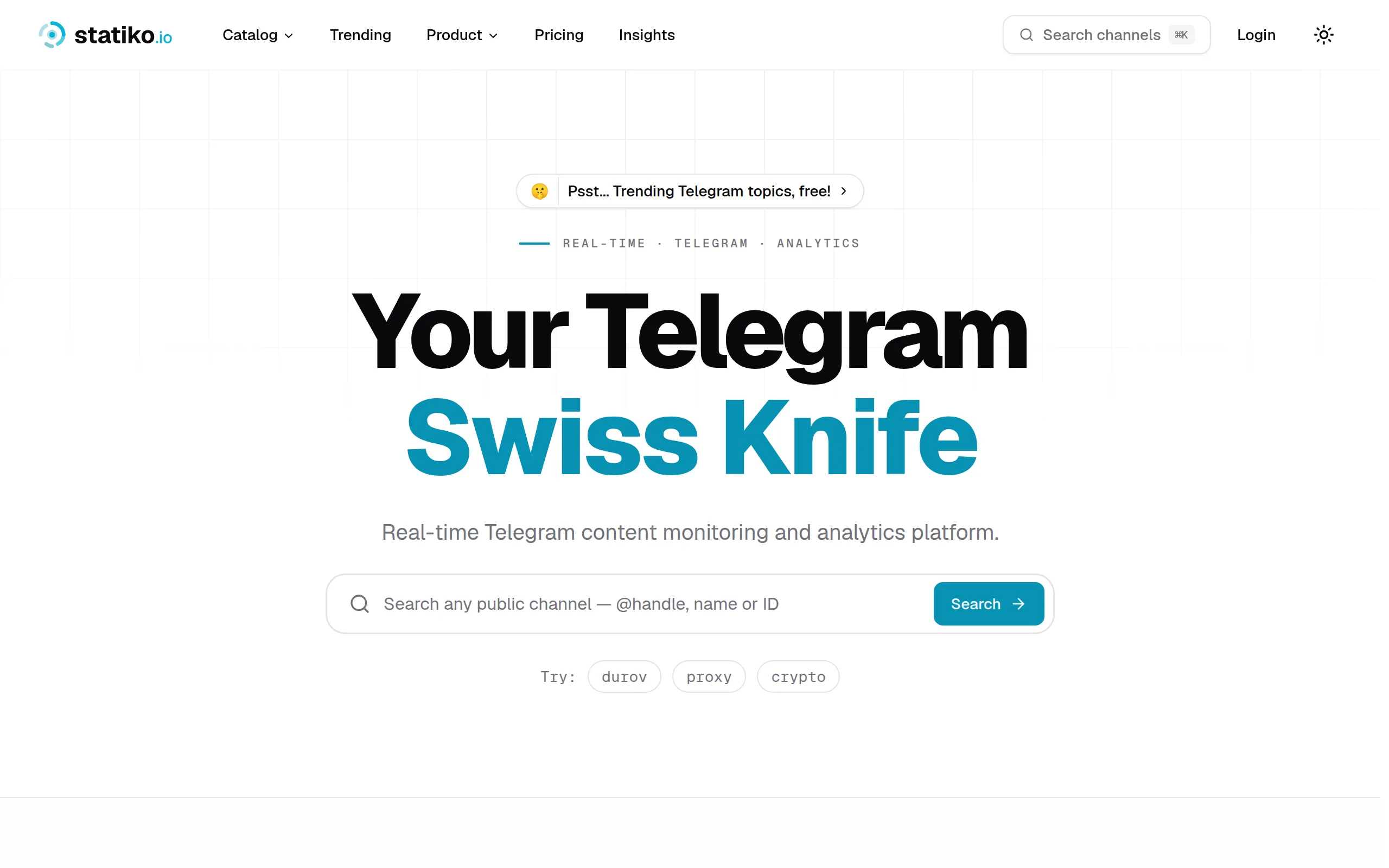
Statiko
Monitor any Telegram channel in real time - track posts, edits, deletions, and growth with AI recaps 📡

Shibui
AI website builder - describe your business, pick a niche template, edit by chatting, and publish instantly ✨
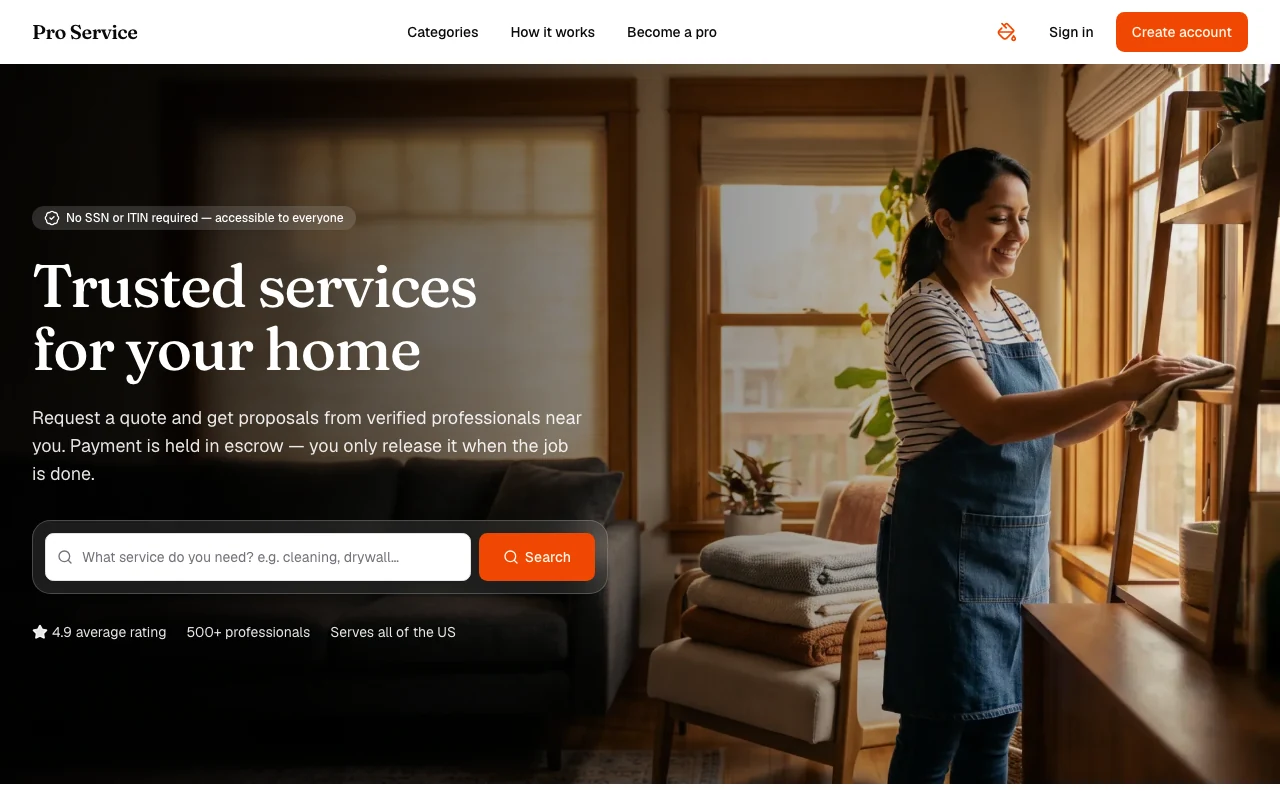
Pro Service
Find verified home service professionals, compare quotes, and pay securely through escrow - built for Brazilians across the US 🏠
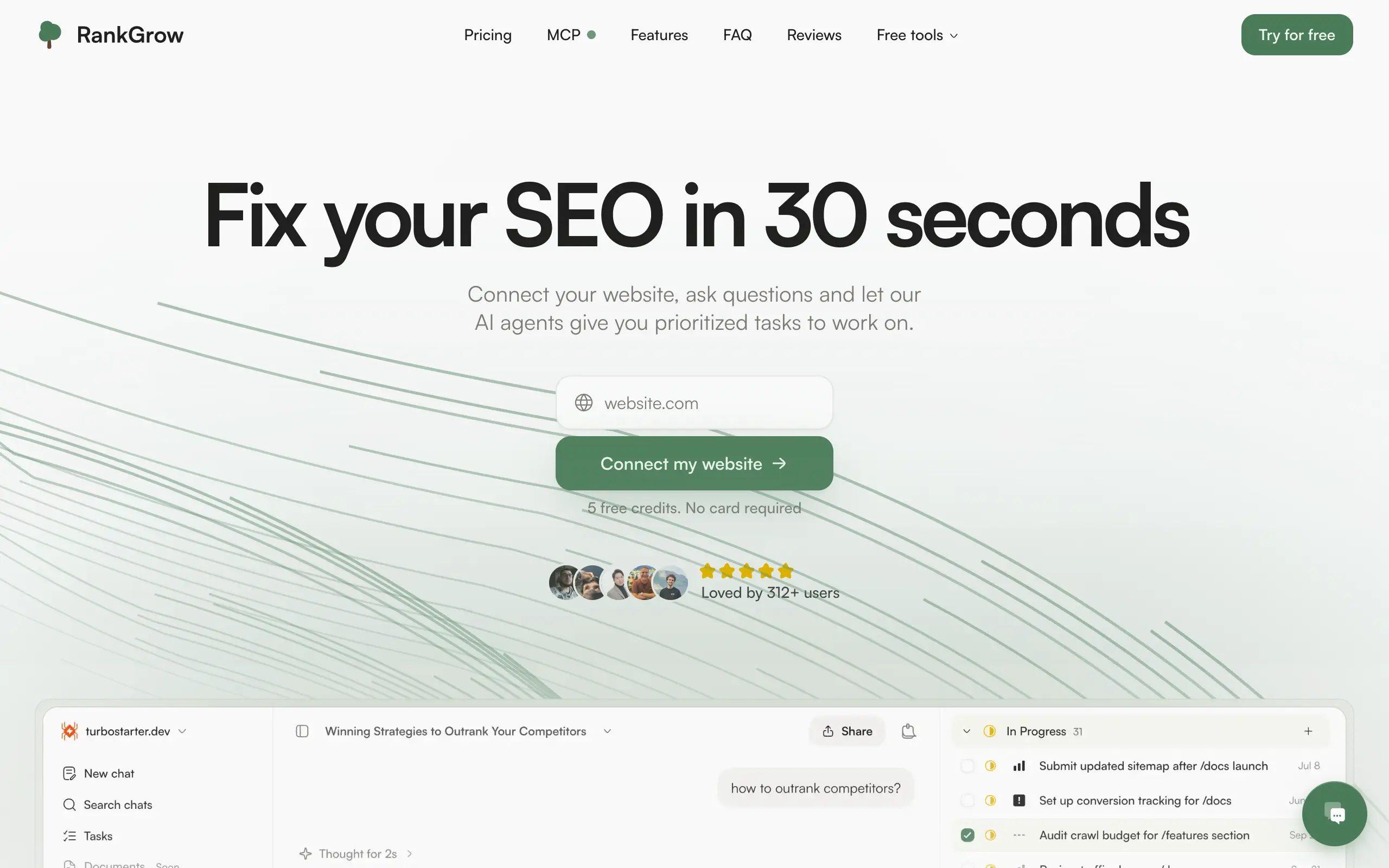
RankGrow
Fix your SEO with AI agents - connect Search Console, get prioritized tasks, and grow organic traffic 📈
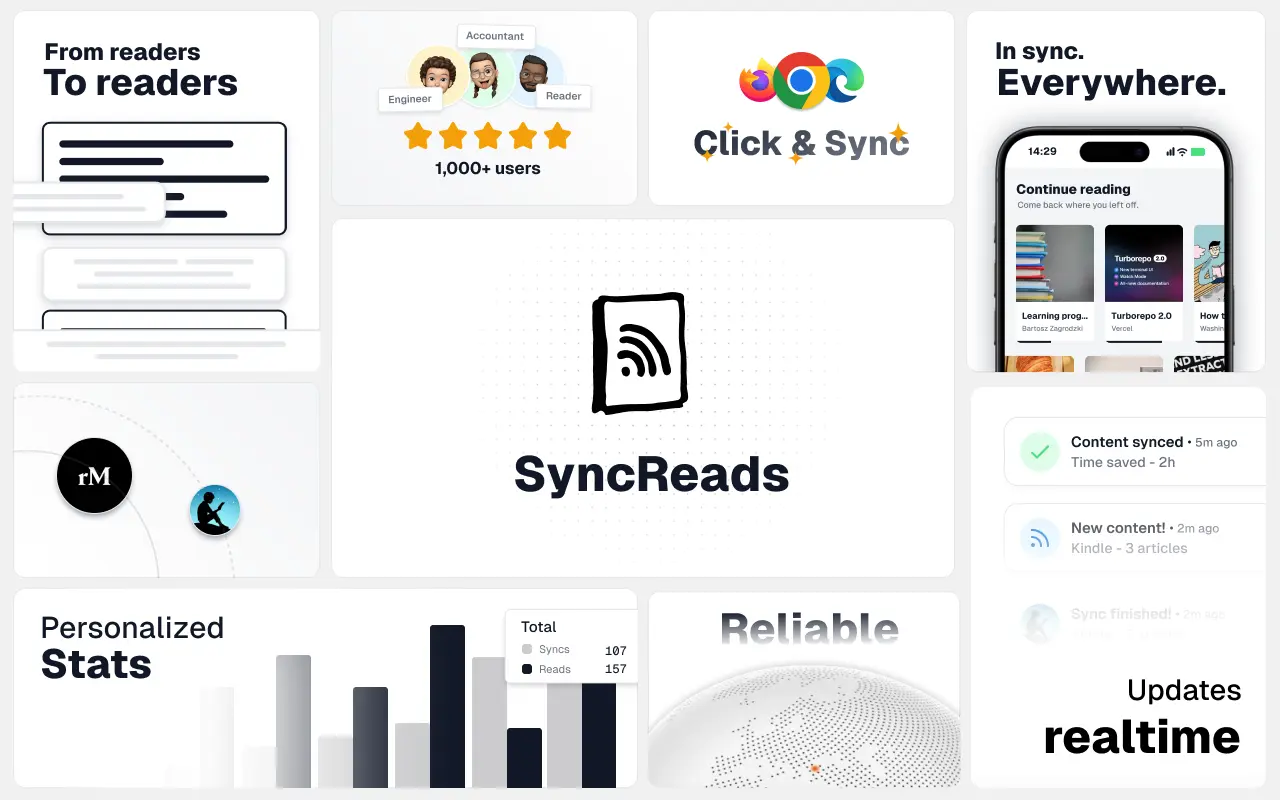
SyncReads
Sync your favorite content for distraction-free reading, save time and replace multiple apps. Anytime, anywhere 🔄
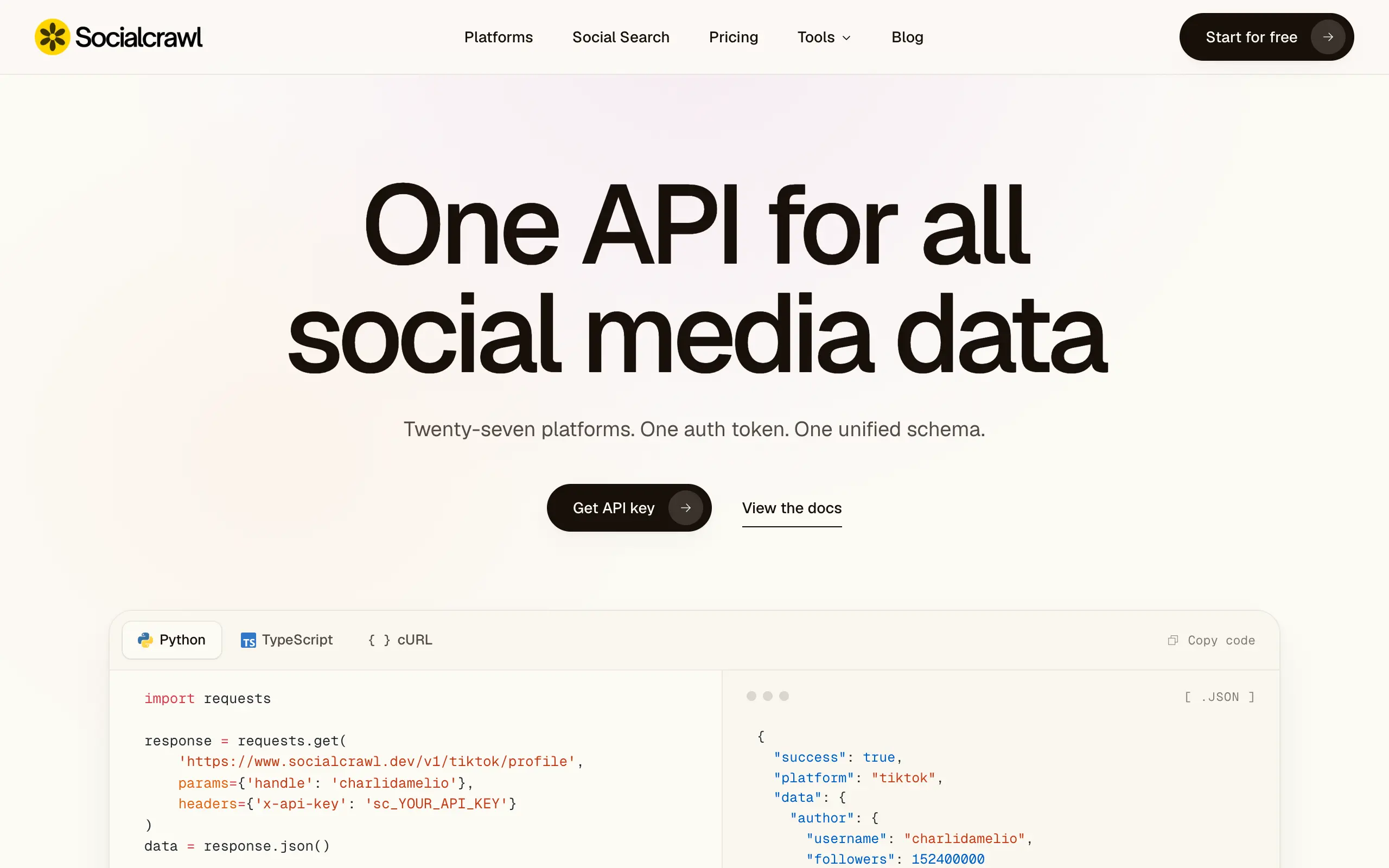
Socialcrawl
Get clean, structured data from 21 platforms like TikTok, Instagram, and YouTube with a single request 📊
Statiko
Monitor any Telegram channel in real time - track posts, edits, deletions, and growth with AI recaps 📡
Shibui
AI website builder - describe your business, pick a niche template, edit by chatting, and publish instantly ✨
Pro Service
Find verified home service professionals, compare quotes, and pay securely through escrow - built for Brazilians across the US 🏠
RankGrow
Fix your SEO with AI agents - connect Search Console, get prioritized tasks, and grow organic traffic 📈
SyncReads
Sync your favorite content for distraction-free reading, save time and replace multiple apps. Anytime, anywhere 🔄
Socialcrawl
Get clean, structured data from 21 platforms like TikTok, Instagram, and YouTube with a single request 📊
Statiko
Monitor any Telegram channel in real time - track posts, edits, deletions, and growth with AI recaps 📡
Shibui
AI website builder - describe your business, pick a niche template, edit by chatting, and publish instantly ✨
Pro Service
Find verified home service professionals, compare quotes, and pay securely through escrow - built for Brazilians across the US 🏠
RankGrow
Fix your SEO with AI agents - connect Search Console, get prioritized tasks, and grow organic traffic 📈
SyncReads
Sync your favorite content for distraction-free reading, save time and replace multiple apps. Anytime, anywhere 🔄
Socialcrawl
Get clean, structured data from 21 platforms like TikTok, Instagram, and YouTube with a single request 📊
Statiko
Monitor any Telegram channel in real time - track posts, edits, deletions, and growth with AI recaps 📡
Shibui
AI website builder - describe your business, pick a niche template, edit by chatting, and publish instantly ✨
Pro Service
Find verified home service professionals, compare quotes, and pay securely through escrow - built for Brazilians across the US 🏠
RankGrow
Fix your SEO with AI agents - connect Search Console, get prioritized tasks, and grow organic traffic 📈
SyncReads
Sync your favorite content for distraction-free reading, save time and replace multiple apps. Anytime, anywhere 🔄
Socialcrawl
Get clean, structured data from 21 platforms like TikTok, Instagram, and YouTube with a single request 📊
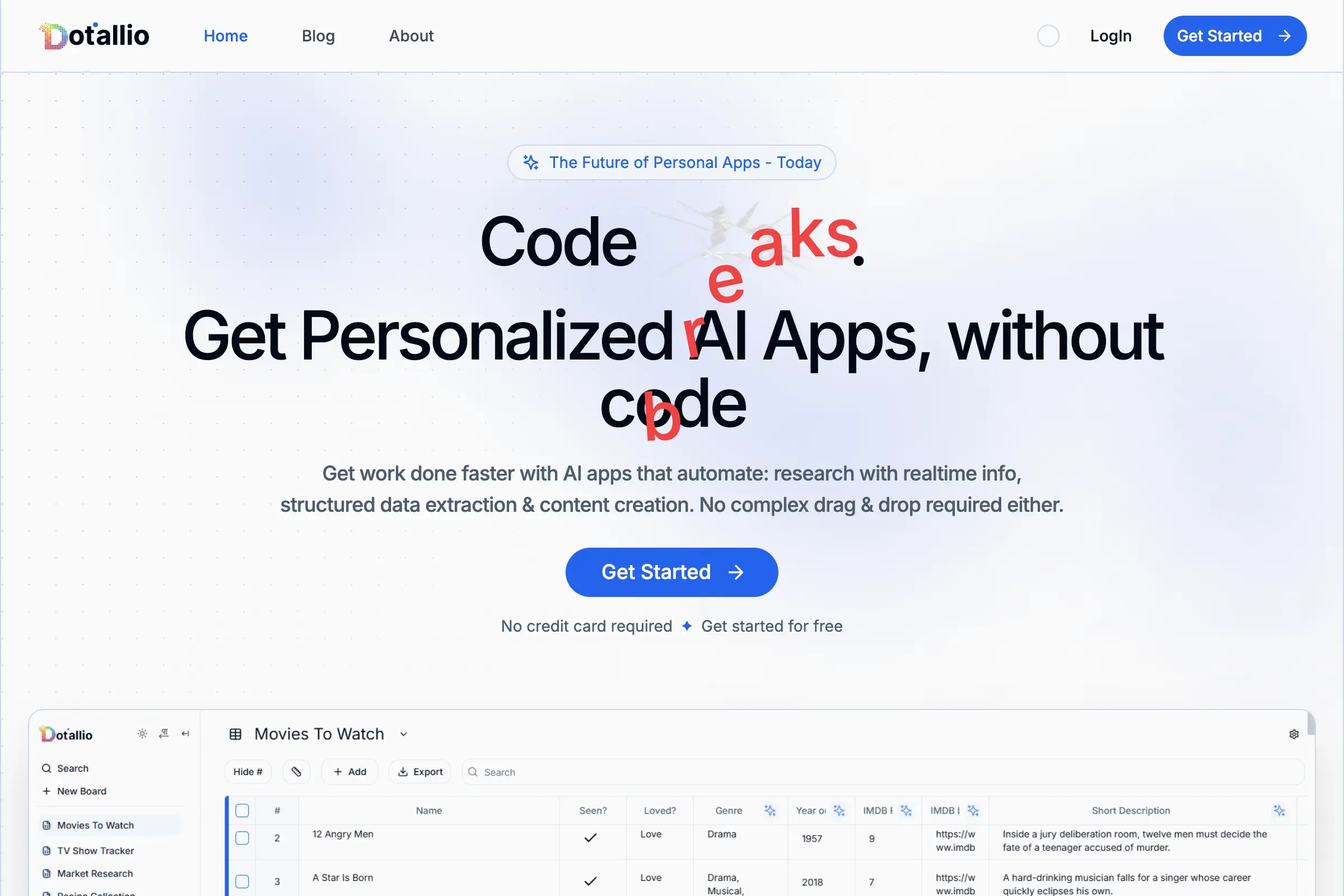
Dotallio
Personalized AI apps that automate research, data extraction, and content creation without code 🤖
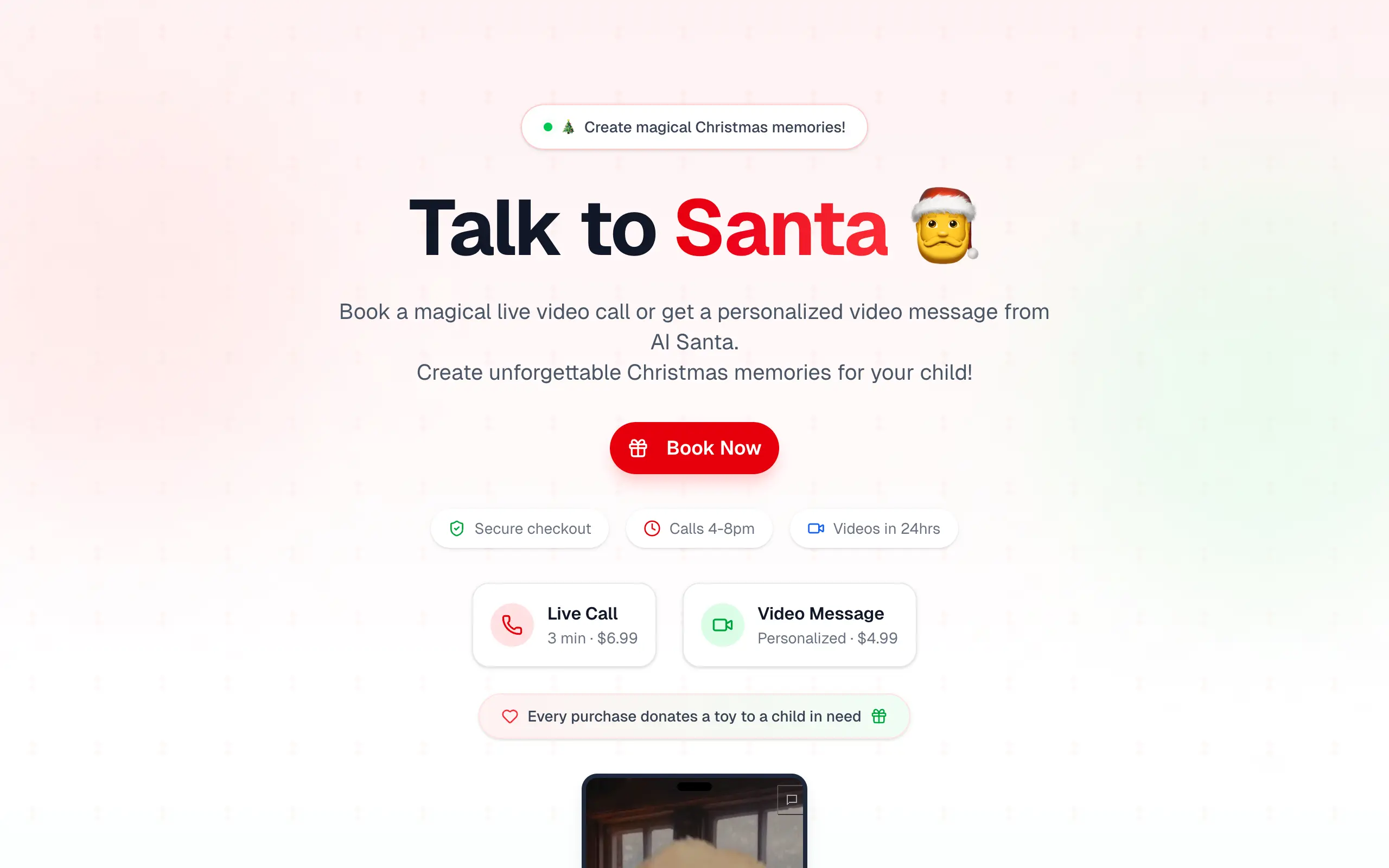
Talk to Santa
Enjoy a magical live video chat or receive a unique AI-generated video greeting from Santa Claus 🎅
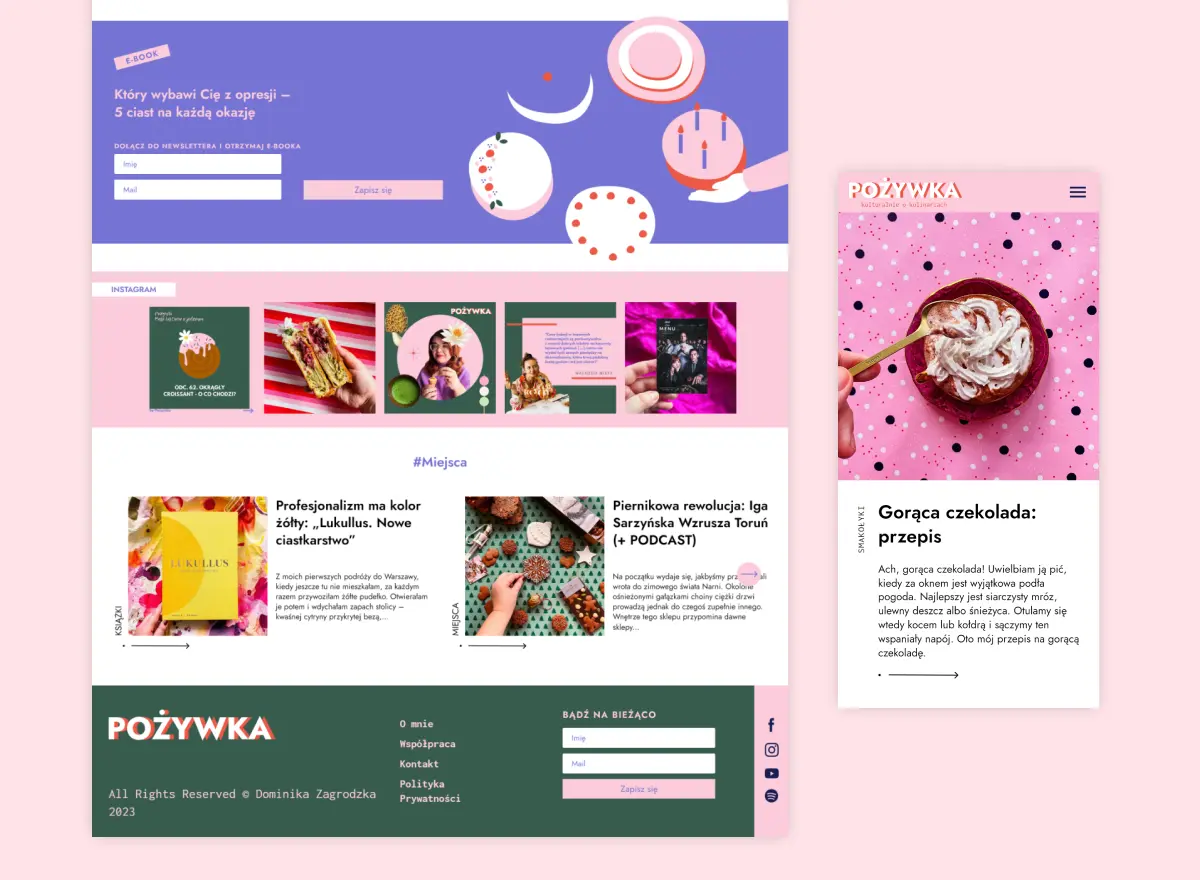
pozywka.pl
Scalable blog for food journalist, focused on performance and user experience 🌭
zagrodzki.me
Personal blog and portfolio of Bart Zagrodzki, where he shares his knowledge and work 💼
TurboStarter
Ship your startup everywhere. In minutes.
HTML to Markdown
Convert HTML to Markdown with ease, directly in your browser 📄
Dotallio
Personalized AI apps that automate research, data extraction, and content creation without code 🤖
Talk to Santa
Enjoy a magical live video chat or receive a unique AI-generated video greeting from Santa Claus 🎅
pozywka.pl
Scalable blog for food journalist, focused on performance and user experience 🌭
zagrodzki.me
Personal blog and portfolio of Bart Zagrodzki, where he shares his knowledge and work 💼
TurboStarter
Ship your startup everywhere. In minutes.
HTML to Markdown
Convert HTML to Markdown with ease, directly in your browser 📄
Dotallio
Personalized AI apps that automate research, data extraction, and content creation without code 🤖
Talk to Santa
Enjoy a magical live video chat or receive a unique AI-generated video greeting from Santa Claus 🎅
pozywka.pl
Scalable blog for food journalist, focused on performance and user experience 🌭
zagrodzki.me
Personal blog and portfolio of Bart Zagrodzki, where he shares his knowledge and work 💼
TurboStarter
Ship your startup everywhere. In minutes.
HTML to Markdown
Convert HTML to Markdown with ease, directly in your browser 📄
Dotallio
Personalized AI apps that automate research, data extraction, and content creation without code 🤖
Talk to Santa
Enjoy a magical live video chat or receive a unique AI-generated video greeting from Santa Claus 🎅
pozywka.pl
Scalable blog for food journalist, focused on performance and user experience 🌭
zagrodzki.me
Personal blog and portfolio of Bart Zagrodzki, where he shares his knowledge and work 💼
TurboStarter
Ship your startup everywhere. In minutes.
HTML to Markdown
Convert HTML to Markdown with ease, directly in your browser 📄
Omichat
Chat with 50+ AI models, including ChatGPT and Claude, in one place - switch models anytime without losing context 🤖
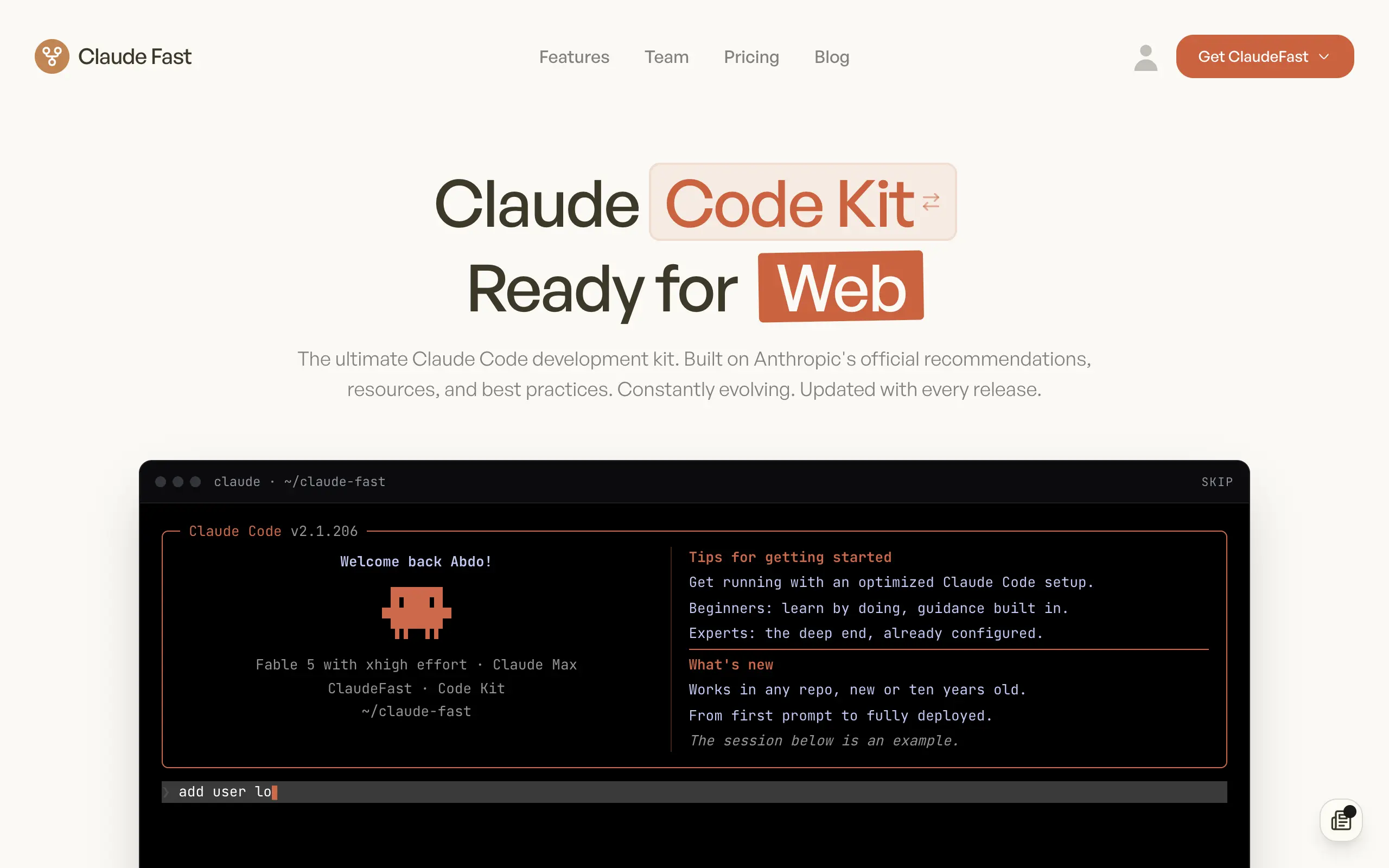
Claude Fast
Supercharge your Claude Code with 6x effective context window and specialized AI agents 🤖
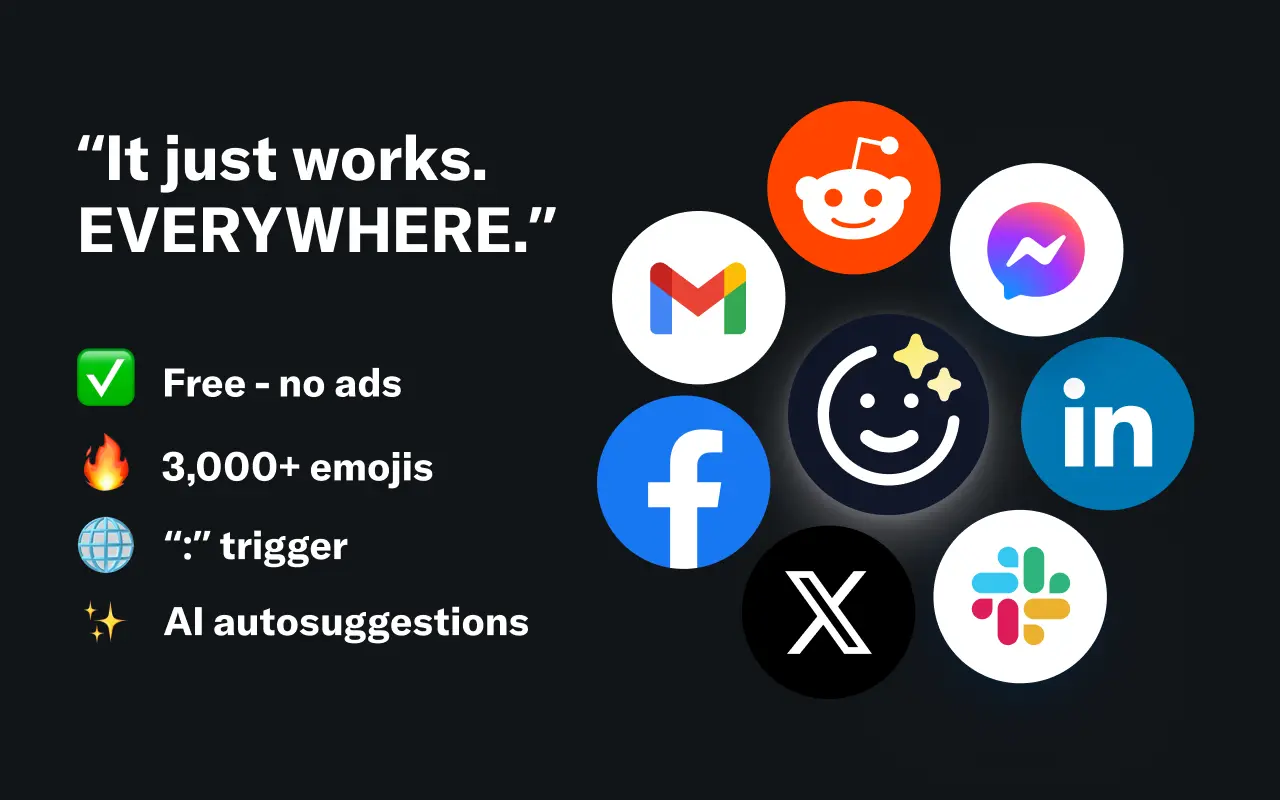
EmojAI
AI-powered emoji picker with smart, context-aware suggestions 🤖
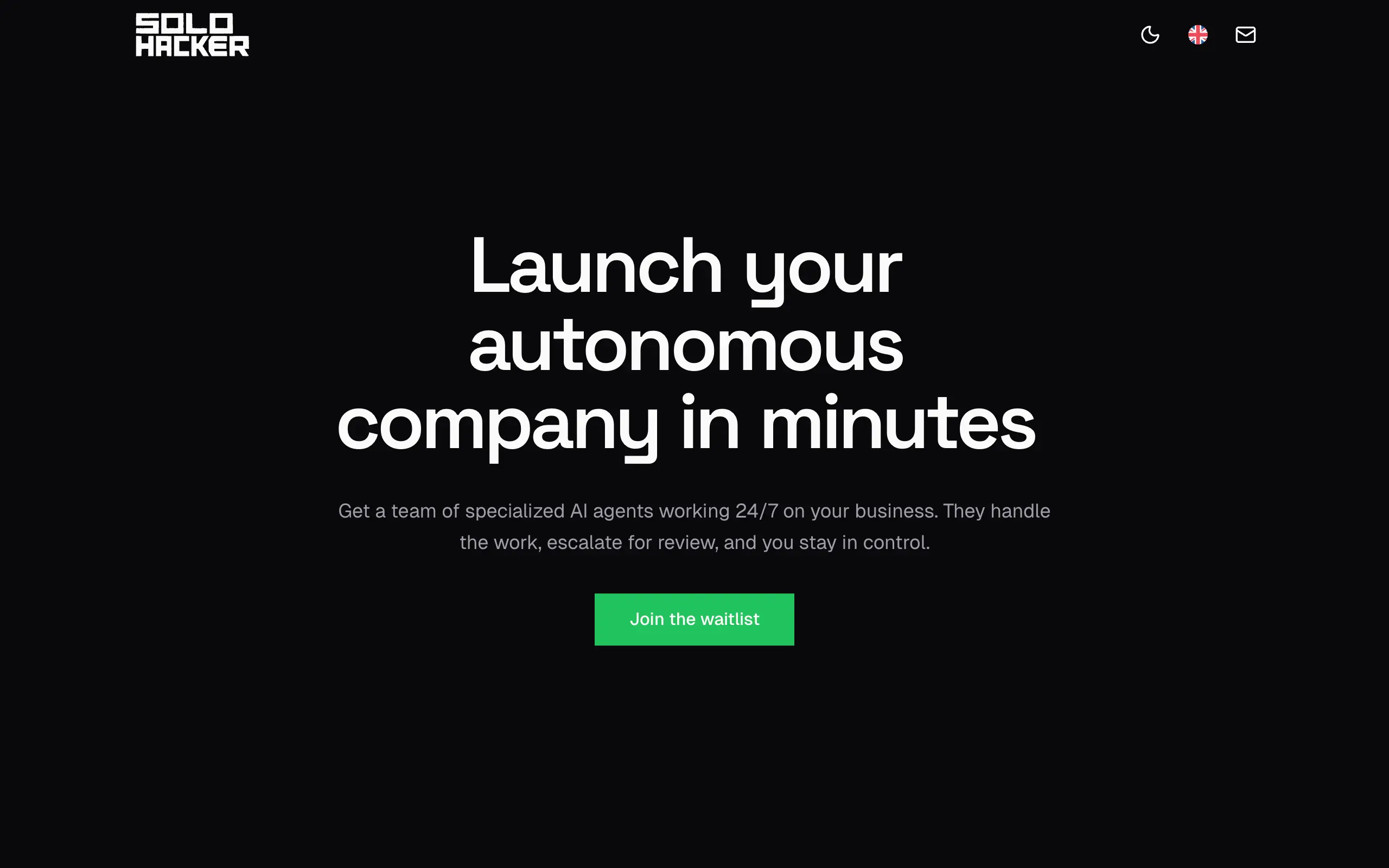
Solohacker
Autonomous company launcher - AI agents work 24/7, escalate what matters, and you stay in control 🤖
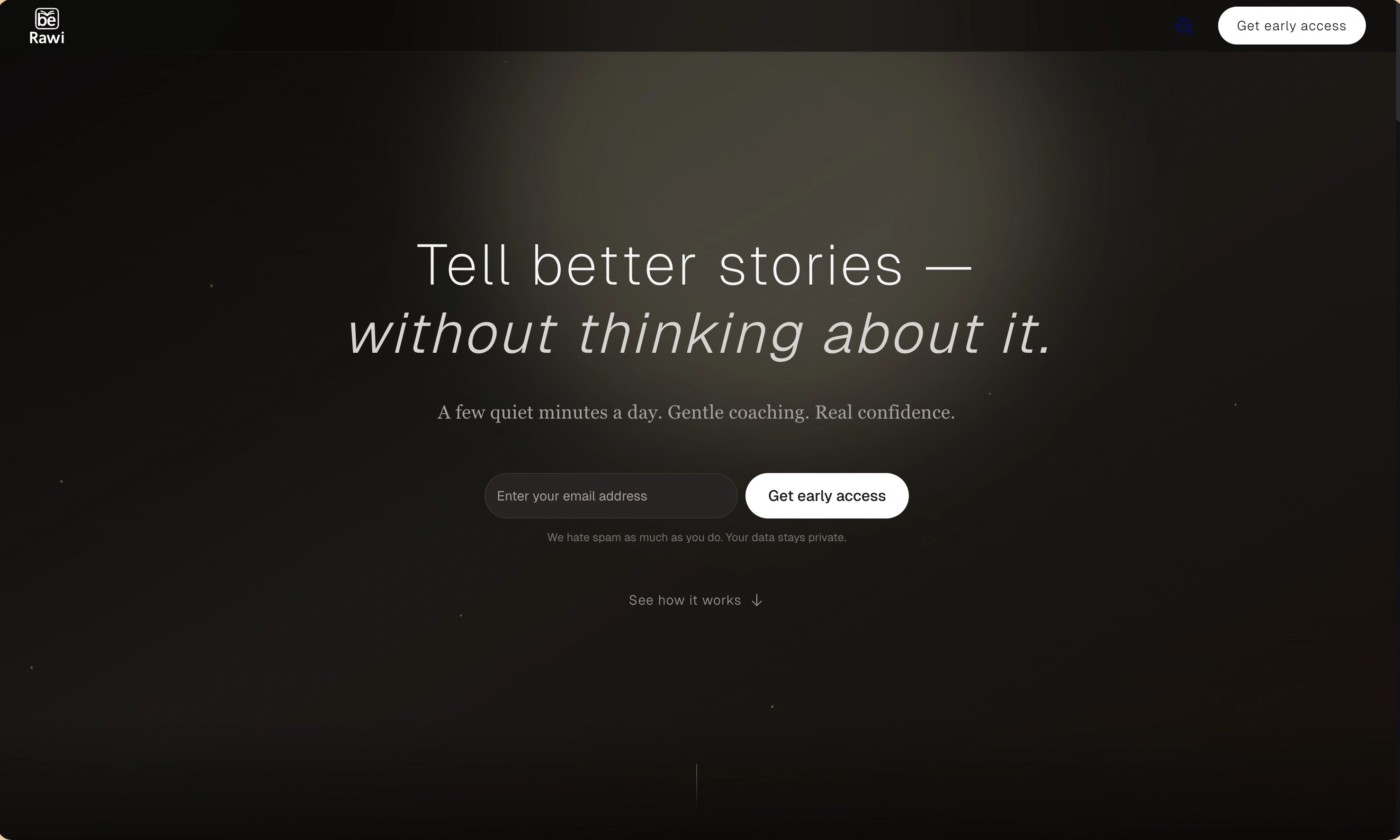
BeRawi: Storytelling Coach
Practice storytelling daily with instant feedback to sound clearer, more engaging, and confident 🎤
Omichat
Chat with 50+ AI models, including ChatGPT and Claude, in one place - switch models anytime without losing context 🤖
Claude Fast
Supercharge your Claude Code with 6x effective context window and specialized AI agents 🤖
EmojAI
AI-powered emoji picker with smart, context-aware suggestions 🤖
Solohacker
Autonomous company launcher - AI agents work 24/7, escalate what matters, and you stay in control 🤖
BeRawi: Storytelling Coach
Practice storytelling daily with instant feedback to sound clearer, more engaging, and confident 🎤
Omichat
Chat with 50+ AI models, including ChatGPT and Claude, in one place - switch models anytime without losing context 🤖
Claude Fast
Supercharge your Claude Code with 6x effective context window and specialized AI agents 🤖
EmojAI
AI-powered emoji picker with smart, context-aware suggestions 🤖
Solohacker
Autonomous company launcher - AI agents work 24/7, escalate what matters, and you stay in control 🤖
BeRawi: Storytelling Coach
Practice storytelling daily with instant feedback to sound clearer, more engaging, and confident 🎤
Omichat
Chat with 50+ AI models, including ChatGPT and Claude, in one place - switch models anytime without losing context 🤖
Claude Fast
Supercharge your Claude Code with 6x effective context window and specialized AI agents 🤖
EmojAI
AI-powered emoji picker with smart, context-aware suggestions 🤖
Solohacker
Autonomous company launcher - AI agents work 24/7, escalate what matters, and you stay in control 🤖
BeRawi: Storytelling Coach
Practice storytelling daily with instant feedback to sound clearer, more engaging, and confident 🎤

Connect with like-minded people
Join our community to get feedback, support, and grow together with 1,000+ builders on board, let's ship it!
Join usShip your startup everywhere. In minutes.
Don't burn tokens on setup and start building features on day one.