PlaySphere
An AI-powered IoT platform that transforms physical toys into interactive, screen-free games, encouraging kids to move, solve puzzles, and collaborate offline.
Understanding the PlaySphere opportunity: why AI-powered IoT toys are the next big thing
The intersection of artificial intelligence (AI), the Internet of Things (IoT), and child development is rapidly transforming how kids play and learn. PlaySphere, an AI-powered IoT platform, is at the forefront of this revolution—turning ordinary physical toys into interactive, screen-free games that encourage movement, problem-solving, and real-world collaboration. This article provides a comprehensive analysis of the PlaySphere SaaS idea, exploring its market potential, technical underpinnings, monetization strategies, and actionable steps for implementation.
Who is PlaySphere for? Target audience analysis
Understanding the target audience is crucial for any SaaS product, especially in the competitive edtech and smart toy markets. PlaySphere’s primary and secondary audiences include:
Primary audience
- Parents of children aged 4–12: Especially those concerned about excessive screen time, sedentary lifestyles, and the quality of digital content their kids consume.
- Educators and schools: Looking for innovative, interactive tools to promote physical activity, teamwork, and cognitive skills in classrooms or after-school programs.
- Toy manufacturers: Seeking to modernize their product lines with smart, connected features that add value and differentiate them in a crowded market.
Secondary audience
- Therapists and child development specialists: Interested in tools that support motor skills, social interaction, and cognitive development.
- Retailers and distributors: Wanting to offer the latest in smart, educational toys.
Key user needs and pain points
- Reducing screen time: Parents and educators are increasingly concerned about the negative effects of excessive screen exposure.
- Encouraging physical activity: Childhood obesity and sedentary habits are on the rise; solutions that get kids moving are in high demand.
- Fostering social skills: Many digital games are solitary or online-only; there’s a gap for collaborative, in-person play.
- Enhancing learning through play: The best toys combine fun with cognitive and social development.
Market opportunity and gap analysis
The global smart toy market is projected to reach over $24 billion by 2027 (source: suggest referencing a Statista or MarketsandMarkets report). Several trends are driving this growth:
- Parental demand for educational, screen-free play: There’s a clear shift toward toys that blend learning and physical activity without relying on screens.
- Advancements in affordable IoT hardware: Sensors, Bluetooth, and microcontrollers are now cost-effective for mass-market toys.
- AI-driven personalization: Parents and educators want toys that adapt to a child’s skill level and interests.
Current market gaps
- Limited interactivity in traditional toys: Most physical toys lack dynamic, adaptive gameplay.
- Screen-based “smart” toys: Many so-called smart toys still require a smartphone or tablet, undermining the goal of screen-free play.
- Fragmented ecosystems: Few platforms allow for seamless integration of multiple toys and collaborative play experiences.
How PlaySphere fills the gap
PlaySphere stands out by offering:
- True screen-free interactivity: All gameplay is managed through the toys themselves, not an app.
- AI-powered game logic: Games adapt in real time to players’ actions, skill levels, and group dynamics.
- Open platform for toy makers: Manufacturers can integrate PlaySphere’s SDK to “upgrade” their toys with minimal hardware changes.
Core features and solution details
PlaySphere’s value proposition is rooted in its unique blend of AI, IoT, and child-centric design. Here’s a breakdown of its core features:
1. AI-driven game engine
- Adaptive gameplay: The platform uses AI to adjust game difficulty, suggest new challenges, and personalize experiences for each child or group.
- Real-time feedback: Toys provide haptic, audio, or light-based cues to guide players, reward achievements, and encourage collaboration.
2. Seamless IoT connectivity
- Wireless mesh networking: Toys communicate with each other directly, enabling group games without a central hub or internet connection.
- Plug-and-play integration: Toy manufacturers can embed PlaySphere modules or use the SDK to retrofit existing products.
3. Screen-free interaction
- Physical controls and sensors: Games are controlled through movement, touch, sound, or proximity—no screens required.
- Voice and gesture recognition: Advanced AI models enable toys to understand simple voice commands or gestures, enhancing immersion.
4. Collaborative and solo play modes
- Team-based challenges: Games are designed to foster cooperation, communication, and healthy competition.
- Solo puzzles and quests: Kids can play alone, with the AI adapting to keep them engaged and learning.
5. Parental and educator dashboard
- Progress tracking: Secure, privacy-first dashboards allow adults to monitor activity, set goals, and customize experiences.
- Content library: Access to a growing library of games, puzzles, and learning modules.
6. Developer and manufacturer SDK
- APIs and documentation: Easy-to-use tools for integrating PlaySphere into new or existing toys.
- Custom game creation: Third parties can design and distribute their own games via the PlaySphere platform.
Adaptive AI gameplay
Games evolve in real time based on player actions and skill levels.
Screen-free, physical interaction
All play happens through the toys—no phones or tablets required.
Collaborative and solo modes
Supports both group and individual play, fostering social and cognitive skills.
Open SDK for manufacturers
Easily integrate PlaySphere into new or existing toys.
Recommended tech stack for PlaySphere
Building a robust, scalable, and secure AI-powered IoT platform requires careful selection of technologies. Here’s a recommended stack, with trade-offs considered:
Hardware layer
- Microcontrollers: ESP32 or Nordic nRF52 for Bluetooth Low Energy (BLE) and mesh networking.
- Sensors: Accelerometers, gyroscopes, microphones, and touch sensors for rich input.
- Actuators: LEDs, vibration motors, and speakers for feedback.
Firmware and edge AI
- Embedded C/C++: For real-time, low-power firmware.
- TinyML frameworks: TensorFlow Lite for Microcontrollers to run lightweight AI models on-device.
Connectivity
- Bluetooth Mesh: Enables toys to communicate directly, supporting group play without Wi-Fi.
- Optional Wi-Fi: For firmware updates and syncing with the cloud when needed.
Cloud platform
- Backend: Node.js or Python (FastAPI) for APIs and game logic orchestration.
- Database: Firebase or MongoDB Atlas for real-time data and user management.
- AI/ML services: AWS SageMaker or Google Cloud AI for training and updating models.
Web and mobile dashboards
- Frontend: React for web dashboards, React Native for optional mobile apps.
- UI framework: TailwindCSS for rapid, responsive design.
Trade-offs and considerations
- Edge vs. cloud AI: Running AI on-device (TinyML) ensures privacy and low latency but limits model complexity. Cloud-based AI allows for more advanced features but requires connectivity.
- Bluetooth mesh vs. Wi-Fi: Mesh networking is ideal for local, screen-free play but may have range limitations in large spaces.
Monetization strategy options
A sustainable SaaS business model for PlaySphere should balance accessibility for families and schools with recurring revenue streams. Consider these monetization approaches:
1. Subscription-based model
- Monthly/annual plans: Access to premium games, advanced analytics, and parental controls.
- Tiered pricing: Free basic tier, with paid tiers unlocking more content and features.
2. B2B licensing
- Toy manufacturer partnerships: Charge licensing fees or revenue share for integrating PlaySphere into third-party toys.
- White-label solutions: Offer custom-branded versions for large partners.
3. Content marketplace
- Game and module sales: Allow third-party developers to sell new games or learning modules, with PlaySphere taking a commission.
4. Hardware sales (optional)
- Starter kits: Sell PlaySphere-enabled toys directly to consumers or schools, bundling hardware and software.
5. Data-driven insights (privacy-first)
- Aggregated analytics: Offer anonymized insights to educators or researchers (with strict privacy controls).
In-app purchases are less relevant for a screen-free platform, but could be used for unlocking new games or features via the dashboard.
Ads are generally discouraged in children’s products due to privacy and ethical concerns.
Potential risks and mitigation strategies
Launching an AI-powered IoT platform for children comes with unique challenges. Here’s how to address them:
1. Privacy and data security
- Risk: Collecting data from children’s toys raises significant privacy concerns.
- Mitigation:
- Comply with COPPA, GDPR-K, and other child privacy regulations.
- Use on-device processing wherever possible.
- Store only anonymized, minimal data in the cloud.
2. Hardware reliability
- Risk: Toys must be durable, safe, and reliable in diverse environments.
- Mitigation:
- Partner with experienced manufacturers.
- Conduct rigorous safety and durability testing.
3. Market adoption
- Risk: Convincing parents, educators, and manufacturers to adopt a new platform.
- Mitigation:
- Offer free trials and pilot programs.
- Highlight educational and health benefits with credible research.
4. Content quality and safety
- Risk: Ensuring all games are age-appropriate and safe.
- Mitigation:
- Curate content with expert review.
- Allow parental controls and content filtering.
5. Technology obsolescence
- Risk: Rapid changes in IoT and AI could make hardware or software outdated.
- Mitigation:
- Use modular, updatable firmware.
- Design for compatibility with future standards.
Competitive advantage analysis
PlaySphere’s unique selling proposition (USP) is its ability to deliver truly interactive, screen-free, AI-powered play experiences that adapt to each child and group. Here’s how it compares to existing solutions:
| PlaySphere | Traditional toys | App-based smart toys | Console games | AR/VR toys |
|---|---|---|---|---|
| ✅ | ❌ | ❌ | ✅ | ❌ |
| ✅ | ❌ | ✅ | ✅ | ❌ |
Key differentiators
- Screen-free, immersive play: Unlike most smart toys, PlaySphere requires no phone or tablet.
- AI-powered adaptability: Games evolve in real time, keeping kids engaged and challenged.
- Collaborative, social focus: Designed to bring kids together in the real world.
- Open platform: Manufacturers and developers can easily integrate and extend the ecosystem.
Implementation steps: how to bring PlaySphere to life
Launching a successful AI-powered IoT platform for toys requires a phased, strategic approach. Here’s a step-by-step roadmap:
Actionable next steps and conclusion
PlaySphere is uniquely positioned to lead the next wave of smart, healthy, and collaborative play. By combining AI, IoT, and a screen-free philosophy, it addresses urgent needs for parents, educators, and the toy industry. To move forward:
- Validate demand: Engage with your target audience early and often.
- Prioritize privacy and safety: Make these non-negotiable pillars of your platform.
- Focus on partnerships: Success depends on building a robust ecosystem of manufacturers and content creators.
- Iterate rapidly: Use real-world feedback to refine both hardware and software.
For founders, developers, or investors interested in the future of play, PlaySphere offers a compelling, scalable, and socially impactful SaaS opportunity.
Frequently asked questions
PlaySphere is designed with privacy by default, using on-device AI processing and strict compliance with child data protection laws like COPPA and GDPR-K.
Yes, manufacturers can retrofit many existing toys using PlaySphere’s SDK and hardware modules.
While the primary focus is children aged 4–12, the platform can be adapted for older age groups, therapy, or even adult team-building games.
Check out TurboStarter for resources and tools to accelerate your SaaS journey.
References
- For market size and trends, see Statista or MarketsandMarkets reports on the global smart toy market.
- For child development and screen time research, consult the American Academy of Pediatrics or World Health Organization guidelines.
- For IoT and AI technology, refer to the official documentation for ESP32, TensorFlow Lite for Microcontrollers, and Bluetooth Mesh.
By leveraging the latest in AI and IoT, PlaySphere is set to redefine what it means to play, learn, and grow—together, and away from screens.
More 🤖 AI Startup SaaS ideas
Discover more innovative ai startup SaaS ideas that are trending in 2026. Each idea is AI-generated with market validation and growth potential to help you find your next profitable venture faster than competitors.
Your competitors are building with TurboStarter
Below are some of the SaaS ideas that have been generated and built with our starter kit.
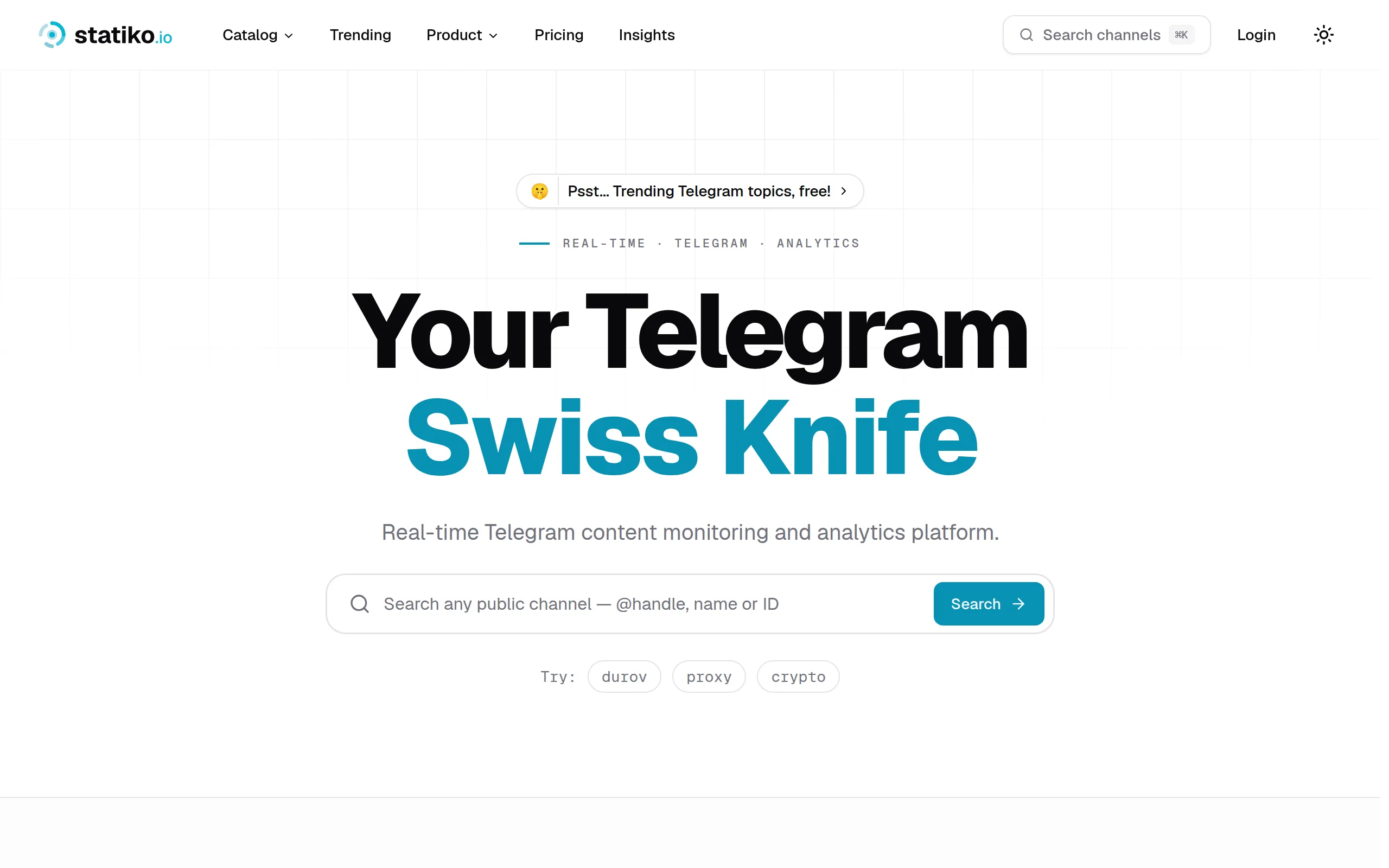
Statiko
Monitor any Telegram channel in real time - track posts, edits, deletions, and growth with AI recaps 📡

Shibui
AI website builder - describe your business, pick a niche template, edit by chatting, and publish instantly ✨

Pro Service
Find verified home service professionals, compare quotes, and pay securely through escrow - built for Brazilians across the US 🏠
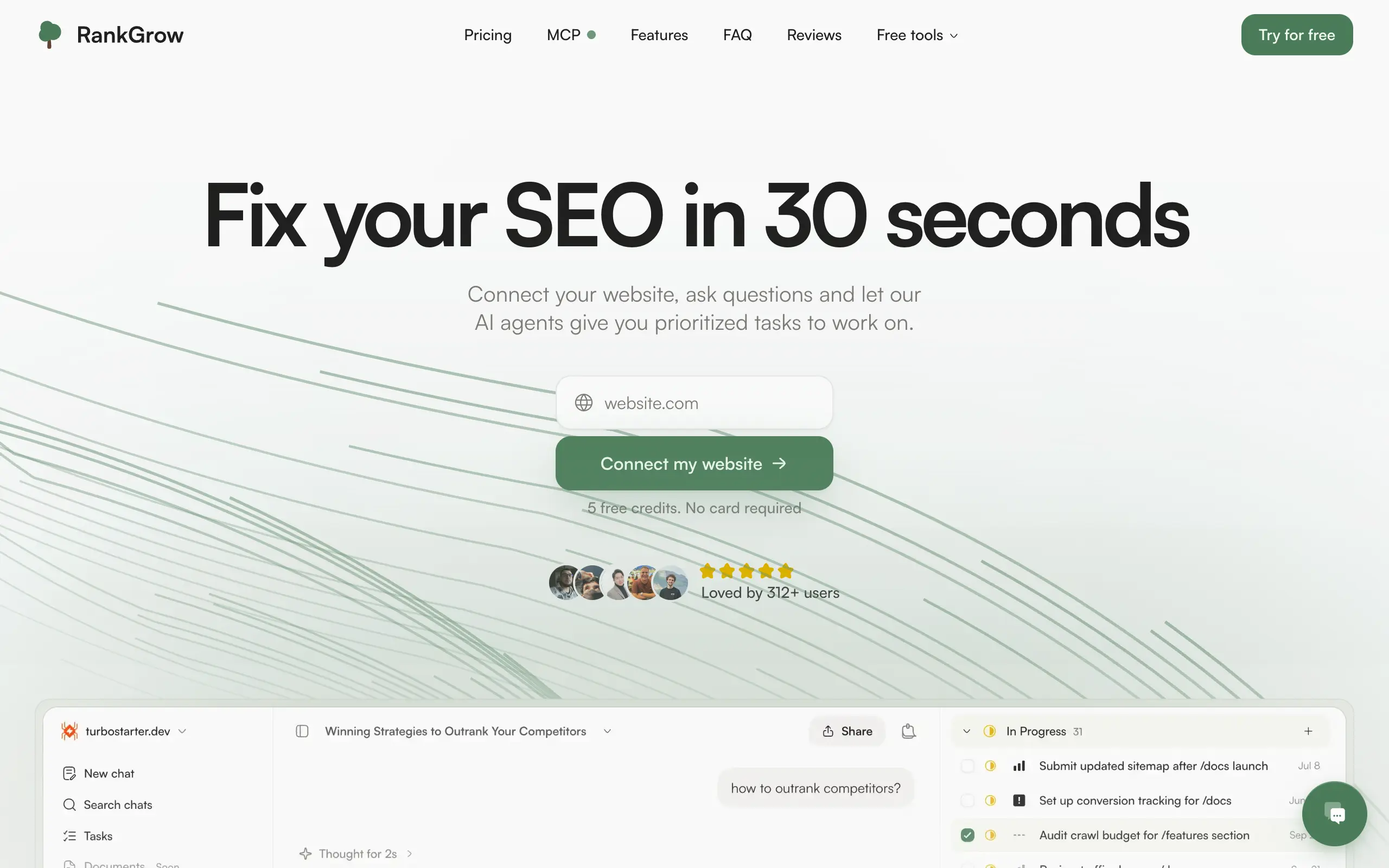
RankGrow
Fix your SEO with AI agents - connect Search Console, get prioritized tasks, and grow organic traffic 📈
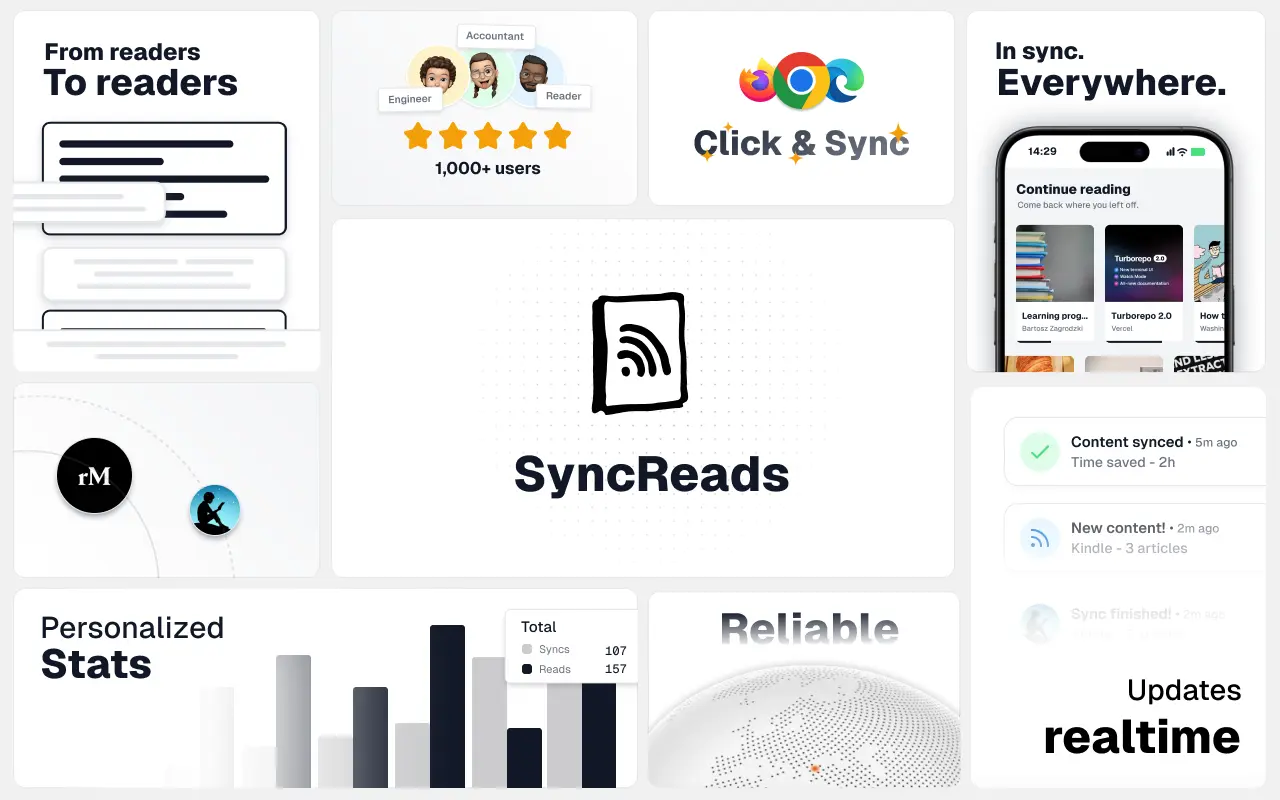
SyncReads
Sync your favorite content for distraction-free reading, save time and replace multiple apps. Anytime, anywhere 🔄
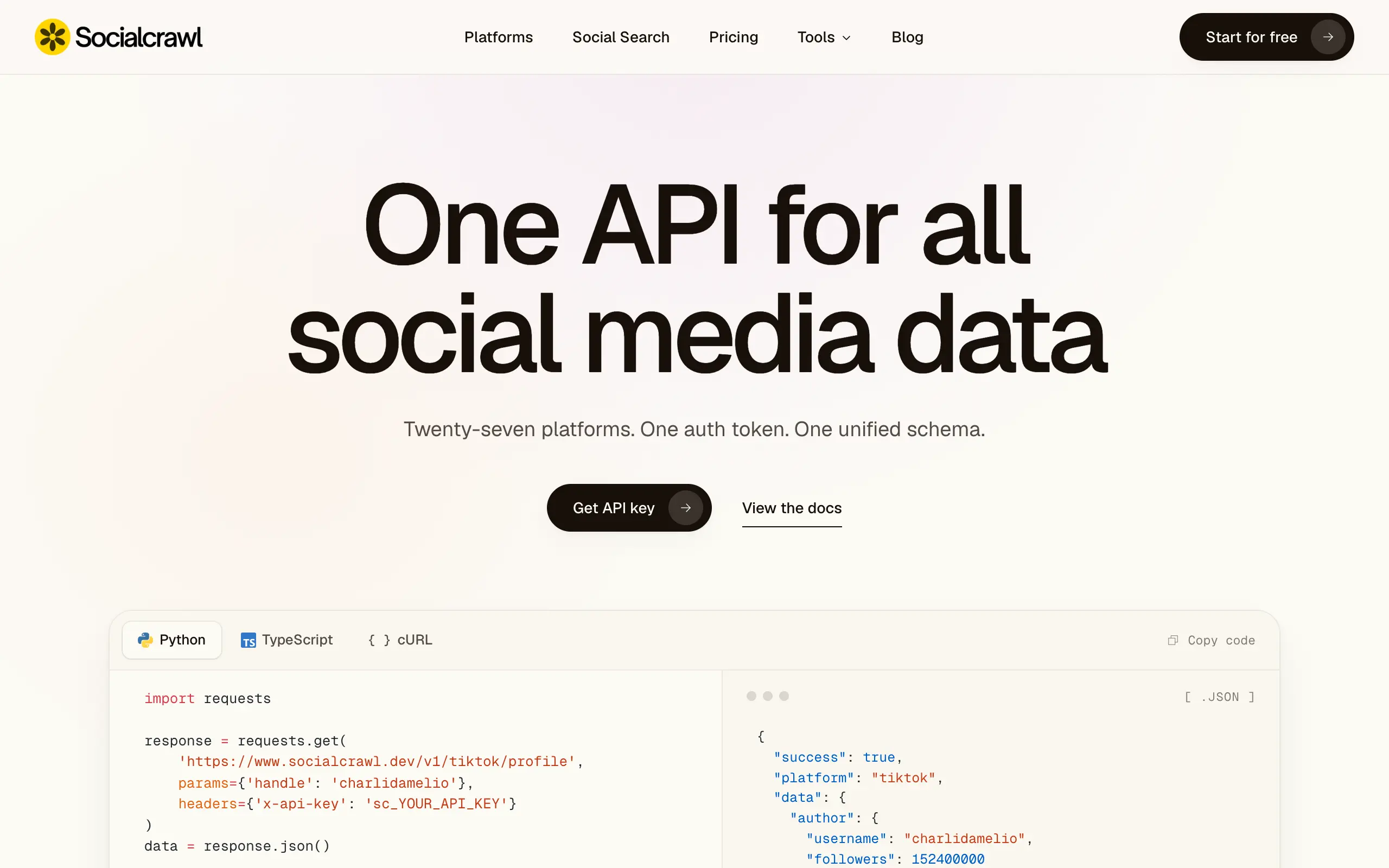
Socialcrawl
Get clean, structured data from 21 platforms like TikTok, Instagram, and YouTube with a single request 📊
Statiko
Monitor any Telegram channel in real time - track posts, edits, deletions, and growth with AI recaps 📡
Shibui
AI website builder - describe your business, pick a niche template, edit by chatting, and publish instantly ✨
Pro Service
Find verified home service professionals, compare quotes, and pay securely through escrow - built for Brazilians across the US 🏠
RankGrow
Fix your SEO with AI agents - connect Search Console, get prioritized tasks, and grow organic traffic 📈
SyncReads
Sync your favorite content for distraction-free reading, save time and replace multiple apps. Anytime, anywhere 🔄
Socialcrawl
Get clean, structured data from 21 platforms like TikTok, Instagram, and YouTube with a single request 📊
Statiko
Monitor any Telegram channel in real time - track posts, edits, deletions, and growth with AI recaps 📡
Shibui
AI website builder - describe your business, pick a niche template, edit by chatting, and publish instantly ✨
Pro Service
Find verified home service professionals, compare quotes, and pay securely through escrow - built for Brazilians across the US 🏠
RankGrow
Fix your SEO with AI agents - connect Search Console, get prioritized tasks, and grow organic traffic 📈
SyncReads
Sync your favorite content for distraction-free reading, save time and replace multiple apps. Anytime, anywhere 🔄
Socialcrawl
Get clean, structured data from 21 platforms like TikTok, Instagram, and YouTube with a single request 📊
Statiko
Monitor any Telegram channel in real time - track posts, edits, deletions, and growth with AI recaps 📡
Shibui
AI website builder - describe your business, pick a niche template, edit by chatting, and publish instantly ✨
Pro Service
Find verified home service professionals, compare quotes, and pay securely through escrow - built for Brazilians across the US 🏠
RankGrow
Fix your SEO with AI agents - connect Search Console, get prioritized tasks, and grow organic traffic 📈
SyncReads
Sync your favorite content for distraction-free reading, save time and replace multiple apps. Anytime, anywhere 🔄
Socialcrawl
Get clean, structured data from 21 platforms like TikTok, Instagram, and YouTube with a single request 📊
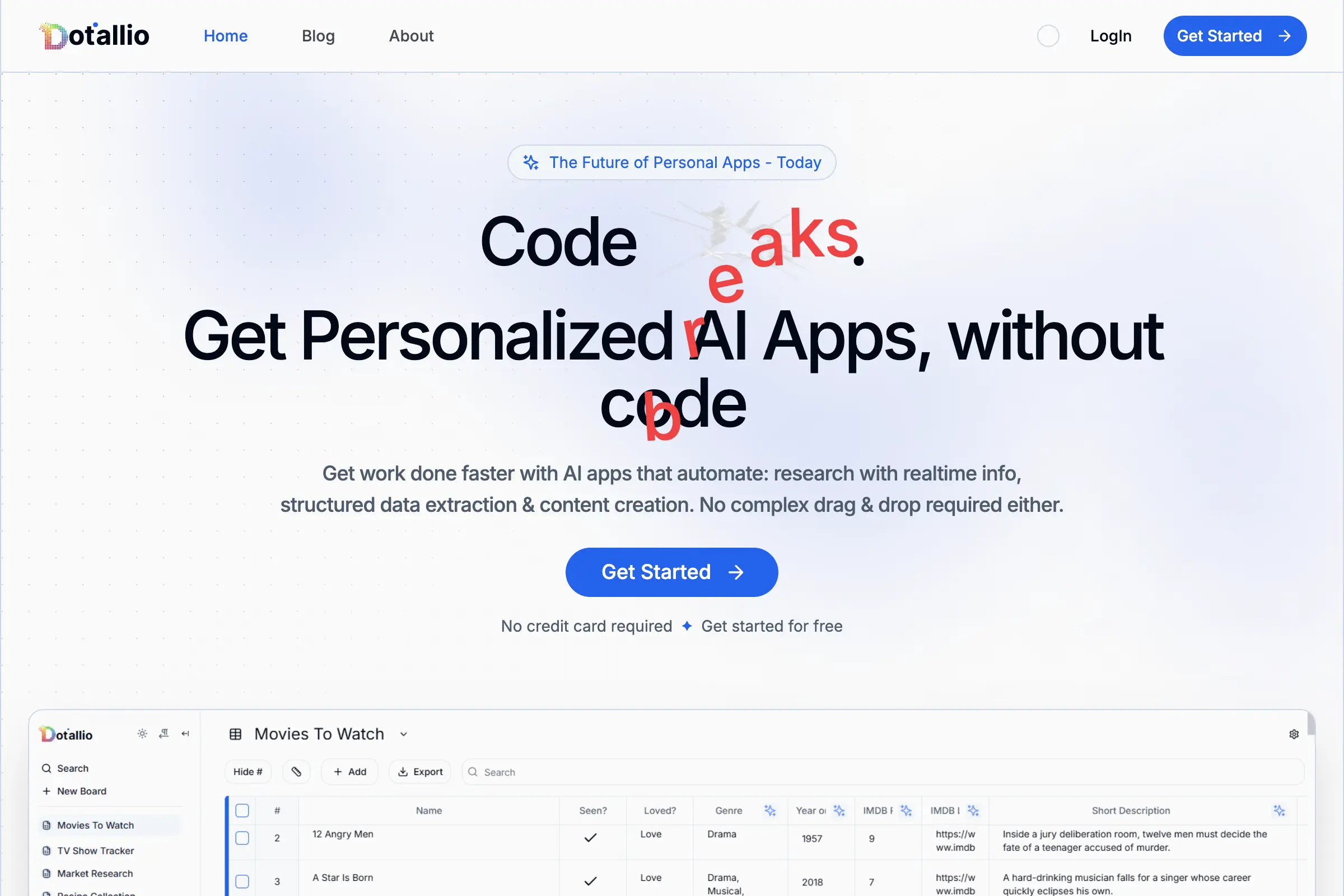
Dotallio
Personalized AI apps that automate research, data extraction, and content creation without code 🤖
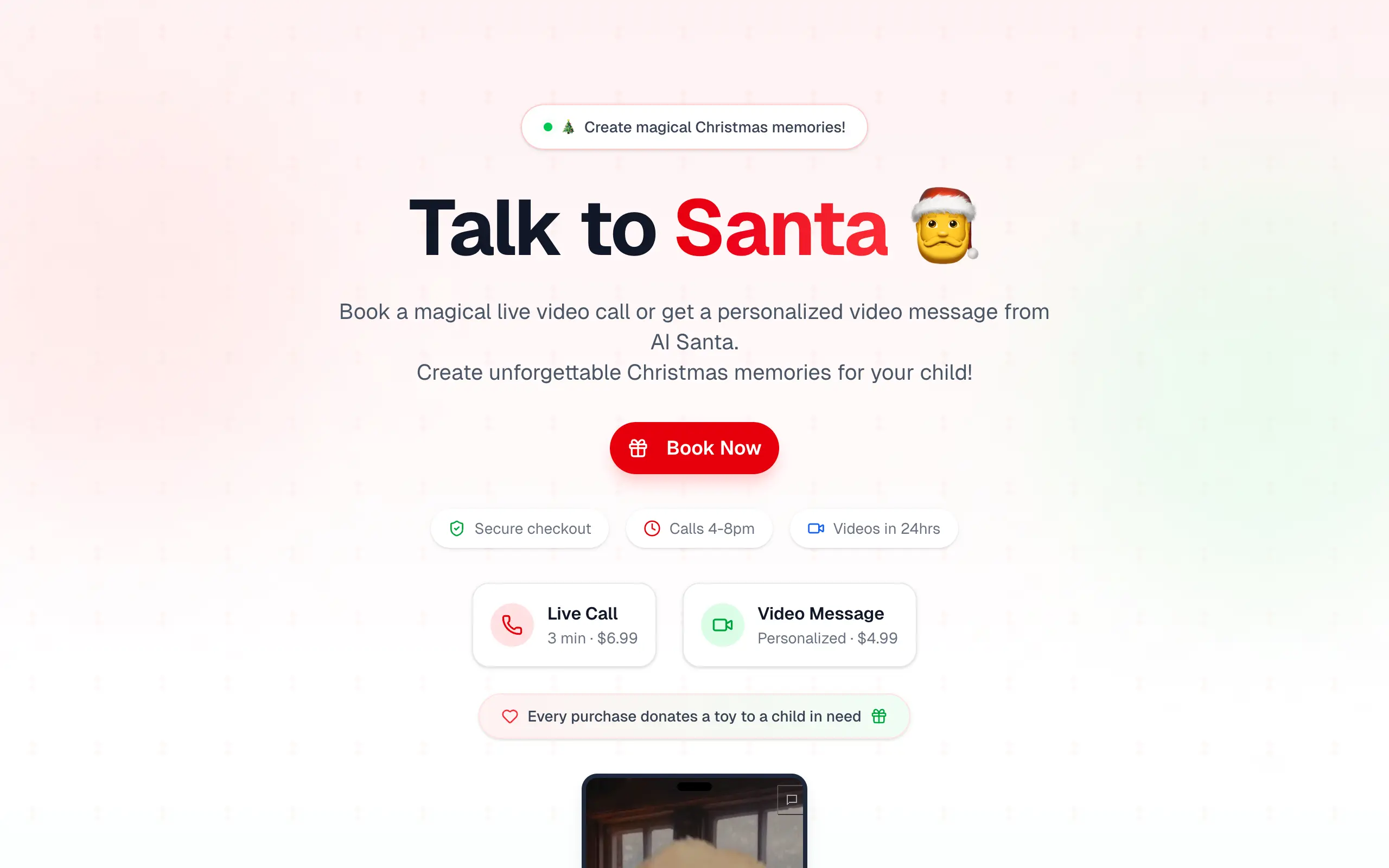
Talk to Santa
Enjoy a magical live video chat or receive a unique AI-generated video greeting from Santa Claus 🎅
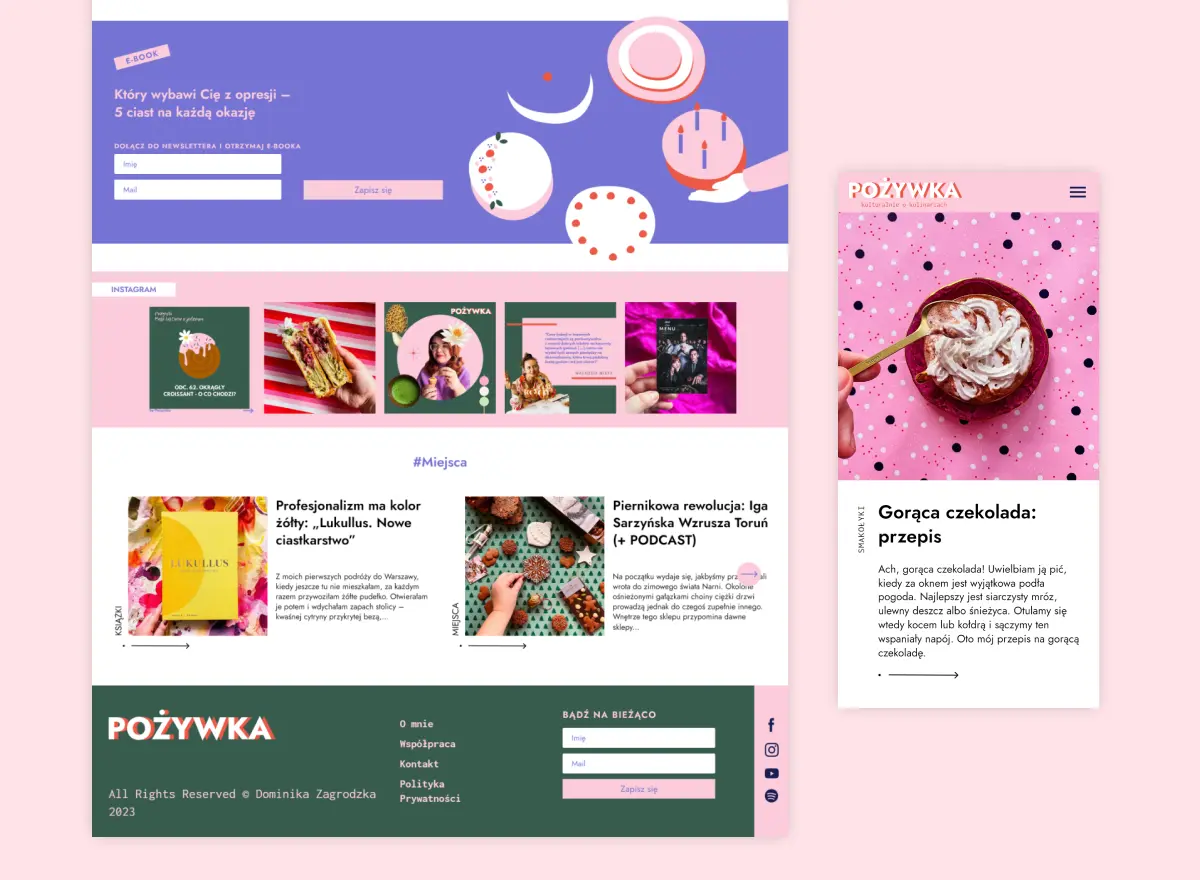
pozywka.pl
Scalable blog for food journalist, focused on performance and user experience 🌭
zagrodzki.me
Personal blog and portfolio of Bart Zagrodzki, where he shares his knowledge and work 💼
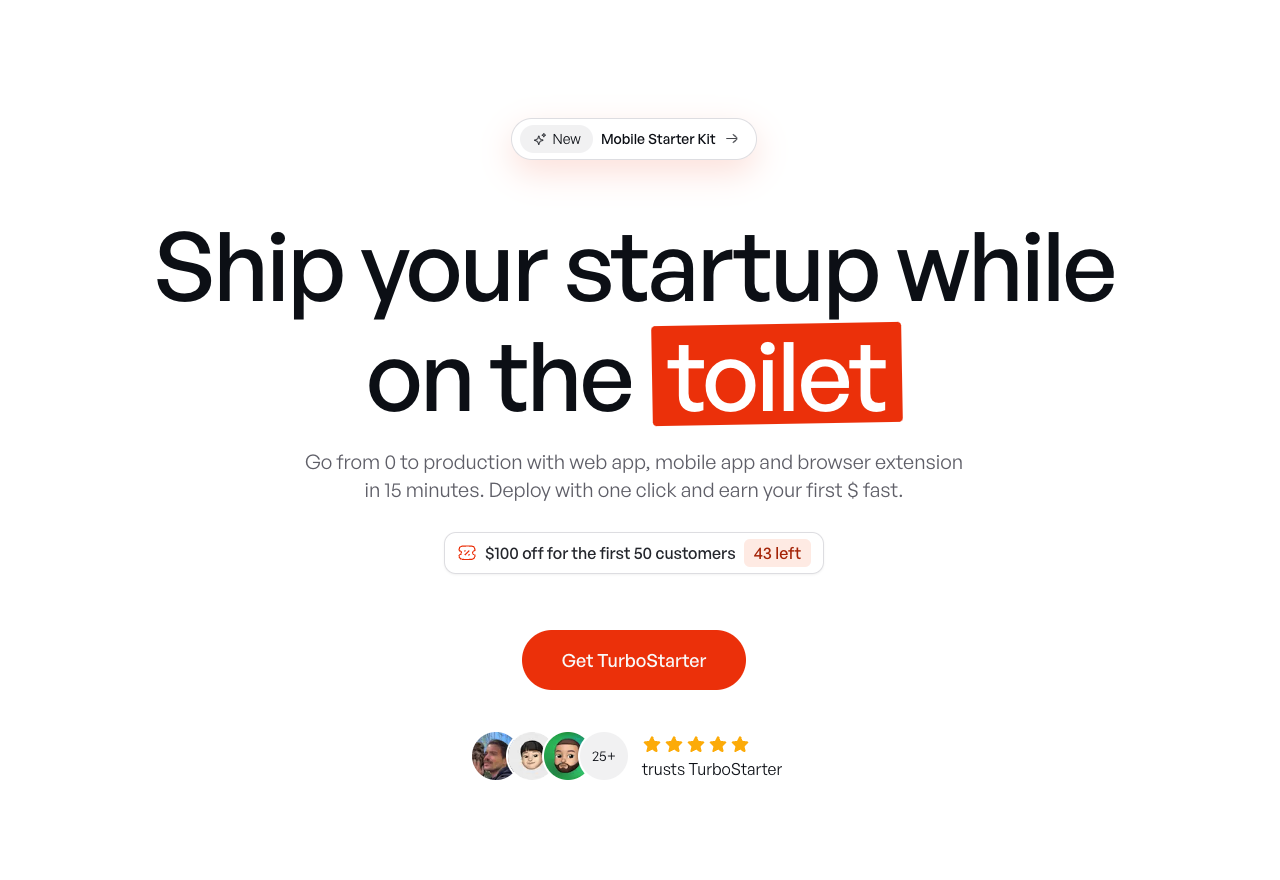
TurboStarter
Ship your startup everywhere. In minutes.
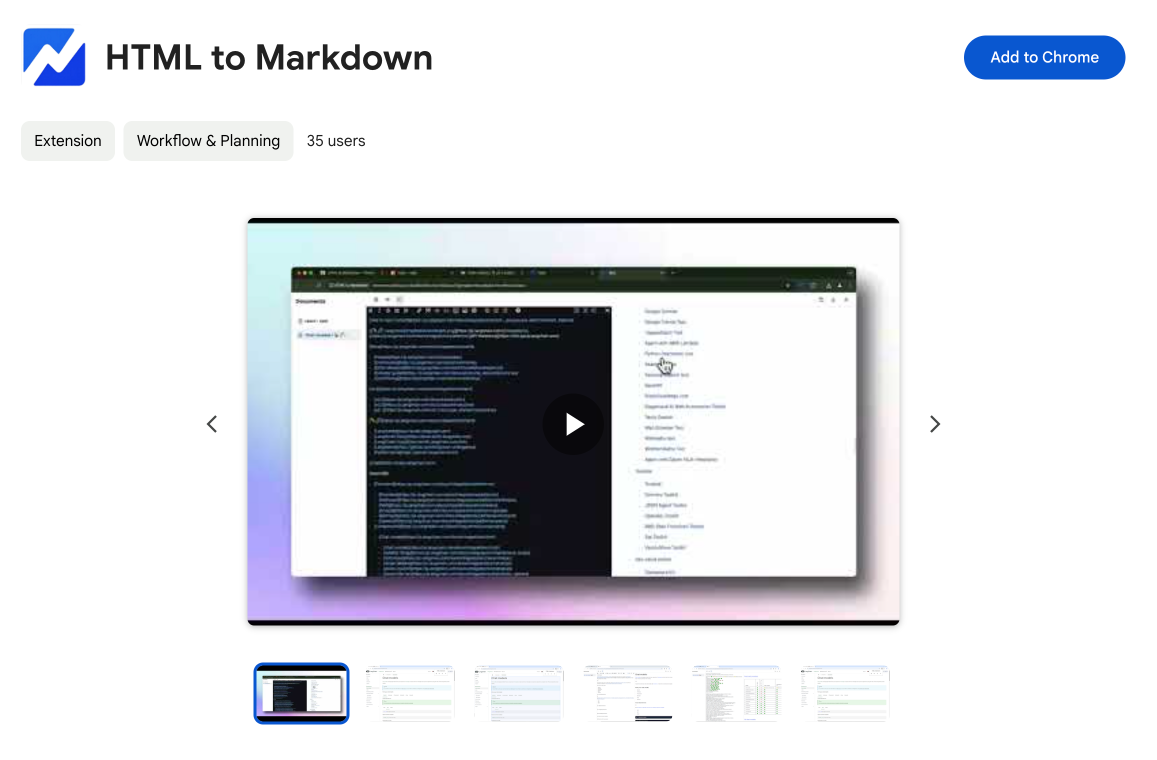
HTML to Markdown
Convert HTML to Markdown with ease, directly in your browser 📄
Dotallio
Personalized AI apps that automate research, data extraction, and content creation without code 🤖
Talk to Santa
Enjoy a magical live video chat or receive a unique AI-generated video greeting from Santa Claus 🎅
pozywka.pl
Scalable blog for food journalist, focused on performance and user experience 🌭
zagrodzki.me
Personal blog and portfolio of Bart Zagrodzki, where he shares his knowledge and work 💼
TurboStarter
Ship your startup everywhere. In minutes.
HTML to Markdown
Convert HTML to Markdown with ease, directly in your browser 📄
Dotallio
Personalized AI apps that automate research, data extraction, and content creation without code 🤖
Talk to Santa
Enjoy a magical live video chat or receive a unique AI-generated video greeting from Santa Claus 🎅
pozywka.pl
Scalable blog for food journalist, focused on performance and user experience 🌭
zagrodzki.me
Personal blog and portfolio of Bart Zagrodzki, where he shares his knowledge and work 💼
TurboStarter
Ship your startup everywhere. In minutes.
HTML to Markdown
Convert HTML to Markdown with ease, directly in your browser 📄
Dotallio
Personalized AI apps that automate research, data extraction, and content creation without code 🤖
Talk to Santa
Enjoy a magical live video chat or receive a unique AI-generated video greeting from Santa Claus 🎅
pozywka.pl
Scalable blog for food journalist, focused on performance and user experience 🌭
zagrodzki.me
Personal blog and portfolio of Bart Zagrodzki, where he shares his knowledge and work 💼
TurboStarter
Ship your startup everywhere. In minutes.
HTML to Markdown
Convert HTML to Markdown with ease, directly in your browser 📄
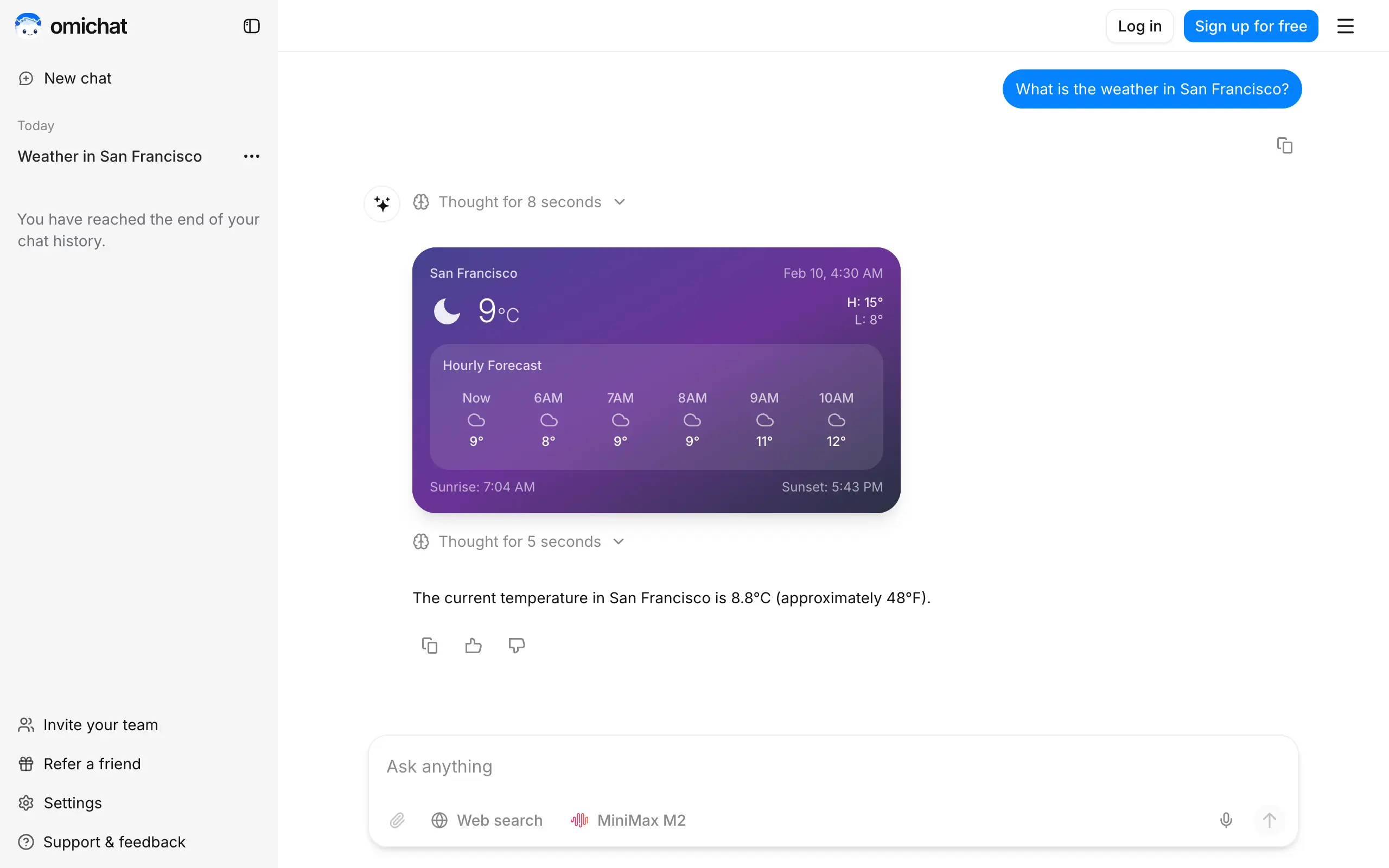
Omichat
Chat with 50+ AI models, including ChatGPT and Claude, in one place - switch models anytime without losing context 🤖
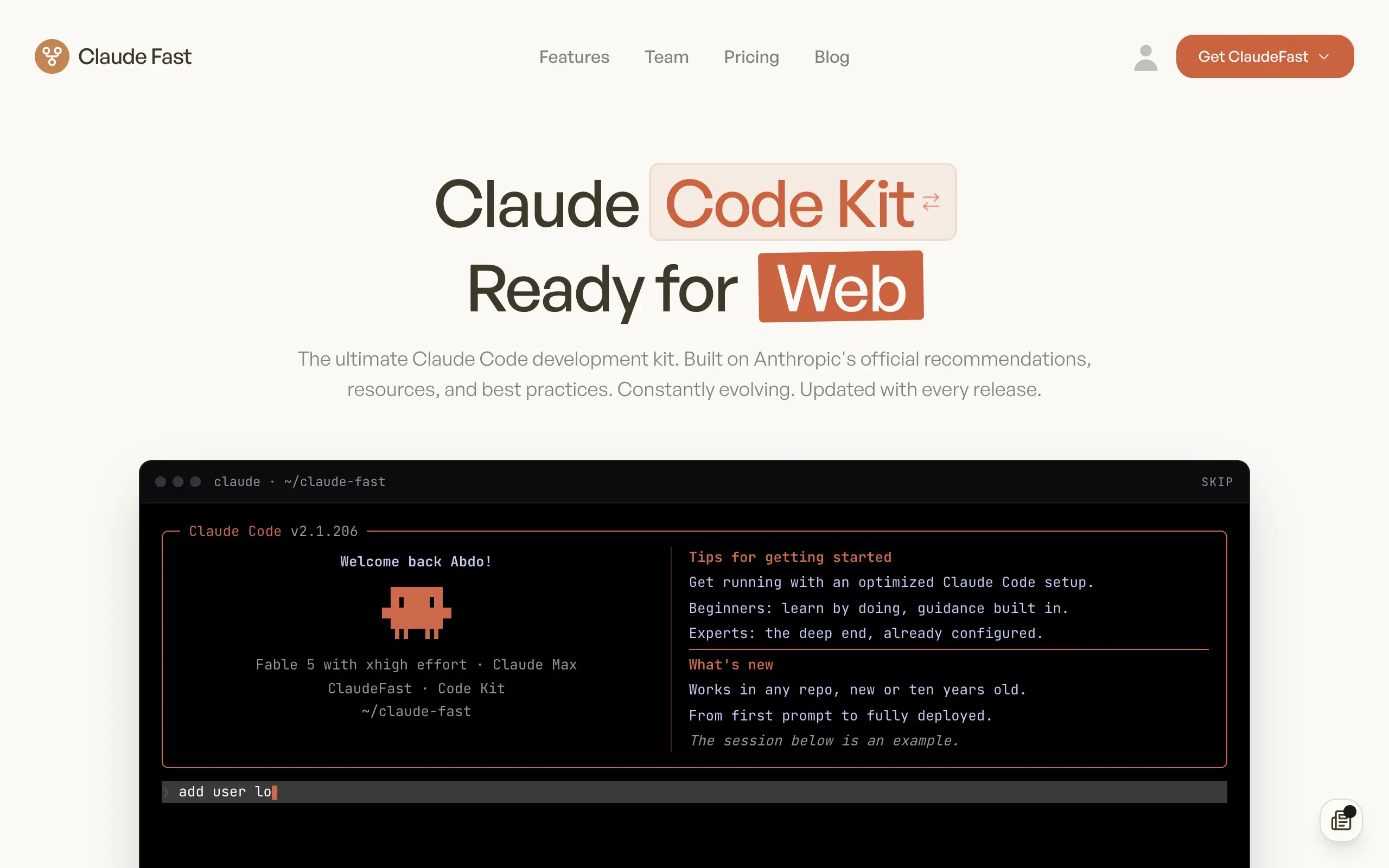
Claude Fast
Supercharge your Claude Code with 6x effective context window and specialized AI agents 🤖
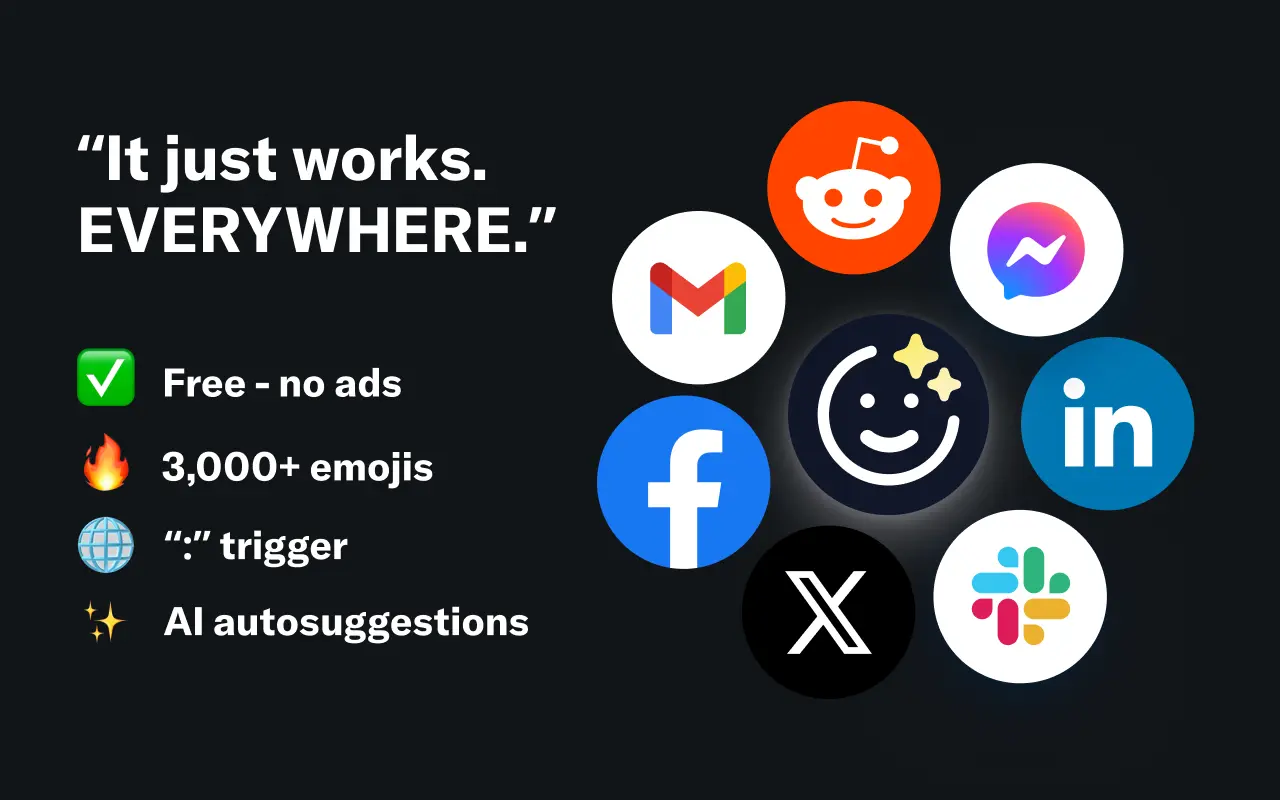
EmojAI
AI-powered emoji picker with smart, context-aware suggestions 🤖
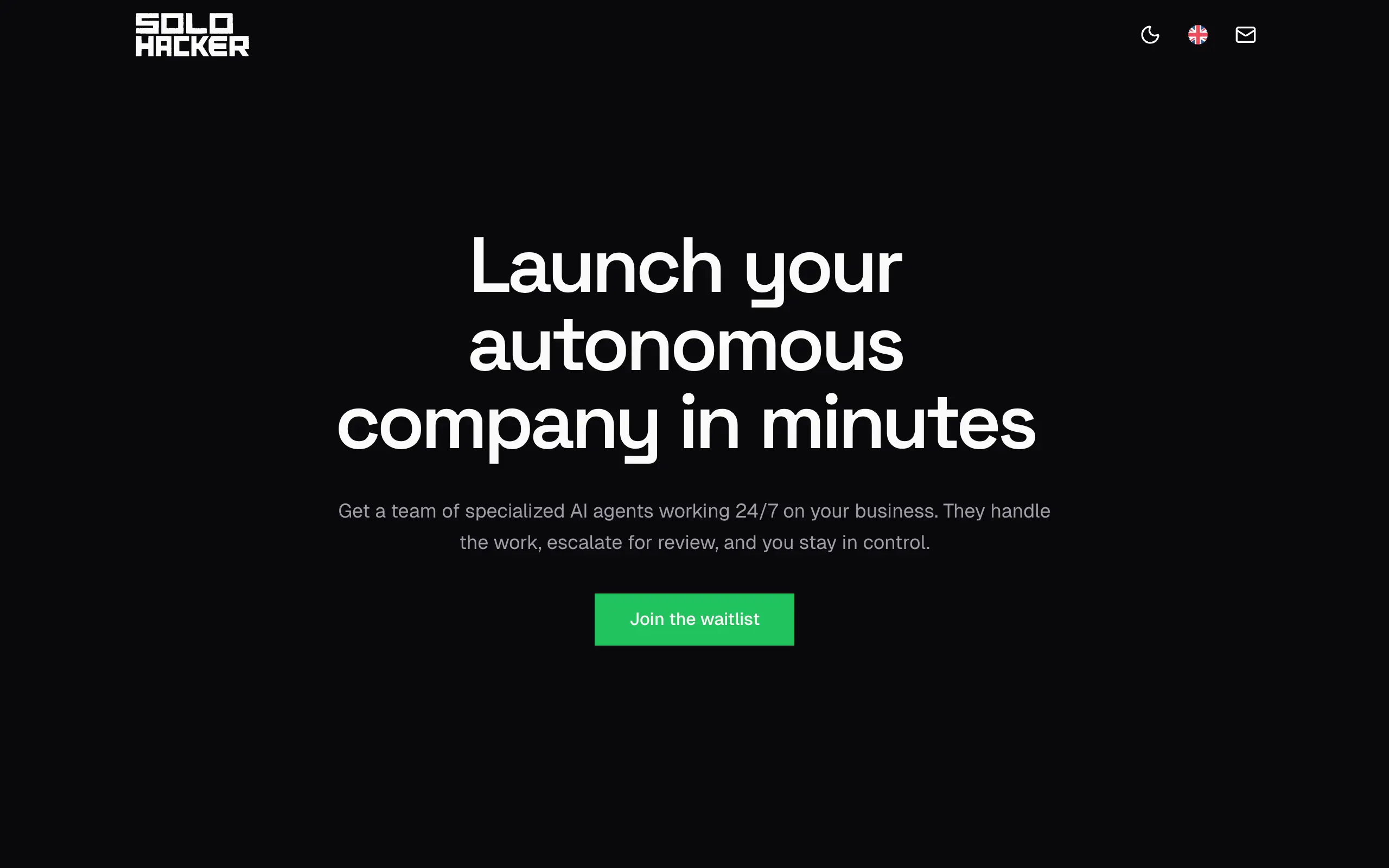
Solohacker
Autonomous company launcher - AI agents work 24/7, escalate what matters, and you stay in control 🤖
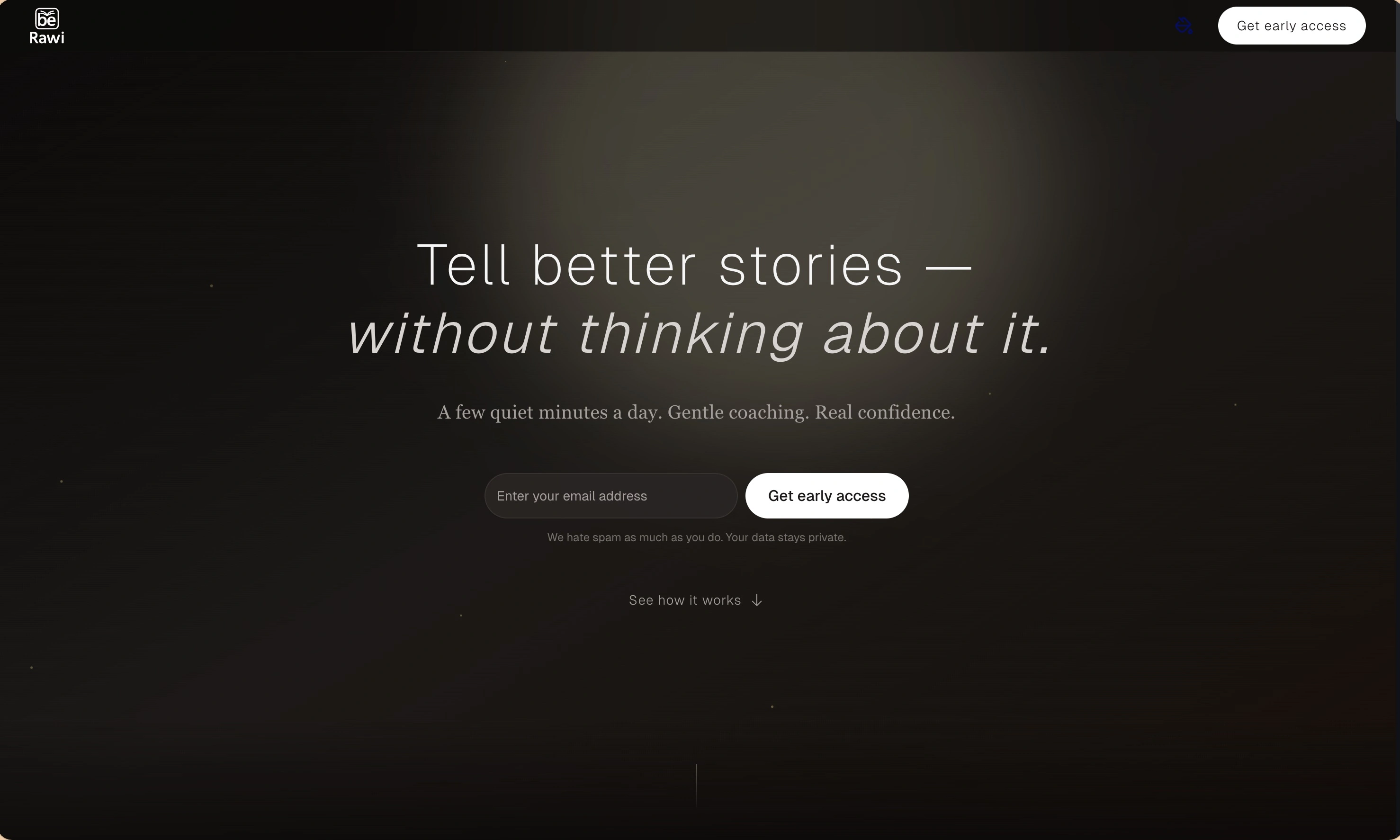
BeRawi: Storytelling Coach
Practice storytelling daily with instant feedback to sound clearer, more engaging, and confident 🎤
Omichat
Chat with 50+ AI models, including ChatGPT and Claude, in one place - switch models anytime without losing context 🤖
Claude Fast
Supercharge your Claude Code with 6x effective context window and specialized AI agents 🤖
EmojAI
AI-powered emoji picker with smart, context-aware suggestions 🤖
Solohacker
Autonomous company launcher - AI agents work 24/7, escalate what matters, and you stay in control 🤖
BeRawi: Storytelling Coach
Practice storytelling daily with instant feedback to sound clearer, more engaging, and confident 🎤
Omichat
Chat with 50+ AI models, including ChatGPT and Claude, in one place - switch models anytime without losing context 🤖
Claude Fast
Supercharge your Claude Code with 6x effective context window and specialized AI agents 🤖
EmojAI
AI-powered emoji picker with smart, context-aware suggestions 🤖
Solohacker
Autonomous company launcher - AI agents work 24/7, escalate what matters, and you stay in control 🤖
BeRawi: Storytelling Coach
Practice storytelling daily with instant feedback to sound clearer, more engaging, and confident 🎤
Omichat
Chat with 50+ AI models, including ChatGPT and Claude, in one place - switch models anytime without losing context 🤖
Claude Fast
Supercharge your Claude Code with 6x effective context window and specialized AI agents 🤖
EmojAI
AI-powered emoji picker with smart, context-aware suggestions 🤖
Solohacker
Autonomous company launcher - AI agents work 24/7, escalate what matters, and you stay in control 🤖
BeRawi: Storytelling Coach
Practice storytelling daily with instant feedback to sound clearer, more engaging, and confident 🎤

Connect with like-minded people
Join our community to get feedback, support, and grow together with 1,000+ builders on board, let's ship it!
Join usShip your startup everywhere. In minutes.
Don't burn tokens on setup and start building features on day one.