PodEdit AI
AI-based audio editing software that automatically removes filler words, background noise, and optimizes sound quality for podcasts. Perfect for podcasters who want to save time on post-production.
Unleashing Time-Saving AI for Podcast Post-Production
In today’s fast-paced digital landscape, podcasters face numerous challenges during post-production. Editing lengthy recordings, removing filler words, and ensuring consistently high sound quality can be both time-consuming and technically demanding. This innovative AI-driven solution targets podcasters who want to shift their focus back to creative content rather than the technical burdens of audio editing.
Through advanced algorithms and machine learning, the AI-driven audio editor not only eliminates unwanted noise and speech errors but also automatically optimizes sound quality. This technology streamlines the podcast production process, allowing creators to focus on content curation, audience engagement, and growth strategies.
Target Audience: Empowering Podcasters and Audio Professionals
This solution is engineered primarily for podcasters and audio professionals who understand that quality matters but are hindered by tedious manual editing processes. The target audience includes:
- Independent Podcasters who want to boost production efficiency without hiring extensive technical teams.
- Content Creators looking for an affordable, automated post-production solution.
- Media Production Teams of small and medium businesses aiming to scale their audio production without compromising quality.
- Freelance Audio Editors who seek to incorporate AI to tackle repetitive editing tasks and increase productivity.
By addressing the primary pain points of reducing filler words, background noise, and inconsistent audio quality, this tool becomes an essential asset for anyone serious about professional-sounding podcasts.
Market Opportunity: Tapping into a Growing Ecosystem
The podcasting industry is in a phase of exponential growth, with millions of new podcasts emerging each year. This environment creates a significant market opportunity, especially for those solutions that combine efficiency with quality. Key market insights include:
- Rising Demand for Automation: Podcasters increasingly leverage AI to streamline repetitive tasks, bridging the gap between technology and creative production.
- Scalability: As the industry grows, so does the need for scalable solutions that cater to both solo creators and larger teams alike.
- Cost Efficiency: Automated processes translate into lower editing costs, making it an attractive option for budget-conscious creators.
- Global Reach: The tool is designed to meet the needs of an international audience, supporting multiple languages and various accents to suit the global podcasting market.
This opportunity is further boosted by the rising trend of remote work and a heightened focus on creating high-quality audio content for diverse audiences.
Technology Stack: Harnessing the Best Tools for AI-Driven Editing
The robust and flexible tech stack behind this audio editing solution has been crafted to ensure high performance, scalability, and ease of integration. Key technologies include:
- Python & TensorFlow: For constructing and training deep learning models that detect filler words and background noise while optimizing audio quality.
- Node.js: To build a resilient backend capable of processing high volumes of data and managing audio file workflows.
- React: Providing a responsive, intuitive, and accessible user interface that allows podcasters to manage their edits effortlessly.
- Cloud Infrastructure: Utilizing services such as AWS or Google Cloud for secure, scalable storage and computation that meet the demands of high-quality audio processing.
Developers looking to accelerate initial setup and development might consider TurboStarter, a starter kit for web, mobile, and browser extension projects. TurboStarter can provide a rapid, streamlined pathway to get the basic framework up and running, significantly reducing time to market.
Rapid Development Insight
Leveraging TurboStarter can cut down initial development time, allowing your team to focus on fine-tuning the AI functionalities and user experience.
Additionally, a small code snippet to illustrate a simple logging function in the application might look like this:
const test = () => {
  console.log("this is a code snippet!");
}
Monetization Strategy: Diverse Revenue Streams for Sustainable Growth
To ensure profitability and long-term viability, this AI-based audio editing solution incorporates a multifaceted monetization strategy. The revenue model revolves around premium subscription plans, usage-based pricing, and potential upselling of advanced features.
Key monetization approaches include:
- Subscription Models: Offering tiered subscription plans that cater to different user needs. This might include a basic free tier with limited features, a professional tier with enhanced functionality, and an enterprise option for larger teams.
- Usage-Based Pricing: Charging on a per-edit or per-minute basis for users who require occasional professional-grade audio enhancements.
- Add-On Features: Providing additional modules like voice enhancement, dynamic equalization, or specialized filters available as in-app purchases.
- Partnerships and API Licensing: Allowing integration with popular podcast hosting platforms and other audio-related services, creating an additional revenue stream through partnerships.
This inclusive strategy aims to serve a wide spectrum of podcasters—from amateurs to seasoned professionals—while ensuring that each revenue stream aligns with market needs and usage patterns.
Competitive Advantages: Outshining Traditional Audio Editors
In a market crowded with conventional audio editing software and manual editing services, the competitive advantages of this AI solution make it an irresistible tool for podcasters. The key differentiators are:
- Automation at Scale: The AI processes audio automatically, cutting down post-production time drastically compared to manual editing.
- Consistent Quality: Unlike human editors who may inconsistently catch every filler word or background noise, the AI delivers repeatable, high-quality results every time.
- User-Friendly Interface: With a focus on simplicity and ease-of-use, the intuitive design caters to users with minimal technical expertise.
- Cost Efficiency: By reducing manual intervention and streamlining workflows, it significantly lowers production costs, making professional editing more accessible.
- Customization and Flexibility: The tool features customizable editing profiles which allow users to tweak parameters based on their specific audio requirements.
- Adaptability: With continuous machine learning improvements, the software evolves alongside new audio formats and editing techniques.
A set of feature highlights might be best summarized in a card component:
Streamlined Editing Process
Automates filler word removal, noise reduction, and sound quality optimization for faster turnaround times.
Adaptive Algorithms
Learns and evolves with each use, offering tailored editing precision over time.
User-Friendly Interface
Designed for both novice podcasters and professionals with an intuitive, clutter-free UI.
Addressing Implementation Risks and Mitigation Strategies
While innovative, every technological leap comes with its own set of risks. Identifying potential challenges and planning realistic mitigation strategies is critical for long-term success.
Key Risks
- Technical Complexity: Integrating advanced machine learning models with real-time audio editing pipelines can be challenging.
- Data Privacy and Security: Handling large volumes of audio data requires stringent data security measures and compliance with global privacy laws.
- Market Competition: Existing audio editing tools and emerging AI solutions may compete fiercely in the market.
- User Adaptation: Transitioning users from traditional manual editing processes to an AI-based solution might require educational resources and support.
Mitigation Strategies
- Robust R&D and Testing: Invest heavily in research, development, and beta testing with real users to ensure the accuracy and reliability of AI models.
- Security First Approach: Adhere to industry-standard security protocols and invest in regular audits and penetration testing.
- Customer Support and Training: Develop comprehensive support materials, tutorials, and support channels to help users adapt to the software quickly.
- Iterative Upgrades: Continuously refine features based on user feedback and market trends to stay ahead of the competition.
The technical team should enforce regular code reviews, apply automated testing frameworks, and schedule periodic security assessments. Additionally, a dedicated customer support portal should be established to address user concerns in real-time.
Enhancing User Engagement with Interactivity
An engaging and interactive user interface not only helps in attracting users but also retains them. Integrating dynamic components into the solution can significantly improve the user experience. Consider implementing:
-
Interactive Tabs for quick feature comparisons:
The basic editing mode focuses on quick fixes, removal of filler words, and background noise reduction. Ideal for fast-paced podcast production schedules.
The advanced optimization mode harnesses deep learning algorithms to not only correct audio issues but also enhance overall sound quality, making every episode sound professional.
-
Step-by-Step Guidance for transitioning workflows from manual to automated methods:
Start with uploading your raw podcast audio file.Configure your editing preferences using intuitive sliders and options.Initiate the AI-powered editing process and review the preview.Apply final adjustments and export the polished audio file.
These elements not only elevate the functionality of the tool but also make it more accessible to users at varying technical skill levels.
Market Positioning and SEO-Optimized Content Strategy
Incorporating search engine optimization techniques within the content and product description is critical. The content is peppered with relevant keywords and phrases like "AI-based audio editing," "podcast post-production," "automated audio enhancement," and "machine learning audio editor" to attract the right audience.
- Keyword-Rich Subheadings: Using descriptive and keyword-rich headings helps in attracting segmented search traffic.
- Natural Language Integration: The content flows naturally while incorporating relevant terminologies that resonate with podcasters searching for advanced editing tools.
- Backlinks and References: Embedding authoritative links such as TurboStarter establishes credibility and encourages exploration of additional resources.
SEO Best Practice
Ensure that your content remains user-focused while integrating keywords organically. Over-optimization can lead to reduced readability and engagement.
Continuous Improvement and Future Proofing
A core tenet of this solution is the commitment to continuous improvement. The ever-evolving field of AI and audio processing requires constant refinement and updates. Plans for future enhancements include:
- Adaptive Learning Models: Refining the AI algorithms as more podcast data becomes available, ensuring the model stays up-to-date with evolving language patterns and diverse accents.
- Integration with Podcast Hosting Platforms: Streamlined integration with popular podcast hosting services to facilitate a seamless workflow from recording to distribution.
- Multi-Language Support: Expanding language capabilities to cater to emerging markets and a global audience.
- User Feedback Loop: Establishing mechanisms for users to submit feedback directly through the platform, which will drive iterative improvements and bug fixes.
Through these enhancements, the solution is poised not only to meet current market demands but also to evolve as technology advances.
Building an Ecosystem Around the Product
An integrated ecosystem can significantly boost user adoption and engagement. By offering complementary tools and resources, users can derive more value from the platform. Consider developing:
- Tutorials and Webinars: Regular webinars and step-by-step tutorial videos to help users navigate features and maximize productivity.
- Community Forums: Interactive forums where podcasters can share tips, get support, and exchange ideas about best practices in audio editing and production.
- Developer APIs: An open API that allows third-party developers to integrate advanced audio editing features with existing podcasting platforms and tools.
These components not only enhance the core product but also create a community-centric environment where users feel supported, encouraged, and continuously engaged.
Monetization and Scaling Strategies for Long-Term Success
As the tool gains traction, scaling operations becomes a critical factor in maintaining momentum. The monetization model aims to be sustainable and flexible, addressing diverse needs:
- Tiered Subscription Services: Offering multiple pricing tiers ensures that both casual and professional users find value. A freemium model may capture a wide user base, while advanced tiers provide added value with premium features.
- Custom Solutions for Enterprises: Beyond standard pricing, tailored solutions for large media companies can offer specialized features, API access, and dedicated support.
- Integration and Partnerships: Forming partnerships with podcast hosting platforms and audio production companies can generate additional revenue channels and broaden market reach.
Strategically, the business model focuses on both immediate revenue generation and long-term customer retention through continuous value delivery.
Implementation Steps in the Conclusion
Successfully rolling out an innovative AI-based audio editing platform requires thorough planning and systematic execution. Below is an outline of the practical steps to bring this solution from concept to market:
With a well-structured roadmap, the implementation of this innovative audio editing solution can revolutionize podcast post-production.
Final Thoughts
Podcasters are constantly seeking ways to streamline their work without compromising on quality. This advanced AI-based solution not only meets that demand but also offers significant benefits in terms of efficiency, cost reduction, and user experience. The blend of sophisticated neural network models, an intuitive interface, and scalable design creates a compelling product that stands out in a competitive market.
By embracing a strong technological foundation, leveraging cloud computing, and integrating interactive user components, the product becomes more than just an editing tool—it’s an ecosystem designed to foster creative excellence. Combined with well-planned monetization strategies and a focus on continuous improvement, this solution promises not only to disrupt traditional editing workflows but also to set a new benchmark in the podcasting industry.
As post-production continues to evolve with AI advancements, staying agile and responsive to user needs will be the key to long-term success. Developers, audio professionals, and business strategists alike can find renewed value and opportunity in harnessing the potential of AI to transform traditional workflows. With the integration of rapid development tools like TurboStarter, teams can accelerate their launch, ensuring that cutting-edge technology meets the demands of an ever-growing podcasting community.
By following the outlined implementation steps, you can pave the way for a seamless transition from concept to a market-ready product that redefines the standards of audio editing for podcasts. Embrace the future of post-production with AI, and transform the creative journey for podcasters around the world.
More 🤖 AI Startup SaaS ideas
Discover more innovative ai startup SaaS ideas that are trending in 2026. Each idea is AI-generated with market validation and growth potential to help you find your next profitable venture faster than competitors.
Your competitors are building with TurboStarter
Below are some of the SaaS ideas that have been generated and built with our starter kit.

Statiko
Monitor any Telegram channel in real time - track posts, edits, deletions, and growth with AI recaps 📡

Shibui
AI website builder - describe your business, pick a niche template, edit by chatting, and publish instantly ✨

Pro Service
Find verified home service professionals, compare quotes, and pay securely through escrow - built for Brazilians across the US 🏠
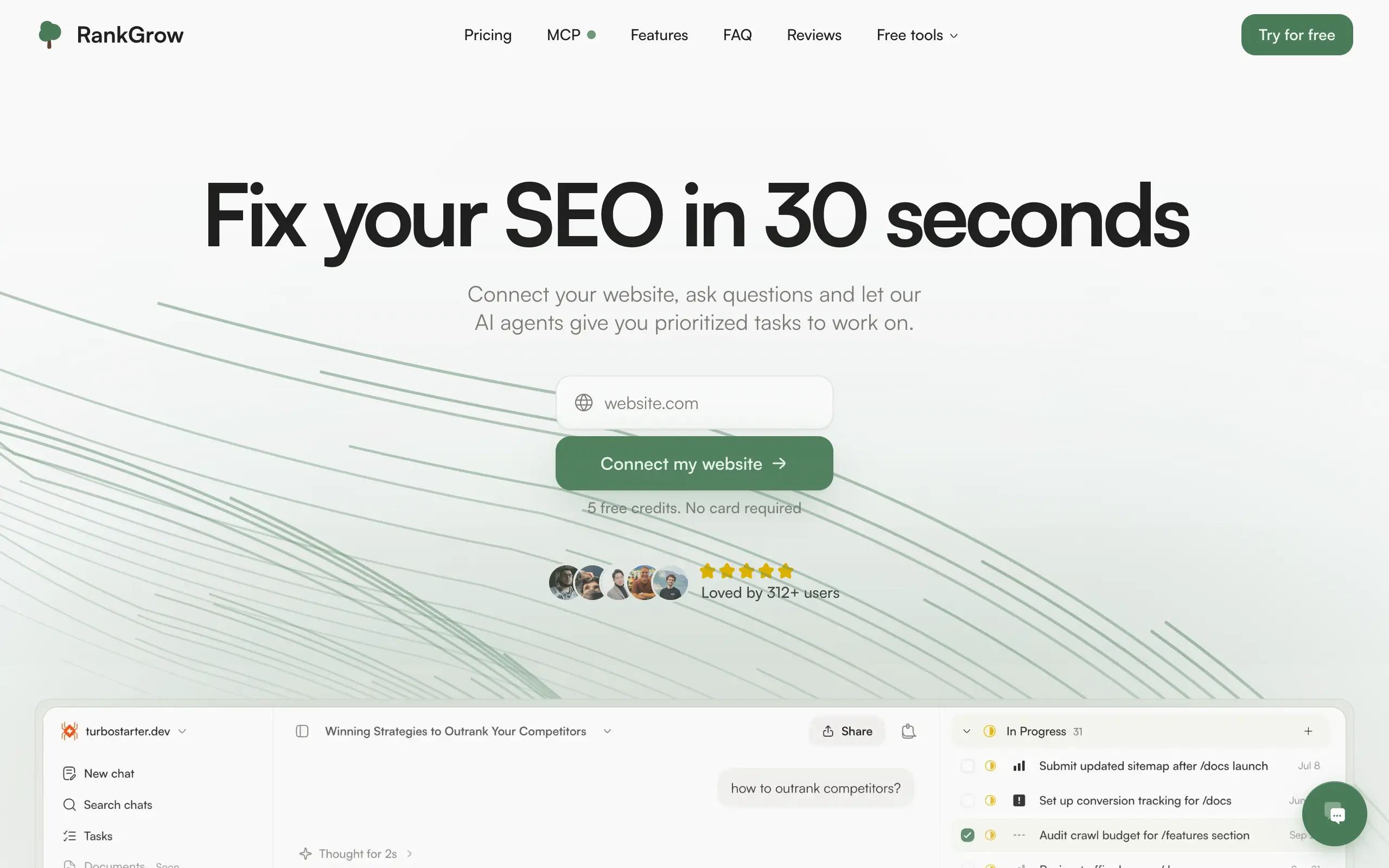
RankGrow
Fix your SEO with AI agents - connect Search Console, get prioritized tasks, and grow organic traffic 📈
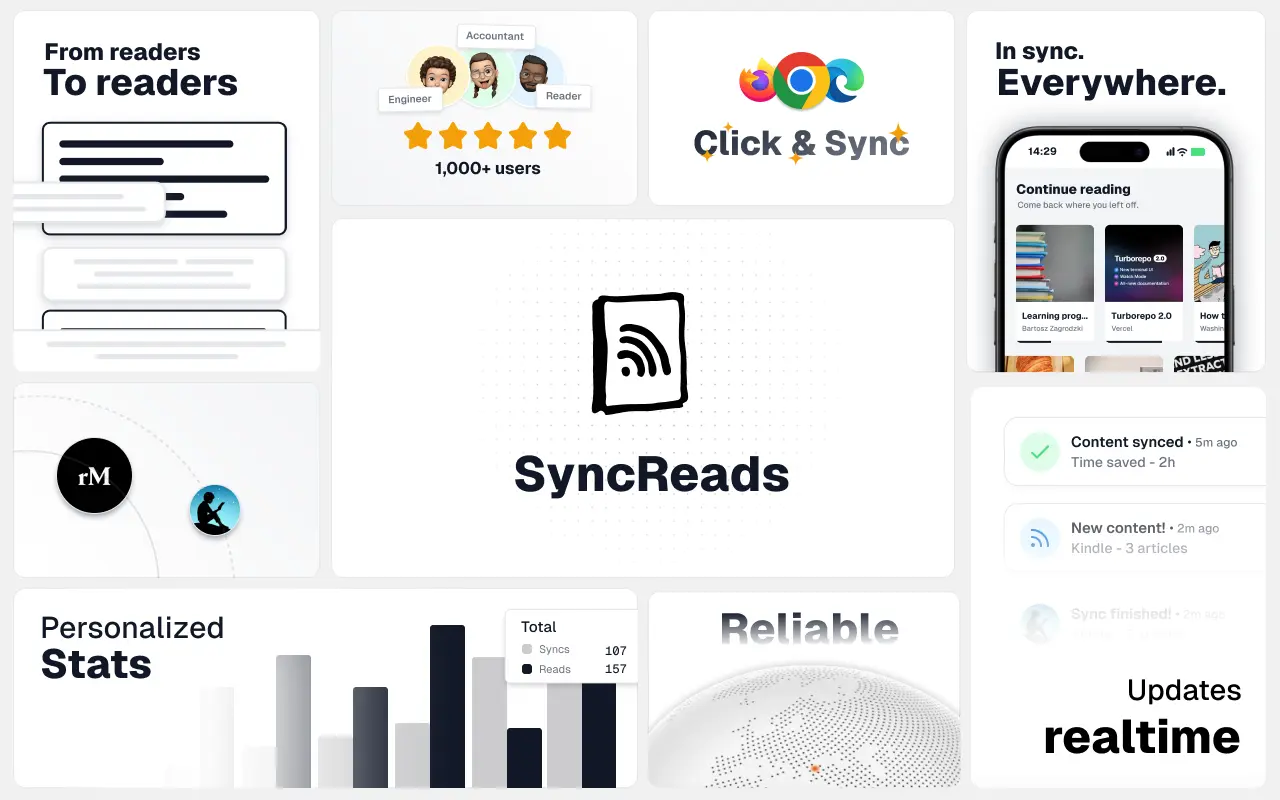
SyncReads
Sync your favorite content for distraction-free reading, save time and replace multiple apps. Anytime, anywhere 🔄
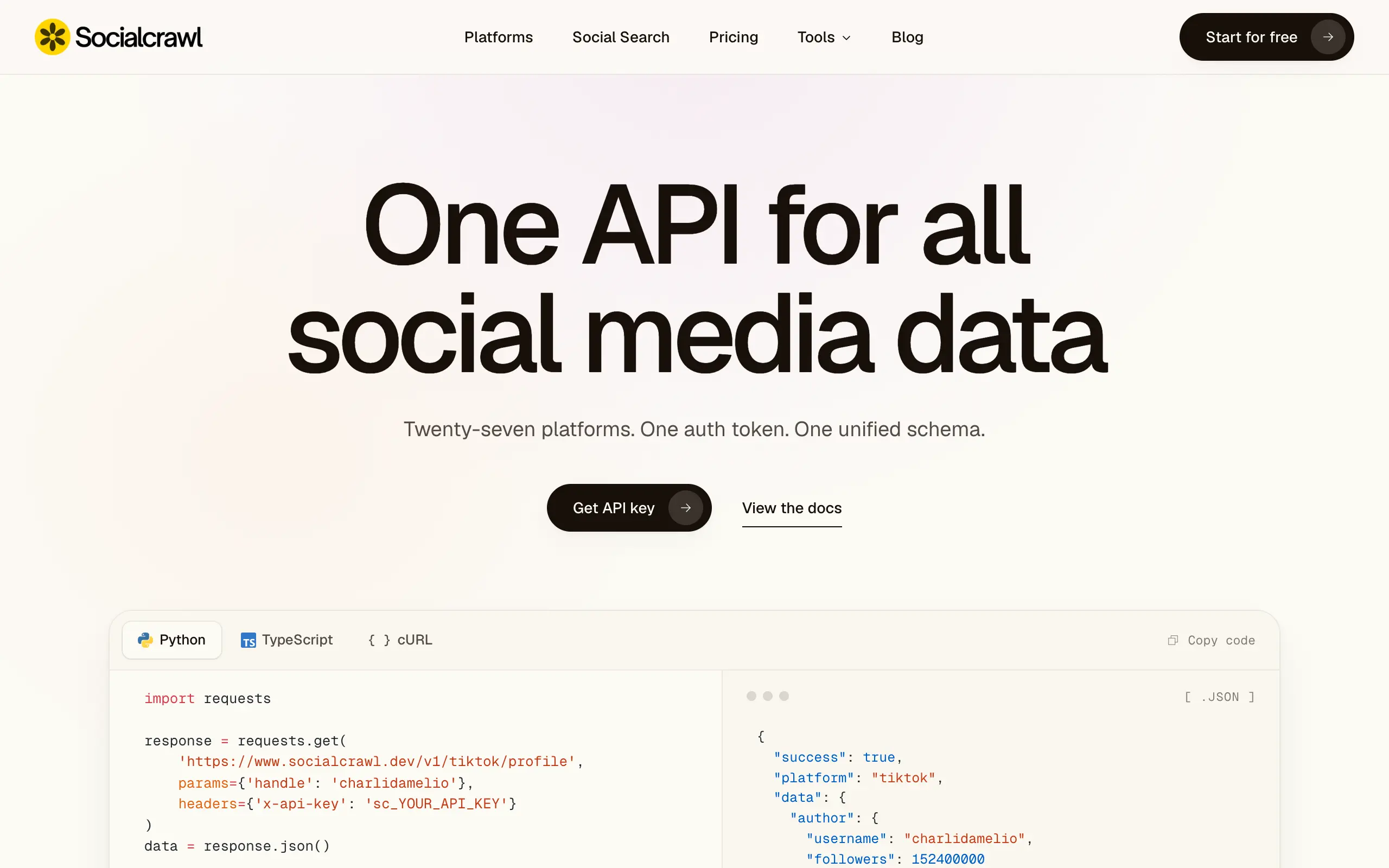
Socialcrawl
Get clean, structured data from 21 platforms like TikTok, Instagram, and YouTube with a single request 📊
Statiko
Monitor any Telegram channel in real time - track posts, edits, deletions, and growth with AI recaps 📡
Shibui
AI website builder - describe your business, pick a niche template, edit by chatting, and publish instantly ✨
Pro Service
Find verified home service professionals, compare quotes, and pay securely through escrow - built for Brazilians across the US 🏠
RankGrow
Fix your SEO with AI agents - connect Search Console, get prioritized tasks, and grow organic traffic 📈
SyncReads
Sync your favorite content for distraction-free reading, save time and replace multiple apps. Anytime, anywhere 🔄
Socialcrawl
Get clean, structured data from 21 platforms like TikTok, Instagram, and YouTube with a single request 📊
Statiko
Monitor any Telegram channel in real time - track posts, edits, deletions, and growth with AI recaps 📡
Shibui
AI website builder - describe your business, pick a niche template, edit by chatting, and publish instantly ✨
Pro Service
Find verified home service professionals, compare quotes, and pay securely through escrow - built for Brazilians across the US 🏠
RankGrow
Fix your SEO with AI agents - connect Search Console, get prioritized tasks, and grow organic traffic 📈
SyncReads
Sync your favorite content for distraction-free reading, save time and replace multiple apps. Anytime, anywhere 🔄
Socialcrawl
Get clean, structured data from 21 platforms like TikTok, Instagram, and YouTube with a single request 📊
Statiko
Monitor any Telegram channel in real time - track posts, edits, deletions, and growth with AI recaps 📡
Shibui
AI website builder - describe your business, pick a niche template, edit by chatting, and publish instantly ✨
Pro Service
Find verified home service professionals, compare quotes, and pay securely through escrow - built for Brazilians across the US 🏠
RankGrow
Fix your SEO with AI agents - connect Search Console, get prioritized tasks, and grow organic traffic 📈
SyncReads
Sync your favorite content for distraction-free reading, save time and replace multiple apps. Anytime, anywhere 🔄
Socialcrawl
Get clean, structured data from 21 platforms like TikTok, Instagram, and YouTube with a single request 📊
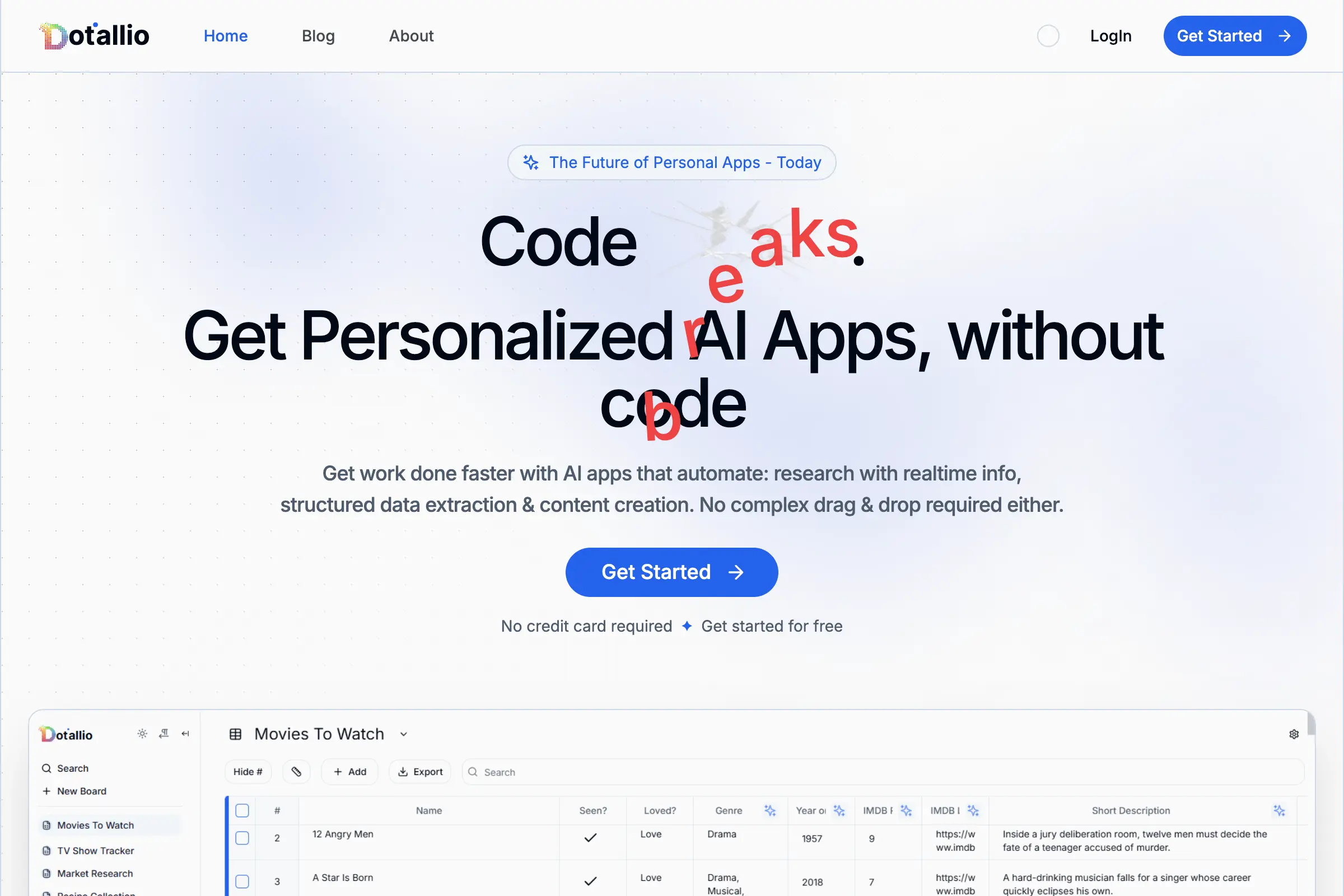
Dotallio
Personalized AI apps that automate research, data extraction, and content creation without code 🤖

Talk to Santa
Enjoy a magical live video chat or receive a unique AI-generated video greeting from Santa Claus 🎅

pozywka.pl
Scalable blog for food journalist, focused on performance and user experience 🌭
zagrodzki.me
Personal blog and portfolio of Bart Zagrodzki, where he shares his knowledge and work 💼
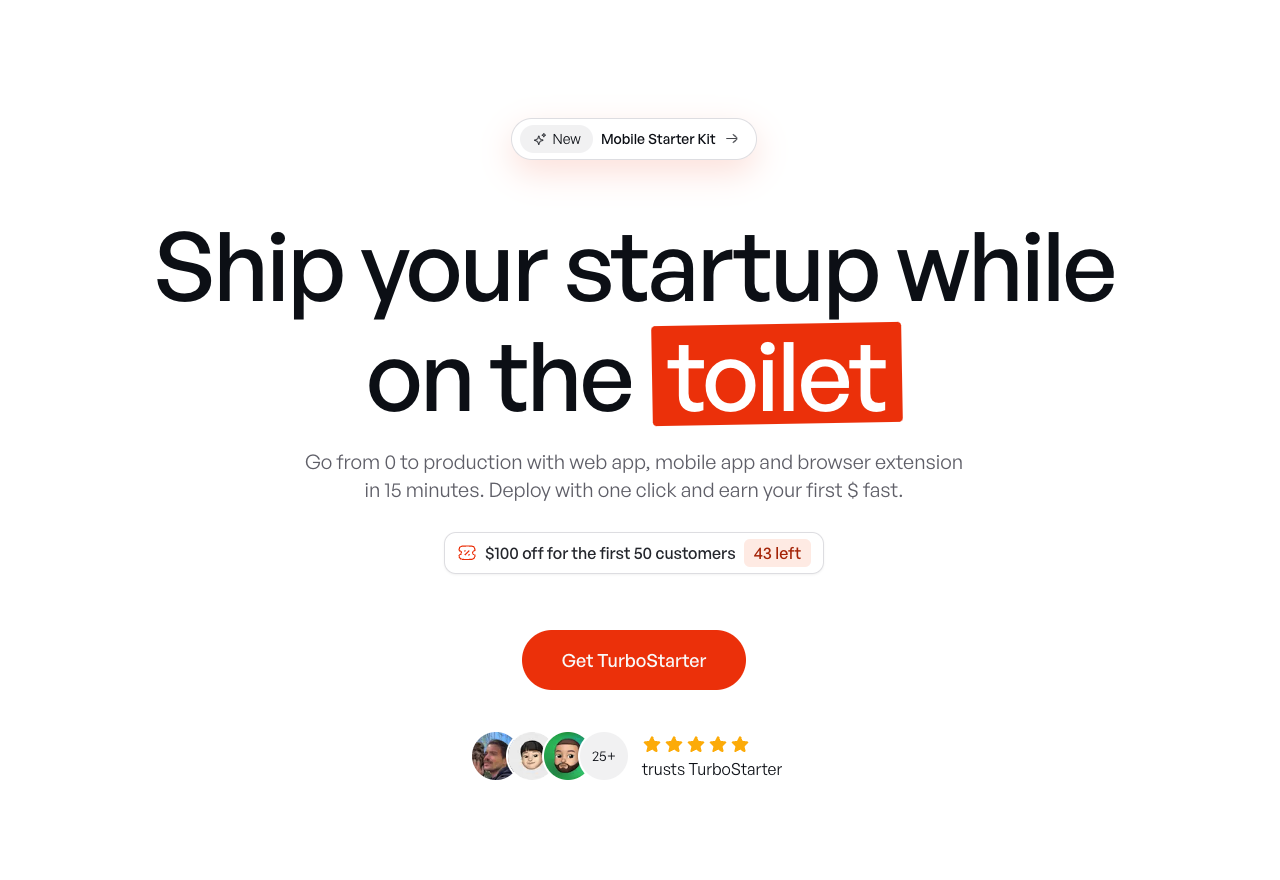
TurboStarter
Ship your startup everywhere. In minutes.
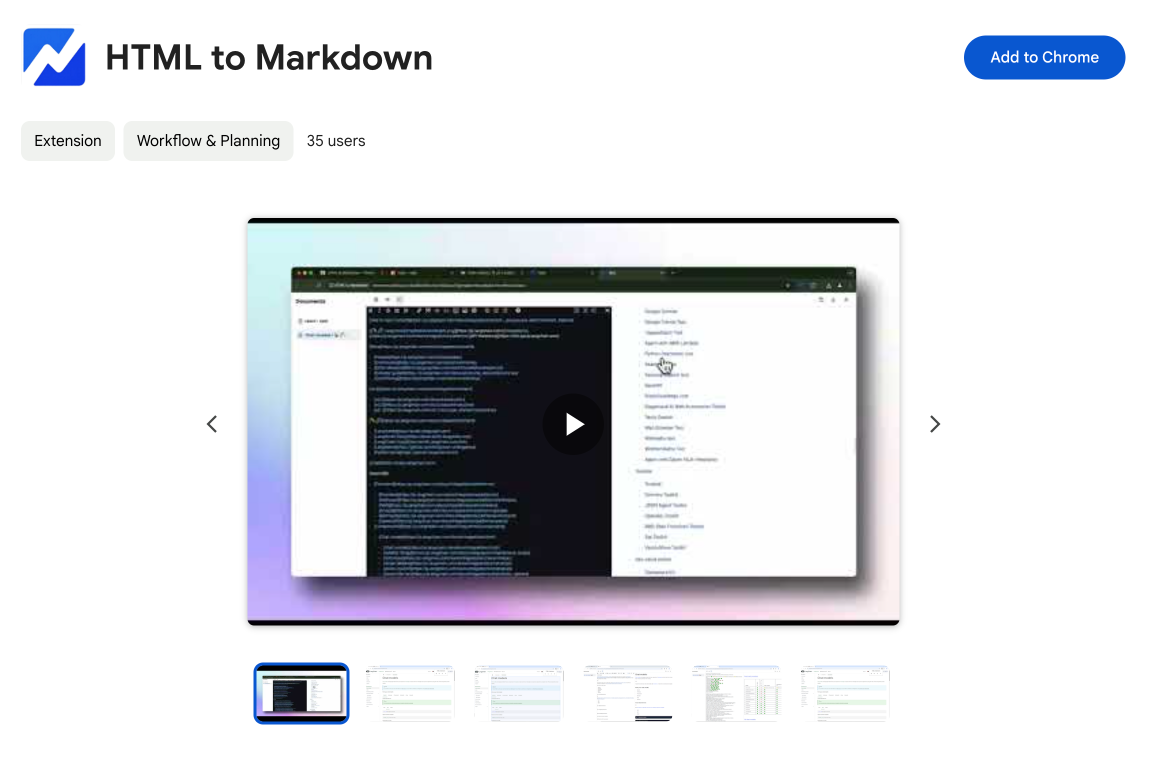
HTML to Markdown
Convert HTML to Markdown with ease, directly in your browser 📄
Dotallio
Personalized AI apps that automate research, data extraction, and content creation without code 🤖
Talk to Santa
Enjoy a magical live video chat or receive a unique AI-generated video greeting from Santa Claus 🎅
pozywka.pl
Scalable blog for food journalist, focused on performance and user experience 🌭
zagrodzki.me
Personal blog and portfolio of Bart Zagrodzki, where he shares his knowledge and work 💼
TurboStarter
Ship your startup everywhere. In minutes.
HTML to Markdown
Convert HTML to Markdown with ease, directly in your browser 📄
Dotallio
Personalized AI apps that automate research, data extraction, and content creation without code 🤖
Talk to Santa
Enjoy a magical live video chat or receive a unique AI-generated video greeting from Santa Claus 🎅
pozywka.pl
Scalable blog for food journalist, focused on performance and user experience 🌭
zagrodzki.me
Personal blog and portfolio of Bart Zagrodzki, where he shares his knowledge and work 💼
TurboStarter
Ship your startup everywhere. In minutes.
HTML to Markdown
Convert HTML to Markdown with ease, directly in your browser 📄
Dotallio
Personalized AI apps that automate research, data extraction, and content creation without code 🤖
Talk to Santa
Enjoy a magical live video chat or receive a unique AI-generated video greeting from Santa Claus 🎅
pozywka.pl
Scalable blog for food journalist, focused on performance and user experience 🌭
zagrodzki.me
Personal blog and portfolio of Bart Zagrodzki, where he shares his knowledge and work 💼
TurboStarter
Ship your startup everywhere. In minutes.
HTML to Markdown
Convert HTML to Markdown with ease, directly in your browser 📄
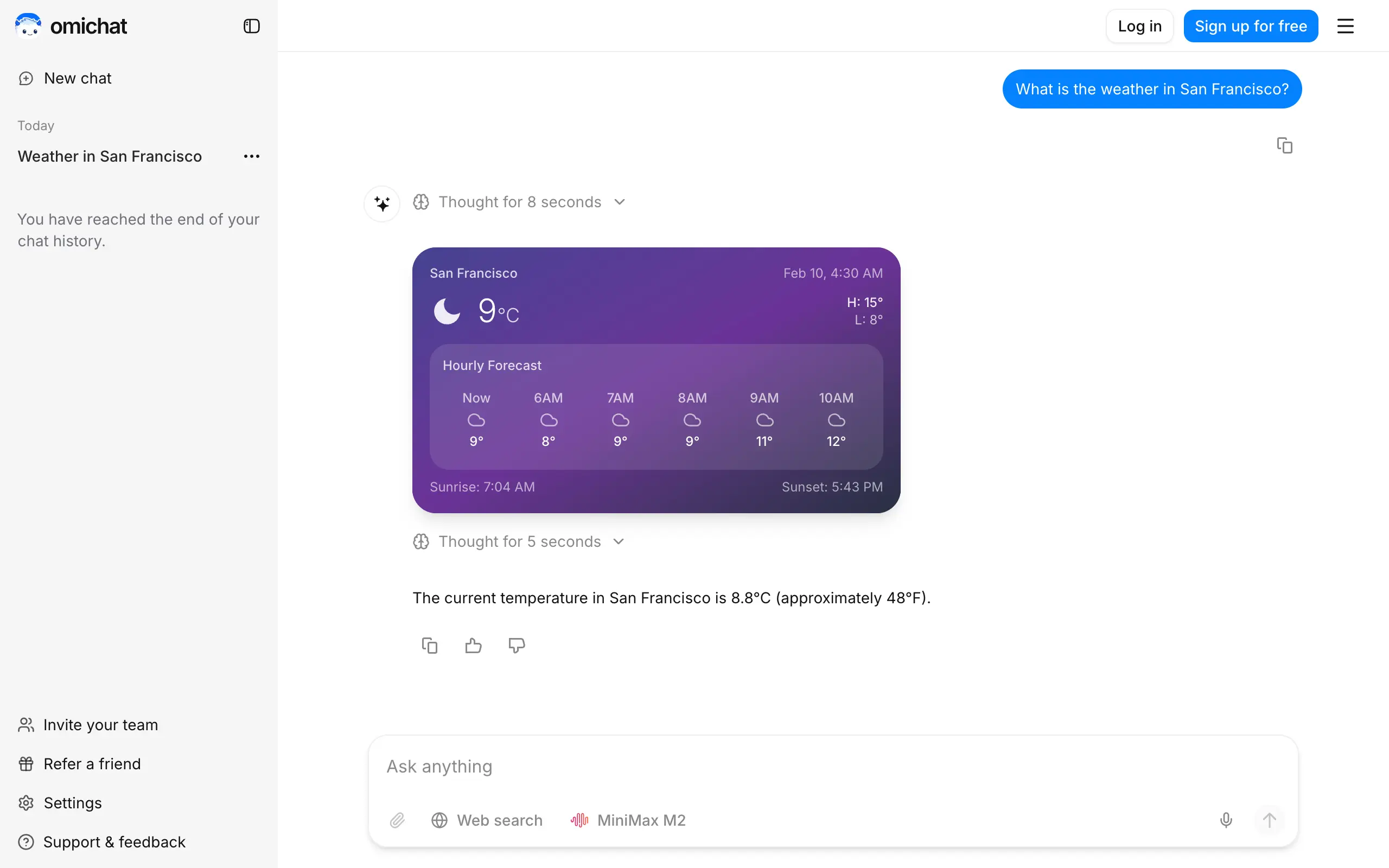
Omichat
Chat with 50+ AI models, including ChatGPT and Claude, in one place - switch models anytime without losing context 🤖
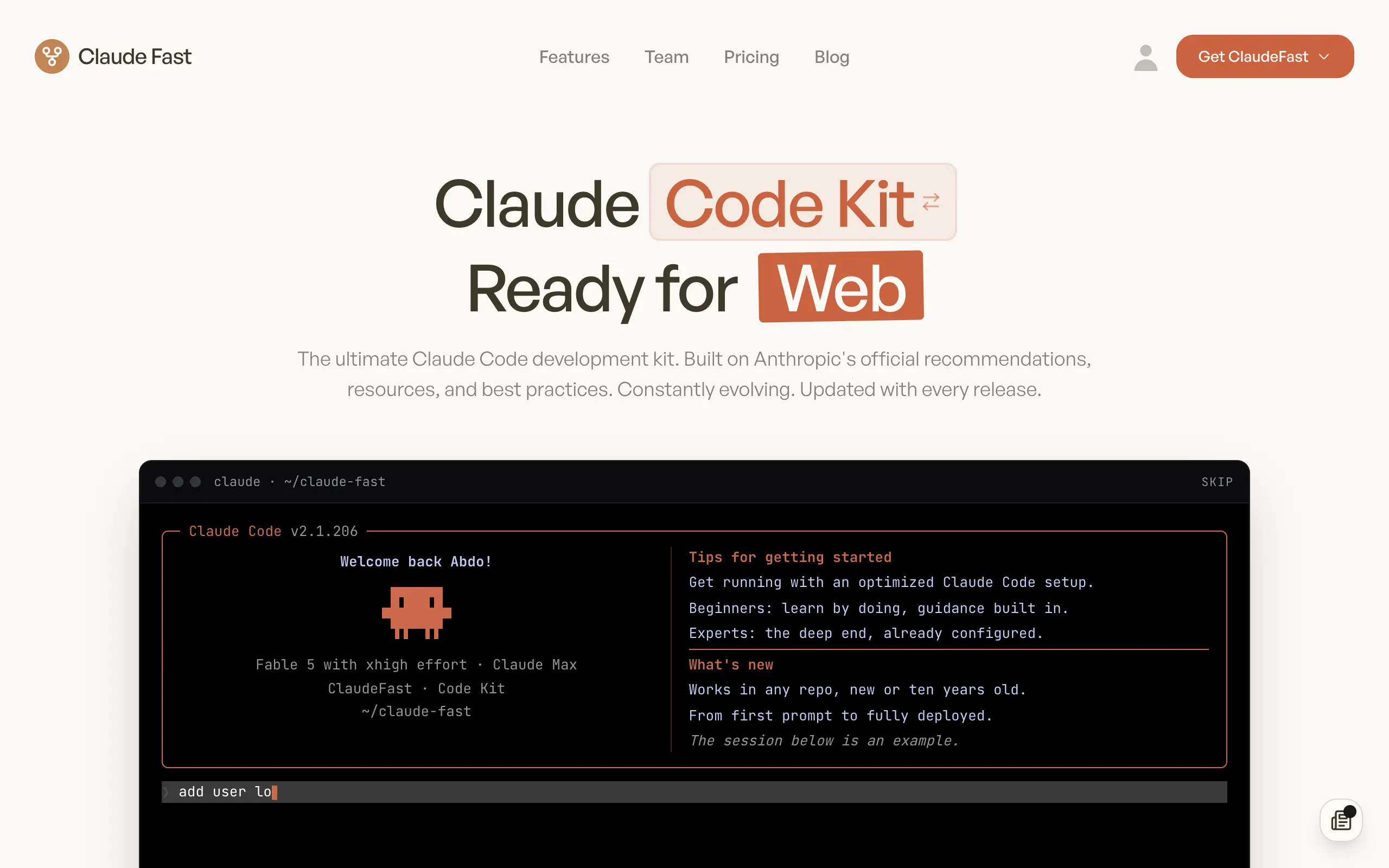
Claude Fast
Supercharge your Claude Code with 6x effective context window and specialized AI agents 🤖
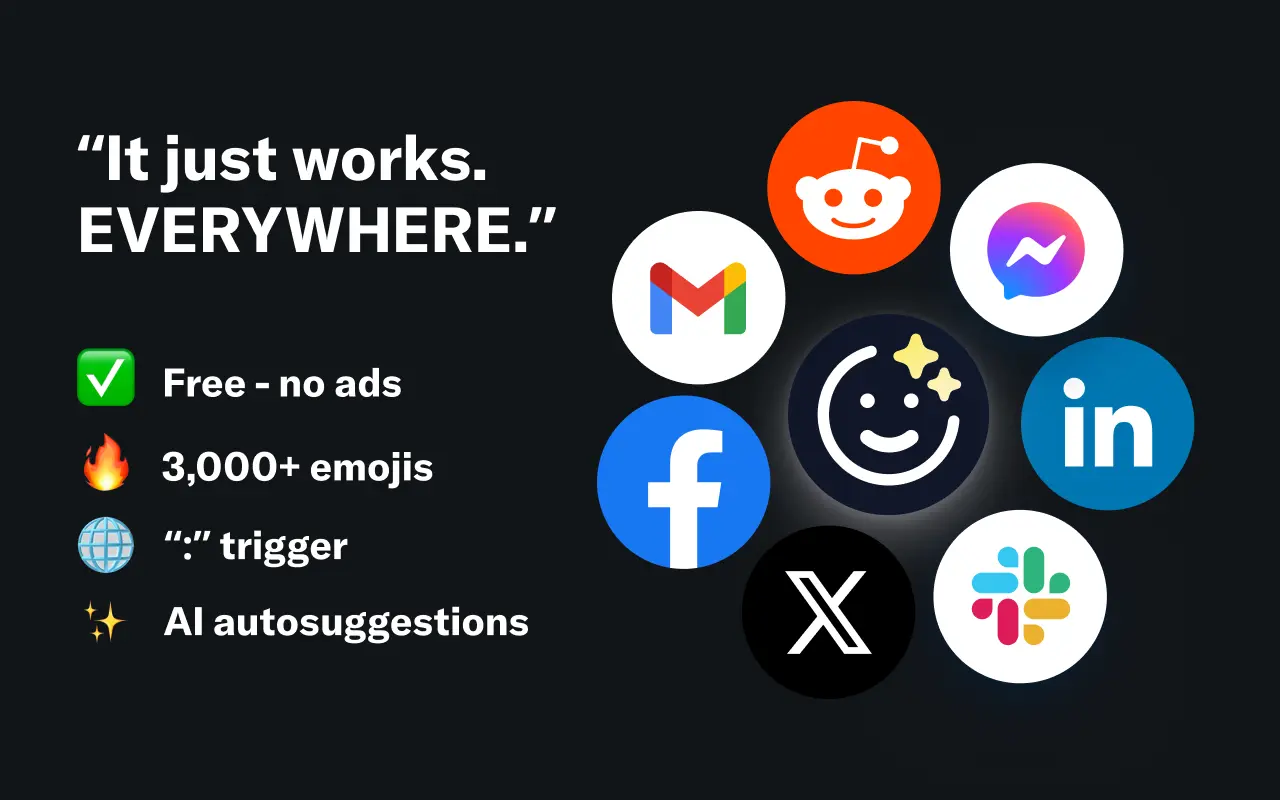
EmojAI
AI-powered emoji picker with smart, context-aware suggestions 🤖
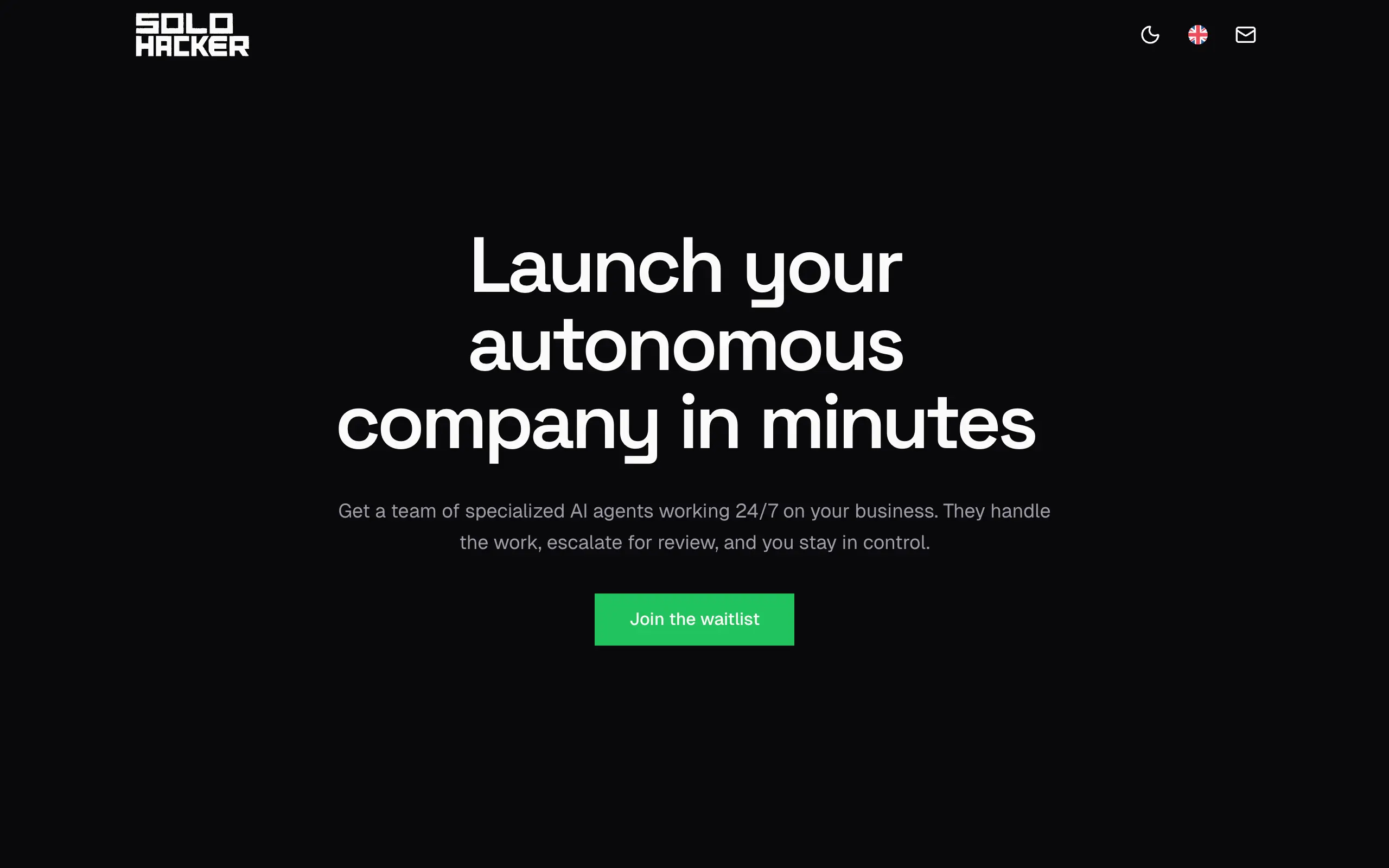
Solohacker
Autonomous company launcher - AI agents work 24/7, escalate what matters, and you stay in control 🤖
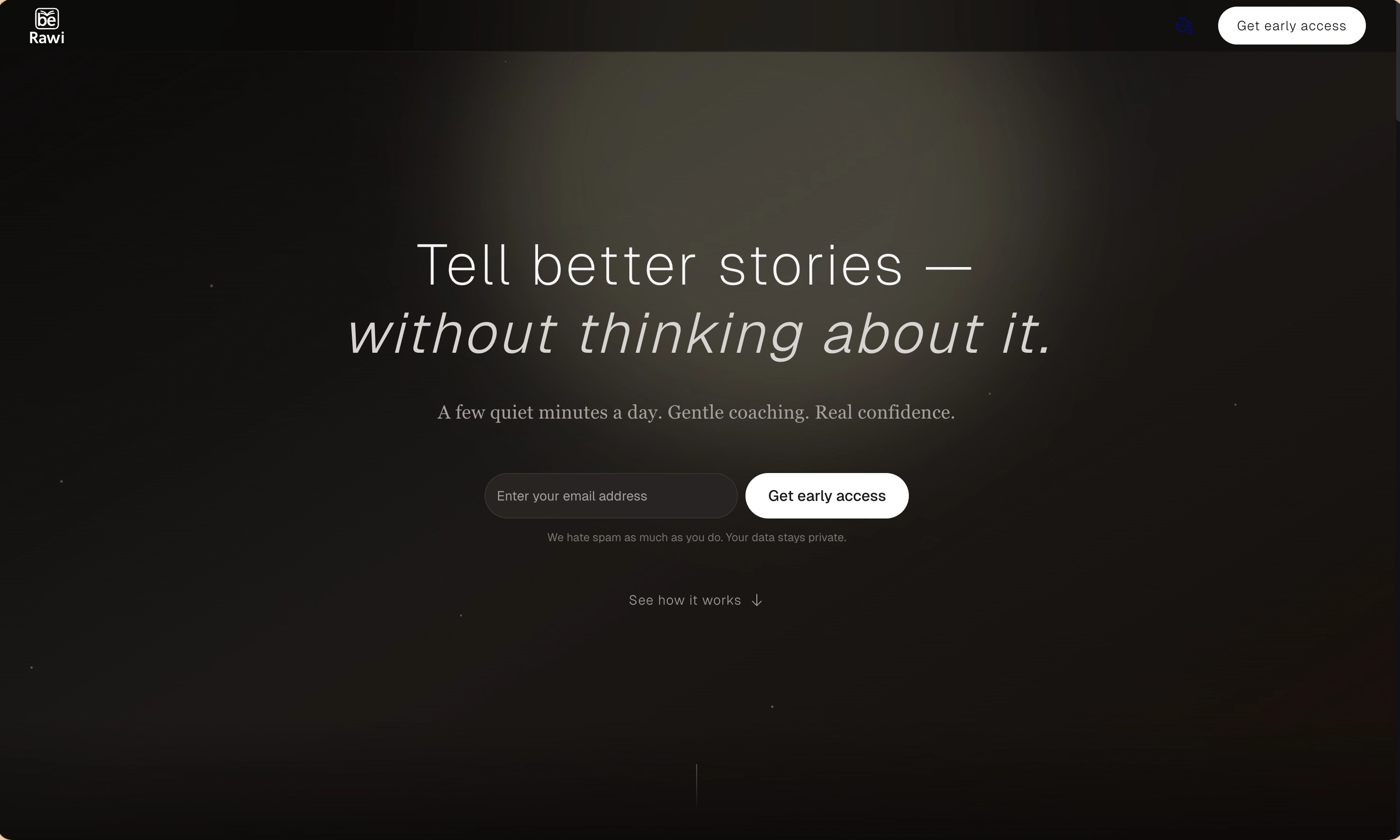
BeRawi: Storytelling Coach
Practice storytelling daily with instant feedback to sound clearer, more engaging, and confident 🎤
Omichat
Chat with 50+ AI models, including ChatGPT and Claude, in one place - switch models anytime without losing context 🤖
Claude Fast
Supercharge your Claude Code with 6x effective context window and specialized AI agents 🤖
EmojAI
AI-powered emoji picker with smart, context-aware suggestions 🤖
Solohacker
Autonomous company launcher - AI agents work 24/7, escalate what matters, and you stay in control 🤖
BeRawi: Storytelling Coach
Practice storytelling daily with instant feedback to sound clearer, more engaging, and confident 🎤
Omichat
Chat with 50+ AI models, including ChatGPT and Claude, in one place - switch models anytime without losing context 🤖
Claude Fast
Supercharge your Claude Code with 6x effective context window and specialized AI agents 🤖
EmojAI
AI-powered emoji picker with smart, context-aware suggestions 🤖
Solohacker
Autonomous company launcher - AI agents work 24/7, escalate what matters, and you stay in control 🤖
BeRawi: Storytelling Coach
Practice storytelling daily with instant feedback to sound clearer, more engaging, and confident 🎤
Omichat
Chat with 50+ AI models, including ChatGPT and Claude, in one place - switch models anytime without losing context 🤖
Claude Fast
Supercharge your Claude Code with 6x effective context window and specialized AI agents 🤖
EmojAI
AI-powered emoji picker with smart, context-aware suggestions 🤖
Solohacker
Autonomous company launcher - AI agents work 24/7, escalate what matters, and you stay in control 🤖
BeRawi: Storytelling Coach
Practice storytelling daily with instant feedback to sound clearer, more engaging, and confident 🎤

Connect with like-minded people
Join our community to get feedback, support, and grow together with 1,000+ builders on board, let's ship it!
Join usShip your startup everywhere. In minutes.
Don't burn tokens on setup and start building features on day one.