PodScribe AI
An AI-driven transcription and summarization tool for podcasters, providing accurate and quick transcriptions along with concise episode summaries. Ideal for podcasters looking to enhance accessibility and SEO.
Target Audience
PodScribe AI is geared toward podcasters who need a seamless, automated solution for both transcription and summarization of their episodes. With the rising importance of accessibility and search engine optimization (SEO) in the digital media landscape, podcasters of all sizes—from newcomers striving to build an audience to established professionals looking to optimize their workflow—will find this tool invaluable.
Podcasters will benefit by:
- Saving time: Automating tedious transcription processes.
- Enhancing discoverability: Using accurate transcriptions and concise episode summaries to boost SEO.
- Improving audience engagement: Delivering clear, accessible content by providing transcripts that are perfect for reuse in show notes, social media, or blogs.
In addition to individual podcasters, media companies and content marketers can use PodScribe AI to maximize the repurposing of audio content, driving broader engagement across multiple channels.
Market Opportunity
The market for digital audio content is booming. With hundreds of thousands of podcasts emerging every year, the competition is fierce. As podcasters strive to stand out, there is an increasing demand for tools that can transform episodes into multiple content formats effortlessly. Key opportunities include:
- Expanding accessibility: Enhanced reach for the hearing impaired and those who prefer reading or scanning content.
- Improving SEO: Rich, keyword-optimized text increases discoverability via search engines.
- Repurposing content: Transcripts and summaries can be transformed into blog posts, social media snippets, and e-books, extending the lifecycle of any podcast episode.
Recent studies show that podcasts continue to grow exponentially, making it an opportune time for an AI-driven solution that not only transcribes but also summarizes content effectively.
Pro Tip
Integrate your podcast workflow with automated tools to stay ahead in the competitive audio content market.
Tech Stack and Implementation
To build a robust, reliable, and scalable solution like PodScribe AI, a modern and flexible tech stack is required. The architecture should be designed for rapid deployment and seamless scaling, considering both cloud-based infrastructure and AI-powered processing capabilities.
A typical tech stack for PodScribe AI might include:
- Frontend: React or Next.js for dynamic single-page applications.
- Backend: Node.js or Python with frameworks such as Express or Django to handle API calls and data processing.
- AI and Machine Learning: Utilization of libraries like TensorFlow, PyTorch, or Hugging Face Transformers for natural language processing (NLP) tasks.
- Cloud Services: AWS, Azure, or Google Cloud Platform for storage, processing power, and scalability.
- Database: NoSQL options (e.g., MongoDB) or relational databases (e.g., PostgreSQL) depending on data structure requirements.
- Rapid Deployment: If you're looking for acceleration in development, consider TurboStarter. This starter kit provides a solid foundation for building sophisticated applications across web, mobile, and browser extension ecosystems.
Here's a simple code snippet demonstrating how you might initiate a transcription process using a basic Node.js function:
const transcribeAudio = async (audioUrl: string) => {
  // Simulate an API call to an external transcription service
  try {
    const response = await fetch(`https://api.transcription.service/process?audio=${audioUrl}`);
    const transcriptionData = await response.json();
    console.log("Transcription result:", transcriptionData);
    return transcriptionData;
  } catch (error) {
    console.error("Error during transcription:", error);
  }
};
While the above snippet is a simplified illustration, real-world implementations would require robust error handling, asynchronous programming approaches, and integration with additional APIs for summarization.
Monetization Strategy
Establishing a viable monetization model is crucial for the long-term success of PodScribe AI. Here are several approaches to consider:
-
Subscription Plans: Offer tiered subscription levels that provide basic, professional, and premium access. Features might include:
- Basic: Limited transcription minutes per month.
- Professional: Unlimited transcriptions with standard summarization.
- Premium: Advanced AI summarization features, additional analysis, and integrations.
-
Pay-Per-Usage: Provide a pricing model based on conversion or per-minute transcription, appealing to occasional users who may not need regular service subscriptions.
-
Freemium Model: Allow users to access restrictive free features to familiarize themselves with the product. Charge only for premium features that offer enhanced transcription accuracy and detailed summaries.
-
Enterprise Solutions: Bundle services for large media companies or networks that manage several podcasts at scale. This model can include custom integrations, dedicated support, and advanced analytics.
-
API Licensing: Offer the core transcription and summarization technology as an API that third-party applications can integrate, thereby tapping into a wider market.
Risks and Challenges
With every innovative tool, there are inherent risks and challenges to overcome. For PodScribe AI, some potential obstacles include:
-
Accuracy of Transcriptions: Ensuring high levels of accuracy in diverse recording environments is key. Background noise, different accents, or technical jargon can complicate AI processing.
-
Data Security: Handling sensitive audio data demands robust security protocols to protect user privacy. Compliance with regulations like GDPR necessitates secure data storage and processing practices.
-
Scalability Challenges: As usage grows, the system must be capable of handling large amounts of data and processing requests swiftly. This might require significant infrastructure investment and continuous refinement of AI algorithms.
-
Competition: The market features other transcription services and NLP solutions. A unique competitive proposition, particularly around the integrated summarization and SEO capabilities, is essential.
-
Integration Complexity: Podcasters use a variety of tools in their workflow—from recording devices to publishing platforms. Ensuring seamless integration with popular podcasting utilities requires sustained development and maintenance.
Experiment with hybrid models combining automated transcription with human review, especially for highly specialized vocabulary.
Implement end-to-end encryption and follow industry best practices in data security to ensure users' sensitive audio data remains protected.
Competitive Advantages
PodScribe AI has several competitive advantages that differentiate it from other transcription services:
-
Dual Functionality: Unlike many competitors, the tool not only transcribes but also provides concise and accurate summaries. This dual function integrates content repurposing and SEO benefits.
-
AI-Powered Accuracy: Leveraging the latest in machine learning, PodScribe AI can learn and adapt over time, potentially offering improved accuracy with every transcription.
-
User-Centric Design: The tool is designed with ease-of-use in mind. The clean interface and streamlined process minimize the learning curve. Users can quickly upload their podcast episodes and get both transcriptions and summaries without any hassle.
-
SEO Benefits: Transcripts are optimized for keywords, which assists in improving the search engine rankings of podcast episodes. This approach amplifies the visibility and audience reach for podcasters.
-
Scalability and Speed: With a cloud-based infrastructure and efficient processing algorithms, the platform can handle massive volumes of audio data without delay.
-
Flexible Monetization: The range of monetization strategies available means that the service can adapt to varying business scales and market conditions, ensuring long-term sustainability.
Feature Highlight
Harness the power of AI-driven transcription and summarization to elevate your podcast's reach and accessibility.
Marketing and Outreach Strategy
A comprehensive marketing and outreach strategy is essential to attract and retain users. Strategies may include:
-
Content Marketing: Create blog posts, guides, and case studies on topics related to podcasting, transcription accuracy, SEO best practices, and more. Use SEO-optimized content to attract organic traffic.
-
Social Media Engagement: Utilize platforms like Twitter, LinkedIn, and Instagram to show the benefits of automated transcription and how it can significantly streamline podcast production workflows.
-
Partnerships and Collaborations: Collaborate with podcast hosting platforms and related SaaS products to offer bundled services or partnerships that benefit both parties.
-
Webinars and Tutorials: Host online events or video demonstrations to educate podcasters on how PodScribe AI can improve the efficiency of their workflows, increase engagement, and boost content visibility.
-
Customer Testimonials: Encourage early adopters to share their success stories. Authentic user reviews and testimonials act as social proof in a crowded marketplace.
-
Free Trials and Money-Back Guarantees: Launch marketing campaigns that invite potential customers to experience the tool risk-free, bolstering confidence in the product's capabilities.
Innovation and Future Developments
Innovation is key in the SaaS space. PodScribe AI can further its competitive edge by consistently iterating on its core functionalities and expanding its feature set. Future developments might include:
-
Advanced Analytics: Integrate features that analyze listener engagement, providing detailed reports about which parts of an episode retain audience attention.
-
Multilingual Support: Expand beyond a single language to support a global audience by integrating advanced language models capable of handling multiple languages seamlessly.
-
Integration with Video Platforms: Extend transcription and summarization capabilities to video content, tapping into another rapidly growing market.
-
Interactive Transcripts: Allow listeners to click on text segments to jump to the corresponding audio part. This feature can significantly enhance the user experience by creating an interactive content experience.
-
Voice Commands and Editing: Explore innovative interfaces that allow users to edit transcripts through voice commands, thereby reducing the need for manual text editing.
Consider an integrated dashboard where podcasters can track their transcription usage and SEO impact.
Alternatively, focus on a minimalistic design for those who prefer simplicity. Both approaches have their merits!
Monetization and Partnership Discussion
PodScribe AI's monetization strategy not only offers flexibility but also positions the product as a premium tool within the podcasting ecosystem. Its competitive pricing based on user data could be a transformative selling point. To further bolster the service:
- API Integration: Partner with other SaaS platforms that can benefit from integrated transcription services.
- Volume Discounts: Offer discounted pricing for bulk usage by podcast networks or media houses.
- Customization: Develop bespoke solutions for high-profile clients that require additional features or integration support.
These monetization strategies ensure that as users grow within the platform, revenue scales accordingly, creating a win-win scenario for both the business and its users.
User Experience and Design Considerations
Exceptional user experience (UX) is one of the pillars of PodScribe AI's development strategy. A clean, intuitive interface backed by robust technology ensures that podcasters can spend less time troubleshooting and more time creating compelling content. Key design considerations include:
- Minimalistic User Interface (UI): A clutter-free design that clearly lays out the process from upload to transcription and summarization.
- Real-Time Feedback: Provide users with immediate insights into the transcription status or any errors that may have occurred.
- Accessibility Features: Ensure that the platform adheres to accessibility standards, making it usable by everyone, including the hearing impaired.
- Mobile Responsiveness: Keep in mind that many users may wish to access their transcriptions and summaries on the go—design a responsive layout that works equally well on mobile devices.
UX Caution
Remember that even the most powerful AI tools require a user-friendly interface to truly make an impact on the target audience.
Building a Scalable Cloud Architecture
A crucial aspect of delivering consistent performance under heavy loads is crafting a scalable cloud architecture. The system should be designed to manage a significant influx of concurrent users without compromising speed or accuracy. Some best practices include:
- Microservices Architecture: Break down the application into manageable services that can be scaled independently, ensuring robust performance as demand increases.
- Load Balancing: Utilize cloud load balancers to distribute incoming requests evenly across servers.
- Auto-Scaling Groups: Implement auto-scaling options available on cloud platforms to ensure that the infrastructure scales in real-time based on usage.
- Monitoring and Analytics: Use tools such as Prometheus, Grafana, or ELK Stack to keep track of system performance, making sure that any issues are resolved proactively.
When speed is of the essence during development and deployment, tools like TurboStarter can expedite the creation of these services. TurboStarter provides ready-made templates and integration tools that reduce boilerplate code and let your team focus on innovating the product’s core functionalities.
Competitive Edge Through Innovation
The competitive edge of PodScribe AI lies in its continuous focus on innovation. By regularly updating its feature set and adapting to market needs, the tool can stay ahead of its competitors. Key areas include:
- Iterative AI Model Training: Use continuous learning loops where the transcription model is fine-tuned based on user feedback.
- Community Engagement: Build a community where users share best practices and provide suggestions for improvement, further enhancing the product's appeal.
- Integration Ecosystem: Develop plug-and-play modules that allow users to integrate with other digital tools they already love, creating a seamless, connected experience.
This proactive approach ensures that the product not only matches but exceeds the expectations of modern podcasters, securing a strong foothold in an increasingly competitive market.
Implementation Steps and Conclusion
To successfully launch a product like PodScribe AI, a well-defined implementation roadmap is essential. Here are the key steps to guide the development and rollout process:
In summary, PodScribe AI stands out as a transformative tool designed to augment the podcasting experience through advanced AI-driven transcription and summarization. By addressing the pain points of accessibility, SEO, and content repurposing, it offers a comprehensive solution for both individual podcasters and larger media enterprises. With a flexible monetization strategy, robust tech infrastructure, and a keen eye on future innovations, the product is positioned to dominate a rapidly evolving market.
The journey from idea to implementation involves strategic planning, agile development, and leveraging modern tools to ensure speed and efficiency. With clear steps outlined—from market research to continuous iteration—the future of automated transcription and summarization in podcasting is both promising and innovative.
By following these detailed steps and focusing on the core competitive advantages, your path to creating an impactful, user-friendly, and profitable transcription/summarization tool is well mapped out. Embrace the challenge, innovate continuously, and watch as your podcasting solution not only meets but exceeds user expectations.
More 🤖 AI Startup SaaS ideas
Discover more innovative ai startup SaaS ideas that are trending in 2026. Each idea is AI-generated with market validation and growth potential to help you find your next profitable venture faster than competitors.
Your competitors are building with TurboStarter
Below are some of the SaaS ideas that have been generated and built with our starter kit.

Statiko
Monitor any Telegram channel in real time - track posts, edits, deletions, and growth with AI recaps 📡

Shibui
AI website builder - describe your business, pick a niche template, edit by chatting, and publish instantly ✨

Pro Service
Find verified home service professionals, compare quotes, and pay securely through escrow - built for Brazilians across the US 🏠
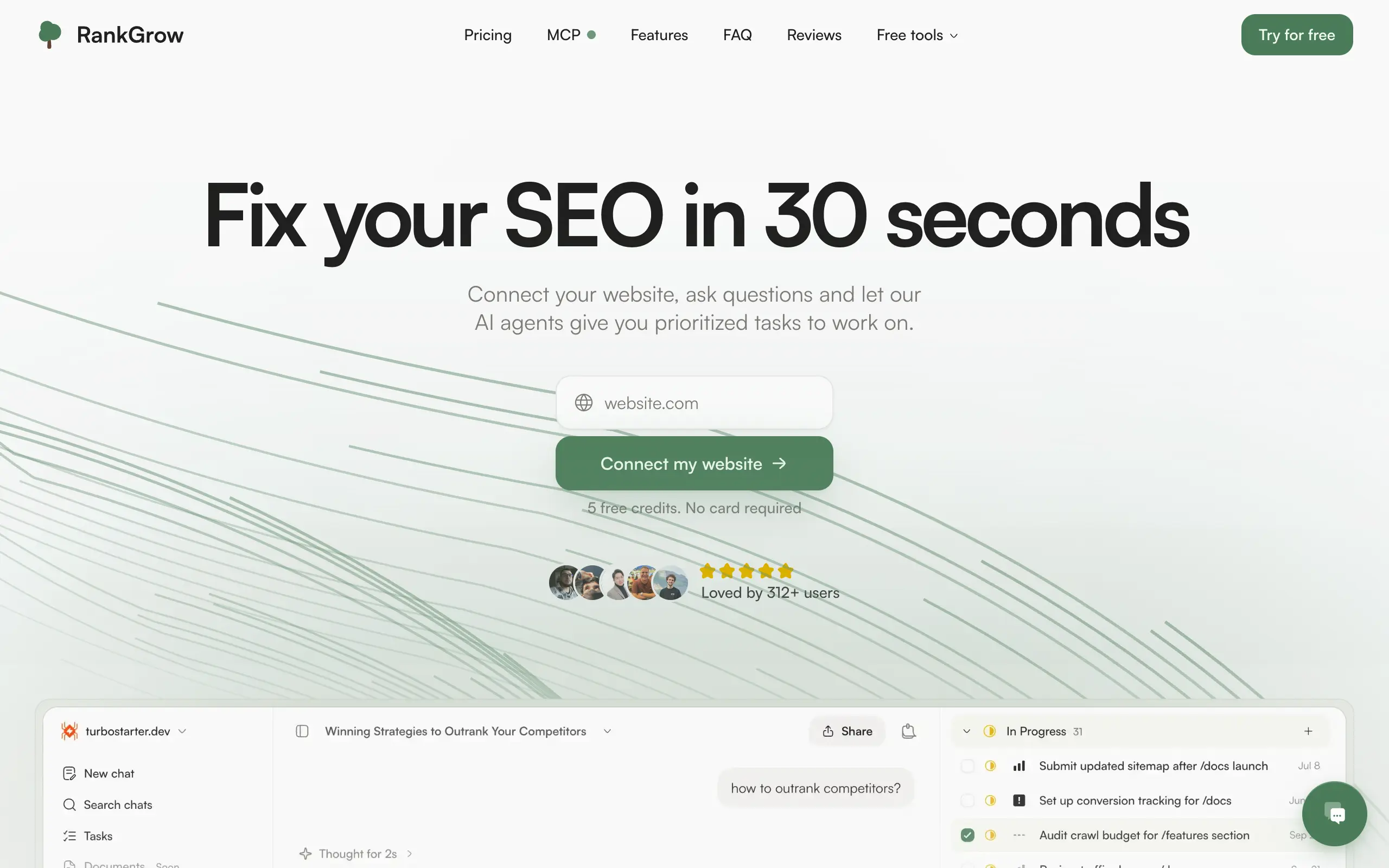
RankGrow
Fix your SEO with AI agents - connect Search Console, get prioritized tasks, and grow organic traffic 📈
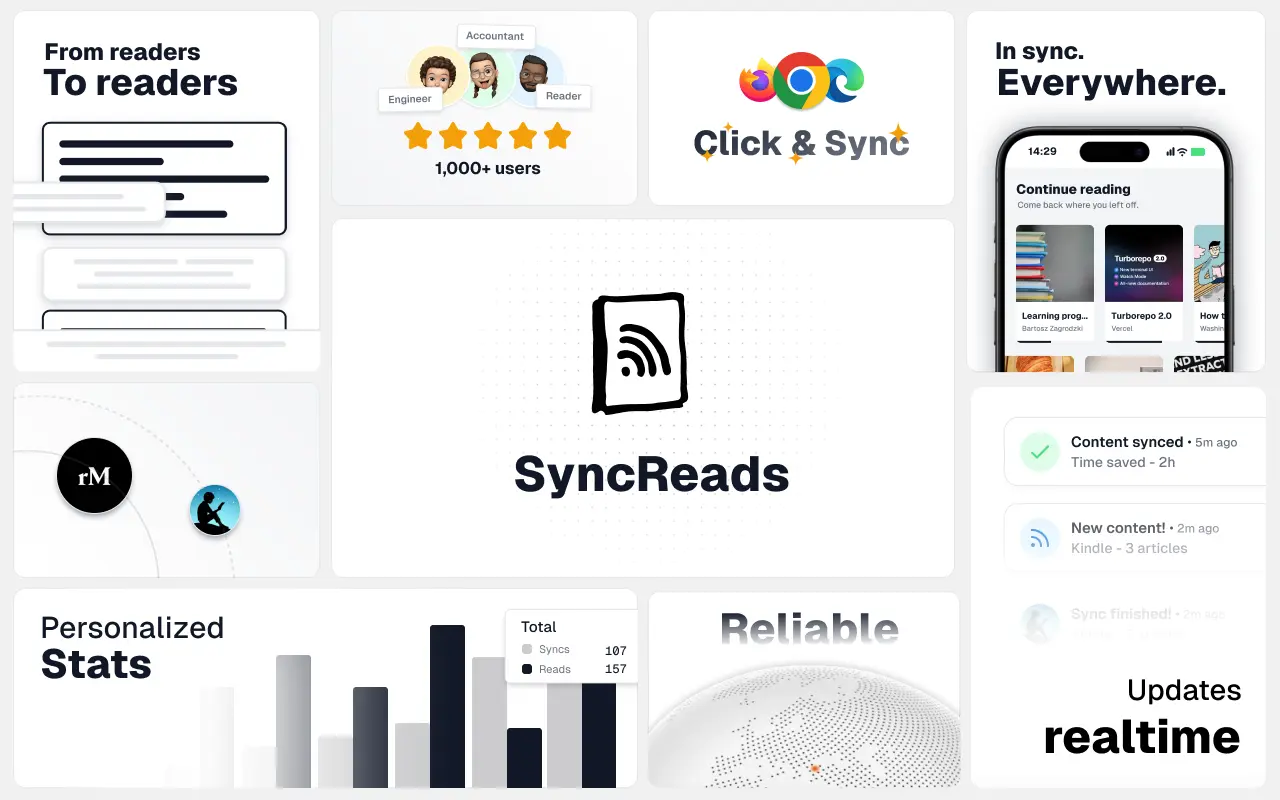
SyncReads
Sync your favorite content for distraction-free reading, save time and replace multiple apps. Anytime, anywhere 🔄
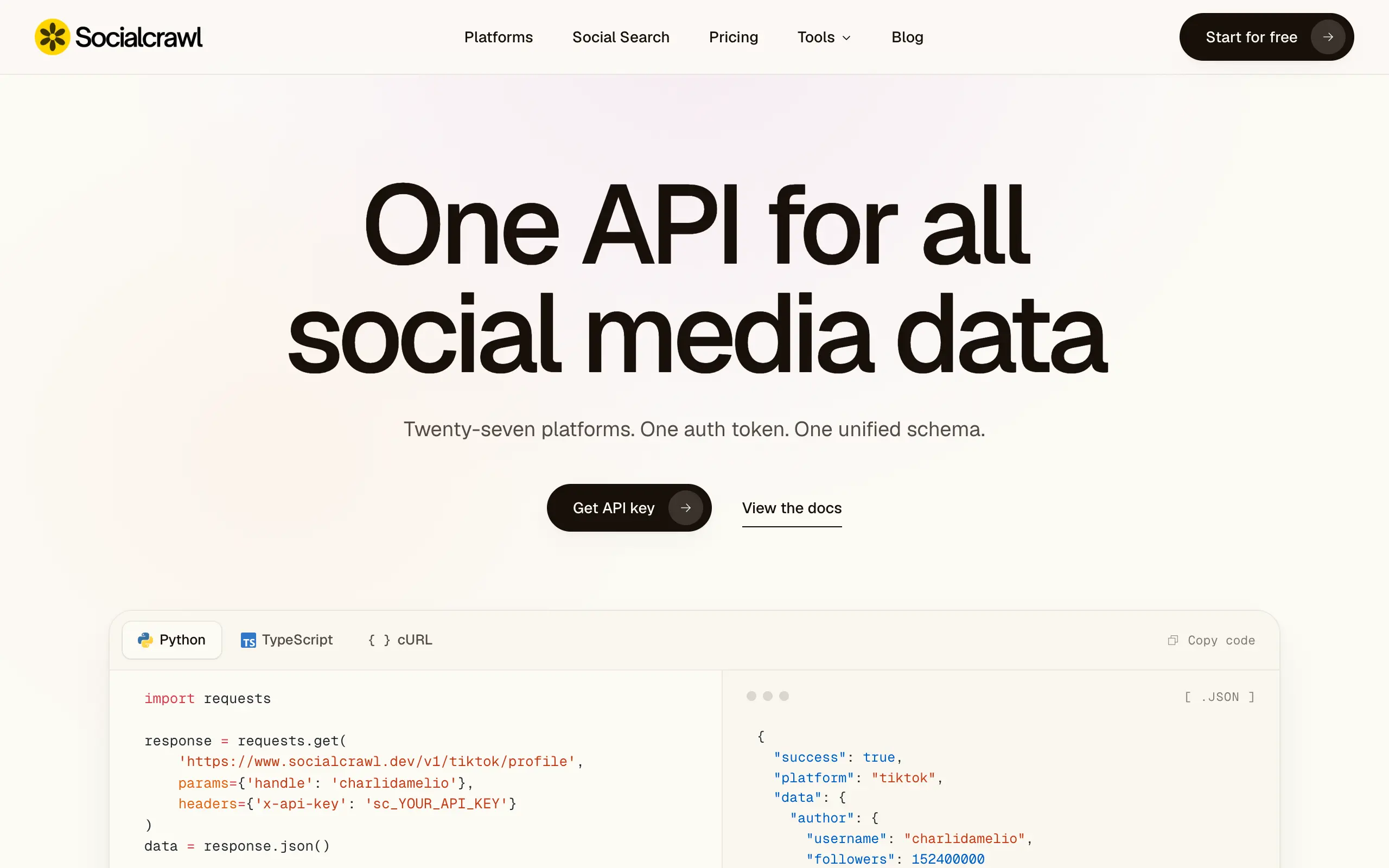
Socialcrawl
Get clean, structured data from 21 platforms like TikTok, Instagram, and YouTube with a single request 📊
Statiko
Monitor any Telegram channel in real time - track posts, edits, deletions, and growth with AI recaps 📡
Shibui
AI website builder - describe your business, pick a niche template, edit by chatting, and publish instantly ✨
Pro Service
Find verified home service professionals, compare quotes, and pay securely through escrow - built for Brazilians across the US 🏠
RankGrow
Fix your SEO with AI agents - connect Search Console, get prioritized tasks, and grow organic traffic 📈
SyncReads
Sync your favorite content for distraction-free reading, save time and replace multiple apps. Anytime, anywhere 🔄
Socialcrawl
Get clean, structured data from 21 platforms like TikTok, Instagram, and YouTube with a single request 📊
Statiko
Monitor any Telegram channel in real time - track posts, edits, deletions, and growth with AI recaps 📡
Shibui
AI website builder - describe your business, pick a niche template, edit by chatting, and publish instantly ✨
Pro Service
Find verified home service professionals, compare quotes, and pay securely through escrow - built for Brazilians across the US 🏠
RankGrow
Fix your SEO with AI agents - connect Search Console, get prioritized tasks, and grow organic traffic 📈
SyncReads
Sync your favorite content for distraction-free reading, save time and replace multiple apps. Anytime, anywhere 🔄
Socialcrawl
Get clean, structured data from 21 platforms like TikTok, Instagram, and YouTube with a single request 📊
Statiko
Monitor any Telegram channel in real time - track posts, edits, deletions, and growth with AI recaps 📡
Shibui
AI website builder - describe your business, pick a niche template, edit by chatting, and publish instantly ✨
Pro Service
Find verified home service professionals, compare quotes, and pay securely through escrow - built for Brazilians across the US 🏠
RankGrow
Fix your SEO with AI agents - connect Search Console, get prioritized tasks, and grow organic traffic 📈
SyncReads
Sync your favorite content for distraction-free reading, save time and replace multiple apps. Anytime, anywhere 🔄
Socialcrawl
Get clean, structured data from 21 platforms like TikTok, Instagram, and YouTube with a single request 📊
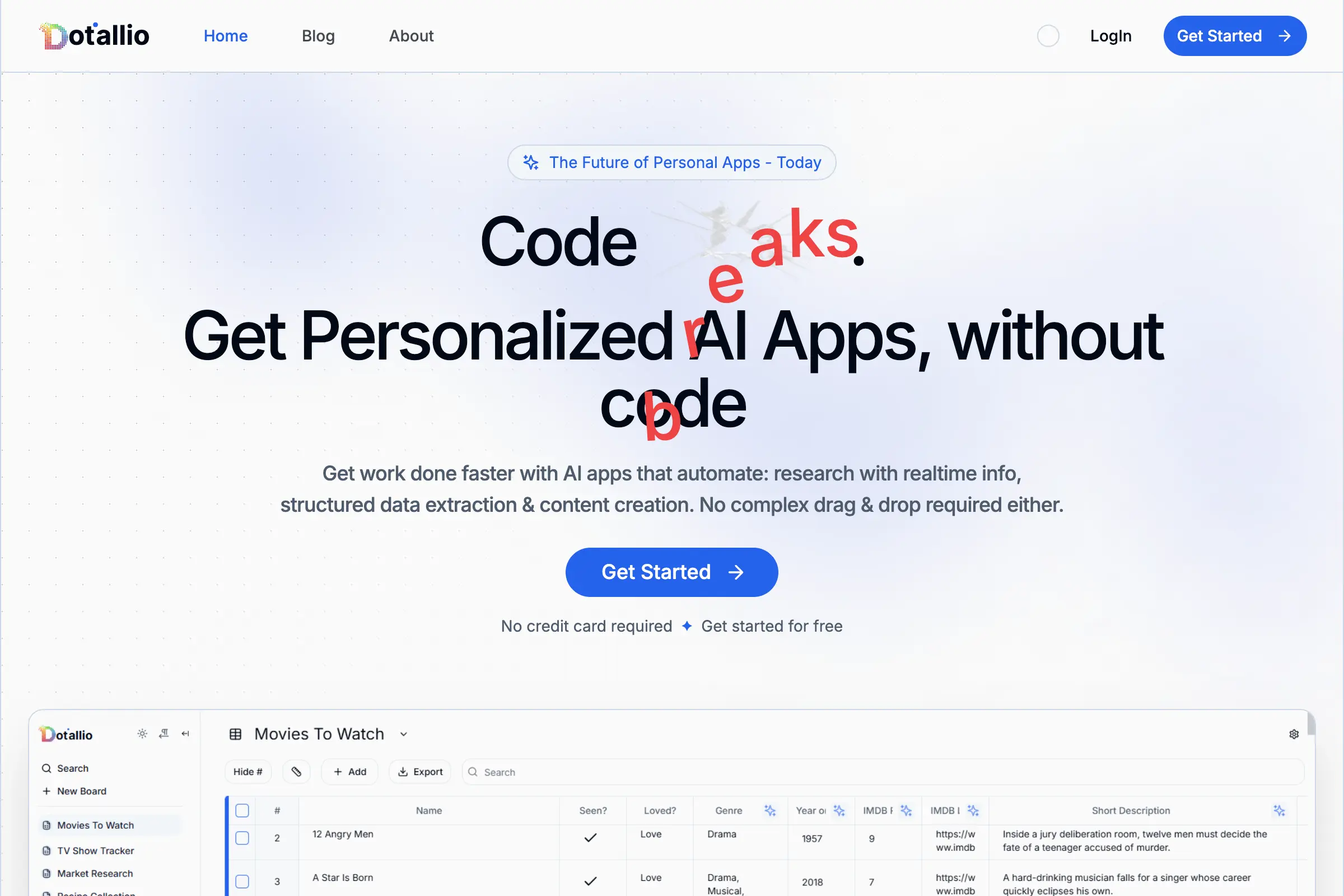
Dotallio
Personalized AI apps that automate research, data extraction, and content creation without code 🤖
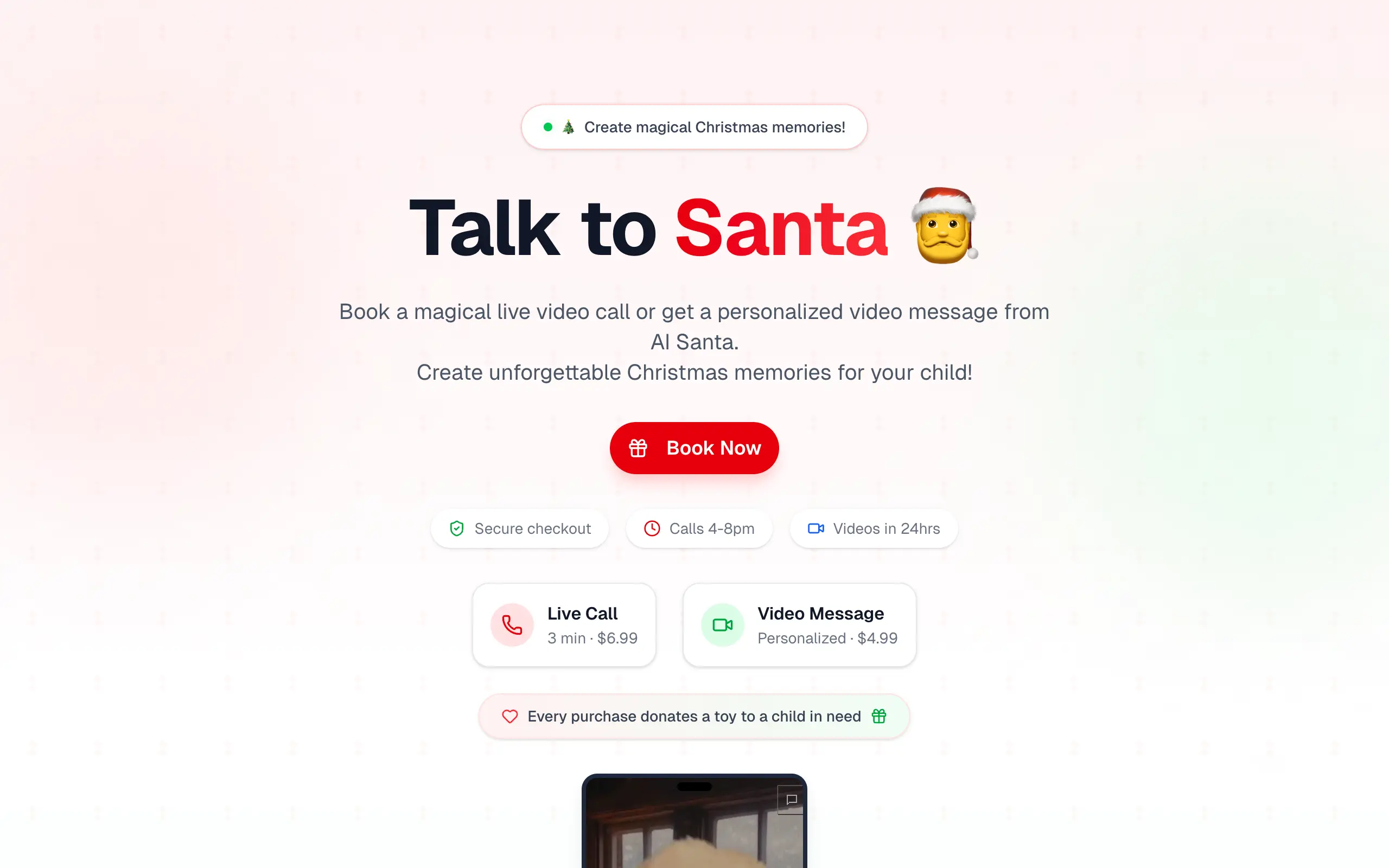
Talk to Santa
Enjoy a magical live video chat or receive a unique AI-generated video greeting from Santa Claus 🎅

pozywka.pl
Scalable blog for food journalist, focused on performance and user experience 🌭
zagrodzki.me
Personal blog and portfolio of Bart Zagrodzki, where he shares his knowledge and work 💼
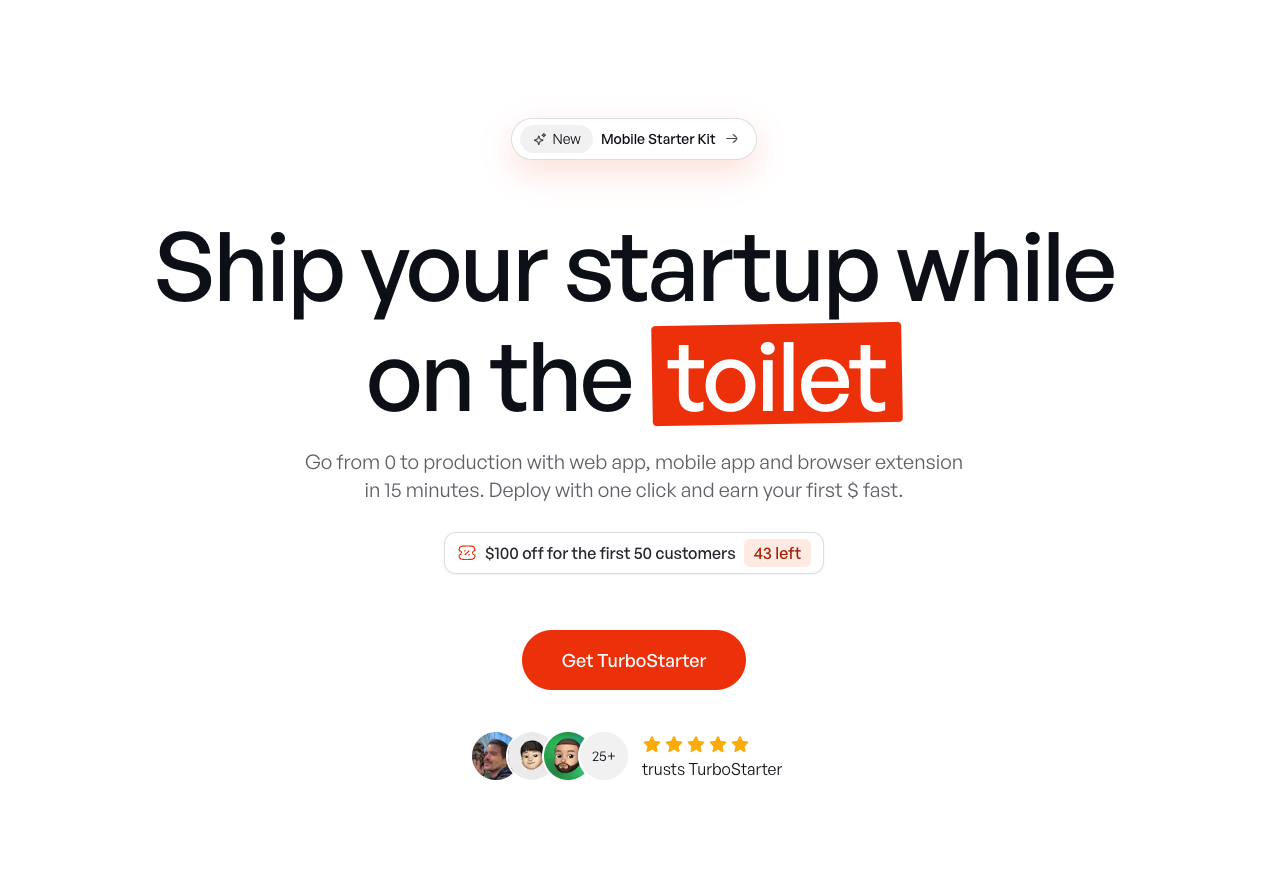
TurboStarter
Ship your startup everywhere. In minutes.
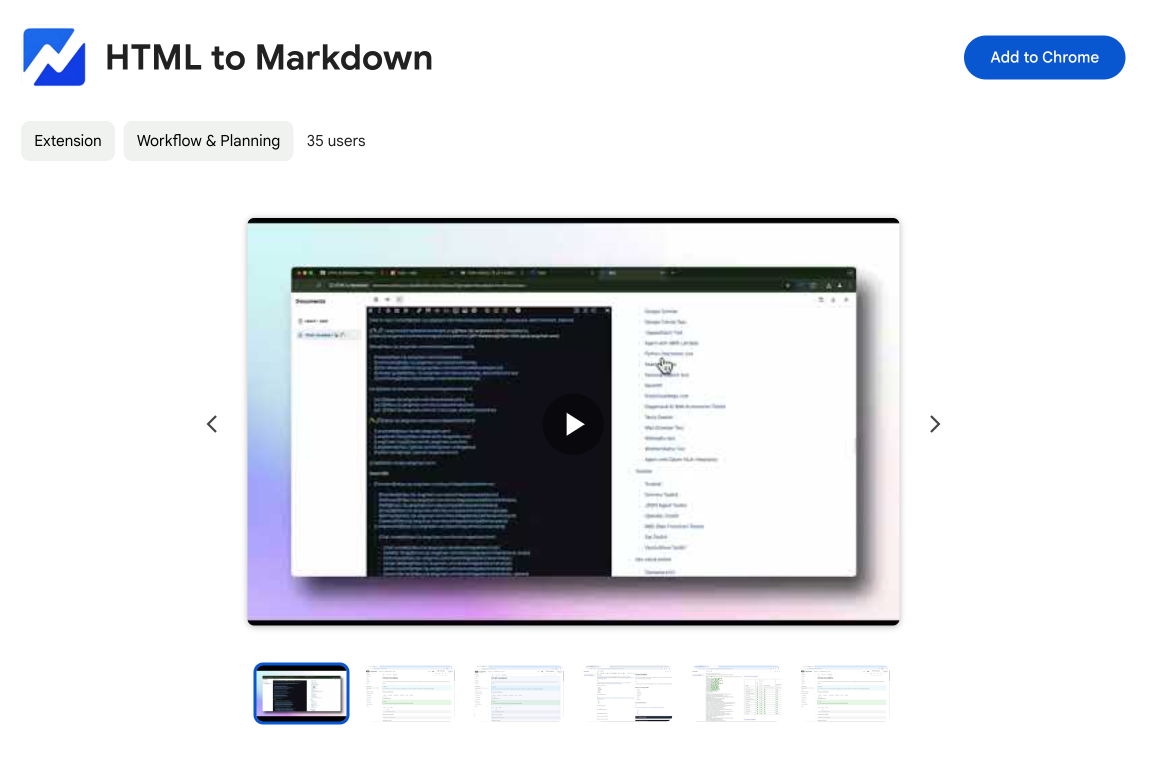
HTML to Markdown
Convert HTML to Markdown with ease, directly in your browser 📄
Dotallio
Personalized AI apps that automate research, data extraction, and content creation without code 🤖
Talk to Santa
Enjoy a magical live video chat or receive a unique AI-generated video greeting from Santa Claus 🎅
pozywka.pl
Scalable blog for food journalist, focused on performance and user experience 🌭
zagrodzki.me
Personal blog and portfolio of Bart Zagrodzki, where he shares his knowledge and work 💼
TurboStarter
Ship your startup everywhere. In minutes.
HTML to Markdown
Convert HTML to Markdown with ease, directly in your browser 📄
Dotallio
Personalized AI apps that automate research, data extraction, and content creation without code 🤖
Talk to Santa
Enjoy a magical live video chat or receive a unique AI-generated video greeting from Santa Claus 🎅
pozywka.pl
Scalable blog for food journalist, focused on performance and user experience 🌭
zagrodzki.me
Personal blog and portfolio of Bart Zagrodzki, where he shares his knowledge and work 💼
TurboStarter
Ship your startup everywhere. In minutes.
HTML to Markdown
Convert HTML to Markdown with ease, directly in your browser 📄
Dotallio
Personalized AI apps that automate research, data extraction, and content creation without code 🤖
Talk to Santa
Enjoy a magical live video chat or receive a unique AI-generated video greeting from Santa Claus 🎅
pozywka.pl
Scalable blog for food journalist, focused on performance and user experience 🌭
zagrodzki.me
Personal blog and portfolio of Bart Zagrodzki, where he shares his knowledge and work 💼
TurboStarter
Ship your startup everywhere. In minutes.
HTML to Markdown
Convert HTML to Markdown with ease, directly in your browser 📄
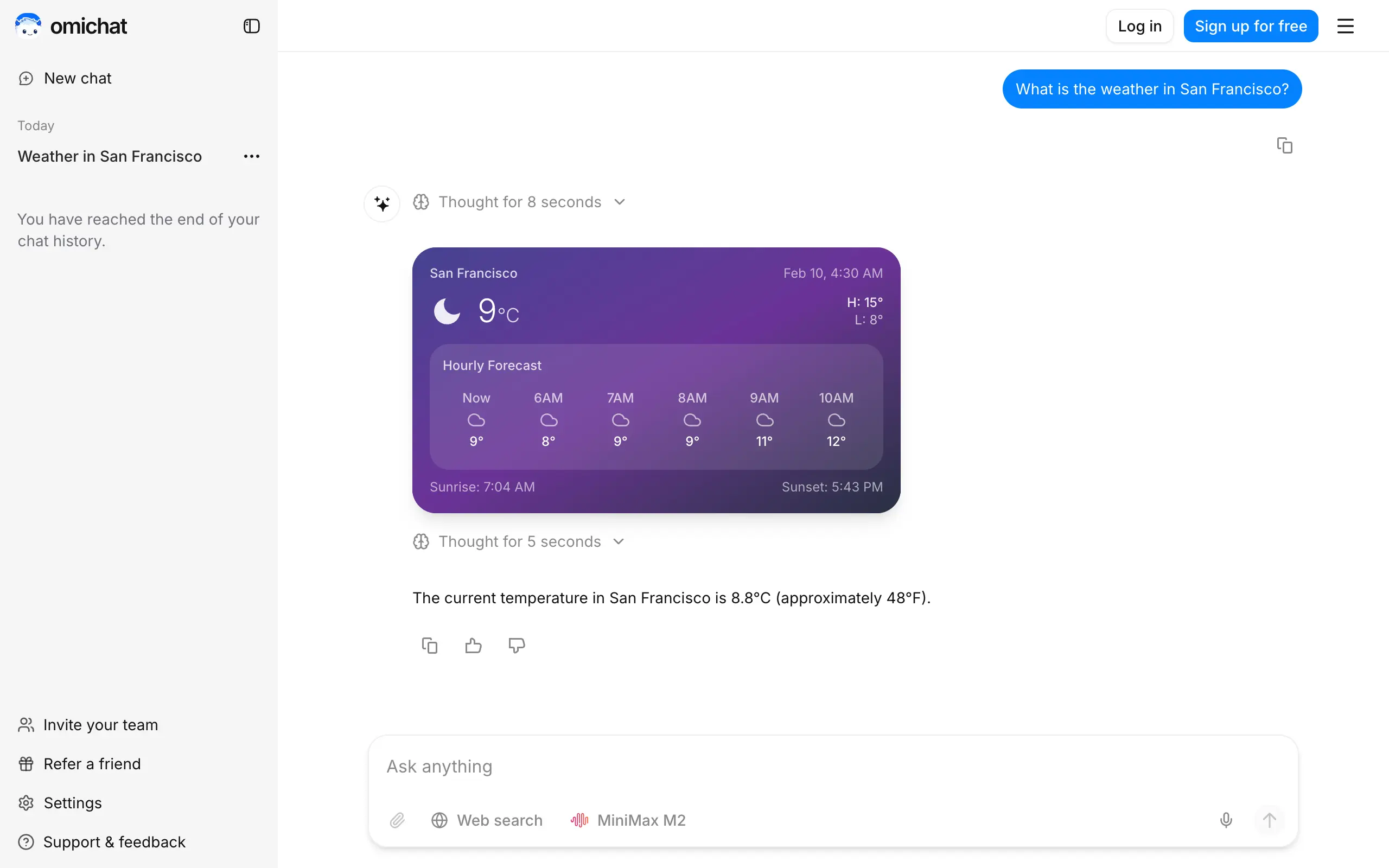
Omichat
Chat with 50+ AI models, including ChatGPT and Claude, in one place - switch models anytime without losing context 🤖
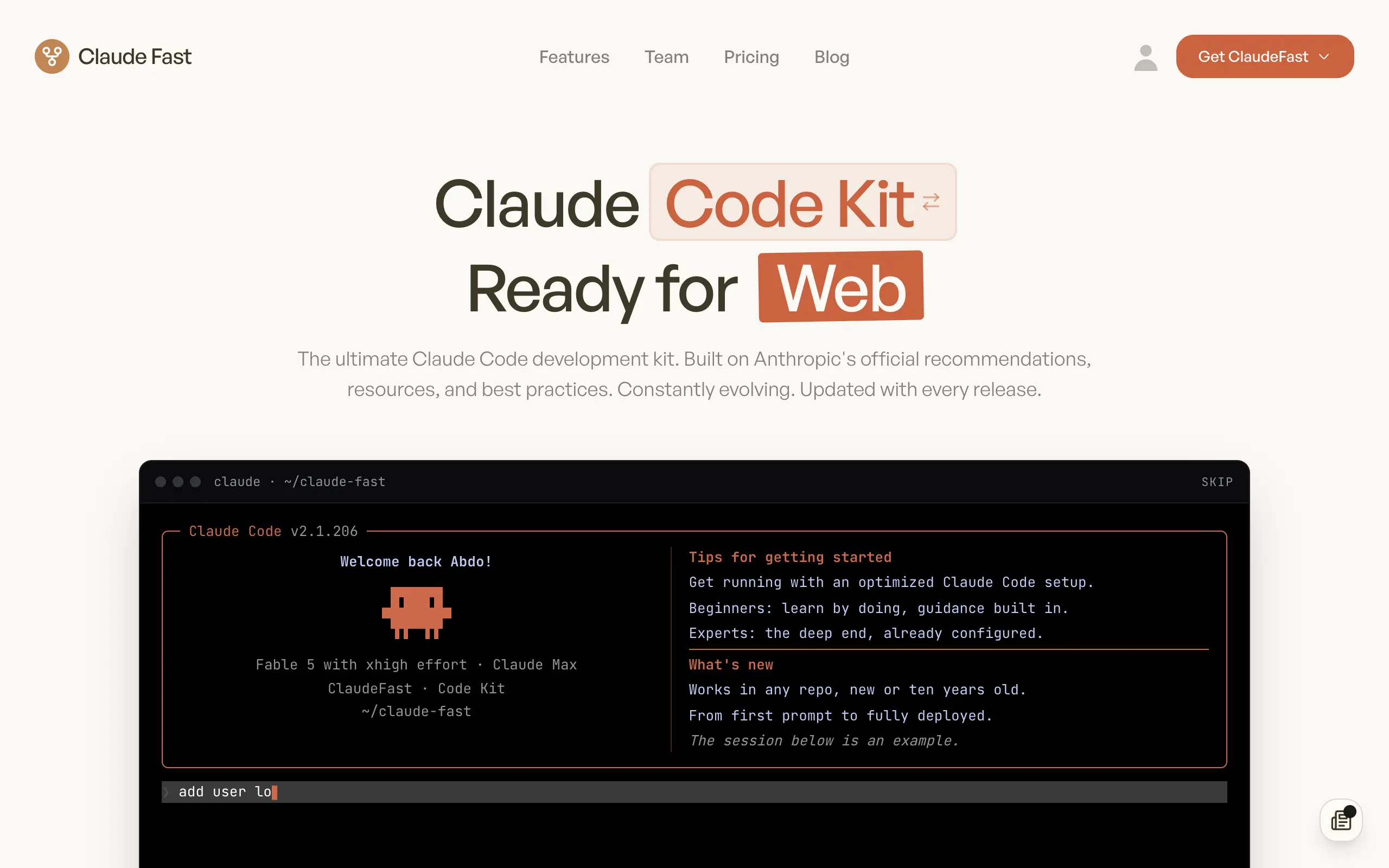
Claude Fast
Supercharge your Claude Code with 6x effective context window and specialized AI agents 🤖
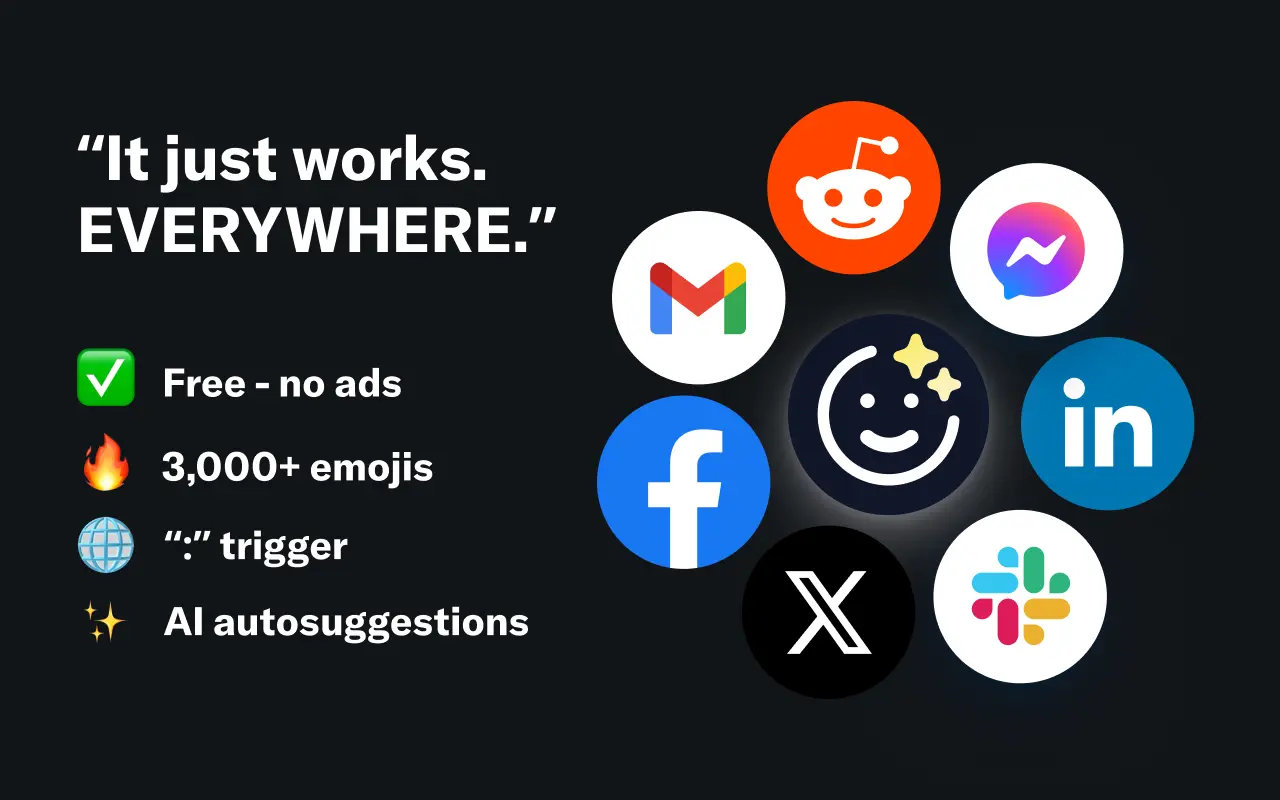
EmojAI
AI-powered emoji picker with smart, context-aware suggestions 🤖
Solohacker
Autonomous company launcher - AI agents work 24/7, escalate what matters, and you stay in control 🤖
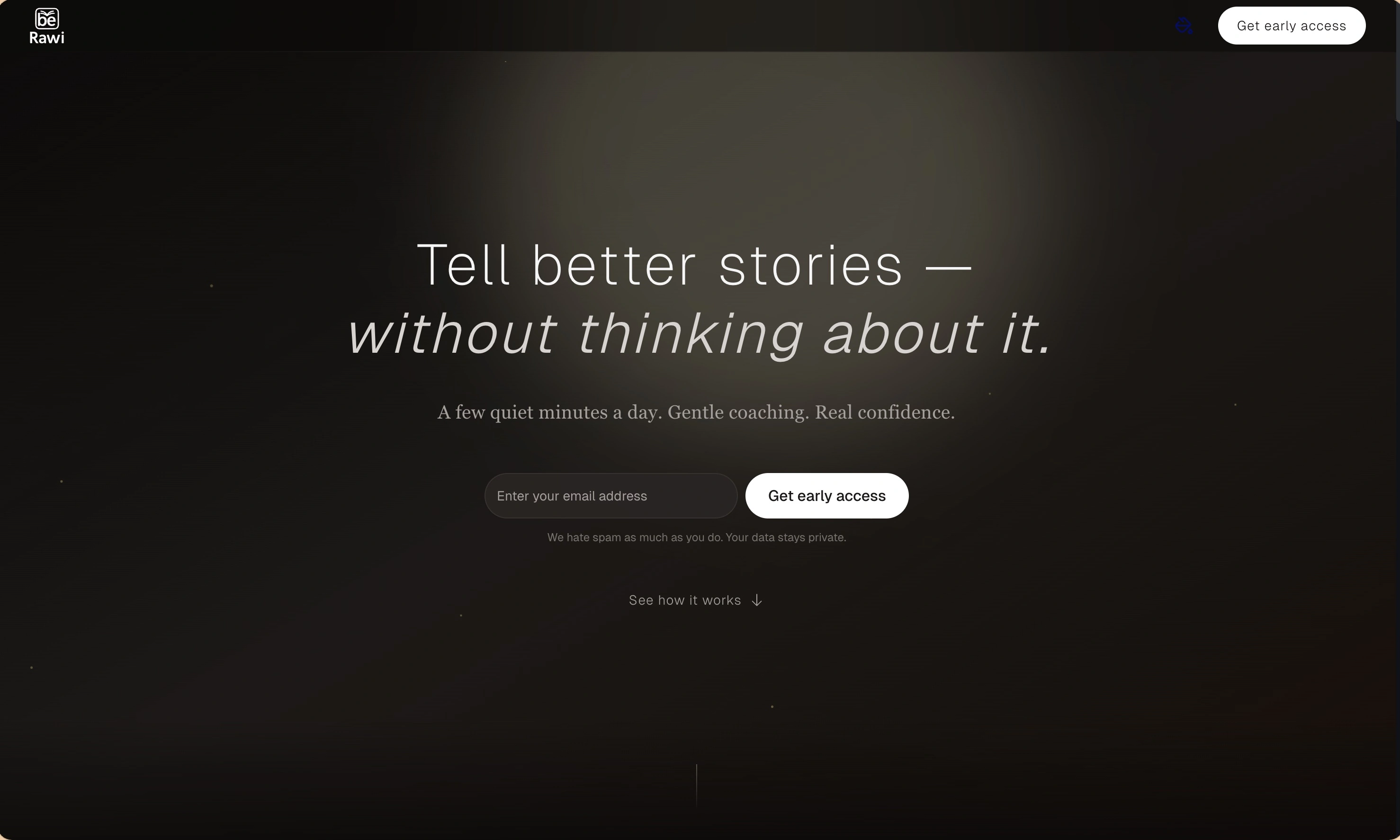
BeRawi: Storytelling Coach
Practice storytelling daily with instant feedback to sound clearer, more engaging, and confident 🎤
Omichat
Chat with 50+ AI models, including ChatGPT and Claude, in one place - switch models anytime without losing context 🤖
Claude Fast
Supercharge your Claude Code with 6x effective context window and specialized AI agents 🤖
EmojAI
AI-powered emoji picker with smart, context-aware suggestions 🤖
Solohacker
Autonomous company launcher - AI agents work 24/7, escalate what matters, and you stay in control 🤖
BeRawi: Storytelling Coach
Practice storytelling daily with instant feedback to sound clearer, more engaging, and confident 🎤
Omichat
Chat with 50+ AI models, including ChatGPT and Claude, in one place - switch models anytime without losing context 🤖
Claude Fast
Supercharge your Claude Code with 6x effective context window and specialized AI agents 🤖
EmojAI
AI-powered emoji picker with smart, context-aware suggestions 🤖
Solohacker
Autonomous company launcher - AI agents work 24/7, escalate what matters, and you stay in control 🤖
BeRawi: Storytelling Coach
Practice storytelling daily with instant feedback to sound clearer, more engaging, and confident 🎤
Omichat
Chat with 50+ AI models, including ChatGPT and Claude, in one place - switch models anytime without losing context 🤖
Claude Fast
Supercharge your Claude Code with 6x effective context window and specialized AI agents 🤖
EmojAI
AI-powered emoji picker with smart, context-aware suggestions 🤖
Solohacker
Autonomous company launcher - AI agents work 24/7, escalate what matters, and you stay in control 🤖
BeRawi: Storytelling Coach
Practice storytelling daily with instant feedback to sound clearer, more engaging, and confident 🎤

Connect with like-minded people
Join our community to get feedback, support, and grow together with 1,000+ builders on board, let's ship it!
Join usShip your startup everywhere. In minutes.
Don't burn tokens on setup and start building features on day one.