PolicyPilot AI
AI platform that monitors regulatory changes and translates them into actionable tasks for SMBs. Stay compliant automatically without legal overhead.
What is an AI regulatory compliance platform and why it matters now
Regulatory complexity is quietly suffocating small and medium-sized businesses (SMBs). From GDPR updates and evolving labor laws to industry-specific compliance requirements, staying compliant is no longer just a legal checkbox—it’s an operational necessity. This is where an AI regulatory compliance platform like PolicyPilot AI steps in.
At its core, PolicyPilot AI monitors regulatory changes across jurisdictions and translates them into clear, actionable tasks tailored to each business. Instead of relying on expensive legal consultants or manually tracking updates, SMBs can automate compliance workflows and reduce risk.
The timing for this kind of SaaS product is ideal. Governments worldwide are accelerating regulatory updates—especially around:
- Data privacy (GDPR, CCPA, DPDP Act)
- AI governance and usage policies
- ESG (Environmental, Social, Governance) reporting
- Employment and labor regulations
- Financial compliance (AML, KYC)
These changes are frequent, nuanced, and often difficult to interpret without legal expertise. The gap between regulation and execution is exactly where PolicyPilot AI creates value.
Understanding the target audience for PolicyPilot AI
The success of any SaaS product depends heavily on how well it understands its users. PolicyPilot AI serves a diverse but clearly defined set of users.
Primary audience: SMB owners and operators
Small and mid-sized businesses often lack:
- Dedicated legal teams
- Compliance officers
- Time to track policy changes
They are highly vulnerable to fines and operational disruptions due to non-compliance.
Typical profiles include:
- E-commerce founders handling international customers
- SaaS startups dealing with data privacy laws
- Healthcare clinics navigating HIPAA-like regulations
- Fintech startups managing compliance frameworks
Secondary audience: operations and compliance managers
Even in mid-sized companies with some internal structure, compliance teams are often overwhelmed. PolicyPilot AI helps them:
- Automate monitoring
- Prioritize tasks
- Track compliance status across departments
Tertiary audience: agencies and consultants
Legal consultants, accounting firms, and compliance agencies can use PolicyPilot AI to:
- Manage multiple clients efficiently
- Provide proactive compliance services
- Reduce manual research time
SMB founders
Need simple, automated compliance without hiring legal teams
Operations managers
Require structured workflows and real-time updates
Consultants
Want scalable tools to manage multiple compliance portfolios
The market gap: why existing solutions fall short
Despite the importance of compliance, current solutions are either too complex or too expensive.
Traditional approaches
-
Legal firms
- High cost
- Reactive rather than proactive
- Not scalable for SMBs
-
Manual tracking
- Time-consuming
- Error-prone
- Difficult to maintain across regions
-
Generic compliance tools
- Not tailored to SMB needs
- Require heavy setup and expertise
- Lack actionable insights
The real gap
The biggest unmet need is:
Translating complex regulations into simple, actionable steps.
Most tools stop at “informing” users about changes. Very few help them execute compliance efficiently.
PolicyPilot AI fills this gap by combining:
- AI-powered monitoring
- Context-aware interpretation
- Task automation
Core features of PolicyPilot AI
To stand out in the AI SaaS space, PolicyPilot AI must deliver a tightly integrated feature set that directly solves user pain points.
1. real-time regulatory monitoring
The platform continuously scans:
- Government websites
- Legal databases
- Industry publications
It uses natural language processing (NLP) to detect relevant changes.
2. AI-powered policy interpretation
Instead of showing raw legal text, the system:
- Summarizes changes
- Explains impact in plain English
- Identifies affected business areas
3. actionable task generation
Every regulatory update is converted into:
- Step-by-step tasks
- Assigned responsibilities
- Suggested deadlines
Example:
- “Update privacy policy to include new data retention clause”
- “Add consent checkbox to signup form”
4. compliance dashboard
A centralized dashboard shows:
- Compliance score
- Pending tasks
- Risk level indicators
5. workflow automation
Integrations with tools like Slack, Notion, or Jira allow:
- Automatic task creation
- Team notifications
- Progress tracking
6. multi-region support
Businesses operating globally can:
- Track regulations by country
- Customize compliance rules
- Receive localized insights
Feature comparison with traditional solutions
| Feature | Legal Firms | Manual Tracking | Generic Tools | PolicyPilot AI |
|---|---|---|---|---|
| Real-time monitoring | ❌ | ❌ | ✅ | ✅ |
| Actionable tasks | ❌ | ❌ | ❌ | ✅ |
| Affordability | ❌ | ✅ | ✅ | ✅ |
| Automation | ❌ | ❌ | ✅ | ✅ |
Recommended tech stack for building PolicyPilot AI
Choosing the right tech stack is critical for scalability, performance, and maintainability.
frontend
Why:
- Fast UI development
- SEO-friendly rendering
- Component-based architecture
backend
- Node.js with NestJS or Express
- Python (for AI/ML services)
Why:
- Node.js for API performance
- Python for NLP and AI pipelines
AI and NLP layer
- OpenAI or similar LLM APIs
- Custom fine-tuned models for legal interpretation
Capabilities:
- Text summarization
- Entity recognition
- Contextual mapping
data sources
- Government APIs
- Public legal databases
- Web scraping pipelines
database
- PostgreSQL for structured data
- Elasticsearch for search and indexing
infrastructure
- AWS or GCP
- Docker for containerization
- Kubernetes for scaling
trade-offs to consider
- Accuracy vs speed: Real-time processing may reduce accuracy without optimization
- Cost vs performance: LLM APIs can become expensive at scale
- Customization vs simplicity: More features may overwhelm SMB users
Pro tip
Start with a narrow compliance niche (e.g., GDPR for SaaS startups) before expanding globally. This improves product-market fit and reduces complexity early on.
Monetization strategies for PolicyPilot AI
A strong pricing strategy can make or break a SaaS product.
subscription tiers
-
Starter plan
- Limited regions
- Basic monitoring
- Ideal for small businesses
-
Growth plan
- Multi-region support
- Workflow automation
- Integrations
-
Enterprise plan
- Custom compliance rules
- Dedicated support
- Advanced analytics
usage-based pricing
Charge based on:
- Number of regulations tracked
- Number of users
- API calls or automation tasks
add-ons
- Compliance audits
- Legal consultation partnerships
- Industry-specific modules
Competitive advantage: what makes PolicyPilot AI stand out
The SaaS compliance space is crowded, but PolicyPilot AI has a clear differentiation strategy.
1. execution-focused approach
Most competitors provide insights. PolicyPilot provides execution.
2. AI-driven personalization
The platform adapts to:
- Industry
- Business size
- Geographic footprint
3. SMB-first design
Unlike enterprise tools, PolicyPilot:
- Is easy to use
- Requires minimal setup
- Provides immediate value
4. automation-first architecture
Automation reduces:
- Human error
- Time spent on compliance
- Operational costs
Potential risks and mitigation strategies
No SaaS idea is without challenges. Here’s a realistic view.
risk 1: legal accuracy
AI-generated interpretations may be incorrect.
Mitigation:
- Human-in-the-loop validation
- Confidence scoring
- Legal disclaimers
risk 2: data reliability
Regulatory sources may change formats or APIs.
Mitigation:
- Redundant data pipelines
- Continuous monitoring systems
risk 3: user trust
Compliance is sensitive—users need confidence.
Mitigation:
- Transparent explanations
- Audit logs
- Certifications (SOC 2, ISO)
risk 4: competition
Large players may enter the space.
Mitigation:
- Focus on niche markets first
- Build strong brand authority
- Deliver superior UX
Step-by-step implementation roadmap
Building PolicyPilot AI requires a phased approach.
Example architecture for AI task generation
async function generateComplianceTasks(regulationText: string) {
  const summary = await ai.summarize(regulationText);

  const tasks = await ai.generateTasks({
    context: summary,
    businessType: "SaaS",
    region: "EU"
  });

  return tasks.map(task => ({
    title: task.title,
    description: task.description,
    priority: task.priority,
    deadline: calculateDeadline(task)
  }));
}
This simple pipeline demonstrates how raw legal text can be transformed into structured, actionable outputs.
Go-to-market strategy
1. content-led growth
Publish SEO-optimized content targeting keywords like:
- “AI compliance tools for SMBs”
- “automated regulatory compliance software”
- “how to stay GDPR compliant”
2. partnerships
Collaborate with:
- Legal firms
- SaaS accelerators
- Accounting platforms
3. product-led growth
Offer:
- Free compliance scans
- Freemium plans
- Interactive demos
Future trends shaping AI compliance platforms
The regulatory landscape is evolving fast. PolicyPilot AI can stay ahead by aligning with these trends:
AI governance laws
Governments are introducing AI-specific regulations, increasing demand for monitoring tools.
real-time compliance
Businesses want instant updates, not periodic reports.
vertical specialization
Industry-specific compliance tools (healthcare, fintech) will outperform generic solutions.
integration ecosystems
Seamless integration with existing tools will become a key differentiator.
Why now is the best time to build PolicyPilot AI
Several macro trends converge to make this idea highly viable:
- Explosion of global regulations
- Advances in AI and NLP
- Growing SMB digitalization
- Increasing penalties for non-compliance
This creates a perfect storm of high demand + strong technical feasibility.
Actionable next steps to launch PolicyPilot AI
If you're serious about building this:
- Define your initial niche
- Validate demand with 10–20 target users
- Build a lean MVP
- Focus on one killer feature: task automation
- Iterate based on real feedback
To accelerate development, you can use tools like TurboStarter to quickly scaffold your SaaS infrastructure and focus on core features instead of boilerplate.
Final thoughts
PolicyPilot AI is not just another compliance tool—it represents a shift from passive awareness to active execution.
By turning regulatory chaos into structured, manageable workflows, it empowers SMBs to operate confidently in complex legal environments.
The opportunity is massive, but execution matters. Focus on clarity, usability, and trust, and you’ll build not just a product—but a critical business companion.
More 🤖 AI Startup SaaS ideas
Discover more innovative ai startup SaaS ideas that are trending in 2026. Each idea is AI-generated with market validation and growth potential to help you find your next profitable venture faster than competitors.
Your competitors are building with TurboStarter
Below are some of the SaaS ideas that have been generated and built with our starter kit.

Statiko
Monitor any Telegram channel in real time - track posts, edits, deletions, and growth with AI recaps 📡

Shibui
AI website builder - describe your business, pick a niche template, edit by chatting, and publish instantly ✨

Pro Service
Find verified home service professionals, compare quotes, and pay securely through escrow - built for Brazilians across the US 🏠
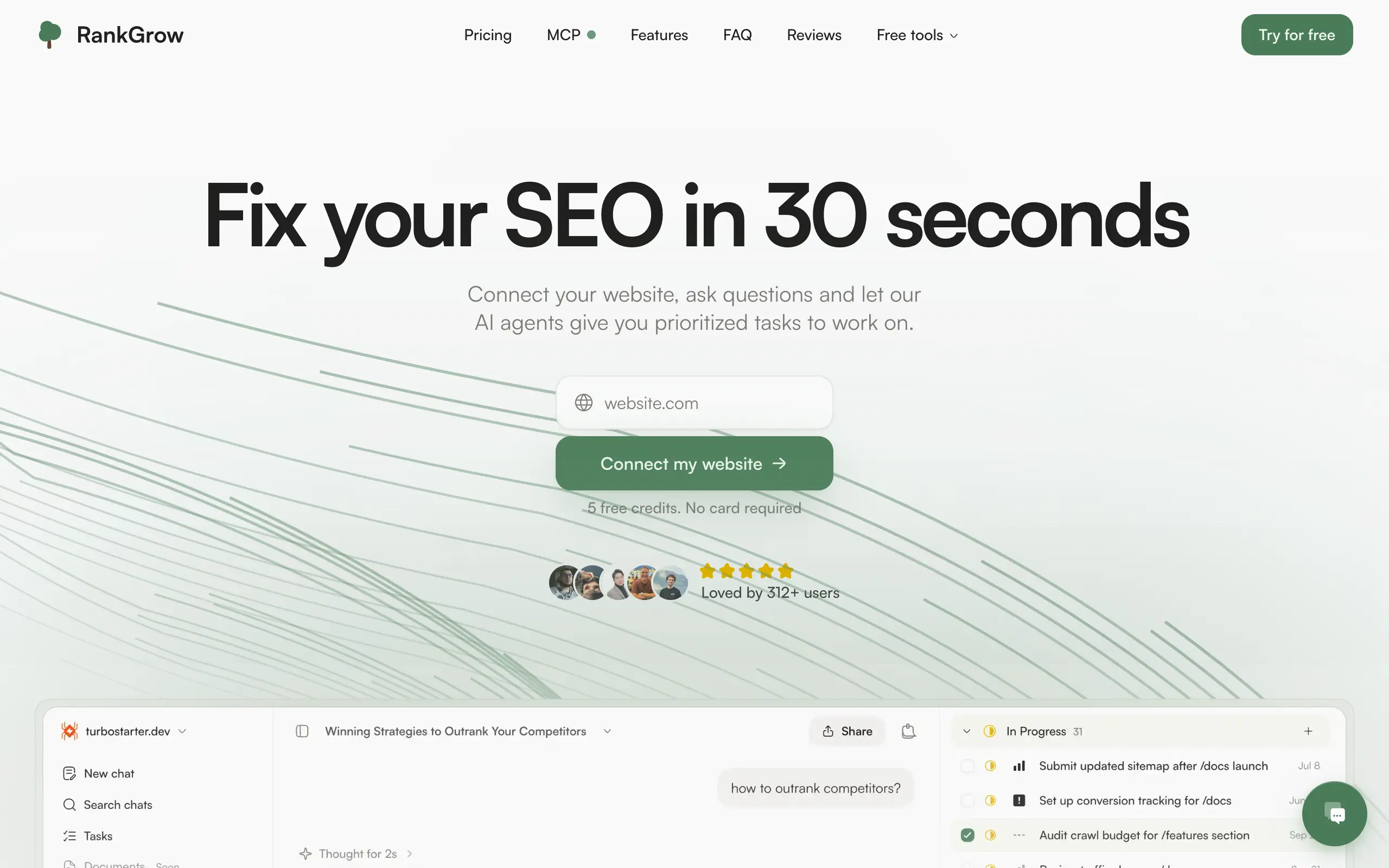
RankGrow
Fix your SEO with AI agents - connect Search Console, get prioritized tasks, and grow organic traffic 📈
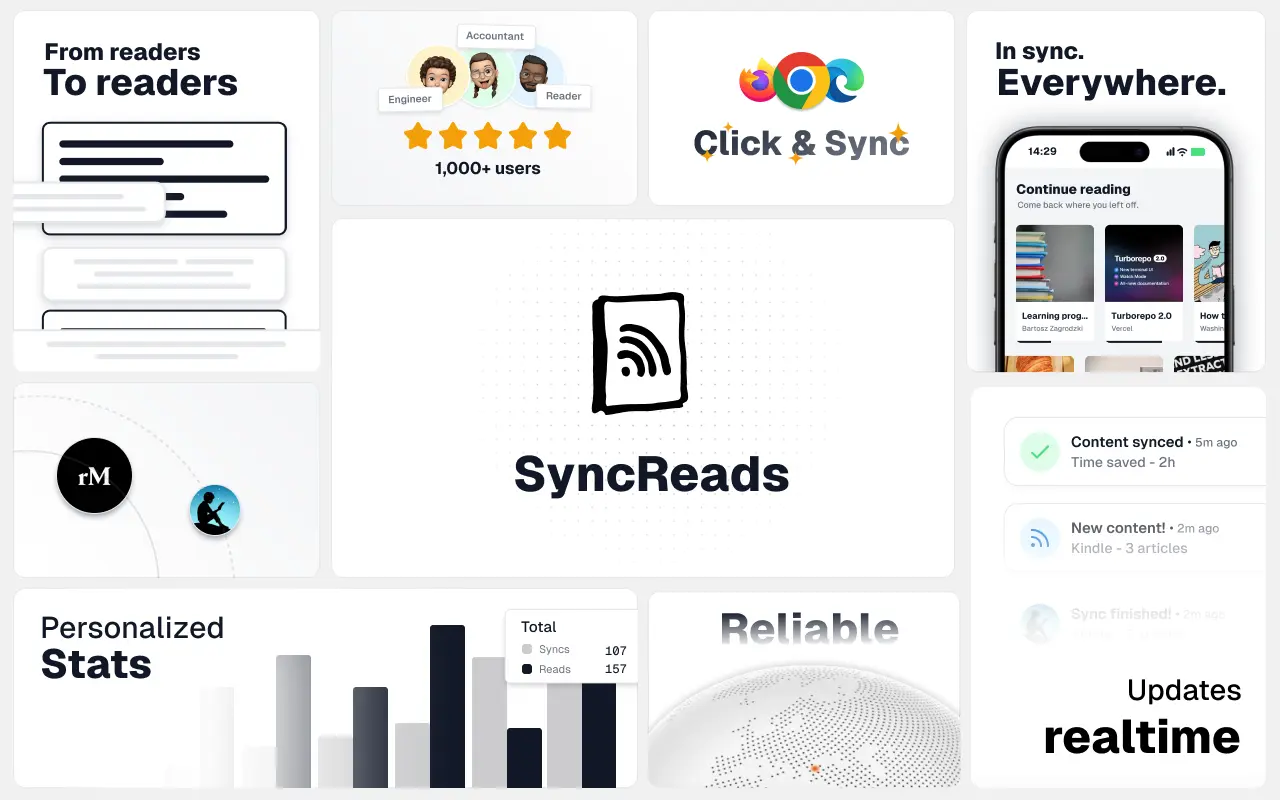
SyncReads
Sync your favorite content for distraction-free reading, save time and replace multiple apps. Anytime, anywhere 🔄
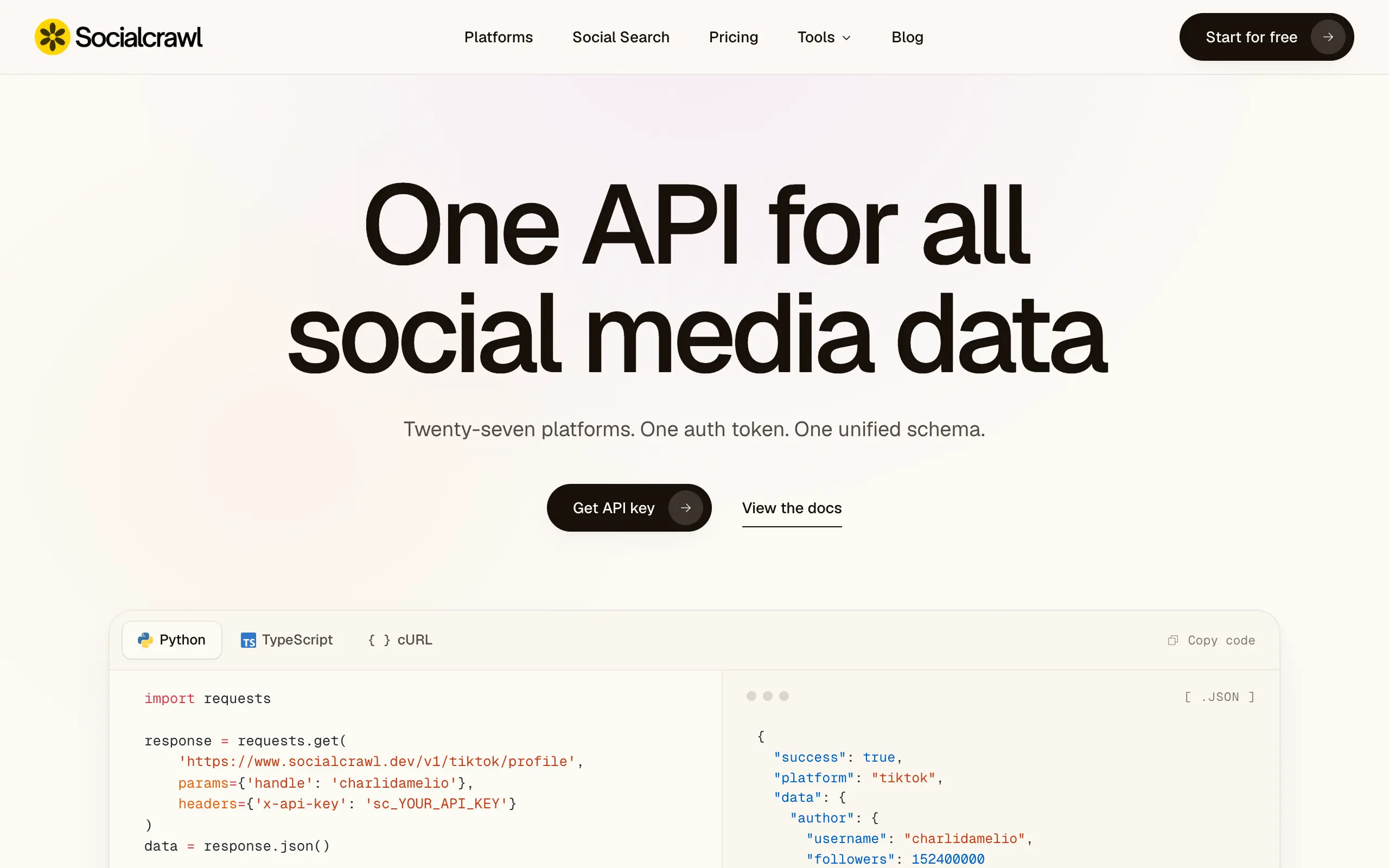
Socialcrawl
Get clean, structured data from 21 platforms like TikTok, Instagram, and YouTube with a single request 📊
Statiko
Monitor any Telegram channel in real time - track posts, edits, deletions, and growth with AI recaps 📡
Shibui
AI website builder - describe your business, pick a niche template, edit by chatting, and publish instantly ✨
Pro Service
Find verified home service professionals, compare quotes, and pay securely through escrow - built for Brazilians across the US 🏠
RankGrow
Fix your SEO with AI agents - connect Search Console, get prioritized tasks, and grow organic traffic 📈
SyncReads
Sync your favorite content for distraction-free reading, save time and replace multiple apps. Anytime, anywhere 🔄
Socialcrawl
Get clean, structured data from 21 platforms like TikTok, Instagram, and YouTube with a single request 📊
Statiko
Monitor any Telegram channel in real time - track posts, edits, deletions, and growth with AI recaps 📡
Shibui
AI website builder - describe your business, pick a niche template, edit by chatting, and publish instantly ✨
Pro Service
Find verified home service professionals, compare quotes, and pay securely through escrow - built for Brazilians across the US 🏠
RankGrow
Fix your SEO with AI agents - connect Search Console, get prioritized tasks, and grow organic traffic 📈
SyncReads
Sync your favorite content for distraction-free reading, save time and replace multiple apps. Anytime, anywhere 🔄
Socialcrawl
Get clean, structured data from 21 platforms like TikTok, Instagram, and YouTube with a single request 📊
Statiko
Monitor any Telegram channel in real time - track posts, edits, deletions, and growth with AI recaps 📡
Shibui
AI website builder - describe your business, pick a niche template, edit by chatting, and publish instantly ✨
Pro Service
Find verified home service professionals, compare quotes, and pay securely through escrow - built for Brazilians across the US 🏠
RankGrow
Fix your SEO with AI agents - connect Search Console, get prioritized tasks, and grow organic traffic 📈
SyncReads
Sync your favorite content for distraction-free reading, save time and replace multiple apps. Anytime, anywhere 🔄
Socialcrawl
Get clean, structured data from 21 platforms like TikTok, Instagram, and YouTube with a single request 📊
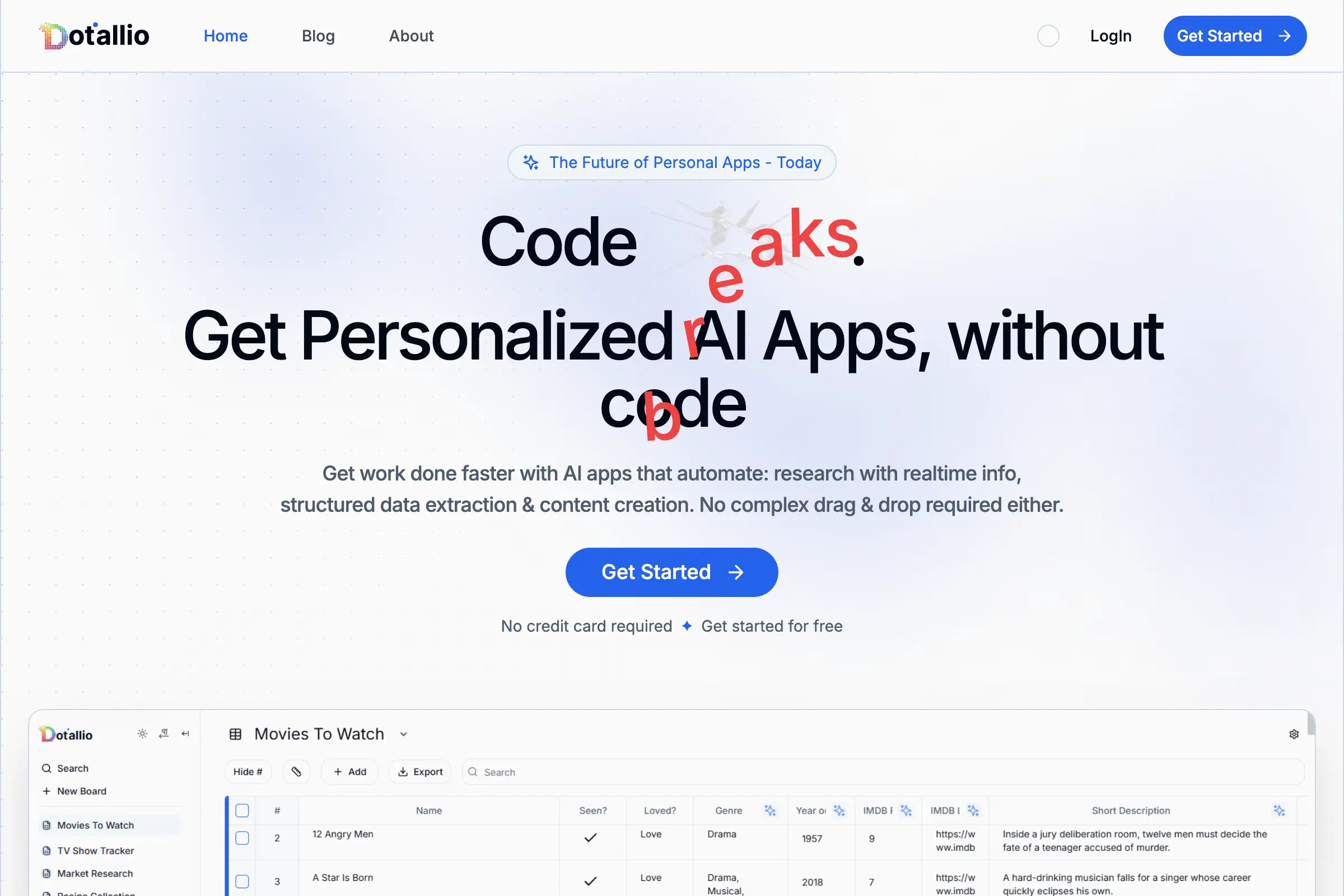
Dotallio
Personalized AI apps that automate research, data extraction, and content creation without code 🤖

Talk to Santa
Enjoy a magical live video chat or receive a unique AI-generated video greeting from Santa Claus 🎅

pozywka.pl
Scalable blog for food journalist, focused on performance and user experience 🌭
zagrodzki.me
Personal blog and portfolio of Bart Zagrodzki, where he shares his knowledge and work 💼
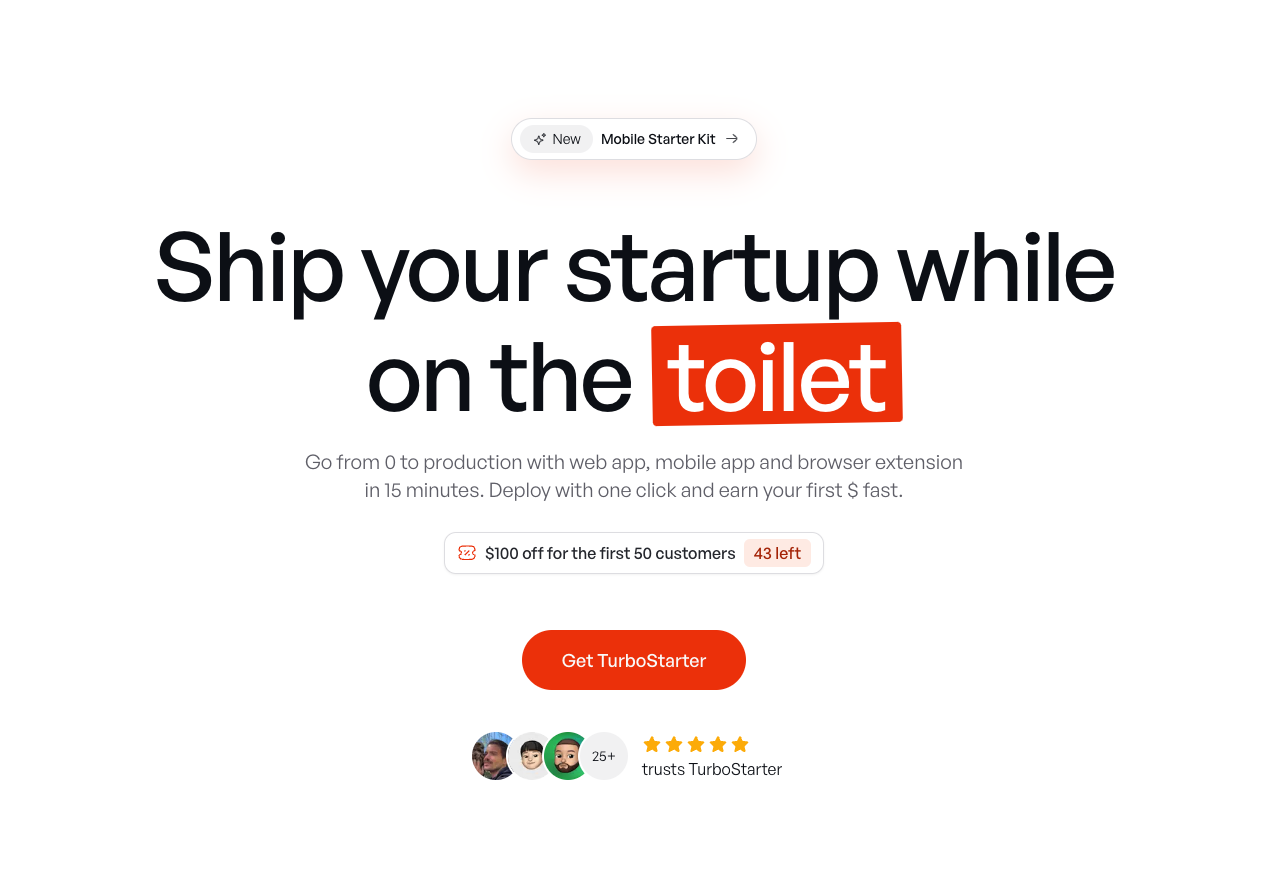
TurboStarter
Ship your startup everywhere. In minutes.
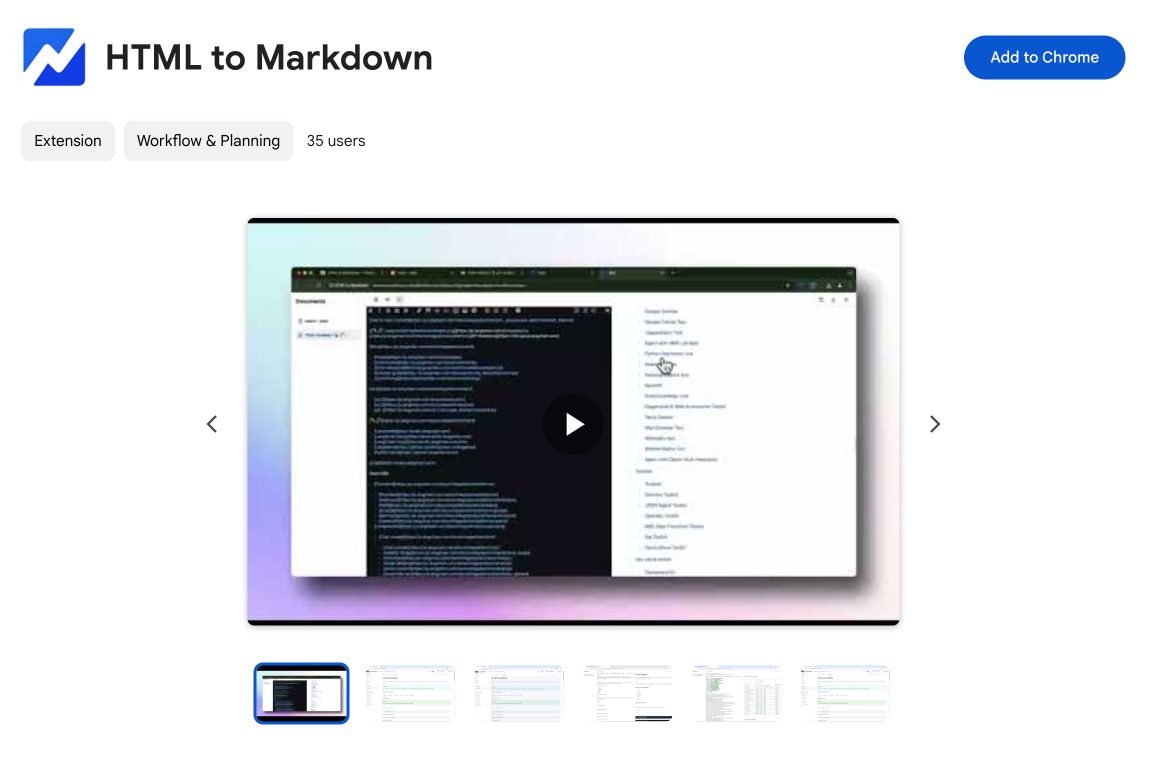
HTML to Markdown
Convert HTML to Markdown with ease, directly in your browser 📄
Dotallio
Personalized AI apps that automate research, data extraction, and content creation without code 🤖
Talk to Santa
Enjoy a magical live video chat or receive a unique AI-generated video greeting from Santa Claus 🎅
pozywka.pl
Scalable blog for food journalist, focused on performance and user experience 🌭
zagrodzki.me
Personal blog and portfolio of Bart Zagrodzki, where he shares his knowledge and work 💼
TurboStarter
Ship your startup everywhere. In minutes.
HTML to Markdown
Convert HTML to Markdown with ease, directly in your browser 📄
Dotallio
Personalized AI apps that automate research, data extraction, and content creation without code 🤖
Talk to Santa
Enjoy a magical live video chat or receive a unique AI-generated video greeting from Santa Claus 🎅
pozywka.pl
Scalable blog for food journalist, focused on performance and user experience 🌭
zagrodzki.me
Personal blog and portfolio of Bart Zagrodzki, where he shares his knowledge and work 💼
TurboStarter
Ship your startup everywhere. In minutes.
HTML to Markdown
Convert HTML to Markdown with ease, directly in your browser 📄
Dotallio
Personalized AI apps that automate research, data extraction, and content creation without code 🤖
Talk to Santa
Enjoy a magical live video chat or receive a unique AI-generated video greeting from Santa Claus 🎅
pozywka.pl
Scalable blog for food journalist, focused on performance and user experience 🌭
zagrodzki.me
Personal blog and portfolio of Bart Zagrodzki, where he shares his knowledge and work 💼
TurboStarter
Ship your startup everywhere. In minutes.
HTML to Markdown
Convert HTML to Markdown with ease, directly in your browser 📄
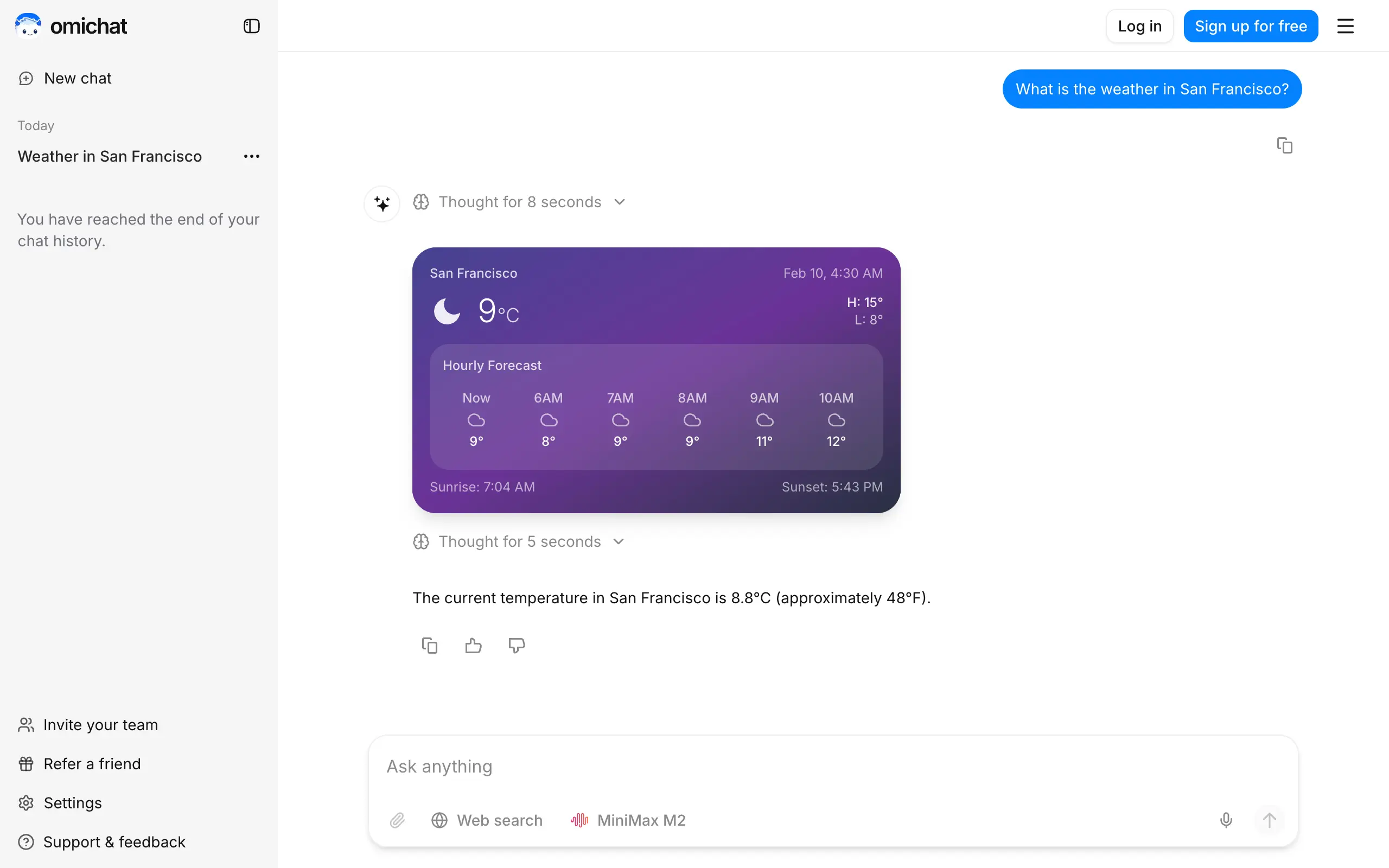
Omichat
Chat with 50+ AI models, including ChatGPT and Claude, in one place - switch models anytime without losing context 🤖
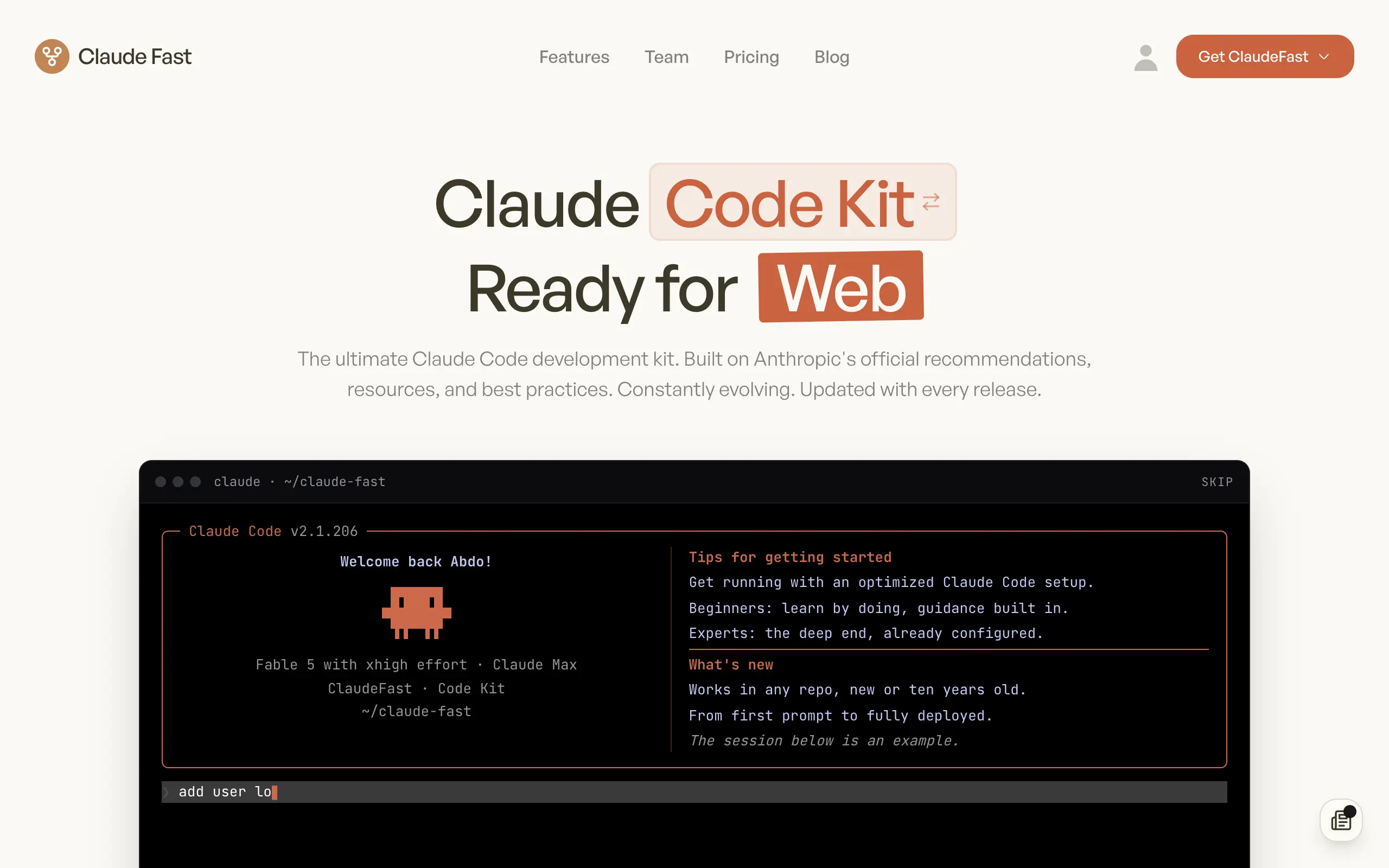
Claude Fast
Supercharge your Claude Code with 6x effective context window and specialized AI agents 🤖
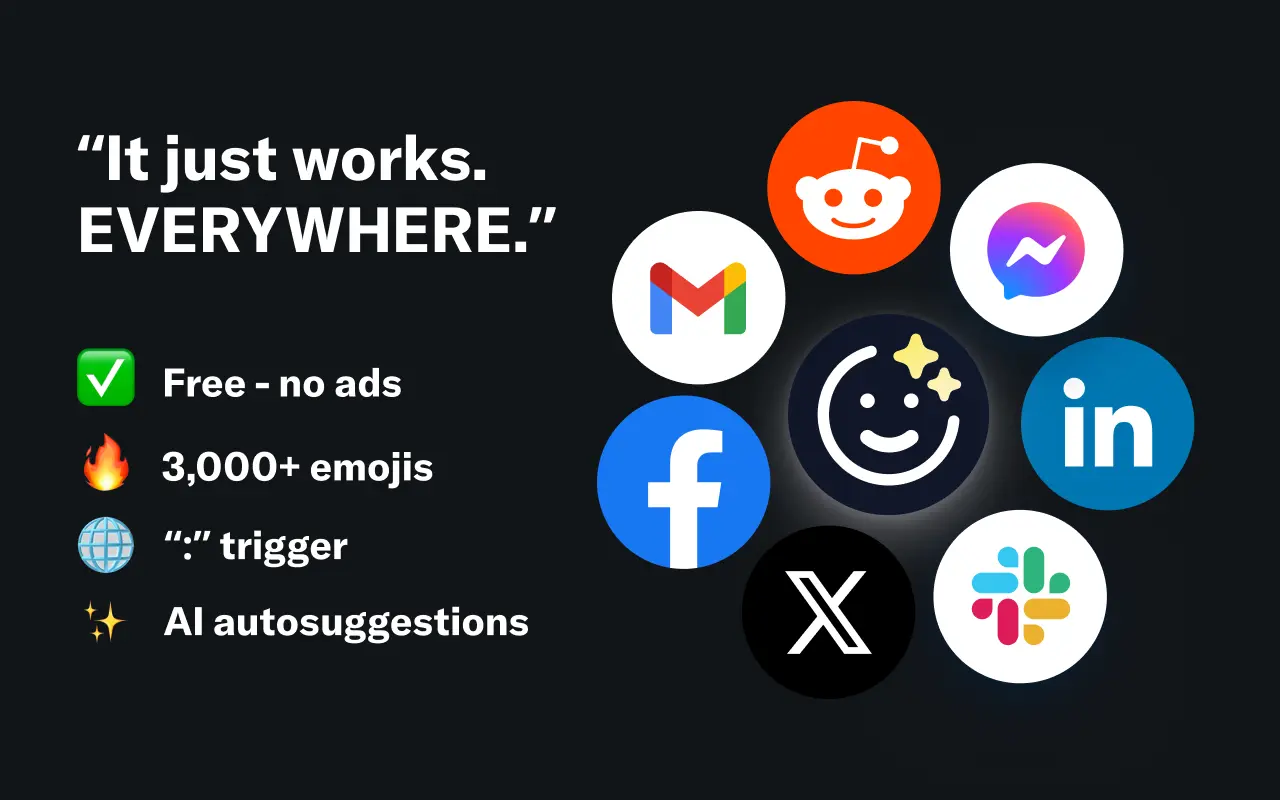
EmojAI
AI-powered emoji picker with smart, context-aware suggestions 🤖
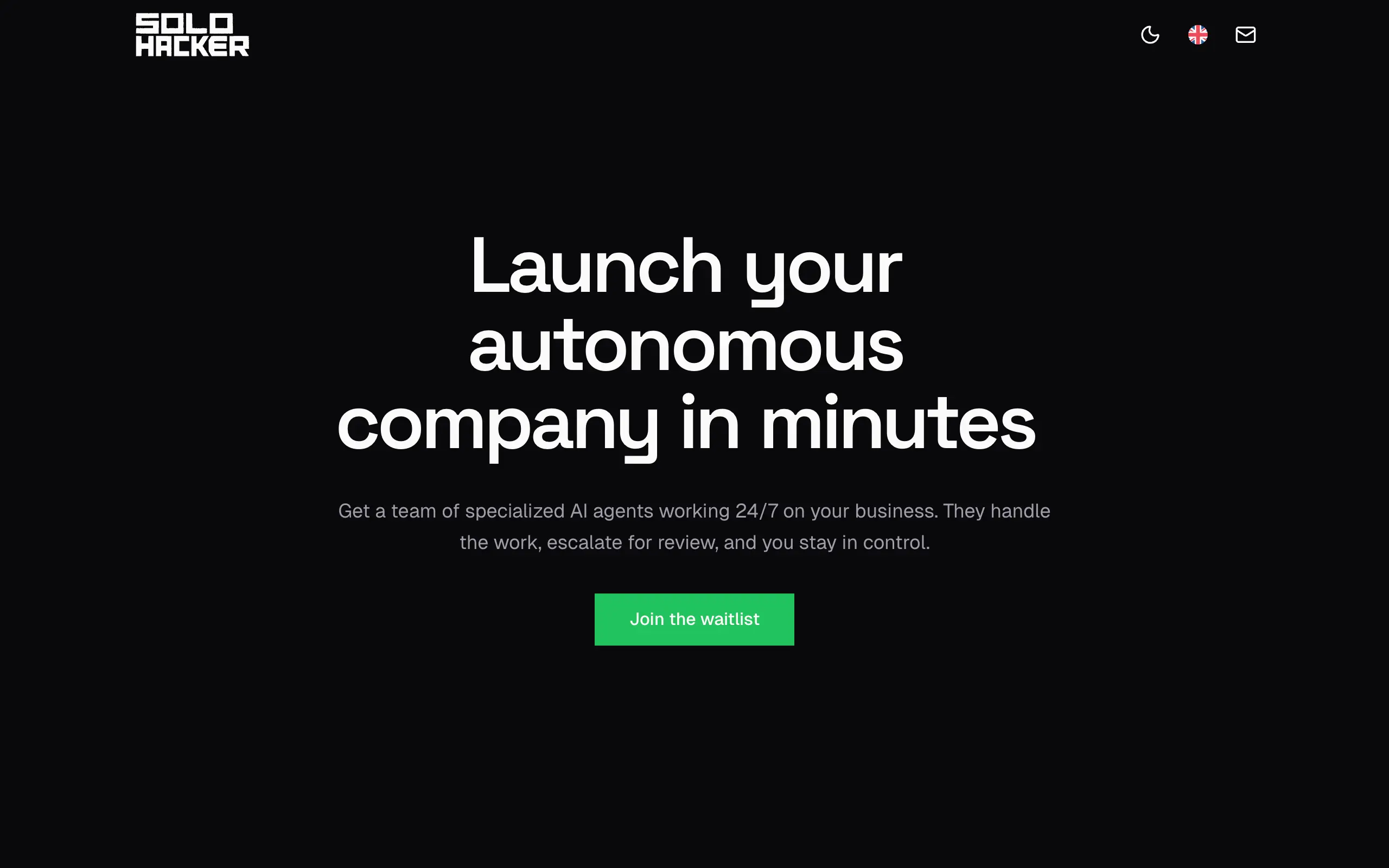
Solohacker
Autonomous company launcher - AI agents work 24/7, escalate what matters, and you stay in control 🤖
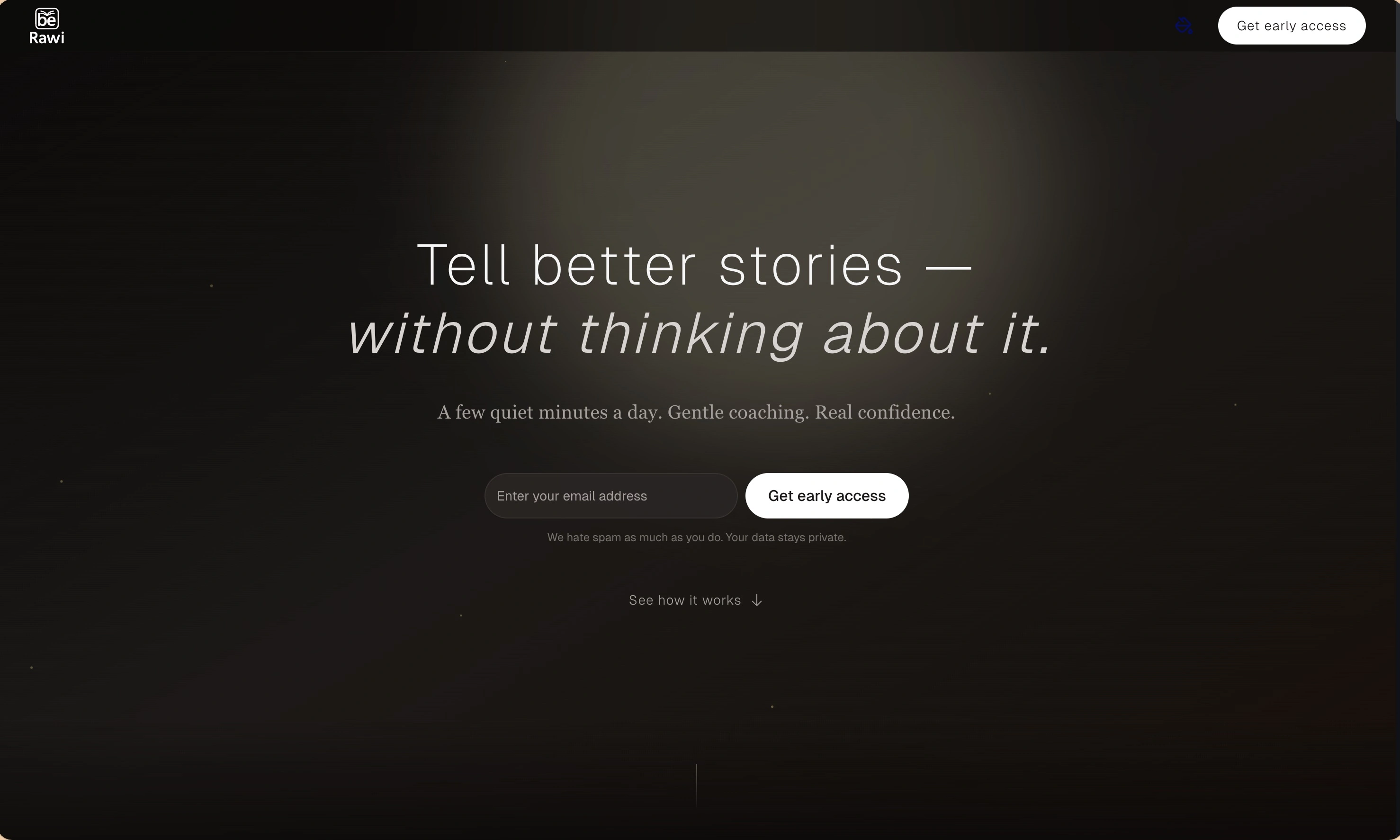
BeRawi: Storytelling Coach
Practice storytelling daily with instant feedback to sound clearer, more engaging, and confident 🎤
Omichat
Chat with 50+ AI models, including ChatGPT and Claude, in one place - switch models anytime without losing context 🤖
Claude Fast
Supercharge your Claude Code with 6x effective context window and specialized AI agents 🤖
EmojAI
AI-powered emoji picker with smart, context-aware suggestions 🤖
Solohacker
Autonomous company launcher - AI agents work 24/7, escalate what matters, and you stay in control 🤖
BeRawi: Storytelling Coach
Practice storytelling daily with instant feedback to sound clearer, more engaging, and confident 🎤
Omichat
Chat with 50+ AI models, including ChatGPT and Claude, in one place - switch models anytime without losing context 🤖
Claude Fast
Supercharge your Claude Code with 6x effective context window and specialized AI agents 🤖
EmojAI
AI-powered emoji picker with smart, context-aware suggestions 🤖
Solohacker
Autonomous company launcher - AI agents work 24/7, escalate what matters, and you stay in control 🤖
BeRawi: Storytelling Coach
Practice storytelling daily with instant feedback to sound clearer, more engaging, and confident 🎤
Omichat
Chat with 50+ AI models, including ChatGPT and Claude, in one place - switch models anytime without losing context 🤖
Claude Fast
Supercharge your Claude Code with 6x effective context window and specialized AI agents 🤖
EmojAI
AI-powered emoji picker with smart, context-aware suggestions 🤖
Solohacker
Autonomous company launcher - AI agents work 24/7, escalate what matters, and you stay in control 🤖
BeRawi: Storytelling Coach
Practice storytelling daily with instant feedback to sound clearer, more engaging, and confident 🎤

Connect with like-minded people
Join our community to get feedback, support, and grow together with 1,000+ builders on board, let's ship it!
Join usShip your startup everywhere. In minutes.
Don't burn tokens on setup and start building features on day one.