PolicyGuard Copilot
An AI copilot that analyzes security policies, cloud configs, and IAM rules to detect violations, over-permissioning, and compliance gaps before breaches occur.
Understanding the problem PolicyGuard Copilot solves
Modern organizations operate across increasingly complex cloud and SaaS environments. AWS, Azure, GCP, Kubernetes, SaaS tools, and internal applications all introduce security policies, IAM rules, and configuration layers that must work together flawlessly. In reality, they rarely do.
Misconfigured policies, overly permissive IAM roles, and outdated compliance rules are now among the leading root causes of security breaches. These issues are rarely intentional. They emerge from:
- Rapid cloud adoption and infrastructure-as-code sprawl
- Teams copying and pasting IAM policies without fully understanding implications
- Constantly changing compliance requirements (SOC 2, ISO 27001, HIPAA, PCI DSS, GDPR)
- A shortage of experienced cloud security engineers
PolicyGuard Copilot addresses a growing and painful gap: preventing security and compliance failures before they become incidents, not after logs are analyzed or breaches are disclosed.
Instead of acting as yet another reactive alerting tool, PolicyGuard Copilot positions itself as an AI-powered security policy copilot that continuously analyzes policies, cloud configurations, and IAM rules to detect:
- Policy violations
- Over-permissioned identities
- Inherited access risks
- Compliance gaps
- High-risk misconfigurations
All before attackers exploit them.
What is PolicyGuard Copilot?
PolicyGuard Copilot is an AI-driven security and compliance platform designed to proactively analyze and reason about security policies, cloud configurations, and identity access management (IAM) rules.
The primary keyword for this product is:
AI security policy copilot
Related semantic (LSI) keywords include:
- cloud security posture management
- IAM policy analysis
- compliance automation
- least privilege enforcement
- cloud misconfiguration detection
- proactive security tooling
Unlike traditional CSPM or static scanners, PolicyGuard Copilot applies context-aware AI reasoning to answer a critical question:
“Is this policy actually safe, necessary, and compliant given how the system is used today?”
Who is PolicyGuard Copilot for?
Primary target audience
PolicyGuard Copilot is designed for teams that own cloud security and compliance outcomes, including:
- Security engineers responsible for cloud posture and access control
- DevSecOps teams embedding security into CI/CD pipelines
- Cloud architects designing scalable infrastructure
- Compliance managers preparing for audits
- CTOs and CISOs accountable for breach prevention
These users are typically already aware that cloud misconfigurations are dangerous—but lack the time, tooling, or AI assistance to reason about them at scale.
Secondary audience
- Fast-growing startups moving from ad-hoc access control to formal compliance
- Regulated industries (fintech, healthcare, SaaS handling PII)
- Enterprises with multi-cloud environments
Why this matters
Most security breaches tied to misconfigurations are not caused by zero-day exploits, but by known, preventable policy mistakes that were never reviewed holistically.
Market opportunity and gap analysis
The current landscape
The cloud security market includes tools like:
- CSPM (Cloud Security Posture Management)
- CIEM (Cloud Infrastructure Entitlement Management)
- SIEM and log-based detection systems
- Manual audits and compliance checklists
While these tools provide value, they share common limitations:
- Static rule-based analysis
- High false positive rates
- Poor contextual understanding
- Reactive detection rather than prevention
Many tools flag “policy X violates rule Y” without explaining why it matters, how risky it is, or whether the access is actually used.
The gap PolicyGuard Copilot fills
PolicyGuard Copilot introduces a new category: AI-driven security policy reasoning.
Key differentiators include:
- Understanding intent, not just syntax
- Analyzing effective permissions, not just declared ones
- Explaining risks in human-readable language
- Offering actionable remediation suggestions
- Acting as a copilot, not a gatekeeper
This aligns with broader industry trends toward AI-assisted security engineering and developer-first security tools.
Core features of an AI security policy copilot
Continuous policy and configuration analysis
PolicyGuard Copilot continuously ingests:
- IAM policies (AWS, Azure, GCP)
- Role bindings and group memberships
- Cloud resource configurations
- Infrastructure-as-code files (Terraform, CloudFormation)
Instead of scanning periodically, it maintains a near real-time understanding of the security posture.
Over-permissioning detection
One of the most common security risks is excessive access. PolicyGuard Copilot identifies:
- Wildcard permissions (
*:*) - Unused but granted permissions
- Privilege escalation paths
- Roles with broader access than required
This directly supports least privilege enforcement, a core security principle.
Compliance gap analysis
PolicyGuard Copilot maps policies and configurations against common frameworks:
- SOC 2
- ISO 27001
- HIPAA
- PCI DSS
- GDPR
Rather than generic checklists, it highlights specific misalignments and explains their compliance impact.
AI-powered explanations and recommendations
A key USP is explainability.
Instead of cryptic warnings, PolicyGuard Copilot provides:
- Plain-language risk explanations
- Impact analysis (“what could happen if exploited”)
- Suggested policy changes
- Confidence scoring for findings
This dramatically reduces the cognitive load on security teams.
How PolicyGuard Copilot compares to existing solutions
| Capability | Traditional CSPM | Manual audits | PolicyGuard Copilot | SIEM tools |
|---|---|---|---|---|
| Context-aware policy reasoning | ❌ | ✅ | ✅ | ❌ |
| Proactive risk prevention | ❌ | ❌ | ✅ | ❌ |
Technical architecture and recommended tech stack
Frontend
- React – component-driven UI for complex dashboards
React - TypeScript – safer handling of security-related data
- TailwindCSS – consistent UI without heavy CSS debt
TailwindCSS
Trade-off: Tailwind speeds development but requires strong design conventions to avoid inconsistency.
Backend
- Node.js or Python for API services
- PostgreSQL for structured metadata
- Graph-based storage (e.g., Neo4j) for permission relationships
Graph modeling is especially useful for detecting permission inheritance and escalation paths.
AI and analysis layer
- LLMs for policy interpretation and explanation
- Rule engines for deterministic compliance checks
- Embedding-based similarity detection for policy reuse patterns
A hybrid approach ensures accuracy + explainability, reducing hallucination risk.
Integrations
- AWS IAM, Azure AD, GCP IAM APIs
- Terraform and CloudFormation parsers
- CI/CD tools (GitHub Actions, GitLab CI)
Monetization strategies for PolicyGuard Copilot
Subscription-based SaaS
Most suitable pricing models include:
- Per cloud account / per environment
- Per identity or role count
- Tiered plans based on features and compliance frameworks
Enterprise plans
- Custom compliance mappings
- Dedicated support and onboarding
- On-prem or VPC deployment options
Upsell opportunities
- Continuous audit readiness reports
- Breach simulation and “what-if” analysis
- Historical policy drift tracking
Pricing insight
Security buyers prefer predictable pricing. Avoid surprise usage-based models tied to API calls or scans.
Risks and mitigation strategies
AI hallucinations
Risk: Incorrect or misleading recommendations
Mitigation:
- Combine AI insights with deterministic checks
- Confidence scoring
- Human-in-the-loop approvals
Integration complexity
Risk: Long onboarding times
Mitigation:
- Read-only access by default
- Progressive integration approach
Trust and adoption
Risk: Security teams distrust “black-box AI”
Mitigation:
- Transparent explanations
- Clear reasoning trails
- Exportable reports
Competitive advantage and unique selling proposition
PolicyGuard Copilot’s core USP is:
AI-driven reasoning about real-world policy risk, not just rule violations
Key competitive advantages:
- Proactive breach prevention focus
- Human-readable explanations
- Contextual understanding of access usage
- Designed for collaboration between security and engineering
This positions PolicyGuard Copilot as a daily decision-making assistant, not an occasional audit tool.
Implementation roadmap for founders and builders
Using a proven SaaS starter can significantly reduce time to market. Platforms like TurboStarter help founders focus on core product value instead of boilerplate infrastructure.
Final thoughts: why PolicyGuard Copilot is timely
As cloud environments grow more complex and regulatory scrutiny increases, security policy reasoning becomes a first-class problem. Manual audits and reactive tools can no longer keep up.
PolicyGuard Copilot sits at the intersection of:
- AI-assisted engineering
- Cloud security posture management
- Compliance automation
By preventing breaches before they happen—and explaining risk in human terms—it has the potential to become an essential tool in the modern security stack.
For founders, security leaders, and DevSecOps teams alike, AI security policy copilots represent the next evolution in proactive cloud defense.
More 🤖 AI Startup SaaS ideas
Discover more innovative ai startup SaaS ideas that are trending in 2026. Each idea is AI-generated with market validation and growth potential to help you find your next profitable venture faster than competitors.
Your competitors are building with TurboStarter
Below are some of the SaaS ideas that have been generated and built with our starter kit.

Statiko
Monitor any Telegram channel in real time - track posts, edits, deletions, and growth with AI recaps 📡

Shibui
AI website builder - describe your business, pick a niche template, edit by chatting, and publish instantly ✨

Pro Service
Find verified home service professionals, compare quotes, and pay securely through escrow - built for Brazilians across the US 🏠

RankGrow
Fix your SEO with AI agents - connect Search Console, get prioritized tasks, and grow organic traffic 📈
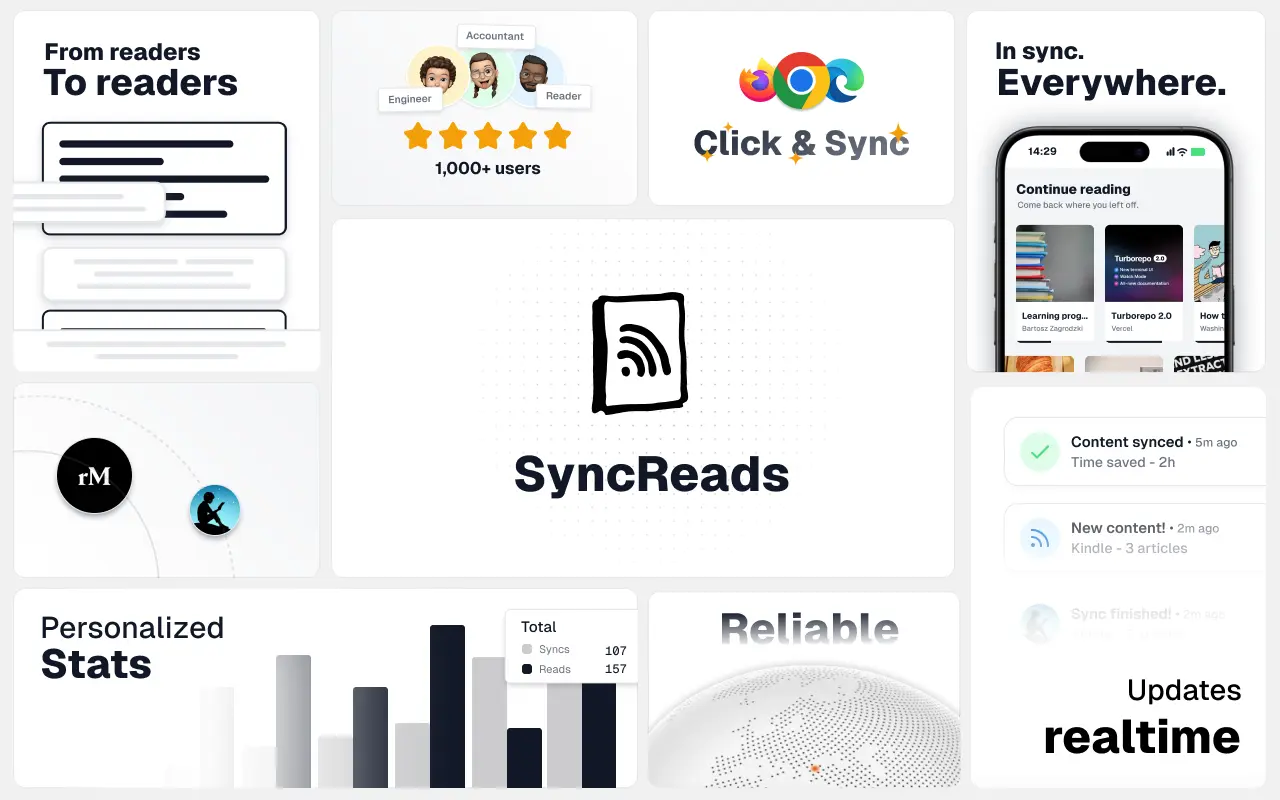
SyncReads
Sync your favorite content for distraction-free reading, save time and replace multiple apps. Anytime, anywhere 🔄
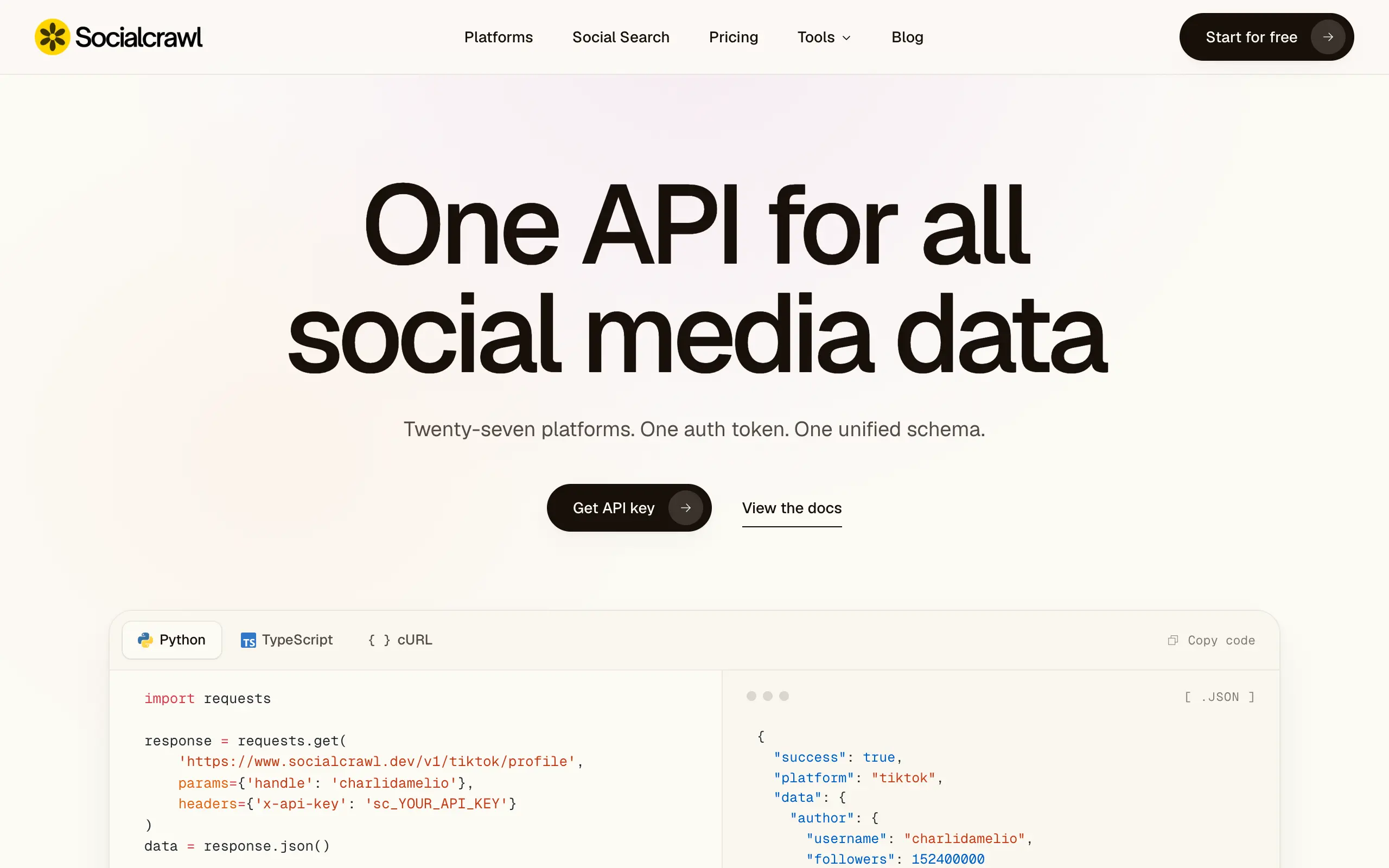
Socialcrawl
Get clean, structured data from 21 platforms like TikTok, Instagram, and YouTube with a single request 📊
Statiko
Monitor any Telegram channel in real time - track posts, edits, deletions, and growth with AI recaps 📡
Shibui
AI website builder - describe your business, pick a niche template, edit by chatting, and publish instantly ✨
Pro Service
Find verified home service professionals, compare quotes, and pay securely through escrow - built for Brazilians across the US 🏠
RankGrow
Fix your SEO with AI agents - connect Search Console, get prioritized tasks, and grow organic traffic 📈
SyncReads
Sync your favorite content for distraction-free reading, save time and replace multiple apps. Anytime, anywhere 🔄
Socialcrawl
Get clean, structured data from 21 platforms like TikTok, Instagram, and YouTube with a single request 📊
Statiko
Monitor any Telegram channel in real time - track posts, edits, deletions, and growth with AI recaps 📡
Shibui
AI website builder - describe your business, pick a niche template, edit by chatting, and publish instantly ✨
Pro Service
Find verified home service professionals, compare quotes, and pay securely through escrow - built for Brazilians across the US 🏠
RankGrow
Fix your SEO with AI agents - connect Search Console, get prioritized tasks, and grow organic traffic 📈
SyncReads
Sync your favorite content for distraction-free reading, save time and replace multiple apps. Anytime, anywhere 🔄
Socialcrawl
Get clean, structured data from 21 platforms like TikTok, Instagram, and YouTube with a single request 📊
Statiko
Monitor any Telegram channel in real time - track posts, edits, deletions, and growth with AI recaps 📡
Shibui
AI website builder - describe your business, pick a niche template, edit by chatting, and publish instantly ✨
Pro Service
Find verified home service professionals, compare quotes, and pay securely through escrow - built for Brazilians across the US 🏠
RankGrow
Fix your SEO with AI agents - connect Search Console, get prioritized tasks, and grow organic traffic 📈
SyncReads
Sync your favorite content for distraction-free reading, save time and replace multiple apps. Anytime, anywhere 🔄
Socialcrawl
Get clean, structured data from 21 platforms like TikTok, Instagram, and YouTube with a single request 📊
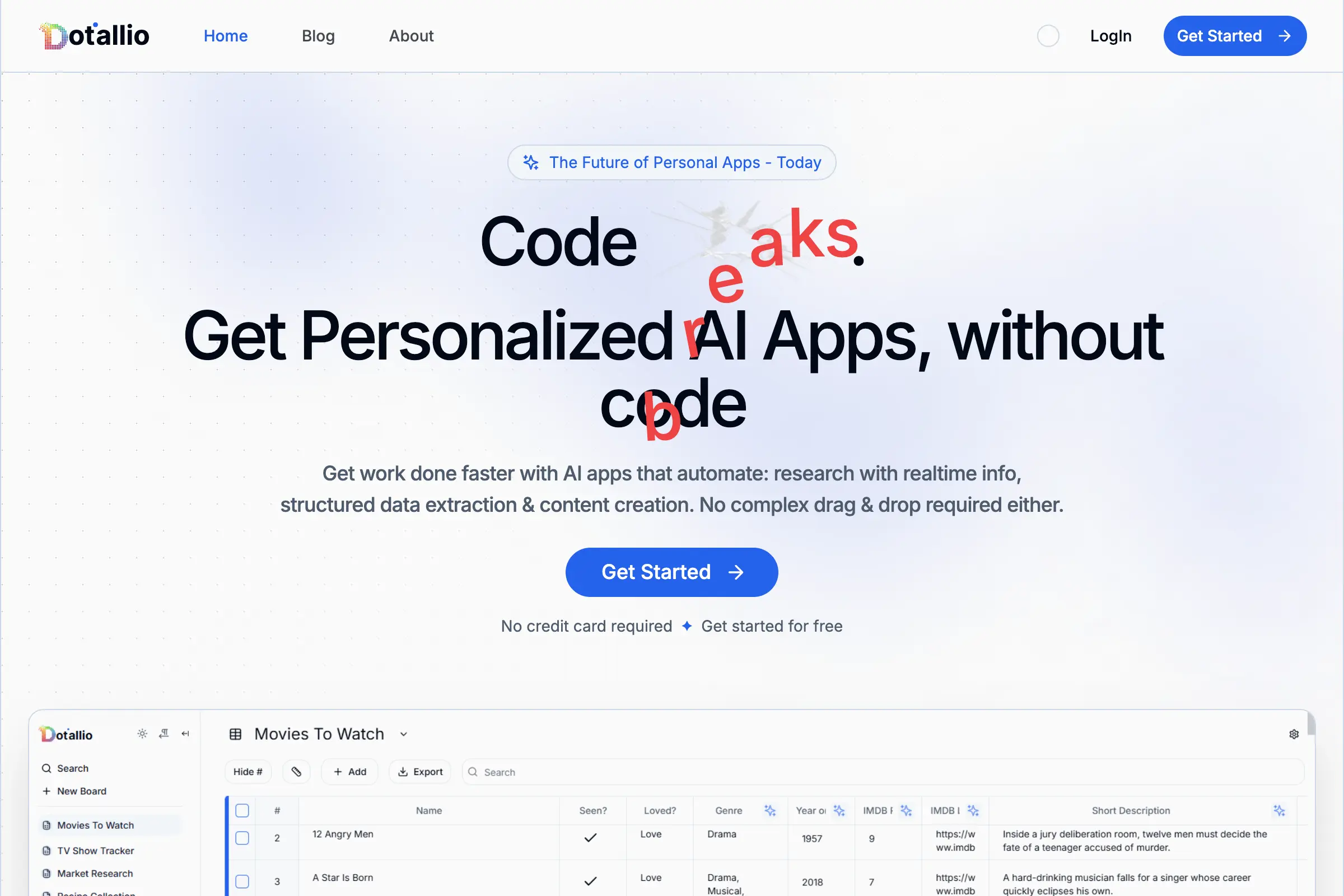
Dotallio
Personalized AI apps that automate research, data extraction, and content creation without code 🤖

Talk to Santa
Enjoy a magical live video chat or receive a unique AI-generated video greeting from Santa Claus 🎅

pozywka.pl
Scalable blog for food journalist, focused on performance and user experience 🌭
zagrodzki.me
Personal blog and portfolio of Bart Zagrodzki, where he shares his knowledge and work 💼
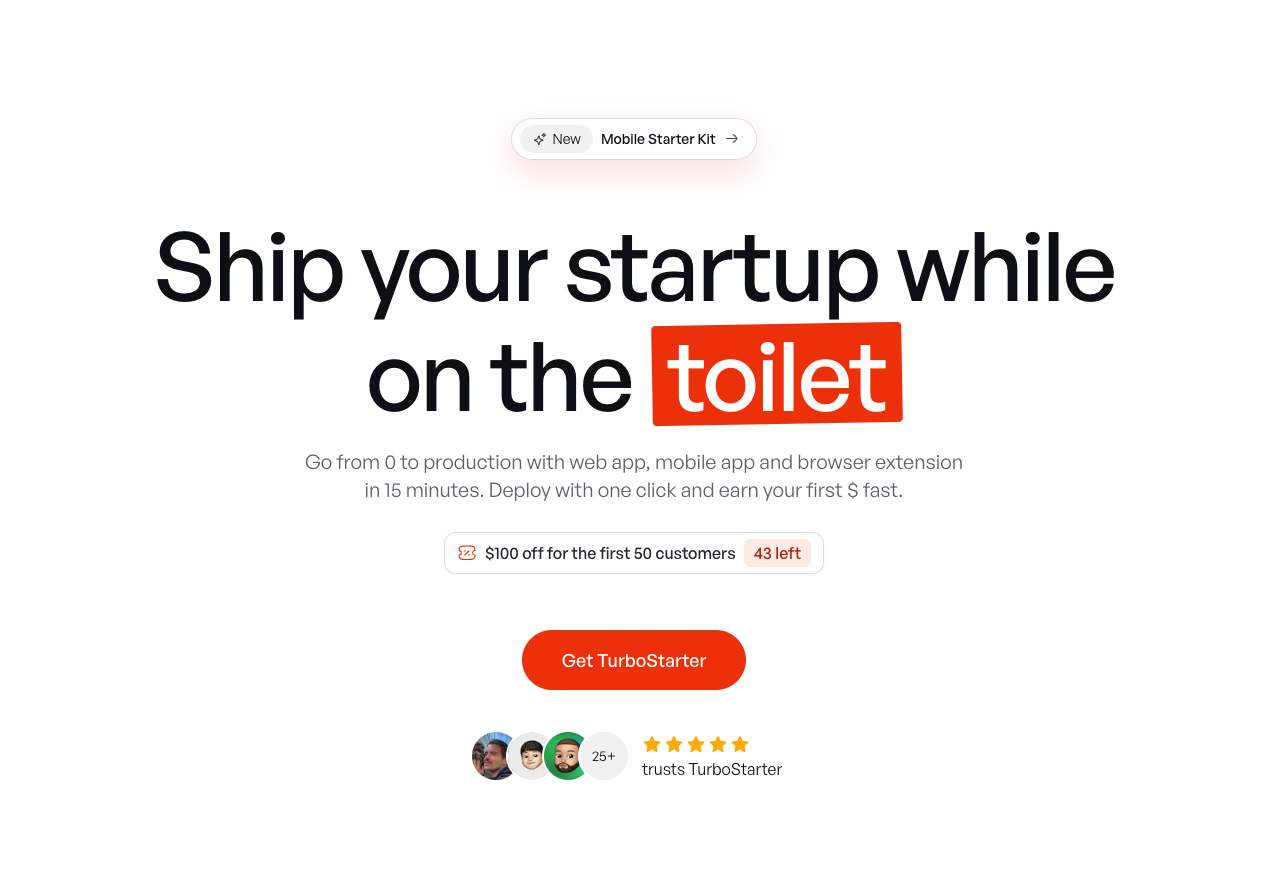
TurboStarter
Ship your startup everywhere. In minutes.
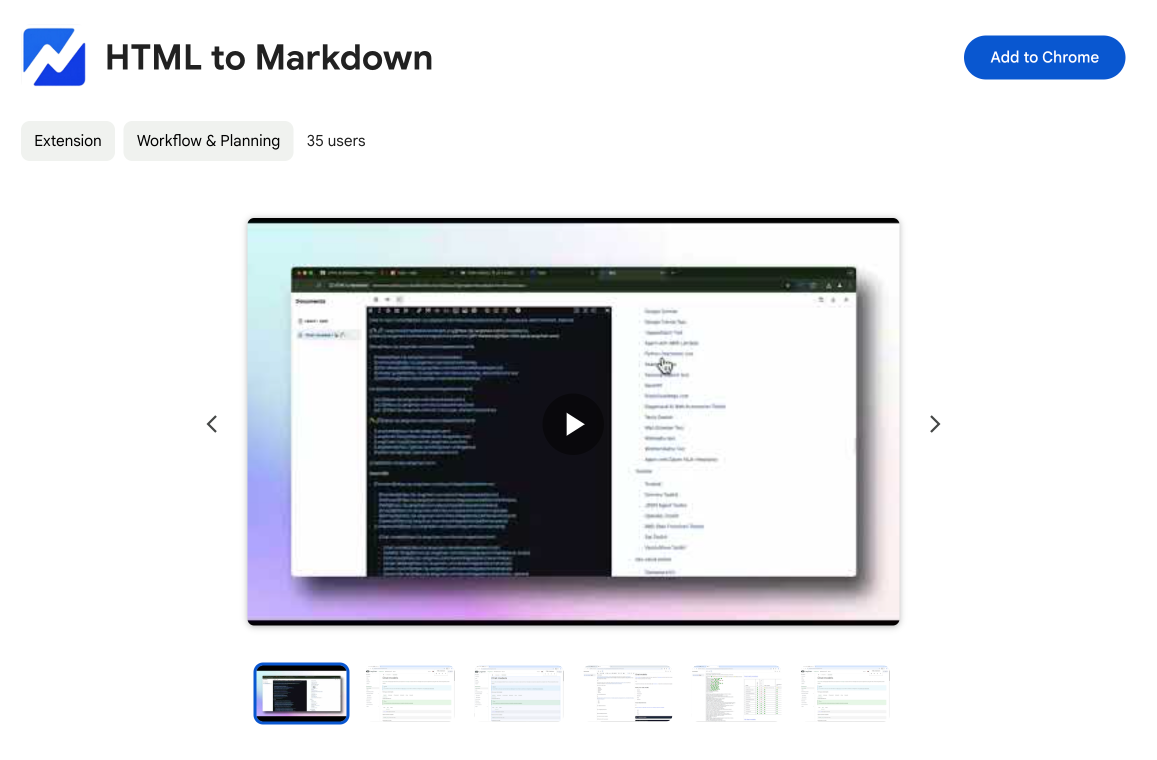
HTML to Markdown
Convert HTML to Markdown with ease, directly in your browser 📄
Dotallio
Personalized AI apps that automate research, data extraction, and content creation without code 🤖
Talk to Santa
Enjoy a magical live video chat or receive a unique AI-generated video greeting from Santa Claus 🎅
pozywka.pl
Scalable blog for food journalist, focused on performance and user experience 🌭
zagrodzki.me
Personal blog and portfolio of Bart Zagrodzki, where he shares his knowledge and work 💼
TurboStarter
Ship your startup everywhere. In minutes.
HTML to Markdown
Convert HTML to Markdown with ease, directly in your browser 📄
Dotallio
Personalized AI apps that automate research, data extraction, and content creation without code 🤖
Talk to Santa
Enjoy a magical live video chat or receive a unique AI-generated video greeting from Santa Claus 🎅
pozywka.pl
Scalable blog for food journalist, focused on performance and user experience 🌭
zagrodzki.me
Personal blog and portfolio of Bart Zagrodzki, where he shares his knowledge and work 💼
TurboStarter
Ship your startup everywhere. In minutes.
HTML to Markdown
Convert HTML to Markdown with ease, directly in your browser 📄
Dotallio
Personalized AI apps that automate research, data extraction, and content creation without code 🤖
Talk to Santa
Enjoy a magical live video chat or receive a unique AI-generated video greeting from Santa Claus 🎅
pozywka.pl
Scalable blog for food journalist, focused on performance and user experience 🌭
zagrodzki.me
Personal blog and portfolio of Bart Zagrodzki, where he shares his knowledge and work 💼
TurboStarter
Ship your startup everywhere. In minutes.
HTML to Markdown
Convert HTML to Markdown with ease, directly in your browser 📄
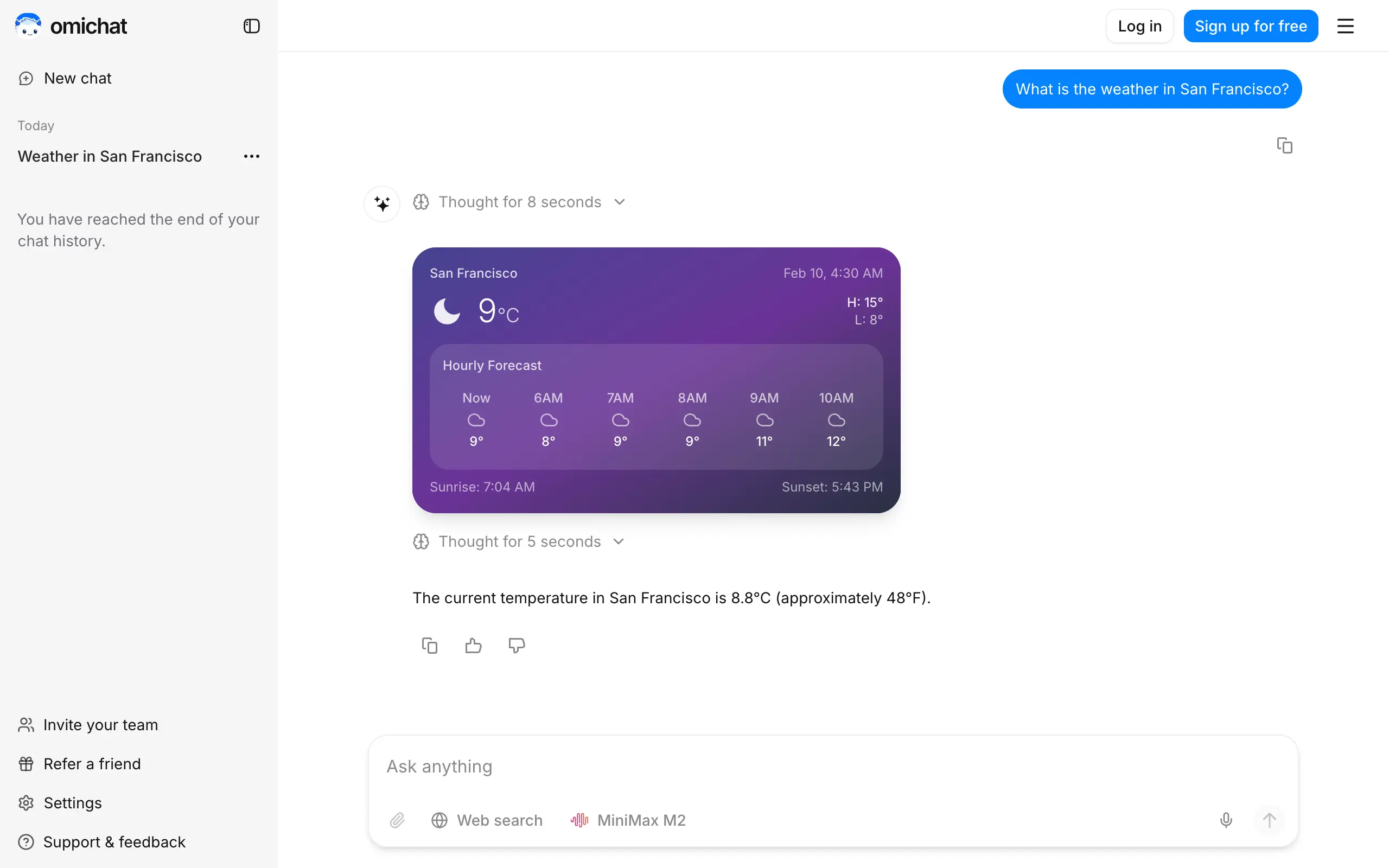
Omichat
Chat with 50+ AI models, including ChatGPT and Claude, in one place - switch models anytime without losing context 🤖
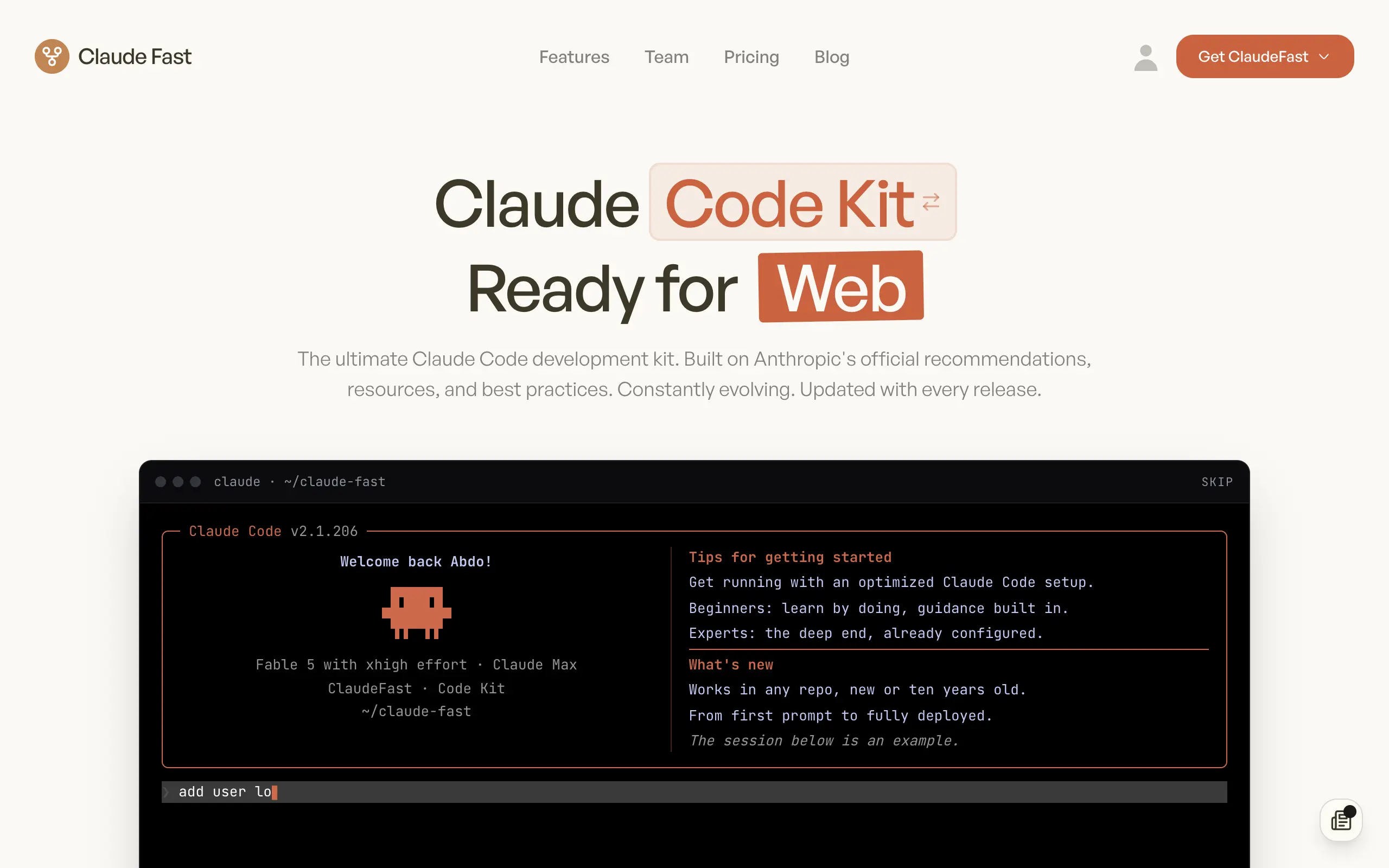
Claude Fast
Supercharge your Claude Code with 6x effective context window and specialized AI agents 🤖
EmojAI
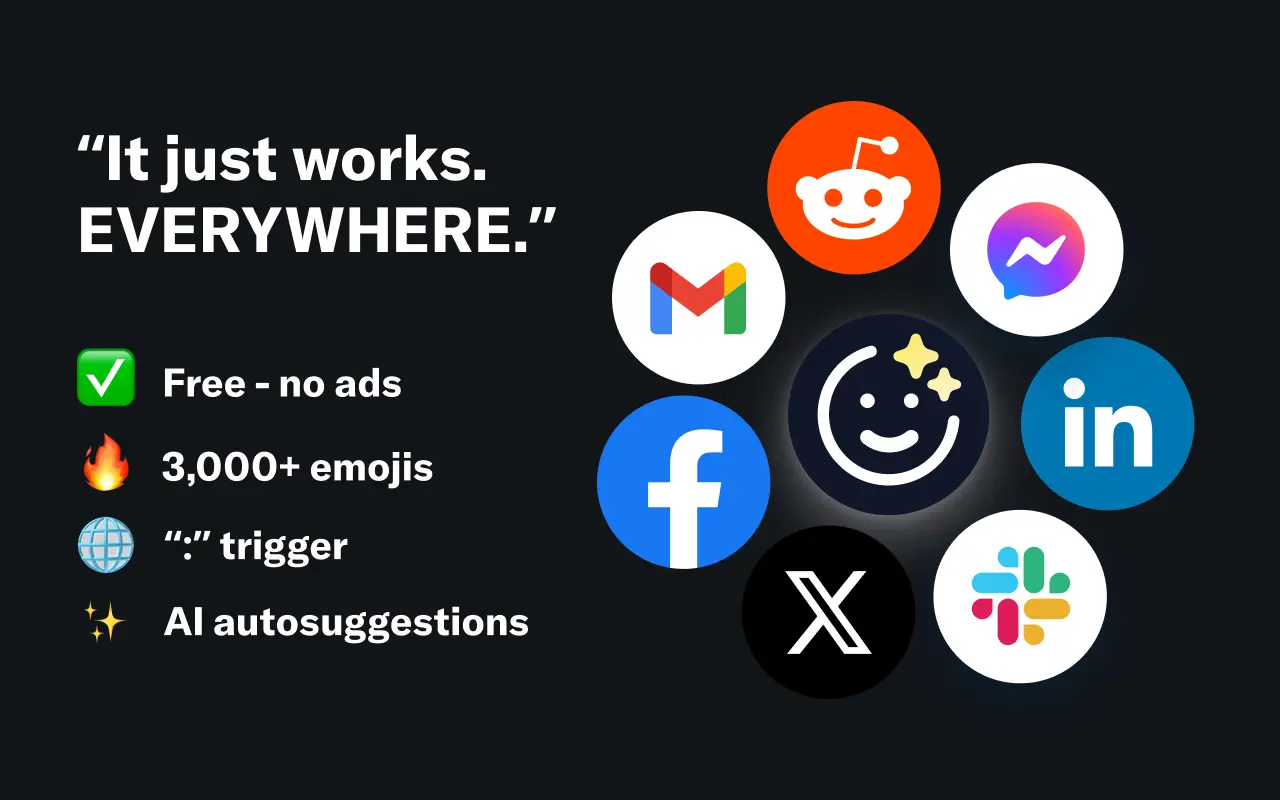
AI-powered emoji picker with smart, context-aware suggestions 🤖

Solohacker
Autonomous company launcher - AI agents work 24/7, escalate what matters, and you stay in control 🤖

BeRawi: Storytelling Coach
Practice storytelling daily with instant feedback to sound clearer, more engaging, and confident 🎤
Omichat
Chat with 50+ AI models, including ChatGPT and Claude, in one place - switch models anytime without losing context 🤖
Claude Fast
Supercharge your Claude Code with 6x effective context window and specialized AI agents 🤖
EmojAI
AI-powered emoji picker with smart, context-aware suggestions 🤖
Solohacker
Autonomous company launcher - AI agents work 24/7, escalate what matters, and you stay in control 🤖
BeRawi: Storytelling Coach
Practice storytelling daily with instant feedback to sound clearer, more engaging, and confident 🎤
Omichat
Chat with 50+ AI models, including ChatGPT and Claude, in one place - switch models anytime without losing context 🤖
Claude Fast
Supercharge your Claude Code with 6x effective context window and specialized AI agents 🤖
EmojAI
AI-powered emoji picker with smart, context-aware suggestions 🤖
Solohacker
Autonomous company launcher - AI agents work 24/7, escalate what matters, and you stay in control 🤖
BeRawi: Storytelling Coach
Practice storytelling daily with instant feedback to sound clearer, more engaging, and confident 🎤
Omichat
Chat with 50+ AI models, including ChatGPT and Claude, in one place - switch models anytime without losing context 🤖
Claude Fast
Supercharge your Claude Code with 6x effective context window and specialized AI agents 🤖
EmojAI
AI-powered emoji picker with smart, context-aware suggestions 🤖
Solohacker
Autonomous company launcher - AI agents work 24/7, escalate what matters, and you stay in control 🤖
BeRawi: Storytelling Coach
Practice storytelling daily with instant feedback to sound clearer, more engaging, and confident 🎤

Connect with like-minded people
Join our community to get feedback, support, and grow together with 1,000+ builders on board, let's ship it!
Join usShip your startup everywhere. In minutes.
Don't burn tokens on setup and start building features on day one.