PolicyMirror
AI platform that instantly translates complex contracts, insurance, and policies into personalized risk summaries and action steps.
The growing need for AI-powered policy and contract simplification
Modern life runs on contracts.
From insurance policies and employment agreements to SaaS terms, mortgage documents, and vendor contracts, individuals and businesses are expected to read, understand, and act on complex legal language. Yet most people don’t.
According to widely cited research from institutions such as the OECD and consumer protection agencies, financial and legal literacy gaps are widespread. Insurance policies can easily exceed 30–80 pages, filled with exclusions, riders, and conditional clauses written in dense legal prose.
This creates a dangerous gap:
- People sign documents they don’t fully understand.
- Businesses accept liabilities without realizing exposure.
- Critical deadlines and compliance obligations get missed.
- Disputes arise because expectations don’t match fine print.
PolicyMirror addresses this problem directly: an AI platform that instantly translates complex contracts, insurance documents, and policies into personalized risk summaries and clear action steps.
This article explores the full opportunity behind PolicyMirror—from target users and market gaps to feature design, tech stack decisions, monetization strategy, competitive landscape, and step-by-step implementation.
Understanding user intent behind “AI contract summary” and “policy risk analysis”
Before building or marketing a platform like PolicyMirror, we must understand what users are actually searching for.
Common search intent includes:
- “Explain this insurance policy in plain English”
- “Summarize my employment contract”
- “What are the risks in this agreement?”
- “What am I liable for?”
- “Hidden clauses in rental agreement”
- “AI legal document analyzer”
- “Insurance coverage summary tool”
Users are typically looking for:
- Clarity – What does this actually mean?
- Risk awareness – What can go wrong?
- Personal relevance – How does this affect me specifically?
- Actionable next steps – What should I do now?
- Speed – They need answers immediately.
PolicyMirror’s value lies not just in summarizing text, but in contextualizing risk for the individual or business user.
Target audience analysis
A successful AI legal-tech SaaS must focus on clearly defined customer segments. PolicyMirror serves multiple high-potential segments:
1. Consumers (B2C)
Pain points:
- Overwhelmed by insurance contracts.
- Unsure what is actually covered.
- Fear of hidden exclusions.
- Confusion about cancellation terms and penalties.
High-value subsegments:
- First-time homebuyers reviewing mortgage and home insurance.
- Freelancers reviewing client contracts.
- Gig workers reviewing platform terms.
- Renters reviewing lease agreements.
- Small investors reviewing financial product disclosures.
2. Small and medium-sized businesses (SMBs)
SMBs often lack in-house legal teams.
Pain points:
- Vendor agreements with unclear indemnity clauses.
- SaaS contracts with hidden renewal traps.
- Commercial insurance policies with unclear coverage gaps.
- Compliance requirements buried in documentation.
They need:
- Risk heatmaps
- Obligation trackers
- Deadline alerts
- Simplified executive summaries
3. Insurance brokers and advisors
These professionals can use PolicyMirror to:
- Generate client-friendly summaries.
- Improve onboarding experience.
- Reduce misunderstandings.
- Enhance trust through transparency.
4. HR and People Operations teams
- Employment contracts
- Non-compete clauses
- Benefits policies
- Stock option agreements
They need tools to quickly identify risk, inconsistencies, and compliance issues.
Market opportunity and gap analysis
The legal tech and AI document analysis markets are expanding rapidly.
Key trends driving opportunity
- Growth in generative AI adoption in enterprise workflows.
- Increased regulatory complexity (GDPR, CCPA, ESG, industry-specific compliance).
- Rise of remote work and cross-border contracting.
- Increased consumer awareness of data privacy and rights.
While tools exist for:
- E-signatures
- Contract lifecycle management (CLM)
- Document storage
- Legal drafting
There is still a major gap in:
AI-powered personalized risk interpretation for non-lawyers.
Most tools either:
- Target legal professionals, or
- Provide generic summaries without risk personalization.
PolicyMirror’s differentiation lies in combining:
- Plain-language explanation
- Risk scoring
- Personalized context modeling
- Action-oriented guidance
Core product vision: from document to personalized risk intelligence
PolicyMirror is not just a summarizer. It is a risk interpretation engine.
Let’s break down the core solution.
1. Smart document ingestion
Users upload:
- PDF contracts
- Scanned insurance policies
- DOCX agreements
- Email agreements
- Web URLs (terms & conditions)
System capabilities:
- OCR processing for scanned documents.
- Clause segmentation.
- Metadata extraction (dates, parties, renewal terms).
2. Plain-language translation engine
The AI translates:
- Legal jargon → plain English.
- Insurance terminology → real-world meaning.
- Conditional clauses → clear “if X, then Y” structures.
Example:
“The insurer shall not be liable for losses arising directly or indirectly from…”
Becomes:
“This policy will NOT cover you if the damage is caused by…”
3. Personalized risk profiling
Here’s where PolicyMirror stands out.
Instead of generic summaries, it asks:
- Are you self-employed?
- Do you operate internationally?
- Is this for personal or business use?
- What is your risk tolerance?
- What industry are you in?
The system then:
- Flags clauses that are unusually risky for that profile.
- Scores exposure (low / medium / high).
- Suggests mitigation actions.
4. Risk heatmap dashboard
Users see:
- Financial risk exposure
- Liability exposure
- Termination risks
- Auto-renewal clauses
- Compliance obligations
- Coverage gaps
5. Actionable next steps
Instead of just “Here’s a summary,” the system provides:
- “Consider requesting removal of clause 4.2.”
- “You may need cyber insurance coverage.”
- “Set a renewal reminder for 90 days before expiry.”
- “Consult a lawyer for indemnity section review.”
Feature architecture overview
AI contract summarizer
Transforms complex contracts into plain-language summaries tailored to the user.
Insurance policy analyzer
Identifies coverage gaps, exclusions, and real-world claim scenarios.
Personalized risk scoring
Adapts analysis to user profile, business type, and risk tolerance.
Action step generator
Converts risk insights into practical mitigation steps.
Technical architecture and recommended tech stack
Building PolicyMirror requires careful decisions balancing performance, compliance, and scalability.
Frontend
- Framework: React
- Styling: TailwindCSS
- Optional framework layer: Next.js for SSR and performance
Why:
- Fast iteration.
- Excellent ecosystem.
- Strong support for AI-driven UI experiences.
Backend
- Node.js (with TypeScript)
- Python microservices for NLP-heavy tasks.
Why hybrid?
- Node handles API orchestration.
- Python excels in NLP pipelines and model integrations.
AI layer
- Large Language Models (LLMs) via API or hosted.
- Fine-tuned models for legal clause classification.
- Vector database for semantic search across documents.
Data storage
- PostgreSQL for structured metadata.
- Object storage (e.g., S3-compatible) for document storage.
- Vector DB (e.g., Pinecone, Weaviate, or open-source alternatives).
Security and compliance considerations
- End-to-end encryption.
- Document encryption at rest.
- SOC 2 roadmap.
- GDPR-compliant data handling.
- Automatic document deletion option.
Security is not optional
Users are uploading highly sensitive contracts and insurance documents. Trust is your core asset. Security architecture must be a first-class feature, not an afterthought.
AI workflow example
// Simplified risk analysis pipeline (conceptual)

async function analyzeDocument(file) {
  const text = await extractText(file); // OCR + parsing
  const clauses = await segmentClauses(text);

  const summary = await generatePlainSummary(clauses);

  const riskProfile = await personalizeRisk({
    clauses,
    userContext: {
      industry: "freelance design",
      location: "US",
      riskTolerance: "medium"
    }
  });

  return {
    summary,
    riskScore: riskProfile.score,
    flaggedClauses: riskProfile.flags,
    actionSteps: riskProfile.recommendations
  };
}
Competitive landscape analysis
The competitive field includes:
- Contract lifecycle management tools (CLM).
- AI legal drafting tools.
- General-purpose AI chat tools.
- Insurance comparison websites.
However, few focus on personalized risk interpretation for non-lawyers.
Competitive differentiation table
| Feature | Generic AI Chat | CLM Tools | Insurance Aggregators | PolicyMirror |
|---|---|---|---|---|
| Plain language summary | ✅ | ❌ | ❌ | ✅ |
| Personalized risk scoring | ❌ | ❌ | ❌ | ✅ |
| Actionable mitigation steps | ❌ | ✅ | ❌ | ✅ |
| Consumer-friendly UX | ❌ | ❌ | ✅ | ✅ |
Monetization strategy options
1. Freemium model
- Free: 3 documents/month.
- Paid: Unlimited analysis + advanced risk scoring.
2. Tiered subscription
Starter ($19–$29/month)
- Personal contracts
- Insurance analysis
- Basic risk scoring
Pro ($49–$99/month)
- Business contracts
- Vendor risk dashboard
- Renewal alerts
- Clause comparison
Enterprise (custom pricing)
- API access
- Bulk upload
- White-label reports
- Compliance integrations
3. B2B licensing
Sell to:
- Insurance brokers
- Legal firms
- HR SaaS platforms
- Fintech platforms
4. API monetization
Allow other apps to embed:
- “Risk summary” widget
- Policy gap detection
- Contract exposure scoring
Risks and mitigation strategies
1. Legal liability risk
If users rely on summaries and suffer losses, risk arises.
Mitigation:
- Clear disclaimers.
- “Not legal advice” positioning.
- Encourage professional review for high-risk documents.
- Human-review add-on option.
2. AI hallucination risk
LLMs can fabricate interpretations.
Mitigation:
- Structured clause extraction.
- Retrieval-augmented generation.
- Rule-based overlays.
- Confidence scoring.
3. Regulatory compliance
Legal tech may trigger jurisdictional regulations.
Mitigation:
- Start with informational positioning.
- Consult legal counsel early.
- Focus on risk education, not legal representation.
Unique selling proposition (USP)
PolicyMirror’s USP is:
“Personalized AI-powered risk intelligence for everyday contracts.”
It is not:
- A drafting tool.
- A law firm replacement.
- A document storage platform.
It is a risk clarity engine designed for non-lawyers who want immediate understanding.
Go-to-market strategy
Phase 1: Niche focus
Start with one vertical:
- Freelancers reviewing client contracts.
- Small business owners reviewing vendor agreements.
- First-time homeowners reviewing insurance policies.
Phase 2: Content marketing
SEO-driven content targeting:
- “How to read an insurance policy”
- “Hidden risks in freelance contracts”
- “How to understand indemnity clauses”
Long-form, expert-level articles demonstrating authority.
Phase 3: Partnerships
- Insurance brokers.
- Accounting firms.
- Startup communities.
- Freelance marketplaces.
Implementation roadmap
Building faster with a SaaS starter kit
Time-to-market is critical in AI-driven SaaS.
Instead of building everything from scratch, you can use a production-ready SaaS foundation like TurboStarter, which provides:
- Authentication
- Payments integration
- User management
- SaaS architecture patterns
- Production-ready frontend stack
This lets founders focus on:
- AI differentiation
- Risk modeling
- Personalization algorithms
- Security and compliance
Rather than reinventing billing, auth, and dashboards.
Future expansion opportunities
PolicyMirror can expand into:
- Real-time contract negotiation assistant.
- Clause comparison across multiple offers.
- AI-powered insurance recommendation engine.
- Regulatory monitoring alerts.
- Cross-border compliance analysis.
Long term, it could evolve into:
A universal risk intelligence layer for all personal and business agreements.
Final thoughts
Contracts and policies are not getting simpler. They are getting longer, more technical, and more risk-loaded.
The gap between legal complexity and user understanding is widening.
PolicyMirror sits directly in that gap.
By combining:
- AI-powered plain-language translation,
- Personalized risk profiling,
- Actionable mitigation steps,
- Strong security and compliance foundations,
It can become a trusted clarity engine for millions of individuals and businesses.
The opportunity is not just in summarization.
It’s in transforming dense legal documents into understandable, personalized risk intelligence.
More 🤖 AI Startup SaaS ideas
Discover more innovative ai startup SaaS ideas that are trending in 2026. Each idea is AI-generated with market validation and growth potential to help you find your next profitable venture faster than competitors.
Your competitors are building with TurboStarter
Below are some of the SaaS ideas that have been generated and built with our starter kit.
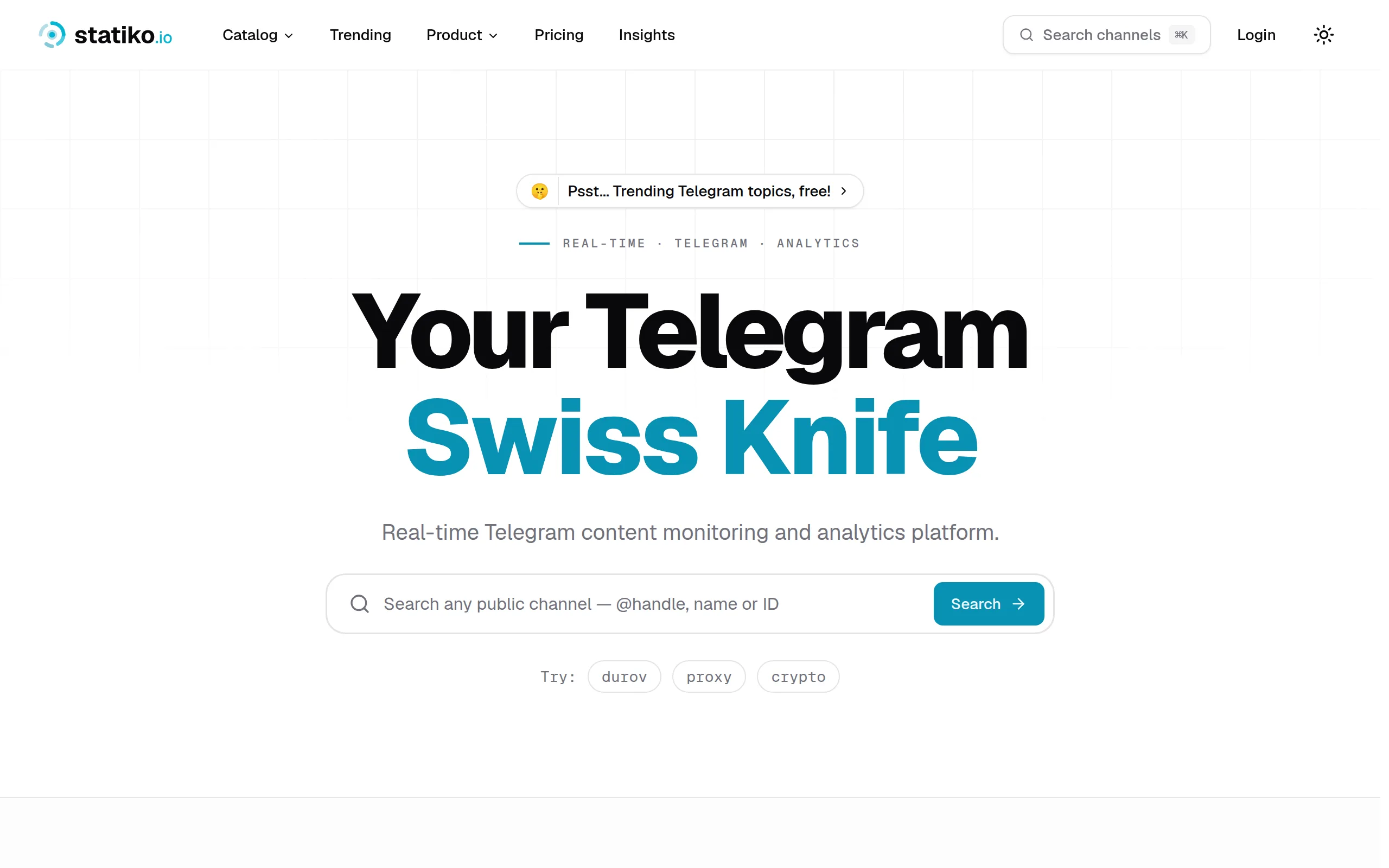
Statiko
Monitor any Telegram channel in real time - track posts, edits, deletions, and growth with AI recaps 📡
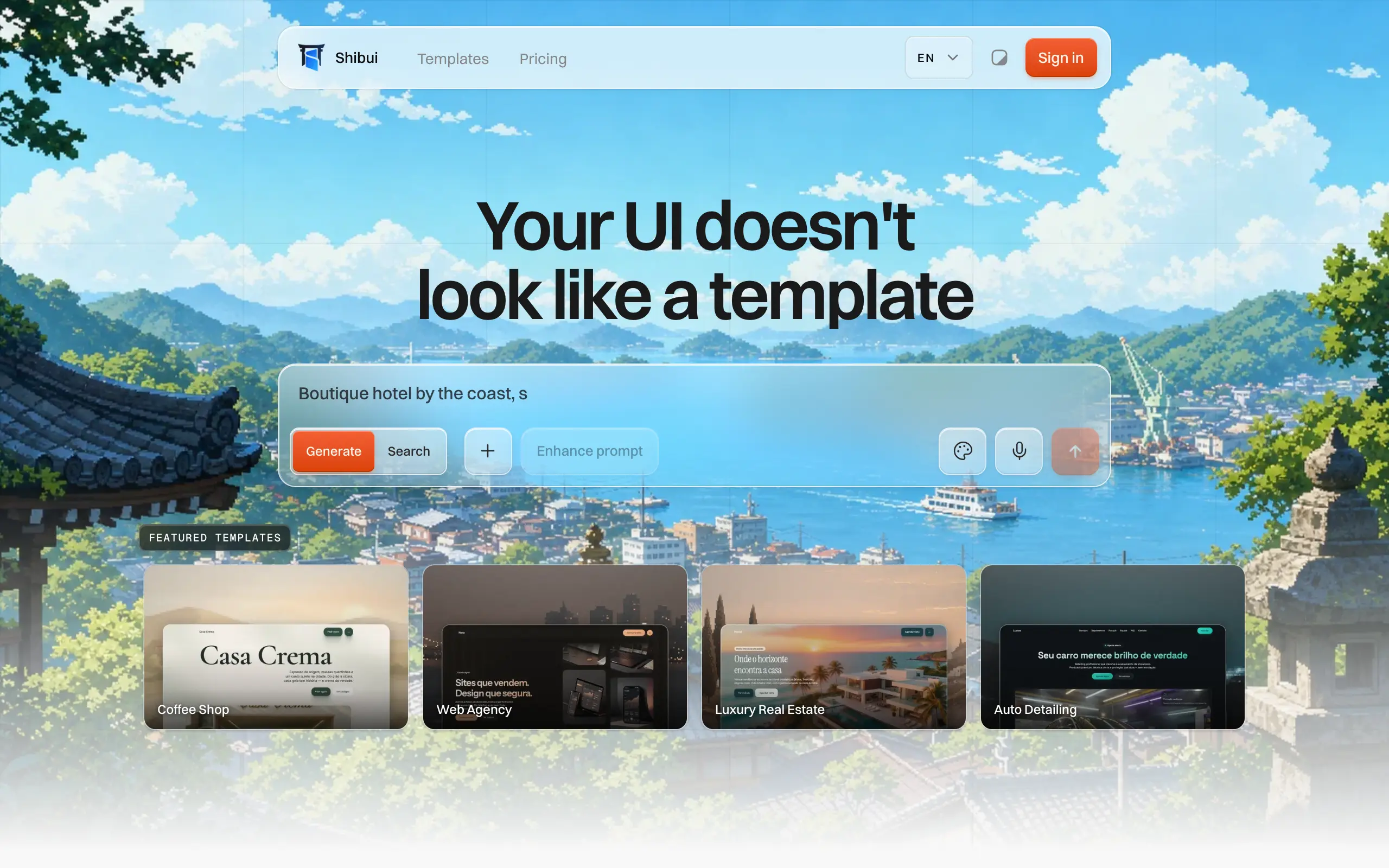
Shibui
AI website builder - describe your business, pick a niche template, edit by chatting, and publish instantly ✨

Pro Service
Find verified home service professionals, compare quotes, and pay securely through escrow - built for Brazilians across the US 🏠
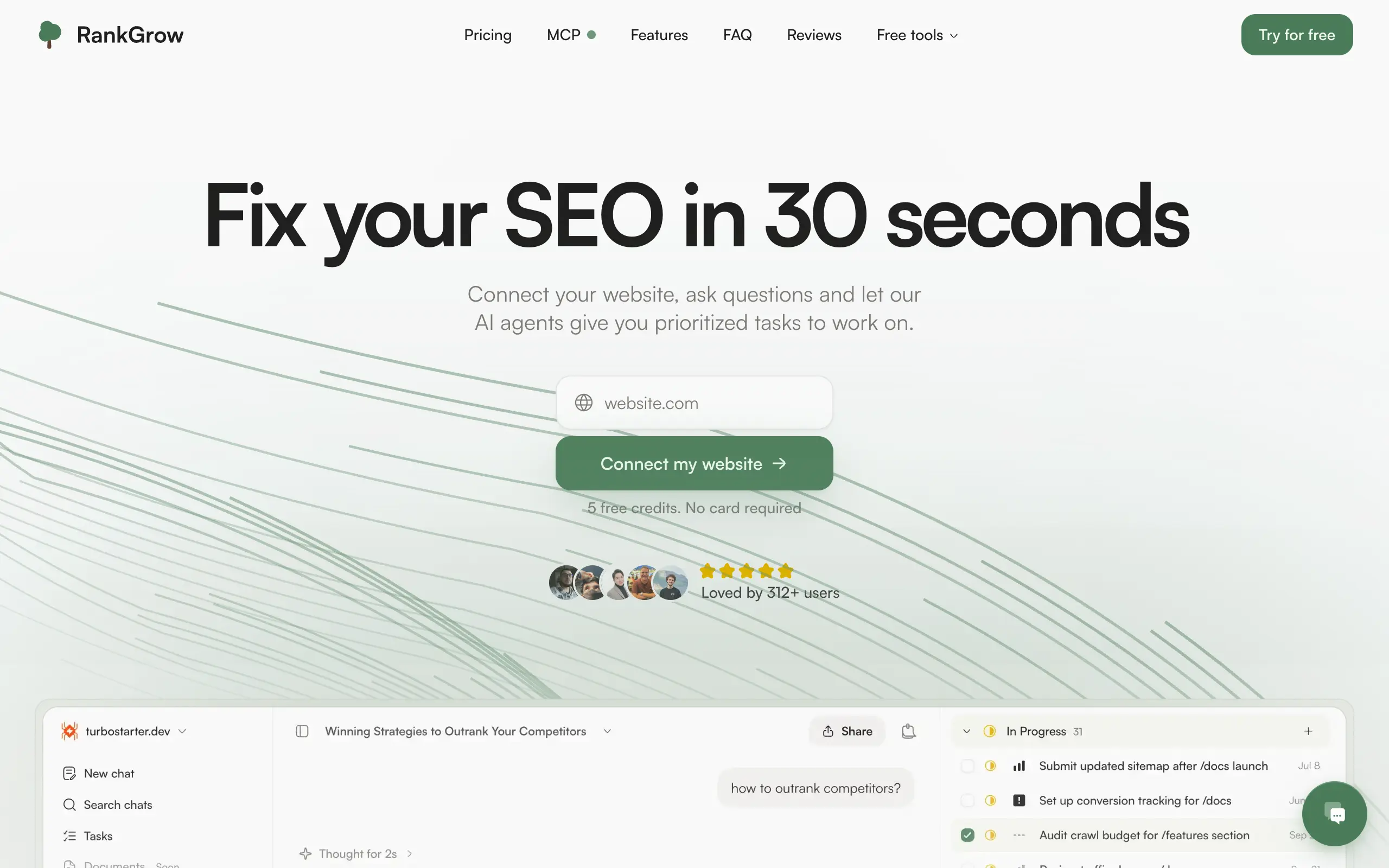
RankGrow
Fix your SEO with AI agents - connect Search Console, get prioritized tasks, and grow organic traffic 📈
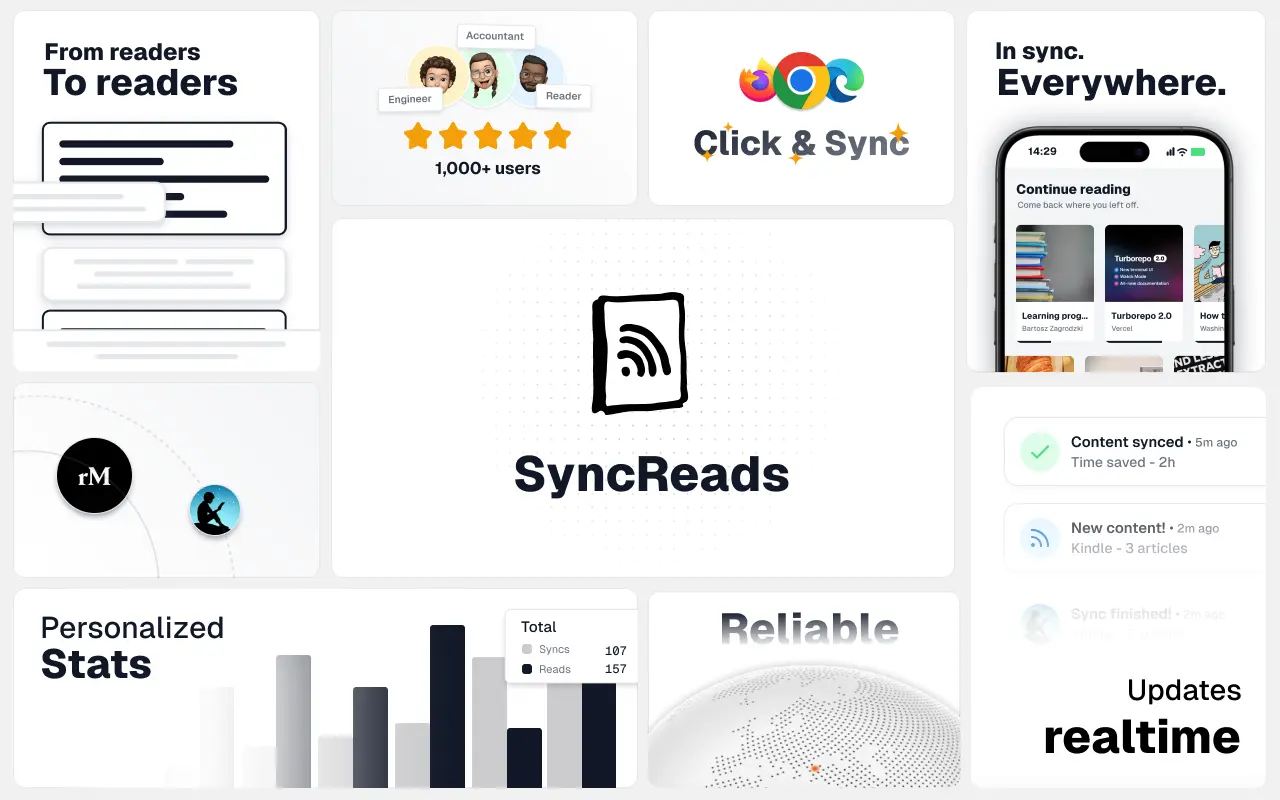
SyncReads
Sync your favorite content for distraction-free reading, save time and replace multiple apps. Anytime, anywhere 🔄
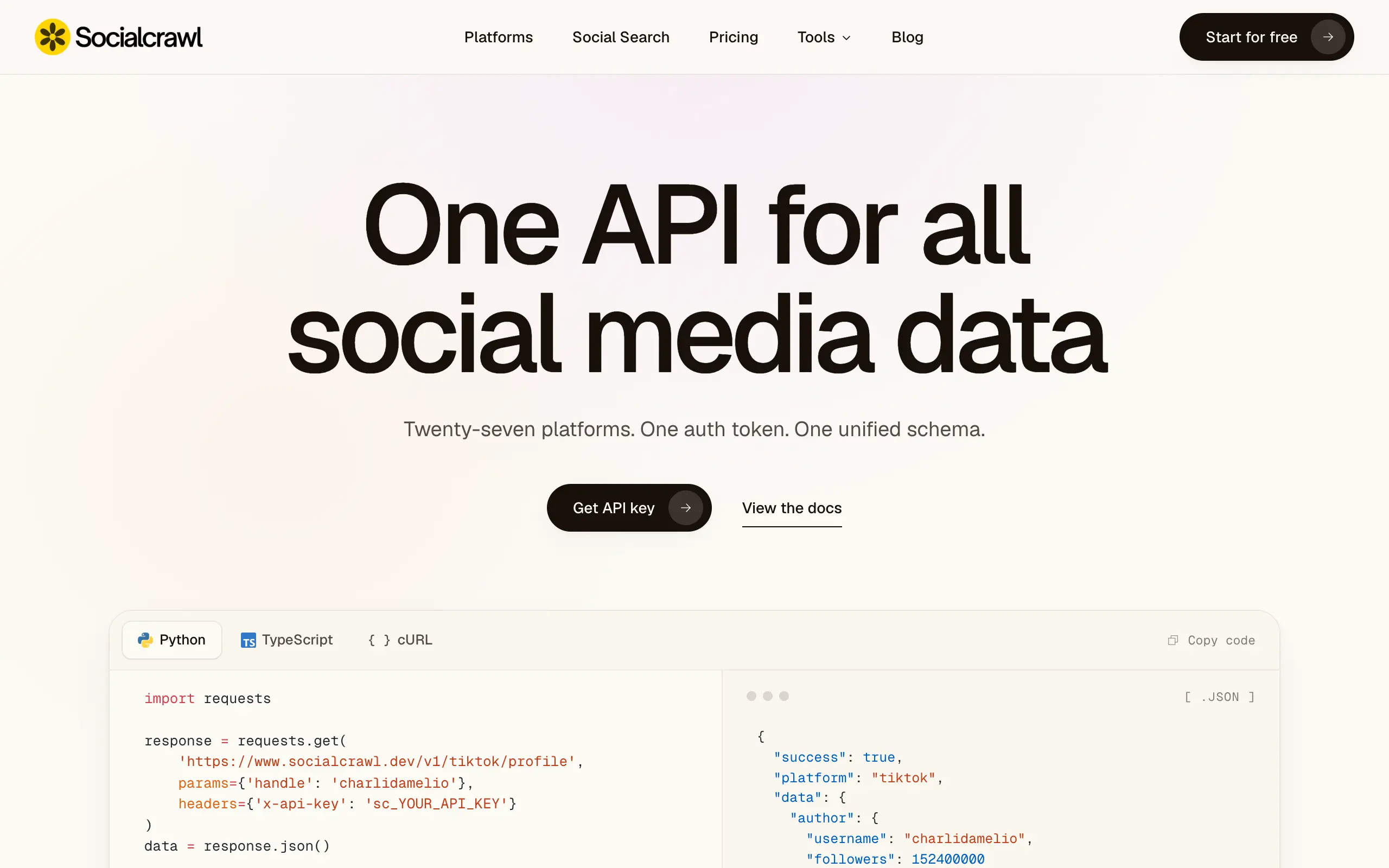
Socialcrawl
Get clean, structured data from 21 platforms like TikTok, Instagram, and YouTube with a single request 📊
Statiko
Monitor any Telegram channel in real time - track posts, edits, deletions, and growth with AI recaps 📡
Shibui
AI website builder - describe your business, pick a niche template, edit by chatting, and publish instantly ✨
Pro Service
Find verified home service professionals, compare quotes, and pay securely through escrow - built for Brazilians across the US 🏠
RankGrow
Fix your SEO with AI agents - connect Search Console, get prioritized tasks, and grow organic traffic 📈
SyncReads
Sync your favorite content for distraction-free reading, save time and replace multiple apps. Anytime, anywhere 🔄
Socialcrawl
Get clean, structured data from 21 platforms like TikTok, Instagram, and YouTube with a single request 📊
Statiko
Monitor any Telegram channel in real time - track posts, edits, deletions, and growth with AI recaps 📡
Shibui
AI website builder - describe your business, pick a niche template, edit by chatting, and publish instantly ✨
Pro Service
Find verified home service professionals, compare quotes, and pay securely through escrow - built for Brazilians across the US 🏠
RankGrow
Fix your SEO with AI agents - connect Search Console, get prioritized tasks, and grow organic traffic 📈
SyncReads
Sync your favorite content for distraction-free reading, save time and replace multiple apps. Anytime, anywhere 🔄
Socialcrawl
Get clean, structured data from 21 platforms like TikTok, Instagram, and YouTube with a single request 📊
Statiko
Monitor any Telegram channel in real time - track posts, edits, deletions, and growth with AI recaps 📡
Shibui
AI website builder - describe your business, pick a niche template, edit by chatting, and publish instantly ✨
Pro Service
Find verified home service professionals, compare quotes, and pay securely through escrow - built for Brazilians across the US 🏠
RankGrow
Fix your SEO with AI agents - connect Search Console, get prioritized tasks, and grow organic traffic 📈
SyncReads
Sync your favorite content for distraction-free reading, save time and replace multiple apps. Anytime, anywhere 🔄
Socialcrawl
Get clean, structured data from 21 platforms like TikTok, Instagram, and YouTube with a single request 📊
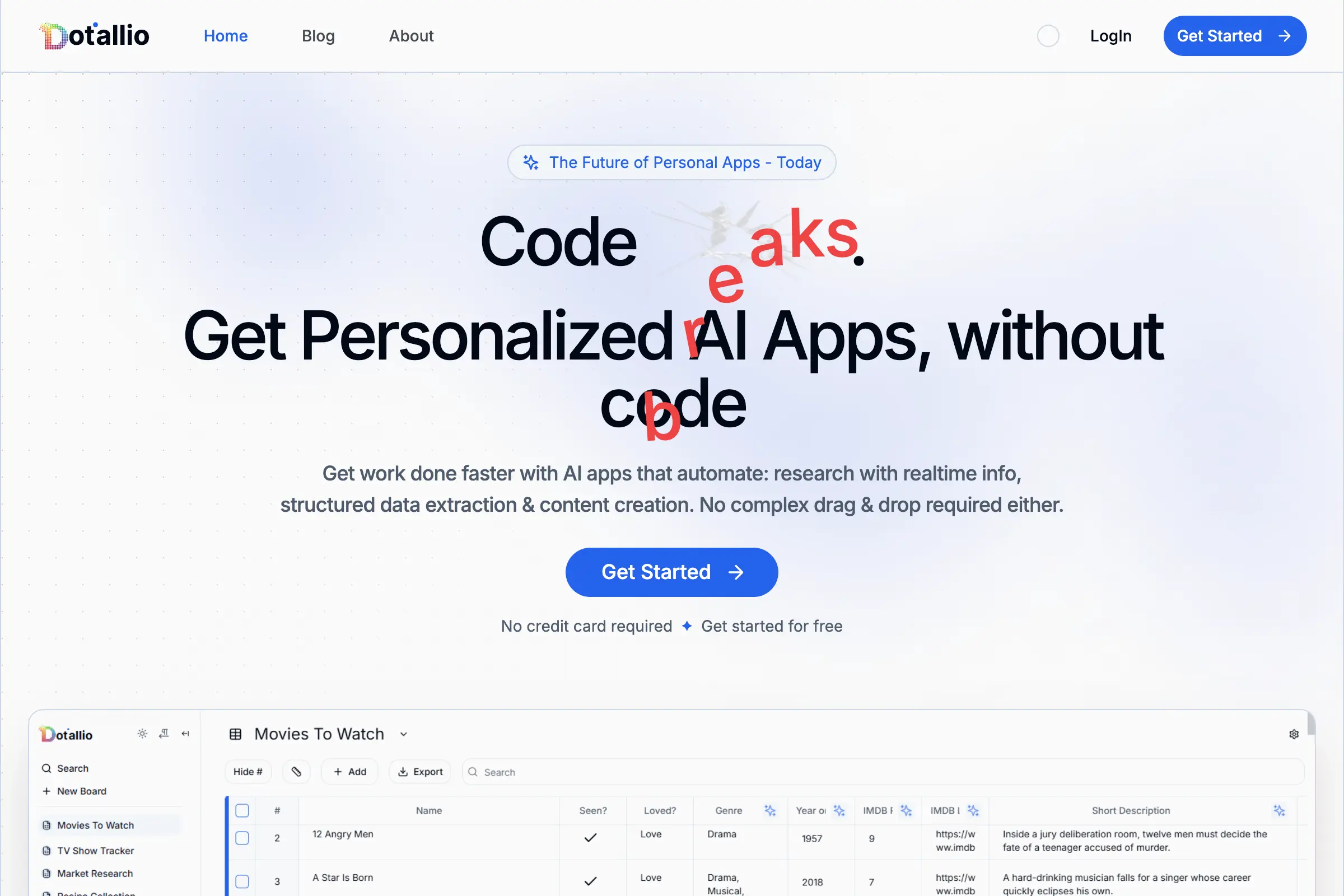
Dotallio
Personalized AI apps that automate research, data extraction, and content creation without code 🤖

Talk to Santa
Enjoy a magical live video chat or receive a unique AI-generated video greeting from Santa Claus 🎅
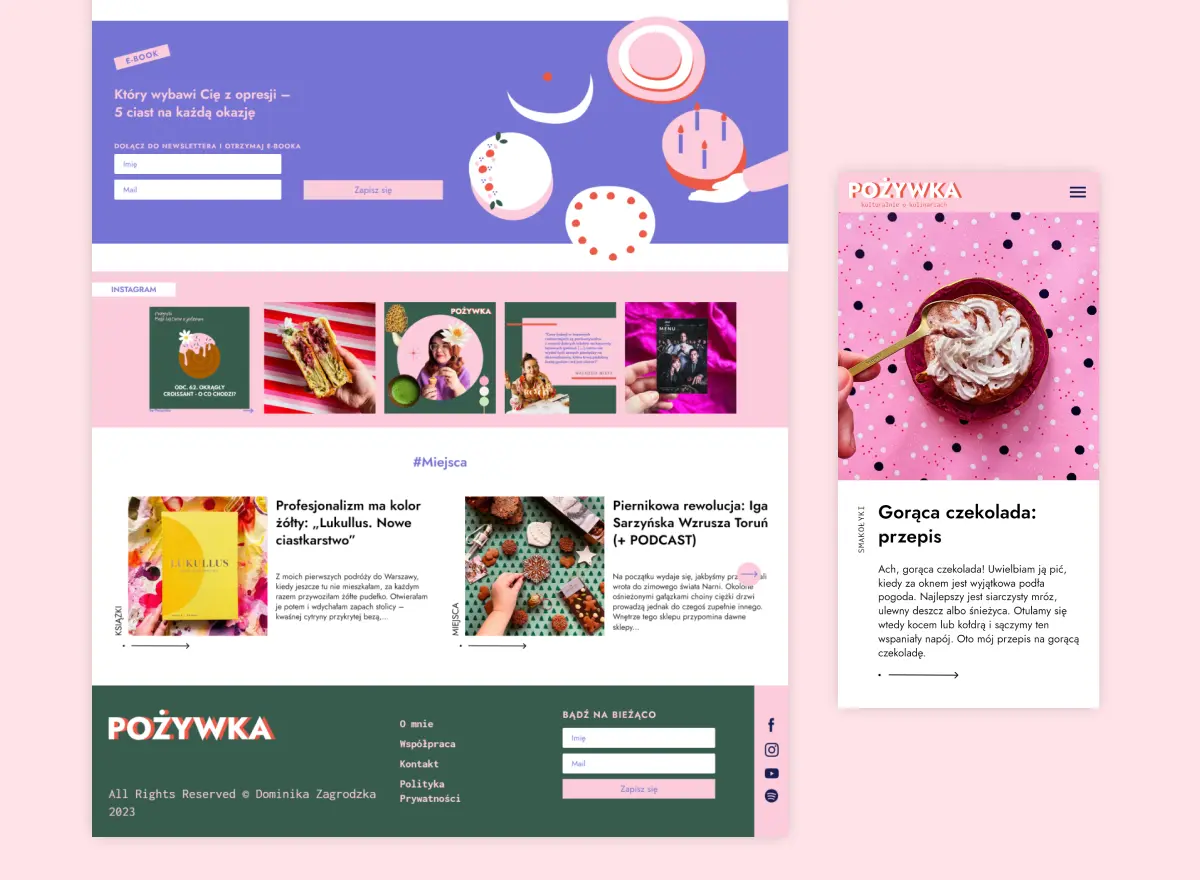
pozywka.pl
Scalable blog for food journalist, focused on performance and user experience 🌭
zagrodzki.me
Personal blog and portfolio of Bart Zagrodzki, where he shares his knowledge and work 💼
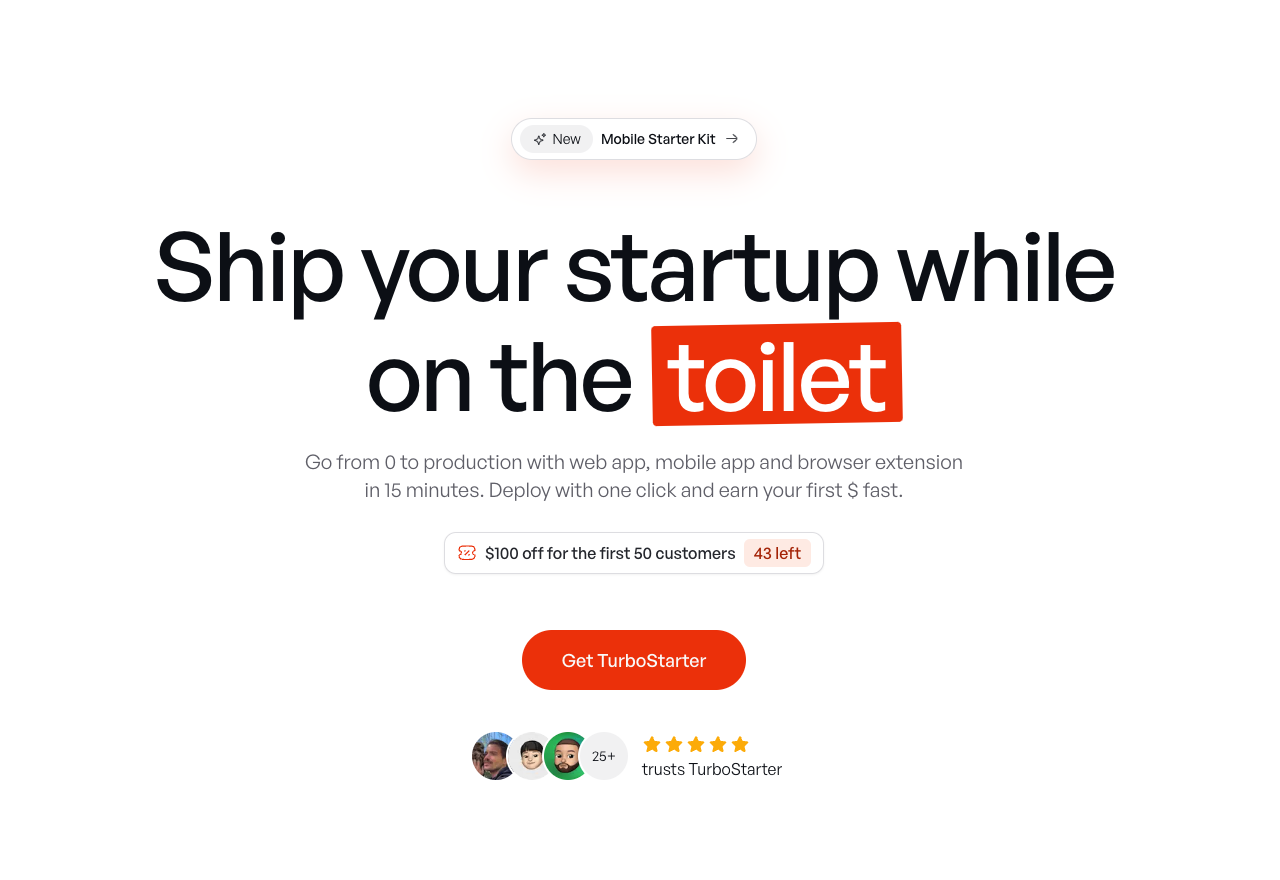
TurboStarter
Ship your startup everywhere. In minutes.
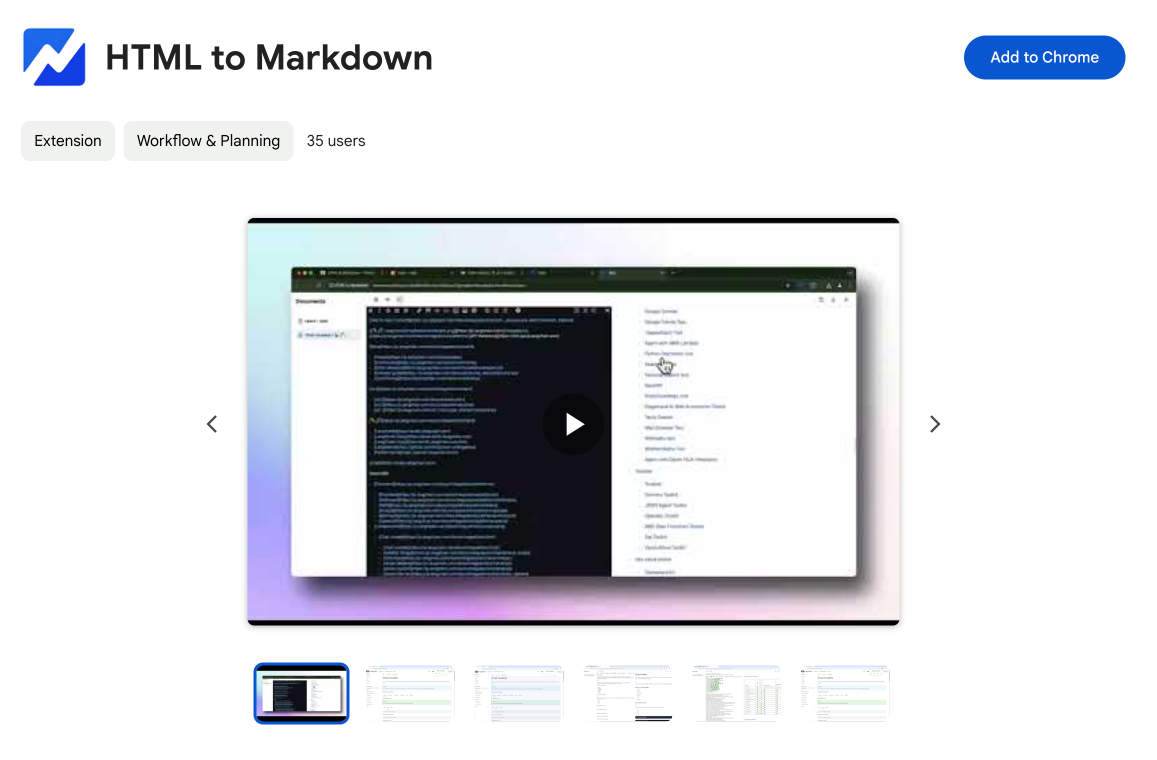
HTML to Markdown
Convert HTML to Markdown with ease, directly in your browser 📄
Dotallio
Personalized AI apps that automate research, data extraction, and content creation without code 🤖
Talk to Santa
Enjoy a magical live video chat or receive a unique AI-generated video greeting from Santa Claus 🎅
pozywka.pl
Scalable blog for food journalist, focused on performance and user experience 🌭
zagrodzki.me
Personal blog and portfolio of Bart Zagrodzki, where he shares his knowledge and work 💼
TurboStarter
Ship your startup everywhere. In minutes.
HTML to Markdown
Convert HTML to Markdown with ease, directly in your browser 📄
Dotallio
Personalized AI apps that automate research, data extraction, and content creation without code 🤖
Talk to Santa
Enjoy a magical live video chat or receive a unique AI-generated video greeting from Santa Claus 🎅
pozywka.pl
Scalable blog for food journalist, focused on performance and user experience 🌭
zagrodzki.me
Personal blog and portfolio of Bart Zagrodzki, where he shares his knowledge and work 💼
TurboStarter
Ship your startup everywhere. In minutes.
HTML to Markdown
Convert HTML to Markdown with ease, directly in your browser 📄
Dotallio
Personalized AI apps that automate research, data extraction, and content creation without code 🤖
Talk to Santa
Enjoy a magical live video chat or receive a unique AI-generated video greeting from Santa Claus 🎅
pozywka.pl
Scalable blog for food journalist, focused on performance and user experience 🌭
zagrodzki.me
Personal blog and portfolio of Bart Zagrodzki, where he shares his knowledge and work 💼
TurboStarter
Ship your startup everywhere. In minutes.
HTML to Markdown
Convert HTML to Markdown with ease, directly in your browser 📄
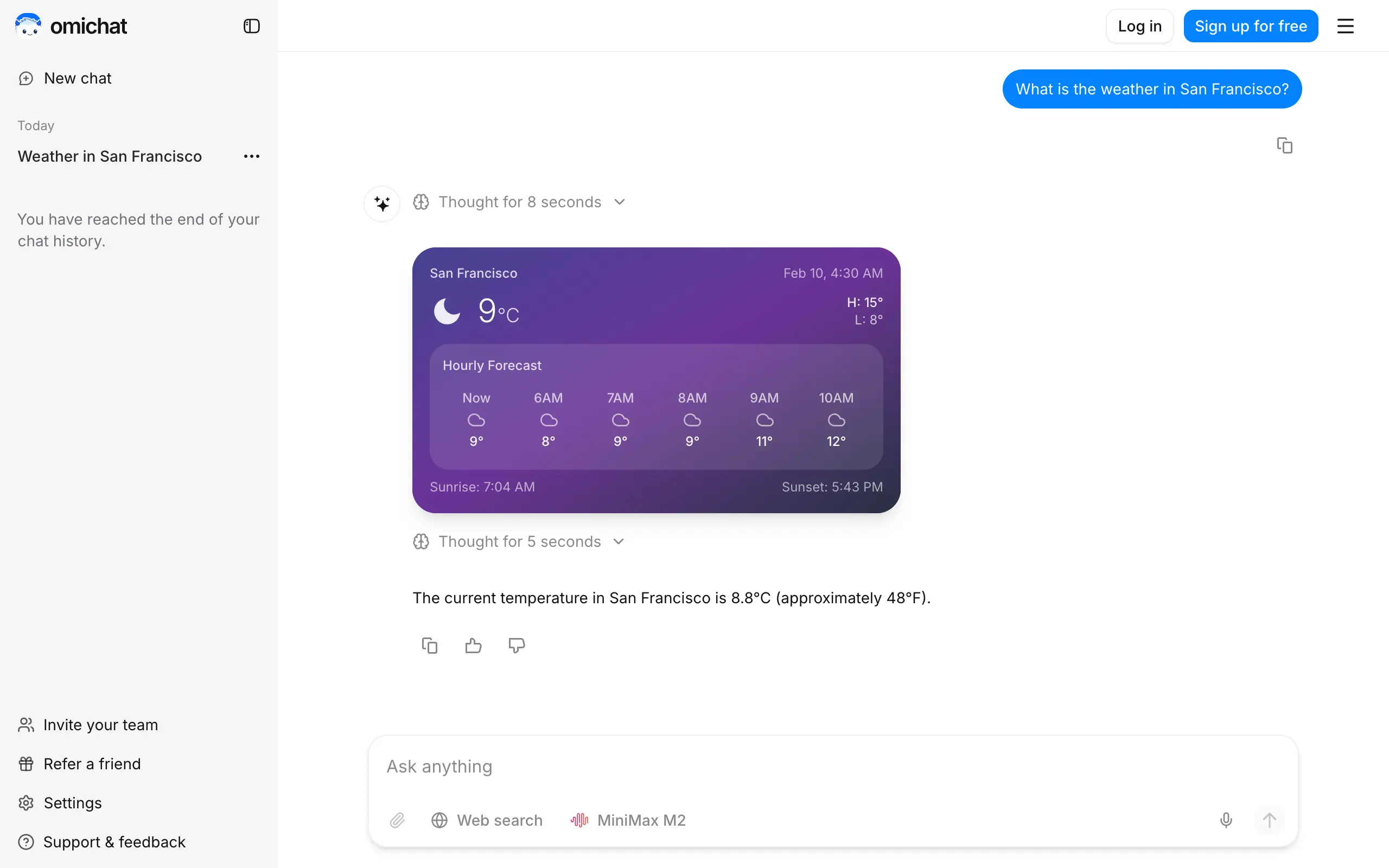
Omichat
Chat with 50+ AI models, including ChatGPT and Claude, in one place - switch models anytime without losing context 🤖
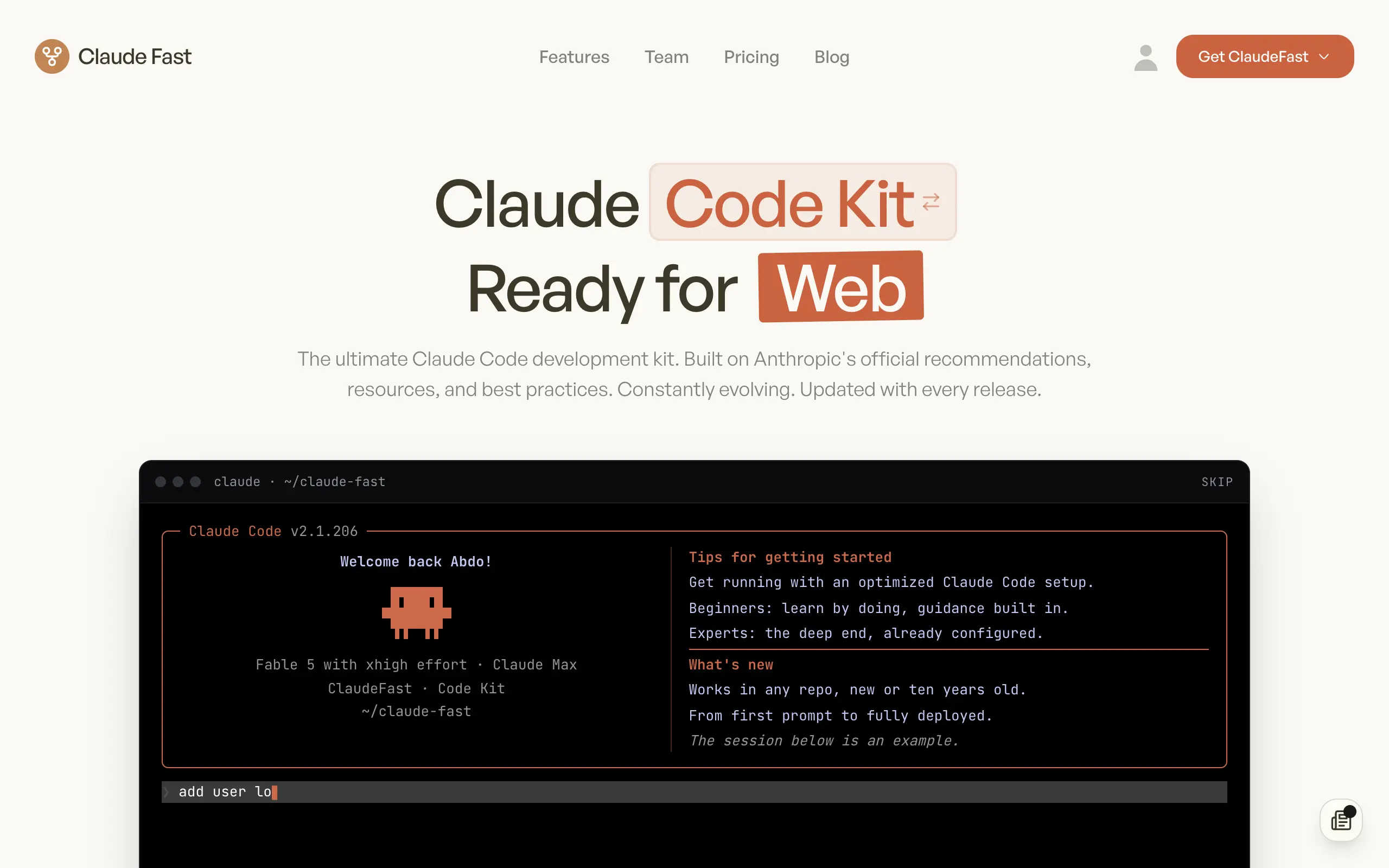
Claude Fast
Supercharge your Claude Code with 6x effective context window and specialized AI agents 🤖
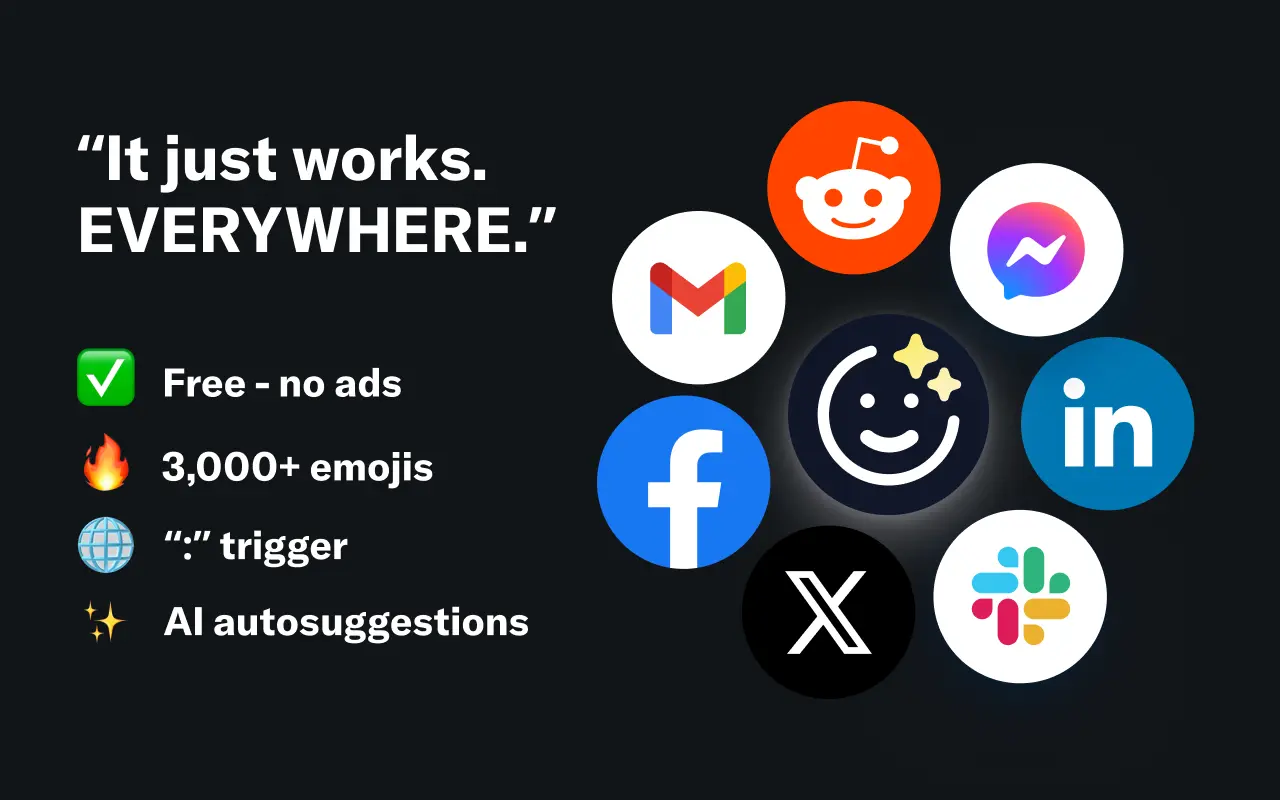
EmojAI
AI-powered emoji picker with smart, context-aware suggestions 🤖
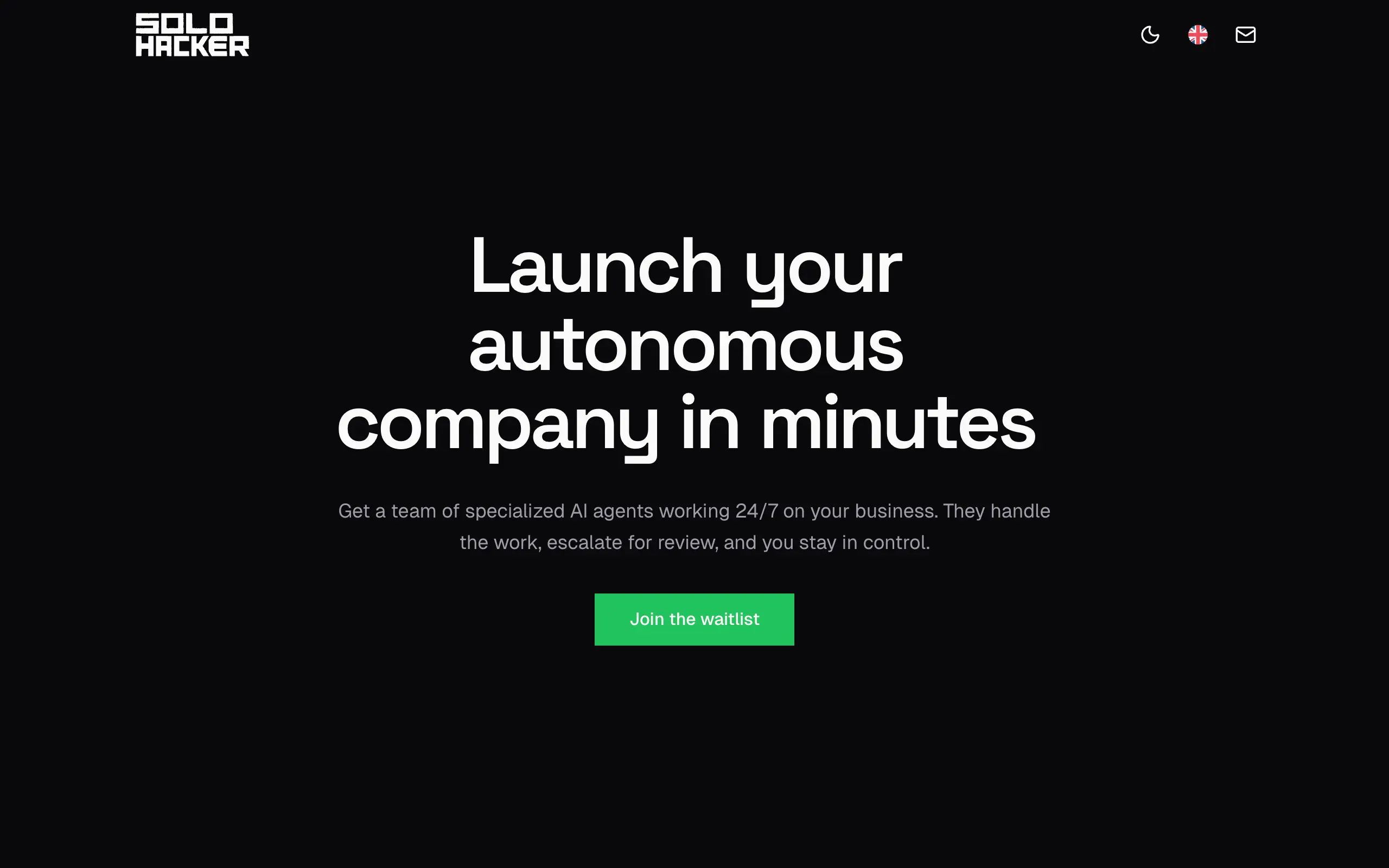
Solohacker
Autonomous company launcher - AI agents work 24/7, escalate what matters, and you stay in control 🤖
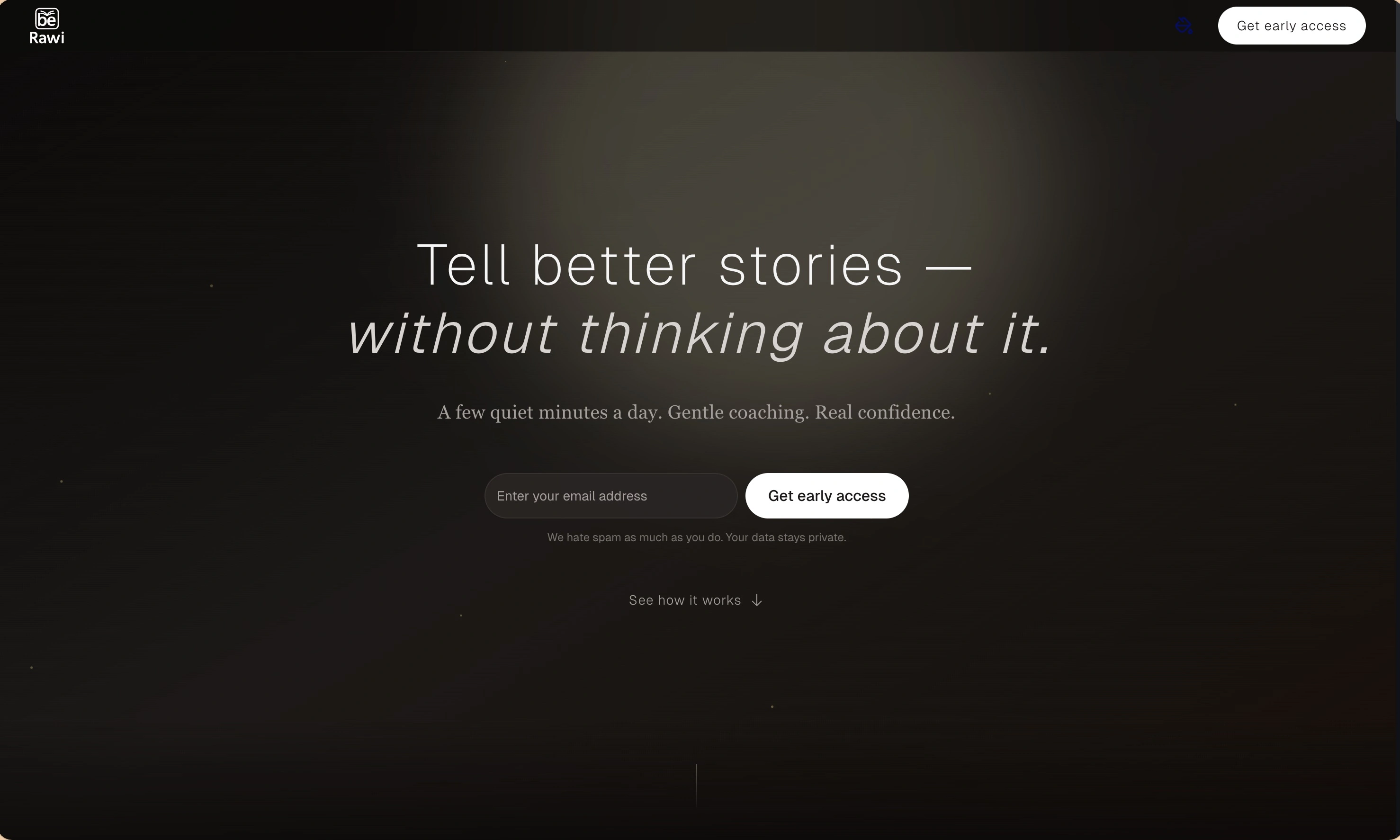
BeRawi: Storytelling Coach
Practice storytelling daily with instant feedback to sound clearer, more engaging, and confident 🎤
Omichat
Chat with 50+ AI models, including ChatGPT and Claude, in one place - switch models anytime without losing context 🤖
Claude Fast
Supercharge your Claude Code with 6x effective context window and specialized AI agents 🤖
EmojAI
AI-powered emoji picker with smart, context-aware suggestions 🤖
Solohacker
Autonomous company launcher - AI agents work 24/7, escalate what matters, and you stay in control 🤖
BeRawi: Storytelling Coach
Practice storytelling daily with instant feedback to sound clearer, more engaging, and confident 🎤
Omichat
Chat with 50+ AI models, including ChatGPT and Claude, in one place - switch models anytime without losing context 🤖
Claude Fast
Supercharge your Claude Code with 6x effective context window and specialized AI agents 🤖
EmojAI
AI-powered emoji picker with smart, context-aware suggestions 🤖
Solohacker
Autonomous company launcher - AI agents work 24/7, escalate what matters, and you stay in control 🤖
BeRawi: Storytelling Coach
Practice storytelling daily with instant feedback to sound clearer, more engaging, and confident 🎤
Omichat
Chat with 50+ AI models, including ChatGPT and Claude, in one place - switch models anytime without losing context 🤖
Claude Fast
Supercharge your Claude Code with 6x effective context window and specialized AI agents 🤖
EmojAI
AI-powered emoji picker with smart, context-aware suggestions 🤖
Solohacker
Autonomous company launcher - AI agents work 24/7, escalate what matters, and you stay in control 🤖
BeRawi: Storytelling Coach
Practice storytelling daily with instant feedback to sound clearer, more engaging, and confident 🎤

Connect with like-minded people
Join our community to get feedback, support, and grow together with 1,000+ builders on board, let's ship it!
Join usShip your startup everywhere. In minutes.
Don't burn tokens on setup and start building features on day one.