PolicyPatch
AI continuously maps policy changes to company workflows, flags exposed teams, and drafts auditable updates for HR, security, and operations.
Why AI policy change management is becoming a critical business system
PolicyPatch is an AI policy change management platform designed to continuously identify regulatory, internal, and industry policy changes, map them to real company workflows, flag the teams that may be exposed, and draft auditable updates for HR, security, legal, and operations.
The need is growing because policy management is no longer a static annual exercise. Companies operate across changing privacy rules, employment requirements, security frameworks, customer contract obligations, and internal governance standards. A policy update can affect onboarding, access control, vendor reviews, incident response, benefits administration, data retention, and dozens of other operational processes.
Most organizations still manage this work through a mix of email alerts, legal newsletters, spreadsheets, shared drives, tickets, and periodic compliance reviews. That approach creates a dangerous gap between knowing a rule has changed and proving the business responded appropriately.
PolicyPatch closes that gap.
Instead of acting as another policy document repository, it becomes the intelligence layer between policy changes and day-to-day work. It answers the questions compliance leaders, HR teams, security managers, and operations executives actually need answered:
- Which policy or regulatory change matters to us?
- Which business processes, systems, and teams are affected?
- What needs to change in our internal documentation?
- Who owns each required action?
- What evidence proves the organization reviewed and implemented the update?
- How can we demonstrate an auditable response later?
The central opportunity
PolicyPatch should position itself as a policy-to-workflow intelligence platform, not simply an AI document generator. The defensible value lies in impact mapping, ownership, evidence, and operational follow-through.
The policy change management problem PolicyPatch solves
A policy change can come from many directions. It may be a new employment requirement, a revised privacy regulation, an update to a security standard, a customer contractual obligation, or a change in the organization’s own internal controls.
The challenge is rarely discovering that something changed. Legal teams, advisors, regulators, industry bodies, and security vendors already publish alerts. The difficult part is translating an external or internal change into specific business actions.
For example, an updated data retention requirement may affect:
- Employee data handling procedures
- Customer support ticket retention
- Cloud storage configuration
- Vendor data processing agreements
- Security access reviews
- Privacy notices
- Engineering database lifecycle jobs
- Internal employee training
Without a connected system, each team may interpret the change differently. Some teams may act quickly, others may not know they are affected, and leadership may have no reliable view of completion status.
This is where AI policy change management software can create substantial operational value. PolicyPatch can ingest a policy update, identify the relevant obligations, match those obligations to an organization’s policy library and workflow inventory, and turn the analysis into assigned, reviewable work.
The hidden cost of manual policy updates
Manual policy change management introduces costs that often remain invisible until an audit, employee complaint, security incident, customer due diligence request, or regulatory inquiry occurs.
Common failure modes include:
- Policy documents are updated but employee procedures are not.
- Legal identifies an obligation but does not know which operational owner should implement it.
- HR changes a handbook without coordinating payroll, benefits, or managers.
- Security updates a standard without confirming the technical control exists.
- Teams complete work in email or chat, leaving weak audit evidence.
- The company cannot show when it became aware of a change or how it assessed applicability.
- Similar policy work is duplicated across legal, HR, IT, security, and operations.
The result is not just compliance risk. It is also slower execution, inconsistent governance, expensive audits, and avoidable operational confusion.
Why static policy management tools are insufficient
Traditional governance, risk, and compliance systems are useful for control libraries, audit programs, evidence collection, and risk registers. Document management platforms are useful for storing and approving policies. Ticketing tools are useful for assigning work.
However, none of those categories consistently solve the initial translation problem:
A policy changed. What does it mean for this specific company, and what should happen next?
PolicyPatch should sit at that decision point. Its AI should not replace legal judgment or compliance leadership. Instead, it should make expert teams faster by assembling the relevant context, producing traceable recommendations, and coordinating execution across affected functions.
Target audience for PolicyPatch
The ideal market is not every organization with a policy handbook. The strongest early customers are companies that face meaningful regulatory complexity but lack the resources to build a large internal compliance operations function.
Primary customer segments
Mid-market regulated companies
Organizations in healthcare-adjacent services, fintech, insurance, SaaS, logistics, education, and professional services that must react quickly to policy and regulatory changes.
Security-conscious B2B SaaS companies
Companies that regularly complete customer security questionnaires, maintain frameworks such as SOC 2 or ISO 27001, and need defensible internal governance.
Multi-state employers
HR and operations teams managing changing employment requirements across states, provinces, or countries.
Compliance consultancies and law firms
Advisory firms that need a scalable way to monitor client obligations, draft action plans, and produce reviewable work products.
The economic buyer
The initial economic buyer may vary based on the company’s risk profile and existing systems.
Common buyers include:
- Chief compliance officers
- General counsel and legal operations leaders
- Chief information security officers
- VP of people or HR compliance leaders
- Chief operating officers
- Risk and internal audit leaders
- Founders at regulated startups
For early go-to-market, PolicyPatch should avoid trying to sell the exact same message to every persona. The business case is different for each function.
A CISO wants fewer control gaps and faster security governance. An HR leader wants consistent policy rollout across locations. General counsel wants reduced legal operations burden and a defensible change-management trail. A COO wants clear ownership and fewer cross-functional bottlenecks.
The daily users
The people using PolicyPatch regularly will likely be policy owners and implementation owners rather than executive buyers.
Typical users include:
- Compliance analysts
- Privacy managers
- Legal operations specialists
- HR operations managers
- Security compliance managers
- IT governance staff
- Internal auditors
- Department heads assigned remediation tasks
- External compliance advisors
The product experience should support each user without flattening their responsibilities. A legal reviewer should be able to assess source material and approve interpretation. An operational owner should receive a clear, practical task rather than a page of legal language. An auditor should be able to reconstruct the entire decision trail.
Market gap in policy-to-workflow intelligence
The core market gap is the lack of a reliable bridge between policy intelligence and workflow execution.
Most products in the market focus on one of these layers:
| Category | Primary strength | Typical limitation | PolicyPatch opportunity | Buyer value |
|---|---|---|---|---|
| Legal research tools | Finding legal and regulatory developments | Limited operational implementation | Translate changes into owned actions | Faster applicability assessment |
| GRC platforms | Controls, risks, audits, and evidence | Often manual change interpretation | Connect incoming changes to controls and workflows | Better governance traceability |
| Policy repositories | Storage, versioning, and attestations | Weak impact analysis | Recommend what must change and why | More useful policy lifecycle management |
| Task management tools | Assignment and collaboration | No regulatory context or audit reasoning | Create evidence-backed implementation tasks | Clear accountability |
The opportunity is particularly strong because the problem is cross-functional. A new requirement rarely belongs to only one department. The company needs a shared system of record that preserves expert review while making implementation visible.
The best initial wedge
A broad platform vision is compelling, but an early product needs a narrow, repeatable wedge.
A strong starting point is policy change management for security, privacy, and HR teams at multi-state or regulated B2B companies. These organizations are already accustomed to audits, have identifiable policy owners, and experience recurring changes that require coordination.
A second viable wedge is serving compliance consultants. Consultants can use PolicyPatch across multiple clients, which may shorten feedback loops and create a channel for distribution. This model requires strict tenant isolation, client-level permissions, and a white-label or partner workspace strategy.
Core features for an AI policy change management platform
PolicyPatch should be designed around a complete change-management lifecycle, from signal detection through documented implementation.
Policy source monitoring and intake
The platform needs flexible ways to receive policy changes. At first, do not overpromise universal monitoring. Source quality matters more than raw volume.
Useful input channels include:
- Official regulator and government updates
- Industry standards and framework updates
- Customer contractual requirement changes
- Internal policy revisions
- Legal counsel memos
- Uploaded PDFs, DOCX files, and notices
- Email forwarding addresses
- RSS feeds where authoritative sources publish them
- API integrations with approved policy intelligence sources
Each source should be labeled with provenance, jurisdiction, publication date, effective date, retrieval date, and confidence level. This metadata is essential for auditability.
AI obligation extraction
Once a policy document enters the system, the AI should identify the specific obligations and distinguish them from background context, commentary, exceptions, and non-binding recommendations.
Each extracted obligation should include:
- Plain-language summary
- Original quoted text
- Source location such as page, section, or paragraph
- Effective date and jurisdiction where available
- Entity or role subject to the requirement
- Expected action
- Potential penalties or consequences if stated in the source
- AI confidence score
- Human review status
The product should always preserve the source text alongside the generated interpretation. This is a foundational trust requirement. Users should never have to accept an AI summary without seeing what supported it.
Company workflow and policy mapping
This is the feature that turns PolicyPatch into more than an AI assistant.
Organizations should be able to build or import a structured inventory of:
- Internal policies
- Procedures and standard operating procedures
- Controls and control owners
- Business systems
- Data categories
- Vendors
- Departments
- Jurisdictions
- Employee populations
- Customer commitments
- Existing compliance frameworks
The AI can use this inventory to identify potentially affected assets. For example, a change concerning employee leave could map to the employee handbook, HRIS configuration, payroll workflow, manager guidance, hiring operations, and location-specific policy addenda.
The output must clearly distinguish between:
- High-confidence direct impacts
- Likely impacts requiring owner review
- Possible adjacent impacts
- Areas with insufficient company context
This approach is safer than pretending the AI can make final legal determinations.
Exposed team alerts and ownership routing
PolicyPatch should automatically route relevant findings to the people who can validate or implement them.
A useful exposure alert contains:
- A concise description of the change
- Why the team may be affected
- The relevant internal workflow or policy
- Proposed next action
- Suggested due date based on effective date and risk
- Required reviewer or approver
- Links to source evidence
- Current implementation status
Routing should be rules-based first, with AI assistance layered on top. Rules are easier to explain, audit, and tune. AI can recommend owners based on historical assignments, document ownership, organizational structure, and workflow metadata.
Auditable policy update drafting
Drafting is valuable, but it needs controlled guardrails. PolicyPatch can generate first drafts for:
- Employee handbook updates
- Security policy revisions
- Privacy notices
- Standard operating procedures
- Internal control narratives
- Manager communications
- Training acknowledgments
- Vendor review checklists
- Implementation plans
- Audit response summaries
Every generated draft should show the source obligations used, the internal documents considered, and the specific assumptions made. The user should be able to compare versions, request revisions, and submit the draft for approval.
Evidence and decision records
An audit-ready timeline is one of the most compelling product outcomes. PolicyPatch should automatically record:
- When the change was detected or uploaded
- Which source version was analyzed
- Who reviewed applicability
- What impact determination was made
- Which teams were assigned action
- Which documents or workflows changed
- Who approved the final changes
- Which evidence was attached
- When the organization closed the work item
This record helps companies show good-faith governance even when a policy question required interpretation or judgment.
Integrations that make the workflow actionable
The first integrations should connect PolicyPatch to systems where users already work:
- Slack or Microsoft Teams for alerts and approvals
- Jira, Linear, or Asana for action tracking
- Google Drive, SharePoint, or Notion for policy documents
- HRIS platforms for employee policy distribution
- Identity and access tools for security workflow ownership
- GRC platforms for control and audit evidence synchronization
The integration strategy should focus on pushing structured work outward while retaining the authoritative policy-change record inside PolicyPatch.
How PolicyPatch should use AI responsibly
Policy and regulatory interpretation is a high-stakes domain. The platform’s credibility will depend less on flashy automation and more on reliable boundaries.
Use retrieval before generation
The AI should answer questions and draft updates based on retrieved, versioned sources rather than generic model memory. Retrieval-augmented generation helps reduce unsupported claims and makes outputs more traceable.
A strong architecture retrieves:
- The source policy or regulatory change
- Relevant prior versions
- Internal policies and workflows
- Applicable controls and evidence
- Approved organization-specific guidance
The model then produces an answer with source references, confidence indicators, and an explicit uncertainty statement where appropriate.
Require review for material conclusions
PolicyPatch should never imply that a user can outsource legal judgment to an AI system. High-impact outputs should require human approval workflows.
Examples that should trigger heightened review include:
- Legal applicability conclusions
- Employment law policy changes
- External regulatory filings
- Customer-facing privacy notice revisions
- Incident reporting requirements
- Statements about legal obligations or penalties
Trust is a product feature
Do not market PolicyPatch as automated legal advice. Market it as a governed system that helps qualified teams detect, analyze, coordinate, document, and review policy changes faster.
Build explainability into every screen
A useful AI recommendation should answer three questions:
- What source information supports this recommendation?
- What internal company context was used?
- Why was this team, document, or workflow identified?
Explainability reduces reviewer friction and makes the product far more defensible in regulated environments.
Recommended tech stack for PolicyPatch
A multi-tenant AI compliance SaaS needs a stack that supports secure document processing, structured records, integrations, role-based access, and an auditable event history.
Frontend and application layer
A practical modern stack includes Next.js with React and TypeScript.
This combination works well for a B2B SaaS product because it supports server-rendered pages, authenticated application experiences, API routes, background workflow integration, and a mature hiring ecosystem.
For the design system, Tailwind CSS can accelerate consistent interface development. PolicyPatch should prioritize dense but readable enterprise screens, including tables, source viewers, review queues, workflow timelines, and diff views.
Data layer and document storage
Use PostgreSQL as the primary relational database. The domain is inherently relational:
- Organizations have users and departments
- Policy changes have sources and versions
- Obligations map to workflows and controls
- Tasks have owners, reviewers, and approvals
- Evidence belongs to actions and audit records
PostgreSQL is a better foundation than a document-only database for this model because it provides strong transactional consistency, mature access patterns, and flexible structured data through JSONB fields.
Store raw source files in encrypted object storage. Maintain immutable source copies and content hashes so that the organization can verify what was analyzed at a particular time.
AI orchestration and retrieval
For retrieval, a vector index can support semantic matching between incoming policy language and internal company artifacts. However, vector search should not be the only retrieval method.
Use a hybrid retrieval strategy:
- Keyword search for exact legal terms, jurisdictions, and control IDs
- Metadata filters for company, jurisdiction, document type, and effective dates
- Vector similarity for semantic matching
- Knowledge graph relationships for workflows, owners, systems, and controls
A graph-informed layer is especially useful for impact mapping. It can represent relationships such as “this policy governs this workflow,” “this workflow uses this system,” and “this system is owned by this team.”
Background processing and event architecture
Policy documents can be large, processing can take time, and integrations may fail. Use a durable job queue for:
- Document ingestion
- OCR and parsing
- Source monitoring
- Embedding generation
- AI analysis
- Alert dispatch
- Integration synchronization
- Scheduled reassessment
Every important system action should generate an immutable event. That event architecture supports auditability, debugging, notifications, and historical replay.
Security and permissions
PolicyPatch will contain sensitive internal documents, employee procedures, security controls, and potentially legal work product. Security cannot be treated as a later feature.
The baseline should include:
- Organization-level tenant isolation
- Role-based access control
- Fine-grained document and workspace permissions
- Encryption in transit and at rest
- Multi-factor authentication options
- Single sign-on for enterprise plans
- Audit logs for reads, exports, approvals, and permission changes
- Retention controls
- Secure deletion processes
- Vendor and subprocesser visibility
For security guidance, product teams should align their secure development practices with recognized resources such as the OWASP Foundation and document their approach for enterprise buyers.
Trade-offs to consider before building
A fast MVP can rely on document uploads, a limited set of curated sources, basic role permissions, and exportable action plans. This is ideal for testing whether users trust the impact-analysis workflow.
An enterprise-first build requires SSO, advanced access controls, regional data controls, detailed audit logs, complex integrations, and extensive source governance. These capabilities increase sales readiness but lengthen implementation time.
Start with a secure multi-tenant foundation and one high-value workflow. Add enterprise controls as design principles from day one, then prioritize them based on real buyer demand rather than assumptions.
The most important trade-off is breadth versus reliability. A platform that monitors every jurisdiction and every policy category but produces noisy recommendations will lose user trust. A narrower system that handles a defined set of sources and workflows exceptionally well can win early customers.
Monetization strategy for PolicyPatch
PolicyPatch should use a B2B SaaS pricing model tied to the value of policy governance rather than simple seat count alone.
Recommended pricing structure
A hybrid model is likely strongest:
- A platform fee based on organization size or compliance scope
- Included user seats for policy owners and reviewers
- Usage tiers based on monitored sources, jurisdictions, documents, or AI analysis volume
- Premium charges for advanced integrations, SSO, and dedicated environments
- Professional services for implementation and workflow configuration
Possible plan design:
- Starter for smaller teams managing internal policies and a limited source set
- Growth for multi-team organizations needing workflow routing, integrations, and audit records
- Enterprise for complex organizations requiring SSO, advanced permissions, multiple jurisdictions, APIs, and tailored data controls
- Partner for consultants and law firms managing multiple client workspaces
Value-based pricing rationale
The customer does not buy PolicyPatch merely to draft policies. They buy it to reduce time-to-assessment, avoid missed obligations, coordinate cross-functional work, and improve audit readiness.
That means pricing can be justified around measurable outcomes:
- Fewer hours spent reviewing routine policy changes
- Faster assignment of implementation owners
- Reduced outside counsel research burden
- Improved evidence quality during audits
- Lower risk of inconsistent policy rollout
- Faster response to customer due diligence requests
Avoid competing directly on low-cost AI writing. The product’s value is in governed execution and traceability.
Competitive advantage and defensibility
PolicyPatch can differentiate from broad GRC tools, AI legal research products, and policy management systems through a focused workflow.
Its unique selling proposition is:
PolicyPatch converts policy changes into explainable, assigned, auditable operational updates across the business.
This positioning combines several defensible capabilities.
A company-specific policy graph
The more an organization maps its policies, systems, controls, departments, vendors, and workflows into PolicyPatch, the more useful the impact analysis becomes.
This creates meaningful switching costs. A competitor can summarize a new regulation, but it cannot immediately know that the organization’s employee onboarding workflow depends on a specific HRIS configuration, that a particular vendor handles affected data, or that a designated control owner is responsible for review.
An evidence-rich decision history
A historical record of policy decisions becomes a proprietary operational asset. Over time, PolicyPatch can learn:
- Which sources matter to a company
- Which teams typically own certain obligations
- Which policies are frequently impacted
- How the organization has interpreted similar requirements
- What evidence auditors request
- Which tasks tend to stall
This history can make recommendations more useful while preserving human review.
Workflow embedding
The more deeply PolicyPatch integrates with the tools where work happens, the harder it is to replace. However, integrations should support the core workflow rather than become a distraction. A polished Jira ticket creation flow is valuable only if the preceding impact analysis is trustworthy.
Risks and practical mitigation strategies
Every AI compliance product faces risks. Addressing them directly strengthens customer trust and improves product strategy.
Mitigate this through source-grounded outputs, visible citations, confidence scoring, human review gates, jurisdiction metadata, and clear product language that avoids presenting AI outputs as legal advice.
Use tenant isolation, encryption, least-privilege access controls, audit logging, data retention settings, and clear customer agreements about model providers, processing, and data handling.
Prioritize materiality scoring, configurable source subscriptions, role-specific routing, digest options, and feedback controls that let users mark recommendations as irrelevant or useful.
Start with guided onboarding, CSV imports, integrations for common repositories, templates for policy inventories, and an implementation service for larger customers.
Lead with the distinctive policy-change-to-workflow use case. Integrate with GRC platforms rather than trying to replace every GRC function from the first release.
An actionable MVP roadmap
The first version of PolicyPatch should validate the highest-risk assumptions:
- Do compliance and operations teams trust AI-assisted impact mapping?
- Will they provide enough internal policy and workflow context to make recommendations useful?
- Is the resulting action plan valuable enough to become a recurring operational system?
Phase one: prove the core workflow
Build a focused MVP around uploaded policy changes and internal policy libraries.
Create secure organization workspaces with users, roles, departments, and document access rules.
Allow users to upload an external policy update and their relevant internal policies or procedures.
Extract obligations with source quotations, effective dates, and confidence indicators.
Generate a proposed impact map showing affected documents, workflows, systems, and owners.
Produce a reviewable action plan with assignments, due dates, and an audit timeline.
Enable users to generate a draft internal policy update or implementation communication with tracked revisions.
The MVP should emphasize review quality over autonomous execution. A compliance leader should be able to complete a policy review session faster, not hand over responsibility to a black box.
Phase two: add recurring intelligence
Once users find the impact-mapping workflow useful, add recurring inputs and collaboration.
Priorities include:
- Curated official source monitoring
- Notifications and escalation rules
- Slack or Microsoft Teams approvals
- Jira and task management integrations
- Policy version comparison
- Reusable obligation-to-control mappings
- Dashboard reporting for leadership
- Feedback loops that improve future recommendations
Phase three: become a system of governance
Longer term, PolicyPatch can become an organizational policy intelligence layer. It can support cross-framework mapping, audit preparation, policy health scoring, proactive gap detection, and consultant-client collaboration.
The most successful expansion path will come from customer behavior. If HR teams use it heavily for employment updates, expand HR workflow templates. If security teams use it for framework changes, deepen control mapping and evidence integrations. Let repeated high-value use cases determine the roadmap.
How to validate demand before a full build
Before investing in broad source monitoring or a complex enterprise feature set, run structured customer discovery with compliance, HR, security, and legal operations leaders.
Ask questions such as:
- How do you learn about policy changes today?
- What happens between discovery and implementation?
- Which changes create the most cross-functional work?
- Where do policy updates get delayed?
- What proof do you need for audits, customers, or leadership?
- Which systems hold the policies, controls, and tasks involved?
- Would you trust AI recommendations if every claim linked back to source material?
- What would make the product unsafe or unusable for your team?
Then test the workflow manually. Take a real policy update, map it to the prospect’s internal workflows with a combination of structured research and AI assistance, and present the output as a prototype. This concierge approach reveals whether the customer values the final artifact enough to pay for it.
Track indicators such as:
- Time saved during initial assessment
- Number of affected owners identified
- Number of missed dependencies discovered
- Time from change detection to assigned action
- Completion rate for resulting tasks
- Customer willingness to upload internal policy documents
- Willingness to connect task and document systems
Building PolicyPatch efficiently
A founder building this type of AI SaaS should avoid spending the first months on commodity authentication, billing, team management, and dashboard scaffolding. Those features still matter, especially for a multi-tenant B2B application, but they should not consume the time needed to validate the unique policy intelligence engine.
Using TurboStarter can accelerate the SaaS foundation so the product team can focus on the elements that make PolicyPatch valuable: source ingestion, policy mapping, review workflows, audit evidence, and secure integrations.
Final takeaways for PolicyPatch
PolicyPatch addresses a real and increasingly urgent operational problem. Businesses do not simply need to know that policies are changing. They need a defensible way to understand impact, coordinate implementation, update documentation, and preserve evidence of responsible action.
The strongest product strategy is to avoid becoming a generic AI compliance chatbot or a broad document repository. Instead, build a trusted AI policy change management system that connects authoritative sources to company-specific workflows.
To win, PolicyPatch should:
- Start with a narrow, high-frequency compliance workflow
- Ground every AI output in visible source evidence
- Treat human review as a core product flow
- Build structured maps of policies, workflows, controls, systems, and owners
- Make assignments actionable in existing work tools
- Preserve a complete audit trail from detection through closure
- Expand based on the policy domains where customers see repeatable value
When PolicyPatch reliably turns “a rule changed” into “these teams need to do these things, and here is the proof,” it can become an essential operating layer for modern compliance, HR, security, and operations teams.
More 🤖 AI Startup SaaS ideas
Discover more innovative ai startup SaaS ideas that are trending in 2026. Each idea is AI-generated with market validation and growth potential to help you find your next profitable venture faster than competitors.
Your competitors are building with TurboStarter
Below are some of the SaaS ideas that have been generated and built with our starter kit.
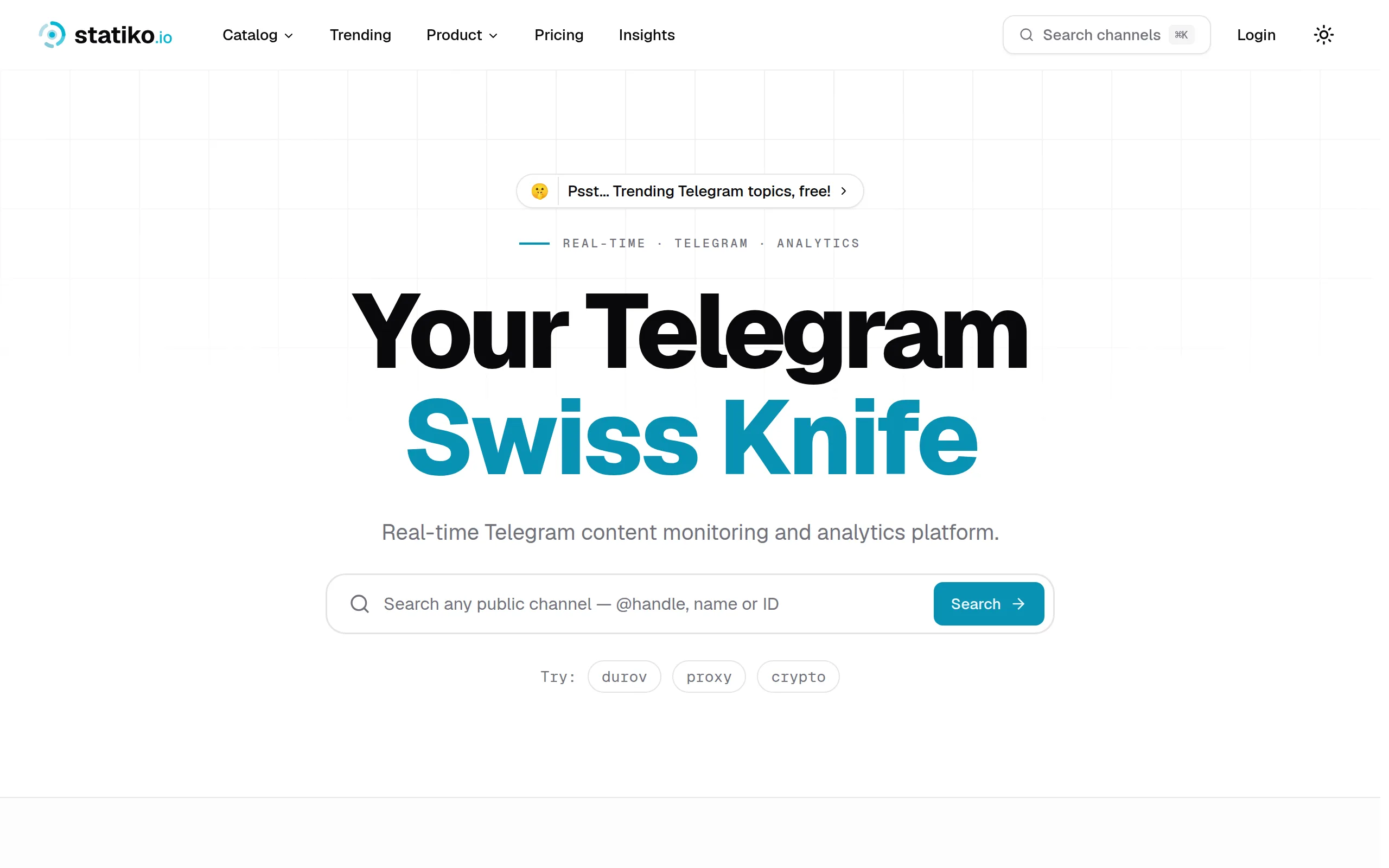
Statiko
Monitor any Telegram channel in real time - track posts, edits, deletions, and growth with AI recaps 📡

Shibui
AI website builder - describe your business, pick a niche template, edit by chatting, and publish instantly ✨

Pro Service
Find verified home service professionals, compare quotes, and pay securely through escrow - built for Brazilians across the US 🏠
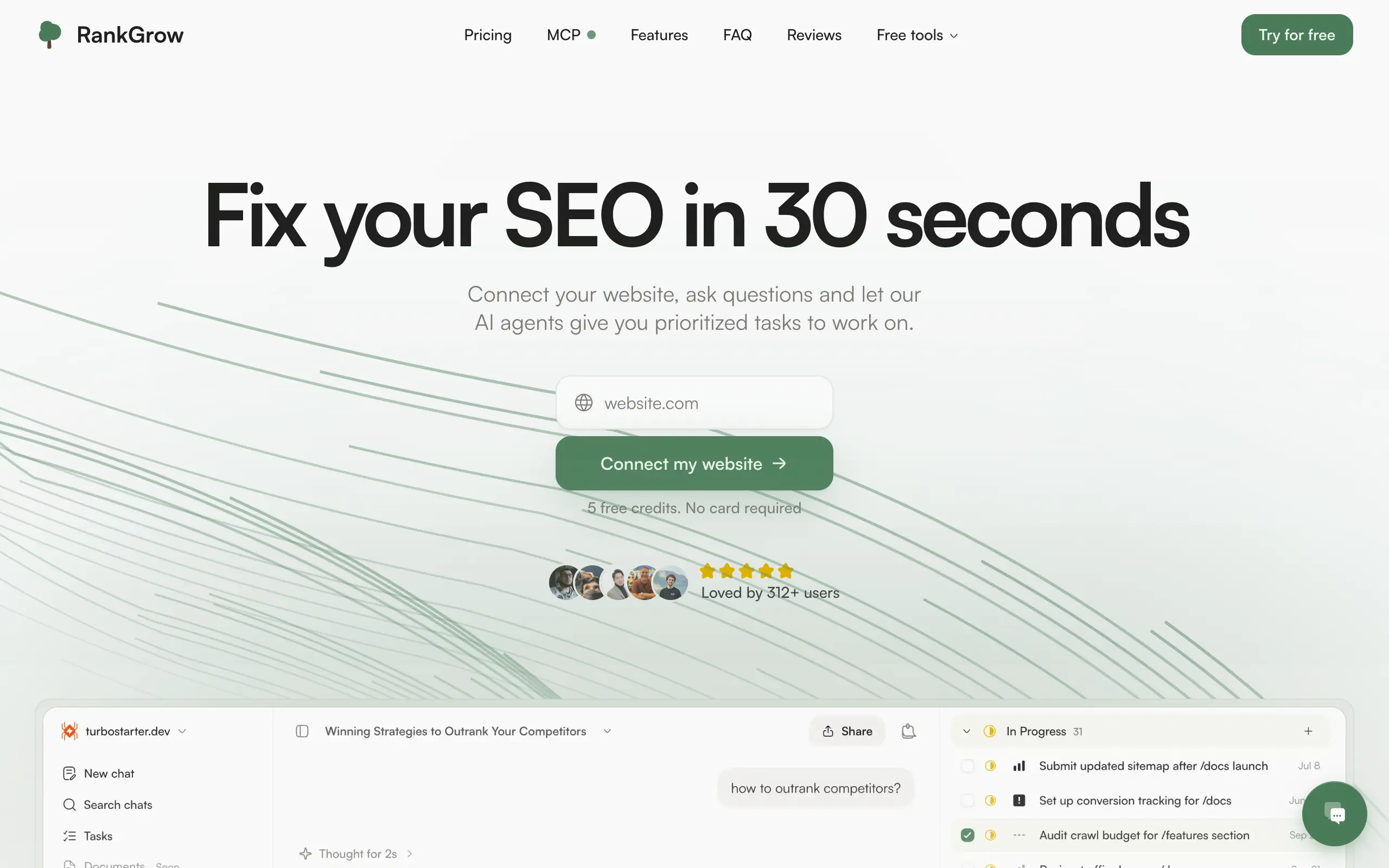
RankGrow
Fix your SEO with AI agents - connect Search Console, get prioritized tasks, and grow organic traffic 📈
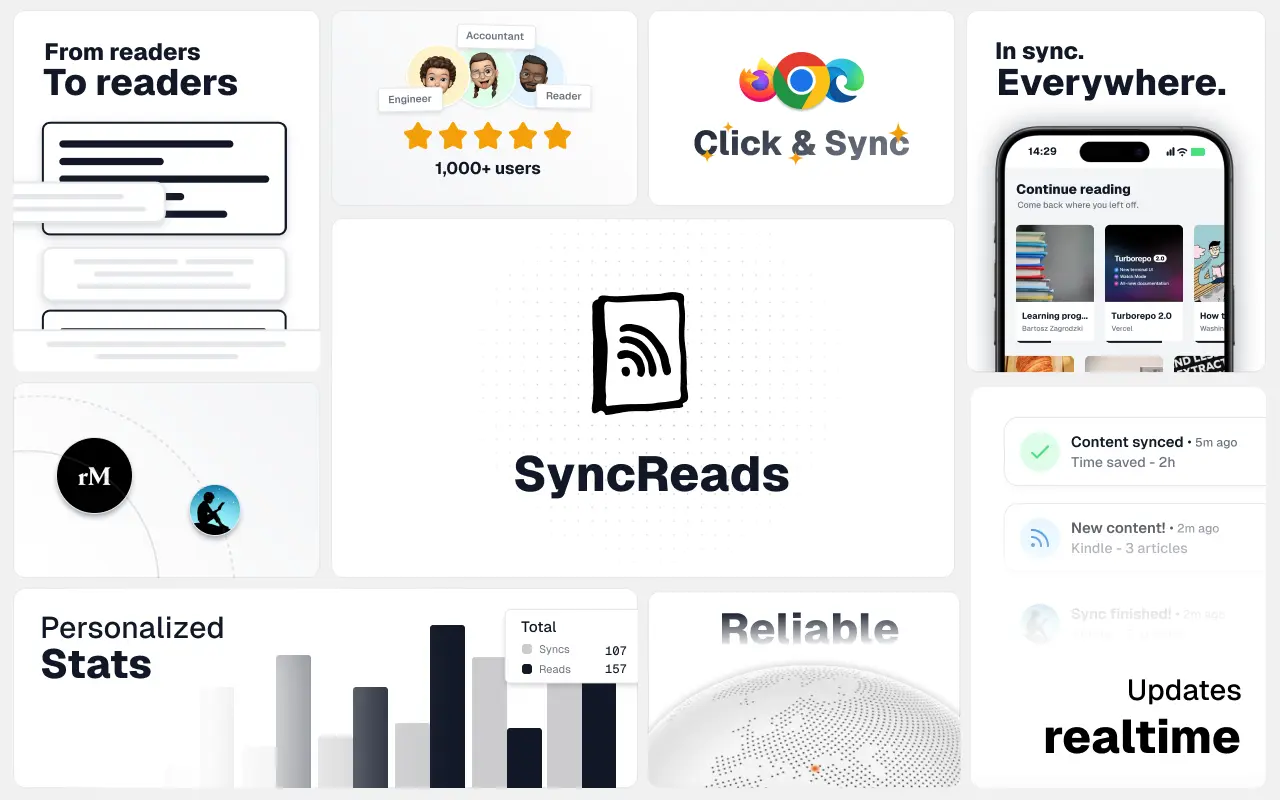
SyncReads
Sync your favorite content for distraction-free reading, save time and replace multiple apps. Anytime, anywhere 🔄
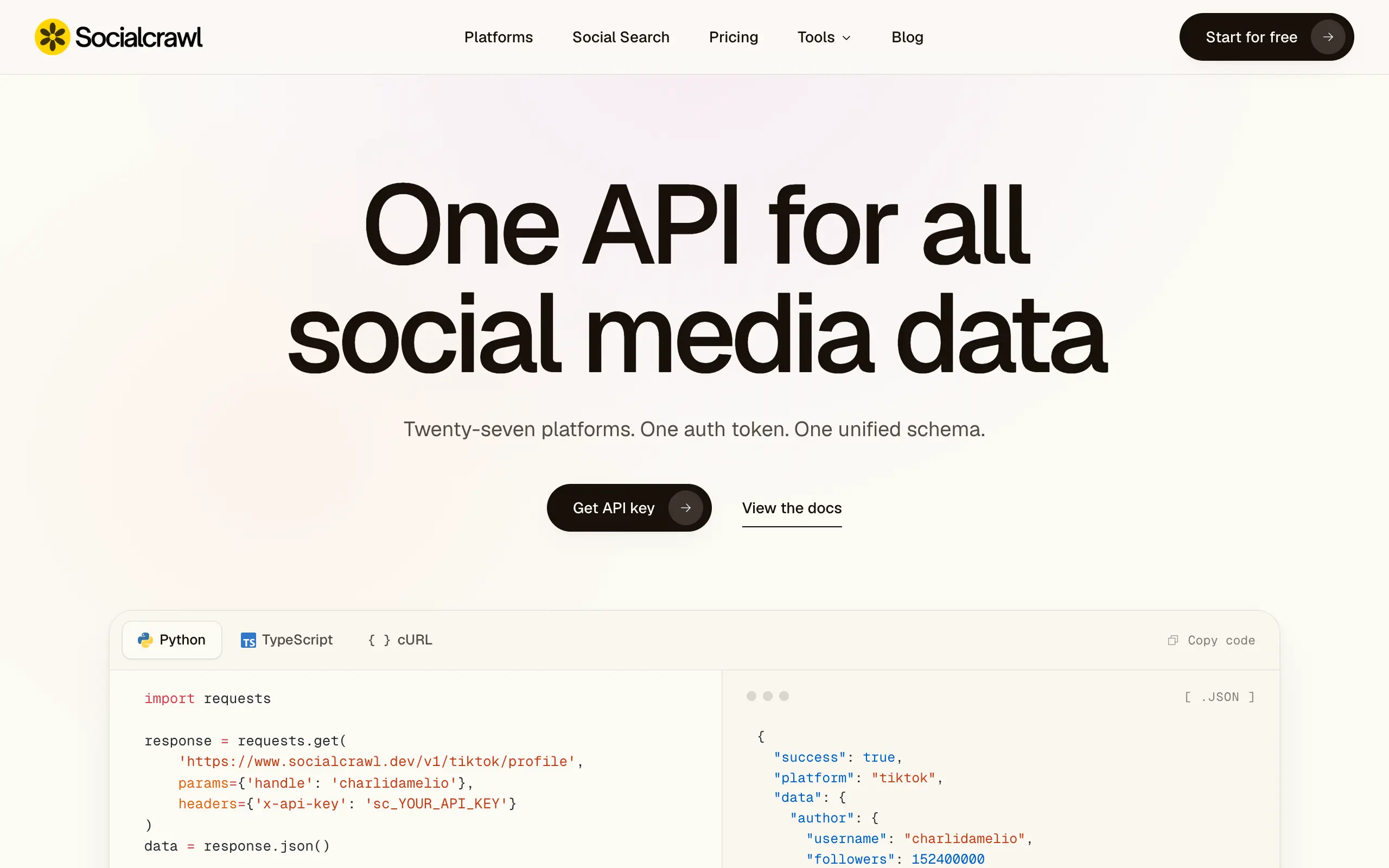
Socialcrawl
Get clean, structured data from 21 platforms like TikTok, Instagram, and YouTube with a single request 📊
Statiko
Monitor any Telegram channel in real time - track posts, edits, deletions, and growth with AI recaps 📡
Shibui
AI website builder - describe your business, pick a niche template, edit by chatting, and publish instantly ✨
Pro Service
Find verified home service professionals, compare quotes, and pay securely through escrow - built for Brazilians across the US 🏠
RankGrow
Fix your SEO with AI agents - connect Search Console, get prioritized tasks, and grow organic traffic 📈
SyncReads
Sync your favorite content for distraction-free reading, save time and replace multiple apps. Anytime, anywhere 🔄
Socialcrawl
Get clean, structured data from 21 platforms like TikTok, Instagram, and YouTube with a single request 📊
Statiko
Monitor any Telegram channel in real time - track posts, edits, deletions, and growth with AI recaps 📡
Shibui
AI website builder - describe your business, pick a niche template, edit by chatting, and publish instantly ✨
Pro Service
Find verified home service professionals, compare quotes, and pay securely through escrow - built for Brazilians across the US 🏠
RankGrow
Fix your SEO with AI agents - connect Search Console, get prioritized tasks, and grow organic traffic 📈
SyncReads
Sync your favorite content for distraction-free reading, save time and replace multiple apps. Anytime, anywhere 🔄
Socialcrawl
Get clean, structured data from 21 platforms like TikTok, Instagram, and YouTube with a single request 📊
Statiko
Monitor any Telegram channel in real time - track posts, edits, deletions, and growth with AI recaps 📡
Shibui
AI website builder - describe your business, pick a niche template, edit by chatting, and publish instantly ✨
Pro Service
Find verified home service professionals, compare quotes, and pay securely through escrow - built for Brazilians across the US 🏠
RankGrow
Fix your SEO with AI agents - connect Search Console, get prioritized tasks, and grow organic traffic 📈
SyncReads
Sync your favorite content for distraction-free reading, save time and replace multiple apps. Anytime, anywhere 🔄
Socialcrawl
Get clean, structured data from 21 platforms like TikTok, Instagram, and YouTube with a single request 📊
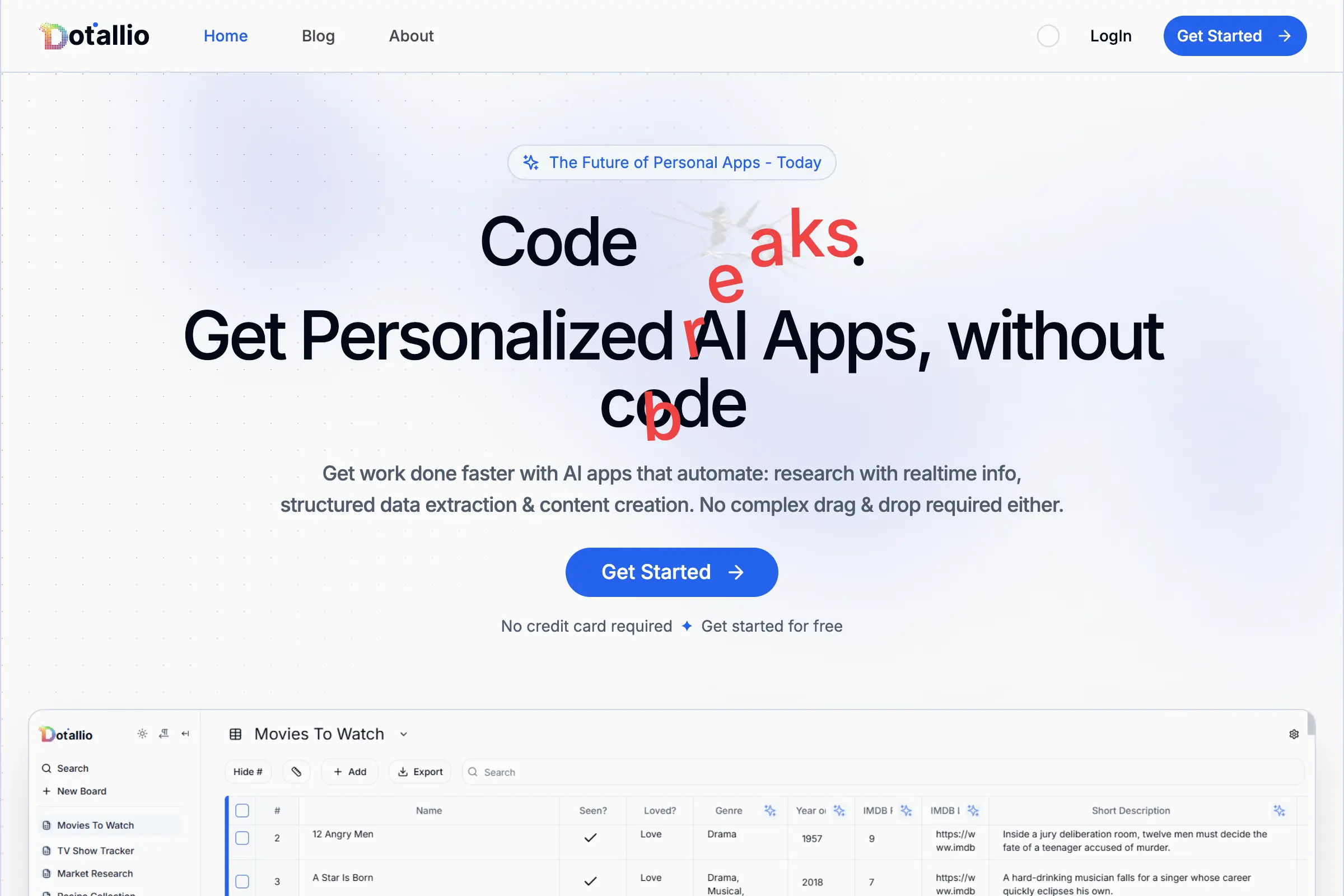
Dotallio
Personalized AI apps that automate research, data extraction, and content creation without code 🤖

Talk to Santa
Enjoy a magical live video chat or receive a unique AI-generated video greeting from Santa Claus 🎅
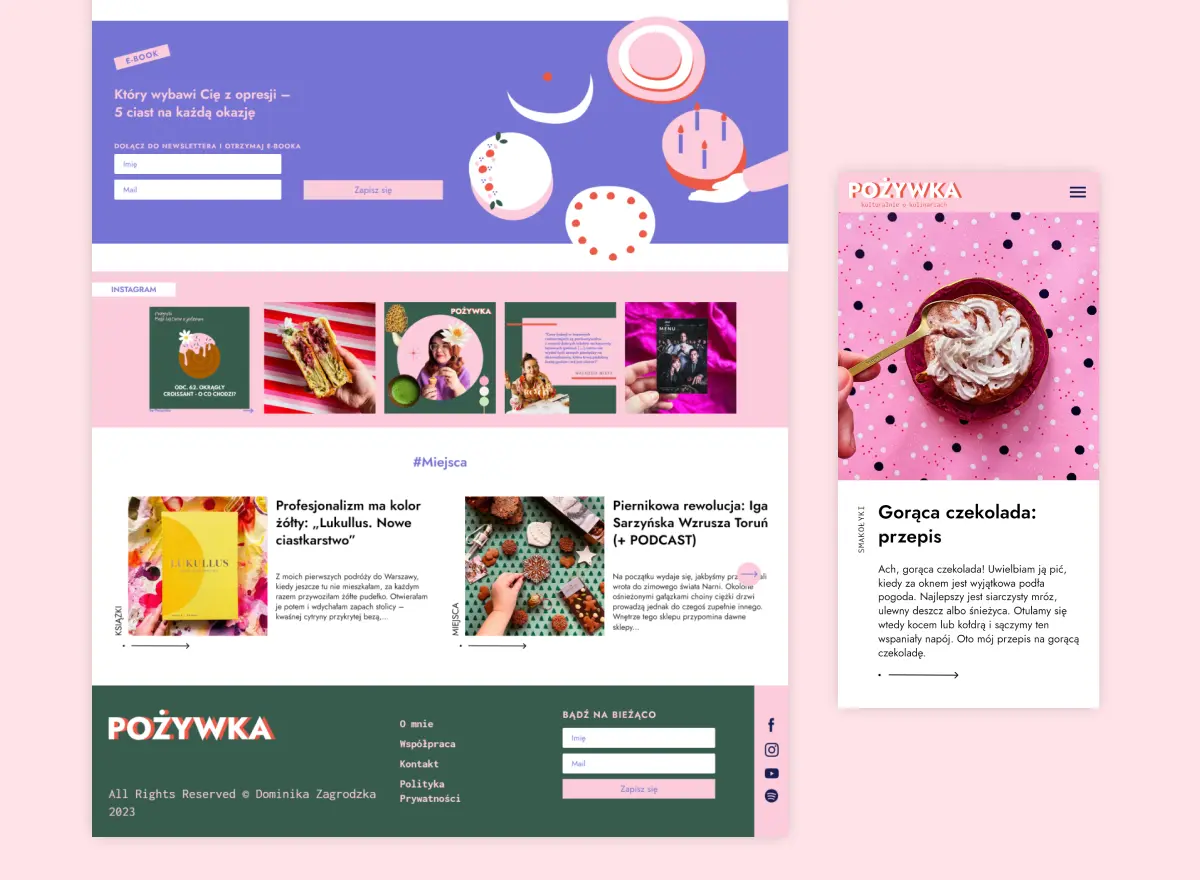
pozywka.pl
Scalable blog for food journalist, focused on performance and user experience 🌭
zagrodzki.me
Personal blog and portfolio of Bart Zagrodzki, where he shares his knowledge and work 💼
TurboStarter
Ship your startup everywhere. In minutes.
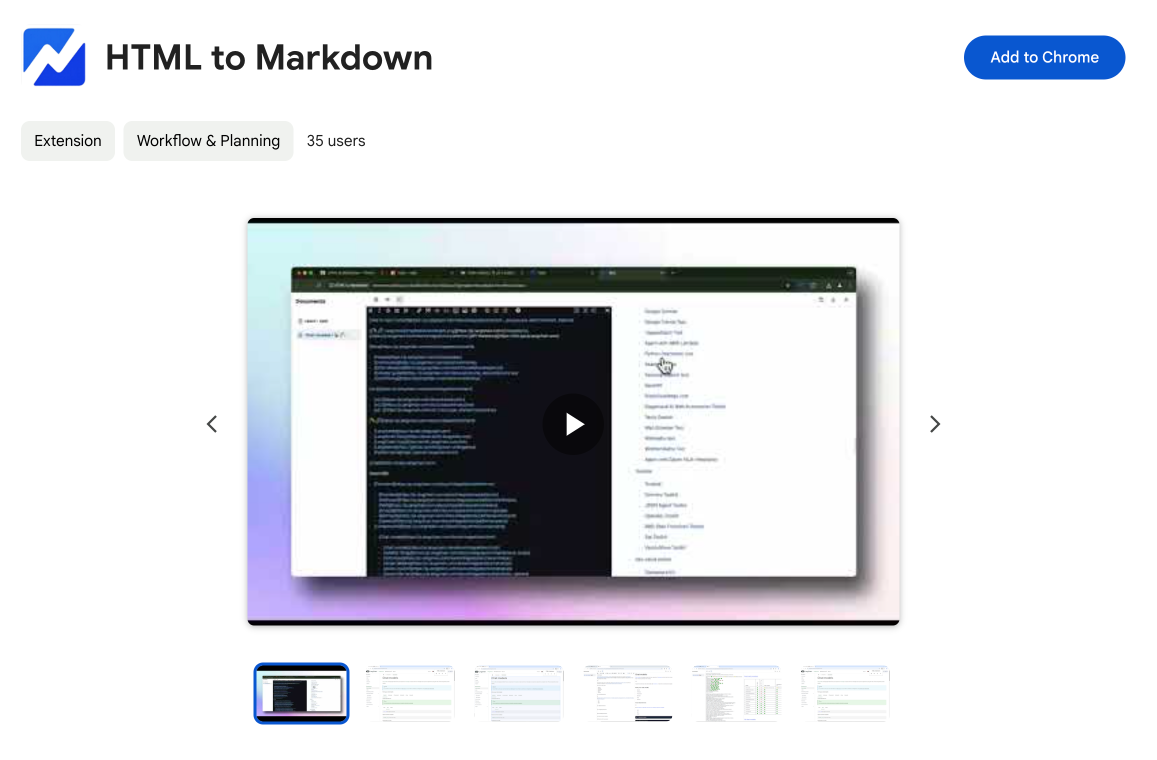
HTML to Markdown
Convert HTML to Markdown with ease, directly in your browser 📄
Dotallio
Personalized AI apps that automate research, data extraction, and content creation without code 🤖
Talk to Santa
Enjoy a magical live video chat or receive a unique AI-generated video greeting from Santa Claus 🎅
pozywka.pl
Scalable blog for food journalist, focused on performance and user experience 🌭
zagrodzki.me
Personal blog and portfolio of Bart Zagrodzki, where he shares his knowledge and work 💼
TurboStarter
Ship your startup everywhere. In minutes.
HTML to Markdown
Convert HTML to Markdown with ease, directly in your browser 📄
Dotallio
Personalized AI apps that automate research, data extraction, and content creation without code 🤖
Talk to Santa
Enjoy a magical live video chat or receive a unique AI-generated video greeting from Santa Claus 🎅
pozywka.pl
Scalable blog for food journalist, focused on performance and user experience 🌭
zagrodzki.me
Personal blog and portfolio of Bart Zagrodzki, where he shares his knowledge and work 💼
TurboStarter
Ship your startup everywhere. In minutes.
HTML to Markdown
Convert HTML to Markdown with ease, directly in your browser 📄
Dotallio
Personalized AI apps that automate research, data extraction, and content creation without code 🤖
Talk to Santa
Enjoy a magical live video chat or receive a unique AI-generated video greeting from Santa Claus 🎅
pozywka.pl
Scalable blog for food journalist, focused on performance and user experience 🌭
zagrodzki.me
Personal blog and portfolio of Bart Zagrodzki, where he shares his knowledge and work 💼
TurboStarter
Ship your startup everywhere. In minutes.
HTML to Markdown
Convert HTML to Markdown with ease, directly in your browser 📄
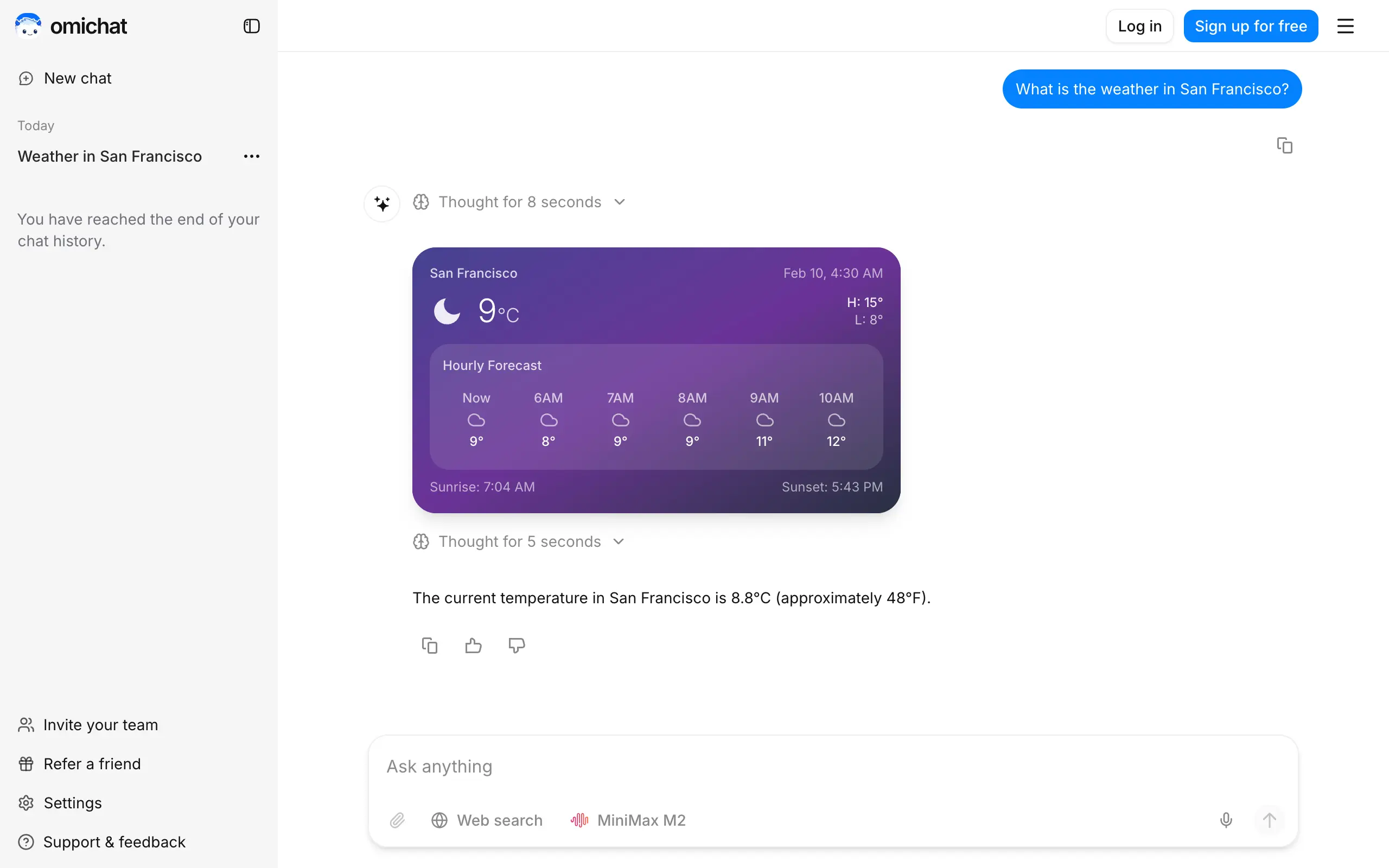
Omichat
Chat with 50+ AI models, including ChatGPT and Claude, in one place - switch models anytime without losing context 🤖
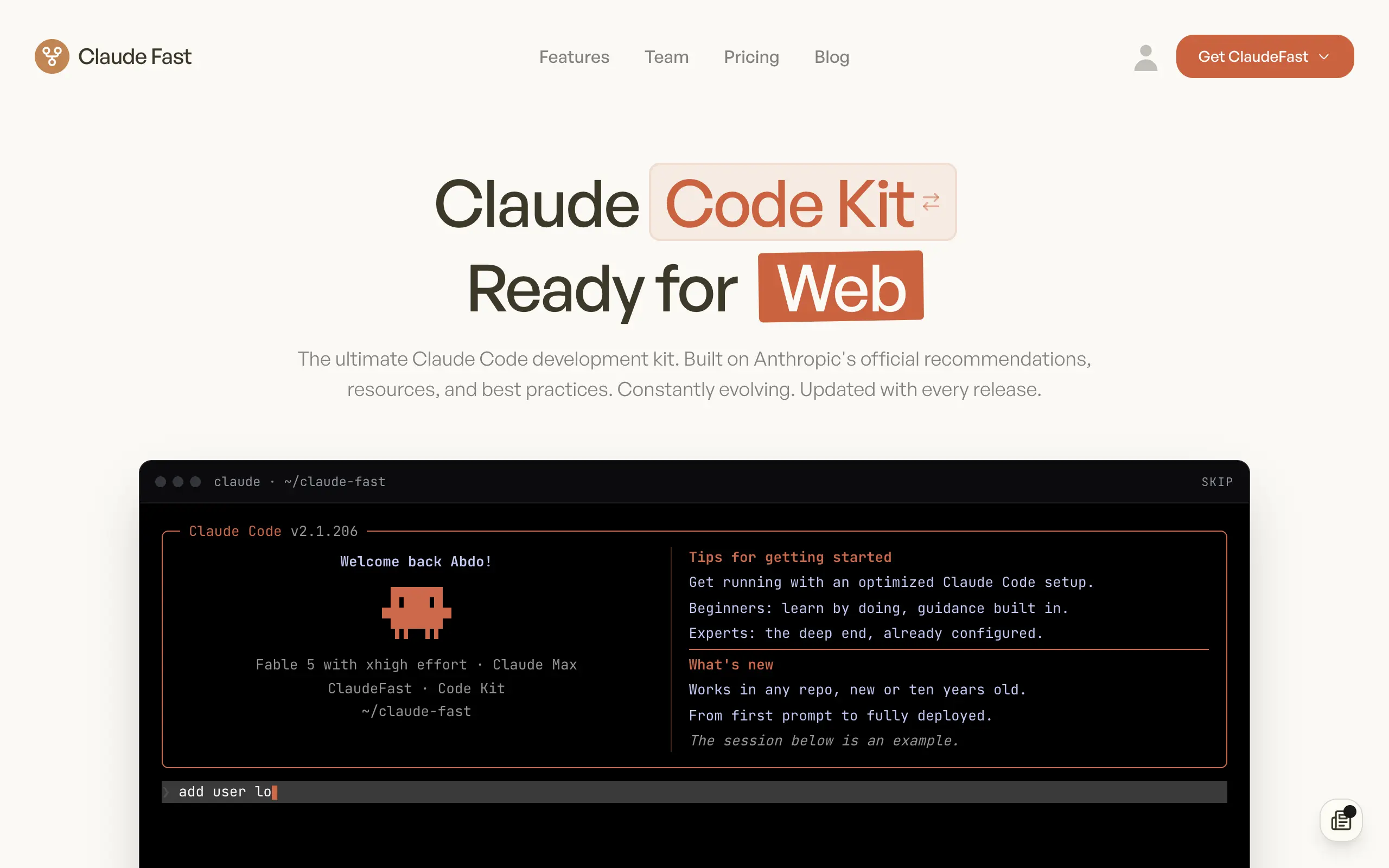
Claude Fast
Supercharge your Claude Code with 6x effective context window and specialized AI agents 🤖
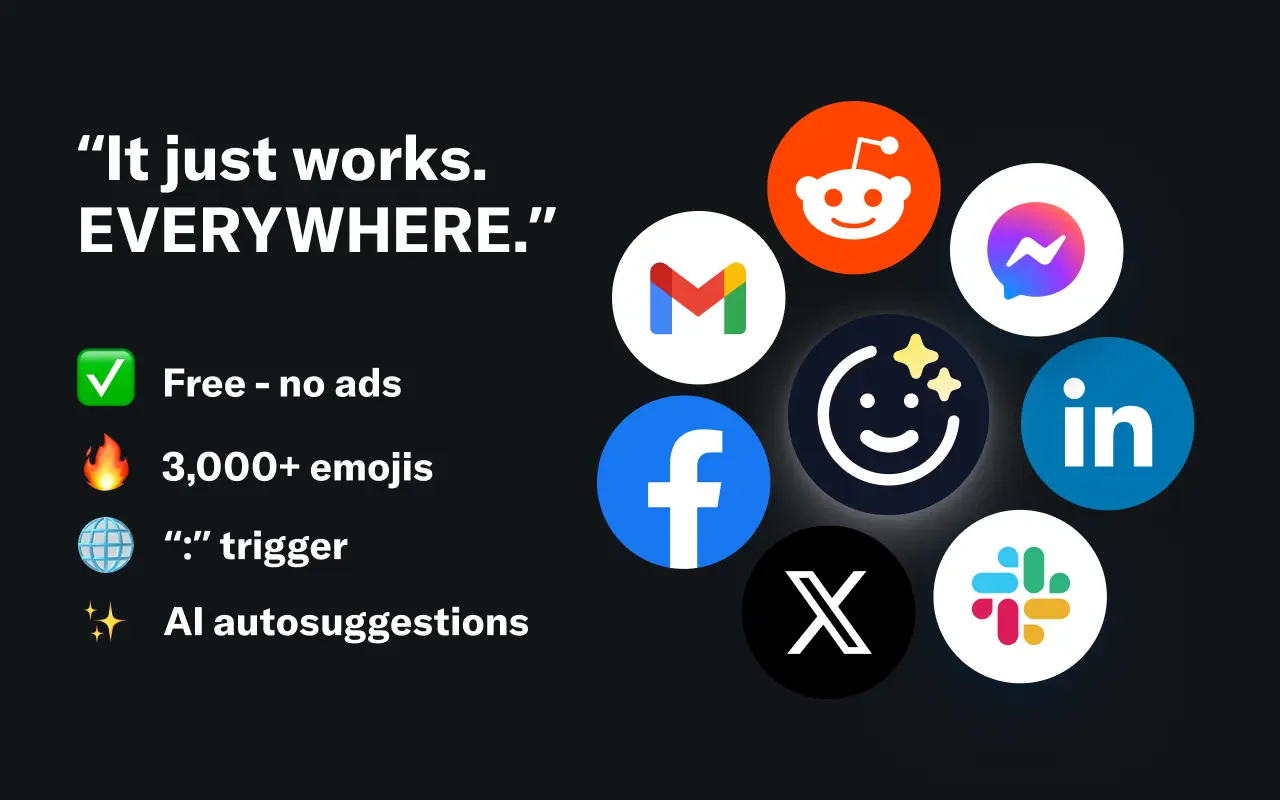
EmojAI
AI-powered emoji picker with smart, context-aware suggestions 🤖
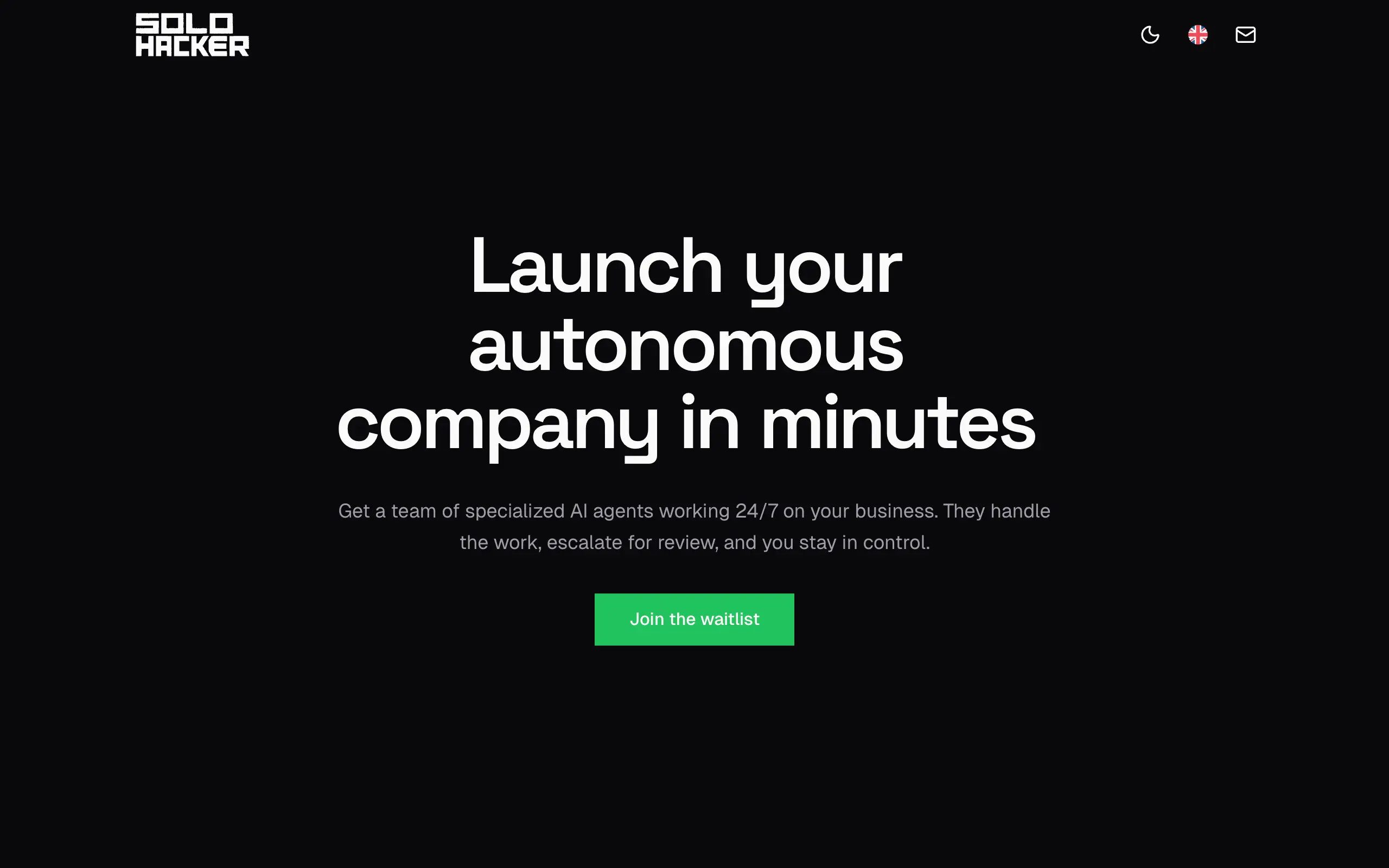
Solohacker
Autonomous company launcher - AI agents work 24/7, escalate what matters, and you stay in control 🤖

BeRawi: Storytelling Coach
Practice storytelling daily with instant feedback to sound clearer, more engaging, and confident 🎤
Omichat
Chat with 50+ AI models, including ChatGPT and Claude, in one place - switch models anytime without losing context 🤖
Claude Fast
Supercharge your Claude Code with 6x effective context window and specialized AI agents 🤖
EmojAI
AI-powered emoji picker with smart, context-aware suggestions 🤖
Solohacker
Autonomous company launcher - AI agents work 24/7, escalate what matters, and you stay in control 🤖
BeRawi: Storytelling Coach
Practice storytelling daily with instant feedback to sound clearer, more engaging, and confident 🎤
Omichat
Chat with 50+ AI models, including ChatGPT and Claude, in one place - switch models anytime without losing context 🤖
Claude Fast
Supercharge your Claude Code with 6x effective context window and specialized AI agents 🤖
EmojAI
AI-powered emoji picker with smart, context-aware suggestions 🤖
Solohacker
Autonomous company launcher - AI agents work 24/7, escalate what matters, and you stay in control 🤖
BeRawi: Storytelling Coach
Practice storytelling daily with instant feedback to sound clearer, more engaging, and confident 🎤
Omichat
Chat with 50+ AI models, including ChatGPT and Claude, in one place - switch models anytime without losing context 🤖
Claude Fast
Supercharge your Claude Code with 6x effective context window and specialized AI agents 🤖
EmojAI
AI-powered emoji picker with smart, context-aware suggestions 🤖
Solohacker
Autonomous company launcher - AI agents work 24/7, escalate what matters, and you stay in control 🤖
BeRawi: Storytelling Coach
Practice storytelling daily with instant feedback to sound clearer, more engaging, and confident 🎤

Connect with like-minded people
Join our community to get feedback, support, and grow together with 1,000+ builders on board, let's ship it!
Join usShip your startup everywhere. In minutes.
Don't burn tokens on setup and start building features on day one.