PolyMind Studio
Collaborative AI workspace where users deploy, compare, and chain multiple LLMs and agents to solve business problems, with analytics and optimization tools.
PolyMind Studio is an innovative AI SaaS platform designed to empower teams and organizations to collaboratively deploy, compare, and chain multiple large language models (LLMs) and AI agents. With built-in analytics and optimization tools, PolyMind Studio addresses a growing need for businesses to harness the full potential of AI—without being locked into a single model or vendor. This comprehensive guide explores the platform’s market fit, features, technical underpinnings, monetization strategies, and actionable steps for successful implementation.
Understanding the user and market: Who needs PolyMind Studio?
Target audience analysis
PolyMind Studio is purpose-built for a diverse set of users who require advanced, flexible, and collaborative AI solutions:
- AI product teams: Product managers, data scientists, and engineers seeking to experiment with, compare, and optimize multiple LLMs for their applications.
- Enterprise innovation labs: Organizations running pilots or proofs-of-concept with various AI models and agents, needing a unified workspace.
- Consultancies and agencies: Firms delivering AI-driven solutions to clients, requiring transparent model evaluation and collaborative workflows.
- Academic researchers: Teams comparing LLMs for research, benchmarking, or publication purposes.
- Startups and SMBs: Smaller teams wanting to leverage best-in-class AI without heavy infrastructure investment or vendor lock-in.
Key user pain points addressed
- Vendor lock-in: Difficulty switching between or combining LLMs from different providers.
- Lack of collaboration: Siloed workflows and limited visibility across teams.
- Complex model orchestration: Technical barriers to chaining or comparing multiple models and agents.
- Opaque performance: Insufficient analytics to understand and optimize model outputs for business goals.
Market opportunity and gap analysis
Why the need for a collaborative AI workspace?
The rapid proliferation of LLMs (e.g., OpenAI’s GPT-4, Google’s Gemini, Anthropic’s Claude, open-source models like Llama) has created a fragmented landscape. Businesses want to:
- Experiment with multiple models to find the best fit for specific tasks.
- Combine strengths of different LLMs and agents for complex workflows.
- Optimize costs and performance by switching or chaining models as needed.
However, most current solutions are:
- Single-model focused: Tied to one provider or architecture.
- Lacking in collaboration: Built for solo developers, not teams.
- Missing analytics: Offer little insight into model performance, cost, or business impact.
Market trends supporting PolyMind Studio
- Multi-LLM orchestration is a rising trend, as seen in the adoption of frameworks like LangChain and LlamaIndex.
- AI agent frameworks are gaining traction for automating complex business processes.
- Enterprise AI spending is projected to grow rapidly, with a focus on flexibility and ROI (see Gartner, IDC, or McKinsey for recent statistics).
Industry insight
According to recent industry reports, over 60% of enterprises plan to use multiple AI models or providers within the next two years, citing flexibility and risk mitigation as key drivers.
Core features and solution details
PolyMind Studio’s feature set is designed to address the full lifecycle of collaborative AI development and deployment.
1. Multi-LLM deployment and management
- Plug-and-play connectors for leading LLM APIs (OpenAI, Anthropic, Google, Cohere, open-source, etc.).
- Unified interface to deploy, configure, and manage multiple models side-by-side.
- Version control for model configurations and prompts.
2. Agent chaining and orchestration
- Visual workflow builder to chain LLMs and agents into complex pipelines.
- Conditional logic and branching for dynamic agent flows.
- Reusable templates for common business tasks (e.g., summarization, data extraction, customer support).
3. Real-time collaboration
- Shared workspaces for teams to co-design, test, and iterate on AI workflows.
- Commenting and annotation on model outputs and workflow steps.
- Role-based access control for secure collaboration.
4. Analytics and optimization
- Performance dashboards tracking accuracy, latency, cost, and user feedback.
- A/B testing to compare models or agent chains on real business data.
- Automated recommendations for model selection and workflow optimization.
5. Security and compliance
- Audit logs for all actions and model runs.
- Data privacy controls to ensure compliance with GDPR, HIPAA, etc.
- API key management and secure credential storage.
Multi-LLM support
Deploy and compare models from any major provider or open-source project.
Agent chaining
Visually build and optimize complex AI workflows with multiple agents.
Collaboration tools
Work together in real time, with comments, versioning, and access controls.
Analytics & optimization
Gain actionable insights and recommendations to maximize AI ROI.
Recommended tech stack and architecture
Choosing the right technology stack is crucial for PolyMind Studio’s scalability, security, and user experience.
Frontend
- React: For a dynamic, component-driven UI.
- TailwindCSS: For rapid, consistent styling.
- Redux or Recoil: For state management in collaborative features.
- WebSockets: For real-time collaboration and updates.
Backend
- Node.js (with Express): For API orchestration and workflow management.
- Python (with FastAPI): For LLM and agent integration, leveraging Python’s rich AI ecosystem.
- PostgreSQL: For structured data storage (users, workflows, analytics).
- Redis: For caching and real-time session management.
- Docker: For containerized deployments and scaling.
AI and orchestration
- LangChain or LlamaIndex: For agent chaining and multi-LLM orchestration.
- Celery: For background task processing (e.g., long-running model evaluations).
- API integrations: Secure connectors for OpenAI, Anthropic, Google, Cohere, and open-source LLMs.
Trade-offs and considerations
- Python vs. Node.js for backend: Python offers superior AI/ML library support, but Node.js may provide better real-time performance for collaboration features. A hybrid approach can leverage the strengths of both.
- Self-hosted vs. cloud: Cloud-native deployment (e.g., AWS, GCP, Azure) offers scalability and managed security, but some enterprises may require on-premises options for compliance.
Relying on a single provider limits flexibility, increases risk of vendor lock-in, and may not deliver optimal results for every use case. PolyMind Studio enables best-of-breed AI by combining multiple models and agents.
The platform offers granular data controls, encrypted storage, and audit logs. Enterprises can choose where data is stored and processed, supporting compliance with major regulations.
Monetization strategy options
PolyMind Studio can adopt several proven SaaS monetization models:
1. Subscription tiers
- Free tier: Limited usage, basic features, community support.
- Pro tier: Increased usage limits, advanced analytics, priority support.
- Enterprise tier: Custom integrations, on-premises deployment, dedicated support, SLAs.
2. Usage-based pricing
- Pay-as-you-go: Charges based on API calls, compute time, or workflow runs.
- Model-specific surcharges: Pass-through or markup for premium LLMs (e.g., GPT-4, Claude).
3. Add-ons and marketplace
- Premium templates: Pre-built agent chains for specific industries or tasks.
- Third-party integrations: Marketplace for connectors, analytics plugins, or workflow modules.
4. Professional services
- Onboarding and training: For enterprise clients.
- Custom workflow development: Consulting for unique business needs.
Potential risks and mitigation strategies
Every SaaS platform faces challenges. Here’s how PolyMind Studio can address them:
1. Model API changes or deprecation
- Mitigation: Abstract model connectors and maintain a modular integration layer. Monitor provider roadmaps and update connectors proactively.
2. Data privacy and compliance
- Mitigation: Offer on-premises or VPC deployment options. Implement robust encryption, access controls, and audit trails.
3. Cost overruns from LLM usage
- Mitigation: Provide real-time cost analytics, usage caps, and automated alerts for budget management.
4. User adoption and onboarding friction
- Mitigation: Invest in UX, onboarding tutorials, and in-app guidance. Offer a free tier for experimentation.
5. Competition from established AI platforms
- Mitigation: Focus on unique value—multi-LLM support, agent chaining, and deep collaboration—rather than competing on raw model access.
Competitive advantage: What makes PolyMind Studio unique?
PolyMind Studio stands out in a crowded AI SaaS landscape through several key differentiators:
- True multi-LLM and agent support: Most platforms are tied to a single provider or model. PolyMind Studio is agnostic, supporting any LLM or agent framework.
- Collaborative by design: Real-time, team-based workflows are core to the platform, not an afterthought.
- End-to-end analytics and optimization: Deep insights into model performance, cost, and business impact.
- Visual workflow builder: Enables non-technical users to design and optimize AI pipelines.
- Enterprise-grade security and compliance: Meets the needs of regulated industries.
| Multi-LLM | Agent Chaining | Collaboration | Analytics | Single Vendor Lock-in |
|---|---|---|---|---|
| ✅ | ❌ | ❌ | ✅ | ❌ |
| ✅ | ❌ | ✅ | ✅ | ❌ |
Implementation steps: How to launch PolyMind Studio successfully
A structured approach ensures a smooth rollout and maximizes user adoption.
Actionable next steps and resources
- Validate demand: Conduct interviews and surveys with target users.
- Prototype quickly: Use frameworks like React and LangChain for rapid MVP development.
- Monitor industry trends: Stay updated on new LLMs, agent frameworks, and compliance requirements.
- Leverage platforms like TurboStarter: Accelerate your SaaS build with proven templates and infrastructure.
Conclusion: Why PolyMind Studio is the future of collaborative AI workspaces
As AI adoption accelerates, businesses need flexible, collaborative, and analytics-driven platforms to unlock the full value of LLMs and agents. PolyMind Studio fills a critical gap by enabling teams to deploy, compare, and chain multiple models—while providing the tools to optimize for real business outcomes. Its unique combination of multi-LLM support, agent orchestration, real-time collaboration, and actionable analytics positions it as a category-defining solution for the next wave of enterprise AI.
By following the implementation steps and leveraging the recommended tech stack, founders and teams can bring PolyMind Studio to market quickly and effectively—empowering organizations to innovate with AI, without compromise.
For more resources and to accelerate your SaaS journey, explore TurboStarter.
More 🤖 AI Startup SaaS ideas
Discover more innovative ai startup SaaS ideas that are trending in 2026. Each idea is AI-generated with market validation and growth potential to help you find your next profitable venture faster than competitors.
Your competitors are building with TurboStarter
Below are some of the SaaS ideas that have been generated and built with our starter kit.
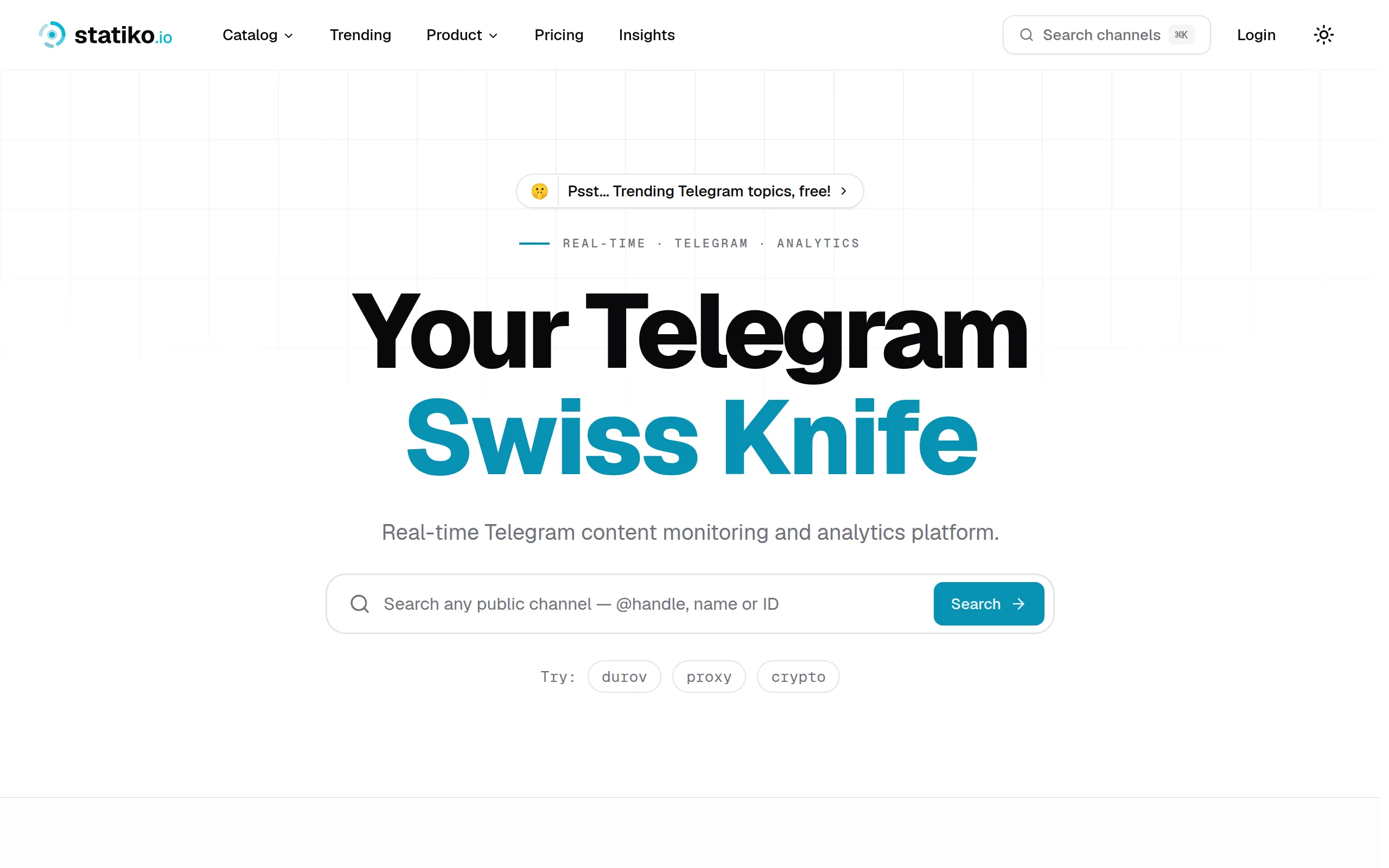
Statiko
Monitor any Telegram channel in real time - track posts, edits, deletions, and growth with AI recaps 📡

Shibui
AI website builder - describe your business, pick a niche template, edit by chatting, and publish instantly ✨

Pro Service
Find verified home service professionals, compare quotes, and pay securely through escrow - built for Brazilians across the US 🏠
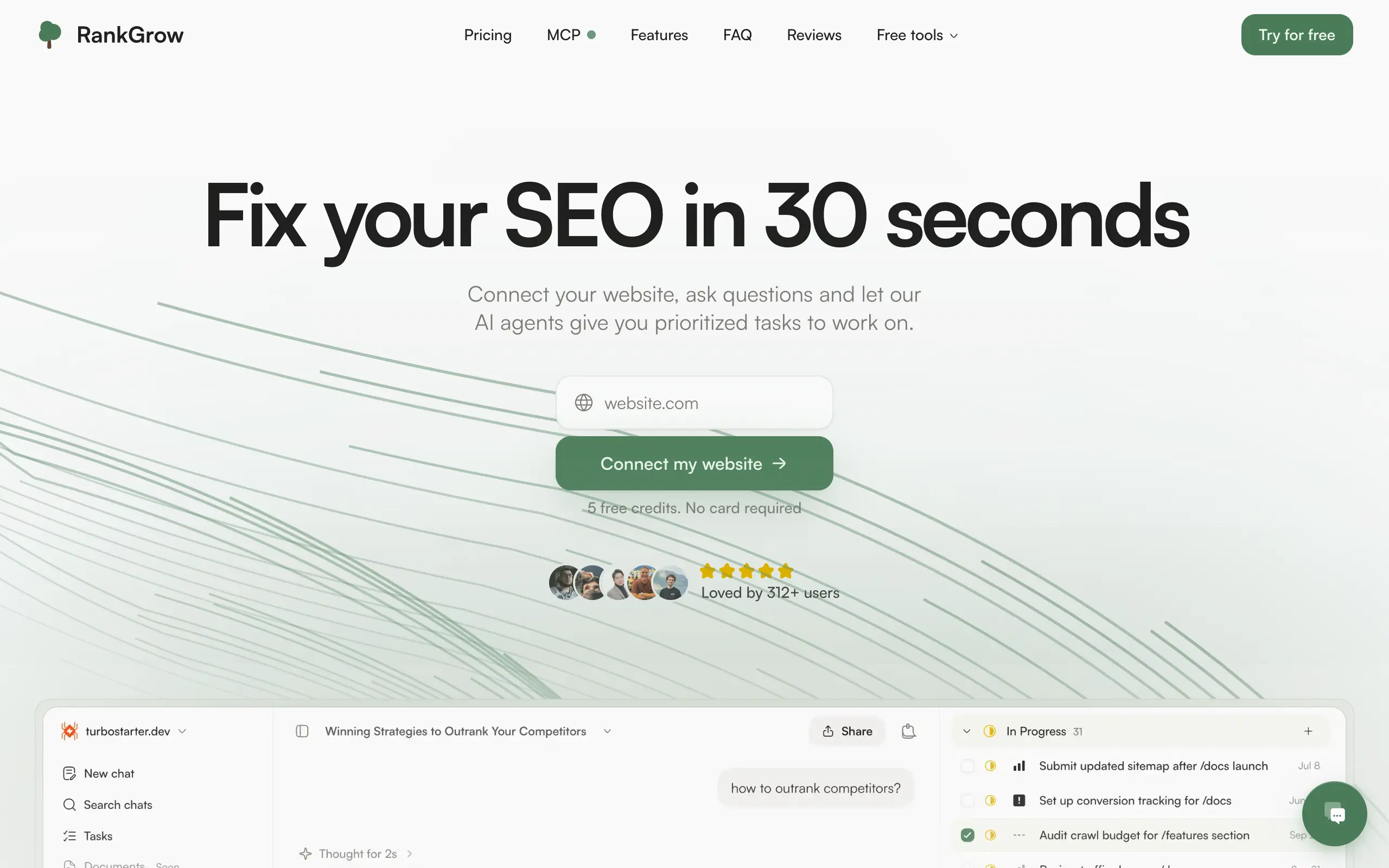
RankGrow
Fix your SEO with AI agents - connect Search Console, get prioritized tasks, and grow organic traffic 📈
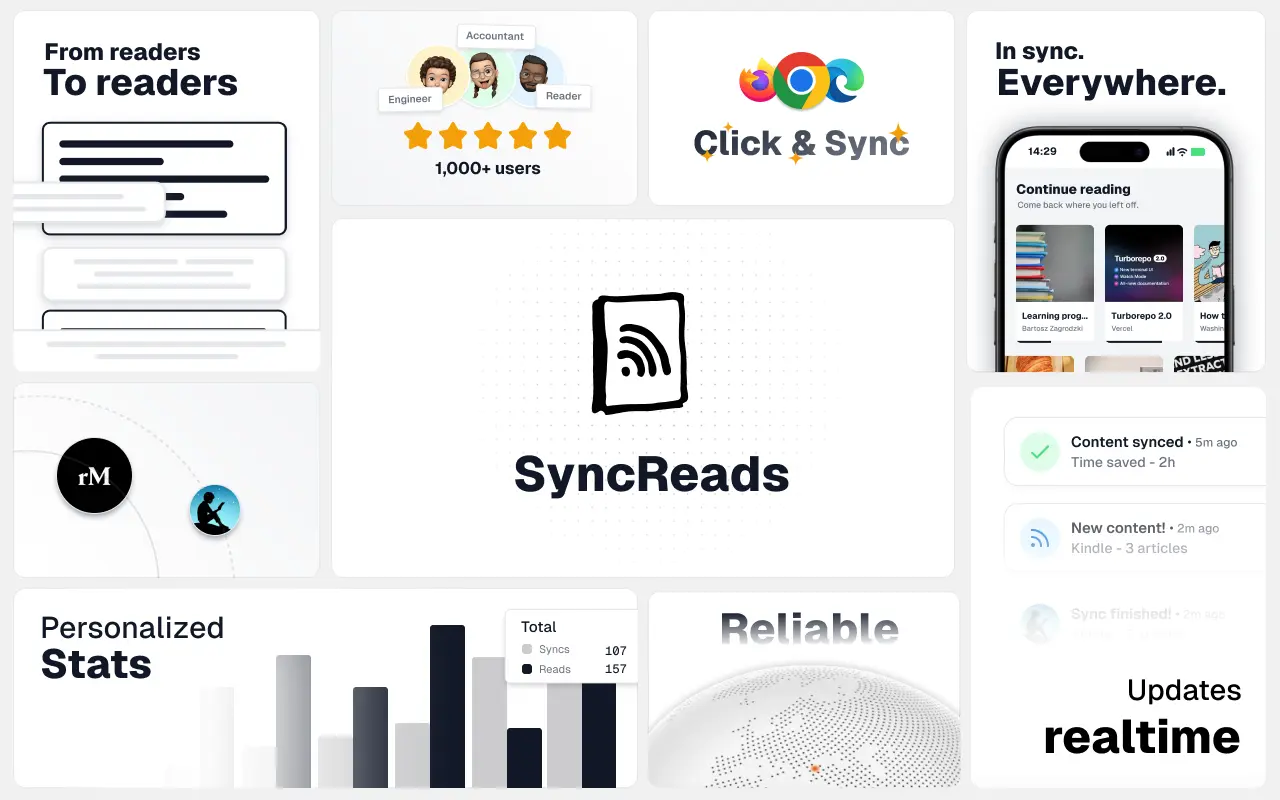
SyncReads
Sync your favorite content for distraction-free reading, save time and replace multiple apps. Anytime, anywhere 🔄
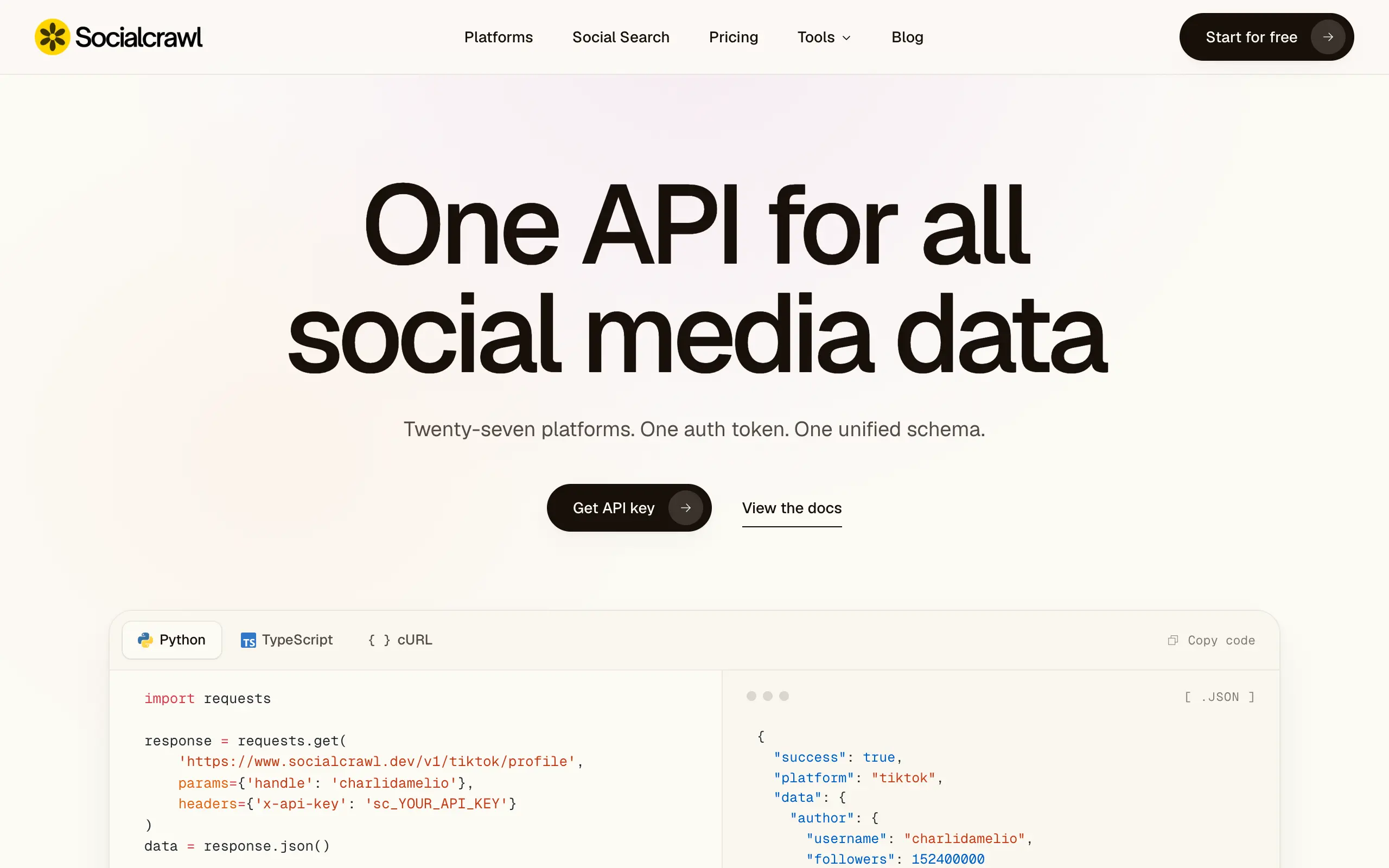
Socialcrawl
Get clean, structured data from 21 platforms like TikTok, Instagram, and YouTube with a single request 📊
Statiko
Monitor any Telegram channel in real time - track posts, edits, deletions, and growth with AI recaps 📡
Shibui
AI website builder - describe your business, pick a niche template, edit by chatting, and publish instantly ✨
Pro Service
Find verified home service professionals, compare quotes, and pay securely through escrow - built for Brazilians across the US 🏠
RankGrow
Fix your SEO with AI agents - connect Search Console, get prioritized tasks, and grow organic traffic 📈
SyncReads
Sync your favorite content for distraction-free reading, save time and replace multiple apps. Anytime, anywhere 🔄
Socialcrawl
Get clean, structured data from 21 platforms like TikTok, Instagram, and YouTube with a single request 📊
Statiko
Monitor any Telegram channel in real time - track posts, edits, deletions, and growth with AI recaps 📡
Shibui
AI website builder - describe your business, pick a niche template, edit by chatting, and publish instantly ✨
Pro Service
Find verified home service professionals, compare quotes, and pay securely through escrow - built for Brazilians across the US 🏠
RankGrow
Fix your SEO with AI agents - connect Search Console, get prioritized tasks, and grow organic traffic 📈
SyncReads
Sync your favorite content for distraction-free reading, save time and replace multiple apps. Anytime, anywhere 🔄
Socialcrawl
Get clean, structured data from 21 platforms like TikTok, Instagram, and YouTube with a single request 📊
Statiko
Monitor any Telegram channel in real time - track posts, edits, deletions, and growth with AI recaps 📡
Shibui
AI website builder - describe your business, pick a niche template, edit by chatting, and publish instantly ✨
Pro Service
Find verified home service professionals, compare quotes, and pay securely through escrow - built for Brazilians across the US 🏠
RankGrow
Fix your SEO with AI agents - connect Search Console, get prioritized tasks, and grow organic traffic 📈
SyncReads
Sync your favorite content for distraction-free reading, save time and replace multiple apps. Anytime, anywhere 🔄
Socialcrawl
Get clean, structured data from 21 platforms like TikTok, Instagram, and YouTube with a single request 📊
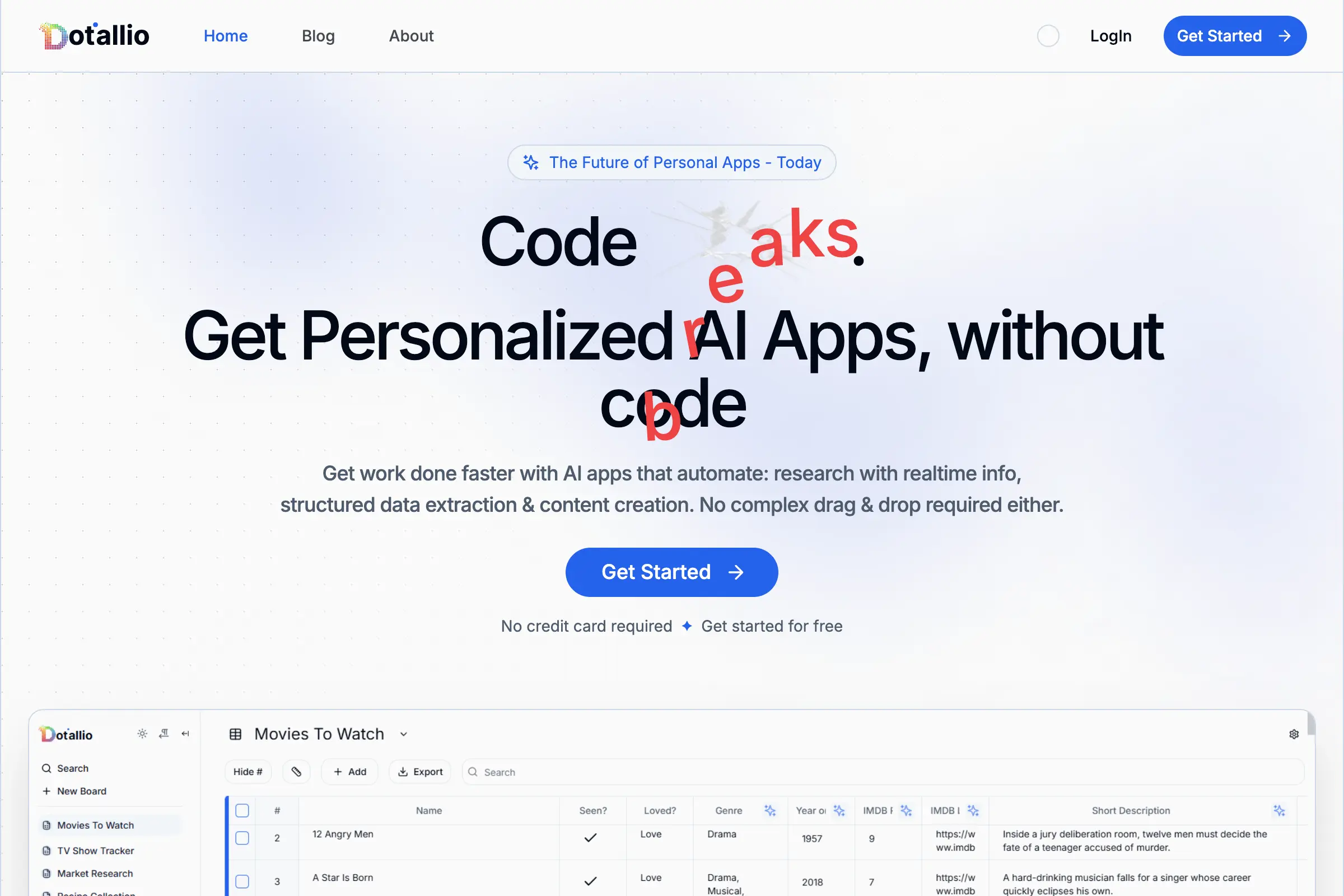
Dotallio
Personalized AI apps that automate research, data extraction, and content creation without code 🤖

Talk to Santa
Enjoy a magical live video chat or receive a unique AI-generated video greeting from Santa Claus 🎅
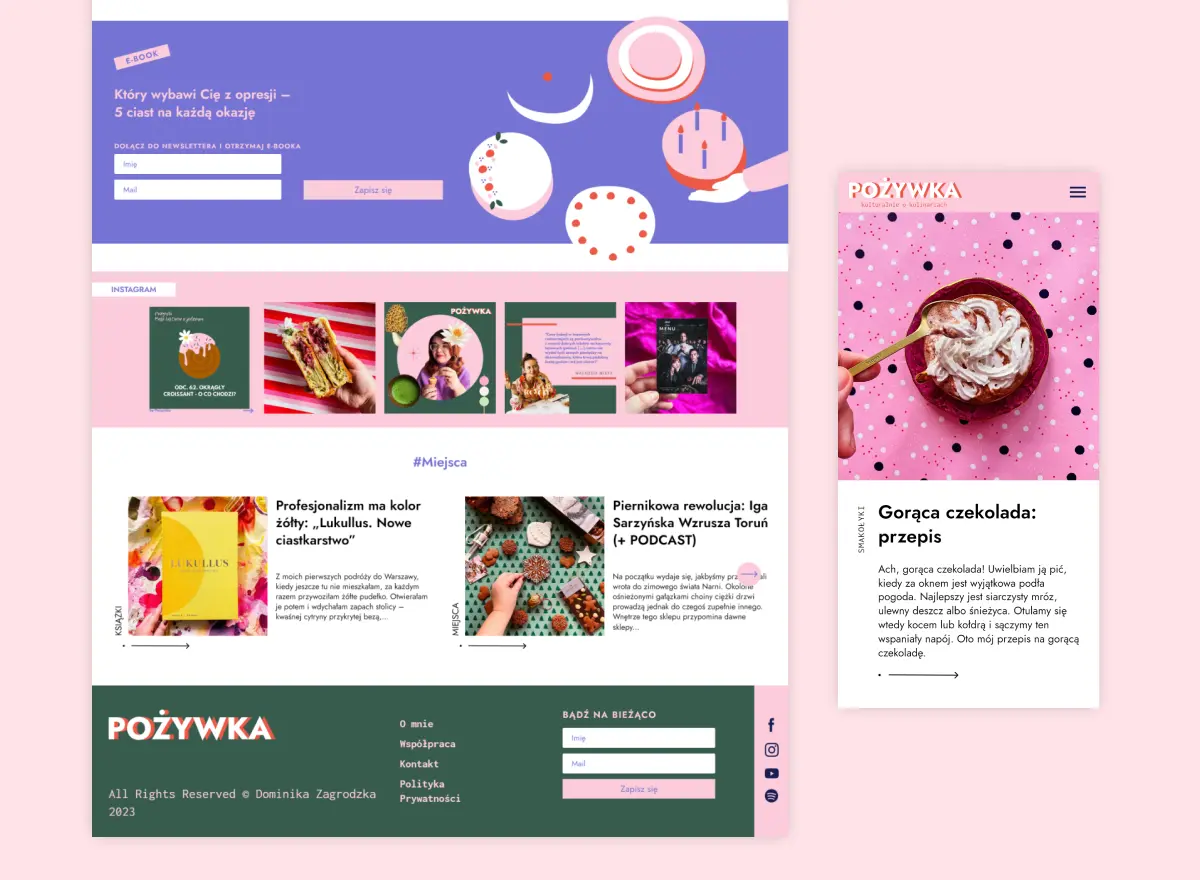
pozywka.pl
Scalable blog for food journalist, focused on performance and user experience 🌭
zagrodzki.me
Personal blog and portfolio of Bart Zagrodzki, where he shares his knowledge and work 💼
TurboStarter
Ship your startup everywhere. In minutes.
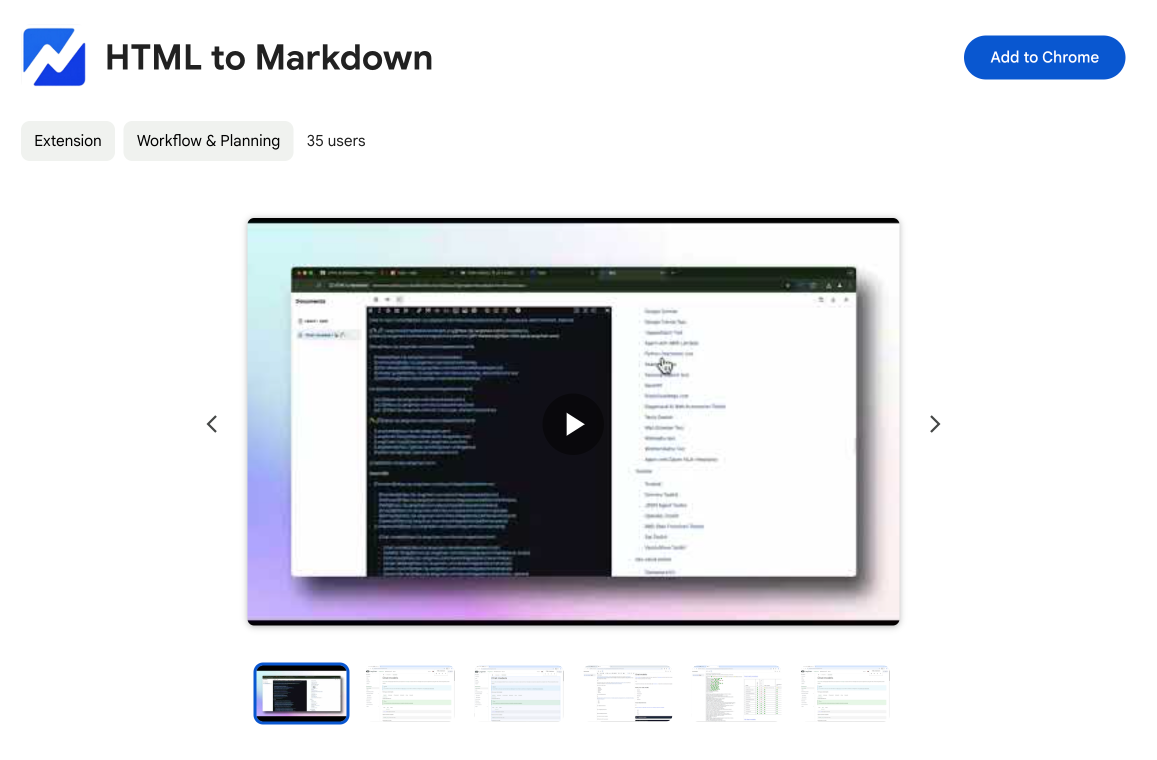
HTML to Markdown
Convert HTML to Markdown with ease, directly in your browser 📄
Dotallio
Personalized AI apps that automate research, data extraction, and content creation without code 🤖
Talk to Santa
Enjoy a magical live video chat or receive a unique AI-generated video greeting from Santa Claus 🎅
pozywka.pl
Scalable blog for food journalist, focused on performance and user experience 🌭
zagrodzki.me
Personal blog and portfolio of Bart Zagrodzki, where he shares his knowledge and work 💼
TurboStarter
Ship your startup everywhere. In minutes.
HTML to Markdown
Convert HTML to Markdown with ease, directly in your browser 📄
Dotallio
Personalized AI apps that automate research, data extraction, and content creation without code 🤖
Talk to Santa
Enjoy a magical live video chat or receive a unique AI-generated video greeting from Santa Claus 🎅
pozywka.pl
Scalable blog for food journalist, focused on performance and user experience 🌭
zagrodzki.me
Personal blog and portfolio of Bart Zagrodzki, where he shares his knowledge and work 💼
TurboStarter
Ship your startup everywhere. In minutes.
HTML to Markdown
Convert HTML to Markdown with ease, directly in your browser 📄
Dotallio
Personalized AI apps that automate research, data extraction, and content creation without code 🤖
Talk to Santa
Enjoy a magical live video chat or receive a unique AI-generated video greeting from Santa Claus 🎅
pozywka.pl
Scalable blog for food journalist, focused on performance and user experience 🌭
zagrodzki.me
Personal blog and portfolio of Bart Zagrodzki, where he shares his knowledge and work 💼
TurboStarter
Ship your startup everywhere. In minutes.
HTML to Markdown
Convert HTML to Markdown with ease, directly in your browser 📄
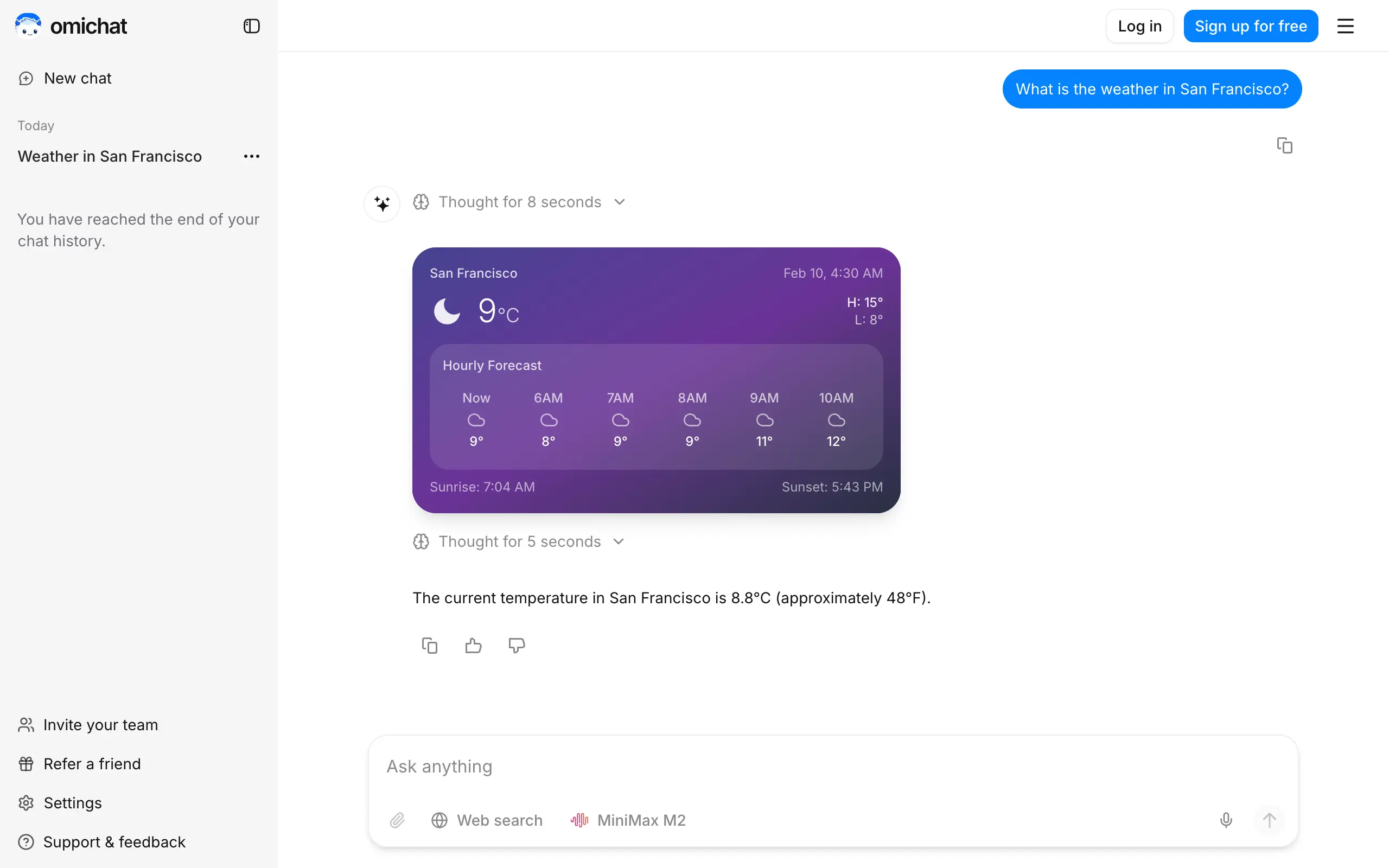
Omichat
Chat with 50+ AI models, including ChatGPT and Claude, in one place - switch models anytime without losing context 🤖
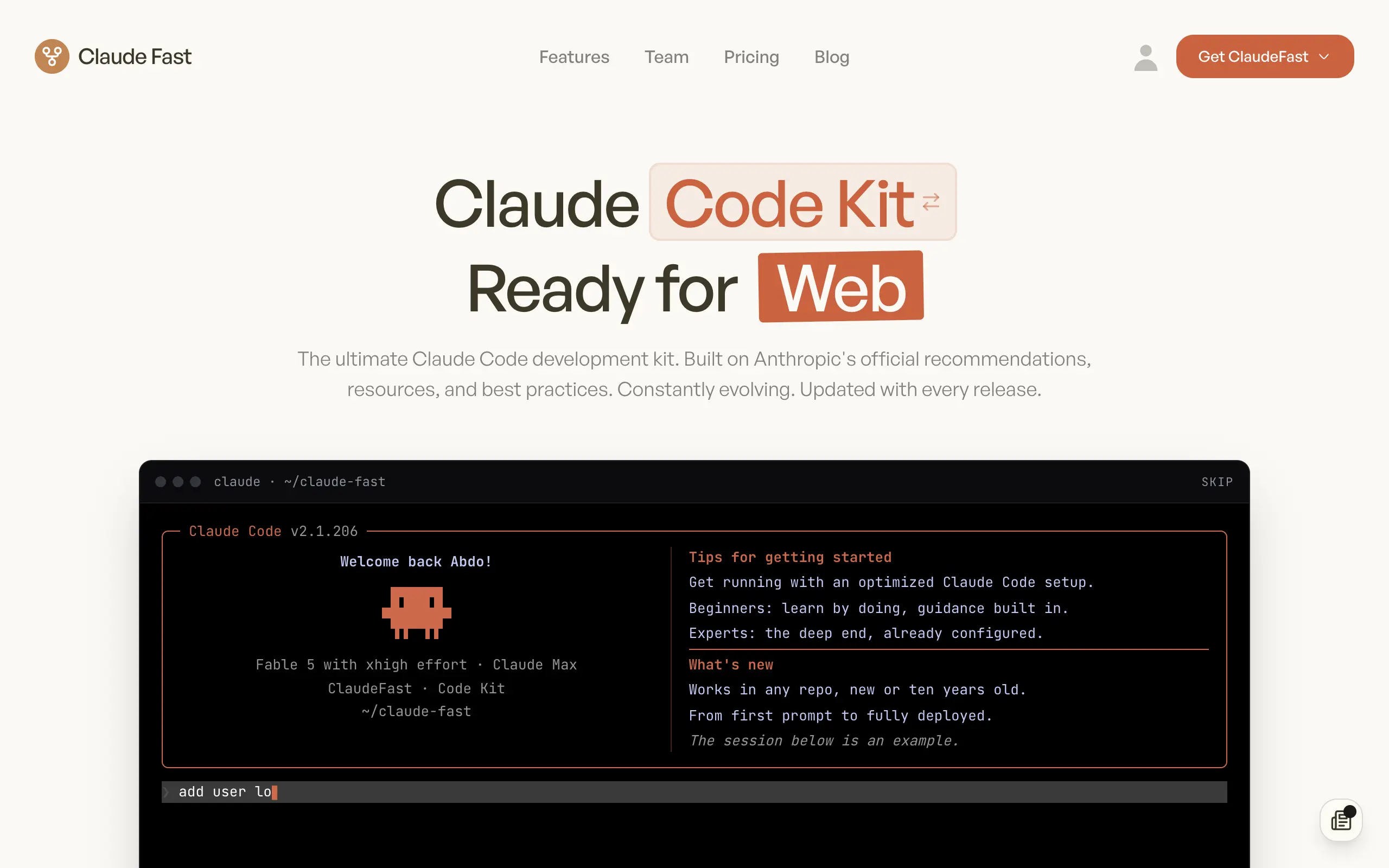
Claude Fast
Supercharge your Claude Code with 6x effective context window and specialized AI agents 🤖
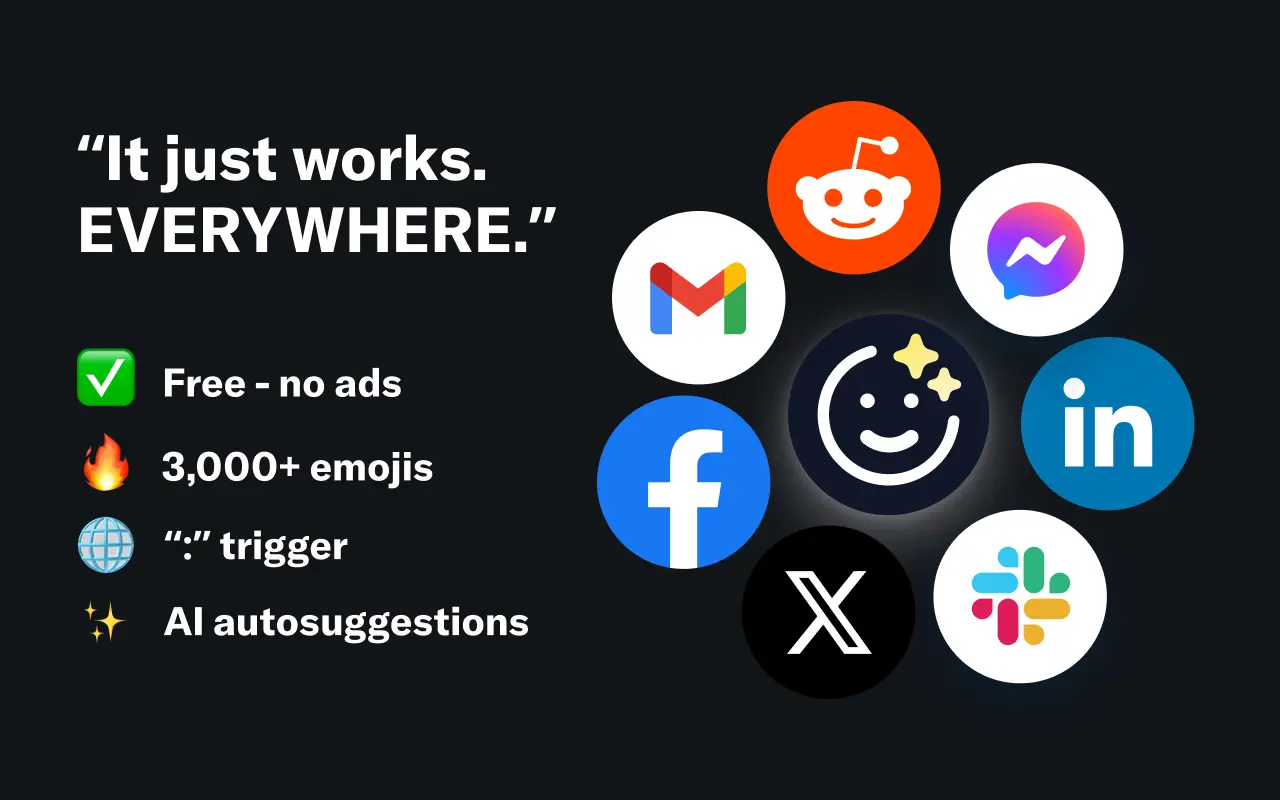
EmojAI
AI-powered emoji picker with smart, context-aware suggestions 🤖
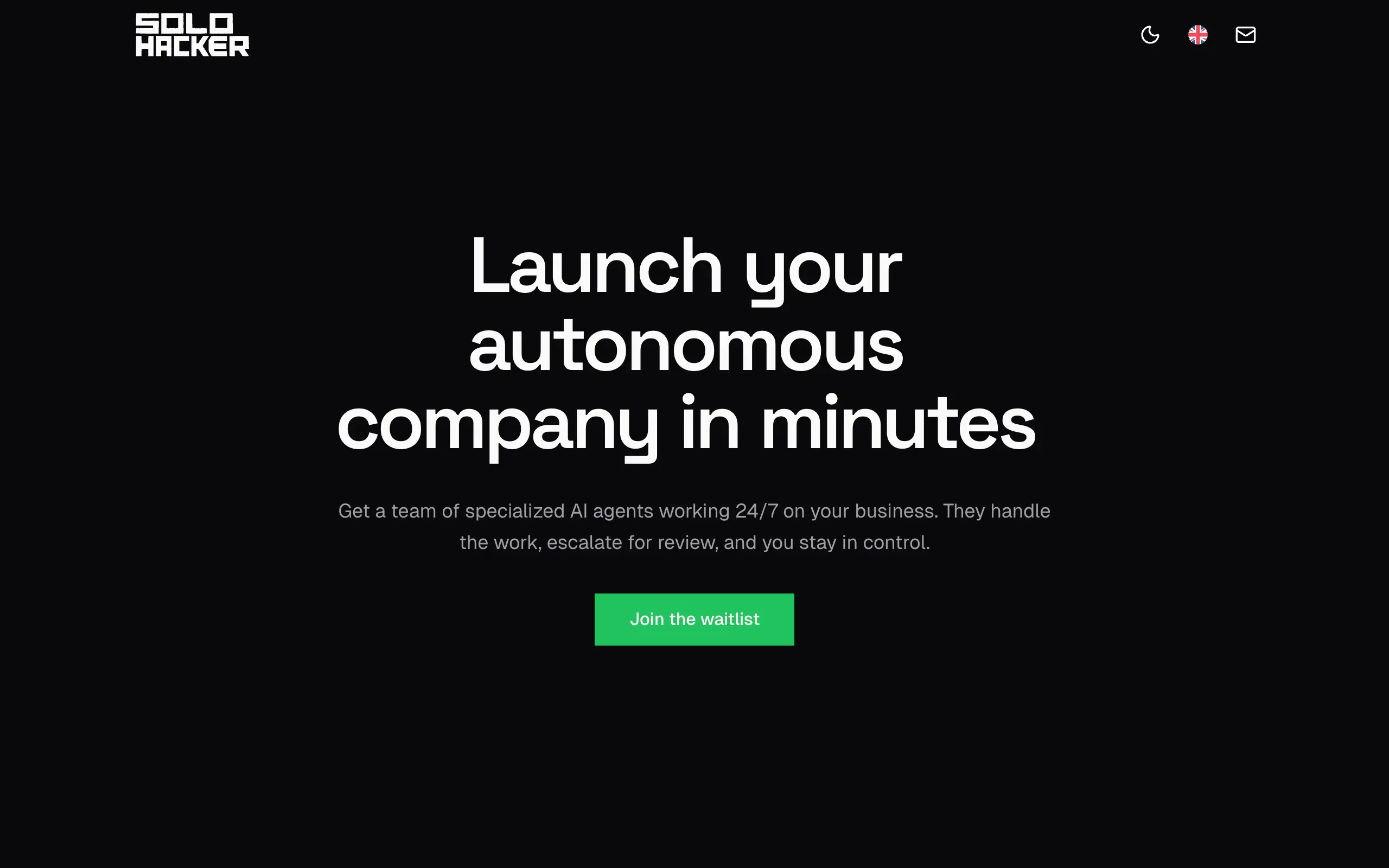
Solohacker
Autonomous company launcher - AI agents work 24/7, escalate what matters, and you stay in control 🤖
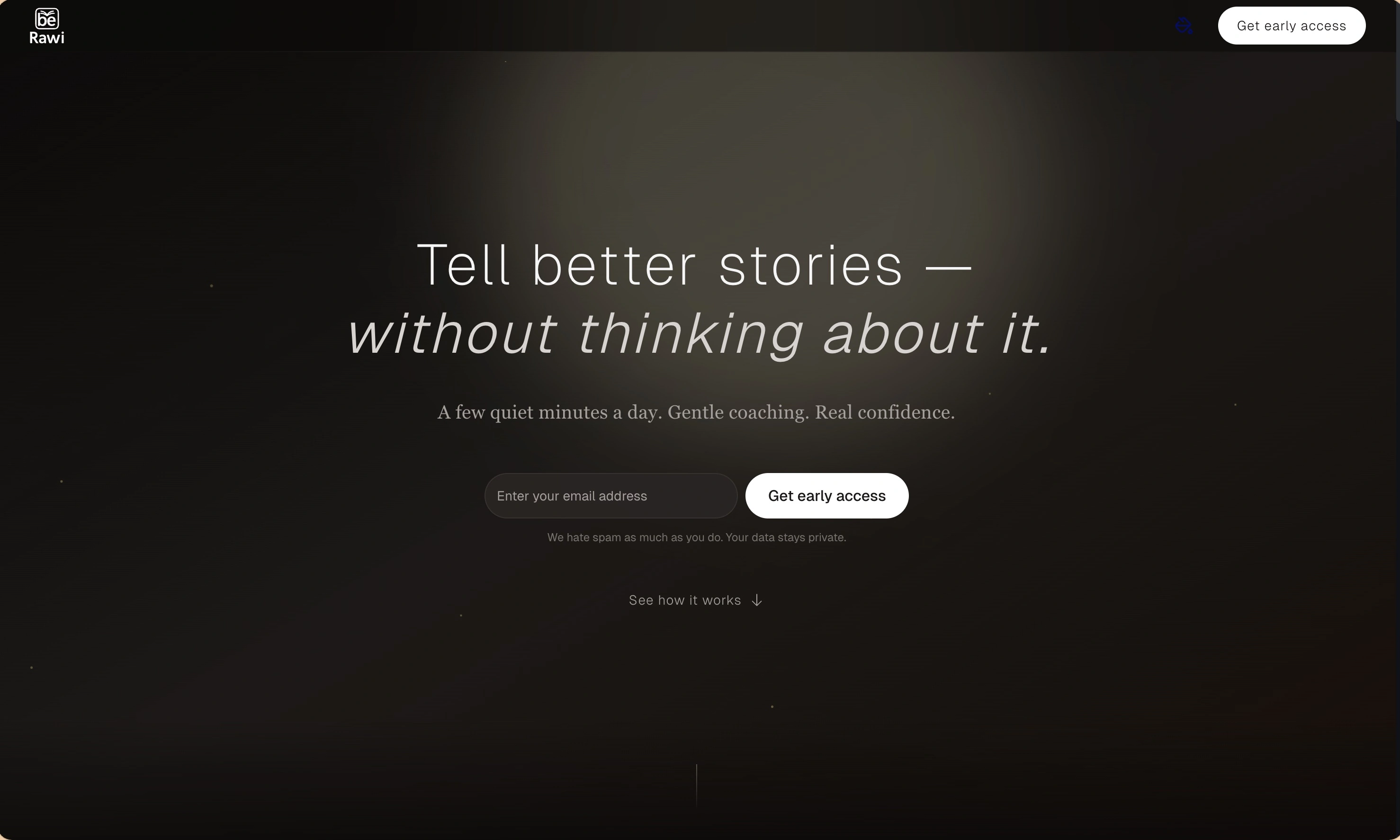
BeRawi: Storytelling Coach
Practice storytelling daily with instant feedback to sound clearer, more engaging, and confident 🎤
Omichat
Chat with 50+ AI models, including ChatGPT and Claude, in one place - switch models anytime without losing context 🤖
Claude Fast
Supercharge your Claude Code with 6x effective context window and specialized AI agents 🤖
EmojAI
AI-powered emoji picker with smart, context-aware suggestions 🤖
Solohacker
Autonomous company launcher - AI agents work 24/7, escalate what matters, and you stay in control 🤖
BeRawi: Storytelling Coach
Practice storytelling daily with instant feedback to sound clearer, more engaging, and confident 🎤
Omichat
Chat with 50+ AI models, including ChatGPT and Claude, in one place - switch models anytime without losing context 🤖
Claude Fast
Supercharge your Claude Code with 6x effective context window and specialized AI agents 🤖
EmojAI
AI-powered emoji picker with smart, context-aware suggestions 🤖
Solohacker
Autonomous company launcher - AI agents work 24/7, escalate what matters, and you stay in control 🤖
BeRawi: Storytelling Coach
Practice storytelling daily with instant feedback to sound clearer, more engaging, and confident 🎤
Omichat
Chat with 50+ AI models, including ChatGPT and Claude, in one place - switch models anytime without losing context 🤖
Claude Fast
Supercharge your Claude Code with 6x effective context window and specialized AI agents 🤖
EmojAI
AI-powered emoji picker with smart, context-aware suggestions 🤖
Solohacker
Autonomous company launcher - AI agents work 24/7, escalate what matters, and you stay in control 🤖
BeRawi: Storytelling Coach
Practice storytelling daily with instant feedback to sound clearer, more engaging, and confident 🎤

Connect with like-minded people
Join our community to get feedback, support, and grow together with 1,000+ builders on board, let's ship it!
Join usShip your startup everywhere. In minutes.
Don't burn tokens on setup and start building features on day one.