PresetPilot
An AI assistant for Ableton producers that creates searchable effect-chain presets from reference tracks and monetizable custom preset packs.
The opportunity for an AI Ableton preset generator
PresetPilot is positioned at the intersection of three durable creator trends: the growth of independent music production, the normalization of AI-assisted workflows, and the creator economy demand for sellable digital assets.
The core product is an AI Ableton preset generator that helps producers turn the sonic character of a reference track into searchable effect-chain presets. It can also package those presets into monetizable collections for sale or sharing. This is more specific, and potentially more valuable, than a generic “AI music tool.”
Ableton producers do not usually need another instrument that generates a full song. They need help solving practical production problems:
- Recreating the spacious vocal chain from a reference track
- Building a repeatable drum-bus treatment
- Finding a usable saturation and EQ chain for a specific genre
- Auditioning multiple mix-ready processing directions quickly
- Organizing years of racks, devices, samples, and project knowledge
- Creating preset packs that other producers can understand and buy
PresetPilot’s strongest promise is not “AI makes your music.” It is:
PresetPilot helps Ableton producers translate sonic intent into editable, searchable, production-ready effect chains.
That distinction matters. Musicians want creative acceleration, but they also want control, authorship, and the ability to modify every decision. An AI system that produces transparent Ableton racks, explains its choices, and allows rapid iteration can become part of a producer’s real workflow rather than a novelty used once.
The product thesis
The winning version of PresetPilot should treat reference analysis as a starting point, not a claim of perfect sound replication. It should identify production characteristics such as tonal balance, dynamics, stereo width, ambience, movement, and harmonic density, then create an editable chain that helps users move toward that character with their own audio.
Who needs an AI assistant for Ableton producers
The target market is broad enough to support meaningful SaaS revenue, but the product should initially focus on users with a clear pain point and willingness to pay.
Independent electronic music producers
Independent producers are the most natural early audience. They spend substantial time learning devices, comparing plugins, watching tutorials, and trying to make their work sound more polished.
Their typical workflow includes:
- Producing in Ableton Live Suite or Standard
- Using stock devices alongside third-party plugins
- Saving ad hoc Audio Effect Racks and Instrument Racks
- Referencing released tracks during arrangement and mixing
- Publishing on streaming platforms, Bandcamp, SoundCloud, YouTube, or DJ pools
- Buying sample packs, presets, templates, and educational products
For this audience, PresetPilot can eliminate a familiar loop: listen to a reference, guess at its chain, browse tutorials, tweak devices for an hour, and still not know whether the result is moving in the right direction.
The ideal first use case is narrow and emotionally compelling:
“Upload or analyze a reference, describe what you hear, select your source material, and receive an editable Ableton effect rack with an explanation of what each stage does.”
Genres with especially strong preset culture make excellent acquisition wedges:
- House, techno, and melodic techno
- Drum and bass
- Dubstep and bass music
- Lo-fi hip-hop
- Ambient and cinematic electronic music
- Hyperpop and experimental pop
- Trap, future bass, and electronic R&B
Mixing engineers and producer-engineers
More experienced users may not want a one-click preset. However, they can value PresetPilot as a mix decision assistant and preset-library management system.
For them, the product value shifts from “teach me how to make this sound” to “help me generate options and standardize repeatable chains.” A mixing engineer might use the tool to create versions of a vocal rack optimized for different vocalists, generate starting points for drum parallel processing, or tag their own rack library by sound and practical use.
This segment is valuable because it can support higher-priced professional plans, team workspaces, custom library migration, and white-label preset distribution.
Content creators, educators, and preset sellers
The creator-facing monetization angle is one of PresetPilot’s most defensible opportunities. Producers with audiences frequently sell:
- Ableton templates
- Audio Effect Racks
- Instrument Racks
- MIDI packs
- Sample packs
- Mixing chains
- Production courses
- One-on-one feedback
These creators need systems for making packs faster, organizing them, documenting them, previewing them, and distributing them professionally. PresetPilot can become an operating system for preset entrepreneurs rather than just an AI recommendation tool.
A creator may have great ears but limited time for naming dozens of presets, writing clear descriptions, producing demo loops, assigning tags, building product pages, and ensuring pack consistency. AI can support all of those non-musical tasks while leaving the creator in control of the sound design.
Students and newer Ableton users
Beginners are a high-volume acquisition audience, especially when reached through YouTube, TikTok, producer communities, and educational partnerships. They are often price-sensitive, so they should not be the only monetization focus. Still, they are highly likely to benefit from guided explanations.
For a student, PresetPilot should explain concepts in plain language:
- Why a high-pass filter may clean a reverb return
- How sidechain compression creates movement
- Why multiband compression can control an aggressive bass
- When a widener can damage mono compatibility
- How gain staging affects perceived loudness
This transforms presets from black boxes into interactive lessons.
Fast results seekers
Independent producers who need useful chains quickly and want editable Ableton-native starting points.
Workflow professionals
Engineers and advanced producers who want reusable chain templates, library search, and consistent studio processes.
Preset entrepreneurs
Creators who need tools to produce, package, market, and sell original preset collections.
The market gap: presets exist, but discovery and context do not
The preset market is not new. Ableton users can download free racks, buy genre-specific packs, purchase plugin presets, and save their own chains. The real market gap is that these assets are typically fragmented, poorly searchable, and disconnected from the user’s actual sonic goal.
A producer might own hundreds of presets but still ask questions such as:
- Which rack is best for a dark, washed-out vocal?
- What chain will make this bass feel wider without losing mono punch?
- Which of my saved racks works for a clean, metallic techno percussion bus?
- How can I move toward the compression character of a reference without copying it?
- Which presets in my library are suitable for a 124 BPM deep house track?
File names alone are inadequate. A folder called VOCAL_CHAIN_FINAL_v7.adg tells a producer almost nothing. Existing preset browsers generally lack semantic search, audio-aware tagging, version history, compatibility awareness, and transparent recommendations.
This is where PresetPilot can create a distinct category: the intelligent preset layer for Ableton Live.
Why reference-track workflows are underserved
Reference tracks are central to professional production, yet most software approaches them in limited ways. Spectrum analyzers, loudness meters, and match EQ tools provide measurements. Tutorials offer general guidance. Producers then have to interpret those signals and manually build a chain.
PresetPilot can bridge the gap between analysis and action.
Instead of only saying, “This reference has stronger upper-mid energy and a wider stereo image,” the platform can say:
- The reference’s perceived character relies on controlled low-end, moderate saturation, and bright but smoothed upper frequencies.
- Your selected vocal or synth source has different raw material, so a direct match is inappropriate.
- Here are three rack directions that could create a comparable emotional effect.
- This chain is designed for clean source material; this alternative is safer for harsh recordings.
- Here is what to adjust if the result feels too sharp, too flat, too wide, or too compressed.
This approach respects the reality that no effect chain can guarantee a match across different sounds, arrangements, monitoring environments, and skill levels.
The searchable preset library gap
A second major gap is library management. Producers accumulate devices from multiple sources, including their own racks, purchased packs, free downloads, studio collaborations, and project-specific experiments.
PresetPilot can index a user’s personal collection using metadata such as:
- Device chain and routing
- Macro mappings
- Device parameters
- Plugin dependencies
- CPU demand estimates
- Genre and use-case tags
- Source type suitability
- Tonal and dynamic descriptors
- Wet/dry characteristics
- Stereo and mono behavior
- Creator, pack, version, and licensing status
Natural-language search then becomes possible. A user could search for “warm tape-style drum bus with subtle glue,” “bright vocal delay for a sparse pop arrangement,” or “aggressive parallel bass distortion that keeps the sub clean.”
That is a much stronger everyday workflow than merely generating new presets.
What PresetPilot should build first
The MVP should not attempt to solve every production task or support every DAW. The strongest initial product is deeply focused on Ableton Live and stock devices, with optional third-party plugin support introduced carefully.
Core feature: reference-informed effect-chain generation
The primary workflow should combine reference analysis, user intent, and source-aware recommendations.
A producer chooses:
- A reference track or a short audio excerpt they are entitled to use.
- A target element such as vocal, kick, drum bus, bass, lead, pad, master bus, or return channel.
- A written goal such as “wide, hazy, and soft” or “tight, punchy techno percussion.”
- Their available tools, beginning with Ableton stock devices.
- A source preview or description of the audio they are processing.
PresetPilot returns a small number of distinct effect-chain options, not an overwhelming list. Each option should include:
- A downloadable Ableton rack or device-chain instructions
- Macro controls with meaningful names
- A short explanation of the sound strategy
- Device-by-device reasoning
- Gain-staging notes
- A confidence or suitability indicator
- Warnings about common failure modes
- Before-and-after audition guidance
- A way to save, tag, revise, and share the preset
The system should prioritize usable ranges over brittle fixed settings. For instance, it can suggest a high-pass filter range, a gentle compressor ratio range, and macro-controlled ambience rather than pretending one exact value fits every recording.
Core feature: semantic preset search
Semantic search should be built early because it creates ongoing retention after the initial novelty of AI generation fades.
Useful filters include:
- Target type such as vocals, drums, bass, synths, or mix bus
- Genre and mood
- Ableton Live version
- Stock device only
- Third-party plugin requirements
- CPU-light options
- Mono-safe options
- Beginner, intermediate, or advanced chains
- Owned presets versus marketplace presets
- Free, paid, private, or collaborative access
The search experience should combine filters with natural language. A producer should not need to understand a rigid tagging system before finding value.
Core feature: a preset pack publishing studio
The monetizable preset pack feature is not an add-on. It is a second product loop that can build supply, attract creators, and establish PresetPilot as a marketplace.
A pack publishing workflow can help creators:
- Group related racks into a coherent collection
- Check naming consistency
- Generate editable descriptions and setup notes
- Create tags and search metadata
- Identify third-party plugin dependencies
- Create license terms and usage guidance
- Generate demo-script prompts for audio or video production
- Offer free sample presets that lead to paid packs
- Track sales, downloads, refunds, and conversion
- Update packs when Ableton or dependencies change
Creators should always review AI-generated copy and metadata before publishing. The platform must make authorship and accountability clear.
Core feature: explainable production guidance
Explainability is a critical trust feature. Users will abandon a music AI assistant if it hides decisions behind mystical language or outputs chains that sound impressive only in a short demo.
Each recommendation should answer:
- What is this chain trying to achieve?
- Why is each device included?
- Which parameter has the greatest impact?
- What should the user listen for while adjusting it?
- What should they avoid?
- How does the recommendation differ from another suggested chain?
An “ear training” mode can make the product especially sticky. It could prompt the user to A/B processing stages and identify changes in brightness, width, transient impact, sustain, or density.
| Feature area | User problem | PresetPilot solution | Business value | MVP priority |
|---|---|---|---|---|
| Reference analysis | Users struggle to turn listening into actions | Intent-led chain recommendations | Strong acquisition hook | High |
| Semantic search | Preset libraries are unmanageable | Natural-language discovery and filters | Retention and subscription value | High |
| Pack publishing | Creators lack a scalable sales workflow | Publishing, metadata, licensing, and sales tools | Marketplace revenue potential | Medium |
| Live audio assistant | Users want real-time feedback | In-session analysis and suggestions | Premium differentiation | Later |
How the AI Ableton preset generator should work
The technical and product challenge is not simply connecting a language model to a preset file. High-quality output requires a hybrid system that combines structured audio analysis, constrained generation, domain knowledge, validation, and user feedback.
Use audio analysis for descriptors, not copyright-sensitive imitation
The reference track pipeline should extract high-level features that are useful for production decisions. These may include:
- Spectral distribution and broad tonal balance
- Dynamic range and crest-factor indicators
- Transient density
- Stereo width by frequency range
- Reverb and delay characteristics
- Tempo and rhythmic density
- Harmonic content and saturation cues
- Section-level energy changes
The model should avoid claiming to recreate proprietary production techniques or a specific artist’s signature sound. The safer and more credible product language is “inspired by characteristics you identified” or “designed for a similar production objective.”
This also creates better results. A reference track contains vocals, arrangement, mastering, sound selection, performance, and mix decisions. An effect chain applied to one user stem cannot replicate all of that.
Represent chains as structured data
Preset generation should be based on a structured chain schema, not unconstrained prose. A schema makes recommendations easier to validate, export, compare, and evolve.
type EffectChain = {
  name: string;
  target: "vocal" | "drums" | "bass" | "synth" | "mix_bus";
  intent: string[];
  devices: Array<{
    device: string;
    purpose: string;
    parameters: Record<string, number | string | boolean>;
    macroAssignments?: string[];
  }>;
  gainStagingNotes: string[];
  compatibility: {
    abletonVersion: string;
    stockDevicesOnly: boolean;
    requiredPlugins: string[];
  };
  warnings: string[];
};
The application can use this schema to enforce constraints. For example, it can prevent unsupported device names, flag dangerous gain accumulation, catch missing macro mappings, and provide compatibility checks before export.
Build a curated knowledge layer
An AI model should not invent production rules from scratch. PresetPilot needs a curated knowledge layer that captures established engineering practices and Ableton-specific implementation details.
This knowledge base can include:
- Official Ableton device documentation
- Parameter ranges for supported devices
- Best-practice chain templates
- Expert-reviewed genre recipes
- Notes on phase, mono compatibility, and gain staging
- Plugin compatibility data
- Creator-authored preset explanations
- Internal test results from controlled audio examples
For Ableton-specific product behavior, the team should consult Ableton documentation and test across supported Live versions. The goal is not to make the AI sound authoritative. The goal is to ensure it is grounded in reliable, auditable constraints.
Validate every generated chain
A preset should pass automated validation before a user sees it. Useful checks include:
- Confirm every device is available in the selected Ableton version
- Confirm macros map to valid and useful parameters
- Estimate whether the chain introduces excessive gain
- Flag stereo widening below a configured low-frequency threshold
- Warn when compression settings are likely too aggressive
- Identify plugin dependencies clearly
- Verify exported metadata and license fields
- Test whether the preset opens successfully in a controlled Ableton environment
Human review is also necessary for popular marketplace packs, featured creator content, and major model updates.
Do not overpromise sonic matching
Reference tracks are valuable learning inputs, but an AI preset generator cannot reliably reproduce a released track from a single audio file. Sound selection, arrangement, recording quality, monitoring, and mastering all influence the result. PresetPilot should frame outputs as editable, source-aware starting points.
Recommended tech stack for PresetPilot
The right stack depends on whether the first version is a web-based assistant, a downloadable desktop companion, or a direct Ableton integration. A practical launch path is a web app plus a local companion that handles secure preset-library scanning and file export.
Product application stack
A modern TypeScript stack supports fast iteration, clear schemas, and a strong developer ecosystem.
- Next.js for the web application, authenticated dashboards, SEO content, API endpoints, and marketplace pages
- React for interactive library management, rack configuration, and visual comparison tools
- TypeScript for safer preset schemas and shared types across the product
- Tailwind CSS for a consistent interface without slow custom CSS cycles
- PostgreSQL for users, packs, orders, structured preset metadata, permissions, and audit logs
- pgvector for embedding-based semantic search where a relational database is already in use
- Stripe for subscriptions, marketplace payments, tax handling options, and creator payouts through appropriate connected-account flows
- Sentry for application error monitoring and production diagnostics
A production-ready starter can reduce setup time substantially. TurboStarter is a useful foundation for teams that want to begin with SaaS essentials such as authentication, billing patterns, dashboards, and scalable application structure rather than rebuilding commodity infrastructure.
Audio and AI processing architecture
Audio processing should be designed for privacy, cost control, and reproducibility.
A sensible architecture includes:
- Browser-side preprocessing for file validation, waveform generation, and optional short preview extraction.
- Object storage for uploads with configurable retention and deletion policies.
- Background jobs for feature extraction and AI generation.
- A Python audio analysis service using libraries such as librosa where appropriate for spectral and rhythmic feature work.
- A model orchestration layer that combines structured audio features, user intent, device constraints, and retrieval from the knowledge base.
- A validation service that checks generated chain schemas before saving or exporting results.
- An embedding index for presets, creator descriptions, and user library metadata.
The main trade-off is between a fully cloud-based system and local processing. Cloud analysis is easier to deploy and improves centrally over time, but users may be uncomfortable uploading unreleased music. Local processing is more private but more complex, especially across operating systems and Ableton versions.
A hybrid approach is often best:
- Analyze non-sensitive descriptors locally when possible.
- Let users choose whether audio leaves their device.
- Upload only derived features for certain workflows.
- Clearly disclose data retention, model training policy, and deletion controls.
Ableton integration trade-offs
Ableton integration must be handled conservatively. The MVP does not need to automate every in-DAW action. It can start by generating compatible racks, providing parameter instructions, and supporting convenient exports.
Potential integration levels include:
Users generate a rack in the web app, download it, and add it to their Ableton User Library. This is the easiest route to market, but it introduces a context switch.
A desktop helper indexes local preset folders, manages exports, detects installed plugins, and keeps the user library synchronized. This improves the workflow while preserving a web-first product.
A dedicated device or control-surface-style integration could bring recommendations closer to the Ableton session. It offers the best experience, but requires more maintenance, careful compatibility testing, and platform-specific expertise.
Start with the first approach, validate demand, then invest in the companion app when users consistently ask for a more seamless workflow.
Monetization options for PresetPilot
PresetPilot has multiple viable revenue streams. The key is to avoid forcing every user into a high-priced subscription before they have experienced a tangible production win.
Freemium subscription model
A free plan can let users search public presets, index a small personal library, and generate a limited number of basic chain recommendations each month.
Paid tiers can unlock higher-value workflow features.
- "Free plan": limited generations, a capped private library, public preset discovery, and basic exports
- "Producer plan": more generations, full library search, advanced reference analysis, saved projects, and stock-device rack exports
- "Pro plan": third-party plugin-aware chains, advanced comparison tools, priority processing, expanded storage, and commercial preset pack publishing
- "Studio plan": multiple seats, shared libraries, approval workflows, branded libraries, client presets, and central billing
Usage-based credits may work well for expensive audio analysis tasks, but only if the pricing is easy to understand. Music producers tend to dislike opaque credit systems. Make credits map to obvious actions, such as “reference analyses” or “high-fidelity chain builds.”
Marketplace commission
The creator marketplace can become a meaningful revenue channel after PresetPilot has established trust, quality controls, and demand.
The platform can take a commission on:
- Paid preset packs
- Premium creator bundles
- Subscription-style preset memberships
- Template and rack bundles
- Add-on educational content
- Affiliate-driven sales where appropriate
The marketplace should not launch as an uncurated file dump. Quality standards are part of the product. Every listed pack needs clear compatibility information, audio previews, licensing terms, dependency disclosure, meaningful tagging, and a refund policy appropriate to digital goods.
White-label and B2B opportunities
Longer term, PresetPilot could serve:
- Music production schools
- Online course platforms
- Plugin developers
- Sample-pack labels
- Recording studios
- Artist-development programs
- Hardware companies with companion software
For example, a plugin developer may want an AI-powered preset finder trained on its product catalog. A school may want a private Ableton rack library with guided lessons. These deals can have higher contract value, but they should come after the consumer workflow is proven.
Competitive advantage: why PresetPilot can stand out
The music AI market is crowded with broad tools for generating songs, stems, vocals, and lyrics. PresetPilot can win by being deliberately narrow, technically useful, and deeply integrated with real producer behavior.
Its competitive advantage rests on five layers.
A producer-first workflow instead of generic generation
Most music creators do not need an AI to replace their creative decisions. They need an assistant that shortens repetitive experimentation while retaining artistic control.
PresetPilot outputs editable chains, macro controls, and explanations. That makes it a production companion rather than a black-box music generator.
Ableton-specific depth
A generic cross-DAW tool may have a larger theoretical market, but Ableton-specific depth is a stronger early advantage. Users will value correct device mappings, reliable rack exports, stock-device alternatives, and language that reflects how Ableton producers actually work.
Semantic organization becomes a data moat
A searchable, continuously enriched personal preset library is sticky. Over time, PresetPilot can learn a user’s preferred devices, genres, macro behavior, gain-staging habits, and favored creator packs.
This data must be handled responsibly and transparently. But with consent, it can create increasingly personalized recommendations that a simple downloadable preset pack cannot match.
Creator supply loop
Creators bring original packs to the marketplace. Better packs attract more producers. More producer demand attracts more creators. The publishing studio makes that loop easier to start because it reduces the operational burden of creating a professional product.
Trust through transparency
Trust is especially important in audio. Producers have trained ears, strong opinions, and low tolerance for gimmicks.
PresetPilot should earn confidence with:
- Transparent device choices
- Clear parameter ranges
- Honest warnings
- Compatibility checks
- Editable output
- Visible plugin dependencies
- Simple data controls
- Expert-reviewed featured content
- A clear policy on audio uploads and training data
Risks and mitigation strategies
Every SaaS idea involving AI, audio uploads, and creator commerce has real risks. Addressing them directly is part of building a trustworthy product.
Copyright and reference-track concerns
Users may upload commercially released tracks as references. PresetPilot should not position itself as a tool for extracting, copying, or redistributing protected audio or proprietary presets.
Mitigation actions include:
- Analyze references for broad production attributes rather than exact replication
- Avoid storing source audio longer than needed
- Provide clear user terms requiring rights or appropriate authorization
- Offer local analysis and derived-feature workflows where possible
- Prohibit marketplace listings that infringe third-party intellectual property
- Provide an accessible takedown and rights-holder complaint process
Low-quality or unsafe recommendations
Poor processing advice can cause clipping, phase problems, harshness, or excessive CPU load. It can also damage user trust quickly.
Mitigation requires constrained schemas, automated validation, expert-reviewed templates, versioned recommendation logic, and feedback mechanisms. Users should be able to mark a chain as useful, unsuitable, incompatible, or technically problematic.
Ableton version and plugin compatibility
Preset formats, device availability, and plugin installations vary across users. A chain that works in one environment may fail in another.
Mitigation actions include:
- Start with a clearly documented set of supported Ableton versions
- Prioritize stock-device chains
- Detect or ask for plugin inventories before generating third-party chains
- Display compatibility badges everywhere
- Maintain test fixtures for exported racks
- Use graceful fallbacks when a plugin is missing
AI cost and latency
Audio analysis and AI inference can become costly as usage grows. Long wait times are particularly frustrating when a producer is in a creative flow.
Mitigate this with short excerpt processing, queue transparency, cached analyses, lightweight models for initial classification, and premium processing for deeper workflows. The product should provide useful partial results early rather than making users wait for a perfect answer.
Marketplace quality and refund pressure
Digital preset packs are subjective. Buyers may expect results that depend on source material, monitoring, or plugins they do not own.
Mitigation requires detailed product pages, honest audio examples, compatibility fields, accessible documentation, creator-quality scoring, and a carefully defined refund policy. The platform should reward creators who provide clear setup instructions and reliable support.
No. Supporting Ableton Live deeply is more valuable than offering shallow compatibility across multiple DAWs. Build a strong workflow, establish the chain schema and knowledge base, then evaluate expansion based on validated demand.
No responsible product should promise that. PresetPilot can analyze high-level sonic characteristics and recommend chains that move a user toward a similar production goal, but source audio, arrangement, instrumentation, and mastering all affect the final result.
Personal library search, ongoing preset refinement, new project workflows, creator packs, saved reference profiles, and educational explanations create recurring value beyond one-time generation.
Go-to-market strategy for an AI Ableton preset assistant
The best initial acquisition strategy is content-led and community-led, not broad paid advertising.
Producers search for specific problems. This creates an excellent SEO opportunity around high-intent topics such as:
- Ableton vocal effect chain
- Ableton drum bus preset
- How to use reference tracks in Ableton
- Ableton stock plugin vocal chain
- Best Ableton Audio Effect Racks
- Ableton mixing presets
- How to make bass wider in Ableton
- Ableton master bus chain
- Free Ableton racks for techno
- How to organize Ableton presets
Each educational article should solve a real production problem, demonstrate the relevant rack logic, and naturally introduce PresetPilot as a faster way to create, save, and refine variations.
Video content is equally important. Short demonstrations can show a dry source, the user’s reference goal, the generated chain, macro adjustments, and an honest final result. Avoid exaggerated “one-click professional mix” claims. The strongest content will demonstrate taste, limitations, and practical ear-training advice.
Partnerships with niche producer educators are likely more effective than generic influencer campaigns. A respected Ableton educator can validate the product if PresetPilot genuinely improves a workflow and does not undermine creative authorship.
For market sizing, pricing research, and trend claims, cite credible primary or industry sources in the published version. Useful reference categories include annual creator-economy reports, music-production software market research, creator-platform reports, and official Ableton ecosystem data. Avoid unsupported claims about market size or AI adoption rates.
A practical implementation roadmap
The fastest route to product-market fit is to validate the smallest workflow that delivers a clear “this saved me time” moment.
The most important early metric is not the number of generated presets. It is the percentage of users who keep, modify, and reuse a generated rack in a real project. That behavior proves the output has crossed the line from novelty to workflow utility.
Final assessment
PresetPilot has a compelling SaaS opportunity because it solves a real, recurring problem for Ableton producers: translating sonic references and vague creative language into practical, editable processing decisions.
Its unique selling proposition is the combination of reference-informed AI effect-chain generation, semantic preset discovery, transparent production guidance, and a built-in path for creators to sell original preset packs.
The product should resist the temptation to promise flawless track cloning or fully automated mixing. Its authority will come from the opposite approach: clear limitations, technically sound recommendations, Ableton-specific compatibility, user control, and an experience that helps producers learn while they create.
If the team starts with stock-device chains, validates every export rigorously, protects user privacy, and builds the preset library as a long-term retention engine, PresetPilot can become more than an AI music feature. It can become the trusted preset intelligence layer inside the modern Ableton production workflow.
More 🤖 AI Startup SaaS ideas
Discover more innovative ai startup SaaS ideas that are trending in 2026. Each idea is AI-generated with market validation and growth potential to help you find your next profitable venture faster than competitors.
Your competitors are building with TurboStarter
Below are some of the SaaS ideas that have been generated and built with our starter kit.
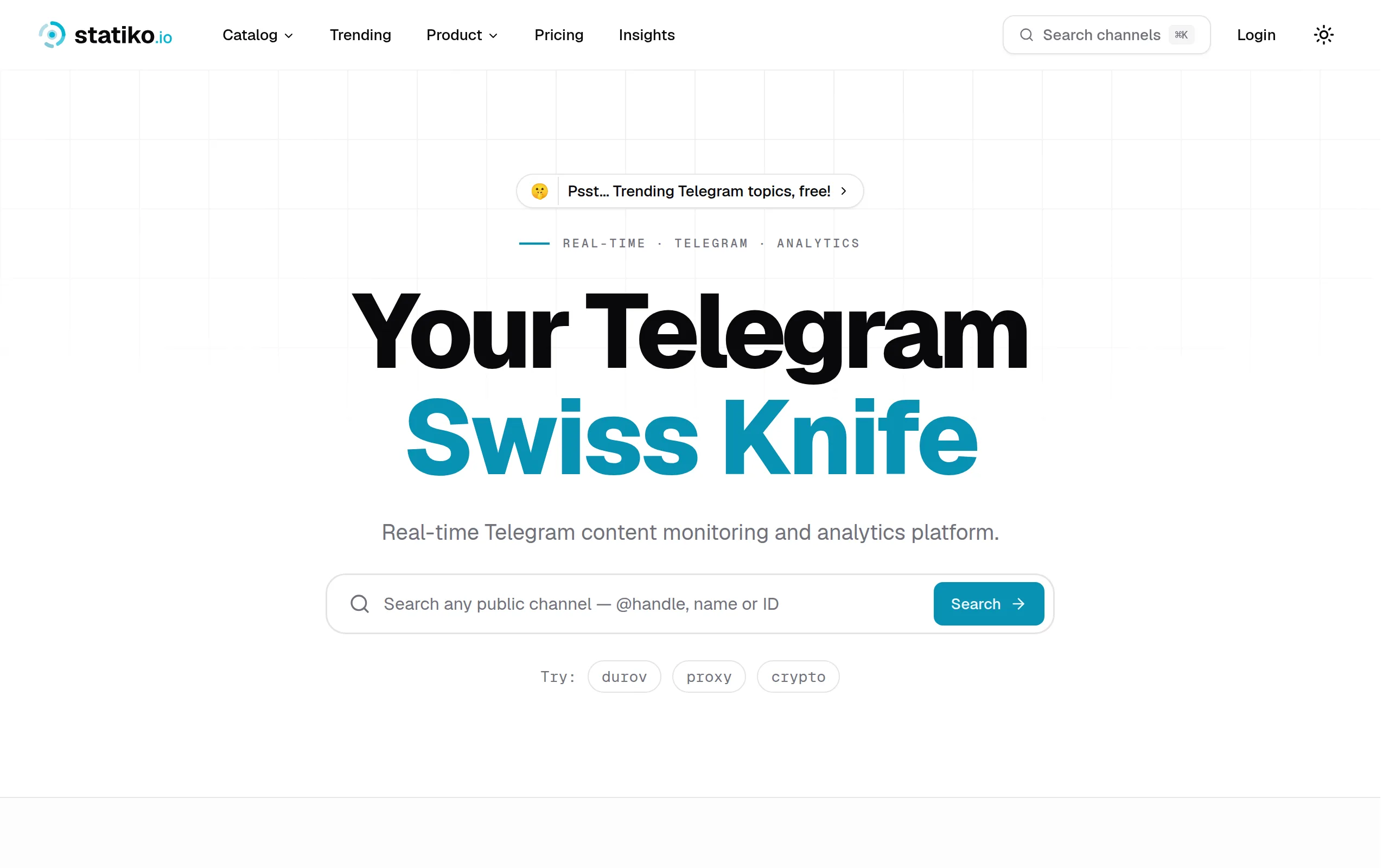
Statiko
Monitor any Telegram channel in real time - track posts, edits, deletions, and growth with AI recaps 📡
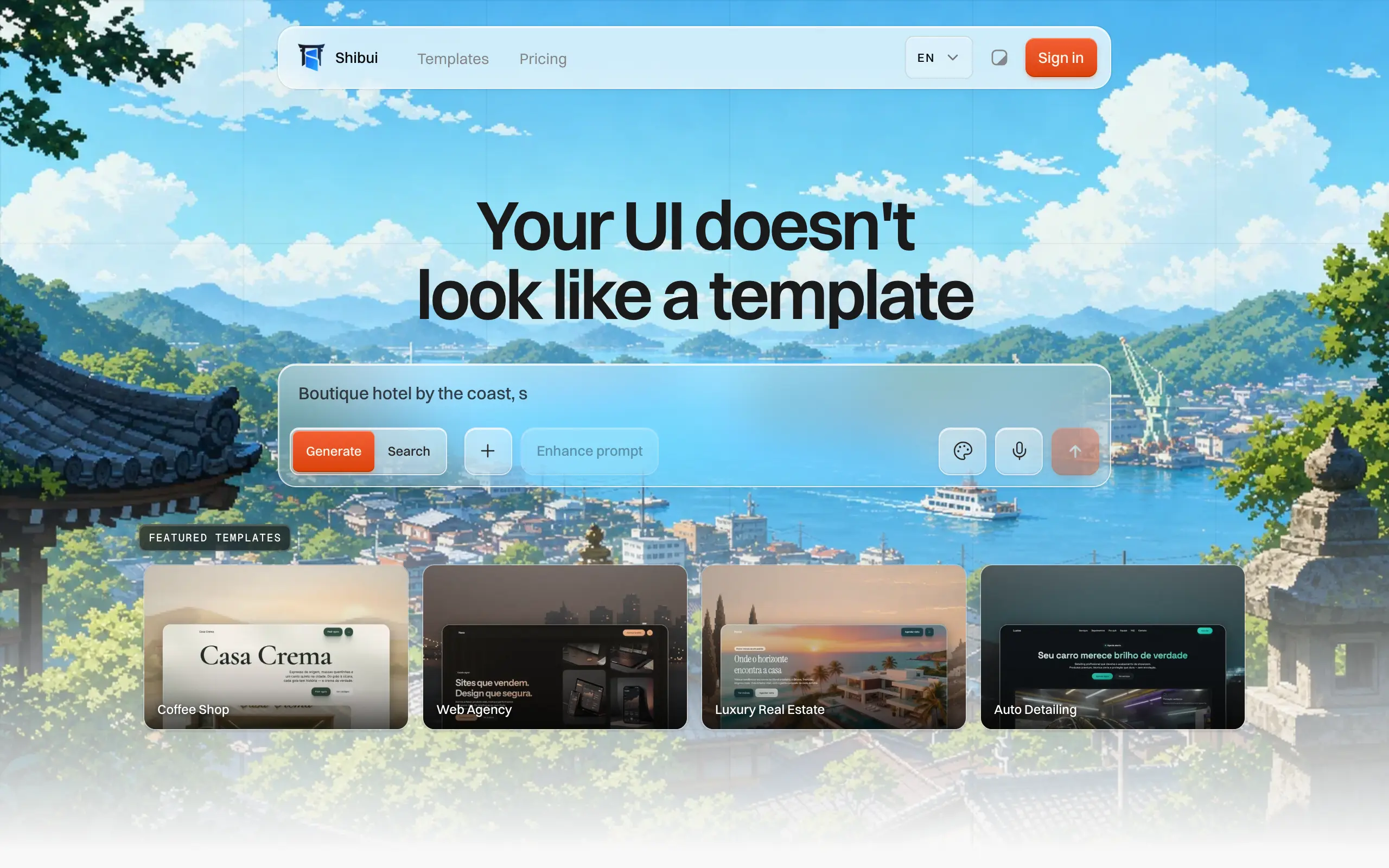
Shibui
AI website builder - describe your business, pick a niche template, edit by chatting, and publish instantly ✨

Pro Service
Find verified home service professionals, compare quotes, and pay securely through escrow - built for Brazilians across the US 🏠
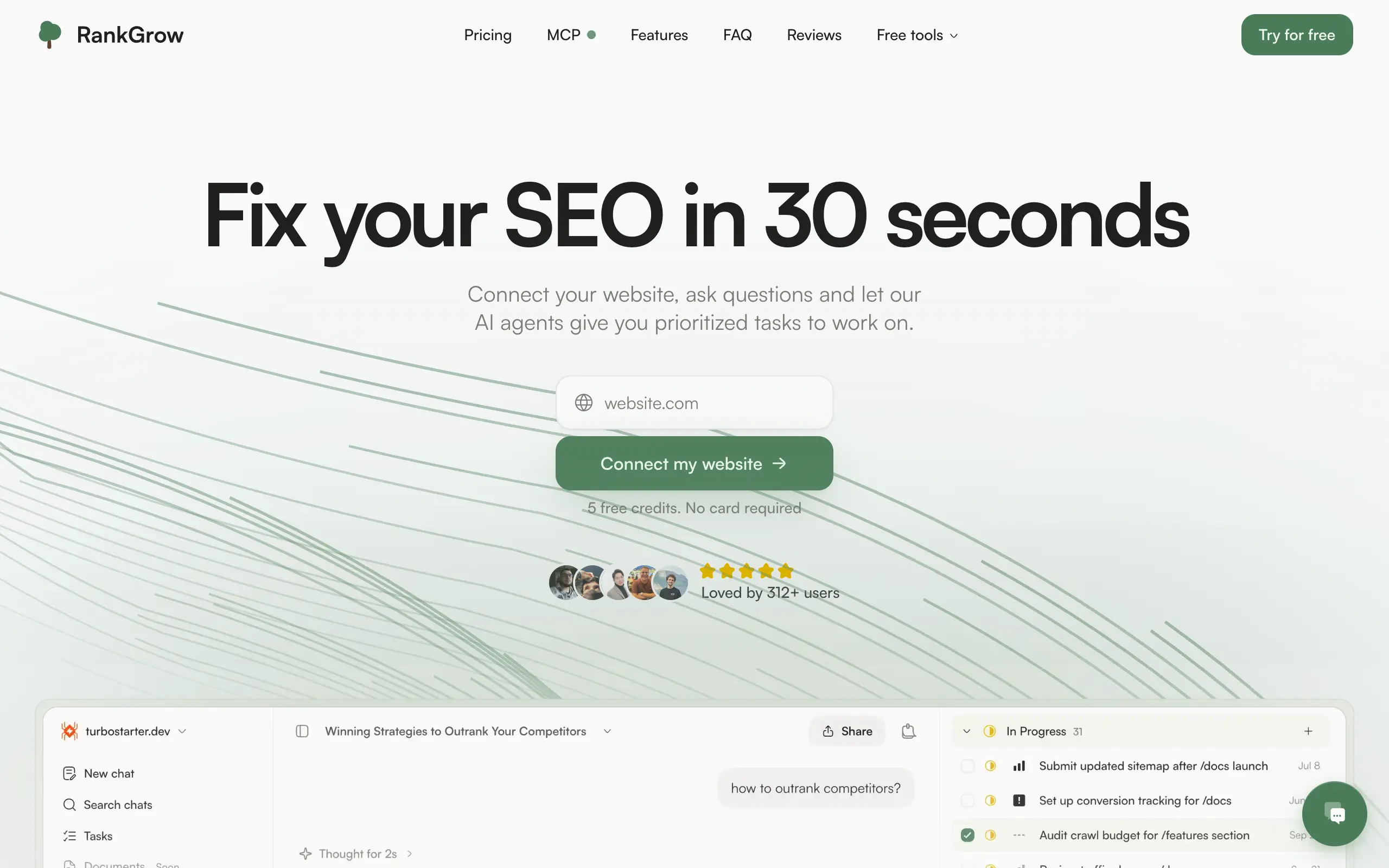
RankGrow
Fix your SEO with AI agents - connect Search Console, get prioritized tasks, and grow organic traffic 📈
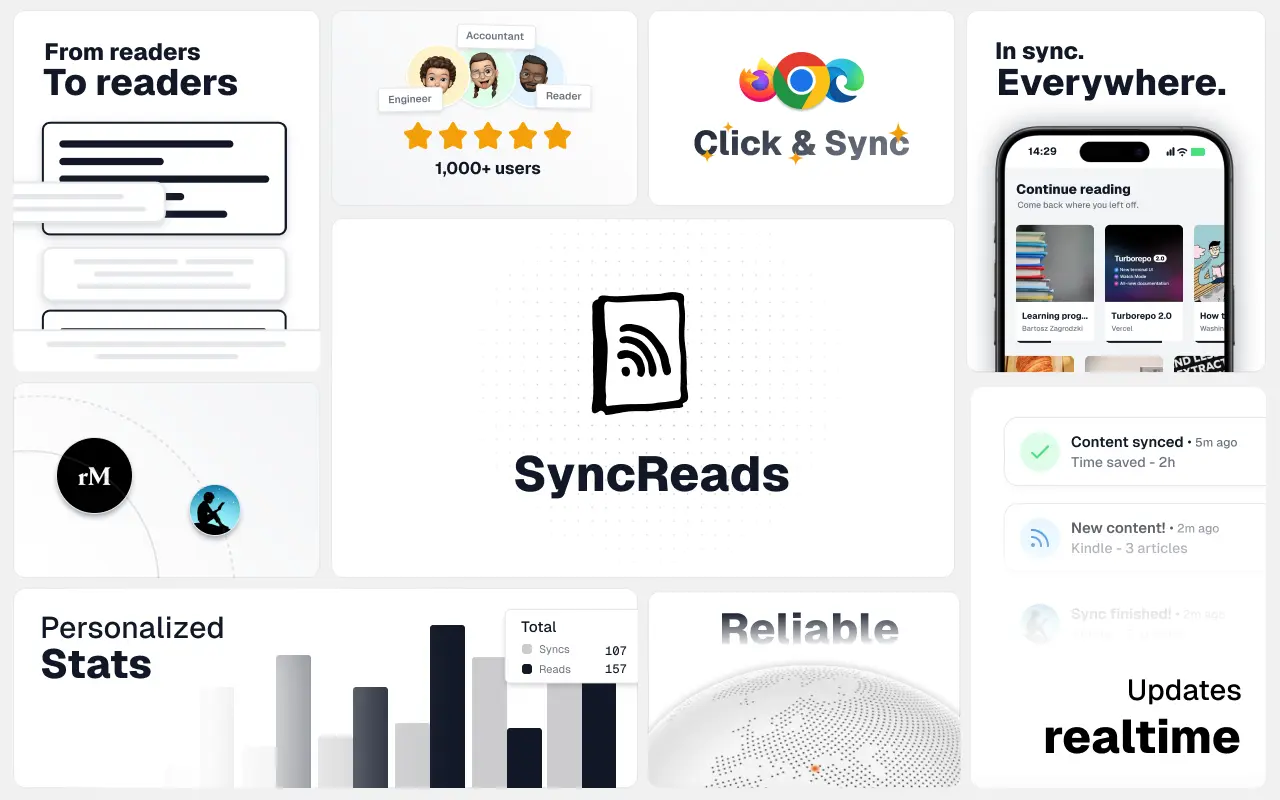
SyncReads
Sync your favorite content for distraction-free reading, save time and replace multiple apps. Anytime, anywhere 🔄
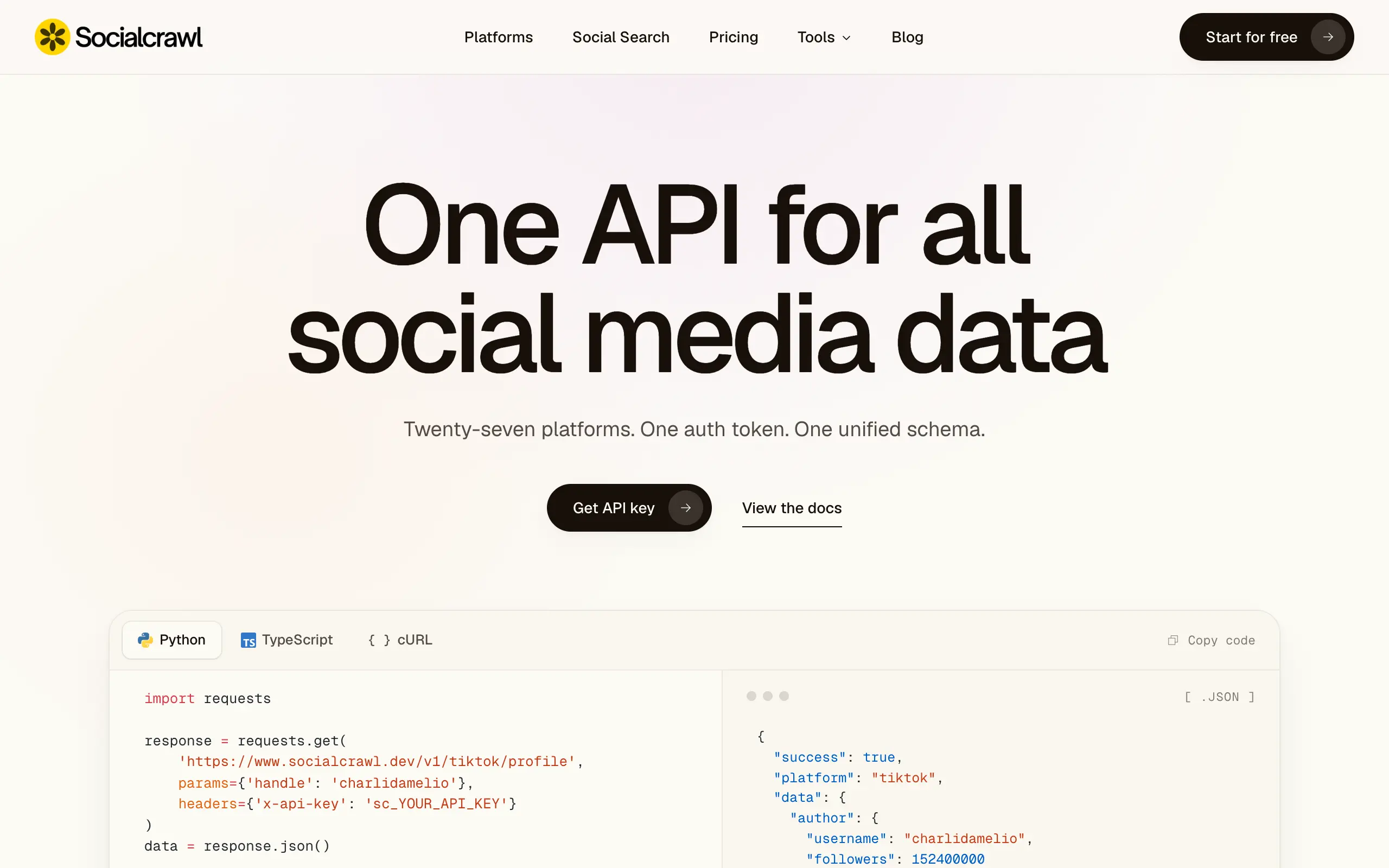
Socialcrawl
Get clean, structured data from 21 platforms like TikTok, Instagram, and YouTube with a single request 📊
Statiko
Monitor any Telegram channel in real time - track posts, edits, deletions, and growth with AI recaps 📡
Shibui
AI website builder - describe your business, pick a niche template, edit by chatting, and publish instantly ✨
Pro Service
Find verified home service professionals, compare quotes, and pay securely through escrow - built for Brazilians across the US 🏠
RankGrow
Fix your SEO with AI agents - connect Search Console, get prioritized tasks, and grow organic traffic 📈
SyncReads
Sync your favorite content for distraction-free reading, save time and replace multiple apps. Anytime, anywhere 🔄
Socialcrawl
Get clean, structured data from 21 platforms like TikTok, Instagram, and YouTube with a single request 📊
Statiko
Monitor any Telegram channel in real time - track posts, edits, deletions, and growth with AI recaps 📡
Shibui
AI website builder - describe your business, pick a niche template, edit by chatting, and publish instantly ✨
Pro Service
Find verified home service professionals, compare quotes, and pay securely through escrow - built for Brazilians across the US 🏠
RankGrow
Fix your SEO with AI agents - connect Search Console, get prioritized tasks, and grow organic traffic 📈
SyncReads
Sync your favorite content for distraction-free reading, save time and replace multiple apps. Anytime, anywhere 🔄
Socialcrawl
Get clean, structured data from 21 platforms like TikTok, Instagram, and YouTube with a single request 📊
Statiko
Monitor any Telegram channel in real time - track posts, edits, deletions, and growth with AI recaps 📡
Shibui
AI website builder - describe your business, pick a niche template, edit by chatting, and publish instantly ✨
Pro Service
Find verified home service professionals, compare quotes, and pay securely through escrow - built for Brazilians across the US 🏠
RankGrow
Fix your SEO with AI agents - connect Search Console, get prioritized tasks, and grow organic traffic 📈
SyncReads
Sync your favorite content for distraction-free reading, save time and replace multiple apps. Anytime, anywhere 🔄
Socialcrawl
Get clean, structured data from 21 platforms like TikTok, Instagram, and YouTube with a single request 📊
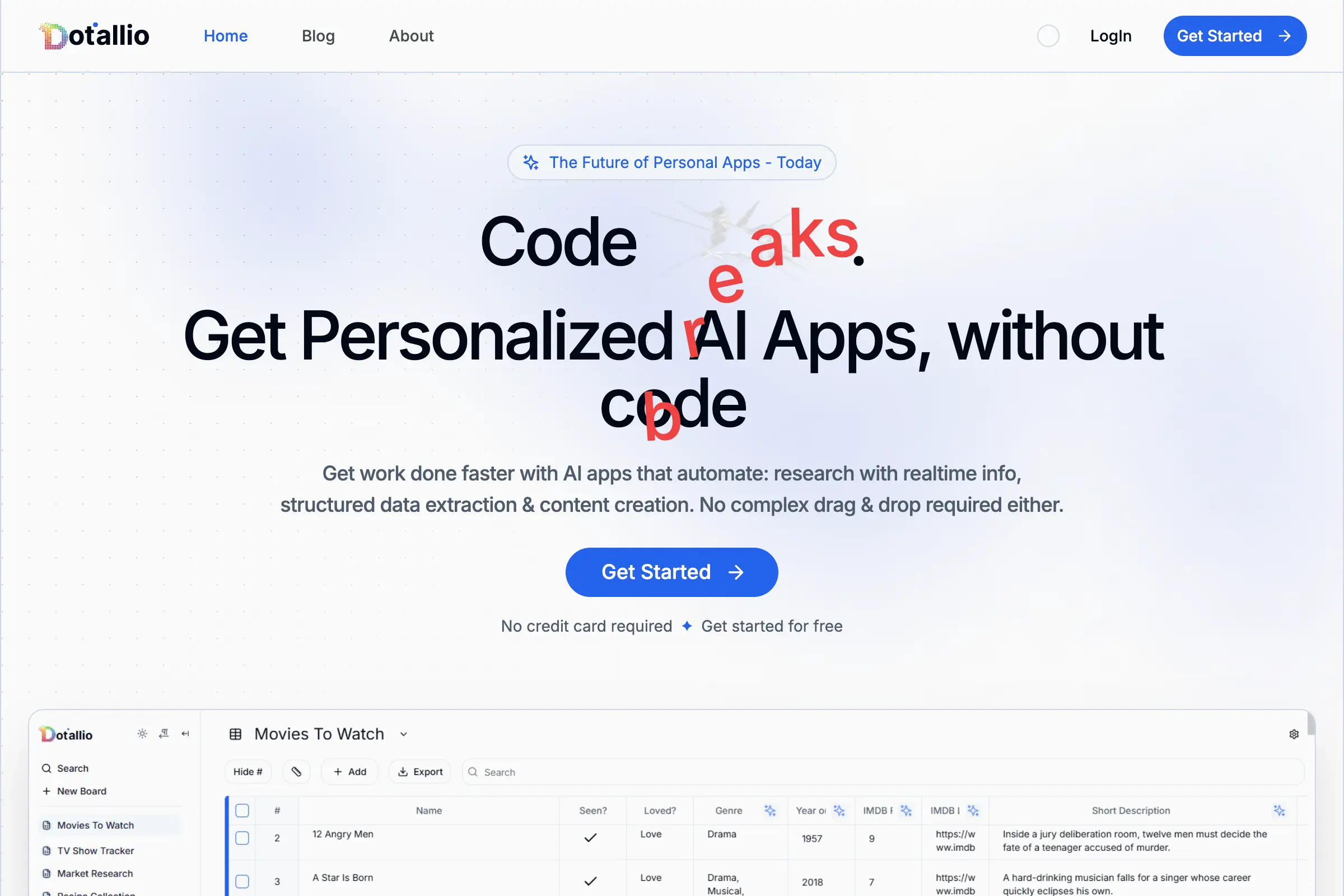
Dotallio
Personalized AI apps that automate research, data extraction, and content creation without code 🤖
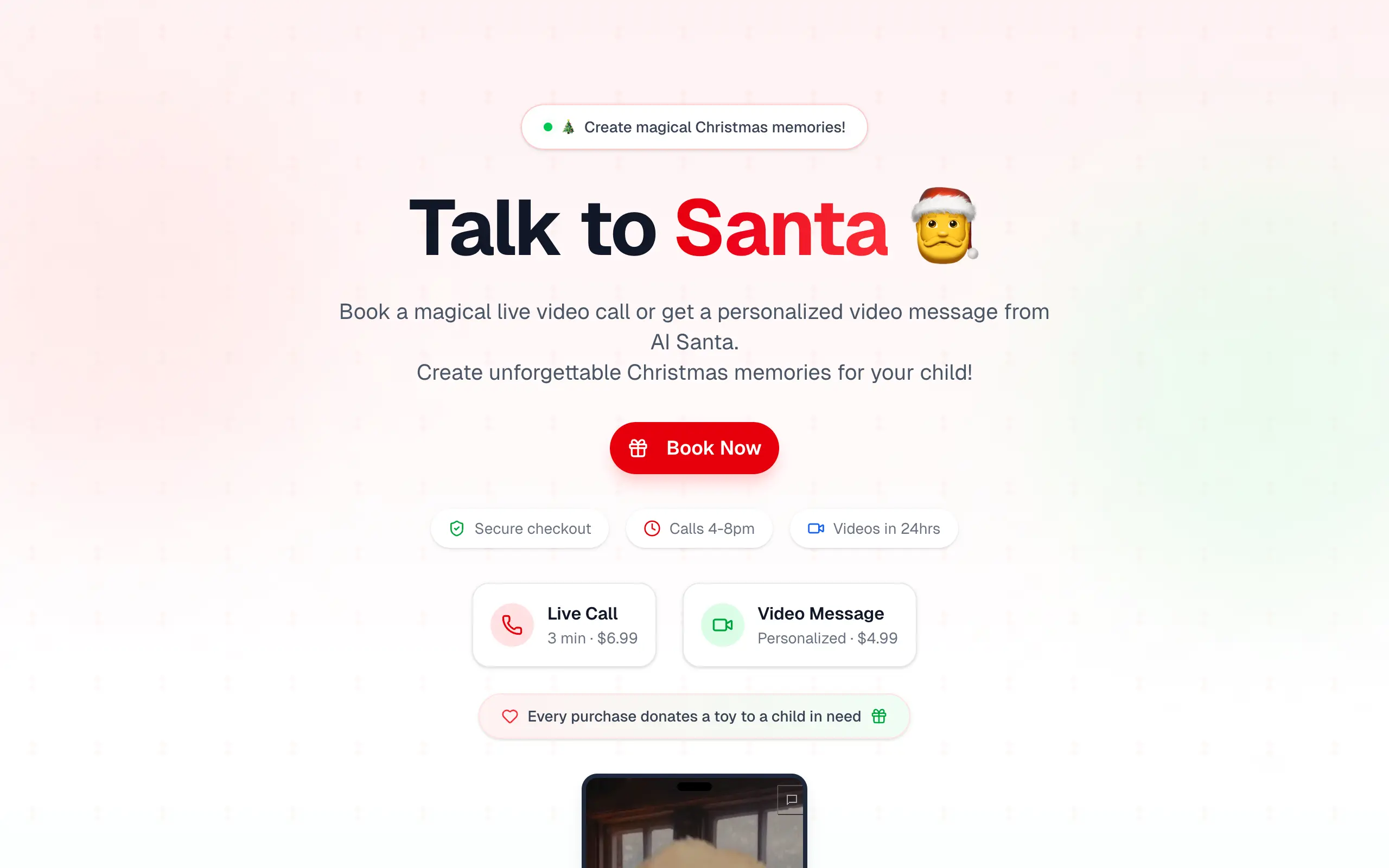
Talk to Santa
Enjoy a magical live video chat or receive a unique AI-generated video greeting from Santa Claus 🎅
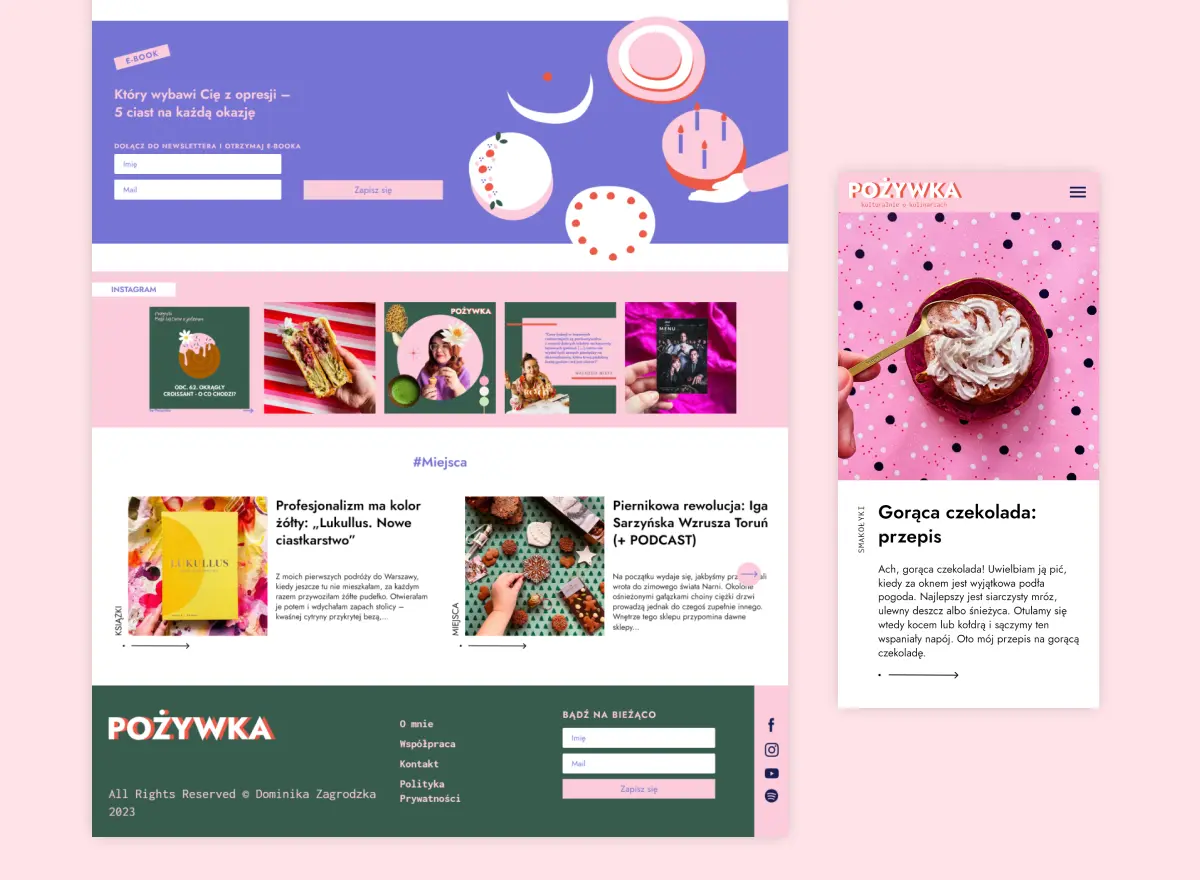
pozywka.pl
Scalable blog for food journalist, focused on performance and user experience 🌭
zagrodzki.me
Personal blog and portfolio of Bart Zagrodzki, where he shares his knowledge and work 💼
TurboStarter
Ship your startup everywhere. In minutes.
HTML to Markdown
Convert HTML to Markdown with ease, directly in your browser 📄
Dotallio
Personalized AI apps that automate research, data extraction, and content creation without code 🤖
Talk to Santa
Enjoy a magical live video chat or receive a unique AI-generated video greeting from Santa Claus 🎅
pozywka.pl
Scalable blog for food journalist, focused on performance and user experience 🌭
zagrodzki.me
Personal blog and portfolio of Bart Zagrodzki, where he shares his knowledge and work 💼
TurboStarter
Ship your startup everywhere. In minutes.
HTML to Markdown
Convert HTML to Markdown with ease, directly in your browser 📄
Dotallio
Personalized AI apps that automate research, data extraction, and content creation without code 🤖
Talk to Santa
Enjoy a magical live video chat or receive a unique AI-generated video greeting from Santa Claus 🎅
pozywka.pl
Scalable blog for food journalist, focused on performance and user experience 🌭
zagrodzki.me
Personal blog and portfolio of Bart Zagrodzki, where he shares his knowledge and work 💼
TurboStarter
Ship your startup everywhere. In minutes.
HTML to Markdown
Convert HTML to Markdown with ease, directly in your browser 📄
Dotallio
Personalized AI apps that automate research, data extraction, and content creation without code 🤖
Talk to Santa
Enjoy a magical live video chat or receive a unique AI-generated video greeting from Santa Claus 🎅
pozywka.pl
Scalable blog for food journalist, focused on performance and user experience 🌭
zagrodzki.me
Personal blog and portfolio of Bart Zagrodzki, where he shares his knowledge and work 💼
TurboStarter
Ship your startup everywhere. In minutes.
HTML to Markdown
Convert HTML to Markdown with ease, directly in your browser 📄
Omichat
Chat with 50+ AI models, including ChatGPT and Claude, in one place - switch models anytime without losing context 🤖
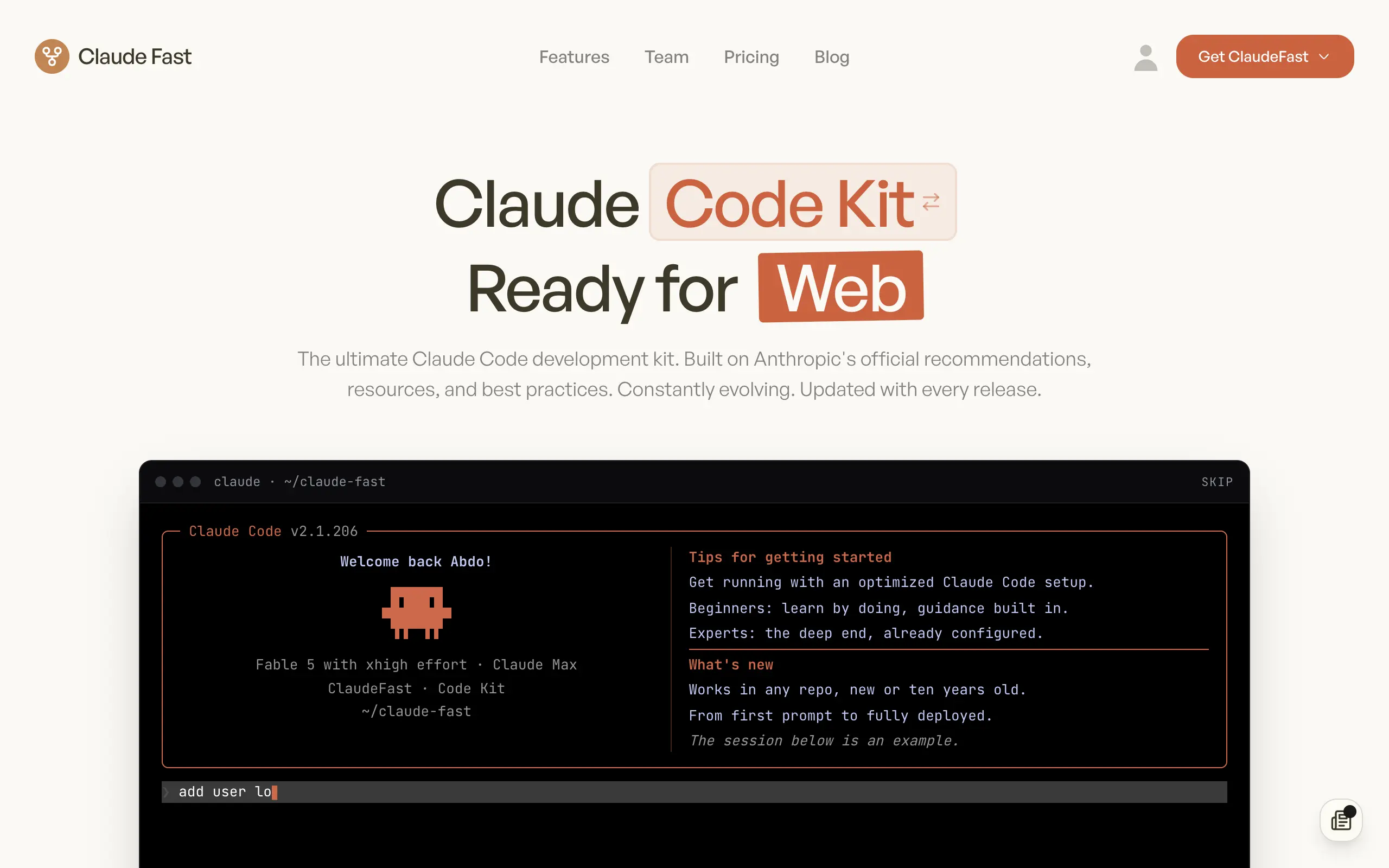
Claude Fast
Supercharge your Claude Code with 6x effective context window and specialized AI agents 🤖
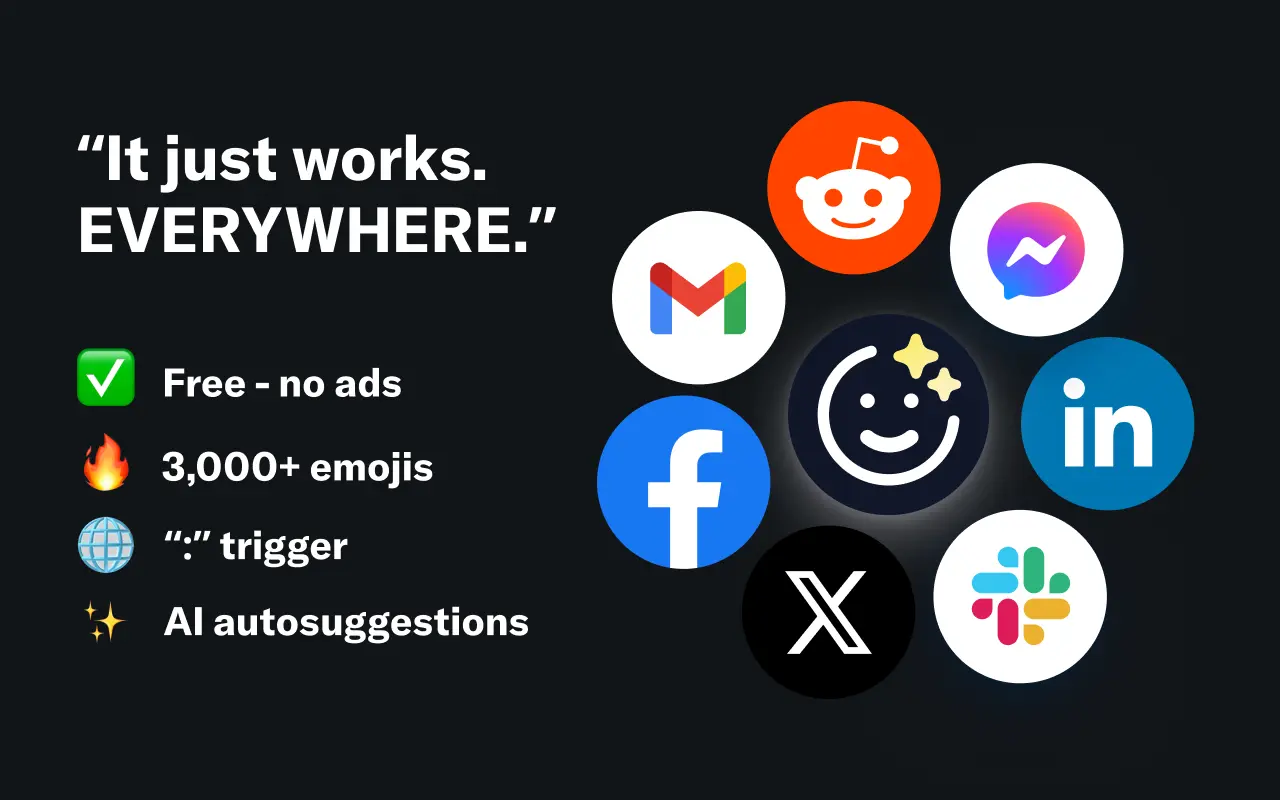
EmojAI
AI-powered emoji picker with smart, context-aware suggestions 🤖
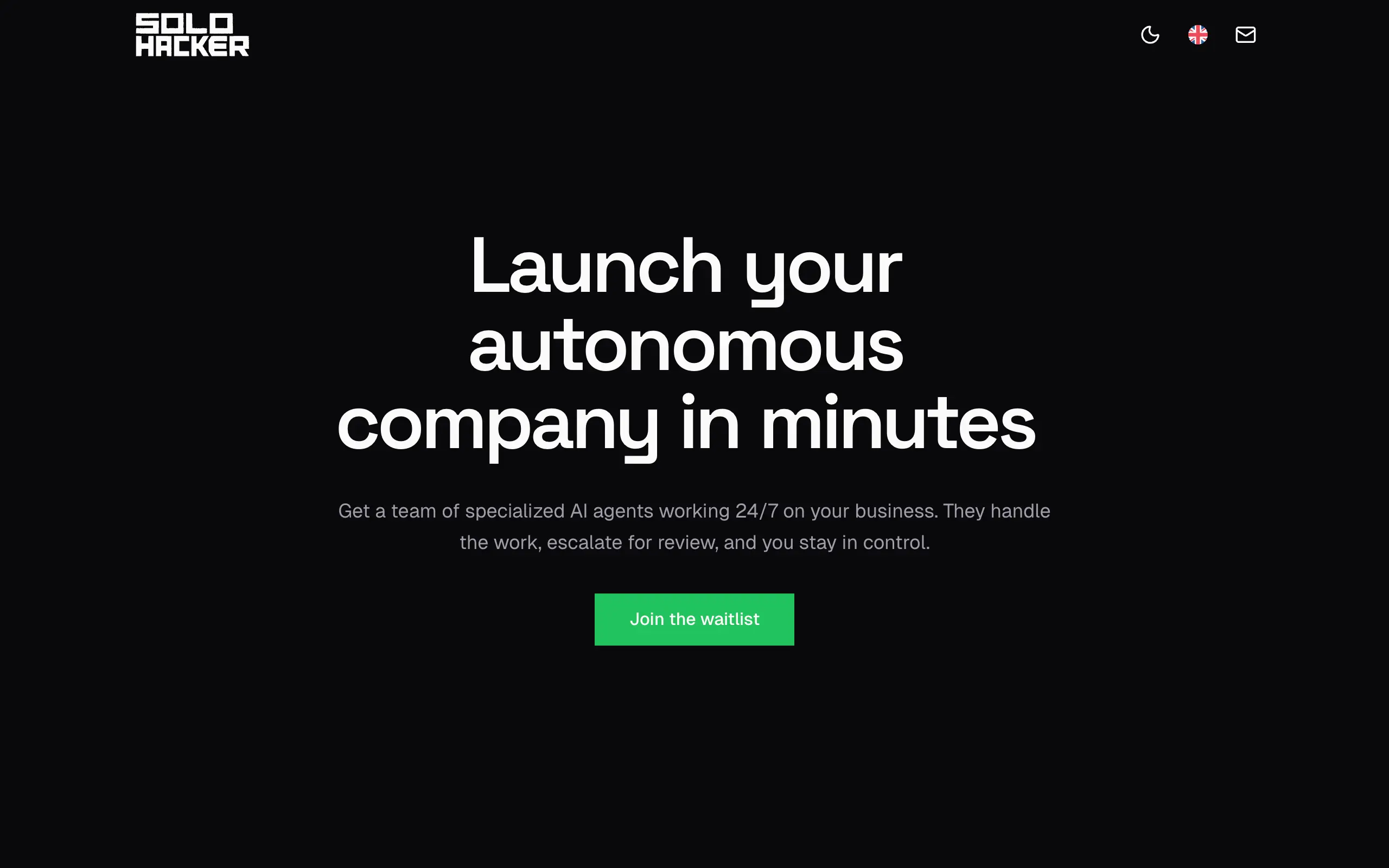
Solohacker
Autonomous company launcher - AI agents work 24/7, escalate what matters, and you stay in control 🤖
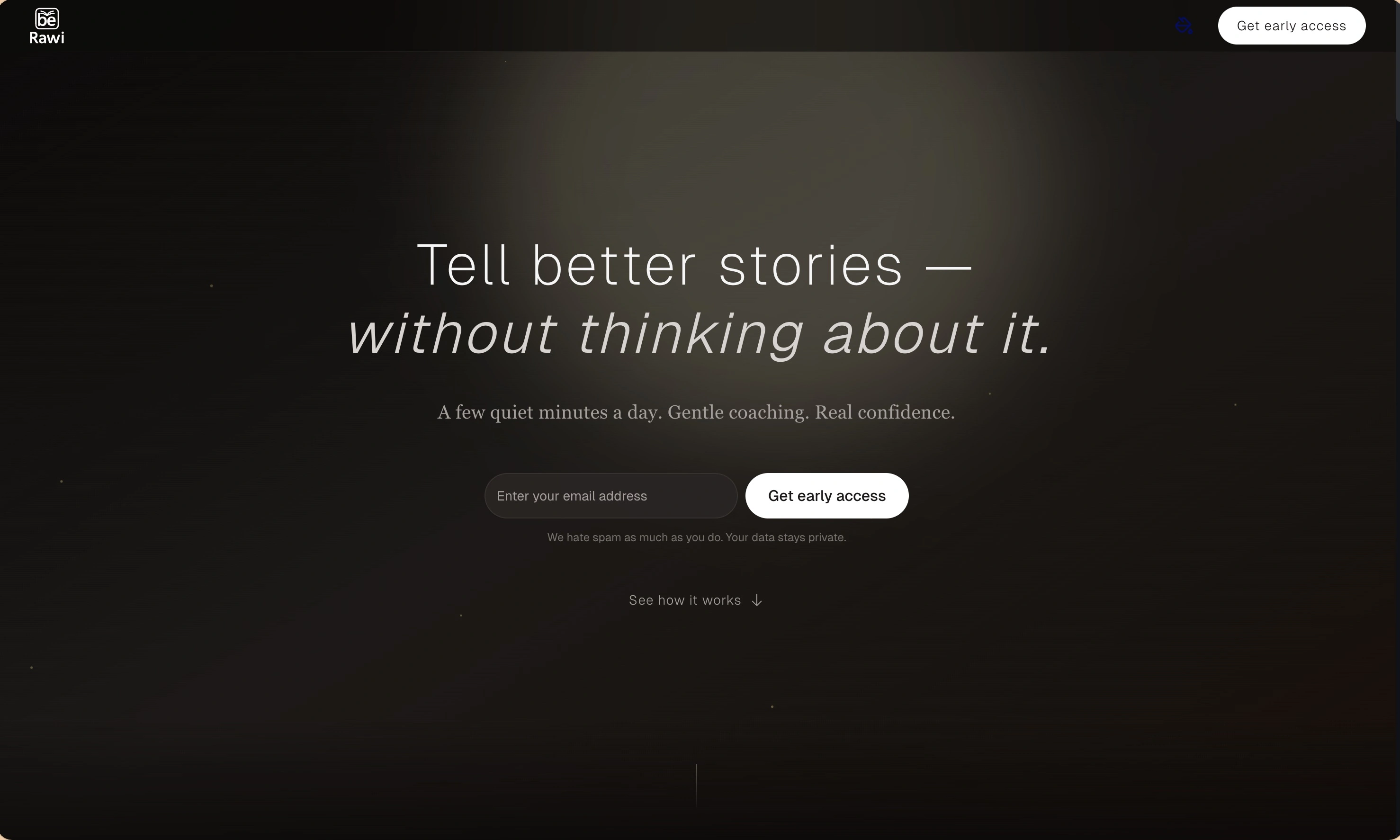
BeRawi: Storytelling Coach
Practice storytelling daily with instant feedback to sound clearer, more engaging, and confident 🎤
Omichat
Chat with 50+ AI models, including ChatGPT and Claude, in one place - switch models anytime without losing context 🤖
Claude Fast
Supercharge your Claude Code with 6x effective context window and specialized AI agents 🤖
EmojAI
AI-powered emoji picker with smart, context-aware suggestions 🤖
Solohacker
Autonomous company launcher - AI agents work 24/7, escalate what matters, and you stay in control 🤖
BeRawi: Storytelling Coach
Practice storytelling daily with instant feedback to sound clearer, more engaging, and confident 🎤
Omichat
Chat with 50+ AI models, including ChatGPT and Claude, in one place - switch models anytime without losing context 🤖
Claude Fast
Supercharge your Claude Code with 6x effective context window and specialized AI agents 🤖
EmojAI
AI-powered emoji picker with smart, context-aware suggestions 🤖
Solohacker
Autonomous company launcher - AI agents work 24/7, escalate what matters, and you stay in control 🤖
BeRawi: Storytelling Coach
Practice storytelling daily with instant feedback to sound clearer, more engaging, and confident 🎤
Omichat
Chat with 50+ AI models, including ChatGPT and Claude, in one place - switch models anytime without losing context 🤖
Claude Fast
Supercharge your Claude Code with 6x effective context window and specialized AI agents 🤖
EmojAI
AI-powered emoji picker with smart, context-aware suggestions 🤖
Solohacker
Autonomous company launcher - AI agents work 24/7, escalate what matters, and you stay in control 🤖
BeRawi: Storytelling Coach
Practice storytelling daily with instant feedback to sound clearer, more engaging, and confident 🎤

Connect with like-minded people
Join our community to get feedback, support, and grow together with 1,000+ builders on board, let's ship it!
Join usShip your startup everywhere. In minutes.
Don't burn tokens on setup and start building features on day one.