PrivacyGuard AI
AI tool that helps users understand what personal data is exposed online and guides them to secure it with actionable privacy steps.
Empowering Users with Advanced AI-Driven Privacy Protection
Embracing privacy in the digital world is a critical need for today’s tech-savvy internet users. With increasing tracking techniques and hidden data collectors, many individuals are growing weary of the potential risks posed by various websites. An AI-driven browser extension offers a revolutionary solution, one that monitors privacy threats in real-time, educates users, and provides actionable insights for safer browsing. This innovative tool is not only designed to mitigate online risks but actively creates an environment of trust and security in every online interaction.
Target Audience: Privacy-Conscious Users & Tech Enthusiasts
Privacy is a hot topic for a diverse user base. The extension caters to a wide array of individuals, from those who are highly technical to everyday online users becoming aware of privacy implications. Some segments include:
- Privacy Advocates who are deeply invested in modern privacy regulations.
- Tech Enthusiasts who love exploring advanced AI solutions.
- General Internet Users who increasingly value their personal data security.
- Enterprise Teams that wish to protect employee data on corporate networks.
Each group benefits from a sophisticated yet user-friendly interface where complex AI processes are translated into clear, actionable alerts. The idea is to foster an environment where users feel empowered, not overwhelmed, by the technology managing their privacy.
Market Opportunity: Meeting an Escalating Demand
Digital privacy threats continue to evolve, and increasing legislation worldwide—from GDPR in Europe to CCPA in California—signal a demand for proactive privacy solutions. Browser extensions that provide real-time protection stand to capture a significant user segment hungry for tools that adapt to constant privacy challenges. Key points include:
- High User Adoption: Numerous reports indicate rising global concern over online tracking and privacy breaches.
- Regulatory Environment: Demand driven by stricter regulations compels businesses and individuals alike to adopt privacy measures.
- Untapped Niche: Despite available security tools, few are specifically dedicated to monitoring privacy exposures in real time.
- Competitive Market: Emerging tools are constantly competing, yet few offer a blend of AI agility and user-focused design.
This market opportunity is not limited to consumer segments; businesses looking to fortify their data security protocols provide an additional revenue channel, enriching the extension’s value proposition.
Technical Stack: Combining Cutting-Edge AI with Browser Excellence
Building a secure and efficient solution requires a versatile and robust technical stack. When discussing the layered architecture of an AI-driven privacy tool, several key technologies come into play:
- Frontend Technologies:
- React.js for dynamic UI components.
- HTML5 and CSS3 for responsive layouts usable across devices.
- Backend Infrastructure:
- Node.js powered API endpoints for real-time data processing.
- Python for AI algorithm implementations and data analysis.
- AI and Machine Learning:
- TensorFlow or PyTorch frameworks for building reliable machine learning models.
- NLP Techniques to analyze and interpret text-based privacy notices.
- Browser Extension Framework:
- WebExtensions API that ensures compatibility with browsers like Chrome, Firefox, and Edge.
- Supporting Tools:
- Tools like TurboStarter can provide pre-configured starter kits for rapid web application development. This can significantly reduce the time-to-market and accelerate the development of both web interfaces and browser extension components.
Below is an example code snippet demonstrating a simple check within the extension's code:
const checkPrivacyStatus = () => {
  console.log("Checking for privacy threats...");
  // Simulate calling an AI model for detecting trackers
  const threatDetected = Math.random() > 0.5;
  if (threatDetected) {
    alert("Privacy threat detected on this site!");
  } else {
    console.log("No threats detected.");
  }
};
This snippet highlights the core logic of detecting a privacy breach. In practice, a much more sophisticated algorithm would analyze web elements continuously as the page loads.
Monetization Strategy: Creating Value While Maximizing Returns
A robust monetization strategy is key to sustaining the growth and development of any SaaS product. The approach for an AI-driven privacy tool can leverage multiple revenue streams:
- Freemium Model:
- Basic Version for Free: The general public can access core functionalities at no cost, ensuring rapid user acquisition.
- Premium Subscriptions: Offer advanced analytics, detailed privacy reports, and custom alerts in a paid plan.
- Targeted B2B Solutions:
- Enterprise Licensing: Tailored solutions for businesses to monitor employee web activities and ensure corporate security compliance.
- Partnerships and White Labeling: Collaborate with tech companies, privacy firms, and platforms that can integrate the extension as part of their online services.
- Affiliate Marketing and Partnerships:
- Privacy-Related Services: Incorporate recommendations for secure VPNs or privacy-enhancing platforms. Each recommendation could be linked with affiliate programs, creating an additional revenue stream.
- In-App Purchases and Add-ons:
- Users could purchase specialized add-ons, such as enhanced privacy advisory services or integration with additional security tools.
- Advertising-Free Environments:
- A premium ad-free version that appeals to users who prefer distraction-free browsing experiences.
Each monetization approach should be framed around the central goal: to maximize user trust and satisfaction while generating a sustainable revenue model.
Assessing Risks: Addressing Privacy and Security Challenges
While the potential is immense, every revolutionary technology comes with its own set of risks that must be mitigated to protect both user data and company reputation. Key risks include:
- Data Security Risks:
- Handling sensitive data always poses a risk. Ensuring that data analysis occurs with strict privacy guidelines is paramount.
- False Positives:
- Overzealous privacy alerts might lead to user frustration if benign elements are flagged as threats.
- Overhead of AI Processing:
- Real-time AI-driven analysis may incur high computational costs which require efficient optimization.
- Browser Compatibility:
- Developing a universal extension that operates seamlessly across multiple browsers is challenging.
- Regulatory and Compliance Issues:
- The technology must remain compliant with evolving international privacy laws, requiring regular updates and audits.
- User Adoption Risks:
- If users find the alerts too frequent or intrusive, it might lead to abandonment.
- Potential for Malicious Use:
- The extension could be exploited if vulnerabilities are discovered. Rigorous penetration testing and security audits must be an ongoing process.
Security Reminder
Always prioritize data encryption and regular security audits to mitigate potential data breaches.
Competitive Advantages: Stand Out in a Crowded Market
To succeed in the highly competitive arena of privacy and security tools, the product must deliver distinct and measurable advantages over existing solutions.
- Real-Time Analysis:
- Unlike static tools that provide periodic checks, the extension continuously monitors activity, offering dynamic and up-to-the-minute security updates.
- AI-Driven Insights:
- Leveraging AI brings a significant edge when it comes to accurately detecting sophisticated tracking technologies.
- User-Friendly Interface:
- Designed for both novice and expert users, the extension offers an intuitive interface without sacrificing powerful functionality.
- Customizable Alerts:
- Users can adjust the sensitivity of the alerts, tailoring the experience to their specific browsing patterns and requirements.
- Rapid Deployment:
- Utilizing development acceleration platforms like TurboStarter allows for quick deployment, ensuring that users get immediate access to the latest features and security protocols.
- Cross-Platform Support:
- By supporting multiple browsers, users are not locked into a single ecosystem, making the tool versatile and adaptable.
- Community Driven:
- Engaging with a passionate community can lead to continuous improvements and adaptations, driven by real-world user feedback.
Feature highlight
Real-time monitoring powered by AI ensures continuous protection against emerging privacy threats.
Detailed Plan for Implementation and Development
Building a modern privacy extension requires robust planning and swift implementation. By breaking the development process into key milestones, teams can ensure focused progress and timely execution. Below are the core steps:
In-Depth Look at the Technology Behind the Extension
Navigating the tech stack for an AI-driven privacy extension requires balancing efficiency with versatility. A modern web-based technology stack can be detailed as follows:
Frontend Development
The user interface must be sleek, responsive, and accessible:
- Use React.js for component-based development, ensuring seamless user interactions.
- Implement state management (e.g., Redux or Context API) to handle dynamic alerts and user preferences.
- Utilize design libraries like Material UI for rapid styling and consistent design patterns.
Backend and API Frameworks
Behind the scenes, the solution operates on APIs designed to handle both user data securely and serve the AI processing needs:
- Node.js serves as an efficient runtime for building RESTful APIs, ensuring fast data transmission.
- Express.js can be used for routing and middleware to handle user requests securely.
- The integration of GraphQL could enable dynamic queries for tailor-made privacy assessments.
- Database Solutions such as PostgreSQL or MongoDB enable scalable storage of user preferences and historical privacy data.
AI and Machine Learning Algorithms
Ensuring effective threat detection means leveraging the right machine learning frameworks:
- TensorFlow or PyTorch can form the backbone of the models developed to analyze web trackers and cookies.
- Data pipelines should be designed to train the model on continuously evolving datasets, which include new tracking patterns and emerging privacy threats.
- Integrate Natural Language Processing (NLP) techniques to parse privacy policy texts and offer suggestions to users.
AI models must be trained on large datasets gathered from many different web sources. Continuous integration of new and diverse data ensures that the predictions remain current, addressing even the most subtle forms of online tracking.
Browser Extension Specifics
Building the extension involves using standardized APIs and ensuring a non-intrusive user experience:
- Implement the WebExtensions API to guarantee compatibility with multiple browsers.
- Focus on low memory footprint and efficient processing, ensuring that the extension does not slow down browsing speeds.
- Engage in extensive cross-browser testing and incorporate user feedback to fine-tune performance and alert accuracy.
Expanding User Engagement & Future Functionality
The innovation does not stop at real-time monitoring. Longevity in the market requires continuous engagement through additional features and community-driven enhancements:
- User Customizations:
- Allow users to personalize alert levels and choose privacy preferences.
- Offer a dashboard where users can review historical privacy threat data.
- Regular Updates and Patches:
- Maintain a development roadmap for regular updates that address both security and usability features.
- Community Forums:
- Establish dedicated channels where users can suggest improvements, report issues, and share experiences.
- Educational Content:
- Integrate a resource center within the extension, offering tips and tutorials on safeguarding digital privacy pitfalls.
- Integration with Other Platforms:
- Explore possibilities of integrating the extension with popular email clients or mobile applications to extend privacy protection across different areas.
The real-time dashboard not only tracks privacy threats but also offers insights into trends and potential areas of vulnerability, creating a meaningful feedback loop.
Tailored recommendations guide users on best practices and settings adjustments based on their unique browsing behavior.
Navigating Competitive Dynamics: Staying Ahead in the Innovation Curve
In today’s digital ecosystem, competition is fierce and innovation is rapid. A critical aspect of the tool’s differentiation is its proactive approach to privacy management. Here’s how it stands apart:
- Adaptive Learning:
- Leveraging continuous learning ensures that the tool evolves with the threat landscape.
- Minimal Interference:
- A design philosophy that prioritizes minimal disruption in user experiences while ensuring maximum protection.
- Layered Security:
- Combines behavioral patterns, device-specific data, and contextual web analysis to create a robust safety net.
- Transparent Operations:
- Maintain trust by sharing insights on how data is processed and secured, aligning closely with global privacy standards.
- Industry Partnerships:
- Collaborate with established privacy organizations and thought leaders to maintain credibility and improve the overall solution.
- Speed of Updates:
- The adoption of agile methodologies, complemented by platforms like TurboStarter, allows for rapid iteration and deployment of new features.
Leveraging Modern Development Tools for Rapid Implementation
Integrating modern development frameworks not only speeds up the process but also ensures that the tool remains scalable and secure. Tools like TurboStarter can serve as an optimal solution to jumpstart both web and extension projects, reducing manual configuration burdens. This approach allows development teams to focus on refining AI models and user experience rather than setting up boilerplate functionalities.
The development process benefits greatly from using these pre-configured kits, which include best practices and tested configurations ensuring the scalability and security of the final product.
Implementation Steps: Bringing the Product to Life
Creating a state-of-the-art AI-driven browser extension demands a well-thought-out implementation strategy. Here’s a concise plan to get the project off the ground:
Conclusion
Developing an AI-driven privacy tool presents an enormous opportunity to address modern-day concerns over online data security. By focusing on the unique needs of privacy-conscious users and employing a tech stack fortified with advanced AI frameworks, this solution not only fills a critical market need but also offers significant competitive advantages. A balanced monetization strategy ensures that new features and security updates can continuously be delivered without compromising on user experience.
Through this detailed exploration covering target audiences, market prospects, development challenges, and monetization strategies, it is clear that innovative solutions are the way forward in managing online privacy. Leveraging development acceleration platforms like TurboStarter further streamlines the implementation process, ensuring that developers can bring sophisticated privacy tools to market rapidly and efficiently.
Embark on this journey with a clear vision of delivering immediate user benefits while fostering a robust, scalable product that adapts to emerging privacy threats. With meticulous planning, rigorous testing, and continuous improvement as part of the development cycle, this AI-driven solution will not only meet the challenges of today but also anticipate the demands of tomorrow.
More 🤖 AI Startup SaaS ideas
Discover more innovative ai startup SaaS ideas that are trending in 2026. Each idea is AI-generated with market validation and growth potential to help you find your next profitable venture faster than competitors.
Your competitors are building with TurboStarter
Below are some of the SaaS ideas that have been generated and built with our starter kit.

Statiko
Monitor any Telegram channel in real time - track posts, edits, deletions, and growth with AI recaps 📡

Shibui
AI website builder - describe your business, pick a niche template, edit by chatting, and publish instantly ✨

Pro Service
Find verified home service professionals, compare quotes, and pay securely through escrow - built for Brazilians across the US 🏠

RankGrow
Fix your SEO with AI agents - connect Search Console, get prioritized tasks, and grow organic traffic 📈

SyncReads
Sync your favorite content for distraction-free reading, save time and replace multiple apps. Anytime, anywhere 🔄
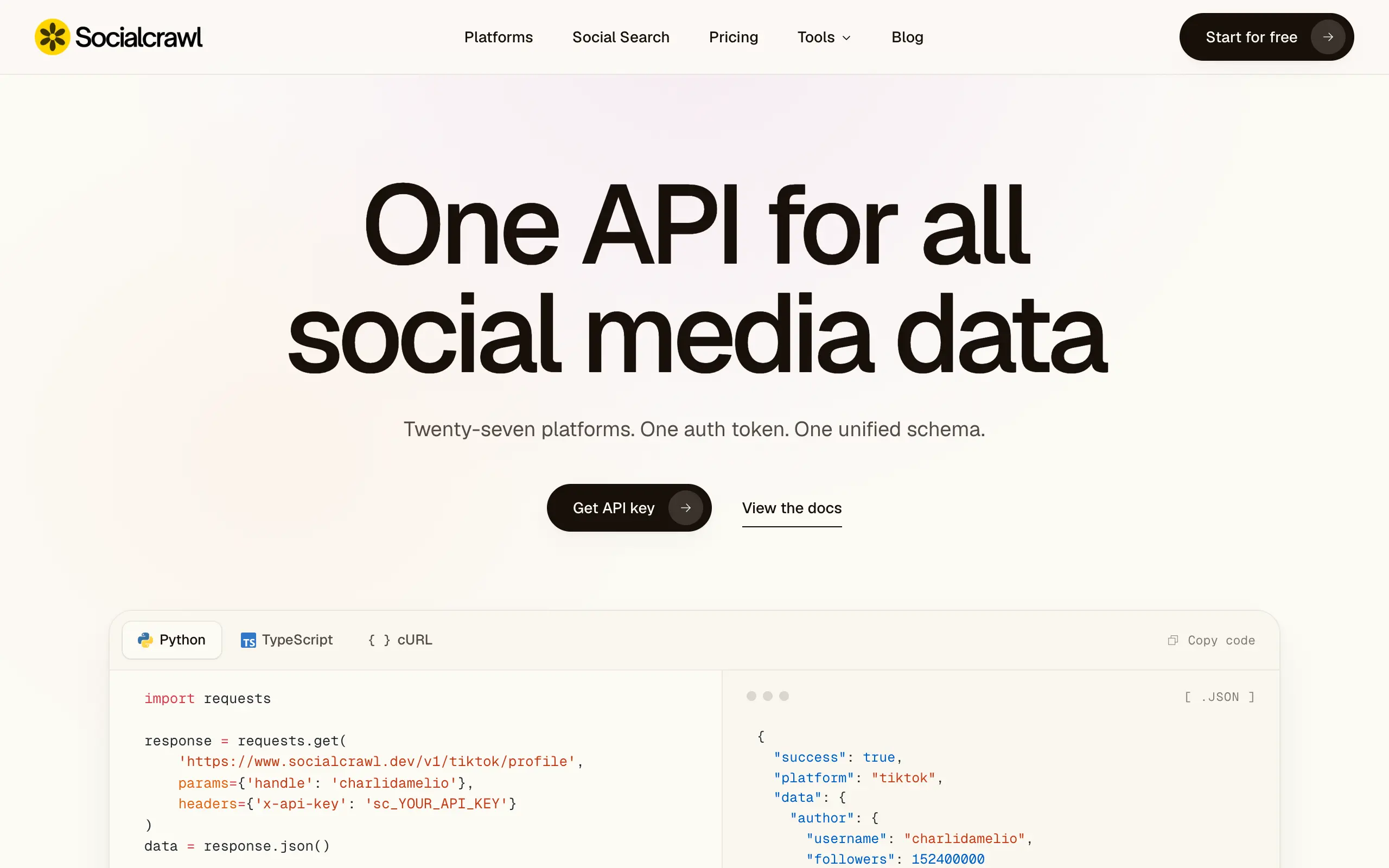
Socialcrawl
Get clean, structured data from 21 platforms like TikTok, Instagram, and YouTube with a single request 📊
Statiko
Monitor any Telegram channel in real time - track posts, edits, deletions, and growth with AI recaps 📡
Shibui
AI website builder - describe your business, pick a niche template, edit by chatting, and publish instantly ✨
Pro Service
Find verified home service professionals, compare quotes, and pay securely through escrow - built for Brazilians across the US 🏠
RankGrow
Fix your SEO with AI agents - connect Search Console, get prioritized tasks, and grow organic traffic 📈
SyncReads
Sync your favorite content for distraction-free reading, save time and replace multiple apps. Anytime, anywhere 🔄
Socialcrawl
Get clean, structured data from 21 platforms like TikTok, Instagram, and YouTube with a single request 📊
Statiko
Monitor any Telegram channel in real time - track posts, edits, deletions, and growth with AI recaps 📡
Shibui
AI website builder - describe your business, pick a niche template, edit by chatting, and publish instantly ✨
Pro Service
Find verified home service professionals, compare quotes, and pay securely through escrow - built for Brazilians across the US 🏠
RankGrow
Fix your SEO with AI agents - connect Search Console, get prioritized tasks, and grow organic traffic 📈
SyncReads
Sync your favorite content for distraction-free reading, save time and replace multiple apps. Anytime, anywhere 🔄
Socialcrawl
Get clean, structured data from 21 platforms like TikTok, Instagram, and YouTube with a single request 📊
Statiko
Monitor any Telegram channel in real time - track posts, edits, deletions, and growth with AI recaps 📡
Shibui
AI website builder - describe your business, pick a niche template, edit by chatting, and publish instantly ✨
Pro Service
Find verified home service professionals, compare quotes, and pay securely through escrow - built for Brazilians across the US 🏠
RankGrow
Fix your SEO with AI agents - connect Search Console, get prioritized tasks, and grow organic traffic 📈
SyncReads
Sync your favorite content for distraction-free reading, save time and replace multiple apps. Anytime, anywhere 🔄
Socialcrawl
Get clean, structured data from 21 platforms like TikTok, Instagram, and YouTube with a single request 📊
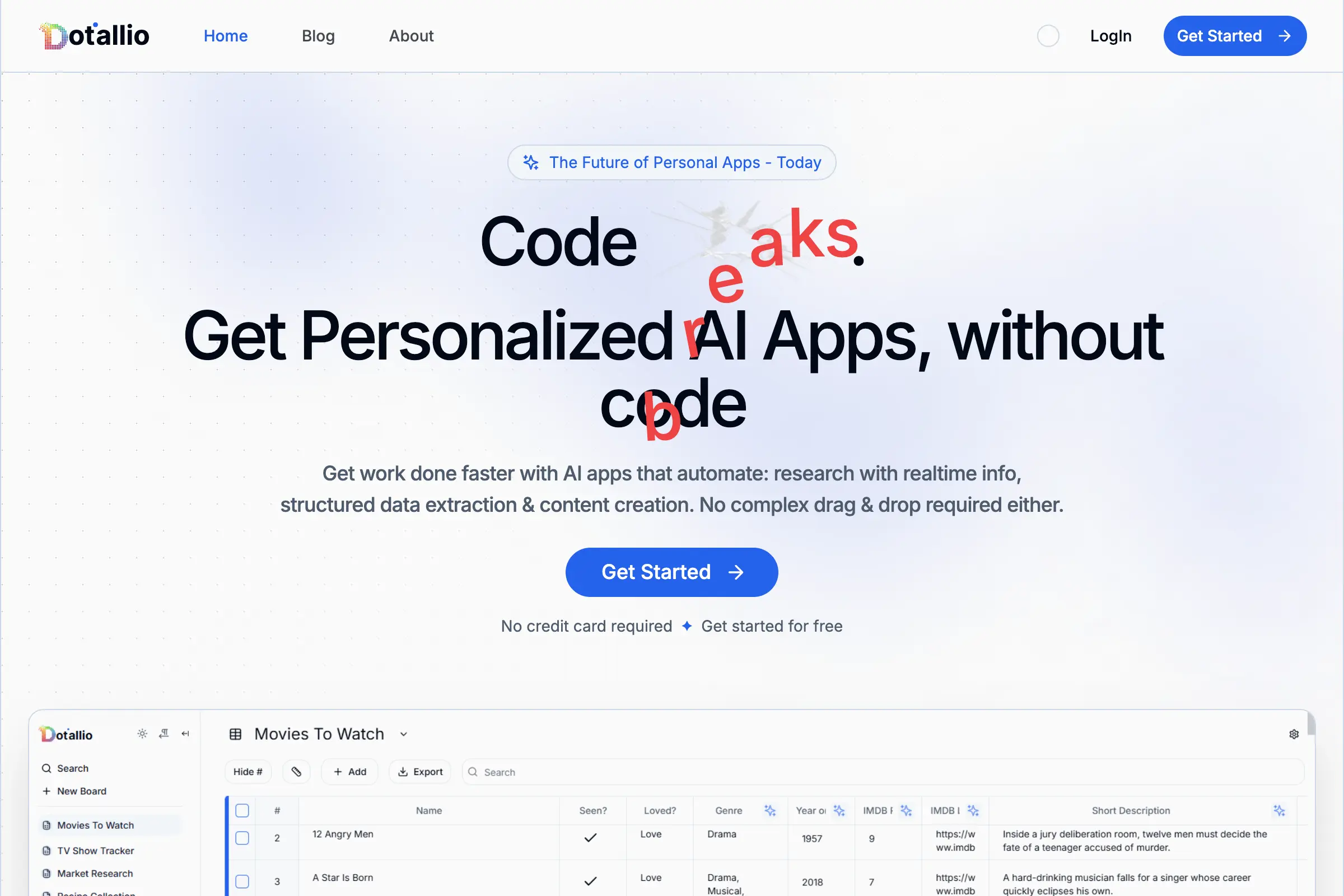
Dotallio
Personalized AI apps that automate research, data extraction, and content creation without code 🤖

Talk to Santa
Enjoy a magical live video chat or receive a unique AI-generated video greeting from Santa Claus 🎅

pozywka.pl
Scalable blog for food journalist, focused on performance and user experience 🌭
zagrodzki.me
Personal blog and portfolio of Bart Zagrodzki, where he shares his knowledge and work 💼

TurboStarter
Ship your startup everywhere. In minutes.
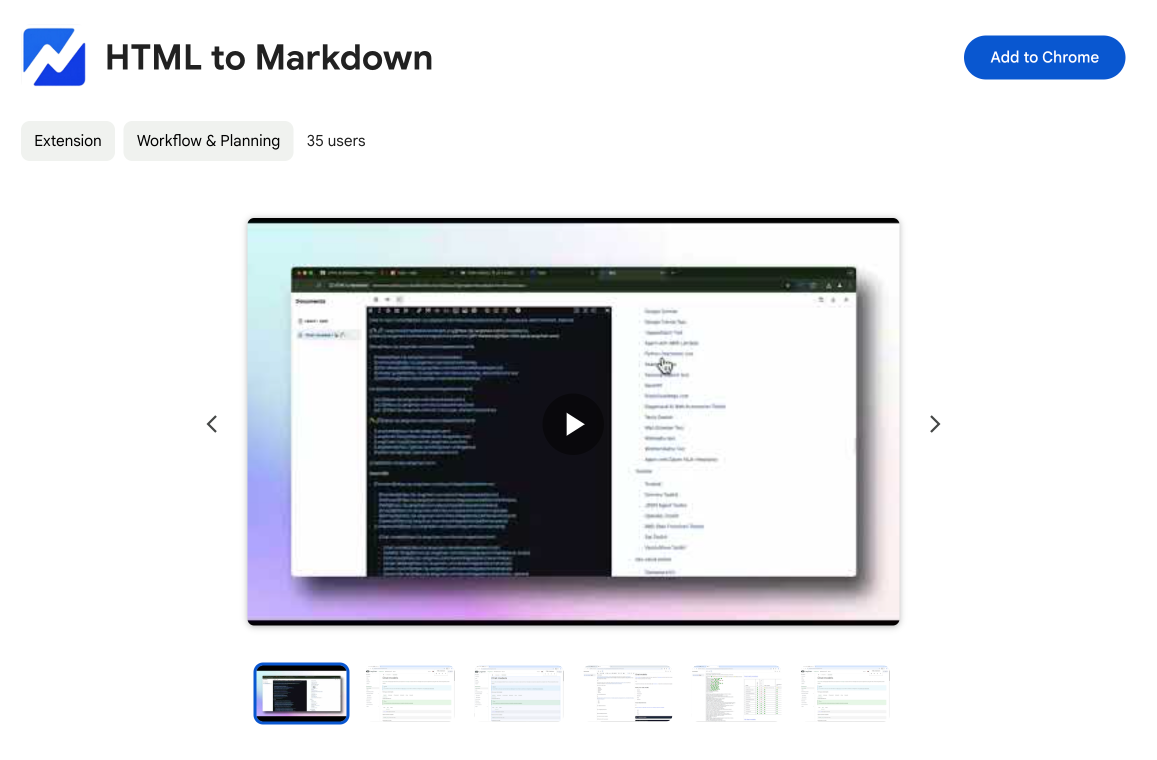
HTML to Markdown
Convert HTML to Markdown with ease, directly in your browser 📄
Dotallio
Personalized AI apps that automate research, data extraction, and content creation without code 🤖
Talk to Santa
Enjoy a magical live video chat or receive a unique AI-generated video greeting from Santa Claus 🎅
pozywka.pl
Scalable blog for food journalist, focused on performance and user experience 🌭
zagrodzki.me
Personal blog and portfolio of Bart Zagrodzki, where he shares his knowledge and work 💼
TurboStarter
Ship your startup everywhere. In minutes.
HTML to Markdown
Convert HTML to Markdown with ease, directly in your browser 📄
Dotallio
Personalized AI apps that automate research, data extraction, and content creation without code 🤖
Talk to Santa
Enjoy a magical live video chat or receive a unique AI-generated video greeting from Santa Claus 🎅
pozywka.pl
Scalable blog for food journalist, focused on performance and user experience 🌭
zagrodzki.me
Personal blog and portfolio of Bart Zagrodzki, where he shares his knowledge and work 💼
TurboStarter
Ship your startup everywhere. In minutes.
HTML to Markdown
Convert HTML to Markdown with ease, directly in your browser 📄
Dotallio
Personalized AI apps that automate research, data extraction, and content creation without code 🤖
Talk to Santa
Enjoy a magical live video chat or receive a unique AI-generated video greeting from Santa Claus 🎅
pozywka.pl
Scalable blog for food journalist, focused on performance and user experience 🌭
zagrodzki.me
Personal blog and portfolio of Bart Zagrodzki, where he shares his knowledge and work 💼
TurboStarter
Ship your startup everywhere. In minutes.
HTML to Markdown
Convert HTML to Markdown with ease, directly in your browser 📄
Omichat
Chat with 50+ AI models, including ChatGPT and Claude, in one place - switch models anytime without losing context 🤖
Claude Fast
Supercharge your Claude Code with 6x effective context window and specialized AI agents 🤖

EmojAI
AI-powered emoji picker with smart, context-aware suggestions 🤖

Solohacker
Autonomous company launcher - AI agents work 24/7, escalate what matters, and you stay in control 🤖

BeRawi: Storytelling Coach
Practice storytelling daily with instant feedback to sound clearer, more engaging, and confident 🎤
Omichat
Chat with 50+ AI models, including ChatGPT and Claude, in one place - switch models anytime without losing context 🤖
Claude Fast
Supercharge your Claude Code with 6x effective context window and specialized AI agents 🤖
EmojAI
AI-powered emoji picker with smart, context-aware suggestions 🤖
Solohacker
Autonomous company launcher - AI agents work 24/7, escalate what matters, and you stay in control 🤖
BeRawi: Storytelling Coach
Practice storytelling daily with instant feedback to sound clearer, more engaging, and confident 🎤
Omichat
Chat with 50+ AI models, including ChatGPT and Claude, in one place - switch models anytime without losing context 🤖
Claude Fast
Supercharge your Claude Code with 6x effective context window and specialized AI agents 🤖
EmojAI
AI-powered emoji picker with smart, context-aware suggestions 🤖
Solohacker
Autonomous company launcher - AI agents work 24/7, escalate what matters, and you stay in control 🤖
BeRawi: Storytelling Coach
Practice storytelling daily with instant feedback to sound clearer, more engaging, and confident 🎤
Omichat
Chat with 50+ AI models, including ChatGPT and Claude, in one place - switch models anytime without losing context 🤖
Claude Fast
Supercharge your Claude Code with 6x effective context window and specialized AI agents 🤖
EmojAI
AI-powered emoji picker with smart, context-aware suggestions 🤖
Solohacker
Autonomous company launcher - AI agents work 24/7, escalate what matters, and you stay in control 🤖
BeRawi: Storytelling Coach
Practice storytelling daily with instant feedback to sound clearer, more engaging, and confident 🎤

Connect with like-minded people
Join our community to get feedback, support, and grow together with 1,000+ builders on board, let's ship it!
Join usShip your startup everywhere. In minutes.
Don't burn tokens on setup and start building features on day one.