Proactive Incident Resolution AI
An AI-powered app that continuously monitors business IT systems—networks, databases, and applications—to detect, diagnose, and resolve common support issues before they impact end-users. It leverages machine learning to identify emerging patterns, pulls from internal documentation and ticket history, and automatically performs predefined resolutions or escalates with full-context recommendations. Target users: IT teams in SMEs and enterprises. Monetization: Tiered subscriptions based on number of endpoints, integrations, and advanced analytics modules.
Understanding proactive incident resolution AI: revolutionizing IT support with automation
In today’s always-on digital environment, system downtime and IT disruptions are more costly than ever. Slow incident response not only impacts productivity but can also damage a company’s reputation and directly affect the bottom line. This has led to a surge of interest in AI-driven support automation tools—especially those enabling proactive incident resolution AI. Modern IT teams need both robust monitoring and smart, automated remediation that can address issues before end-users ever notice.
Proactive incident resolution AI platforms offer a transformative advantage. By continuously monitoring core business IT systems—networks, databases, and applications—they can detect, diagnose, and resolve common support issues without human intervention. In this comprehensive guide, we’ll explore everything you need to know about launching, using, and evaluating an AI-powered proactive incident resolution platform.
What is proactive incident resolution AI?
Proactive incident resolution AI is an advanced software solution powered by artificial intelligence and machine learning. Its core function is to autonomously monitor IT infrastructure, detect anomalies and potential problems, diagnose root causes using historical and real-time data, and execute predefined resolutions or escalate incidents with complete context.
How does it work?
- Learns from ticket history and internal documentation
- Monitors logs, metrics, and user behaviors for emerging issues
- Executes predefined scripts or automated workflows
- Escalates complex incidents with recommended actions and rich data
Primary goal: Prevent or mitigate IT disruptions automatically—reducing mean time to resolution (MTTR) and freeing IT teams from repetitive firefighting.
Target audience analysis: who benefits from proactive incident resolution AI?
A successful support automation solution must deeply understand its intended users. For proactive incident resolution AI, the primary audience segments are:
1. IT teams at small and medium-sized enterprises (SMEs)
- Limited staff, need to stretch resources across multiple systems
- Frequently face repetitive issues (password resets, disk space alerts, service restarts)
- High value in any tool that reduces manual workload and catch critical incidents before escalation
2. Large enterprise IT operations centers
- Complex, hybrid environments: on-premises, cloud, SaaS, legacy infrastructure
- High reliance on automation to meet strict SLAs and compliance
- Strong need for smart escalation—AI recommendations feed into existing incident workflows
3. Managed Service Providers (MSPs)
- Responsible for uptime across many client sites
- Need scalable, white-label solutions
- Automation is essential for cost control and rapid response
4. IT leadership and CIOs
- Seeking solutions that drive down support TCO (total cost of ownership)
- Demand visibility (advanced analytics), auditability, and robust integration with ITSM (IT Service Management) stacks
User pain points addressed
- Incident fatigue: Overwhelmed support staff, high alert noise
- Slow response: Delays in detecting and resolving issues
- Knowledge silos: Solutions reside in ticket histories and tribal knowledge, not easily surfaced
- Scaling challenges: Growing endpoints and apps rapidly increase support burden
Did you know?
Proactive incident management can cut downtime costs by up to 60% for mid-to-large organizations, according to industry estimates.
Market opportunity and gap analysis in the AI support automation domain
The IT support automation market is evolving rapidly, driven by trends such as digital transformation, hybrid cloud adoption, and remote work. Companies now expect proactive—not just reactive—support. However, most traditional IT monitoring tools fall short in several key areas:
Market gaps
- Reactive focus: Legacy monitoring tools alert on symptoms after they occur (e.g., CPU spikes, service outages) rather than identifying root causes or preventing issues.
- Manual remediation: Even AI-augmented solutions often lack the ability to autonomously execute remediation or smart escalation.
- Limited context: Many platforms do not effectively learn from past ticket resolutions or internal documentation, leading to repeated mistakes.
Trends fueling opportunity
- Machine learning automation: Real-time anomaly detection, intelligent root cause analysis, and self-healing workflows are now viable thanks to advances in machine learning.
- Cloud-native and DevOps adoption: Fast-changing environments mandate intelligent, adaptive monitoring and auto-resolution.
- Skill shortages: IT talent shortage (especially in cybersecurity and cloud ops) makes automated support more valuable than ever.
- Demand for integration: Growing need to tie automation into existing orchestration, ticketing, and ChatOps tools.
Conclusion: There is significant market demand for a solution that combines continuous monitoring, smart diagnosis, remediation, and full access to prior knowledge—all orchestrated by AI.
Core features and solution overview: what sets proactive incident resolution AI apart?
A best-in-class proactive incident resolution AI solution offers more than basic monitoring. Let’s break down the essential capabilities:
1. Continuous system monitoring
- Coverage: Networks, databases, applications, endpoints (servers, workstations, devices)
- Real-time anomaly detection: Uses ML algorithms to spot unusual patterns rapidly
- Low overhead: Designed to run without degrading performance
2. Intelligent diagnosis
- Contextual root cause analysis: Compares new incidents against past ticket data and documentation
- Dependency mapping: Understands how systems relate, helping isolate failures
3. Automated remediation
- Predefined scripts: Runs established fix actions (restart service, clear cache, adjust configuration)
- Dynamic escalations: If not able to resolve, packages full context for human intervention
4. Self-learning knowledge base
- Continuous learning: Ingests resolved tickets and documentation to keep improving
- FAQ and troubleshooting integration: Surfaces accurate fixes with explainability
5. Analytics and reporting
- Dashboards: Track incident trends, average resolution times, most frequent issues
- Root cause analytics: Identify and address systemic recurring problems
6. Integrations
- ITSM integration: Connects with ServiceNow, Jira, Zendesk, and others
- Notification channels: Compatibility with Slack, Teams, email, or SMS for alerts and updates
- APIs: Allow for easy extension and custom workflow hookup
| Continuous Monitoring | Auto-Remediation | Contextual Learning | Advanced Analytics | Seamless Integration |
|---|---|---|---|---|
| ✅ | ❌ | ❌ | ✅ | ❌ |
| ✅ | ❌ | ✅ | ✅ | ❌ |
Recommended tech stack for building a proactive incident resolution AI platform
Selecting the right technology is crucial for scalability, agility, and integration. Here’s an overview of a high-impact tech stack for this domain:
1. Backend / AI & automation engine
- Programming languages:
- Frameworks & AI libraries:
- TensorFlow or PyTorch: Machine learning model development
- scikit-learn: For classical ML, anomaly detection
- Apache Kafka: Stream processing of logs and metrics
2. Frontend / UI
- Web frameworks:
- React: Popular for performant, modular UIs
- TailwindCSS: For rapid development of intuitive dashboards
3. Integrations
- REST/GraphQL APIs: For connecting with ITSM (e.g., Jira, ServiceNow)
- Webhooks: Trigger workflows, notifications
4. Database
- Time-series storage: InfluxDB or TimescaleDB for logs and metrics
- Knowledge base: Elasticsearch for fast full-text search across tickets and documentation
5. Automation/Orchestration
Trade-offs and considerations
- Python vs. Go: Python excels in ML but may struggle under heavy concurrent loads; Go is better for agent-based monitoring at scale.
- Open-source vs. proprietary: Open-source ML frameworks provide flexibility, while proprietary solutions can offer faster time-to-value but less transparency.
- On-premises vs. cloud: Enterprises may demand on-prem for compliance, but SaaS enables rapid deployment.
Python for AI speed
Rapid development and rich AI ecosystem
Go for scale
Efficient event collectors, lightweight agents
Hybrid deployment
Meets both SaaS and enterprise compliance needs
Monetization strategies for proactive incident resolution AI SaaS
A winning SaaS solution needs a scalable and flexible pricing model. The industry standard approach in the support automation domain is:
Tiered subscription pricing
- Free/Trial tier: Limited endpoints, basic monitoring and alerts only
- Essentials tier: More endpoints, basic automated remediation, limited integrations
- Professional/Enterprise tiers: Unlimited endpoints, advanced analytics, deep integrations (e.g., ITSM, ChatOps), priority support
Usage-based add-ons
- Per endpoint/device: Charge as organizations scale their monitored assets
- Premium analytics: Advanced reporting, root cause drill-downs
- Custom SLAs: Priority response, custom integration work
Optional add-on modules
- Security compliance packs (audit trails, role-based access)
- Extended retention for incident histories and analytics
Risks, challenges, and mitigation strategies
Every SaaS platform—especially in the AI support automation space—faces operational and technical challenges. Here’s what IT leaders should consider and how to address them:
1. False positives/negatives
- Risk: Inaccurate anomaly detection can overwhelm staff or miss real incidents.
- Mitigation:
- Layered machine learning—combine statistical with ML-based anomaly detection
- Regular tuning and feedback loops with real user incidents
2. Security and compliance
- Risk: Automation agents and integrations may introduce vulnerabilities.
- Mitigation:
- Harden all agents, encrypt data in transit and at rest
- Rigorous RBAC and audit logging
- Stay current with security patches
3. Integration complexity
- Risk: SaaS platforms must connect with diverse ITSM and infrastructure stacks.
- Mitigation:
- Offer robust API and webhook frameworks
- Provide pre-built connectors for popular tools
4. User adoption and trust
- Risk: IT teams may distrust “black box” AI or fear automation will override critical controls.
- Mitigation:
- Transparent explainability: always show reasoning for auto-actions
- Allow customization and “human-in-the-loop” approvals for sensitive workflows
- Start with “recommend-only” mode and expand automation comfort over time
The system uses a blend of rule-based filters, ML-driven anomaly correlation, and incorporates human feedback into continual learning—minimizing alert noise and increasing trust in automation decisions.
All data is encrypted in transit and at rest. The platform complies with major regulatory standards like GDPR and offers full audit trails for sensitive actions.
Competitive advantage: what makes this solution unique?
To win in the competitive support automation space, a proactive incident resolution AI SaaS must differentiate itself. The most compelling USPs include:
- True proactivity: Detect and address issues before end-users are impacted—not just faster alerting after-the-fact.
- Self-learning contextual intelligence: Unique ability to mine company-specific docs and historical tickets, surfacing tailored fixes, and constantly improving accuracy.
- Automated remediation at scale: Safely perform fixes across hundreds/thousands of endpoints, not just alert or recommend.
- Human-in-the-loop flexibility: Enables IT teams to progressively adopt more automation—starting with guidance, escalating to full remediation.
- Integration ecosystem: Built for interoperability with the most popular ITSM and notification platforms out-of-the-box.
- Instant analytics: Actionable reporting to identify recurring root causes, optimize operations, and deliver executive insights.
Implementation steps: launching your proactive incident resolution AI platform
Building and deploying a SaaS solution like proactive incident resolution AI requires a structured approach. Here are the recommended steps:
Identify core use cases: Engage IT teams to pinpoint top incident types, critical systems, and workflows that will benefit from proactivity and automation.
Design data acquisition: Set up monitoring agents or connectors to securely collect logs, metrics, and relevant events across infrastructures.
Implement ML-driven anomaly detection: Train models on normal vs. abnormal behavior, leveraging past tickets for context.
Build remediation engine: Develop scripts and automation workflows for common issues (restarts, cleanups, config resets).
Integrate with ITSM and notification tools: Use APIs and webhooks to tie into existing ticketing, chat, and escalation systems.
Establish secure operations: Implement robust access control, audit logging, and compliance measures.
Roll out phased adoption: Start with alert and “recommend” mode, then expand into full auto-remediation as trust builds.
Launch feedback loop: Gather user input on false positives/negatives and success stories to continuously refine ML models and knowledge base.
Actionable recommendations for IT leaders and SaaS founders
- Start targeted: Focus initial deployments on the most repetitive, high-value incidents. Expand as confidence grows.
- Focus on explainability: Ensure AI-powered actions and recommendations are always transparent and auditable.
- Design for integration: Invest in robust APIs and connectors to meet the diverse needs of modern IT environments.
- Iterate and refine: Let user feedback and incident analytics guide improvement cycles—prioritize reducing false alarms and growing the knowledge base.
- Monitor business impact: Track metrics like MTTR reduction, cost savings, and user satisfaction to prove the platform’s value.
TurboStarter’s tip
Accelerate your SaaS launch with TurboStarter, offering rapid scaffolding, integrations, and AI best practices to bring proactive incident resolution platforms to market faster.
Frequently asked questions
Unlike traditional monitoring, which focuses on alerts after issues occur, proactive incident resolution AI predicts, diagnoses, and remediates problems before they impact users—minimizing downtime and manual intervention.
While AI/ML and automation expertise are valuable, solutions are designed for easy deployment—often featuring low-code workflow builders and no deep data science required for day-to-day operation.
Many organizations start realizing reduced incidents and freed-up support resources within weeks of targeted rollout, especially with automation of high-frequency support issues.
Conclusion: the future of IT support is autonomous and proactive
As IT environments expand in complexity and scale, traditional reactive incident management simply can’t keep up. Proactive incident resolution AI platforms deliver a competitive edge—reducing response times, empowering IT teams, and improving user experiences. By combining robust monitoring, contextual learning, and automated remediation, organizations can transform their approach to IT support.
Now is the time for IT leaders and SaaS innovators to embrace this next-generation support automation. With careful planning, strong integration, and a focus on explainability and trust, proactive incident resolution AI can become the linchpin of efficient, resilient IT operations for SMEs and enterprises alike.
More 🤖 AI Startup SaaS ideas
Discover more innovative ai startup SaaS ideas that are trending in 2026. Each idea is AI-generated with market validation and growth potential to help you find your next profitable venture faster than competitors.
Your competitors are building with TurboStarter
Below are some of the SaaS ideas that have been generated and built with our starter kit.
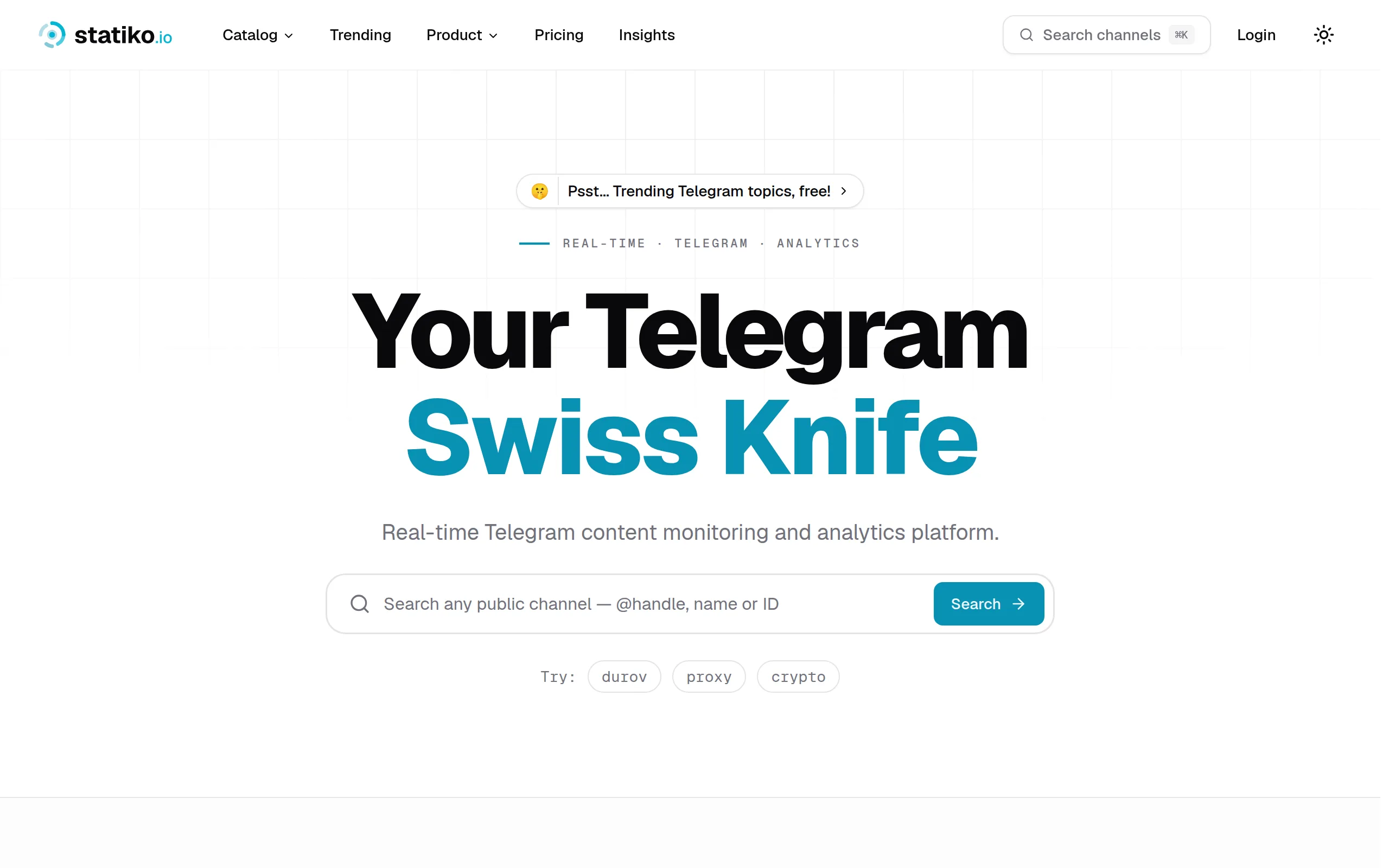
Statiko
Monitor any Telegram channel in real time - track posts, edits, deletions, and growth with AI recaps 📡

Shibui
AI website builder - describe your business, pick a niche template, edit by chatting, and publish instantly ✨

Pro Service
Find verified home service professionals, compare quotes, and pay securely through escrow - built for Brazilians across the US 🏠
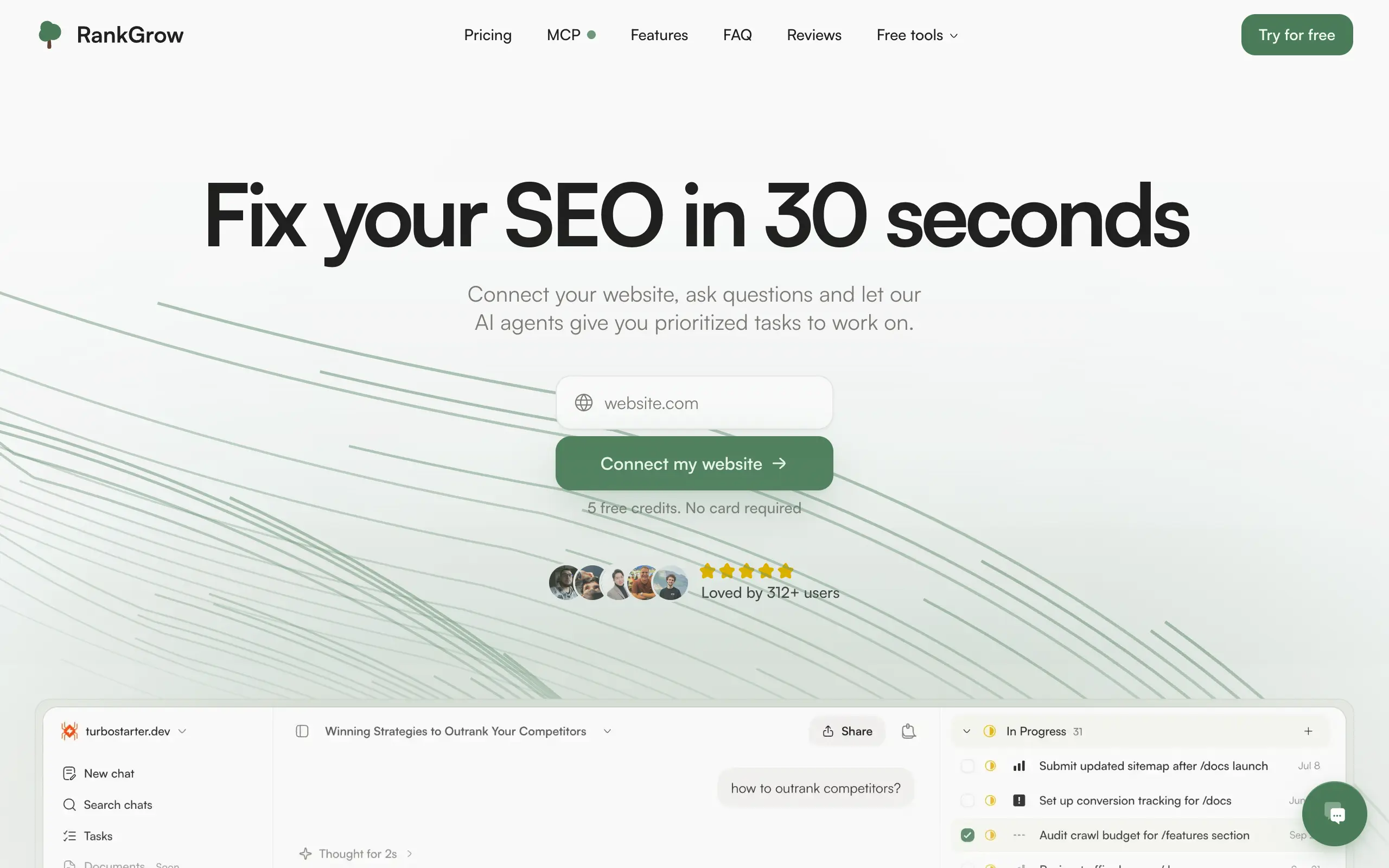
RankGrow
Fix your SEO with AI agents - connect Search Console, get prioritized tasks, and grow organic traffic 📈
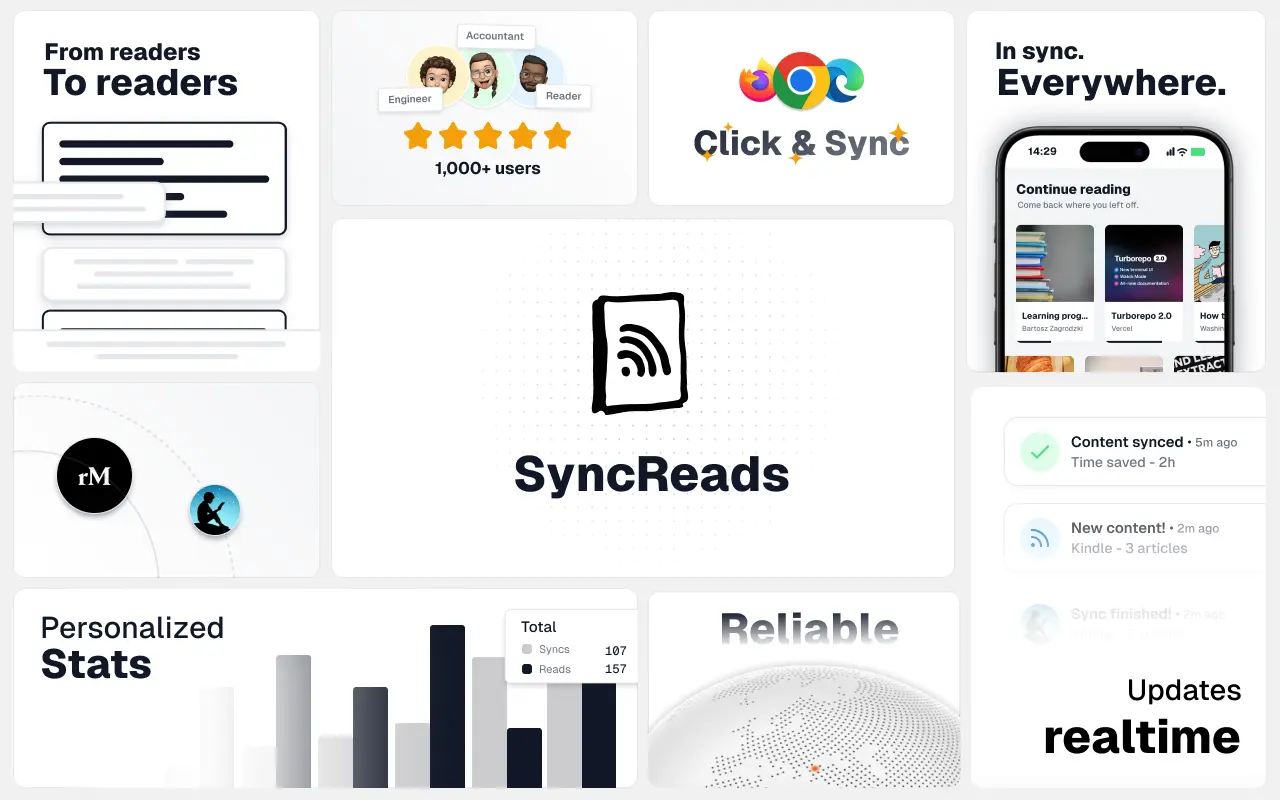
SyncReads
Sync your favorite content for distraction-free reading, save time and replace multiple apps. Anytime, anywhere 🔄
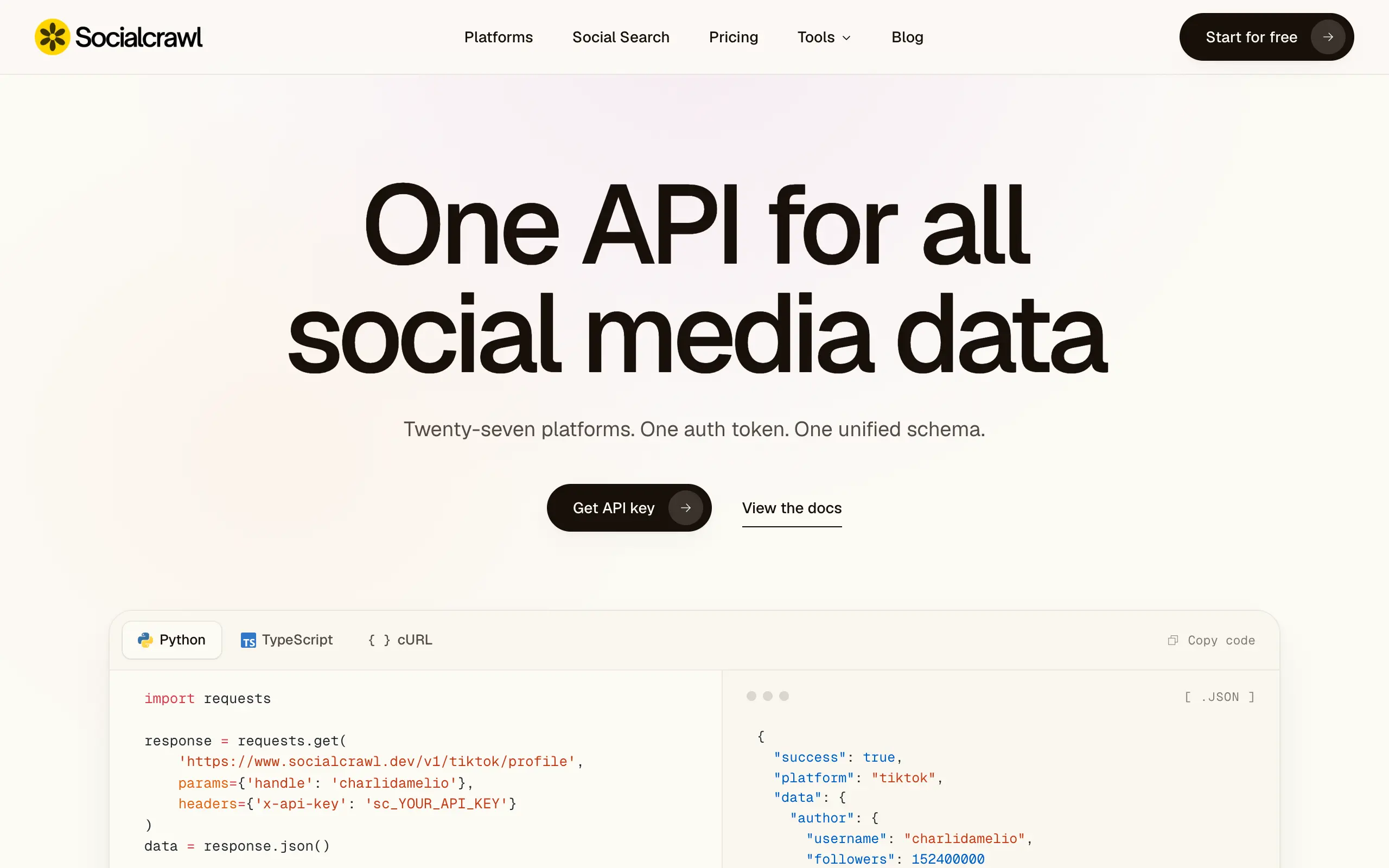
Socialcrawl
Get clean, structured data from 21 platforms like TikTok, Instagram, and YouTube with a single request 📊
Statiko
Monitor any Telegram channel in real time - track posts, edits, deletions, and growth with AI recaps 📡
Shibui
AI website builder - describe your business, pick a niche template, edit by chatting, and publish instantly ✨
Pro Service
Find verified home service professionals, compare quotes, and pay securely through escrow - built for Brazilians across the US 🏠
RankGrow
Fix your SEO with AI agents - connect Search Console, get prioritized tasks, and grow organic traffic 📈
SyncReads
Sync your favorite content for distraction-free reading, save time and replace multiple apps. Anytime, anywhere 🔄
Socialcrawl
Get clean, structured data from 21 platforms like TikTok, Instagram, and YouTube with a single request 📊
Statiko
Monitor any Telegram channel in real time - track posts, edits, deletions, and growth with AI recaps 📡
Shibui
AI website builder - describe your business, pick a niche template, edit by chatting, and publish instantly ✨
Pro Service
Find verified home service professionals, compare quotes, and pay securely through escrow - built for Brazilians across the US 🏠
RankGrow
Fix your SEO with AI agents - connect Search Console, get prioritized tasks, and grow organic traffic 📈
SyncReads
Sync your favorite content for distraction-free reading, save time and replace multiple apps. Anytime, anywhere 🔄
Socialcrawl
Get clean, structured data from 21 platforms like TikTok, Instagram, and YouTube with a single request 📊
Statiko
Monitor any Telegram channel in real time - track posts, edits, deletions, and growth with AI recaps 📡
Shibui
AI website builder - describe your business, pick a niche template, edit by chatting, and publish instantly ✨
Pro Service
Find verified home service professionals, compare quotes, and pay securely through escrow - built for Brazilians across the US 🏠
RankGrow
Fix your SEO with AI agents - connect Search Console, get prioritized tasks, and grow organic traffic 📈
SyncReads
Sync your favorite content for distraction-free reading, save time and replace multiple apps. Anytime, anywhere 🔄
Socialcrawl
Get clean, structured data from 21 platforms like TikTok, Instagram, and YouTube with a single request 📊
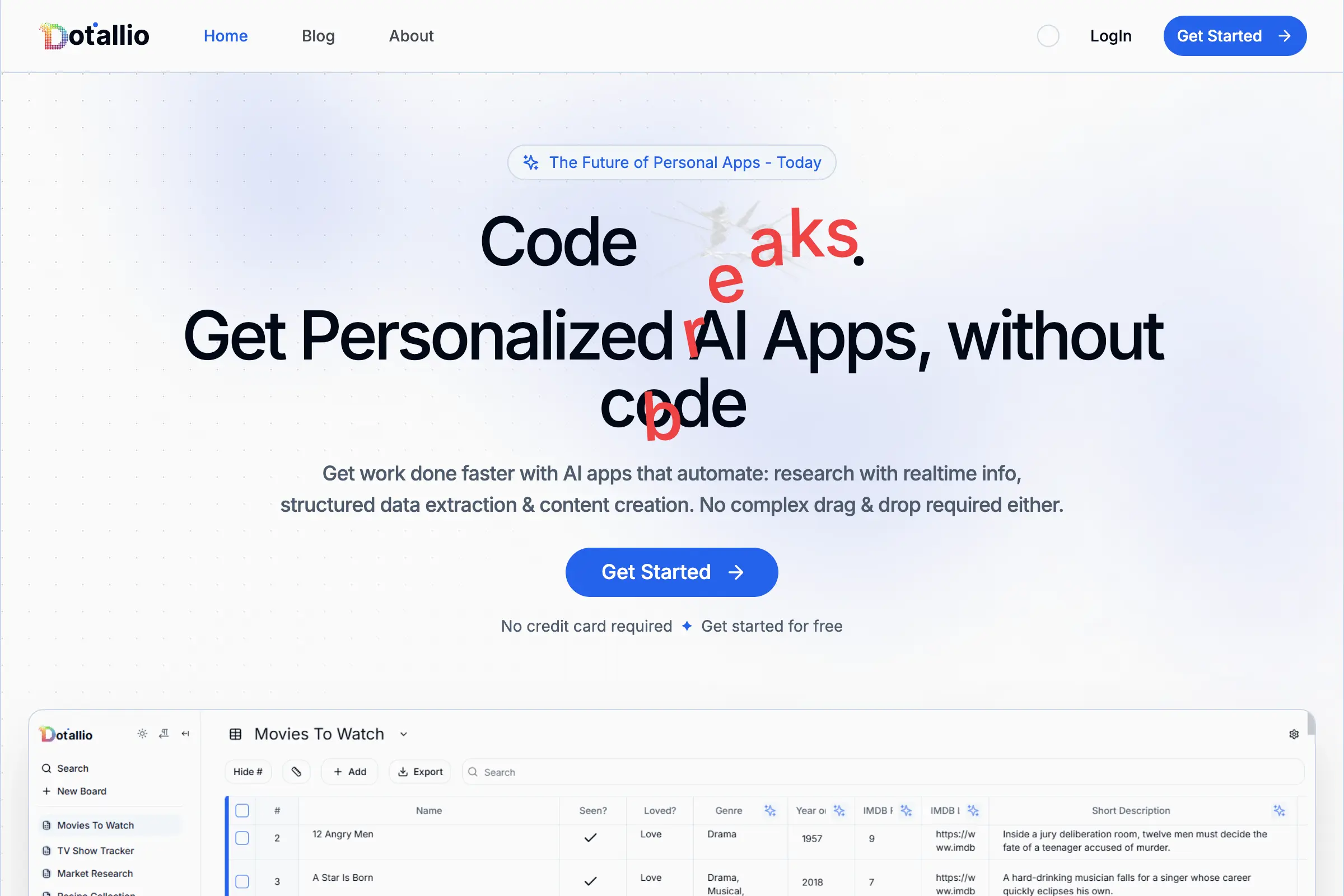
Dotallio
Personalized AI apps that automate research, data extraction, and content creation without code 🤖

Talk to Santa
Enjoy a magical live video chat or receive a unique AI-generated video greeting from Santa Claus 🎅

pozywka.pl
Scalable blog for food journalist, focused on performance and user experience 🌭
zagrodzki.me
Personal blog and portfolio of Bart Zagrodzki, where he shares his knowledge and work 💼
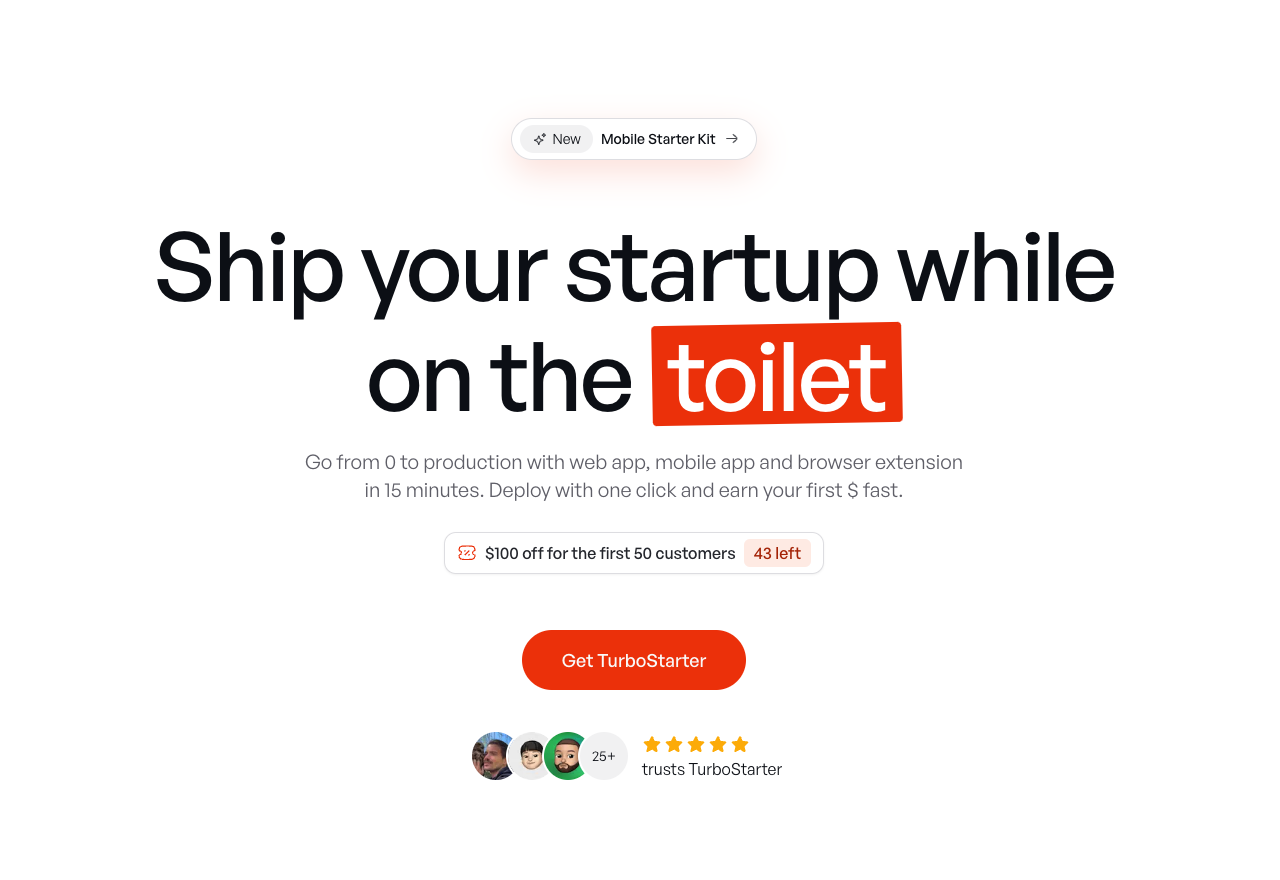
TurboStarter
Ship your startup everywhere. In minutes.
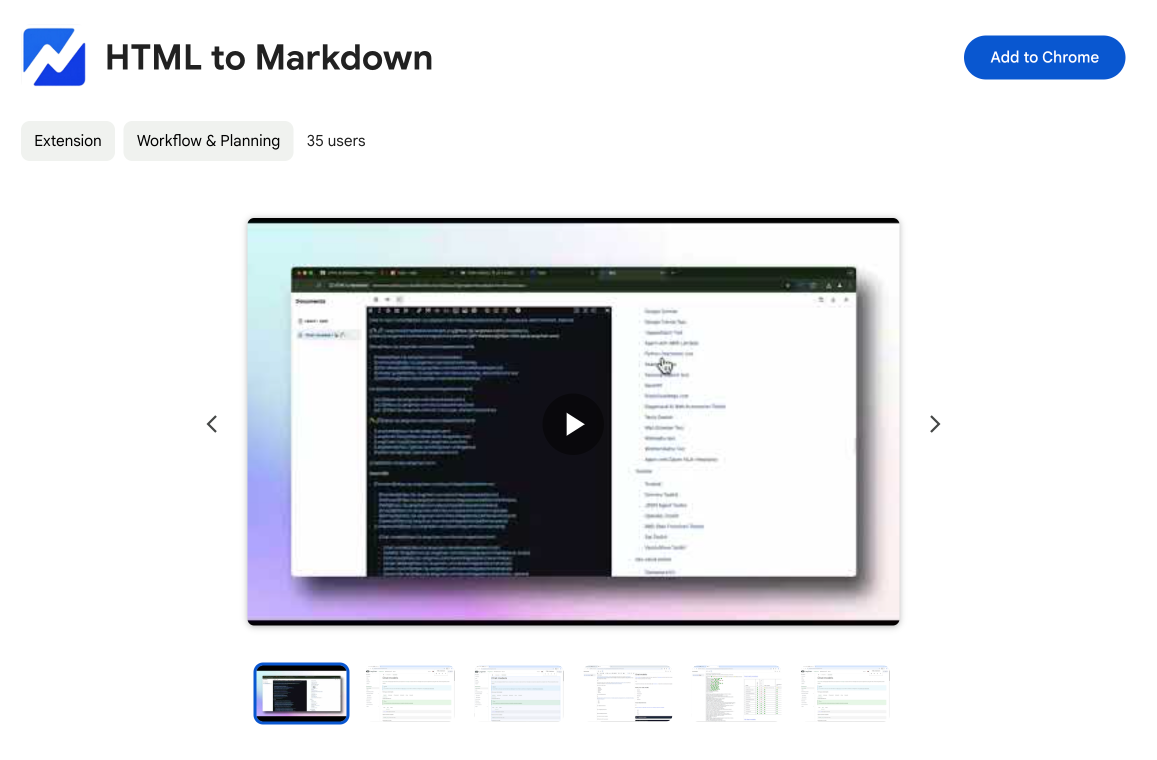
HTML to Markdown
Convert HTML to Markdown with ease, directly in your browser 📄
Dotallio
Personalized AI apps that automate research, data extraction, and content creation without code 🤖
Talk to Santa
Enjoy a magical live video chat or receive a unique AI-generated video greeting from Santa Claus 🎅
pozywka.pl
Scalable blog for food journalist, focused on performance and user experience 🌭
zagrodzki.me
Personal blog and portfolio of Bart Zagrodzki, where he shares his knowledge and work 💼
TurboStarter
Ship your startup everywhere. In minutes.
HTML to Markdown
Convert HTML to Markdown with ease, directly in your browser 📄
Dotallio
Personalized AI apps that automate research, data extraction, and content creation without code 🤖
Talk to Santa
Enjoy a magical live video chat or receive a unique AI-generated video greeting from Santa Claus 🎅
pozywka.pl
Scalable blog for food journalist, focused on performance and user experience 🌭
zagrodzki.me
Personal blog and portfolio of Bart Zagrodzki, where he shares his knowledge and work 💼
TurboStarter
Ship your startup everywhere. In minutes.
HTML to Markdown
Convert HTML to Markdown with ease, directly in your browser 📄
Dotallio
Personalized AI apps that automate research, data extraction, and content creation without code 🤖
Talk to Santa
Enjoy a magical live video chat or receive a unique AI-generated video greeting from Santa Claus 🎅
pozywka.pl
Scalable blog for food journalist, focused on performance and user experience 🌭
zagrodzki.me
Personal blog and portfolio of Bart Zagrodzki, where he shares his knowledge and work 💼
TurboStarter
Ship your startup everywhere. In minutes.
HTML to Markdown
Convert HTML to Markdown with ease, directly in your browser 📄
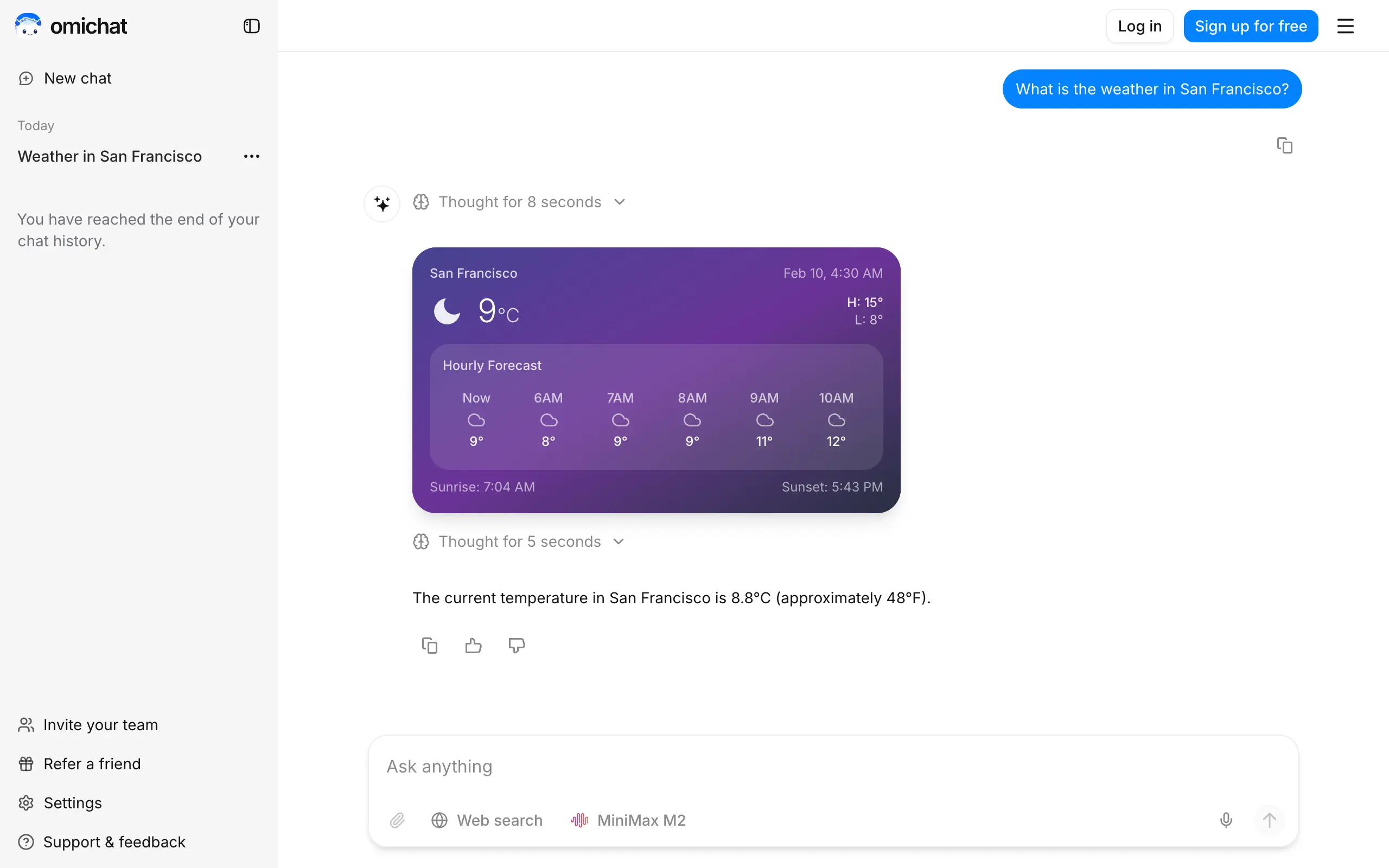
Omichat
Chat with 50+ AI models, including ChatGPT and Claude, in one place - switch models anytime without losing context 🤖
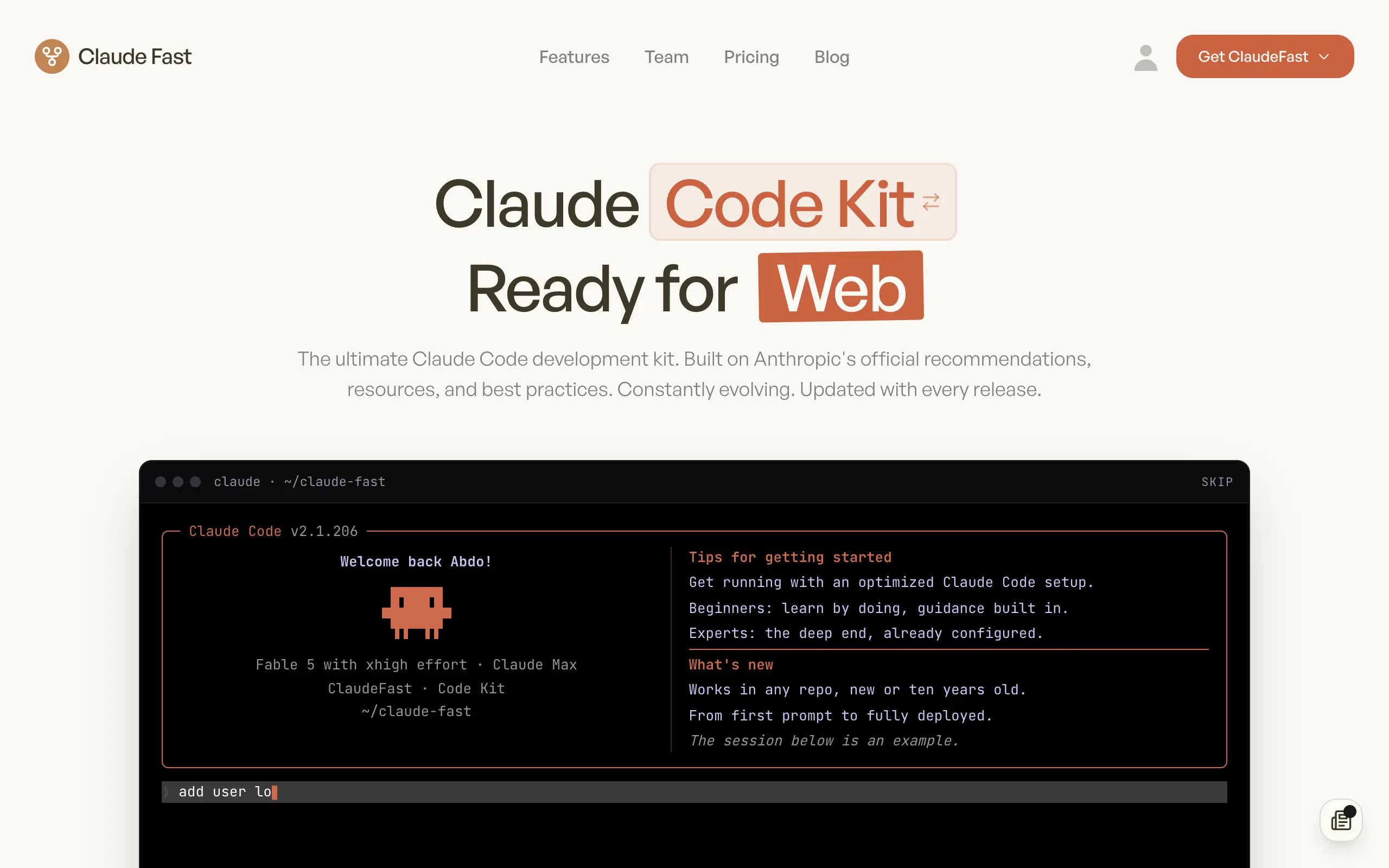
Claude Fast
Supercharge your Claude Code with 6x effective context window and specialized AI agents 🤖
EmojAI
AI-powered emoji picker with smart, context-aware suggestions 🤖
Solohacker
Autonomous company launcher - AI agents work 24/7, escalate what matters, and you stay in control 🤖

BeRawi: Storytelling Coach
Practice storytelling daily with instant feedback to sound clearer, more engaging, and confident 🎤
Omichat
Chat with 50+ AI models, including ChatGPT and Claude, in one place - switch models anytime without losing context 🤖
Claude Fast
Supercharge your Claude Code with 6x effective context window and specialized AI agents 🤖
EmojAI
AI-powered emoji picker with smart, context-aware suggestions 🤖
Solohacker
Autonomous company launcher - AI agents work 24/7, escalate what matters, and you stay in control 🤖
BeRawi: Storytelling Coach
Practice storytelling daily with instant feedback to sound clearer, more engaging, and confident 🎤
Omichat
Chat with 50+ AI models, including ChatGPT and Claude, in one place - switch models anytime without losing context 🤖
Claude Fast
Supercharge your Claude Code with 6x effective context window and specialized AI agents 🤖
EmojAI
AI-powered emoji picker with smart, context-aware suggestions 🤖
Solohacker
Autonomous company launcher - AI agents work 24/7, escalate what matters, and you stay in control 🤖
BeRawi: Storytelling Coach
Practice storytelling daily with instant feedback to sound clearer, more engaging, and confident 🎤
Omichat
Chat with 50+ AI models, including ChatGPT and Claude, in one place - switch models anytime without losing context 🤖
Claude Fast
Supercharge your Claude Code with 6x effective context window and specialized AI agents 🤖
EmojAI
AI-powered emoji picker with smart, context-aware suggestions 🤖
Solohacker
Autonomous company launcher - AI agents work 24/7, escalate what matters, and you stay in control 🤖
BeRawi: Storytelling Coach
Practice storytelling daily with instant feedback to sound clearer, more engaging, and confident 🎤

Connect with like-minded people
Join our community to get feedback, support, and grow together with 1,000+ builders on board, let's ship it!
Join usShip your startup everywhere. In minutes.
Don't burn tokens on setup and start building features on day one.