PromiseMap
AI captures promises made in sales calls and emails, assigns owners, and warns teams before customer commitments are missed.
Sales teams make promises constantly: a custom integration will be ready by a certain date, security documentation will arrive this week, a pricing exception will be approved, or a product gap will be reviewed before renewal. Those commitments are often buried inside call recordings, follow-up emails, CRM notes, and internal chat threads.
That is the operational problem PromiseMap is designed to solve.
PromiseMap is an AI sales commitment tracking platform that captures customer promises from sales calls and emails, converts them into accountable tasks, assigns owners, and alerts teams before a commitment becomes a missed expectation. Rather than asking revenue teams to manually remember every promise, the product creates a shared system of record for what was committed, who owns it, and when it is due.
For sales leaders, customer success teams, solution consultants, and revenue operations professionals, the value is straightforward: fewer surprise escalations, cleaner handoffs, and greater trust throughout the customer lifecycle.
The core opportunity
The best AI sales tools do not simply summarize conversations. They turn conversation intelligence into operational follow-through. PromiseMap can own the gap between “we said we would do it” and “it was completed on time.”
Why AI sales commitment tracking matters now
Modern revenue teams have more customer conversations than ever, distributed across video calls, phone systems, email, CRM platforms, and shared inboxes. Conversation intelligence tools have made recording and transcription easier, but most teams still face a major downstream challenge: extracting actionable obligations from those interactions.
A sales call summary might say that a prospect asked for a security review or that an account executive committed to sharing implementation timelines. That summary is useful, but it does not automatically answer the critical operational questions:
- Who owns the follow-up?
- Was the statement a true customer-facing promise or only an internal possibility?
- What deadline was communicated?
- Is the task progressing?
- Has the promise been fulfilled and documented?
- Does the customer success manager know about it after handoff?
- Is the commitment likely to affect renewal, expansion, or customer satisfaction?
These gaps are expensive. A forgotten promise can create distrust before a contract is signed. A poorly handed-off commitment can turn into an onboarding escalation. An unfulfilled feature expectation can become a renewal risk months later.
The primary keyword for this category is AI sales commitment tracking software. Related terms that buyers may search for include:
- AI promise management software
- customer commitment tracking
- sales follow-up automation
- sales call action item tracking
- revenue operations workflow automation
- customer promise tracking
- CRM commitment management
- AI sales call analysis
- sales handoff automation
- customer expectation management
PromiseMap should position itself around the business outcome, not only the underlying technology. AI transcription and natural language processing are enablers. The actual product promise is stronger customer trust through reliable commitment execution.
The target audience for PromiseMap
PromiseMap has broad relevance across revenue organizations, but its best early customers are likely teams with high sales complexity, cross-functional dependencies, and meaningful consequences for missed commitments.
Sales leaders and account executives
Account executives are often the people making customer-facing commitments, especially in mid-market and enterprise sales. They may promise follow-up materials, stakeholder introductions, technical validation, contract changes, executive conversations, or roadmap clarification.
Their pain is not merely task management. They need protection against the reputational damage that comes from saying “I’ll take care of that” and then losing visibility once another team becomes involved.
PromiseMap gives sales reps a clear view of open commitments across their accounts. It also provides a defensible history when a customer asks what was promised and when.
Key benefits for sales teams include:
- Reduced manual note-taking after customer calls
- Fewer dropped follow-ups during busy deal cycles
- Better coordination with sales engineering, legal, product, and security
- Stronger customer confidence during complex evaluations
- Cleaner pipeline hygiene and deal risk visibility
Revenue operations leaders
Revenue operations teams are a particularly strong buyer persona because they own process consistency, CRM integrity, reporting, handoffs, and forecasting quality. They understand that a promise without a tracked owner is a hidden operating liability.
For RevOps, PromiseMap can become a structured data layer that identifies commitments otherwise trapped in unstructured communication. It can reveal patterns such as:
- Which sales teams make the highest volume of commitments
- Which commitment categories are most commonly overdue
- Which deal stages generate the most follow-up risk
- Whether certain promises correlate with delayed implementation or churn
- Which account segments require more cross-functional support
This transforms customer commitments from anecdotal context into measurable revenue intelligence.
Customer success and implementation teams
Customer success managers frequently inherit commitments that were made before they joined the customer relationship. The customer may assume that the entire company knows about every promise, while the post-sales team receives only scattered notes or an incomplete handoff.
PromiseMap provides a practical bridge between pre-sales and post-sales. It can create a commitment timeline that follows an opportunity into onboarding, adoption, renewal, and expansion.
For customer success teams, the platform can reduce:
- Surprise requests during onboarding
- Confusion about contract or scope expectations
- Friction caused by undocumented product promises
- Duplicate work across account teams
- Escalations that could have been prevented with early warnings
Sales engineering, legal, product, and security teams
Cross-functional stakeholders are frequently asked to fulfill promises they did not personally make. A sales engineer may need to deliver architecture diagrams, legal may need to review a data processing agreement, and product teams may need to clarify roadmap language.
These teams do not need another generic task manager. They need tasks that preserve the original customer context, including the source conversation, the exact language used, the account, the due date, and the business impact.
Best early customer
A B2B SaaS company with enterprise deals, recorded sales calls, a CRM, and frequent coordination across sales, customer success, legal, product, and security.
Strong expansion customer
A services, consulting, fintech, healthtech, or cybersecurity company where customer commitments carry delivery, compliance, or reputational risk.
Poor initial fit
A low-touch transactional business with minimal customer communication and no meaningful cross-functional follow-up process.
The market gap: summaries are not accountability
The AI sales technology market is crowded with note takers, meeting recorders, conversation intelligence tools, CRM enrichment products, and sales engagement platforms. Most of these categories solve a related but incomplete problem.
A generic AI meeting assistant can summarize what happened. A CRM can store notes. A project management tool can hold tasks. A conversation intelligence platform can identify keywords and coach reps.
None of these systems necessarily creates a reliable customer commitment management workflow.
The distinction matters:
- A summary tells a team what was discussed.
- A task list tells a person what they should do.
- A commitment system records what the customer was told would happen, tracks accountability, and surfaces risk before trust is lost.
PromiseMap should avoid competing head-on as “another AI meeting notes tool.” Its category creation angle is promise intelligence for revenue teams.
That positioning is valuable because customer commitments have unique requirements:
-
Source-level evidence
Teams need to see the original call excerpt or email thread, not only an AI-generated sentence. -
Confidence and review workflows
Not every statement is a promise. The system must distinguish between a firm commitment, a tentative possibility, and a customer request. -
Shared ownership
The person who makes a promise may not be the person responsible for delivery. -
Time sensitivity
A promise without a deadline may still carry urgency based on deal stage, customer sentiment, renewal timing, or implementation milestones. -
Lifecycle continuity
The commitment must survive CRM stage changes, account reassignments, and sales-to-success handoffs. -
Escalation logic
A missed commitment should trigger the right alert based on severity, account value, strategic importance, and proximity to deadline.
A competitive advantage analysis
PromiseMap’s defensible advantage should come from combining high-quality AI extraction with workflow depth and customer context.
| Capability | Generic AI note taker | CRM task list | Project management tool | PromiseMap | Customer outcome |
|---|---|---|---|---|---|
| Captures call context | ✅ | ❌ | ❌ | ✅ | Clear evidence of what was said |
| Detects explicit promises | Limited | ❌ | ❌ | ✅ | Less ambiguity and fewer missed obligations |
| Routes to the correct owner | Limited | Limited | ✅ | ✅ | Faster cross-functional execution |
| Monitors customer-facing due dates | ❌ | Limited | Limited | ✅ | Fewer trust-damaging delays |
| Tracks risk across the revenue lifecycle | ❌ | Limited | Limited | ✅ | Better handoffs and retention protection |
The product should make a clear claim: PromiseMap is not a transcript repository. It is an accountability layer for customer-facing commitments.
Core features for an AI promise management platform
The initial feature set should focus narrowly on capturing, validating, assigning, and monitoring commitments. A broad product can come later, but the MVP must prove that the system reliably prevents missed promises.
AI promise extraction from calls and emails
The core engine analyzes call transcripts, emails, and potentially CRM notes to identify language that indicates a commitment.
Useful signals include phrases such as:
- “I’ll send that by Friday.”
- “Our team will provide the security documentation.”
- “We can schedule a technical workshop next week.”
- “I’ll confirm this with product and get back to you.”
- “We will include that in the implementation plan.”
- “You’ll have an update before the renewal meeting.”
The extraction model should identify more than the text itself. Each commitment record should include:
- The account and associated opportunity
- The speaker who made the statement
- The person or team most likely to own fulfillment
- The commitment type
- The proposed due date
- The source transcript timestamp or email URL
- The confidence score
- The customer-facing importance level
- The current fulfillment status
This is a classic information extraction challenge. Large language models are well-suited for interpreting conversational context, but a production system should use structured outputs, validation rules, and human review rather than blindly trusting model output.
Commitment classification
Not all commitments are equal. PromiseMap should classify commitments into actionable groups to improve routing, reporting, and escalation.
Possible categories include:
- Document or collateral delivery
- Pricing or commercial follow-up
- Legal or procurement response
- Security or compliance evidence
- Technical validation
- Product or roadmap clarification
- Executive introduction
- Implementation or onboarding activity
- Support or service follow-up
- Custom customer request
A security questionnaire promised to a strategic enterprise prospect should be treated differently from a request to send a product brochure. Classification enables intelligent prioritization.
Owner recommendation and routing
AI can recommend an owner, but the workflow should never obscure accountability. PromiseMap should consider CRM opportunity roles, account team members, organizational directories, prior task assignment behavior, commitment category, and connected project systems.
For example:
- A pricing exception could route to the account executive and sales leader.
- A security request could route to the security compliance team.
- A product roadmap question could route to product operations with an account executive as customer-facing owner.
- An onboarding commitment could route to the implementation manager after closed-won.
The ideal design separates delivery owner from customer communication owner. The person completing work may not be the person responsible for updating the customer.
Deadline inference and confirmation
A reliable platform should distinguish between:
- Explicit deadlines, such as “by Thursday”
- Relative deadlines, such as “later this week”
- Event-based deadlines, such as “before the executive review”
- Implied urgency, such as “before we sign”
- No stated deadline
AI can infer a likely due date from the conversation date and calendar context, but inferred dates should be visibly labeled and easy to edit. The user should understand whether a due date was directly promised or inferred by the system.
Avoid false certainty
Do not present AI-inferred deadlines as confirmed customer commitments. Preserve the original wording, display confidence, and make review fast. Trust in the product depends on transparent reasoning.
Risk scoring and proactive alerts
This is where PromiseMap moves beyond task management. Each open commitment should receive a risk score based on factors such as:
- Time remaining until the due date
- Whether the commitment is blocked or unassigned
- Opportunity amount or account value
- Deal stage or renewal stage
- Customer sentiment from recent conversations
- Strategic account designation
- Number of previous overdue commitments
- Commitment category and business impact
- Whether the customer has followed up already
Alerts should be useful rather than noisy. A good notification policy might include a reminder to the owner, a warning to the account executive, and then escalation to leadership only when risk is material.
Commitment timeline and account memory
Every account should have a searchable timeline that combines:
- Open commitments
- Completed commitments
- Overdue items
- Source calls and emails
- Customer follow-ups
- Ownership changes
- Escalation history
- Related CRM opportunity stage changes
This becomes valuable institutional memory. If an account manager changes or a deal reopens months later, the team can understand the history of customer expectations immediately.
Manager dashboards and analytics
Leadership dashboards should answer practical questions, not merely report activity volume.
Useful reporting views include:
- Open customer commitments by owner
- Overdue commitments by department
- At-risk commitments by opportunity value
- Commitments created by stage
- Average time to completion by commitment category
- Missed commitments by account segment
- Sales-to-success handoff completeness
- Commitment volume per rep or team
- Repeated product request themes
- Accounts with unresolved promises before renewal
For analytical credibility, PromiseMap should make it easy to export data into a business intelligence environment while maintaining strong access controls.
A recommended tech stack for PromiseMap
The right architecture depends on initial integrations, scale, compliance needs, and the speed required to validate the product. For a modern SaaS MVP, a TypeScript-first stack offers a strong balance of delivery speed and maintainability.
Application layer
A pragmatic frontend and backend foundation could include:
- Next.js for the web application, server rendering, and API routes
- React for reusable interface components
- TypeScript for safer data models and integration contracts
- Tailwind CSS for rapid, consistent product UI development
- PostgreSQL for relational account, user, commitment, and audit data
- Prisma for type-safe database access and migrations
A production-ready starter such as TurboStarter can reduce time spent assembling authentication, billing, multi-tenancy, dashboards, and SaaS fundamentals. That allows the founding team to focus development resources on the commitment extraction and risk workflow that make PromiseMap differentiated.
AI and retrieval layer
The AI pipeline should use a provider-agnostic abstraction wherever possible. Models evolve quickly, and a commitment-tracking product should be able to evaluate models for extraction quality, latency, cost, and privacy requirements.
The workflow can follow this pattern:
type CommitmentCandidate = {
  sourceId: string;
  accountId: string;
  text: string;
  category: "security" | "legal" | "pricing" | "technical" | "other";
  speakerId?: string;
  ownerId?: string;
  dueDate?: string;
  deadlineType: "explicit" | "inferred" | "none";
  confidence: number;
};

async function processConversation(transcript: string) {
  const candidates = await extractCommitmentsWithAI(transcript);

  return candidates
    .filter((candidate) => candidate.confidence >= 0.8)
    .map((candidate) => ({
      ...candidate,
      status: "needs_review",
      riskScore: calculateRiskScore(candidate),
    }));
}
The important implementation principle is that AI output should be structured and reviewable. Use schema validation, deterministic business rules, and a stored source reference for every extracted commitment.
For semantic search, a vector database can help retrieve similar prior commitments, account history, and relevant internal knowledge. However, a vector database should not replace PostgreSQL as the authoritative source of transactional truth.
Integration architecture
Initial integrations should prioritize the systems customers already use daily:
- Video and conversation sources such as Zoom, Google Meet recording workflows, or conversation intelligence providers
- Email providers, starting with Google Workspace and Microsoft 365
- CRM systems, especially Salesforce and HubSpot
- Communication tools such as Slack and Microsoft Teams
- Work management systems such as Jira, Asana, Linear, or Monday.com
The trade-off is clear. Building many integrations early may accelerate enterprise appeal, but it can slow MVP delivery and increase maintenance burden. Start with one CRM, one email source, and one call transcript path. Validate extraction quality and workflow adoption before broadening the connector catalog.
Security and compliance considerations
PromiseMap will process sensitive customer communications. Security cannot be a later feature.
The platform should plan for:
- Encryption in transit and at rest
- Role-based access control
- Tenant isolation
- Audit trails for viewing, changing, and closing commitments
- Configurable data retention
- Source permission inheritance where feasible
- Redaction for sensitive fields
- Clear customer consent and recording policy alignment
- Vendor security review documentation
- A roadmap toward SOC 2 controls as enterprise demand grows
For claims about data privacy, SOC 2 adoption, or market compliance trends, publish source-backed materials and reference authoritative frameworks or audit reports rather than relying on unsupported marketing statistics.
Monetization strategy for PromiseMap
PromiseMap can use a hybrid pricing model that aligns with both user value and the volume of communications analyzed.
Per-seat pricing
A simple entry point is per-user pricing for sales, customer success, RevOps, and leadership users. This is familiar to SaaS buyers and works well for self-serve or mid-market adoption.
Potential packages could include:
- Starter for small sales teams with limited monthly analysis volume
- Growth for multi-team workflows, CRM sync, and standard analytics
- Business for advanced routing, collaboration, and custom dashboards
- Enterprise for SSO, audit exports, advanced retention controls, dedicated support, and custom integrations
Usage-based AI analysis pricing
AI inference creates real variable cost. Usage-based pricing can protect margins when customers process a large volume of calls, emails, and transcripts.
The best approach is usually a predictable included allowance with transparent overages. Customers dislike unclear AI billing, especially if they cannot forecast the cost of connecting an inbox or call system.
Good value metrics may include:
- Conversations analyzed
- Hours of call transcript processed
- Commitment records created
- Active customer accounts monitored
- Automated workflow actions
Avoid pricing purely by “AI credits.” Buyers understand conversations, accounts, and users more easily than abstract credit systems.
Enterprise value pricing
For enterprise customers, the economic value is tied to risk prevention, retention support, faster deal movement, and improved operational accountability. These accounts may justify annual contracts priced around team size, connected data sources, security requirements, and strategic workflow complexity.
A compelling enterprise business case can quantify:
- Time saved on manual call review and follow-up
- Reduction in overdue customer commitments
- Fewer onboarding escalations
- Improved visibility into high-value deal blockers
- Faster internal response to security, legal, and technical requests
- Lower risk of avoidable churn or expansion delays
Risks and mitigation strategies
AI sales commitment tracking is valuable, but it has product, operational, and go-to-market risks. Addressing them directly improves trust with buyers and investors.
The model may mistake a tentative statement, internal discussion, or customer request for a firm promise. Mitigate this with confidence thresholds, a review queue, source excerpts, user feedback controls, and separate labels for confirmed versus suggested commitments.
The system may miss nuanced language or commitments made across multiple messages. Improve recall through ongoing evaluation datasets, human-in-the-loop feedback, account-specific phrase learning, and email-plus-call context aggregation.
Notification fatigue will destroy adoption. Use role-aware notifications, severity thresholds, digest options, and escalation policies that send alerts only when action is needed.
Revenue conversations can include pricing, security, legal, and personal information. Provide transparent controls, data processing documentation, least-privilege access, configurable retention, audit logs, and a strong security roadmap.
Large platforms can add basic extraction features. PromiseMap must build depth in commitment evidence, cross-functional routing, proactive risk logic, lifecycle continuity, and accountability analytics that generic platforms are less likely to prioritize.
How PromiseMap can build a durable moat
The AI model itself is unlikely to be the only lasting differentiator. Language models are increasingly accessible, and competitors can replicate basic extraction prompts.
A stronger moat comes from proprietary workflow data and embedded operational behavior.
Build a high-quality commitment dataset
With customer permission and careful privacy controls, PromiseMap can learn from anonymized patterns such as:
- Language that indicates a true promise
- Phrases associated with missed expectations
- Typical owners for specific commitment types
- Average resolution time by category
- Risk signals that predict overdue work
- Team behaviors that prevent escalation
This dataset improves classification, routing, and risk scoring over time.
Become part of the revenue operating system
The more PromiseMap is tied into CRM workflows, sales handoffs, customer success reviews, Slack alerts, and executive reporting, the more difficult it becomes to replace.
The platform should aim to become the place where teams ask:
- What have we promised this customer?
- What is currently at risk?
- Who is accountable?
- What needs to happen before the next customer meeting?
- What unresolved commitments are entering the renewal period?
Deliver executive-level insight
Individual contributors may adopt PromiseMap because it saves time. Leaders will renew because it reveals systemic issues.
For example, the product could identify that enterprise prospects repeatedly request a security artifact that takes too long to provide, or that a product limitation is being framed inconsistently by different reps. These insights can drive operational improvement beyond individual task completion.
An actionable MVP implementation plan
The first version of PromiseMap should not attempt to ingest every communication channel or solve every revenue workflow. Focus on the smallest product that proves teams will trust AI-detected commitments and act on them.
Define a commitment taxonomy with 8 to 12 categories, clear examples, owner rules, urgency levels, and a definition of what qualifies as a customer-facing promise.
Build one high-quality ingestion path, ideally recorded sales call transcripts connected to a single CRM such as HubSpot or Salesforce.
Create structured AI extraction that returns the promise text, source reference, proposed owner, due date, category, confidence score, and rationale.
Launch a review inbox where users can approve, edit, dismiss, assign, and set due dates for extracted commitments in seconds.
Add commitment pages with source evidence, task status, customer communication owner, internal delivery owner, and activity history.
Introduce reminders and a simple risk model for unassigned, overdue, or high-value-account commitments.
Run design-partner pilots with 5 to 10 B2B revenue teams and measure extraction precision, review rate, completion rate, overdue reduction, and qualitative customer trust outcomes.
Use pilot feedback to refine the extraction taxonomy before adding email analysis, advanced analytics, and broader integrations.
MVP success metrics to track
Early product success should be measured through behavior, not vanity metrics.
Prioritize:
- Commitment extraction precision after human review
- Percentage of extracted commitments assigned to an owner
- Time from promise creation to assignment
- On-time completion rate
- Reduction in overdue follow-ups
- Weekly active managers and account owners
- Number of account handoffs with commitment history reviewed
- Number of customer escalations prevented or resolved early
- Retention and expansion interest from pilot customers
The first goal is not perfect autonomous execution. It is proving that teams trust PromiseMap enough to review AI suggestions, assign accountability, and use the system before important customer meetings.
Avoid building a broad meeting recorder, a generic project management tool, or an all-purpose CRM replacement. Those categories are crowded and dilute the promise intelligence positioning.
The strategic case for building PromiseMap
PromiseMap addresses a painful but under-served revenue problem: the gap between customer conversations and reliable organizational follow-through.
The product’s unique selling proposition is not simply that it uses AI to summarize calls. It captures customer-facing promises, preserves the evidence behind them, creates ownership, monitors deadlines, and warns teams before an overlooked commitment harms a relationship.
That makes PromiseMap especially compelling for B2B companies where trust, coordination, and execution determine whether a deal closes, an onboarding succeeds, or a renewal remains secure.
The winning product strategy is to start narrow:
- Capture commitments from a trusted source
- Make review and assignment effortless
- Surface clear risk before deadlines are missed
- Preserve commitment history across the customer lifecycle
- Integrate deeply where revenue teams already work
Over time, PromiseMap can evolve from an AI sales follow-up tool into a customer expectation management system for the entire revenue organization.
More 🤖 AI Startup SaaS ideas
Discover more innovative ai startup SaaS ideas that are trending in 2026. Each idea is AI-generated with market validation and growth potential to help you find your next profitable venture faster than competitors.
Your competitors are building with TurboStarter
Below are some of the SaaS ideas that have been generated and built with our starter kit.
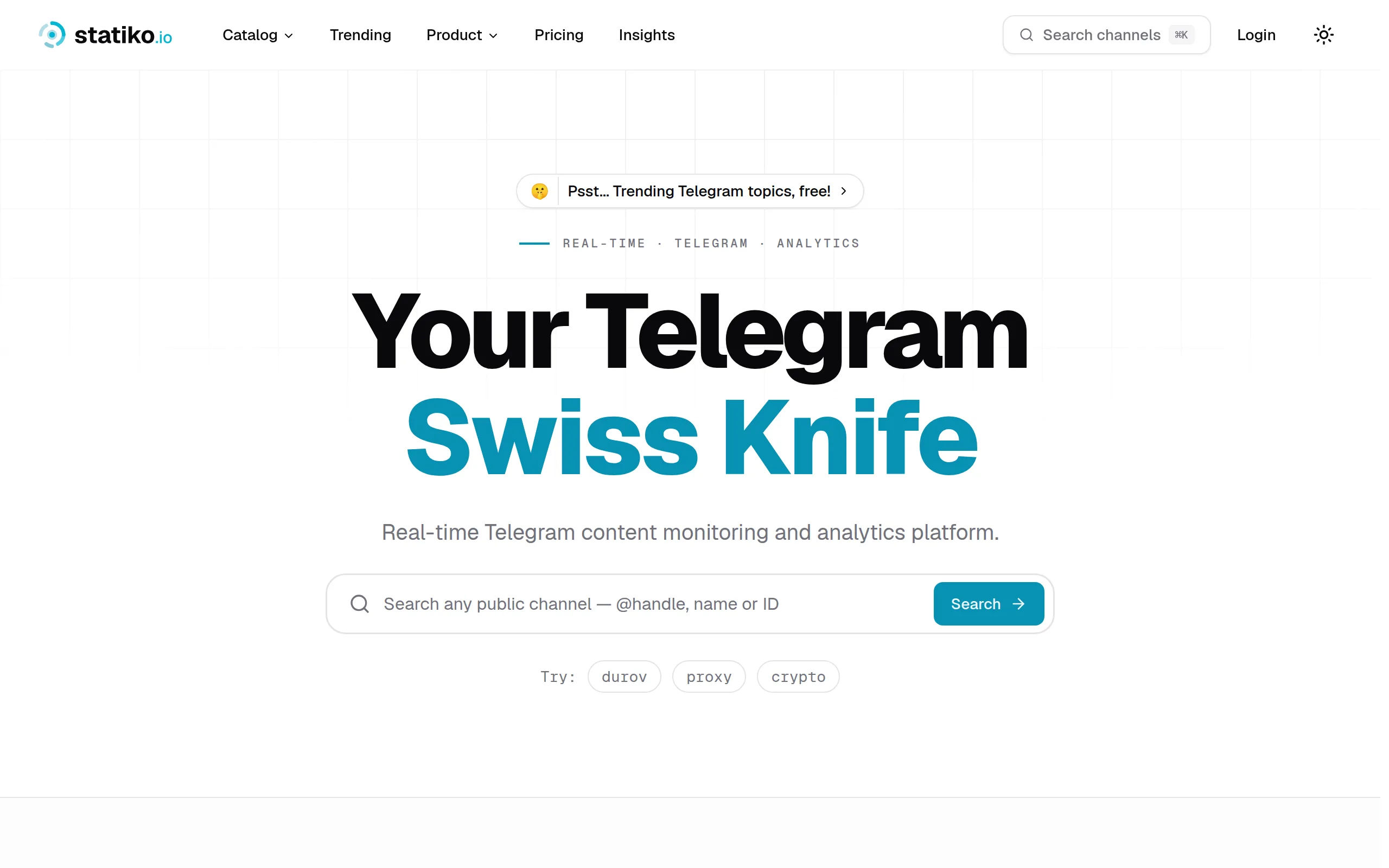
Statiko
Monitor any Telegram channel in real time - track posts, edits, deletions, and growth with AI recaps 📡

Shibui
AI website builder - describe your business, pick a niche template, edit by chatting, and publish instantly ✨

Pro Service
Find verified home service professionals, compare quotes, and pay securely through escrow - built for Brazilians across the US 🏠
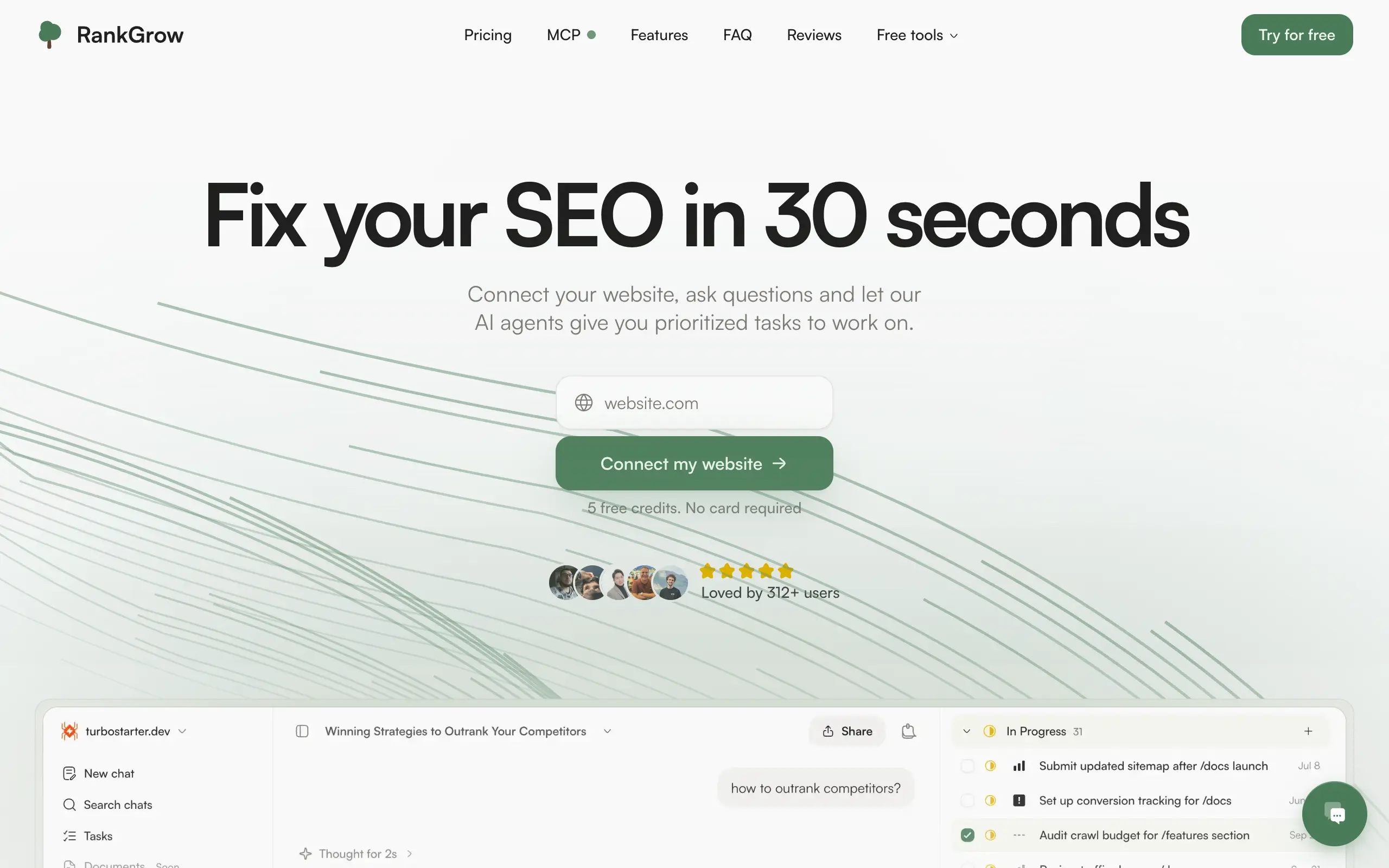
RankGrow
Fix your SEO with AI agents - connect Search Console, get prioritized tasks, and grow organic traffic 📈
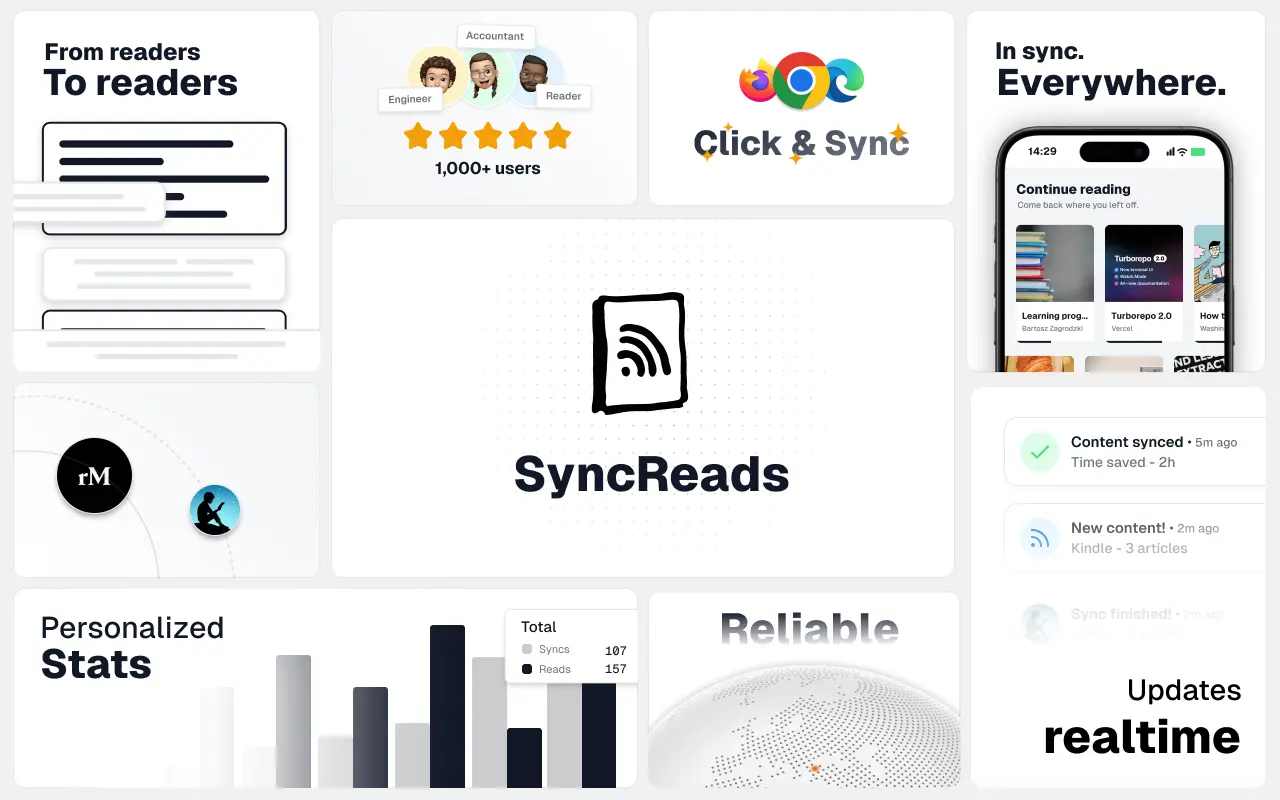
SyncReads
Sync your favorite content for distraction-free reading, save time and replace multiple apps. Anytime, anywhere 🔄
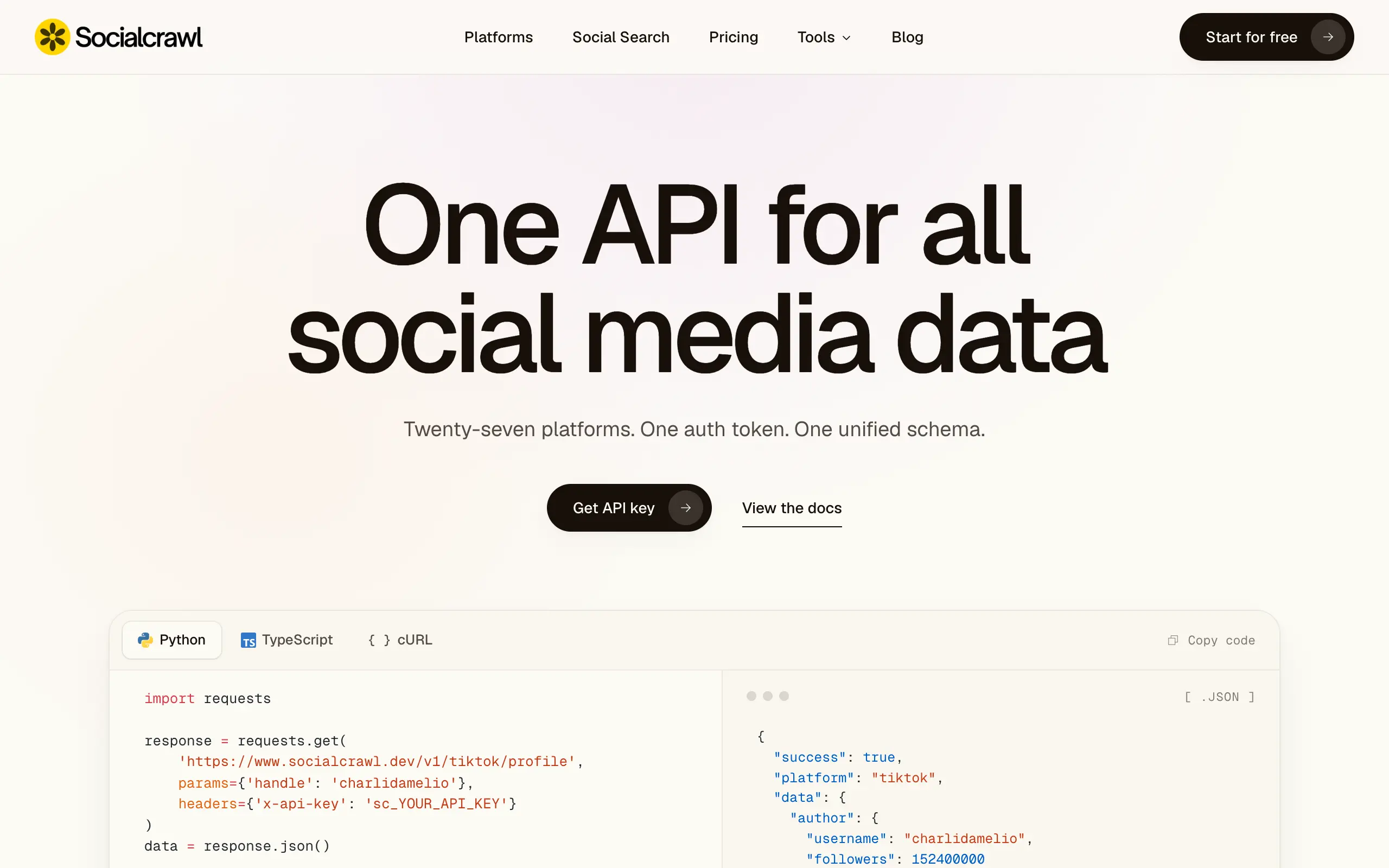
Socialcrawl
Get clean, structured data from 21 platforms like TikTok, Instagram, and YouTube with a single request 📊
Statiko
Monitor any Telegram channel in real time - track posts, edits, deletions, and growth with AI recaps 📡
Shibui
AI website builder - describe your business, pick a niche template, edit by chatting, and publish instantly ✨
Pro Service
Find verified home service professionals, compare quotes, and pay securely through escrow - built for Brazilians across the US 🏠
RankGrow
Fix your SEO with AI agents - connect Search Console, get prioritized tasks, and grow organic traffic 📈
SyncReads
Sync your favorite content for distraction-free reading, save time and replace multiple apps. Anytime, anywhere 🔄
Socialcrawl
Get clean, structured data from 21 platforms like TikTok, Instagram, and YouTube with a single request 📊
Statiko
Monitor any Telegram channel in real time - track posts, edits, deletions, and growth with AI recaps 📡
Shibui
AI website builder - describe your business, pick a niche template, edit by chatting, and publish instantly ✨
Pro Service
Find verified home service professionals, compare quotes, and pay securely through escrow - built for Brazilians across the US 🏠
RankGrow
Fix your SEO with AI agents - connect Search Console, get prioritized tasks, and grow organic traffic 📈
SyncReads
Sync your favorite content for distraction-free reading, save time and replace multiple apps. Anytime, anywhere 🔄
Socialcrawl
Get clean, structured data from 21 platforms like TikTok, Instagram, and YouTube with a single request 📊
Statiko
Monitor any Telegram channel in real time - track posts, edits, deletions, and growth with AI recaps 📡
Shibui
AI website builder - describe your business, pick a niche template, edit by chatting, and publish instantly ✨
Pro Service
Find verified home service professionals, compare quotes, and pay securely through escrow - built for Brazilians across the US 🏠
RankGrow
Fix your SEO with AI agents - connect Search Console, get prioritized tasks, and grow organic traffic 📈
SyncReads
Sync your favorite content for distraction-free reading, save time and replace multiple apps. Anytime, anywhere 🔄
Socialcrawl
Get clean, structured data from 21 platforms like TikTok, Instagram, and YouTube with a single request 📊
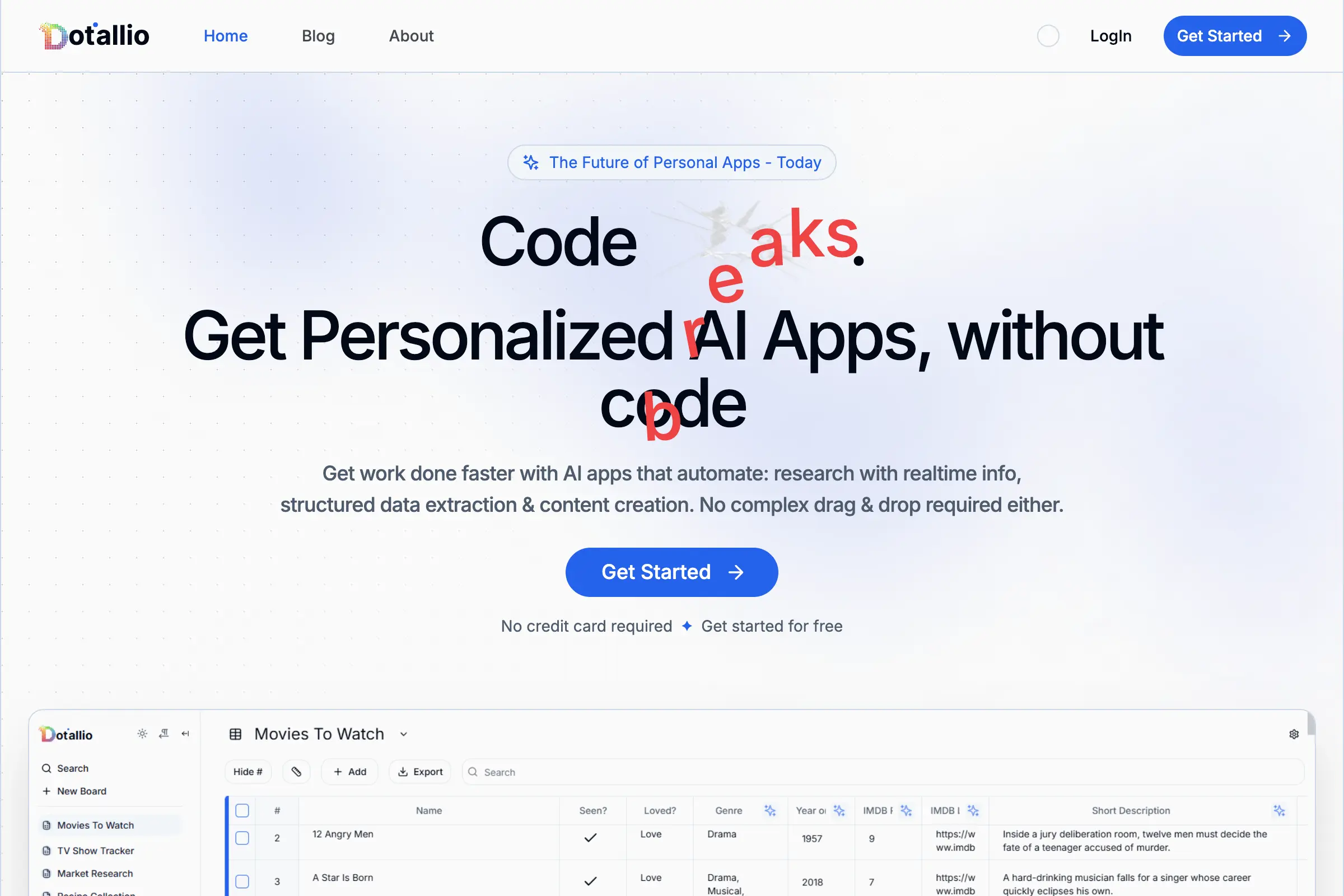
Dotallio
Personalized AI apps that automate research, data extraction, and content creation without code 🤖

Talk to Santa
Enjoy a magical live video chat or receive a unique AI-generated video greeting from Santa Claus 🎅

pozywka.pl
Scalable blog for food journalist, focused on performance and user experience 🌭
zagrodzki.me
Personal blog and portfolio of Bart Zagrodzki, where he shares his knowledge and work 💼
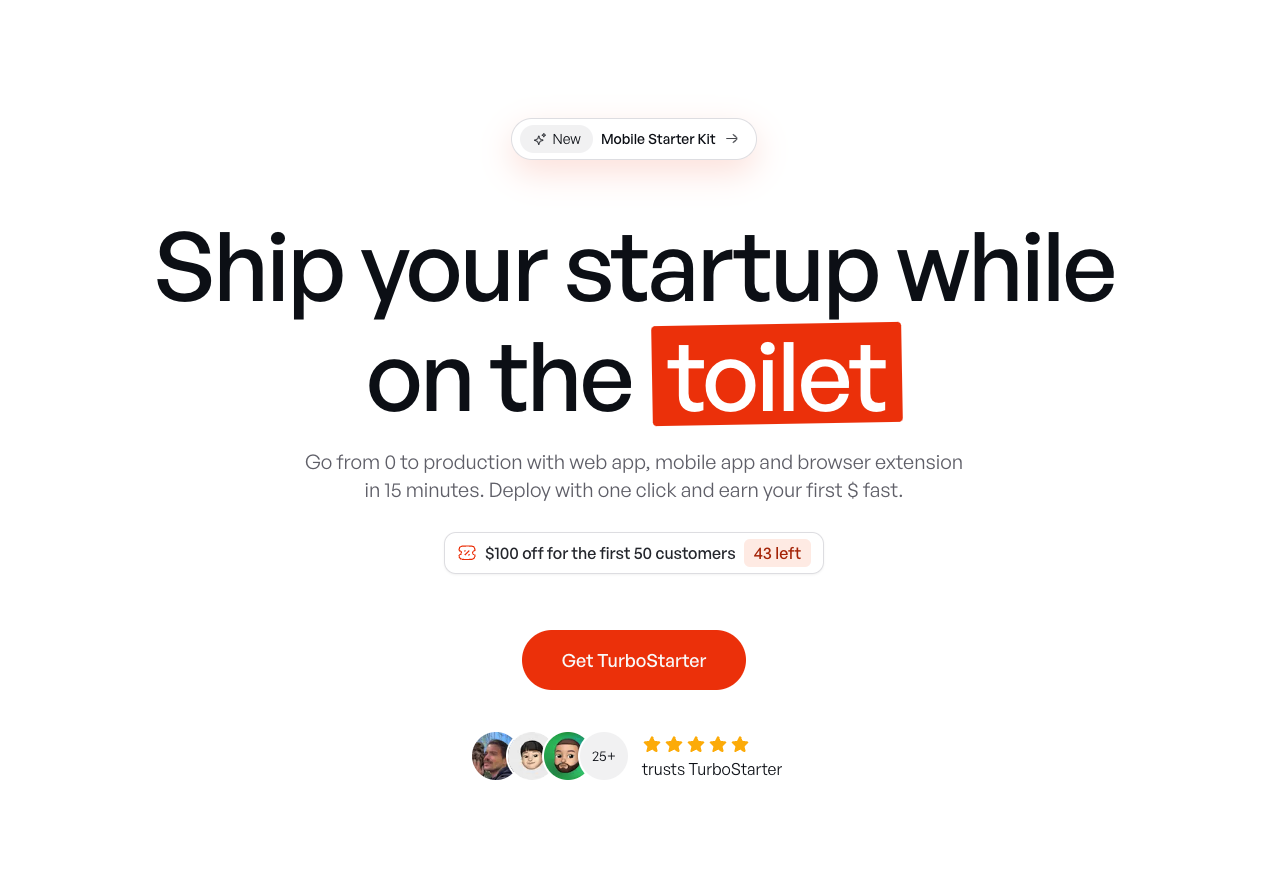
TurboStarter
Ship your startup everywhere. In minutes.
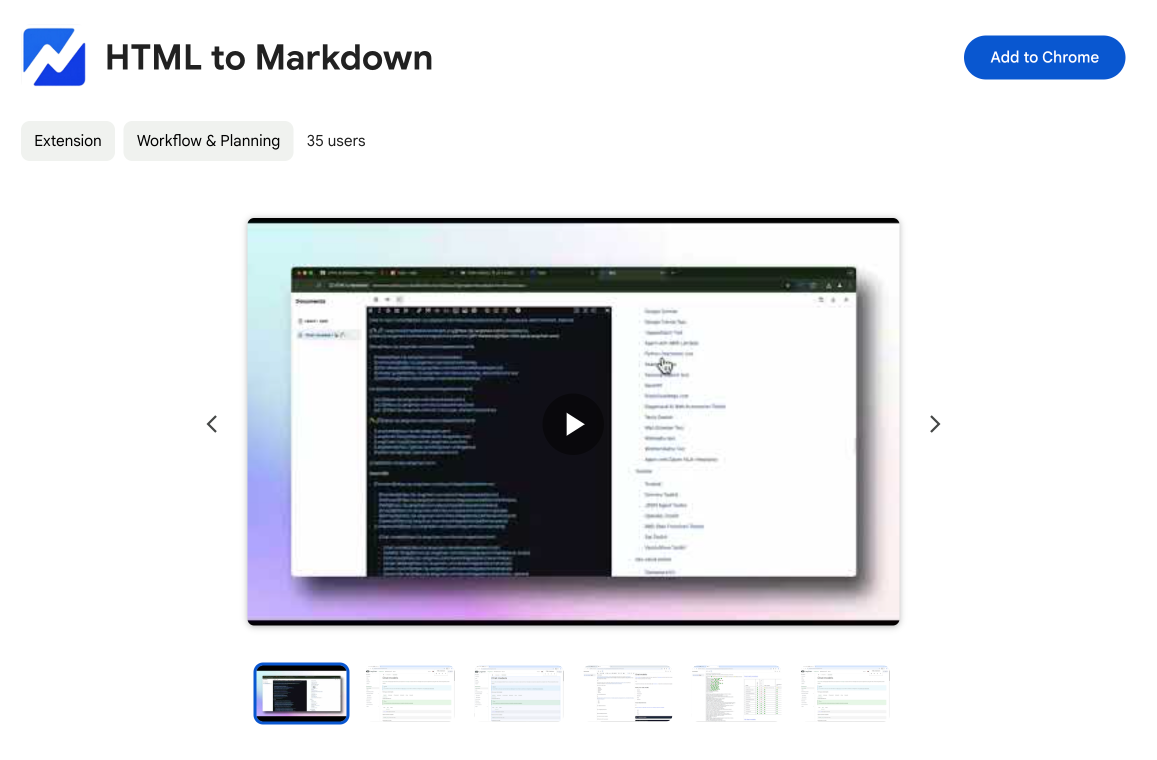
HTML to Markdown
Convert HTML to Markdown with ease, directly in your browser 📄
Dotallio
Personalized AI apps that automate research, data extraction, and content creation without code 🤖
Talk to Santa
Enjoy a magical live video chat or receive a unique AI-generated video greeting from Santa Claus 🎅
pozywka.pl
Scalable blog for food journalist, focused on performance and user experience 🌭
zagrodzki.me
Personal blog and portfolio of Bart Zagrodzki, where he shares his knowledge and work 💼
TurboStarter
Ship your startup everywhere. In minutes.
HTML to Markdown
Convert HTML to Markdown with ease, directly in your browser 📄
Dotallio
Personalized AI apps that automate research, data extraction, and content creation without code 🤖
Talk to Santa
Enjoy a magical live video chat or receive a unique AI-generated video greeting from Santa Claus 🎅
pozywka.pl
Scalable blog for food journalist, focused on performance and user experience 🌭
zagrodzki.me
Personal blog and portfolio of Bart Zagrodzki, where he shares his knowledge and work 💼
TurboStarter
Ship your startup everywhere. In minutes.
HTML to Markdown
Convert HTML to Markdown with ease, directly in your browser 📄
Dotallio
Personalized AI apps that automate research, data extraction, and content creation without code 🤖
Talk to Santa
Enjoy a magical live video chat or receive a unique AI-generated video greeting from Santa Claus 🎅
pozywka.pl
Scalable blog for food journalist, focused on performance and user experience 🌭
zagrodzki.me
Personal blog and portfolio of Bart Zagrodzki, where he shares his knowledge and work 💼
TurboStarter
Ship your startup everywhere. In minutes.
HTML to Markdown
Convert HTML to Markdown with ease, directly in your browser 📄
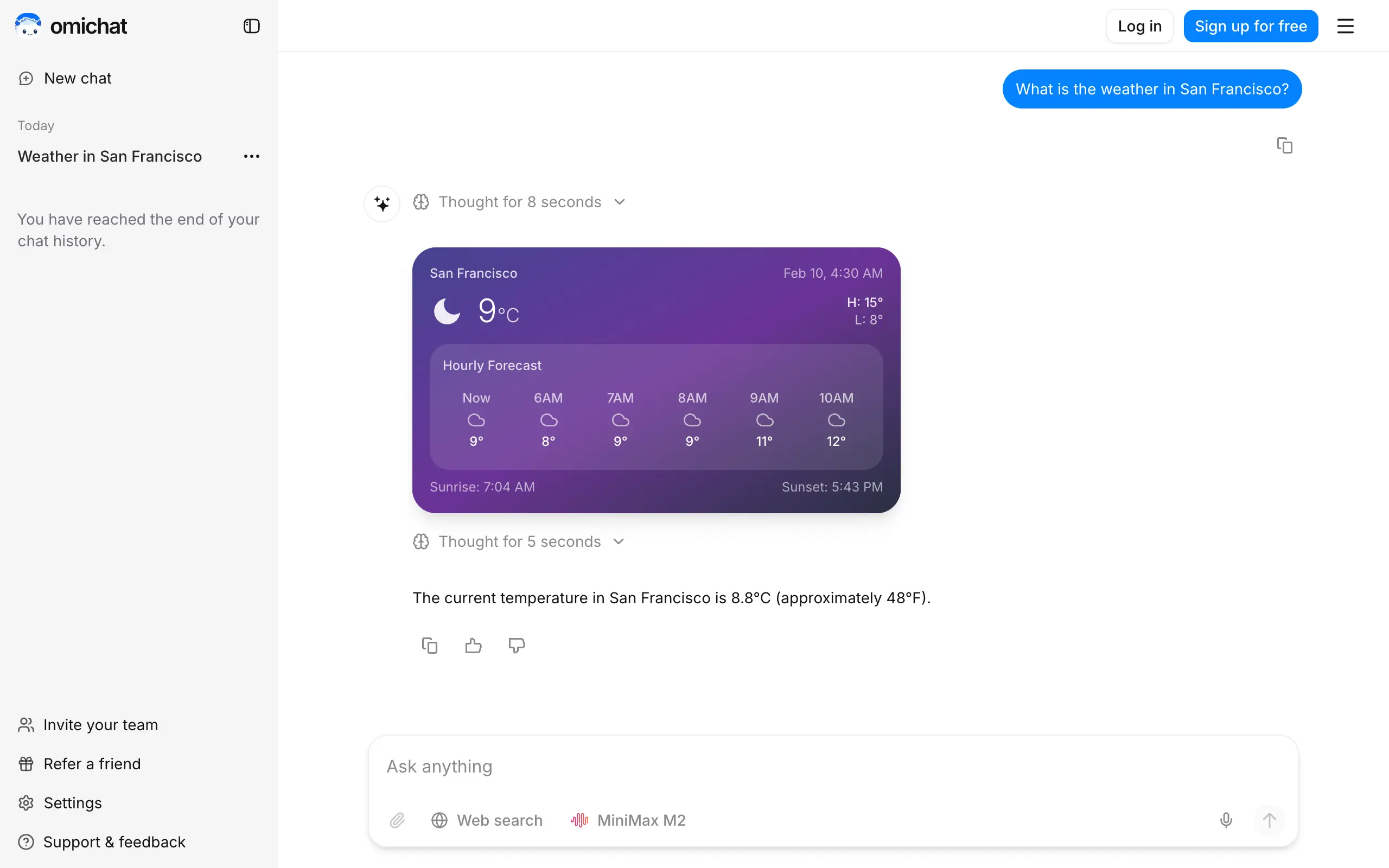
Omichat
Chat with 50+ AI models, including ChatGPT and Claude, in one place - switch models anytime without losing context 🤖
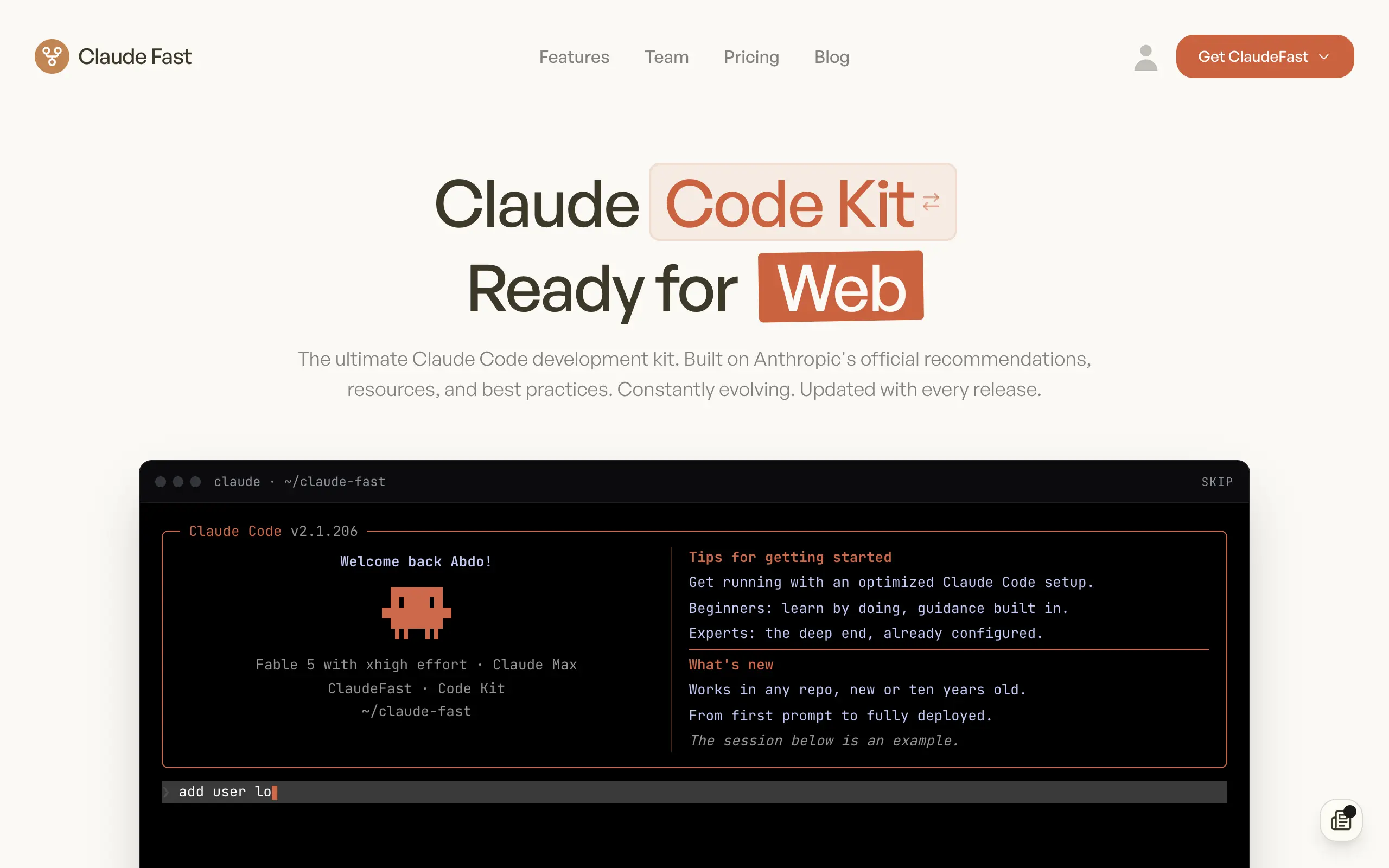
Claude Fast
Supercharge your Claude Code with 6x effective context window and specialized AI agents 🤖
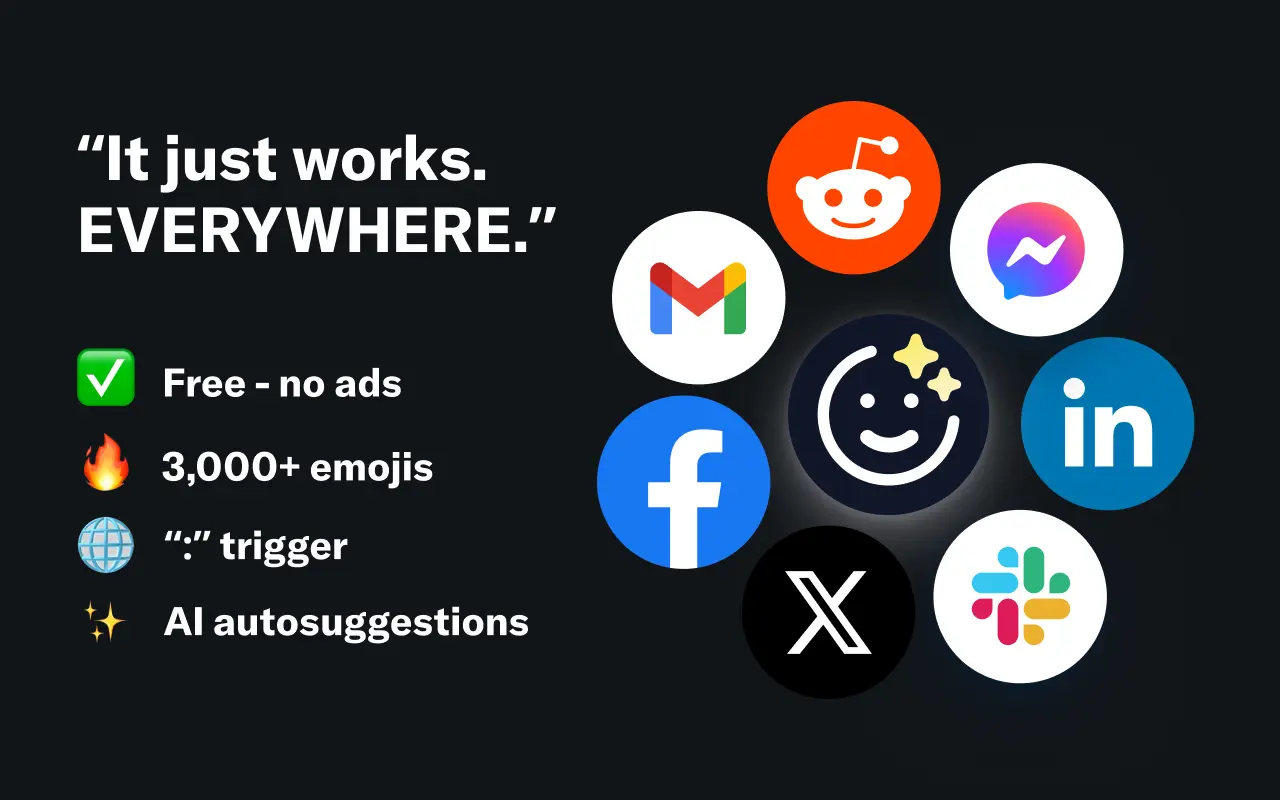
EmojAI
AI-powered emoji picker with smart, context-aware suggestions 🤖
Solohacker
Autonomous company launcher - AI agents work 24/7, escalate what matters, and you stay in control 🤖
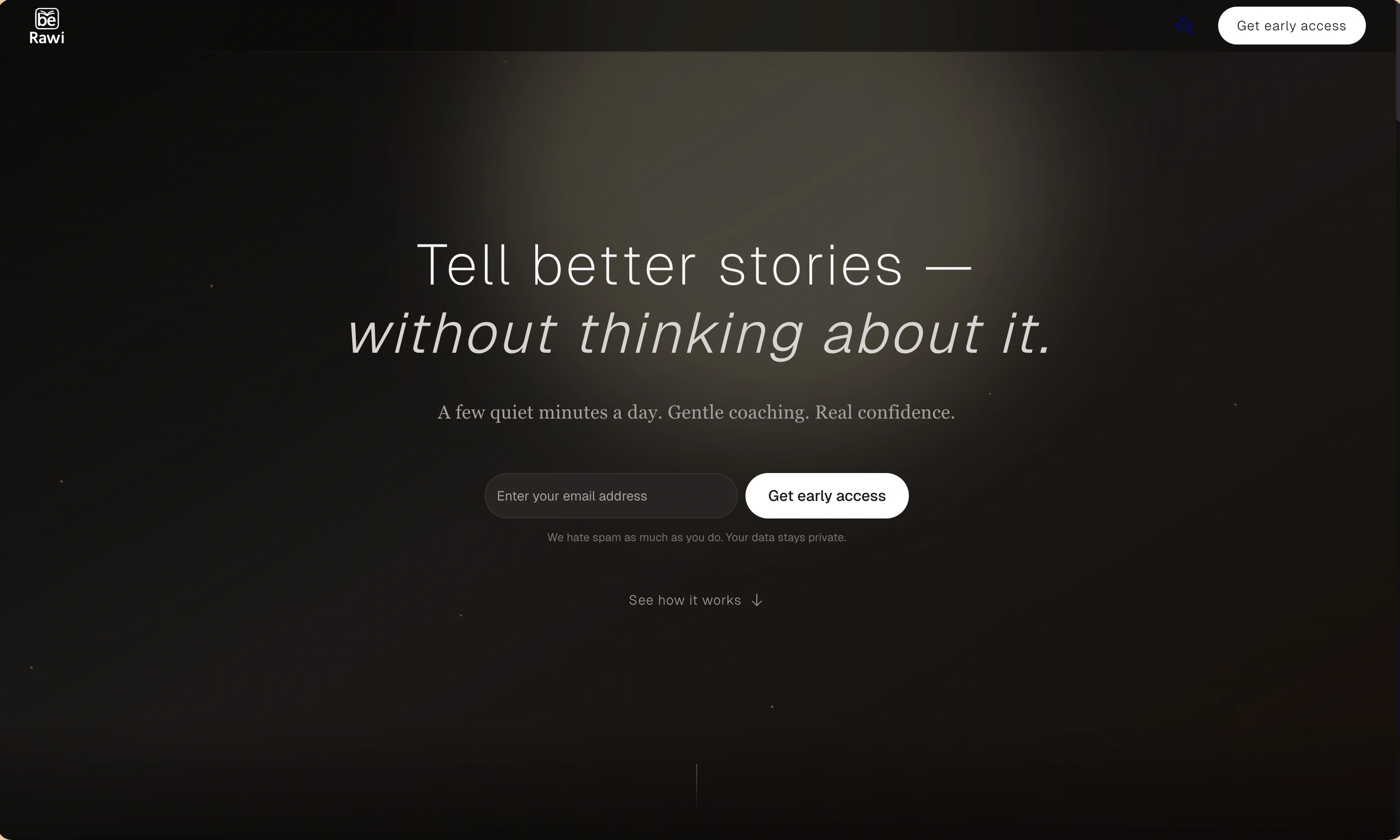
BeRawi: Storytelling Coach
Practice storytelling daily with instant feedback to sound clearer, more engaging, and confident 🎤
Omichat
Chat with 50+ AI models, including ChatGPT and Claude, in one place - switch models anytime without losing context 🤖
Claude Fast
Supercharge your Claude Code with 6x effective context window and specialized AI agents 🤖
EmojAI
AI-powered emoji picker with smart, context-aware suggestions 🤖
Solohacker
Autonomous company launcher - AI agents work 24/7, escalate what matters, and you stay in control 🤖
BeRawi: Storytelling Coach
Practice storytelling daily with instant feedback to sound clearer, more engaging, and confident 🎤
Omichat
Chat with 50+ AI models, including ChatGPT and Claude, in one place - switch models anytime without losing context 🤖
Claude Fast
Supercharge your Claude Code with 6x effective context window and specialized AI agents 🤖
EmojAI
AI-powered emoji picker with smart, context-aware suggestions 🤖
Solohacker
Autonomous company launcher - AI agents work 24/7, escalate what matters, and you stay in control 🤖
BeRawi: Storytelling Coach
Practice storytelling daily with instant feedback to sound clearer, more engaging, and confident 🎤
Omichat
Chat with 50+ AI models, including ChatGPT and Claude, in one place - switch models anytime without losing context 🤖
Claude Fast
Supercharge your Claude Code with 6x effective context window and specialized AI agents 🤖
EmojAI
AI-powered emoji picker with smart, context-aware suggestions 🤖
Solohacker
Autonomous company launcher - AI agents work 24/7, escalate what matters, and you stay in control 🤖
BeRawi: Storytelling Coach
Practice storytelling daily with instant feedback to sound clearer, more engaging, and confident 🎤

Connect with like-minded people
Join our community to get feedback, support, and grow together with 1,000+ builders on board, let's ship it!
Join usShip your startup everywhere. In minutes.
Don't burn tokens on setup and start building features on day one.