PromptTrace
An AI-agent audit trail that maps prompts, decisions, permissions, and external actions into investigation-ready security timelines.
Why AI agent audit trails are becoming a security requirement
AI agents are moving beyond chat interfaces. They now retrieve documents, call APIs, update CRM records, open tickets, trigger workflows, query databases, and act on behalf of employees or customers. That autonomy creates a new operational and security challenge: teams need to know not only what an agent did, but also why it did it, what context it used, what permissions it held, and whether the action was safe.
PromptTrace is an AI agent audit trail platform designed for that exact problem. It maps prompts, model decisions, tool calls, permission checks, external actions, and outcomes into investigation-ready security timelines.
The opportunity is timely. Organizations are rapidly experimenting with agentic AI while security, compliance, and engineering teams are still adapting logging practices built for conventional applications. Traditional application logs can show an API request or a database write. They rarely reveal the complete chain of reasoning and authorization that led an AI agent to make that request.
An AI agent audit trail fills this visibility gap.
For security teams, PromptTrace can become a source of truth for incident response. For platform teams, it can simplify AI observability. For compliance leaders, it can create evidence that sensitive AI-powered processes were monitored and governed appropriately. For product teams, it can make AI features safer to ship at scale.
The core opportunity
The winning AI security products will not merely log model outputs. They will connect intent, context, permissions, tools, actions, and outcomes in a timeline that humans can investigate quickly.
What is an AI agent audit trail?
An AI agent audit trail is a structured, tamper-evident record of how an AI agent processed an objective and interacted with systems over time.
Unlike basic prompt logging, a high-quality audit trail captures the full execution graph. It should answer questions such as:
- What user request, automation event, or system trigger initiated the agent run?
- Which prompt version and model configuration were used?
- What documents, database rows, memories, or external context influenced the response?
- Which tools did the agent consider and which ones did it actually invoke?
- What permissions were available at the moment of each action?
- Which policy decisions allowed, blocked, escalated, or modified an action?
- What external systems changed as a result?
- Did the action succeed, fail, retry, or produce an unexpected side effect?
- Can an investigator reconstruct the timeline without relying on incomplete distributed logs?
PromptTrace should turn these fragmented events into a coherent investigation artifact.
A conventional observability tool often treats AI as another application service. That is useful, but insufficient for agents that make semi-autonomous decisions. An agent is not simply generating text. It is selecting actions under uncertainty, accessing sensitive context, and potentially changing production data.
The PromptTrace product category sits at the intersection of:
- AI observability
- Security information and event management
- Governance, risk, and compliance
- Identity and access management
- Incident response
- Developer tooling
- API and workflow security
The market gap for AI agent security timelines
The market has many tools for application performance monitoring, log management, model evaluation, and prompt experimentation. However, there is still a meaningful gap between these categories and the needs of security investigators.
Existing logs are fragmented
AI agent activity often spans multiple systems. A single execution may touch an application backend, model provider, vector database, browser automation tool, internal API gateway, identity provider, SaaS platforms, and a queue system.
Each service may produce its own logs, but those logs tend to have different schemas, retention periods, clocks, access controls, and correlation identifiers. During an incident, teams must manually reconstruct what happened.
PromptTrace can solve this by assigning a durable trace identifier at agent-run creation and propagating it through every supported integration.
Traditional audit logs lack AI context
A standard audit log may say that a service account deleted a document. It may not show that:
- An end user pasted malicious instructions into a support ticket.
- The AI agent retrieved that ticket as context.
- The agent interpreted the instructions as valid.
- The agent selected a document-management tool.
- A permission policy allowed an overly broad action.
- The deletion API call succeeded.
Without this context, investigators see the final event but not the causal path. That makes root-cause analysis slower and weakens corrective action.
AI observability is not always security-ready
Many AI observability products focus on latency, token usage, output quality, and developer debugging. These are important operational metrics, but a security-focused buyer needs different capabilities:
- Immutable event retention
- Permission-aware action records
- Sensitive-data redaction
- Evidence export
- Chain-of-custody metadata
- Policy decision visibility
- Threat detection rules
- Access controls for investigators
- Integration with existing security workflows
PromptTrace can differentiate by being purpose-built for investigation-ready AI agent auditability, rather than treating security as an optional dashboard feature.
Compliance expectations are increasing
Regulated industries are under pressure to demonstrate responsible AI controls. The exact obligations vary by jurisdiction, sector, and deployment model, but the direction is clear: organizations need stronger documentation, monitoring, human oversight, data governance, and incident response processes.
For market research and claims in sales materials, reference primary sources such as the NIST AI Risk Management Framework, ISO standards, applicable privacy laws, and the organization’s sector-specific regulatory guidance. Avoid presenting legal conclusions without qualified counsel.
Position compliance carefully
PromptTrace should support auditability and evidence collection, but it should not claim that customers become compliant merely by installing the platform. Compliance depends on policies, configurations, legal requirements, and operational controls.
Who needs an AI agent audit trail platform?
PromptTrace should not target every company experimenting with generative AI. The best initial customers are organizations with autonomous actions, sensitive data, material business workflows, or strict oversight requirements.
Security operations teams
Security operations center analysts need to investigate suspicious events quickly. When an AI agent interacts with tools, an analyst needs to establish the scope of impact, identify compromised inputs, and determine whether the agent crossed a policy boundary.
PromptTrace gives security teams an evidence-rich timeline instead of a disconnected collection of model logs and API logs.
High-value security use cases include:
- Investigating prompt injection attempts that triggered tool use
- Tracing unauthorized access to customer, employee, or financial data
- Detecting anomalous agent actions across SaaS tools
- Understanding whether an agent bypassed intended approval flows
- Identifying compromised API credentials used by AI agents
- Reviewing potentially harmful automated actions before escalation
AI platform and machine learning teams
AI platform teams are usually responsible for building shared capabilities such as model gateways, prompt management, retrieval systems, evaluation frameworks, and agent tool registries.
They need a way to standardize telemetry across many teams and frameworks. PromptTrace can provide an SDK and API contract that captures consistent agent events regardless of whether an organization uses a commercial model API, an open-weight model, or a self-hosted inference stack.
Engineering leaders building agentic products
Engineering teams shipping AI features need practical tooling. They need to debug failures, assess production behavior, and understand the impact of prompt, tool, and policy changes.
For these teams, the product value is not only security. A clear execution timeline also reduces debugging time and helps teams reproduce edge cases.
Compliance, risk, and internal audit teams
Internal audit teams need evidence that controls exist and operate as designed. They often depend on engineering and security teams to collect artifacts from multiple systems.
PromptTrace can make this evidence easier to retrieve by organizing action histories around relevant workflows, users, systems, policies, and time periods.
Regulated and high-trust industries
The strongest early verticals may include:
- Financial services
- Healthcare and life sciences
- Insurance
- Legal technology
- Government contractors
- Enterprise software vendors serving regulated customers
- Critical infrastructure operators
- Large B2B SaaS businesses with sensitive customer data
These buyers have longer sales cycles, but they also have a stronger need for governance, retention, access controls, and defensible incident investigations.
The PromptTrace product vision
PromptTrace should be positioned as the security timeline and forensic record for AI agents.
Its central user experience should be a detailed, navigable timeline that starts with an initiating event and follows every meaningful decision through to the resulting action. The product should make complex agent execution understandable to a security analyst who did not build the underlying agent.
A useful framing is:
PromptTrace shows what an AI agent saw, decided, was allowed to do, and actually did.
This is stronger than “prompt logging” and more concrete than generic “AI governance.”
The core investigation timeline
The investigation timeline is the flagship product experience. Each agent run should appear as a sequence of correlated events with timestamps, actors, risk labels, and links to supporting evidence.
A typical timeline could include:
- A user submits a request through an application or workflow.
- The orchestration layer assembles the system prompt and session context.
- The agent retrieves documents or records from approved data sources.
- The model produces a tool-use decision.
- PromptTrace records the tool name, parameters, redacted payload, and authorization context.
- A policy engine allows, blocks, or requires approval for the action.
- The external tool performs an action.
- The system records the response, side effects, errors, retries, and final agent output.
- PromptTrace calculates risk signals and preserves the trace for later review.
The timeline must prioritize readability. Security teams should not need to parse raw JSON just to answer basic questions.
Prompt and context lineage
Prompt lineage is essential because agent behavior depends heavily on the instructions and context available at execution time.
PromptTrace should record:
- System prompt version and hash
- Developer prompt version and deployment environment
- User-provided instructions
- Retrieved context references
- Memory items added to context
- Model name and provider
- Temperature and relevant inference settings
- Agent framework and orchestration version
- Tool definitions available to the agent
- Policy configuration active at runtime
Sensitive content should be stored carefully. Customers need configurable redaction, hashing, encryption, retention, and regional data residency controls.
The platform should distinguish between full-content capture and metadata-only capture. Some customers will require exact artifacts for forensic analysis. Others will need to minimize retained content due to privacy or contractual obligations.
Permission and identity mapping
A major competitive advantage comes from treating identity and permission checks as first-class trace events.
Many AI systems use service accounts with broad capabilities. That is convenient for early prototypes but dangerous in production. PromptTrace should show both the human or system principal that initiated the request and the machine identity that executed the action.
This helps teams answer:
- Which user indirectly caused the action?
- Which agent identity performed it?
- Which OAuth scope, API key, role, or delegation token was used?
- Was the action within the intended permission boundary?
- Did permissions change during the agent session?
- Was the action approved by a human or automated policy?
External action monitoring
External actions are where AI agent risk becomes business risk. PromptTrace should support event capture for:
- REST and GraphQL API calls
- Database queries and mutations
- File operations
- Cloud infrastructure changes
- Email and messaging actions
- CRM updates
- Support ticket actions
- Payment or billing actions
- Browser automation steps
- Code repository operations
- Workflow automation triggers
The first product version does not need to support every connector. It should focus on high-value action surfaces where agents commonly create risk.
Prompt injection investigation
Trace malicious instructions from user input or retrieved content to tool selection, policy decisions, and attempted external actions.
Permission review
Reveal the identity, scope, delegated access, and policy outcome behind every high-impact agent action.
Incident evidence
Export a consistent, timestamped record that helps security and audit teams reconstruct what occurred.
Core features for an investigation-ready AI audit trail
A compelling MVP should be narrow enough to build quickly but deep enough to solve a painful operational problem.
Trace ingestion SDKs and APIs
PromptTrace needs low-friction instrumentation. If integration is difficult, teams will revert to generic logging or postpone adoption.
The initial SDK strategy should prioritize the ecosystems most common among AI application teams:
- TypeScript and Node.js
- Python
- OpenTelemetry-compatible services
- Popular agent frameworks through adapters
- Generic HTTP middleware for tool calls
- Webhook ingestion for platforms that cannot run an SDK
A canonical event schema should include fields for trace ID, span ID, timestamp, tenant ID, agent ID, actor identity, model metadata, prompt reference, tool metadata, policy decision, risk level, and outcome.
Here is a simplified TypeScript event shape for a tool call:
type AgentToolAction = {
  traceId: string;
  agentId: string;
  timestamp: string;
  actorId?: string;
  toolName: string;
  action: "create" | "read" | "update" | "delete" | "execute";
  permissionContext: {
    principalId: string;
    scopes: string[];
    policyDecision: "allow" | "block" | "approve";
  };
  requestHash: string;
  responseStatus: "success" | "failure";
  riskScore: number;
};
The production schema should be versioned from day one. Schema versioning prevents integrations from breaking as new event types and fields are introduced.
Searchable security timelines
The central UI should support quick filtering and deep investigation. Security analysts should be able to search by agent, user, trace ID, model, connector, tool, action type, risk score, decision outcome, and time range.
Useful saved views include:
- Blocked actions from the last 24 hours
- High-risk actions involving customer data
- Agent runs with failed authorization checks
- Runs influenced by external or untrusted content
- Actions using privileged service accounts
- Traces associated with a specific incident ticket
Policy decision capture
PromptTrace does not need to replace every policy engine in its earliest release. It should capture the decision made by existing controls and expose the decision path clearly.
Over time, PromptTrace could provide lightweight inline policies for common guardrails, such as blocking destructive actions, requiring approval for privileged tool calls, limiting access to sensitive connectors, or flagging unusual action patterns.
The product should record not just that a policy blocked an action, but why. A policy decision record might include the triggered rule, evaluated attributes, enforcement mode, decision timestamp, reviewer identity, and resulting action.
Risk scoring and detection rules
Risk scoring should be explainable. Avoid opaque scores that give investigators no clue about why an event was flagged.
An initial rules engine can identify patterns such as:
- A prompt injection indicator followed by a tool call
- An unexpected tool invocation for an agent’s normal role
- A large number of actions in a short window
- Access to sensitive connectors outside normal hours
- A tool parameter containing suspicious instructions or exfiltration indicators
- A destructive action executed without human approval
- Repeated policy denials from the same user, source, or agent
Later, statistical anomaly detection can complement deterministic rules. But security buyers will often trust transparent policy rules before they trust a black-box risk model.
Evidence export and retention controls
Enterprise customers will expect controls over how data is retained, exported, and secured.
Important capabilities include:
- Configurable retention schedules
- Encryption in transit and at rest
- Customer-managed keys for larger plans
- Role-based access control
- Immutable or append-only audit records
- Redaction rules for secrets and personal data
- Evidence export in JSON and PDF formats
- SIEM forwarding
- Legal hold support for enterprise customers
- Regional storage options where commercially necessary
Recommended tech stack for PromptTrace
PromptTrace is a security telemetry platform. The technology choices should favor reliability, data integrity, scalable ingestion, and predictable querying over unnecessary novelty.
Application and dashboard stack
A practical SaaS application stack could use React with Next.js for the customer dashboard and marketing-adjacent authenticated application.
TypeScript is a strong default across frontend, backend services, SDKs, and shared schemas. Using one primary language reduces context switching and makes it easier to maintain event contracts.
Tailwind CSS can accelerate dashboard development, especially for dense tables, filter panels, timeline views, and responsive investigation interfaces.
For a fast initial SaaS foundation, TurboStarter can reduce time spent on common setup work such as authentication, billing structure, team management patterns, and production-ready application scaffolding.
Ingestion and event processing
A robust architecture should separate synchronous customer-facing requests from asynchronous event processing.
A sensible initial design includes:
- A stateless ingestion API for SDKs and webhooks
- A durable queue or streaming layer
- Validation and normalization workers
- Redaction and classification workers
- Storage writers
- Detection-rule evaluation workers
- Notification and integration workers
For early scale, a managed queue may be sufficient. At higher throughput, a streaming platform such as Apache Kafka can provide stronger ordering, replay, partitioning, and consumer flexibility. The trade-off is operational complexity. A small founding team should avoid self-managing Kafka unless there is a clear volume or customer requirement.
Data storage design
PromptTrace will have multiple data shapes, so one database is unlikely to be ideal for everything.
A pragmatic architecture might include:
- PostgreSQL for organizations, users, billing, configuration, policies, and relational metadata
- Object storage for encrypted raw event payloads and large evidence artifacts
- ClickHouse or another columnar analytics store for high-volume timeline queries and aggregations
- A search index when full-text investigation queries become central to the experience
- Redis for rate limiting, short-lived caching, and job coordination
The key trade-off is simplicity versus query performance. PostgreSQL can handle an MVP and moderate volume well, particularly with good partitioning and indexes. Security telemetry grows quickly, however. If enterprise customers send millions of events per day, a columnar store becomes increasingly valuable for fast time-range filtering and aggregation.
OpenTelemetry compatibility
OpenTelemetry should be a strategic integration point. It provides a widely adopted framework for traces, metrics, and logs across distributed systems.
PromptTrace should not force customers to abandon existing observability investments. Instead, it can accept OpenTelemetry context and enrich it with AI-specific fields for prompts, context sources, tool calls, permissions, policies, and external effects.
This creates a practical bridge between engineering observability and AI security operations.
Security architecture requirements
Because PromptTrace stores sensitive execution metadata, its own security posture is part of the product.
Build these controls into the initial architecture:
- Tenant isolation at the storage and query layer
- Strong authentication with single sign-on support for enterprise plans
- Role-based access controls with least-privilege defaults
- Secret scanning and redaction before durable storage
- Encryption in transit and at rest
- Append-only event semantics
- Detailed administrative audit logs
- Rate limiting and ingestion authentication
- Secure SDK key rotation
- Regular dependency and infrastructure vulnerability management
Monetization options for PromptTrace
The best pricing model should align revenue with the value customers receive while keeping early adoption friction low.
Usage-based pricing by event volume
Usage-based pricing is a natural fit because PromptTrace processes event streams. Customers can pay based on retained agent events, traces, tool actions, or monthly ingestion volume.
This works well when pricing is predictable. Avoid obscure units that force buyers to estimate token-level behavior. “Audited agent actions per month” is easier to understand than an abstract telemetry credit.
Potential tiers could include:
- A free developer tier with limited retention and basic timelines
- A team tier for growing AI product teams
- A business tier with alerts, integrations, and longer retention
- An enterprise tier with single sign-on, customer-managed keys, private deployment options, and custom retention
Platform pricing plus usage
For larger customers, combine a base platform fee with volume-based overages. This gives the vendor predictable revenue and gives procurement teams a clearer budget floor.
The base fee can cover core security controls, seats, integrations, and support. The variable component can scale with audit event ingestion and retention.
Premium governance and investigation modules
Over time, PromptTrace can offer premium capabilities such as:
- Advanced detection content
- SIEM and SOAR integrations
- Policy enforcement workflows
- Approval queues
- Compliance evidence packages
- Data residency options
- Customer-managed encryption keys
- Private cloud or virtual private cloud deployments
- Extended retention and legal hold
These modules should come after the core timeline has proven value. Do not overbuild an enterprise governance suite before users rely on the primary investigative workflow.
Competitive advantage and positioning
PromptTrace will compete indirectly with AI observability platforms, security information and event management tools, API security vendors, model governance products, and internal logging systems.
Its advantage must be clear and narrow.
| Capability | Generic logs | AI observability | PromptTrace | SIEM alone |
|---|---|---|---|---|
| Prompt and context lineage | Limited | Often available | Deep and security-focused | Limited |
| Permission-aware tool actions | Fragmented | Inconsistent | Core capability | Fragmented |
| Investigation-ready timeline | Manual reconstruction | Developer-focused | Core capability | Requires correlation |
| AI policy decision evidence | Rare | Limited | First-class record | Depends on integrations |
The defensible wedge
The strongest wedge is not “we log prompts.” Prompt logging is increasingly commoditized.
The defensible wedge is:
PromptTrace transforms AI agent behavior into a security investigation timeline that links intent, context, identity, authorization, action, and outcome.
That positioning resonates with buyers who have already moved from experimentation to production. These organizations understand that AI agents can produce real-world side effects and need operational controls that match the risk.
Data and workflow moats
A security timeline product can build defensibility through customer workflows and historical data.
Over time, PromptTrace can accumulate:
- Customer-specific baselines for normal agent behavior
- Reusable detection rules
- Connector-specific risk models
- Policy templates by use case
- Incident response playbooks
- Rich historical evidence for recurring investigations
- Integration depth with agent frameworks and security systems
The goal is to become embedded in investigation and governance processes, not merely another dashboard that teams check occasionally.
Key risks and how to mitigate them
Sensitive data retention risk
Capturing prompts and retrieved context can create privacy, confidentiality, and contractual concerns.
Mitigation should include configurable field-level redaction, token and secret detection, hash-only modes, encrypted raw payload storage, retention controls, and tenant-controlled capture policies. Customers should be able to exclude specific fields, connectors, users, or environments from content capture.
Integration complexity risk
Every AI stack looks different. Customers may use different frameworks, model providers, custom tool layers, and identity systems.
Start with a flexible generic event API and a small number of high-quality SDKs. Build adapters based on real customer demand rather than attempting to support every framework immediately.
Trust and false-positive risk
Security teams will abandon alerts that are noisy or impossible to explain.
Start with transparent rules and clear evidence. Every alert should link to the exact timeline events that triggered it. Provide severity tuning, allowlists, suppression rules, and feedback mechanisms.
Enterprise sales cycle risk
Security and compliance buyers can require long evaluations, procurement reviews, and architecture assessments.
Use a bottom-up developer experience to generate product adoption, then expand into security ownership. A free tier or time-limited evaluation with easy SDK instrumentation can help engineering teams prove value before an enterprise purchase.
Crowded category risk
AI observability, governance, and security are active markets. Broad positioning will make PromptTrace difficult to remember.
Own the phrase AI agent audit trail and consistently reinforce the investigation timeline use case. The homepage, product demos, sales materials, and onboarding should all show the same clear story.
A practical MVP roadmap
The initial product should help a customer answer one urgent question: “What happened during this agent run, and did it cause a risky external action?”
A useful first integration experience should be short enough that a developer can see their first trace within minutes.
import { PromptTrace } from "@prompttrace/sdk";

const trace = PromptTrace.startRun({
  agentId: "support-agent",
  actorId: currentUser.id,
  promptVersion: "support-v12",
});

await trace.recordToolAction({
  toolName: "crm.updateCase",
  action: "update",
  permissionContext: {
    principalId: "agent-service-account",
    scopes: ["cases.write"],
    policyDecision: "allow",
  },
});

trace.complete({ outcome: "success" });
The exact SDK ergonomics can change, but the product principle should remain constant: instrumentation must be easy enough to adopt and structured enough to support serious investigations.
Go-to-market strategy for PromptTrace
The first go-to-market motion should focus on teams that already have agents in production or are close to deploying them. Selling abstract future risk to organizations with no active AI workflows will create unnecessary friction.
Start with a high-stakes use case
The best early customer profile is a B2B SaaS or regulated company with:
- Production AI agents that call external tools
- Customer or employee data in the workflow
- Existing security review requirements
- A small but capable AI platform or security engineering team
- A recent incident, near-miss, or executive concern around AI governance
Lead with a focused message such as:
Investigate every AI agent action with the context, permissions, and policy decisions that produced it.
Build content around real investigation questions
SEO content should target practical search intent, not just broad AI governance terms. High-intent content themes include:
- How to audit AI agent actions
- AI agent security logging best practices
- How to investigate prompt injection incidents
- AI agent permission management
- AI tool call security
- Agentic AI compliance monitoring
- AI audit trail requirements
- How to monitor autonomous AI agents
- AI agent incident response checklist
Each article should include concrete examples, architecture diagrams, implementation guidance, and careful references to authoritative frameworks where appropriate.
Use design partners strategically
Early design partners should receive hands-on onboarding and influence the roadmap. In return, PromptTrace should seek permission to create anonymized case studies, benchmark findings, and credible product stories.
The most valuable learning questions are:
- Which events are hardest to investigate today?
- What evidence is missing during AI security reviews?
- Which tools create the most concern?
- What retention and redaction requirements are non-negotiable?
- Which alerts would be actionable for analysts?
- What existing systems must PromptTrace integrate with?
Final implementation priorities
PromptTrace has a compelling opportunity because AI agents are adding decision-making and action-taking layers to enterprise systems faster than traditional security processes can adapt.
The product should resist the temptation to become a generic AI monitoring platform. Its strongest value lies in delivering a trustworthy, complete, and understandable AI agent audit trail.
Prioritize these actions:
- Build the event model around causality, identity, permissions, decisions, and external effects.
- Make SDK adoption exceptionally simple for TypeScript and Python teams.
- Deliver a timeline UI that works for both developers and security analysts.
- Protect sensitive customer data with configurable capture, redaction, retention, and encryption controls.
- Focus early detection on explainable, high-confidence agent security risks.
- Integrate with existing observability and security workflows rather than asking customers to replace them.
- Validate the product with design partners running real agents against real tools and data.
Frequently asked questions about AI agent audit trails
AI observability typically helps engineering teams monitor latency, token usage, model errors, quality, and application performance. An AI agent audit trail focuses on forensic accountability. It connects prompts, context, identity, permissions, policy decisions, tool calls, and external outcomes so teams can investigate what happened and why.
AI agents often act through service accounts, OAuth tokens, APIs, and delegated user access. Permission-aware logging reveals which identity performed an action, what access it had, whether the action was authorized, and whether a policy allowed or blocked it. This is essential when agents can affect sensitive data or production systems.
Yes. A well-designed audit trail can show where untrusted instructions entered the system, whether they were retrieved as context, how the agent interpreted them, which tools became available, and whether a risky action was attempted or completed. This shortens investigation time and improves prevention controls.
It should support configurable options. Some customers need full artifacts for investigations, while others must minimize sensitive-data retention. PromptTrace should offer redaction, hashing, metadata-only modes, encryption, retention rules, and access controls so customers can align collection with their security and privacy requirements.
More 🤖 AI Startup SaaS ideas
Discover more innovative ai startup SaaS ideas that are trending in 2026. Each idea is AI-generated with market validation and growth potential to help you find your next profitable venture faster than competitors.
Your competitors are building with TurboStarter
Below are some of the SaaS ideas that have been generated and built with our starter kit.
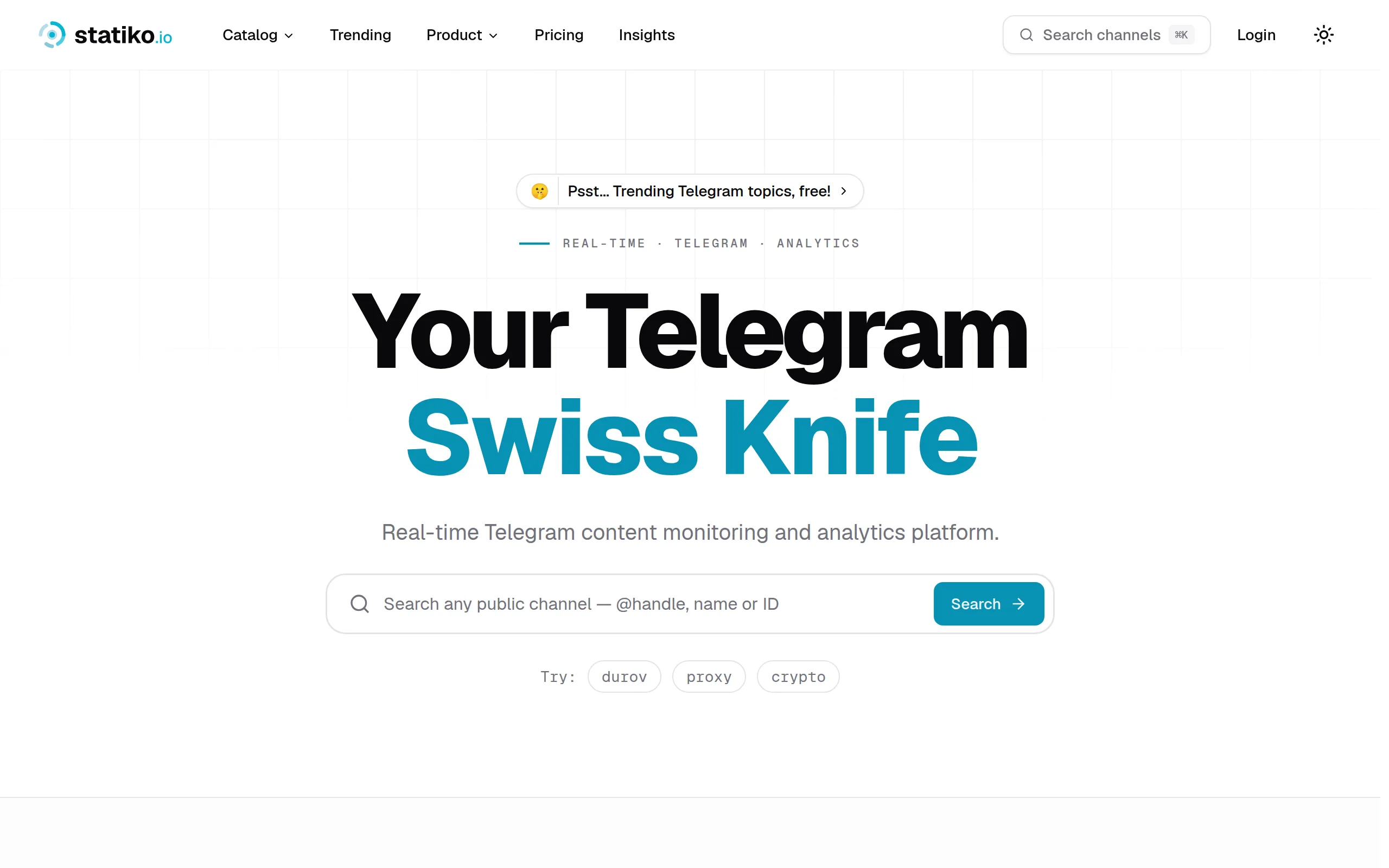
Statiko
Monitor any Telegram channel in real time - track posts, edits, deletions, and growth with AI recaps 📡

Shibui
AI website builder - describe your business, pick a niche template, edit by chatting, and publish instantly ✨

Pro Service
Find verified home service professionals, compare quotes, and pay securely through escrow - built for Brazilians across the US 🏠
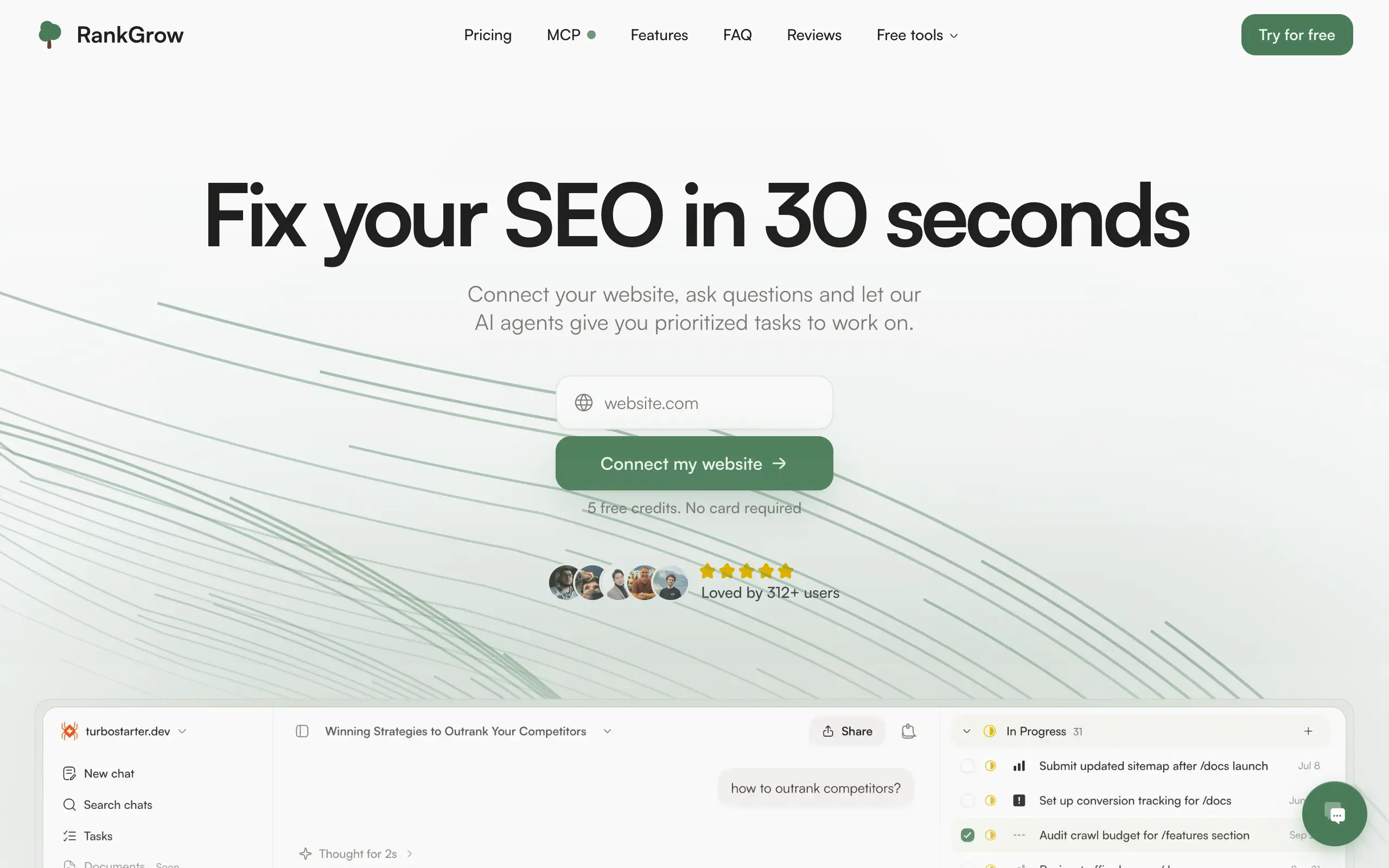
RankGrow
Fix your SEO with AI agents - connect Search Console, get prioritized tasks, and grow organic traffic 📈
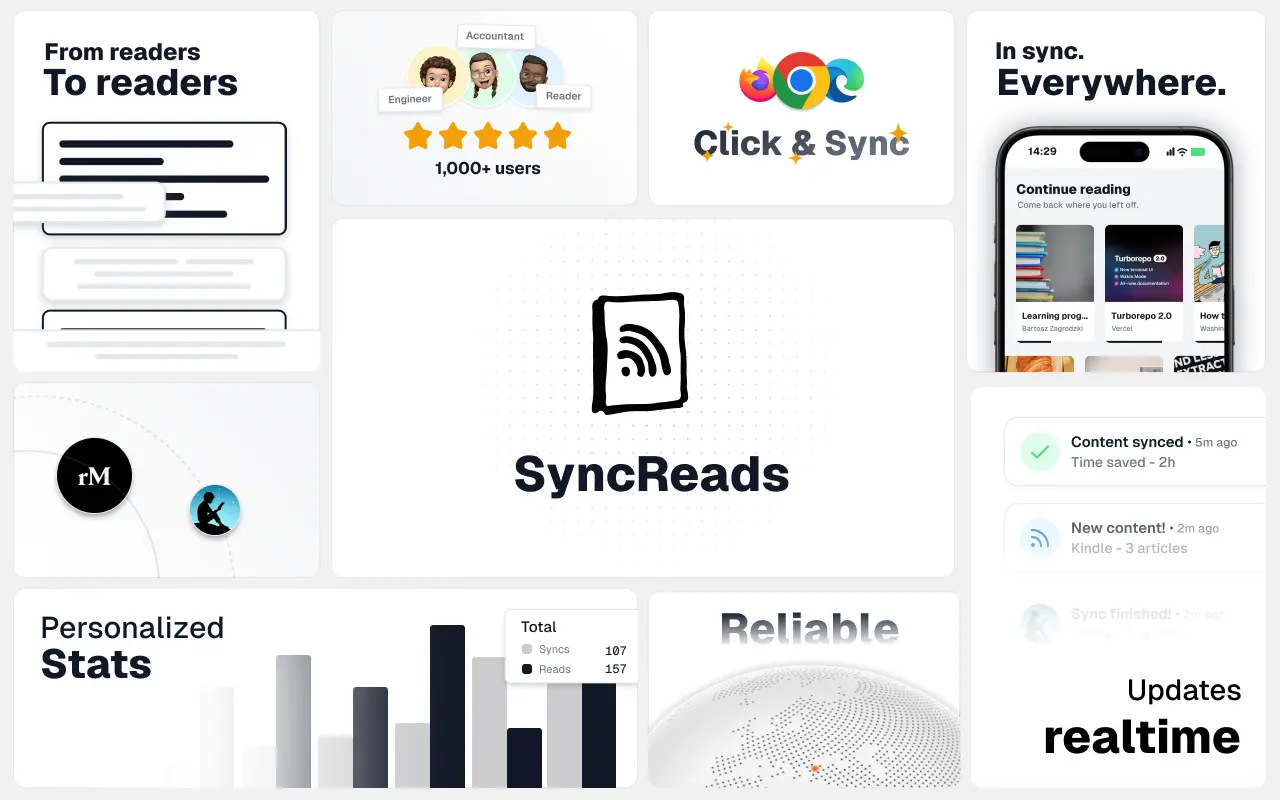
SyncReads
Sync your favorite content for distraction-free reading, save time and replace multiple apps. Anytime, anywhere 🔄
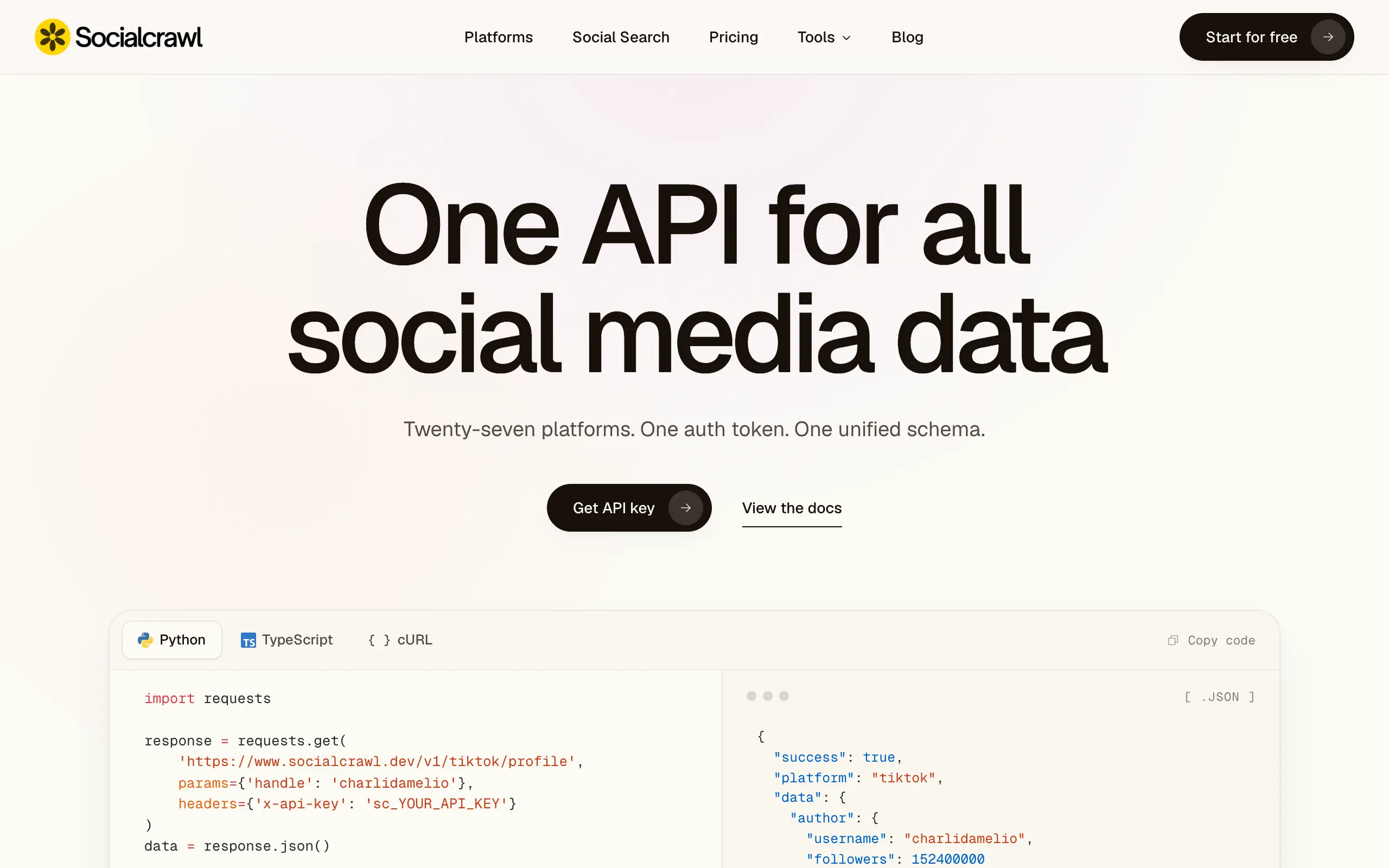
Socialcrawl
Get clean, structured data from 21 platforms like TikTok, Instagram, and YouTube with a single request 📊
Statiko
Monitor any Telegram channel in real time - track posts, edits, deletions, and growth with AI recaps 📡
Shibui
AI website builder - describe your business, pick a niche template, edit by chatting, and publish instantly ✨
Pro Service
Find verified home service professionals, compare quotes, and pay securely through escrow - built for Brazilians across the US 🏠
RankGrow
Fix your SEO with AI agents - connect Search Console, get prioritized tasks, and grow organic traffic 📈
SyncReads
Sync your favorite content for distraction-free reading, save time and replace multiple apps. Anytime, anywhere 🔄
Socialcrawl
Get clean, structured data from 21 platforms like TikTok, Instagram, and YouTube with a single request 📊
Statiko
Monitor any Telegram channel in real time - track posts, edits, deletions, and growth with AI recaps 📡
Shibui
AI website builder - describe your business, pick a niche template, edit by chatting, and publish instantly ✨
Pro Service
Find verified home service professionals, compare quotes, and pay securely through escrow - built for Brazilians across the US 🏠
RankGrow
Fix your SEO with AI agents - connect Search Console, get prioritized tasks, and grow organic traffic 📈
SyncReads
Sync your favorite content for distraction-free reading, save time and replace multiple apps. Anytime, anywhere 🔄
Socialcrawl
Get clean, structured data from 21 platforms like TikTok, Instagram, and YouTube with a single request 📊
Statiko
Monitor any Telegram channel in real time - track posts, edits, deletions, and growth with AI recaps 📡
Shibui
AI website builder - describe your business, pick a niche template, edit by chatting, and publish instantly ✨
Pro Service
Find verified home service professionals, compare quotes, and pay securely through escrow - built for Brazilians across the US 🏠
RankGrow
Fix your SEO with AI agents - connect Search Console, get prioritized tasks, and grow organic traffic 📈
SyncReads
Sync your favorite content for distraction-free reading, save time and replace multiple apps. Anytime, anywhere 🔄
Socialcrawl
Get clean, structured data from 21 platforms like TikTok, Instagram, and YouTube with a single request 📊
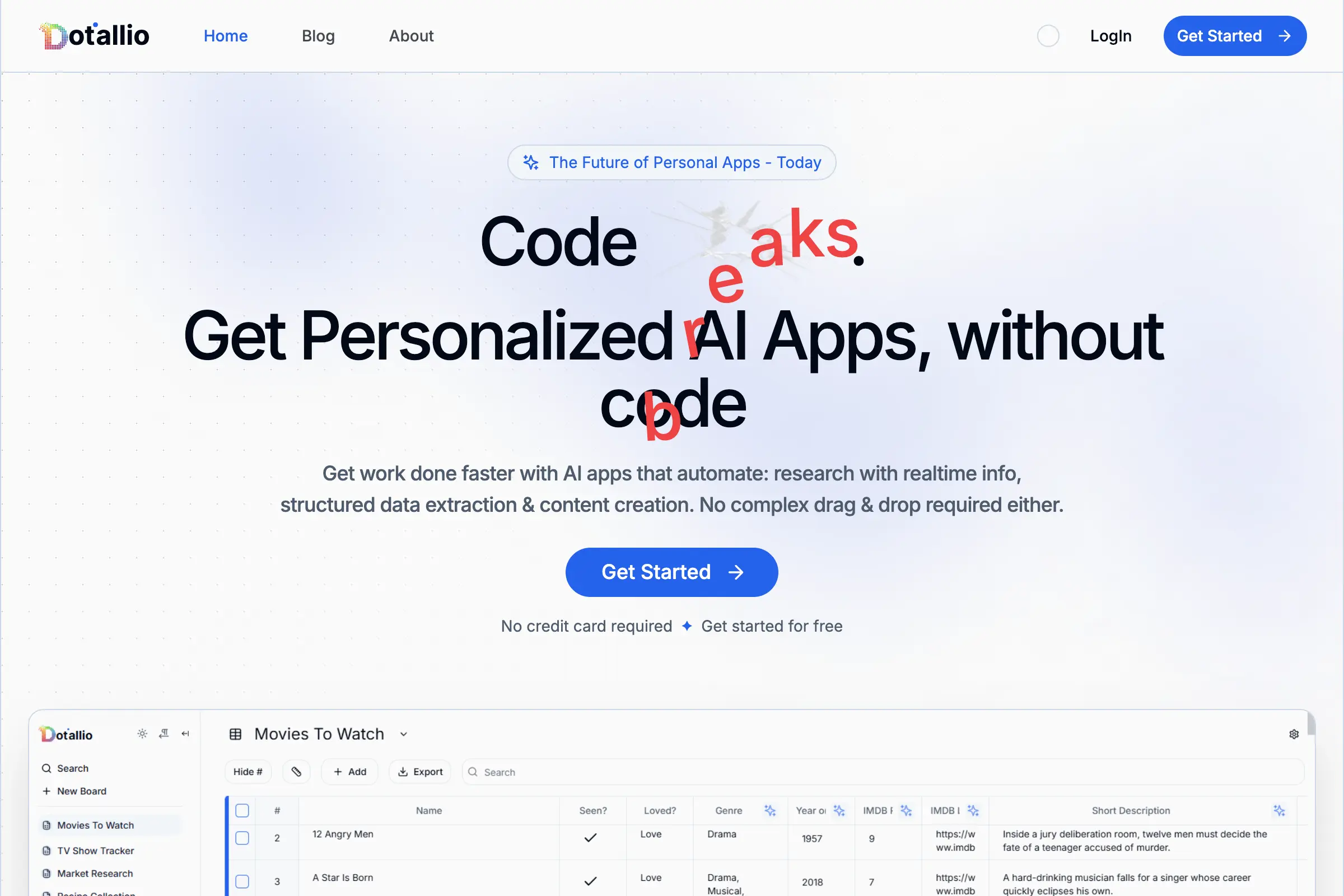
Dotallio
Personalized AI apps that automate research, data extraction, and content creation without code 🤖

Talk to Santa
Enjoy a magical live video chat or receive a unique AI-generated video greeting from Santa Claus 🎅

pozywka.pl
Scalable blog for food journalist, focused on performance and user experience 🌭
zagrodzki.me
Personal blog and portfolio of Bart Zagrodzki, where he shares his knowledge and work 💼
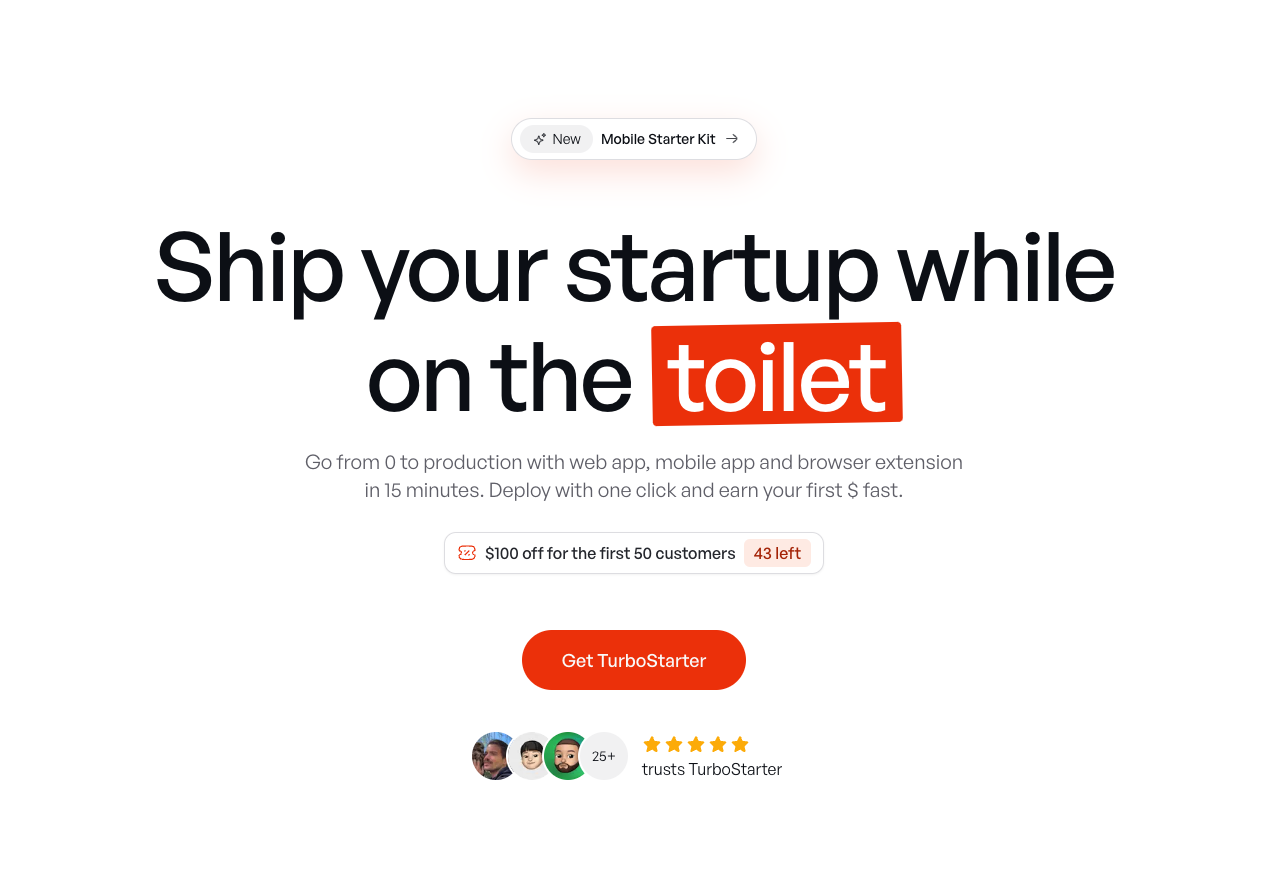
TurboStarter
Ship your startup everywhere. In minutes.
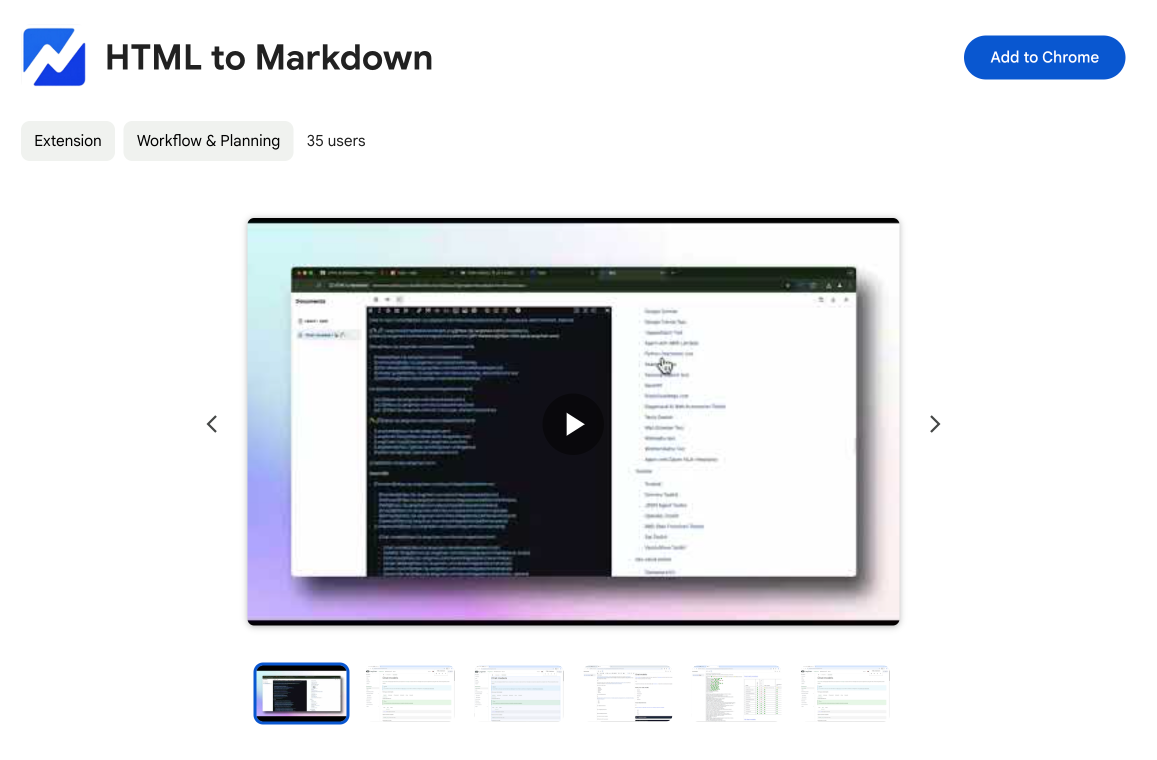
HTML to Markdown
Convert HTML to Markdown with ease, directly in your browser 📄
Dotallio
Personalized AI apps that automate research, data extraction, and content creation without code 🤖
Talk to Santa
Enjoy a magical live video chat or receive a unique AI-generated video greeting from Santa Claus 🎅
pozywka.pl
Scalable blog for food journalist, focused on performance and user experience 🌭
zagrodzki.me
Personal blog and portfolio of Bart Zagrodzki, where he shares his knowledge and work 💼
TurboStarter
Ship your startup everywhere. In minutes.
HTML to Markdown
Convert HTML to Markdown with ease, directly in your browser 📄
Dotallio
Personalized AI apps that automate research, data extraction, and content creation without code 🤖
Talk to Santa
Enjoy a magical live video chat or receive a unique AI-generated video greeting from Santa Claus 🎅
pozywka.pl
Scalable blog for food journalist, focused on performance and user experience 🌭
zagrodzki.me
Personal blog and portfolio of Bart Zagrodzki, where he shares his knowledge and work 💼
TurboStarter
Ship your startup everywhere. In minutes.
HTML to Markdown
Convert HTML to Markdown with ease, directly in your browser 📄
Dotallio
Personalized AI apps that automate research, data extraction, and content creation without code 🤖
Talk to Santa
Enjoy a magical live video chat or receive a unique AI-generated video greeting from Santa Claus 🎅
pozywka.pl
Scalable blog for food journalist, focused on performance and user experience 🌭
zagrodzki.me
Personal blog and portfolio of Bart Zagrodzki, where he shares his knowledge and work 💼
TurboStarter
Ship your startup everywhere. In minutes.
HTML to Markdown
Convert HTML to Markdown with ease, directly in your browser 📄
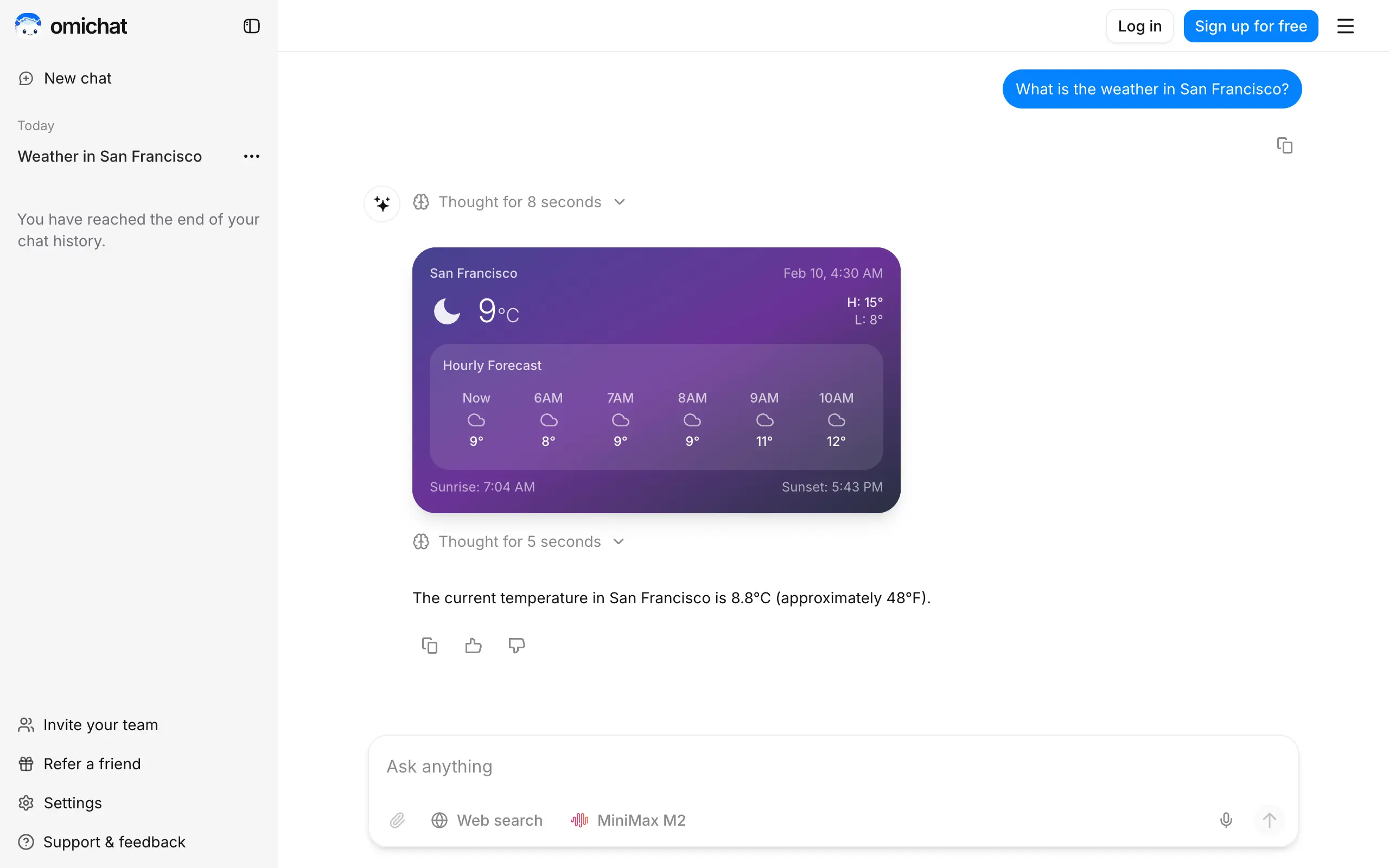
Omichat
Chat with 50+ AI models, including ChatGPT and Claude, in one place - switch models anytime without losing context 🤖
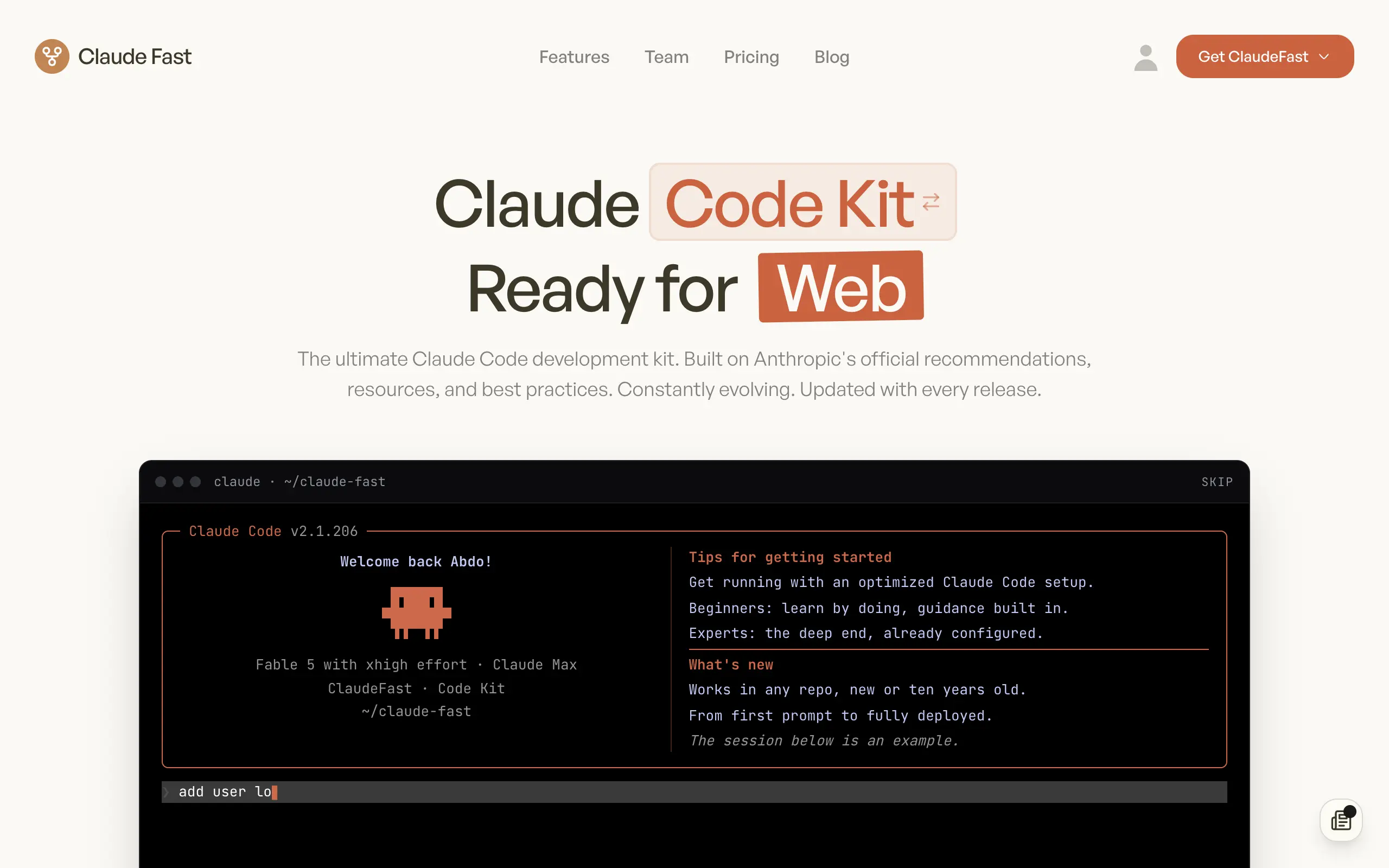
Claude Fast
Supercharge your Claude Code with 6x effective context window and specialized AI agents 🤖
EmojAI
AI-powered emoji picker with smart, context-aware suggestions 🤖
Solohacker
Autonomous company launcher - AI agents work 24/7, escalate what matters, and you stay in control 🤖

BeRawi: Storytelling Coach
Practice storytelling daily with instant feedback to sound clearer, more engaging, and confident 🎤
Omichat
Chat with 50+ AI models, including ChatGPT and Claude, in one place - switch models anytime without losing context 🤖
Claude Fast
Supercharge your Claude Code with 6x effective context window and specialized AI agents 🤖
EmojAI
AI-powered emoji picker with smart, context-aware suggestions 🤖
Solohacker
Autonomous company launcher - AI agents work 24/7, escalate what matters, and you stay in control 🤖
BeRawi: Storytelling Coach
Practice storytelling daily with instant feedback to sound clearer, more engaging, and confident 🎤
Omichat
Chat with 50+ AI models, including ChatGPT and Claude, in one place - switch models anytime without losing context 🤖
Claude Fast
Supercharge your Claude Code with 6x effective context window and specialized AI agents 🤖
EmojAI
AI-powered emoji picker with smart, context-aware suggestions 🤖
Solohacker
Autonomous company launcher - AI agents work 24/7, escalate what matters, and you stay in control 🤖
BeRawi: Storytelling Coach
Practice storytelling daily with instant feedback to sound clearer, more engaging, and confident 🎤
Omichat
Chat with 50+ AI models, including ChatGPT and Claude, in one place - switch models anytime without losing context 🤖
Claude Fast
Supercharge your Claude Code with 6x effective context window and specialized AI agents 🤖
EmojAI
AI-powered emoji picker with smart, context-aware suggestions 🤖
Solohacker
Autonomous company launcher - AI agents work 24/7, escalate what matters, and you stay in control 🤖
BeRawi: Storytelling Coach
Practice storytelling daily with instant feedback to sound clearer, more engaging, and confident 🎤

Connect with like-minded people
Join our community to get feedback, support, and grow together with 1,000+ builders on board, let's ship it!
Join usShip your startup everywhere. In minutes.
Don't burn tokens on setup and start building features on day one.