Prompt2Launch
Transform a software idea into a clear build plan, starter prompts, landing-page copy, and launch graphics for faster vibe-coded projects.
What Prompt2Launch is and why it matters
Prompt2Launch is an AI-powered idea-to-launch platform that helps people turn an early software concept into a practical build plan, starter prompts, landing-page copy, and launch graphics. Instead of asking users to piece together advice from separate AI chats, templates, and design tools, it guides them through a connected workflow from initial idea to launch-ready assets.
The core promise is speed with structure. A founder, indie developer, or small product team can begin with a rough description and leave with a clearer product direction and materials they can use to start building and marketing.
That promise addresses a common gap in AI-assisted software creation. Generative AI makes it easier to produce code, copy, and images, but those outputs are only useful when they reflect a coherent product strategy. A collection of disconnected prompts may help with individual tasks; it does not necessarily help a user decide what to build, who it is for, or what to do next.
Prompt2Launch can serve as the connective layer: turning one idea into a consistent set of decisions and deliverables. Its strongest opportunity is not to claim that AI can guarantee a successful startup. It is to help users move from uncertainty to a testable, organized first version of their product.
Who Prompt2Launch should serve
The platform should begin with users who have a real need to move quickly but lack a dedicated product, marketing, or design team. These users are likely to value guided decisions and usable outputs more than an open-ended AI chat interface.
Indie hackers and solo founders
Solo founders often make product, engineering, positioning, and marketing decisions themselves. They may know how to build, but have limited time to research a market, define an audience, write a landing page, and create launch materials.
Prompt2Launch can help by turning a rough product concept into a prioritized sequence of work. A useful output should distinguish between what the founder needs to validate now and what can wait until after initial customer feedback.
Vibe coders and AI-assisted builders
AI-assisted development tools make it easier to prototype through natural-language instructions, but builders still need to describe what they want with enough clarity to get useful results. A weak prompt can produce a feature that looks plausible but does not match the product’s intended user or workflow.
Prompt2Launch can help this audience by creating structured starter prompts that include context, user roles, desired behavior, constraints, and acceptance criteria. Rather than generating a vague instruction such as “build me a booking app,” it can help specify the first user journey and the expected result.
Freelancers and small agencies
Independent consultants and small agencies may need to turn a client brief into a proposal, concept, or prototype quickly. A repeatable idea-to-launch workflow can reduce the effort involved in organizing early-stage thinking and presenting it clearly.
For this audience, collaboration and export features could matter as much as AI generation. Teams may want to create a workspace for each client, review outputs, and keep approved language separate from working drafts.
Creators and nontechnical entrepreneurs
Some users have strong domain knowledge but limited experience with software planning or technical prompting. They may benefit most from explanations, examples, and a guided process that translates business goals into practical product requirements.
Prompt2Launch should avoid assuming that every user knows terms such as “MVP,” “acceptance criteria,” or “positioning.” It can introduce these concepts in context and explain why each decision matters.
Early-stage product teams
Small teams can use the platform to establish a shared starting point before implementation. A concise product brief and consistent launch assets can help reduce misunderstandings between product, engineering, design, and marketing.
For these teams, Prompt2Launch should preserve the reasoning behind generated recommendations. A team needs to see not only the output, but also the assumptions it depends on.
The market opportunity and the product gap
Prompt2Launch sits at the intersection of AI content generation, software planning, and startup launch preparation. Each area already has tools, but the user journey often crosses several separate products and workflows.
A founder might use one AI assistant to brainstorm, another tool to generate a prototype, a document to record requirements, a design app to create graphics, and a website builder to publish a landing page. Each step can be useful in isolation, but the user must repeatedly explain the idea and reconcile differences between outputs.
That creates a practical opportunity for an integrated product. Prompt2Launch can make the handoffs between early planning and execution easier by keeping the product context in one place.
The gap is coherence, not simply more generation
AI tools already generate product names, feature lists, marketing copy, and images. Generating more material is not automatically valuable. The more meaningful problem is that generated assets may contradict each other.
For example, a tool might describe a product as a simple scheduling assistant in one section, then create a landing page that promises a full business management suite. A feature plan may target enterprise buyers while the launch copy speaks to freelancers. These inconsistencies make the outputs harder to use.
Prompt2Launch can differentiate through context continuity. Each deliverable should draw on a shared product profile that includes:
- The target user and their primary problem
- The proposed product outcome
- The product’s initial scope
- The intended business model
- The brand voice and positioning
- Assumptions that still need validation
The platform should make it clear when a generated recommendation depends on an assumption rather than verified evidence.
The opportunity is a guided workflow
A blank prompt box puts the burden on the user to know what to ask. A guided workflow can make the product more useful to people who are new to product planning.
A strong experience might move through a series of questions: What problem are you addressing? Who experiences it? What do they do today? What is the smallest useful solution? How will you test whether the idea is worth pursuing?
The purpose is not to turn every visitor into a startup strategist. It is to help them make a small number of important decisions before producing implementation and marketing assets.
Build trust through realistic claims
The market is crowded with promises of effortless apps and instant businesses. Prompt2Launch should not imply that its outputs replace customer research, technical review, legal advice, or product judgment.
Its credible promise is narrower and more useful: help users organize an idea, produce a better starting point, and reduce repetitive early-stage work. This positioning supports trust and sets expectations that can be met.
How the Prompt2Launch workflow should work
A strong first version should be organized around a project, not a collection of disconnected generators. The user should be able to create an idea once, refine its context, and generate multiple assets from the same source.
1. Capture and clarify the idea
The user starts with a short description, such as: “A tool that helps independent tutors manage lesson bookings and follow-ups.”
Prompt2Launch can then ask targeted follow-up questions about the intended customer, the problem, the current workaround, and the desired outcome. The questions should be adaptive: a user with a detailed brief should not have to answer a long generic questionnaire.
The platform should also flag unclear or conflicting inputs. If the user describes both a consumer product and a team-oriented enterprise product, the system can ask which audience should be prioritized for the first version.
2. Create a product brief
The product brief becomes the source of truth for later outputs. It should summarize the problem, audience, value proposition, core workflow, assumptions, and constraints.
Users should be able to edit the brief directly. AI-generated content should remain a draft until the user approves it. This gives the user control and helps prevent the system from treating speculative statements as established facts.
3. Define a testable first version
A useful build plan does more than list features. It explains which user problem each feature addresses and what should be excluded from the initial scope.
For example, a tutoring-booking product might start with tutor profiles, availability, booking requests, and email confirmations. A complex billing system, mobile app, and analytics suite could be deferred until there is evidence they are needed.
The platform should distinguish among:
- Essential workflows for the first release
- Useful improvements to consider later
- Open questions that need user research
- Technical or operational dependencies
This makes the plan actionable rather than aspirational.
4. Generate implementation prompts
Prompt2Launch can translate the approved brief into prompts for AI coding tools. These prompts should include the product context, user journey, interface expectations, data needs, edge cases, and success criteria.
A prompt should also state what is out of scope. That helps limit feature drift and makes it easier for an AI coding assistant to produce a focused result.
Where possible, users should be able to select a target stack or development environment. If they have not chosen one, Prompt2Launch can offer a small number of clearly explained options rather than presenting a long, unexplained list.
5. Create launch assets from the same positioning
Once the core positioning is established, the platform can create landing-page copy and launch graphics that support it. Assets should be consistent with the audience and product scope in the brief.
A landing-page draft could include a headline, supporting statement, problem description, key benefits, a short workflow explanation, a call to action, and frequently asked questions. The system should make it easy to regenerate one section without replacing the entire page.
Launch graphics may include social post concepts, product announcement visuals, or simple brand directions. Users should be able to revise text and style before exporting or publishing.
Core features that make the product valuable
Prompt2Launch should prioritize features that improve the quality and usefulness of the user’s next decision. The best feature set is not necessarily the largest one.
Guided idea intake
Use a short, conversational onboarding process that adapts to the user’s input. Keep the process focused, show progress, and let users skip questions they cannot answer yet.
A good intake flow should help users articulate the problem rather than steer them toward a predetermined product template.
Structured product brief
Provide a concise, editable brief that includes the audience, problem, solution concept, differentiators, and validation assumptions. Users should be able to save multiple versions and compare changes over time.
A brief is especially useful when a team wants to share an idea with a collaborator or return to it after testing a prototype.
MVP scope and build plan
Translate the brief into a prioritized plan with clear reasoning. Each proposed feature should connect to a user need or explain why it is necessary to support the first workflow.
The plan should identify dependencies and separate product requirements from implementation choices. This avoids treating a particular framework or technology as part of the user problem.
Prompt generation for AI coding tools
Generate prompts that are specific, modular, and easy to adapt. Users may want separate prompts for the initial application structure, a particular user flow, a data model, or a test plan.
A valuable prompt library should include:
- A project overview that can be reused across coding sessions
- Feature prompts with explicit acceptance criteria
- Instructions for handling errors and empty states
- Quality checks and test suggestions
- A way to update prompts when the product brief changes
Landing-page copy and messaging
The product should generate more than a catchy headline. It should help users explain what the product does, who it is for, why it matters, and what action a visitor should take.
To improve quality, include controls for tone, audience familiarity, and page goal. A waitlist page, product demo page, and paid product page require different messaging.
Launch graphics and brand direction
Graphics should be treated as a supporting asset, not a substitute for a coherent brand. Offer a small set of editable visual directions, dimensions, and export formats suited to common launch channels.
The product should also help users keep visual choices aligned with the audience and tone they selected.
Revisions, history, and exports
Users need to refine generated work. Version history, project notes, and export options make the platform more practical than a one-time generator.
Useful exports may include Markdown, plain text, and structured documents that can be copied into development and publishing tools. The first release should favor dependable exports over a large number of shallow integrations.
What makes Prompt2Launch different
The clearest competitive advantage is the relationship between outputs. Prompt2Launch should connect the idea, product brief, build prompts, landing-page copy, and launch graphics through a shared project context.
| Product approach | Main strength | Common limitation | Prompt2Launch opportunity | Best early use |
|---|---|---|---|---|
| General AI assistant | Flexible conversation | User must manage context and structure | Provide a repeatable idea-to-launch workflow | Exploring early concepts |
| AI coding tool | Helps generate or modify code | May not define the product strategy | Convert an approved plan into focused build prompts | Prototyping a workflow |
| Landing-page generator | Produces web copy or pages | Often starts after positioning decisions | Generate copy from a consistent product brief | Preparing a launch page |
| Design or image tool | Creates visual assets | May not understand the product’s strategy | Tie graphics to audience and brand direction | Preparing launch materials |
| Prompt2Launch | Connects planning and launch assets | Must prove quality across several outputs | Preserve context across the full journey | Moving from idea to testable launch |
The table does not mean Prompt2Launch must replace specialist products. In many cases, the better strategy is to complement them: help users create a stronger starting point, then export work to the tools they already use.
A focused USP
A concise positioning statement could be:
Prompt2Launch turns a software idea into a connected product brief, build plan, AI coding prompts, landing-page copy, and launch graphics.
This is specific enough to explain the benefit while avoiding a guarantee of product-market fit or business success.
Recommended technology stack
The technology choices should support fast iteration, safe handling of user data, and reliable generation workflows. A practical stack will depend on the team’s experience, expected usage, and the degree of control required over AI outputs.
Frontend
React is a strong choice for a component-based web application with interactive forms, project workspaces, and editable generated content. A framework such as Next.js can support routing, server rendering where appropriate, and server-side features within one application.
For styling, Tailwind CSS can help a small team build consistent interfaces quickly. The trade-off is that utility-heavy markup can become difficult to maintain without design conventions and reusable components.
Backend and data
A relational database such as PostgreSQL fits the product’s core data model. Projects, user accounts, generated assets, versions, and usage records have relationships that benefit from structured storage.
The backend should maintain a clear distinction between:
- User-provided information
- AI-generated drafts
- User-approved content
- Operational metadata, such as generation status
This distinction is useful for history, auditing, and future collaboration features.
AI orchestration
Use a server-side layer to manage model requests, prompts, retries, and output validation. Avoid placing provider credentials in client-side code. Design generation as a set of smaller, observable tasks rather than a single large call that tries to create every asset at once.
A modular workflow can generate a product brief first, then use the approved brief to create the build plan and marketing assets. This makes it easier to review outputs and recover when one generation step fails.
Model providers and capabilities change over time. Evaluate options based on output quality, latency, cost, data policies, and support for structured responses. Avoid making the product dependent on a single model’s unique behavior unless there is a clear reason.
Authentication, payments, and hosting
Use a well-maintained authentication solution and protect access to each user’s projects. For subscriptions, select a payment provider that supports the markets and tax requirements relevant to the business.
For hosting, choose a platform the team can operate confidently. The best early stack is usually the one that supports quick fixes, clear logs, and predictable deployments—not the one with the most complex infrastructure.
TurboStarter can help teams start a SaaS application with established building blocks, allowing more time for the product-specific workflow. As with any starter kit, review its architecture and dependencies before committing, and confirm that it fits the team’s requirements.
Trade-offs to consider
| Decision | Faster path | More control | Trade-off |
|---|---|---|---|
| AI integration | Use a hosted model API | Add a model abstraction layer | Abstraction can increase setup effort |
| Data storage | Managed database service | Operate database infrastructure directly | Self-management adds maintenance |
| Styling | Utility-first CSS | Custom design system from the start | A full design system may slow early validation |
| Deployment | Managed hosting | Custom cloud infrastructure | More infrastructure control means more operational work |
| Asset generation | Start with text and simple visuals | Build a full image workflow | Rich media adds cost, review, and support needs |
Monetization strategy options
Prompt2Launch can monetize based on how often users generate assets, how much workflow capacity they need, or whether they use the product individually or with a team.
Freemium with paid plans
A free tier can let users create a limited number of projects or generate a small set of starter assets. Paid plans can offer more projects, revisions, exports, and advanced workflows.
The free plan should demonstrate the full value proposition rather than hide the central workflow behind a payment wall. A user should be able to experience how the product connects an idea to useful outputs before deciding whether to upgrade.
Usage-based credits
Credits can be appropriate when model and image-generation costs vary significantly by request. This approach can align price with usage, but it may make the product harder to understand if users cannot predict how many credits a task consumes.
If credits are used, show the cost before generation and make the difference between tasks clear. Avoid surprise deductions for retries or system errors.
Subscription plans for individuals and teams
A monthly or annual subscription can work for users who create projects regularly. Team plans may include shared workspaces, comments, permissions, and reusable brand settings.
Team features should be based on observed demand. Building complex collaboration tools too early can distract from proving that the core solo workflow is valuable.
Templates and workflow packs
Paid templates could target specific product categories or use cases, such as marketplaces, appointment tools, or internal dashboards. These should provide meaningful structure rather than merely changing labels in a generic prompt.
Templates can also support acquisition through useful free resources, with paid plans offering deeper workflows and project management features.
Pricing principles
Pricing should reflect the value and cost of the product. Consider model usage, image generation, customer support, and the willingness of target segments to pay.
Before settling on a price, interview prospective customers and test plan descriptions. Do not infer willingness to pay solely from sign-ups or positive feedback; users may like the concept without needing it urgently.
Risks and how to mitigate them
Prompt2Launch combines strategy, AI generation, and launch preparation. That breadth creates opportunities, but also makes quality control important.
Generic or misleading recommendations
AI-generated business plans and feature lists can sound confident even when they rest on limited input.
Mitigation: Label assumptions, ask users to confirm important details, and make generated content editable. Encourage validation with real users. Avoid presenting market conclusions as facts unless they are supported by credible, clearly cited research.
Low-quality or inconsistent outputs
Different outputs may contradict the approved brief, particularly if each task is generated independently.
Mitigation: Maintain a structured project context and pass relevant approved information into each generation step. Add checks for mismatches in audience, product promise, and feature scope. Let users regenerate individual sections rather than replacing everything.
Scope expansion
A user may receive a long list of features and mistake it for a realistic first release.
Mitigation: Prioritize a single primary workflow. Clearly separate launch essentials from later ideas, and explain why a feature is considered necessary or optional.
Privacy and data handling
Users may share confidential product concepts, customer information, or business plans.
Mitigation: Minimize collection, document how data is handled, restrict internal access, and provide clear deletion controls. Review each model provider’s data-retention and training policies before sending user content. Do not claim privacy protections that the product has not implemented and verified.
Dependency on AI providers
Changes to model pricing, availability, or behavior can affect cost and reliability.
Mitigation: Track request costs and failure rates, build provider-level monitoring, and keep generation logic modular. Provide graceful error states and save user input before starting expensive or long-running tasks.
Unclear value after the first session
Some users may create one set of launch materials and never return.
Mitigation: Make projects useful throughout iteration. Support revisions to the brief, updated prompts, new landing-page versions, and launch checklists. Measure whether users return to refine or act on their outputs, not only whether they complete onboarding.
Overpromising business outcomes
No planning tool can guarantee customer demand or product success.
Mitigation: Describe Prompt2Launch as an accelerator for planning and execution, not a success guarantee. Make room for user research, testing, and expert review where appropriate.
Keep claims evidence-based
Prompt2Launch can help users create a clearer starting point, but it cannot verify market demand without evidence from real customers. Treat generated market assumptions as hypotheses to test, not as confirmed research.
How to validate the idea before building too much
The first product question is not whether AI can generate a plan. It is whether the intended users find the end-to-end workflow useful enough to adopt, return to, or pay for.
Interview target users
Speak with indie founders, AI-assisted builders, freelancers, and nontechnical entrepreneurs. Ask how they currently move from an idea to a prototype or launch. Find out which steps take the most time, where they get stuck, and which tools they already use.
Focus on past behavior rather than hypothetical enthusiasm. Questions such as “What did you do the last time you explored a product idea?” usually reveal more than “Would you use an AI tool for this?”
Test a concierge version
Before building a complete platform, manually guide a small number of users through the workflow. Collect an idea, produce a structured brief, generate prompts and copy, and observe which parts they actually use.
This can reveal whether the central value is the build plan, the coding prompts, the landing-page content, or the continuity between them.
Measure meaningful behavior
Useful early signals include:
- How many users complete the idea intake
- How many edit or approve the product brief
- Whether users copy, export, or act on generated prompts
- Whether they return to revise a project
- Which output users say they would pay to access
- Where users abandon the workflow
Interpret these signals carefully. A high completion rate does not necessarily mean the product solves an important problem, and a generated output being copied does not prove that it led to a successful launch.
Actionable implementation steps
A focused launch sequence can reduce risk and keep the product centered on the core idea-to-launch promise.
Choose one initial audience. Start with a group that has a clear workflow and an identifiable pain point, such as solo founders who use AI coding tools. A focused audience makes onboarding, examples, and positioning easier to evaluate.
Define the first outcome. Decide what users should be able to accomplish in one session. For example, they might leave with an approved product brief, a prioritized first-version plan, and one implementation prompt.
Interview and observe prospective users. Learn how they currently plan and build projects. Record their language, existing tools, points of friction, and the outputs they trust enough to use.
Prototype the workflow before automating every step. Test the questions, brief format, and output sequence using a simple prototype or a manually supported process. Revise the workflow based on user behavior.
Build the shared project context. Store the idea, audience, approved positioning, assumptions, and generated assets in a structured project model. This context is the foundation for consistent outputs.
Launch a narrow MVP. Prioritize idea intake, an editable brief, first-version planning, and focused coding prompts. Add landing-page copy and launch graphics once the core workflow is useful and coherent.
Instrument the product and review quality. Track completion, revisions, exports, failures, and repeat use. Review generated outputs against clear quality criteria and give users a straightforward way to report problems.
Test monetization with real usage. Offer a simple paid plan or limited paid feature to users who have experienced the core value. Use interviews and conversion behavior to refine pricing and packaging.
A practical path to a defensible product
Prompt2Launch is most compelling when it is more than a set of AI generators. Its advantage comes from connecting product thinking to implementation and launch materials, while keeping the user’s goals and assumptions consistent across every step.
The best initial version will be deliberately focused. It should help one audience move from an idea to a credible, testable starting point; make it easy to review and revise outputs; and avoid presenting unverified AI recommendations as fact.
From there, the product can expand based on evidence. If users repeatedly return to update prompts, add collaborators, or refresh launch copy, those behaviors can guide the next features. If they only use one part of the workflow, that may indicate where the strongest product value lies.
For founders planning to build Prompt2Launch, the next step is to validate the workflow with real users, then ship a small product that preserves context from the initial idea through the first actionable deliverables. A starter platform such as TurboStarter may help reduce setup work, but the product’s long-term advantage will come from the quality of its workflow and the trust users place in its guidance.
More 🤖 AI Startup SaaS ideas
Discover more innovative ai startup SaaS ideas that are trending in 2026. Each idea is AI-generated with market validation and growth potential to help you find your next profitable venture faster than competitors.
Your competitors are building with TurboStarter
Below are some of the SaaS ideas that have been generated and built with our starter kit.
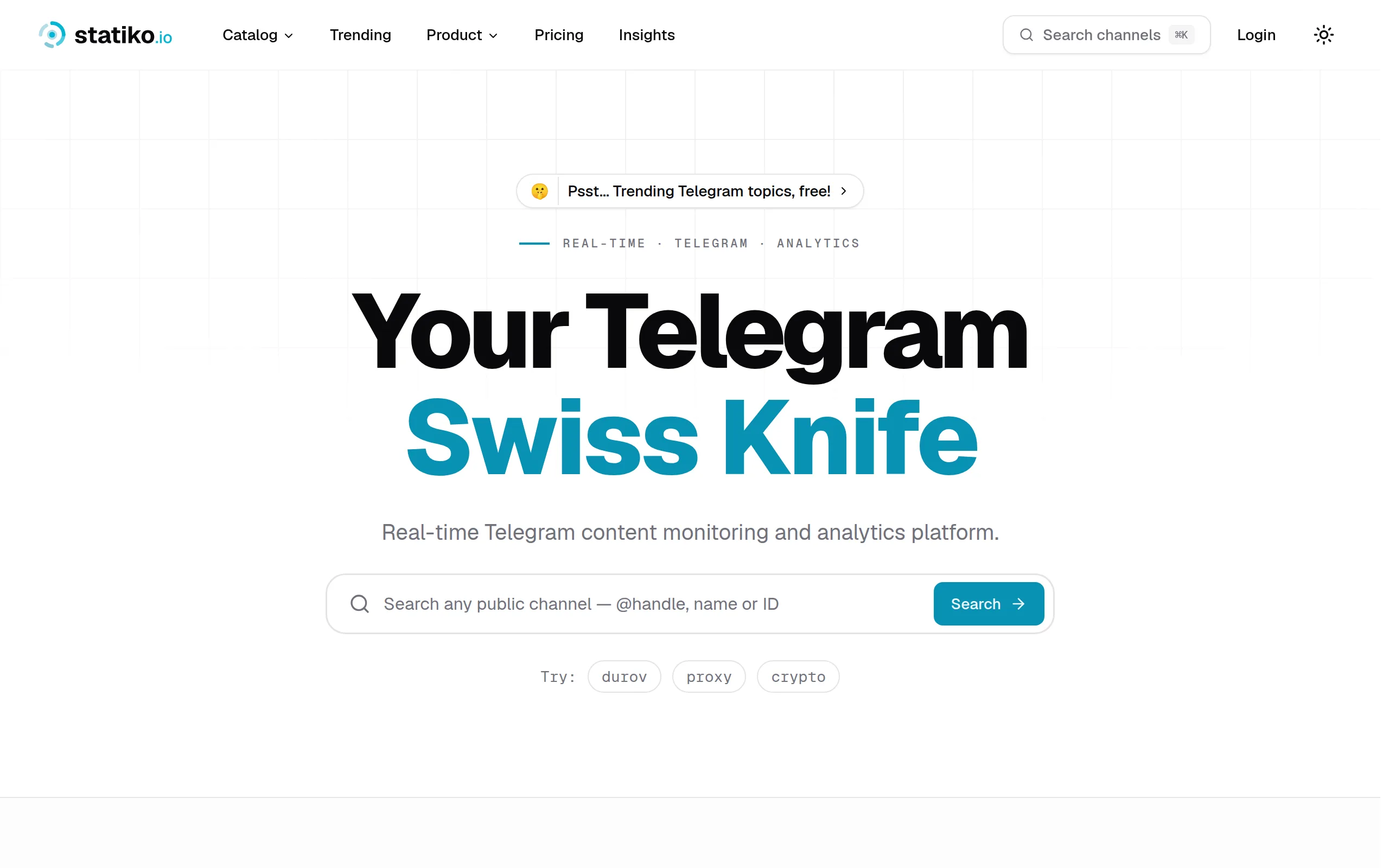
Statiko
Monitor any Telegram channel in real time - track posts, edits, deletions, and growth with AI recaps 📡
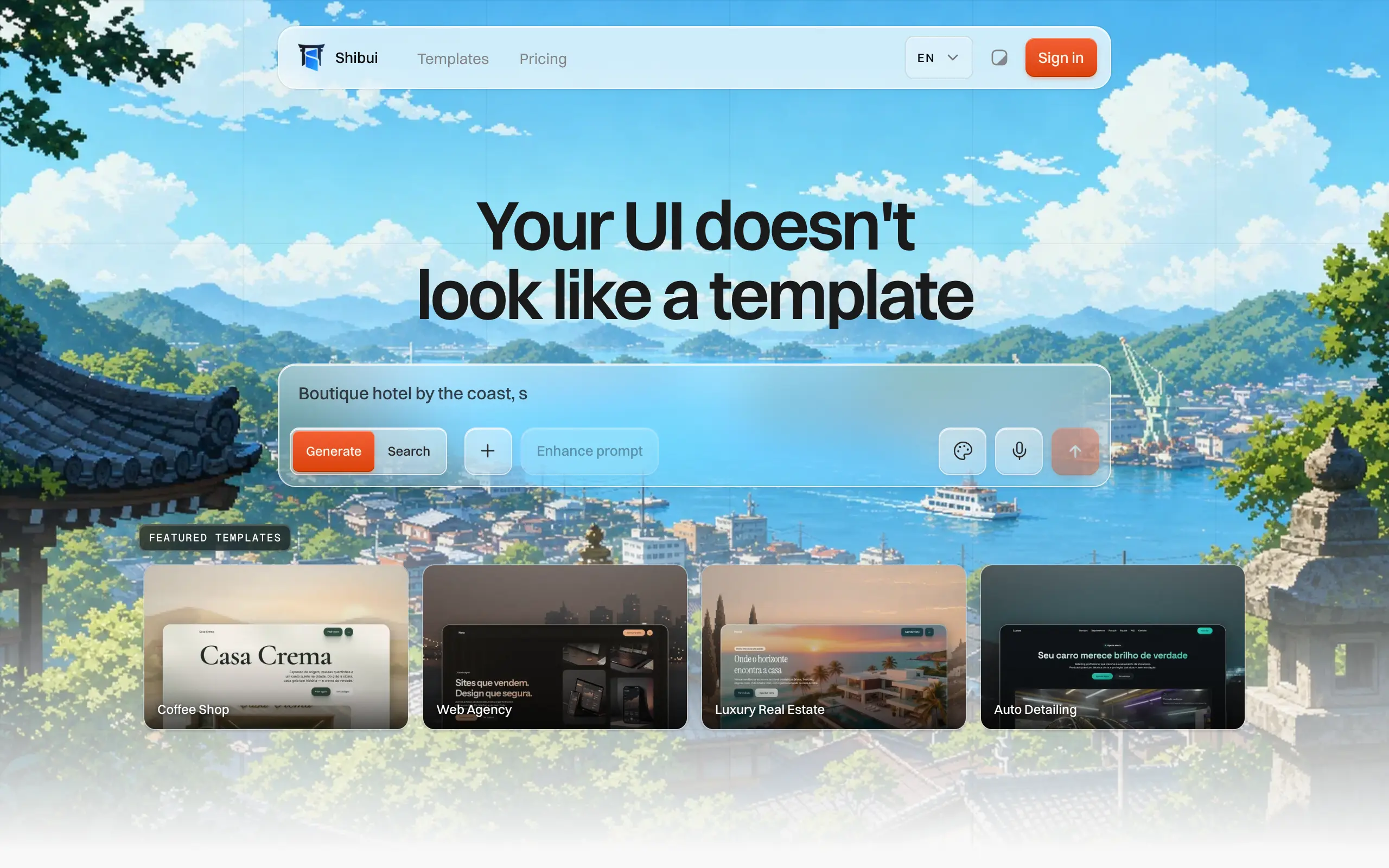
Shibui
AI website builder - describe your business, pick a niche template, edit by chatting, and publish instantly ✨

Pro Service
Find verified home service professionals, compare quotes, and pay securely through escrow - built for Brazilians across the US 🏠
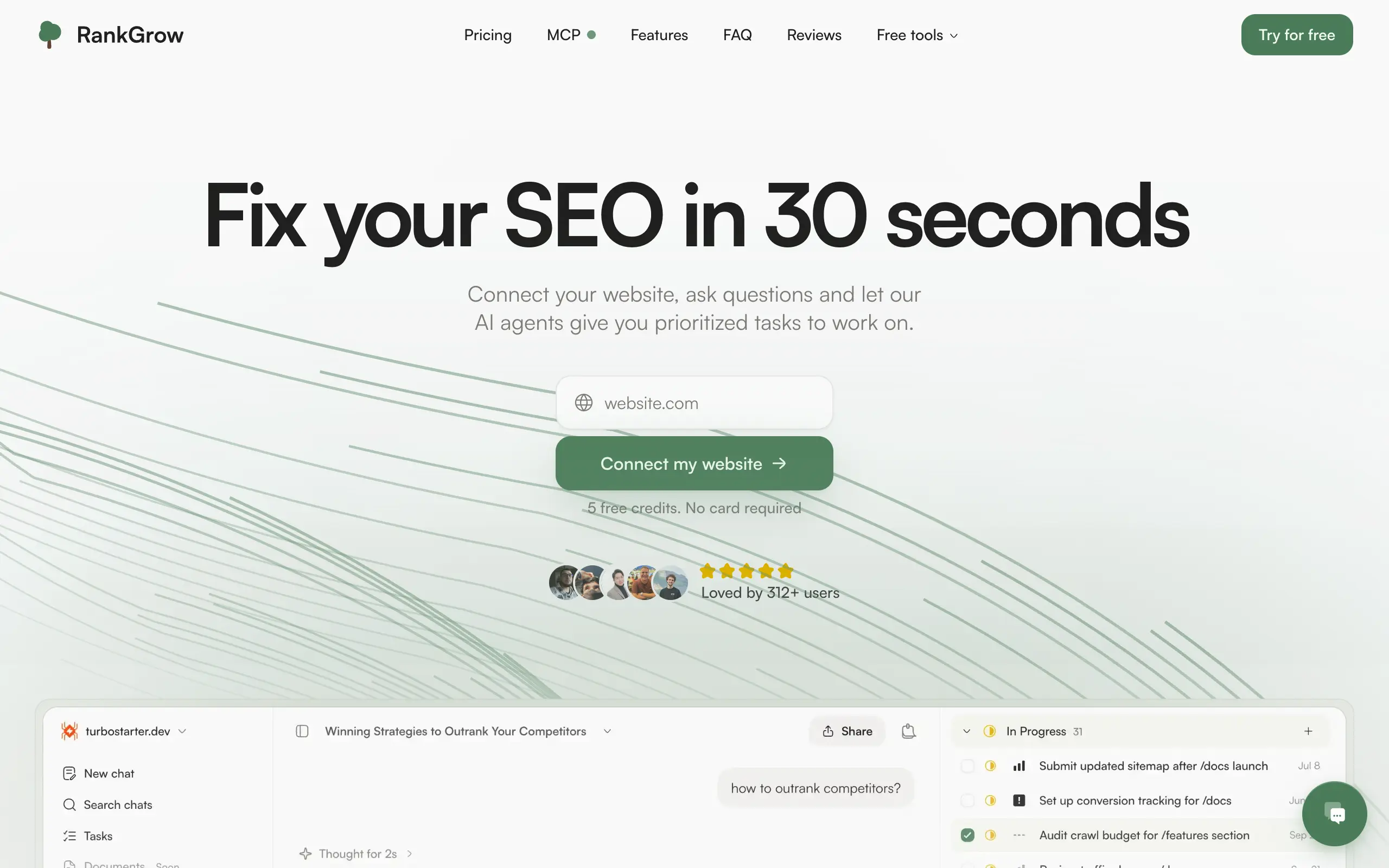
RankGrow
Fix your SEO with AI agents - connect Search Console, get prioritized tasks, and grow organic traffic 📈
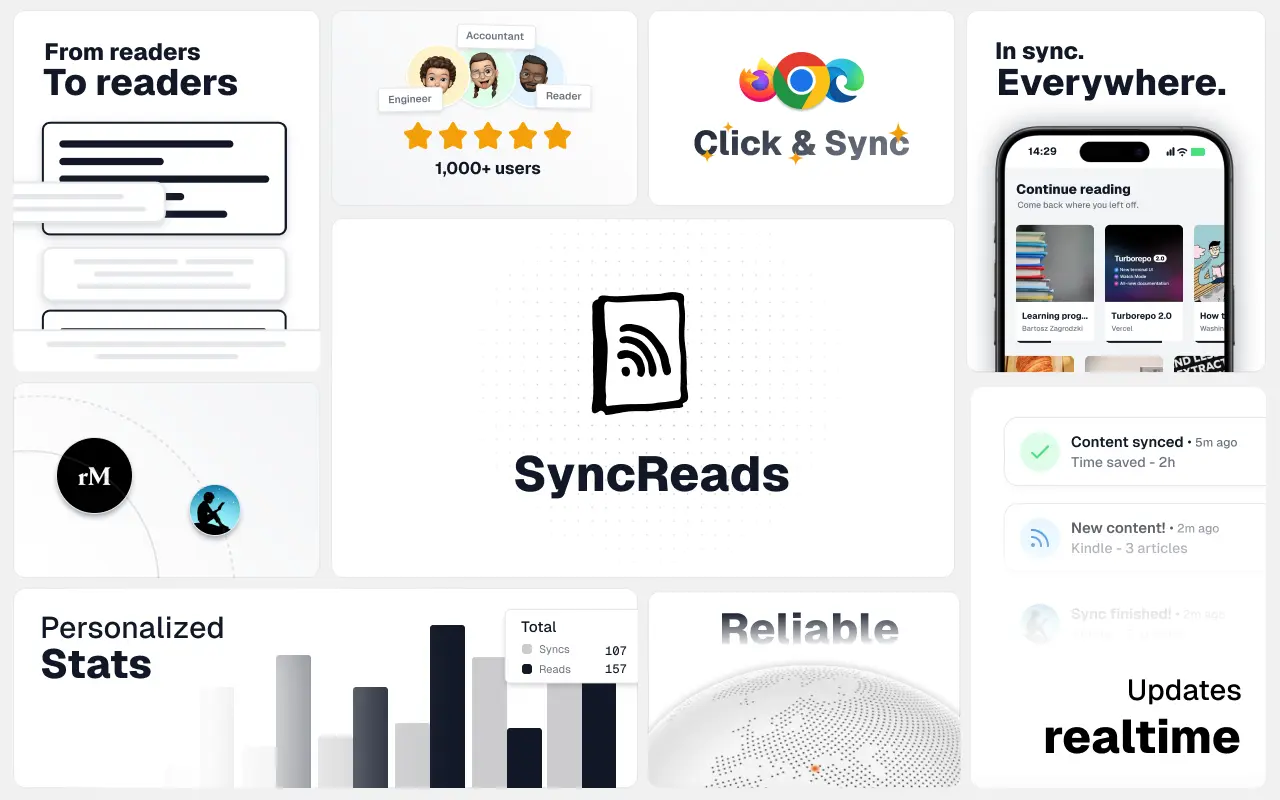
SyncReads
Sync your favorite content for distraction-free reading, save time and replace multiple apps. Anytime, anywhere 🔄
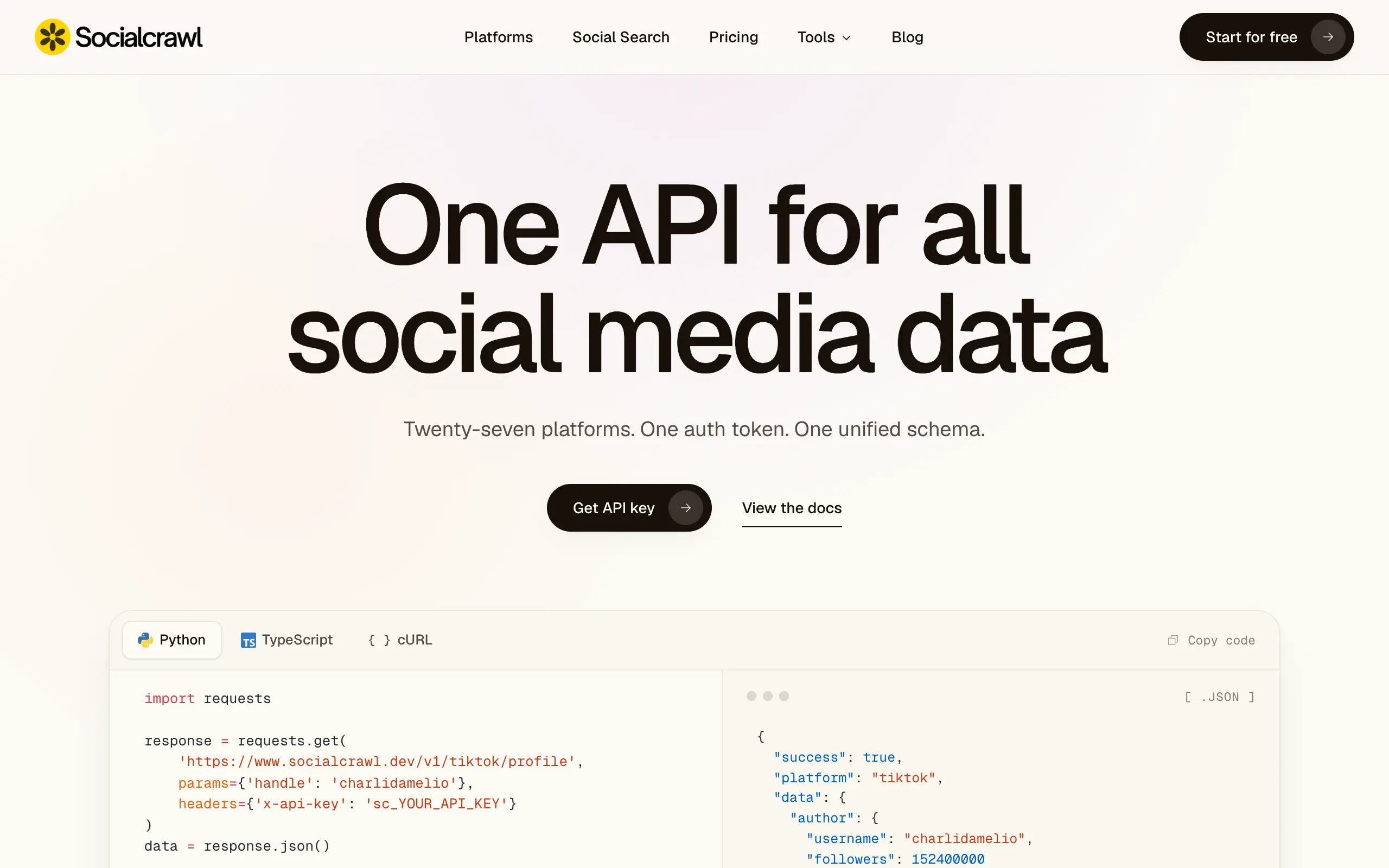
Socialcrawl
Get clean, structured data from 21 platforms like TikTok, Instagram, and YouTube with a single request 📊
Statiko
Monitor any Telegram channel in real time - track posts, edits, deletions, and growth with AI recaps 📡
Shibui
AI website builder - describe your business, pick a niche template, edit by chatting, and publish instantly ✨
Pro Service
Find verified home service professionals, compare quotes, and pay securely through escrow - built for Brazilians across the US 🏠
RankGrow
Fix your SEO with AI agents - connect Search Console, get prioritized tasks, and grow organic traffic 📈
SyncReads
Sync your favorite content for distraction-free reading, save time and replace multiple apps. Anytime, anywhere 🔄
Socialcrawl
Get clean, structured data from 21 platforms like TikTok, Instagram, and YouTube with a single request 📊
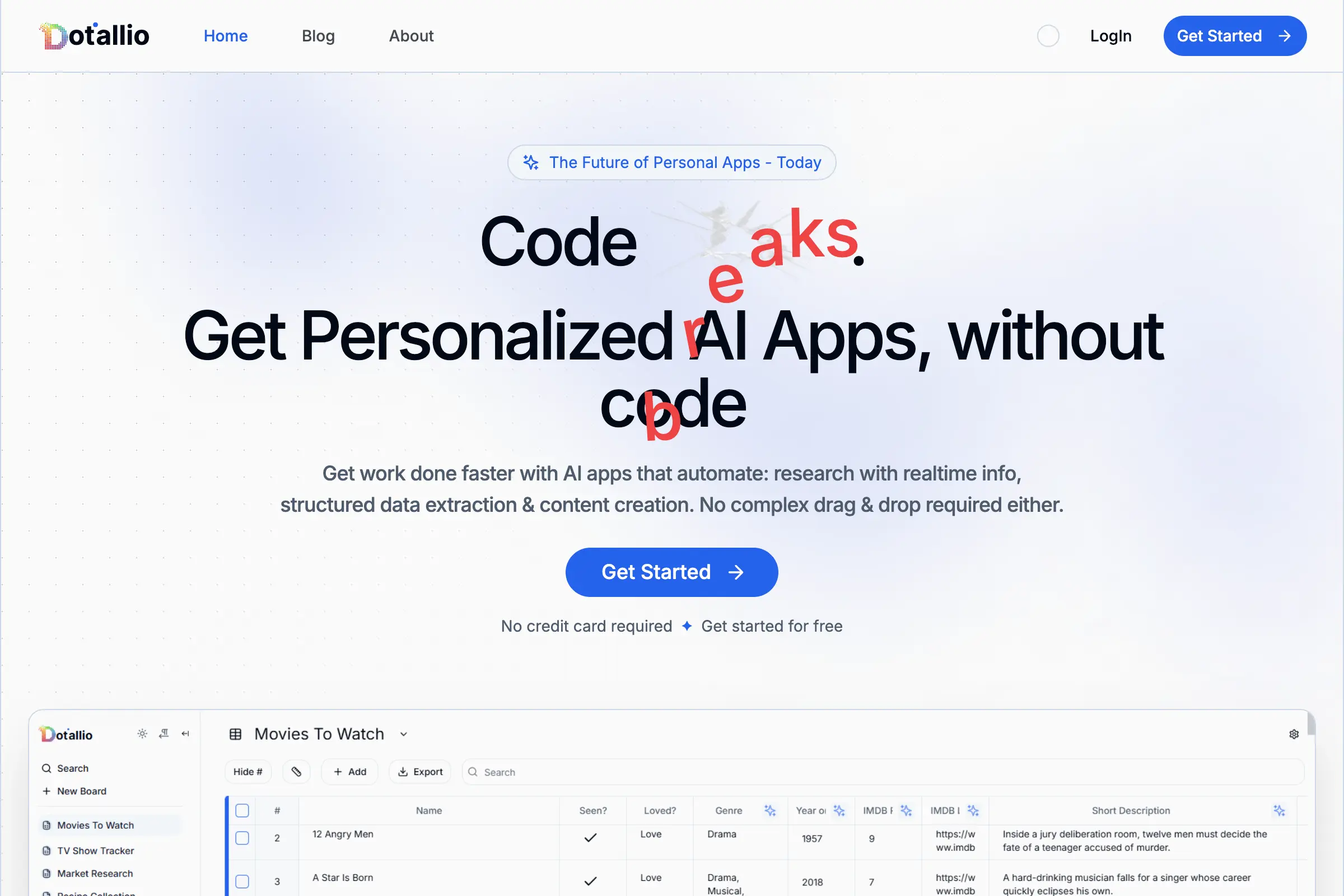
Dotallio
Personalized AI apps that automate research, data extraction, and content creation without code 🤖
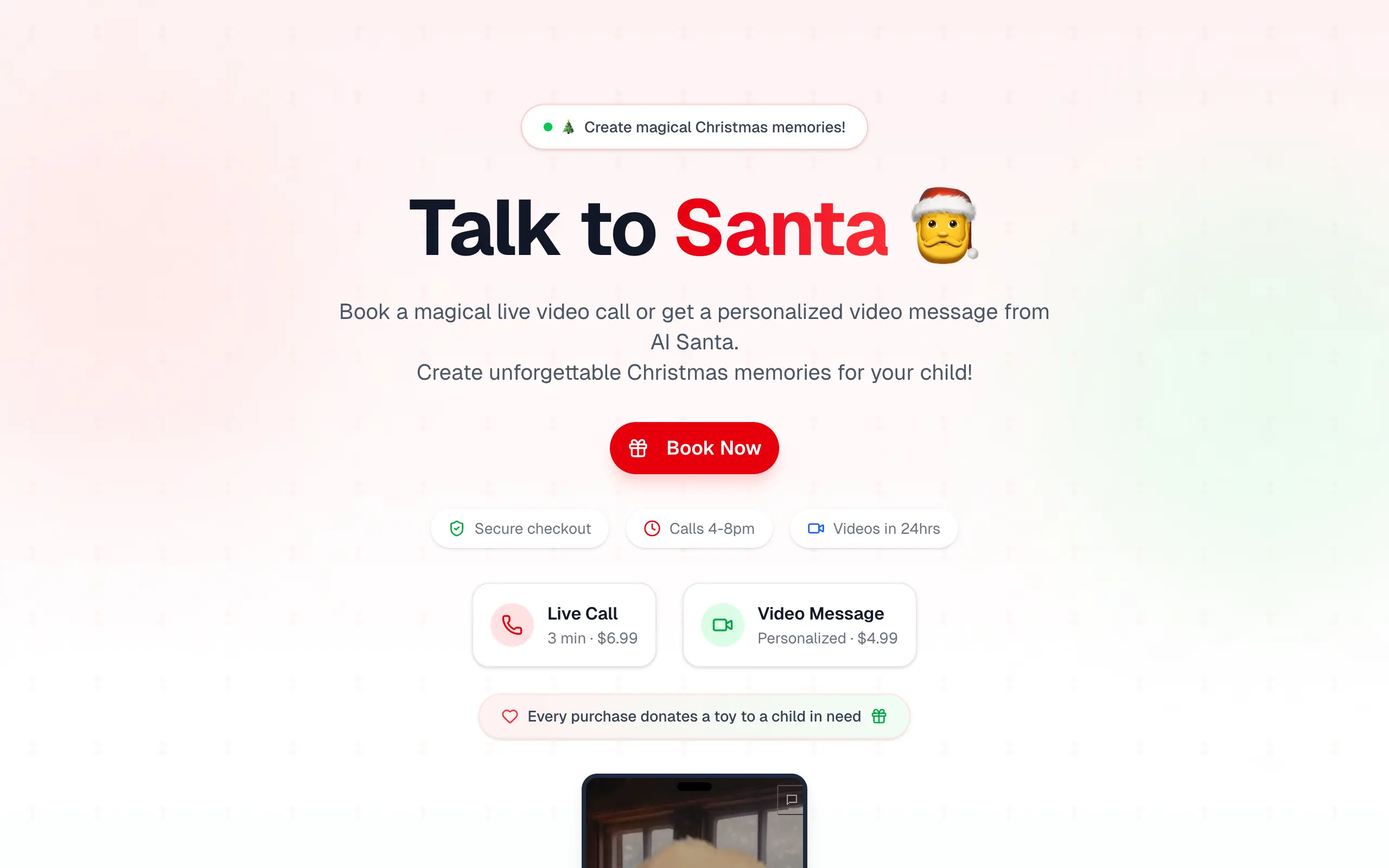
Talk to Santa
Enjoy a magical live video chat or receive a unique AI-generated video greeting from Santa Claus 🎅
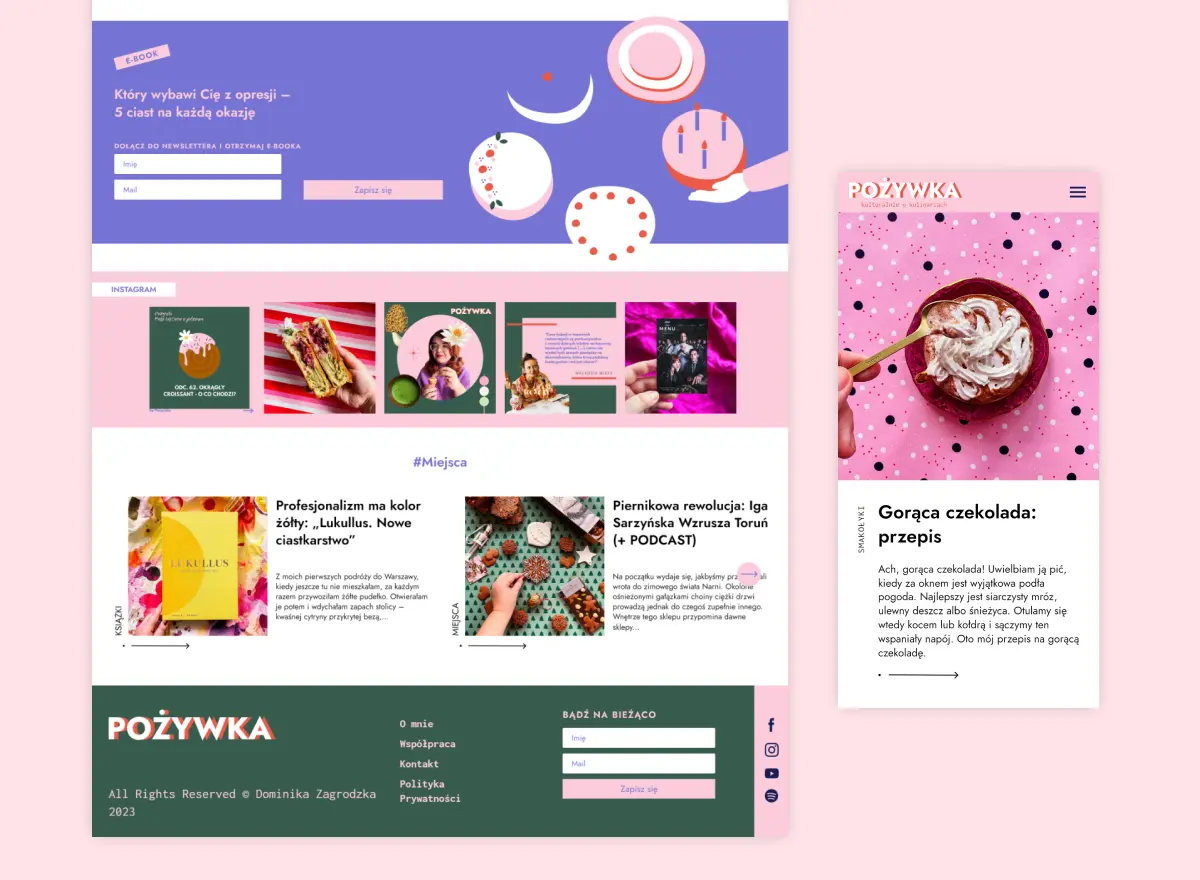
pozywka.pl
Scalable blog for food journalist, focused on performance and user experience 🌭
zagrodzki.me
Personal blog and portfolio of Bart Zagrodzki, where he shares his knowledge and work 💼
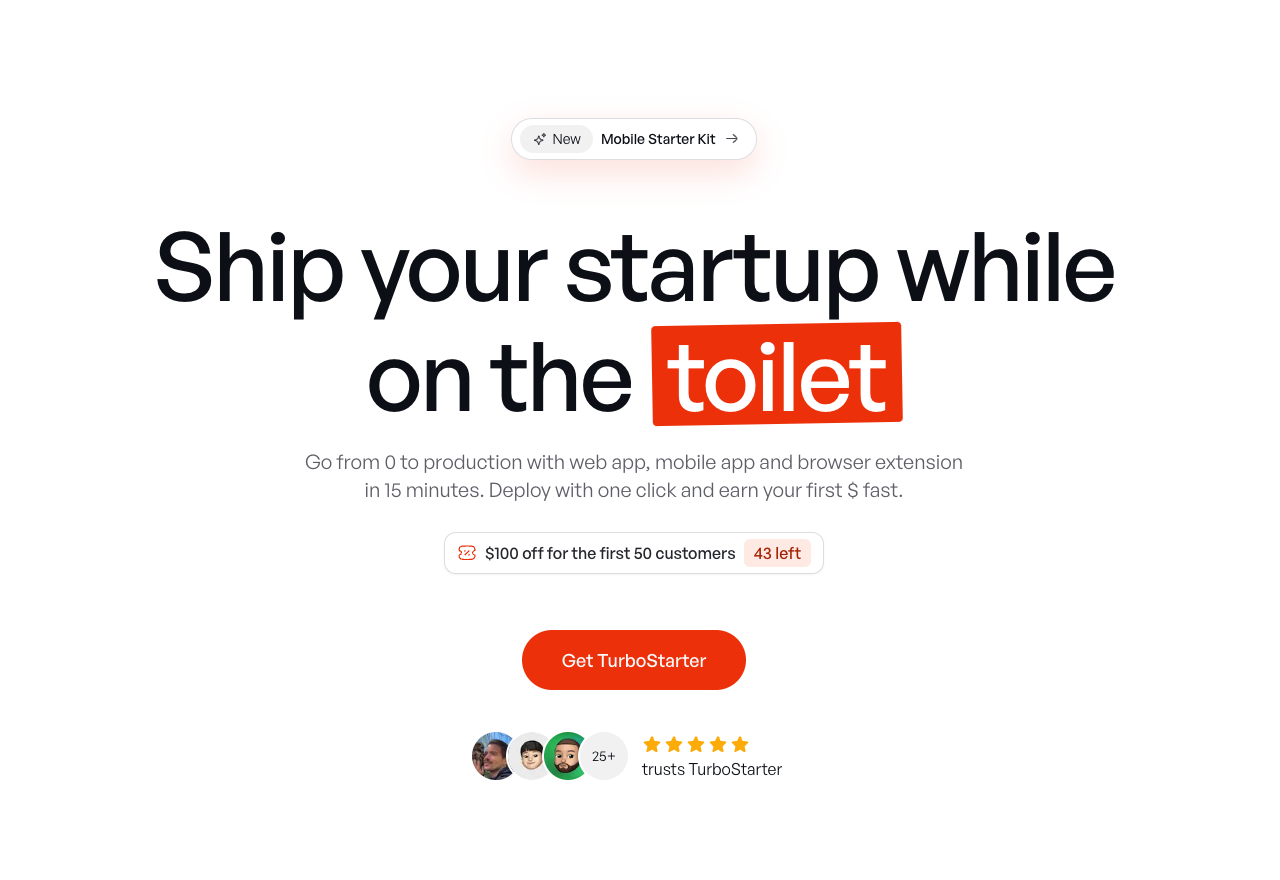
TurboStarter
Ship your startup everywhere. In minutes.
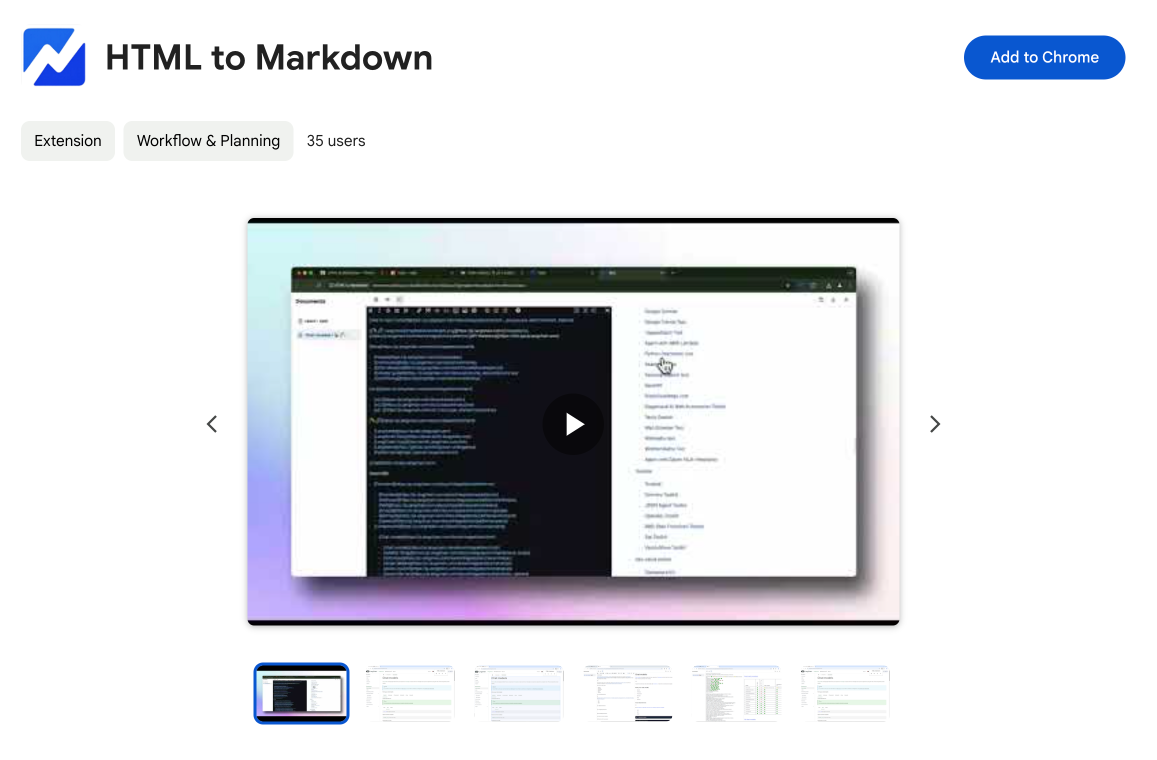
HTML to Markdown
Convert HTML to Markdown with ease, directly in your browser 📄
Dotallio
Personalized AI apps that automate research, data extraction, and content creation without code 🤖
Talk to Santa
Enjoy a magical live video chat or receive a unique AI-generated video greeting from Santa Claus 🎅
pozywka.pl
Scalable blog for food journalist, focused on performance and user experience 🌭
zagrodzki.me
Personal blog and portfolio of Bart Zagrodzki, where he shares his knowledge and work 💼
TurboStarter
Ship your startup everywhere. In minutes.
HTML to Markdown
Convert HTML to Markdown with ease, directly in your browser 📄
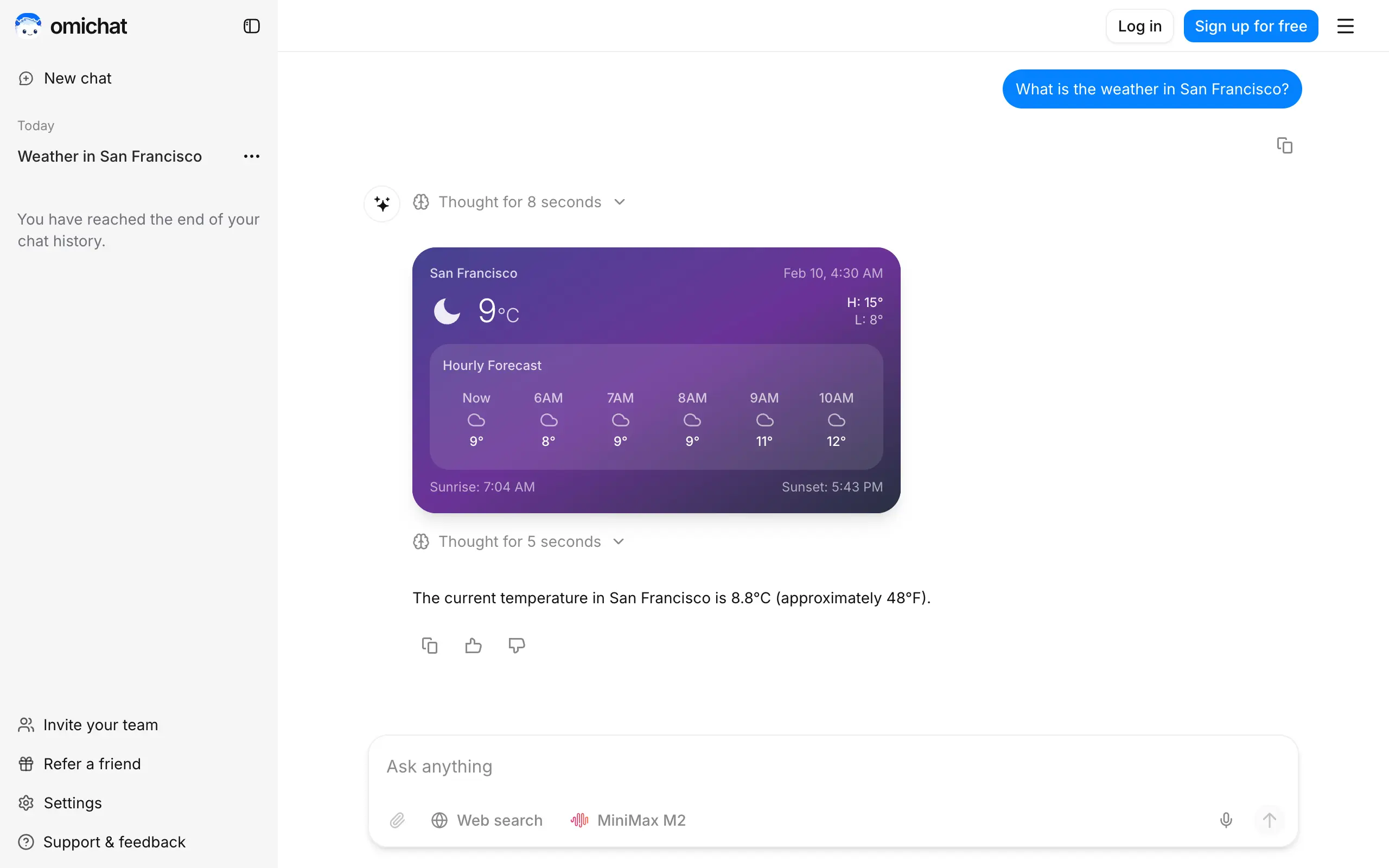
Omichat
Chat with 50+ AI models, including ChatGPT and Claude, in one place - switch models anytime without losing context 🤖
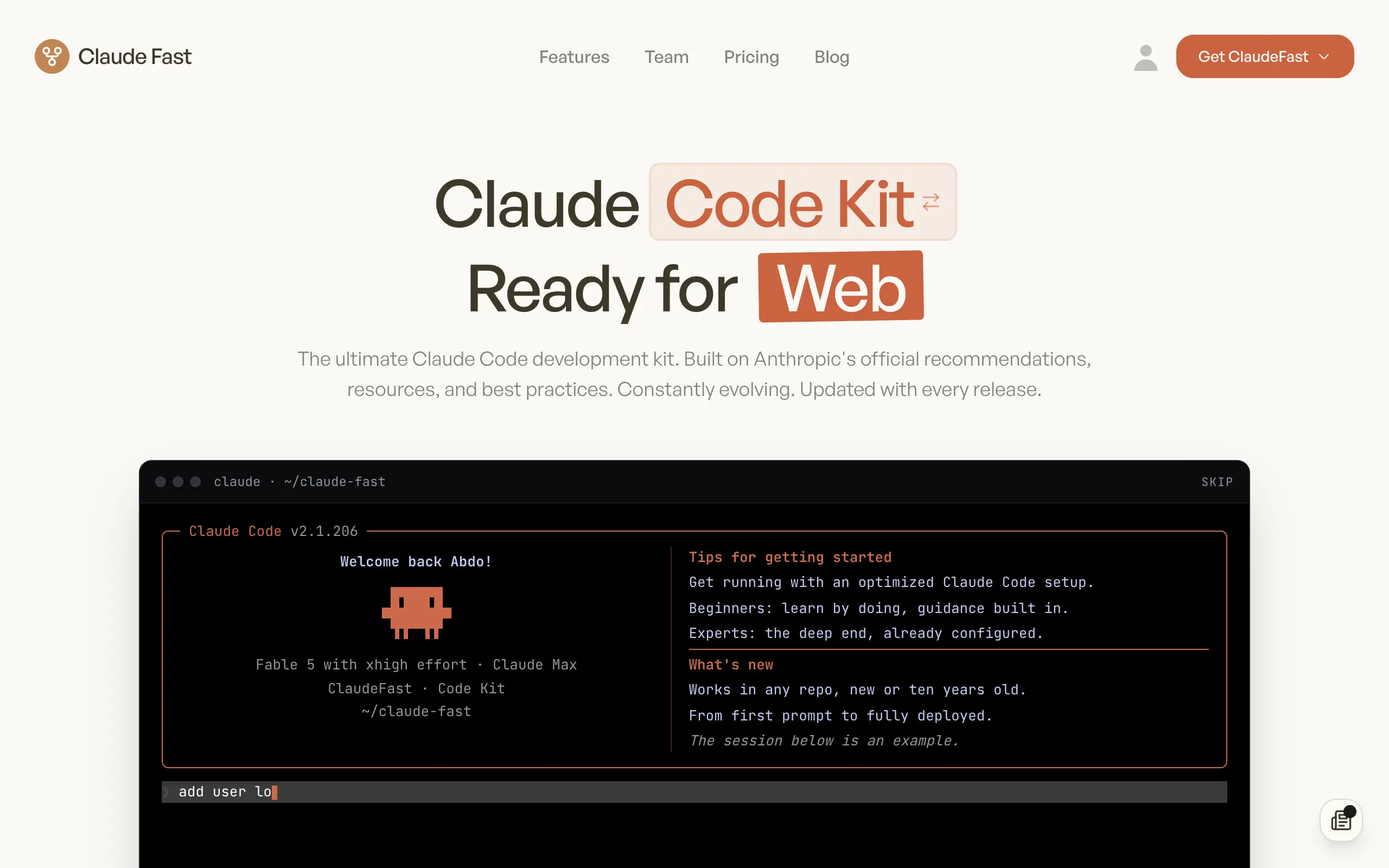
Claude Fast
Supercharge your Claude Code with 6x effective context window and specialized AI agents 🤖
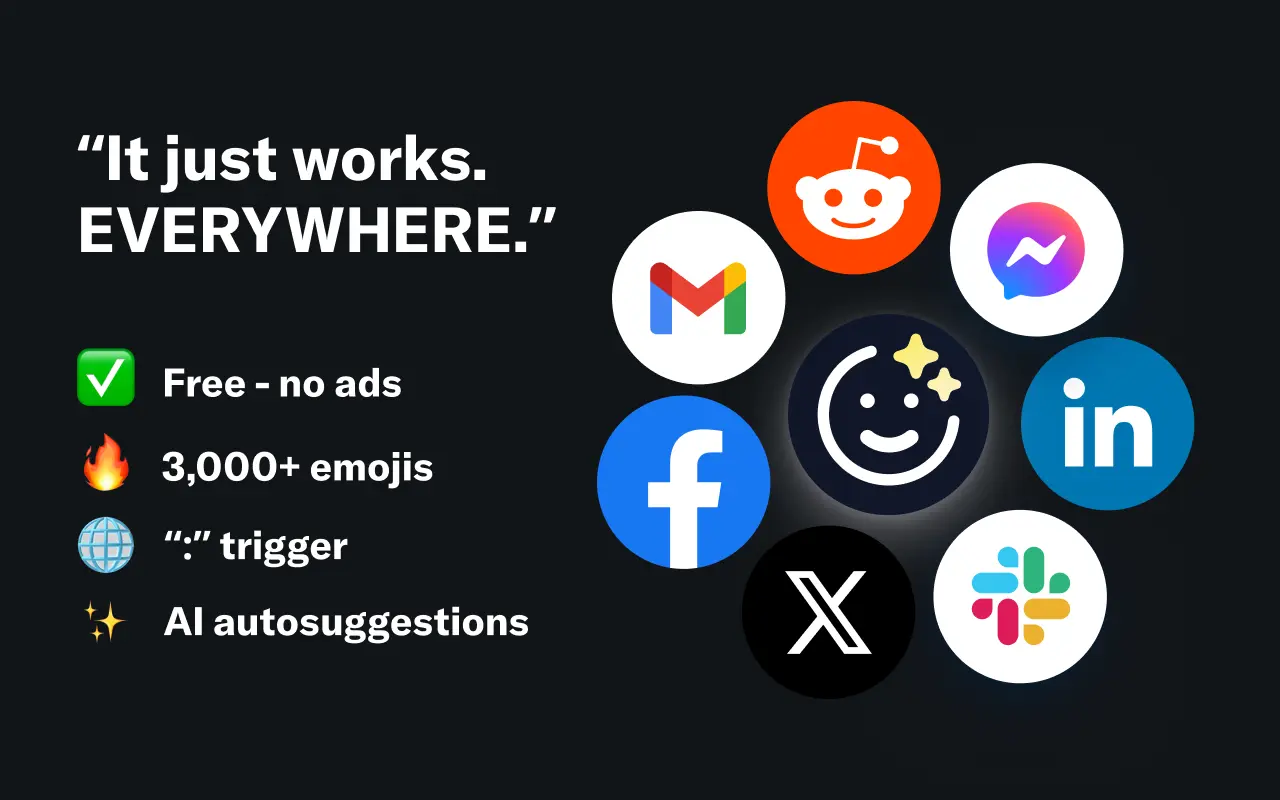
EmojAI
AI-powered emoji picker with smart, context-aware suggestions 🤖
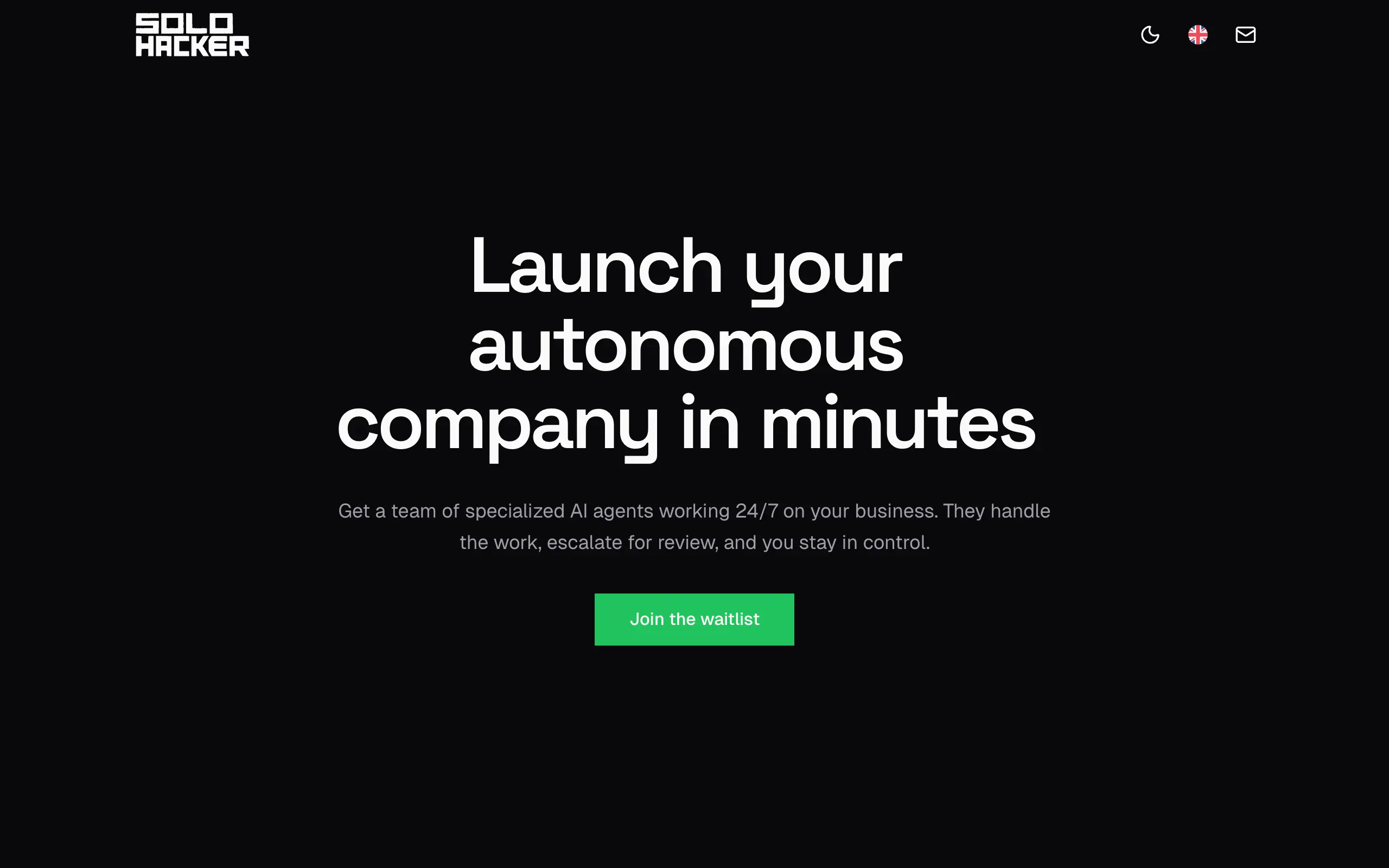
Solohacker
Autonomous company launcher - AI agents work 24/7, escalate what matters, and you stay in control 🤖
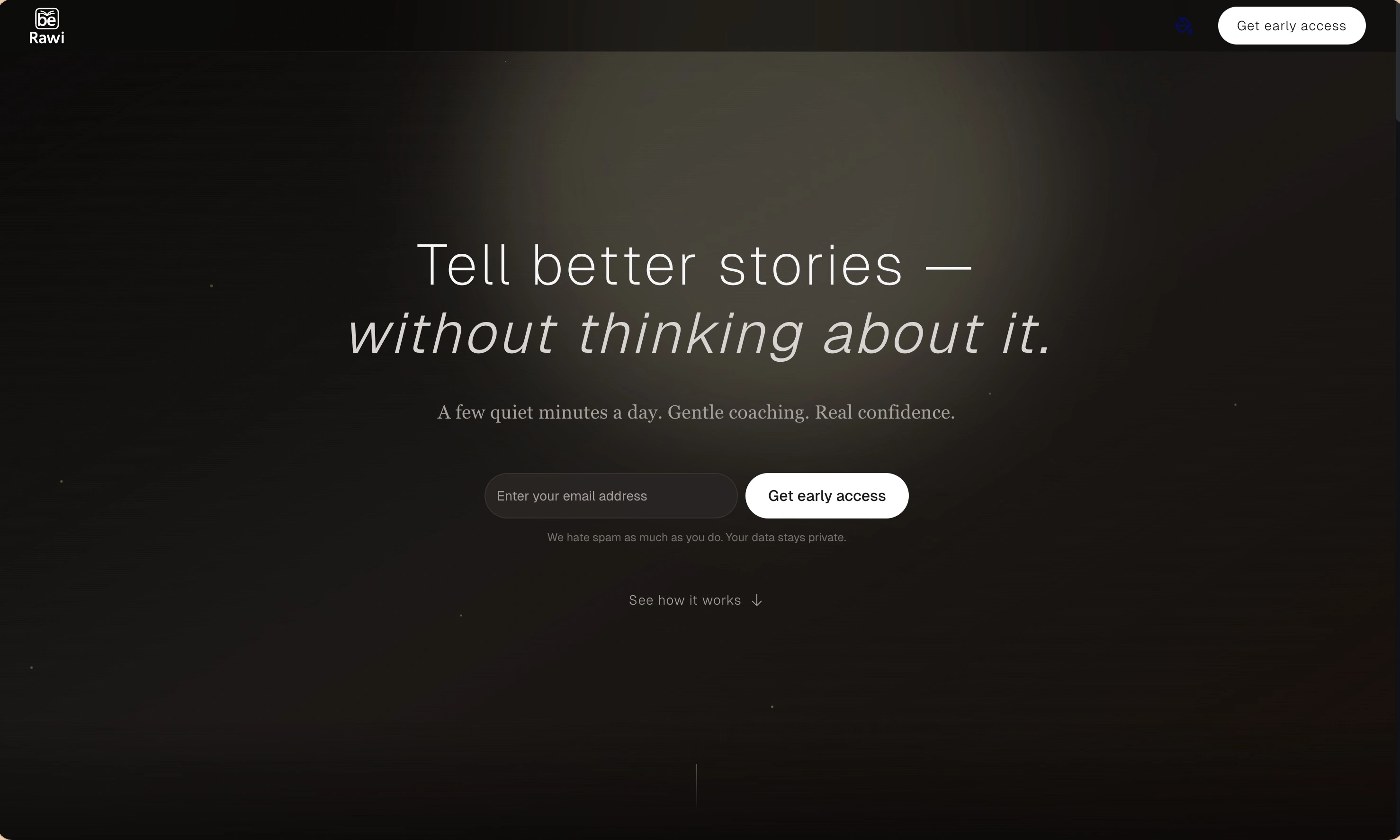
BeRawi: Storytelling Coach
Practice storytelling daily with instant feedback to sound clearer, more engaging, and confident 🎤
Omichat
Chat with 50+ AI models, including ChatGPT and Claude, in one place - switch models anytime without losing context 🤖
Claude Fast
Supercharge your Claude Code with 6x effective context window and specialized AI agents 🤖
EmojAI
AI-powered emoji picker with smart, context-aware suggestions 🤖
Solohacker
Autonomous company launcher - AI agents work 24/7, escalate what matters, and you stay in control 🤖
BeRawi: Storytelling Coach
Practice storytelling daily with instant feedback to sound clearer, more engaging, and confident 🎤

Connect with like-minded people
Join our community to get feedback, support, and grow together with 1,000+ builders on board, let's ship it!
Join usShip your startup everywhere. In minutes.
Don't burn tokens on setup and start building features on day one.