Prompt2Product
Generate and deploy micro-SaaS apps from a single prompt with built-in payments, auth, and hosting. Designed for vibe coders chasing fast revenue.
turning a single prompt into a revenue-generating micro‑SaaS
The idea behind AI-powered prompt-to-product platforms is simple but powerful: describe your app in natural language, and get a fully functional micro‑SaaS—complete with authentication, payments, and hosting—ready to launch.
That’s exactly what Prompt2Product aims to do.
This article breaks down the market opportunity, technical architecture, monetization strategies, risks, and how to actually build and scale a platform like this. If you're exploring SaaS ideas, AI tooling, or “vibe coding” businesses, this guide is designed to give you a realistic, expert-level view.
understanding the rise of prompt-to-product platforms
The shift from coding to prompting isn’t hype—it’s a structural change in how software is created.
why this category is exploding
Several macro trends are converging:
- LLM maturity: Models like GPT-4/5-level systems can now generate structured codebases, not just snippets.
- developer tooling abstraction: Frameworks reduce complexity (e.g., serverless, managed auth, prebuilt UI kits).
- indie hacker economy growth: More builders want fast, revenue-first tools—not perfect architecture.
- time-to-revenue pressure: Founders want to validate ideas in days, not months.
Prompt2Product sits at the intersection of these forces.
Key insight
The real value is not just code generation—it’s deployment + monetization baked in. That’s what turns a toy into a business.
target audience: who actually needs this?
Understanding the user is critical. Prompt2Product is not for everyone—and that’s a strength.
primary users
1. indie hackers and solopreneurs
- Want to launch fast
- Optimize for revenue, not engineering purity
- Often non-technical or semi-technical
2. “vibe coders”
- Use AI tools to build without deep CS knowledge
- Care about speed, creativity, and experimentation
- Comfortable iterating in public
3. technical founders validating ideas
- Need MVPs quickly
- Prefer not to spend weeks on auth/payments boilerplate
- Want to test multiple ideas in parallel
4. creators and niche experts
- Coaches, marketers, educators
- Want to turn knowledge into tools
- Example: “generate LinkedIn hooks from a prompt”
secondary users
- Agencies building internal tools quickly
- Startup studios validating multiple concepts
- Hackathon teams
market gap: what’s missing today?
There are tools like:
- no-code builders
- AI code generators
- SaaS boilerplates
But none fully solve the end-to-end product lifecycle in one prompt.
current limitations in the market
AI code generators
Generate code, but require manual setup for hosting, auth, and payments.
No-code tools
Easy to use but limited flexibility and scalability.
Boilerplates
Fast start, but still require engineering knowledge and setup.
the gap Prompt2Product fills
- One prompt → working SaaS
- Built-in:
- authentication
- payments (e.g., Stripe integration)
- hosting
- database
- Designed for launch speed, not perfection
core product experience
Let’s break down how Prompt2Product should actually work.
step-by-step user journey
example prompt
Build a SaaS that generates personalized cold email templates for B2B sales reps. Include user login, subscription pricing, and a dashboard showing saved templates.expected output
- landing page
- dashboard UI
- backend API
- OpenAI integration
- Stripe subscription billing
- authentication system
- deployed URL
feature breakdown
1. AI product generation engine
This is the core.
It should:
- parse intent
- define:
- UI components
- database schema
- API routes
- generate code with consistent structure
2. built-in monetization
Critical for differentiation.
- Stripe integration
- subscription tiers
- paywalls
- usage tracking
3. authentication layer
- email/password
- OAuth (Google, GitHub)
- session management
4. hosting and deployment
- serverless deployment
- custom domains
- auto-scaling
5. editable code layer
Even non-technical users want flexibility.
- visual editor + code editor hybrid
- version history
- rollback support
feature comparison
| Feature | Prompt2Product | No-code tools | AI code tools | Boilerplates |
|---|---|---|---|---|
| One-prompt generation | ✅ | ❌ | ✅ | ❌ |
| Built-in payments | ✅ | ⚠️ | ❌ | ⚠️ |
| Hosting included | ✅ | ✅ | ❌ | ❌ |
| Full customization | ✅ | ⚠️ | ✅ | ✅ |
recommended tech stack (with trade-offs)
Building Prompt2Product requires balancing speed, scalability, and flexibility.
frontend
why:
- SSR support
- strong ecosystem
- ideal for SaaS dashboards
trade-off:
- complexity vs simpler frameworks
backend
Options:
Node.js + serverless (Vercel / AWS Lambda)
- scalable
- easy deployment
- works well with Next.js
trade-off: cold starts, debugging complexity
Supabase / Firebase backend-as-a-service
- faster to build
- built-in auth + DB
trade-off: less control, vendor lock-in
AI layer
- OpenAI API (for prompt interpretation and code generation)
Key responsibilities:
- prompt parsing
- code synthesis
- iterative refinement
payments
Why:
- industry standard
- subscription management
- webhooks for billing logic
database
- PostgreSQL (via Supabase or Neon)
deployment
- Vercel for frontend + serverless
- or full-stack hosting alternatives
acceleration tip
Using a production-ready SaaS starter like TurboStarter can significantly reduce build time by providing prebuilt auth, billing, and UI systems.
monetization strategy
Prompt2Product is inherently monetizable in multiple ways.
1. subscription tiers
- free: limited generations
- pro: unlimited apps
- premium: advanced features (custom domains, analytics)
2. usage-based pricing
- charge per generation
- charge per API usage
- charge per deployed app
3. revenue share model
- take a % of user SaaS revenue
- aligns incentives strongly
4. marketplace
- users can sell generated apps/templates
- platform takes commission
pricing example
- $0 → 1 app
- $29/month → 10 apps
- $99/month → unlimited + premium features
competitive advantage (USP)
Prompt2Product wins if it nails this:
“idea → revenue in under 1 hour”
Not just:
- code generation
- or UI scaffolding
But:
- deployable
- monetized
- usable
defensibility factors
- proprietary prompt-to-architecture pipeline
- template optimization
- ecosystem (templates, plugins, marketplace)
- user-generated content loop
risks and mitigation
No idea is perfect. Let’s be real about the challenges.
1. low-quality generated apps
risk:
- generic or broken outputs
solution:
- constrained templates
- guided prompts
- post-generation validation
2. user overwhelm
risk:
- too many options = confusion
solution:
- opinionated defaults
- step-by-step onboarding
3. infrastructure cost
risk:
- heavy AI + hosting costs
solution:
- limit free usage
- optimize prompts
- cache outputs
4. competition from big players
risk:
- OpenAI, Google, or others enter space
solution:
- niche focus (micro-SaaS + monetization)
- strong community
- fast iteration
implementation roadmap
Here’s a realistic path to building Prompt2Product.
phase 1: MVP (4–8 weeks)
- prompt → basic app generator
- simple UI
- Stripe integration
- deploy to Vercel
phase 2: core product
- improve generation quality
- add templates
- user dashboard
- app management
phase 3: growth
- marketplace
- templates library
- community features
architecture example
// simplified generation pipeline
async function generateApp(prompt: string) {
  const parsed = await ai.parsePrompt(prompt);
  const structure = await ai.generateArchitecture(parsed);
  const codebase = await ai.generateCode(structure);

  await deployToVercel(codebase);

  return {
    url: codebase.url,
    dashboard: true
  };
}
go-to-market strategy
1. build in public
- Twitter/X threads
- indie hacker communities
2. target creators
- YouTubers
- newsletter writers
3. viral loops
- “I built this SaaS in 10 minutes” content
future trends to leverage
- autonomous agents building apps
- AI-native startups
- micro-SaaS explosion
- creator-led software products
actionable steps to get started
final thoughts
Prompt2Product isn’t just another AI tool—it represents a shift toward instant entrepreneurship.
The real opportunity is not helping people “build apps.”
It’s helping them:
- launch faster
- earn sooner
- experiment more
If executed well, this kind of platform could redefine how micro-SaaS businesses are created.
More 🤖 AI Startup SaaS ideas
Discover more innovative ai startup SaaS ideas that are trending in 2026. Each idea is AI-generated with market validation and growth potential to help you find your next profitable venture faster than competitors.
Your competitors are building with TurboStarter
Below are some of the SaaS ideas that have been generated and built with our starter kit.
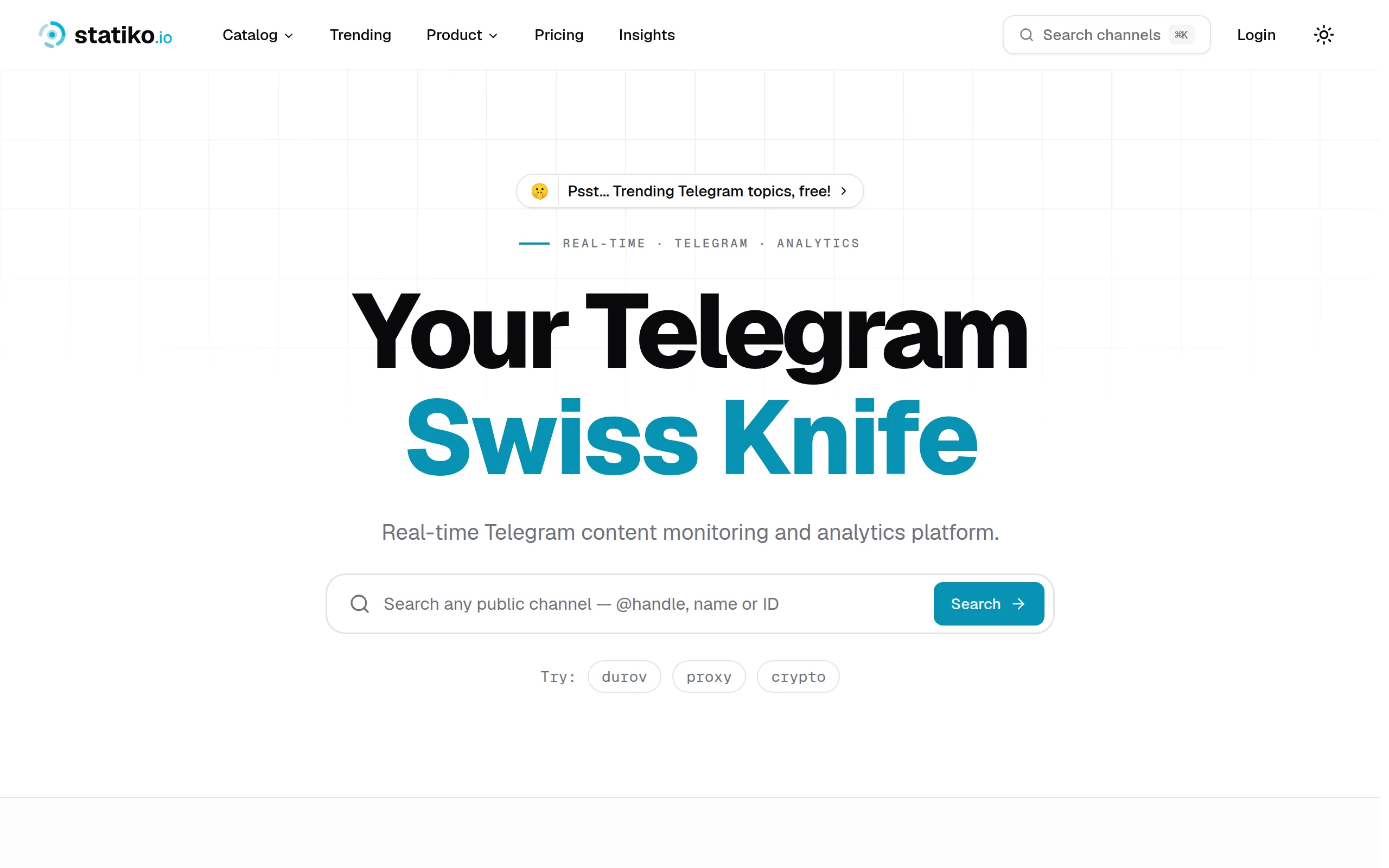
Statiko
Monitor any Telegram channel in real time - track posts, edits, deletions, and growth with AI recaps 📡

Shibui
AI website builder - describe your business, pick a niche template, edit by chatting, and publish instantly ✨

Pro Service
Find verified home service professionals, compare quotes, and pay securely through escrow - built for Brazilians across the US 🏠
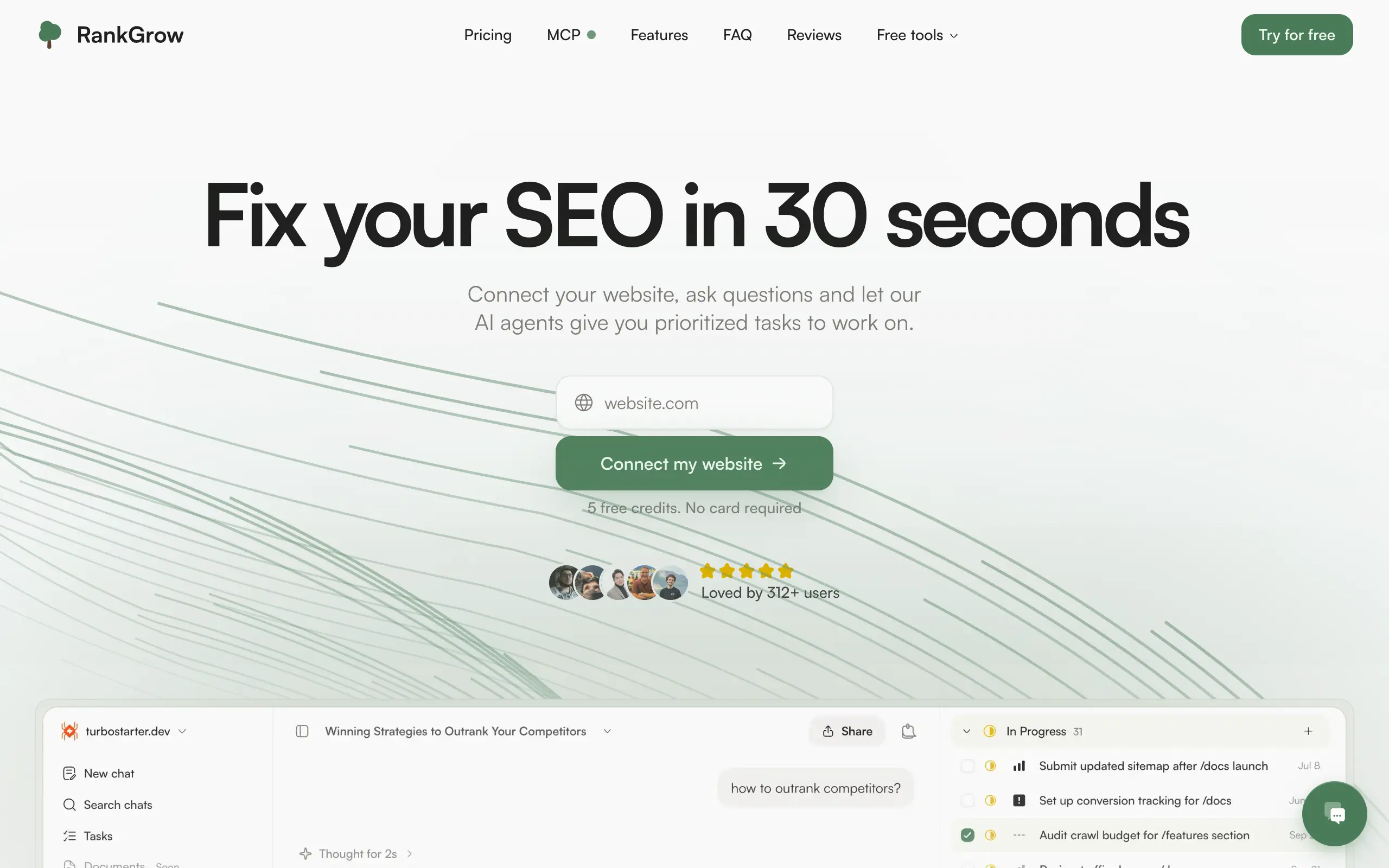
RankGrow
Fix your SEO with AI agents - connect Search Console, get prioritized tasks, and grow organic traffic 📈
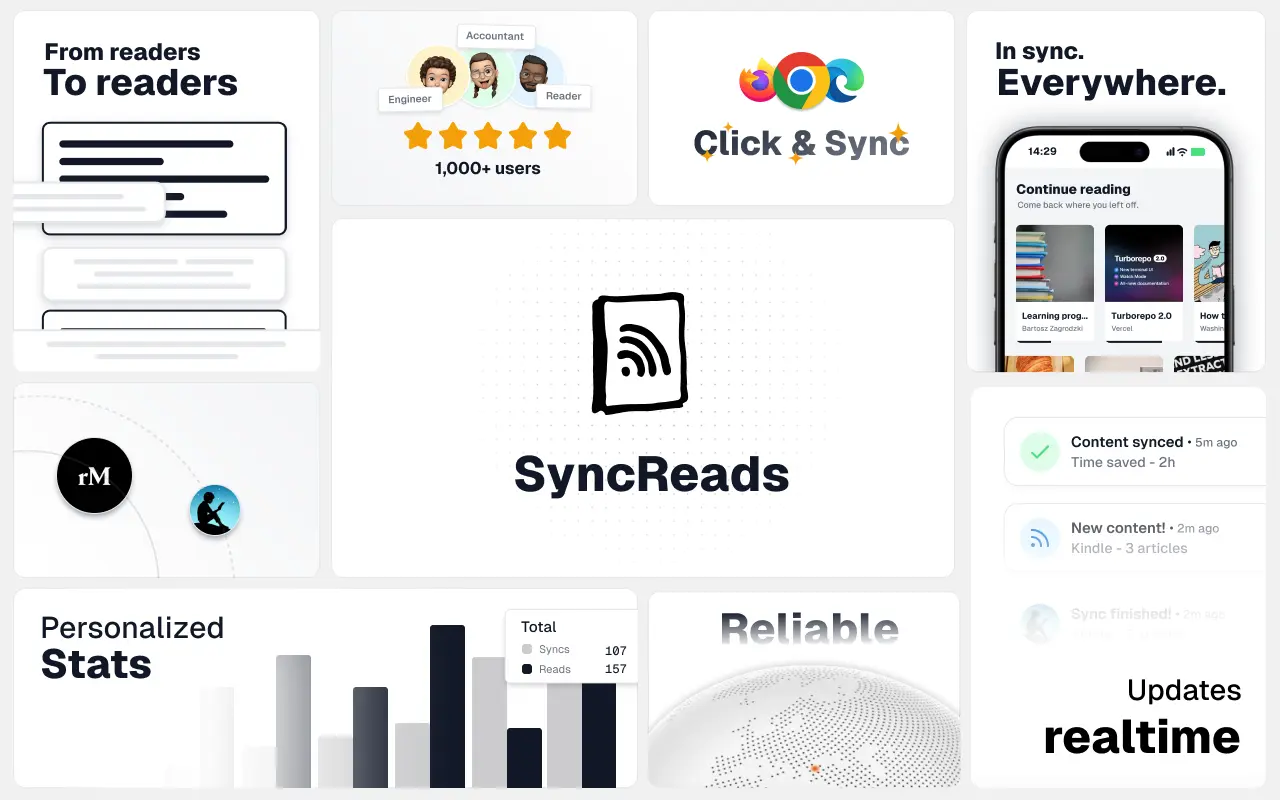
SyncReads
Sync your favorite content for distraction-free reading, save time and replace multiple apps. Anytime, anywhere 🔄
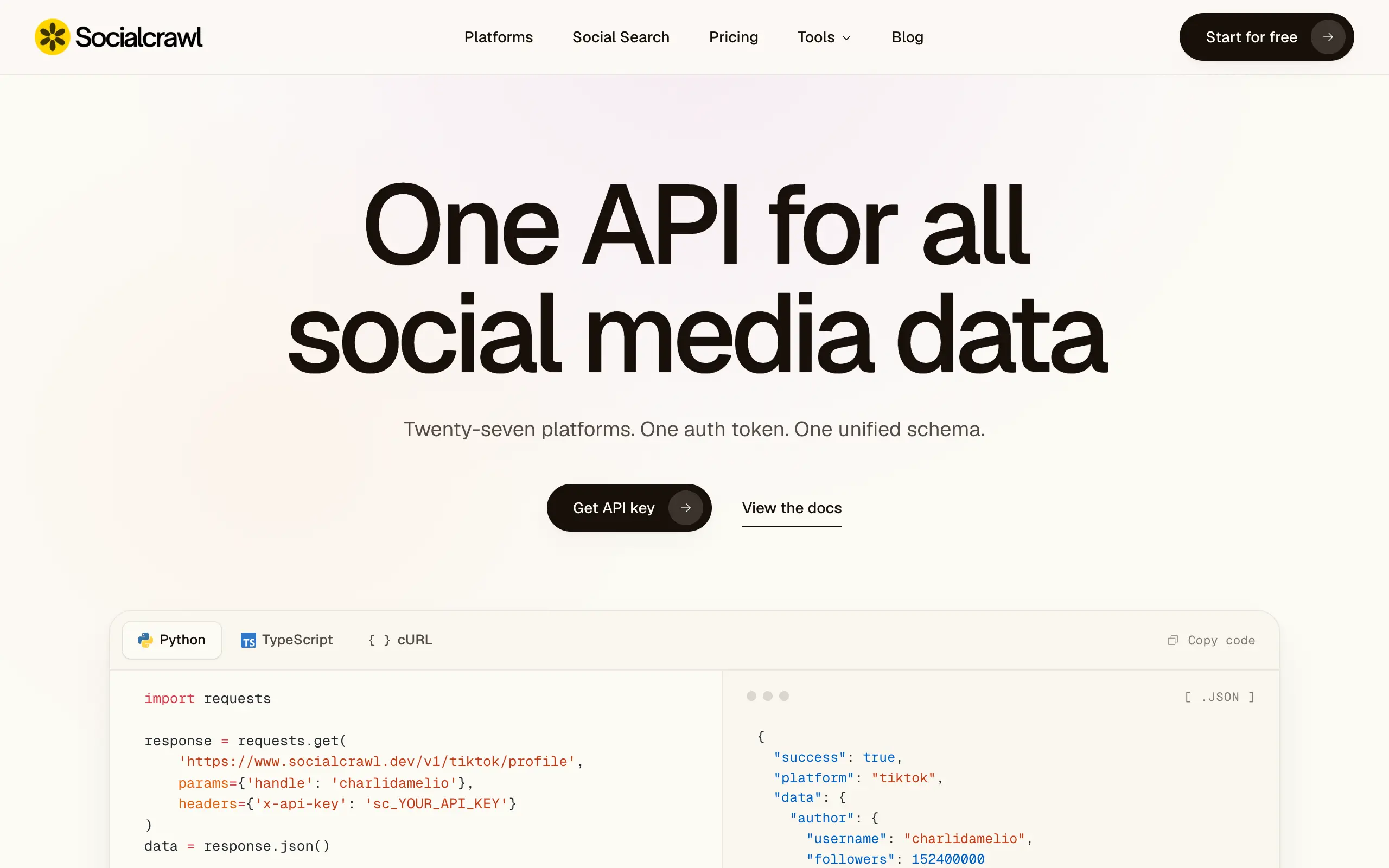
Socialcrawl
Get clean, structured data from 21 platforms like TikTok, Instagram, and YouTube with a single request 📊
Statiko
Monitor any Telegram channel in real time - track posts, edits, deletions, and growth with AI recaps 📡
Shibui
AI website builder - describe your business, pick a niche template, edit by chatting, and publish instantly ✨
Pro Service
Find verified home service professionals, compare quotes, and pay securely through escrow - built for Brazilians across the US 🏠
RankGrow
Fix your SEO with AI agents - connect Search Console, get prioritized tasks, and grow organic traffic 📈
SyncReads
Sync your favorite content for distraction-free reading, save time and replace multiple apps. Anytime, anywhere 🔄
Socialcrawl
Get clean, structured data from 21 platforms like TikTok, Instagram, and YouTube with a single request 📊
Statiko
Monitor any Telegram channel in real time - track posts, edits, deletions, and growth with AI recaps 📡
Shibui
AI website builder - describe your business, pick a niche template, edit by chatting, and publish instantly ✨
Pro Service
Find verified home service professionals, compare quotes, and pay securely through escrow - built for Brazilians across the US 🏠
RankGrow
Fix your SEO with AI agents - connect Search Console, get prioritized tasks, and grow organic traffic 📈
SyncReads
Sync your favorite content for distraction-free reading, save time and replace multiple apps. Anytime, anywhere 🔄
Socialcrawl
Get clean, structured data from 21 platforms like TikTok, Instagram, and YouTube with a single request 📊
Statiko
Monitor any Telegram channel in real time - track posts, edits, deletions, and growth with AI recaps 📡
Shibui
AI website builder - describe your business, pick a niche template, edit by chatting, and publish instantly ✨
Pro Service
Find verified home service professionals, compare quotes, and pay securely through escrow - built for Brazilians across the US 🏠
RankGrow
Fix your SEO with AI agents - connect Search Console, get prioritized tasks, and grow organic traffic 📈
SyncReads
Sync your favorite content for distraction-free reading, save time and replace multiple apps. Anytime, anywhere 🔄
Socialcrawl
Get clean, structured data from 21 platforms like TikTok, Instagram, and YouTube with a single request 📊
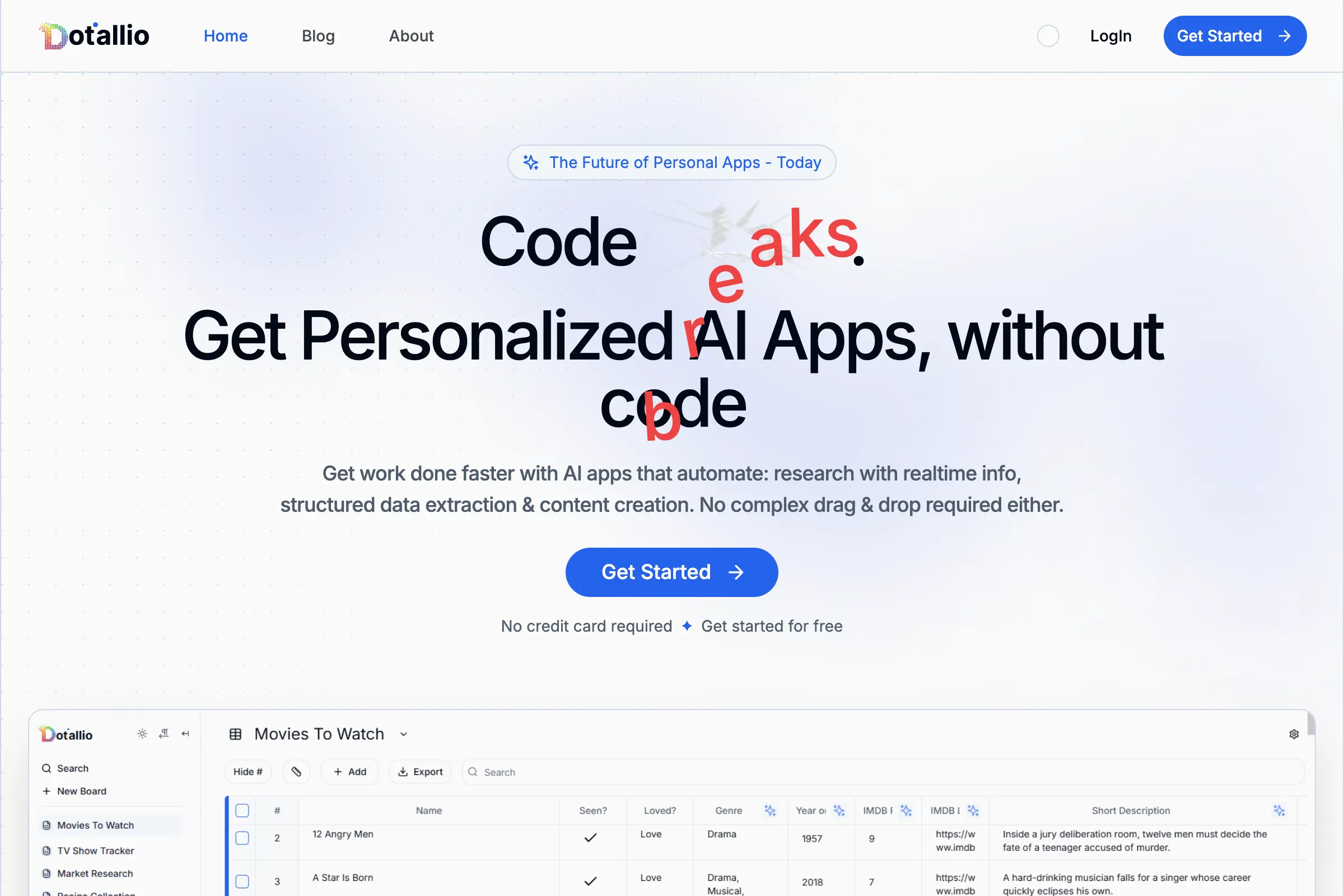
Dotallio
Personalized AI apps that automate research, data extraction, and content creation without code 🤖

Talk to Santa
Enjoy a magical live video chat or receive a unique AI-generated video greeting from Santa Claus 🎅
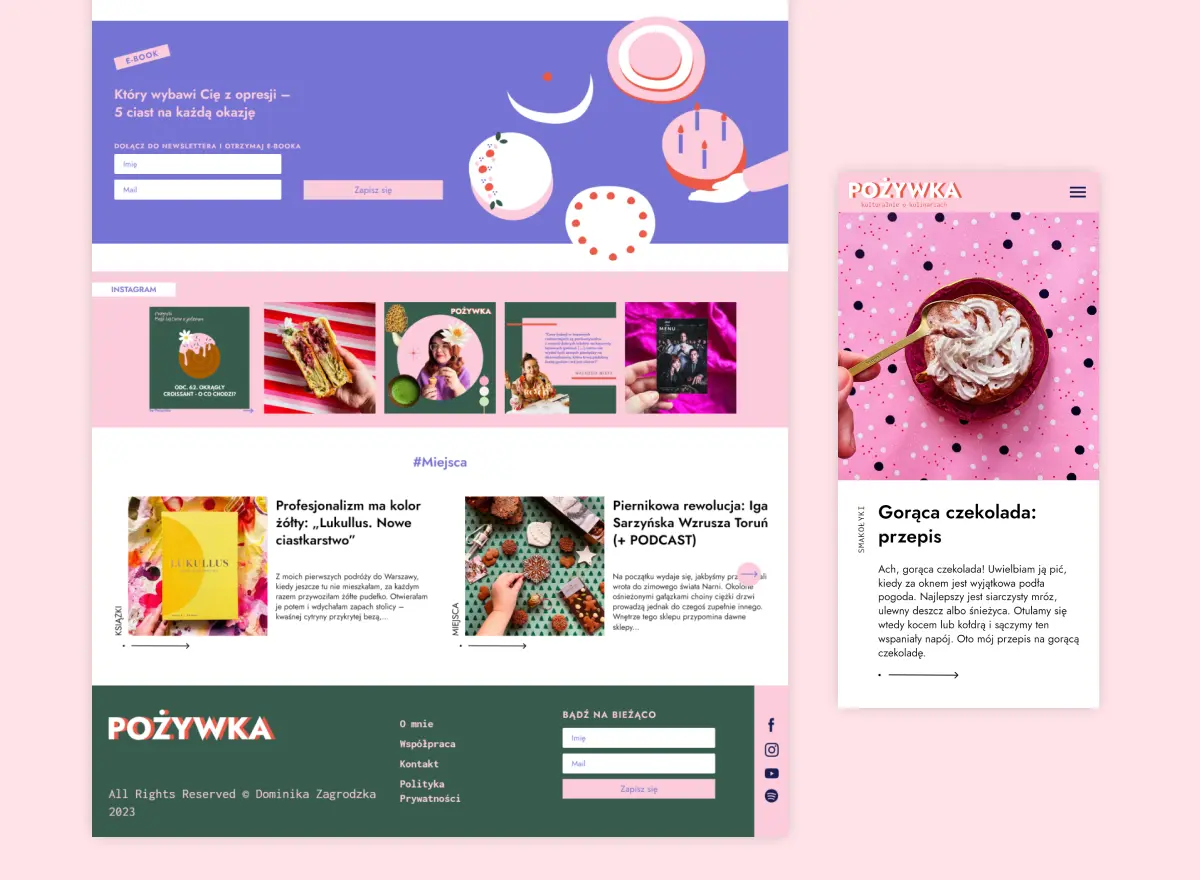
pozywka.pl
Scalable blog for food journalist, focused on performance and user experience 🌭
zagrodzki.me
Personal blog and portfolio of Bart Zagrodzki, where he shares his knowledge and work 💼
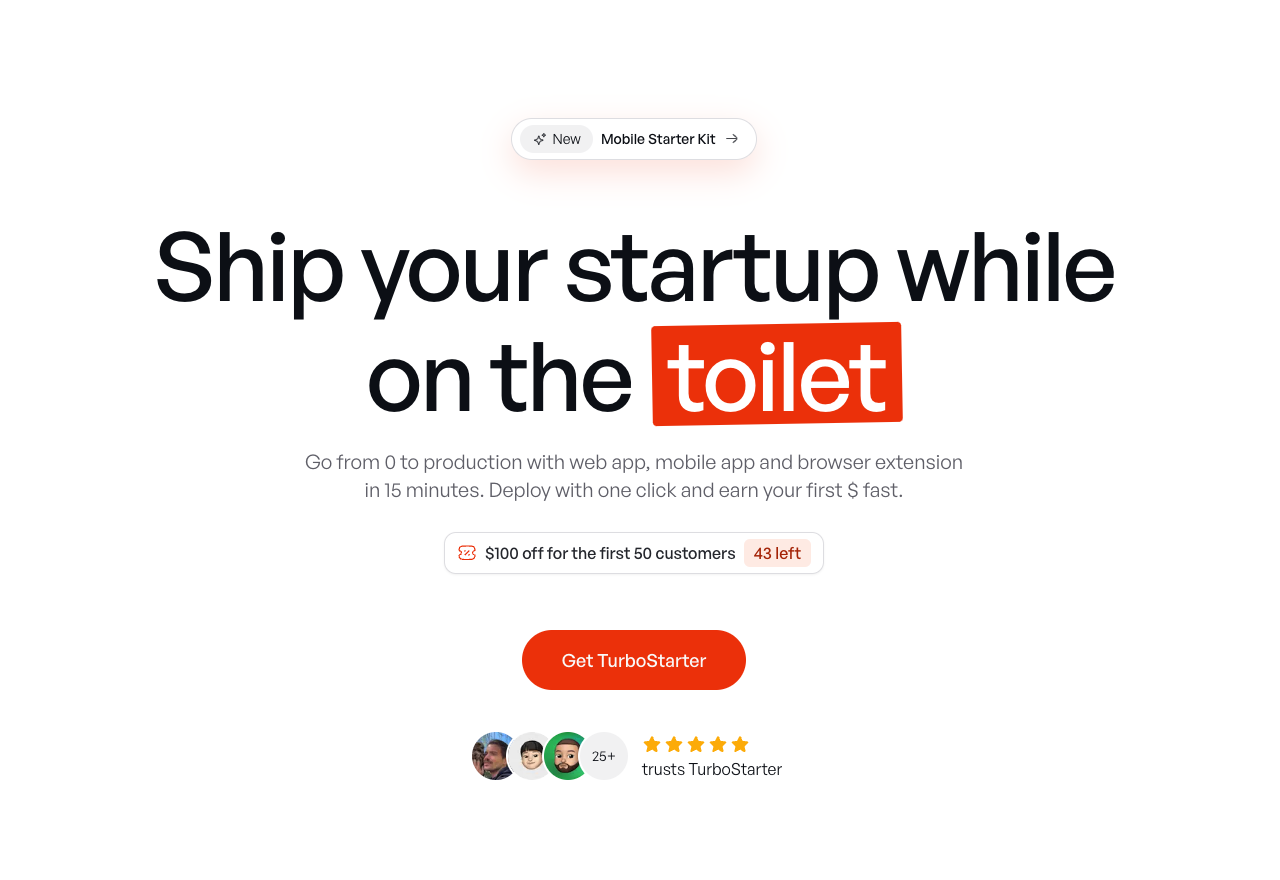
TurboStarter
Ship your startup everywhere. In minutes.
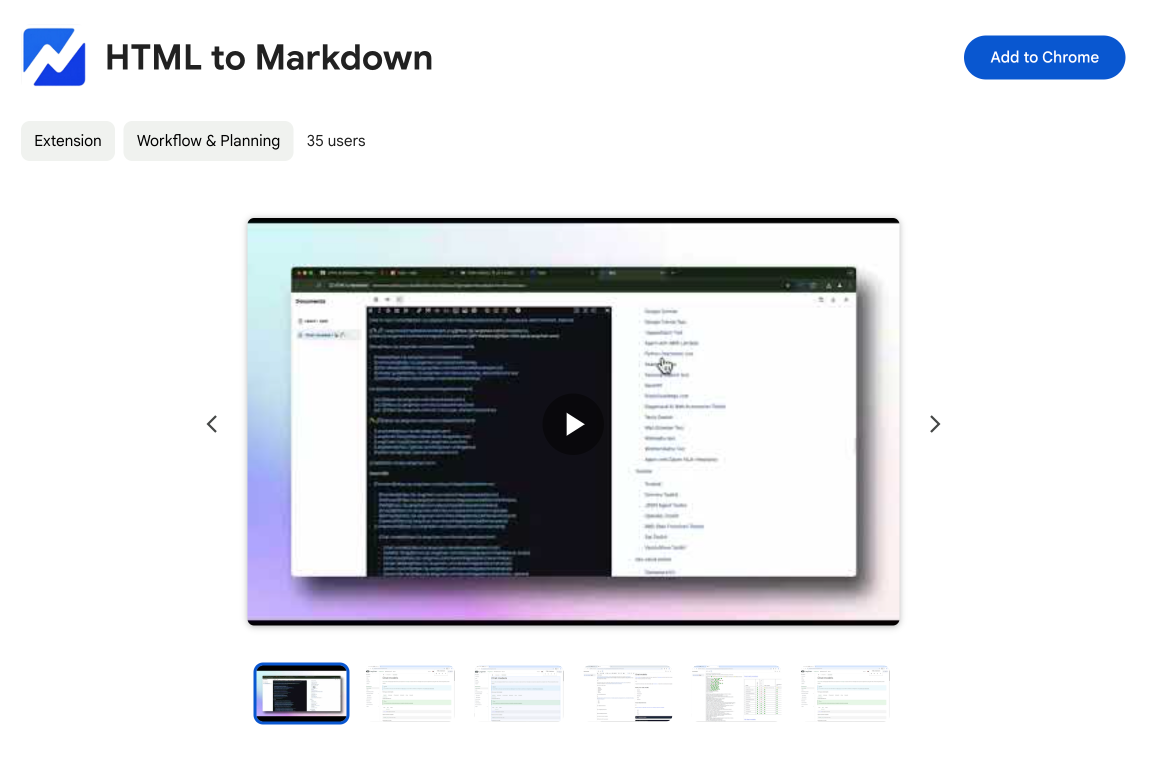
HTML to Markdown
Convert HTML to Markdown with ease, directly in your browser 📄
Dotallio
Personalized AI apps that automate research, data extraction, and content creation without code 🤖
Talk to Santa
Enjoy a magical live video chat or receive a unique AI-generated video greeting from Santa Claus 🎅
pozywka.pl
Scalable blog for food journalist, focused on performance and user experience 🌭
zagrodzki.me
Personal blog and portfolio of Bart Zagrodzki, where he shares his knowledge and work 💼
TurboStarter
Ship your startup everywhere. In minutes.
HTML to Markdown
Convert HTML to Markdown with ease, directly in your browser 📄
Dotallio
Personalized AI apps that automate research, data extraction, and content creation without code 🤖
Talk to Santa
Enjoy a magical live video chat or receive a unique AI-generated video greeting from Santa Claus 🎅
pozywka.pl
Scalable blog for food journalist, focused on performance and user experience 🌭
zagrodzki.me
Personal blog and portfolio of Bart Zagrodzki, where he shares his knowledge and work 💼
TurboStarter
Ship your startup everywhere. In minutes.
HTML to Markdown
Convert HTML to Markdown with ease, directly in your browser 📄
Dotallio
Personalized AI apps that automate research, data extraction, and content creation without code 🤖
Talk to Santa
Enjoy a magical live video chat or receive a unique AI-generated video greeting from Santa Claus 🎅
pozywka.pl
Scalable blog for food journalist, focused on performance and user experience 🌭
zagrodzki.me
Personal blog and portfolio of Bart Zagrodzki, where he shares his knowledge and work 💼
TurboStarter
Ship your startup everywhere. In minutes.
HTML to Markdown
Convert HTML to Markdown with ease, directly in your browser 📄
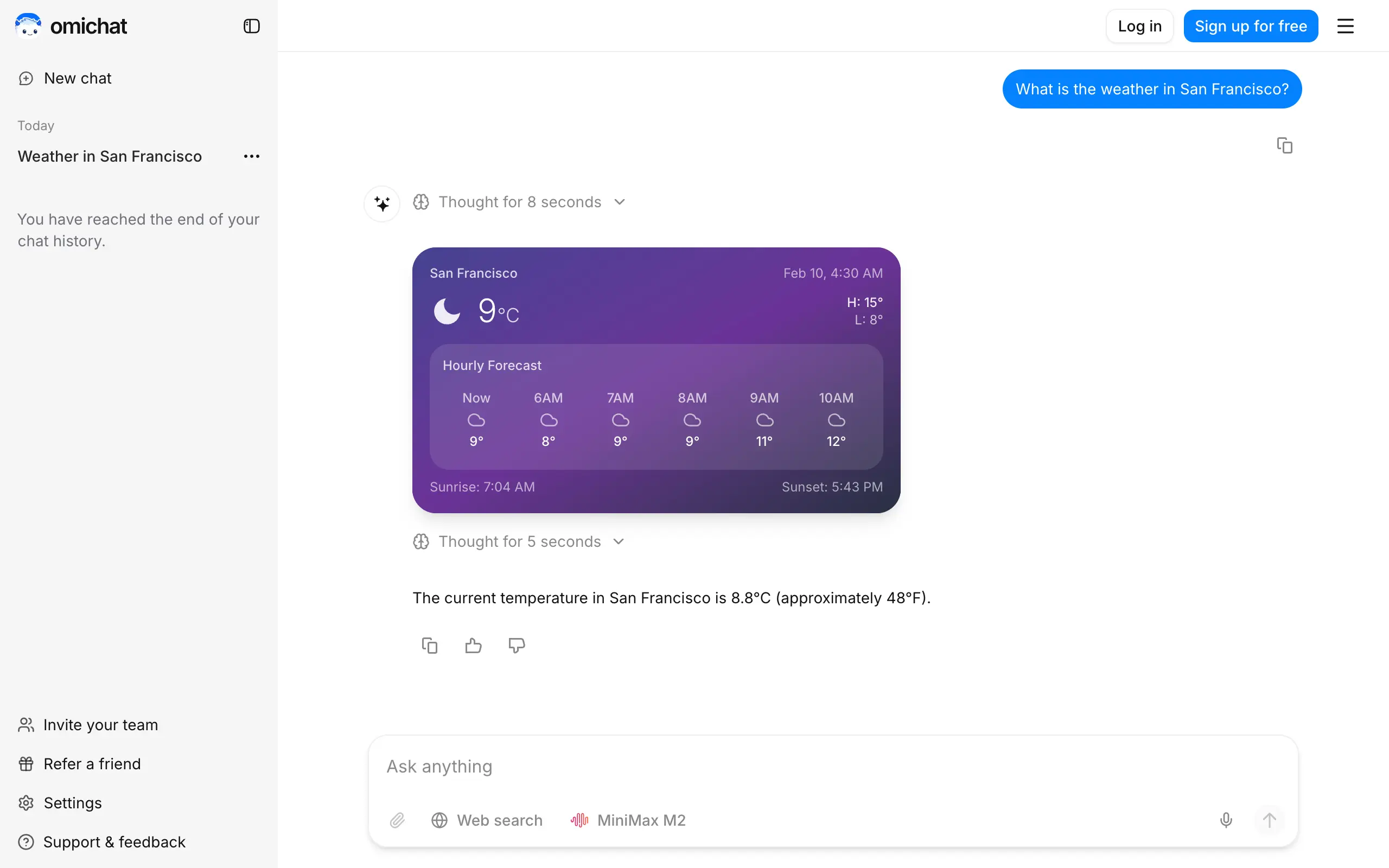
Omichat
Chat with 50+ AI models, including ChatGPT and Claude, in one place - switch models anytime without losing context 🤖
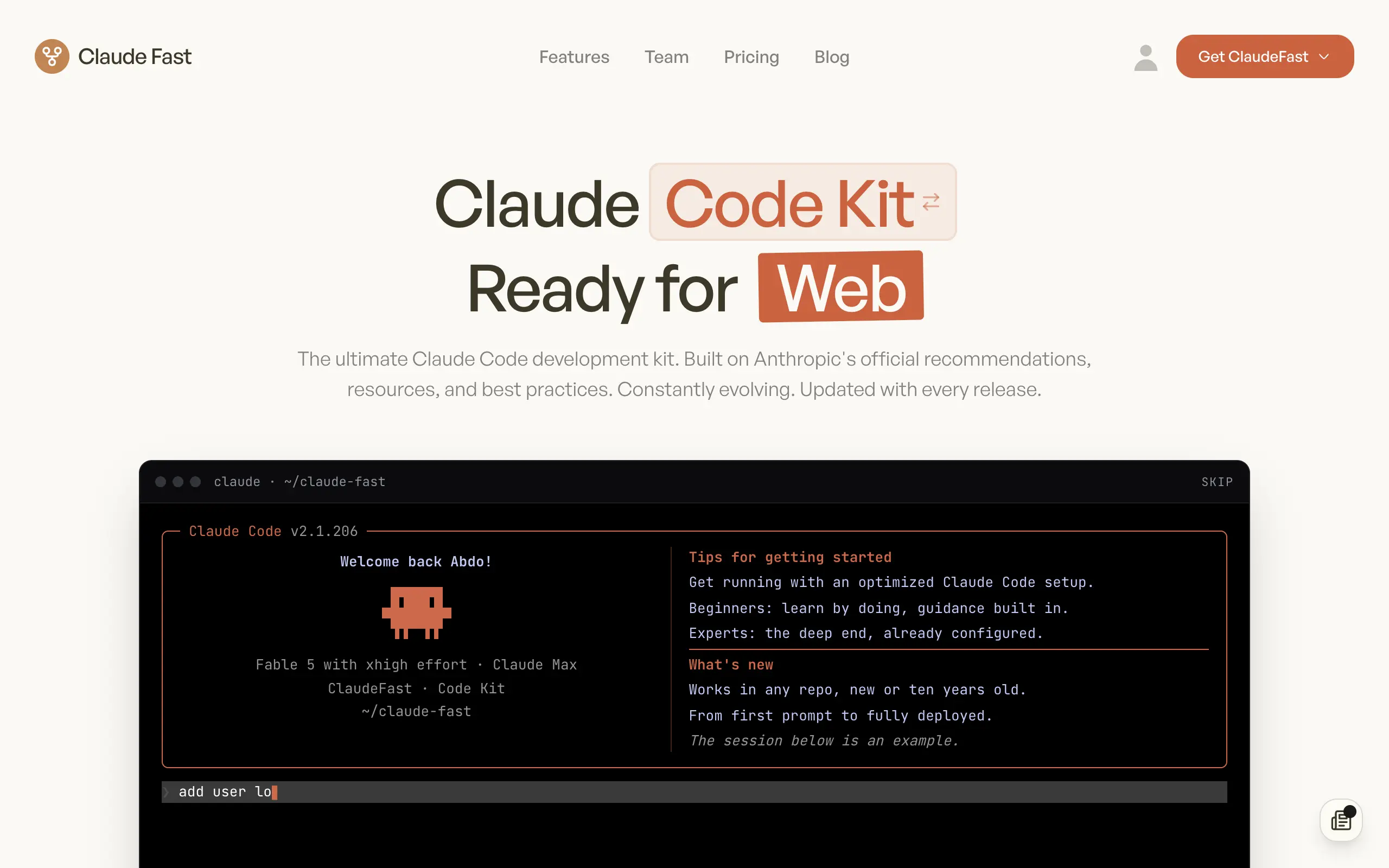
Claude Fast
Supercharge your Claude Code with 6x effective context window and specialized AI agents 🤖
EmojAI
AI-powered emoji picker with smart, context-aware suggestions 🤖
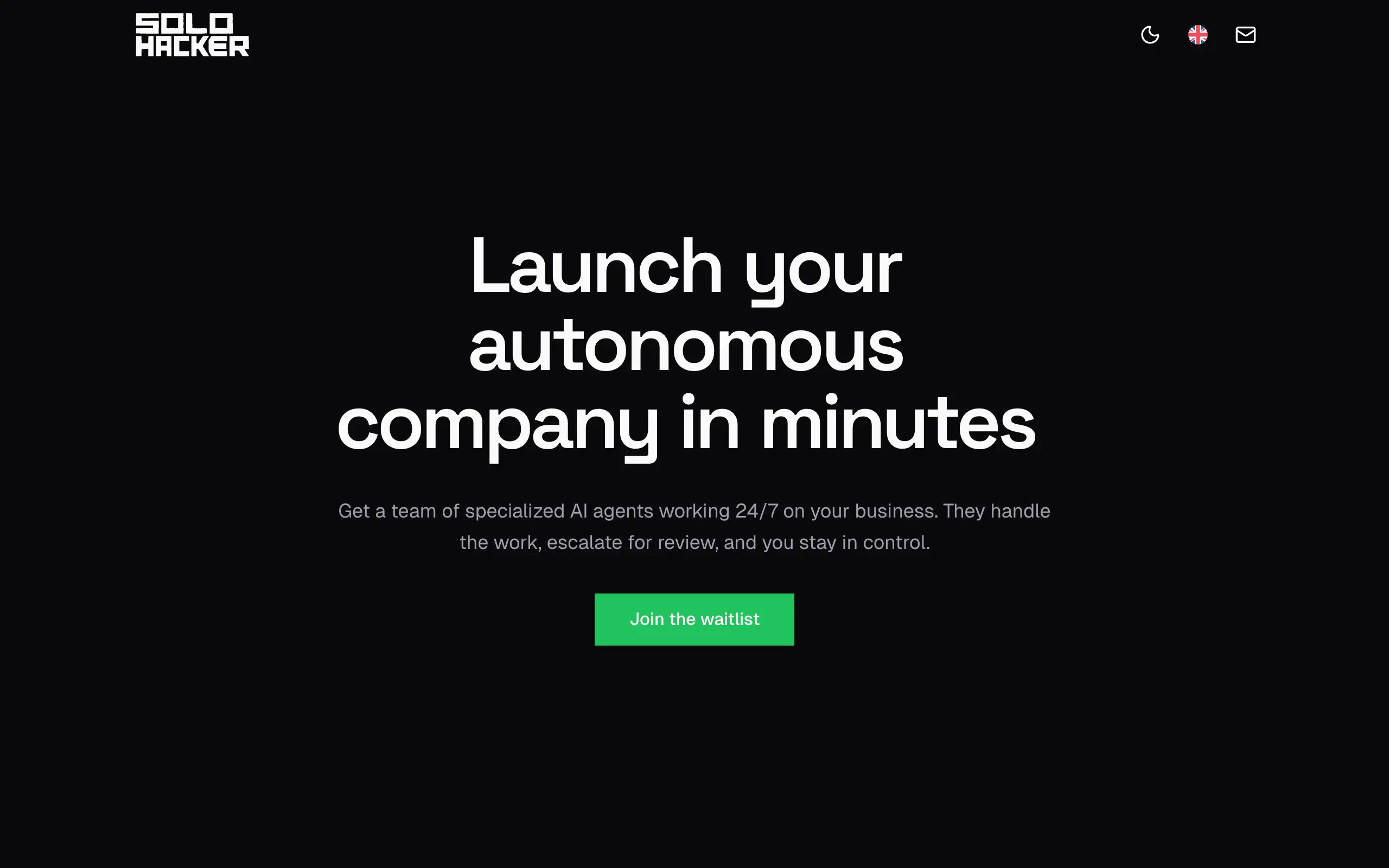
Solohacker
Autonomous company launcher - AI agents work 24/7, escalate what matters, and you stay in control 🤖
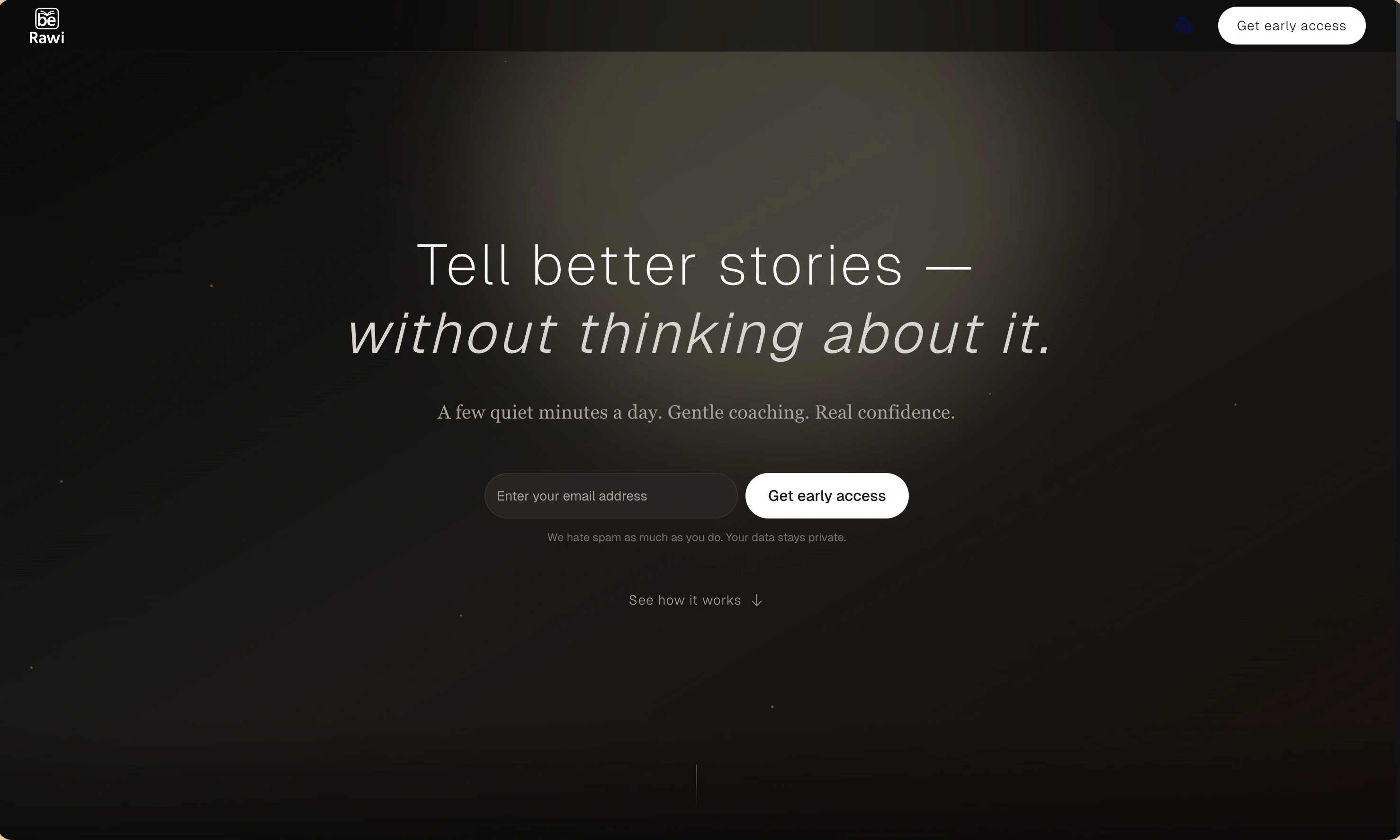
BeRawi: Storytelling Coach
Practice storytelling daily with instant feedback to sound clearer, more engaging, and confident 🎤
Omichat
Chat with 50+ AI models, including ChatGPT and Claude, in one place - switch models anytime without losing context 🤖
Claude Fast
Supercharge your Claude Code with 6x effective context window and specialized AI agents 🤖
EmojAI
AI-powered emoji picker with smart, context-aware suggestions 🤖
Solohacker
Autonomous company launcher - AI agents work 24/7, escalate what matters, and you stay in control 🤖
BeRawi: Storytelling Coach
Practice storytelling daily with instant feedback to sound clearer, more engaging, and confident 🎤
Omichat
Chat with 50+ AI models, including ChatGPT and Claude, in one place - switch models anytime without losing context 🤖
Claude Fast
Supercharge your Claude Code with 6x effective context window and specialized AI agents 🤖
EmojAI
AI-powered emoji picker with smart, context-aware suggestions 🤖
Solohacker
Autonomous company launcher - AI agents work 24/7, escalate what matters, and you stay in control 🤖
BeRawi: Storytelling Coach
Practice storytelling daily with instant feedback to sound clearer, more engaging, and confident 🎤
Omichat
Chat with 50+ AI models, including ChatGPT and Claude, in one place - switch models anytime without losing context 🤖
Claude Fast
Supercharge your Claude Code with 6x effective context window and specialized AI agents 🤖
EmojAI
AI-powered emoji picker with smart, context-aware suggestions 🤖
Solohacker
Autonomous company launcher - AI agents work 24/7, escalate what matters, and you stay in control 🤖
BeRawi: Storytelling Coach
Practice storytelling daily with instant feedback to sound clearer, more engaging, and confident 🎤

Connect with like-minded people
Join our community to get feedback, support, and grow together with 1,000+ builders on board, let's ship it!
Join usShip your startup everywhere. In minutes.
Don't burn tokens on setup and start building features on day one.