PromptDeck
Centralized platform for creating, testing, and sharing AI prompts for ChatGPT and image generators—perfect for creators, marketers, and agencies.
Understanding the need for a platform like PromptDeck
The rapid adoption of AI tools like ChatGPT, Midjourney, and Stable Diffusion has led businesses, creators, and agencies to increasingly rely on expertly crafted prompts for content generation, image creation, brainstorming, and streamlining workflows. Yet, as prompt engineering becomes a core digital skill, users face significant pain points:
- Prompt discovery is scattered, relying on communities or isolated repositories.
- Experimentation and testing are clunky, requiring switching between multiple platforms.
- Collaboration and sharing lack standardization, making versioning, attribution, and best practices hard to track.
PromptDeck addresses these gaps head-on with a centralized, SaaS-driven approach, uniting creation, testing, and distribution in one user-friendly workspace.
Who benefits from PromptDeck? Target audience analysis
Grasping the real-world users is key for product relevancy and SEO. PromptDeck appeals to a variety of professional and creative segments:
1. AI Content Creators
These are freelancers, entrepreneurs, and in-house specialists who use tools like ChatGPT for blog posts, social media, email copy, and brainstorming. They need:
- Fast prototyping for prompts
- Version control and prompt libraries
- Peer sharing and upvoting
2. Agencies & Marketing Teams
Agencies and teams require workflow optimization and prompt consistency at scale. Their needs include:
- Collaborative prompt editing
- Permissioned sharing (internal/external)
- Analytics on prompt effectiveness and reuse
3. AI Image Artists & Designers
Using Midjourney, Stable Diffusion, or DALL-E, these users want prompt templates and A/B testing capabilities to perfect outputs. They seek:
- Side-by-side prompt comparison
- Embedded preview widgets
- Tags and categories for prompt management
4. Enterprise Knowledge Managers
Large organizations aiming to operationalize generative AI need:
- Centralized prompt repositories
- Secure access controls
- Integration with internal knowledge bases
5. Educators & Researchers
Those designing AI-focused curriculums benefit from:
- Shareable prompt sets (for assignments, workshops)
- Annotations and pedagogic notes
- Version history for experimentation
Market opportunity: Why PromptDeck now?
The prompt economy is booming, with leading publications and analyst firms highlighting the surge in demand for prompt engineering skills and tools [reference: Gartner AI Hype Cycle]. A 2023 survey indicated that over 50% of AI users reuse prompts across projects but lack efficient management tools.
Key market gaps PromptDeck addresses:
- Lack of unified prompt lifecycle management tools
- Demand for reliable, up-to-date prompt libraries
- Insufficient analytics on prompt performance
- Pain points in team collaboration and prompt discovery
AI prompt management is a greenfield market
While dozens of standalone prompt collections exist, few SaaS solutions offer seamless prompt creation, real-time testing, and collaborative sharing at scale—especially ones tailored for both text-based and image-based AIs.
Core features: What makes PromptDeck compelling?
PromptDeck isn't "just another prompt library." Its SaaS architecture enables deep, differentiating features designed for today’s needs and tomorrow’s scale.
Comprehensive prompt creation and editing
- Syntax highlighting and templatization (e.g., variables, placeholders)
- Version control with detailed change logs
- Forking and remixing for community-driven innovation
Built-in prompt testing and side-by-side comparison
- Integrated API for live testing with ChatGPT and image generators
- Visual diffs to compare prompt outputs (ideal for iterative creativity)
- Usage history and rollback
Public and private prompt sharing
- One-click sharing links (public, unlisted, group-specific)
- Commenting and peer review features
- Social actions: like, upvote, bookmark, remix
Tagging, search, and organization
- Rich tag taxonomy (AI model, industry, content type, language, style)
- Fuzzy search and advanced filters
- Collections and folder hierarchies for power users
Analytics and usage insights
- Engagement metrics: views, copies, remixes, upvotes
- Performance analytics: output ratings, version success rates
- Download/export history for compliance
Secure team collaboration
- Permissioned workspaces (role-based access control)
- SSO integration (OAuth, Google, Microsoft)
- Audit trail and activity feed
Extensible integration ecosystem
- API access to connect with internal tools and existing workflows
- Webhooks and Zapier support for automation
- Embeddable prompt preview widgets
Recommended tech stack for building PromptDeck
Choosing the right technologies is crucial for balancing speed, scalability, security, and developer productivity.
Frontend
- React: Powerful for building interactive, real-time UIs, excellent community support.
- TailwindCSS: Utility-first styling for rapid prototyping and consistent design.
- Next.js: Offers SSR/ISR for better SEO, easy API routing, and scalability.
- Redux Toolkit or Recoil: State management, depending on project complexity.
Backend
- Node.js with Express: Flexible, robust for RESTful APIs and real-time features.
- Prisma: Type-safe ORM for seamless integration with popular databases.
- Database: PostgreSQL (for relational needs, high reliability) or MongoDB (for flexible document storage).
- Redis: Caching for speed, rate limiting on API requests.
- Socket.IO: Real-time collaboration features (if desired).
Cloud and DevOps
- Vercel (for frontend hosting) or AWS/GCP: Scalability, serverless APIs, and global distribution.
- Docker: Consistent deployments.
- TurboStarter: For jumpstarting the SaaS launch with modern best practices.
Trade-offs to consider
- Strong consistency and transaction support
- Ideal for analytics and complex relationships
- Slightly more setup and migrations for evolving schemas
- Schema flexibility for evolving prompt structures
- Easy to scale horizontally
- May require extra work for analytics and aggregations
Monetization strategies: Turning PromptDeck into a sustainable SaaS
PromptDeck’s value enables several monetization avenues. The most common SaaS monetization models for this market:
1. Freemium model
- Free tier: Limited prompt creation, testing, and public library access.
- Paid tiers: Increase limits, grant advanced features (analytics, team collaboration, private sharing).
2. Team/Enterprise plans
- Multi-user workspaces, SSO integration, compliance features
- Premium support
3. Prompt marketplace
- Transactional fees or subscriptions for premium, curated, or expert-level prompts
- Commission structure on prompt sales/uploads
4. API access & integrations
- Charge for programmatic access (especially for internal LLM workflow automation)
- Volume-based or tiered usage plans
5. White-labeled solutions
- Custom deployments for agencies or enterprises
- Branded portals and deep integrations
Competitive landscape and PromptDeck’s unique advantage
The current landscape includes free prompt-sharing sites (e.g., GitHub repos, PromptHero, PromptBase), and AI communities with prompt threads. Most existing solutions fall short in one or more areas: workflow integration, testing, analytics, and collaboration.
Deep workflow integration
PromptDeck ties prompt creation, testing, analytics, and sharing into a unified platform—with built-in APIs and team features.
Multi-model support
Works seamlessly with text, image, and other AI models—extendable as new ones emerge.
Enterprise-ready security
Role-based workspaces, SSO, and audit trails ensure compliance for larger organizations.
Active prompt marketplace
Supports a thriving ecosystem of expert prompt creators, buyers, and remixers.
How PromptDeck compares
| PromptDeck | PromptHero | PromptBase | Community Forums | GitHub Repos |
|---|---|---|---|---|
| ✅ | ❌ | ❌ | ✅ | ❌ |
| ✅ | ❌ | ✅ | ✅ | ❌ |
The result: PromptDeck stands out by offering the only SaaS-native, end-to-end platform built for both individual creators and scaling teams.
Risks and challenges (and how to mitigate them)
Building a robust SaaS for the prompt economy involves navigating several key risks:
Technology adoption pace
Risk: The AI landscape evolves quickly; new models and prompt paradigms can make parts of the platform outdated.
Mitigation:
- Modular architecture for rapid integration of new models
- Regular user research and agile updates
Data security and privacy
Risk: User prompts may include sensitive or proprietary information.
Mitigation:
- End-to-end encryption for private prompts and user data
- Regular penetration testing and compliance reviews
Marketplace quality and moderation
Risk: Low-quality or malicious prompts could flood the marketplace.
Mitigation:
- Community voting, reporting, and moderation tools
- Verified creator programs
- AI-powered prompt vetting (e.g., flagging unsafe content)
Integration dependence and third-party APIs
Risk: Major changes in OpenAI or image generator APIs could break functionality.
Mitigation:
- Abstraction layers to handle API changes
- Transparent status page and rapid-response engineering
A diversified revenue model, including transactional fees, team plans, and API usage charges, ensures stability and scale.
Investing in in-app guides, prompt templates, and incentive systems encourages stickiness and success.
Implementation steps: How to bring PromptDeck to life
A proven, structured approach speeds up development and avoids common SaaS pitfalls.
Conclusion: Why PromptDeck is positioned for SaaS success
The intersection of AI and productivity depends on increasingly well-crafted prompts—and tools that support the full prompt lifecycle. PromptDeck fills the current and evolving needs of a diverse, growing audience: from solo creators to global agencies.
By combining robust prompt creation tools, real-time testing, analytics, sharing, and a marketplace, PromptDeck uniquely enables:
- Higher quality, reusable AI prompts
- Streamlined collaboration and knowledge sharing
- Revenue generation for prompt experts and agencies alike
If you want to capture the rising prompt economy and empower the next generation of AI creators, PromptDeck is a future-proof SaaS opportunity—ready to scale as AI transforms every workflow.
More 🤖 AI Startup SaaS ideas
Discover more innovative ai startup SaaS ideas that are trending in 2026. Each idea is AI-generated with market validation and growth potential to help you find your next profitable venture faster than competitors.
Your competitors are building with TurboStarter
Below are some of the SaaS ideas that have been generated and built with our starter kit.
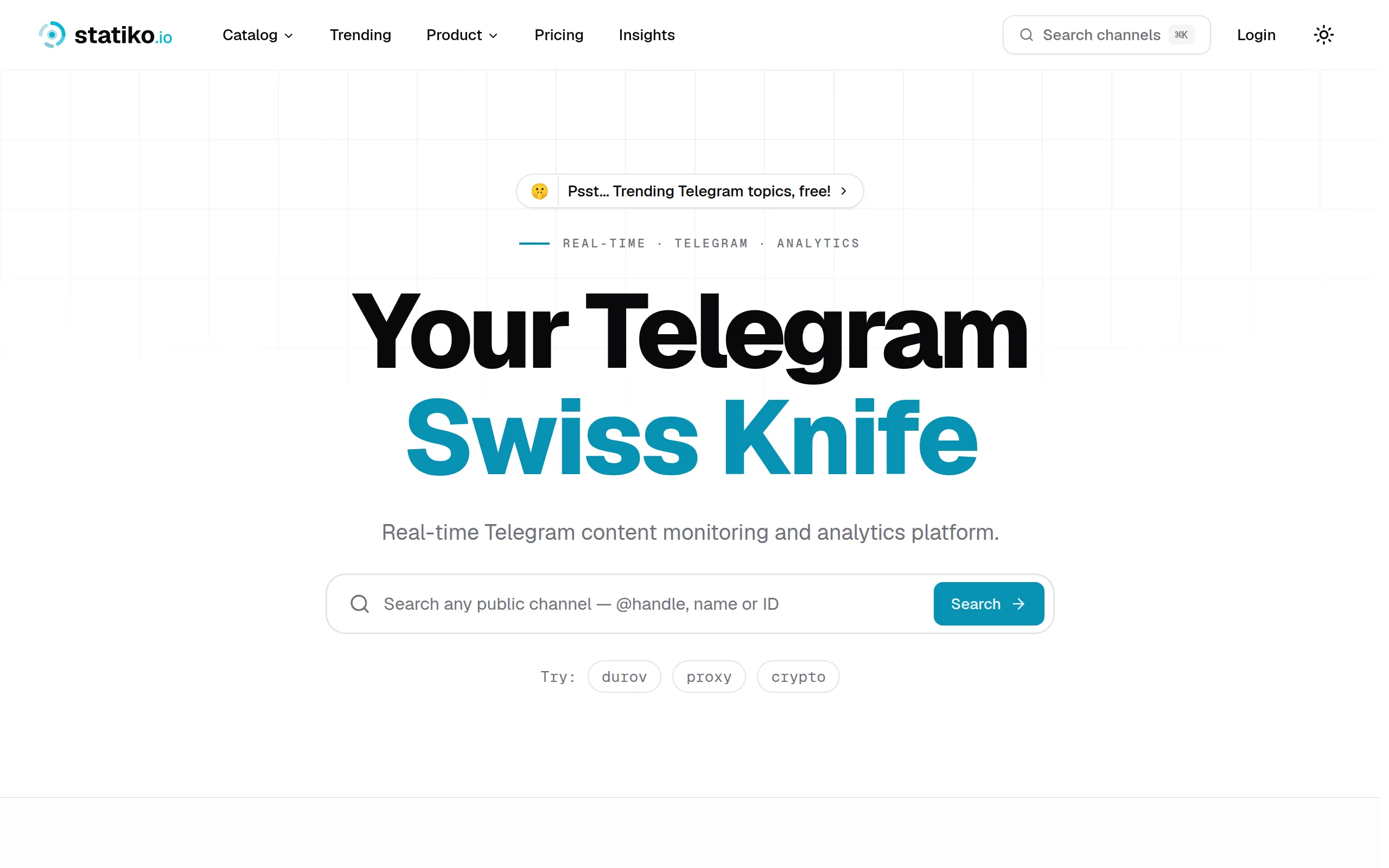
Statiko
Monitor any Telegram channel in real time - track posts, edits, deletions, and growth with AI recaps 📡

Shibui
AI website builder - describe your business, pick a niche template, edit by chatting, and publish instantly ✨

Pro Service
Find verified home service professionals, compare quotes, and pay securely through escrow - built for Brazilians across the US 🏠
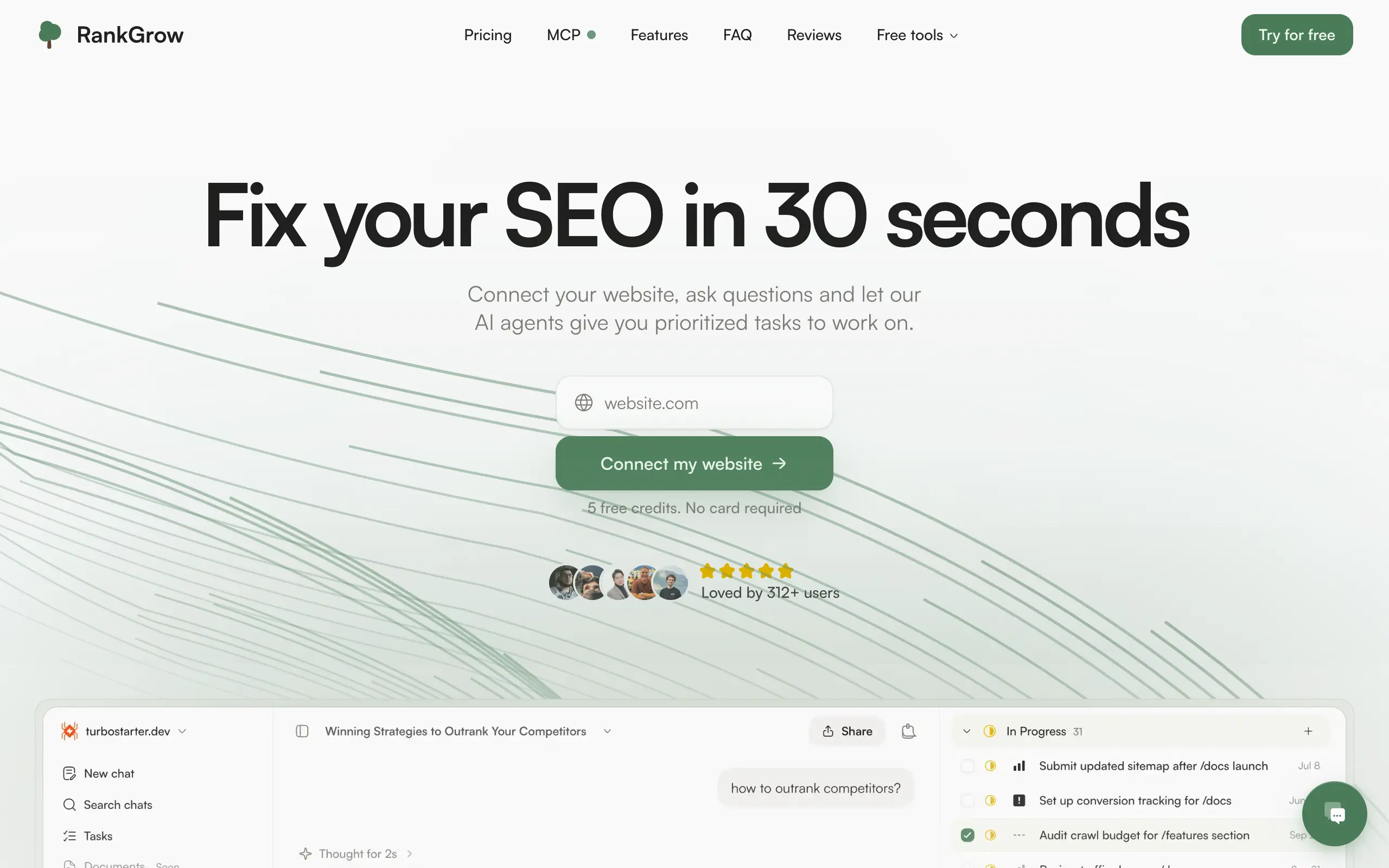
RankGrow
Fix your SEO with AI agents - connect Search Console, get prioritized tasks, and grow organic traffic 📈
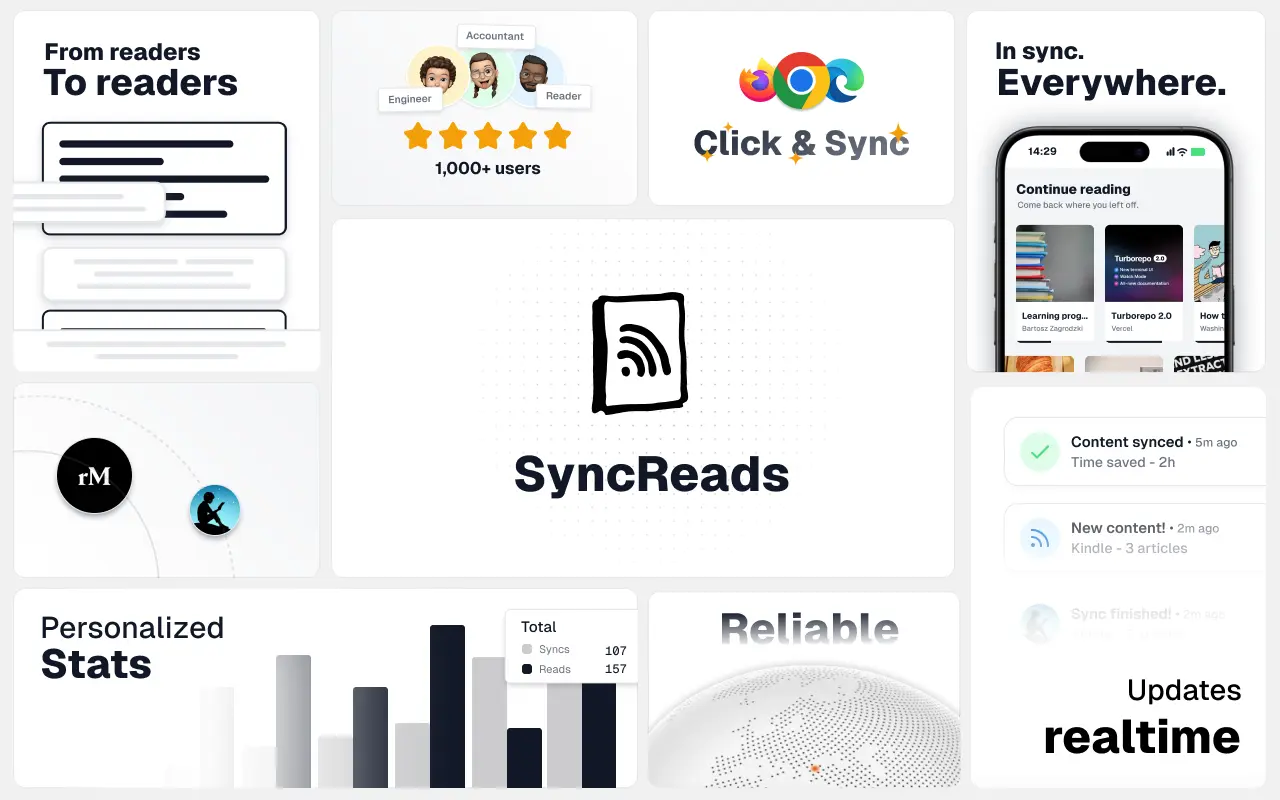
SyncReads
Sync your favorite content for distraction-free reading, save time and replace multiple apps. Anytime, anywhere 🔄
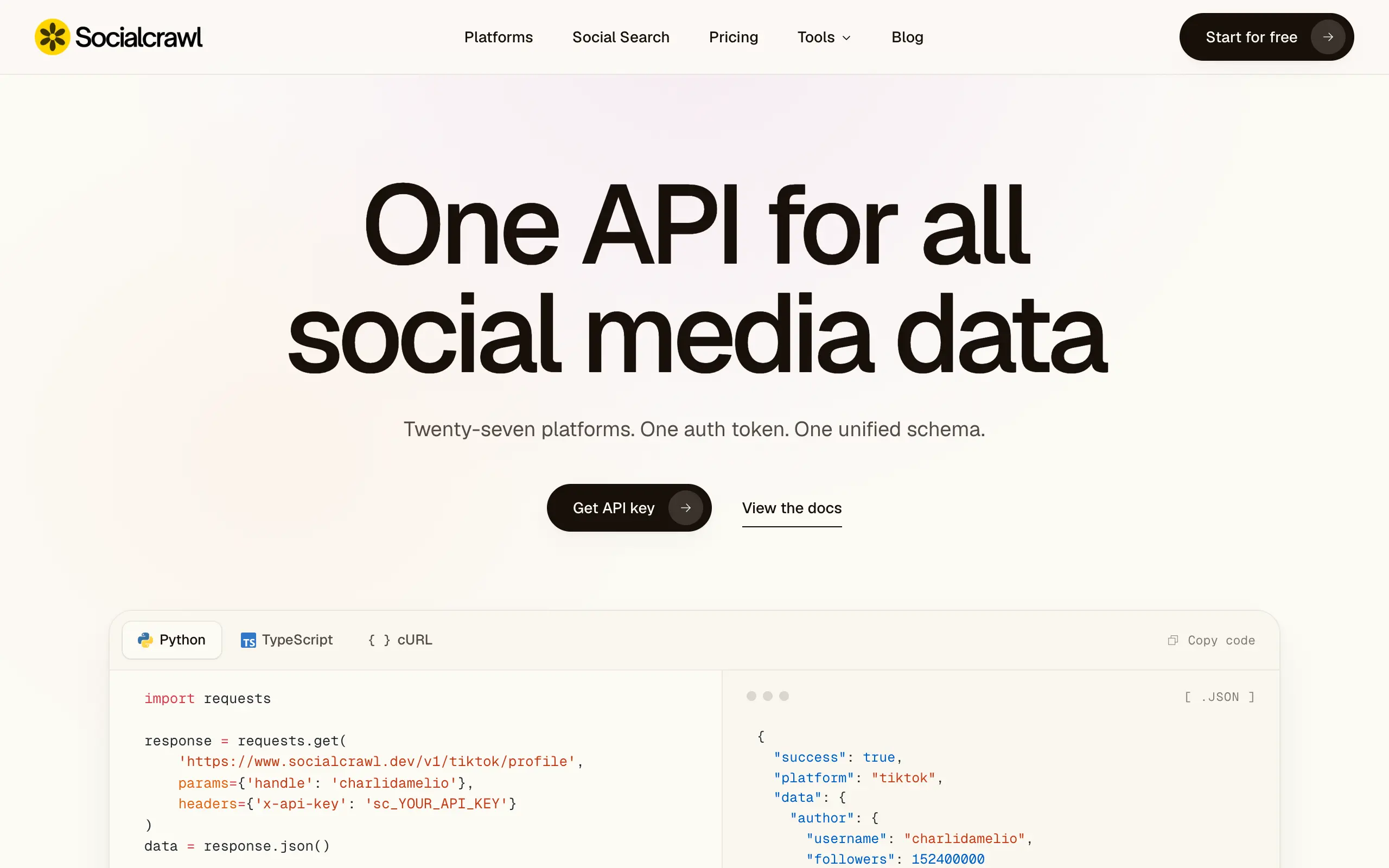
Socialcrawl
Get clean, structured data from 21 platforms like TikTok, Instagram, and YouTube with a single request 📊
Statiko
Monitor any Telegram channel in real time - track posts, edits, deletions, and growth with AI recaps 📡
Shibui
AI website builder - describe your business, pick a niche template, edit by chatting, and publish instantly ✨
Pro Service
Find verified home service professionals, compare quotes, and pay securely through escrow - built for Brazilians across the US 🏠
RankGrow
Fix your SEO with AI agents - connect Search Console, get prioritized tasks, and grow organic traffic 📈
SyncReads
Sync your favorite content for distraction-free reading, save time and replace multiple apps. Anytime, anywhere 🔄
Socialcrawl
Get clean, structured data from 21 platforms like TikTok, Instagram, and YouTube with a single request 📊
Statiko
Monitor any Telegram channel in real time - track posts, edits, deletions, and growth with AI recaps 📡
Shibui
AI website builder - describe your business, pick a niche template, edit by chatting, and publish instantly ✨
Pro Service
Find verified home service professionals, compare quotes, and pay securely through escrow - built for Brazilians across the US 🏠
RankGrow
Fix your SEO with AI agents - connect Search Console, get prioritized tasks, and grow organic traffic 📈
SyncReads
Sync your favorite content for distraction-free reading, save time and replace multiple apps. Anytime, anywhere 🔄
Socialcrawl
Get clean, structured data from 21 platforms like TikTok, Instagram, and YouTube with a single request 📊
Statiko
Monitor any Telegram channel in real time - track posts, edits, deletions, and growth with AI recaps 📡
Shibui
AI website builder - describe your business, pick a niche template, edit by chatting, and publish instantly ✨
Pro Service
Find verified home service professionals, compare quotes, and pay securely through escrow - built for Brazilians across the US 🏠
RankGrow
Fix your SEO with AI agents - connect Search Console, get prioritized tasks, and grow organic traffic 📈
SyncReads
Sync your favorite content for distraction-free reading, save time and replace multiple apps. Anytime, anywhere 🔄
Socialcrawl
Get clean, structured data from 21 platforms like TikTok, Instagram, and YouTube with a single request 📊
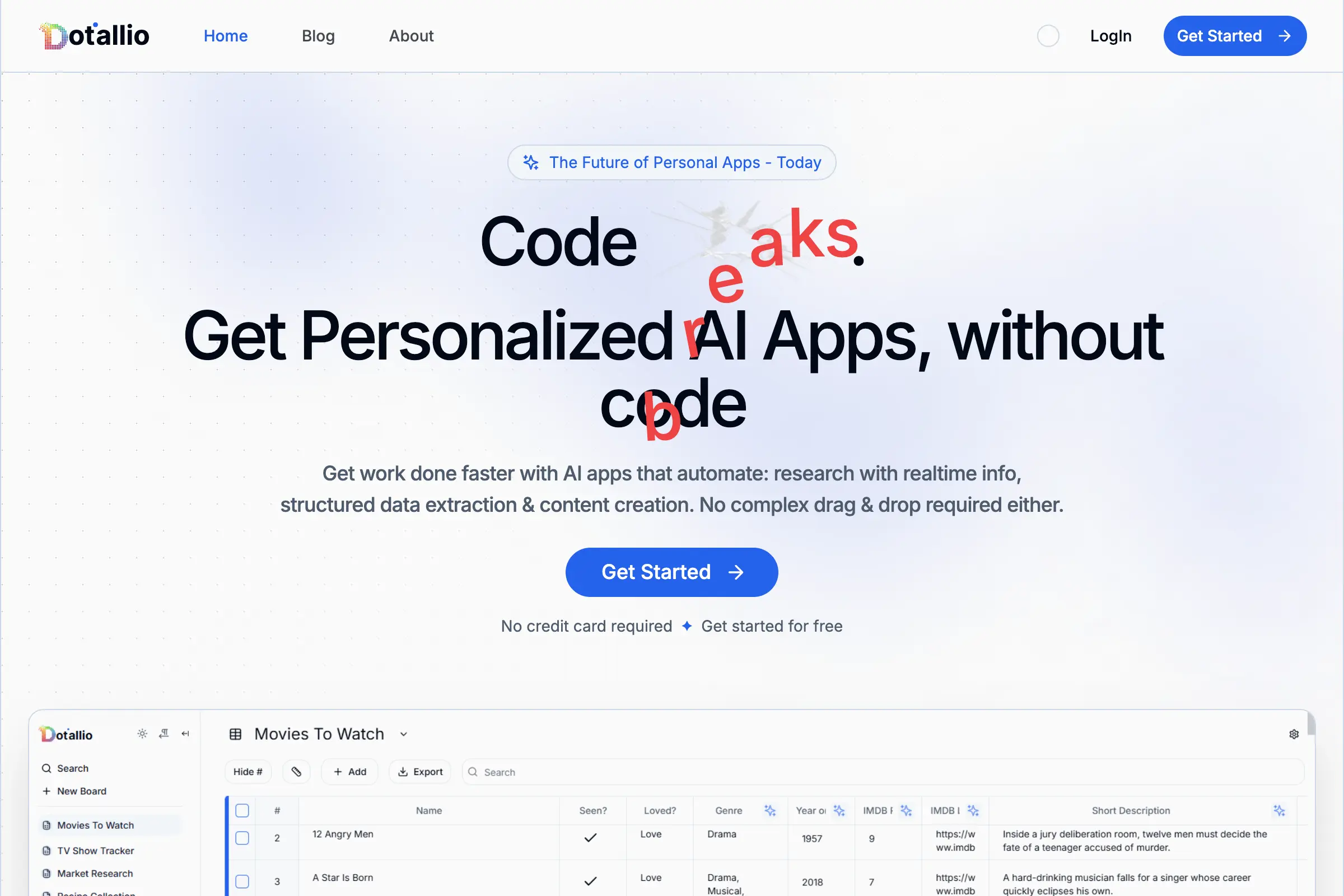
Dotallio
Personalized AI apps that automate research, data extraction, and content creation without code 🤖
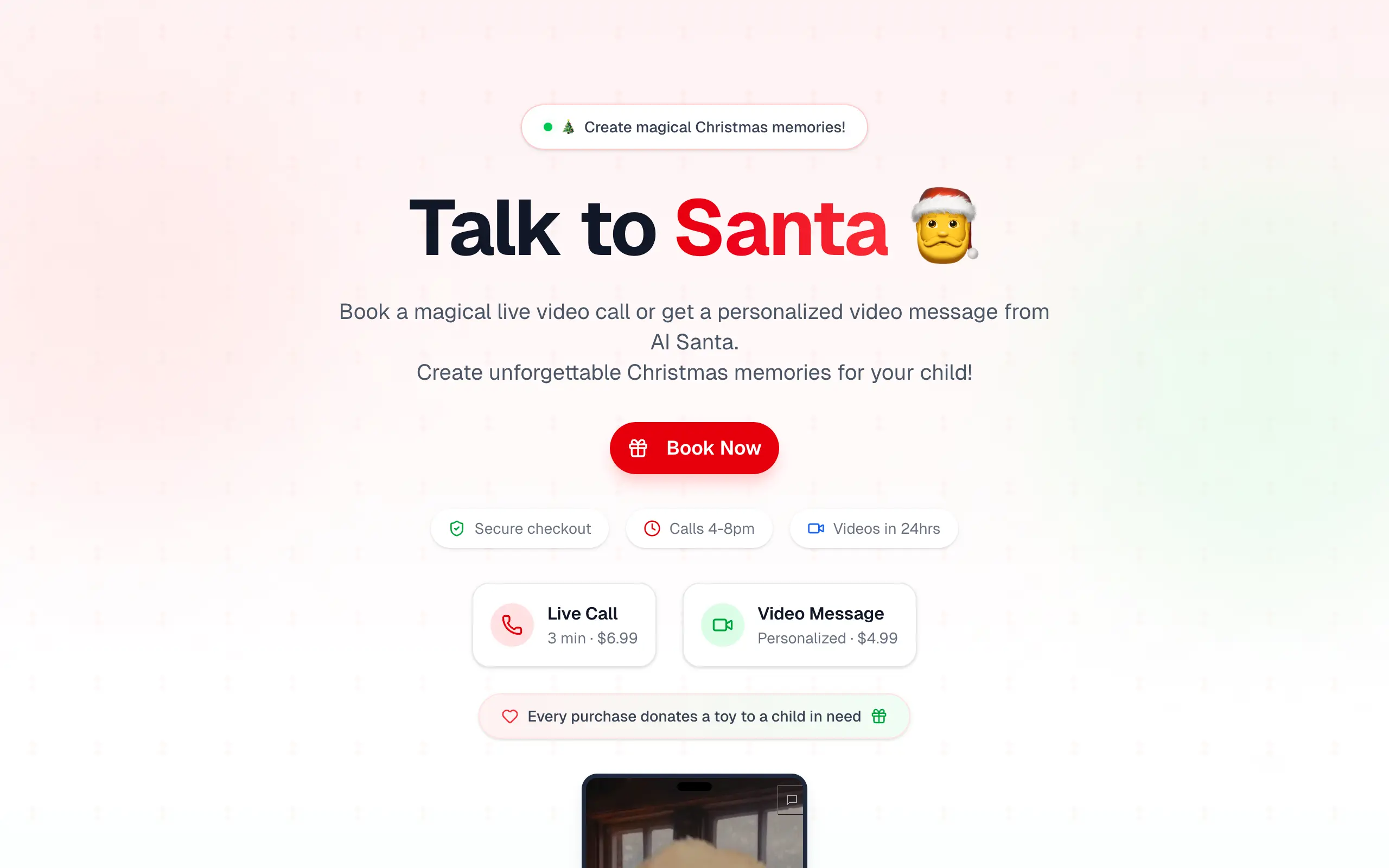
Talk to Santa
Enjoy a magical live video chat or receive a unique AI-generated video greeting from Santa Claus 🎅
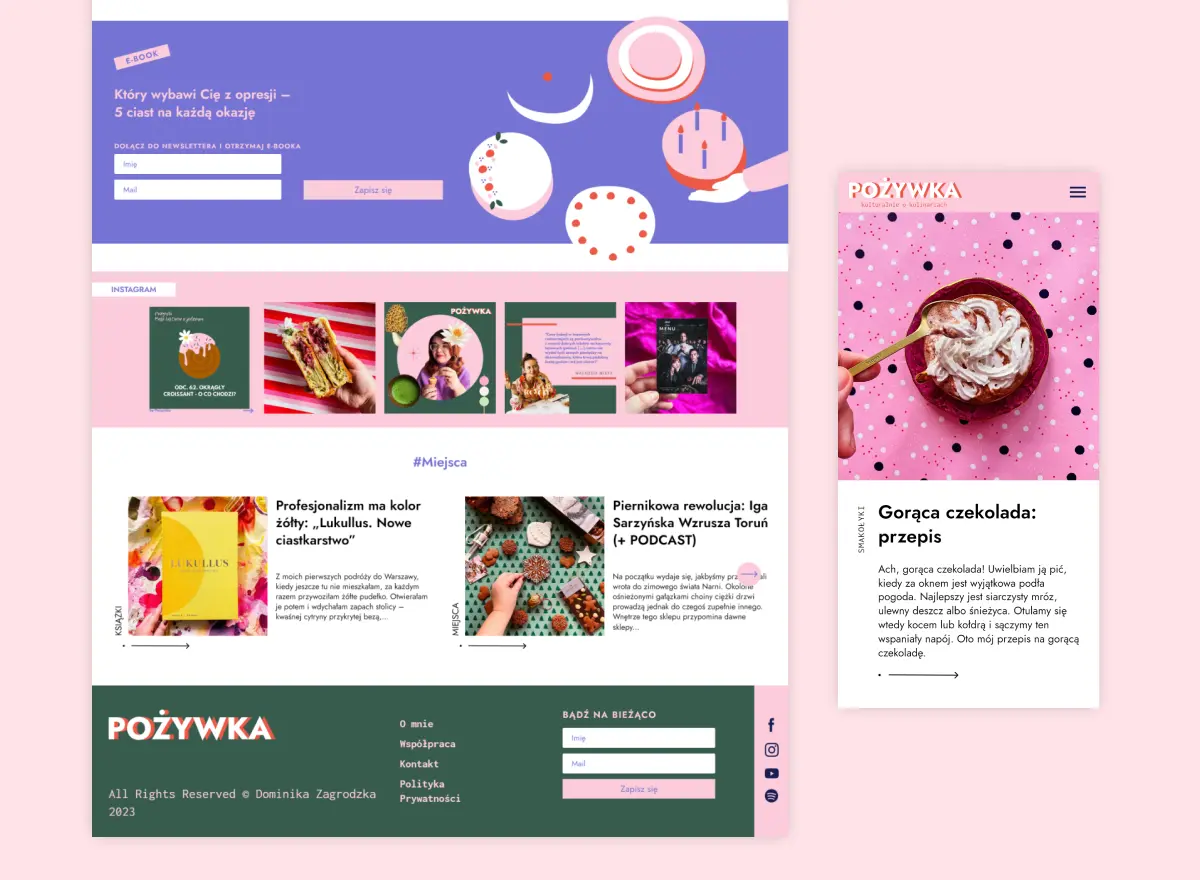
pozywka.pl
Scalable blog for food journalist, focused on performance and user experience 🌭
zagrodzki.me
Personal blog and portfolio of Bart Zagrodzki, where he shares his knowledge and work 💼
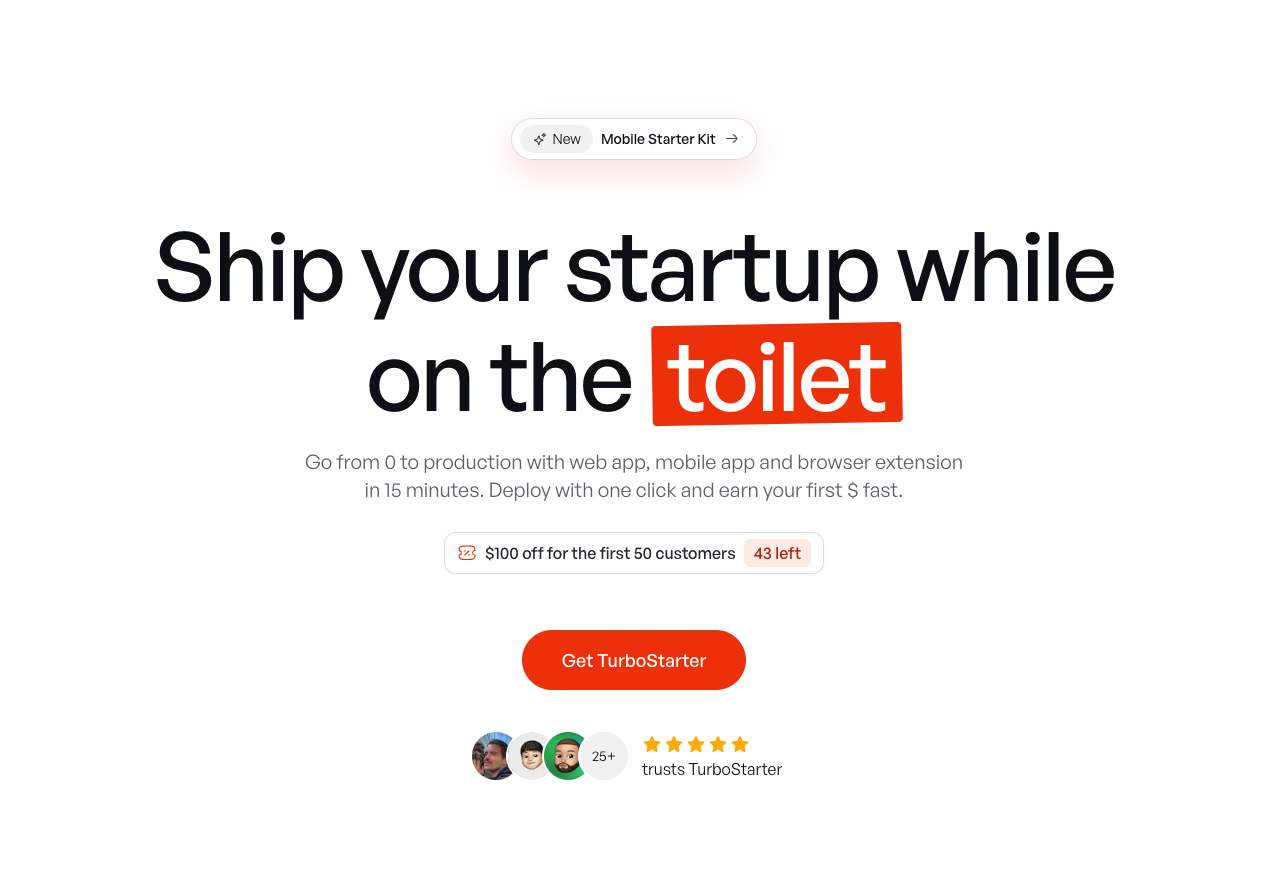
TurboStarter
Ship your startup everywhere. In minutes.
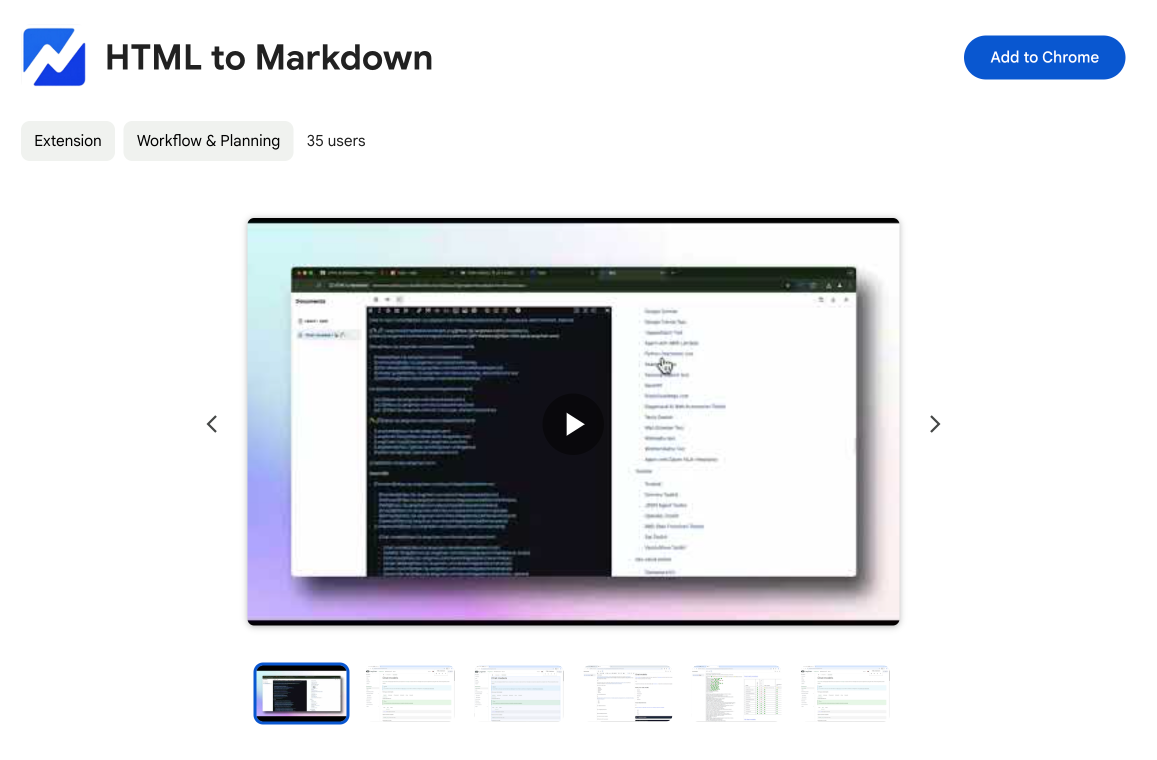
HTML to Markdown
Convert HTML to Markdown with ease, directly in your browser 📄
Dotallio
Personalized AI apps that automate research, data extraction, and content creation without code 🤖
Talk to Santa
Enjoy a magical live video chat or receive a unique AI-generated video greeting from Santa Claus 🎅
pozywka.pl
Scalable blog for food journalist, focused on performance and user experience 🌭
zagrodzki.me
Personal blog and portfolio of Bart Zagrodzki, where he shares his knowledge and work 💼
TurboStarter
Ship your startup everywhere. In minutes.
HTML to Markdown
Convert HTML to Markdown with ease, directly in your browser 📄
Dotallio
Personalized AI apps that automate research, data extraction, and content creation without code 🤖
Talk to Santa
Enjoy a magical live video chat or receive a unique AI-generated video greeting from Santa Claus 🎅
pozywka.pl
Scalable blog for food journalist, focused on performance and user experience 🌭
zagrodzki.me
Personal blog and portfolio of Bart Zagrodzki, where he shares his knowledge and work 💼
TurboStarter
Ship your startup everywhere. In minutes.
HTML to Markdown
Convert HTML to Markdown with ease, directly in your browser 📄
Dotallio
Personalized AI apps that automate research, data extraction, and content creation without code 🤖
Talk to Santa
Enjoy a magical live video chat or receive a unique AI-generated video greeting from Santa Claus 🎅
pozywka.pl
Scalable blog for food journalist, focused on performance and user experience 🌭
zagrodzki.me
Personal blog and portfolio of Bart Zagrodzki, where he shares his knowledge and work 💼
TurboStarter
Ship your startup everywhere. In minutes.
HTML to Markdown
Convert HTML to Markdown with ease, directly in your browser 📄
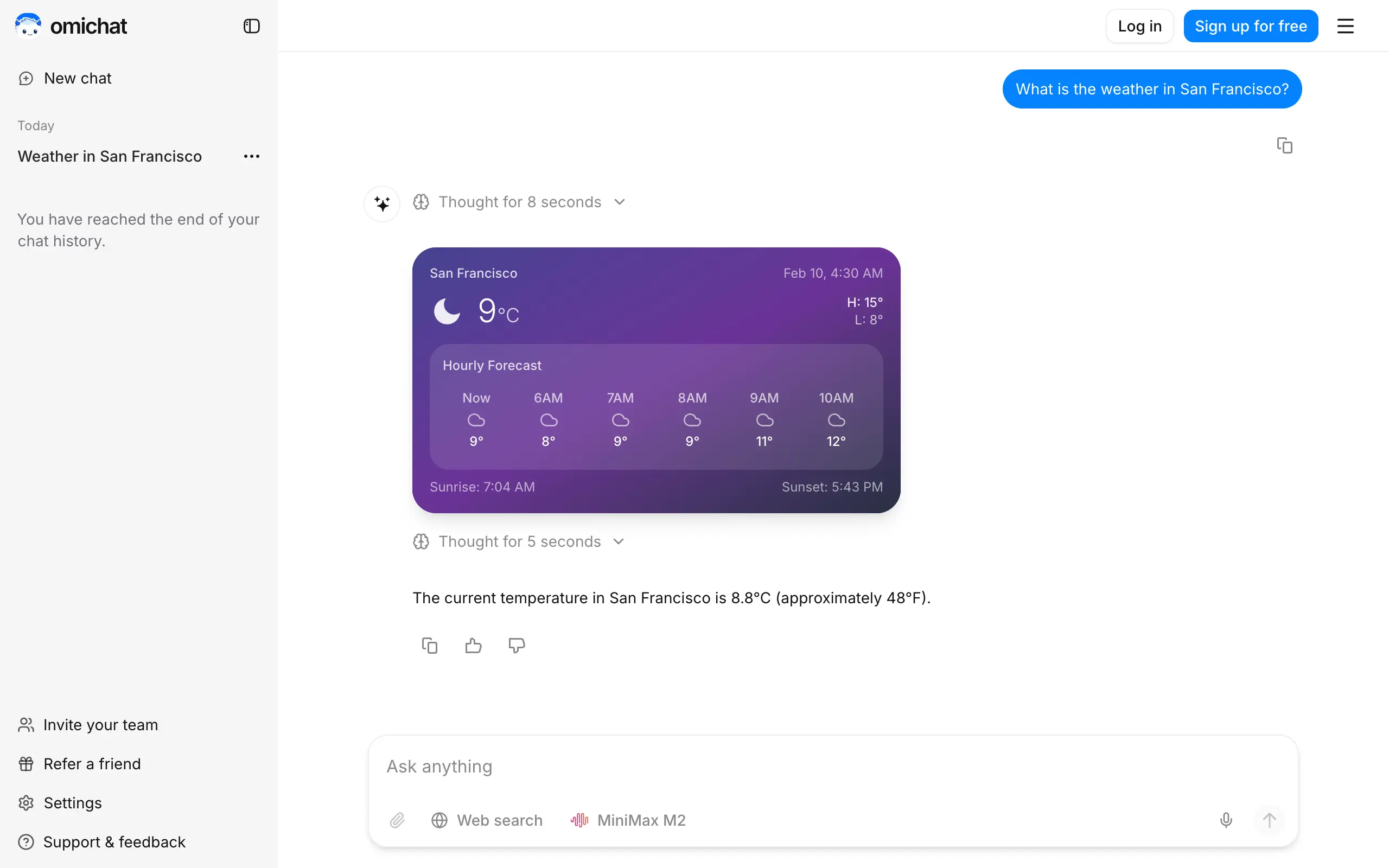
Omichat
Chat with 50+ AI models, including ChatGPT and Claude, in one place - switch models anytime without losing context 🤖
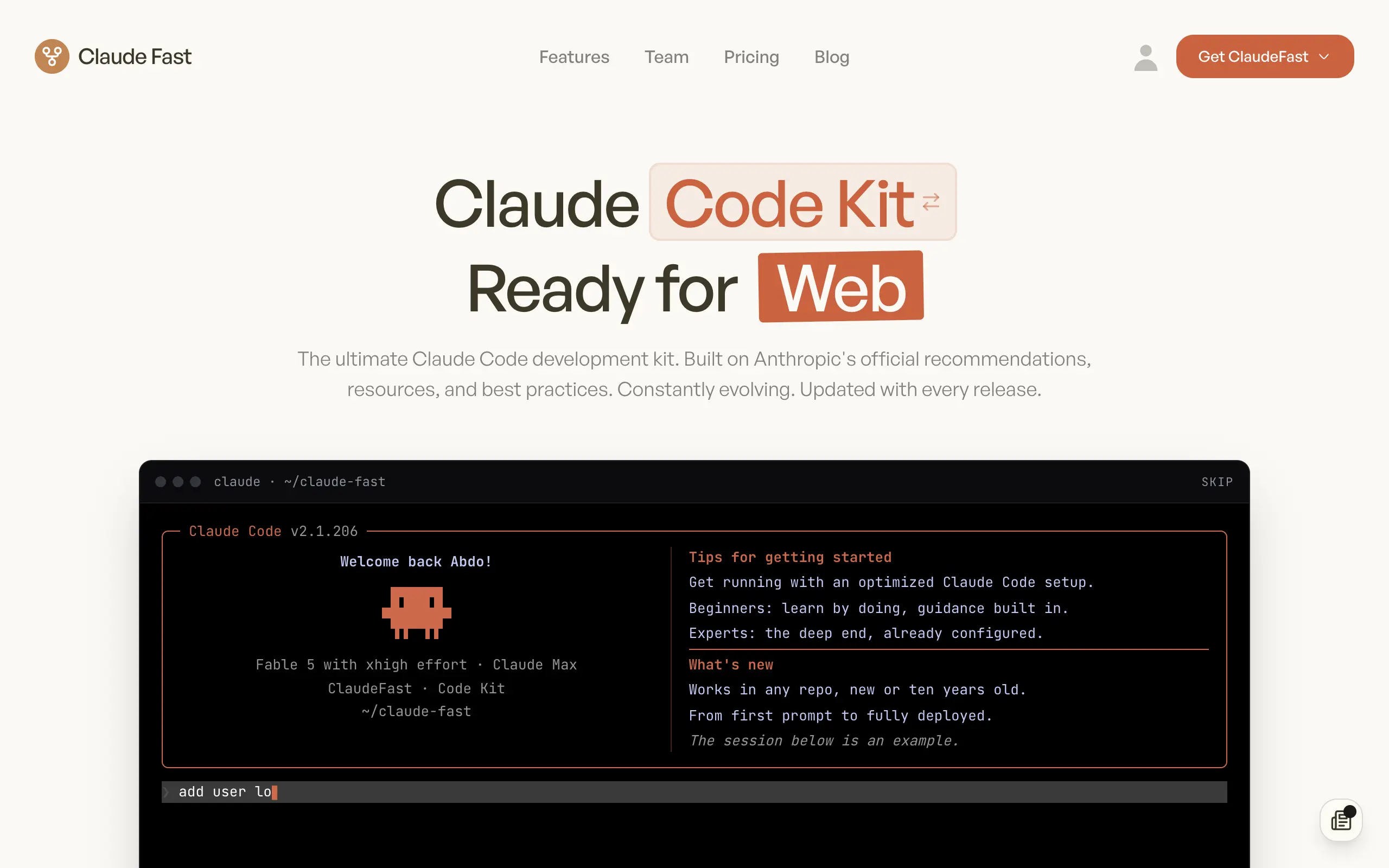
Claude Fast
Supercharge your Claude Code with 6x effective context window and specialized AI agents 🤖
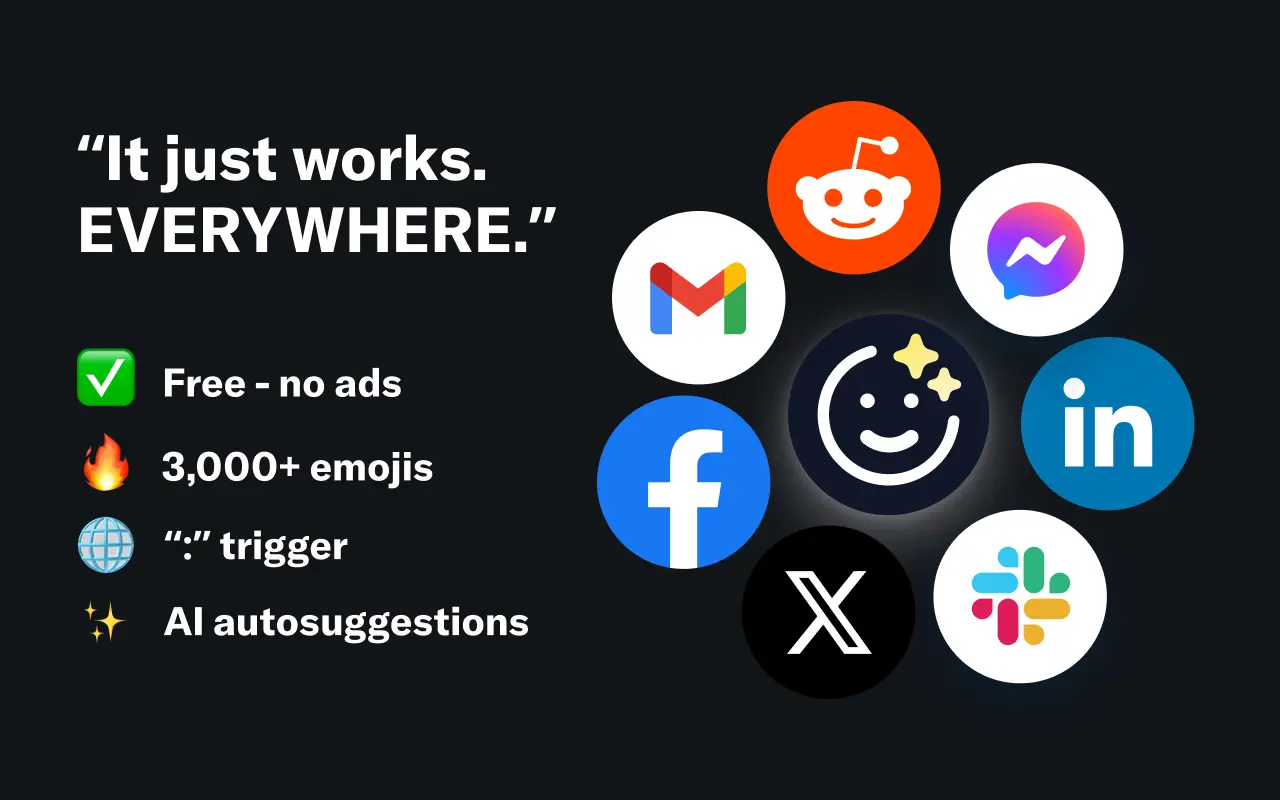
EmojAI
AI-powered emoji picker with smart, context-aware suggestions 🤖
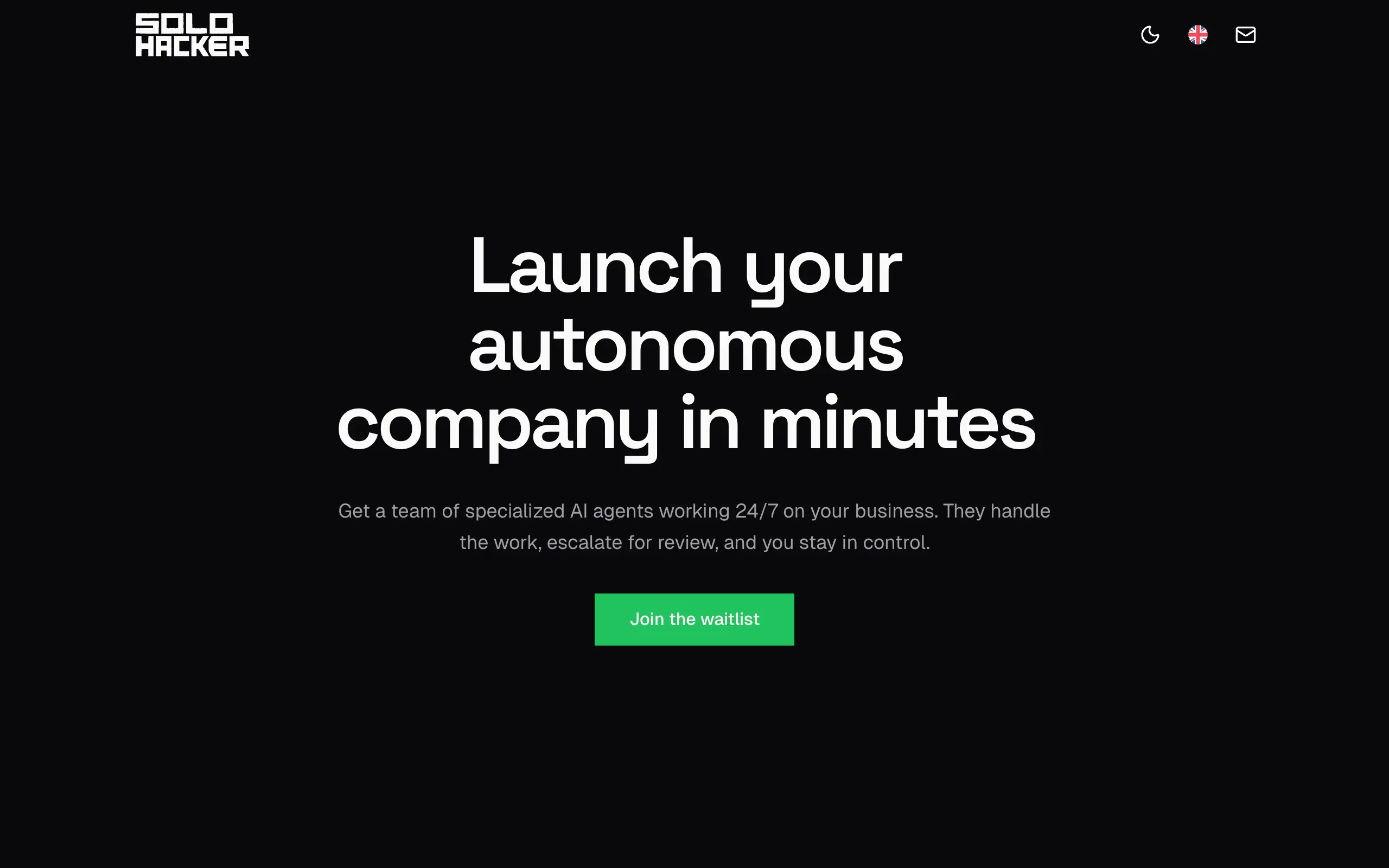
Solohacker
Autonomous company launcher - AI agents work 24/7, escalate what matters, and you stay in control 🤖
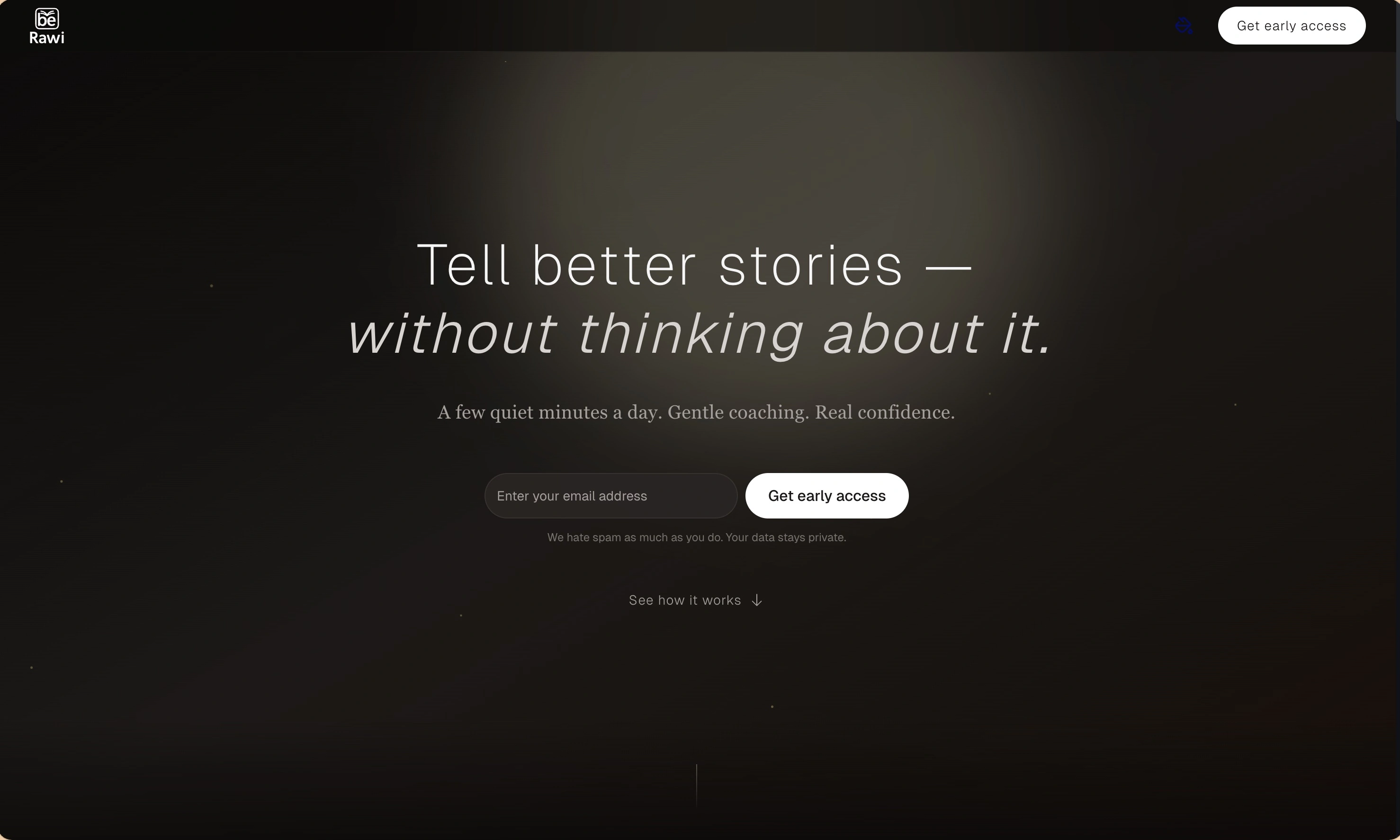
BeRawi: Storytelling Coach
Practice storytelling daily with instant feedback to sound clearer, more engaging, and confident 🎤
Omichat
Chat with 50+ AI models, including ChatGPT and Claude, in one place - switch models anytime without losing context 🤖
Claude Fast
Supercharge your Claude Code with 6x effective context window and specialized AI agents 🤖
EmojAI
AI-powered emoji picker with smart, context-aware suggestions 🤖
Solohacker
Autonomous company launcher - AI agents work 24/7, escalate what matters, and you stay in control 🤖
BeRawi: Storytelling Coach
Practice storytelling daily with instant feedback to sound clearer, more engaging, and confident 🎤
Omichat
Chat with 50+ AI models, including ChatGPT and Claude, in one place - switch models anytime without losing context 🤖
Claude Fast
Supercharge your Claude Code with 6x effective context window and specialized AI agents 🤖
EmojAI
AI-powered emoji picker with smart, context-aware suggestions 🤖
Solohacker
Autonomous company launcher - AI agents work 24/7, escalate what matters, and you stay in control 🤖
BeRawi: Storytelling Coach
Practice storytelling daily with instant feedback to sound clearer, more engaging, and confident 🎤
Omichat
Chat with 50+ AI models, including ChatGPT and Claude, in one place - switch models anytime without losing context 🤖
Claude Fast
Supercharge your Claude Code with 6x effective context window and specialized AI agents 🤖
EmojAI
AI-powered emoji picker with smart, context-aware suggestions 🤖
Solohacker
Autonomous company launcher - AI agents work 24/7, escalate what matters, and you stay in control 🤖
BeRawi: Storytelling Coach
Practice storytelling daily with instant feedback to sound clearer, more engaging, and confident 🎤

Connect with like-minded people
Join our community to get feedback, support, and grow together with 1,000+ builders on board, let's ship it!
Join usShip your startup everywhere. In minutes.
Don't burn tokens on setup and start building features on day one.