PromptForge Studio
A visual playground for building, testing, and versioning AI prompts with real-time outputs and analytics. Perfect for indie devs experimenting with LLM apps.
Why a prompt engineering platform like PromptForge Studio matters now
The rise of generative AI has fundamentally changed how software is built. Prompts are no longer just inputs—they are core logic layers in modern applications. From chatbots to internal tools, AI outputs depend heavily on prompt quality, structure, and iteration.
Yet, most developers still manage prompts in messy ways:
- Hardcoded strings in codebases
- Scattered Notion docs
- Trial-and-error testing in playgrounds like OpenAI or Anthropic consoles
- No version control, no analytics, no structured experimentation
This is where a platform like PromptForge Studio becomes not just useful—but essential.
PromptForge Studio is envisioned as a visual playground for building, testing, versioning, and optimizing AI prompts with real-time outputs and analytics. It directly addresses a rapidly growing need among developers, startups, and AI teams.
This article explores the full strategic, technical, and business potential of this SaaS idea—and how to build it into a category-defining product.
Understanding the target audience
A successful SaaS product starts with sharp audience clarity. PromptForge Studio serves a fast-growing but fragmented market.
Primary user segments
1. Indie developers and solo builders
These users:
- Build AI-powered apps quickly
- Iterate rapidly without formal processes
- Need fast feedback loops
Their pain points:
- No structured way to test prompt variations
- Difficulty tracking which prompt performs best
- Time wasted switching between tools
2. Startup AI teams
Small teams working on AI features:
- Need collaboration and version control
- Require consistent outputs across environments
- Want analytics on prompt performance
Pain points:
- Prompt drift across team members
- No audit trail of changes
- Hard to debug output inconsistencies
3. Product managers and non-technical operators
These users:
- Want to experiment without coding
- Need visual interfaces
- Care about outcomes, not implementation
Pain points:
- Dependence on engineers for changes
- No safe sandbox for testing
- Lack of visibility into AI behavior
4. AI engineers and prompt engineers
Advanced users:
- Want fine-grained control
- Need evaluation metrics
- Care about reproducibility
Pain points:
- Lack of structured experimentation frameworks
- No centralized prompt repository
- Difficulty comparing models and outputs
Market opportunity and timing
The timing for PromptForge Studio is exceptionally strong.
Explosion of LLM applications
Since 2023, the number of AI-powered tools has surged. According to widely reported industry analyses (e.g., McKinsey AI reports or Stanford AI Index), adoption of generative AI has grown across nearly every sector.
This creates a new layer in the stack:
- Infrastructure (OpenAI, Anthropic, open-source models)
- Orchestration (LangChain, LlamaIndex)
- Prompt management (still underserved)
PromptForge Studio fits squarely into this gap.
The "prompt ops" gap
We now have:
- DevOps for infrastructure
- MLOps for machine learning models
But prompt engineering lacks:
- Versioning systems
- Experiment tracking
- Collaboration workflows
This creates a new category: PromptOps
PromptForge Studio can position itself as:
"The GitHub + Figma + Postman for prompts"
Competitive landscape
Existing tools include:
- OpenAI Playground (testing only)
- LangSmith (developer-heavy observability)
- PromptLayer (analytics-focused)
- Humanloop (enterprise-heavy)
Most competitors are:
- Either too technical
- Or too limited in scope
This creates a gap for a balanced, developer-friendly, visual-first platform.
Core product vision
PromptForge Studio should be designed as a complete lifecycle platform for prompt development.
Core capabilities
1. Visual prompt builder
A UI where users can:
- Compose prompts with variables
- Chain system + user messages
- Preview structured outputs
Think:
- Drag-and-drop blocks
- Templated prompts
- Dynamic inputs
2. Real-time testing environment
Users should:
- Run prompts instantly
- Switch between models (GPT, Claude, etc.)
- Compare outputs side-by-side
3. Prompt version control
Every prompt should:
- Have version history
- Allow rollback
- Track changes over time
4. Output analytics
Track:
- Response quality
- Latency
- Token usage
- Cost per request
5. Experimentation engine
Enable:
- A/B testing of prompts
- Multi-variant experiments
- Performance scoring
6. API & SDK integration
Allow users to:
- Deploy prompts into apps
- Fetch latest versions via API
- Sync changes automatically
Feature breakdown with strategic prioritization
MVP Focus
Prompt builder, real-time testing, and basic versioning to validate core demand.
Growth Phase
Add analytics, collaboration, and API integrations.
Advanced Stage
Introduce AI-assisted optimization, auto-evaluation, and enterprise controls.
Recommended tech stack
Building PromptForge Studio requires careful decisions around performance, scalability, and flexibility.
Frontend
- React — flexible and widely adopted
- Next.js — SSR and API routes
- TailwindCSS — fast UI development
Why:
- Fast iteration
- Strong ecosystem
- Ideal for interactive dashboards
Backend
- Node.js (with NestJS or Express)
- PostgreSQL for structured data
- Redis for caching and session handling
AI integrations
- OpenAI API
- Anthropic API
- Optional: open-source models via APIs
Realtime layer
- WebSockets or services like Supabase Realtime
Infrastructure
- Vercel (frontend)
- AWS or Railway (backend)
- Supabase or Firebase (auth + DB)
Trade-offs
- Using multiple AI providers increases complexity but adds flexibility
- Real-time updates improve UX but increase infrastructure cost
- Storing outputs can become expensive—consider sampling strategies
Database schema considerations
Key entities:
- Users
- Projects
- Prompts
- PromptVersions
- TestRuns
- Outputs
- Metrics
Example structure:
type Prompt = {
  id: string;
  name: string;
  currentVersionId: string;
  createdAt: Date;
};

type PromptVersion = {
  id: string;
  promptId: string;
  content: string;
  model: string;
  createdAt: Date;
};

type TestRun = {
  id: string;
  promptVersionId: string;
  input: string;
  output: string;
  latency: number;
  tokensUsed: number;
};
Monetization strategy
PromptForge Studio has strong SaaS monetization potential.
Tiered pricing model
Free tier
- Limited prompt storage
- Basic testing
- Single user
Pro tier ($15–$30/month)
- Unlimited prompts
- Version history
- Basic analytics
Team tier ($49–$99/month)
- Collaboration
- Shared workspaces
- Advanced analytics
Enterprise
- Custom integrations
- Security controls
- SLA support
Additional revenue streams
- API usage billing
- Prompt marketplace (future opportunity)
- AI optimization add-ons
Competitive advantage analysis
| Feature | PromptForge | OpenAI Playground | LangSmith | PromptLayer | Humanloop |
|---|---|---|---|---|---|
| Visual Builder | ✅ | ❌ | ❌ | ❌ | ✅ |
| Version Control | ✅ | ❌ | ✅ | ✅ | ✅ |
Unique selling proposition (USP)
PromptForge Studio stands out by combining:
- Visual simplicity
- Developer-friendly tooling
- Real-time experimentation
- Built-in analytics
Most tools specialize in one area—PromptForge integrates all.
Risks and mitigation strategies
Risk 1: Rapid platform commoditization
Large players could add similar features.
Mitigation:
- Focus on UX and speed
- Build strong community
- Ship faster than competitors
Risk 2: Dependency on AI providers
Changes in APIs or pricing can impact your platform.
Mitigation:
- Support multiple providers
- Abstract model layer
Risk 3: Cost management
Running AI tests can be expensive.
Mitigation:
- Cache responses
- Offer user-controlled limits
- Use sampling strategies
Advanced features roadmap
- Prompt builder
- Real-time testing
- Basic versioning
- Analytics dashboard
- Team collaboration
- API integrations
- AI-assisted prompt optimization
- Auto-evaluation scoring
- Prompt marketplace
UX design principles
PromptForge Studio should prioritize:
- Immediate feedback loops
- Minimal friction
- Visual clarity
Key UX elements
- Split-screen testing view
- Version diff comparisons
- Inline editing
- Drag-and-drop prompt blocks
Example user workflow
Implementation strategy
Step-by-step launch plan
Step 1: Validate demand
- Build landing page
- Collect emails
- Share on dev communities
Step 2: Build MVP
- Prompt editor
- Testing interface
- Save/load prompts
Step 3: Early users
- Invite indie hackers
- Gather feedback
- Iterate quickly
Step 4: Add analytics
- Token tracking
- Response comparison
Step 5: Launch publicly
- Product Hunt
- Developer communities
Growth strategy
Acquisition channels
- SEO (high intent keywords like "prompt testing tool")
- Developer Twitter/X
- Indie hacker communities
- YouTube tutorials
Content strategy
Create:
- Prompt engineering guides
- Case studies
- Templates
SEO keyword opportunities
Primary keyword:
- prompt engineering tool
Secondary keywords:
- prompt testing platform
- AI prompt builder
- prompt version control
- prompt analytics software
Future vision
PromptForge Studio can evolve into:
- A standard layer in AI development
- A prompt marketplace ecosystem
- A collaboration hub for AI teams
Eventually, prompts may become:
- Shareable assets
- Monetizable products
- Standardized components
Practical implementation tips
Pro tip
Start simple. Most successful SaaS products win by solving one problem extremely well before expanding.
Focus early on:
- Speed
- Usability
- Reliability
Avoid:
- Overbuilding
- Enterprise complexity too early
Final thoughts
PromptForge Studio sits at the intersection of:
- Developer tooling
- AI infrastructure
- UX innovation
This is exactly where high-growth SaaS products emerge.
The opportunity is not just to build a tool—but to define a new category: PromptOps.
If executed well, this platform could become indispensable for anyone building with AI.
Build faster with the right foundation
Instead of starting from scratch, you can accelerate development using modern SaaS starter kits like TurboStarter, which provides authentication, billing, and scalable architecture out of the box.
This allows you to focus on what truly matters:
- Your core product
- Your users
- Your differentiation
More 🤖 AI Startup SaaS ideas
Discover more innovative ai startup SaaS ideas that are trending in 2026. Each idea is AI-generated with market validation and growth potential to help you find your next profitable venture faster than competitors.
Your competitors are building with TurboStarter
Below are some of the SaaS ideas that have been generated and built with our starter kit.

Statiko
Monitor any Telegram channel in real time - track posts, edits, deletions, and growth with AI recaps 📡

Shibui
AI website builder - describe your business, pick a niche template, edit by chatting, and publish instantly ✨

Pro Service
Find verified home service professionals, compare quotes, and pay securely through escrow - built for Brazilians across the US 🏠
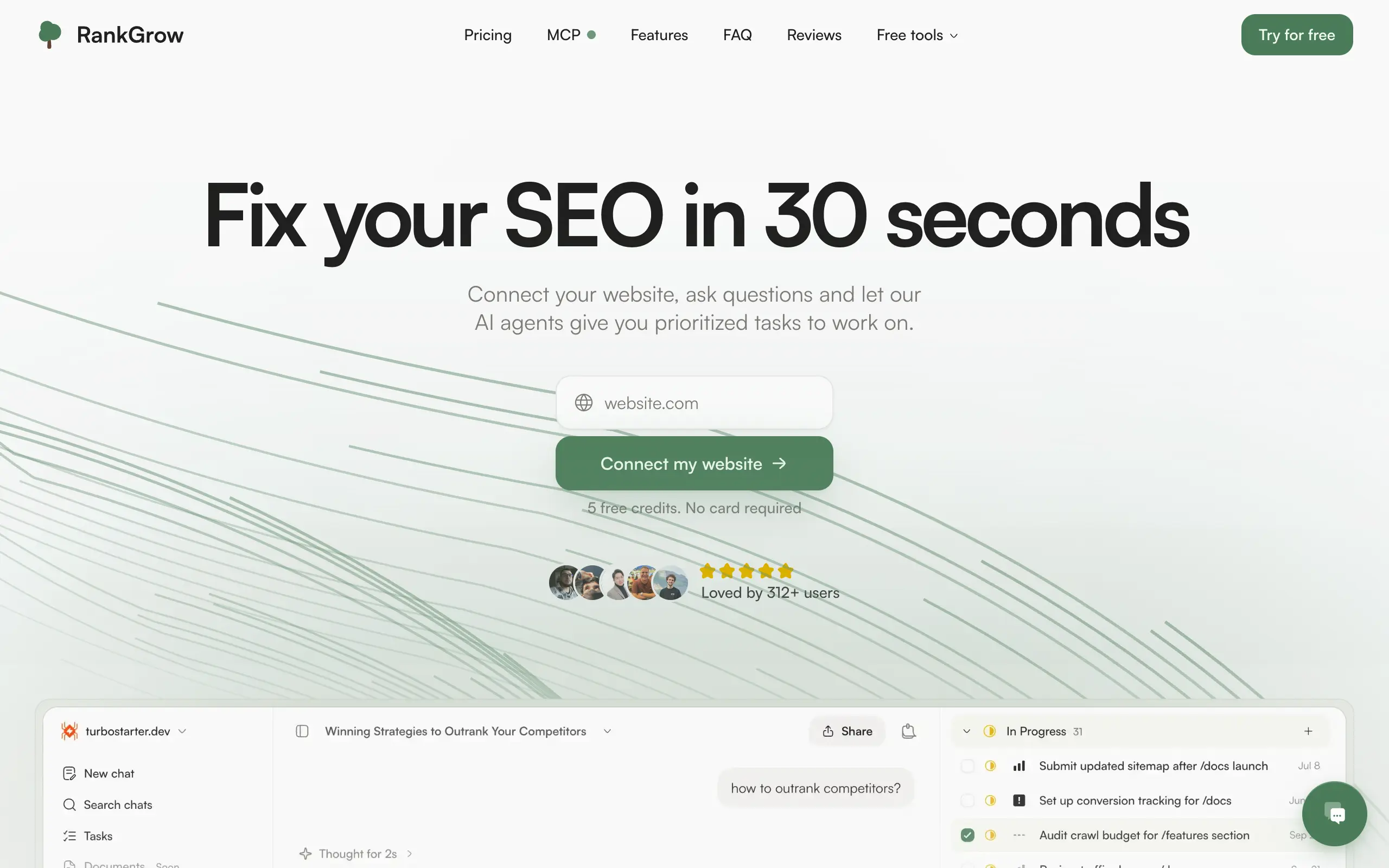
RankGrow
Fix your SEO with AI agents - connect Search Console, get prioritized tasks, and grow organic traffic 📈
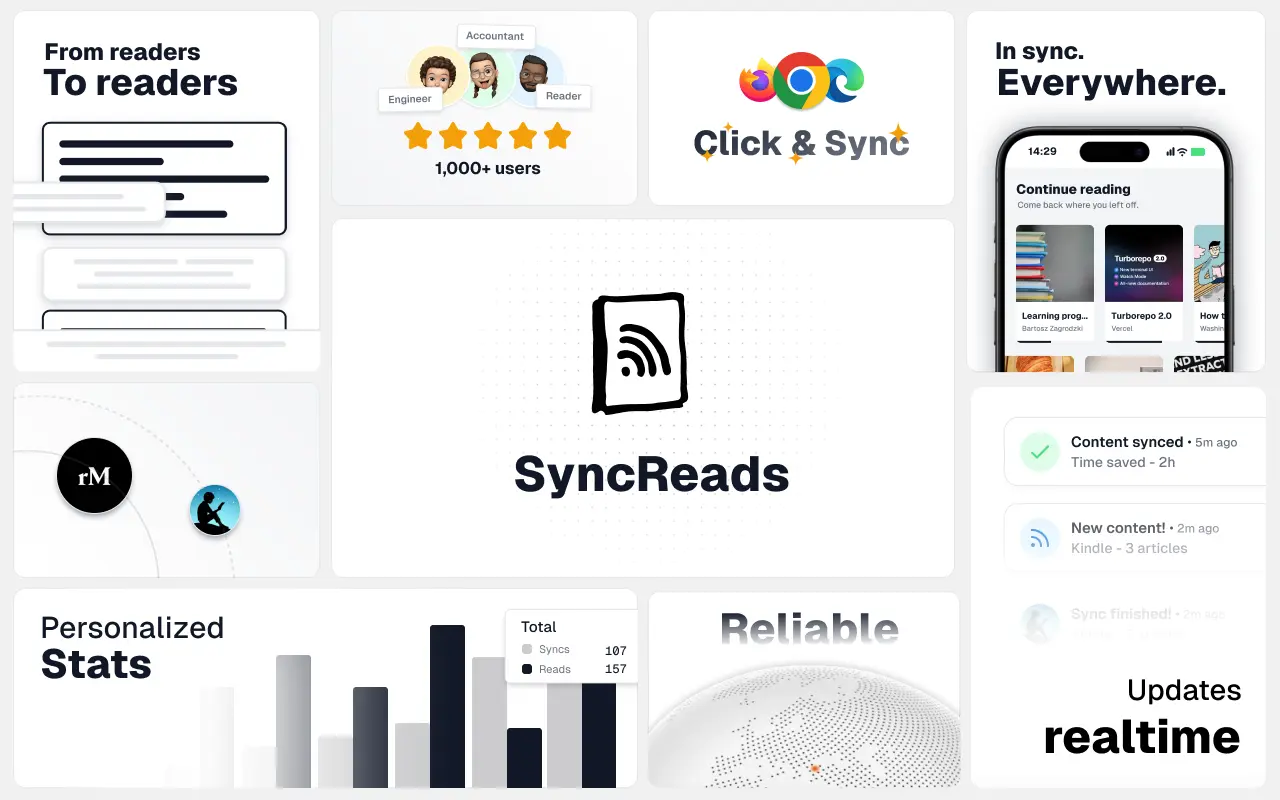
SyncReads
Sync your favorite content for distraction-free reading, save time and replace multiple apps. Anytime, anywhere 🔄
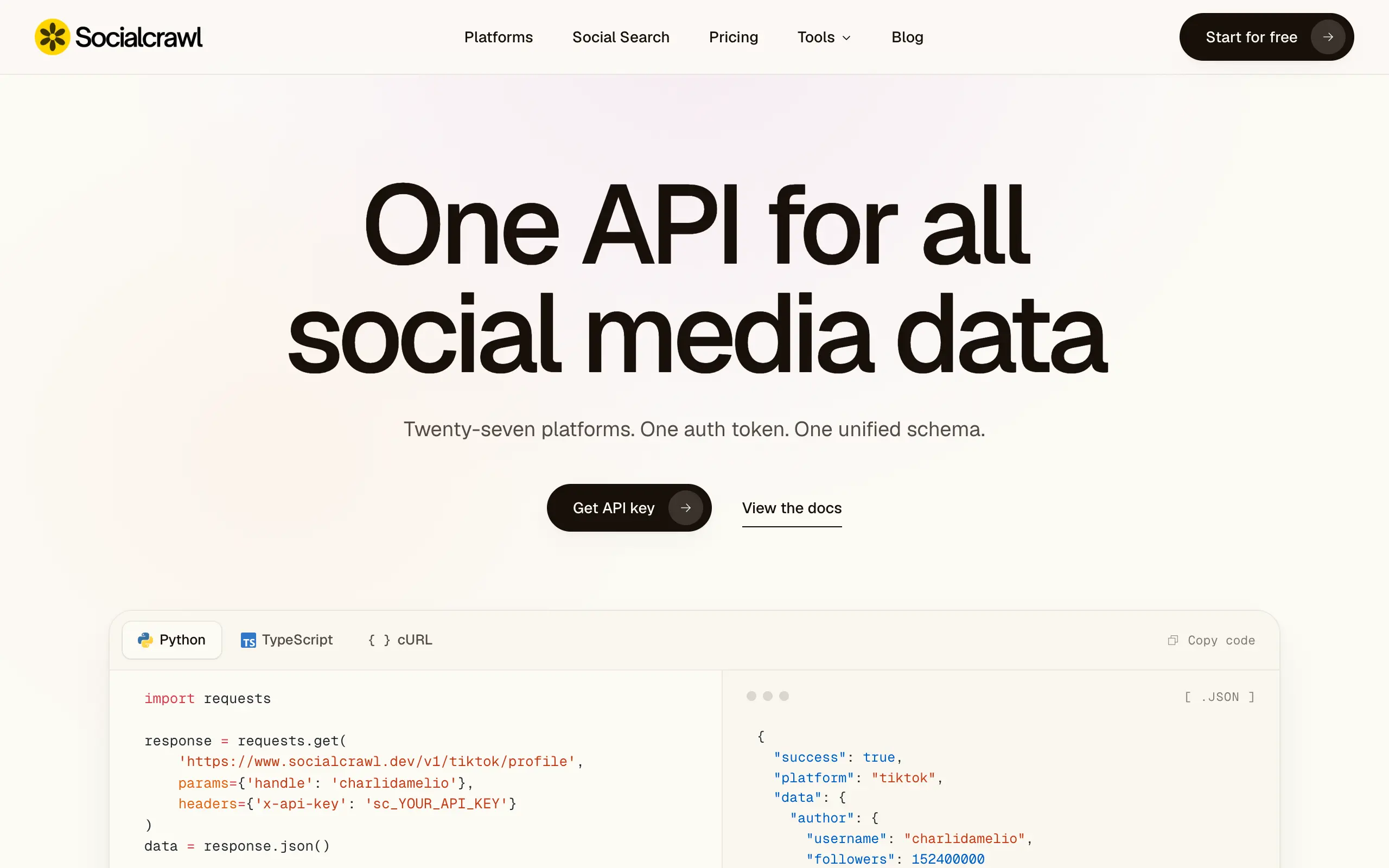
Socialcrawl
Get clean, structured data from 21 platforms like TikTok, Instagram, and YouTube with a single request 📊
Statiko
Monitor any Telegram channel in real time - track posts, edits, deletions, and growth with AI recaps 📡
Shibui
AI website builder - describe your business, pick a niche template, edit by chatting, and publish instantly ✨
Pro Service
Find verified home service professionals, compare quotes, and pay securely through escrow - built for Brazilians across the US 🏠
RankGrow
Fix your SEO with AI agents - connect Search Console, get prioritized tasks, and grow organic traffic 📈
SyncReads
Sync your favorite content for distraction-free reading, save time and replace multiple apps. Anytime, anywhere 🔄
Socialcrawl
Get clean, structured data from 21 platforms like TikTok, Instagram, and YouTube with a single request 📊
Statiko
Monitor any Telegram channel in real time - track posts, edits, deletions, and growth with AI recaps 📡
Shibui
AI website builder - describe your business, pick a niche template, edit by chatting, and publish instantly ✨
Pro Service
Find verified home service professionals, compare quotes, and pay securely through escrow - built for Brazilians across the US 🏠
RankGrow
Fix your SEO with AI agents - connect Search Console, get prioritized tasks, and grow organic traffic 📈
SyncReads
Sync your favorite content for distraction-free reading, save time and replace multiple apps. Anytime, anywhere 🔄
Socialcrawl
Get clean, structured data from 21 platforms like TikTok, Instagram, and YouTube with a single request 📊
Statiko
Monitor any Telegram channel in real time - track posts, edits, deletions, and growth with AI recaps 📡
Shibui
AI website builder - describe your business, pick a niche template, edit by chatting, and publish instantly ✨
Pro Service
Find verified home service professionals, compare quotes, and pay securely through escrow - built for Brazilians across the US 🏠
RankGrow
Fix your SEO with AI agents - connect Search Console, get prioritized tasks, and grow organic traffic 📈
SyncReads
Sync your favorite content for distraction-free reading, save time and replace multiple apps. Anytime, anywhere 🔄
Socialcrawl
Get clean, structured data from 21 platforms like TikTok, Instagram, and YouTube with a single request 📊
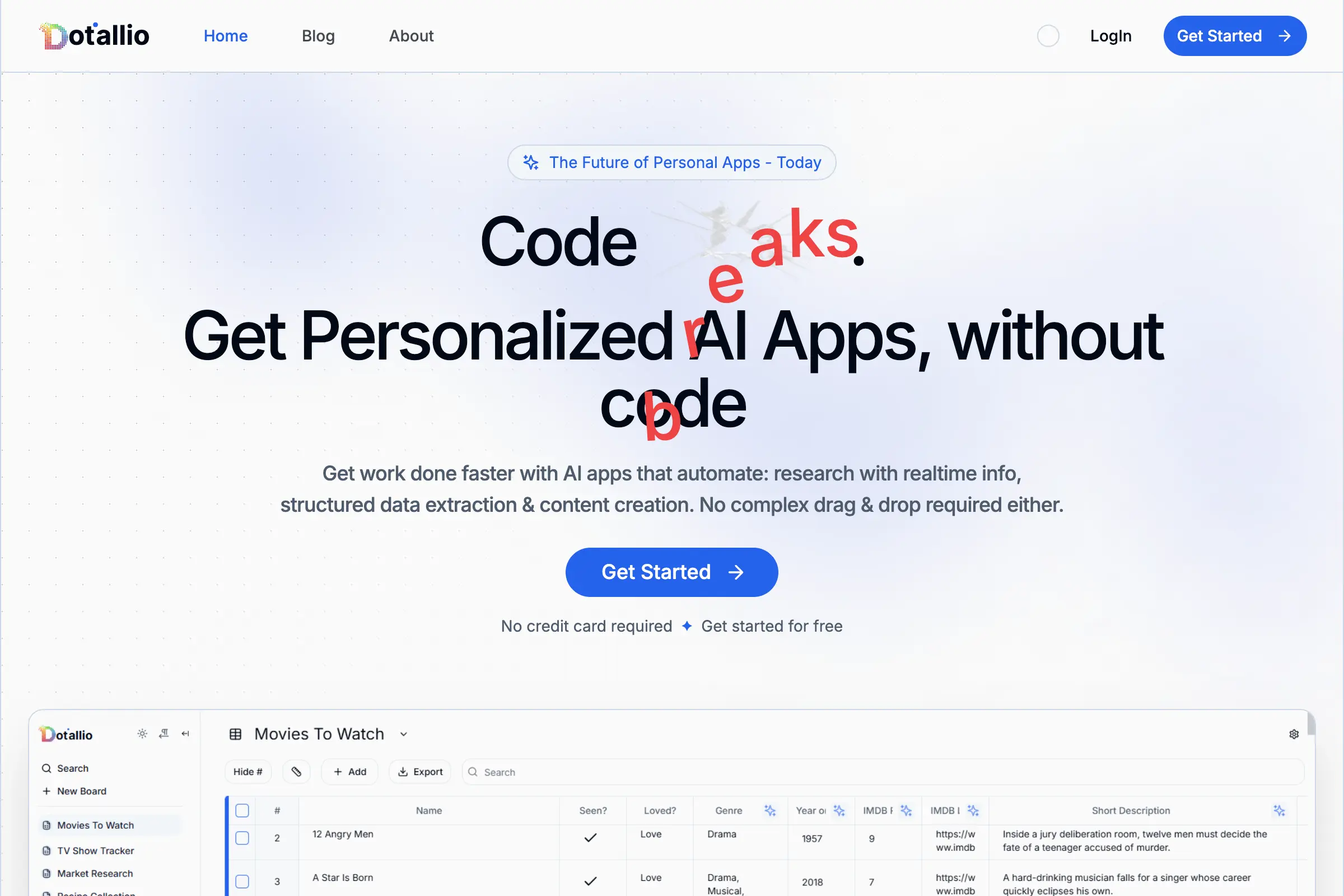
Dotallio
Personalized AI apps that automate research, data extraction, and content creation without code 🤖

Talk to Santa
Enjoy a magical live video chat or receive a unique AI-generated video greeting from Santa Claus 🎅

pozywka.pl
Scalable blog for food journalist, focused on performance and user experience 🌭
zagrodzki.me
Personal blog and portfolio of Bart Zagrodzki, where he shares his knowledge and work 💼
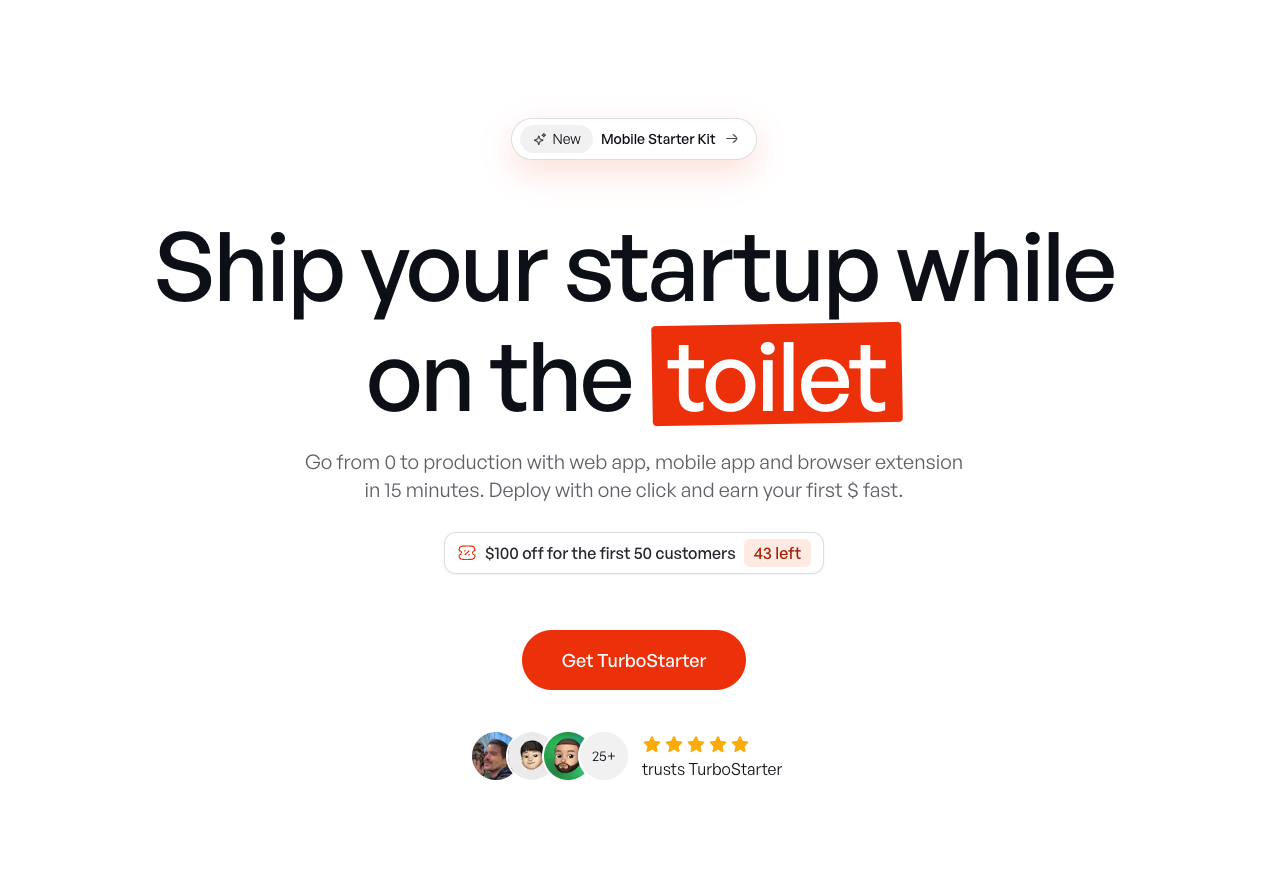
TurboStarter
Ship your startup everywhere. In minutes.
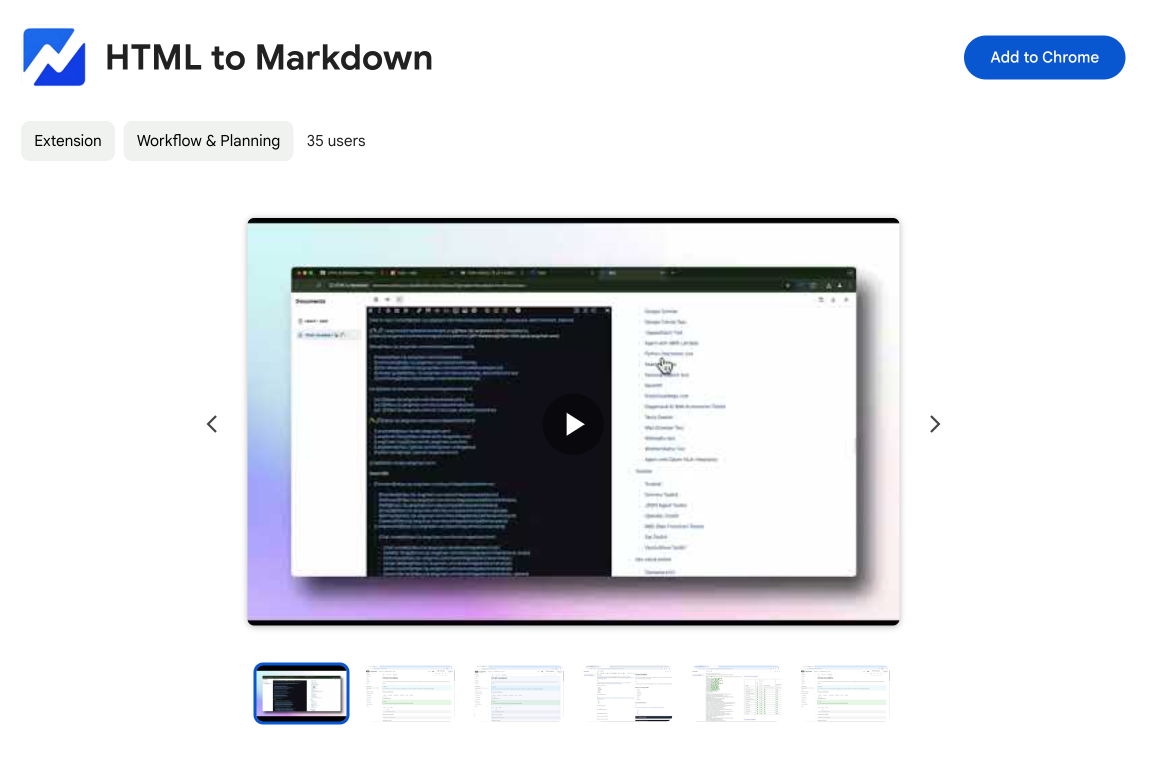
HTML to Markdown
Convert HTML to Markdown with ease, directly in your browser 📄
Dotallio
Personalized AI apps that automate research, data extraction, and content creation without code 🤖
Talk to Santa
Enjoy a magical live video chat or receive a unique AI-generated video greeting from Santa Claus 🎅
pozywka.pl
Scalable blog for food journalist, focused on performance and user experience 🌭
zagrodzki.me
Personal blog and portfolio of Bart Zagrodzki, where he shares his knowledge and work 💼
TurboStarter
Ship your startup everywhere. In minutes.
HTML to Markdown
Convert HTML to Markdown with ease, directly in your browser 📄
Dotallio
Personalized AI apps that automate research, data extraction, and content creation without code 🤖
Talk to Santa
Enjoy a magical live video chat or receive a unique AI-generated video greeting from Santa Claus 🎅
pozywka.pl
Scalable blog for food journalist, focused on performance and user experience 🌭
zagrodzki.me
Personal blog and portfolio of Bart Zagrodzki, where he shares his knowledge and work 💼
TurboStarter
Ship your startup everywhere. In minutes.
HTML to Markdown
Convert HTML to Markdown with ease, directly in your browser 📄
Dotallio
Personalized AI apps that automate research, data extraction, and content creation without code 🤖
Talk to Santa
Enjoy a magical live video chat or receive a unique AI-generated video greeting from Santa Claus 🎅
pozywka.pl
Scalable blog for food journalist, focused on performance and user experience 🌭
zagrodzki.me
Personal blog and portfolio of Bart Zagrodzki, where he shares his knowledge and work 💼
TurboStarter
Ship your startup everywhere. In minutes.
HTML to Markdown
Convert HTML to Markdown with ease, directly in your browser 📄
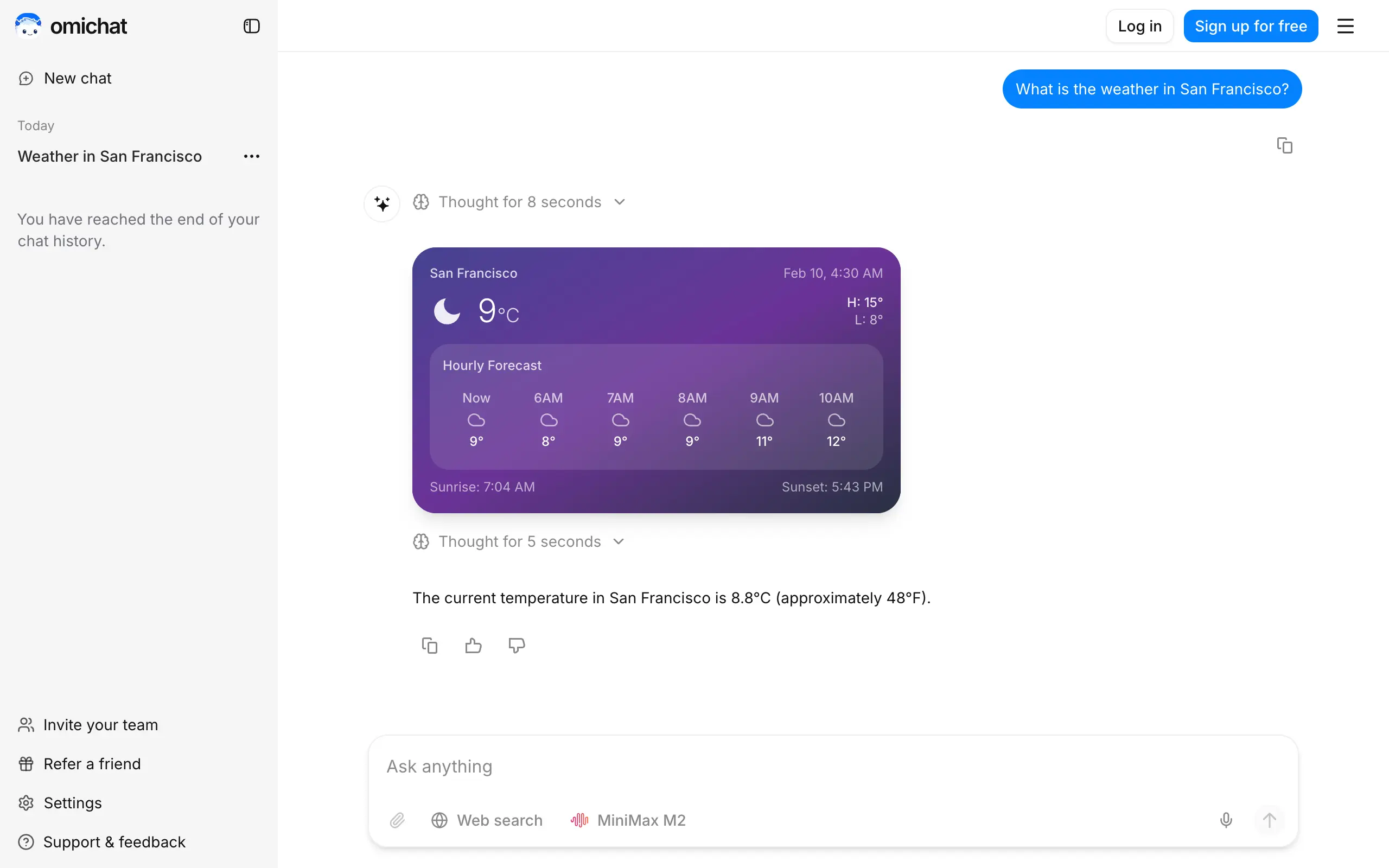
Omichat
Chat with 50+ AI models, including ChatGPT and Claude, in one place - switch models anytime without losing context 🤖
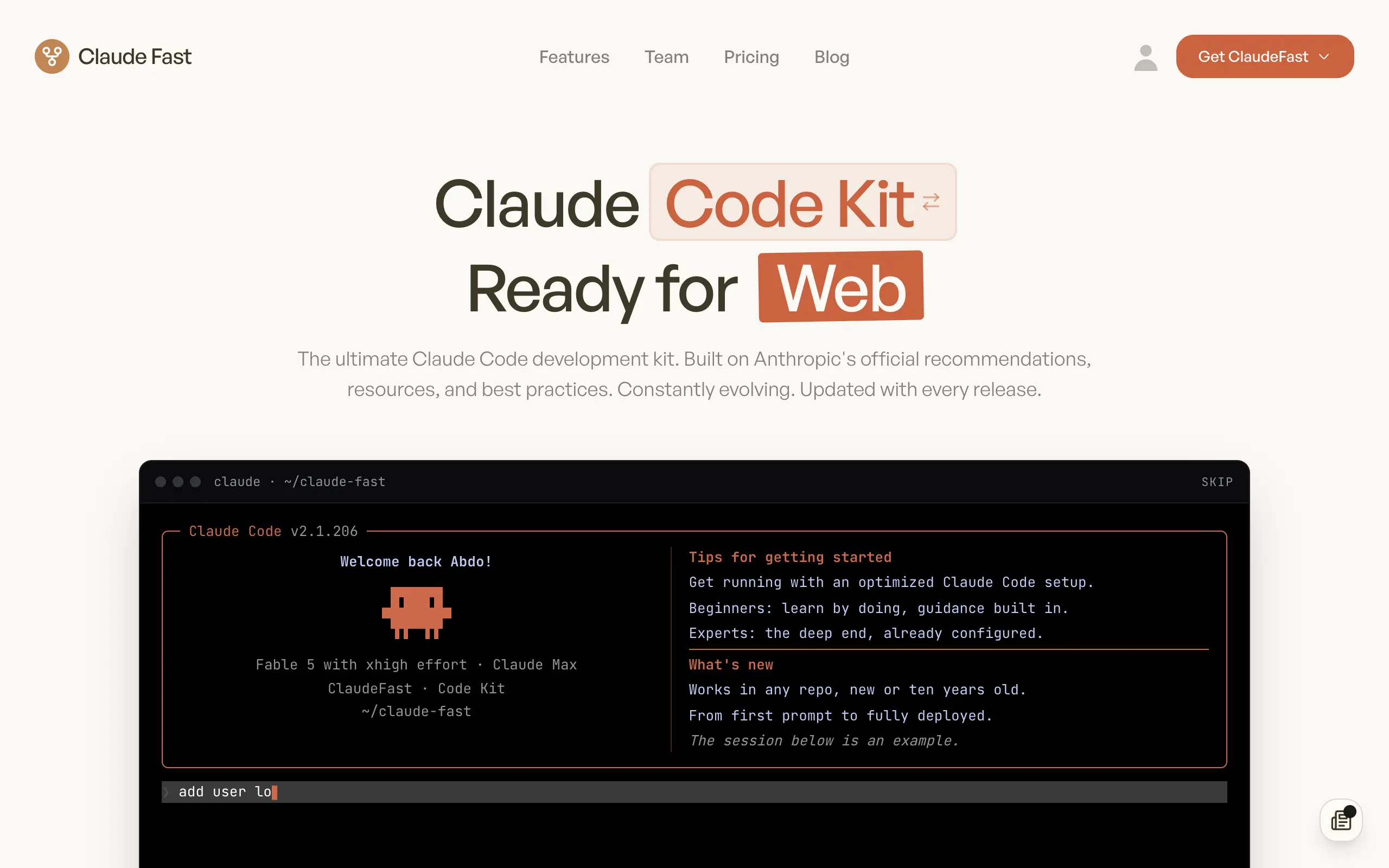
Claude Fast
Supercharge your Claude Code with 6x effective context window and specialized AI agents 🤖
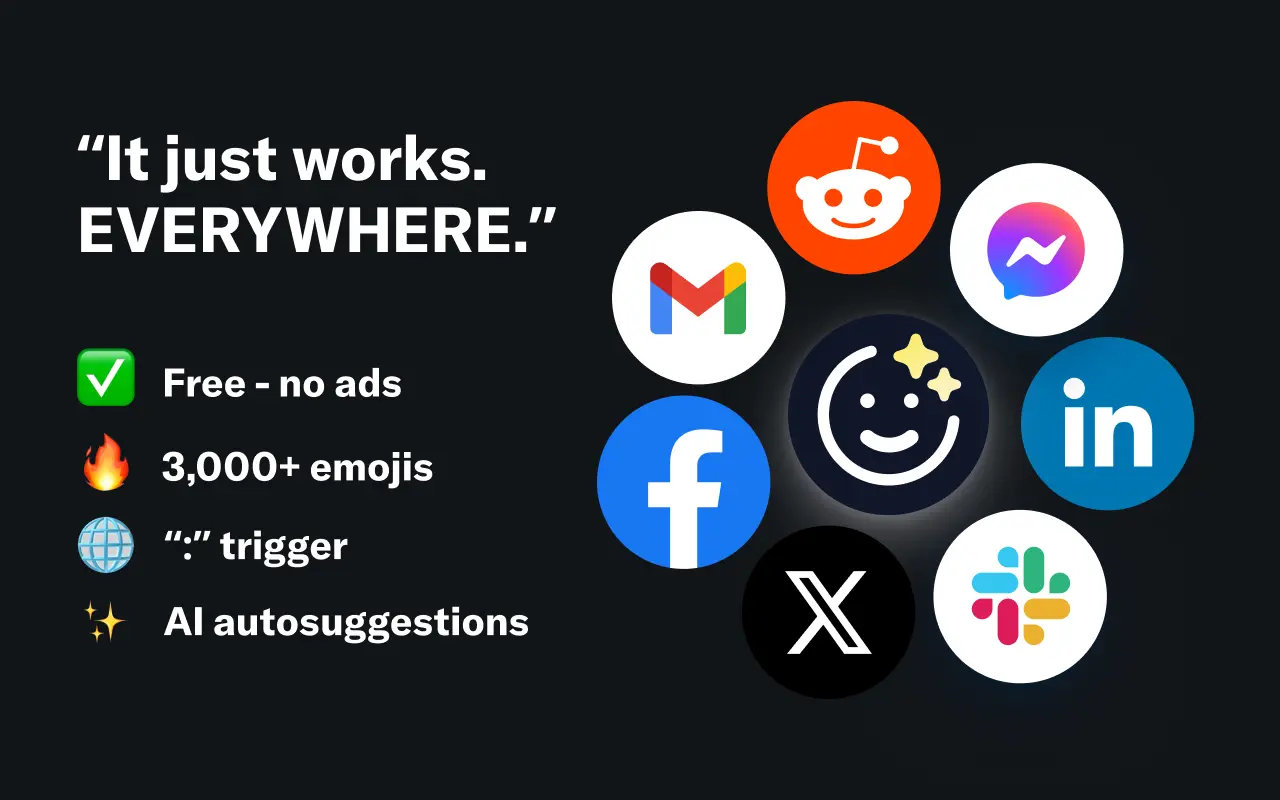
EmojAI
AI-powered emoji picker with smart, context-aware suggestions 🤖
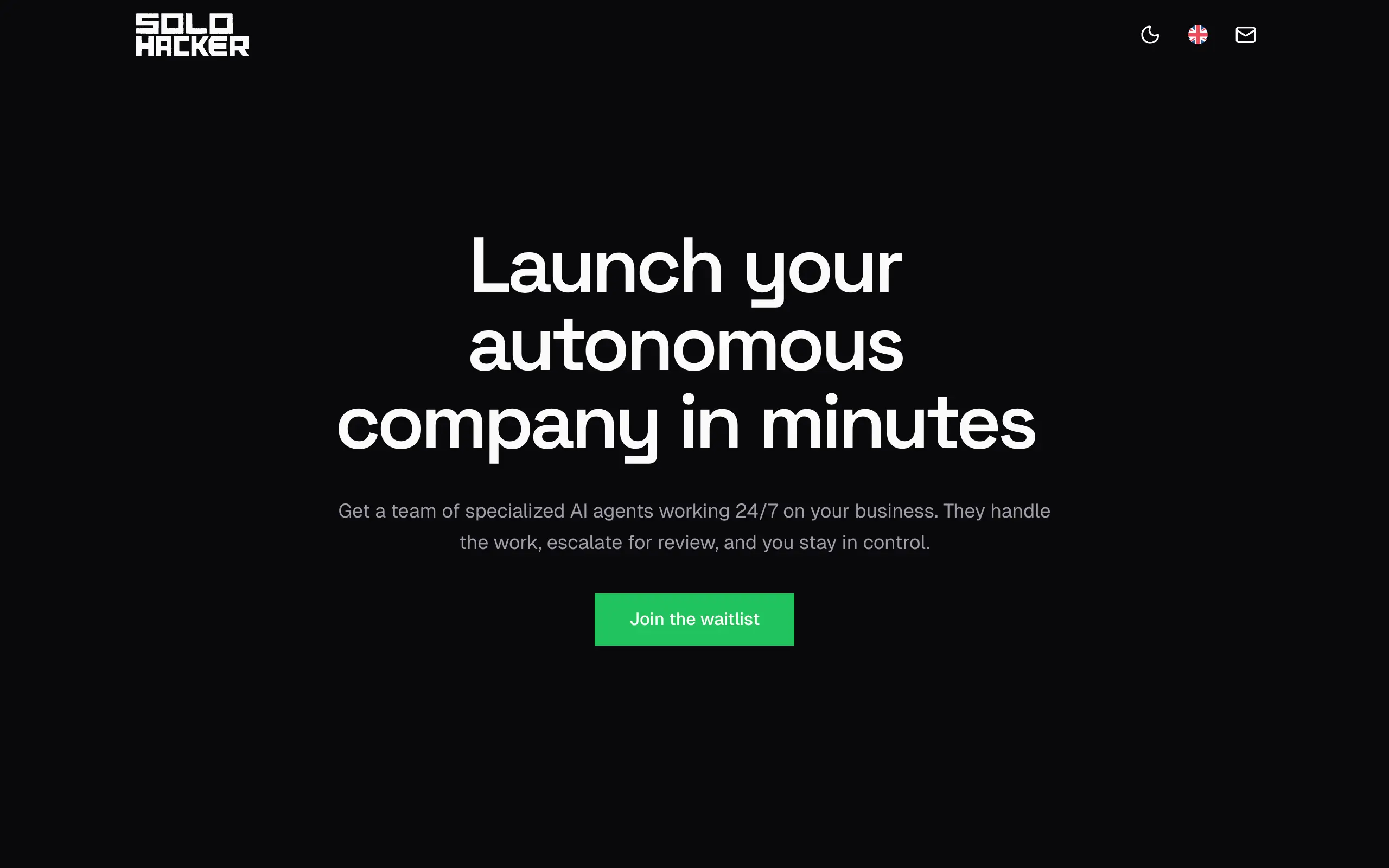
Solohacker
Autonomous company launcher - AI agents work 24/7, escalate what matters, and you stay in control 🤖
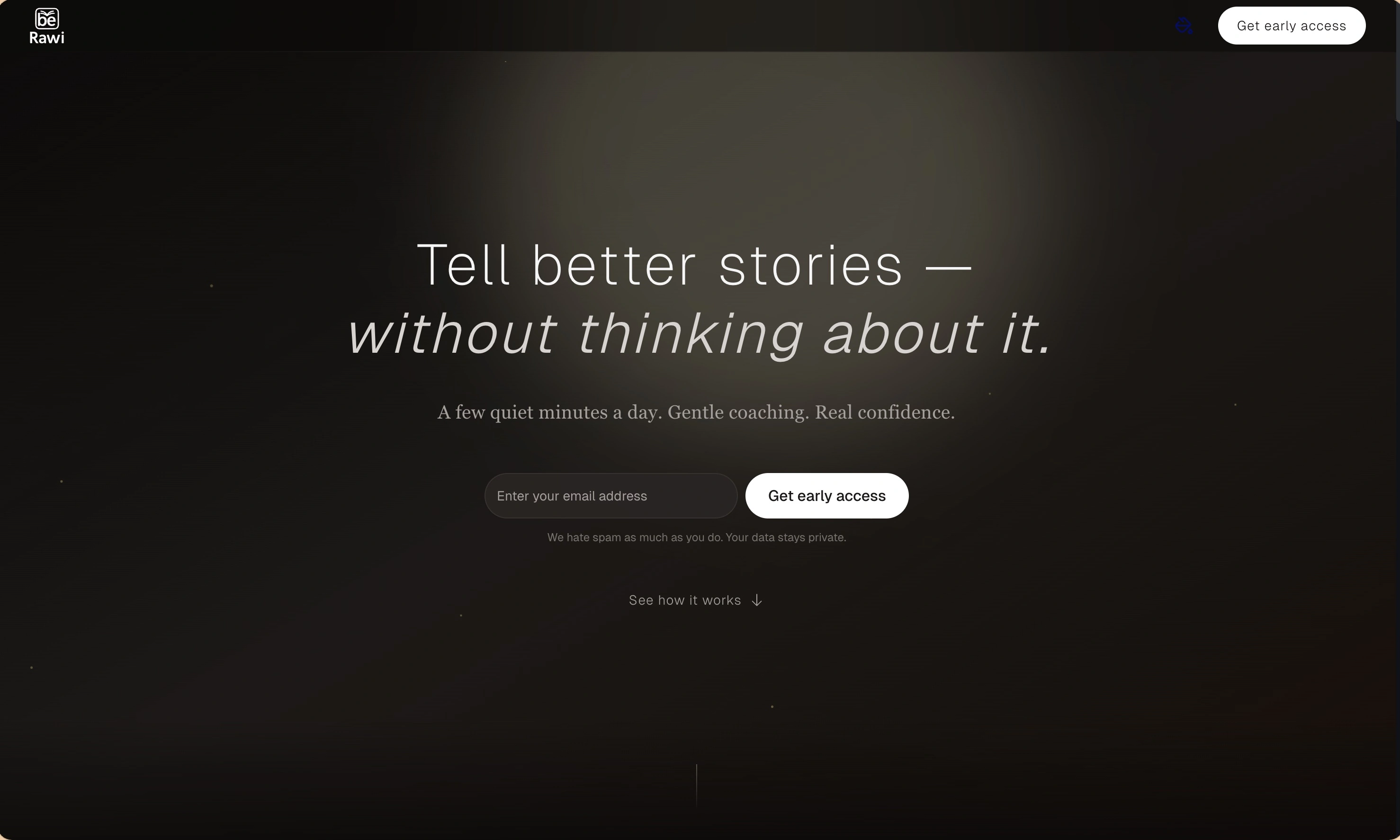
BeRawi: Storytelling Coach
Practice storytelling daily with instant feedback to sound clearer, more engaging, and confident 🎤
Omichat
Chat with 50+ AI models, including ChatGPT and Claude, in one place - switch models anytime without losing context 🤖
Claude Fast
Supercharge your Claude Code with 6x effective context window and specialized AI agents 🤖
EmojAI
AI-powered emoji picker with smart, context-aware suggestions 🤖
Solohacker
Autonomous company launcher - AI agents work 24/7, escalate what matters, and you stay in control 🤖
BeRawi: Storytelling Coach
Practice storytelling daily with instant feedback to sound clearer, more engaging, and confident 🎤
Omichat
Chat with 50+ AI models, including ChatGPT and Claude, in one place - switch models anytime without losing context 🤖
Claude Fast
Supercharge your Claude Code with 6x effective context window and specialized AI agents 🤖
EmojAI
AI-powered emoji picker with smart, context-aware suggestions 🤖
Solohacker
Autonomous company launcher - AI agents work 24/7, escalate what matters, and you stay in control 🤖
BeRawi: Storytelling Coach
Practice storytelling daily with instant feedback to sound clearer, more engaging, and confident 🎤
Omichat
Chat with 50+ AI models, including ChatGPT and Claude, in one place - switch models anytime without losing context 🤖
Claude Fast
Supercharge your Claude Code with 6x effective context window and specialized AI agents 🤖
EmojAI
AI-powered emoji picker with smart, context-aware suggestions 🤖
Solohacker
Autonomous company launcher - AI agents work 24/7, escalate what matters, and you stay in control 🤖
BeRawi: Storytelling Coach
Practice storytelling daily with instant feedback to sound clearer, more engaging, and confident 🎤

Connect with like-minded people
Join our community to get feedback, support, and grow together with 1,000+ builders on board, let's ship it!
Join usShip your startup everywhere. In minutes.
Don't burn tokens on setup and start building features on day one.