ProofLedger AI
AI compliance evidence vault for small vendors that maps policies, screenshots, and controls to changing customer security questionnaires.
Why an AI compliance evidence vault is becoming essential for small vendors
Small B2B software vendors increasingly win or lose deals based on security reviews. A prospective customer may love the product, pricing, and implementation plan, then send a 150-question security questionnaire that requires evidence for access controls, encryption, incident response, data retention, vendor management, and business continuity.
For a startup or lean SaaS company, answering that questionnaire is rarely a simple administrative task. It often becomes a scramble across cloud dashboards, policy folders, ticketing systems, screenshots, spreadsheets, and internal Slack conversations. The team may spend days locating proof that already exists, rewriting the same answers, and trying to determine whether the evidence is current enough to share.
ProofLedger AI addresses this operational problem with an AI compliance evidence vault for small vendors. The product concept is straightforward but highly valuable: centralize compliance evidence, map it to security controls and policies, and use AI to connect that evidence to changing customer security questionnaires.
The opportunity is not to replace a full governance, risk, and compliance platform for large enterprises. It is to give smaller vendors a practical, trustworthy, and affordable way to respond to buyer security demands without hiring a dedicated compliance team too early.
The core market insight
Small vendors do not usually lack security evidence entirely. They lack a structured, reusable, and current system for finding, validating, and presenting that evidence when a customer asks for it.
This article evaluates the ProofLedger AI SaaS opportunity in detail, including target users, market gaps, feature priorities, technology choices, pricing models, risks, differentiation, and an implementation roadmap.
What is ProofLedger AI?
ProofLedger AI is an AI compliance evidence vault designed for small SaaS vendors, agencies, technology consultancies, and other B2B service providers that must complete customer security questionnaires.
The platform stores and organizes artifacts such as:
- Security policies and standard operating procedures
- SOC 2 reports and ISO 27001 certificates
- Cloud configuration screenshots
- Penetration test summaries
- Data flow diagrams
- Access review exports
- Incident response records
- Vendor risk assessments
- Business continuity plans
- Security training records
- Audit logs and control-owner attestations
It then maps these artifacts to a reusable internal control library. When a new customer questionnaire arrives, ProofLedger AI can identify relevant questions, suggest supported responses, retrieve matching evidence, highlight evidence freshness, and route uncertain responses for human review.
The intended outcome is not fully autonomous questionnaire completion. Security questionnaires frequently contain nuanced legal, technical, and contractual language. Instead, ProofLedger AI should act as an intelligent evidence and response workspace where people remain accountable for every submitted answer.
The primary keyword opportunity: AI compliance evidence vault
The primary keyword phrase for this concept is AI compliance evidence vault. It has strong commercial relevance because it combines three high-intent concepts:
- "AI compliance" signals a buyer seeking automation for governance or security operations
- "Evidence vault" signals an organizational system for audits, questionnaires, and proof collection
- "Small vendors" identifies a market that is underserved by enterprise-first compliance platforms
Related semantic keywords should appear naturally across product pages, blog content, comparison pages, and feature documentation:
- Security questionnaire automation
- Compliance evidence management
- Vendor security assessment software
- SOC 2 evidence collection
- Security review automation
- Trust center software
- Compliance automation for startups
- AI questionnaire response software
- GRC software for small businesses
- Security compliance document management
- Customer due diligence automation
- Vendor risk questionnaire response
The customer problem behind security questionnaires
A customer security questionnaire is often treated as a checklist. In reality, it is a commercial gatekeeping mechanism. Enterprise buyers use questionnaires to establish whether a prospective vendor can safely process data, integrate with internal systems, or support critical workflows.
For small vendors, the process creates several compounding problems.
Evidence is distributed across too many systems
A single answer may need proof from multiple places. For example, a buyer asks whether production access is restricted using multi-factor authentication and reviewed regularly.
The answer may require:
- An identity-provider configuration screenshot
- An access control policy
- A recent user access review export
- A ticket showing the review was completed
- An explanation of exceptions and remediation
Without a structured evidence vault, a founder, CTO, or security lead searches across Google Drive, Notion, GitHub, AWS, Azure, ticketing tools, and old email threads. This is slow, error-prone, and difficult to repeat.
The same question is asked in different ways
Customers rarely use identical wording. One questionnaire might ask whether the vendor encrypts customer data at rest. Another may ask about encryption algorithms, key ownership, key rotation, database backups, and exception handling.
Traditional folders and spreadsheets do not understand semantic relationships. An AI compliance evidence vault can help identify that these differently written questions relate to similar controls, policies, and artifacts.
Evidence becomes stale
An old screenshot might show a secure configuration that has since changed. A policy may have been approved a year ago but never reviewed. A completed access review might be outside the customer’s acceptable evidence window.
This creates both operational and reputational risk. Teams need a clear way to know whether an artifact is current, who owns it, when it was last validated, and which customer submissions relied on it.
Questionnaire work is duplicated
Many vendors answer similar questions dozens of times each year. The work is often repeated because prior answers are buried in completed spreadsheets or sent as one-off email attachments.
A reusable answer library helps, but it becomes much more valuable when every answer is tied to validated source evidence and a specific control. That connection is where ProofLedger AI can create durable product value.
Target audience for ProofLedger AI
The best initial audience is not every organization with compliance obligations. The strongest early adopters are companies with recurring customer security reviews, limited security headcount, and a meaningful commercial incentive to accelerate sales cycles.
B2B SaaS startups
Companies selling into mid-market or enterprise accounts that need to complete security questionnaires before procurement approval.
Growing software vendors
Teams with an existing SOC 2 report or security program that still manage evidence and questionnaire responses manually.
AI application providers
Vendors handling customer data and facing detailed questions about model providers, training data, access, retention, and AI governance.
Managed service providers
IT, cybersecurity, and data service businesses that repeatedly complete client due diligence assessments.
Primary buyer persona: the security-conscious operator
The primary buyer may not have “compliance” in their title. In smaller companies, responsibility is often shared across founders, CTOs, security engineers, operations leaders, and legal teams.
A likely buyer profile includes:
- A company with approximately 20 to 500 employees
- B2B revenue motion with larger customers
- At least several security questionnaires per quarter
- A growing library of security policies and audit artifacts
- A need to shorten procurement review cycles
- Limited appetite for enterprise GRC complexity or consulting-heavy implementations
Their emotional pain is important. They are not only frustrated by administration. They worry that a rushed, inconsistent, or unsupported questionnaire answer could delay a strategic deal or create a security commitment the company cannot honor.
Secondary users and their jobs to be done
| User | Primary job | Current workaround | ProofLedger AI value | Success metric |
|---|---|---|---|---|
| CTO or founder | Keep deals moving without becoming a questionnaire bottleneck | Answer from memory and search folders | Fast access to approved answers and evidence | Lower turnaround time |
| Security lead | Maintain accurate controls and proof | Spreadsheets and reminders | Ownership, freshness, and review workflows | Fewer stale artifacts |
| Sales engineer | Support procurement without overpromising | Copy prior answers into customer templates | Approved response recommendations with citations | More questionnaires completed |
| Compliance consultant | Coordinate evidence across several clients | Shared drives and manual trackers | Structured client workspaces and evidence gaps | Higher client capacity |
The market gap in compliance evidence management
The compliance software market includes sophisticated GRC platforms, compliance automation products, trust centers, document repositories, and security questionnaire tools. Yet there is a clear gap between these categories for smaller vendors.
Enterprise GRC platforms are often too heavy
Large GRC systems can support complex risk registers, multi-entity frameworks, audit programs, third-party risk workflows, and deeply customized reporting. Those capabilities are valuable for large organizations, but they can be excessive for a 50-person SaaS company.
Smaller vendors frequently face:
- Long setup cycles
- Expensive annual contracts
- Complex permission models
- Implementation consulting requirements
- Feature sets they do not need
- Workflows optimized for internal audit rather than revenue enablement
ProofLedger AI can differentiate by treating evidence reuse for customer security reviews as the central workflow, not as an add-on.
Shared drives lack intelligence and governance
Google Drive, SharePoint, Dropbox, and Notion are useful storage systems, but they are not purpose-built compliance evidence management platforms. They typically do not provide:
- Control-to-evidence mapping
- Evidence expiration workflows
- Question-to-answer semantic matching
- Response confidence scoring
- Fine-grained buyer-shareable evidence packages
- Submission history across customer questionnaires
- Review requirements for high-risk answers
ProofLedger AI should not compete by merely offering another document folder. It should turn stored documents into a governed proof system.
AI questionnaire tools may not establish evidence trust
Generic AI tools can summarize policies and draft answers, but a customer security questionnaire requires traceability. An answer without source evidence can create false confidence.
The product should therefore position AI as an assistant grounded in approved company materials. Every generated recommendation should show:
- The suggested answer
- The confidence level
- The linked control or policy
- The supporting artifacts
- The artifact validation date
- The internal owner
- The review status
That audit trail is the difference between AI-generated text and a defensible compliance response.
ProofLedger AI’s unique selling proposition
The strongest unique selling proposition is:
ProofLedger AI helps small vendors turn scattered security proof into reusable, evidence-backed answers for customer questionnaires.
This is specific enough to communicate who the platform serves, what it organizes, and why it matters commercially.
A more concise website value proposition could be:
Answer security questionnaires with evidence, not guesswork.
The product’s competitive advantage comes from combining four capabilities in one focused workflow:
- Centralized evidence vault for policies, screenshots, reports, and records
- Control mapping that connects artifacts to security requirements
- AI-assisted questionnaire responses grounded in approved internal evidence
- Evidence freshness and review workflows that protect answer quality over time
This creates a defensible system of record. The more questionnaires customers complete and review in ProofLedger AI, the more useful their approved response library becomes.
Core product features for an AI compliance evidence vault
An MVP should focus on the shortest path from messy evidence to a reviewed questionnaire response. Avoid attempting to build a full compliance automation suite before validating whether customers will pay for evidence-centered questionnaire workflows.
Evidence ingestion and secure organization
The vault should allow users to upload and organize common compliance files.
Supported formats should include:
- PDF policies and audit reports
- DOCX documents
- XLSX spreadsheets
- CSV exports
- PNG and JPEG screenshots
- Text and Markdown files
- Links to cloud-stored files
- Exported questionnaire workbooks
For each artifact, users should be able to record metadata such as:
- Artifact name
- Evidence category
- Related framework or control
- Source system
- Owner
- Collection date
- Last validated date
- Expiration or review date
- Sensitivity classification
- Approval status
A screenshot should not be treated as equivalent to a board-approved policy. Evidence type and quality matter.
Control library and policy mapping
The platform needs a flexible control model. Small vendors may organize security programs around SOC 2, ISO 27001, NIST Cybersecurity Framework, CIS Controls, or custom customer requirements.
Rather than locking users into one framework, ProofLedger AI should support a normalized control library. For example:
- Access control
- Authentication and multi-factor authentication
- Encryption at rest
- Encryption in transit
- Vulnerability management
- Incident response
- Change management
- Backup and recovery
- Employee security training
- Vendor management
- Data retention
- Secure software development
Each control can connect to policies, evidence artifacts, standard response language, owners, and review schedules.
AI-powered questionnaire parsing
This feature should accept a questionnaire in spreadsheet, document, or copied-text format. The AI system can then classify questions by topic, identify likely controls, and recommend relevant evidence.
A useful questionnaire workflow looks like this:
The AI should never silently fill every answer and mark the work complete. It should make uncertainty visible.
Evidence-backed response generation
Every answer suggestion should include source references. This is a non-negotiable product principle for trust.
For example, instead of generating only this answer:
Yes, all production access requires multi-factor authentication.
ProofLedger AI should produce something closer to:
Yes. Production access is restricted to authorized personnel through centralized identity management with multi-factor authentication. Access is reviewed quarterly.
The response view should then show supporting proof:
- Identity and access management policy
- Identity-provider MFA configuration screenshot
- Latest quarterly access review record
- Control owner and validation date
This provides a fast route to human review and reduces the risk of unsupported claims.
Freshness monitoring and evidence requests
Evidence loses value when nobody knows whether it remains current. ProofLedger AI should automate reminders based on artifact type and organizational rules.
Examples include:
- Policy review every 12 months
- Access review evidence every quarter
- Penetration test evidence every year
- Vulnerability scan summary every month
- Business continuity test record every year
- Vendor assessment before contract renewal
A strong workflow is not merely “send reminder.” It should identify which controls become less defensible if an artifact expires, which questionnaires are affected, and which owner must act.
Approval workflows and accountability
Questionnaire responses can create contractual obligations. A sales team should not be able to promise a customer that the company supports a control it has not implemented.
Role-based workflows should support:
- Drafting by sales engineering or compliance staff
- Review by security or technical owners
- Approval for customer submission
- Escalation for legal, privacy, or executive review
- Immutable activity history
- Version comparison between revisions
For a small vendor, the workflow must remain lightweight. One reviewer may own several controls. The system should reduce coordination overhead rather than create bureaucratic friction.
Customer-ready evidence packages
Many customers request proof beyond a questionnaire. ProofLedger AI can create controlled evidence packages containing selected policies, reports, and attestations.
Important capabilities include:
- Read-only share links
- Access expiration
- Watermarking options
- Download restrictions where feasible
- Viewer activity logs
- Package-level access permissions
- Separate internal and externally shareable artifact classifications
This feature can evolve into a lightweight trust center, but it should begin with practical, deal-specific sharing.
AI architecture and trust requirements
AI is valuable in this product only when it improves retrieval, classification, drafting, and review without compromising sensitive data.
Retrieval-augmented generation is the right starting pattern
A retrieval-augmented generation, or RAG, architecture is well suited to an AI compliance evidence vault. Instead of relying on a language model’s general knowledge to answer a security question, the system retrieves relevant customer-approved evidence before generating a response.
The high-level flow is:
type EvidenceMatch = {
  artifactId: string;
  controlId: string;
  relevanceScore: number;
  validatedAt: Date;
  approvedForExternalUse: boolean;
};

async function draftQuestionnaireAnswer(question: string) {
  const matches = await findRelevantEvidence(question);

  const trustedMatches = matches.filter(
    (match) => match.approvedForExternalUse && match.relevanceScore > 0.75
  );

  return generateGroundedAnswer({
    question,
    evidence: trustedMatches,
    requireCitations: true,
    flagLowConfidence: trustedMatches.length === 0,
  });
}
The actual implementation requires stronger authorization, data isolation, logging, and validation than this simplified example. The strategic point remains the same: the answer should be grounded in the customer’s evidence, not invented from a general model.
AI guardrails that should be built into the product
The platform should include guardrails from the first release:
- Do not generate an affirmative answer without evidence
- Flag missing or stale evidence
- Require human review for legal and high-risk security claims
- Display citations for every generated recommendation
- Prevent cross-tenant retrieval
- Record model input and output metadata appropriately
- Give customers clear controls over model usage and retention
- Support redaction before documents are processed
- Make confidence explainable rather than opaque
Avoid the autonomous compliance trap
A product that automatically answers questionnaires without requiring evidence review may look impressive in a demo but create unacceptable customer risk. Compliance teams need speed, but they also need defensibility.
Data privacy and security considerations
ProofLedger AI will store highly sensitive company materials. The product’s own security posture will become part of its sales motion quickly.
The platform should plan for:
- Tenant isolation at the database and authorization layers
- Encryption in transit and at rest
- Strict role-based access control
- SSO and SAML support for higher plans
- Audit logs for evidence access and exports
- Secure file scanning and malware detection
- Data retention and deletion controls
- Regional hosting options as the business grows
- Vendor risk reviews for AI model providers
- Clear disclosures about whether customer content is used for model training
For credibility, the company should eventually pursue an appropriate assurance program such as SOC 2. Before making formal claims, founders should consult qualified legal and compliance professionals. For industry benchmarks or market statistics, reference established research from sources such as analyst firms, standards organizations, or annual security reports rather than using unsupported numbers in marketing copy.
Recommended technology stack for ProofLedger AI
A modern SaaS stack can help the team move quickly while preserving room for enterprise-grade security controls.
Application layer
A practical web application stack includes:
- React for the user interface
- Next.js for full-stack web application capabilities
- TypeScript for safer application development
- Tailwind CSS for consistent, efficient interface styling
- PostgreSQL for relational data, permissions, audit records, and control mappings
The core product is workflow-heavy. Users will spend time reviewing tables, evidence metadata, document previews, approval states, and questionnaire fields. Prioritize clarity and speed over visually impressive but confusing dashboards.
File storage and document processing
Use object storage for uploaded evidence and retain metadata in PostgreSQL. Document processing should include:
- Virus scanning at upload
- Text extraction for PDFs and DOCX files
- OCR for screenshots and scanned documents
- Content hashing for duplicate detection
- Version tracking
- Secure preview generation
- Classification and redaction workflows
A trade-off exists between supporting every possible file format immediately and delivering a reliable early experience. Start with the formats most commonly found in vendor security reviews, then expand based on observed usage.
Search and vector retrieval
The product needs both exact search and semantic search.
Exact search is necessary for:
- Policy names
- Control IDs
- Artifact owners
- Questionnaire titles
- Dates and expiration status
Semantic search is necessary for:
- Similar but differently worded questionnaire questions
- Retrieval of relevant policy clauses
- Finding prior approved answers
- Matching evidence to control topics
pgvector can be a sensible early choice because it keeps vector search close to PostgreSQL. This reduces operational complexity for an MVP. As usage grows, a dedicated vector database may become useful for scale or specialized retrieval features, but introducing another system too early can slow the team down.
Authentication, authorization, and auditability
Authentication is not enough for this category. ProofLedger AI needs robust authorization.
The product should model permissions around:
- Organization
- Workspace
- Evidence artifact
- Questionnaire
- Control
- Share package
- Reviewer role
- External viewer
A user may be able to draft an answer but not approve it. A customer-facing share link may expose one report but not the broader evidence library. Design these permission boundaries early because retrofitting them later is expensive and risky.
Building faster with a SaaS starter kit
A secure, well-structured SaaS foundation can significantly reduce time spent rebuilding authentication, billing, organizations, dashboards, emails, and account management. TurboStarter is particularly useful for founders who want to focus engineering resources on the differentiated compliance evidence workflow rather than undifferentiated application plumbing.
Monetization strategy for ProofLedger AI
The pricing model should reflect the value of accelerated questionnaires, reduced sales friction, and reusable compliance assets. Avoid pricing solely by document storage because storage is not the customer’s core reason for buying.
Recommended tiered subscription model
A tiered model can align with customer maturity.
- "Starter": for early-stage vendors managing a small evidence library and occasional questionnaires
- "Growth": for companies with recurring customer reviews, multiple contributors, and approval workflows
- "Scale": for larger vendors that need SSO, advanced audit logs, integrations, custom retention, and priority support
- "Consultant": for compliance advisors managing separate client workspaces
Potential value metrics include:
- Number of workspaces
- Number of questionnaires processed per month
- Number of active evidence artifacts
- Number of reviewer seats
- Advanced AI processing credits
- External share package volume
- Integration access
A hybrid subscription and usage approach may work best. The subscription pays for the secure vault, workflows, and control library. Usage-based pricing applies to AI-intensive document processing or high volumes of questionnaire extraction.
High-value add-ons
Potential add-ons include:
- Custom framework mappings
- White-glove evidence migration
- Questionnaire response review services
- Trust center publishing
- Advanced redaction
- Private deployment options
- Dedicated customer success support
- API access and CRM integrations
- Compliance consultant partner seats
The strongest expansion motion is likely from evidence vault usage into trust-sharing, framework mapping, and sales-security collaboration.
Competitive advantage analysis
ProofLedger AI should not try to beat every established compliance platform across every feature. It needs a narrow, compelling wedge.
Where ProofLedger AI can win
| Capability | Shared drive | Enterprise GRC | Generic AI tool | ProofLedger AI | Customer value |
|---|---|---|---|---|---|
| Evidence storage | ✅ | ✅ | ❌ | ✅ | Centralized proof |
| Control mapping | ❌ | ✅ | ❌ | ✅ | Reusable compliance context |
| Evidence-grounded AI responses | ❌ | Varies | Varies | ✅ | Faster, safer answers |
| Small-vendor simplicity | ✅ | Often limited | ✅ | ✅ | Fast adoption |
The moat is not just an LLM prompt. It is the structured evidence graph that connects controls, artifacts, owners, questionnaire questions, previous responses, approval decisions, and freshness status.
Over time, this graph creates proprietary workflow intelligence for each customer. Switching away becomes harder because the platform contains not just files, but the organization’s institutional memory of how it proves security to buyers.
Key risks and practical mitigation strategies
Every compliance SaaS opportunity has meaningful risk. Addressing those risks directly improves the product strategy and buyer trust.
Mitigate this by requiring citations, surfacing confidence scores, blocking unsupported affirmative claims, and routing sensitive questions to human approvers. Position the product as AI-assisted and evidence-grounded rather than autonomous.
Build trust through clear encryption, access controls, audit logs, retention settings, data processing disclosures, and strong contractual terms. Start with smaller, less sensitive artifacts if a prospect needs a lower-risk pilot.
Keep the user experience centered on questionnaire completion, control mapping, evidence freshness, and response approvals. Every feature should improve a customer’s ability to prove a security claim.
Focus on speed, simplicity, and the underserved small-vendor workflow. Build integrations and templates that make onboarding dramatically easier than a complex enterprise GRC implementation.
Support configurable controls, customer-specific answer overrides, and evidence package rules. Do not force every company into one rigid framework model.
Go-to-market strategy for ProofLedger AI
The best initial go-to-market message should focus on a costly and recognizable trigger event:
“A large prospect sent us a security questionnaire, and we need to respond quickly without guessing.”
This is more immediate than broad messaging about governance or risk management.
High-intent acquisition channels
Potential channels include:
- SEO content targeting security questionnaire pain points
- Founder-led outreach to B2B SaaS companies selling into enterprise accounts
- Partnerships with SOC 2 consultants and virtual CISOs
- Communities for startup security leaders and technical founders
- Templates for common questionnaire categories
- Webinars on reducing security review turnaround time
- Integration partnerships with compliance advisors
- Product-led onboarding through a free questionnaire gap analysis
SEO pages should address specific searches such as:
- How to answer a customer security questionnaire
- Security questionnaire response template
- How to organize SOC 2 evidence
- Compliance evidence management for startups
- How to reduce vendor security review delays
- AI tools for security questionnaires
Avoid publishing generic AI compliance content with no operational depth. The most credible content will include real workflows, evidence examples, review checklists, and nuanced discussion of what should remain human-reviewed.
A compelling free tool
A free “security questionnaire readiness score” can be an effective lead magnet. A user uploads a sanitized questionnaire or selects common question categories. The tool identifies:
- Questions likely to require formal evidence
- Common control areas
- Potential missing documents
- Questions that need technical owner review
- A suggested evidence collection checklist
The free experience should demonstrate value without requiring users to upload their most sensitive documents immediately.
Implementation roadmap for the MVP
The first release should solve one complete workflow exceptionally well. Do not begin with a large framework catalog, dozens of integrations, or fully automated audit collection.
Phase one: evidence and response foundation
Build the minimum viable system around:
- Organization and user accounts
- Secure artifact upload and metadata
- Control library with basic mapping
- Questionnaire import from XLSX and CSV
- AI-assisted matching between questions and evidence
- Draft answer generation with citations
- Reviewer approval workflow
- Export back to a customer questionnaire format
- Basic audit log
- Evidence expiration reminders
The initial goal is measurable: help a customer complete a real questionnaire faster while improving the quality and traceability of each response.
Phase two: improve retrieval and operational workflows
After validating usage, add:
- Document OCR and better PDF extraction
- Answer library versioning
- More robust policy clause citations
- Slack and email notifications
- Customer evidence packages
- Control-owner dashboards
- Advanced review queues
- Duplicate evidence detection
- Questionnaire templates
- Salesforce or HubSpot deal context integration
Phase three: scale trust and ecosystem value
Later-stage capabilities can include:
- SSO and SCIM provisioning
- API access
- Trust center functionality
- Multi-framework crosswalks
- Compliance consultant workspaces
- Advanced analytics on questionnaire turnaround
- AI-assisted redaction
- Continuous evidence collection integrations
- Private model or bring-your-own-model options
How to validate the idea before building too much
Before writing extensive code, run structured customer discovery with potential buyers.
Ask questions such as:
- How many security questionnaires do you receive each quarter?
- Who completes them today?
- How long does a typical response take?
- Which questions create the most delay?
- Where is evidence stored?
- How often do you reuse past answers?
- What happens when evidence is outdated?
- Have security reviews delayed or lost deals?
- Which tools have you tried, and why were they insufficient?
- Would you trust AI recommendations if they included source evidence and required approval?
The best signal is not a compliment about the idea. It is a commitment to share a real questionnaire, join a design-partner program, pay for a pilot, or switch from an existing manual process.
A strong pilot offer could include guided migration of a customer’s existing policies and two completed questionnaires. This creates close feedback loops and reveals the messy edge cases that a generic product specification will miss.
Final recommendation
ProofLedger AI has a credible opportunity because it targets a painful, recurring, revenue-adjacent problem for small vendors. The product should be positioned as an AI compliance evidence vault for security questionnaires, not as a broad replacement for enterprise GRC software.
The winning product experience is simple:
- Upload and organize compliance proof
- Map proof to controls and policies
- Import a customer questionnaire
- Generate evidence-backed response suggestions
- Route answers to accountable reviewers
- Export a polished, defensible submission
- Keep the underlying evidence current for the next deal
The most important strategic decision is to make trust visible. Every AI recommendation needs an evidence trail, a freshness signal, and a clear human approval path. That approach helps small vendors move faster without making unsupported security claims.
For founders building this product, start with a narrow MVP focused on questionnaire ingestion, evidence retrieval, and reviewed answer generation. Win a small group of B2B SaaS design partners, learn from their actual security review workflows, and let their repeated questionnaire patterns shape the control library and automation roadmap.
More 🤖 AI Startup SaaS ideas
Discover more innovative ai startup SaaS ideas that are trending in 2026. Each idea is AI-generated with market validation and growth potential to help you find your next profitable venture faster than competitors.
Your competitors are building with TurboStarter
Below are some of the SaaS ideas that have been generated and built with our starter kit.
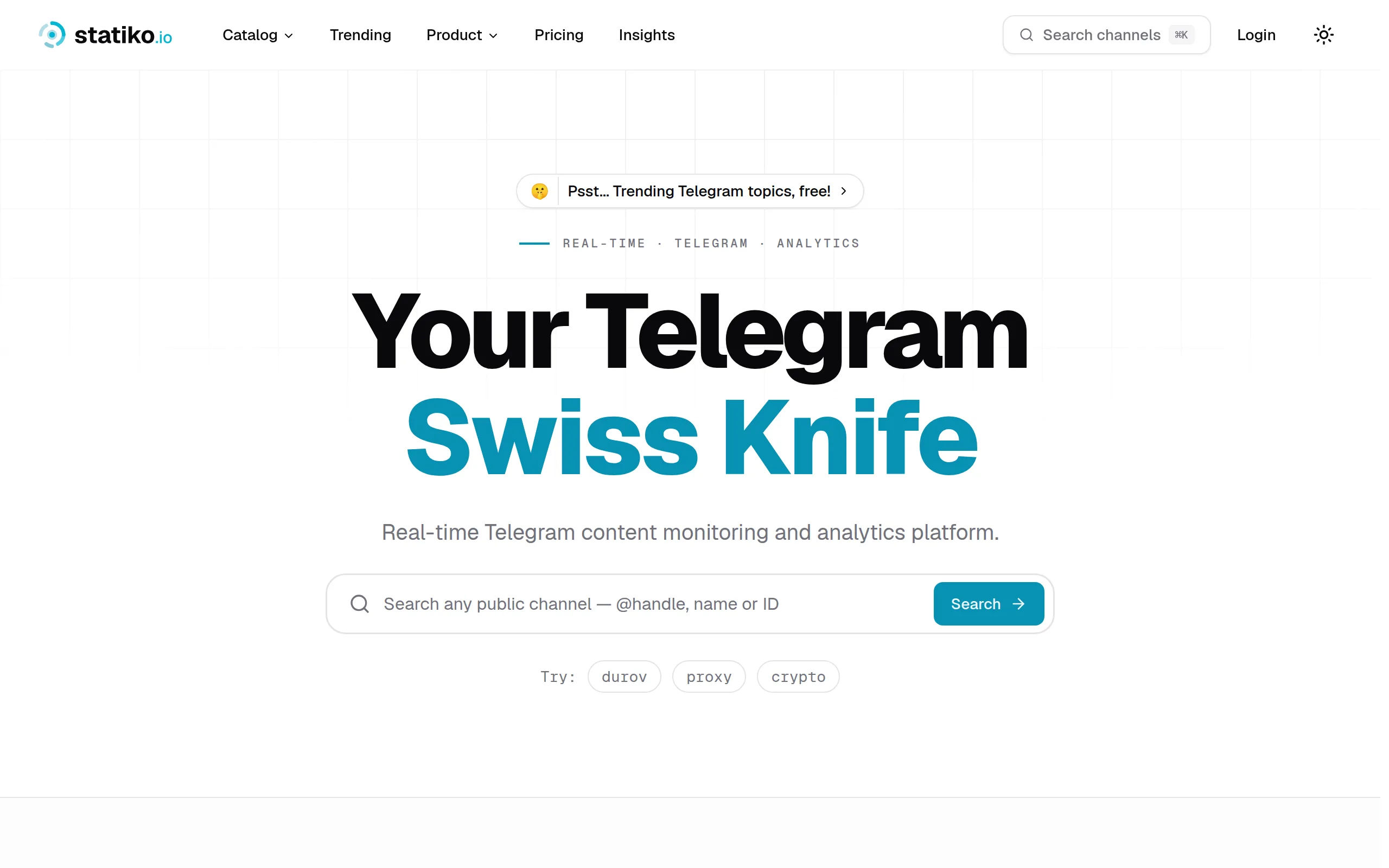
Statiko
Monitor any Telegram channel in real time - track posts, edits, deletions, and growth with AI recaps 📡

Shibui
AI website builder - describe your business, pick a niche template, edit by chatting, and publish instantly ✨

Pro Service
Find verified home service professionals, compare quotes, and pay securely through escrow - built for Brazilians across the US 🏠
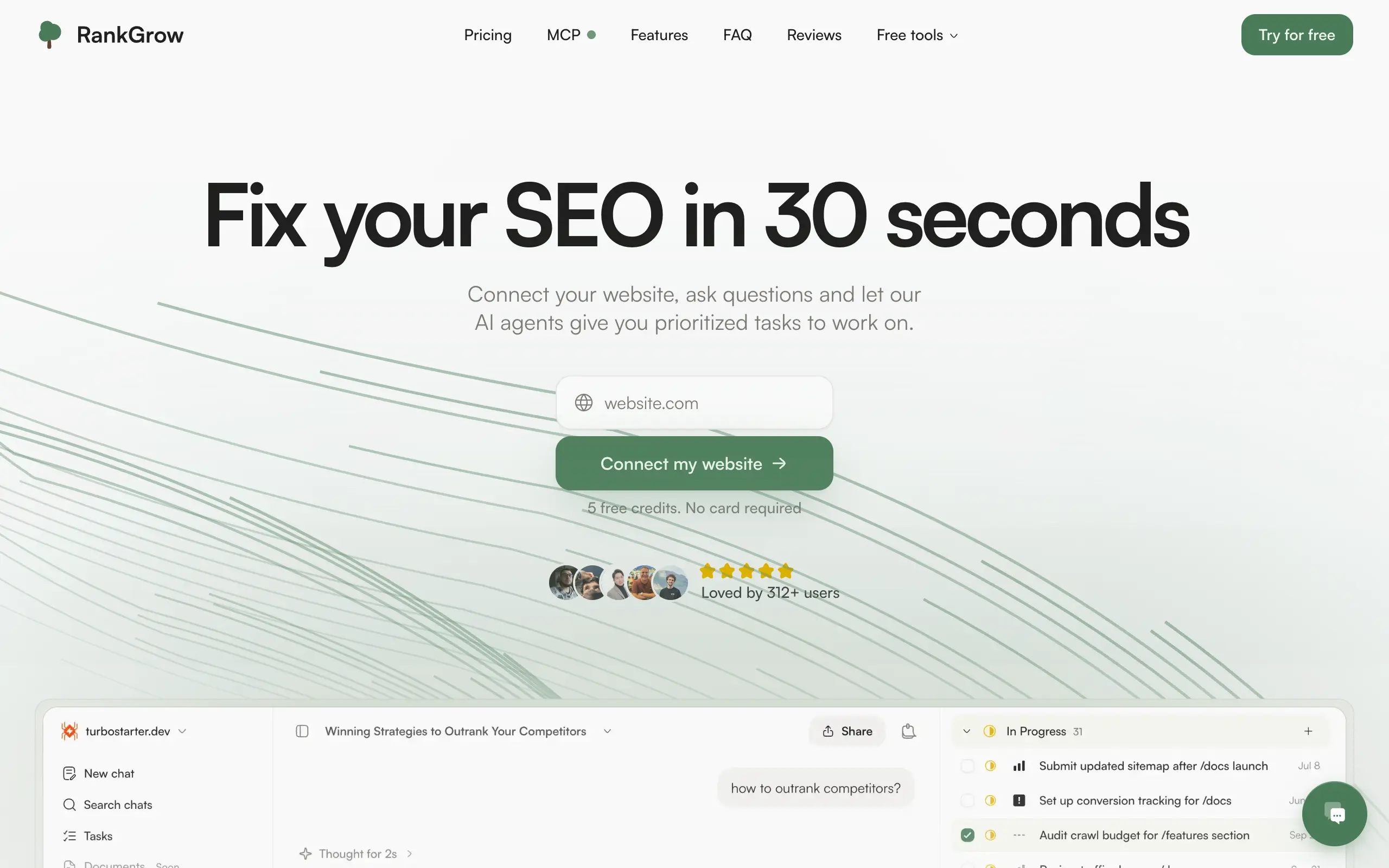
RankGrow
Fix your SEO with AI agents - connect Search Console, get prioritized tasks, and grow organic traffic 📈
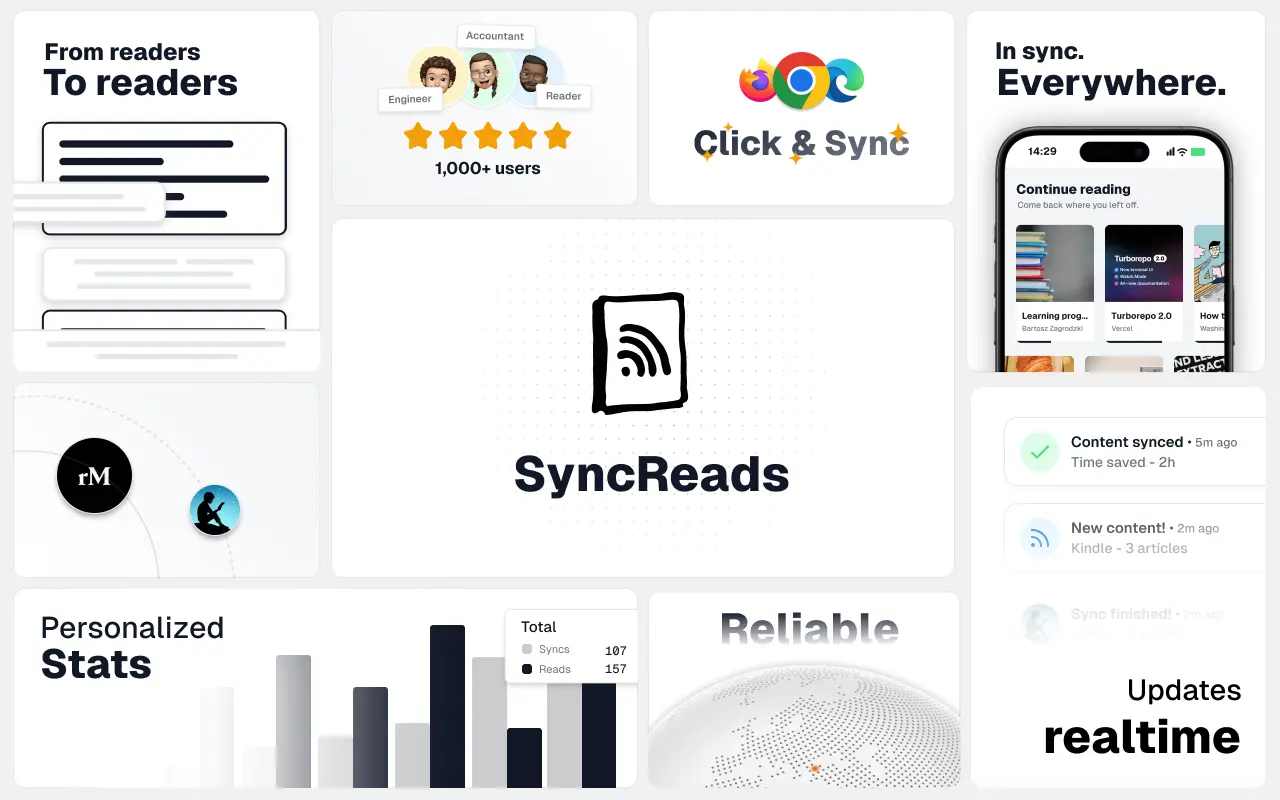
SyncReads
Sync your favorite content for distraction-free reading, save time and replace multiple apps. Anytime, anywhere 🔄
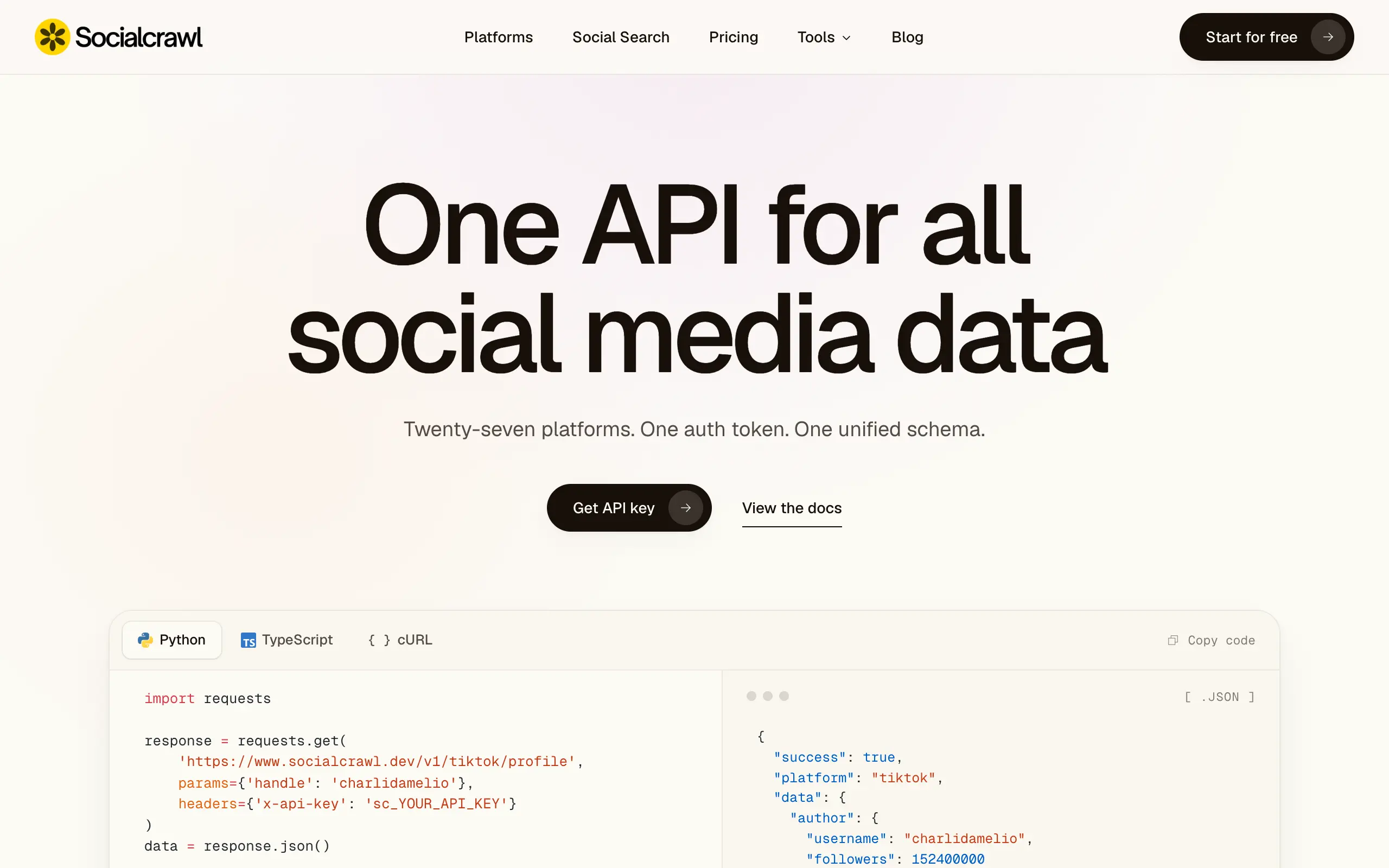
Socialcrawl
Get clean, structured data from 21 platforms like TikTok, Instagram, and YouTube with a single request 📊
Statiko
Monitor any Telegram channel in real time - track posts, edits, deletions, and growth with AI recaps 📡
Shibui
AI website builder - describe your business, pick a niche template, edit by chatting, and publish instantly ✨
Pro Service
Find verified home service professionals, compare quotes, and pay securely through escrow - built for Brazilians across the US 🏠
RankGrow
Fix your SEO with AI agents - connect Search Console, get prioritized tasks, and grow organic traffic 📈
SyncReads
Sync your favorite content for distraction-free reading, save time and replace multiple apps. Anytime, anywhere 🔄
Socialcrawl
Get clean, structured data from 21 platforms like TikTok, Instagram, and YouTube with a single request 📊
Statiko
Monitor any Telegram channel in real time - track posts, edits, deletions, and growth with AI recaps 📡
Shibui
AI website builder - describe your business, pick a niche template, edit by chatting, and publish instantly ✨
Pro Service
Find verified home service professionals, compare quotes, and pay securely through escrow - built for Brazilians across the US 🏠
RankGrow
Fix your SEO with AI agents - connect Search Console, get prioritized tasks, and grow organic traffic 📈
SyncReads
Sync your favorite content for distraction-free reading, save time and replace multiple apps. Anytime, anywhere 🔄
Socialcrawl
Get clean, structured data from 21 platforms like TikTok, Instagram, and YouTube with a single request 📊
Statiko
Monitor any Telegram channel in real time - track posts, edits, deletions, and growth with AI recaps 📡
Shibui
AI website builder - describe your business, pick a niche template, edit by chatting, and publish instantly ✨
Pro Service
Find verified home service professionals, compare quotes, and pay securely through escrow - built for Brazilians across the US 🏠
RankGrow
Fix your SEO with AI agents - connect Search Console, get prioritized tasks, and grow organic traffic 📈
SyncReads
Sync your favorite content for distraction-free reading, save time and replace multiple apps. Anytime, anywhere 🔄
Socialcrawl
Get clean, structured data from 21 platforms like TikTok, Instagram, and YouTube with a single request 📊
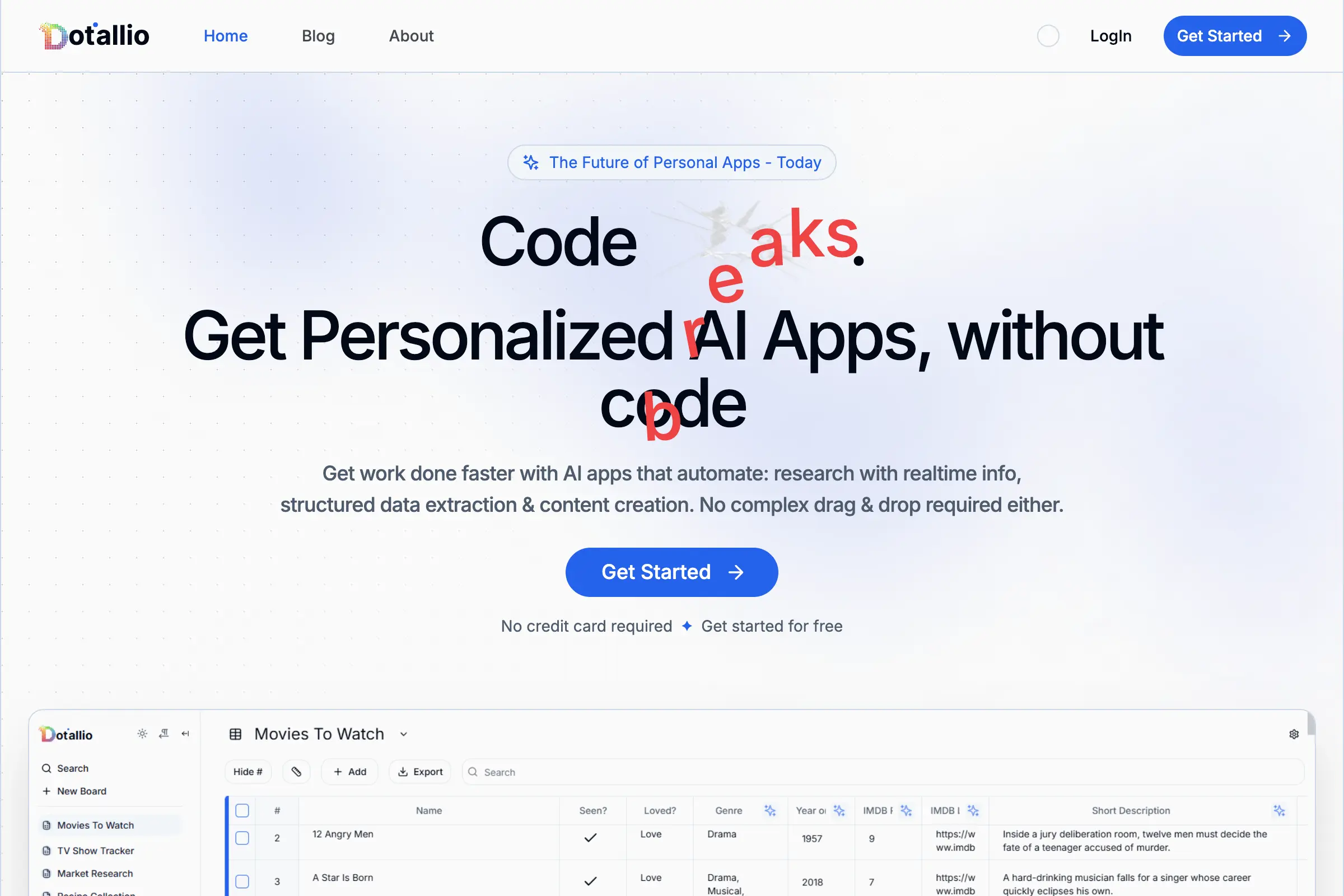
Dotallio
Personalized AI apps that automate research, data extraction, and content creation without code 🤖

Talk to Santa
Enjoy a magical live video chat or receive a unique AI-generated video greeting from Santa Claus 🎅

pozywka.pl
Scalable blog for food journalist, focused on performance and user experience 🌭
zagrodzki.me
Personal blog and portfolio of Bart Zagrodzki, where he shares his knowledge and work 💼
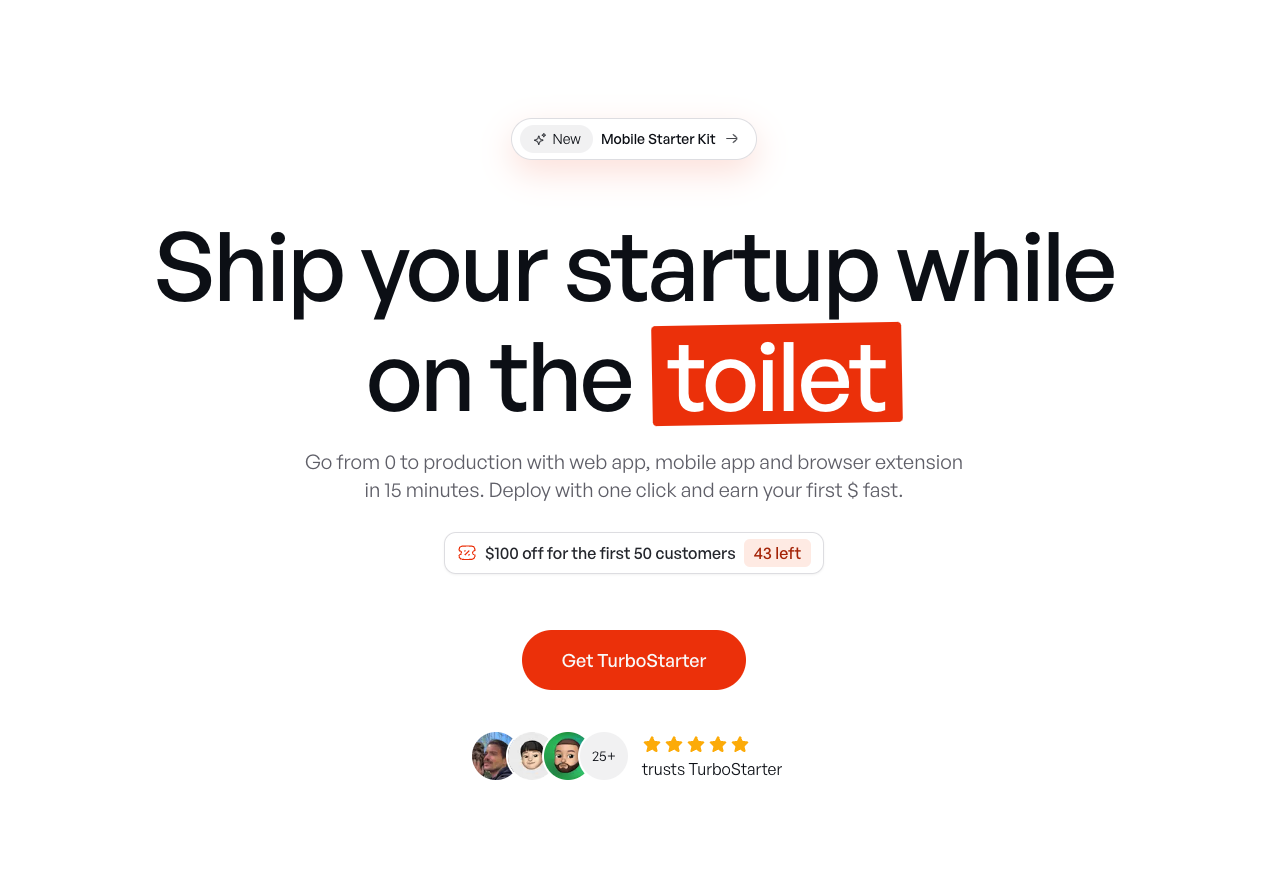
TurboStarter
Ship your startup everywhere. In minutes.
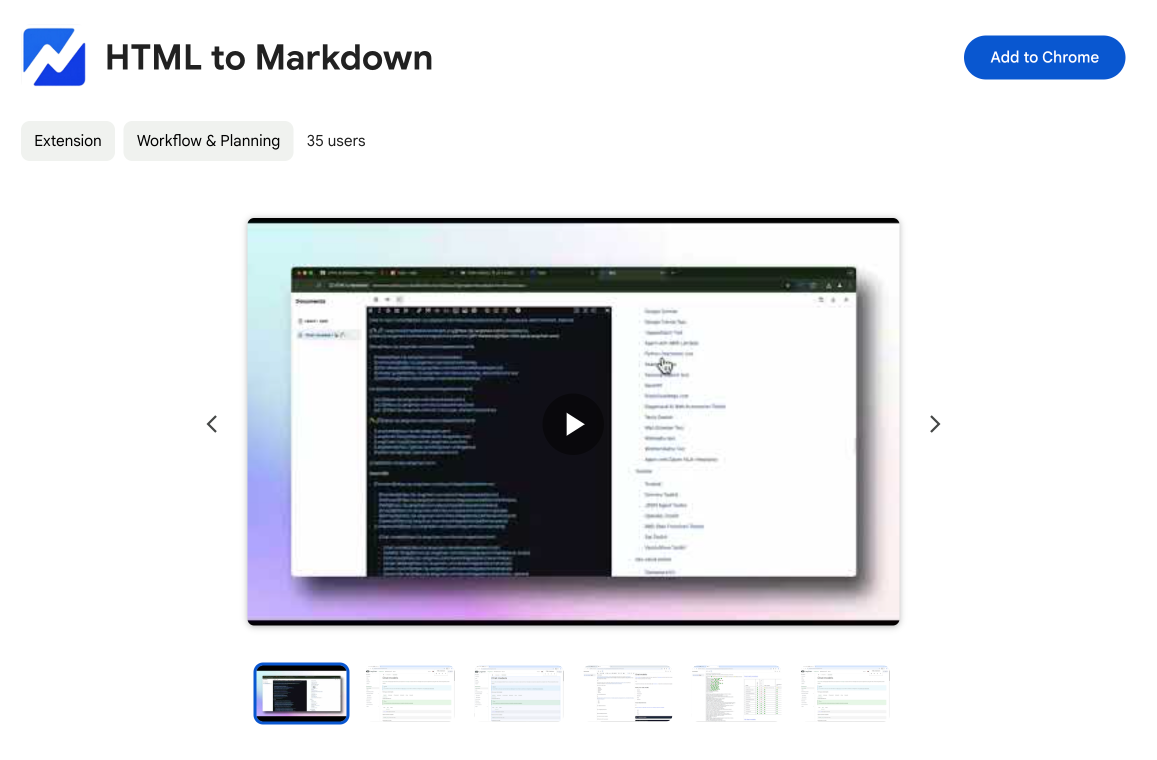
HTML to Markdown
Convert HTML to Markdown with ease, directly in your browser 📄
Dotallio
Personalized AI apps that automate research, data extraction, and content creation without code 🤖
Talk to Santa
Enjoy a magical live video chat or receive a unique AI-generated video greeting from Santa Claus 🎅
pozywka.pl
Scalable blog for food journalist, focused on performance and user experience 🌭
zagrodzki.me
Personal blog and portfolio of Bart Zagrodzki, where he shares his knowledge and work 💼
TurboStarter
Ship your startup everywhere. In minutes.
HTML to Markdown
Convert HTML to Markdown with ease, directly in your browser 📄
Dotallio
Personalized AI apps that automate research, data extraction, and content creation without code 🤖
Talk to Santa
Enjoy a magical live video chat or receive a unique AI-generated video greeting from Santa Claus 🎅
pozywka.pl
Scalable blog for food journalist, focused on performance and user experience 🌭
zagrodzki.me
Personal blog and portfolio of Bart Zagrodzki, where he shares his knowledge and work 💼
TurboStarter
Ship your startup everywhere. In minutes.
HTML to Markdown
Convert HTML to Markdown with ease, directly in your browser 📄
Dotallio
Personalized AI apps that automate research, data extraction, and content creation without code 🤖
Talk to Santa
Enjoy a magical live video chat or receive a unique AI-generated video greeting from Santa Claus 🎅
pozywka.pl
Scalable blog for food journalist, focused on performance and user experience 🌭
zagrodzki.me
Personal blog and portfolio of Bart Zagrodzki, where he shares his knowledge and work 💼
TurboStarter
Ship your startup everywhere. In minutes.
HTML to Markdown
Convert HTML to Markdown with ease, directly in your browser 📄
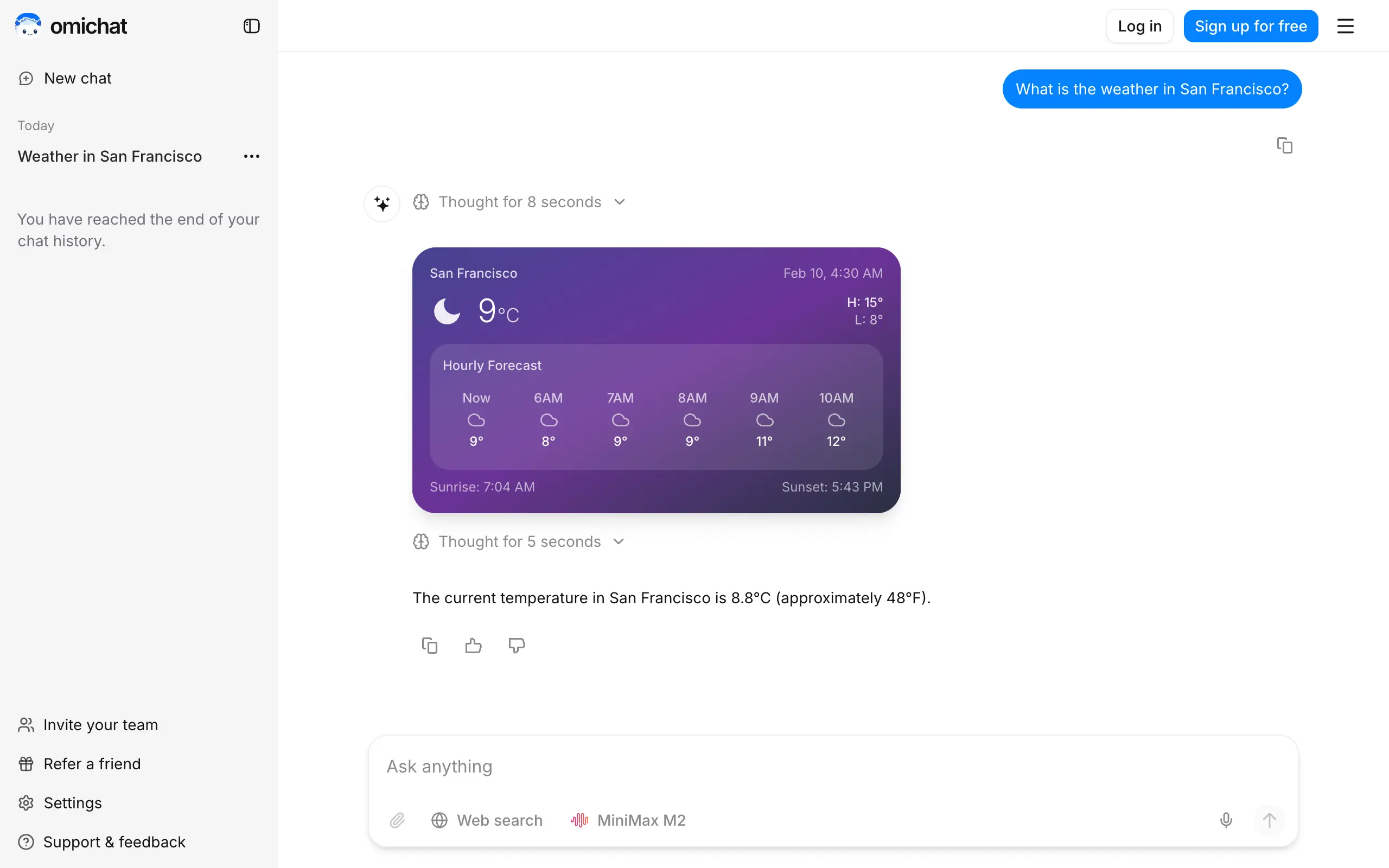
Omichat
Chat with 50+ AI models, including ChatGPT and Claude, in one place - switch models anytime without losing context 🤖
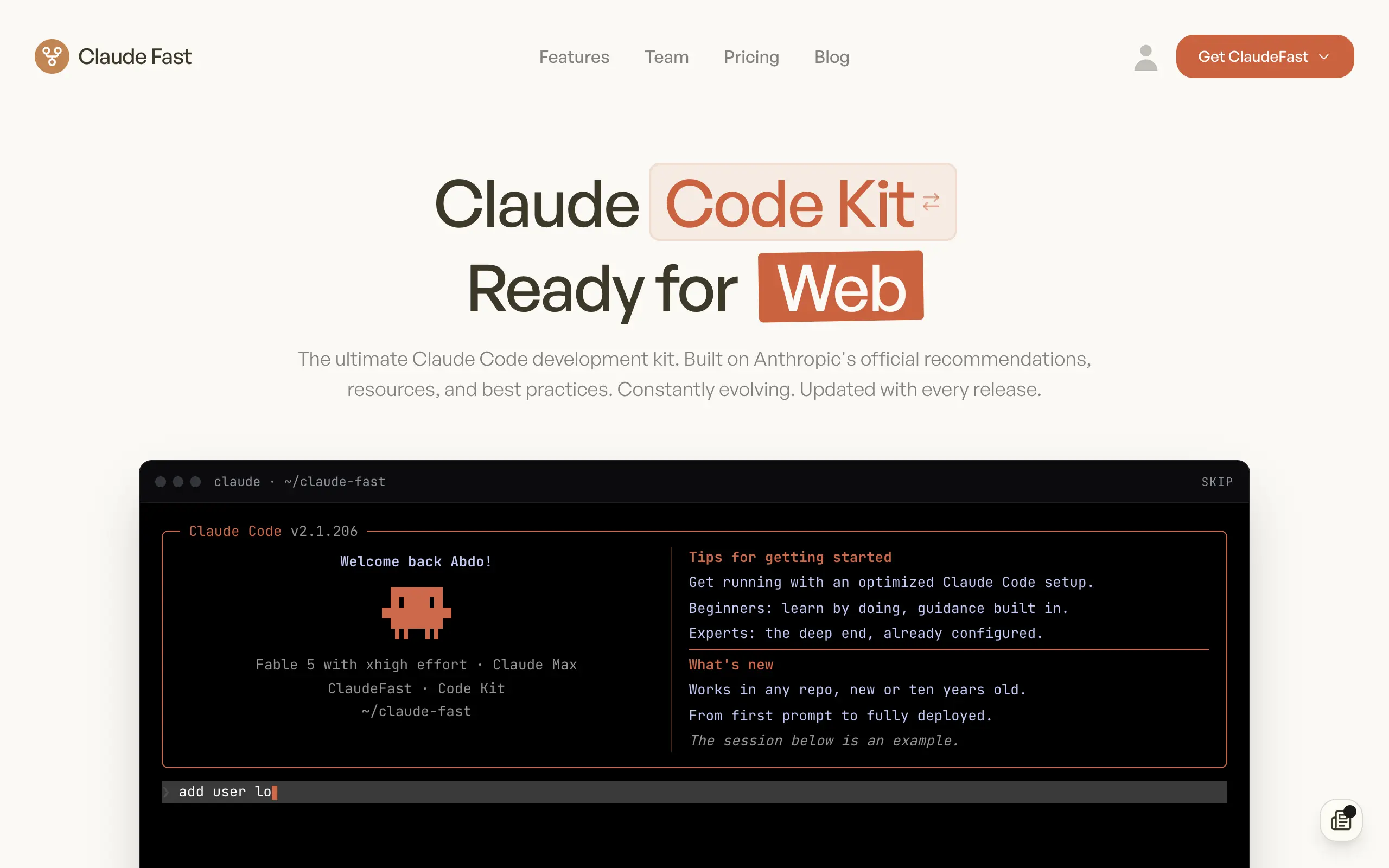
Claude Fast
Supercharge your Claude Code with 6x effective context window and specialized AI agents 🤖
EmojAI
AI-powered emoji picker with smart, context-aware suggestions 🤖
Solohacker
Autonomous company launcher - AI agents work 24/7, escalate what matters, and you stay in control 🤖
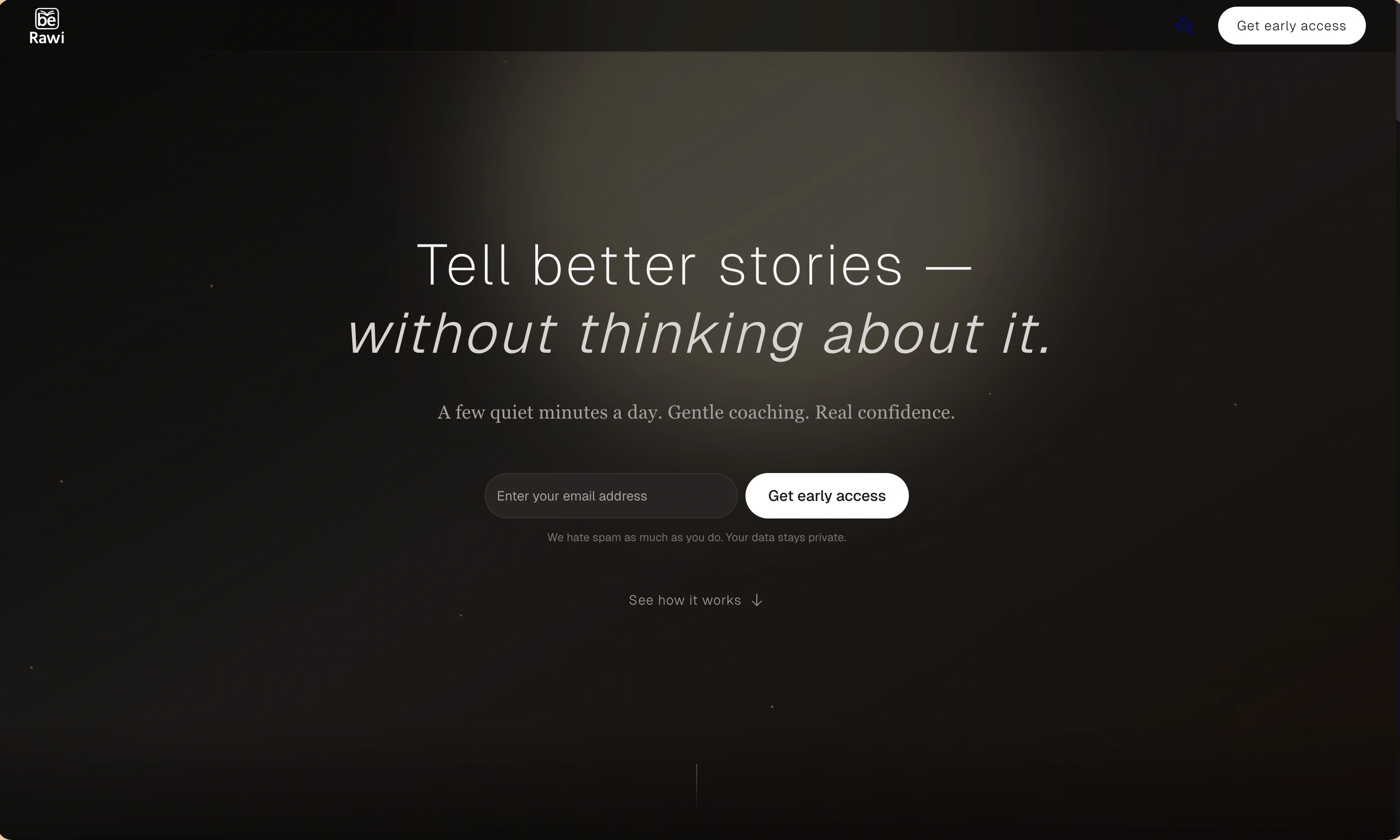
BeRawi: Storytelling Coach
Practice storytelling daily with instant feedback to sound clearer, more engaging, and confident 🎤
Omichat
Chat with 50+ AI models, including ChatGPT and Claude, in one place - switch models anytime without losing context 🤖
Claude Fast
Supercharge your Claude Code with 6x effective context window and specialized AI agents 🤖
EmojAI
AI-powered emoji picker with smart, context-aware suggestions 🤖
Solohacker
Autonomous company launcher - AI agents work 24/7, escalate what matters, and you stay in control 🤖
BeRawi: Storytelling Coach
Practice storytelling daily with instant feedback to sound clearer, more engaging, and confident 🎤
Omichat
Chat with 50+ AI models, including ChatGPT and Claude, in one place - switch models anytime without losing context 🤖
Claude Fast
Supercharge your Claude Code with 6x effective context window and specialized AI agents 🤖
EmojAI
AI-powered emoji picker with smart, context-aware suggestions 🤖
Solohacker
Autonomous company launcher - AI agents work 24/7, escalate what matters, and you stay in control 🤖
BeRawi: Storytelling Coach
Practice storytelling daily with instant feedback to sound clearer, more engaging, and confident 🎤
Omichat
Chat with 50+ AI models, including ChatGPT and Claude, in one place - switch models anytime without losing context 🤖
Claude Fast
Supercharge your Claude Code with 6x effective context window and specialized AI agents 🤖
EmojAI
AI-powered emoji picker with smart, context-aware suggestions 🤖
Solohacker
Autonomous company launcher - AI agents work 24/7, escalate what matters, and you stay in control 🤖
BeRawi: Storytelling Coach
Practice storytelling daily with instant feedback to sound clearer, more engaging, and confident 🎤

Connect with like-minded people
Join our community to get feedback, support, and grow together with 1,000+ builders on board, let's ship it!
Join usShip your startup everywhere. In minutes.
Don't burn tokens on setup and start building features on day one.