ProofPixel
AI analyzes store behavior and reviews to create personalized social-proof widgets that reduce hesitation and lift ecommerce conversion rates.
Ecommerce teams do not usually lose sales because visitors cannot find a product. They lose sales in the last moments before a decision: uncertainty about quality, fit, delivery, popularity, legitimacy, or whether the product is right for someone like them.
ProofPixel is an AI ecommerce social proof platform designed to address that hesitation. It analyzes storefront behavior, product context, and customer review themes to create personalized social-proof widgets that are more relevant than generic “someone purchased this” popups. The goal is simple: present credible, timely reassurance that helps shoppers move from consideration to checkout.
For founders, growth teams, ecommerce agencies, and conversion rate optimization specialists, this is a strong SaaS opportunity because it combines a familiar demand category—conversion optimization—with an increasingly valuable differentiation layer: AI-driven personalization.
The core opportunity
The best ecommerce social proof is not the loudest notification. It is the most credible proof shown to the right shopper at the point where uncertainty is highest.
What is an AI ecommerce social proof widget?
An AI ecommerce social proof widget is an on-site conversion element that uses customer evidence and behavioral signals to reassure shoppers. Unlike static badges or indiscriminate purchase notifications, an AI-based system can choose the most useful proof type, message, placement, and timing for a specific page or visitor context.
Traditional ecommerce social proof tools often rely on one or two mechanics:
- Recent-purchase popups
- Review star ratings
- “X people are viewing this” counters
- Low-stock notices
- Customer testimonial carousels
- Trust badges near checkout
These mechanisms can work, but generic implementations frequently create friction. A shopper comparing hiking boots does not necessarily benefit from a popup saying that someone bought a phone case fifteen minutes ago. In fact, irrelevant or overly aggressive proof can reduce trust.
ProofPixel’s product vision is more focused. It can turn existing evidence—reviews, verified purchases, product attributes, inventory signals, browsing behavior, and customer segments—into contextual messages such as:
- “Customers frequently mention the arch support and all-day comfort in verified reviews.”
- “Shoppers comparing this item with similar models often choose it for its lightweight design.”
- “This color is especially popular among repeat customers.”
- “Buyers in your region commonly pair this product with express delivery.”
- “Recent reviewers rate the fit as true to size.”
The difference is relevance. Rather than treating social proof as a single widget category, ProofPixel treats it as a real-time decision-support layer for online stores.
Why ecommerce conversion optimization needs better social proof
Online shopping still involves a trust gap. Visitors cannot touch a product, speak to a sales associate, or always verify whether marketing claims match reality. Product photos and descriptions help, but credible peer evidence often has more persuasive power when shoppers are deciding between similar options.
This makes social proof a permanent part of ecommerce conversion rate optimization. However, the market has matured. Merchants now expect more than a floating notification that imitates activity. They want tools that:
- Use first-party store data responsibly
- Reflect real customer sentiment
- Match product-specific buying concerns
- Avoid distracting the visitor
- Integrate with their existing ecommerce stack
- Show measurable conversion impact
- Give marketing teams control over brand voice and claims
AI creates a practical way to meet these expectations. Large language models and classification systems can analyze thousands of reviews, identify recurring themes, summarize sentiment by product variation, and generate copy within approved brand guidelines. Behavioral analytics can then help determine when that proof should appear.
The opportunity is especially timely because ecommerce operators are increasingly prioritizing profitability and conversion efficiency over expensive traffic acquisition. When paid acquisition costs increase, even small improvements to add-to-cart rate, checkout completion, average order value, or repeat purchase behavior can have material impact.
When positioning ProofPixel, avoid promising a universal conversion-rate increase. Performance depends on traffic quality, catalog complexity, pricing, trust level, offer strength, and experiment design. Instead, position the platform around measurable experimentation and help merchants establish their own baseline.
Target audience for ProofPixel
ProofPixel should not try to serve every online store with the same product experience. The strongest initial market is ecommerce businesses that already have meaningful traffic and customer evidence but are not extracting enough conversion value from that data.
High-potential customer segments
Growing Shopify brands
Brands with strong products and reviews that need better conversion performance without adding more manual merchandising work.
High-consideration retailers
Stores selling products where fit, quality, delivery, compatibility, or durability create buyer hesitation.
Ecommerce agencies
Conversion agencies that need a repeatable, measurable social-proof solution across multiple client stores.
Growth-stage direct-to-consumer brands
A direct-to-consumer brand with established traffic is a strong customer because it often has product reviews, repeat customers, paid media spend, and a clear incentive to improve onsite conversion.
The ideal buyer may be a founder, head of growth, ecommerce manager, or lifecycle marketer. They are typically responsible for a metric such as conversion rate, revenue per visitor, average order value, or checkout completion.
Their challenges commonly include:
- A large volume of customer reviews that are difficult to analyze manually
- Product pages that describe features but do not answer real buyer objections
- Generic widgets that do not match the brand’s visual identity
- Limited development resources for conversion experiments
- Difficulty proving which onsite changes actually create incremental revenue
ProofPixel can appeal to this segment by combining easy installation with detailed experiment reporting.
High-consideration product categories
The product will be particularly useful where shoppers need reassurance before purchase. Examples include:
- Apparel, footwear, and accessories
- Skincare and beauty
- Supplements and wellness products
- Home furnishings and decor
- Consumer electronics and accessories
- Pet products
- Outdoor gear
- Baby products
- Specialty food and subscription boxes
These categories often generate reviews containing highly valuable decision language. For apparel, fit and fabric feel matter. For skincare, skin type and usage experience matter. For electronics, compatibility and durability matter. For furniture, dimensions, assembly, and material quality matter.
ProofPixel can surface these themes at the moment they matter rather than forcing shoppers to search through dozens of reviews.
Ecommerce agencies and consultants
Agencies are a compelling distribution channel. A conversion rate optimization agency may manage multiple Shopify stores and need scalable ways to test product-page improvements. A white-label or partner plan can give agencies:
- Multi-store management
- Centralized reporting
- Client-level permissions
- Reusable widget templates
- Branded reports
- Revenue-share or volume-based pricing
This audience also helps validate the product quickly because agencies have a broad view of recurring ecommerce conversion problems.
The market gap in ecommerce social proof software
The ecommerce social proof market is established, but many products sit at one of two extremes.
At one end are lightweight notification tools. They are simple, affordable, and quick to install, but often use generic templates and limited targeting. At the other end are enterprise personalization platforms. They can be powerful, but implementation is often expensive, slow, and dependent on dedicated technical and analytics teams.
ProofPixel can occupy the valuable middle ground: intelligent personalization that is accessible to growing ecommerce brands.
| Capability | Basic popup tools | Manual CRO workflow | Enterprise personalization | ProofPixel opportunity |
|---|---|---|---|---|
| Review analysis | Limited | Manual | Advanced | AI-assisted and merchant-approved |
| Product-level relevance | Often generic | Possible but slow | Strong | Designed for fast deployment |
| Experiment measurement | Basic | Depends on tooling | Advanced | Focused conversion reporting |
| Implementation effort | Low | High | High | Low to moderate |
The key product gap is not simply “AI-generated copy.” Many tools can generate text. The real gap is a trusted system that connects evidence, context, experimentation, and governance.
A merchant should be able to answer these questions:
- What evidence supports this message?
- Why was this widget shown on this page?
- Which customer concern is it addressing?
- Can a human approve or edit the message?
- Did it create incremental improvement rather than vanity engagement?
- Can we disable it immediately if it conflicts with our brand or compliance requirements?
If ProofPixel answers those questions better than generic widget platforms, it can build durable trust.
ProofPixel’s unique selling proposition
ProofPixel’s central USP is:
AI-generated social proof that turns real customer feedback and storefront context into personalized, testable conversion messages.
This positioning is stronger than “social proof notifications” because it emphasizes the outcome and the mechanism. The platform is not merely showing activity. It is helping visitors resolve purchase objections with grounded customer evidence.
What makes ProofPixel different
The product should be built around five principles.
-
Evidence-grounded generation
Every AI-generated claim should be traceable to approved store data, review content, or merchant-entered product attributes. -
Contextual personalization
A product detail page, cart page, collection page, and exit-intent moment require different forms of reassurance. -
Brand-safe controls
Merchants need rules for language, prohibited claims, tone of voice, regulated categories, and approval workflows. -
Experiment-first measurement
The product should measure lift through holdout groups or A/B testing rather than relying only on clicks or impressions. -
Low-friction adoption
A Shopify-first implementation can reduce setup work and make the initial value visible quickly.
The ProofPixel positioning statement
A concise homepage-style positioning statement could be:
ProofPixel turns reviews and shopper behavior into personalized social proof that helps ecommerce visitors buy with confidence.
A more technical positioning statement for growth teams could be:
Use AI to identify buyer objections, generate evidence-backed proof, and test the on-site messages that improve ecommerce conversion.
Core AI social proof features to build
The best initial product is not a giant personalization suite. ProofPixel should solve a narrow but urgent problem exceptionally well: show trustworthy, relevant social proof on high-intent ecommerce pages.
Review intelligence engine
The review intelligence engine is the foundation of the product. It should ingest reviews from supported sources, normalize the data, and extract structured information.
Useful extracted fields include:
- Product and variant references
- Rating and sentiment
- Positive and negative themes
- Fit, size, color, quality, durability, delivery, and usability mentions
- Customer segment signals when available
- Review recency
- Verified-purchase status
- Quote candidates with sufficient context
- Potentially sensitive or unsupported claims
The AI should not blindly summarize reviews. A reliable system combines deterministic rules with language-model analysis. For example, product IDs, ratings, dates, and verified status should come from source data. AI can classify sentiment and group themes, but it should not invent product benefits.
Personalized widget generator
The widget generator should translate evidence into modules that can be placed across the store.
A focused version-one widget catalog could include:
- Product-page review insight cards
- Variant-specific fit or preference messages
- “Why customers choose this” bullet blocks
- Recent verified purchase notifications
- Cart reassurance modules
- Bundle and frequently-paired product proof
- Review quote highlights
- Low-stock notices using verified inventory data
- Delivery reassurance based on supported shipping information
Each widget should have configurable placement, style, eligibility rules, and frequency caps. Frequency controls are important. Overexposure can create banner blindness and make a premium brand look overly promotional.
Behavioral targeting and decision moments
Behavioral targeting is where ProofPixel becomes more than a review summarizer. The platform should identify decision moments using events such as:
- Product page viewed
- Variant selected
- Review section opened
- Size guide viewed
- Add-to-cart clicked
- Cart viewed
- Checkout initiated
- Exit intent detected where legally and technically appropriate
- Repeat visit recorded
- Time on product page exceeded
The targeting engine can map these moments to likely uncertainty. For instance, a shopper who repeatedly changes apparel sizes may benefit from fit-related review proof. A visitor who opens product specifications may need compatibility or technical-detail reassurance.
Do not overstate what behavioral data can reveal. ProofPixel should frame these as useful signals, not certainty about individual intent.
Brand and compliance controls
AI-generated conversion copy needs governance. This is especially important for health, wellness, beauty, food, financial products, and any category where claims may be regulated.
Essential controls include:
- Approved source selection
- Blocked phrases and prohibited claim lists
- Merchant-defined tone of voice
- Manual review queues
- Evidence links inside the dashboard
- Version history for each published message
- Per-widget publishing approval
- Automatic suppression for insufficient evidence
- Category-specific policy templates
Trust is a product feature
ProofPixel should never present generated claims as verified facts unless the underlying source data supports them. A message that is slightly less persuasive but fully defensible is better for long-term merchant trust.
Analytics and incrementality reporting
Merchants need a clear answer to “Is this working?” A useful dashboard should report more than widget impressions.
Core reporting metrics include:
- Widget exposure rate
- Engagement rate
- Add-to-cart rate for exposed versus control visitors
- Checkout initiation rate
- Conversion rate
- Revenue per session
- Average order value
- Assisted revenue, clearly labeled as directional
- Experiment confidence and sample-size status
- Performance by device, traffic source, product, and audience segment
The strongest measurement approach uses randomized holdouts. Some eligible visitors should not see the widget, allowing ProofPixel to estimate incremental impact. This is more credible than comparing users who interacted with a widget against those who did not.
For larger brands, offer exportable event data to their existing analytics warehouse or customer data platform.
A practical technical architecture for ProofPixel
ProofPixel should prioritize reliability, performance, privacy, and easy ecommerce integration. A modern SaaS architecture can support this without requiring a large initial engineering team.
Recommended technology stack
A practical stack for a Shopify-first SaaS could include:
- Next.js for the web application, dashboard, API routes, and server rendering
- React for interactive dashboard and widget interfaces
- TypeScript for safer frontend and backend development
- Tailwind CSS for a fast, consistent design system
- PostgreSQL for transactional merchant, configuration, experiment, and billing data
- Prisma or a comparable type-safe data layer for database access
- Redis for caching, rate limiting, session-like targeting state, and job coordination
- OpenAI API or another approved model provider for controlled review classification and copy generation
- Stripe for subscriptions, usage billing, invoices, and payment management
- Sentry for production error monitoring
- Vercel for a straightforward initial deployment path for the application layer
For launch velocity, TurboStarter can reduce the time required to assemble core SaaS foundations such as authentication, billing patterns, dashboard structure, and deployment workflows.
Trade-offs to consider
A serverless-first setup is fast to ship and easy to operate, but high-volume event ingestion can become costly or constrained if every pageview triggers synchronous database work. As usage grows, separate the architecture into clear paths:
- A low-latency widget delivery path
- An asynchronous analytics ingestion path
- A background AI processing path
- A merchant-facing dashboard path
Use queues for review ingestion, classification, regeneration, and aggregation jobs. Widget rendering should not wait for an AI model call. Instead, the system should serve pre-approved messages from a cache or edge-friendly configuration layer.
Widget delivery architecture
The storefront widget must be small, fast, and resilient. Ecommerce performance matters, and a slow script can erase the conversion benefit it is meant to create.
A sensible approach is:
- Install a lightweight JavaScript snippet or ecommerce app extension.
- Identify the current product, variant, page type, and anonymous visitor state.
- Request only eligible widget configurations.
- Render a precomputed message and style configuration.
- Send exposure and conversion events asynchronously.
- Respect consent settings and avoid collecting unnecessary personal data.
An event payload can be intentionally minimal.
type ProofPixelEvent = {
  eventName: "widget_viewed" | "widget_clicked" | "add_to_cart" | "purchase";
  storeId: string;
  sessionId: string;
  widgetId?: string;
  productId?: string;
  variantId?: string;
  occurredAt: string;
};
Avoid sending raw email addresses, full names, payment data, or other unnecessary personal information in browser analytics events. Use pseudonymous identifiers and documented data-retention policies.
AI pipeline design
The AI system should follow a retrieval-grounded workflow.
This pipeline protects against a common AI product failure mode: generating persuasive language that is not actually supported by customer evidence.
Monetization options for ProofPixel
ProofPixel should use pricing that aligns with merchant value while remaining easy to understand. Because the product creates ongoing value through traffic, review processing, AI generation, and experimentation, recurring SaaS pricing is a natural fit.
Recommended pricing model
A hybrid model based on monthly storefront traffic and feature access is likely the best starting point.
-
Starter plan
For small stores with limited traffic. Includes a limited number of widgets, basic review analysis, and standard reporting. -
Growth plan
For growing direct-to-consumer brands. Includes AI review themes, behavioral targeting, A/B tests, more widget placements, and integrations. -
Scale plan
For high-traffic stores. Includes advanced segmentation, prioritized support, expanded event limits, custom styling, and data exports. -
Agency plan
For agencies managing multiple clients. Includes multi-store access, client reporting, template sharing, and volume discounts.
Use a clear usage metric such as monthly sessions, widget impressions, or tracked orders. Monthly sessions are usually easiest for merchants to understand, while tracked orders may align more directly with realized value. Avoid overly complicated AI-credit pricing in the initial customer-facing model; it introduces friction and makes budgeting harder.
Performance-based pricing considerations
A performance component can be compelling, but it is operationally difficult. Attribution disputes emerge quickly when stores run multiple apps, promotions, campaigns, and redesigns at once.
A safer option is a premium tier that includes:
- Managed experimentation
- Conversion strategy reviews
- Custom widget development
- Defined performance reporting
- Optional success fees based on an agreed measurement framework
This allows ProofPixel to capture more value without making the core business depend on disputed attribution.
Competitive advantage and defensibility
The social proof category is competitive, so ProofPixel needs more than polished widgets. Sustainable differentiation comes from proprietary workflow, data structure, and merchant trust.
Evidence graph and historical learning
Over time, ProofPixel can build a structured evidence graph for every store:
- Products and variants
- Review themes
- Customer language
- Objection categories
- Top-performing proof formats
- Audience segments
- Page contexts
- Experiment outcomes
This becomes more valuable than a generic AI text generator. The system learns not only what customers say, but which type of proof helps a specific store’s shoppers make decisions.
Vertical-specific playbooks
The product can develop targeted templates for categories with recurring objections.
For apparel, prioritize fit confidence, sizing consistency, material feel, and styling proof. For skincare, focus on ingredient education, routine compatibility, and carefully governed user experience feedback. For electronics, prioritize compatibility, setup, durability, and use-case validation.
Vertical playbooks improve onboarding, improve copy quality, and create a stronger reason to choose ProofPixel over a general-purpose popup tool.
Trust-centered AI governance
Many competitors will market AI generation. Fewer will make evidence traceability visible and useful. ProofPixel can differentiate with an “evidence behind this message” view inside the dashboard, source citations for merchant review, and safeguards that prevent unsupported claims.
That approach matters for sophisticated brands. They are not looking for an AI tool that produces more copy. They need a conversion system their marketing, legal, and brand teams can trust.
Risks and mitigation strategies
Every ecommerce AI SaaS needs to manage product, market, privacy, and measurement risks from the beginning.
Use retrieval-grounded generation, structured output schemas, minimum evidence thresholds, source visibility, blocked-claim lists, and optional human approval. Never generate hard factual claims from weak or ambiguous review language.
Keep the storefront script lightweight, load noncritical functionality asynchronously, cache eligible configurations, monitor Core Web Vitals, and provide a no-code disable switch. Test the widget on mobile devices and lower-bandwidth connections.
Build holdout testing into the product. Report conversion lift, sample sizes, confidence status, and segment results. Be transparent when there is not enough data to make a reliable conclusion.
Favor real, specific, product-relevant proof over artificial urgency. Let merchants control frequency, dismissibility, placement, and message style. Avoid fake scarcity or fabricated purchase activity.
Minimize data collection, support consent-aware tracking, document subprocessors, define retention policies, and provide data deletion workflows. Seek legal advice for the regions and categories being served.
Compliance considerations
ProofPixel should not provide legal compliance guarantees unless supported by qualified legal counsel. However, the product can make responsible practices easier.
Important operational areas include:
- Consent management compatibility
- Data processing agreements
- Data deletion and access workflows
- EU and UK privacy considerations where applicable
- California privacy considerations where applicable
- Rules for testimonials and endorsements
- Sector-specific claims controls for health, beauty, and wellness merchants
For statistics about ecommerce conversion, consumer trust, review usage, or privacy regulation, cite current reports from authoritative research organizations or official regulatory sources in the published version. Do not rely on old conversion benchmarks as universal truth.
Go-to-market strategy for an AI social proof SaaS
A focused go-to-market approach can help ProofPixel avoid competing immediately on broad app-store keywords alone.
Start with Shopify-focused distribution
Shopify is a natural initial ecosystem because it offers a large merchant base, a mature app ecosystem, and relatively standardized store patterns. The first integration should support common product, order, theme, and review workflows.
Early acquisition channels can include:
- Search-optimized content around ecommerce social proof, review widgets, and product-page conversion optimization
- Shopify app ecosystem visibility when the app meets marketplace requirements
- Partnerships with conversion rate optimization agencies
- Founder-led outreach to brands with visible review volume but weak product-page proof
- Live teardown content showing how to turn review themes into product-page messaging
- Case studies based on controlled experiments
- Webinars for ecommerce operators on evidence-based conversion optimization
Build content around buyer objections
The best SEO content will not only target “social proof widget” keywords. It should answer questions that growth teams ask during implementation.
Examples include:
- How to use product reviews to improve conversion rate
- Social proof examples for Shopify product pages
- How to test ecommerce trust badges and review widgets
- Ecommerce personalization mistakes that hurt conversion
- How to make AI-generated marketing copy compliant
- How to measure incremental lift from onsite widgets
- Product page optimization checklist for high-consideration products
This content attracts customers who are actively trying to solve a conversion problem, not merely browsing for software.
Actionable implementation roadmap
ProofPixel should launch with a narrow product scope, a reliable evidence model, and a clear route to measurable value.
Phase one: validate the problem manually
Before building a full platform, work with a small group of ecommerce merchants and perform the workflow manually.
- Collect product reviews and product-page data.
- Identify the top five shopper objections for selected products.
- Draft evidence-backed proof messages.
- Add the messages manually to product pages or through a simple widget.
- Measure performance using basic A/B testing or a controlled rollout.
- Interview merchants and shoppers about trust, clarity, and relevance.
This stage reveals whether review-derived proof creates enough value and which message formats merchants actually want.
Phase two: build the minimum viable product
The first ProofPixel release should include:
- Shopify store connection
- Review import from a limited set of popular sources
- Product-level AI theme extraction
- Three to five widget types
- Visual widget editor
- Evidence preview for generated copy
- Basic targeting rules
- Exposure and conversion tracking
- Simple A/B test or holdout capability
- Billing and account management
Avoid building broad cross-channel personalization, complex predictive models, or dozens of integrations before validating the core loop.
Phase three: improve the experimentation engine
Once merchants are getting consistent widget exposure, focus on measurement quality.
Add:
- Randomized holdout groups
- Experiment duration recommendations
- Sample-size warnings
- Automatic winner selection with transparent criteria
- Segment analysis
- Revenue-per-session reporting
- Exportable reports for agencies and executives
This turns ProofPixel from a design widget into a conversion intelligence product.
Phase four: create durable differentiation
After the core experience is working, expand through capabilities that competitors find difficult to replicate quickly:
- Vertical-specific proof playbooks
- Brand-policy engines
- AI-assisted widget recommendations
- Agency collaboration tools
- Advanced review-source integrations
- Multilingual review intelligence
- Predictive audience targeting
- Product recommendation proof based on verified purchase patterns
Final takeaways
ProofPixel addresses a meaningful ecommerce problem: shoppers hesitate when they lack confidence, and most stores underuse the customer evidence they already have.
The winning version of this SaaS is not another generic notification app. It is a trusted AI ecommerce social proof platform that:
- Extracts useful buying insights from real reviews
- Matches proof to a shopper’s product and decision context
- Gives merchants control over brand voice and claims
- Protects storefront speed and customer privacy
- Measures incremental conversion impact through disciplined experiments
- Becomes smarter as it learns which proof works for each store
The strongest first move is to focus on Shopify brands with existing reviews, meaningful traffic, and high-consideration products. Solve their product-page hesitation problem with evidence-backed review insights, then expand into deeper personalization and experimentation.
In a market full of noisy popups, ProofPixel can stand out by making social proof more relevant, more credible, and easier to prove.
More 🤖 AI Startup SaaS ideas
Discover more innovative ai startup SaaS ideas that are trending in 2026. Each idea is AI-generated with market validation and growth potential to help you find your next profitable venture faster than competitors.
Your competitors are building with TurboStarter
Below are some of the SaaS ideas that have been generated and built with our starter kit.

Shibui
AI website builder - describe your business, pick a niche template, edit by chatting, and publish instantly ✨

Pro Service
Find verified home service professionals, compare quotes, and pay securely through escrow - built for Brazilians across the US 🏠

RankGrow
Fix your SEO with AI agents - connect Search Console, get prioritized tasks, and grow organic traffic 📈
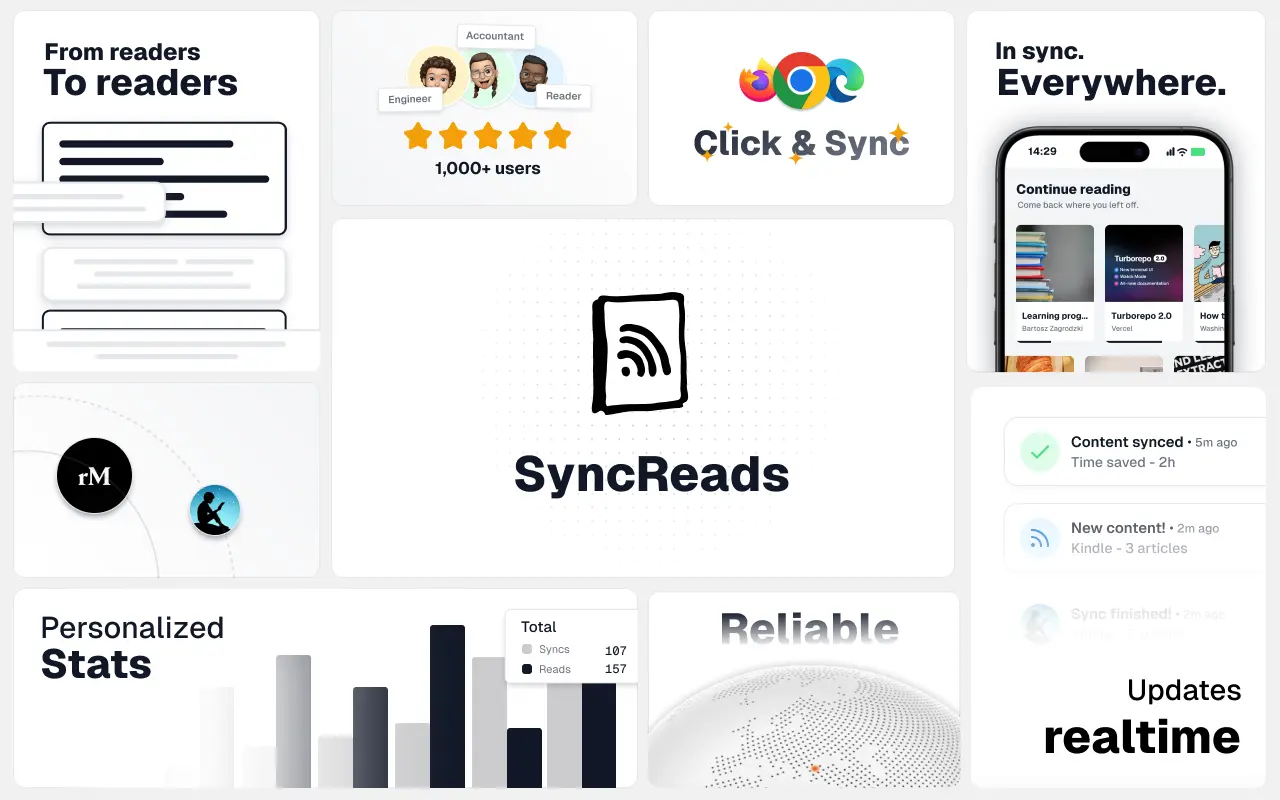
SyncReads
Sync your favorite content for distraction-free reading, save time and replace multiple apps. Anytime, anywhere 🔄
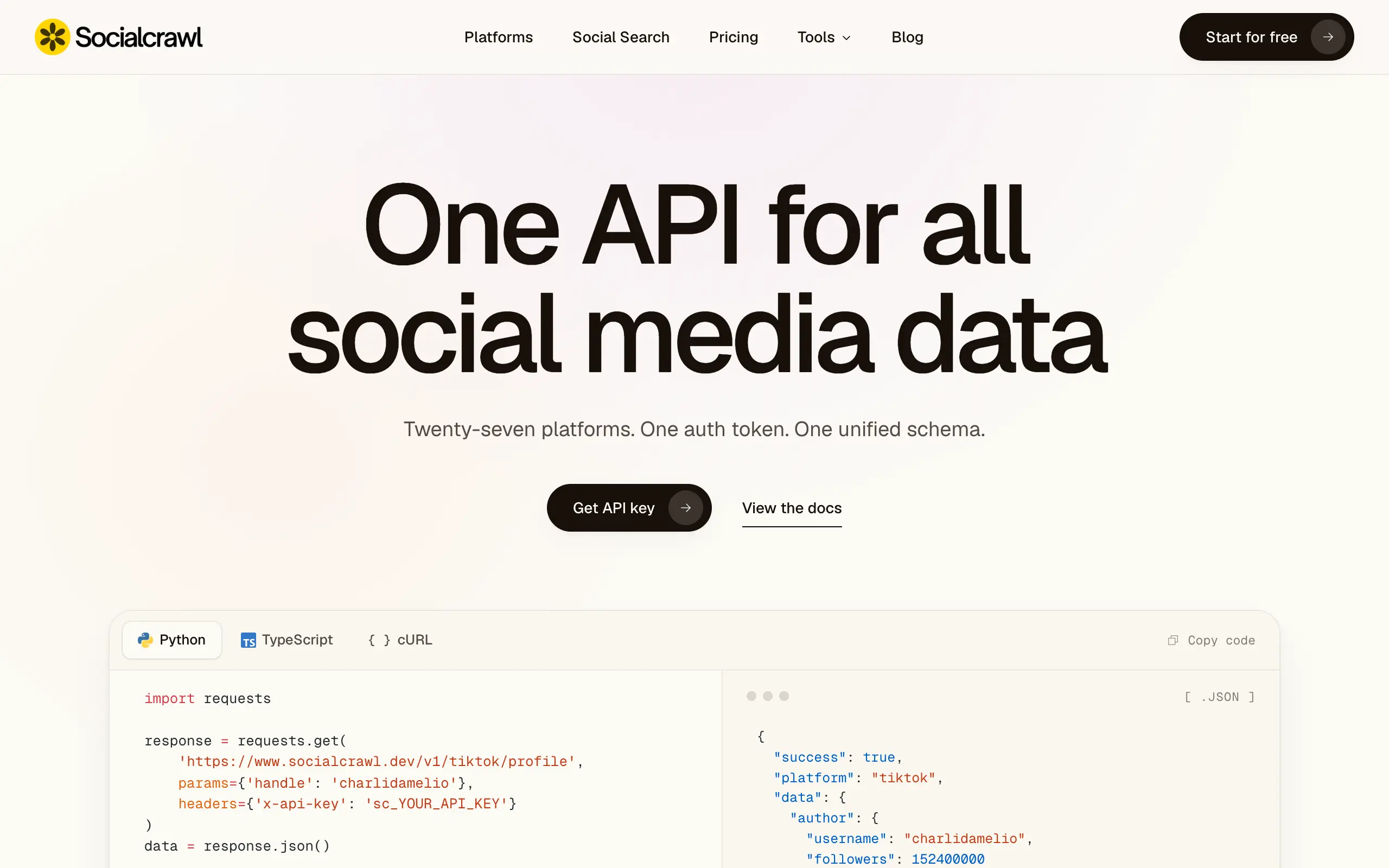
Socialcrawl
Get clean, structured data from 21 platforms like TikTok, Instagram, and YouTube with a single request 📊
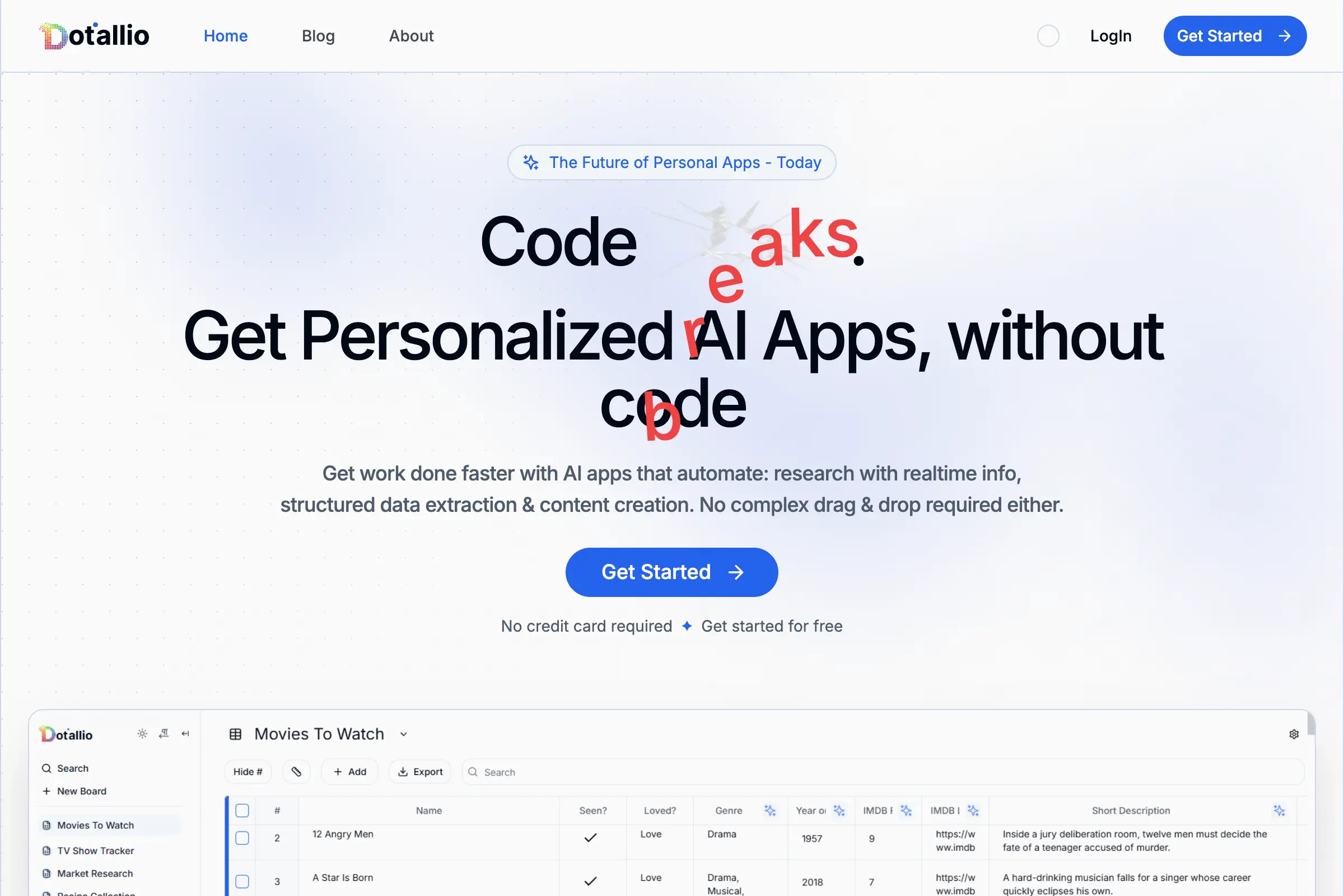
Dotallio
Personalized AI apps that automate research, data extraction, and content creation without code 🤖
Shibui
AI website builder - describe your business, pick a niche template, edit by chatting, and publish instantly ✨
Pro Service
Find verified home service professionals, compare quotes, and pay securely through escrow - built for Brazilians across the US 🏠
RankGrow
Fix your SEO with AI agents - connect Search Console, get prioritized tasks, and grow organic traffic 📈
SyncReads
Sync your favorite content for distraction-free reading, save time and replace multiple apps. Anytime, anywhere 🔄
Socialcrawl
Get clean, structured data from 21 platforms like TikTok, Instagram, and YouTube with a single request 📊
Dotallio
Personalized AI apps that automate research, data extraction, and content creation without code 🤖
Shibui
AI website builder - describe your business, pick a niche template, edit by chatting, and publish instantly ✨
Pro Service
Find verified home service professionals, compare quotes, and pay securely through escrow - built for Brazilians across the US 🏠
RankGrow
Fix your SEO with AI agents - connect Search Console, get prioritized tasks, and grow organic traffic 📈
SyncReads
Sync your favorite content for distraction-free reading, save time and replace multiple apps. Anytime, anywhere 🔄
Socialcrawl
Get clean, structured data from 21 platforms like TikTok, Instagram, and YouTube with a single request 📊
Dotallio
Personalized AI apps that automate research, data extraction, and content creation without code 🤖
Shibui
AI website builder - describe your business, pick a niche template, edit by chatting, and publish instantly ✨
Pro Service
Find verified home service professionals, compare quotes, and pay securely through escrow - built for Brazilians across the US 🏠
RankGrow
Fix your SEO with AI agents - connect Search Console, get prioritized tasks, and grow organic traffic 📈
SyncReads
Sync your favorite content for distraction-free reading, save time and replace multiple apps. Anytime, anywhere 🔄
Socialcrawl
Get clean, structured data from 21 platforms like TikTok, Instagram, and YouTube with a single request 📊
Dotallio
Personalized AI apps that automate research, data extraction, and content creation without code 🤖

Talk to Santa
Enjoy a magical live video chat or receive a unique AI-generated video greeting from Santa Claus 🎅

pozywka.pl
Scalable blog for food journalist, focused on performance and user experience 🌭
zagrodzki.me
Personal blog and portfolio of Bart Zagrodzki, where he shares his knowledge and work 💼

TurboStarter
Ship your startup everywhere. In minutes.
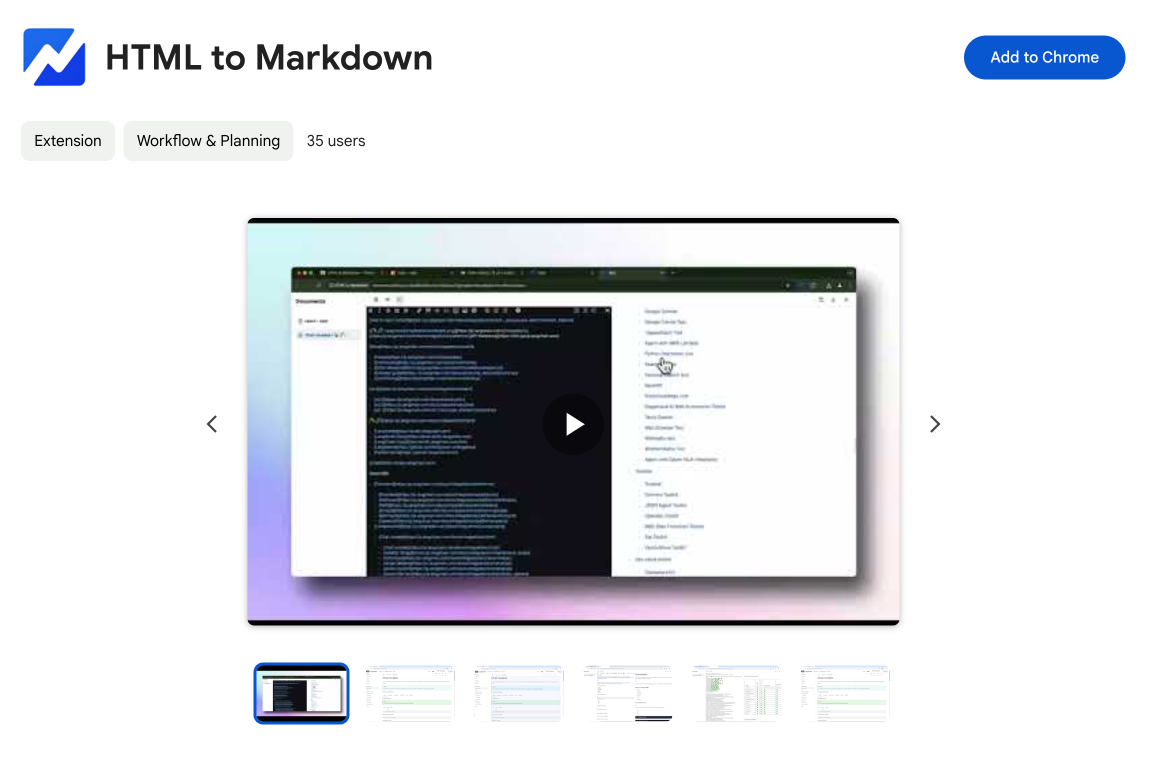
HTML to Markdown
Convert HTML to Markdown with ease, directly in your browser 📄
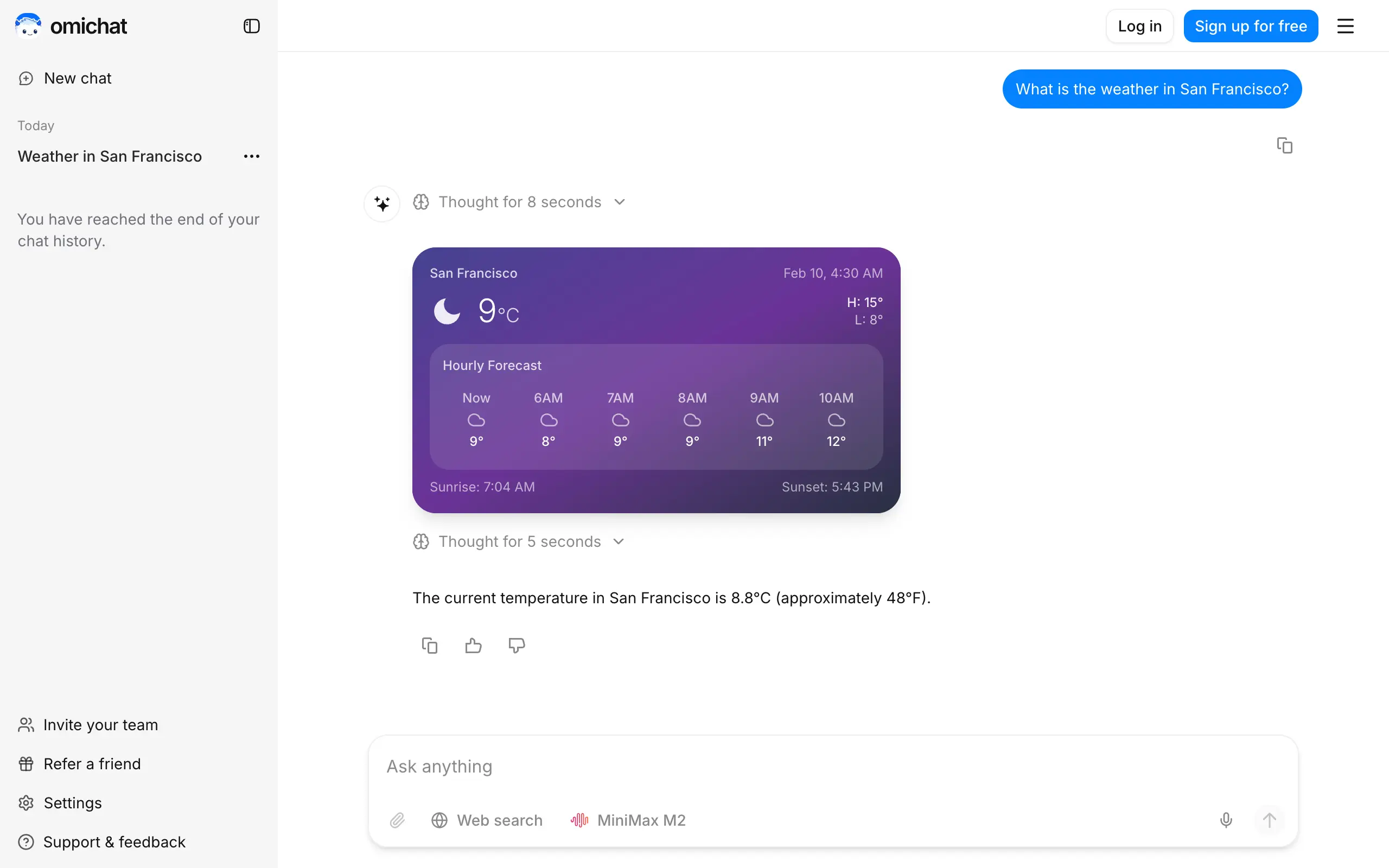
Omichat
Chat with 50+ AI models, including ChatGPT and Claude, in one place - switch models anytime without losing context 🤖
Talk to Santa
Enjoy a magical live video chat or receive a unique AI-generated video greeting from Santa Claus 🎅
pozywka.pl
Scalable blog for food journalist, focused on performance and user experience 🌭
zagrodzki.me
Personal blog and portfolio of Bart Zagrodzki, where he shares his knowledge and work 💼
TurboStarter
Ship your startup everywhere. In minutes.
HTML to Markdown
Convert HTML to Markdown with ease, directly in your browser 📄
Omichat
Chat with 50+ AI models, including ChatGPT and Claude, in one place - switch models anytime without losing context 🤖
Talk to Santa
Enjoy a magical live video chat or receive a unique AI-generated video greeting from Santa Claus 🎅
pozywka.pl
Scalable blog for food journalist, focused on performance and user experience 🌭
zagrodzki.me
Personal blog and portfolio of Bart Zagrodzki, where he shares his knowledge and work 💼
TurboStarter
Ship your startup everywhere. In minutes.
HTML to Markdown
Convert HTML to Markdown with ease, directly in your browser 📄
Omichat
Chat with 50+ AI models, including ChatGPT and Claude, in one place - switch models anytime without losing context 🤖
Talk to Santa
Enjoy a magical live video chat or receive a unique AI-generated video greeting from Santa Claus 🎅
pozywka.pl
Scalable blog for food journalist, focused on performance and user experience 🌭
zagrodzki.me
Personal blog and portfolio of Bart Zagrodzki, where he shares his knowledge and work 💼
TurboStarter
Ship your startup everywhere. In minutes.
HTML to Markdown
Convert HTML to Markdown with ease, directly in your browser 📄
Omichat
Chat with 50+ AI models, including ChatGPT and Claude, in one place - switch models anytime without losing context 🤖
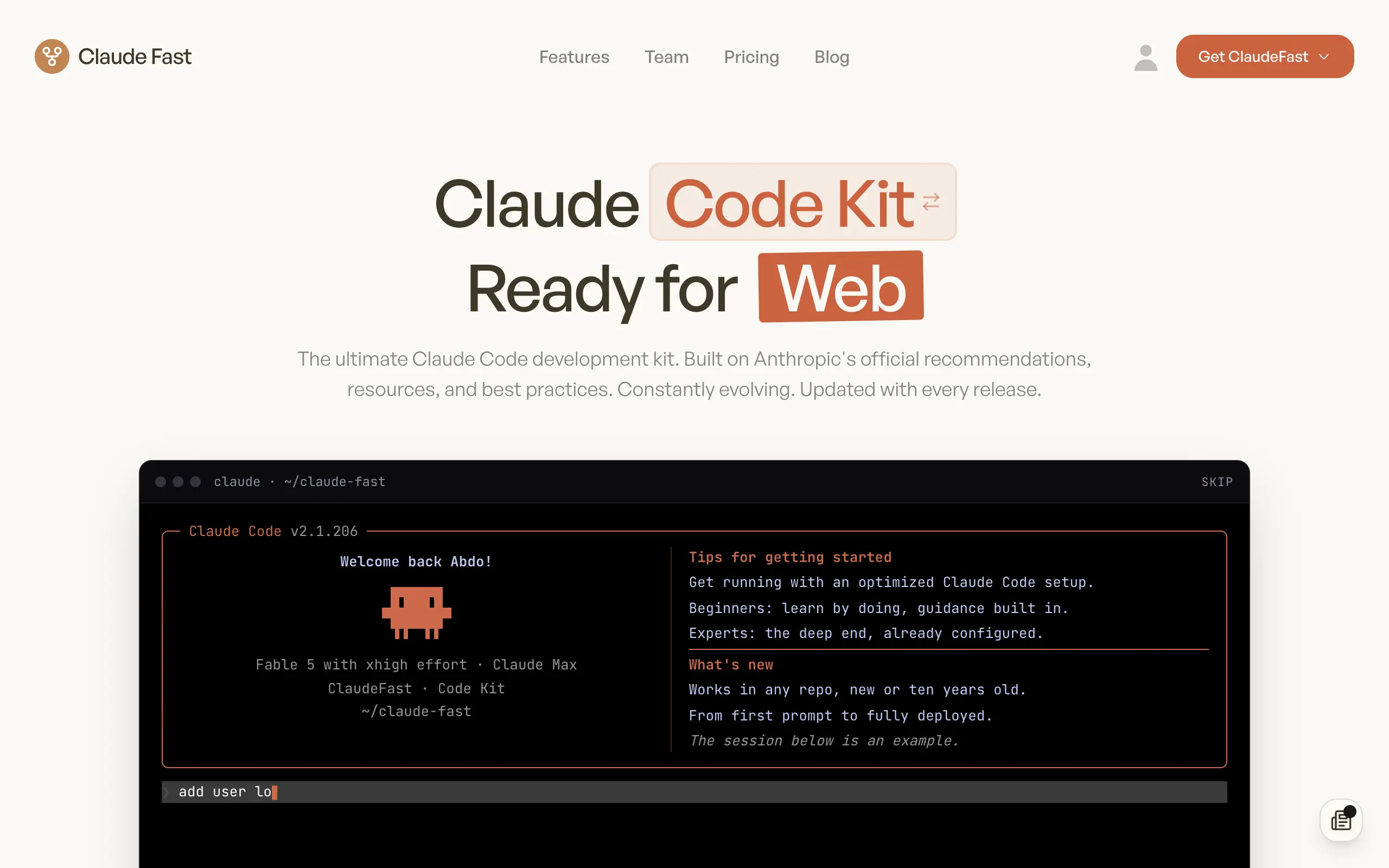
Claude Fast
Supercharge your Claude Code with 6x effective context window and specialized AI agents 🤖
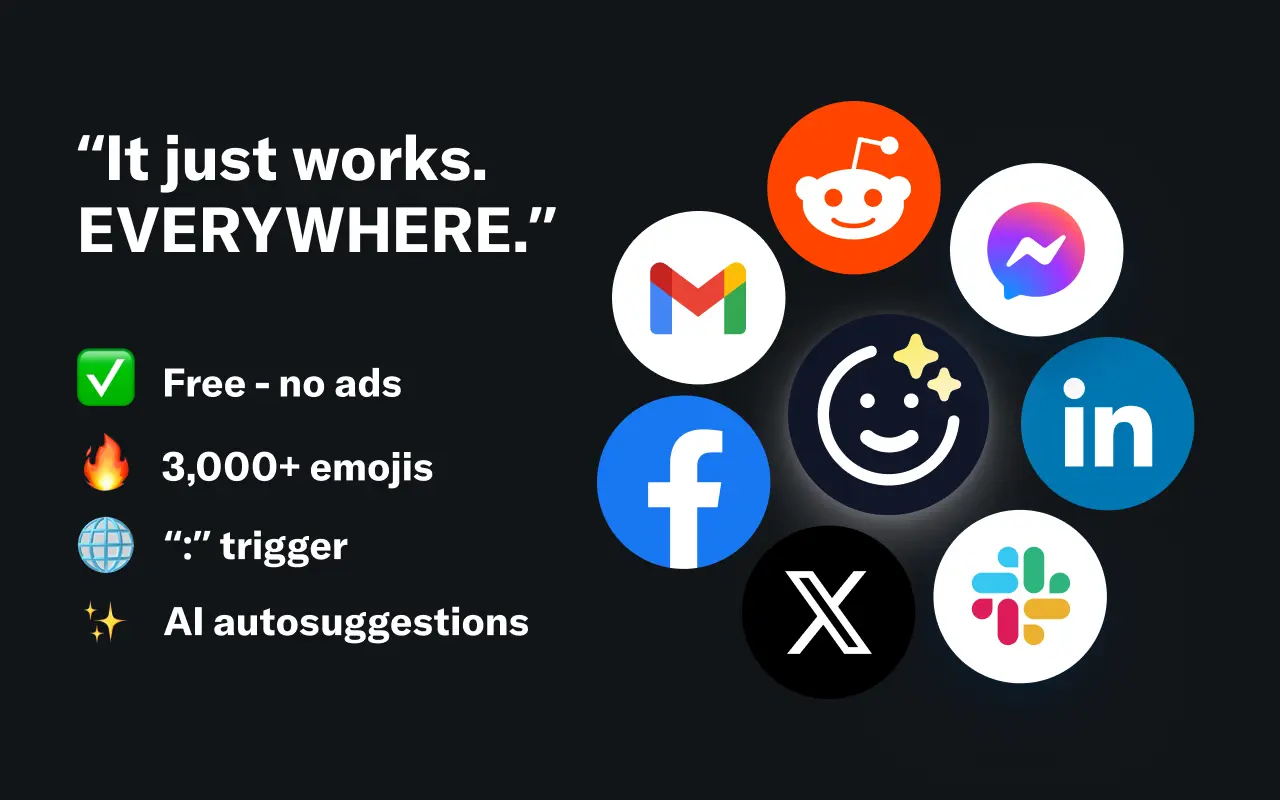
EmojAI
AI-powered emoji picker with smart, context-aware suggestions 🤖

Solohacker
Autonomous company launcher - AI agents work 24/7, escalate what matters, and you stay in control 🤖

BeRawi: Storytelling Coach
Practice storytelling daily with instant feedback to sound clearer, more engaging, and confident 🎤
Claude Fast
Supercharge your Claude Code with 6x effective context window and specialized AI agents 🤖
EmojAI
AI-powered emoji picker with smart, context-aware suggestions 🤖
Solohacker
Autonomous company launcher - AI agents work 24/7, escalate what matters, and you stay in control 🤖
BeRawi: Storytelling Coach
Practice storytelling daily with instant feedback to sound clearer, more engaging, and confident 🎤
Claude Fast
Supercharge your Claude Code with 6x effective context window and specialized AI agents 🤖
EmojAI
AI-powered emoji picker with smart, context-aware suggestions 🤖
Solohacker
Autonomous company launcher - AI agents work 24/7, escalate what matters, and you stay in control 🤖
BeRawi: Storytelling Coach
Practice storytelling daily with instant feedback to sound clearer, more engaging, and confident 🎤
Claude Fast
Supercharge your Claude Code with 6x effective context window and specialized AI agents 🤖
EmojAI
AI-powered emoji picker with smart, context-aware suggestions 🤖
Solohacker
Autonomous company launcher - AI agents work 24/7, escalate what matters, and you stay in control 🤖
BeRawi: Storytelling Coach
Practice storytelling daily with instant feedback to sound clearer, more engaging, and confident 🎤

Connect with like-minded people
Join our community to get feedback, support, and grow together with 1,000+ builders on board, let's ship it!
Join usShip your startup everywhere. In minutes.
Don't burn tokens on setup and start building features on day one.