PT AppealKit
Convert payer denial letters and physical therapy notes into reviewable appeal drafts, evidence checklists, and deadline reminders for independent clinics.
Why physical therapy clinics need a better denial appeal workflow
A denied claim can mean weeks of extra work for a physical therapy clinic: staff must locate the payer’s explanation, review the patient’s record, identify what is missing, assemble supporting documentation, write an appeal, and track the submission deadline. When this work happens across payer portals, spreadsheets, scanned letters, and email, it becomes difficult to see what needs attention next.
PT AppealKit is an AI-powered workflow concept for independent physical therapy clinics. It turns payer denial letters and physical therapy notes into reviewable appeal drafts, evidence checklists, and deadline reminders. Its purpose is not to make coverage decisions or send unreviewed claims. It is to help clinic staff organize information and prepare a stronger, more consistent human-reviewed response.
The opportunity is specific: build a practical physical therapy denial appeal software product around the documents, terminology, and administrative constraints of outpatient PT. Rather than asking a general-purpose AI tool to interpret a denial from scratch, PT AppealKit could guide staff through a repeatable process: understand the stated reason, locate relevant documentation, flag missing evidence, and prepare a draft for an authorized person to review.
The user intent behind a PT appeals product
People researching a product like PT AppealKit may be trying to solve several related problems:
- Clinic owners want to know whether reducing denial-related administrative work could justify a new subscription.
- Billing and revenue-cycle managers need a dependable way to organize appeals and monitor deadlines.
- Physical therapy practices want to reduce reliance on individual staff members’ memory and personal spreadsheets.
- Founders and product teams want to understand the workflow, market gap, technical requirements, risks, and monetization options.
A credible solution must address all four. A persuasive draft alone is not enough. Clinics need a safe process for handling sensitive information, tracking what has been reviewed, preserving a clear audit trail, and knowing when a case requires payer-specific expertise or a clinician’s input.
That distinction should shape the product from the beginning. PT AppealKit is best positioned as workflow and documentation support for human-led appeals, not as a promise that an AI system can overturn denials or guarantee reimbursement.
Target audience analysis
The first customers should be practices with frequent administrative work but limited capacity to build custom processes. That points toward independent outpatient physical therapy clinics and small-to-midsize groups, rather than large health systems with established revenue-cycle platforms and complex procurement requirements.
Primary users
Billing and authorization staff are likely to use the product most often. They need to identify the payer’s stated reason for denial, collect supporting documents, prepare a draft, and monitor each case’s status. For these users, reducing context switching and avoiding missed tasks may be more valuable than generating polished prose.
Practice owners and administrators are economic buyers. They care about staff capacity, predictable operations, cash flow, and whether the product fits their existing systems. They may not personally prepare appeals, but they need visibility into open cases and workflow bottlenecks.
Physical therapists and clinical directors provide or validate clinical context. They may need to confirm that a draft accurately reflects the documented treatment plan, functional limitations, progress, and rationale for continued care. The product should make that review straightforward without turning clinicians into full-time claims specialists.
Secondary audiences
- Multi-location PT groups that want consistent processes across clinics.
- Billing service companies that handle claims and follow-up for multiple practices.
- Practice-management consultants who support administrative workflow improvements.
- Specialty clinics that have distinct documentation patterns and payer requirements, provided the product can serve them without overgeneralizing its templates.
These groups may have different buying needs. A billing service, for example, may prioritize multi-tenant permissions and client reporting, while an independent clinic may care more about a simple intake flow and a predictable monthly price.
The best initial customer profile
A useful early customer profile is a clinic that:
- Regularly receives denial notices or requests for additional documentation.
- Handles appeals through a mix of manual tools.
- Has at least one staff member who understands billing but limited time to manage every case.
- Can provide feedback on a small number of workflows during a pilot.
- Is willing to review AI-generated drafts before they are used.
Avoid starting with the broad claim that the product can serve every healthcare organization. A focused initial segment makes it easier to design relevant templates, learn the language users actually see in denial letters, and prove whether the workflow saves meaningful time.
The market opportunity and product gap
PT AppealKit sits at the intersection of AI-assisted document processing, healthcare administration, and physical therapy revenue-cycle operations. The product opportunity is not simply “AI writes appeals.” It is the possibility of connecting several disconnected tasks into one reviewable workflow.
Many clinics can already use word processors, spreadsheets, scanning tools, payer portals, and general-purpose AI assistants. The gap is that these tools do not necessarily work together as a PT-specific case process. Staff may have to manually move information from a denial letter to a tracking sheet, search records for relevant notes, and then draft a response in another application.
A specialized product could reduce this fragmentation by providing:
- A single case record for each denial.
- Structured extraction of payer, dates, denial reasons, and requested information.
- A checklist that connects each requested item to a source document or identifies it as missing.
- Draft generation grounded in the clinic-provided record.
- Human review and approval before export or submission.
- Deadline reminders and case-status tracking.
Where a narrow product can stand out
General document automation products are designed for many industries. Broad revenue-cycle systems may support extensive billing operations but still leave a small clinic with a complicated workflow. PT AppealKit can differentiate by focusing on the real sequence of work for outpatient therapy appeals.
That focus could make the product better at asking useful questions, such as:
- Does the denial letter state a deadline or describe an appeal route?
- Which records appear relevant to the payer’s stated concern?
- Is the required document present, absent, or not yet reviewed?
- Does the draft refer only to information found in the supplied record?
- Has a qualified staff member reviewed the content and attachments?
The product should not infer that a particular appeal is valid, guarantee that a payer will accept a document, or present its checklist as a complete statement of payer policy. Its value comes from helping users organize and review case materials more reliably.
Core features of PT AppealKit
The initial product should be deliberately small. A reliable case workflow is more valuable than a large set of AI features that are difficult to validate.
1. Denial-letter intake
Users could upload a denial letter as a PDF, image, or supported document. The system would extract candidate fields such as:
- Payer and plan name, when visible.
- Patient or member identifiers, subject to permissions and data-minimization rules.
- Claim or reference number, when present.
- Service dates.
- Denial or request-for-information language.
- Stated next steps and any dates that may require attention.
The interface should label extracted information as unverified until a user confirms it. OCR and language models can misread scans, abbreviations, dates, or low-quality images. A staff member must be able to correct every field and see which information came from the uploaded document.
2. Case workspace
Each denial should have a dedicated workspace with the source letter, attached clinical records, extracted details, draft, checklist, and activity history. A clear status system could include:
- New.
- Information needed.
- Ready for review.
- Approved for export.
- Submitted by clinic.
- Awaiting response.
- Closed.
The status should describe the workflow, not imply that the appeal is legally sufficient or likely to succeed. Users should be able to add notes, assign a case owner, and record how the case was submitted outside the product.
3. Evidence checklist
The checklist is a central product feature, not a decorative AI summary. It should translate the denial’s stated concern into reviewable tasks without inventing documentation requirements.
For example, the product might identify that a letter requests additional information and allow staff to mark relevant records as found, missing, or not applicable. The checklist should include the source of each suggestion, such as a passage from the denial letter, so users can verify why the item appeared.
A useful checklist needs to support uncertainty. If the letter is unclear, the application should say that it could not confidently identify a requirement and ask the user to review the original text. It should never silently convert a guess into a firm instruction.
4. PT-focused appeal draft generation
The system could generate a structured draft based on the denial letter and clinic-selected records. The draft should:
- Distinguish information extracted from source documents from suggested wording.
- Link statements to the record or note that supports them.
- Avoid adding clinical details that were not provided.
- Flag contradictions, missing information, and low-confidence extractions.
- Keep editable sections for clinic-specific details and review notes.
A well-designed draft is not automatically a complete appeal. Staff should review its accuracy, confirm attachments, follow payer-specific procedures, and submit through the appropriate channel. The product should make these responsibilities visible rather than hiding them behind an “AI complete” label.
5. Deadline reminders and task management
Deadline reminders can help clinics manage work, but date interpretation requires care. A product should show the source text and date used for a reminder, make the date editable, and distinguish a system-extracted date from a confirmed deadline.
Useful reminders might include:
- A task to verify the deadline stated in the source.
- An internal review target set by the clinic.
- A reminder before an assigned task is due.
- An alert when a case has remained in the same status for a configurable period.
PT AppealKit should not present a calculated date as authoritative unless the clinic has confirmed the applicable rules and source. Product copy should state clearly that reminders support administrative tracking and do not replace verification of payer-specific requirements.
6. Human review, approvals, and audit history
Every AI-generated draft should have a clear review state. A clinic may require one reviewer for routine cases and an additional approver for sensitive or unusual cases. The audit history should record actions such as document upload, field correction, draft generation, review, approval, and export.
This history supports accountability and helps a clinic understand how a draft was produced. It should not be described as a guarantee of legal compliance. The organization remains responsible for setting its policies and determining who may approve or submit an appeal.
7. Export and workflow integration
An early product can provide secure downloads and structured case exports before attempting deep integrations. Later, the team can evaluate connections to practice-management systems, document repositories, or billing platforms based on validated customer demand.
Integration work can become expensive and risky if pursued too early. Start by learning where users actually keep records, what formats they can export, and what information they are authorized to share. Then prioritize integrations that remove repetitive work without creating an unreliable source of truth.
A practical product workflow
A safe, understandable workflow should keep users in control at every high-impact step:
- Create a case and assign an owner.
- Upload the denial letter and any selected supporting documents.
- Review extracted fields against the original source.
- Inspect the evidence checklist and correct or dismiss suggestions.
- Generate an appeal draft using only user-approved materials.
- Review and edit the draft, checking citations to the source record.
- Approve and export the materials through the clinic’s chosen process.
- Record submission details and set an appropriate follow-up task.
This sequence reduces the chance that the application appears to make a coverage or clinical decision. It also makes product analytics more useful: the team can learn where users spend time, where AI outputs need correction, and which steps clinics choose to keep manual.
Recommended technology stack
The technology choices should reflect the sensitivity of the data and the importance of traceability. The best initial stack is not necessarily the one with the most fashionable AI components; it is the one the team can secure, monitor, and maintain.
Frontend
A modern web application built with React or a React-based framework can support a responsive case workspace, document review, status tracking, and role-aware screens. A component system can help keep the interface consistent, especially for repeated elements such as confidence labels, checklist states, and approval controls.
Prioritize accessibility and clarity. Users should be able to compare extracted text with the source document, correct values without losing work, and understand whether a field is confirmed, uncertain, or missing.
Backend and data storage
A conventional backend with a relational database is a sensible starting point. A relational model makes it easier to represent organizations, users, cases, documents, tasks, approvals, and audit events with clear relationships.
Consider separating:
- Case metadata.
- Document storage references.
- Extracted text and structured fields.
- AI-generated drafts and their versions.
- User review actions and audit events.
Uploaded files should be stored in an appropriately protected object-storage service, with access controls that prevent one clinic from accessing another clinic’s materials. Use encryption in transit and at rest where supported, and design retention and deletion policies before onboarding real customer data.
AI and document processing
A multi-step pipeline is safer and easier to debug than a single prompt that reads everything and produces a final appeal:
- File validation and malware scanning.
- OCR or text extraction.
- Structured field extraction with confidence indicators.
- Human confirmation of important fields.
- Retrieval of clinic-selected source materials.
- Draft generation constrained to those sources.
- Output checks for unsupported claims, missing citations, or unfilled placeholders.
Store the model version, prompt or configuration version, source-document references, and user edits associated with each generated draft. This helps the team investigate errors and improve the workflow.
Do not send protected health information to an AI provider until the clinic’s data-processing needs, vendor terms, security controls, and applicable legal requirements have been reviewed. Vendor capabilities and contractual terms change, so technical selection should involve qualified privacy and security advisors.
Authentication and operational security
Use strong authentication, role-based permissions, organization-level data separation, session controls, and secure account recovery. Provide administrators with a way to manage access when staff join or leave. Log security-relevant events and create a documented response process for suspected incidents.
A product handling health information should not treat security as a late-stage checklist. Threat modeling, access-control tests, backup planning, and independent security review should be part of product development.
Build-versus-buy trade-offs
Buying document-processing or infrastructure services can help a small team launch faster, but it introduces vendor dependencies, ongoing costs, and questions about how sensitive data is handled. Building every component in-house offers more control but can slow validation and increase maintenance burden.
A practical approach is to build the workflow and review experience as the core product while selecting carefully vetted services for commodity capabilities. Make vendor selection conditional on a documented privacy and security assessment, appropriate contractual terms, and a clear exit plan.
Privacy, compliance, and responsible AI requirements
PT AppealKit may process protected health information, depending on the documents and how the clinic uses the service. That makes privacy, security, and data governance foundational product requirements—not optional features to add after launch.
Before using real patient documents, the team should get qualified legal and security guidance on applicable obligations, including whether the company is acting as a business associate and what agreements are required. The product team should not market itself as “compliant” based on a technical feature alone. Compliance depends on the organization, its policies, contracts, configuration, and actual practices.
Important design principles include:
- Collect only the information needed for the workflow.
- Restrict access by organization and role.
- Keep a traceable history of access and edits.
- Define retention, deletion, backup, and export policies.
- Avoid using customer documents to train models unless expressly authorized and appropriately governed.
- Make AI limitations and review requirements visible.
- Test the system for cross-customer data exposure and permission failures.
- Establish procedures for security incidents and customer requests.
For external validation, research and cite current guidance from authoritative sources such as U.S. health privacy regulators, the Centers for Medicare & Medicaid Services, and relevant state authorities. Confirm that the cited material applies to the specific payer, plan, service, and jurisdiction; general information is not a substitute for professional advice.
Monetization strategy options
PT AppealKit has several possible pricing models. The right choice depends on how often clinics use the workflow, how many users need access, and whether billing-service customers manage multiple organizations.
Subscription by clinic size
A monthly subscription by clinic or location offers predictable costs and is easy to understand. Plans might vary by user count, monthly case volume, or administrative features. Avoid making the entry plan so restrictive that users cannot test a complete case workflow.
Usage-based pricing
Charging by processed case can align cost with usage, particularly when AI and document processing create variable expenses. However, unpredictable bills may discourage adoption. If using this model, provide transparent limits, alerts, and a clear way to estimate likely monthly charges.
Tiered plans
A tiered model can combine a base subscription with limits on cases, storage, or advanced collaboration features. Keep the tiers tied to real differences in customer needs rather than arbitrary feature gates. For example, multi-location administration or advanced reporting may be more appropriate upgrades than basic review and audit history.
Billing-service or enterprise plans
Billing companies and larger groups may need multi-organization workspaces, granular permissions, consolidated reporting, and custom onboarding. These features can support higher-value contracts, but they also increase implementation and support demands. Validate those requirements before building an enterprise sales motion.
Pricing principles
- Price against the operational value the customer can verify, not a promised denial reversal rate.
- Avoid fees tied to reimbursement outcomes unless qualified counsel has reviewed the model and relevant rules.
- Make usage, limits, and overages understandable.
- Offer a pilot with clear success criteria and a defined end date.
- Measure time saved, completion rates, and user confidence rather than relying only on generated-draft counts.
Competitive advantage and positioning
PT AppealKit’s strongest potential advantage is workflow specificity. Many tools can summarize a document or generate text. Fewer are designed to connect a payer’s stated concern with evidence from physical therapy records, a reviewable draft, and an operational follow-up task.
| Capability | General AI assistant | Spreadsheet workflow | Broad billing platform | PT AppealKit opportunity |
|---|---|---|---|---|
| PT-focused case workflow | Limited | Manual | Varies | Designed around PT denial cases |
| Source-linked draft review | Must be configured | No | Varies | Core workflow feature |
| Evidence checklist | Prompt-dependent | Manual | Varies | Structured and reviewable |
| Deadline task tracking | Separate tool needed | Manual | Varies | Included in the case process |
| Human approval history | Usually limited | Manual notes | Varies | Explicit review and audit events |
The table describes a positioning opportunity, not a claim that every competing product lacks these capabilities. Competitive research should compare actual products, plan tiers, integrations, and customer feedback before making public feature claims.
The defensible advantage should come from accumulated workflow knowledge: carefully designed review patterns, useful PT-specific templates, high-quality feedback loops, and dependable integrations. It should not depend on retaining patient records indefinitely or using sensitive documents without clear authorization.
A clear USP
A concise positioning statement could be:
PT AppealKit helps independent physical therapy clinics turn denial documents and selected PT records into human-reviewed appeal drafts, evidence checklists, and follow-up tasks.
This is specific, understandable, and appropriately bounded. It does not promise a successful appeal, automatic compliance, or replacement of clinic judgment.
Potential risks and how to mitigate them
Incorrect extraction or hallucinated content
A model may misread a scanned date, confuse payer language, or generate an unsupported statement. Reduce this risk with confidence indicators, source references, editable fields, constrained drafting, and mandatory review. Measure correction rates and treat recurring errors as product defects.
Missed or misinterpreted deadlines
Deadline wording can depend on the notice and applicable rules. Show the original text, record where the date came from, require confirmation, and distinguish payer-stated dates from internal reminders. Do not label an unverified date as definitive.
Privacy and security failures
A breach or cross-tenant access error could seriously harm patients and customers. Minimize data collection, enforce tenant isolation, test authorization boundaries, restrict employee access, and prepare an incident-response plan before handling live data.
Low adoption from busy staff
Even useful software can fail if it adds steps. Observe users completing real administrative tasks, test with de-identified or synthetic examples where appropriate, and remove duplicate data entry. Make the first successful case easy to complete without requiring lengthy setup.
Variable payer and plan processes
Requirements can differ by payer, plan, notice, and jurisdiction. Avoid presenting one static template as universally applicable. Design flexible checklists, show the source of each suggestion, and give clinics a way to maintain approved internal guidance.
Overstated marketing claims
Claims such as “guaranteed appeals,” “automatic approval,” or “no more denials” can damage trust and create legal and commercial risk. Market the product around organization, reviewability, and administrative support. Support any quantified performance claim with a documented methodology and representative evidence.
Integration complexity
Practice-management and billing integrations can consume engineering time and depend on third-party access. Validate demand with customers first. Start with secure, usable export options, then build integrations based on repeated evidence that they remove substantial friction.
How to validate demand before building too much
A founder should validate the workflow, not just ask whether clinic owners like the idea. Positive reactions to an AI concept do not prove willingness to pay or adopt a new process.
Conduct interviews with billing staff, clinic administrators, and clinicians. Ask them to describe the most recent denial they handled, the steps they took, which tools they used, where information was lost, and how they know a case is complete. Do not request identifiable patient information during early research.
Then test a clickable prototype or concierge workflow using fictional or properly de-identified material. Observe whether users can identify the next action, correct extracted information, and trust the evidence checklist. Track:
- Time required to complete each workflow step.
- Number and type of corrections to extracted fields.
- Frequency of unsupported draft statements.
- Percentage of cases that reach human approval.
- User-reported confidence in finding required information.
- Willingness to pay for continued use after a pilot.
The strongest validation is repeated use with clear operational value—not a large number of AI-generated drafts.
Actionable implementation steps
Interview 10 to 15 target users. Speak with independent PT clinic billing staff and administrators. Map their current denial workflow, tools, handoffs, and pain points without collecting unnecessary patient information.
Choose one narrow case type. Select a common, well-understood workflow that participating clinics can explain and evaluate. Do not begin by supporting every payer, denial reason, or document format.
Prototype the case workspace. Build screens for intake, source review, checklist confirmation, draft editing, approval, and follow-up. Test the interface before investing in sophisticated model behavior.
Create a secure document pipeline. Define file handling, access controls, retention, audit events, and vendor review. Obtain qualified privacy and security advice before processing live protected health information.
Implement AI as an assistive pipeline. Extract candidate fields, show source evidence, generate constrained drafts, and flag uncertainty. Require users to verify important fields and approve any draft before export.
Run a measured pilot. Agree on success measures with a small group of clinics. Compare the new workflow with their baseline, document errors, and avoid using reimbursement outcomes as the only measure of product value.
Refine the product and pricing. Improve the steps that create repeated friction, add integrations only when validated, and test a transparent subscription model that fits clinic size and usage.
A focused launch plan can reduce time spent rebuilding common SaaS foundations. Teams evaluating authentication, billing, and application structure can explore TurboStarter, while keeping healthcare-specific privacy, security, and workflow requirements under their own careful review.
The bottom line
PT AppealKit is promising because it addresses a concrete administrative workflow for a defined customer: helping independent physical therapy clinics organize denial documentation and prepare human-reviewed appeal materials. Its strongest product strategy is not to automate judgment, but to make the work easier to track, verify, and complete.
Start with a narrow case workflow, build trust through source-linked evidence and transparent review controls, and validate operational value with real clinic users. If the product can save staff effort while keeping humans responsible for verification and submission, it can earn a differentiated place in the growing market for healthcare administrative software.
More 🤖 AI Startup SaaS ideas
Discover more innovative ai startup SaaS ideas that are trending in 2026. Each idea is AI-generated with market validation and growth potential to help you find your next profitable venture faster than competitors.
Your competitors are building with TurboStarter
Below are some of the SaaS ideas that have been generated and built with our starter kit.
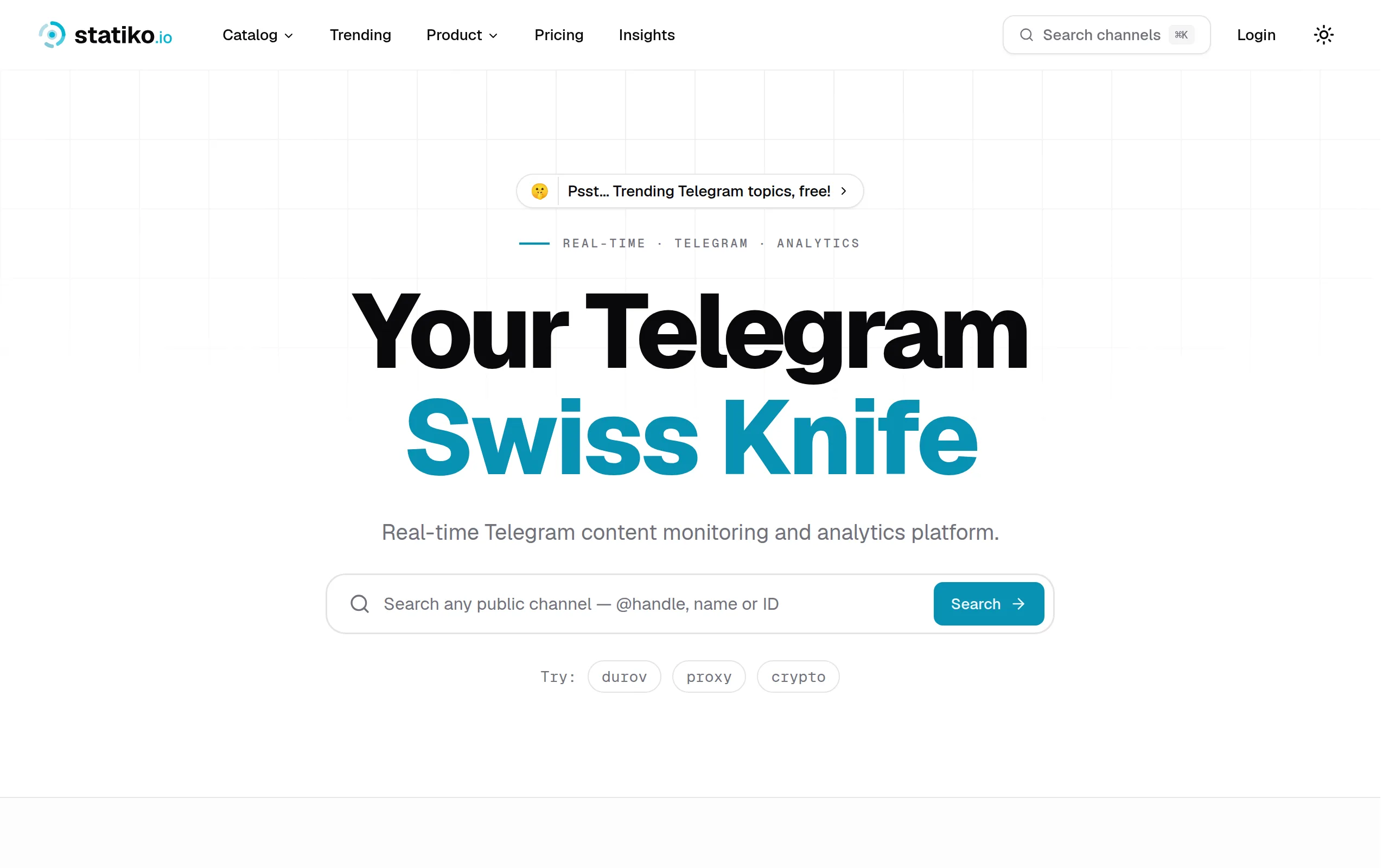
Statiko
Monitor any Telegram channel in real time - track posts, edits, deletions, and growth with AI recaps 📡

Shibui
AI website builder - describe your business, pick a niche template, edit by chatting, and publish instantly ✨
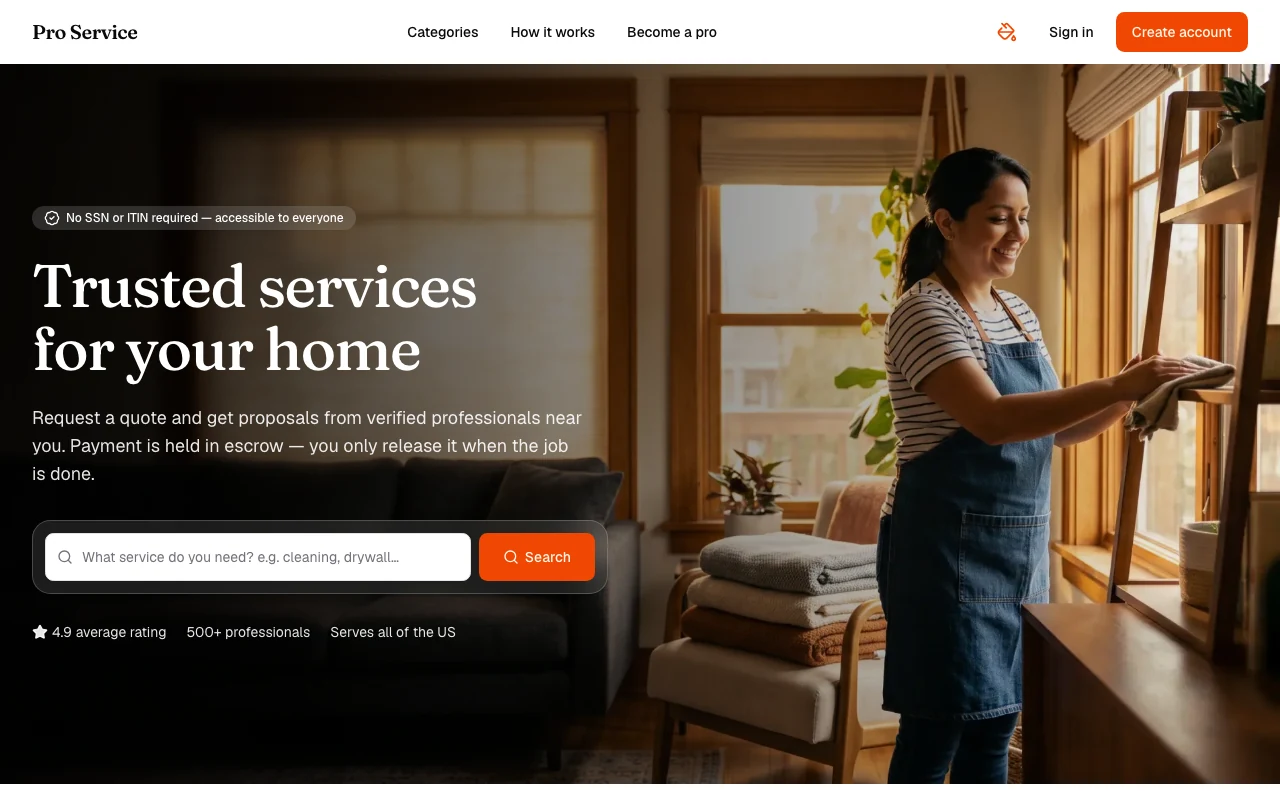
Pro Service
Find verified home service professionals, compare quotes, and pay securely through escrow - built for Brazilians across the US 🏠
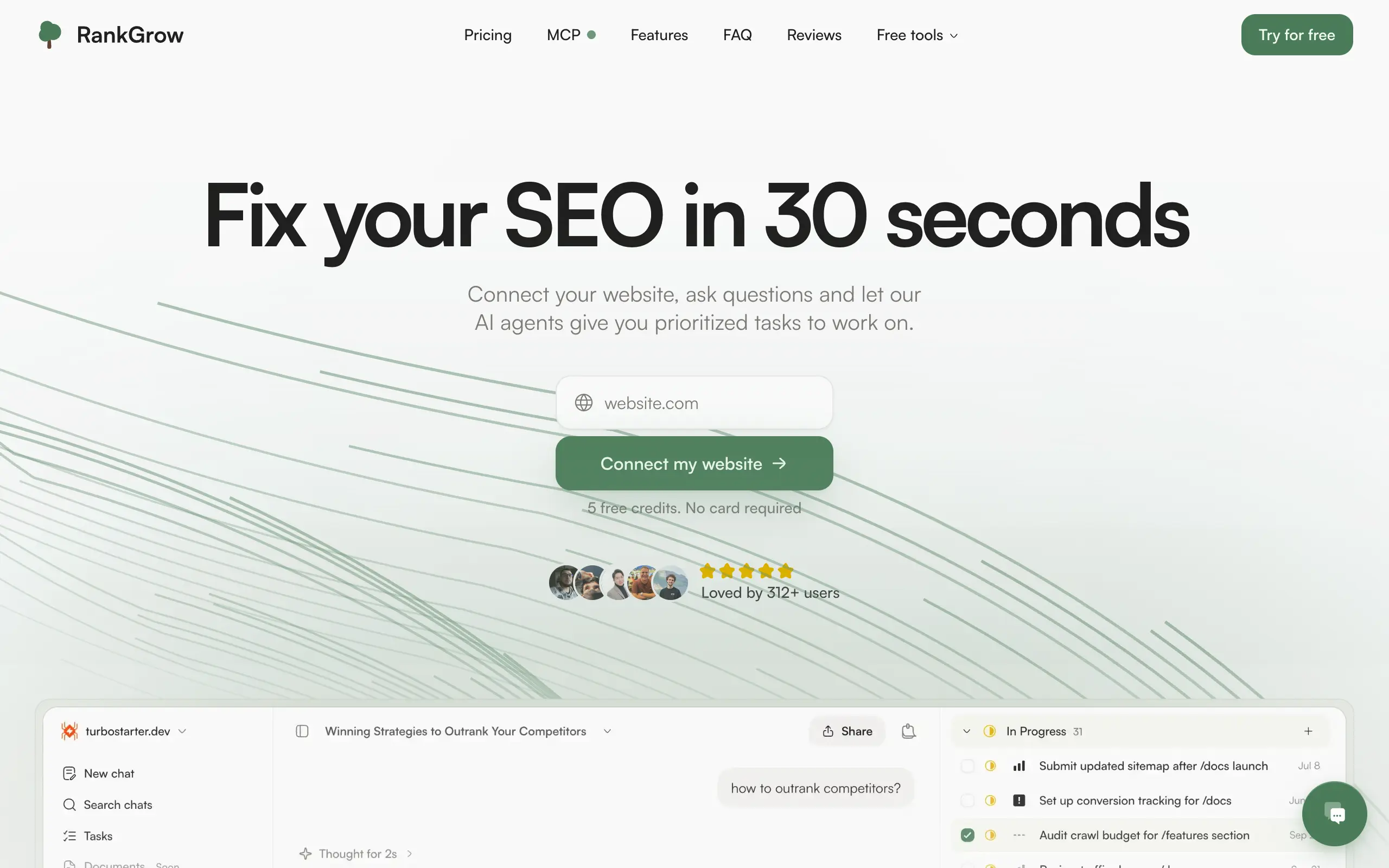
RankGrow
Fix your SEO with AI agents - connect Search Console, get prioritized tasks, and grow organic traffic 📈
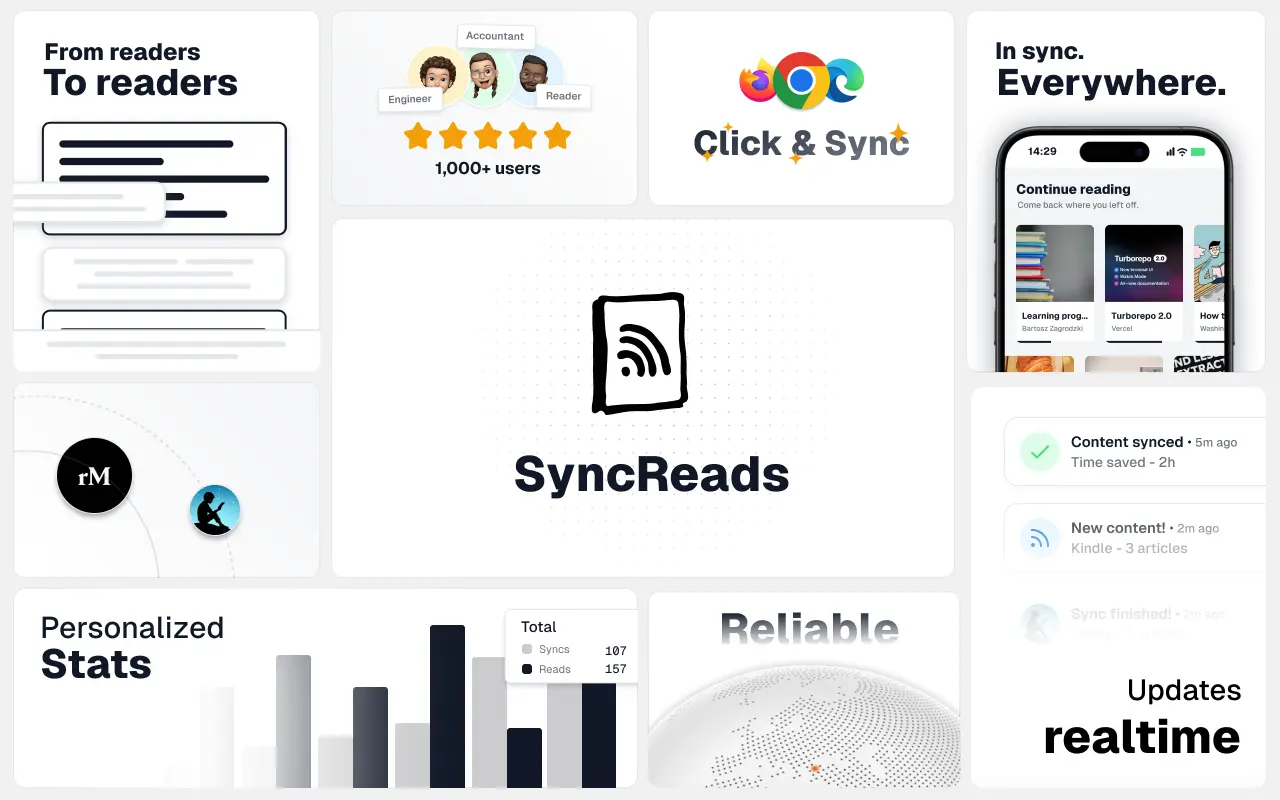
SyncReads
Sync your favorite content for distraction-free reading, save time and replace multiple apps. Anytime, anywhere 🔄
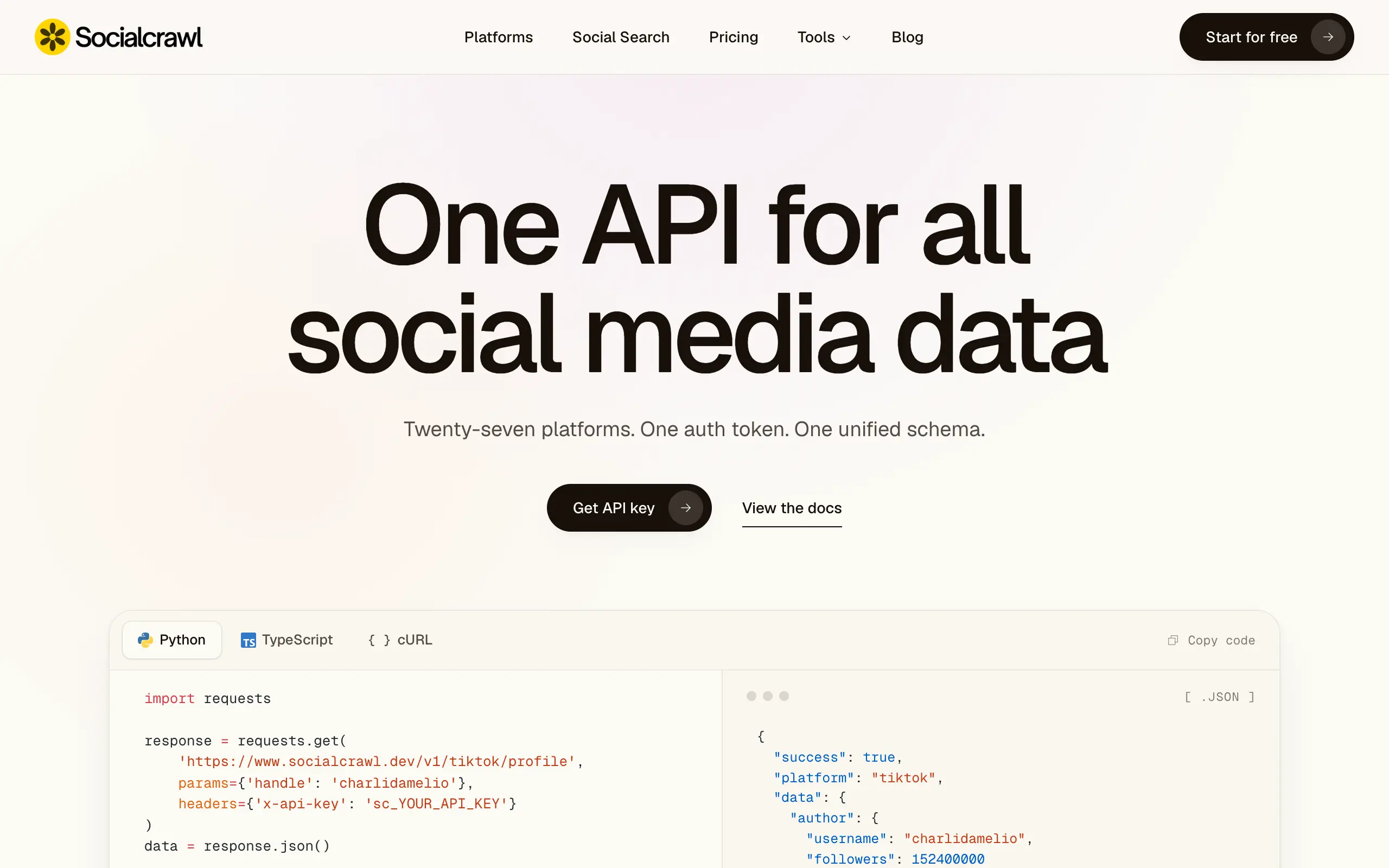
Socialcrawl
Get clean, structured data from 21 platforms like TikTok, Instagram, and YouTube with a single request 📊
Statiko
Monitor any Telegram channel in real time - track posts, edits, deletions, and growth with AI recaps 📡
Shibui
AI website builder - describe your business, pick a niche template, edit by chatting, and publish instantly ✨
Pro Service
Find verified home service professionals, compare quotes, and pay securely through escrow - built for Brazilians across the US 🏠
RankGrow
Fix your SEO with AI agents - connect Search Console, get prioritized tasks, and grow organic traffic 📈
SyncReads
Sync your favorite content for distraction-free reading, save time and replace multiple apps. Anytime, anywhere 🔄
Socialcrawl
Get clean, structured data from 21 platforms like TikTok, Instagram, and YouTube with a single request 📊
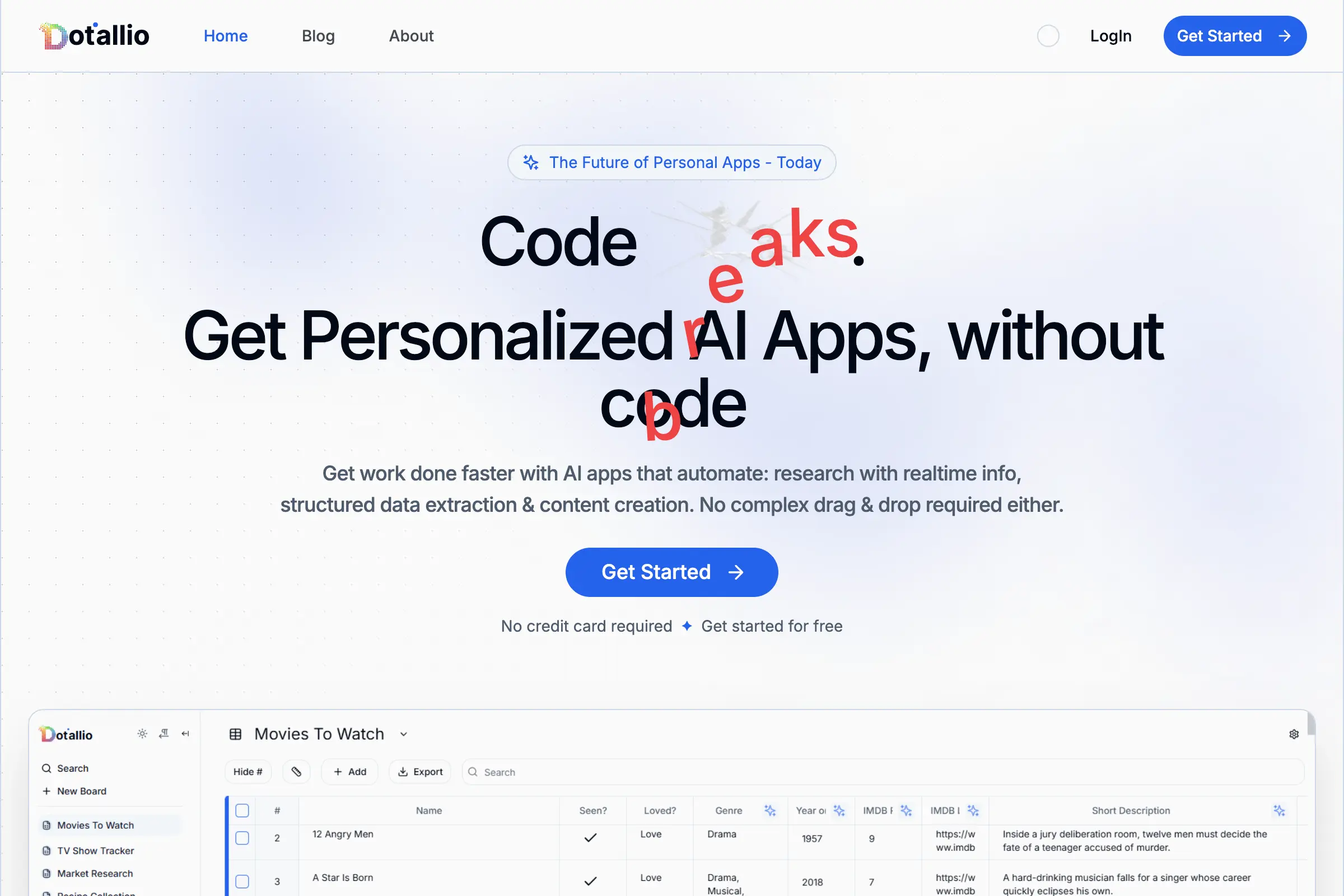
Dotallio
Personalized AI apps that automate research, data extraction, and content creation without code 🤖
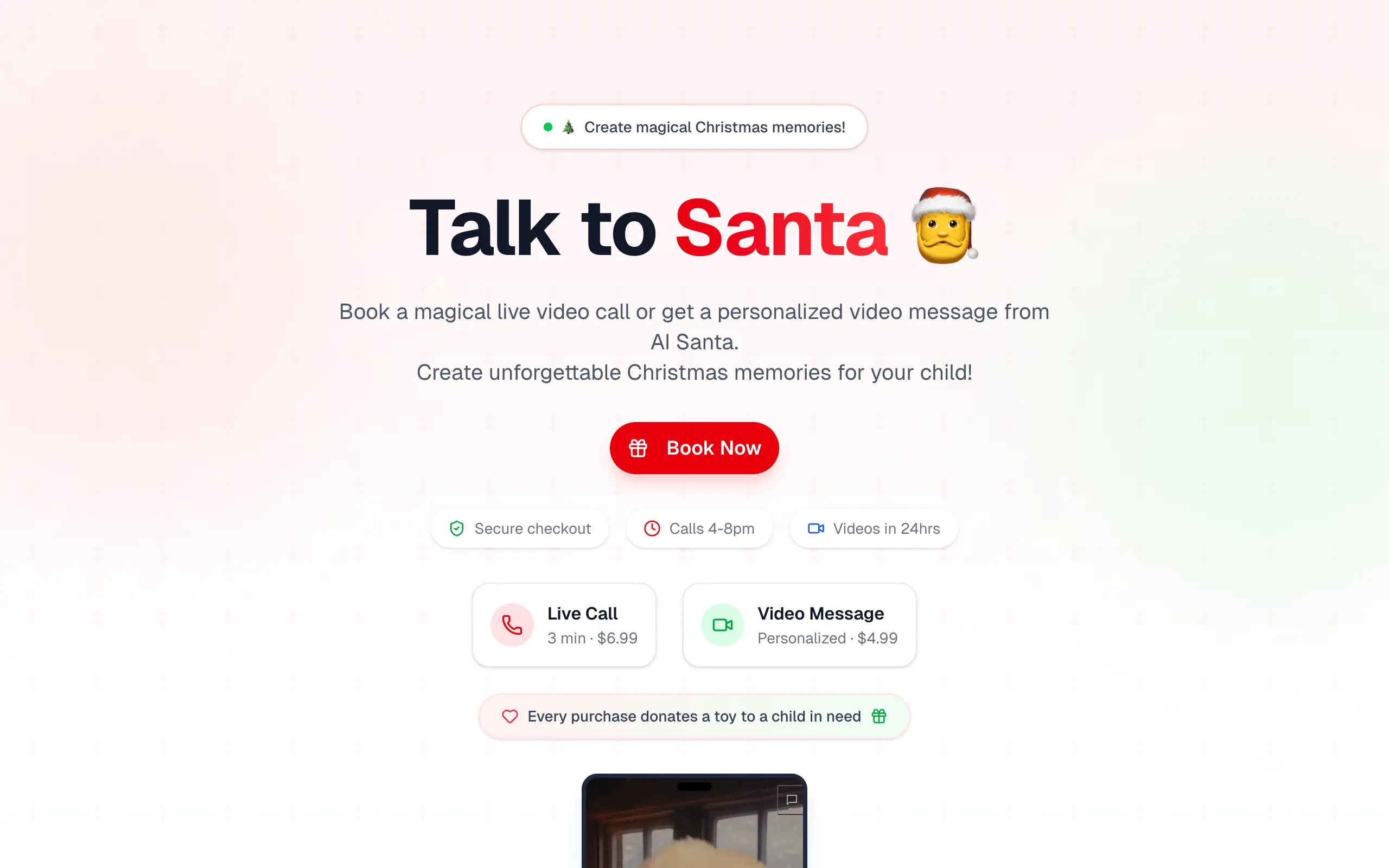
Talk to Santa
Enjoy a magical live video chat or receive a unique AI-generated video greeting from Santa Claus 🎅
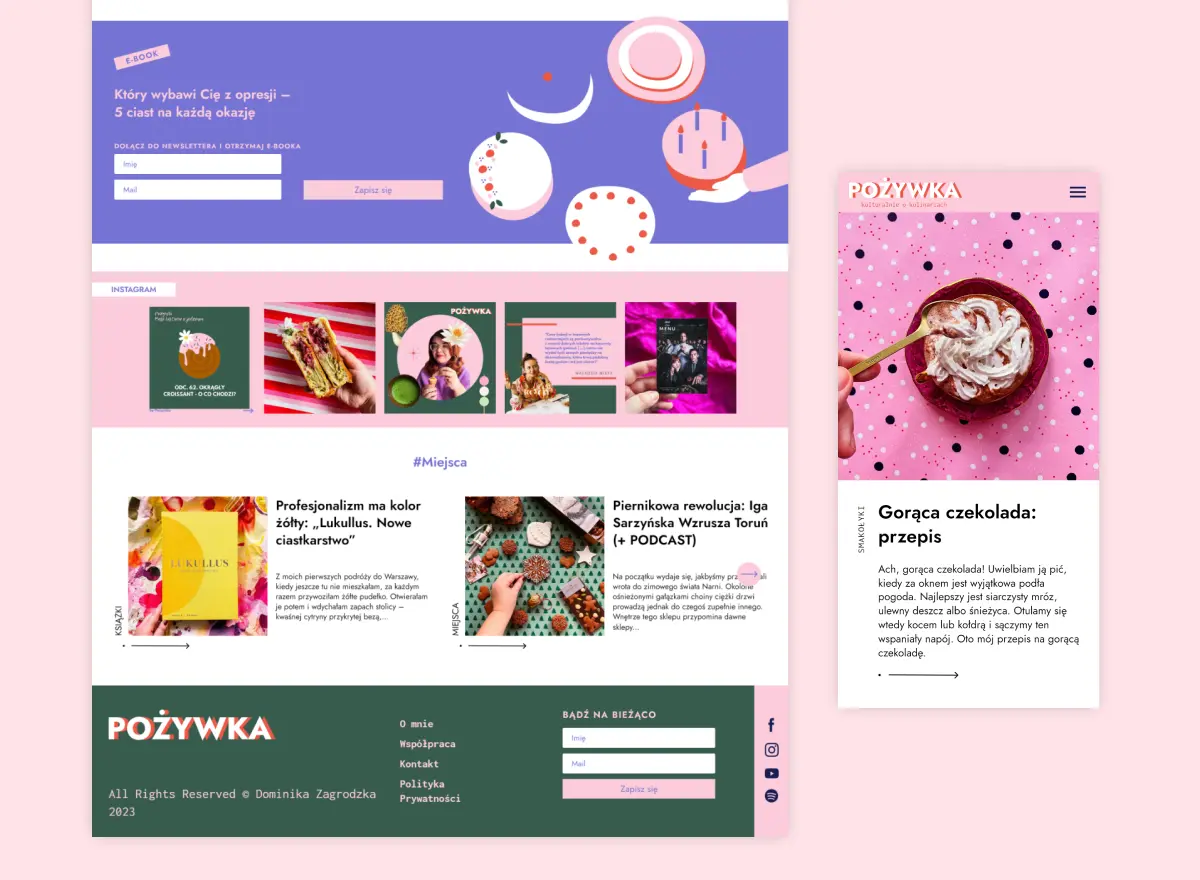
pozywka.pl
Scalable blog for food journalist, focused on performance and user experience 🌭
zagrodzki.me
Personal blog and portfolio of Bart Zagrodzki, where he shares his knowledge and work 💼
TurboStarter
Ship your startup everywhere. In minutes.
HTML to Markdown
Convert HTML to Markdown with ease, directly in your browser 📄
Dotallio
Personalized AI apps that automate research, data extraction, and content creation without code 🤖
Talk to Santa
Enjoy a magical live video chat or receive a unique AI-generated video greeting from Santa Claus 🎅
pozywka.pl
Scalable blog for food journalist, focused on performance and user experience 🌭
zagrodzki.me
Personal blog and portfolio of Bart Zagrodzki, where he shares his knowledge and work 💼
TurboStarter
Ship your startup everywhere. In minutes.
HTML to Markdown
Convert HTML to Markdown with ease, directly in your browser 📄
Omichat
Chat with 50+ AI models, including ChatGPT and Claude, in one place - switch models anytime without losing context 🤖
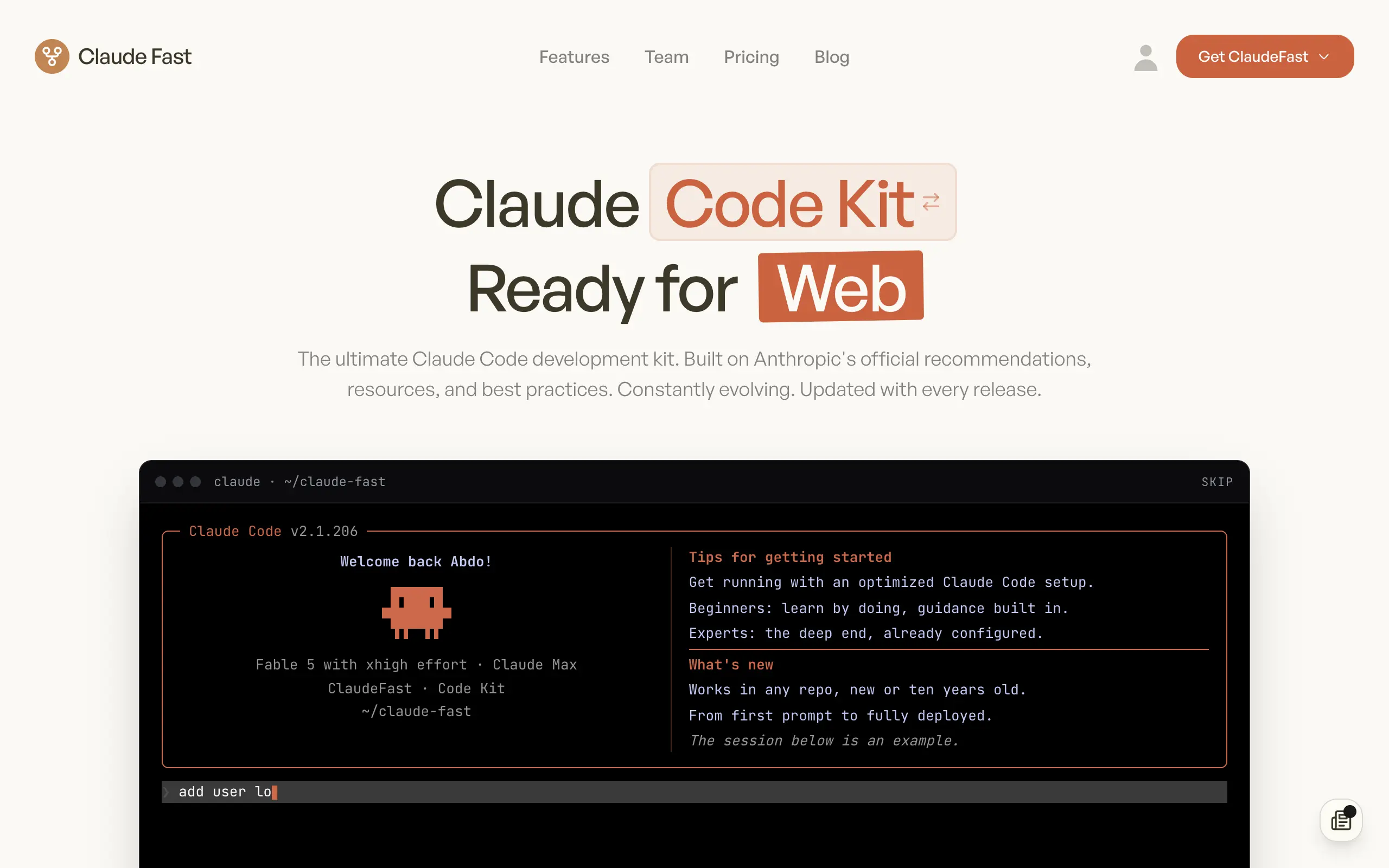
Claude Fast
Supercharge your Claude Code with 6x effective context window and specialized AI agents 🤖

EmojAI
AI-powered emoji picker with smart, context-aware suggestions 🤖
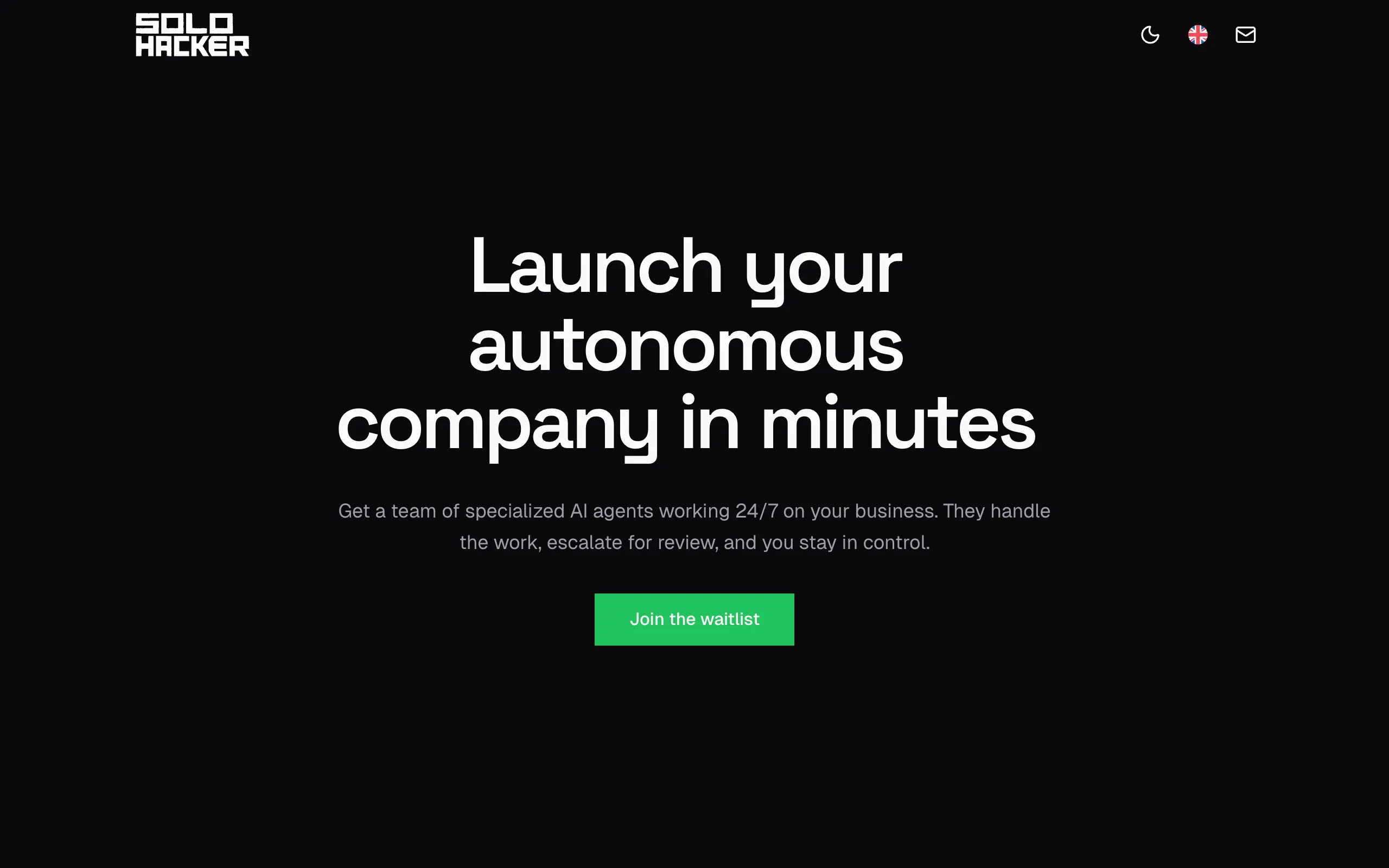
Solohacker
Autonomous company launcher - AI agents work 24/7, escalate what matters, and you stay in control 🤖
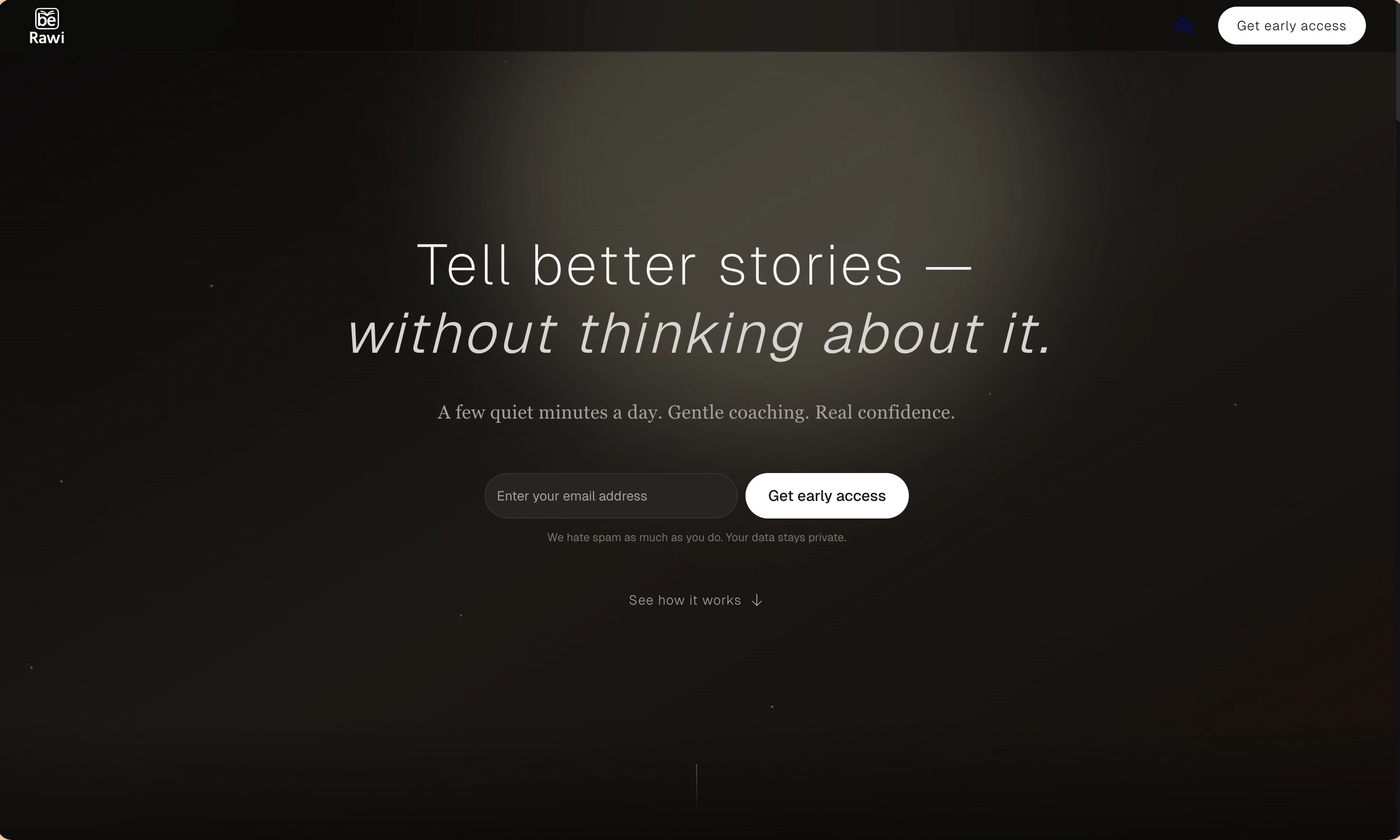
BeRawi: Storytelling Coach
Practice storytelling daily with instant feedback to sound clearer, more engaging, and confident 🎤
Omichat
Chat with 50+ AI models, including ChatGPT and Claude, in one place - switch models anytime without losing context 🤖
Claude Fast
Supercharge your Claude Code with 6x effective context window and specialized AI agents 🤖
EmojAI
AI-powered emoji picker with smart, context-aware suggestions 🤖
Solohacker
Autonomous company launcher - AI agents work 24/7, escalate what matters, and you stay in control 🤖
BeRawi: Storytelling Coach
Practice storytelling daily with instant feedback to sound clearer, more engaging, and confident 🎤

Connect with like-minded people
Join our community to get feedback, support, and grow together with 1,000+ builders on board, let's ship it!
Join usShip your startup everywhere. In minutes.
Don't burn tokens on setup and start building features on day one.