PulsePilot
AI-powered observability assistant that detects anomalies, explains root causes, and suggests fixes across logs, metrics, and traces in real time.
the future of ai-powered observability: building and scaling a platform like PulsePilot
Modern engineering teams are drowning in telemetry. Logs, metrics, traces, events—every system emits signals, but turning those signals into actionable insight remains painfully slow. That’s where an AI-powered observability assistant like PulsePilot changes the game.
Instead of just visualizing data, PulsePilot actively interprets it. It detects anomalies, explains root causes, and suggests fixes in real time. This article explores the full strategic, technical, and market blueprint behind building such a platform—whether you're validating the idea, planning a startup, or integrating similar capabilities into an existing SaaS.
understanding the user intent behind ai observability tools
Before diving into features or architecture, it’s critical to understand what users actually want when they search for tools like "AI observability platform" or "anomaly detection for logs and metrics."
primary user intents
- Faster incident resolution (MTTR reduction)
- Automated root cause analysis (RCA)
- Noise reduction in alerting systems
- Improved developer productivity
- Cost optimization in cloud infrastructure
Traditional observability tools like Datadog, New Relic, and Grafana provide dashboards—but interpreting them still requires human expertise.
PulsePilot shifts the paradigm: from observability as visibility to observability as intelligence.
target audience and ideal customer profile
primary audience segments
1. devops and sre teams
These users are responsible for uptime, reliability, and incident response.
Pain points:
- Alert fatigue from noisy monitoring systems
- Slow root cause identification
- Lack of context across distributed systems
2. backend engineers
They need to debug performance issues and system failures quickly.
Pain points:
- Correlating logs, traces, and metrics manually
- Limited visibility into microservices interactions
3. platform engineering teams
Focused on building internal tooling and developer experience.
Pain points:
- Scaling observability across teams
- Standardizing monitoring practices
4. startup CTOs and technical founders
Looking for efficient, automated monitoring solutions without large SRE teams.
Pain points:
- Limited resources for 24/7 monitoring
- Need for automation-first solutions
market opportunity and gap analysis
current market landscape
The observability market is massive and growing rapidly. According to industry reports (e.g., Gartner, IDC), observability and APM markets are expected to exceed tens of billions in valuation by 2027.
However, the current landscape has clear gaps:
| Capability | Traditional Tools | AI-native Platforms | PulsePilot Opportunity | Impact |
|---|---|---|---|---|
| Real-time anomaly detection | ✅ | ✅ | ✅ (context-aware) | High |
| Root cause explanation | ❌ | ⚠️ limited | ✅ deep causal inference | Very High |
| Fix recommendations | ❌ | ❌ | ✅ AI-generated | Transformational |
| Cross-signal correlation | ⚠️ manual | ✅ | ✅ automated | High |
the key gap
Most tools answer: “What happened?”
Few tools answer: “Why did it happen and how do I fix it?”
PulsePilot focuses on closing that gap.
core product features and capabilities
1. real-time anomaly detection
PulsePilot continuously analyzes telemetry streams:
- Metrics (CPU, memory, latency)
- Logs (structured and unstructured)
- Traces (distributed system flows)
It uses machine learning models to detect:
- Statistical anomalies
- Behavioral deviations
- Pattern shifts across services
2. automated root cause analysis (RCA)
This is the core differentiator.
Instead of showing multiple alerts, PulsePilot:
- Correlates signals across services
- Identifies causal chains
- Explains failures in plain English
Example output:
"Increased latency in Service A is caused by a spike in database query time in Service B, triggered by a recent deployment."
3. AI-generated remediation suggestions
PulsePilot doesn't stop at detection.
It suggests actionable fixes:
- Rollback recent deployments
- Scale specific services
- Optimize database queries
- Adjust infrastructure limits
Why this matters
Reducing cognitive load during incidents dramatically improves response time and reduces burnout among engineers.
4. natural language querying
Users can ask:
- "Why did latency spike yesterday?"
- "What changed before this error rate increase?"
And get structured, AI-generated insights.
5. alert deduplication and prioritization
PulsePilot clusters related alerts into a single incident:
- Reduces noise
- Improves focus
- Prioritizes high-impact issues
technical architecture and stack
Building PulsePilot requires a sophisticated, scalable architecture.
core system components
Data ingestion layer
Handles logs, metrics, and traces from multiple sources in real time.
Processing pipeline
Streams and processes data using distributed systems like Kafka.
AI inference engine
Runs anomaly detection and root cause analysis models.
Knowledge layer
Stores historical incidents, patterns, and system topology.
User interface
Interactive dashboards and conversational AI interface.
recommended tech stack
frontend
backend
- Node.js (fast iteration) or Go (high performance)
- GraphQL or REST APIs
data processing
- Apache Kafka for streaming
- Apache Flink or Spark for real-time processing
storage
- Time-series DB: ClickHouse or TimescaleDB
- Logs: Elasticsearch or OpenSearch
- Traces: OpenTelemetry-compatible backend
AI/ML layer
- Python (PyTorch or TensorFlow)
- LLM integration (for explanation + suggestions)
- Vector databases for pattern similarity (e.g., Pinecone, Weaviate)
example anomaly detection pipeline
// simplified pseudo-pipeline
const detectAnomaly = async (metricsStream) => {
  const baseline = await model.getBaseline(metricsStream.service);
  const deviation = calculateDeviation(metricsStream.value, baseline);

  if (deviation > threshold) {
    return {
      anomaly: true,
      severity: "high",
      explanation: await generateExplanation(metricsStream),
    };
  }

  return { anomaly: false };
};
ai models and intelligence layer
hybrid approach
PulsePilot should combine:
- Statistical models (for anomaly detection)
- Graph-based models (for service dependencies)
- Large language models (LLMs) (for explanations and suggestions)
key innovation area
The real moat is not detection—it’s causal reasoning.
This involves:
- Building service dependency graphs
- Tracking deployment changes
- Mapping telemetry to infrastructure changes
monetization strategy
pricing models
usage-based pricing (recommended)
- Based on data ingestion (GB/day)
- Aligns with industry standards
tiered plans
- Starter: basic anomaly detection
- Growth: RCA + alert correlation
- Enterprise: full AI assistant + integrations
add-ons
- Advanced AI insights
- Custom model training
- On-prem deployment
pricing psychology
Observability tools are mission-critical. That means:
- Buyers are less price-sensitive
- ROI must be clear (reduced downtime, faster fixes)
competitive advantage and differentiation
what makes PulsePilot stand out
Unlike legacy tools, PulsePilot is designed around AI from the ground up—not as an add-on feature.
Clear, human-readable explanations make it usable for all skill levels.
Most tools stop at detection. PulsePilot suggests fixes.
Logs, metrics, and traces are analyzed together—not in isolation.
potential risks and mitigation strategies
1. false positives in anomaly detection
Risk: Too many false alerts reduce trust.
Mitigation:
- Adaptive thresholds
- Feedback loops from users
- Continuous model tuning
2. high infrastructure costs
Processing telemetry at scale is expensive.
Mitigation:
- Efficient data sampling
- Tiered storage strategies
- Serverless architectures where possible
3. trust in AI-generated recommendations
Users may hesitate to act on AI suggestions.
Mitigation:
- Provide confidence scores
- Show reasoning behind suggestions
- Allow human-in-the-loop validation
4. integration complexity
Companies use diverse tech stacks.
Mitigation:
- Support OpenTelemetry standards
- Provide easy SDKs and APIs
- Offer pre-built integrations
go-to-market strategy
initial wedge
Start with:
- Mid-sized SaaS companies
- Strong engineering teams
- Already using observability tools but frustrated
acquisition channels
- Developer communities (GitHub, Hacker News)
- Technical content marketing
- Integration partnerships
content strategy
Focus on SEO topics like:
- "AI observability tools"
- "automated root cause analysis"
- "reduce alert fatigue"
- "observability vs monitoring"
implementation roadmap
building faster with modern SaaS tooling
Creating a complex platform like PulsePilot from scratch can take months. Using a production-ready SaaS starter kit accelerates development significantly.
TurboStarter provides:
- Authentication and user management
- Billing and subscription infrastructure
- Scalable frontend and backend setup
This allows you to focus on your core differentiator: the AI observability engine.
future trends in ai observability
1. autonomous systems
AI will not just suggest fixes—it will implement them automatically.
2. deeper causal inference
Systems will understand not just correlation but true causation.
3. observability as a conversational interface
Natural language will replace dashboards.
4. tighter integration with CI/CD
Observability will be embedded into deployment pipelines.
actionable next steps
If you're serious about building PulsePilot or a similar AI observability SaaS:
- Validate demand with engineering teams
- Build a narrow MVP focused on one key problem (e.g., anomaly detection)
- Use real-world data early
- Prioritize explainability over complexity
- Iterate fast with user feedback
final thoughts
The observability space is evolving rapidly, and AI is redefining what’s possible. PulsePilot represents a shift from passive monitoring to active intelligence—helping teams not just understand their systems, but improve them automatically.
If executed well, this kind of platform doesn’t just compete with existing tools—it redefines the category.
The opportunity is massive, but success depends on focusing on what users truly need: clarity, speed, and actionable insight.
More 🤖 AI Startup SaaS ideas
Discover more innovative ai startup SaaS ideas that are trending in 2026. Each idea is AI-generated with market validation and growth potential to help you find your next profitable venture faster than competitors.
Your competitors are building with TurboStarter
Below are some of the SaaS ideas that have been generated and built with our starter kit.

Statiko
Monitor any Telegram channel in real time - track posts, edits, deletions, and growth with AI recaps 📡

Shibui
AI website builder - describe your business, pick a niche template, edit by chatting, and publish instantly ✨

Pro Service
Find verified home service professionals, compare quotes, and pay securely through escrow - built for Brazilians across the US 🏠
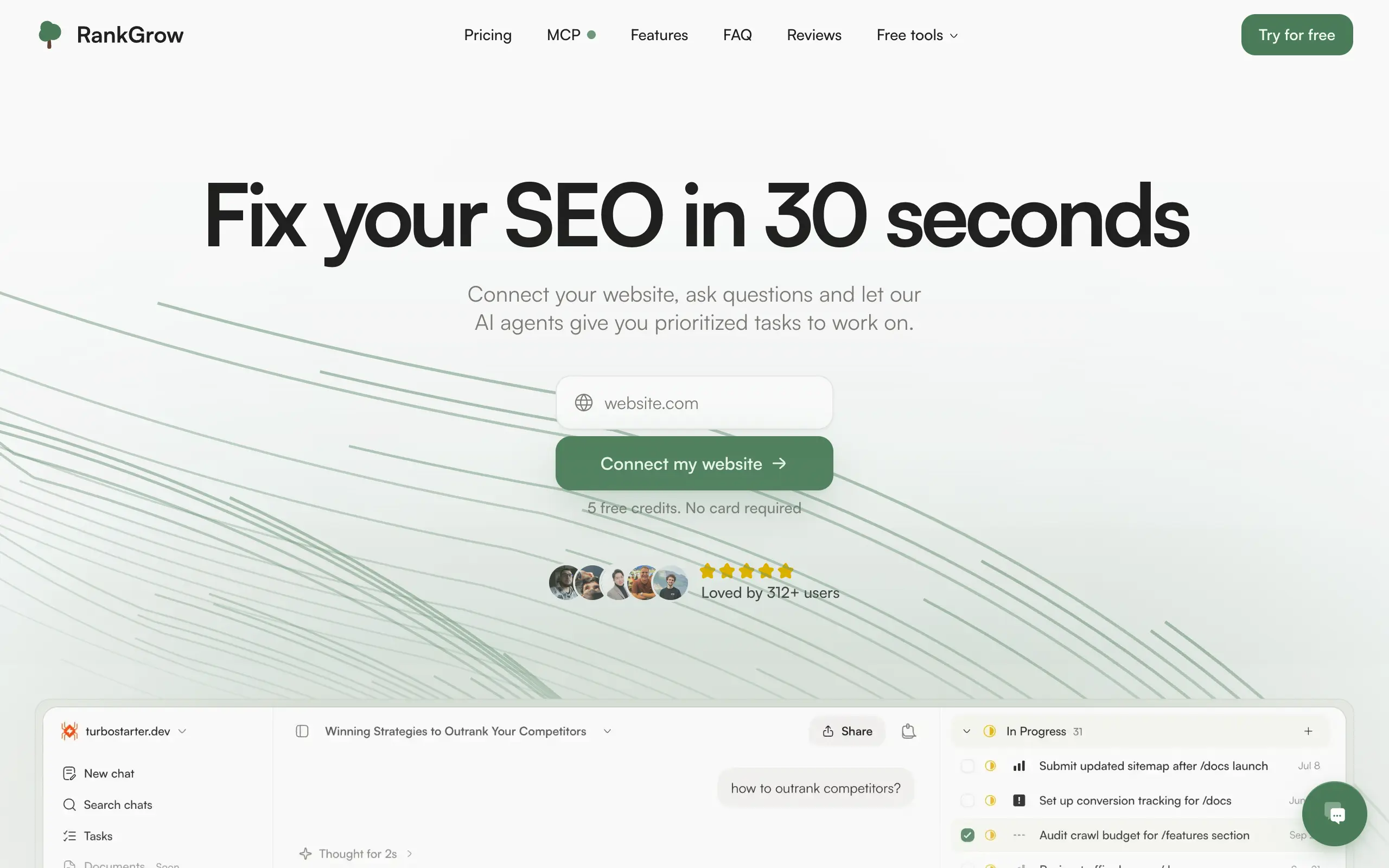
RankGrow
Fix your SEO with AI agents - connect Search Console, get prioritized tasks, and grow organic traffic 📈
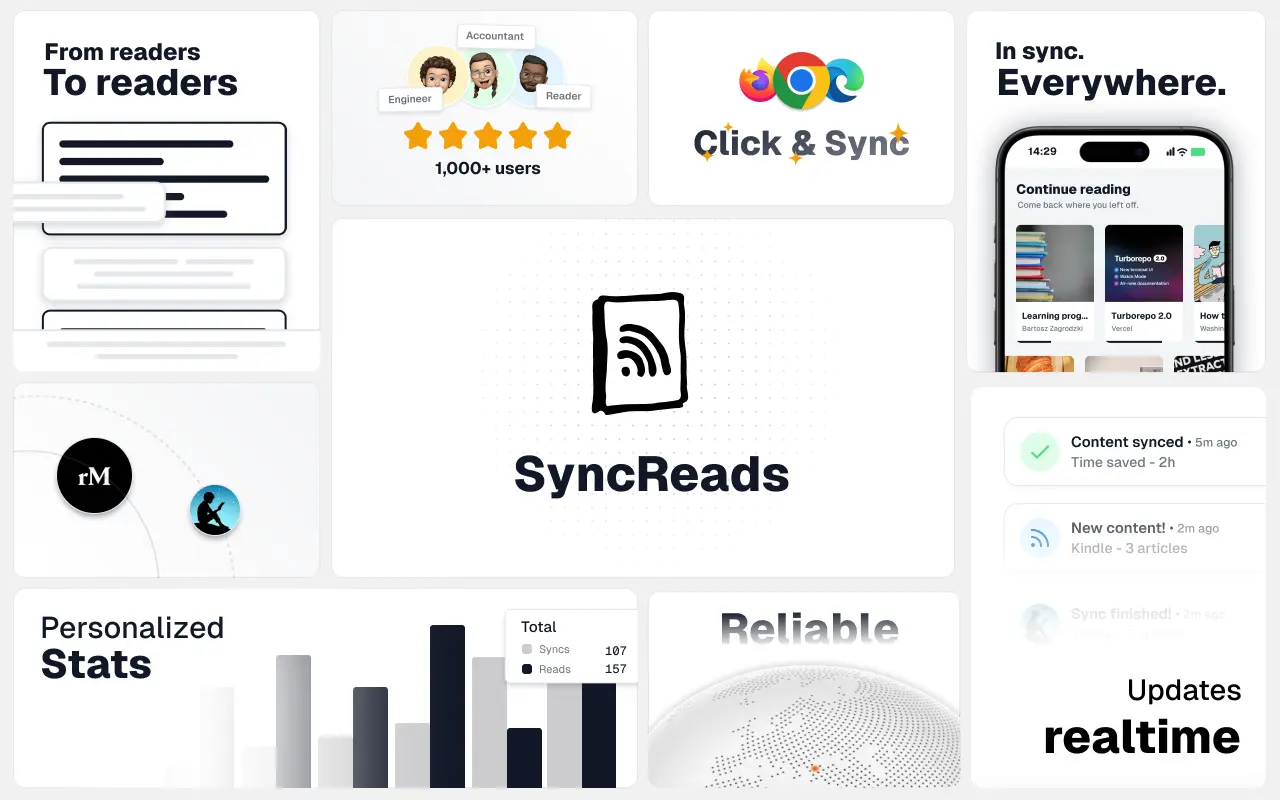
SyncReads
Sync your favorite content for distraction-free reading, save time and replace multiple apps. Anytime, anywhere 🔄
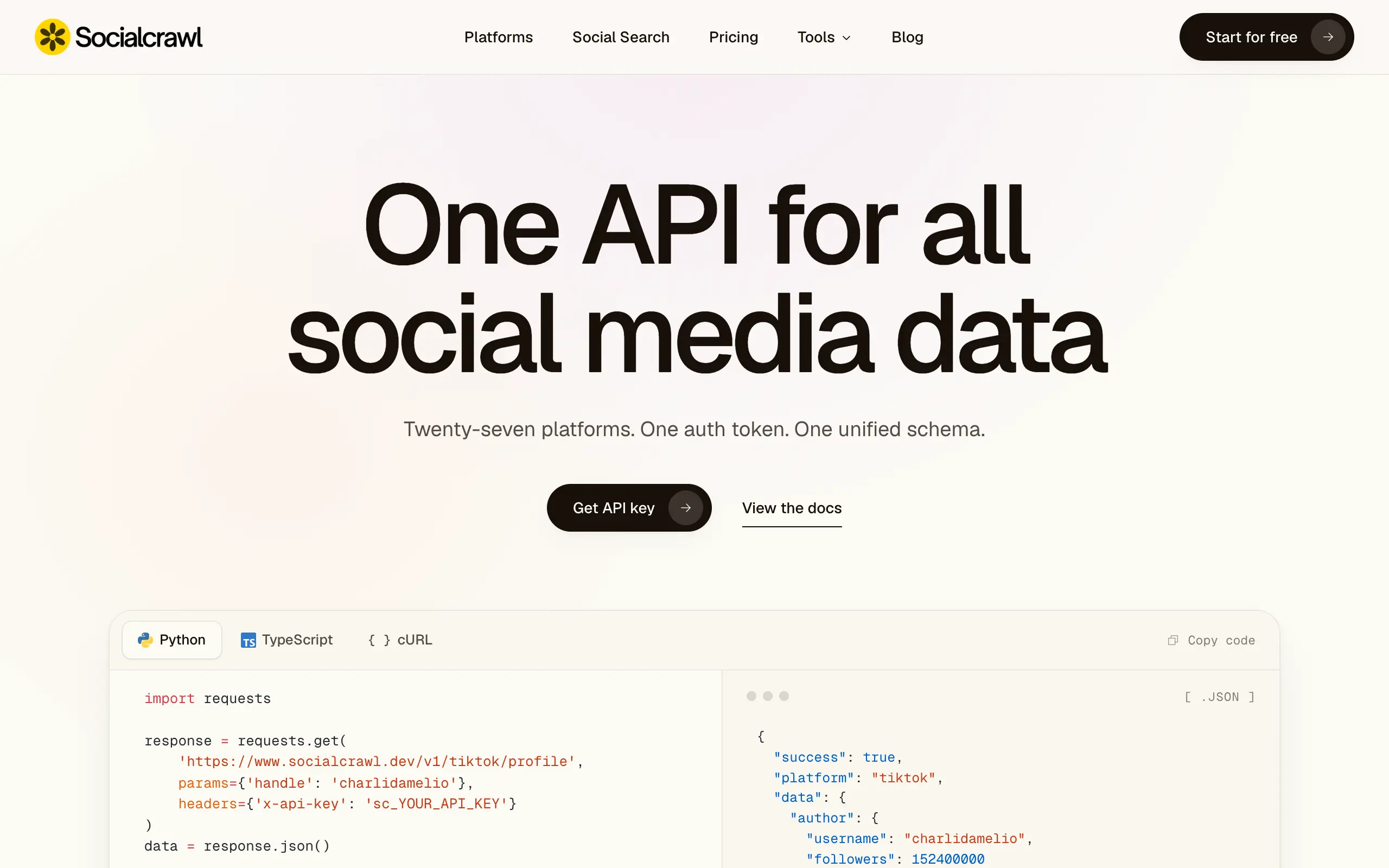
Socialcrawl
Get clean, structured data from 21 platforms like TikTok, Instagram, and YouTube with a single request 📊
Statiko
Monitor any Telegram channel in real time - track posts, edits, deletions, and growth with AI recaps 📡
Shibui
AI website builder - describe your business, pick a niche template, edit by chatting, and publish instantly ✨
Pro Service
Find verified home service professionals, compare quotes, and pay securely through escrow - built for Brazilians across the US 🏠
RankGrow
Fix your SEO with AI agents - connect Search Console, get prioritized tasks, and grow organic traffic 📈
SyncReads
Sync your favorite content for distraction-free reading, save time and replace multiple apps. Anytime, anywhere 🔄
Socialcrawl
Get clean, structured data from 21 platforms like TikTok, Instagram, and YouTube with a single request 📊
Statiko
Monitor any Telegram channel in real time - track posts, edits, deletions, and growth with AI recaps 📡
Shibui
AI website builder - describe your business, pick a niche template, edit by chatting, and publish instantly ✨
Pro Service
Find verified home service professionals, compare quotes, and pay securely through escrow - built for Brazilians across the US 🏠
RankGrow
Fix your SEO with AI agents - connect Search Console, get prioritized tasks, and grow organic traffic 📈
SyncReads
Sync your favorite content for distraction-free reading, save time and replace multiple apps. Anytime, anywhere 🔄
Socialcrawl
Get clean, structured data from 21 platforms like TikTok, Instagram, and YouTube with a single request 📊
Statiko
Monitor any Telegram channel in real time - track posts, edits, deletions, and growth with AI recaps 📡
Shibui
AI website builder - describe your business, pick a niche template, edit by chatting, and publish instantly ✨
Pro Service
Find verified home service professionals, compare quotes, and pay securely through escrow - built for Brazilians across the US 🏠
RankGrow
Fix your SEO with AI agents - connect Search Console, get prioritized tasks, and grow organic traffic 📈
SyncReads
Sync your favorite content for distraction-free reading, save time and replace multiple apps. Anytime, anywhere 🔄
Socialcrawl
Get clean, structured data from 21 platforms like TikTok, Instagram, and YouTube with a single request 📊
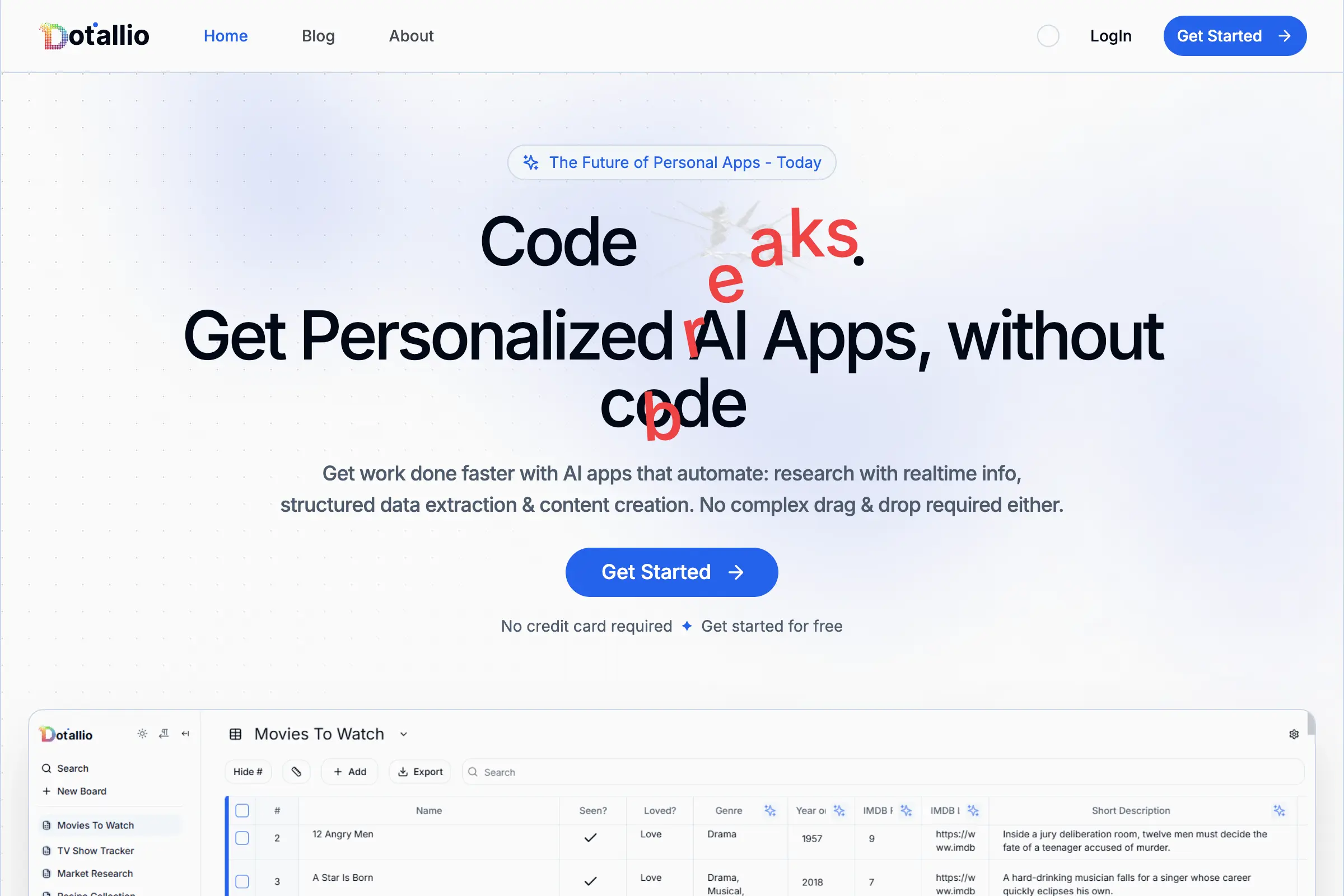
Dotallio
Personalized AI apps that automate research, data extraction, and content creation without code 🤖

Talk to Santa
Enjoy a magical live video chat or receive a unique AI-generated video greeting from Santa Claus 🎅

pozywka.pl
Scalable blog for food journalist, focused on performance and user experience 🌭
zagrodzki.me
Personal blog and portfolio of Bart Zagrodzki, where he shares his knowledge and work 💼
TurboStarter
Ship your startup everywhere. In minutes.
HTML to Markdown
Convert HTML to Markdown with ease, directly in your browser 📄
Dotallio
Personalized AI apps that automate research, data extraction, and content creation without code 🤖
Talk to Santa
Enjoy a magical live video chat or receive a unique AI-generated video greeting from Santa Claus 🎅
pozywka.pl
Scalable blog for food journalist, focused on performance and user experience 🌭
zagrodzki.me
Personal blog and portfolio of Bart Zagrodzki, where he shares his knowledge and work 💼
TurboStarter
Ship your startup everywhere. In minutes.
HTML to Markdown
Convert HTML to Markdown with ease, directly in your browser 📄
Dotallio
Personalized AI apps that automate research, data extraction, and content creation without code 🤖
Talk to Santa
Enjoy a magical live video chat or receive a unique AI-generated video greeting from Santa Claus 🎅
pozywka.pl
Scalable blog for food journalist, focused on performance and user experience 🌭
zagrodzki.me
Personal blog and portfolio of Bart Zagrodzki, where he shares his knowledge and work 💼
TurboStarter
Ship your startup everywhere. In minutes.
HTML to Markdown
Convert HTML to Markdown with ease, directly in your browser 📄
Dotallio
Personalized AI apps that automate research, data extraction, and content creation without code 🤖
Talk to Santa
Enjoy a magical live video chat or receive a unique AI-generated video greeting from Santa Claus 🎅
pozywka.pl
Scalable blog for food journalist, focused on performance and user experience 🌭
zagrodzki.me
Personal blog and portfolio of Bart Zagrodzki, where he shares his knowledge and work 💼
TurboStarter
Ship your startup everywhere. In minutes.
HTML to Markdown
Convert HTML to Markdown with ease, directly in your browser 📄
Omichat
Chat with 50+ AI models, including ChatGPT and Claude, in one place - switch models anytime without losing context 🤖
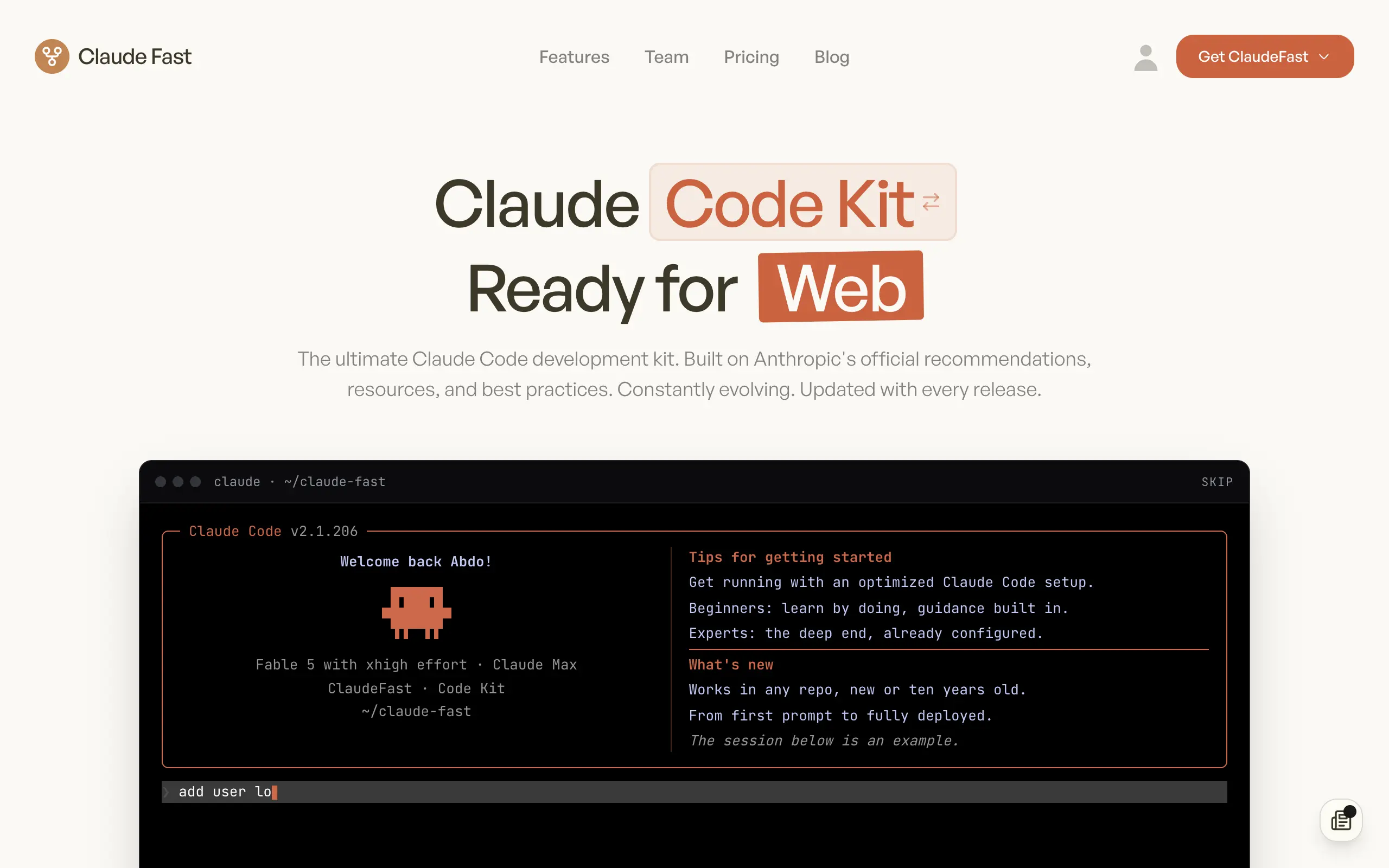
Claude Fast
Supercharge your Claude Code with 6x effective context window and specialized AI agents 🤖
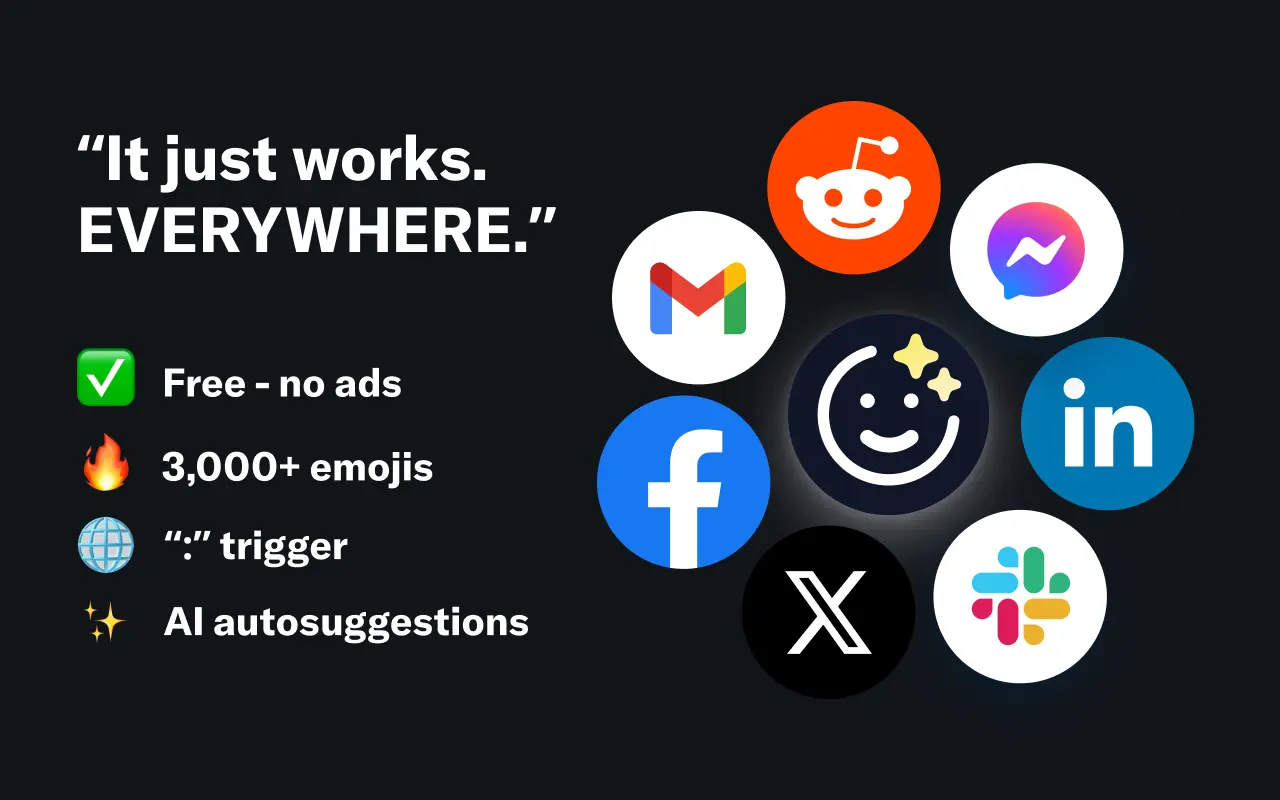
EmojAI
AI-powered emoji picker with smart, context-aware suggestions 🤖
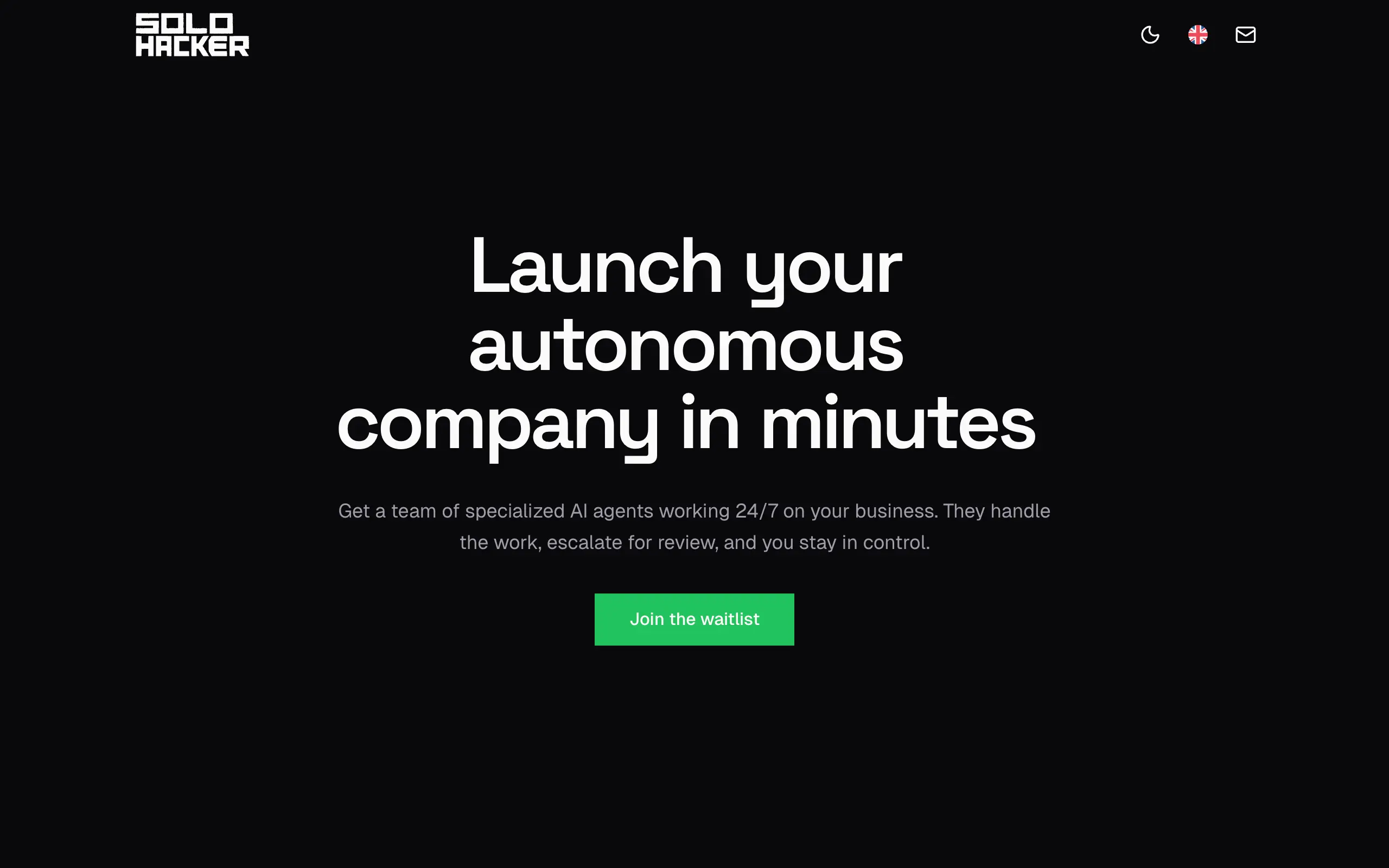
Solohacker
Autonomous company launcher - AI agents work 24/7, escalate what matters, and you stay in control 🤖

BeRawi: Storytelling Coach
Practice storytelling daily with instant feedback to sound clearer, more engaging, and confident 🎤
Omichat
Chat with 50+ AI models, including ChatGPT and Claude, in one place - switch models anytime without losing context 🤖
Claude Fast
Supercharge your Claude Code with 6x effective context window and specialized AI agents 🤖
EmojAI
AI-powered emoji picker with smart, context-aware suggestions 🤖
Solohacker
Autonomous company launcher - AI agents work 24/7, escalate what matters, and you stay in control 🤖
BeRawi: Storytelling Coach
Practice storytelling daily with instant feedback to sound clearer, more engaging, and confident 🎤
Omichat
Chat with 50+ AI models, including ChatGPT and Claude, in one place - switch models anytime without losing context 🤖
Claude Fast
Supercharge your Claude Code with 6x effective context window and specialized AI agents 🤖
EmojAI
AI-powered emoji picker with smart, context-aware suggestions 🤖
Solohacker
Autonomous company launcher - AI agents work 24/7, escalate what matters, and you stay in control 🤖
BeRawi: Storytelling Coach
Practice storytelling daily with instant feedback to sound clearer, more engaging, and confident 🎤
Omichat
Chat with 50+ AI models, including ChatGPT and Claude, in one place - switch models anytime without losing context 🤖
Claude Fast
Supercharge your Claude Code with 6x effective context window and specialized AI agents 🤖
EmojAI
AI-powered emoji picker with smart, context-aware suggestions 🤖
Solohacker
Autonomous company launcher - AI agents work 24/7, escalate what matters, and you stay in control 🤖
BeRawi: Storytelling Coach
Practice storytelling daily with instant feedback to sound clearer, more engaging, and confident 🎤

Connect with like-minded people
Join our community to get feedback, support, and grow together with 1,000+ builders on board, let's ship it!
Join usShip your startup everywhere. In minutes.
Don't burn tokens on setup and start building features on day one.