PV Permit Pro
Automated AI assistant that streamlines solar permitting by generating compliant documents, checking local codes, and expediting approval workflows for installers.
Understanding the need for automated solar permitting
The solar industry is experiencing rapid growth, with residential and commercial installations surging worldwide. However, one of the most persistent bottlenecks for solar installers is the permitting process. Navigating complex, ever-changing local codes, generating compliant documentation, and managing approval workflows can delay projects, increase costs, and frustrate both installers and customers.
PV Permit Pro addresses this pain point by offering an AI-powered assistant that automates solar permitting. By generating compliant documents, checking local codes, and expediting approval workflows, PV Permit Pro aims to revolutionize how solar projects move from proposal to installation.
In this article, we’ll explore the market opportunity, target audience, core features, technology stack, monetization strategies, risks, and the unique competitive advantages of PV Permit Pro. We’ll also provide actionable steps for implementation, ensuring you have a comprehensive understanding of this SaaS opportunity.
Who needs PV Permit Pro? Target audience analysis
Understanding the target audience is crucial for any SaaS product, especially in a specialized domain like solar permitting. PV Permit Pro is designed for:
- Solar installation companies (residential, commercial, utility-scale)
- Independent solar contractors and consultants
- Engineering, procurement, and construction (EPC) firms
- Solar project developers
- Permitting specialists and administrative staff
- Solar design software providers (potential integration partners)
- Municipalities and local authorities (as secondary users for workflow integration)
Key pain points for the target audience
- Time-consuming manual paperwork: Installers often spend hours or days preparing permit packages.
- Frequent code changes: Local and state regulations evolve, making compliance a moving target.
- Approval delays: Incomplete or non-compliant submissions lead to rejections and project delays.
- Resource constraints: Smaller firms lack dedicated permitting staff, while larger firms face scaling challenges.
- Lack of standardization: Each jurisdiction may have unique requirements, increasing complexity.
User intent and search behavior
Potential users searching for solutions like PV Permit Pro are typically looking for:
- Ways to automate solar permitting
- Tools to generate compliant solar permit documents
- Solutions for checking local solar codes
- Methods to expedite solar permit approvals
- AI assistants for solar installers
By directly addressing these intents, PV Permit Pro positions itself as an indispensable tool for solar professionals.
Market opportunity and gap analysis
The size and growth of the solar market
According to the Solar Energy Industries Association (SEIA), the U.S. solar market alone is projected to quadruple in size over the next decade. Globally, solar capacity additions are breaking records year after year. As more jurisdictions adopt clean energy mandates, the demand for efficient permitting solutions will only increase.
The permitting bottleneck
Despite technological advances in solar hardware and financing, permitting remains a significant hurdle:
- Soft costs (including permitting, inspection, and interconnection) can account for up to 64% of total residential solar system costs (source: National Renewable Energy Laboratory).
- Inconsistent and manual permitting processes can add weeks or months to project timelines.
- Many installers cite permitting as their #1 source of project delays.
The gap in current solutions
While some solar design platforms offer basic document generation, few provide:
- Automated, AI-driven code compliance checks
- Real-time updates for local regulations
- End-to-end workflow management for approvals
- Integration with municipal permitting portals
This gap presents a significant opportunity for PV Permit Pro to become the go-to solution for solar permitting automation.
Core features and solution details
PV Permit Pro’s value proposition lies in its comprehensive, AI-powered approach to solar permitting. Here’s a breakdown of its core features:
1. AI-powered document generation
- Instantly generate permit packages tailored to local requirements.
- Auto-fill forms with project data, system specs, and site details.
- Support for residential, commercial, and utility-scale projects.
2. Local code compliance engine
- Continuously updated database of municipal, state, and national codes.
- AI checks for code compliance based on project location and system type.
- Alerts for missing or non-compliant elements before submission.
3. Approval workflow automation
- Track permit status across multiple jurisdictions.
- Automated reminders and notifications for required actions.
- Collaboration tools for installers, engineers, and permitting staff.
4. Integration capabilities
- API and webhooks for connecting with solar design software, CRM, and project management tools.
- Optional integration with municipal e-permitting portals (where available).
5. Analytics and reporting
- Dashboard for tracking permit approval times, rejection rates, and bottlenecks.
- Exportable reports for internal process improvement and compliance audits.
6. User-friendly interface
- Intuitive dashboard for managing multiple projects.
- Role-based access for team members and external collaborators.
AI document generation
Create compliant permit packages in minutes, not days.
Code compliance checks
Stay up-to-date with evolving local, state, and national codes.
Workflow automation
Streamline approvals and reduce project delays.
Seamless integrations
Connect with your existing solar design and project management tools.
Recommended tech stack for PV Permit Pro
Choosing the right technology stack is critical for scalability, maintainability, and rapid feature development. Here’s a recommended stack for PV Permit Pro, with trade-offs considered:
Frontend
- React: Modern, component-based UI development. Large ecosystem and community support.
- TailwindCSS: Utility-first CSS framework for rapid, consistent styling.
- TypeScript: Adds type safety and improves code maintainability.
Backend
- Node.js: High performance, event-driven server environment. Ideal for real-time features and API development.
- Express.js: Minimalist web framework for building RESTful APIs.
- Python (for AI/ML modules): Leverage mature AI libraries (e.g., TensorFlow, PyTorch) for document generation and code compliance engines.
Database
- PostgreSQL: Robust, open-source relational database. Supports complex queries and geospatial data (useful for location-based code checks).
- Redis: In-memory data store for caching and real-time notifications.
AI/ML infrastructure
- OpenAI API or custom-trained models: For natural language processing, document parsing, and code compliance logic.
- Docker: Containerization for scalable AI model deployment.
Integrations
- RESTful APIs and Webhooks: For connecting with third-party solar design tools and municipal portals.
- OAuth 2.0: Secure authentication and authorization for integrations.
DevOps and hosting
- AWS or Google Cloud Platform: Scalable, secure cloud infrastructure.
- Kubernetes: Orchestrate containers for high availability and scalability.
- CI/CD pipelines: Automated testing and deployment for rapid iteration.
Tech stack trade-offs
While React and Node.js offer rapid development and scalability, Python is preferred for AI/ML tasks due to its mature ecosystem. Using both requires careful API design and inter-service communication, but the benefits in AI capabilities outweigh the complexity for this use case.
Monetization strategy options
PV Permit Pro can adopt several monetization models, each with its own advantages:
1. Subscription-based SaaS
- Tiered pricing: Offer plans based on the number of users, projects, or jurisdictions.
- Freemium model: Basic features free, advanced AI and integrations as paid upgrades.
- Enterprise plans: Custom pricing for large installers or EPC firms.
2. Pay-per-use
- Charge per permit package generated or per code compliance check.
- Attractive for smaller firms or infrequent users.
3. Integration partnerships
- Revenue sharing with solar design software providers or municipal e-permitting platforms.
- White-label solutions for large partners.
4. Value-added services
- Offer premium support, training, or consulting for process optimization.
- Analytics and reporting as add-ons.
| Subscription | Pay-per-use | Freemium | Enterprise | White-label |
|---|---|---|---|---|
| ✅ | ❌ | ❌ | ✅ | ❌ |
| ✅ | ❌ | ✅ | ✅ | ❌ |
Potential risks and mitigation strategies
Launching a SaaS like PV Permit Pro involves several risks. Here’s how to anticipate and address them:
Solar codes and permitting requirements change frequently. Mitigation: Build a robust process for monitoring regulatory updates and automate database refreshes. Partner with industry associations for early access to code changes.
Incorrect compliance checks could lead to rejected permits. Mitigation: Implement human-in-the-loop review for critical submissions, and continuously train models with real-world data and feedback.
Municipal portals and third-party tools may have limited or inconsistent APIs. Mitigation: Start with the most widely used platforms, and offer manual export/import options as a fallback.
Handling sensitive project and customer data requires strict security. Mitigation: Use industry-standard encryption, regular security audits, and compliance with regulations like GDPR.
Some installers may be hesitant to trust AI for compliance. Mitigation: Offer transparent audit trails, clear explanations for compliance decisions, and a robust support/training program.
Competitive advantage analysis
PV Permit Pro stands out in a crowded market by combining several unique strengths:
1. End-to-end automation
Unlike basic document generators, PV Permit Pro automates the entire permitting workflow—from code compliance checks to approval tracking.
2. AI-driven compliance
The platform’s AI engine is continuously updated with the latest codes, reducing human error and ensuring up-to-date compliance.
3. Deep integration capabilities
PV Permit Pro offers robust APIs and webhooks, making it easy to connect with existing solar design, CRM, and project management tools.
4. User-centric design
A focus on intuitive UX and role-based access ensures adoption across teams of all sizes.
5. Industry partnerships
By collaborating with solar industry associations and municipal authorities, PV Permit Pro can offer the most accurate, up-to-date permitting intelligence.
Actionable implementation steps
Ready to bring PV Permit Pro to life? Here’s a step-by-step roadmap:
Why PV Permit Pro is uniquely positioned for success
PV Permit Pro’s unique selling proposition lies in its AI-powered, end-to-end automation of the solar permitting process. By addressing the most pressing pain points—manual paperwork, code compliance, and approval delays—it empowers solar professionals to focus on what matters: delivering clean energy projects faster and more efficiently.
Key differentiators:
- Comprehensive code compliance engine that adapts to local, state, and national regulations.
- Seamless integrations with the solar industry’s most popular tools.
- User-friendly, collaborative workflows that scale from small contractors to large EPCs.
- Continuous learning and improvement through AI and real-world feedback.
By leveraging the latest advancements in AI and SaaS, PV Permit Pro is poised to become the industry standard for solar permitting automation.
Next steps: Bringing PV Permit Pro to market
To maximize your chances of success:
- Validate demand with real-world users before scaling.
- Prioritize integrations with the most widely used solar design and permitting platforms.
- Invest in AI accuracy and transparent compliance logic to build trust.
- Stay agile—regulations and user needs will evolve, so continuous iteration is key.
For founders and product teams, platforms like TurboStarter can accelerate your SaaS development journey, offering templates, best practices, and go-to-market support.
Conclusion
The solar industry’s future depends on removing friction from every stage of the project lifecycle. With its AI-driven, automated approach, PV Permit Pro has the potential to transform solar permitting from a bottleneck into a competitive advantage. By focusing on user needs, regulatory compliance, and seamless integrations, this SaaS solution is well-positioned to lead the next wave of solar innovation.
If you’re ready to streamline solar permitting and unlock faster project delivery, PV Permit Pro is the tool to watch.
More 🤖 AI Startup SaaS ideas
Discover more innovative ai startup SaaS ideas that are trending in 2026. Each idea is AI-generated with market validation and growth potential to help you find your next profitable venture faster than competitors.
Your competitors are building with TurboStarter
Below are some of the SaaS ideas that have been generated and built with our starter kit.

Statiko
Monitor any Telegram channel in real time - track posts, edits, deletions, and growth with AI recaps 📡
Shibui
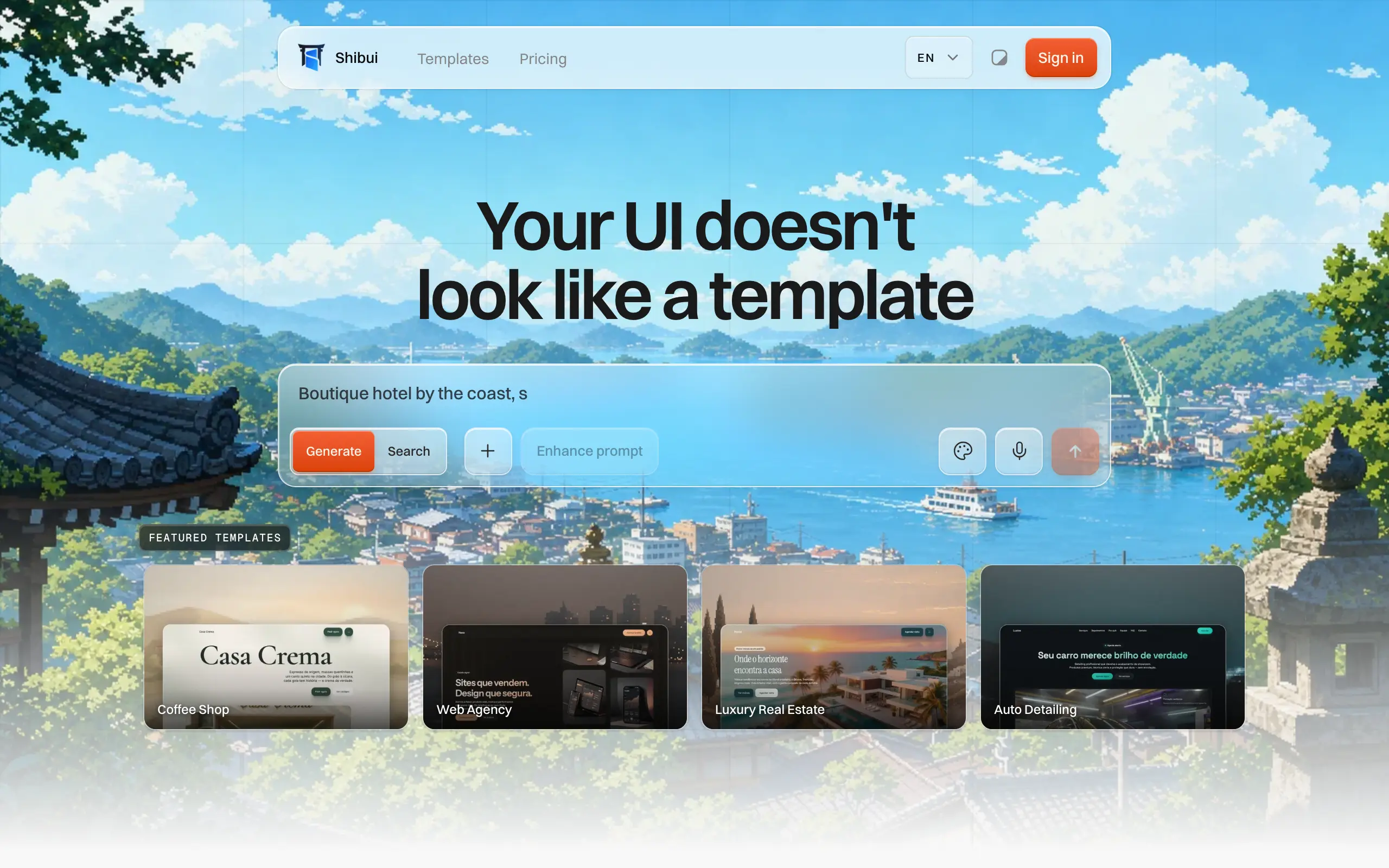
AI website builder - describe your business, pick a niche template, edit by chatting, and publish instantly ✨

Pro Service
Find verified home service professionals, compare quotes, and pay securely through escrow - built for Brazilians across the US 🏠
RankGrow
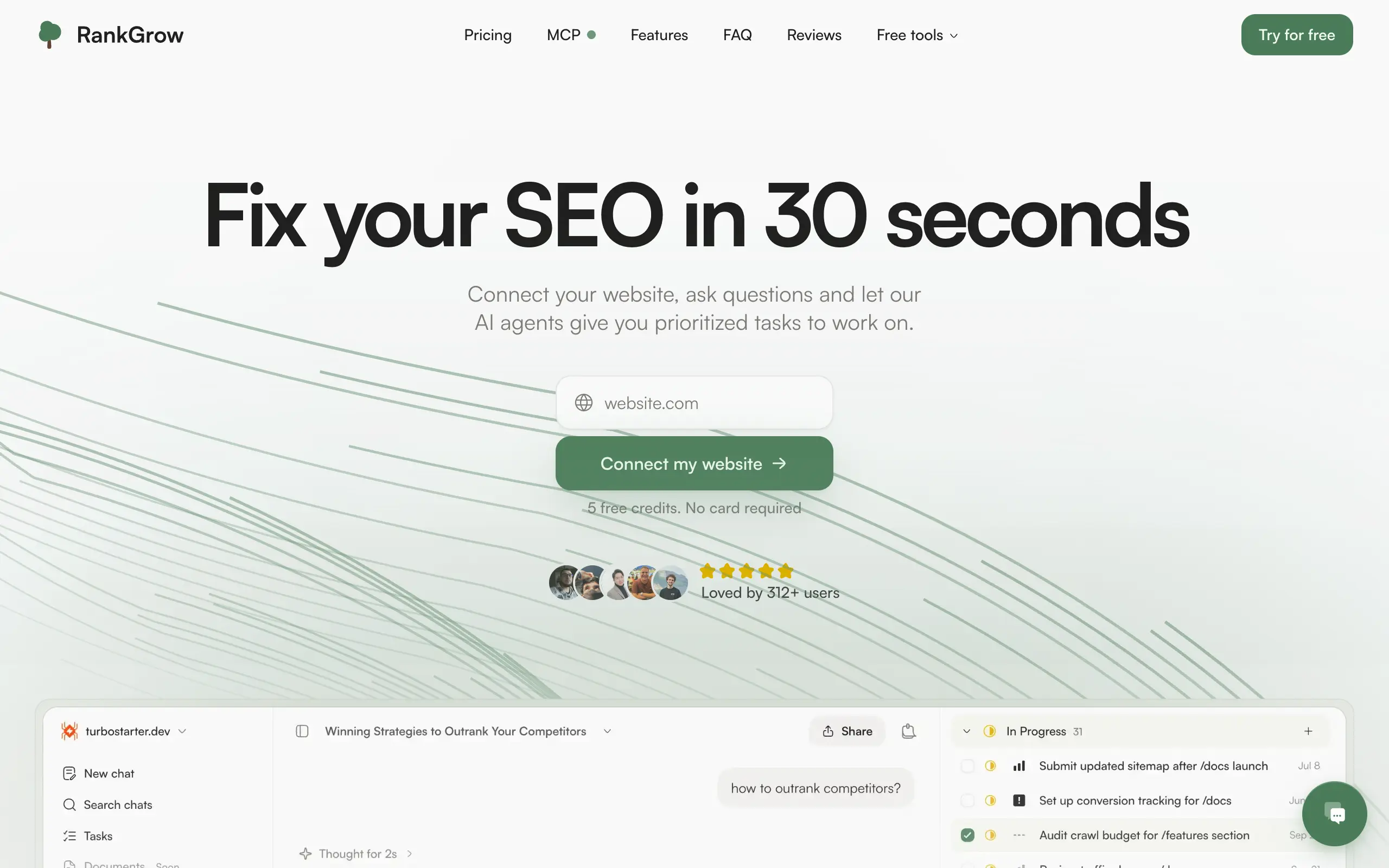
Fix your SEO with AI agents - connect Search Console, get prioritized tasks, and grow organic traffic 📈
SyncReads
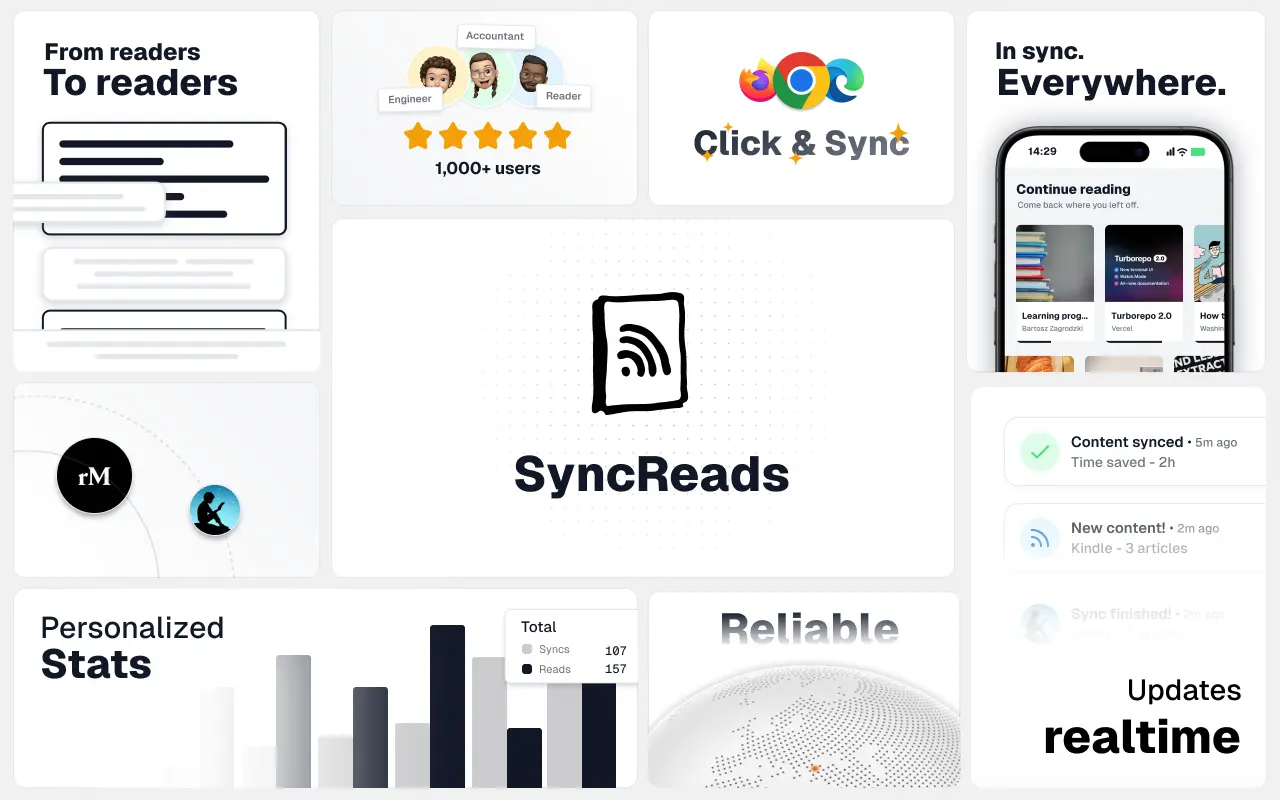
Sync your favorite content for distraction-free reading, save time and replace multiple apps. Anytime, anywhere 🔄
Socialcrawl
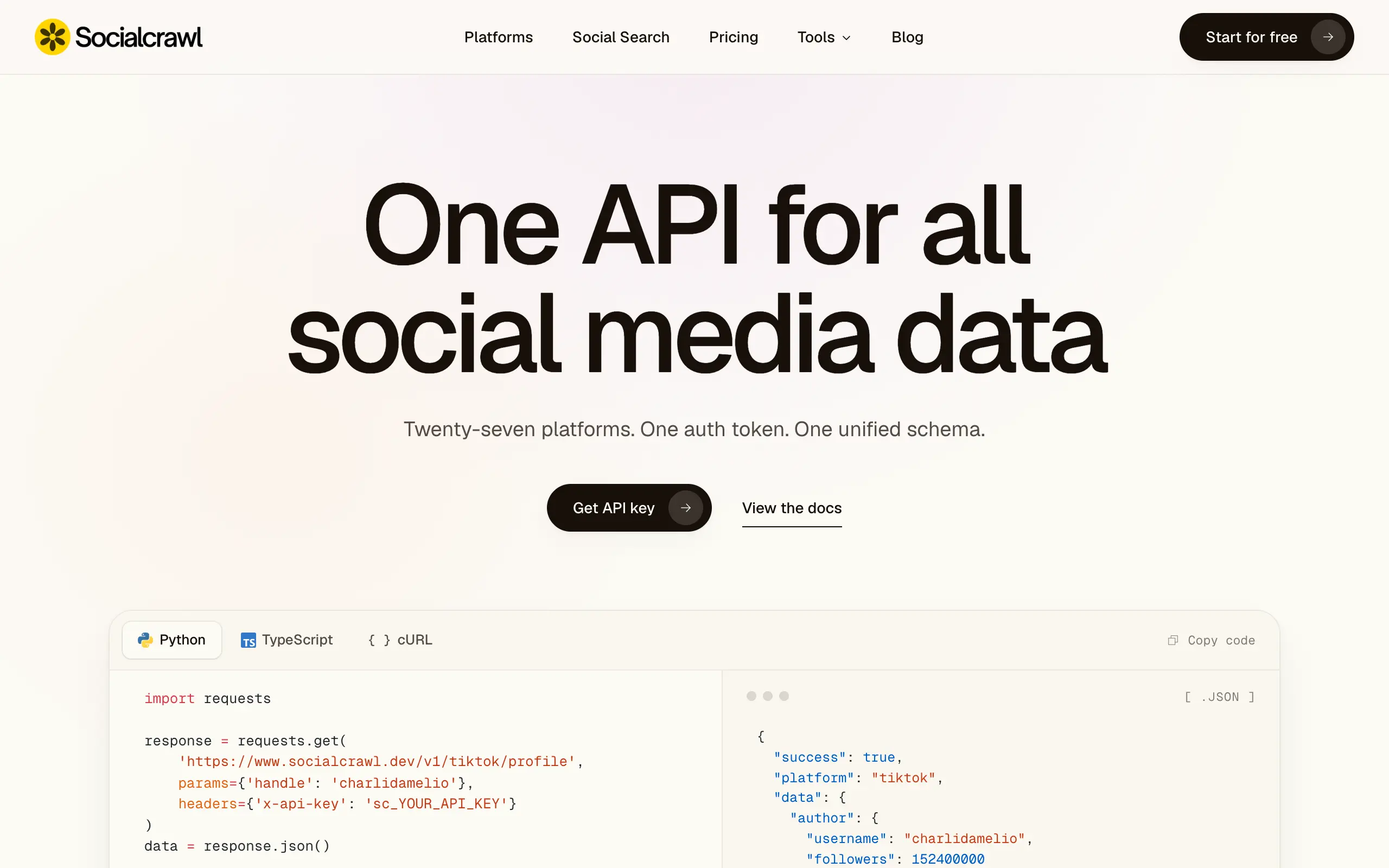
Get clean, structured data from 21 platforms like TikTok, Instagram, and YouTube with a single request 📊
Statiko
Monitor any Telegram channel in real time - track posts, edits, deletions, and growth with AI recaps 📡
Shibui
AI website builder - describe your business, pick a niche template, edit by chatting, and publish instantly ✨
Pro Service
Find verified home service professionals, compare quotes, and pay securely through escrow - built for Brazilians across the US 🏠
RankGrow
Fix your SEO with AI agents - connect Search Console, get prioritized tasks, and grow organic traffic 📈
SyncReads
Sync your favorite content for distraction-free reading, save time and replace multiple apps. Anytime, anywhere 🔄
Socialcrawl
Get clean, structured data from 21 platforms like TikTok, Instagram, and YouTube with a single request 📊
Statiko
Monitor any Telegram channel in real time - track posts, edits, deletions, and growth with AI recaps 📡
Shibui
AI website builder - describe your business, pick a niche template, edit by chatting, and publish instantly ✨
Pro Service
Find verified home service professionals, compare quotes, and pay securely through escrow - built for Brazilians across the US 🏠
RankGrow
Fix your SEO with AI agents - connect Search Console, get prioritized tasks, and grow organic traffic 📈
SyncReads
Sync your favorite content for distraction-free reading, save time and replace multiple apps. Anytime, anywhere 🔄
Socialcrawl
Get clean, structured data from 21 platforms like TikTok, Instagram, and YouTube with a single request 📊
Statiko
Monitor any Telegram channel in real time - track posts, edits, deletions, and growth with AI recaps 📡
Shibui
AI website builder - describe your business, pick a niche template, edit by chatting, and publish instantly ✨
Pro Service
Find verified home service professionals, compare quotes, and pay securely through escrow - built for Brazilians across the US 🏠
RankGrow
Fix your SEO with AI agents - connect Search Console, get prioritized tasks, and grow organic traffic 📈
SyncReads
Sync your favorite content for distraction-free reading, save time and replace multiple apps. Anytime, anywhere 🔄
Socialcrawl
Get clean, structured data from 21 platforms like TikTok, Instagram, and YouTube with a single request 📊
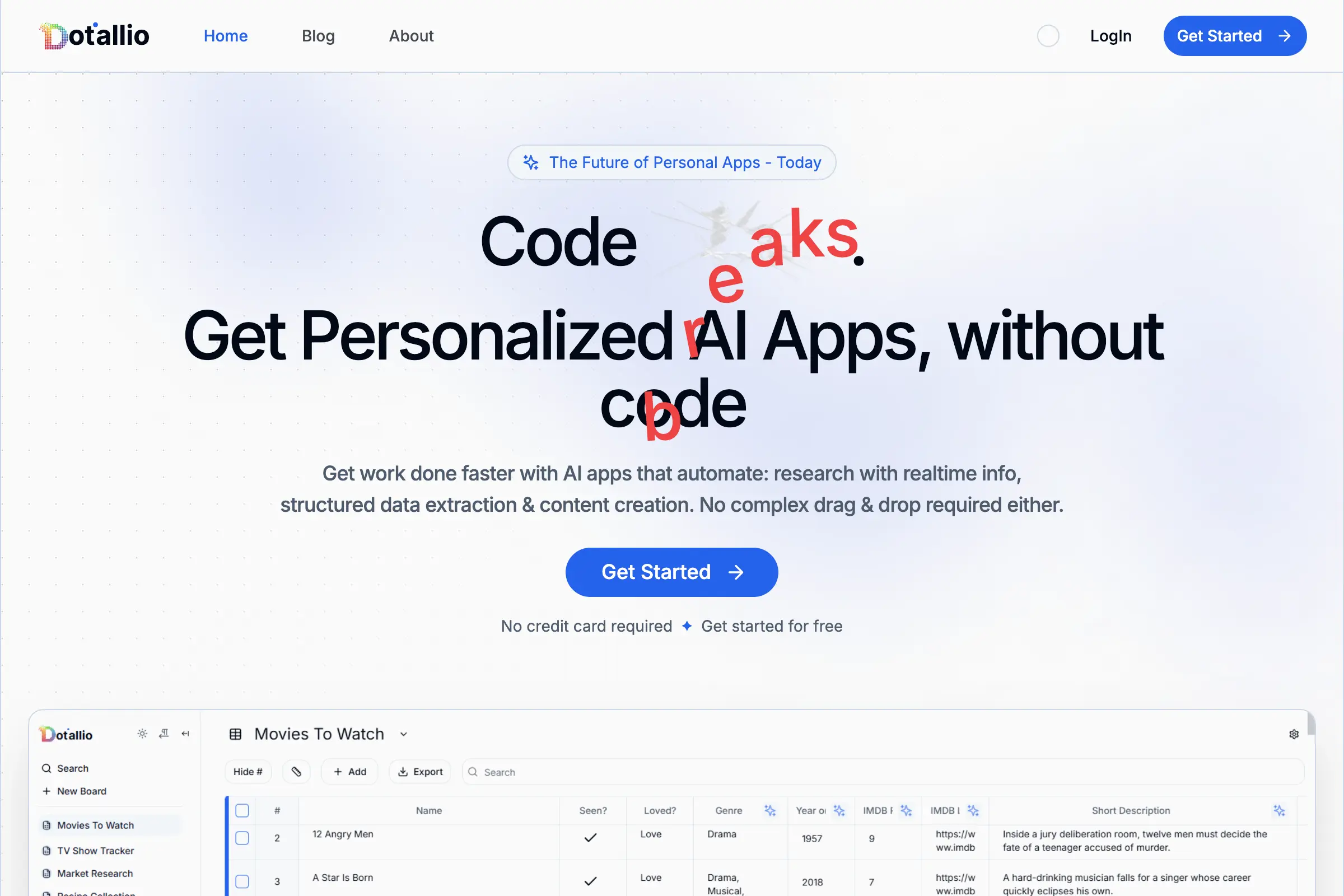
Dotallio
Personalized AI apps that automate research, data extraction, and content creation without code 🤖

Talk to Santa
Enjoy a magical live video chat or receive a unique AI-generated video greeting from Santa Claus 🎅

pozywka.pl
Scalable blog for food journalist, focused on performance and user experience 🌭
zagrodzki.me
Personal blog and portfolio of Bart Zagrodzki, where he shares his knowledge and work 💼
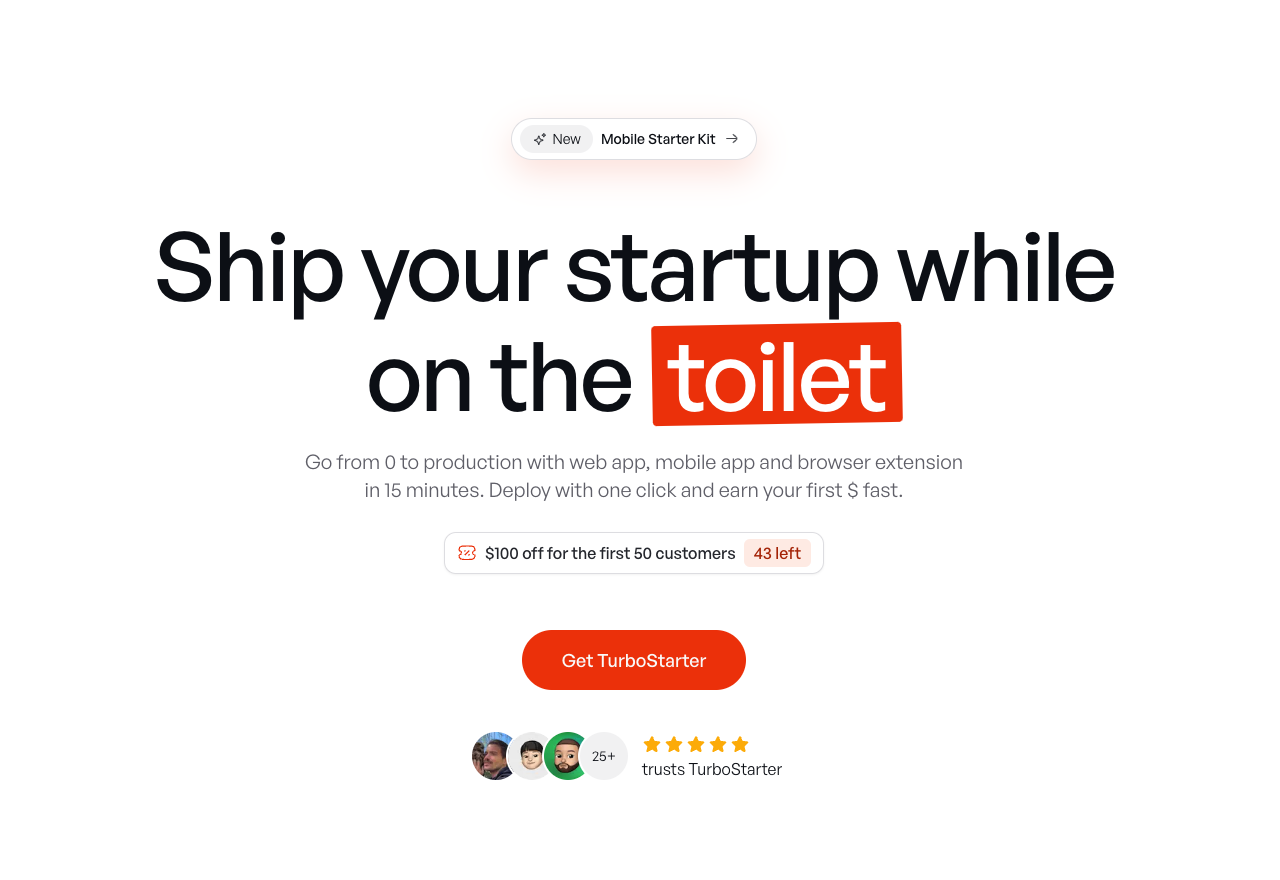
TurboStarter
Ship your startup everywhere. In minutes.
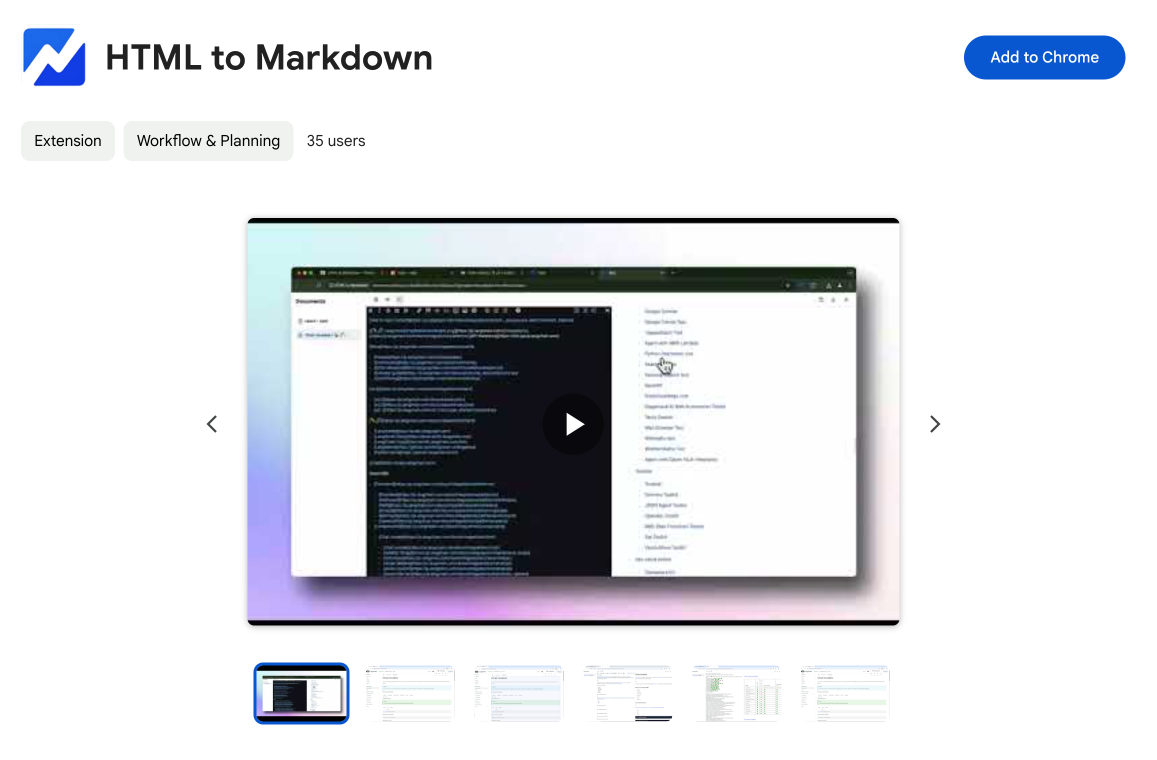
HTML to Markdown
Convert HTML to Markdown with ease, directly in your browser 📄
Dotallio
Personalized AI apps that automate research, data extraction, and content creation without code 🤖
Talk to Santa
Enjoy a magical live video chat or receive a unique AI-generated video greeting from Santa Claus 🎅
pozywka.pl
Scalable blog for food journalist, focused on performance and user experience 🌭
zagrodzki.me
Personal blog and portfolio of Bart Zagrodzki, where he shares his knowledge and work 💼
TurboStarter
Ship your startup everywhere. In minutes.
HTML to Markdown
Convert HTML to Markdown with ease, directly in your browser 📄
Dotallio
Personalized AI apps that automate research, data extraction, and content creation without code 🤖
Talk to Santa
Enjoy a magical live video chat or receive a unique AI-generated video greeting from Santa Claus 🎅
pozywka.pl
Scalable blog for food journalist, focused on performance and user experience 🌭
zagrodzki.me
Personal blog and portfolio of Bart Zagrodzki, where he shares his knowledge and work 💼
TurboStarter
Ship your startup everywhere. In minutes.
HTML to Markdown
Convert HTML to Markdown with ease, directly in your browser 📄
Dotallio
Personalized AI apps that automate research, data extraction, and content creation without code 🤖
Talk to Santa
Enjoy a magical live video chat or receive a unique AI-generated video greeting from Santa Claus 🎅
pozywka.pl
Scalable blog for food journalist, focused on performance and user experience 🌭
zagrodzki.me
Personal blog and portfolio of Bart Zagrodzki, where he shares his knowledge and work 💼
TurboStarter
Ship your startup everywhere. In minutes.
HTML to Markdown
Convert HTML to Markdown with ease, directly in your browser 📄
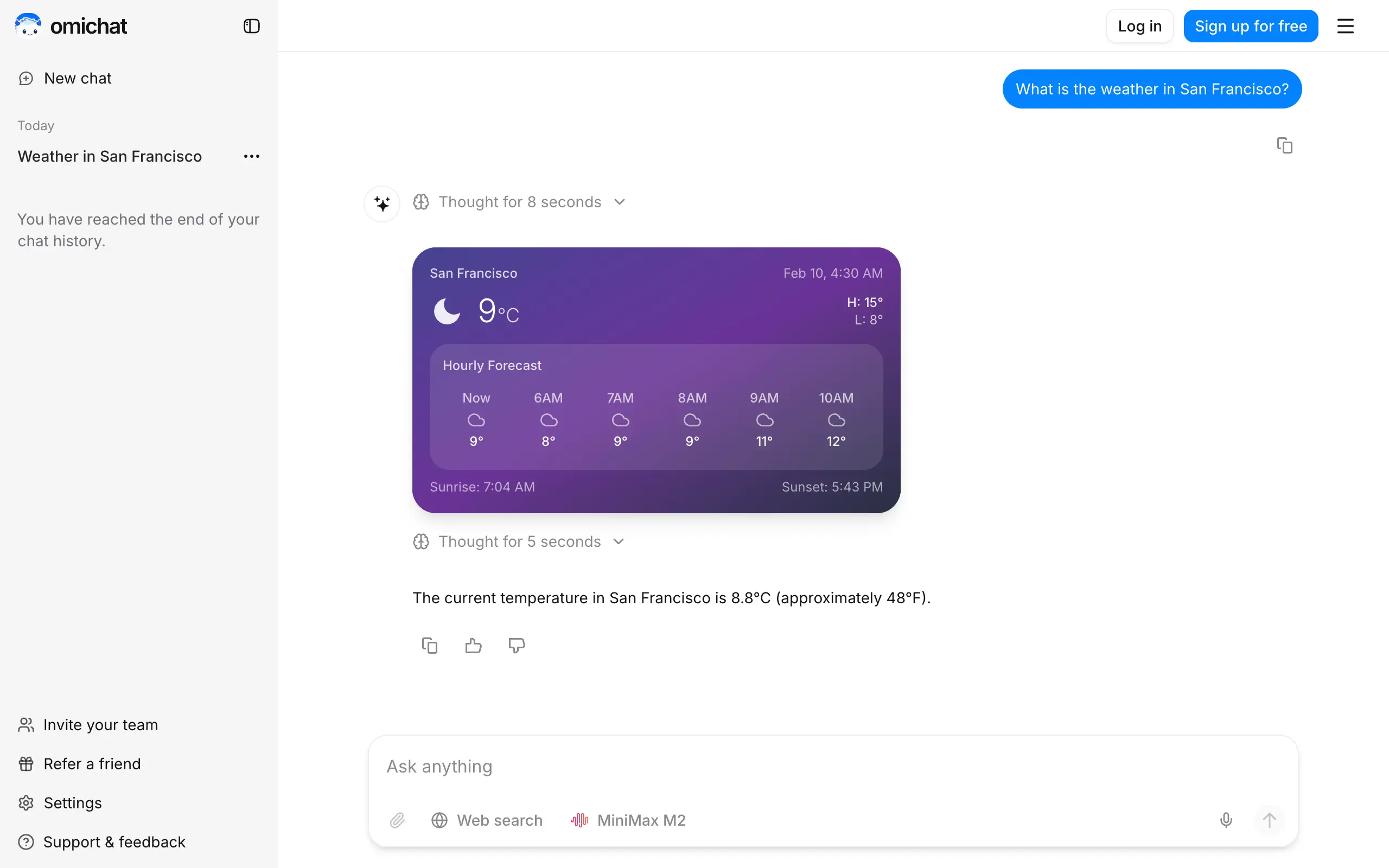
Omichat
Chat with 50+ AI models, including ChatGPT and Claude, in one place - switch models anytime without losing context 🤖
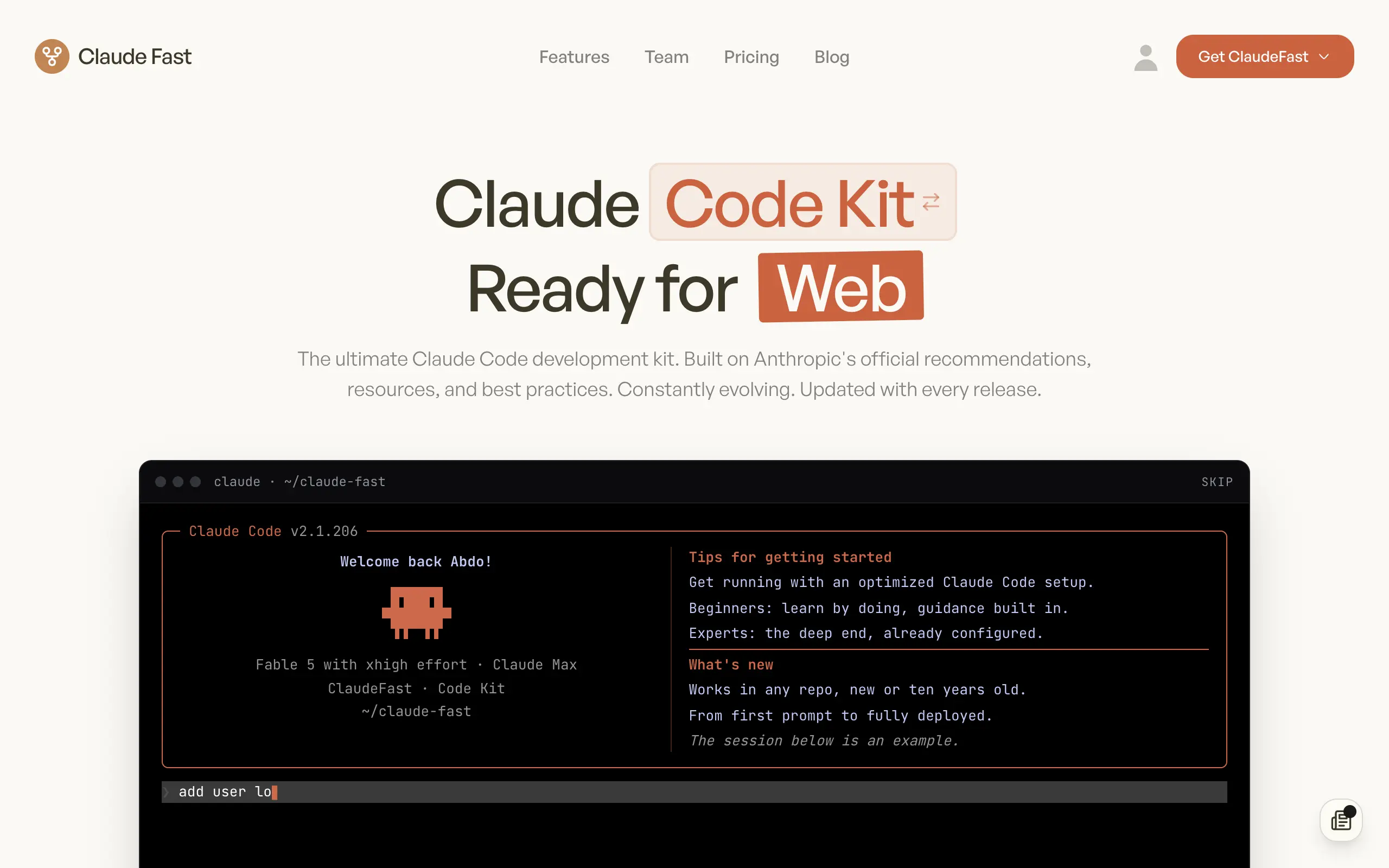
Claude Fast
Supercharge your Claude Code with 6x effective context window and specialized AI agents 🤖
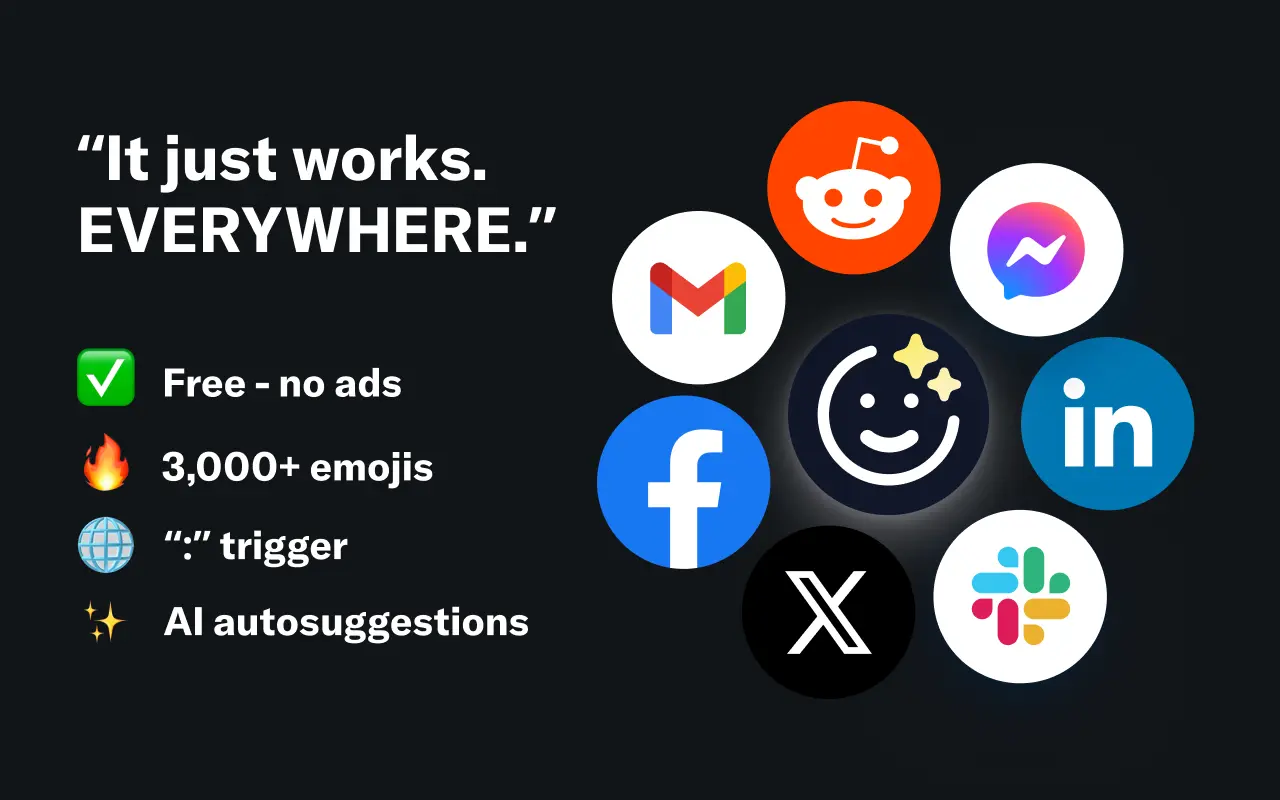
EmojAI
AI-powered emoji picker with smart, context-aware suggestions 🤖
Solohacker
Autonomous company launcher - AI agents work 24/7, escalate what matters, and you stay in control 🤖
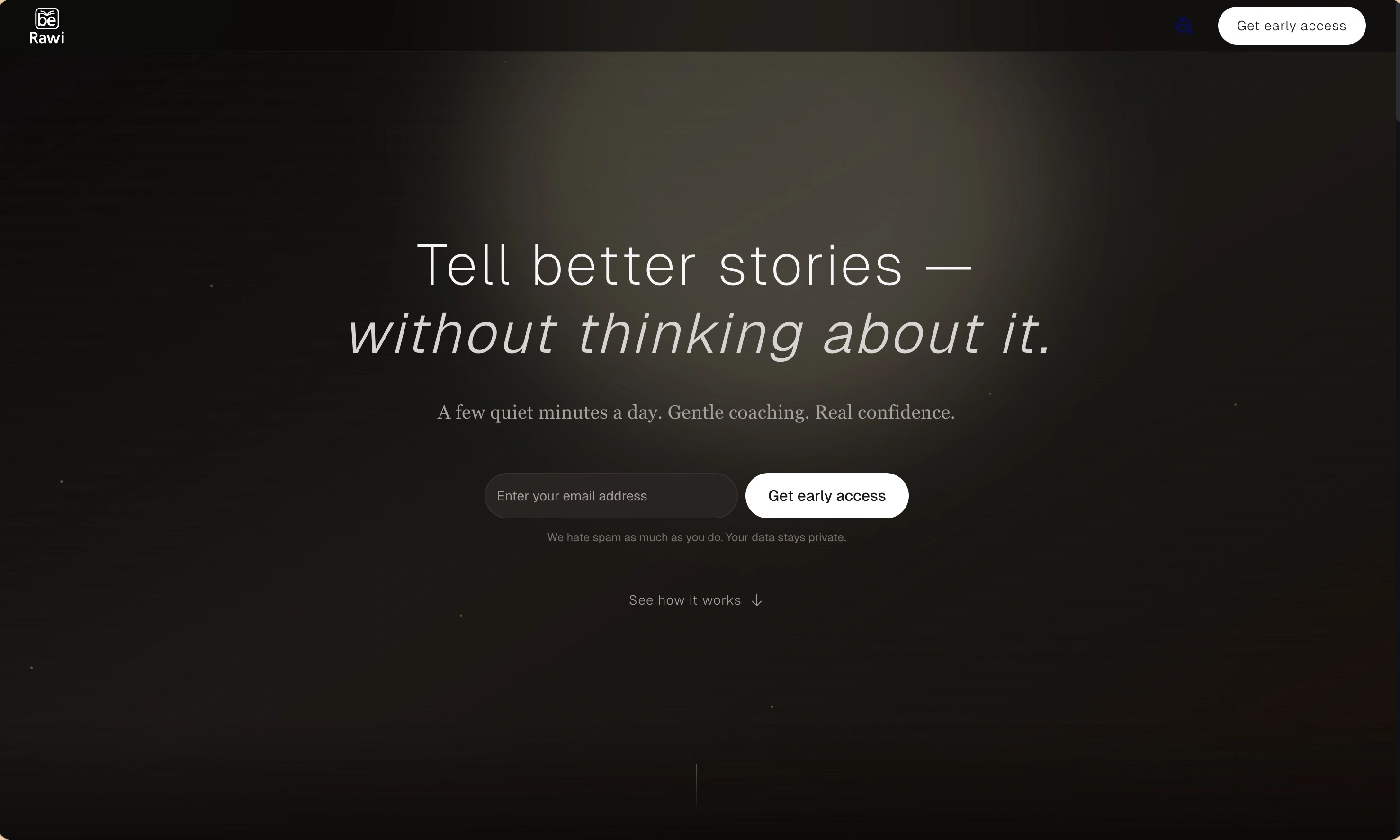
BeRawi: Storytelling Coach
Practice storytelling daily with instant feedback to sound clearer, more engaging, and confident 🎤
Omichat
Chat with 50+ AI models, including ChatGPT and Claude, in one place - switch models anytime without losing context 🤖
Claude Fast
Supercharge your Claude Code with 6x effective context window and specialized AI agents 🤖
EmojAI
AI-powered emoji picker with smart, context-aware suggestions 🤖
Solohacker
Autonomous company launcher - AI agents work 24/7, escalate what matters, and you stay in control 🤖
BeRawi: Storytelling Coach
Practice storytelling daily with instant feedback to sound clearer, more engaging, and confident 🎤
Omichat
Chat with 50+ AI models, including ChatGPT and Claude, in one place - switch models anytime without losing context 🤖
Claude Fast
Supercharge your Claude Code with 6x effective context window and specialized AI agents 🤖
EmojAI
AI-powered emoji picker with smart, context-aware suggestions 🤖
Solohacker
Autonomous company launcher - AI agents work 24/7, escalate what matters, and you stay in control 🤖
BeRawi: Storytelling Coach
Practice storytelling daily with instant feedback to sound clearer, more engaging, and confident 🎤
Omichat
Chat with 50+ AI models, including ChatGPT and Claude, in one place - switch models anytime without losing context 🤖
Claude Fast
Supercharge your Claude Code with 6x effective context window and specialized AI agents 🤖
EmojAI
AI-powered emoji picker with smart, context-aware suggestions 🤖
Solohacker
Autonomous company launcher - AI agents work 24/7, escalate what matters, and you stay in control 🤖
BeRawi: Storytelling Coach
Practice storytelling daily with instant feedback to sound clearer, more engaging, and confident 🎤

Connect with like-minded people
Join our community to get feedback, support, and grow together with 1,000+ builders on board, let's ship it!
Join usShip your startup everywhere. In minutes.
Don't burn tokens on setup and start building features on day one.