QuestCode
Turn your favorite movie or game themes into original, bite-sized coding projects with AI-generated specs and hints. Build software engineering skills through fandom-inspired quests.
What is QuestCode?
QuestCode is an AI-powered learning platform that turns a learner’s favorite movie and game themes into short, original coding projects. Instead of asking someone to complete another generic tutorial, it gives them a bite-sized “quest” with a clear objective, a practical coding task, and hints that help them move forward without immediately revealing the answer.
The core idea combines three familiar experiences:
- Project-based learning, where people learn by building something.
- Gamification, where progress, goals, and rewards make practice feel engaging.
- AI-assisted instruction, where a learner can ask for help when they get stuck.
QuestCode’s opportunity is to make coding practice feel personally meaningful. A learner who loves mystery games might build a clue-tracking app. Someone drawn to space exploration could create a mission planner. The theme supplies the motivation; an original project specification supplies the learning value.
The product should not generate fan fiction or reproduce protected characters, dialogue, or fictional worlds. Instead, it can translate broad interests—such as “cozy farming game,” “space opera,” or “detective story”—into original concepts and coding challenges. That distinction helps QuestCode provide the feeling of fandom-inspired coding without making the project depend on copying someone else’s intellectual property.
The problem QuestCode solves
Learning to code is easier to start than to sustain. Many people can find a programming course, a video tutorial, or an interactive exercise. The harder part is continuing when practice feels repetitive, when a lesson does not connect to personal interests, or when a learner is unsure what to build next.
Generic exercises often teach isolated concepts: print a string, loop through a list, or style a button. Those tasks can be useful, but they may not help learners understand how programming concepts fit together in a complete project. On the other hand, open-ended project work can be intimidating. A beginner may want to build something but lack the confidence to define a realistic scope, choose the first step, or troubleshoot errors.
QuestCode can bridge that gap by combining a small, achievable project with a theme that gives the work context. The AI generates a structured specification, breaks the work into manageable stages, and offers hints calibrated to the learner’s progress.
The product is not simply an AI coding assistant. Its central job is to create a productive learning loop:
- Give the learner a compelling reason to start.
- Define a project that fits their skill level.
- Help them make progress without taking over the work.
- Reinforce what they learned through reflection and feedback.
- Suggest a suitable next quest.
That loop is the product’s most important design challenge—and its strongest opportunity for differentiation.
Who QuestCode should serve first
“People who want to learn coding” is too broad to guide an effective first product. QuestCode should begin with a specific audience whose needs, skill level, and usage context can shape the experience.
Beginner hobbyist programmers
Beginner hobbyists are people learning outside a formal computer science course. They may be following tutorials, experimenting with code, or considering a career change. They often need structure and encouragement more than another advanced coding environment.
QuestCode can serve them with:
- Short projects that fit into a single learning session or a few evenings.
- Clear prerequisites and skill-level labels.
- Explanations of why each task matters.
- Hints that teach problem-solving rather than simply supplying code.
- A visible sense of progress from one completed project to the next.
This segment is a strong candidate for an initial launch because individual learners can try the product without requiring a school, employer, or administrator to approve a purchase.
Teenagers and young adult learners
Younger learners may be drawn to coding through games, interactive challenges, and creative projects. QuestCode’s theme-based approach may make practice more approachable, but the product should not assume that every learner wants competitive points or public leaderboards.
For this group, the experience should prioritize:
- Age-appropriate project content.
- Clear privacy settings and careful data collection.
- A welcoming tone that does not punish mistakes.
- Accessibility for different levels of prior experience.
- Optional rather than mandatory social features.
If the product is marketed to minors, legal and privacy review should happen before launch. The exact obligations depend on where the product operates, the ages it serves, and the information it collects.
Teachers, tutors, and coding clubs
Educators could use QuestCode to create engaging practice assignments or give learners projects that fit a lesson’s objectives. They need more than an entertaining prompt, however. They need visibility into what the quest teaches and whether it fits the curriculum.
Useful educator features could include:
- Learning objectives and prerequisite concepts.
- Assignment controls for language, difficulty, and time.
- A teacher view of completion and common stumbling points.
- Private class spaces with appropriate learner protections.
- The ability to edit or approve AI-generated specifications.
This audience may offer a valuable distribution channel, but it also adds product complexity. Class management, reporting, accessibility, and school procurement can become substantial requirements. QuestCode should validate educator demand before building a full learning management system.
Self-taught developers building a portfolio
Learners who already know basic syntax may want projects that are more substantial than beginner exercises but less open-ended than a large personal app. QuestCode can help them practice planning, implementation, and iteration through scoped projects.
For this segment, quests could include optional extensions such as:
- Add persistence or a simple database.
- Improve keyboard accessibility.
- Write tests for a core function.
- Add an API integration.
- Document design decisions in a README.
The product should distinguish this audience from absolute beginners. A learner who understands functions and arrays needs different guidance from someone encountering their first programming language.
The market opportunity and product gap
QuestCode sits at the intersection of online coding education, project-based learning, gamified practice, and generative AI. These categories already contain many tools, so the opportunity is not simply to add an AI chatbot to a coding lesson. It is to create a coherent experience that connects personal motivation to well-scoped practice.
A typical learning platform may offer a fixed curriculum. A general AI assistant may answer coding questions, but leave the learner to decide what to build and how to structure the work. A coding challenge site may provide exercises, but not a narrative context or a project that grows with the learner’s interests.
QuestCode’s potential gap is the layer between these experiences:
- It can personalize a project’s theme without changing its learning objective.
- It can turn an idea into a bounded specification rather than a vague prompt.
- It can scaffold the work into milestones and hints.
- It can use the completed quest to recommend the next challenge.
This positioning is a hypothesis to test, not proof that the market is underserved. Competitor research should examine coding courses, practice platforms, AI tutors, project generators, and game-based learning products. The goal is to understand which jobs each product handles well and where users still lose momentum.
For market sizing and external claims, use current, credible sources and cite them directly in published materials. Useful research categories include participation in coding education, adoption of generative AI in learning, and the use of project-based instruction. Avoid presenting a broad market estimate as evidence that QuestCode itself will succeed. A more useful early signal is whether target learners return to complete multiple quests.
QuestCode’s unique selling proposition
QuestCode turns a learner’s interests into original, achievable coding quests, then supports the learner with structured specifications and progressive hints.
That statement is more specific than “AI helps you learn to code.” It explains what the product generates, why learners might care, and how the experience supports learning.
The strongest version of the product should preserve three principles:
- The project is the destination. The AI should help learners build something coherent, not merely produce a themed paragraph.
- The learner stays in control. Hints should make the next step clearer without generating the entire solution by default.
- Personalization supports learning goals. A theme can make a task more engaging, but the underlying objectives, scope, and evaluation criteria should remain clear.
The theme is the hook. The quality of the learning experience is what earns repeat use.
Core features and how they should work
1. Interest-to-quest generation
The learner starts by entering a broad interest, a preferred language, a skill level, and the amount of time they have. They might choose “space exploration,” “cozy crafting,” or “detective puzzles.” QuestCode then returns an original project concept with a defined learning objective.
A good generated quest should include:
- A short, original premise.
- The project’s intended outcome.
- Required concepts and prerequisites.
- An estimated scope, expressed cautiously rather than as a guarantee.
- A list of milestones.
- Optional extensions for learners who finish early.
- A completion checklist.
The generator should avoid asking for an exact copyrighted character or setting. It can instead guide the learner toward high-level attributes such as tone, genre, mechanics, or visual mood. This makes the experience more original and reduces the risk of producing content that imitates protected material too closely.
2. Structured specifications
An AI-generated project brief is useful only if a learner can act on it. QuestCode should present the specification in a predictable structure rather than as a long block of prose.
For example, a small browser-based quest might ask the learner to build an original “starship supply tracker” with features such as:
- Add and remove supply items.
- Display a current inventory total.
- Show a warning when an item falls below a chosen threshold.
- Save the inventory locally as an optional extension.
The specification should separate required work from stretch goals. This helps prevent AI-generated scope creep, where a supposedly beginner-friendly project quietly turns into a full-stack application.
3. Progressive hints
The hint system is central to QuestCode’s educational value. If the AI immediately writes a complete solution, the learner may finish the project without developing the skills the product is meant to teach.
A practical hint ladder might look like this:
- Concept hint: Identify the relevant idea, such as arrays or event handling.
- Planning hint: Suggest how to break the problem into smaller steps.
- Pseudocode hint: Outline the logic without using the learner’s exact code.
- Code pattern: Show a small, generic example that demonstrates the concept.
- Debugging support: Explain a specific error or likely cause.
- Worked example: Provide a more complete explanation when the learner explicitly requests it.
The interface should make the level of assistance visible. Learners should know whether they are receiving a conceptual nudge or a near-complete implementation. A short reflection after a stronger hint can help them reconnect the answer to the underlying concept.
4. Milestones and completion criteria
A quest should be divided into a manageable sequence. Each milestone should describe a visible outcome, not just a vague activity.
For instance:
- Define the data structure for one inventory item.
- Render the current items on screen.
- Add a control to create a new item.
- Add validation for empty or invalid values.
- Test the main user flow.
QuestCode should let learners complete milestones in their own development environment, even if the platform does not run their code. The MVP can still provide value through a specification, guided hints, and a checklist. Code execution, automated grading, or repository integration can be added later if user research supports the investment.
5. Skill-aware recommendations
A recommendation system can use declared experience, completed quests, hint usage, and learner feedback to suggest a suitable next project. It should not treat a single incorrect answer or high hint count as a definitive measure of ability.
Useful signals include:
- Which concepts a learner has practiced.
- Whether a learner completed a milestone.
- Which explanations they found helpful.
- Their preferred project length and format.
- Their own confidence rating after a quest.
Recommendations should be explainable. For example, QuestCode might say, “This quest builds on the event-handling practice you completed,” rather than presenting an unexplained score.
6. Reflection and learning history
After a project, a short debrief can make learning more visible. Ask learners what they found difficult, which concept they used, and what they would change next time. Save a record of completed quests and concepts practiced.
A learning history can become more valuable than a streak counter because it describes progress in terms of real work. If QuestCode adds streaks or badges, they should be optional and designed to encourage consistent practice rather than pressure learners to log in every day.
7. Originality and content safeguards
QuestCode should include product-level safeguards from the beginning:
- Encourage broad themes, genres, and mechanics rather than copied characters or scripts.
- Ask the model to create new names, settings, and project details.
- Provide a simple way to report generated content.
- Review how prompts and outputs are stored and used.
- Clearly explain that AI-generated material may require human review.
These safeguards cannot guarantee that every output is legally or creatively risk-free. They do, however, make originality a deliberate product requirement rather than a later patch.
Recommended technology stack
QuestCode’s technology choices should support a fast MVP while leaving room to improve AI orchestration, privacy, and evaluation. A sensible early architecture is a web application with a conventional user interface, a secure server-side API, a relational database, and a model provider accessed only from the server.
Front end
A strong front-end option is Next.js with React and TypeScript. This stack is widely used for interactive web products and supports both the learner-facing application and marketing pages.
Use a component system with accessible form controls, keyboard support, and responsive layouts. The product is likely to be used by beginners, so readable instructions and clear states matter more than elaborate animation. Keep the quest interface calm and focused: learners should be able to find the current milestone, their project brief, and the next available hint without hunting through menus.
Trade-off: A full-stack framework can reduce the number of separate services during early development, but it also requires the team to understand server rendering, routing, and deployment conventions. A simpler client-side application may be appropriate if the team has a strong existing preference and the product does not need server-rendered pages.
Back end and data
A relational database is a reasonable fit for users, quests, milestones, preferences, and progress records. A managed platform such as Supabase can provide PostgreSQL and supporting services, while keeping the option to write direct SQL and design explicit data relationships.
A possible initial data model could include:
- Users with preferences and account settings.
- Quests with a structured specification and generation metadata.
- Milestones linked to each quest.
- Hint requests with the selected hint level and relevant context.
- Progress events that record completion actions.
- Feedback on usefulness, difficulty, and content quality.
Store only the information needed to provide the experience. Consider whether raw prompts and code snippets need to be retained at all. If they are stored, make the purpose, retention period, and access controls clear to users.
Trade-off: A managed backend can accelerate an MVP, but product teams should understand its authentication, security, and data-export model. A custom backend gives more control but adds maintenance and operational work.
AI generation and orchestration
Quest generation should run on the server. Never expose a private model API key in browser code. The server should validate user inputs, apply safety and originality instructions, request structured output, validate the response, and return a clean specification to the application.
Use a schema for generated quests instead of trusting free-form text. A simplified TypeScript type could look like this:
type QuestSpec = {
  title: string;
  originalPremise: string;
  skillLevel: "beginner" | "intermediate" | "advanced";
  learningObjectives: string[];
  prerequisites: string[];
  milestones: Array<{
    title: string;
    outcome: string;
    concepts: string[];
  }>;
  stretchGoals: string[];
  estimatedMinutes: number;
};
The model should be instructed to keep the project within the selected scope, use original fictional details, and return content that conforms to the schema. The application should still validate the result. A prompt is not a substitute for input validation, application logic, or human review.
Trade-off: Structured generation improves consistency, but it does not eliminate hallucinations or poor instructional design. QuestCode should evaluate generated quests with a mix of automated checks and human review. In early testing, manually review a sample of outputs across skill levels and themes.
Monitoring and evaluation
Log product events that help answer practical questions: Did the learner accept the quest? Did they finish a milestone? Did they ask for another hint? Did they return? Avoid collecting code or personal information by default when an aggregate event can answer the same question.
Track model cost and response quality as well as engagement. A system that creates highly engaging quests but regularly returns unusable specifications will not build trust. Conversely, a technically consistent product that users abandon after one session has not solved the motivation problem.
Monetization strategies
QuestCode should test willingness to pay before committing to a complex pricing model. A free entry point can help learners understand the experience, while paid features can support continued practice or additional use.
Freemium for individual learners
A free plan could include a limited number of quests, a small set of skill levels, and access to basic hints. A paid plan might offer more quests, saved learning history, customized difficulty, and longer projects.
A useful free tier should demonstrate the product’s core value. If the free experience is so restricted that learners cannot complete a meaningful quest, it may generate sign-ups without building trust.
Subscription for frequent learners
A monthly or annual subscription could make sense if users return regularly and receive continuing value. Potential paid benefits include:
- A larger quest library.
- More frequent AI-generated projects.
- Advanced hint modes.
- Multiple programming language options.
- Progress summaries and personalized learning paths.
- Exportable project briefs.
Pricing should reflect model costs, the value users perceive, and the alternative products they already use. Test a few clear offers rather than creating many confusing tiers early.
Educator and classroom plans
A classroom offering could include class spaces, assignment creation, learner progress summaries, and educator controls over generated content. This model may support larger contracts, but it introduces a longer sales cycle and higher expectations around privacy, administration, and support.
Before investing in school-focused features, interview teachers and coding-club organizers. Find out whether they need QuestCode as a lesson-planning tool, a project assignment generator, a supplemental tutor, or some combination. These are different products with different operational requirements.
Partnerships and sponsored learning paths
QuestCode could eventually partner with libraries, nonprofits, bootcamps, or companies that support digital skills education. Such partnerships should preserve learner trust. Sponsored quests should be clearly labeled and should not quietly turn an educational product into an advertising channel.
Competitive advantage analysis
QuestCode should not compete on the claim that it has the most powerful AI model. Model capabilities change quickly, and access to a model alone is not a durable advantage. The more defensible advantages come from how the product structures practice and learns from real user behavior.
| Product dimension | Typical course or tutorial | General AI assistant | Coding challenge platform | QuestCode opportunity |
|---|---|---|---|---|
| Personalized theme | Usually limited | Possible through prompting | Usually limited | Core product experience |
| Structured project scope | Often curriculum-led | Depends on the user | Usually exercise-based | Generated around skill and time |
| Progressive learning hints | Sometimes available | Often unstructured | Varies by platform | Designed as a hint ladder |
| Project-based practice | Varies | User must define the project | Usually smaller tasks | Central to the experience |
| Learning continuity | Course-dependent | Often limited | Platform-dependent | Quest history and next-quest recommendations |
The table describes product patterns, not a claim that every product in a category behaves the same way. QuestCode should compare specific competitors through hands-on testing and user interviews.
A more durable advantage could emerge from:
- A library of well-reviewed quest templates.
- Strong mappings between projects and learning objectives.
- Evidence about which hints help learners progress.
- A recommendation system grounded in completed practice.
- A recognizable, original approach to themed project design.
- A trusted reputation for keeping AI assistance educational rather than substituting for learning.
The product’s key measure of differentiation should be whether learners return to complete another quest—not merely whether they say the concept sounds fun.
Risks and how to reduce them
AI-generated projects may be inaccurate or poorly scoped
A model can produce a project that is too ambitious, uses unfamiliar concepts, or contains contradictory instructions. This is particularly harmful for beginners, who may not be able to tell whether they misunderstood the assignment or the assignment itself is flawed.
Mitigation: Use fixed templates, schema validation, curriculum constraints, and a maximum project scope. Test outputs with real learners. Give users a way to report confusing requirements and revise a quest without starting over.
Hints may encourage answer copying
If the system rewards completion without encouraging understanding, learners may use it as a code-generation shortcut. That undermines the product’s educational promise.
Mitigation: Make lower-level hints the default, provide clear assistance levels, and ask learners to explain or adapt a solution after receiving substantial help. Measure whether hints lead to successful progress, not just whether they are clicked.
The product may feel like a novelty
Fandom-inspired themes can attract attention, but novelty may not create long-term learning habits. A learner may enjoy generating a quest and never finish it.
Mitigation: Keep quests small, make the first milestone quick to reach, and connect each project to a meaningful learning objective. Interview learners who stop using the product, not just users who finish.
Copyright, trademark, and brand concerns
Users may request projects using specific characters, settings, or story elements. AI-generated content may also resemble existing works unintentionally.
Mitigation: Design the product to encourage original settings and broad genre inspiration. Use moderation and clear content guidelines, establish a process for handling reports, and seek qualified legal advice about the product’s intended use and policies. Do not promise that a theme-based generation workflow eliminates legal risk.
Privacy and security issues
Learners may paste personal information, private code, or credentials into prompts. Accounts belonging to minors may require additional safeguards depending on the product’s audience and location.
Mitigation: Minimize data collection, warn users not to share secrets, protect credentials server-side, define retention policies, and use appropriate access controls. If children or schools are a target audience, get expert privacy and compliance guidance before collecting learner data.
Model costs can rise with usage
Frequent quest generation and long tutoring sessions can make unit economics difficult, especially if a free plan is generous.
Mitigation: Cache reusable content where appropriate, use smaller or less expensive models for simpler tasks when quality allows, set transparent usage limits, and monitor cost per completed quest. Do not optimize costs by degrading the core learning experience without measuring the impact.
Engagement mechanics can create pressure
Streaks, rankings, or notifications can motivate some learners while discouraging others. A missed day should not make a learner feel that their progress has been erased.
Mitigation: Emphasize completed projects and skills practiced. Make reminders optional, provide accessible alternatives to competitive rankings, and test engagement features with different learner groups.
How to validate the idea before building a large platform
QuestCode can test its core value with a deliberately small product. The first question is not whether a team can build AI quest generation. It is whether target learners will use a generated project, make progress with the hints, and want another one.
Start by interviewing beginner hobbyists and self-taught learners. Ask about the last time they tried to build a project, what caused them to pause, how they currently get help, and whether they prefer guided or open-ended work. Ask about past behavior rather than relying only on hypothetical enthusiasm.
Then run a small concierge test:
- Collect a learner’s broad theme, language, skill level, and available time.
- Generate or manually prepare a structured quest.
- Give the learner a short set of progressive hints.
- Observe where they get stuck and which instructions they misunderstand.
- Ask whether they would complete another quest and what they would expect to pay for.
This test can reveal product problems before the team builds authentication, a full progress dashboard, or classroom tools. It also gives the team examples of successful and unsuccessful quest formats to use when designing the generation system.
Useful early metrics include:
- The percentage of users who begin a quest after generating one.
- The percentage who complete a first milestone.
- The percentage who finish the required project scope.
- The time between starting and returning to the quest.
- Whether users request another quest.
- Learner-reported clarity and confidence.
- Cost per completed quest.
Interpret these metrics together. A high number of generated quests with low milestone completion may indicate that generation is entertaining but the learning workflow is weak. Strong completion with little repeat use may point to a lack of variety or a poor progression model.
Actionable implementation steps
A practical launch plan should keep the first version focused on the learning loop.
Define the first learner and learning outcome
Choose one primary audience, such as beginner web developers who can spend 30 to 60 minutes on a project. Select a small number of supported languages and define the concepts QuestCode will teach first. Avoid trying to serve children, teachers, career changers, and experienced developers equally in the initial release.
Design a repeatable quest format
Create a specification template with fields for premise, learning objectives, prerequisites, milestones, stretch goals, and completion criteria. Have an experienced educator or developer review the template for clarity and realistic scope.
Prototype the learner journey
Build a simple flow from interest selection to quest generation, milestone completion, hint request, and reflection. Test it with real learners before adding a community, marketplace, classroom dashboard, or public leaderboard.
Add AI generation with validation
Call the model from a secure server-side endpoint. Use structured output, validate every response, and handle failures gracefully. Keep the generated project original and make the user’s selected skill level and time constraint part of the generation process.
Measure learning progress and product quality
Track project starts, milestone completion, hint usage, return behavior, user feedback, and model costs. Review a sample of generated quests regularly and use failures to improve prompts, templates, and product rules.
Expand only after repeat use is clear
Once learners complete multiple quests, consider adding more languages, saved project workspaces, teacher tools, integrations, or paid learning paths. Let observed user needs determine which expansion deserves investment.
For teams that want to move quickly from concept to a production-minded SaaS foundation, TurboStarter can be considered as part of the implementation toolkit. The most important early investment, however, is still validating QuestCode’s learning experience with the people it aims to serve.
The long-term opportunity for QuestCode
QuestCode has a compelling premise because it starts with something learners already care about and turns that interest into a practical coding challenge. Its success will depend on making that experience more than a one-time novelty.
The product should treat AI as a guide for creating and supporting projects—not as a replacement for the learner’s effort. It should give learners an achievable brief, useful hints, and a reason to keep building. It should also be honest about the limits of generated content, protect user data, and handle fandom-inspired themes with care.
The clearest path forward is to test a narrow version of the idea, observe whether people complete quests, and improve the experience based on what they actually do. If QuestCode can consistently transform “I like this kind of story or game” into “I built a small project and understand a new concept,” it can occupy a distinctive position in AI-powered coding education.
More 🤖 AI Startup SaaS ideas
Discover more innovative ai startup SaaS ideas that are trending in 2026. Each idea is AI-generated with market validation and growth potential to help you find your next profitable venture faster than competitors.
Your competitors are building with TurboStarter
Below are some of the SaaS ideas that have been generated and built with our starter kit.
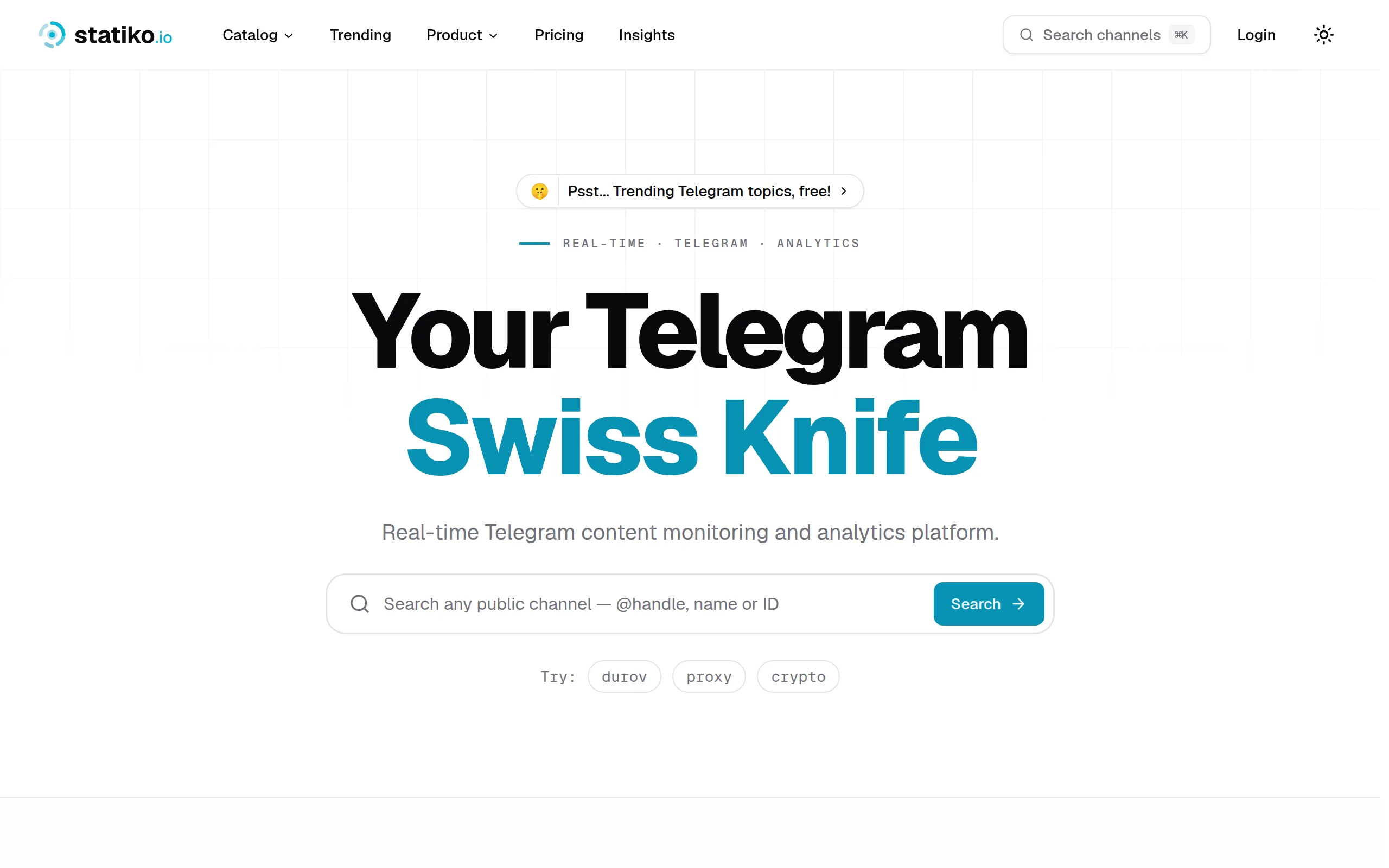
Statiko
Monitor any Telegram channel in real time - track posts, edits, deletions, and growth with AI recaps 📡

Shibui
AI website builder - describe your business, pick a niche template, edit by chatting, and publish instantly ✨

Pro Service
Find verified home service professionals, compare quotes, and pay securely through escrow - built for Brazilians across the US 🏠
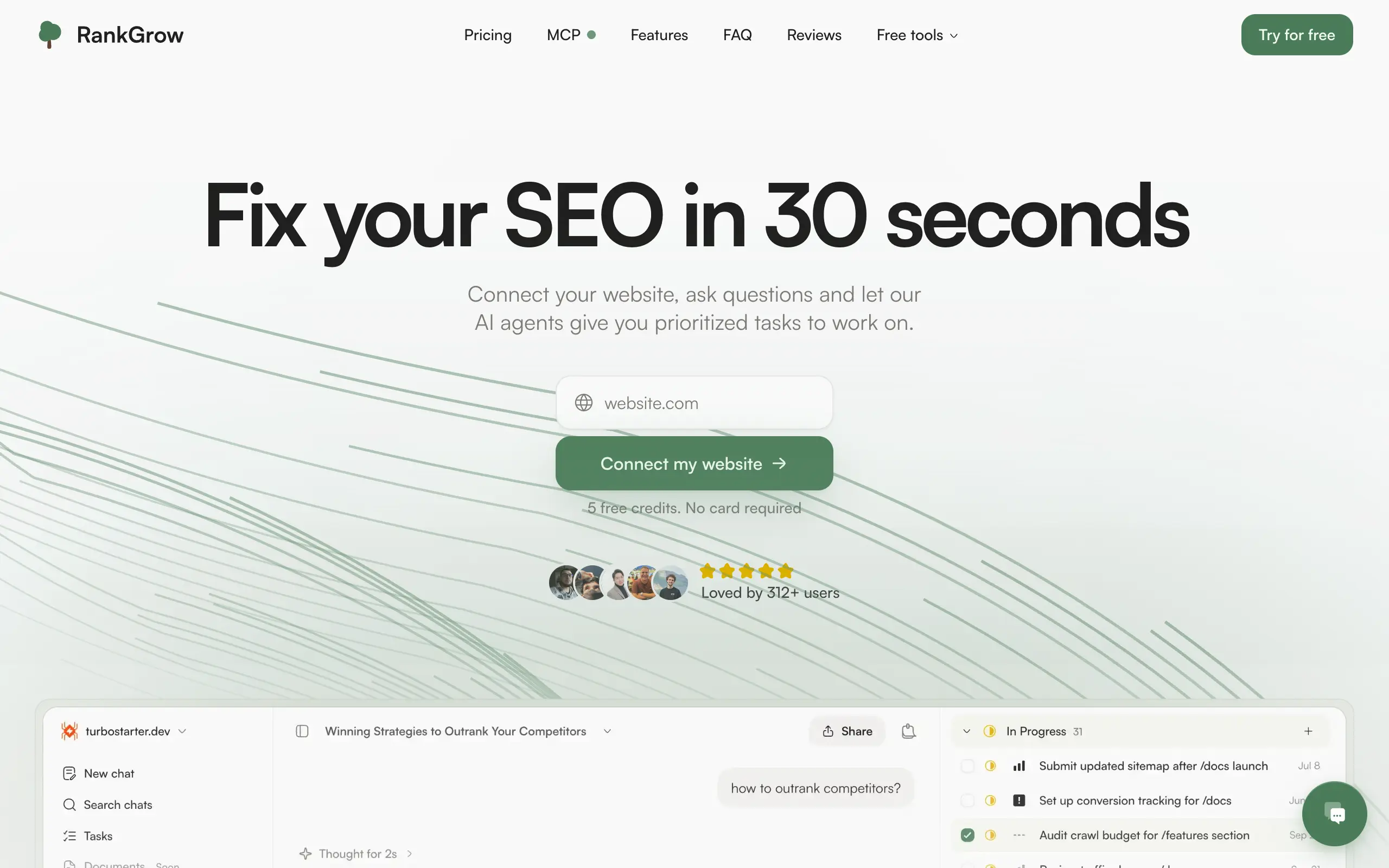
RankGrow
Fix your SEO with AI agents - connect Search Console, get prioritized tasks, and grow organic traffic 📈
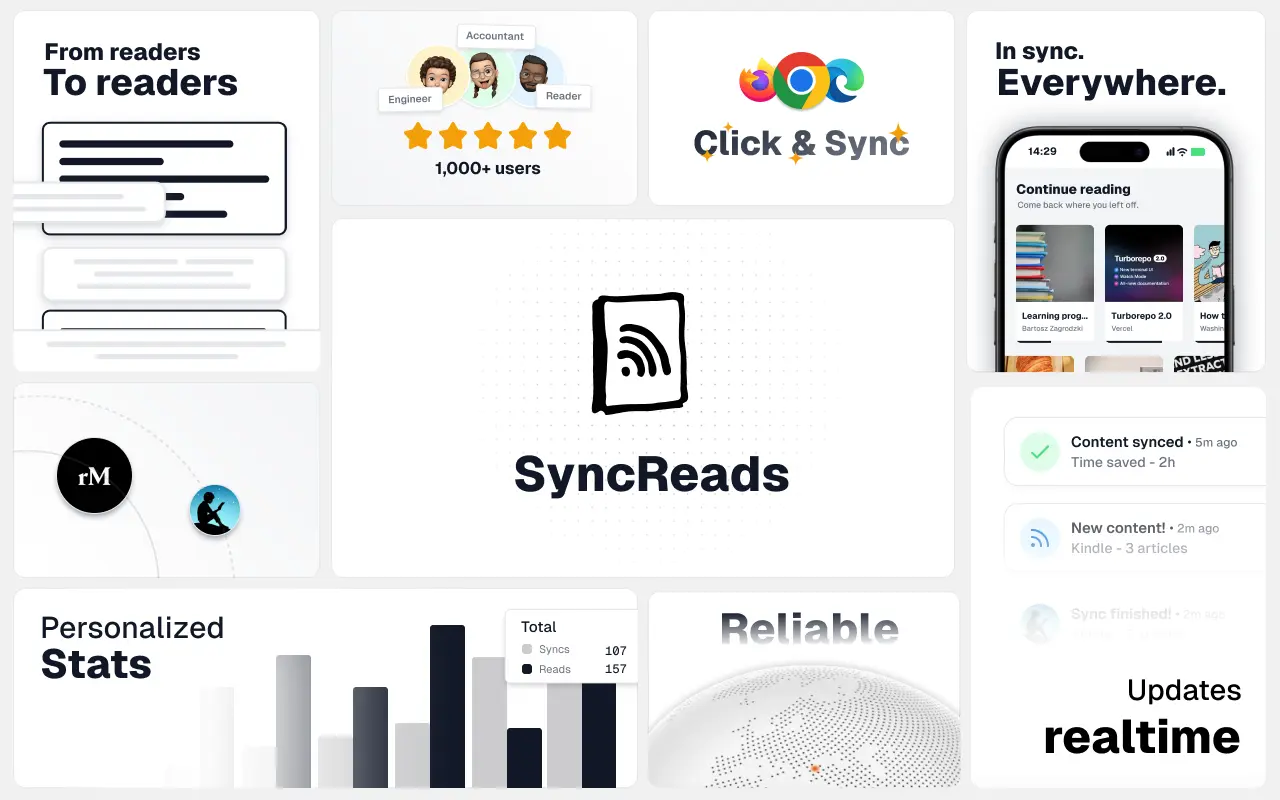
SyncReads
Sync your favorite content for distraction-free reading, save time and replace multiple apps. Anytime, anywhere 🔄
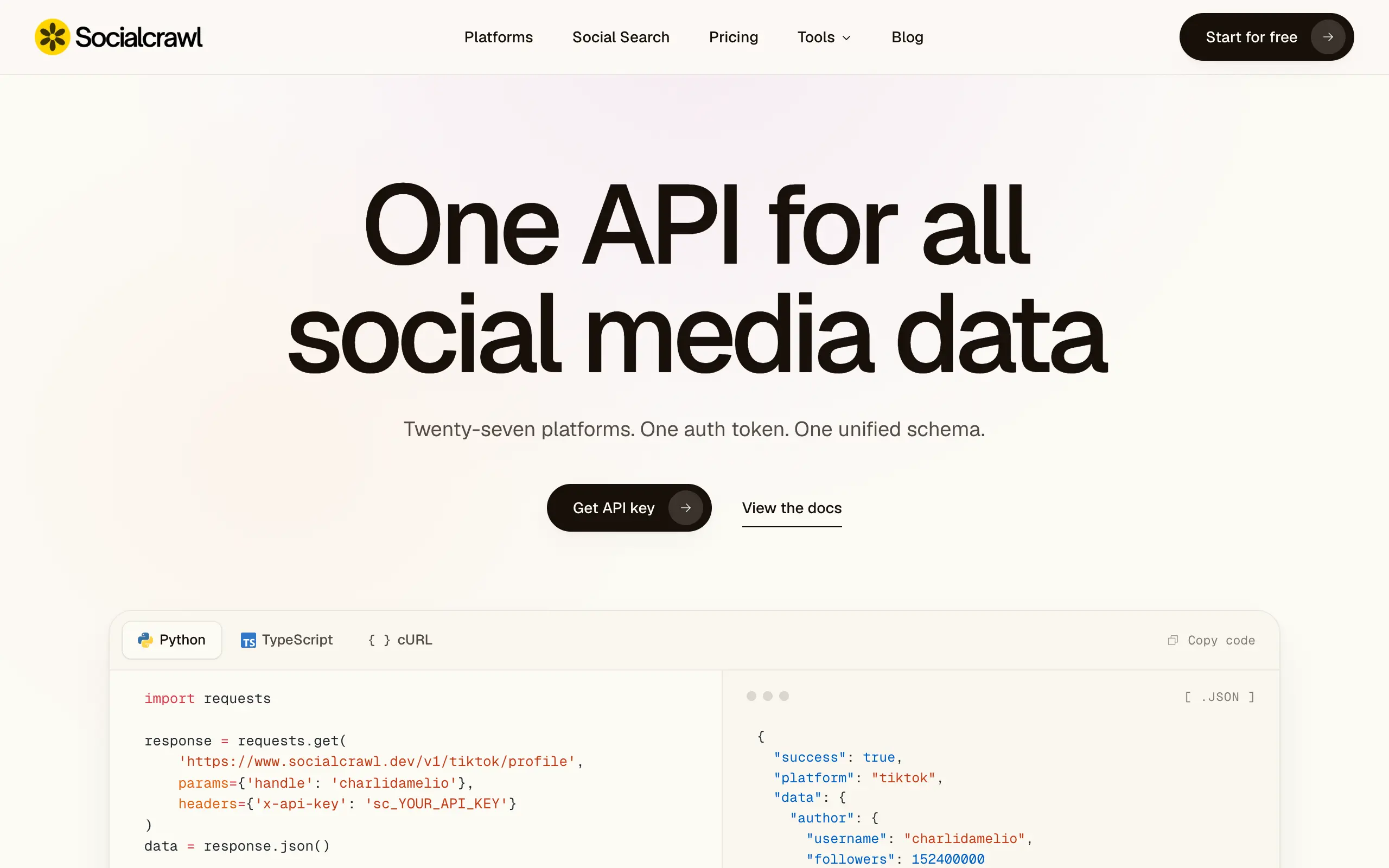
Socialcrawl
Get clean, structured data from 21 platforms like TikTok, Instagram, and YouTube with a single request 📊
Statiko
Monitor any Telegram channel in real time - track posts, edits, deletions, and growth with AI recaps 📡
Shibui
AI website builder - describe your business, pick a niche template, edit by chatting, and publish instantly ✨
Pro Service
Find verified home service professionals, compare quotes, and pay securely through escrow - built for Brazilians across the US 🏠
RankGrow
Fix your SEO with AI agents - connect Search Console, get prioritized tasks, and grow organic traffic 📈
SyncReads
Sync your favorite content for distraction-free reading, save time and replace multiple apps. Anytime, anywhere 🔄
Socialcrawl
Get clean, structured data from 21 platforms like TikTok, Instagram, and YouTube with a single request 📊
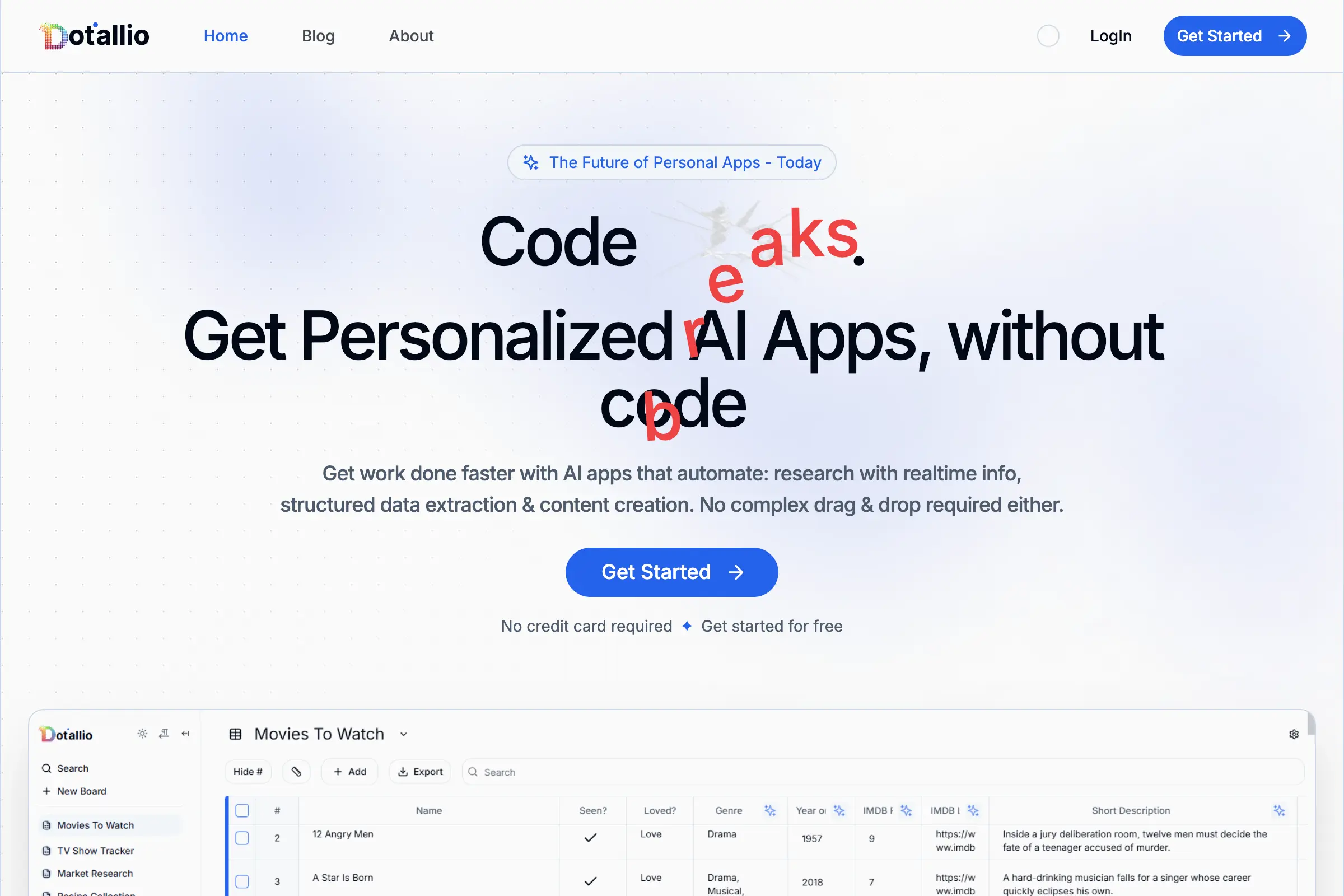
Dotallio
Personalized AI apps that automate research, data extraction, and content creation without code 🤖
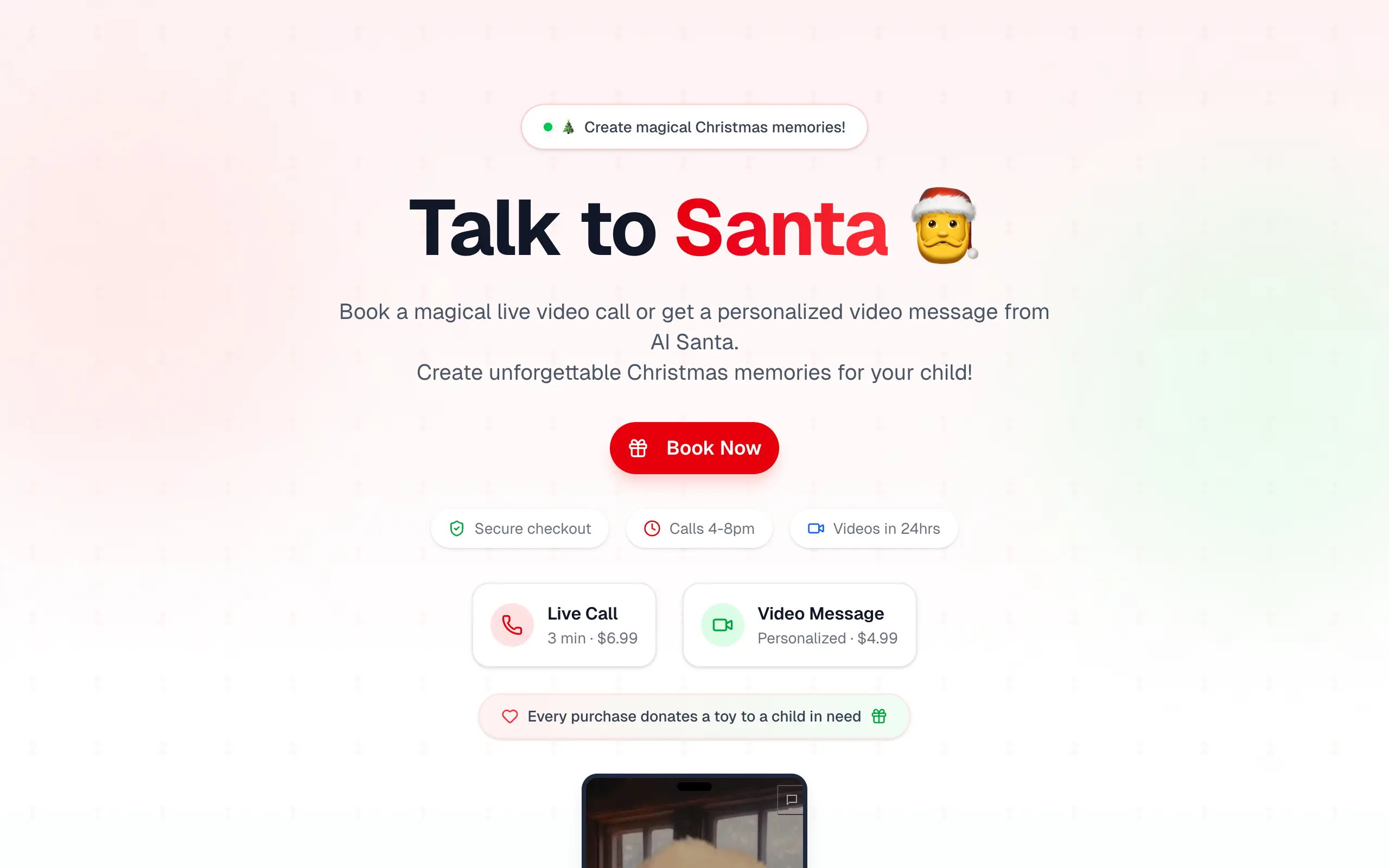
Talk to Santa
Enjoy a magical live video chat or receive a unique AI-generated video greeting from Santa Claus 🎅

pozywka.pl
Scalable blog for food journalist, focused on performance and user experience 🌭
zagrodzki.me
Personal blog and portfolio of Bart Zagrodzki, where he shares his knowledge and work 💼
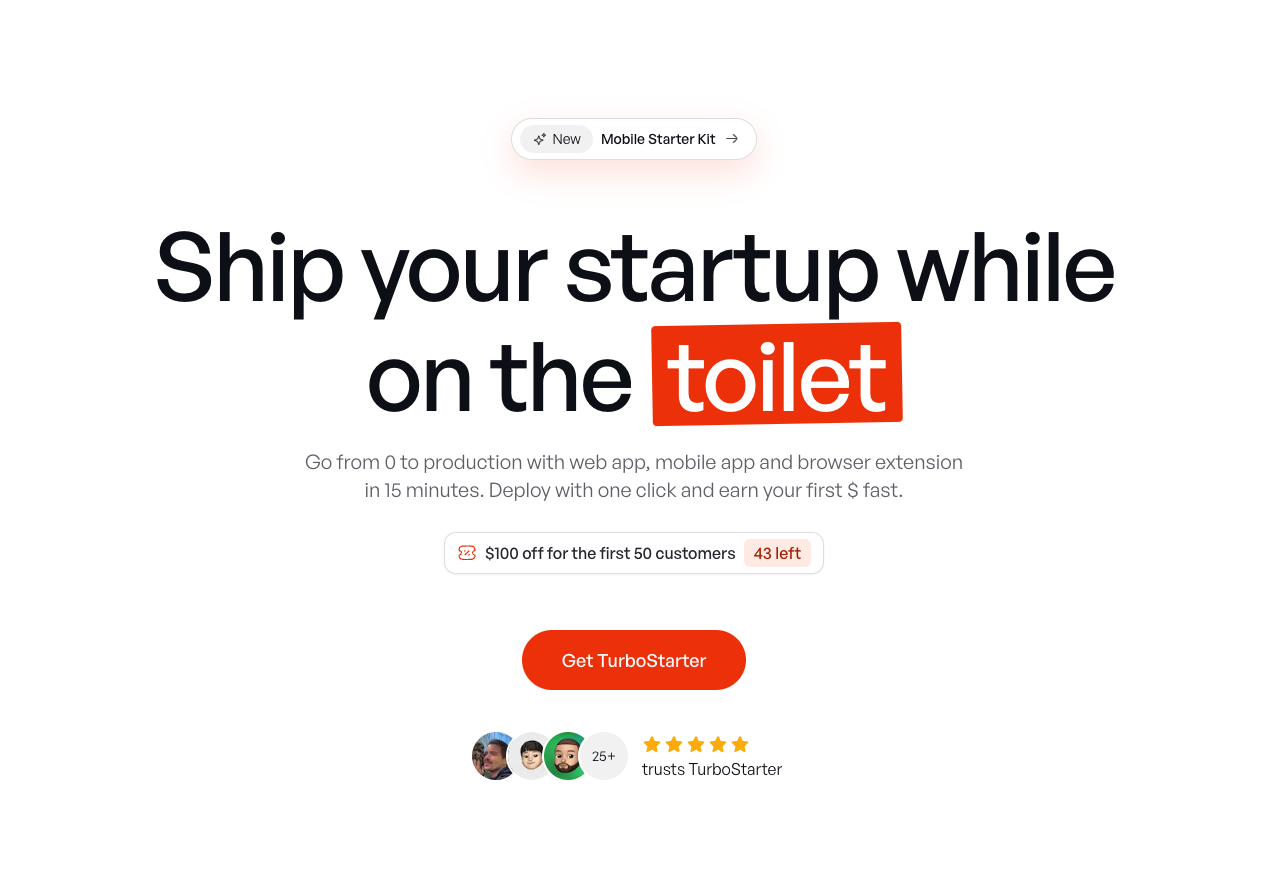
TurboStarter
Ship your startup everywhere. In minutes.
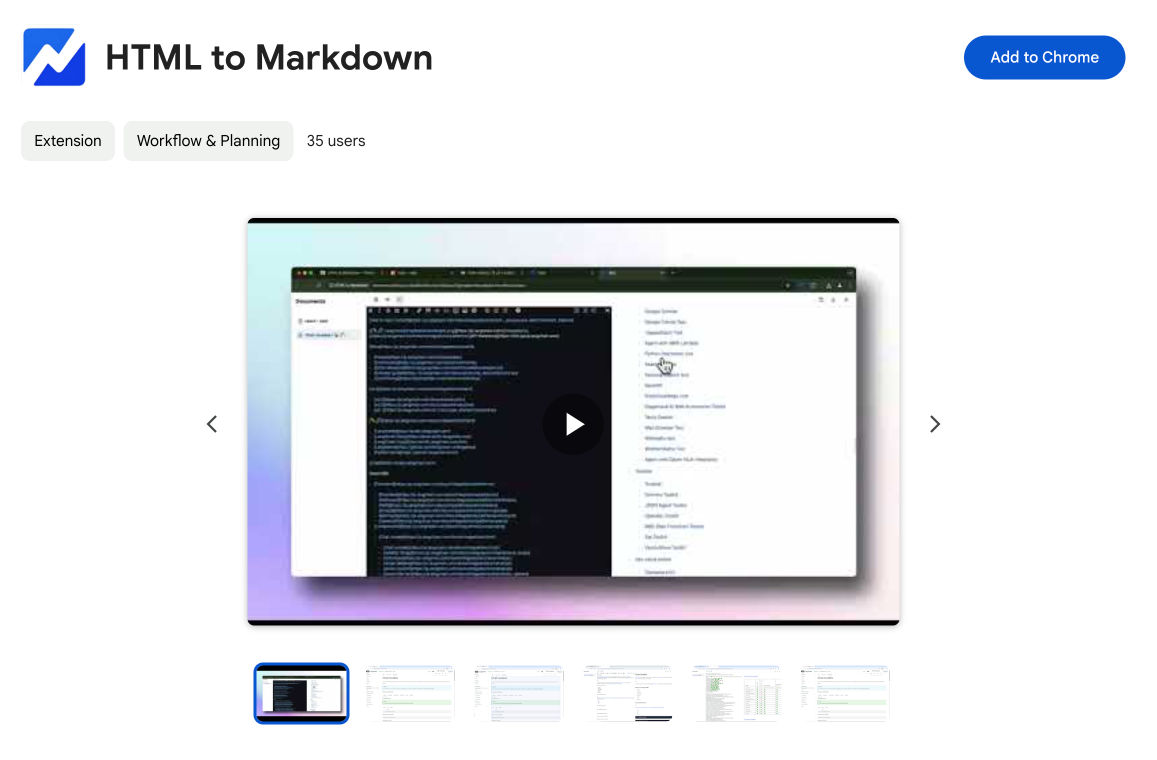
HTML to Markdown
Convert HTML to Markdown with ease, directly in your browser 📄
Dotallio
Personalized AI apps that automate research, data extraction, and content creation without code 🤖
Talk to Santa
Enjoy a magical live video chat or receive a unique AI-generated video greeting from Santa Claus 🎅
pozywka.pl
Scalable blog for food journalist, focused on performance and user experience 🌭
zagrodzki.me
Personal blog and portfolio of Bart Zagrodzki, where he shares his knowledge and work 💼
TurboStarter
Ship your startup everywhere. In minutes.
HTML to Markdown
Convert HTML to Markdown with ease, directly in your browser 📄
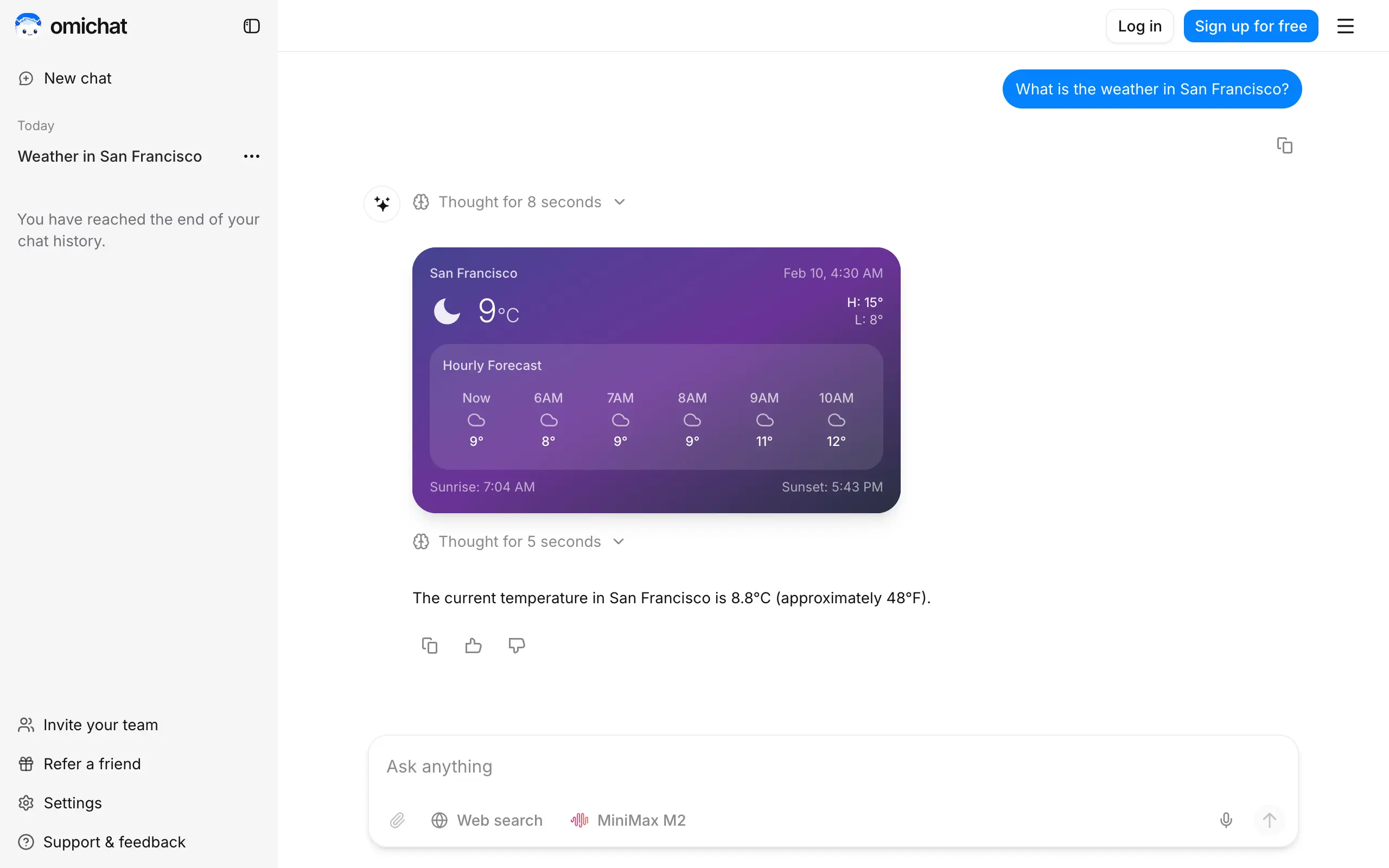
Omichat
Chat with 50+ AI models, including ChatGPT and Claude, in one place - switch models anytime without losing context 🤖
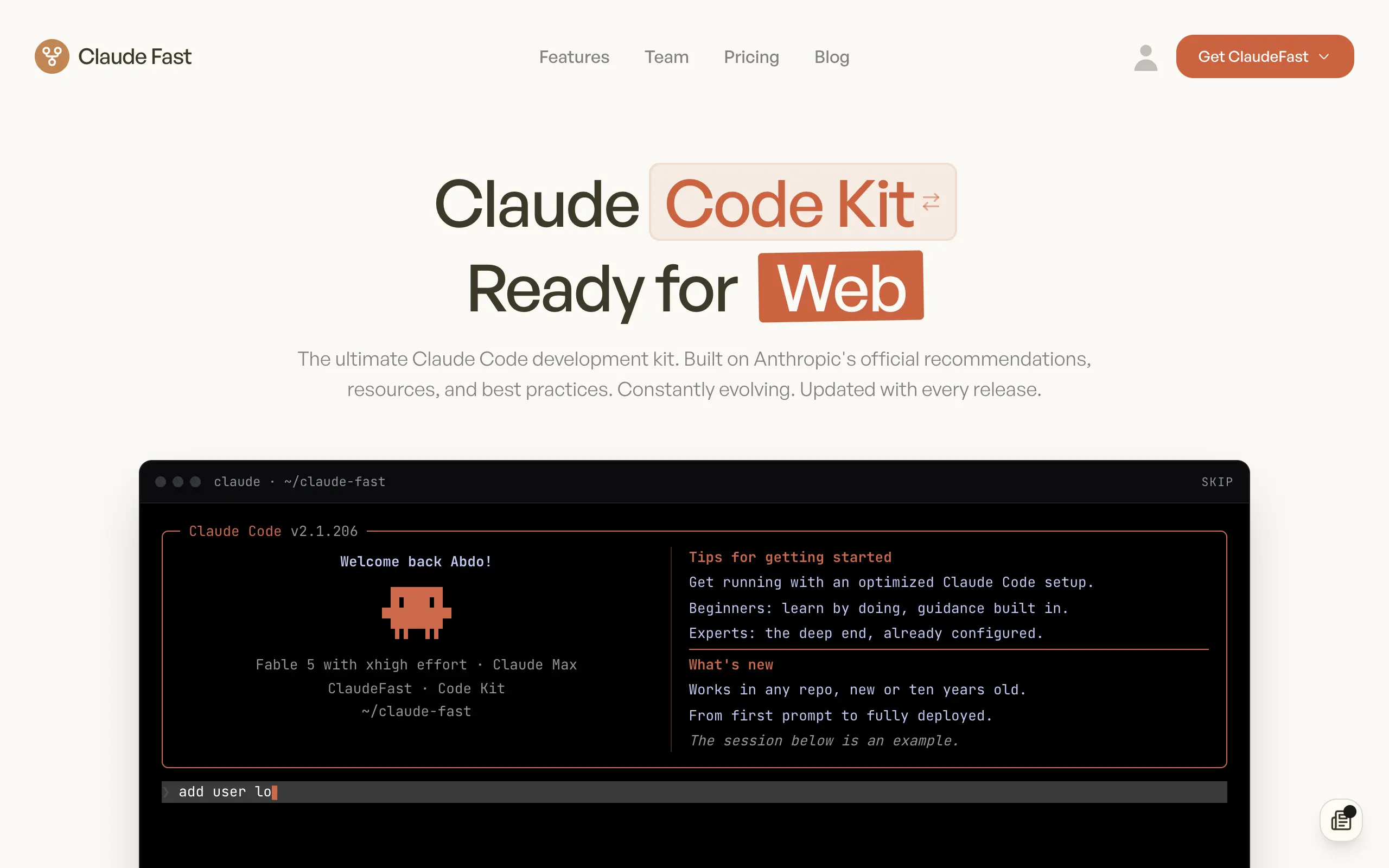
Claude Fast
Supercharge your Claude Code with 6x effective context window and specialized AI agents 🤖
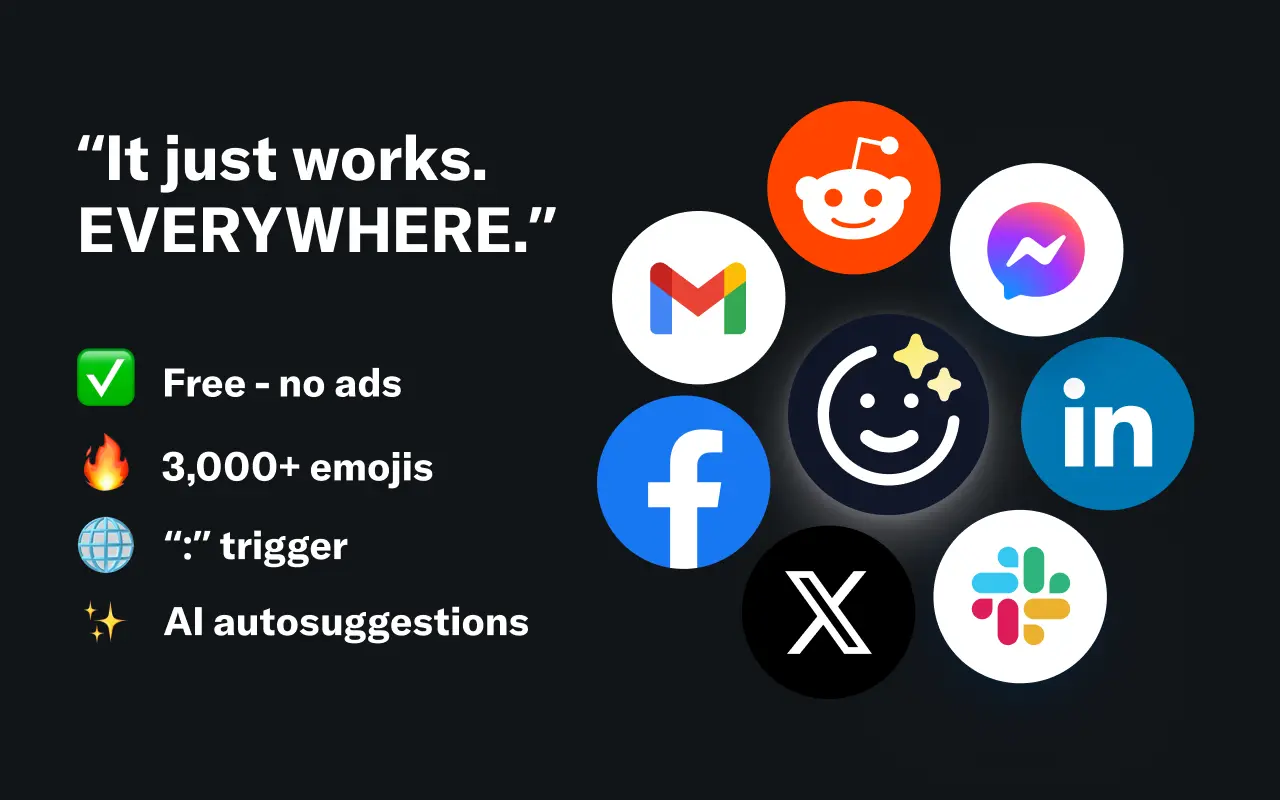
EmojAI
AI-powered emoji picker with smart, context-aware suggestions 🤖
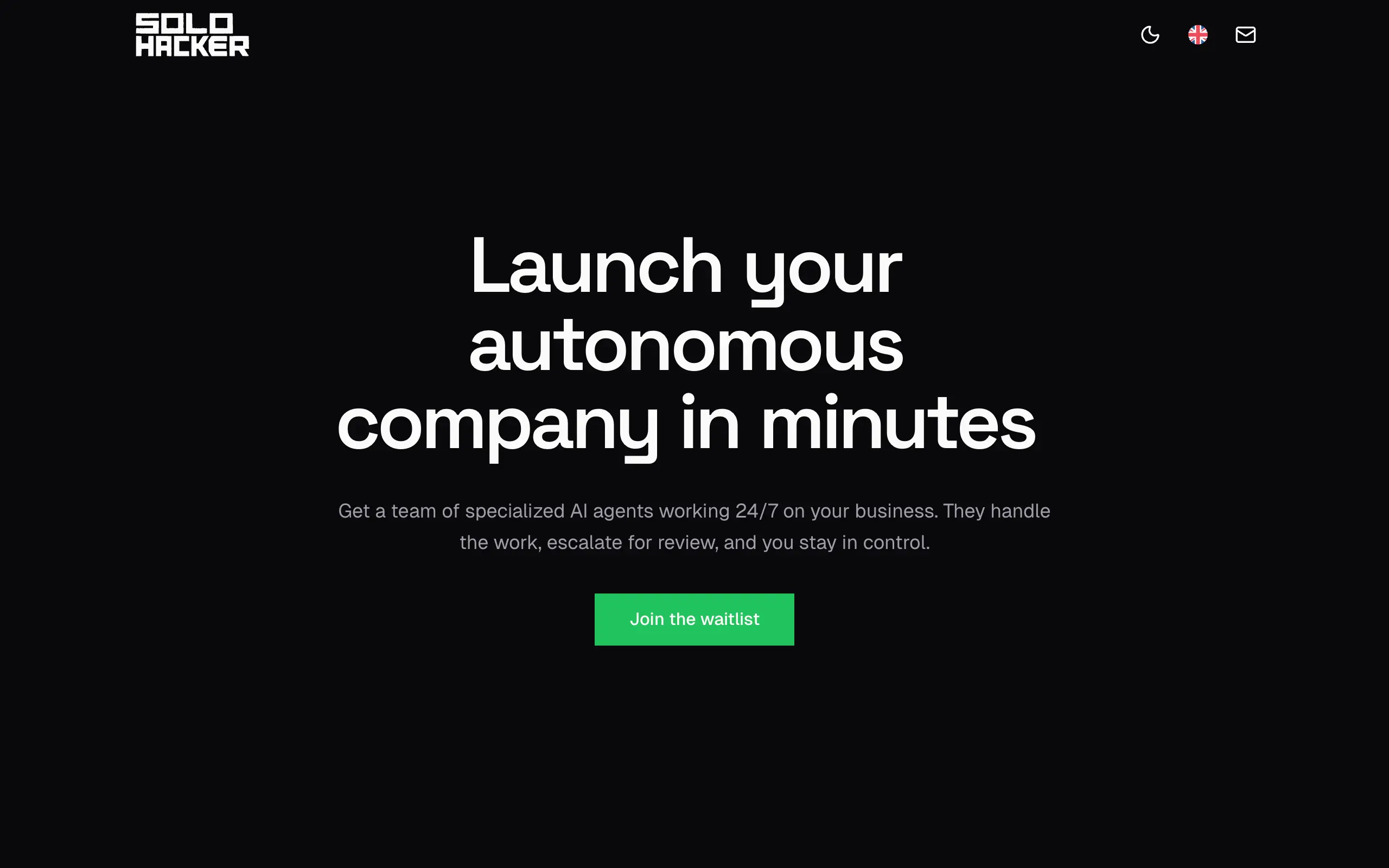
Solohacker
Autonomous company launcher - AI agents work 24/7, escalate what matters, and you stay in control 🤖
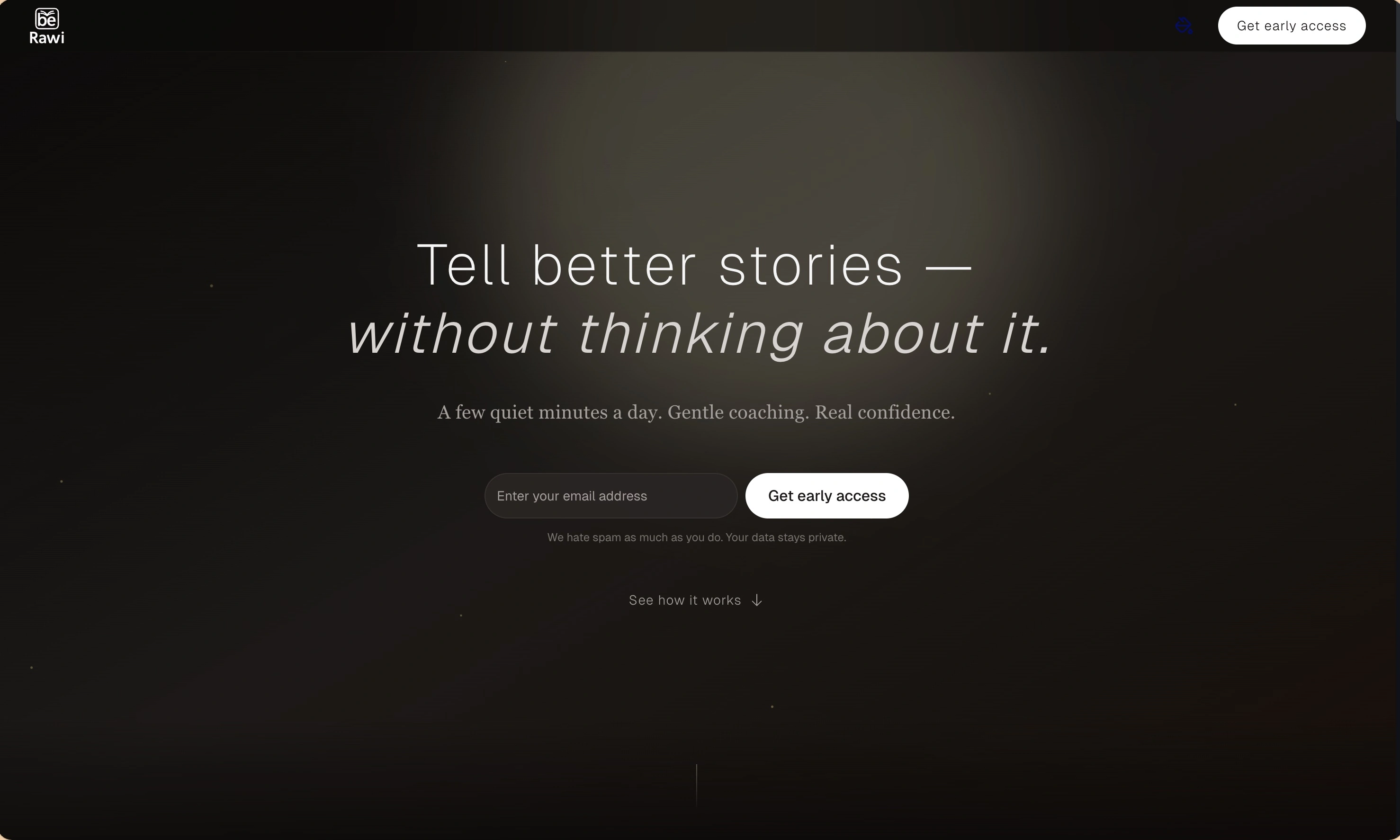
BeRawi: Storytelling Coach
Practice storytelling daily with instant feedback to sound clearer, more engaging, and confident 🎤
Omichat
Chat with 50+ AI models, including ChatGPT and Claude, in one place - switch models anytime without losing context 🤖
Claude Fast
Supercharge your Claude Code with 6x effective context window and specialized AI agents 🤖
EmojAI
AI-powered emoji picker with smart, context-aware suggestions 🤖
Solohacker
Autonomous company launcher - AI agents work 24/7, escalate what matters, and you stay in control 🤖
BeRawi: Storytelling Coach
Practice storytelling daily with instant feedback to sound clearer, more engaging, and confident 🎤

Connect with like-minded people
Join our community to get feedback, support, and grow together with 1,000+ builders on board, let's ship it!
Join usShip your startup everywhere. In minutes.
Don't burn tokens on setup and start building features on day one.