QuestForge
An AI toolkit for indie developers that turns quest briefs into branching dialogue, testable NPC behaviors, and localization-ready scripts. Catch continuity gaps before implementation.
QuestForge is an AI toolkit concept for indie game developers who need to turn quest briefs into branching dialogue, testable NPC behaviors, and localization-ready scripts. Its central promise is not simply to generate more writing. It is to help teams make narrative content coherent, testable, and easier to implement before it becomes expensive to revise.
That distinction matters. A quest can sound compelling in a document but still contain a missing choice, an impossible NPC state, a continuity contradiction, or text that breaks when translated. QuestForge AI can address those production problems by connecting creative generation with structured narrative design and quality checks.
What is QuestForge AI?
QuestForge is an AI quest-writing and narrative production toolkit for indie game developers. A user provides a quest brief, world information, character details, and implementation constraints. The product then helps turn those inputs into connected outputs such as:
- Quest outlines and objectives
- Branching dialogue
- NPC behavior rules
- Player-choice consequences
- Continuity and logic checks
- Localization-ready script exports
The strongest positioning is AI-assisted narrative design with production safeguards. A general-purpose chatbot can help brainstorm a character or draft a conversation. QuestForge should go further by keeping the project’s established facts in view, representing choices and outcomes in a structured format, and helping teams discover gaps before implementation.
That makes the product relevant to more than writers. Narrative designers can use it to plan branches, developers can inspect behavior requirements, producers can track scope, and localization teams can receive cleaner source text.
Why an AI quest-writing tool has a market opportunity
Indie game teams often need narrative depth without having the staffing or tooling of a large studio. One person may write quests, manage dialogue spreadsheets, coordinate with a programmer, and prepare strings for localization. The work becomes especially difficult as a project grows from a linear story into a network of choices, conditions, and consequences.
The opportunity for QuestForge is to reduce friction between creative intent and implementable content.
Narrative production creates coordination overhead
A quest brief may begin as a few paragraphs, but production requires many connected details:
- What does the player know at each point?
- Which character is present?
- What conditions unlock each dialogue option?
- What changes in the world after a choice?
- Can the player fail, skip, or revisit the quest?
- Does a later line contradict an earlier decision?
- Which strings need to be sent to localization?
When these details live in separate documents, spreadsheets, and chat threads, mistakes can be hard to spot. QuestForge can bring the planning process into a single workflow where requirements, generated content, and validation results remain connected.
General AI tools are useful but not production-aware
A general-purpose language model can generate dialogue quickly, but it may not know which facts are canonical, how a particular branch should behave, or what format a game engine expects. Users can attempt to solve this with longer prompts, but prompt instructions are not a substitute for project data, structured outputs, or validation.
QuestForge can differentiate itself by treating AI as one part of a production system. The product should help developers define the world and quest constraints, generate content against those constraints, and review the result before export.
Indie teams need tools that fit existing workflows
A new tool has little value if it forces a team to abandon its current engine, writing process, or issue tracker. QuestForge should therefore prioritize import, export, and integration options over building a closed narrative ecosystem.
Support for common formats and clear documentation could help teams evaluate the product without committing to a major workflow change. Integrations can deepen over time, but the first version should make it easy to test a quest and take the resulting content elsewhere.
Target audience for QuestForge
QuestForge should begin with a defined customer segment instead of trying to serve every game studio at once.
Primary audience: indie narrative designers
Narrative designers at small studios are likely to experience the problem most directly. They may be responsible for outlining quests, writing dialogue, tracking story variables, and communicating requirements to developers.
For this audience, QuestForge should make it easier to:
- Explore multiple quest structures without losing the approved version
- Track character knowledge and changing relationships
- Identify missing branches and unresolved outcomes
- Prepare scripts for implementation and review
- Preserve a consistent voice across generated content
The product must support human authorship. Its role should be to accelerate exploration and catch production issues, not to imply that a model can replace a writer’s creative judgment.
Secondary audience: solo developers and small teams
Solo developers may not have a dedicated narrative designer. They can benefit from guided templates that turn a rough premise into a manageable first draft. The most important product qualities for this group are simplicity, sensible defaults, and the ability to correct AI-generated content without learning a complex authoring system.
Small teams may care more about shared access, review comments, version history, and permissions. These capabilities become increasingly important when writers, programmers, and producers work on the same quest.
Future audience: localization and production teams
Localization teams can benefit when dialogue is organized consistently and supported by context. A string without speaker, scene, or character information is harder to translate accurately. QuestForge could prepare localization packages that include relevant context, character voice notes, and variables while keeping the original script easy to update.
Production teams may also value reports that summarize branching complexity, missing implementation details, and unresolved review items. These capabilities should follow validation with early users rather than be built on assumptions.
The core problem QuestForge should solve
QuestForge should focus on the gap between a promising quest idea and a dependable, implementation-ready quest package.
The product’s end-to-end workflow could look like this:
- A developer creates a project and adds world rules, characters, tone guidance, and technical constraints.
- The developer writes or imports a quest brief.
- QuestForge proposes a structured outline with objectives, characters, states, and possible outcomes.
- The user edits the outline and chooses which branches to develop.
- The AI drafts dialogue and NPC behaviors using approved project context.
- Validation checks identify missing paths, contradictions, and incomplete requirements.
- The team reviews and exports content in a format suited to its workflow.
Each stage should preserve a clear distinction between AI-generated suggestions and user-approved canon. That separation helps prevent a draft from silently becoming a source of truth.
Core features for an AI quest-writing toolkit
1. Project-aware narrative context
QuestForge needs a reliable way to store project information such as:
- Characters, roles, relationships, and motivations
- Locations, factions, items, and world rules
- Timeline events and established facts
- Tone, style, and content guidelines
- Naming conventions and terminology
- Technical requirements, such as supported variables or tags
Context should be editable and organized, not hidden inside a single prompt. Users need to see which sources informed a generation and update them when the story changes.
A useful design principle is to separate canonical facts, draft material, and temporary instructions. A character’s established history should not be treated the same as an experimental line of dialogue.
2. Quest brief to structured outline
The first generation step should produce a reviewable plan rather than a large block of prose. A structured outline might include:
- Quest premise and player motivation
- Starting conditions
- Objectives and optional objectives
- Characters and locations involved
- Key decisions
- Outcomes and state changes
- Failure, cancellation, or alternate completion paths
This gives the user a chance to correct the quest’s logic before generating dialogue. It also makes the work easier to estimate and review.
3. Branching dialogue editor
Branching dialogue is a natural core feature, but it must be more than a visual diagram. Each node should have clear content and conditions, including:
- Speaker and line
- Player responses
- Conditions for showing a line or choice
- Consequences of a choice
- Links to the next node
- Optional notes for implementation
The interface should make a complex conversation understandable without hiding its underlying structure. Writers need a readable overview; developers need precise conditions and state changes.
4. Testable NPC behaviors
QuestForge’s NPC behavior feature can help teams translate narrative intention into behavior requirements. For example, a character may greet the player differently after a quest, refuse to discuss a topic until a condition is met, or react to a faction relationship.
The first version should describe behavior in a structured, inspectable way. It does not need to generate executable game code for every engine. A clear behavior specification can still help teams identify missing states and hand work to a developer.
5. Continuity and logic checks
Continuity checking is one of QuestForge’s strongest opportunities to stand apart from a generic AI writing assistant. Checks might identify:
- A character referring to an event that has not happened
- A choice that has no consequence or destination
- A quest objective with no completion path
- A branch that cannot be reached
- A condition referenced in dialogue but never defined
- Different names used for the same character or item
- A response that conflicts with established world rules
The product should show evidence for each warning. A useful result explains what appears inconsistent, which content is involved, and how a user could investigate it. AI-generated checks should be presented as review aids, not as guarantees that a script is error-free.
6. Localization-ready exports
Localization readiness begins with clean source content. QuestForge can support this by keeping dialogue in structured fields and including useful metadata, such as speaker, context, character limit, and variable placeholders.
Exports should preserve stable identifiers where possible. If a string changes, teams need to understand which line changed and whether translations may need review. A spreadsheet export can be a practical starting point, while richer localization integrations can be added based on customer demand.
7. Collaboration and review
A collaborative workflow should include:
- Comments attached to a quest, branch, or line
- Review status and approval history
- Clear ownership of unresolved issues
- Version history or change tracking
- Role-based access for team members
These features are important, but they need not all ship in the minimum viable product. Early validation should establish whether teams mainly need solo authoring, shared review, or integration with existing collaboration tools.
A practical MVP scope
The first release should prove that QuestForge helps developers create and review quest content more reliably. A focused MVP could include:
- Project setup with editable characters, world facts, and style guidance
- A quest brief form with structured output
- Dialogue drafting for selected branches
- Basic branch and condition representation
- Continuity warnings linked to the relevant content
- At least one clean export format
- User feedback controls for correcting AI outputs
Avoid building an elaborate visual scripting environment before learning how users want to work. A lightweight editor with strong structure may be more valuable than a sophisticated graph interface that takes too long to learn.
Recommended technology stack
The best technology stack depends on the team’s experience, expected usage, and integration requirements. A sensible web application architecture could use a modern React-based frontend, a managed database, background jobs for AI tasks, and a provider abstraction for language models.
Frontend
React is a practical option for building an interactive editor, while Next.js can support routing, server-side functionality, and application infrastructure in one ecosystem. A utility-first styling approach such as Tailwind CSS can help a small team iterate quickly on product interfaces.
The key trade-off is not simply framework performance. QuestForge’s editor will require careful design for complex content, including keyboard navigation, autosave, accessibility, and predictable state management. A visual branching editor may eventually need a graph library, but the team should first validate whether users need a graph-first experience.
Backend and data model
A relational database such as PostgreSQL is well suited to projects, users, characters, quests, dialogue nodes, conditions, and revisions. Structured content benefits from relationships and constraints, while flexible metadata can be stored in JSON fields where appropriate.
A possible high-level model could include:
ProjectProjectFactCharacterQuestQuestVersionDialogueNodeDialogueChoiceConditionGenerationRunReviewComment
For AI retrieval, embeddings can help find relevant project material, but retrieval should not become the only source of truth. Exact facts such as character names, variable definitions, and approved story events may need explicit structured storage and validation.
AI orchestration
QuestForge should use a provider layer rather than tightly coupling the application to one model vendor. This makes it easier to compare output quality, latency, cost, and privacy terms as requirements change.
Generation should be divided into focused tasks instead of relying on a single prompt to produce an entire quest. For example:
- Parse a brief into structured requirements.
- Generate an outline for human review.
- Draft dialogue for approved nodes.
- Run separate checks against project facts and branch structure.
- Present results with warnings and supporting context.
Structured output validation is essential. If a model returns malformed branches or unsupported fields, the system should catch the issue before saving or exporting the result.
Background processing and observability
Long-running generations and checks should run as background jobs when necessary. The application should record generation status, errors, retry behavior, and relevant usage information. This helps users understand whether a task is still running and helps the team diagnose failures.
For observability, track operational measures such as generation latency, error rates, validation failures, and export success. Track product outcomes separately, such as how often users revise a generated outline or resolve a continuity warning. Avoid treating raw generation volume as proof of customer value.
Security and privacy
Narrative projects may contain unpublished intellectual property. QuestForge should clearly explain how project data is stored, who can access it, how deletion works, and whether content is used for model training. Data retention and provider terms should be reviewed before launch, especially if the product targets studios working under confidentiality agreements.
Use encryption in transit, strong access controls, and secure secret management. Do not send more project context to a model than a task needs.
Competitive advantage and positioning
QuestForge will compete indirectly with general-purpose AI assistants, writing tools, spreadsheets, narrative design software, and custom studio pipelines. It does not need to replace every one of these tools. Its strongest position is to connect their overlapping jobs into a focused workflow.
| Alternative | Typical strength | Potential gap | QuestForge opportunity |
|---|---|---|---|
| General AI assistant | Fast brainstorming and drafting | Limited project structure and validation | Ground generation in project facts and quest structure |
| Documents and spreadsheets | Flexible and familiar collaboration | Manual tracking of branches and continuity | Add linked content, checks, and structured exports |
| Custom studio pipeline | Can match a team’s exact process | Requires internal development and maintenance | Offer a faster starting point for smaller teams |
| Narrative design software | Supports interactive story structures | May not focus on AI-assisted drafting and review | Combine assisted creation with production checks |
QuestForge’s defensible advantage should come from the workflow and data model, not from claiming that its AI is uniquely creative. Models change quickly. A better long-term moat may come from:
- Project-aware context that users can inspect and maintain
- Reliable quest and dialogue structures
- Useful continuity checks connected to source material
- Exports that fit real production workflows
- Feedback loops that improve quality and usability
- Trust earned through transparent privacy and review controls
The unique selling proposition is therefore: turn quest briefs into structured, reviewable, localization-ready game narrative while catching likely continuity and implementation gaps before they reach production.
Monetization strategy options
QuestForge can test several pricing models. Pricing should reflect customer value and infrastructure costs without making early experimentation difficult.
Subscription tiers
A tiered subscription can serve solo developers and teams with different needs. Possible plan dimensions include:
- Number of projects or collaborators
- Monthly AI generation allowance
- Access to continuity checks
- Export formats
- Version history
- Team permissions and review workflows
The free tier should let users evaluate the core workflow, not just generate a small amount of disconnected text. A meaningful trial should help a developer take one quest from brief to export.
Usage-based AI credits
AI usage credits can help cover variable model costs. However, a purely credit-based system may make the product feel unpredictable. QuestForge could combine a predictable subscription with included usage and optional additional credits.
The interface should explain when an action consumes credits and, where practical, let users preview the expected cost before a large generation.
Team and studio plans
A team plan can add shared workspaces, stronger access controls, collaboration features, and higher usage limits. Larger studio plans may eventually require custom retention terms, administrative controls, or support commitments. These offers should follow demonstrated demand rather than be assumed from the start.
Services and integrations
Onboarding support, custom export mappings, or workflow setup could generate additional revenue for studios with specific needs. Services should not distract from improving the core product, but they can reveal recurring integration problems worth turning into product features.
Risks and mitigation strategies
AI output may be inaccurate or inconsistent
A model can invent facts, miss context, or produce plausible but contradictory dialogue.
Mitigation: Keep authoritative project facts structured, show the context used for generation, validate outputs, and require user approval before generated content becomes canonical.
Generated prose may feel generic
A quest can be logically valid and still lack a distinctive voice or emotional impact.
Mitigation: Give writers control over tone, character voice, and reference examples. Support revision in context and measure whether generated drafts actually reduce editing time rather than merely increase output volume.
Branching complexity can overwhelm the interface
A large quest graph may become difficult to navigate, especially when conditions and state changes accumulate.
Mitigation: Start with manageable structures, offer filters and summaries, and test navigation with real projects. Keep the underlying data portable so users are not trapped in a proprietary format.
Studios may hesitate to upload unpublished content
Confidentiality concerns can block adoption even if the product is useful.
Mitigation: Provide clear privacy documentation, minimize retained data, support deletion, and make model-provider practices understandable. Consider whether different plans need different data-handling options.
AI costs may exceed customer revenue
Frequent generation and repeated validation can create unpredictable infrastructure costs.
Mitigation: Measure cost per useful workflow, cache suitable results, limit unnecessary context, use different models for different task complexity, and make usage visible to customers.
The product may try to do too much
QuestForge could drift into being a writing suite, game engine, localization platform, and project management system all at once.
Mitigation: Keep the product centered on the brief-to-validated-quest workflow. Add adjacent capabilities only when customer research shows they solve a recurring problem.
How to validate demand before building the full product
Product validation should test actual workflows, not just whether people say AI for game writing sounds interesting.
Interview indie developers and narrative designers about their last completed quest. Ask how they drafted it, where revisions happened, how they tracked choices, and what caused delays. Request examples of anonymized briefs, dialogue structures, or export formats if participants are comfortable sharing them.
Then test a narrow prototype. It might accept a quest brief, generate a structured outline, and highlight a small number of continuity or completeness issues. Observe whether users can understand the output without coaching.
Useful early signals include:
- How many users complete a brief-to-export workflow
- How much generated content users keep, revise, or discard
- Whether warnings uncover issues users consider meaningful
- Whether users return with a second quest
- Whether a team member invites a collaborator
- Whether users would pay to continue using the workflow
Avoid relying only on sign-ups or positive interview feedback. A user who completes a real production task and returns with another project provides stronger evidence of value.
Actionable implementation steps
1. Choose a narrow initial customer
Start with one segment, such as solo developers building choice-driven RPGs or small teams producing narrative adventure games. Document their current writing and implementation workflow.
2. Define the first supported quest format
Specify the fields QuestForge needs for a brief, outline, dialogue node, choice, condition, and outcome. Keep the format simple enough to validate with users.
3. Build a project context prototype
Create a way to enter characters, world rules, and terminology. Make these facts visible and editable rather than hiding them in prompts.
4. Test structured generation
Generate an outline first, then dialogue for selected sections. Validate the returned structure and provide a clear editing experience before adding more generation modes.
5. Add a small set of explainable checks
Begin with deterministic checks where possible, such as missing destinations or undefined variables. Add AI-assisted continuity suggestions with clear reasoning and user review.
6. Export to a format users already use
Ask early users what they need to hand off to their team. Support the most common practical format first, then prioritize deeper integrations based on observed demand.
7. Measure workflow value and refine pricing
Track completion, revision, return usage, and infrastructure cost. Use these signals to improve the product and test subscription or usage-based pricing with real users.
A focused implementation can use TurboStarter as a starting point for SaaS foundations, leaving more time for the distinctive parts of QuestForge: narrative structure, project-aware generation, validation, and export workflows.
Frequently asked questions
An AI quest-writing tool helps game developers draft, organize, or review narrative content. QuestForge’s proposed focus is broader than text generation: it connects quest briefs to branching dialogue, NPC behavior requirements, continuity checks, and localization-ready exports.
No. The product should support narrative designers and developers by accelerating drafts and surfacing potential issues. Human writers remain responsible for creative direction, emotional nuance, worldbuilding decisions, and final approval.
A general chatbot can brainstorm and draft prose. QuestForge is intended to add persistent project context, structured branches, testable behavior specifications, validation, and production-oriented exports. Those workflow capabilities are the product opportunity.
The first release should prioritize portable formats and the workflows requested by early users. Engine-specific integrations can follow once interviews and prototype testing show which engines and scripting formats matter most to the initial customer segment.
It can organize lines into stable, contextualized records with speaker information, variables, and relevant character or scene notes. Consistent identifiers and change tracking can also help teams understand which strings need renewed localization review.
The opportunity for QuestForge
QuestForge has a credible product opportunity if it focuses on the production gap between a quest idea and a dependable implementation package. Indie developers do not need unlimited generated dialogue as much as they need help preserving intent across branches, characters, and production handoffs.
The best starting point is a narrow workflow: capture project facts, turn a brief into a structured outline, draft selected dialogue, flag likely gaps, and export the result. Validate that workflow with real developers before expanding into a full narrative platform.
If QuestForge can make quest writing faster without making narrative quality, project control, or implementation clarity worse, it can earn a distinctive place in the indie game development toolkit.
More 🤖 AI Startup SaaS ideas
Discover more innovative ai startup SaaS ideas that are trending in 2026. Each idea is AI-generated with market validation and growth potential to help you find your next profitable venture faster than competitors.
Your competitors are building with TurboStarter
Below are some of the SaaS ideas that have been generated and built with our starter kit.
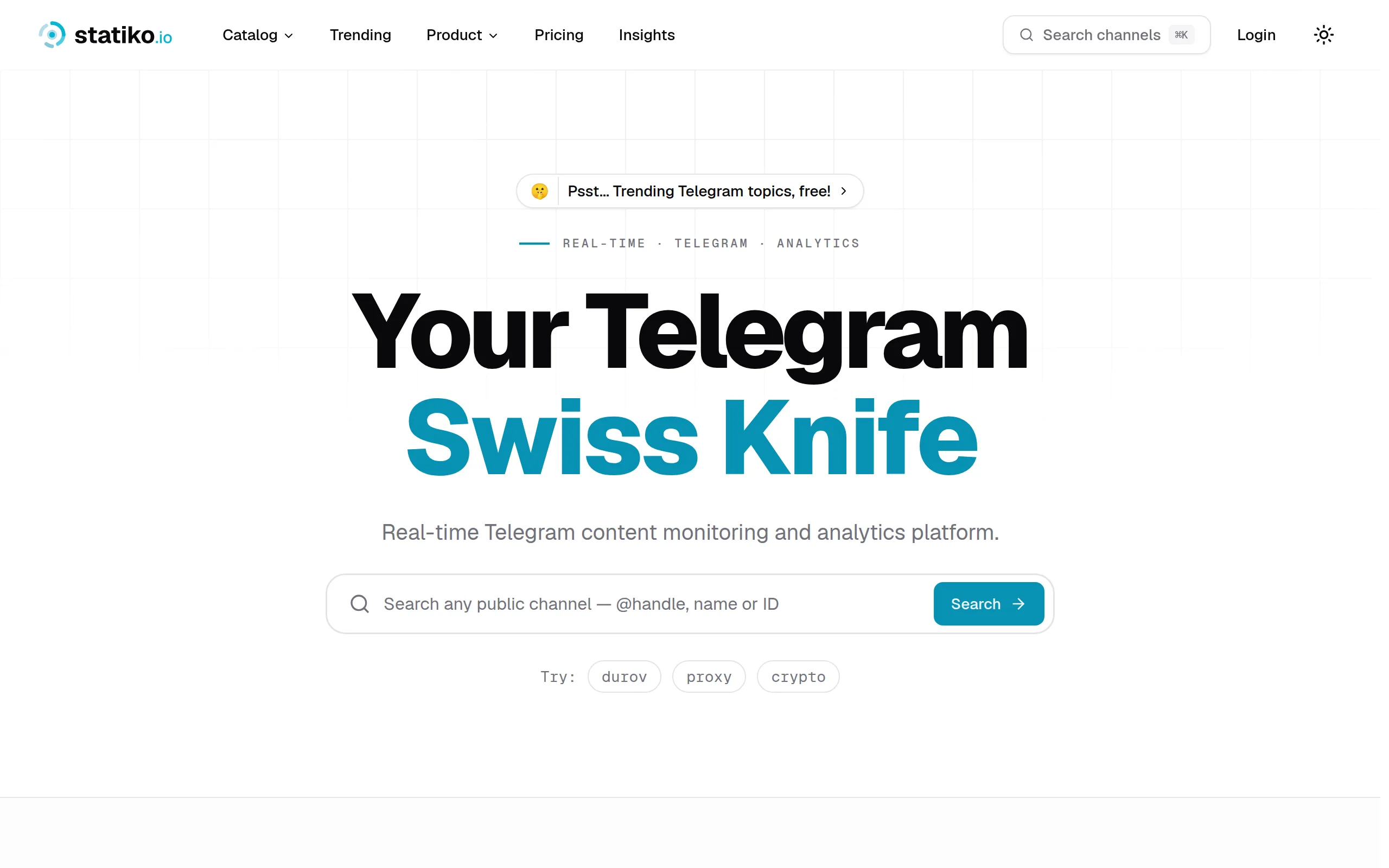
Statiko
Monitor any Telegram channel in real time - track posts, edits, deletions, and growth with AI recaps 📡

Shibui
AI website builder - describe your business, pick a niche template, edit by chatting, and publish instantly ✨

Pro Service
Find verified home service professionals, compare quotes, and pay securely through escrow - built for Brazilians across the US 🏠
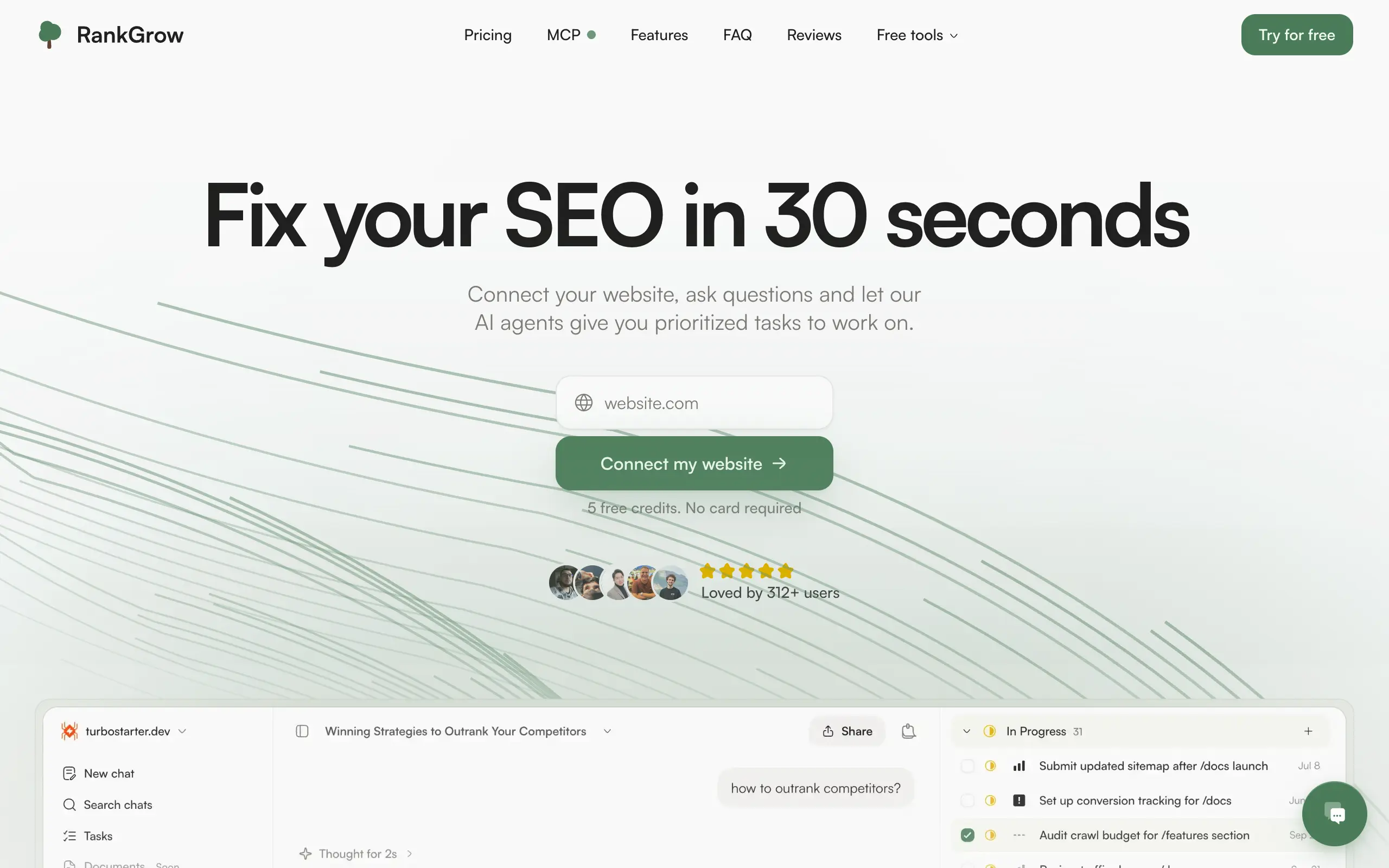
RankGrow
Fix your SEO with AI agents - connect Search Console, get prioritized tasks, and grow organic traffic 📈
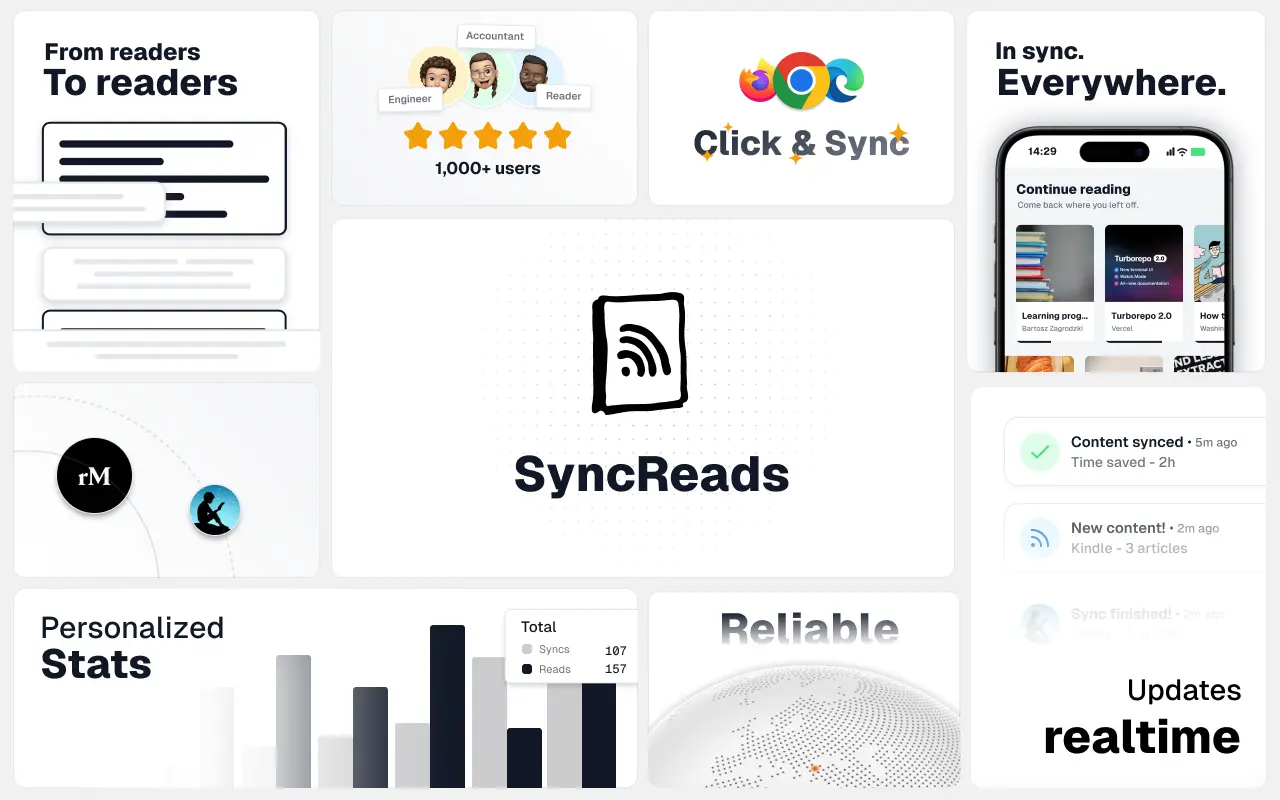
SyncReads
Sync your favorite content for distraction-free reading, save time and replace multiple apps. Anytime, anywhere 🔄
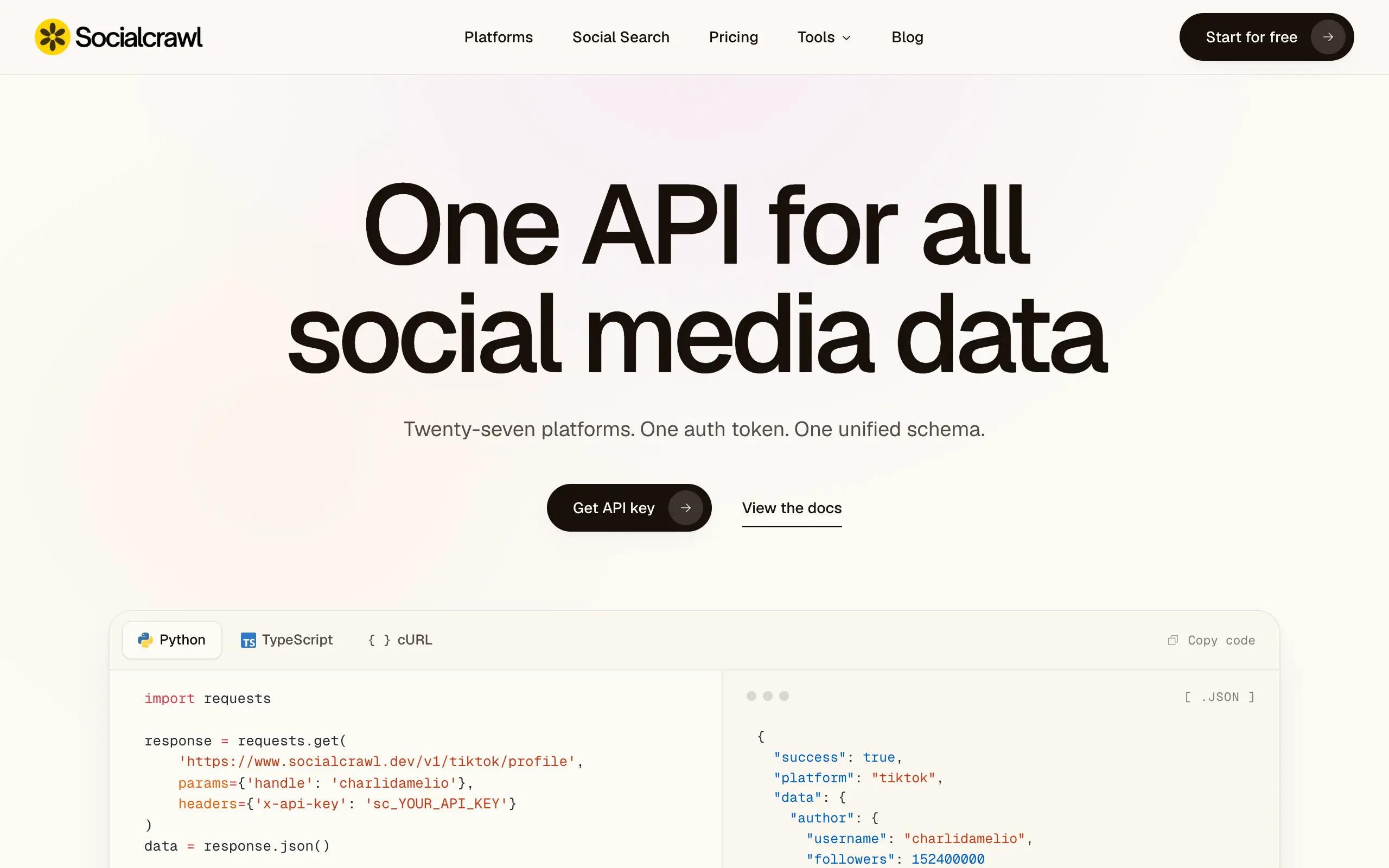
Socialcrawl
Get clean, structured data from 21 platforms like TikTok, Instagram, and YouTube with a single request 📊
Statiko
Monitor any Telegram channel in real time - track posts, edits, deletions, and growth with AI recaps 📡
Shibui
AI website builder - describe your business, pick a niche template, edit by chatting, and publish instantly ✨
Pro Service
Find verified home service professionals, compare quotes, and pay securely through escrow - built for Brazilians across the US 🏠
RankGrow
Fix your SEO with AI agents - connect Search Console, get prioritized tasks, and grow organic traffic 📈
SyncReads
Sync your favorite content for distraction-free reading, save time and replace multiple apps. Anytime, anywhere 🔄
Socialcrawl
Get clean, structured data from 21 platforms like TikTok, Instagram, and YouTube with a single request 📊
Statiko
Monitor any Telegram channel in real time - track posts, edits, deletions, and growth with AI recaps 📡
Shibui
AI website builder - describe your business, pick a niche template, edit by chatting, and publish instantly ✨
Pro Service
Find verified home service professionals, compare quotes, and pay securely through escrow - built for Brazilians across the US 🏠
RankGrow
Fix your SEO with AI agents - connect Search Console, get prioritized tasks, and grow organic traffic 📈
SyncReads
Sync your favorite content for distraction-free reading, save time and replace multiple apps. Anytime, anywhere 🔄
Socialcrawl
Get clean, structured data from 21 platforms like TikTok, Instagram, and YouTube with a single request 📊
Statiko
Monitor any Telegram channel in real time - track posts, edits, deletions, and growth with AI recaps 📡
Shibui
AI website builder - describe your business, pick a niche template, edit by chatting, and publish instantly ✨
Pro Service
Find verified home service professionals, compare quotes, and pay securely through escrow - built for Brazilians across the US 🏠
RankGrow
Fix your SEO with AI agents - connect Search Console, get prioritized tasks, and grow organic traffic 📈
SyncReads
Sync your favorite content for distraction-free reading, save time and replace multiple apps. Anytime, anywhere 🔄
Socialcrawl
Get clean, structured data from 21 platforms like TikTok, Instagram, and YouTube with a single request 📊
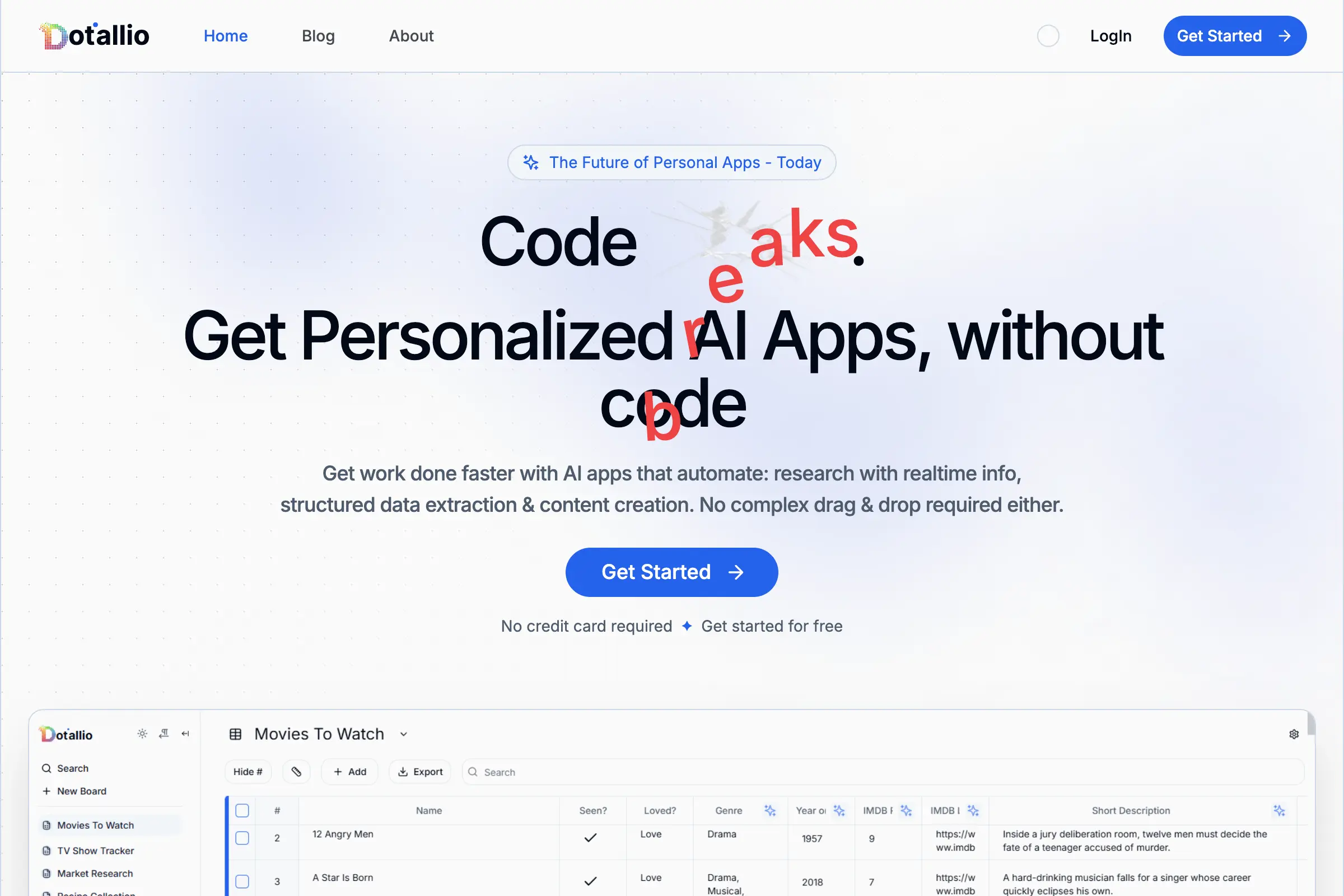
Dotallio
Personalized AI apps that automate research, data extraction, and content creation without code 🤖
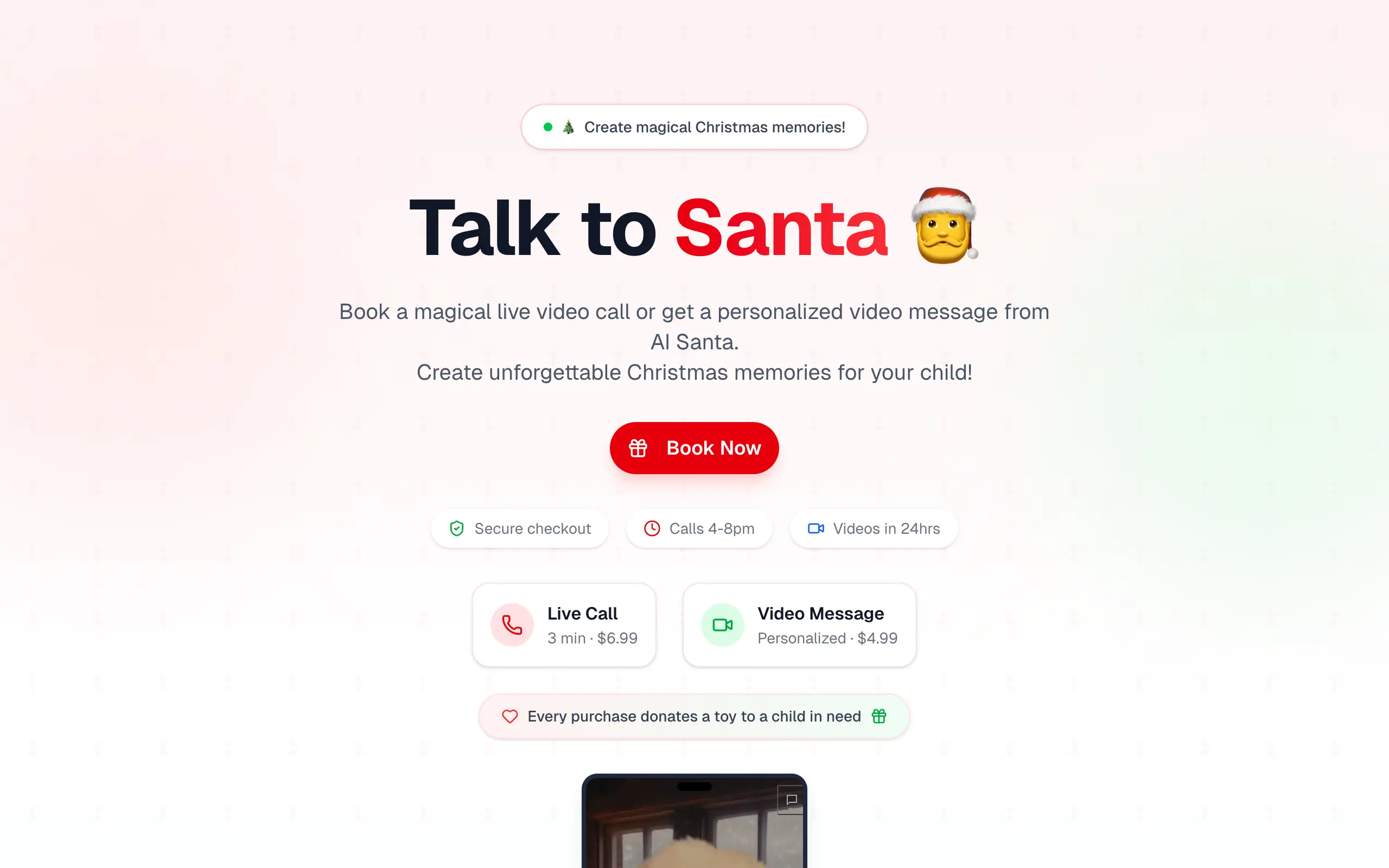
Talk to Santa
Enjoy a magical live video chat or receive a unique AI-generated video greeting from Santa Claus 🎅
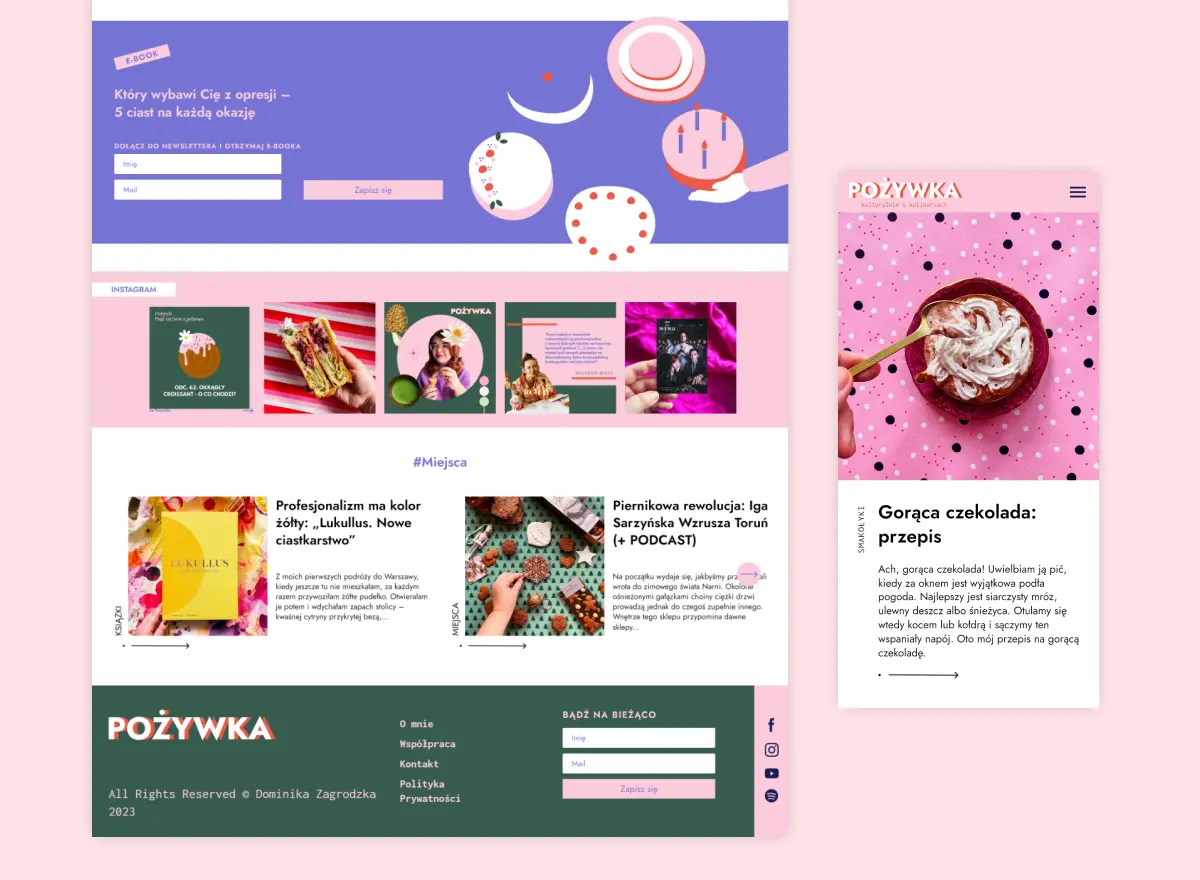
pozywka.pl
Scalable blog for food journalist, focused on performance and user experience 🌭
zagrodzki.me
Personal blog and portfolio of Bart Zagrodzki, where he shares his knowledge and work 💼
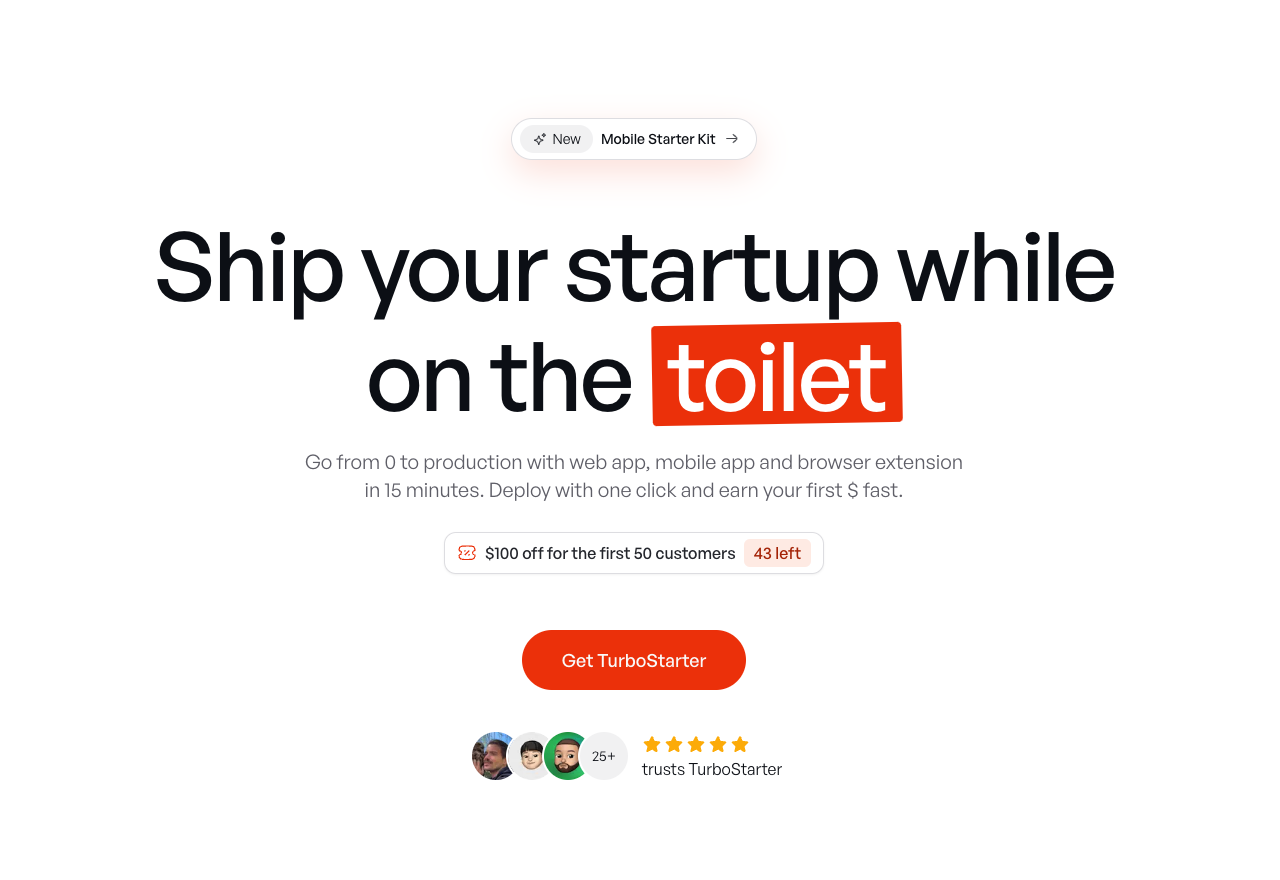
TurboStarter
Ship your startup everywhere. In minutes.
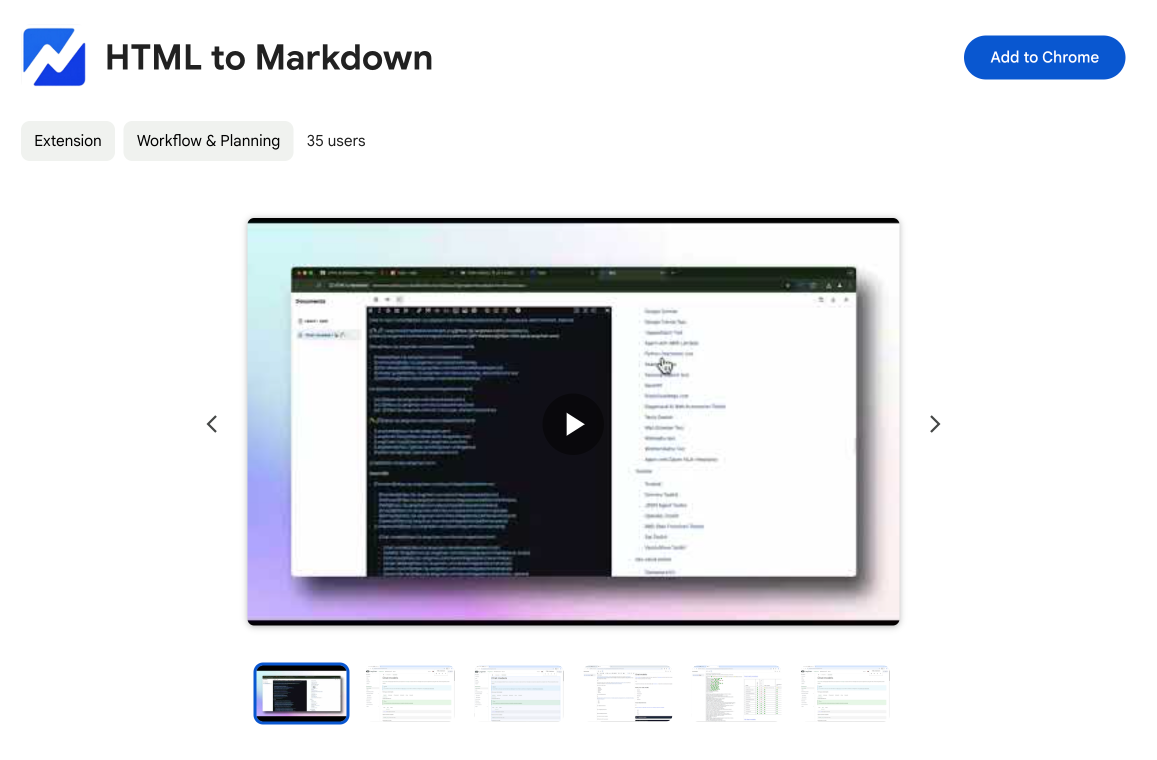
HTML to Markdown
Convert HTML to Markdown with ease, directly in your browser 📄
Dotallio
Personalized AI apps that automate research, data extraction, and content creation without code 🤖
Talk to Santa
Enjoy a magical live video chat or receive a unique AI-generated video greeting from Santa Claus 🎅
pozywka.pl
Scalable blog for food journalist, focused on performance and user experience 🌭
zagrodzki.me
Personal blog and portfolio of Bart Zagrodzki, where he shares his knowledge and work 💼
TurboStarter
Ship your startup everywhere. In minutes.
HTML to Markdown
Convert HTML to Markdown with ease, directly in your browser 📄
Dotallio
Personalized AI apps that automate research, data extraction, and content creation without code 🤖
Talk to Santa
Enjoy a magical live video chat or receive a unique AI-generated video greeting from Santa Claus 🎅
pozywka.pl
Scalable blog for food journalist, focused on performance and user experience 🌭
zagrodzki.me
Personal blog and portfolio of Bart Zagrodzki, where he shares his knowledge and work 💼
TurboStarter
Ship your startup everywhere. In minutes.
HTML to Markdown
Convert HTML to Markdown with ease, directly in your browser 📄
Dotallio
Personalized AI apps that automate research, data extraction, and content creation without code 🤖
Talk to Santa
Enjoy a magical live video chat or receive a unique AI-generated video greeting from Santa Claus 🎅
pozywka.pl
Scalable blog for food journalist, focused on performance and user experience 🌭
zagrodzki.me
Personal blog and portfolio of Bart Zagrodzki, where he shares his knowledge and work 💼
TurboStarter
Ship your startup everywhere. In minutes.
HTML to Markdown
Convert HTML to Markdown with ease, directly in your browser 📄
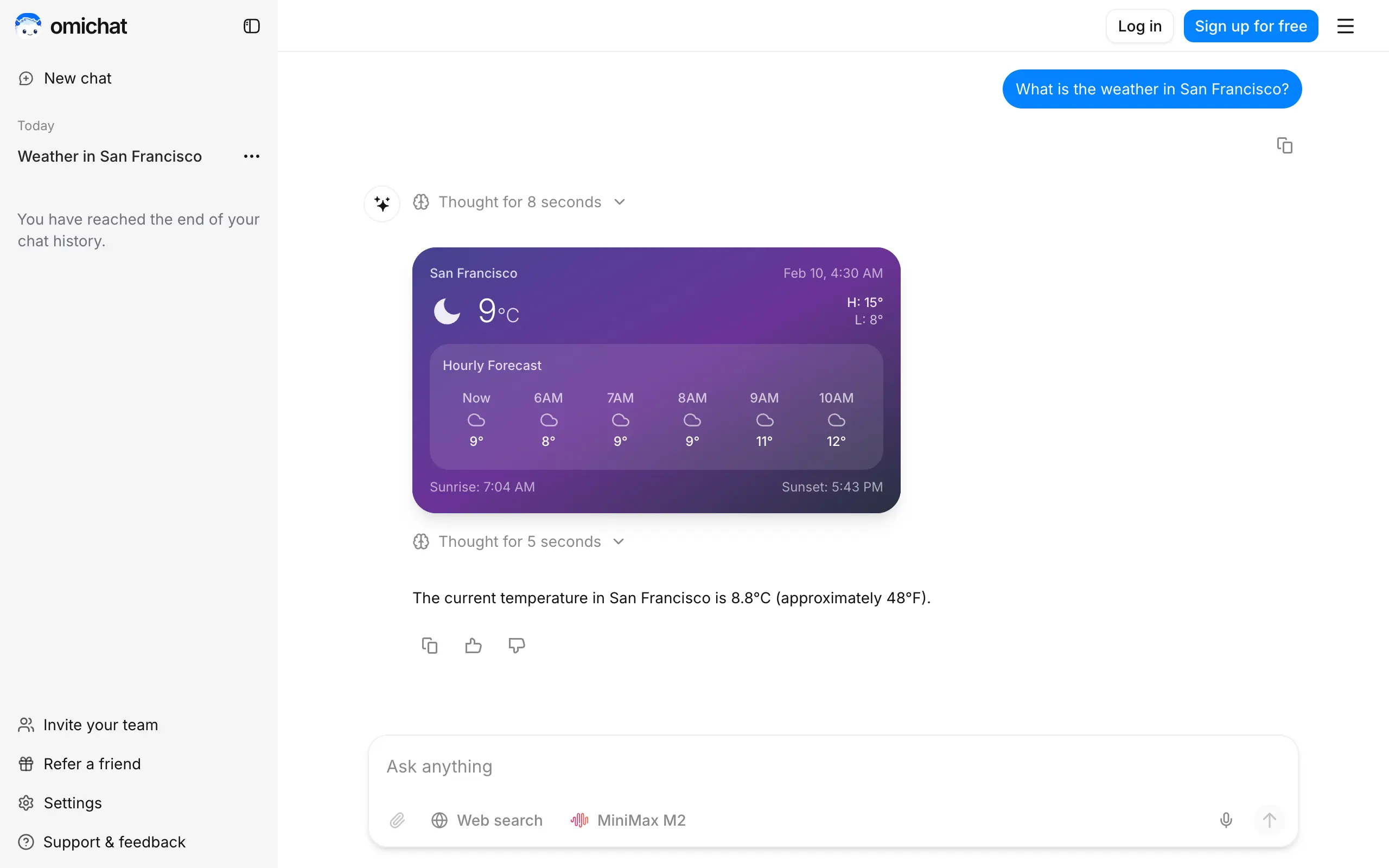
Omichat
Chat with 50+ AI models, including ChatGPT and Claude, in one place - switch models anytime without losing context 🤖
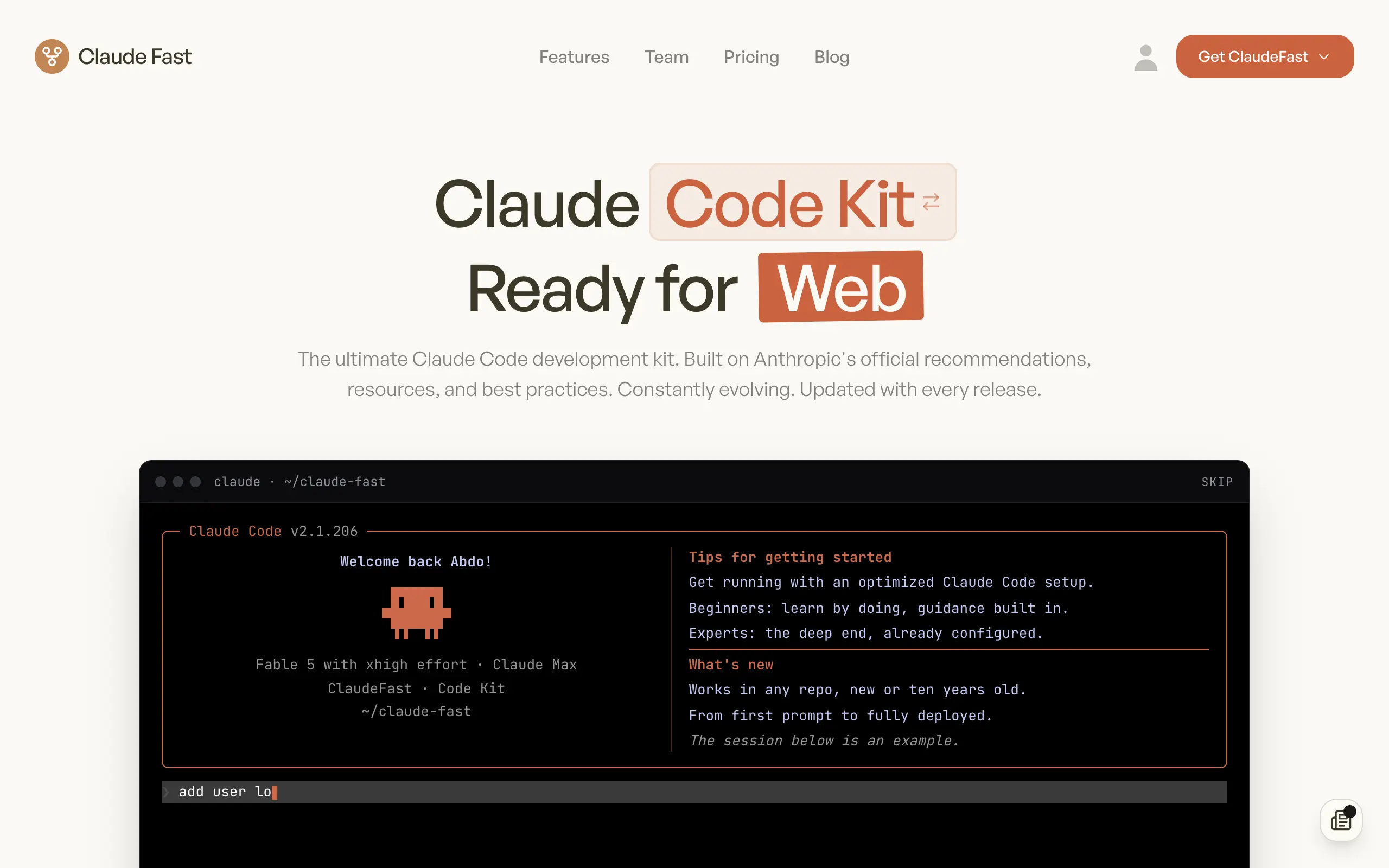
Claude Fast
Supercharge your Claude Code with 6x effective context window and specialized AI agents 🤖
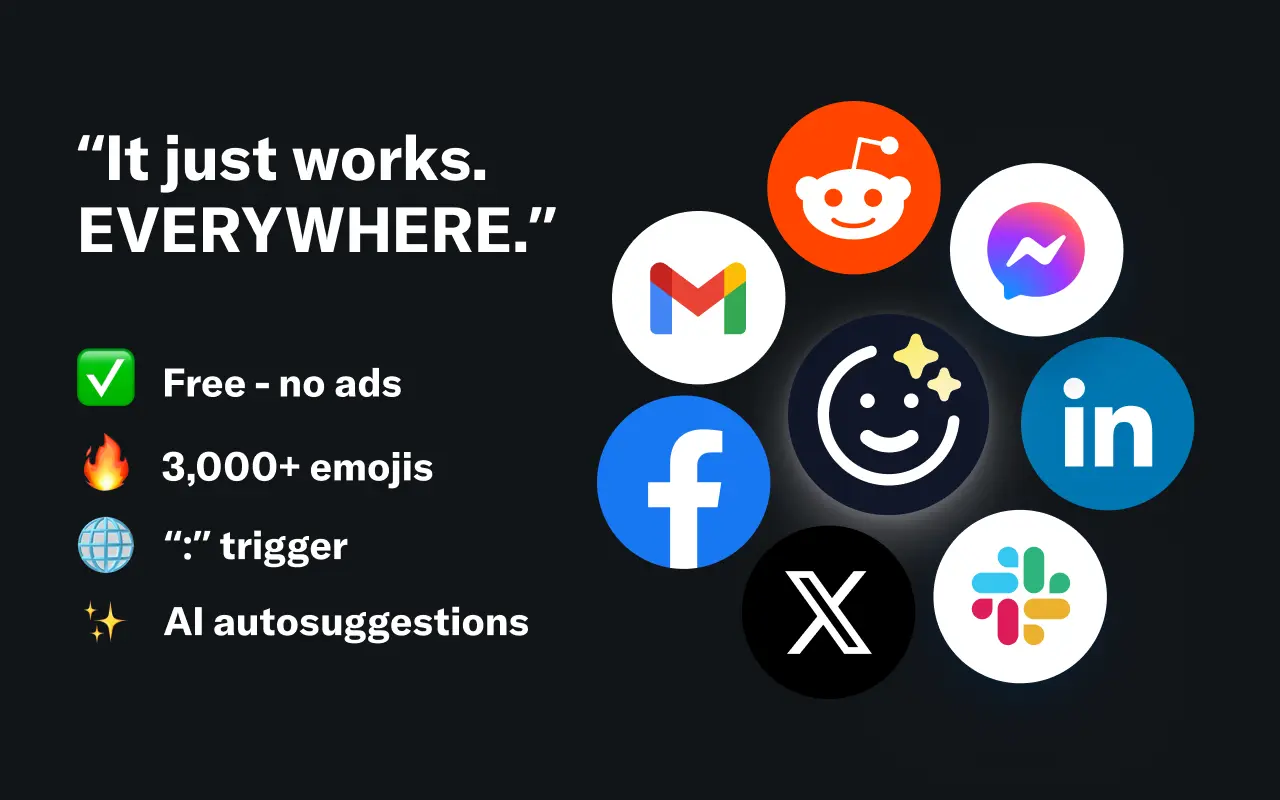
EmojAI
AI-powered emoji picker with smart, context-aware suggestions 🤖
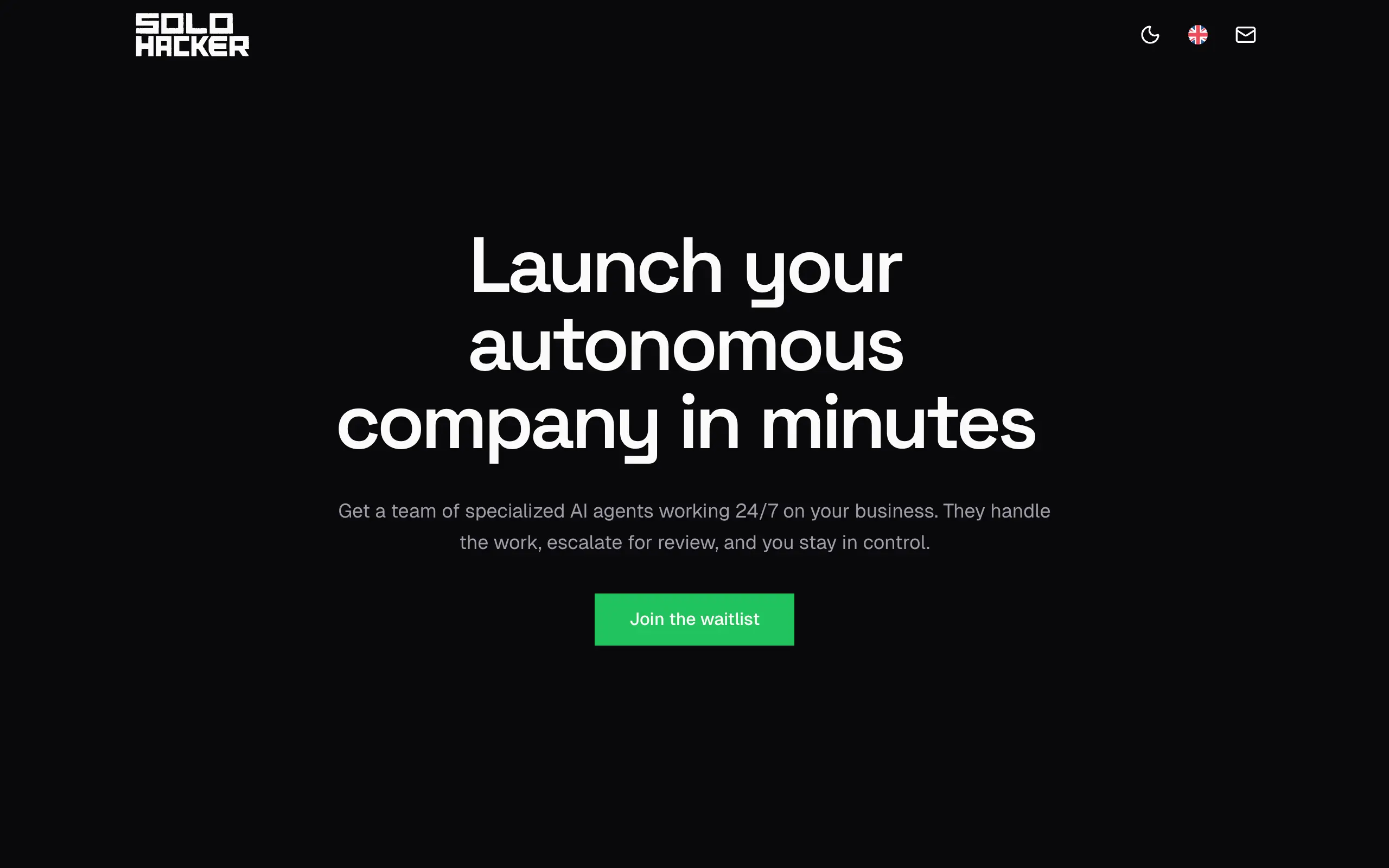
Solohacker
Autonomous company launcher - AI agents work 24/7, escalate what matters, and you stay in control 🤖
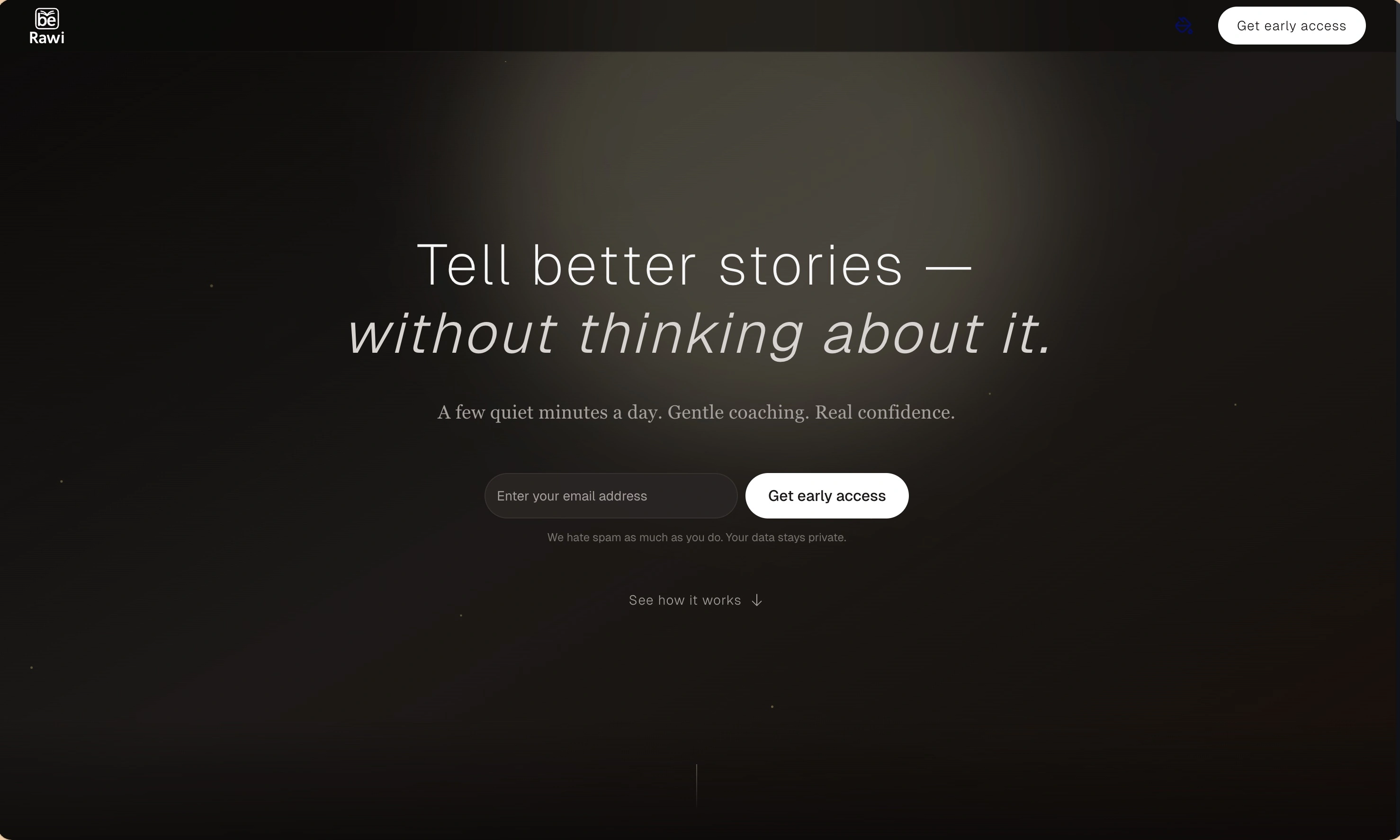
BeRawi: Storytelling Coach
Practice storytelling daily with instant feedback to sound clearer, more engaging, and confident 🎤
Omichat
Chat with 50+ AI models, including ChatGPT and Claude, in one place - switch models anytime without losing context 🤖
Claude Fast
Supercharge your Claude Code with 6x effective context window and specialized AI agents 🤖
EmojAI
AI-powered emoji picker with smart, context-aware suggestions 🤖
Solohacker
Autonomous company launcher - AI agents work 24/7, escalate what matters, and you stay in control 🤖
BeRawi: Storytelling Coach
Practice storytelling daily with instant feedback to sound clearer, more engaging, and confident 🎤
Omichat
Chat with 50+ AI models, including ChatGPT and Claude, in one place - switch models anytime without losing context 🤖
Claude Fast
Supercharge your Claude Code with 6x effective context window and specialized AI agents 🤖
EmojAI
AI-powered emoji picker with smart, context-aware suggestions 🤖
Solohacker
Autonomous company launcher - AI agents work 24/7, escalate what matters, and you stay in control 🤖
BeRawi: Storytelling Coach
Practice storytelling daily with instant feedback to sound clearer, more engaging, and confident 🎤
Omichat
Chat with 50+ AI models, including ChatGPT and Claude, in one place - switch models anytime without losing context 🤖
Claude Fast
Supercharge your Claude Code with 6x effective context window and specialized AI agents 🤖
EmojAI
AI-powered emoji picker with smart, context-aware suggestions 🤖
Solohacker
Autonomous company launcher - AI agents work 24/7, escalate what matters, and you stay in control 🤖
BeRawi: Storytelling Coach
Practice storytelling daily with instant feedback to sound clearer, more engaging, and confident 🎤

Connect with like-minded people
Join our community to get feedback, support, and grow together with 1,000+ builders on board, let's ship it!
Join usShip your startup everywhere. In minutes.
Don't burn tokens on setup and start building features on day one.