QuestNight
AI plans game nights, movie trips and pub meetups by matching friends’ tastes, schedules and nearby venues in one shareable plan.
What QuestNight solves for modern social planning
QuestNight is an AI social planning app that turns the hardest part of seeing friends into one clear, shareable plan. Instead of long group chats full of “what do you want to do?” messages, the product matches people’s tastes, schedules, budgets, and locations to recommend a game night, movie trip, pub meetup, or other local social activity.
The central problem is not a lack of things to do. Most cities have more venues, events, films, bars, and social formats than a group can realistically evaluate. The problem is coordination.
A typical group plan breaks down because someone has to manually handle several jobs at once:
- Gather availability from every attendee
- Understand preferences without making people fill out a tedious survey
- Find an activity that suits the group
- Compare nearby venues, showtimes, opening hours, and travel distance
- Consider spending comfort levels
- Create a plan everyone can understand
- Chase confirmations and adjust when someone drops out
QuestNight can become the decision layer between a group’s intent to meet and the final booking or itinerary. Its value is simple to communicate:
Tell QuestNight who is coming and what kind of night you want. It creates a practical plan the group can share, vote on, and confirm.
This makes QuestNight more than an event suggestion tool. It is an AI-powered group coordination product designed around the real social friction that causes plans to stall.
Core positioning
QuestNight should position itself as the AI social planner for groups, not merely an AI recommendation engine. Recommendations are useful, but the real product outcome is a confirmed plan that gets friends out of the group chat and into the real world.
Why an AI social planning app has a real market opportunity
The social planning category sits at the intersection of several large consumer behaviors:
- Local entertainment discovery
- Restaurant and nightlife planning
- Calendar coordination
- Group messaging
- Movie ticketing and event booking
- Friendship maintenance and shared experiences
Each category has mature products, but few tools own the full workflow for a casual group trying to decide what to do together.
People already use messaging apps to coordinate plans, map apps to find venues, ticketing apps to reserve activities, and social platforms for inspiration. This fragmented workflow creates a meaningful product gap. Users do not need another place to browse generic “things to do.” They need a system that makes a decision with the group’s constraints in mind.
For market validation, QuestNight should reference reputable sources such as consumer spending reports, local experience economy research, cinema attendance studies, and surveys on loneliness or social connection. Cite the original publisher and publication date for any hard market-size, behavior, or demographic claims. Sources from organizations such as national statistics agencies, major consulting firms, and recognized industry associations can strengthen investor and SEO-facing content.
The core market gap: discovery is abundant, consensus is scarce
Most local discovery products optimize for an individual user. They answer questions such as:
- What restaurants are near me?
- Which movie has good reviews?
- What events are happening this weekend?
- Which pub is open late?
QuestNight instead answers a higher-value group question:
What should this specific set of people do at a time that works, within a reasonable distance and budget?
That distinction matters. Group decisions have more variables than individual decisions, and every additional participant increases the chance of indecision.
A strong AI planning experience can reduce cognitive load by transforming ambiguous input, such as “something fun on Friday that is not too expensive,” into structured options. It can then show the trade-offs transparently so users trust the recommendation.
Why now is the right time for QuestNight
Several technology and behavior trends make the product more feasible than it was a few years ago.
- Generative AI interfaces can interpret conversational planning requests and turn them into structured filters.
- Modern mapping and places APIs make venue data, travel time, categories, opening hours, and ratings easier to incorporate.
- Calendar integrations can reduce the back-and-forth involved in finding a viable time.
- Consumers increasingly value experiences, particularly activities that create memorable, shareable moments with friends.
- Remote and hybrid work patterns have changed social routines, making intentional planning more important for many groups.
- Mobile-first group coordination is now expected, but users still dislike creating accounts or downloading an app before seeing value.
The opportunity is especially compelling if QuestNight uses AI to remove work rather than adding another interface users must manage.
Target audience for QuestNight
QuestNight should not initially target “everyone who has friends.” That framing is broad but weak for product design, acquisition, and retention. The better approach is to start with high-frequency planning scenarios where coordination pain is obvious.
Friend groups
Socially active groups who want an easier way to choose a movie, game night, pub, meal, or local activity.
Young professionals
Busy urban and suburban users balancing work calendars, budgets, commute times, and limited free evenings.
Group organizers
The person who repeatedly becomes the planner and wants to stop carrying the logistical burden.
Primary audience: the reluctant group organizer
The initial ideal customer profile is a socially active person aged roughly 22 to 40 who is often responsible for initiating plans. They may be the friend who says, “We should do something this week,” then gets trapped in a thread of vague replies.
Their pain is practical:
- They do not want to research ten venues.
- They do not know everyone’s budget.
- They do not want to appear controlling by choosing alone.
- They need a plan that respects travel and schedule constraints.
- They want the group to agree quickly without endless messages.
QuestNight gives this user social leverage. Rather than dictating a plan, the organizer can share AI-generated options that visibly reflect everyone’s input.
Secondary audience: mixed-interest friend groups
Mixed-interest groups are a powerful use case because generic recommendation apps often fail them.
Consider a group where:
- One person wants a lively pub
- One wants a quiet place to talk
- One does not drink
- One has a tight budget
- One needs to leave early
- Two people live on opposite sides of the city
QuestNight can create an inclusive recommendation, such as a board game café near transit with food options, followed by an optional nearby pub for people who want to continue. The key is not forcing perfect consensus. It is identifying the best practical compromise and making alternatives visible.
Tertiary audience: couples, families, and communities
After proving the friend-group workflow, QuestNight can expand to adjacent segments:
- Couples looking for personalized date-night ideas
- Families coordinating kid-friendly local activities
- University societies planning casual meetups
- Coworker groups arranging after-work social events
- Community managers hosting recurring gatherings
- Travelers coordinating a night out with a small group
These audiences should be treated as expansion opportunities, not as the first product message. A focused initial use case will make onboarding, SEO, and paid acquisition much clearer.
The QuestNight product experience
The best QuestNight experience should feel fast, collaborative, and grounded in real-world logistics. A user should be able to start a plan in less than a minute, invite friends through a link, and receive recommendations that are explainable rather than mysterious.
A recommended user journey
The important product principle is progressive disclosure. Do not ask users to complete a long form before providing value. Start with enough information to offer plausible options, then refine the plan as participants respond.
Core features for the MVP
An MVP should concentrate on the planning loop instead of attempting to become a full local marketplace on day one.
| Feature | User problem | QuestNight solution | MVP priority | Success signal |
|---|---|---|---|---|
| Plan builder | Groups begin with vague ideas | Guided prompts for activity, date, area, group size, and budget | High | Plan creation rate |
| Guest preference capture | Organizers do not know everyone’s constraints | Link-based voting and short preference inputs | High | Guest response rate |
| AI itinerary generation | Research and comparison take too long | Ranked local plans with transparent reasoning | High | Recommendation selection rate |
| Availability matching | Schedules cause plans to collapse | Manual time windows first, calendar sync later | High | Confirmed plan rate |
| Booking handoff | Selected plans still require action | Deep links to venue, cinema, or reservation provider | Medium | Outbound booking clicks |
AI recommendation engine and recommendation transparency
The AI layer should not be treated as a magical black box. For QuestNight, a trustworthy recommendation system combines deterministic constraints with language-model reasoning.
The recommendation pipeline can work like this:
- Convert user input into structured data.
- Collect venue and event candidates from reliable data sources.
- Filter candidates by non-negotiable constraints.
- Score remaining options against group preferences.
- Generate concise, human-readable explanations.
- Present alternatives when the top choice requires trade-offs.
For example, a recommendation explanation could say:
This board game café is the best overall match because it is within 20 minutes of most attendees, fits the group’s moderate budget, stays open until 11 PM, and has food options. The trade-off is that it is less suitable if the group wants a loud nightlife atmosphere.
That explanation is strategically important. Users are more willing to accept an AI recommendation when they can see the reasoning and modify the assumptions.
A practical preference model
QuestNight should use both explicit and implicit preferences.
Explicit preferences may include:
- Preferred activity types
- Maximum spend
- Travel tolerance
- Dietary requirements
- Accessibility requirements
- Noise level preference
- Indoor or outdoor preference
- Earliest arrival and latest departure
- Alcohol-focused, alcohol-optional, or alcohol-free preference
Implicit preferences can be learned over time from behavior:
- Plans a user votes for
- Venues they reject
- Typical group size
- Neighborhoods they choose
- Average booking lead time
- Activities that produce repeat planning
Privacy should be built into this model from the start. Users should understand what is saved, why it is used, and how to delete or edit it.
How QuestNight can create better plans than a group chat
A group chat is familiar, free, and deeply embedded in users’ lives. QuestNight does not need to replace it. It needs to complement it by creating a better decision artifact than a long thread of messages.
The shareable plan should be the product’s central object. It should contain:
- A concise plan title
- Date and time
- Suggested venue or activity
- Map and travel context
- Expected individual cost range
- Why the plan suits the group
- RSVP status
- A vote or fallback option
- Booking or reservation handoff
- A short link suitable for messaging apps
The product wins when someone can drop the plan into a group chat and get responses such as “This works for me” rather than reopening the decision.
Example QuestNight plan output
type GroupPlan = {
  activity: "Board game café";
  venue: "Nearby venue matched to group travel time";
  startTime: "Friday, 7:30 PM";
  estimatedCostPerPerson: "$20–$35";
  matchReason: [
    "Fits five of six participants' availability",
    "Matches moderate budget preferences",
    "Offers food and non-alcoholic options",
    "Keeps median travel time under 25 minutes",
  ];
  fallback: "Casual pub meetup in the same neighborhood";
};
This structured plan model also gives QuestNight a foundation for analytics, experimentation, notifications, and future booking integrations.
Recommended technology stack for QuestNight
QuestNight needs a stack that supports a polished consumer experience, collaborative state, AI orchestration, location-aware search, and secure handling of user data. Speed matters in an early-stage product, but reliability matters equally because incorrect venue details or broken plans damage trust quickly.
A strong starting point is a TypeScript-first architecture.
Frontend and application framework
Use Next.js with React and TypeScript.
This combination supports:
- Fast landing pages for SEO
- Server-side rendering for indexable city and activity pages
- Secure server-side API calls
- Responsive web application flows
- Shareable plan URLs
- A single language across frontend and backend logic
For styling, Tailwind CSS is a practical choice for an early SaaS team. It enables quick iteration and consistent design systems without requiring large custom CSS files.
For client-side server state, TanStack Query can handle caching, loading states, retries, and optimistic updates. This is useful for collaborative RSVPs, votes, and plan changes.
Backend, data, and authentication
Use PostgreSQL as the primary database. Social planning data is relational by nature. Users belong to groups, groups contain plans, plans include participants, and venues can be associated with multiple recommendations.
A managed platform such as Supabase can accelerate development by bundling PostgreSQL, authentication, storage, row-level security, and real-time capabilities. It is particularly suitable for an MVP where the team wants to avoid building foundational infrastructure from scratch.
Recommended core entities include:
- Users
- Guest identities
- Friend groups
- Plans
- Plan participants
- Availability windows
- Preference profiles
- Venue candidates
- Recommendations
- Votes
- Confirmed itineraries
- Notifications
- Consent and data-deletion records
For authentication, passwordless email links and social login reduce friction. Guest participation should remain possible through secure, expiring plan links. Requiring every invitee to create an account before voting will materially reduce activation.
AI orchestration and structured outputs
QuestNight should implement AI with guardrails.
Use an LLM through a server-side provider integration for:
- Intent parsing
- Conversational plan creation
- Preference summarization
- Explanation generation
- Venue category normalization
- Itinerary copy generation
However, the model should not invent venue data, prices, opening hours, or event availability. Those facts must come from structured sources and be verified at retrieval time.
Use schema validation with a library such as Zod so model outputs conform to explicit types before they reach the user interface. This is vital when AI output triggers booking links, cost estimates, or availability statements.
Maps, venue data, and event integrations
Venue recommendations are only as good as the underlying data. QuestNight should start with one dependable places provider and clearly label information that may change.
Google Maps Platform provides mapping, geocoding, travel estimates, and place data, but usage costs can scale quickly. Mapbox offers strong mapping tools and can be attractive for certain visual or pricing requirements. The right choice depends on geographic coverage, place-data needs, licensing, and projected request volume.
The main trade-off is straightforward:
- Richer commercial data providers offer convenience and coverage but may have higher cost and stricter display requirements.
- Open data sources can reduce dependency but often require more normalization, quality control, and regional validation.
For cinemas, activities, reservations, and ticketing, begin with outbound handoffs rather than attempting direct booking integrations everywhere. This reduces operational complexity while validating whether users actually reach the booking stage.
Real-time collaboration and notifications
Use real-time updates for only the moments where they improve group momentum:
- A friend submits availability
- A vote changes the leading option
- A plan reaches quorum
- The organizer updates a confirmed detail
Supabase Realtime, WebSockets, or a managed pub/sub service can support this. Avoid making every UI element real-time initially, as complexity can outpace the user benefit.
For reminders, use transactional email and optional push notifications. Resend is a developer-friendly email option, while mobile push can come later through a native wrapper or progressive web app approach.
Build fast without sacrificing the foundations
QuestNight’s initial team should prioritize product learning over infrastructure theater. A SaaS starter can shorten the path to a secure, production-ready base with authentication, billing patterns, database integrations, and application structure already considered.
TurboStarter is a useful starting point for teams that want to launch their SaaS foundation faster while retaining flexibility for a custom AI planning workflow.
Monetization strategies for QuestNight
QuestNight should avoid putting a hard paywall in front of the first successful group plan. The core loop depends on frictionless sharing and participation. Monetization should appear after users understand the value of saving time and creating better social experiences.
Freemium consumer subscription
A free tier can support occasional planning:
- A limited number of active plans
- Standard recommendations
- Basic voting
- Shareable guest links
A paid tier could include:
- Unlimited plans
- Saved group profiles
- Advanced preference matching
- Calendar integrations
- Smart reminders
- Multi-stop itineraries
- Premium venue filters
- Personalized recurring suggestions
- Priority support
This model works best if QuestNight becomes a habitual planner rather than a one-off utility. Retention will depend on recurring use cases such as weekly game nights, monthly movie trips, or regular after-work meetups.
Affiliate and booking revenue
QuestNight can earn referral revenue when users book through a partner or complete a tracked action. Potential categories include:
- Cinema tickets
- Restaurant reservations
- Ticketed events
- Escape rooms and local activities
- Bowling, mini golf, and similar venues
- Ride-sharing or transport partners where permitted
Affiliate revenue aligns with user value when recommendations are genuinely relevant. The risk is that commissions can bias ranking. QuestNight should label sponsored placements and preserve a clear distinction between “best match” and “promoted option.”
Venue and local business subscriptions
Local venues may pay for enhanced profiles, availability updates, special group packages, or measurable lead generation.
This model should come later. Selling to local businesses introduces a different operational motion involving outreach, onboarding, attribution disputes, and support. It becomes more viable after QuestNight can demonstrate recurring local demand in a concentrated geography.
B2B community and workplace plans
QuestNight could eventually offer planning tools for:
- Coworking spaces
- Community teams
- University organizations
- Employee experience programs
- Apartment communities
- Social clubs
B2B pricing can improve revenue predictability, but it should not distract from the consumer product until QuestNight has proven that its group recommendation and RSVP loop works.
Competitive advantage analysis
QuestNight operates near products such as messaging apps, map platforms, event discovery tools, restaurant reservation apps, and generic AI assistants. Its competitive edge will not come from offering every feature those platforms have. It will come from combining their fragmented jobs into an opinionated social-planning workflow.
The QuestNight USP
QuestNight’s unique selling proposition is:
An AI planner that matches a real group’s schedules, tastes, budgets, and local options to produce one shareable social plan people can actually confirm.
This is more specific and defensible than “AI recommendations for fun things to do.”
Competitive comparison
| Alternative | What it does well | Where it falls short | QuestNight advantage | Strategic lesson |
|---|---|---|---|---|
| Group chats | Low-friction communication | Unstructured decisions and organizer burden | Turns discussion into a decision-ready plan | Integrate through sharing rather than replacement |
| Maps and review apps | Local venue discovery | Usually optimized for individuals | Matches options to the whole group | Use trusted place data and add group context |
| Ticketing and booking apps | Transactions and inventory | Weak at early-stage consensus | Solves decision-making before checkout | Use booking handoffs before deep integrations |
| Generic AI assistants | Flexible conversational ideation | Limited shared state and local verification | Collaborative plans with structured constraints | Prioritize data quality and group workflow |
Defensibility through data and habit
The early defensibility is not the language model itself. AI models are increasingly accessible. QuestNight’s defensibility comes from the product layer around the model:
- Aggregated, consented preference patterns
- Group-level planning history
- Outcomes such as votes, confirmations, and repeat activity types
- Local recommendation quality
- Strong shareable-plan UX
- Integrations and user trust
- Brand association with easy social coordination
Over time, QuestNight can learn which recommendations work for specific group archetypes. For instance, it may learn that a group says it wants a pub meetup but repeatedly chooses food-led venues near public transport. That behavioral insight can improve future plans in a way that a one-off prompt cannot.
Risks and how to mitigate them
A realistic strategy must acknowledge the operational and trust risks of an AI social planning product.
AI-generated claims about opening hours, prices, accessibility, or availability can cause users to lose trust quickly. Mitigate this by using retrieved, structured venue data as the source of truth. Display when information was last checked, link users to the venue or booking provider, and avoid presenting uncertain data as fact.
QuestNight will initially know little about a new group. Use a short preference onboarding flow, broad activity templates, location-based defaults, and transparent filters. Ask only high-signal questions, then learn from votes and selections over time.
Every extra step reduces response rates. Let guests participate through a secure link, use one-tap voting, limit required fields, and show a compelling plan preview before signup. The organizer should still receive a useful recommendation even if only some guests respond.
Mapping, place data, event listings, and booking platforms can change pricing, policies, or access. Abstract provider logic behind internal interfaces, cache permitted data carefully, monitor costs, and avoid designing the product around a single fragile integration.
Availability, location, and lifestyle preferences are sensitive. Request clear consent, use minimum necessary data, encrypt data in transit and at rest, provide deletion controls, and make calendar permissions optional and narrowly scoped.
A system that optimizes only for majority preferences can exclude quieter group members or people with access needs. Treat accessibility, dietary needs, and hard constraints as first-class inputs. Explain trade-offs and provide alternatives instead of hiding minority needs.
Safety, privacy, and trust requirements
QuestNight should implement trust features before it scales acquisition.
At a minimum, the product should include:
- Clear privacy policy and consent flows
- Account and data deletion controls
- Secure guest links with expiration options
- Rate limiting and abuse prevention
- Content moderation rules for shared plans and comments
- Location precision controls
- Transparent sponsored-placement labeling
- An accessible interface with keyboard and screen-reader support
- A method to report incorrect venue information
If QuestNight operates in regions covered by privacy regulations, seek professional legal guidance on data processing, consent, retention, and vendor agreements. Product teams should not treat compliance as a last-minute checkbox.
Go-to-market strategy and SEO opportunities
QuestNight has strong SEO potential because users search for activities by city, occasion, group type, and timing. However, generic “things to do” pages will be highly competitive. The smarter strategy is to create useful, intent-specific content that connects directly to planning.
Examples of high-intent SEO themes include:
- Game night ideas for adults
- How to plan a group movie night
- Best pub meetup ideas for coworkers
- Cheap group activities in a city
- Last-minute plans with friends
- Date night ideas based on shared interests
- How to choose an activity for a group with different tastes
- Group outing planner
- AI social planning app
Content should offer real planning frameworks, not thin keyword pages. For city-specific pages, avoid automatically generating low-quality location content. Each page should include practical local context, planning tips, neighborhood considerations, seasonal factors, and a relevant QuestNight planning call to action.
Product-led growth loop
QuestNight’s strongest acquisition mechanism is likely the shareable plan.
- An organizer creates a plan.
- They share it in an existing group chat.
- Friends visit the plan to vote or add constraints.
- Some guests become future organizers.
- Repeat groups create recurring plans.
This loop works only if guest access is exceptionally smooth. Measure the full funnel carefully:
- Landing page to plan start
- Plan start to invite sent
- Invite sent to guest view
- Guest view to response
- Response to option selected
- Option selected to confirmed plan
- Confirmed plan to repeat plan within 30 days
The confirmed plan rate is more valuable than raw signups because it measures whether QuestNight delivered its promised outcome.
Actionable implementation plan for QuestNight
A disciplined launch should focus on one city or region, a limited set of activity categories, and a narrow audience. Broad coverage can come after the product proves that it creates reliable plans.
Phase one: validate the planning workflow
Build the smallest version that can answer this question:
Will groups use an AI-generated shared plan to reach a decision faster than they would in a chat?
Include:
- Plan creation
- Invite links
- Availability windows
- Simple preference inputs
- One or two activity categories
- Venue retrieval in one geography
- AI-ranked recommendations
- Voting and RSVP
- Booking handoff links
- Basic analytics
Do not begin with native mobile apps, a social feed, direct ticketing, or a broad marketplace.
Phase two: improve recommendation quality
Once users make plans, study why they choose or reject options.
Add:
- Better budget handling
- Travel-time optimization
- Group preference weights
- Plan alternatives
- Recommendation explanations
- Venue feedback
- Saved group profiles
- Reminder automation
- Repeat-plan templates
At this phase, the product should distinguish between interest, selection, and actual attendance. A plan someone votes for is not necessarily a plan they complete.
Phase three: build retention and monetization
After QuestNight demonstrates repeat planning behavior, test monetization gently.
Potential experiments include:
- Premium recurring group plans
- Advanced calendar coordination
- Curated date-night subscriptions
- Affiliate booking links
- Local venue packages
- Community or workplace plans
Use cohort analysis to determine whether paid features improve retention or simply monetize a small set of power users. The best early monetization path is the one that preserves trust in recommendation quality.
Avoid premature complexity
QuestNight should not try to become a complete replacement for messaging, maps, reservations, payments, and ticketing systems in the first release. Win the group decision moment first, then expand around the workflow users repeatedly value.
Final take: QuestNight can own the decision before the night out
QuestNight addresses a relatable and frequent problem: friends want to meet, but coordinating the details is annoying enough that plans often fail. An AI social planning app can solve this by combining availability matching, preference-aware recommendations, nearby venue data, voting, and a shareable final plan.
The product’s strongest differentiator is not AI alone. It is the ability to turn a messy group conversation into a practical, inclusive, and confirmed social plan.
To build a credible first version:
- Focus on friend groups and the recurring organizer persona.
- Start with a few high-frequency plan types such as game nights, movie trips, and pub meetups.
- Make invite links and guest voting frictionless.
- Use verified location data for factual recommendations.
- Explain AI suggestions and reveal trade-offs.
- Measure confirmed plans and repeat usage, not just generated ideas.
- Expand monetization only after the planning loop becomes habitual.
With a focused launch, trustworthy recommendations, and a shareable experience that fits naturally into existing group chats, QuestNight can become the planning layer people reach for whenever someone says, “What should we do this weekend?”
More 🤖 AI Startup SaaS ideas
Discover more innovative ai startup SaaS ideas that are trending in 2026. Each idea is AI-generated with market validation and growth potential to help you find your next profitable venture faster than competitors.
Your competitors are building with TurboStarter
Below are some of the SaaS ideas that have been generated and built with our starter kit.
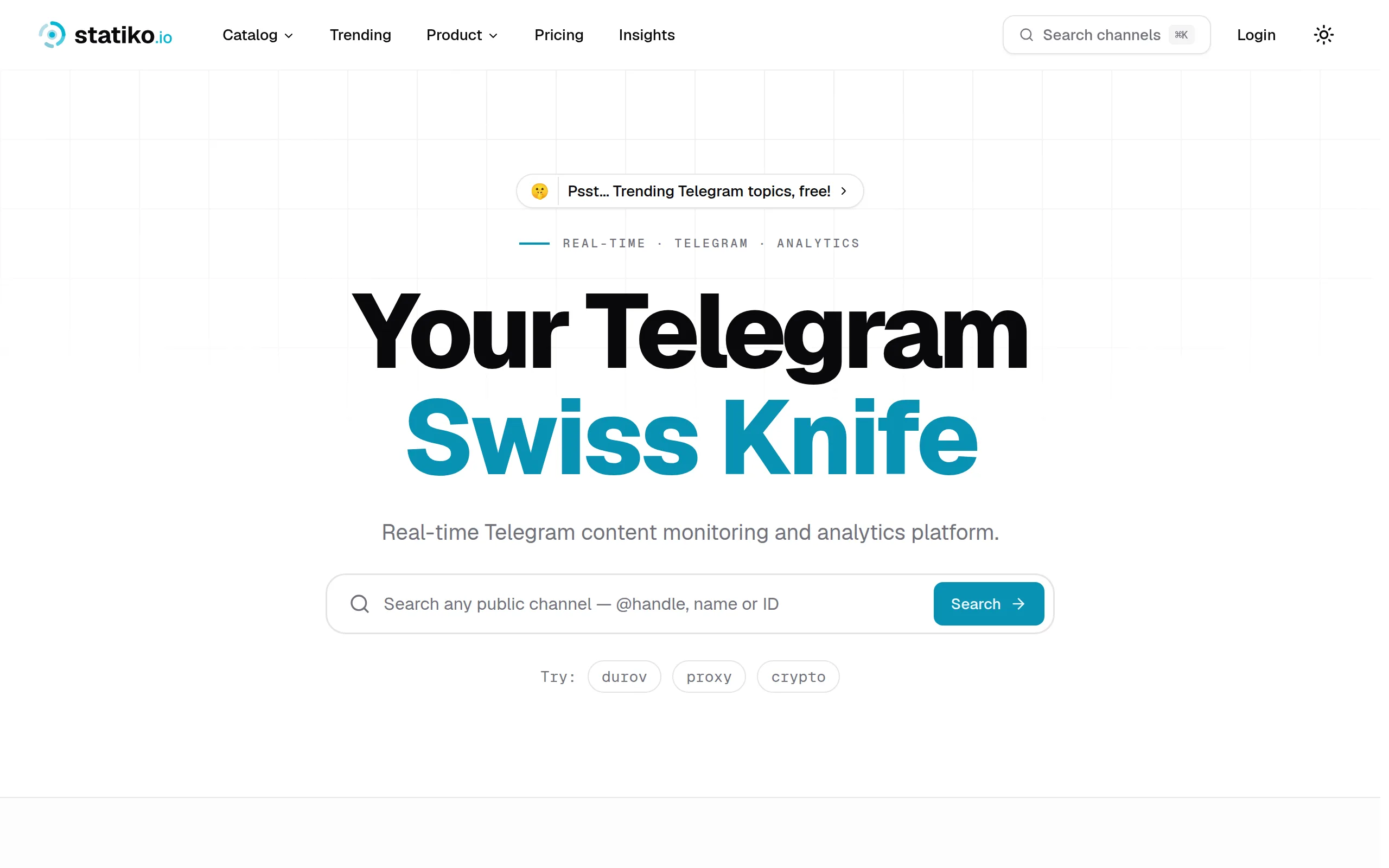
Statiko
Monitor any Telegram channel in real time - track posts, edits, deletions, and growth with AI recaps 📡
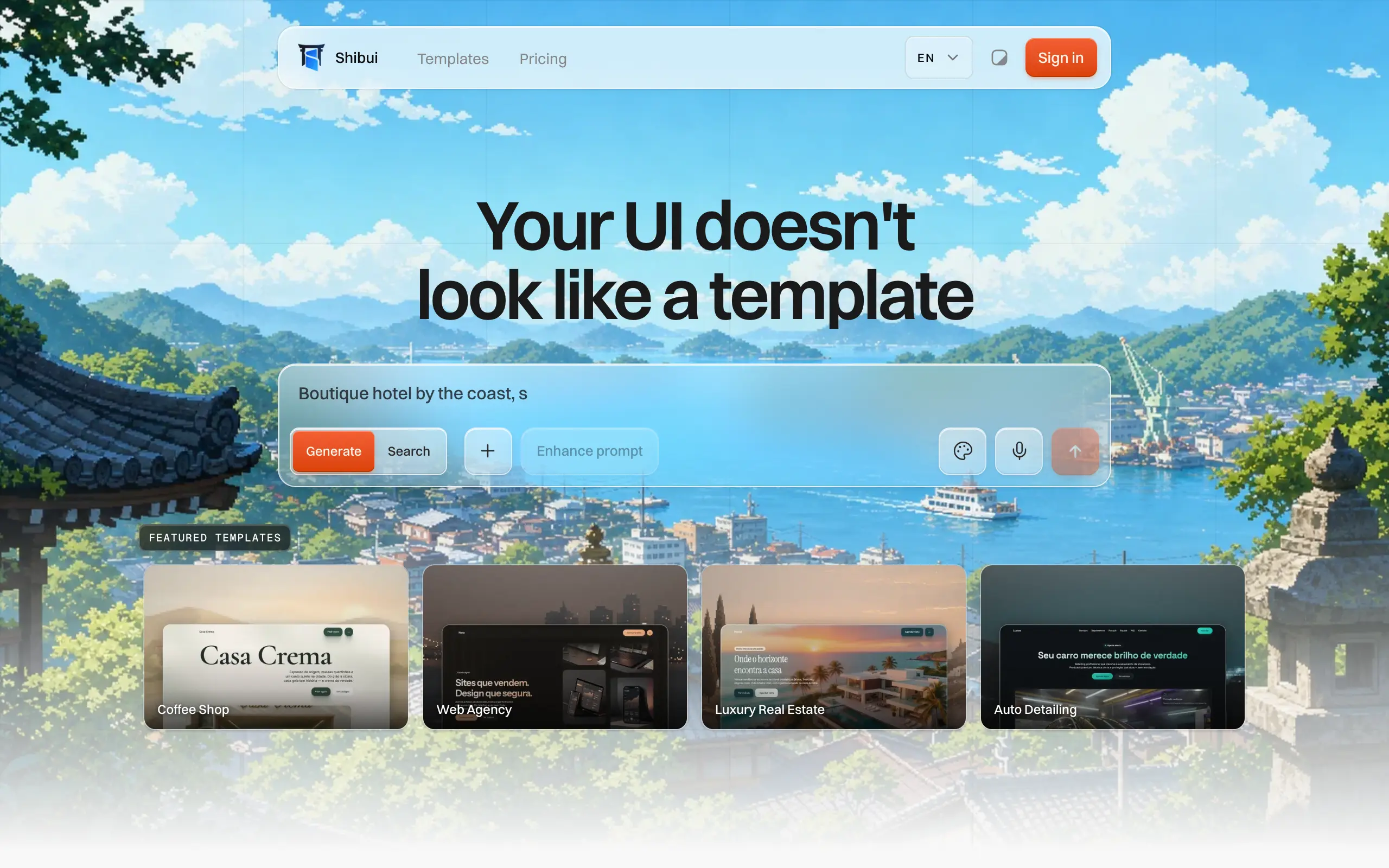
Shibui
AI website builder - describe your business, pick a niche template, edit by chatting, and publish instantly ✨
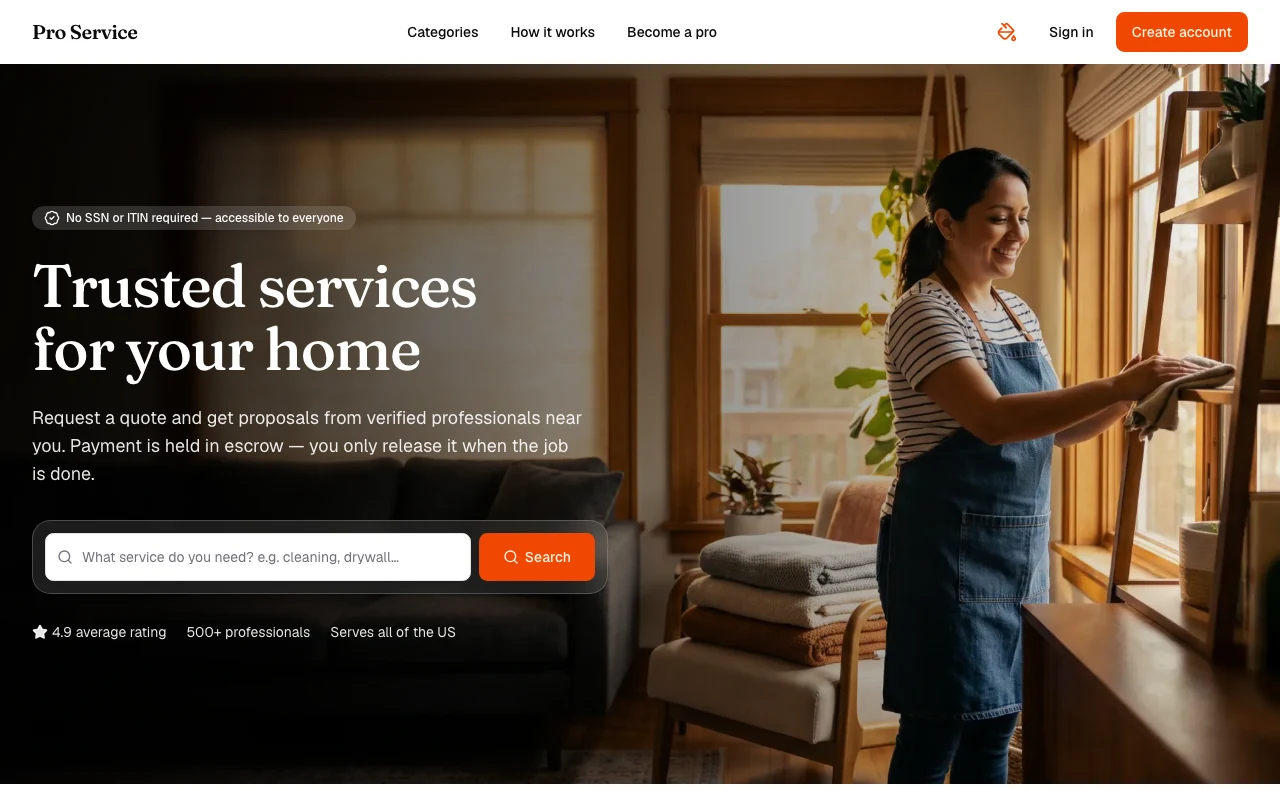
Pro Service
Find verified home service professionals, compare quotes, and pay securely through escrow - built for Brazilians across the US 🏠
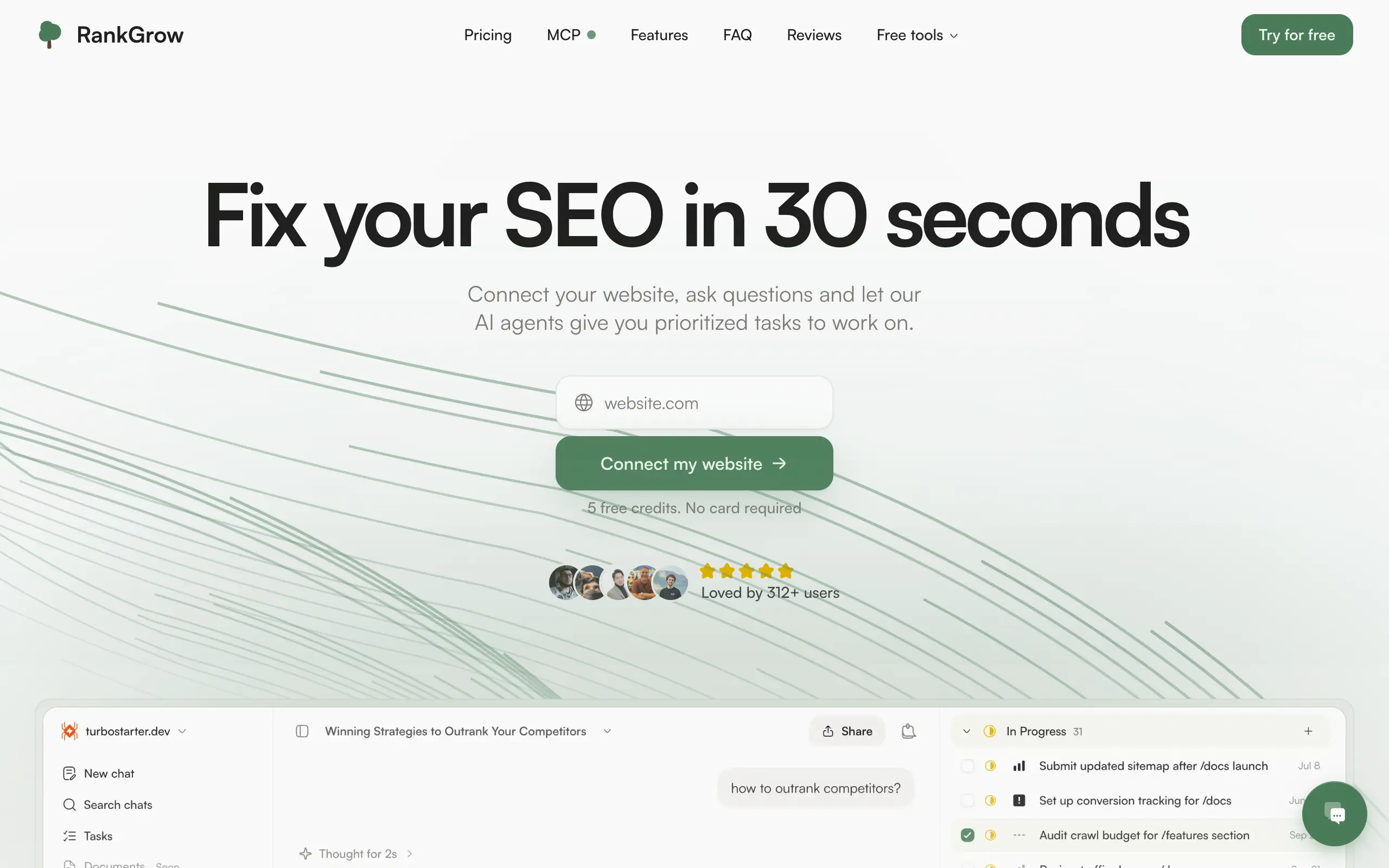
RankGrow
Fix your SEO with AI agents - connect Search Console, get prioritized tasks, and grow organic traffic 📈
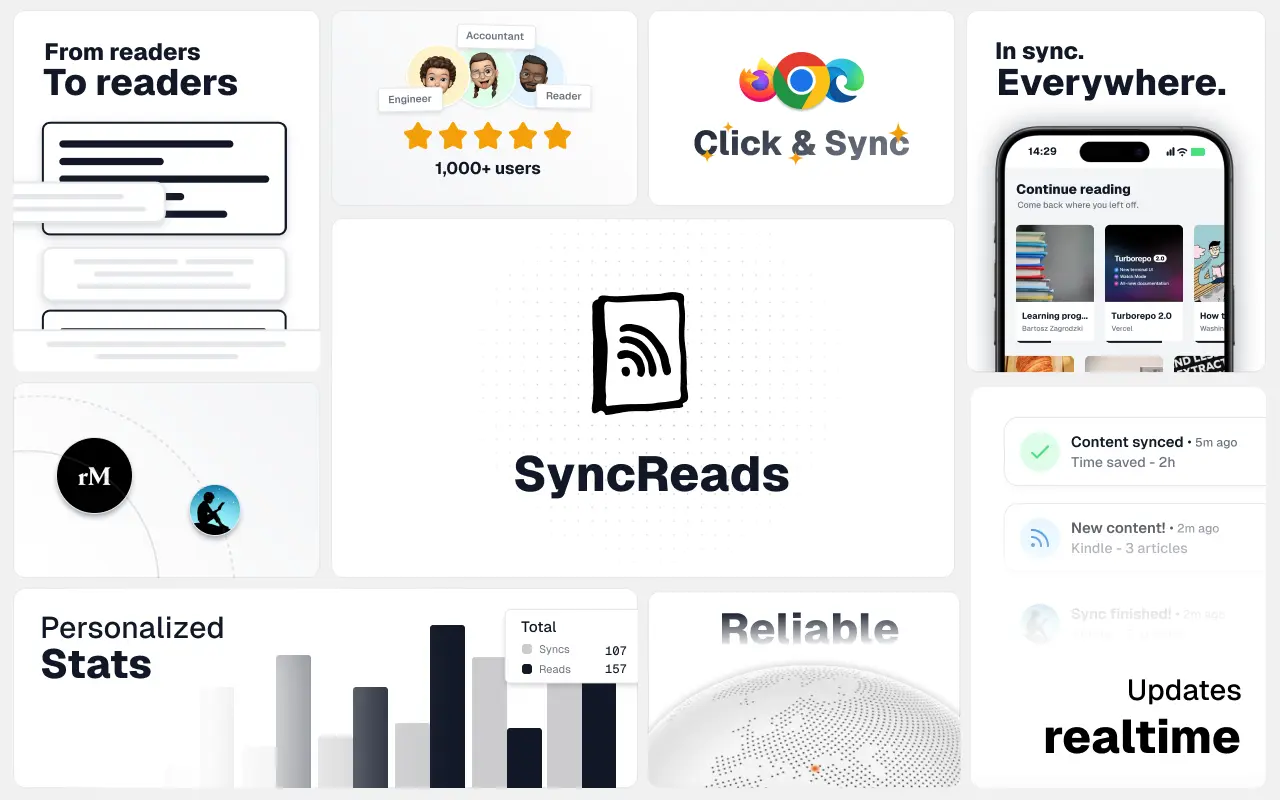
SyncReads
Sync your favorite content for distraction-free reading, save time and replace multiple apps. Anytime, anywhere 🔄
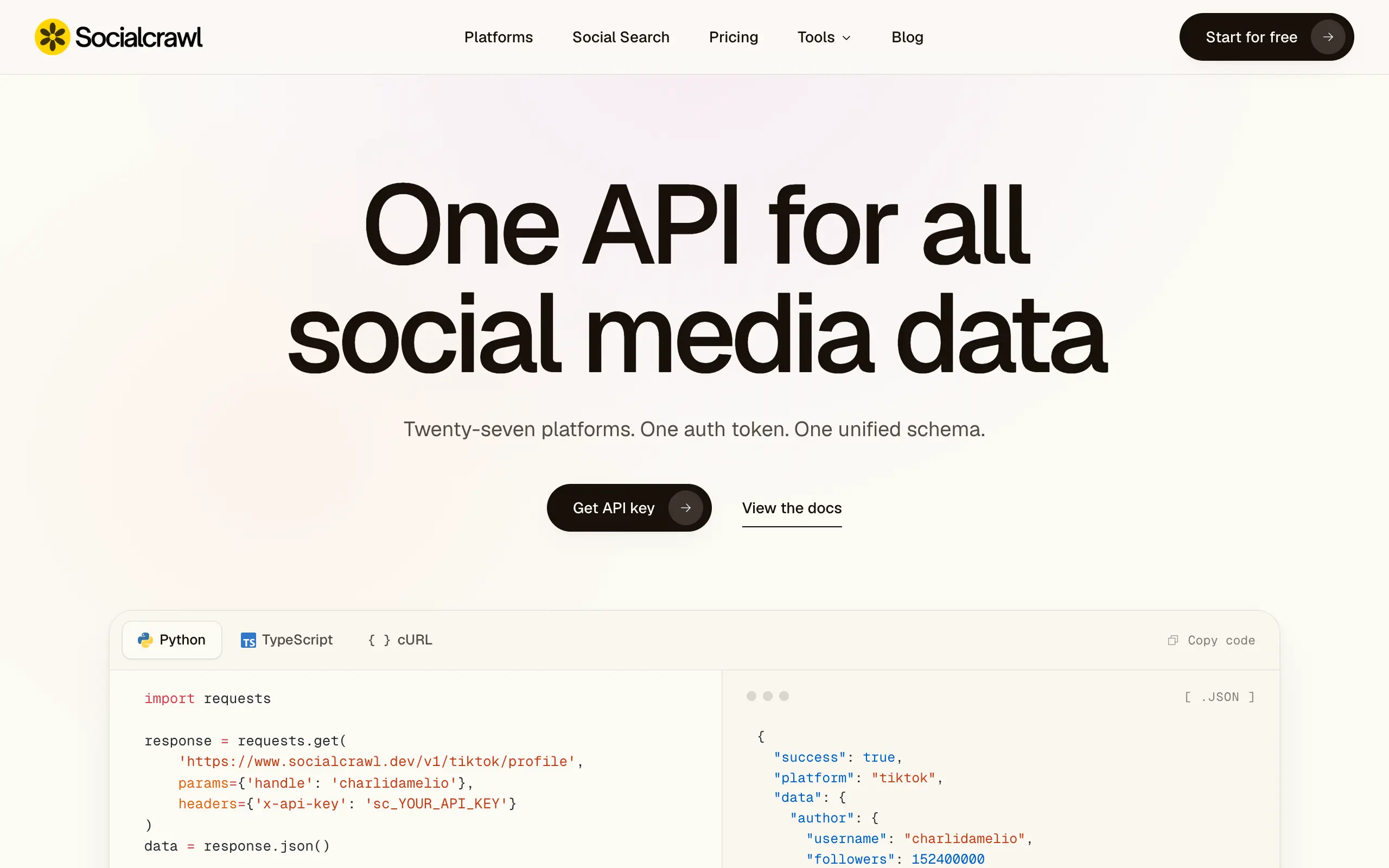
Socialcrawl
Get clean, structured data from 21 platforms like TikTok, Instagram, and YouTube with a single request 📊
Statiko
Monitor any Telegram channel in real time - track posts, edits, deletions, and growth with AI recaps 📡
Shibui
AI website builder - describe your business, pick a niche template, edit by chatting, and publish instantly ✨
Pro Service
Find verified home service professionals, compare quotes, and pay securely through escrow - built for Brazilians across the US 🏠
RankGrow
Fix your SEO with AI agents - connect Search Console, get prioritized tasks, and grow organic traffic 📈
SyncReads
Sync your favorite content for distraction-free reading, save time and replace multiple apps. Anytime, anywhere 🔄
Socialcrawl
Get clean, structured data from 21 platforms like TikTok, Instagram, and YouTube with a single request 📊
Statiko
Monitor any Telegram channel in real time - track posts, edits, deletions, and growth with AI recaps 📡
Shibui
AI website builder - describe your business, pick a niche template, edit by chatting, and publish instantly ✨
Pro Service
Find verified home service professionals, compare quotes, and pay securely through escrow - built for Brazilians across the US 🏠
RankGrow
Fix your SEO with AI agents - connect Search Console, get prioritized tasks, and grow organic traffic 📈
SyncReads
Sync your favorite content for distraction-free reading, save time and replace multiple apps. Anytime, anywhere 🔄
Socialcrawl
Get clean, structured data from 21 platforms like TikTok, Instagram, and YouTube with a single request 📊
Statiko
Monitor any Telegram channel in real time - track posts, edits, deletions, and growth with AI recaps 📡
Shibui
AI website builder - describe your business, pick a niche template, edit by chatting, and publish instantly ✨
Pro Service
Find verified home service professionals, compare quotes, and pay securely through escrow - built for Brazilians across the US 🏠
RankGrow
Fix your SEO with AI agents - connect Search Console, get prioritized tasks, and grow organic traffic 📈
SyncReads
Sync your favorite content for distraction-free reading, save time and replace multiple apps. Anytime, anywhere 🔄
Socialcrawl
Get clean, structured data from 21 platforms like TikTok, Instagram, and YouTube with a single request 📊
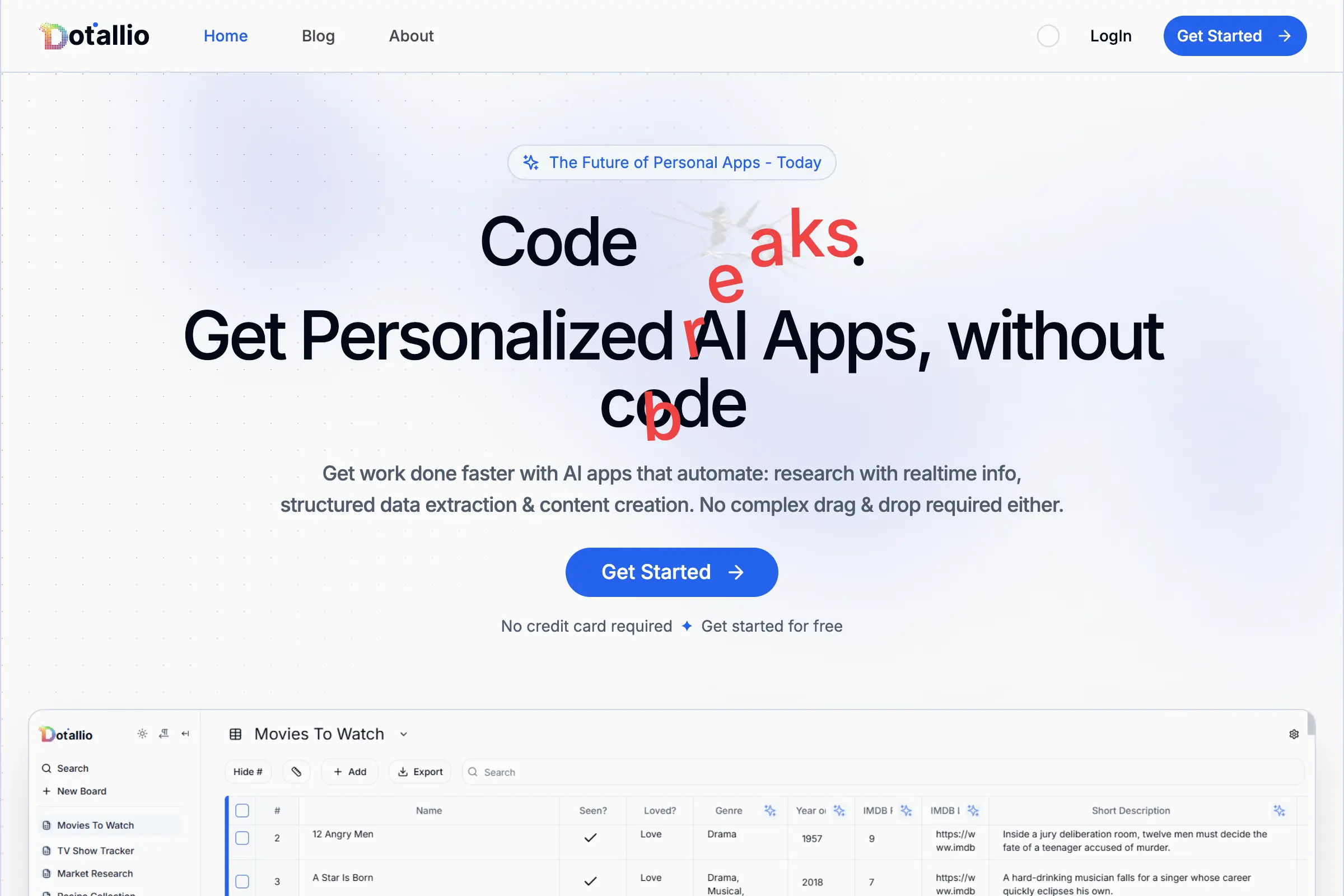
Dotallio
Personalized AI apps that automate research, data extraction, and content creation without code 🤖
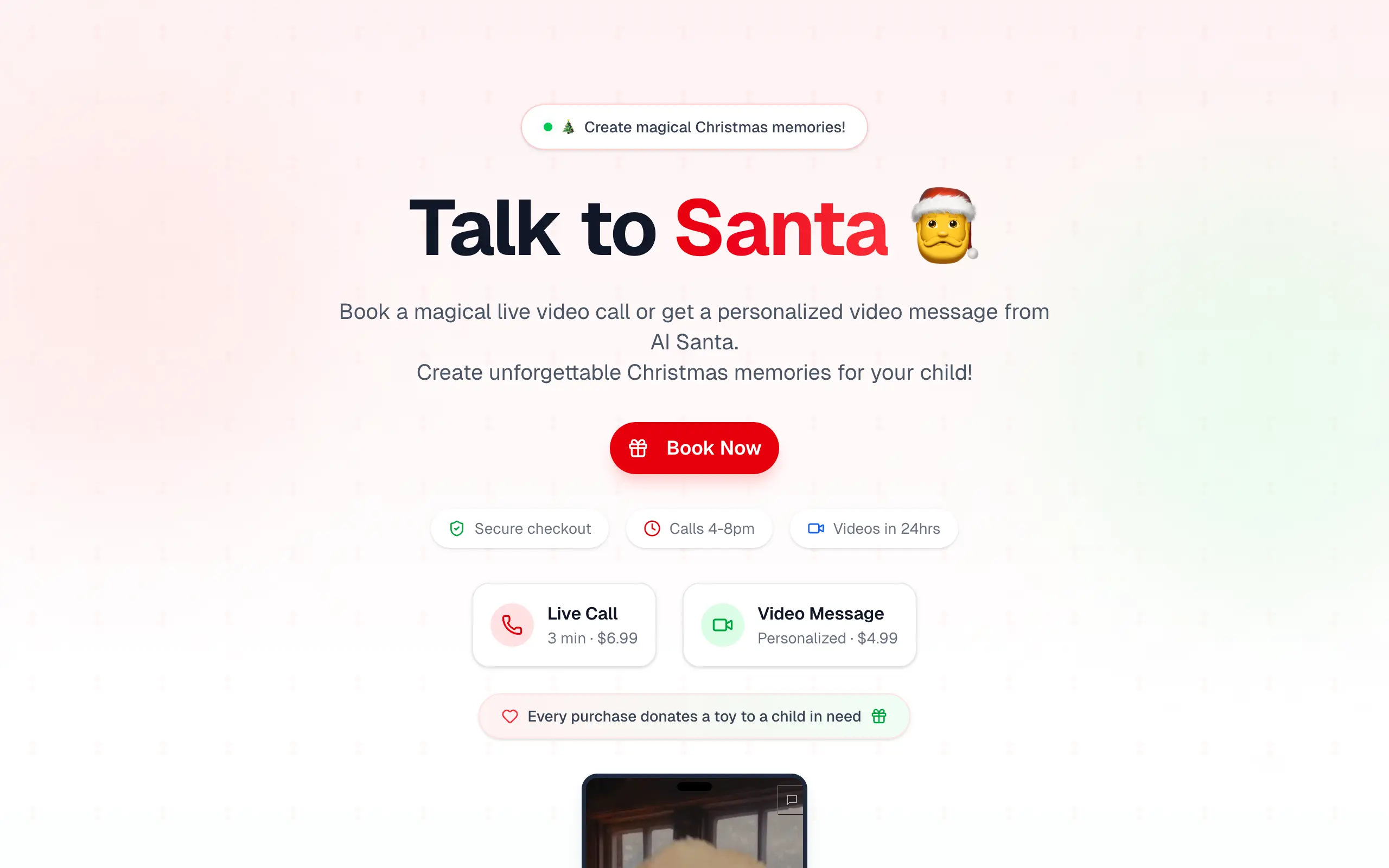
Talk to Santa
Enjoy a magical live video chat or receive a unique AI-generated video greeting from Santa Claus 🎅
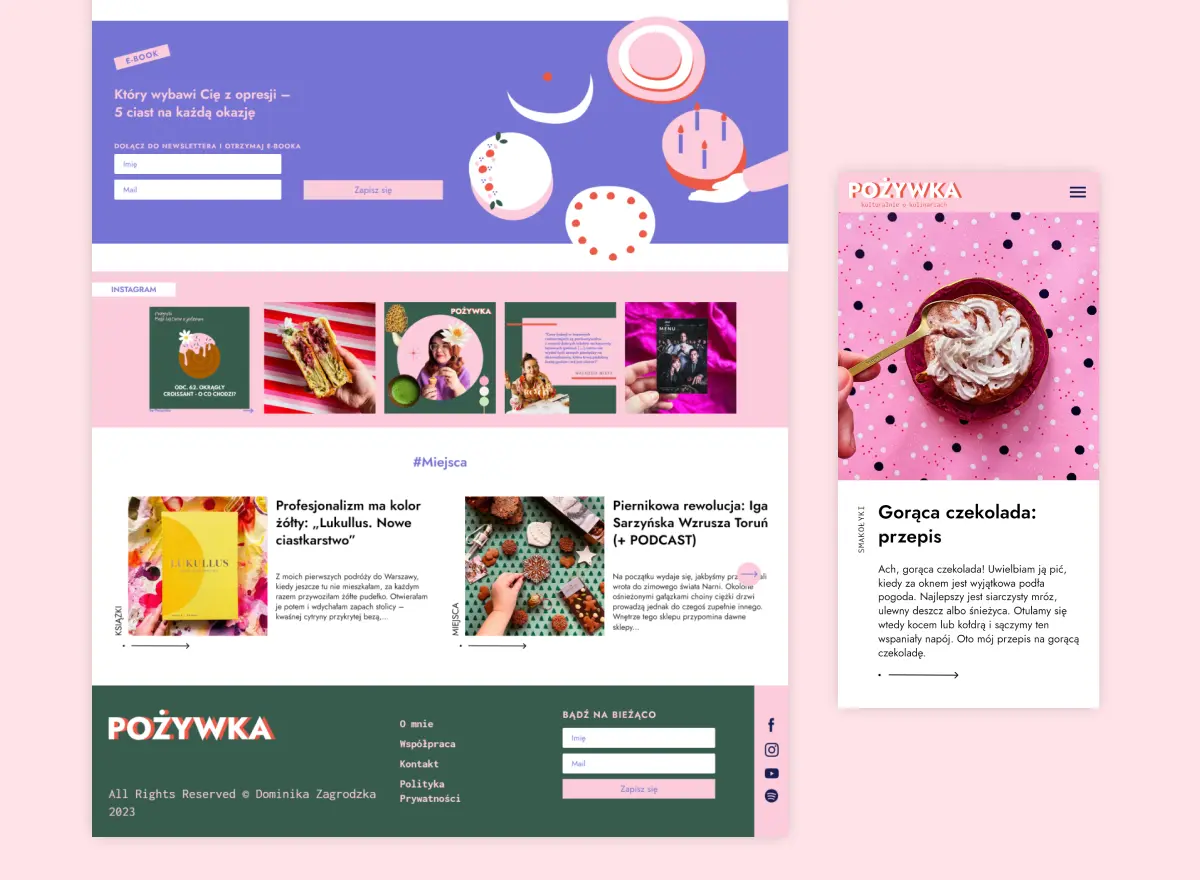
pozywka.pl
Scalable blog for food journalist, focused on performance and user experience 🌭
zagrodzki.me
Personal blog and portfolio of Bart Zagrodzki, where he shares his knowledge and work 💼
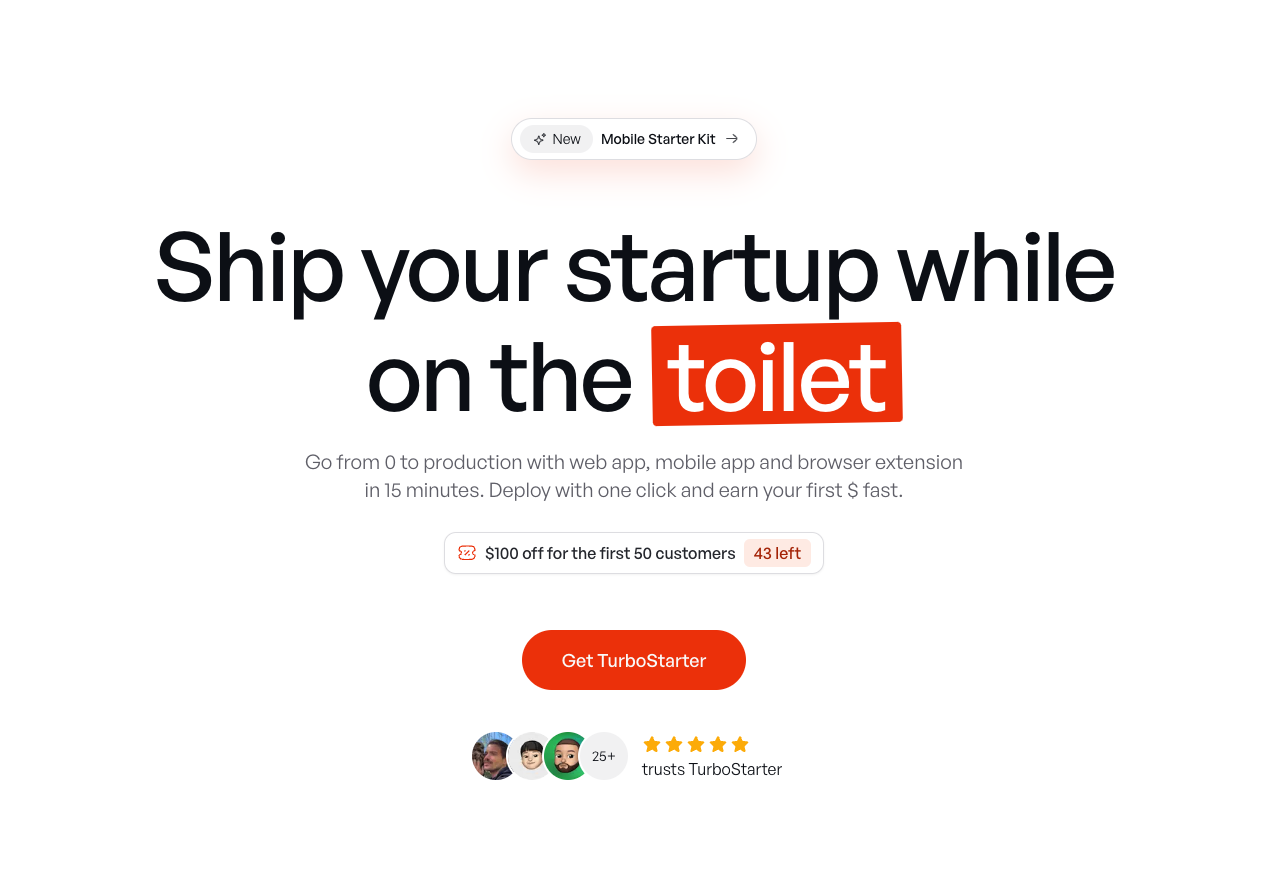
TurboStarter
Ship your startup everywhere. In minutes.
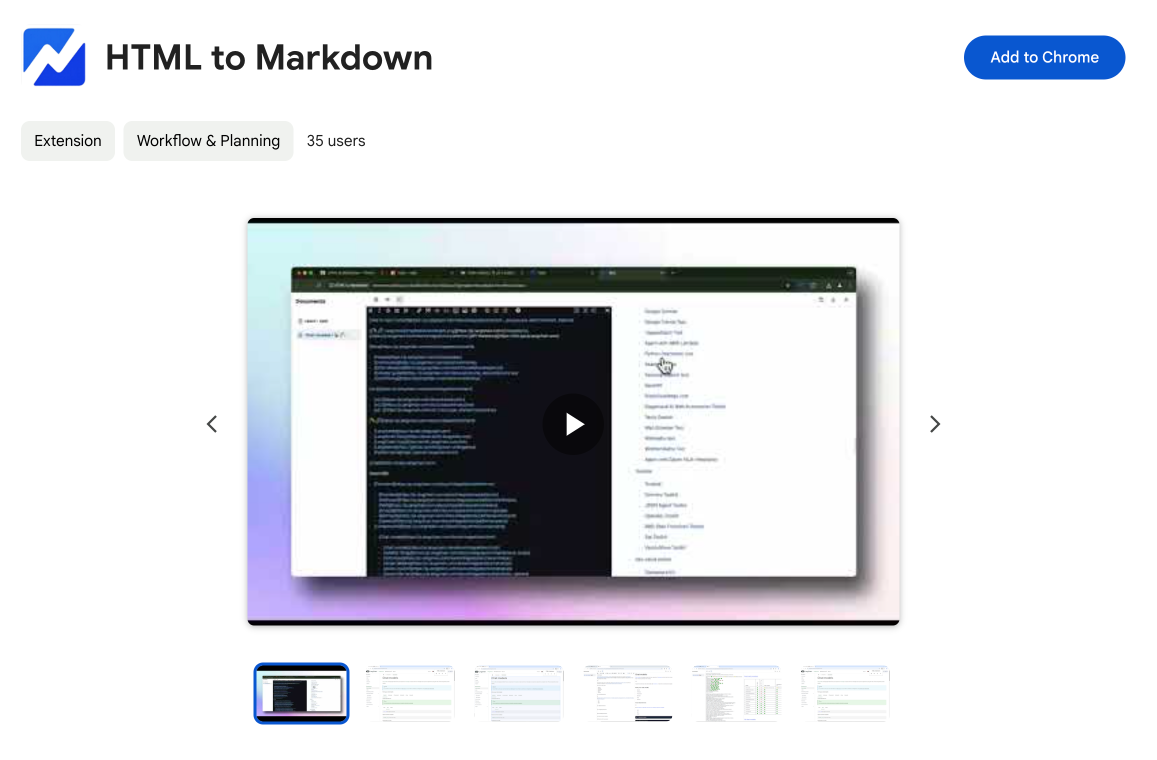
HTML to Markdown
Convert HTML to Markdown with ease, directly in your browser 📄
Dotallio
Personalized AI apps that automate research, data extraction, and content creation without code 🤖
Talk to Santa
Enjoy a magical live video chat or receive a unique AI-generated video greeting from Santa Claus 🎅
pozywka.pl
Scalable blog for food journalist, focused on performance and user experience 🌭
zagrodzki.me
Personal blog and portfolio of Bart Zagrodzki, where he shares his knowledge and work 💼
TurboStarter
Ship your startup everywhere. In minutes.
HTML to Markdown
Convert HTML to Markdown with ease, directly in your browser 📄
Dotallio
Personalized AI apps that automate research, data extraction, and content creation without code 🤖
Talk to Santa
Enjoy a magical live video chat or receive a unique AI-generated video greeting from Santa Claus 🎅
pozywka.pl
Scalable blog for food journalist, focused on performance and user experience 🌭
zagrodzki.me
Personal blog and portfolio of Bart Zagrodzki, where he shares his knowledge and work 💼
TurboStarter
Ship your startup everywhere. In minutes.
HTML to Markdown
Convert HTML to Markdown with ease, directly in your browser 📄
Dotallio
Personalized AI apps that automate research, data extraction, and content creation without code 🤖
Talk to Santa
Enjoy a magical live video chat or receive a unique AI-generated video greeting from Santa Claus 🎅
pozywka.pl
Scalable blog for food journalist, focused on performance and user experience 🌭
zagrodzki.me
Personal blog and portfolio of Bart Zagrodzki, where he shares his knowledge and work 💼
TurboStarter
Ship your startup everywhere. In minutes.
HTML to Markdown
Convert HTML to Markdown with ease, directly in your browser 📄
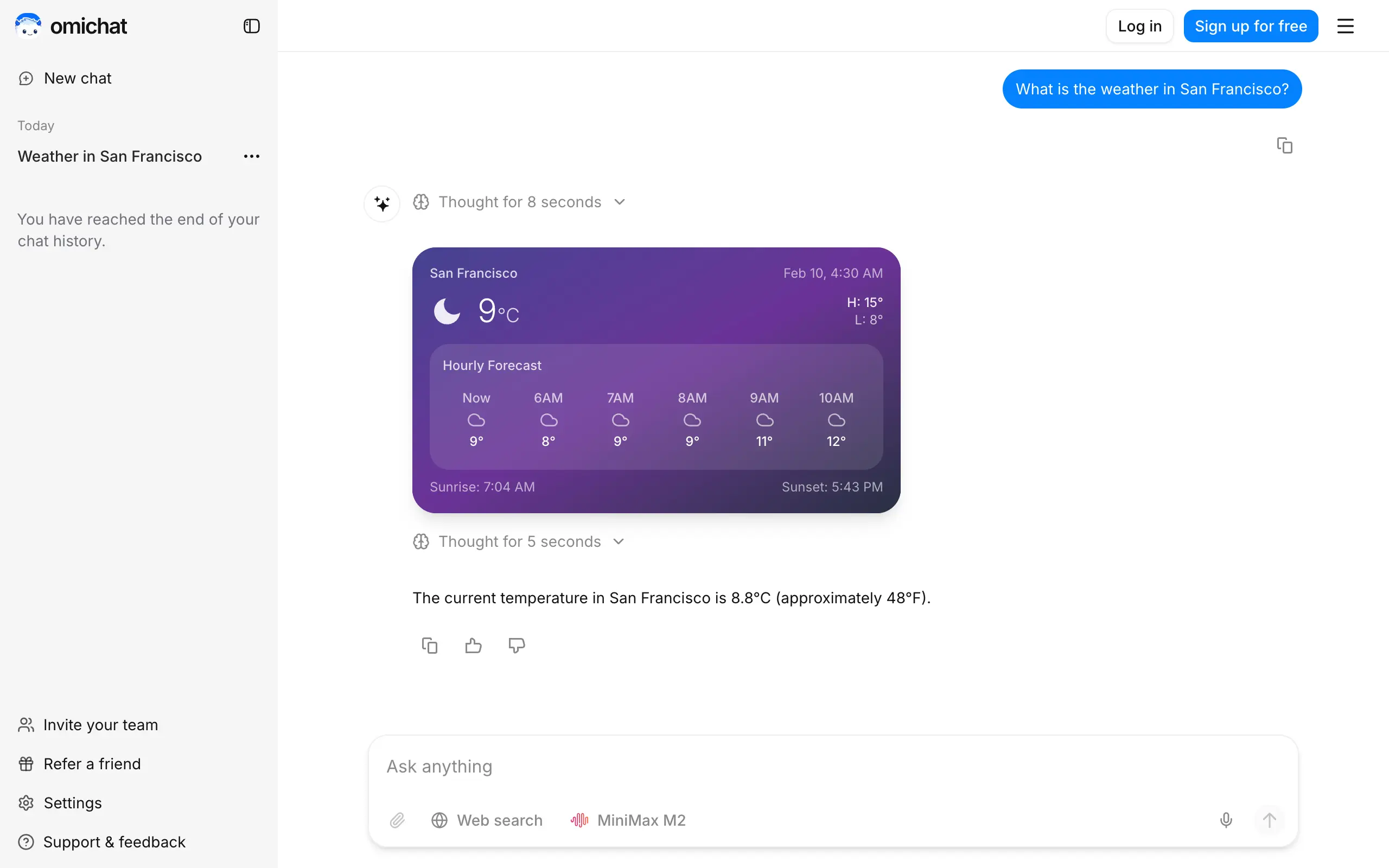
Omichat
Chat with 50+ AI models, including ChatGPT and Claude, in one place - switch models anytime without losing context 🤖
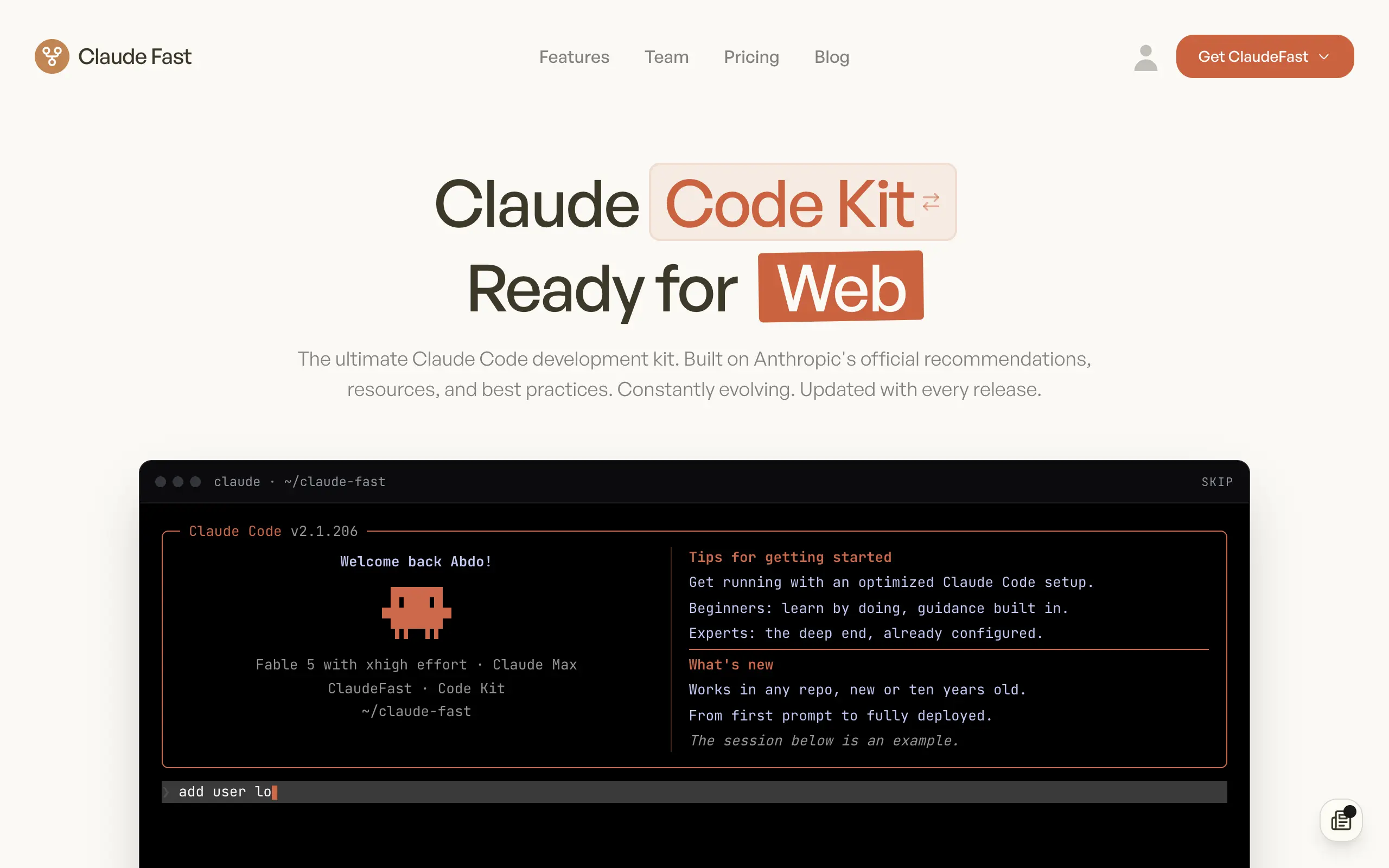
Claude Fast
Supercharge your Claude Code with 6x effective context window and specialized AI agents 🤖
EmojAI
AI-powered emoji picker with smart, context-aware suggestions 🤖
Solohacker
Autonomous company launcher - AI agents work 24/7, escalate what matters, and you stay in control 🤖
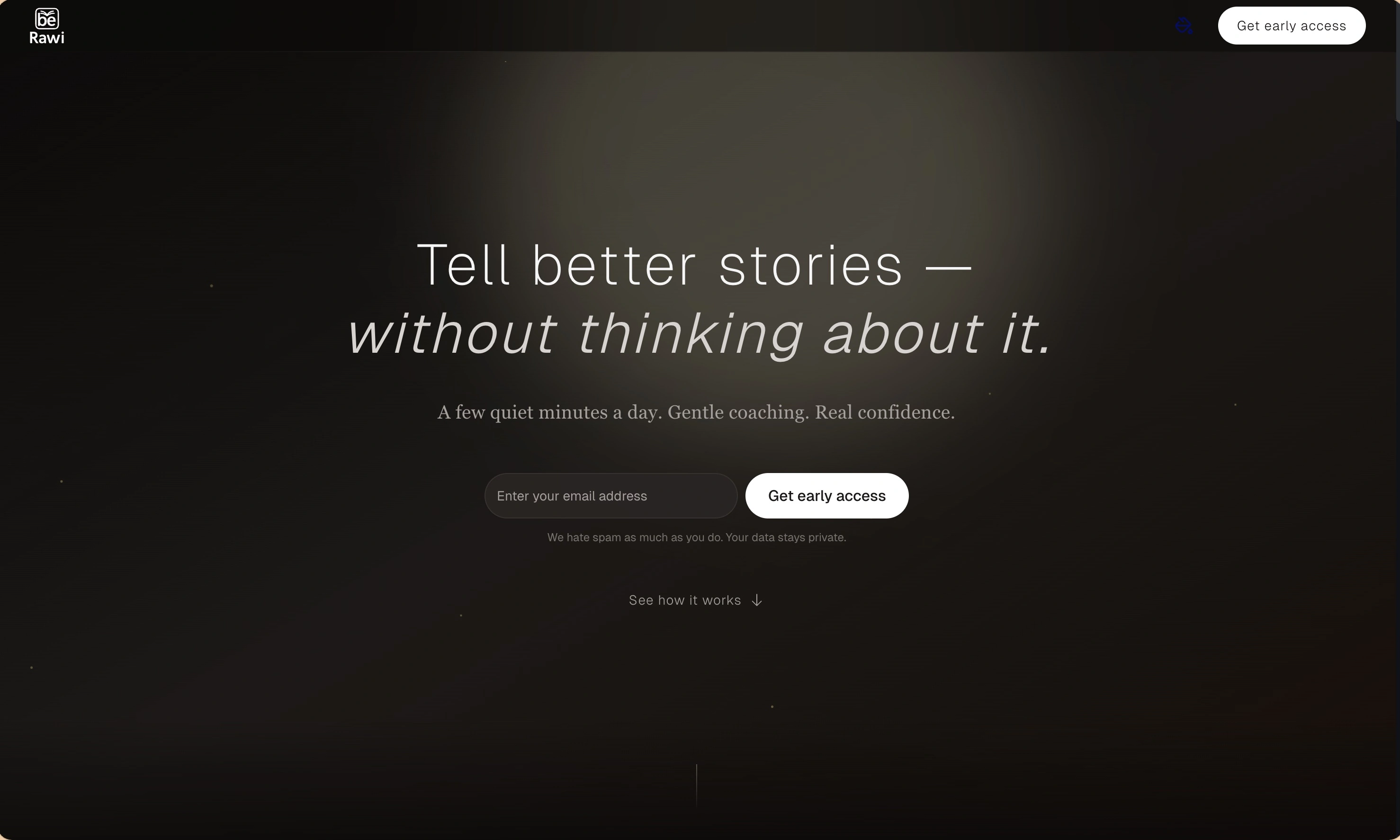
BeRawi: Storytelling Coach
Practice storytelling daily with instant feedback to sound clearer, more engaging, and confident 🎤
Omichat
Chat with 50+ AI models, including ChatGPT and Claude, in one place - switch models anytime without losing context 🤖
Claude Fast
Supercharge your Claude Code with 6x effective context window and specialized AI agents 🤖
EmojAI
AI-powered emoji picker with smart, context-aware suggestions 🤖
Solohacker
Autonomous company launcher - AI agents work 24/7, escalate what matters, and you stay in control 🤖
BeRawi: Storytelling Coach
Practice storytelling daily with instant feedback to sound clearer, more engaging, and confident 🎤
Omichat
Chat with 50+ AI models, including ChatGPT and Claude, in one place - switch models anytime without losing context 🤖
Claude Fast
Supercharge your Claude Code with 6x effective context window and specialized AI agents 🤖
EmojAI
AI-powered emoji picker with smart, context-aware suggestions 🤖
Solohacker
Autonomous company launcher - AI agents work 24/7, escalate what matters, and you stay in control 🤖
BeRawi: Storytelling Coach
Practice storytelling daily with instant feedback to sound clearer, more engaging, and confident 🎤
Omichat
Chat with 50+ AI models, including ChatGPT and Claude, in one place - switch models anytime without losing context 🤖
Claude Fast
Supercharge your Claude Code with 6x effective context window and specialized AI agents 🤖
EmojAI
AI-powered emoji picker with smart, context-aware suggestions 🤖
Solohacker
Autonomous company launcher - AI agents work 24/7, escalate what matters, and you stay in control 🤖
BeRawi: Storytelling Coach
Practice storytelling daily with instant feedback to sound clearer, more engaging, and confident 🎤

Connect with like-minded people
Join our community to get feedback, support, and grow together with 1,000+ builders on board, let's ship it!
Join usShip your startup everywhere. In minutes.
Don't burn tokens on setup and start building features on day one.