QuestSync AI
An AI planner that turns your study tasks and real-life goals into gamified quests, blending productivity with RPG-style progression.
what is an AI gamified productivity planner and why it matters
The concept behind an AI gamified productivity planner like QuestSync AI sits at the intersection of behavioral psychology, artificial intelligence, and game design. Instead of treating tasks as static to-do items, it transforms them into interactive quests, complete with rewards, levels, and progression systems.
This shift is not just aesthetic—it directly addresses one of the biggest problems in productivity: motivation decay.
Traditional productivity tools (like calendars, to-do lists, and Kanban boards) rely heavily on discipline. But modern users—especially students, creators, and knowledge workers—are increasingly looking for systems that pull them in emotionally, not just logically.
QuestSync AI aims to solve that by:
- Turning tasks into narrative-driven quests
- Using AI to dynamically adapt difficulty and rewards
- Providing RPG-style progression systems
- Encouraging consistency through dopamine-driven feedback loops
This positions it within a rapidly growing niche: gamified self-improvement platforms powered by AI.
target audience and user personas
Understanding the audience is critical for building a successful SaaS product in this category. QuestSync AI appeals to multiple overlapping segments, each with slightly different motivations.
primary audience segments
1. students and lifelong learners
Students struggle with procrastination, lack of structure, and burnout. A gamified system can transform studying into something engaging.
Key needs:
- Structured study plans
- Motivation to complete tasks
- Visual progress tracking
- Reduced overwhelm
2. neurodivergent users (ADHD, executive dysfunction)
Gamification has been shown to help individuals with ADHD maintain focus and engagement.
Key needs:
- Immediate feedback loops
- Short-term rewards
- Flexible planning systems
- Reduced cognitive load
3. productivity enthusiasts
This group already uses tools like Notion, Todoist, or ClickUp but wants something more engaging.
Key needs:
- Custom workflows
- Integration with existing tools
- Advanced analytics
- Personal optimization
4. gamers transitioning to productivity
Gamers are naturally drawn to progression systems.
Key needs:
- RPG mechanics (XP, levels, achievements)
- Competitive or social elements
- Skill trees or progression maps
market opportunity and gap analysis
The productivity SaaS market is crowded—but the gamified productivity niche is still underdeveloped, especially with AI integration.
current market landscape
Popular tools include:
- Habitica (gamified habit tracker)
- Todoist (task management)
- Notion (all-in-one workspace)
- Motion (AI scheduling assistant)
However, none fully combine:
- AI-driven planning
- Deep gamification systems
- Adaptive progression mechanics
key gaps in the market
| Feature | Traditional Tools | Gamified Apps | AI Planners | QuestSync AI |
|---|---|---|---|---|
| AI task generation | ❌ | ❌ | ✅ | ✅ |
| RPG progression | ❌ | ✅ | ❌ | ✅ |
| Adaptive difficulty | ❌ | ❌ | ✅ | ✅ |
| Goal narrative system | ❌ | ⚠️ | ❌ | ✅ |
why now is the perfect time
Several trends make this idea especially viable:
- Increased adoption of AI copilots
- Rising interest in self-improvement tools
- Growth of gamification in education and productivity
- Burnout from overly complex productivity systems
QuestSync AI sits at the convergence of these trends.
core product features and solution architecture
To succeed, QuestSync AI needs to go beyond surface-level gamification. The product should feel like a living system that evolves with the user.
AI-powered quest generation
The core engine transforms user goals into structured quests.
Example:
- Input: "Study biology for finals"
- Output:
- Quest 1: Review chapters 1–3 (XP: 150)
- Quest 2: Complete practice quiz (XP: 200)
- Boss battle: Full mock exam (XP: 500)
dynamic progression system
Users earn:
- XP (experience points)
- Levels
- Skill upgrades
- Achievements
The system should adapt based on performance:
- Increase difficulty if tasks are completed easily
- Reduce friction if user struggles
narrative-driven productivity
Each user can choose a “theme”:
- Fantasy RPG
- Sci-fi explorer
- Cyberpunk hacker
- Academic scholar
This adds emotional engagement.
Immersion
Users feel like they're progressing in a story, not just completing tasks.
Retention
Narratives encourage long-term engagement and habit formation.
Differentiation
Sets QuestSync AI apart from traditional productivity tools.
smart scheduling and prioritization
AI should:
- Analyze deadlines
- Break down goals into manageable steps
- Suggest optimal work sessions
- Avoid burnout through spacing techniques
streaks, rewards, and penalties
Gamification elements include:
- Daily streaks
- Loot boxes or rewards
- Penalties for missed quests (optional)
Important design note
Avoid overly punitive systems. Negative reinforcement can reduce retention if not balanced carefully.
recommended tech stack and architecture
Building QuestSync AI requires a balance between scalability, performance, and rapid iteration.
frontend
- React for UI
- Next.js for SSR and routing
- TailwindCSS for styling
backend
- Node.js (with NestJS or Express)
- PostgreSQL for structured data
- Redis for caching and session handling
AI layer
- OpenAI or similar LLM APIs for:
- Task generation
- Goal decomposition
- Adaptive difficulty
gamification engine
A custom rules engine that:
- Tracks XP and progression
- Handles achievements
- Calculates rewards
example quest generation flow
async function generateQuest(goal: string) {
  const response = await openai.chat.completions.create({
    model: "gpt-5",
    messages: [
      { role: "system", content: "Convert goals into gamified quests." },
      { role: "user", content: goal }
    ]
  });

  return parseQuest(response.choices[0].message.content);
}
infrastructure
- Vercel for frontend deployment
- AWS or Supabase for backend services
- Stripe for payments
monetization strategy options
QuestSync AI has multiple viable revenue streams.
freemium model
- Free tier:
- Basic quests
- Limited AI usage
- Paid tier:
- Advanced AI planning
- Custom themes
- Analytics dashboard
subscription tiers
- Starter ($5–$10/month)
- Pro ($15–$25/month)
- Team/Education plans
in-app purchases
- Cosmetic upgrades (themes, avatars)
- XP boosters
- Special quest packs
B2B opportunities
- Schools and universities
- Corporate training programs
- Coaching platforms
competitive advantage and unique selling proposition
QuestSync AI’s strongest advantage lies in deep integration of AI with gamification, rather than treating them as separate features.
key differentiators
- AI-generated quests (not static templates)
- Adaptive difficulty engine
- Narrative-driven experience
- Cross-domain usage (study + life goals)
positioning statement
QuestSync AI is not just a productivity tool—it is a personalized adventure engine for real-life progress.
risks and mitigation strategies
No SaaS idea is without challenges.
1. novelty wears off
Gamification can lose its appeal over time.
Mitigation:
- Introduce seasonal events
- Add new mechanics regularly
- Personalize experiences deeply
2. overcomplexity
Too many features can overwhelm users.
Mitigation:
- Progressive onboarding
- Minimal default interface
- Optional advanced features
3. AI inaccuracies
Poor task generation can harm trust.
Mitigation:
- Allow user edits
- Provide multiple options
- Continuously refine prompts
4. retention challenges
Users may drop off after initial excitement.
Mitigation:
- Strong onboarding
- Early wins (quick rewards)
- Social or competitive features
implementation roadmap
Building QuestSync AI should follow a phased approach.
MVP feature set
- Goal input → quest generation
- XP and leveling system
- Basic dashboard
- Daily quest tracking
post-MVP expansion
- Themes and narratives
- Social features
- Mobile app
- Integrations (Google Calendar, Notion)
growth and marketing strategy
organic SEO
Target keywords:
- AI productivity planner
- gamified task manager
- study planner with AI
- productivity RPG app
content marketing
- Blog posts on productivity science
- Case studies of user success
- YouTube demos
viral loops
- Shareable progress screenshots
- Achievement badges
- Social leaderboards
partnerships
- Educational institutions
- Influencers in productivity space
- Online learning platforms
future opportunities and expansion
QuestSync AI can evolve into a broader ecosystem.
potential expansions
- AI life coaching
- Career progression tracking
- Health and fitness quests
- Team-based productivity games
Focus on refining core experience, improving retention, and building a loyal user base.
Expand into a full “life operating system” powered by AI and gamification.
actionable next steps to build QuestSync AI
If you want to bring this idea to life, here’s a practical plan:
- Validate demand with a simple landing page
- Build a no-code prototype (using tools like Webflow + APIs)
- Develop MVP with core quest system
- Recruit beta users (students, Reddit communities)
- Iterate rapidly based on feedback
- Launch publicly with a strong narrative
final thoughts
QuestSync AI represents a powerful shift in how we approach productivity. Instead of forcing discipline through rigid systems, it leverages human psychology, storytelling, and AI intelligence to make progress feel natural—and even fun.
The opportunity is not just to build another SaaS tool, but to redefine how people interact with their goals.
If executed well, this could become a category-defining product in the emerging space of AI-powered self-improvement platforms.
More 🤖 AI Startup SaaS ideas
Discover more innovative ai startup SaaS ideas that are trending in 2026. Each idea is AI-generated with market validation and growth potential to help you find your next profitable venture faster than competitors.
Your competitors are building with TurboStarter
Below are some of the SaaS ideas that have been generated and built with our starter kit.
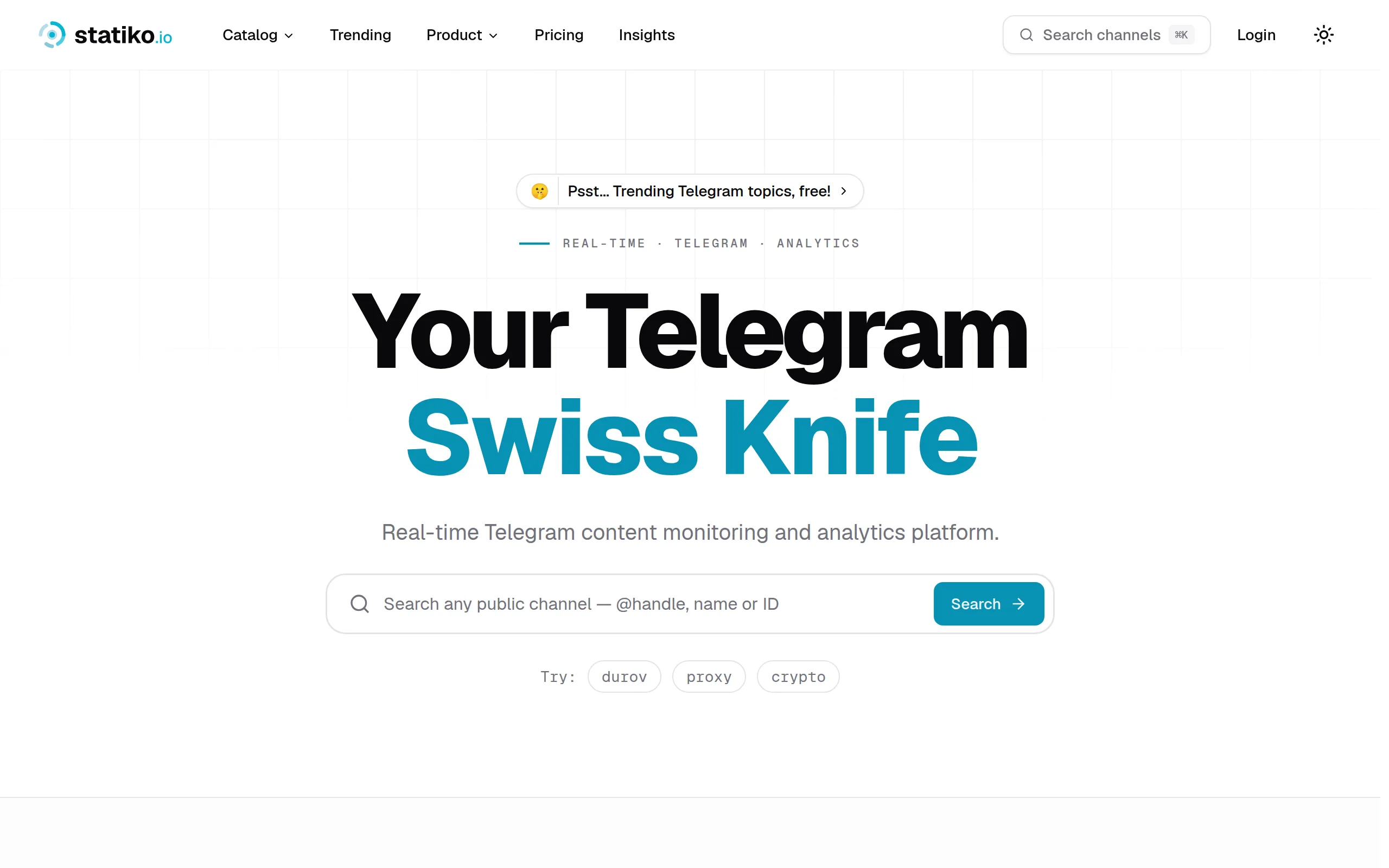
Statiko
Monitor any Telegram channel in real time - track posts, edits, deletions, and growth with AI recaps 📡

Shibui
AI website builder - describe your business, pick a niche template, edit by chatting, and publish instantly ✨

Pro Service
Find verified home service professionals, compare quotes, and pay securely through escrow - built for Brazilians across the US 🏠
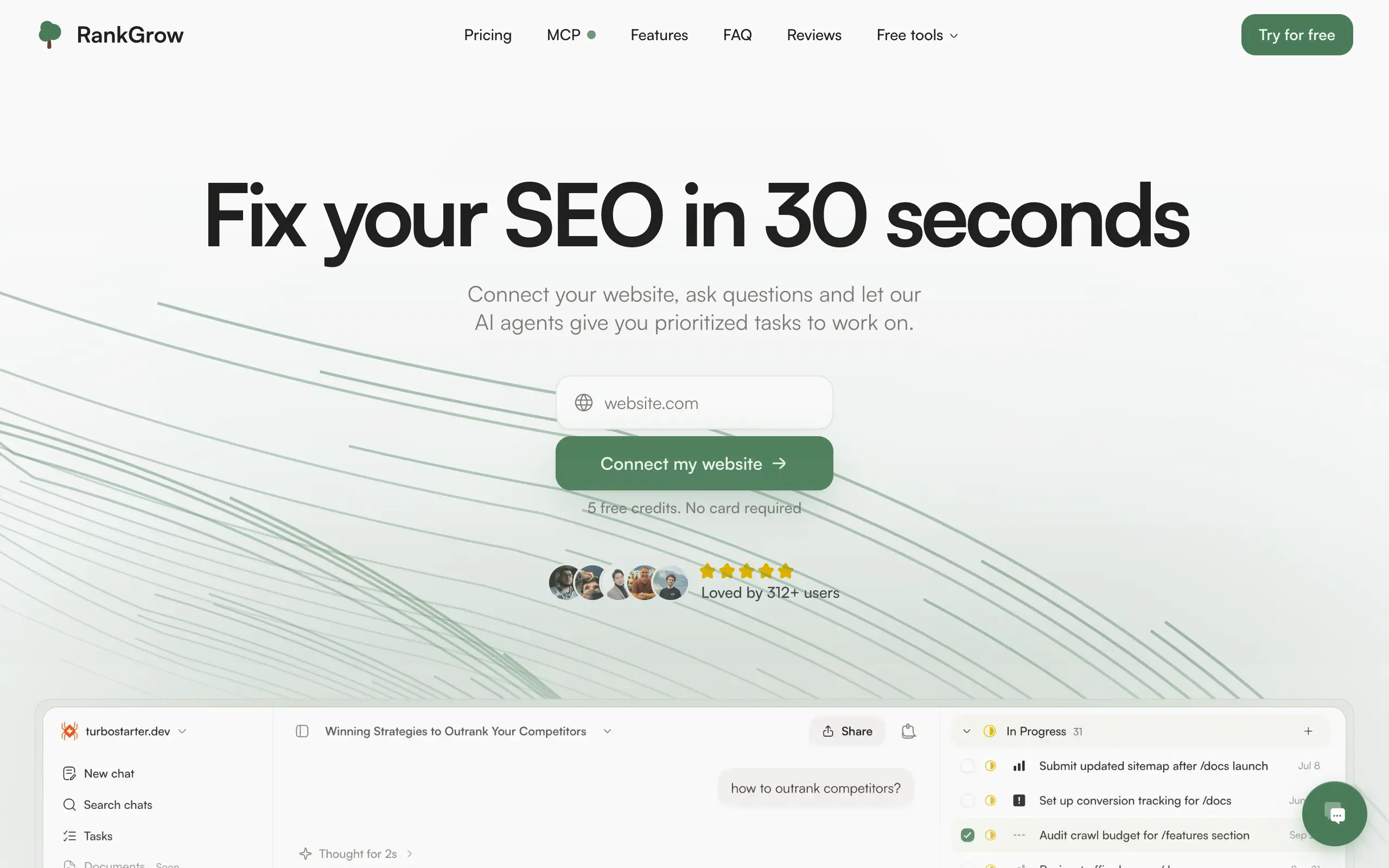
RankGrow
Fix your SEO with AI agents - connect Search Console, get prioritized tasks, and grow organic traffic 📈
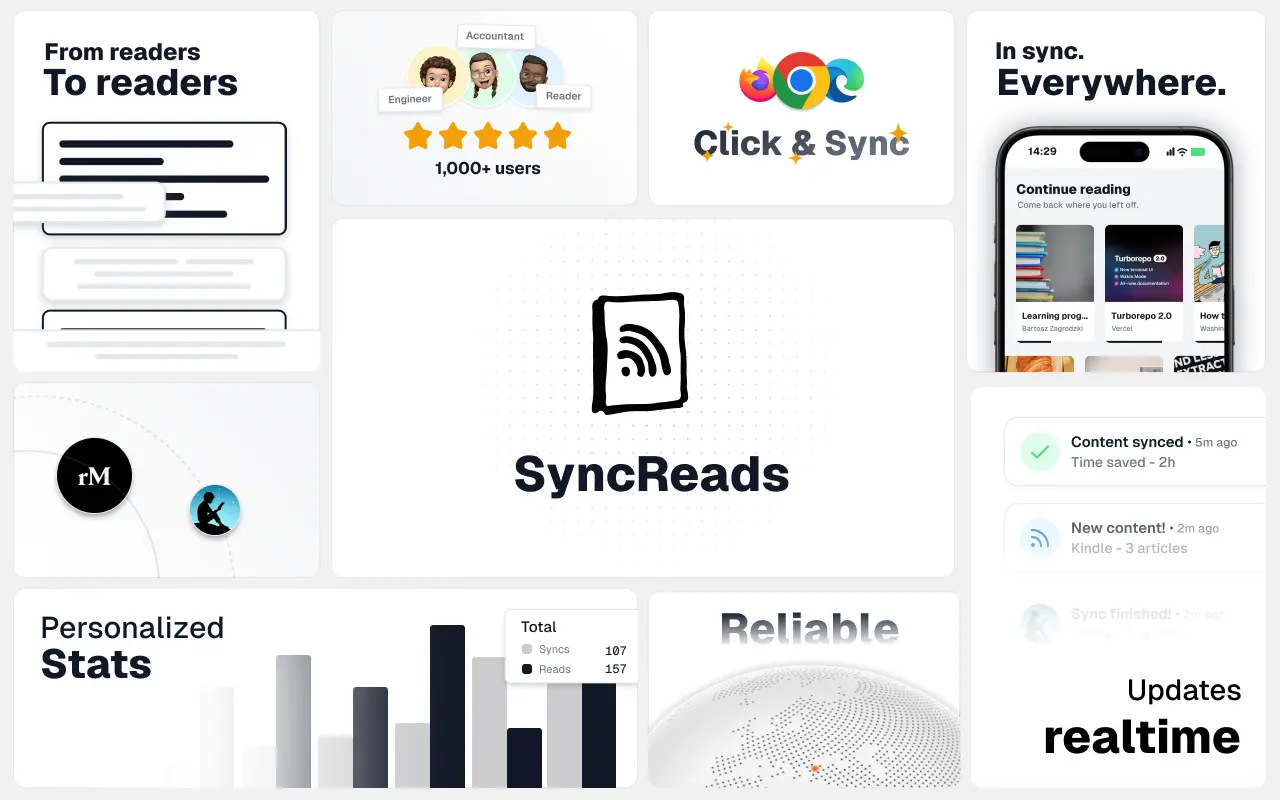
SyncReads
Sync your favorite content for distraction-free reading, save time and replace multiple apps. Anytime, anywhere 🔄
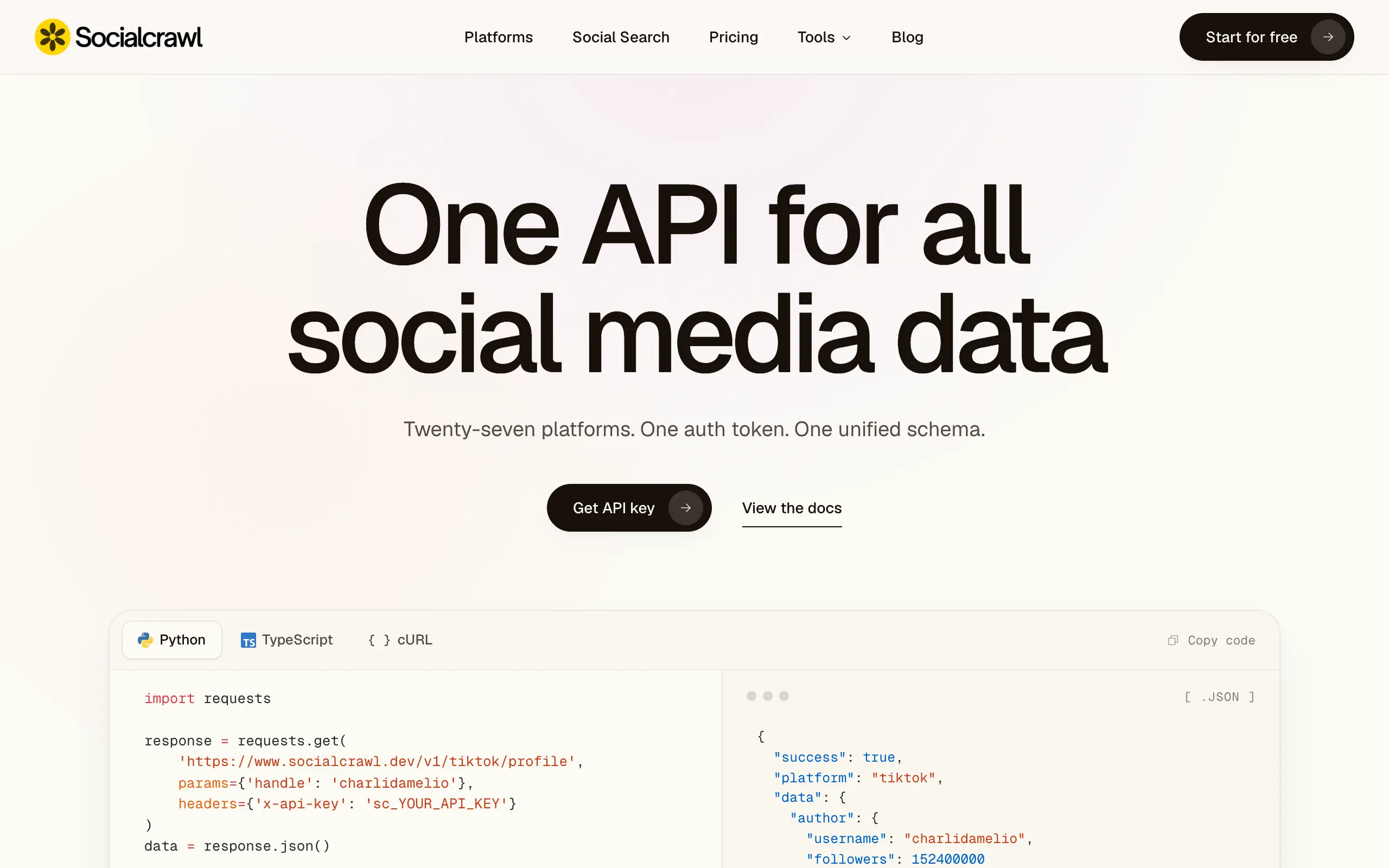
Socialcrawl
Get clean, structured data from 21 platforms like TikTok, Instagram, and YouTube with a single request 📊
Statiko
Monitor any Telegram channel in real time - track posts, edits, deletions, and growth with AI recaps 📡
Shibui
AI website builder - describe your business, pick a niche template, edit by chatting, and publish instantly ✨
Pro Service
Find verified home service professionals, compare quotes, and pay securely through escrow - built for Brazilians across the US 🏠
RankGrow
Fix your SEO with AI agents - connect Search Console, get prioritized tasks, and grow organic traffic 📈
SyncReads
Sync your favorite content for distraction-free reading, save time and replace multiple apps. Anytime, anywhere 🔄
Socialcrawl
Get clean, structured data from 21 platforms like TikTok, Instagram, and YouTube with a single request 📊
Statiko
Monitor any Telegram channel in real time - track posts, edits, deletions, and growth with AI recaps 📡
Shibui
AI website builder - describe your business, pick a niche template, edit by chatting, and publish instantly ✨
Pro Service
Find verified home service professionals, compare quotes, and pay securely through escrow - built for Brazilians across the US 🏠
RankGrow
Fix your SEO with AI agents - connect Search Console, get prioritized tasks, and grow organic traffic 📈
SyncReads
Sync your favorite content for distraction-free reading, save time and replace multiple apps. Anytime, anywhere 🔄
Socialcrawl
Get clean, structured data from 21 platforms like TikTok, Instagram, and YouTube with a single request 📊
Statiko
Monitor any Telegram channel in real time - track posts, edits, deletions, and growth with AI recaps 📡
Shibui
AI website builder - describe your business, pick a niche template, edit by chatting, and publish instantly ✨
Pro Service
Find verified home service professionals, compare quotes, and pay securely through escrow - built for Brazilians across the US 🏠
RankGrow
Fix your SEO with AI agents - connect Search Console, get prioritized tasks, and grow organic traffic 📈
SyncReads
Sync your favorite content for distraction-free reading, save time and replace multiple apps. Anytime, anywhere 🔄
Socialcrawl
Get clean, structured data from 21 platforms like TikTok, Instagram, and YouTube with a single request 📊
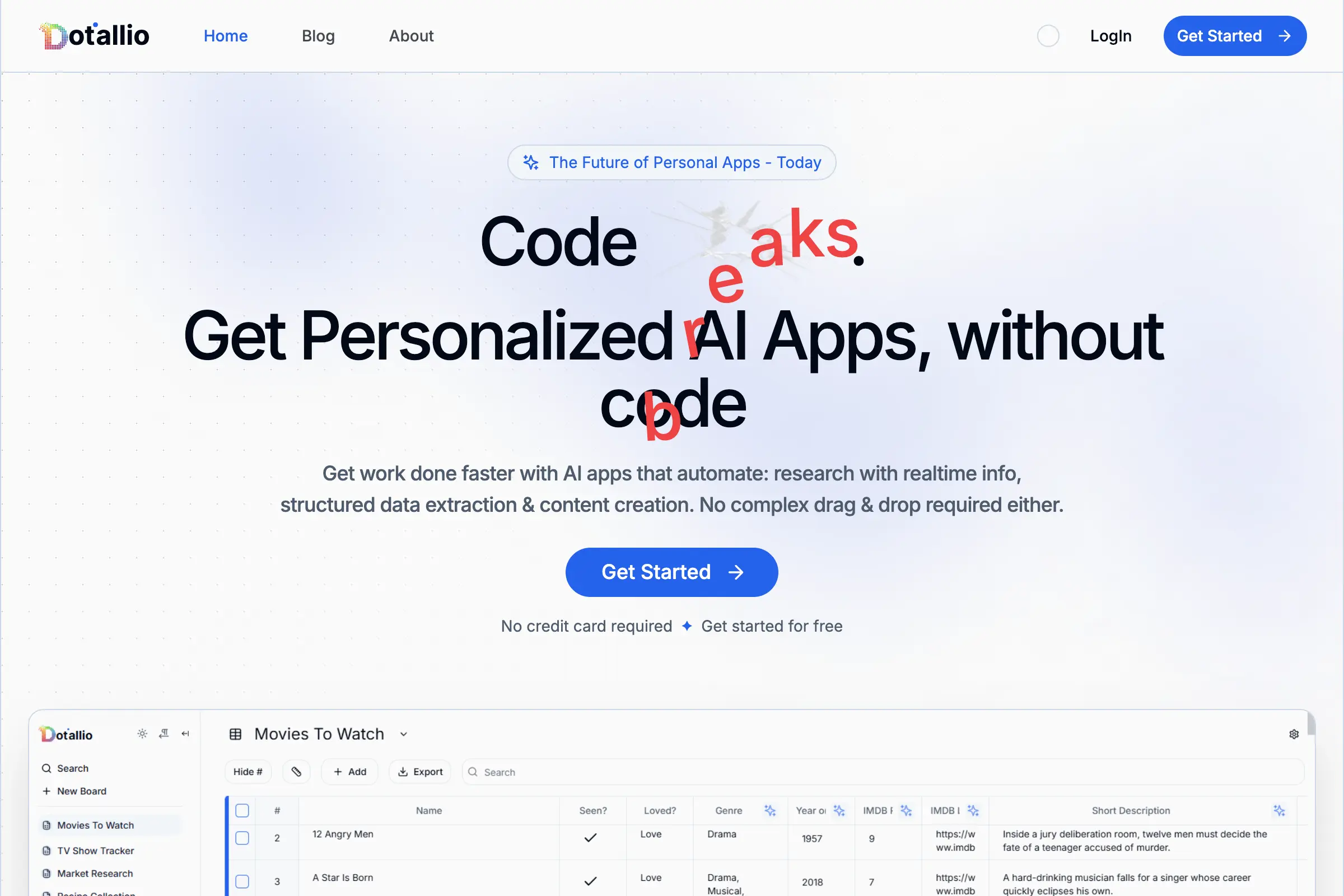
Dotallio
Personalized AI apps that automate research, data extraction, and content creation without code 🤖
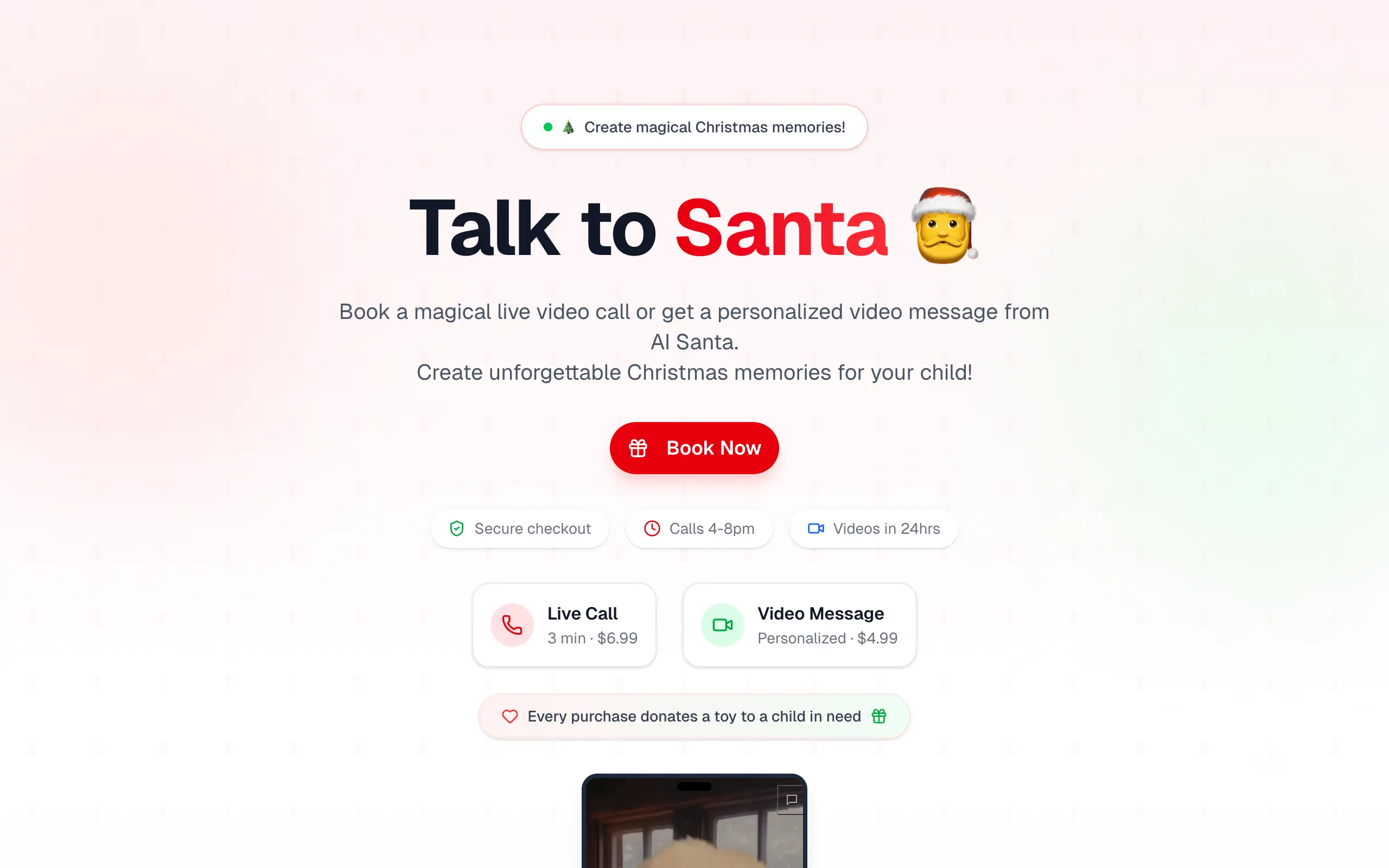
Talk to Santa
Enjoy a magical live video chat or receive a unique AI-generated video greeting from Santa Claus 🎅
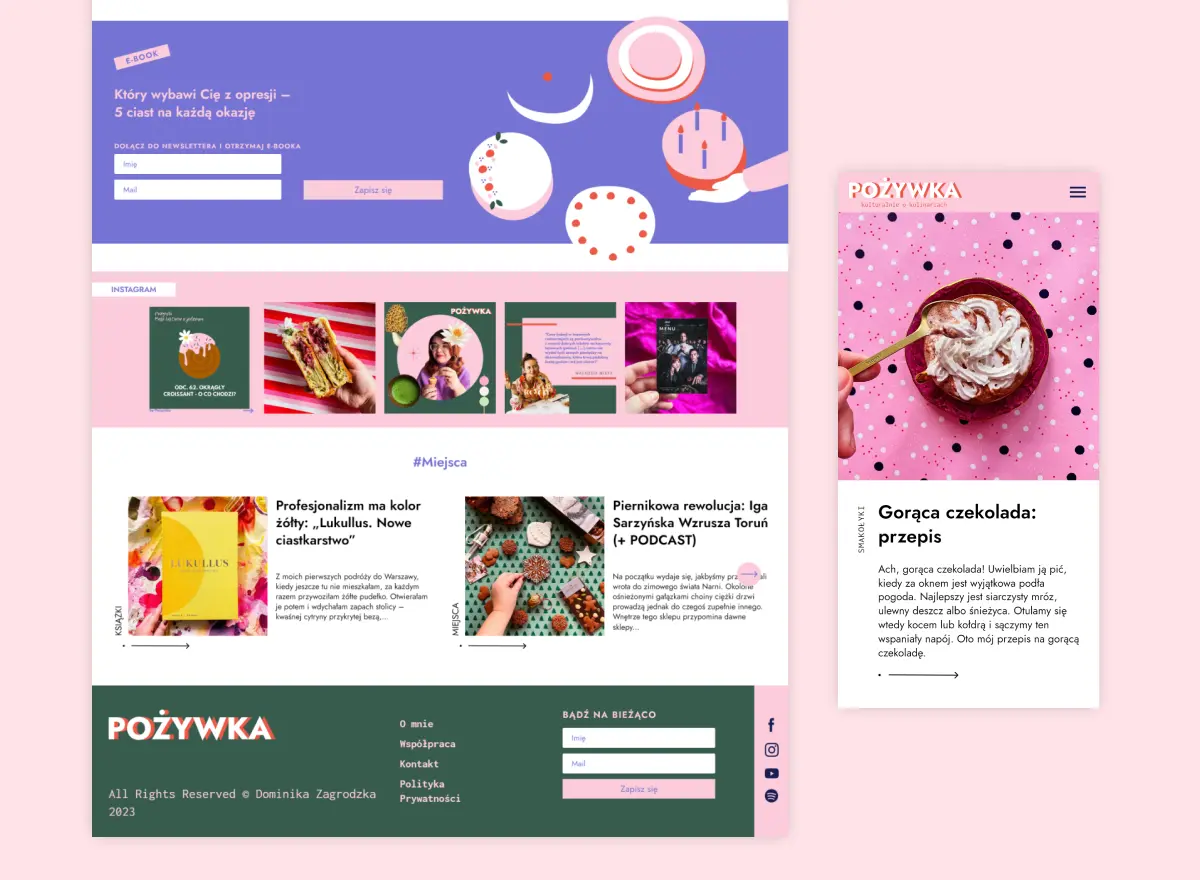
pozywka.pl
Scalable blog for food journalist, focused on performance and user experience 🌭
zagrodzki.me
Personal blog and portfolio of Bart Zagrodzki, where he shares his knowledge and work 💼
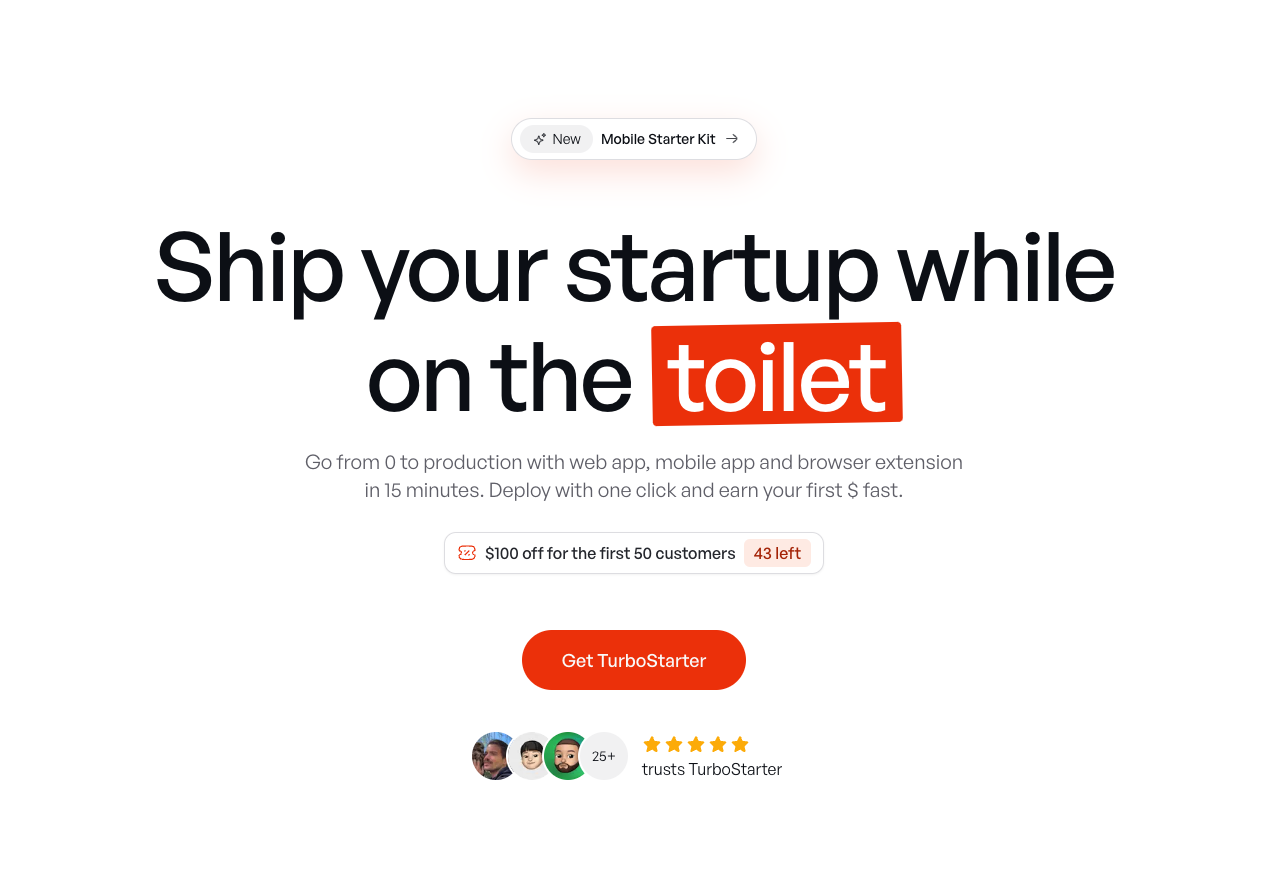
TurboStarter
Ship your startup everywhere. In minutes.
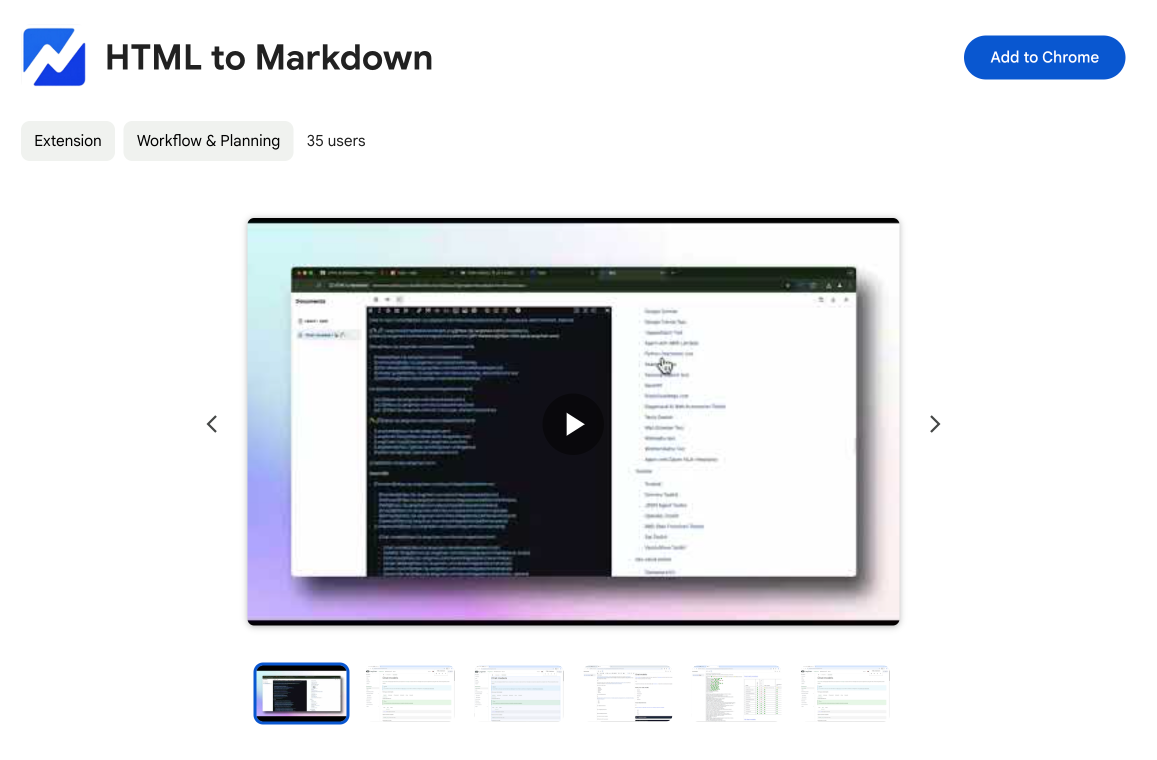
HTML to Markdown
Convert HTML to Markdown with ease, directly in your browser 📄
Dotallio
Personalized AI apps that automate research, data extraction, and content creation without code 🤖
Talk to Santa
Enjoy a magical live video chat or receive a unique AI-generated video greeting from Santa Claus 🎅
pozywka.pl
Scalable blog for food journalist, focused on performance and user experience 🌭
zagrodzki.me
Personal blog and portfolio of Bart Zagrodzki, where he shares his knowledge and work 💼
TurboStarter
Ship your startup everywhere. In minutes.
HTML to Markdown
Convert HTML to Markdown with ease, directly in your browser 📄
Dotallio
Personalized AI apps that automate research, data extraction, and content creation without code 🤖
Talk to Santa
Enjoy a magical live video chat or receive a unique AI-generated video greeting from Santa Claus 🎅
pozywka.pl
Scalable blog for food journalist, focused on performance and user experience 🌭
zagrodzki.me
Personal blog and portfolio of Bart Zagrodzki, where he shares his knowledge and work 💼
TurboStarter
Ship your startup everywhere. In minutes.
HTML to Markdown
Convert HTML to Markdown with ease, directly in your browser 📄
Dotallio
Personalized AI apps that automate research, data extraction, and content creation without code 🤖
Talk to Santa
Enjoy a magical live video chat or receive a unique AI-generated video greeting from Santa Claus 🎅
pozywka.pl
Scalable blog for food journalist, focused on performance and user experience 🌭
zagrodzki.me
Personal blog and portfolio of Bart Zagrodzki, where he shares his knowledge and work 💼
TurboStarter
Ship your startup everywhere. In minutes.
HTML to Markdown
Convert HTML to Markdown with ease, directly in your browser 📄
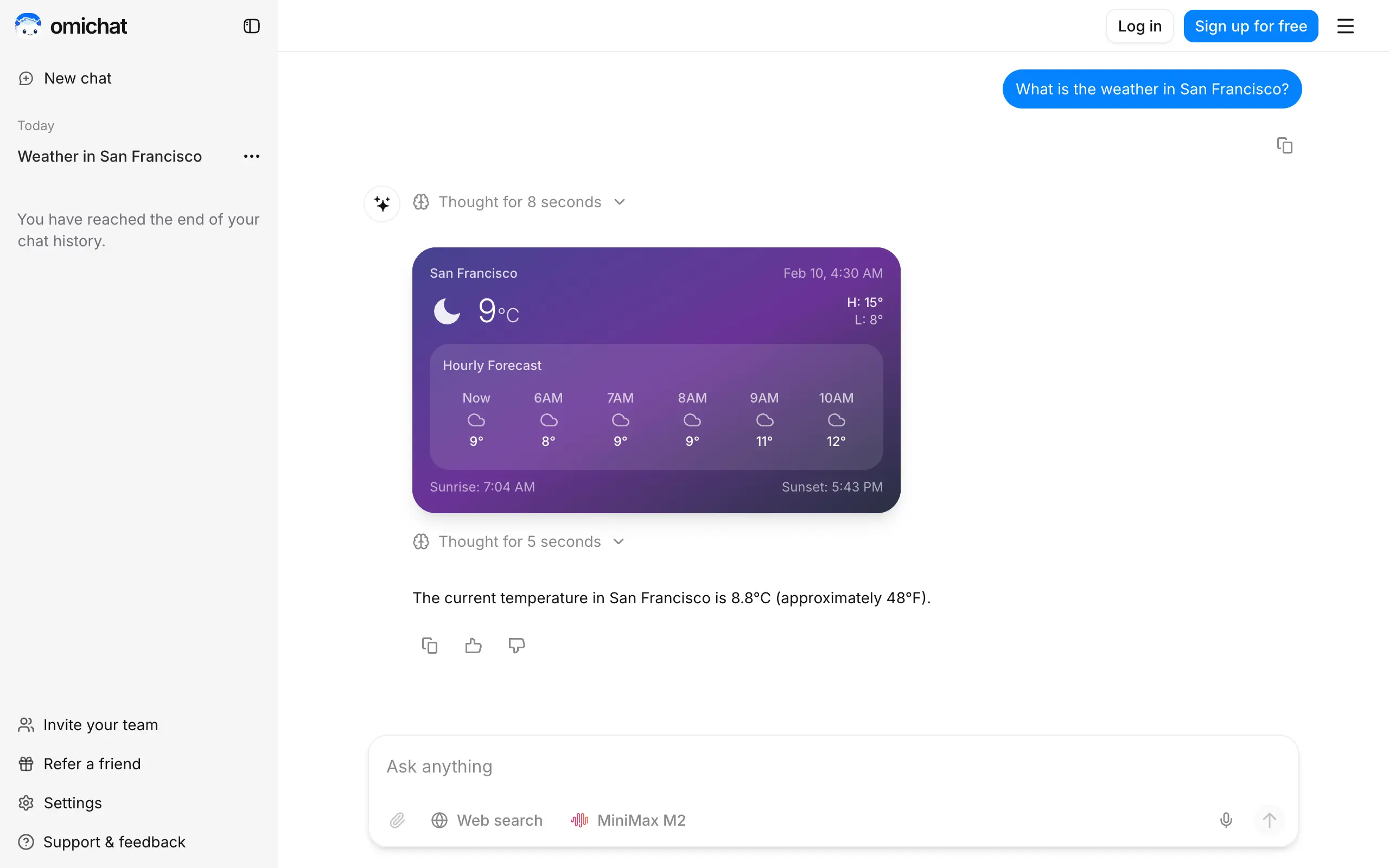
Omichat
Chat with 50+ AI models, including ChatGPT and Claude, in one place - switch models anytime without losing context 🤖
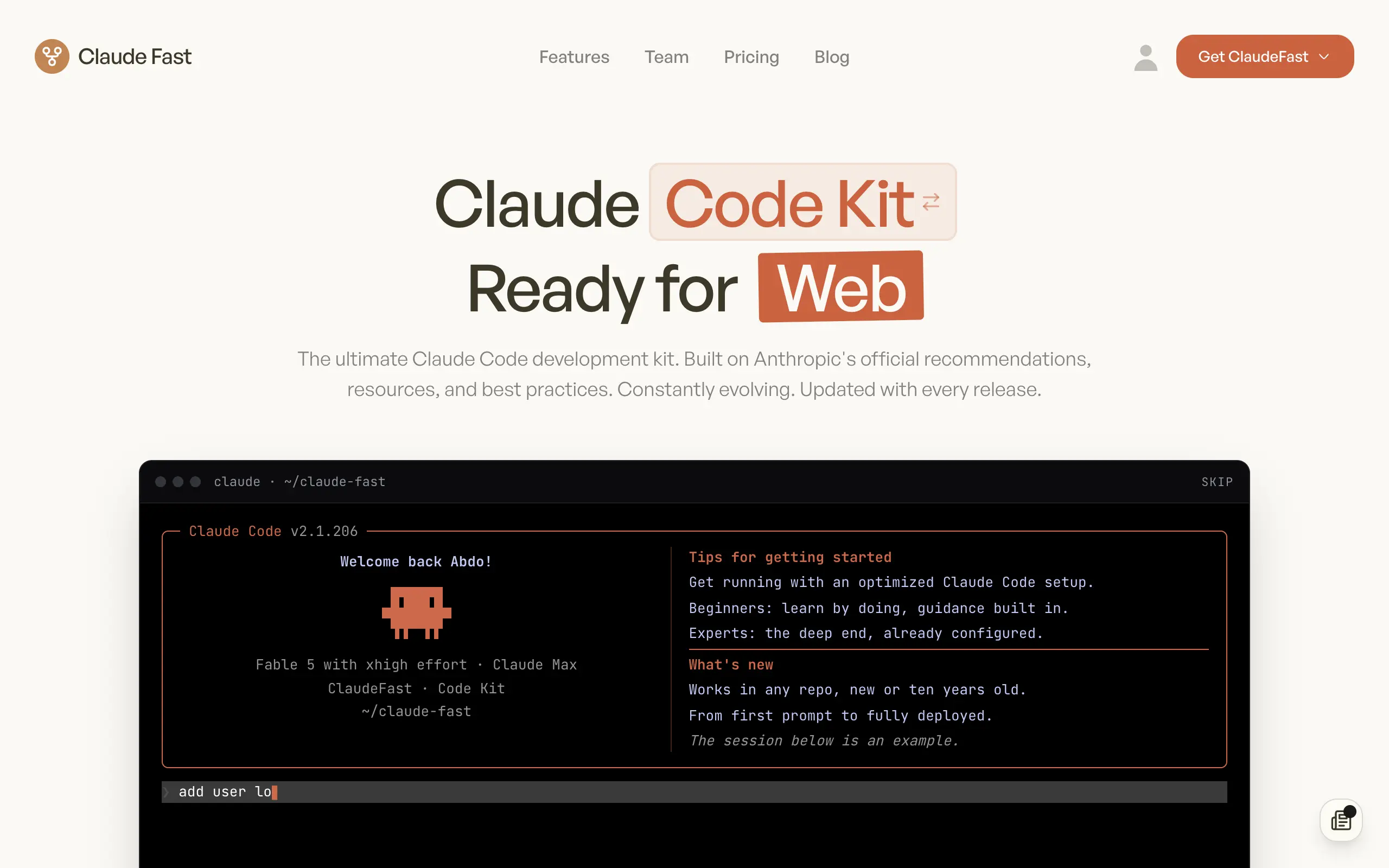
Claude Fast
Supercharge your Claude Code with 6x effective context window and specialized AI agents 🤖
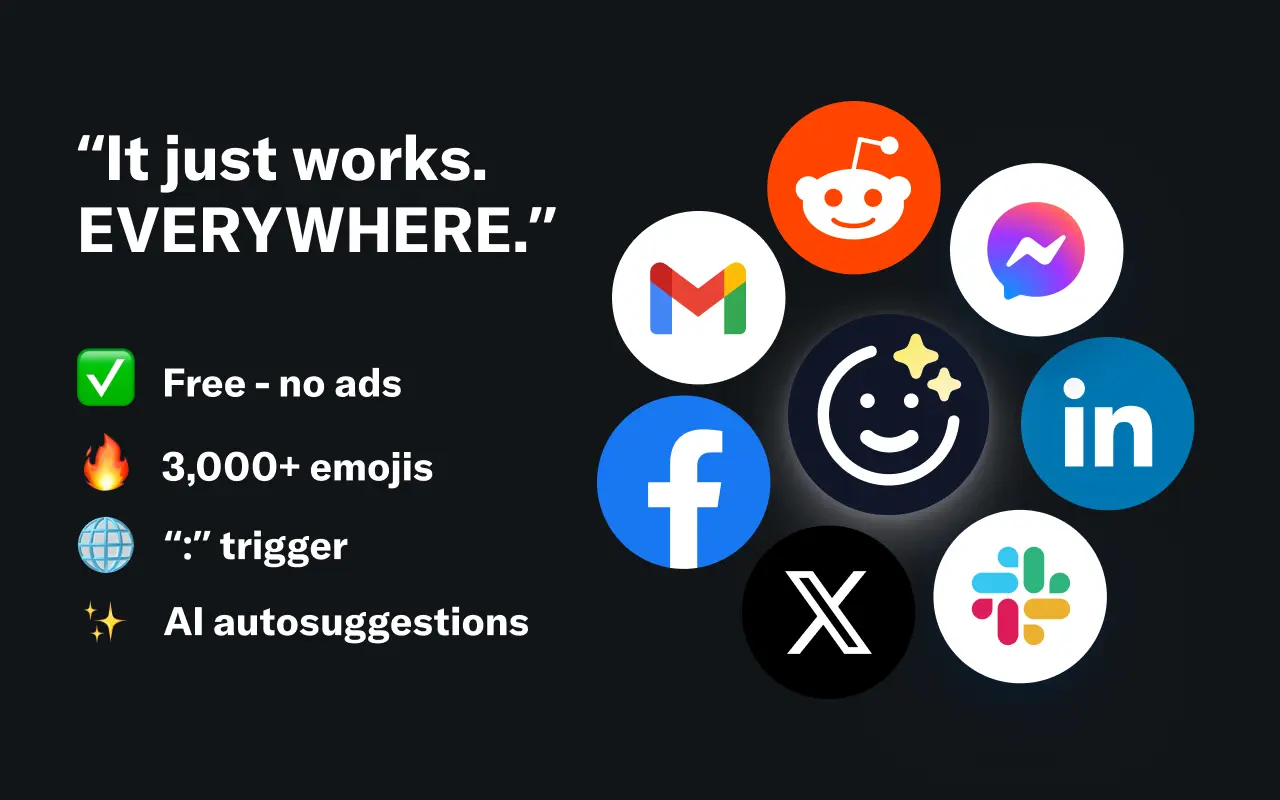
EmojAI
AI-powered emoji picker with smart, context-aware suggestions 🤖
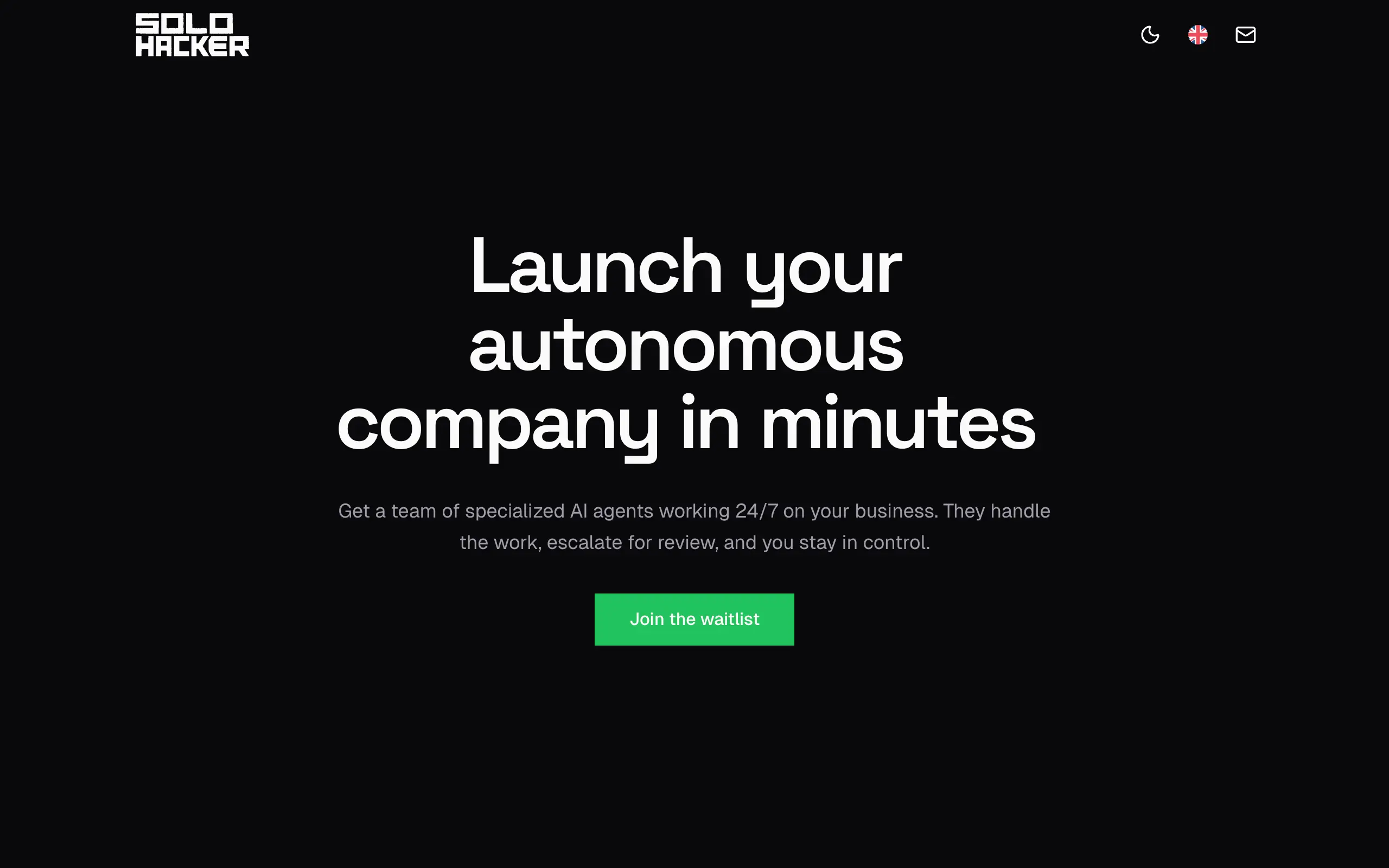
Solohacker
Autonomous company launcher - AI agents work 24/7, escalate what matters, and you stay in control 🤖
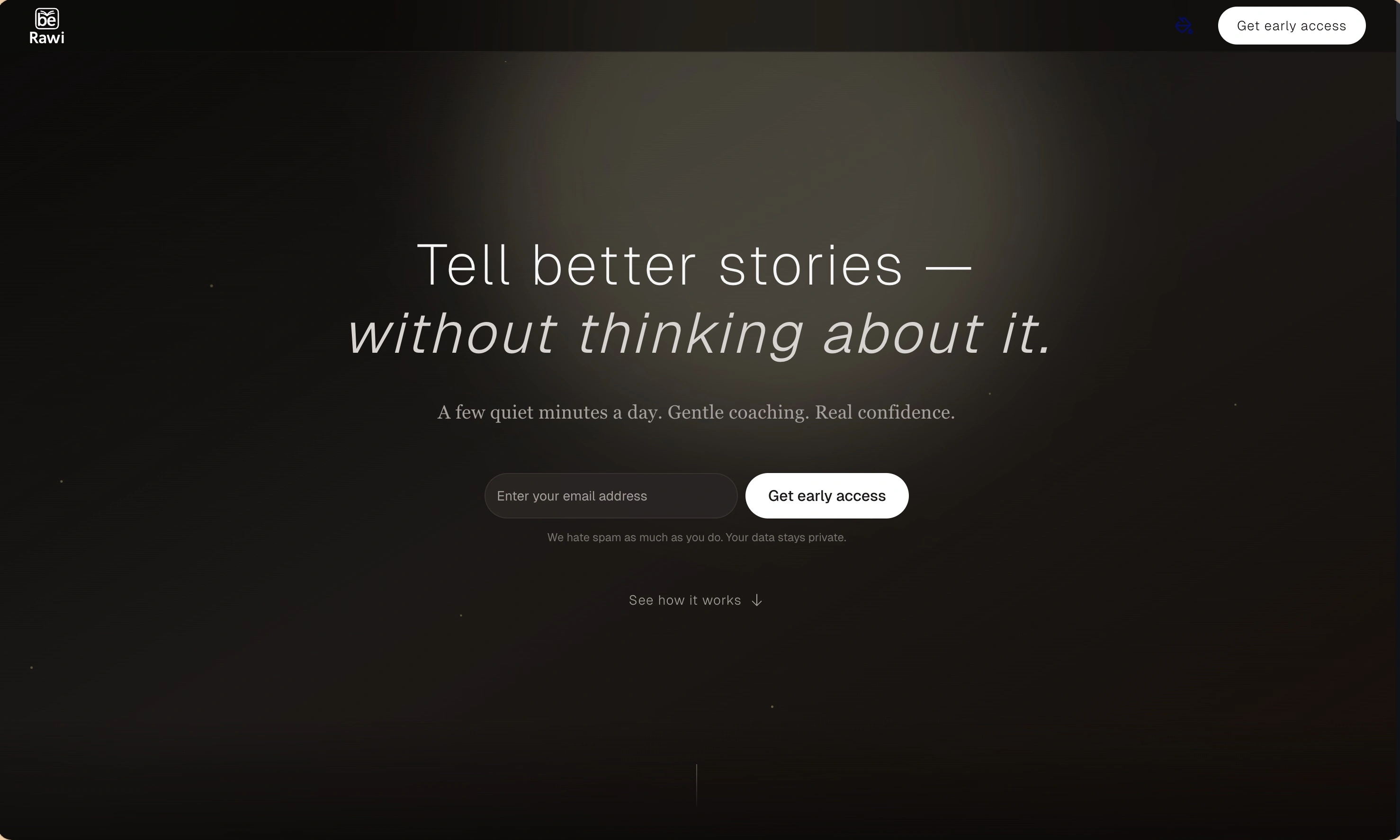
BeRawi: Storytelling Coach
Practice storytelling daily with instant feedback to sound clearer, more engaging, and confident 🎤
Omichat
Chat with 50+ AI models, including ChatGPT and Claude, in one place - switch models anytime without losing context 🤖
Claude Fast
Supercharge your Claude Code with 6x effective context window and specialized AI agents 🤖
EmojAI
AI-powered emoji picker with smart, context-aware suggestions 🤖
Solohacker
Autonomous company launcher - AI agents work 24/7, escalate what matters, and you stay in control 🤖
BeRawi: Storytelling Coach
Practice storytelling daily with instant feedback to sound clearer, more engaging, and confident 🎤
Omichat
Chat with 50+ AI models, including ChatGPT and Claude, in one place - switch models anytime without losing context 🤖
Claude Fast
Supercharge your Claude Code with 6x effective context window and specialized AI agents 🤖
EmojAI
AI-powered emoji picker with smart, context-aware suggestions 🤖
Solohacker
Autonomous company launcher - AI agents work 24/7, escalate what matters, and you stay in control 🤖
BeRawi: Storytelling Coach
Practice storytelling daily with instant feedback to sound clearer, more engaging, and confident 🎤
Omichat
Chat with 50+ AI models, including ChatGPT and Claude, in one place - switch models anytime without losing context 🤖
Claude Fast
Supercharge your Claude Code with 6x effective context window and specialized AI agents 🤖
EmojAI
AI-powered emoji picker with smart, context-aware suggestions 🤖
Solohacker
Autonomous company launcher - AI agents work 24/7, escalate what matters, and you stay in control 🤖
BeRawi: Storytelling Coach
Practice storytelling daily with instant feedback to sound clearer, more engaging, and confident 🎤

Connect with like-minded people
Join our community to get feedback, support, and grow together with 1,000+ builders on board, let's ship it!
Join usShip your startup everywhere. In minutes.
Don't burn tokens on setup and start building features on day one.