QueueForge
Turn your game and movie watchlists into a smart queue. AI picks a game, film, or double feature based on your mood and available time.
What QueueForge could become
QueueForge is an AI-powered entertainment queue that turns scattered game and movie watchlists into a practical answer to one everyday question: What should I play or watch right now?
Instead of browsing a long backlog, users tell QueueForge their mood, available time, and preferences. The product then recommends a game, a film, or a double feature that fits the moment. Its value is not simply finding more entertainment. It is helping people choose from the entertainment they already saved.
That distinction gives QueueForge a focused product opportunity. Many people maintain lists across streaming services, game platforms, spreadsheets, notes, and recommendation apps. Those lists help them remember what they might enjoy, but rarely help them decide what suits the next hour. QueueForge can bridge that gap with a smart, explainable queue that accounts for practical constraints as well as taste.
A strong version of the product would combine four capabilities:
- A unified backlog for games and movies
- A time-aware recommender that filters choices by available time
- Mood-based discovery that translates a user’s intent into useful recommendations
- A low-friction decision experience that makes it easy to start, skip, or refine a pick
The product should be treated as a decision assistant, not another catalog or social network. Its success will depend on whether users trust its suggestions enough to stop browsing and start playing or watching.
The user problem QueueForge solves
Entertainment choice is often framed as a discovery problem. People need to find something enjoyable, so products provide more recommendations, ratings, trailers, reviews, and categories. But for users with already-large backlogs, discovery is only part of the problem. They have saved plenty of options; they need help selecting one.
A user may have a film saved for a rainy evening, a role-playing game they intend to return to, and a short indie title they keep forgetting. The right choice depends on more than a genre match. It may depend on whether the user has 45 minutes or three hours, whether they want something emotionally light, whether they are playing alone, or whether a friend is joining.
QueueForge can turn those details into a useful recommendation. For example:
“I have about 90 minutes, want something cozy, and don’t want to start a huge commitment.”
A useful response might suggest a short game already in the user’s backlog, explain why it fits, and offer a film alternative if the user would rather watch than play.
The product should make this decision feel faster than opening several apps and comparing options manually. If setup takes too long, recommendations feel generic, or the queue is full of unavailable titles, users will return to their existing habits.
Target audience for an AI watchlist and game queue
QueueForge should begin with a specific audience rather than trying to serve every entertainment consumer. A clear first segment makes onboarding, integrations, recommendations, and marketing easier to prioritize.
Backlog-heavy gamers
These users own or have claimed more games than they can reasonably play. Their libraries may span PC, console, and subscription services. They save games during sales, receive recommendations from friends, or add titles to a wishlist, then struggle to choose what to launch.
QueueForge can help by organizing games around:
- Estimated session length
- Platform and current access
- Genre and preferred play style
- Whether the game is suitable for a short session or a longer commitment
- The user’s current mood and energy level
The initial product should not promise perfect playtime estimates. A better approach is to treat duration as a flexible range and let users correct it.
Film and streaming watchlist keepers
Movie fans often save titles across streaming apps, film databases, social recommendations, and personal lists. A consolidated watchlist can reduce the effort required to remember what is worth watching.
For this segment, the most useful filters may include:
- Runtime
- Mood or emotional intensity
- Genre and language
- Whether the film is appropriate for a group
- Streaming availability, when reliably supported
Streaming availability is especially important but also difficult to maintain. A title appearing in a watchlist does not guarantee it is available on a particular service in a particular country. QueueForge should show when availability was last checked and avoid presenting uncertain catalog data as fact.
Couples, households, and friend groups
Choosing together can be harder than choosing alone. A product that supports shared queues could let users combine preferences, set a time limit, and find a mutually acceptable choice. This is a natural expansion path, but it may complicate the first release with account permissions, group voting, and household profiles.
The initial version could test this need with a simple shared session: each participant selects a few preferences, and QueueForge ranks options that fit the group.
People who want less scrolling
Some users are not looking for more content. They are tired of endless browsing and want a direct recommendation. These users may respond well to an intentionally small set of choices rather than an infinite discovery feed.
QueueForge should consider a “just pick for me” interaction that returns one recommendation, a concise explanation, and an easy way to reroll. A product designed to reduce browsing should avoid becoming another place to browse indefinitely.
Market opportunity and product gap
QueueForge sits between personal media tracking, content discovery, catalog search, and recommendation systems. Each category addresses part of the decision journey, but the product opportunity is to connect a user’s own saved items with their present context.
Existing products commonly help users do one or more of the following:
- Track films or games they have completed
- Maintain a watchlist or wishlist
- Search for a particular title
- Discover popular or highly rated content
- Check where a film may be available
- Get recommendations based on a genre or viewing history
QueueForge’s potential gap is the moment-of-choice workflow. It can ask what the user has time and energy for, then select from a personal backlog across entertainment types. That cross-category approach is a meaningful differentiator if it remains simple and useful.
The opportunity should be validated rather than assumed. Before investing in complex AI or broad integrations, interview users who already maintain lists. Ask them to show how they choose something on a typical evening. Look for the workarounds they use, the number of apps they open, and what makes them abandon a decision.
A useful validation process should distinguish between three possible problems:
- List fragmentation — users cannot remember where they saved a title.
- Choice overload — users have enough options but cannot choose among them.
- Availability uncertainty — users find a title but cannot easily access it.
QueueForge may eventually address all three, but the first product should focus on the problem users feel most often. If interviews reveal that people mainly want unified lists, prioritize imports and organization. If they already have one reliable list but spend too long choosing, prioritize contextual recommendations.
For market sizing, avoid presenting a broad entertainment-industry figure as proof of demand. A more defensible early estimate starts with a reachable niche: for example, active watchlist maintainers, backlog-heavy gamers, or households that regularly choose entertainment together. Use a bottom-up model based on likely acquisition channels, expected conversion, and willingness to pay. Any external market statistics should be attributed to a current, credible industry report, with the report title, publisher, and publication date included in the final business plan.
Core QueueForge features
The first release should prove one core promise: QueueForge can help a user choose a suitable item from their own backlog in less time than manual browsing.
A unified entertainment backlog
Users need a dependable place to collect games and films. The product should support manual addition first, then progressively add import and integration options based on user demand and data access.
Each item should have a practical set of fields:
- Title and media type
- User’s status, such as “want to try,” “in progress,” or “finished”
- Platform or preferred service
- Estimated duration or session size
- Personal tags and notes
- Date added and, optionally, source
- Availability status, when verified
Avoid overbuilding metadata. If users rarely use a field to choose, it may not belong in the first version.
Mood and time-based recommendations
The recommendation flow should translate natural-language intent into filters the system can use. A user might request “something funny and light under two hours,” “a short game I can play before bed,” or “a tense movie for a full evening.”
QueueForge can combine explicit filters with saved preferences. The recommendation should reflect:
- Available time
- Desired mood
- Media type
- Solo or group context
- Platform or access
- User ratings, skips, and prior behavior
The product should distinguish between hard constraints and soft preferences. “I have 45 minutes” may be a firm limit; “I feel like something cozy” is a preference that can be interpreted with some flexibility.
Single picks and double features
A particularly memorable feature is the double-feature recommendation. QueueForge could suggest a film and a game, or two films, that fit a shared theme, mood, or evening plan.
A good double feature is not merely two items with the same genre. It could be built around a user-selected concept such as “lighthearted mysteries,” “space exploration,” or “a relaxed Friday night.” The product should explain the relationship between the recommendations and make the combined time commitment clear.
This feature has strong marketing potential because it produces shareable, concrete outcomes. It should follow the core single-pick workflow, however. A clever double feature is not valuable if users still cannot get a reliable recommendation for one title.
Explainable recommendations
Every suggestion should include a short reason. For example:
- “This fits your 60-minute window and is marked as low-commitment.”
- “You saved this film, and it matches your preference for witty mysteries.”
- “This game is available on your selected platform and is tagged as a good solo session.”
Explanations help users understand what the system has considered. They also reveal incorrect assumptions. If a user sees a recommendation based on an inaccurate runtime or mood tag, they can correct the data.
Feedback that improves future choices
QueueForge should make feedback lightweight. Users can start a recommendation, skip it, save it for another time, or mark it as completed. A short optional prompt can ask whether the pick matched their mood.
Do not treat a skip as proof that the user dislikes a title. They may simply lack time or want a different mood. Capturing the reason for a skip, when users are willing to provide it, can make personalization more accurate.
Imports and integrations
Manual entry is enough to test the basic decision experience, but it becomes a retention barrier as a backlog grows. Over time, QueueForge can support imports from common list formats and relevant platforms, subject to each service’s terms and available APIs.
Potential integration categories include:
- Game libraries and wishlists
- Film databases and personal lists
- Streaming availability providers
- Calendar or household planning tools
Integrations should be selected based on user demand, data quality, and permission requirements. Do not make the product’s main promise depend on an integration that may be unavailable, rate-limited, or restricted from the intended use.
How QueueForge’s recommendation system should work
A robust recommendation system does not need to begin with a large, opaque AI model. The strongest MVP can combine structured filtering, simple ranking, and AI-generated interpretation.
Start with eligibility filters
First, remove items that do not fit hard requirements. If a user has only 45 minutes, exclude options that clearly require a much longer session, unless the user has marked them as suitable for stopping and resuming. If the user requests a movie, avoid returning a game unless cross-media suggestions are explicitly enabled.
Availability can also be treated as a filter, but only when the data is trustworthy. If availability is uncertain, show that uncertainty rather than silently excluding a title or claiming it can be accessed.
Rank the remaining options
Next, assign a score to each eligible item. An early ranking model might combine:
- Match with mood and genre preferences
- Fit with the available time
- User interest or prior rating
- How long the item has been waiting in the backlog
- Platform or access match
- Variety relative to recent recommendations
This can be implemented with transparent rules before using more advanced personalization. A clear baseline is easier to debug and compare against user feedback.
Use AI where it adds value
A language model can interpret a natural-language request, map it to structured preferences, and produce a concise explanation. It can also help create a themed double feature from a limited set of eligible items.
The model should not be treated as the source of truth for catalog facts. Titles, runtimes, platform availability, and user-owned items should come from stored records or a trusted data provider. AI can reason over those facts, but it should not invent them.
A practical architecture separates responsibilities:
- The application retrieves the user’s saved items.
- Rules and database queries remove ineligible choices.
- A ranking layer scores the remaining candidates.
- An AI service interprets ambiguous preferences or writes a concise explanation.
- The interface presents the recommendation and gathers feedback.
This approach reduces hallucination risk, controls costs, and makes the system easier to evaluate.
Recommended technology stack for QueueForge
The best stack is the one that lets a small team validate the recommendation experience quickly without sacrificing data security or future flexibility.
Web application and interface
A modern TypeScript web stack is a strong fit for an initial product. React provides a mature component model for building interactive queue and recommendation flows. A framework such as Next.js can support server-rendered pages, API endpoints, and a responsive web experience in one application.
For styling, Tailwind CSS can speed up interface iteration and help maintain consistent spacing and visual patterns. The main trade-off is that utility-heavy markup can become difficult to scan if components are not organized carefully. Establish design tokens and reusable components early.
A responsive web app is usually a better first milestone than separate native mobile apps. Users may add items from multiple devices, but the core test is whether the recommendation workflow is useful. A mobile-friendly web experience can validate that behavior before a larger investment in native development.
Database and authentication
A relational database such as PostgreSQL fits QueueForge’s core data well. Users, saved items, media metadata, feedback events, and shared lists have clear relationships. Relational queries can also support initial filtering and ranking.
Authentication should support common sign-in methods while keeping the account model simple. Plan for privacy and account deletion from the start. A user should be able to remove saved media, export personal data where appropriate, and understand how their feedback is used.
A managed backend can reduce operational overhead for an early team. The trade-off is platform dependence and the need to understand how data access rules, backups, and migration paths work. Keep core business logic in application code where practical, and document provider-specific dependencies.
AI and recommendation services
Use an AI provider for natural-language interpretation and explanation, not as a substitute for a recommendation data model. Keep prompts constrained to candidate records that the system has already retrieved. Store model choice, prompt version, and outcome metadata where needed for testing, while avoiding unnecessary retention of sensitive user inputs.
Consider a rule-based recommender as the baseline. It provides a comparison point for any AI-assisted version. If the AI system does not improve satisfaction, speed, or return usage, it should not be added merely because it is available.
Analytics and product evaluation
Instrument key events such as:
- A user imports or adds an item
- A recommendation is requested
- A recommendation is started, skipped, or saved
- A user changes filters
- A user returns to make another choice
Measure the time from opening the app to selecting an item, as well as the rate at which users act on recommendations. These are more meaningful early signals than raw page views. Keep analytics privacy-conscious and explain tracking in a clear policy.
TurboStarter may help teams launch a SaaS foundation more quickly, especially when common authentication, billing, and application patterns are already part of the build plan. Evaluate it against the team’s preferred stack, customization needs, and long-term maintenance expectations.
Competitive advantage and positioning
QueueForge should not position itself as the biggest catalog or the definitive source for every review, rating, and availability detail. Established entertainment services already have deep libraries, distribution relationships, or social communities. Competing on catalog size alone would be difficult and would distract from the product’s clearest value.
A stronger position is:
QueueForge turns your personal entertainment backlog into a context-aware choice you can act on now.
That position is supported by several potential advantages:
- Cross-media choice — users can compare a game and a movie based on the same mood or time window.
- Personal backlog first — recommendations begin with things the user has saved, rather than an endless feed of unfamiliar titles.
- Time-aware decisions — session length and available time influence the result.
- Action-oriented interaction — the goal is to help someone start, not to maximize scrolling.
- Explainable suggestions — users can see why a pick fits and correct the system when it gets something wrong.
- Double-feature planning — themed combinations provide a distinctive use case for dates, weekends, and group plans.
These features are not defensible simply because they exist. The lasting advantage would come from combining a trusted personal library, reliable preference signals, useful integrations, and a recommendation experience that users return to. That advantage must be earned through product quality and good data practices.
The product should also be careful about how it describes personalization. If users have provided only a handful of preferences, QueueForge should not claim to know their taste deeply. Honest explanations build more trust than exaggerated “perfect match” language.
Monetization strategies
QueueForge can test multiple business models, but the initial pricing strategy should match the product’s actual recurring value.
Freemium subscription
A free tier could provide a limited number of saved items or recommendation sessions, while a paid plan unlocks larger libraries, advanced filters, shared queues, and more detailed personalization.
This model aligns revenue with ongoing utility. The risk is that artificial limits may frustrate users before the product has established value. The free tier should be sufficient to demonstrate a genuinely useful recommendation.
Premium household or group plan
A household plan could support shared lists, multiple profiles, group voting, and recommendations that account for several people. This offers a clear reason to pay if group decision-making proves to be a frequent use case.
Do not introduce complex family permissions until testing confirms that shared use is common enough to justify the engineering and support cost.
Affiliate revenue
If QueueForge directs users to buy or rent a title, affiliate partnerships may provide revenue. This creates a potential conflict of interest. Recommendations should not be ranked primarily by commission, and any paid relationship should be disclosed clearly.
Affiliate opportunities also depend on partner programs, regional availability, and platform policies. They should be treated as a secondary revenue stream rather than a core assumption in the early financial model.
One-time purchase or supporter plan
Some users may prefer a one-time payment for a focused utility rather than another recurring subscription. This can be tested with a lifetime or annual supporter offer, but long-term costs still need to be covered. AI requests, data services, and support can create ongoing expenses.
A sensible monetization sequence is to validate repeated usage first, then test whether users will pay for the features that deepen that usage. Avoid building premium features before confirming which problem is valuable enough to monetize.
Risks and how to mitigate them
Unreliable metadata and availability
Catalog information can be incomplete, outdated, or inconsistent across regions and platforms. A wrong runtime or false availability claim can undermine trust quickly.
Mitigation: Store the source and last-checked time for externally sourced data. Make uncertain availability visible. Let users correct personal details, and avoid promising real-time coverage unless the underlying provider supports it.
AI recommendations that feel generic
If the product simply maps “cozy” to a broad genre, users may see little difference from a basic filter.
Mitigation: Use the user’s actual backlog, time limit, platform, and feedback. Explain the recommendation in concrete terms. Test whether users prefer AI-assisted ranking over a transparent rule-based baseline.
Onboarding friction
A large empty queue is not useful. Manually entering dozens of titles before receiving a good recommendation creates a poor first experience.
Mitigation: Let a user get value with a small list. Make adding a single title fast, provide sample interactions without pretending sample content is personal, and prioritize imports that research confirms users actually need.
Data access and licensing constraints
Third-party services may limit access to their data, change API terms, or restrict how information can be displayed and stored.
Mitigation: Review provider terms before implementation, keep integrations modular, and create a manual or import-based fallback. Do not base the whole product on a single external source without a viable contingency.
Weak retention
A user may try QueueForge once, choose a film, and then return to familiar apps. That does not automatically mean the idea is invalid, but it means the product needs a repeatable use case.
Mitigation: Measure repeat decision sessions, not just sign-ups. Explore recurring moments such as weekend planning, post-work sessions, or group movie nights. Build reminders only when users request them; unnecessary notifications can damage trust.
Privacy concerns
A personal entertainment history can reveal interests, habits, and household routines. Users may not expect this data to be shared or used for advertising.
Mitigation: Collect only what the product needs, explain data use in plain language, protect account and integration credentials, and provide clear deletion controls. Do not sell identifiable preference data.
Metrics that show whether QueueForge is working
The north-star metric should reflect the product’s promise: helping users make a decision and act on it. A useful early metric is the percentage of recommendation sessions that lead to a selected item, paired with a measure of repeat use.
Supporting metrics could include:
- Median time from opening the product to choosing an item
- Recommendation start rate
- Skip rate and the reasons users provide
- Percentage of users who return for a second decision session
- Items added per active user
- Share of sessions using time or mood filters
- Double-feature selection and completion rates
- Paid conversion after repeated successful sessions
Avoid optimizing only for session length. A product that shortens browsing may have shorter sessions by design. The desired outcome is a confident choice, not more time spent inside QueueForge.
A practical implementation roadmap
1. Validate the decision problem
Interview backlog-heavy gamers, film watchlist users, and people who regularly choose entertainment with others. Ask them to demonstrate their current process. Record what they do, where friction appears, and whether time, mood, availability, or group preferences matter most.
2. Define a narrow first audience
Choose one segment for the first launch, such as people with large PC game libraries or users who maintain multiple film watchlists. A narrow audience helps the team choose the right import options and language for the product.
3. Build a lightweight prototype
Create a clickable flow that asks for mood, time, and media type, then returns a small set of choices. Test the interface before building integrations or complex personalization. Observe whether users understand why a recommendation appeared.
4. Launch an MVP with a transparent recommender
Support accounts, manual item entry, basic tags, time and mood filters, and a rules-based ranking system. Add brief explanations and simple feedback controls. Keep the first release focused on the moment of choice.
5. Measure real decisions
Track recommendation requests, selections, skips, and return sessions. Follow up with users to learn whether they started the game or film and whether the suggestion matched their context. Use that evidence to refine ranking and onboarding.
6. Add integrations selectively
Prioritize the import or catalog integration that removes the greatest proven friction. Confirm data permissions, maintenance requirements, and regional coverage before making it a core product dependency.
7. Test monetization after value is clear
Offer a paid plan only after users have demonstrated repeated use. Test which benefits matter most, such as shared queues, advanced filters, larger libraries, or additional recommendation sessions.
The strongest version of QueueForge
QueueForge has a compelling product premise because it targets a familiar but underserved moment: having plenty of entertainment options and still not knowing what to choose. Its opportunity is not to replace every media platform. It is to make a personal backlog useful by connecting it to mood, time, access, and context.
The product’s most important strategic choices are to start with a specific audience, keep the first recommendation system understandable, and treat catalog data responsibly. AI can make the experience feel conversational, but accurate personal data and a low-friction workflow are what make the recommendation credible.
Begin with a small queue, a clear decision flow, and a measurable promise: help users choose something they already want to enjoy. If QueueForge can repeatedly turn “What should I play or watch?” into a confident answer, it can earn the right to expand into imports, shared planning, themed double features, and paid personalization.
More 🤖 AI Startup SaaS ideas
Discover more innovative ai startup SaaS ideas that are trending in 2026. Each idea is AI-generated with market validation and growth potential to help you find your next profitable venture faster than competitors.
Your competitors are building with TurboStarter
Below are some of the SaaS ideas that have been generated and built with our starter kit.
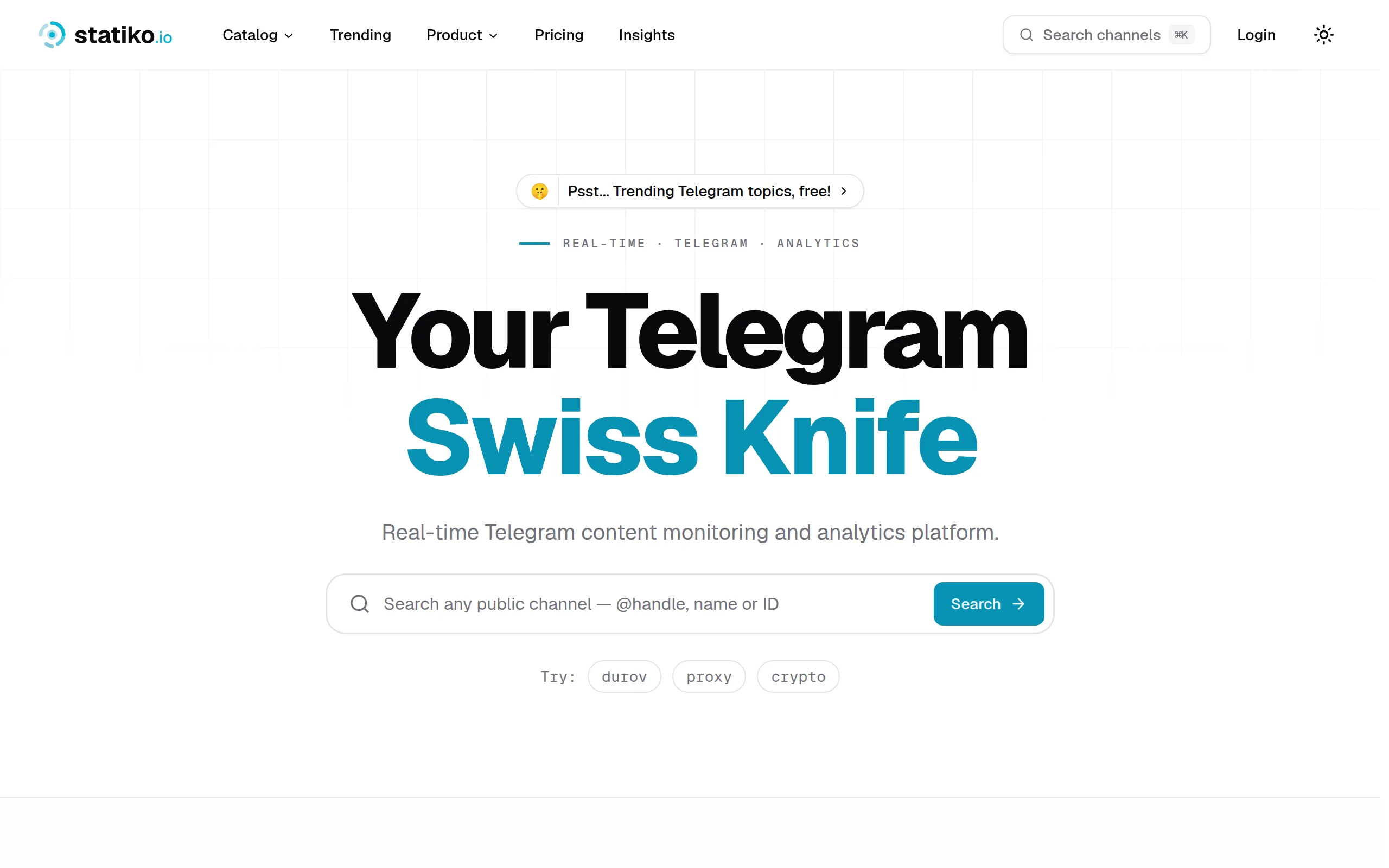
Statiko
Monitor any Telegram channel in real time - track posts, edits, deletions, and growth with AI recaps 📡

Shibui
AI website builder - describe your business, pick a niche template, edit by chatting, and publish instantly ✨

Pro Service
Find verified home service professionals, compare quotes, and pay securely through escrow - built for Brazilians across the US 🏠
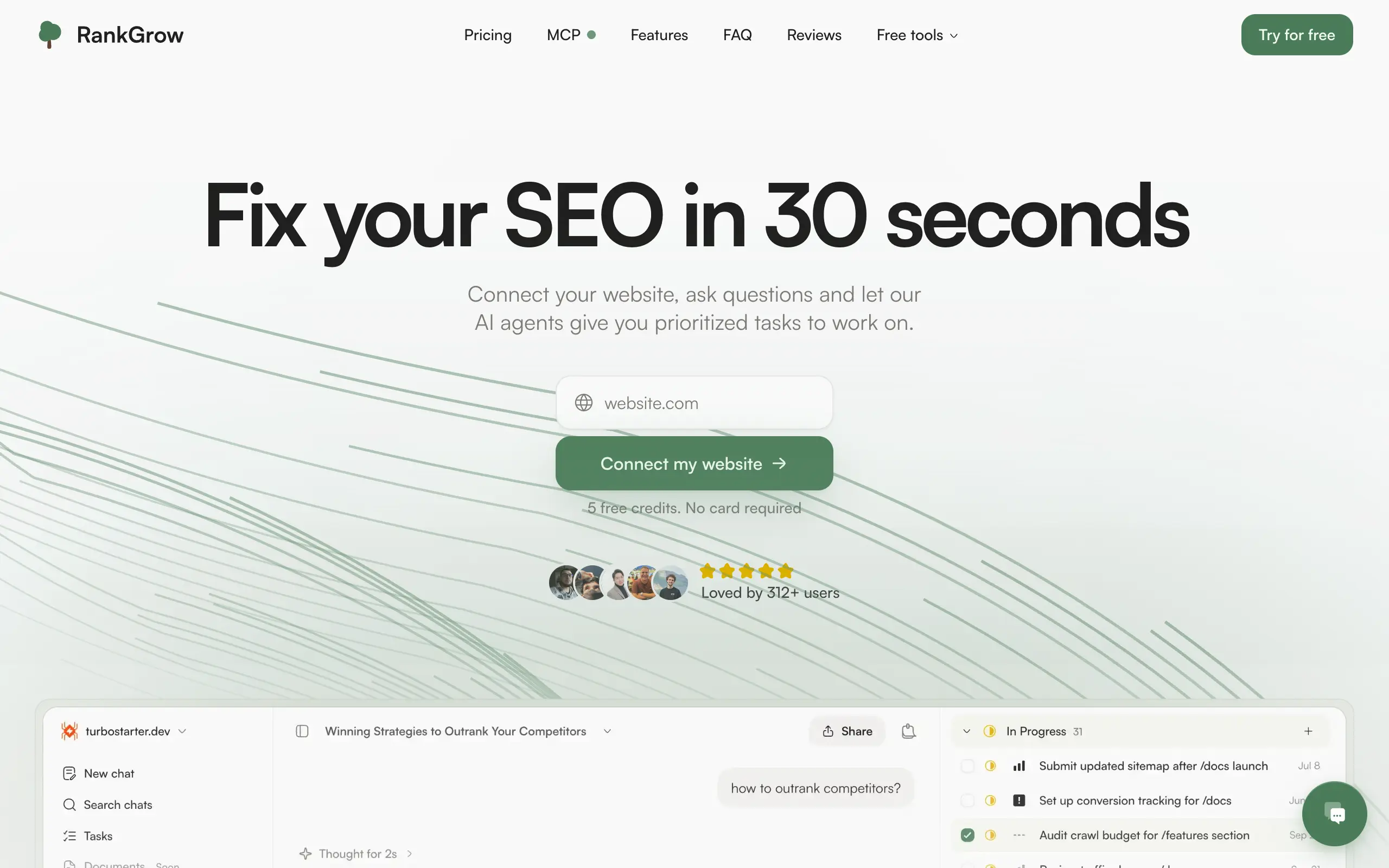
RankGrow
Fix your SEO with AI agents - connect Search Console, get prioritized tasks, and grow organic traffic 📈
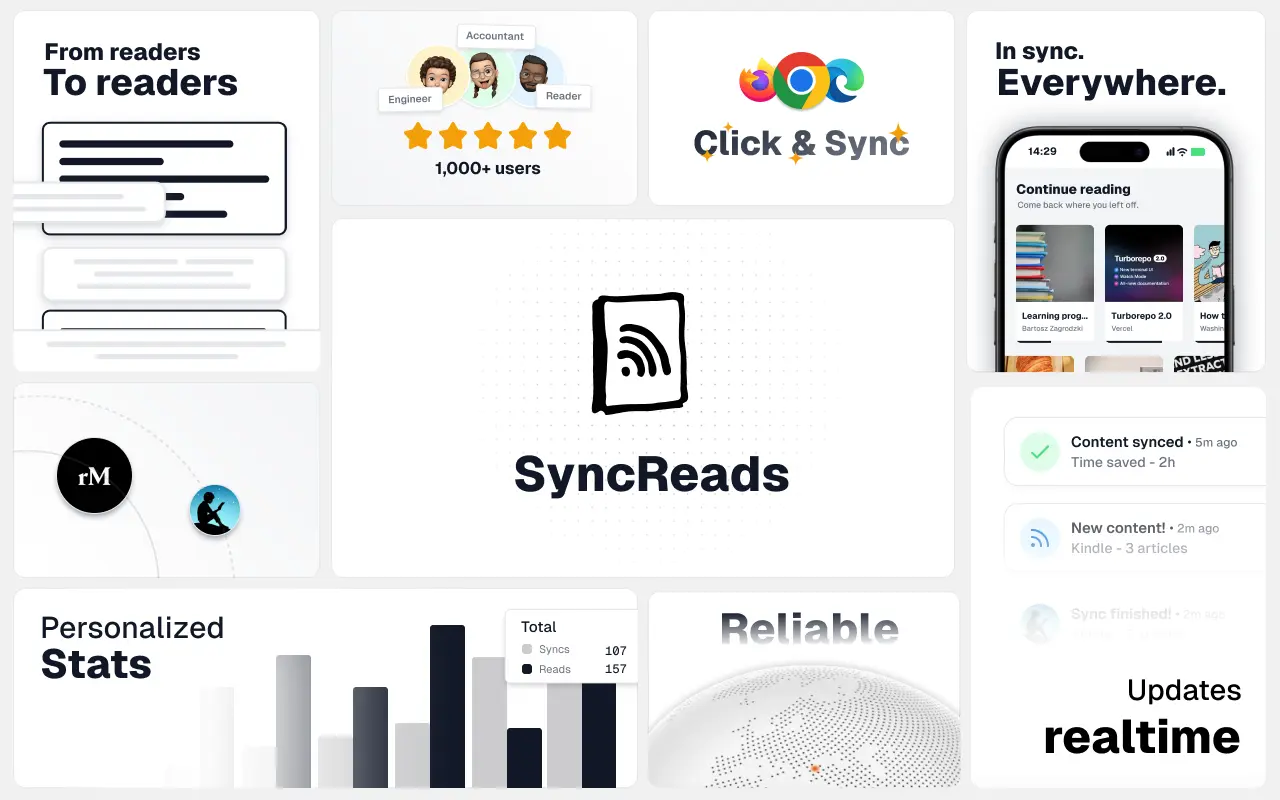
SyncReads
Sync your favorite content for distraction-free reading, save time and replace multiple apps. Anytime, anywhere 🔄
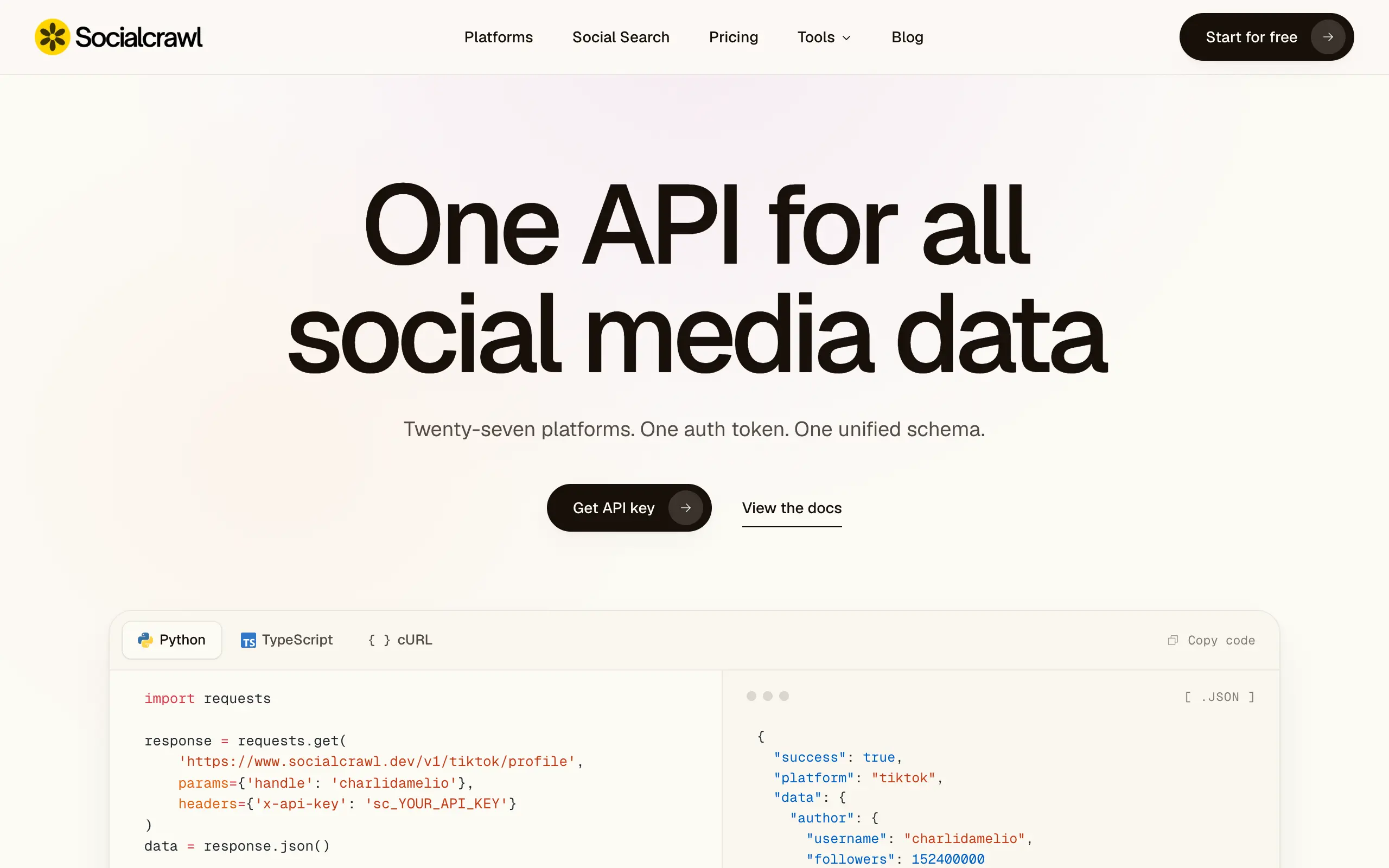
Socialcrawl
Get clean, structured data from 21 platforms like TikTok, Instagram, and YouTube with a single request 📊
Statiko
Monitor any Telegram channel in real time - track posts, edits, deletions, and growth with AI recaps 📡
Shibui
AI website builder - describe your business, pick a niche template, edit by chatting, and publish instantly ✨
Pro Service
Find verified home service professionals, compare quotes, and pay securely through escrow - built for Brazilians across the US 🏠
RankGrow
Fix your SEO with AI agents - connect Search Console, get prioritized tasks, and grow organic traffic 📈
SyncReads
Sync your favorite content for distraction-free reading, save time and replace multiple apps. Anytime, anywhere 🔄
Socialcrawl
Get clean, structured data from 21 platforms like TikTok, Instagram, and YouTube with a single request 📊
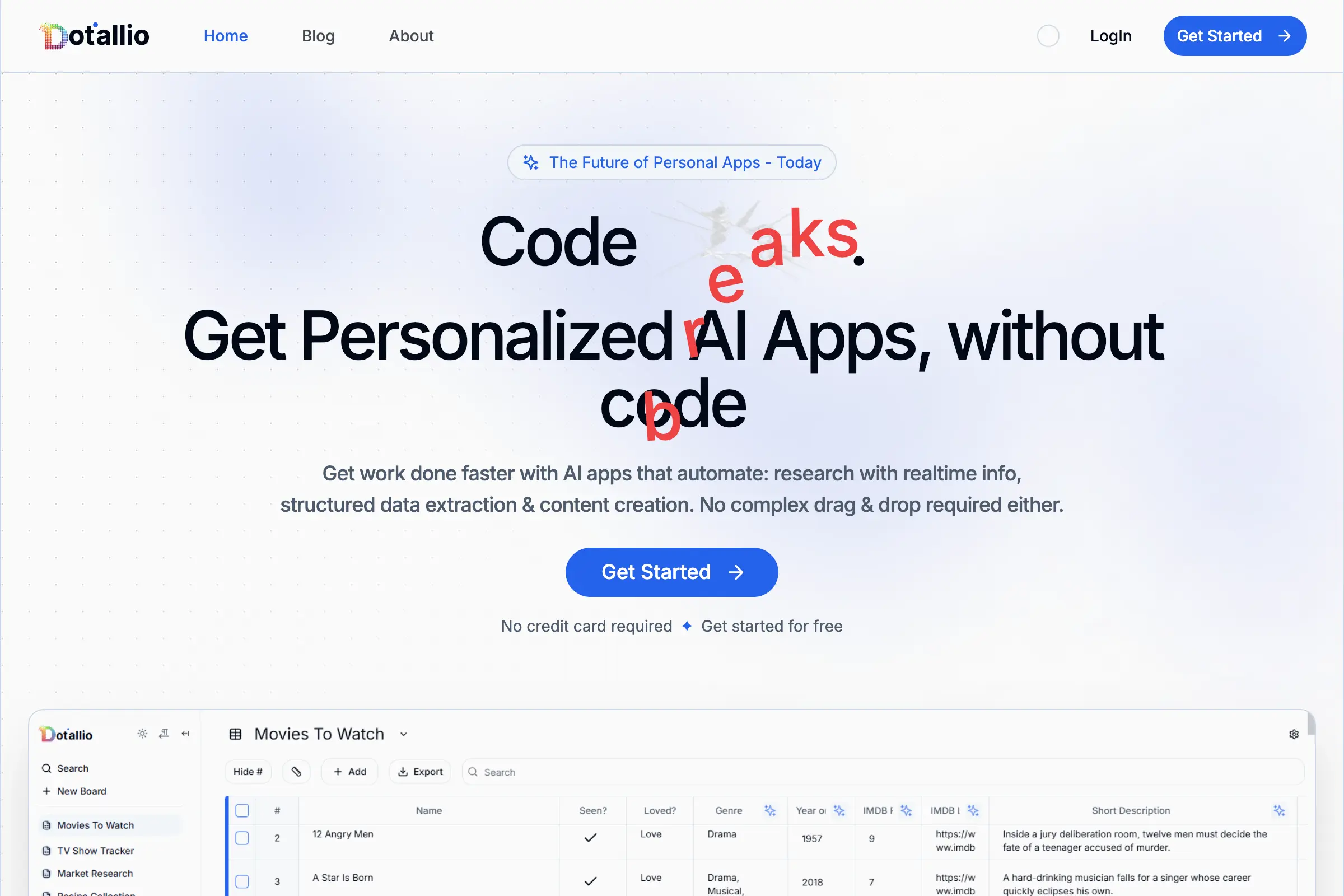
Dotallio
Personalized AI apps that automate research, data extraction, and content creation without code 🤖
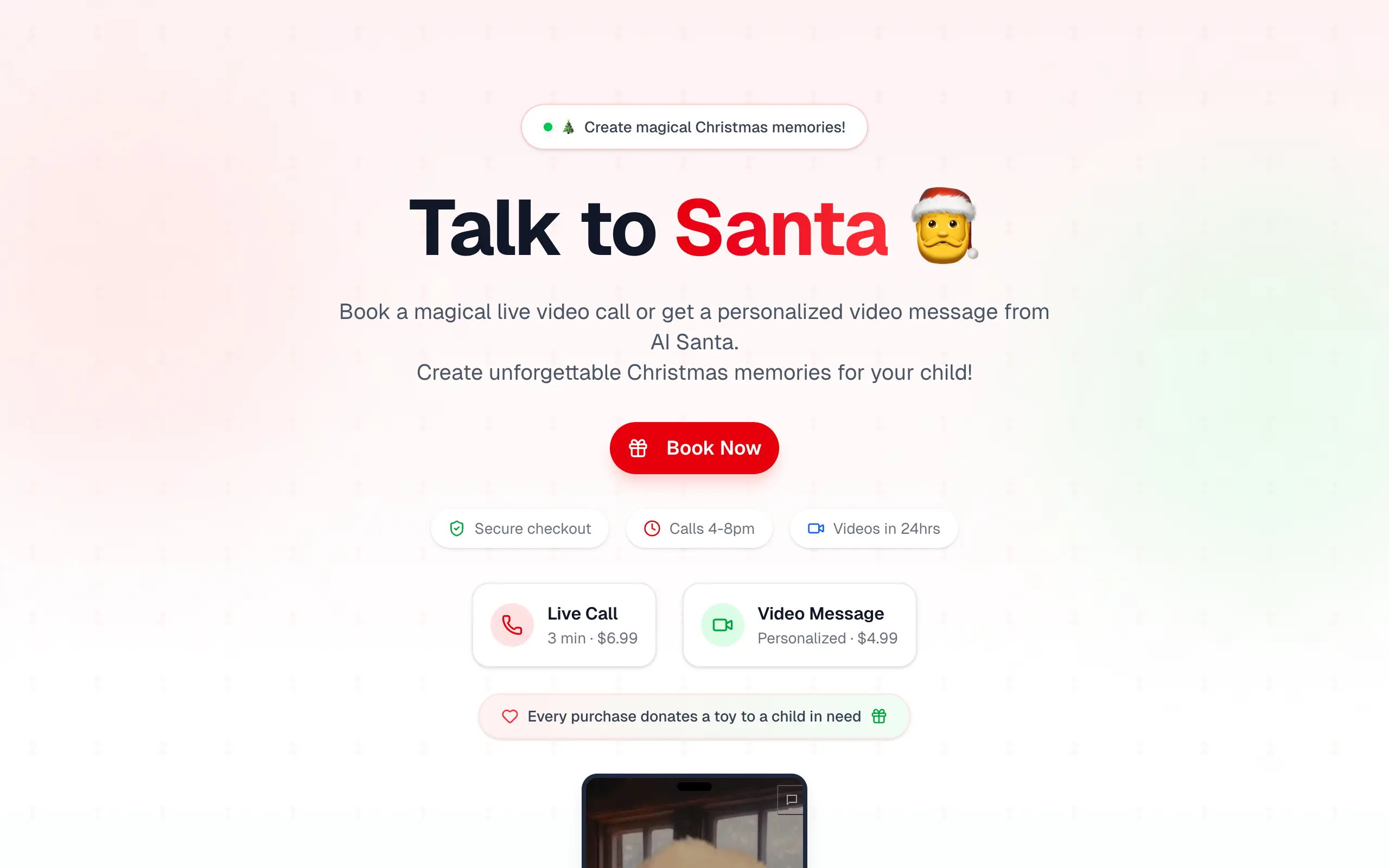
Talk to Santa
Enjoy a magical live video chat or receive a unique AI-generated video greeting from Santa Claus 🎅
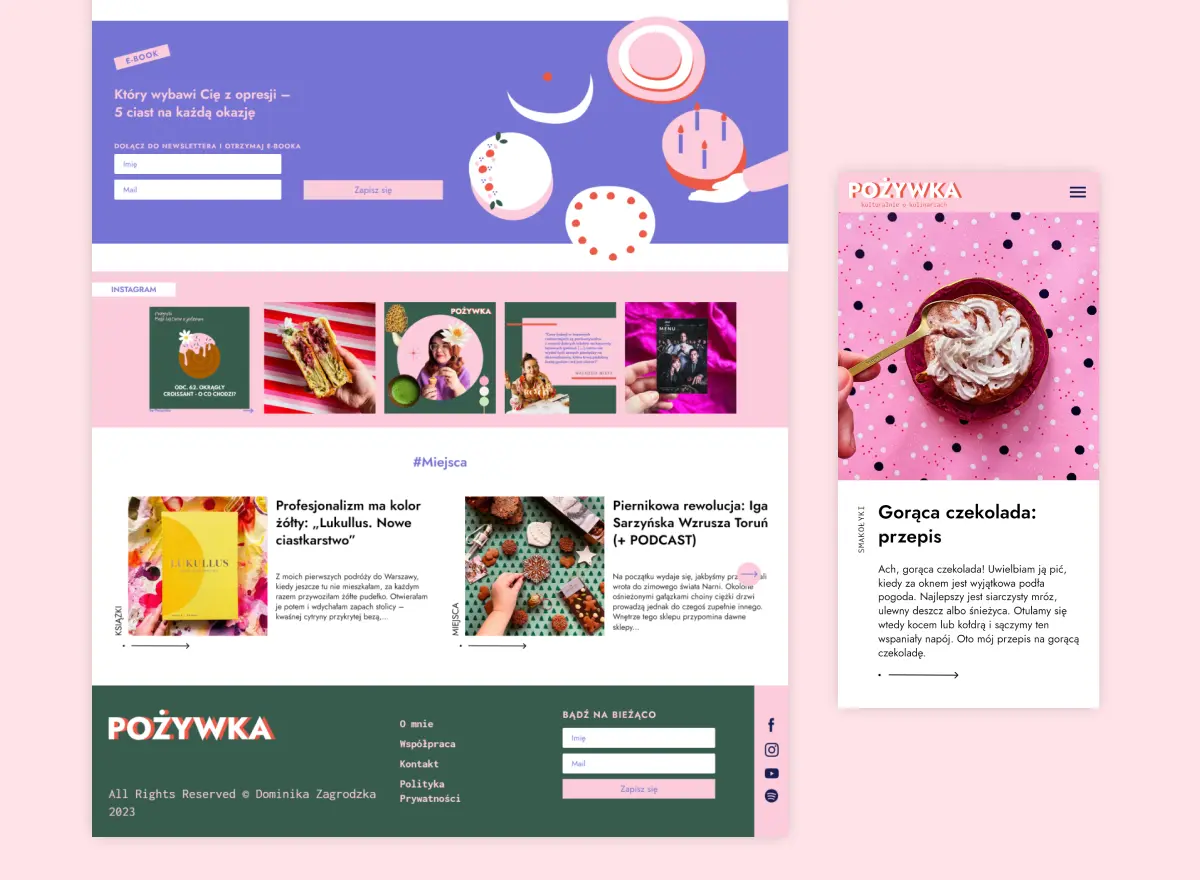
pozywka.pl
Scalable blog for food journalist, focused on performance and user experience 🌭
zagrodzki.me
Personal blog and portfolio of Bart Zagrodzki, where he shares his knowledge and work 💼
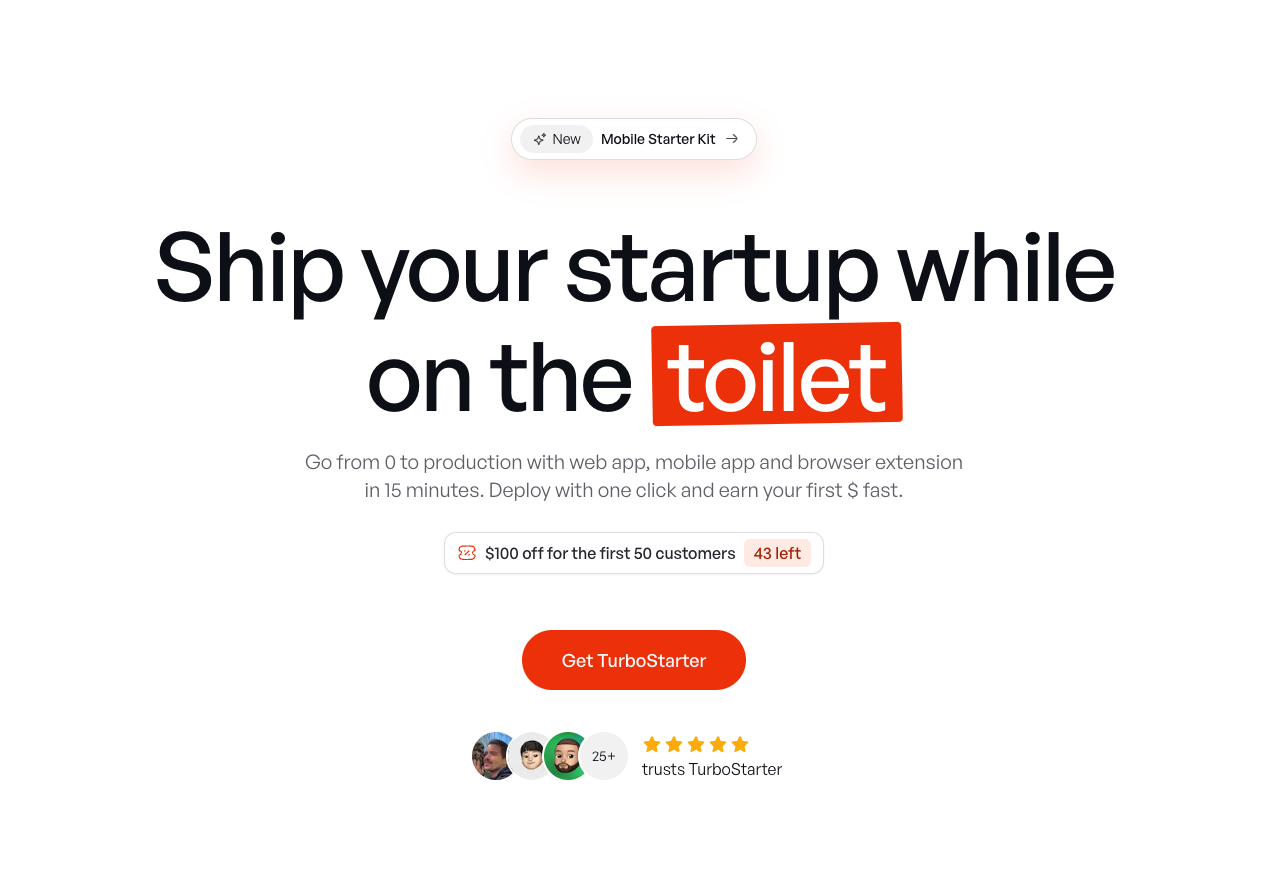
TurboStarter
Ship your startup everywhere. In minutes.
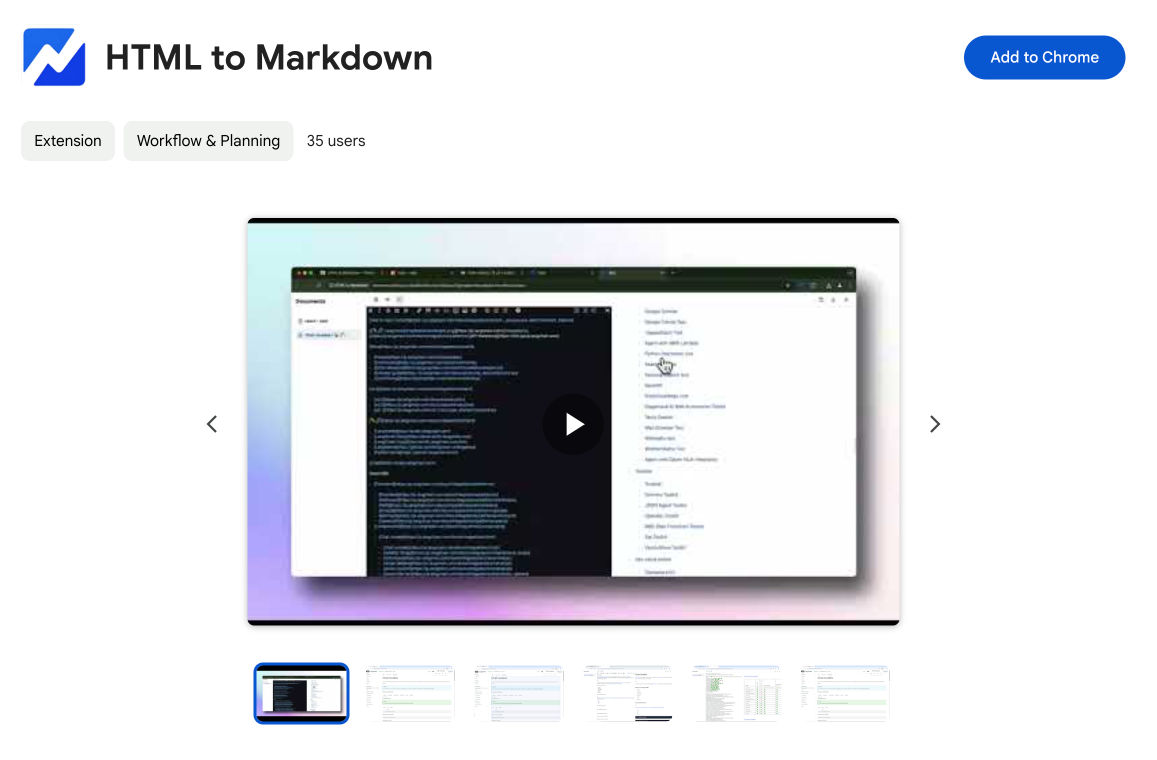
HTML to Markdown
Convert HTML to Markdown with ease, directly in your browser 📄
Dotallio
Personalized AI apps that automate research, data extraction, and content creation without code 🤖
Talk to Santa
Enjoy a magical live video chat or receive a unique AI-generated video greeting from Santa Claus 🎅
pozywka.pl
Scalable blog for food journalist, focused on performance and user experience 🌭
zagrodzki.me
Personal blog and portfolio of Bart Zagrodzki, where he shares his knowledge and work 💼
TurboStarter
Ship your startup everywhere. In minutes.
HTML to Markdown
Convert HTML to Markdown with ease, directly in your browser 📄
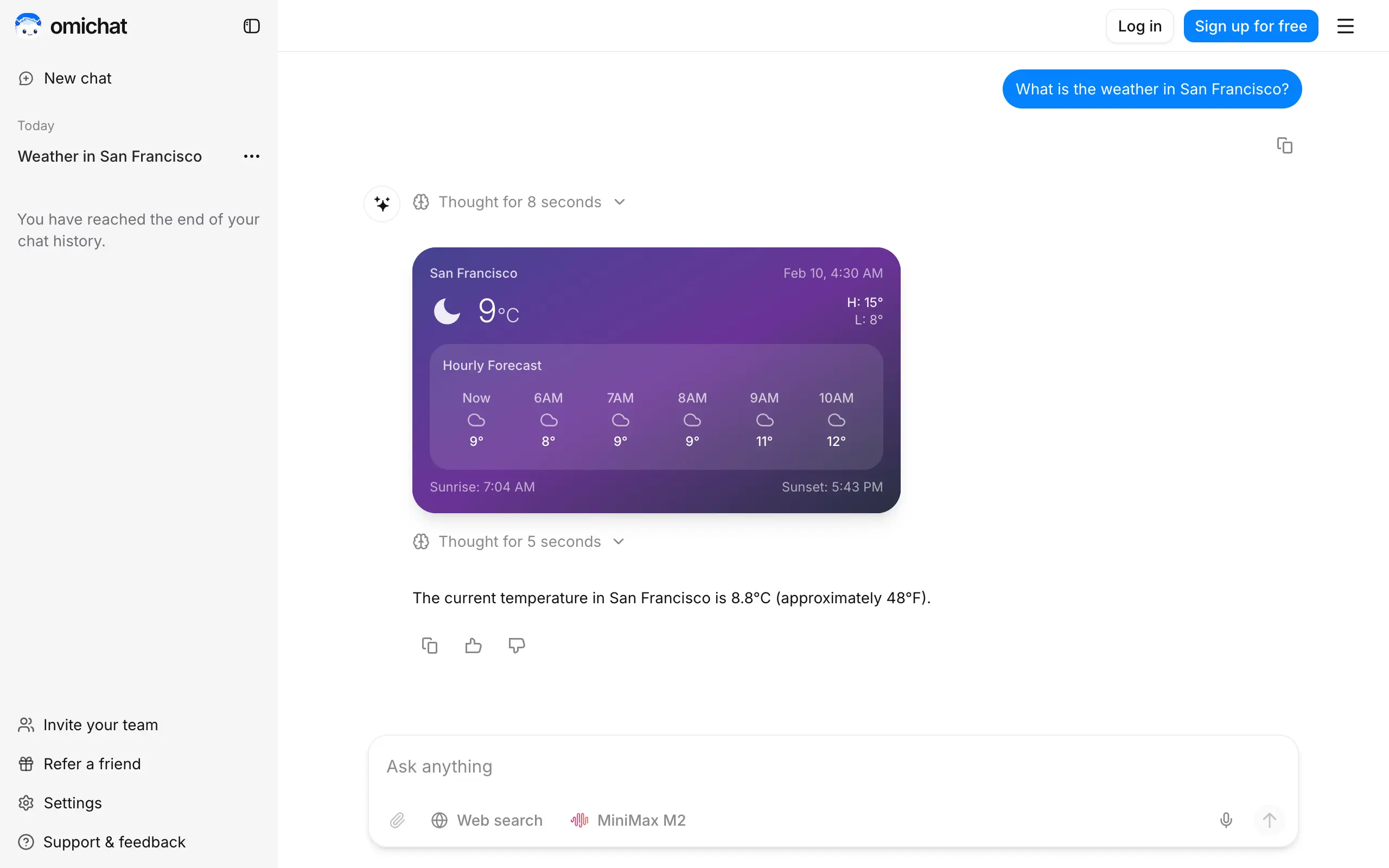
Omichat
Chat with 50+ AI models, including ChatGPT and Claude, in one place - switch models anytime without losing context 🤖
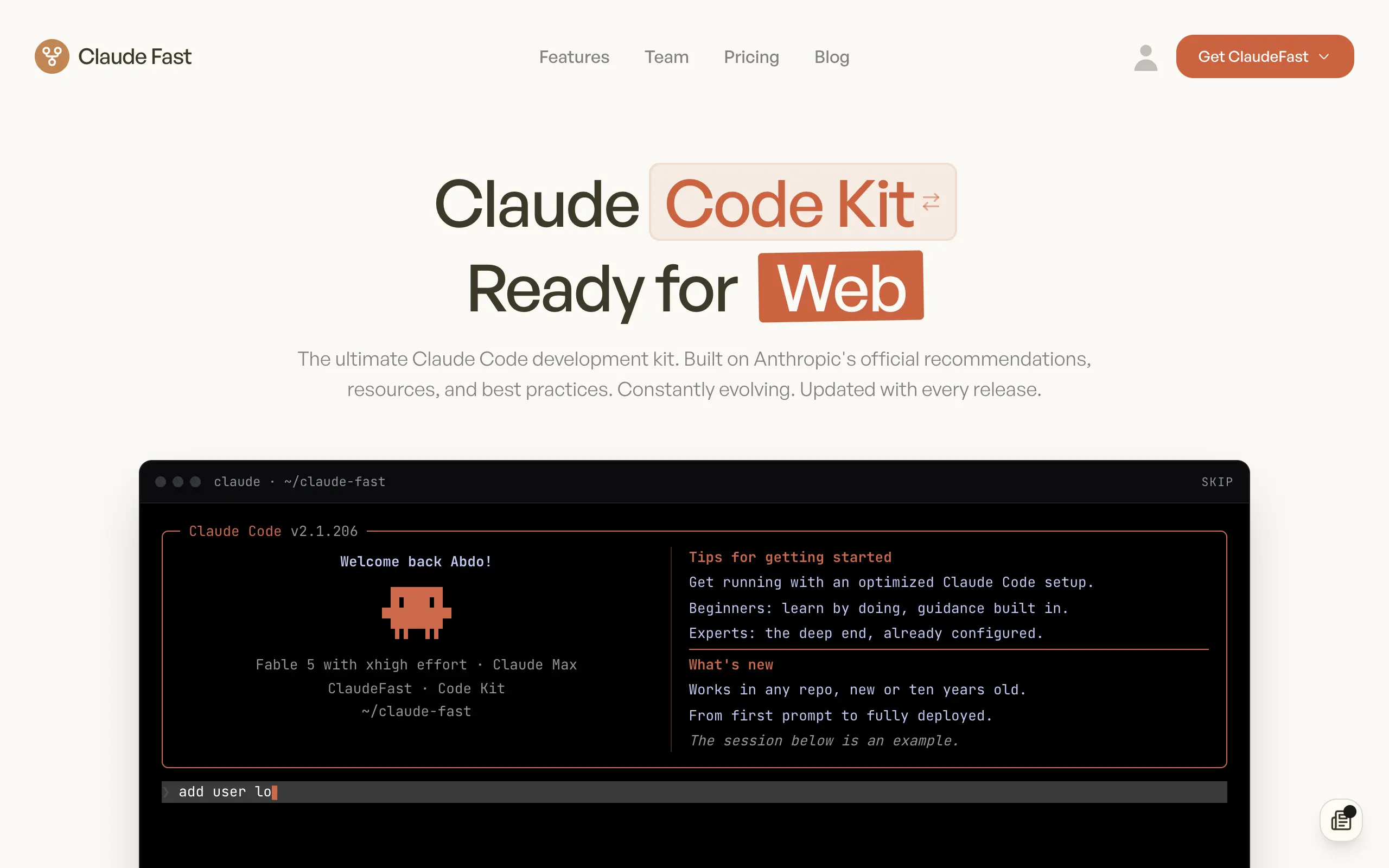
Claude Fast
Supercharge your Claude Code with 6x effective context window and specialized AI agents 🤖
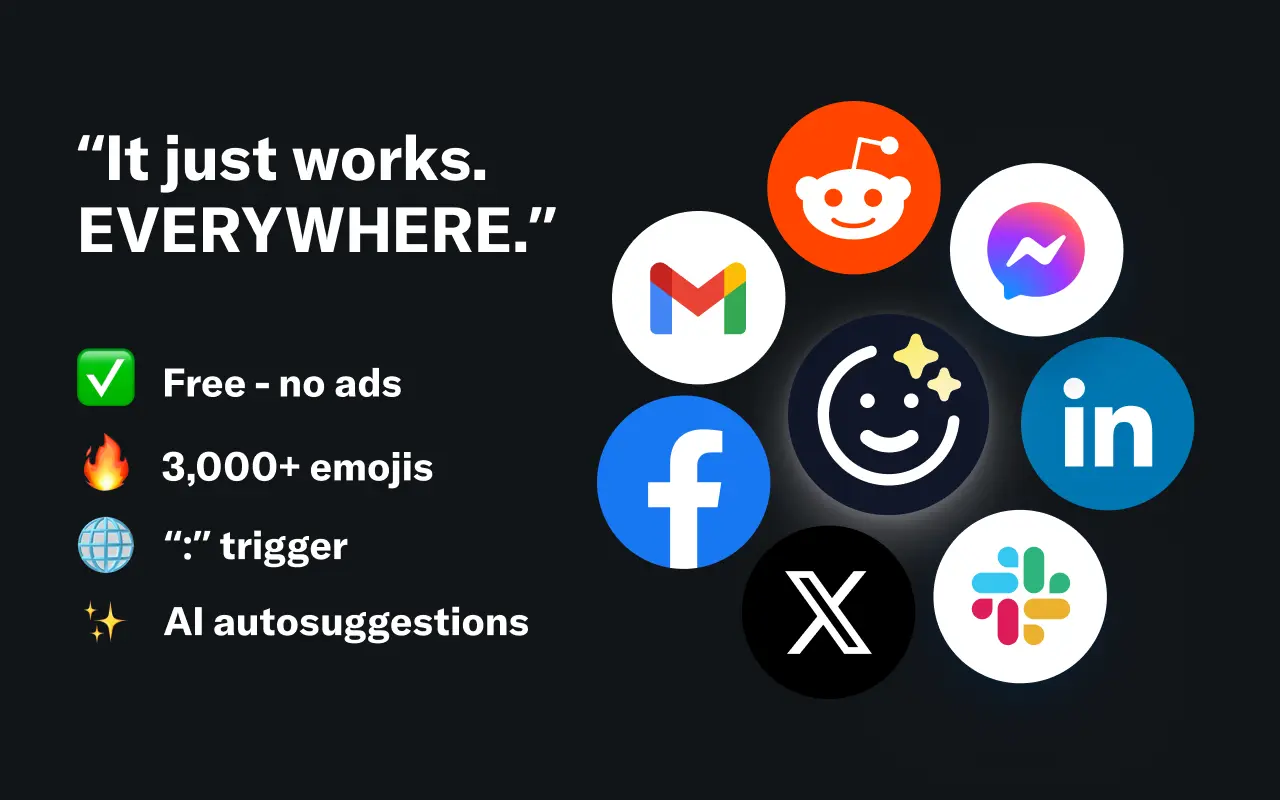
EmojAI
AI-powered emoji picker with smart, context-aware suggestions 🤖
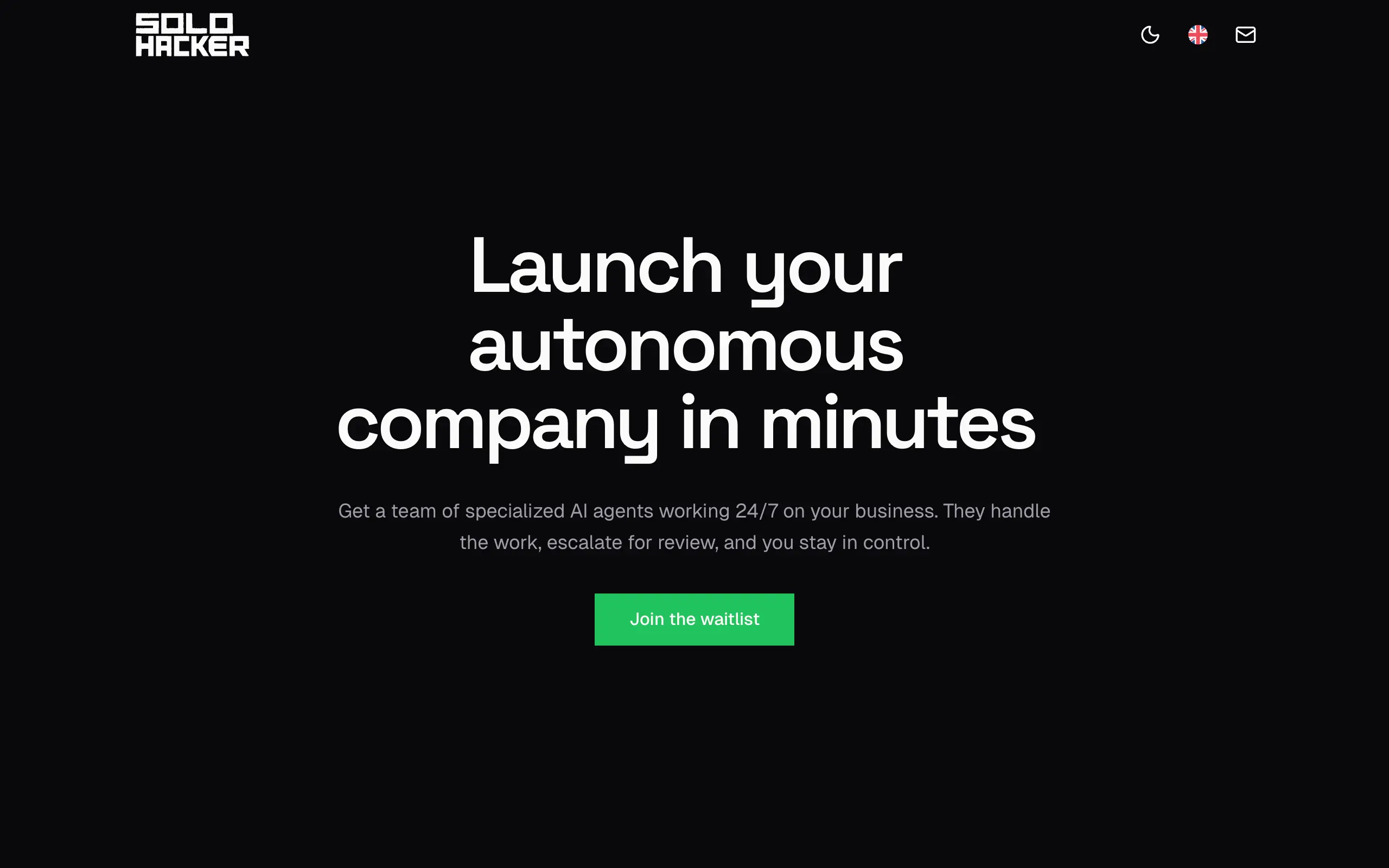
Solohacker
Autonomous company launcher - AI agents work 24/7, escalate what matters, and you stay in control 🤖
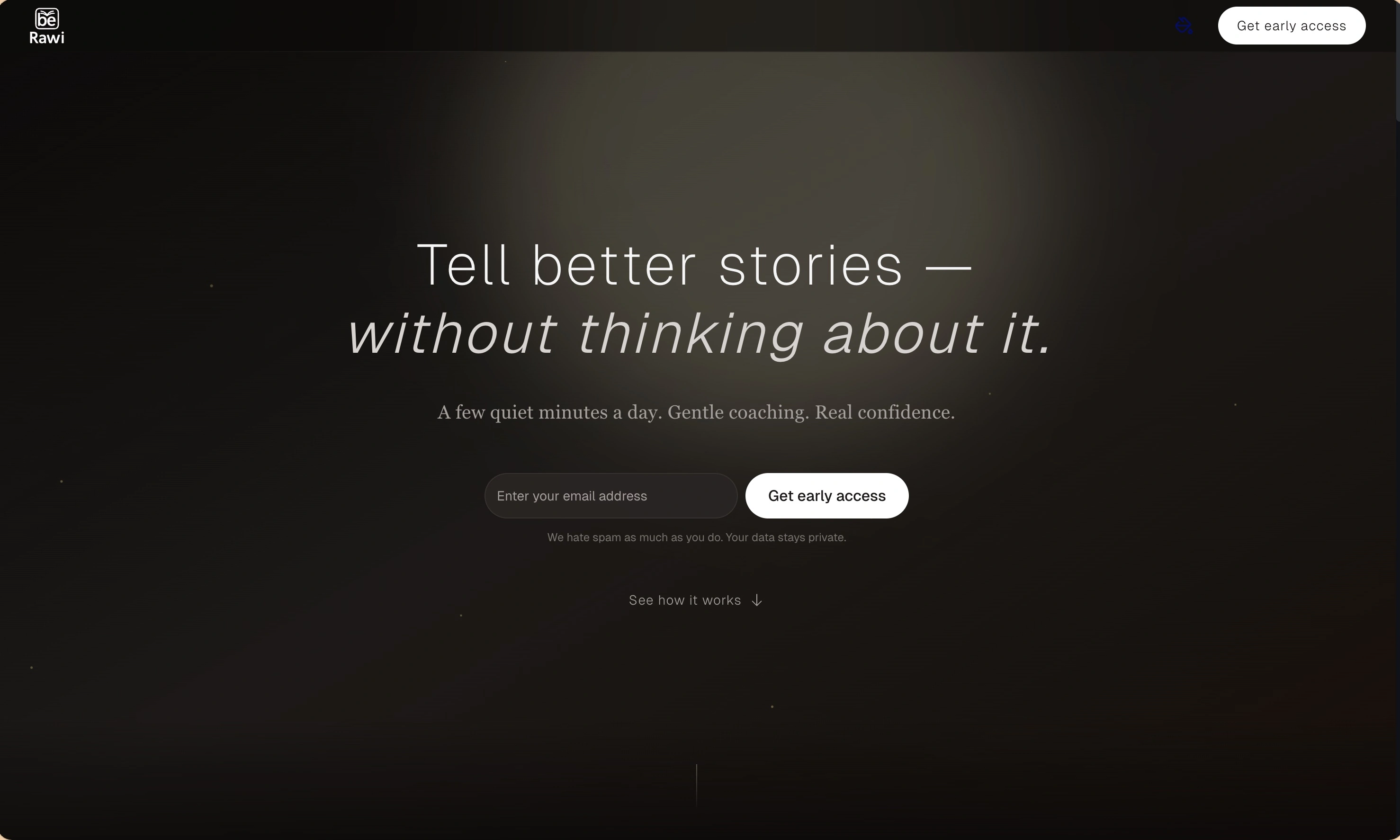
BeRawi: Storytelling Coach
Practice storytelling daily with instant feedback to sound clearer, more engaging, and confident 🎤
Omichat
Chat with 50+ AI models, including ChatGPT and Claude, in one place - switch models anytime without losing context 🤖
Claude Fast
Supercharge your Claude Code with 6x effective context window and specialized AI agents 🤖
EmojAI
AI-powered emoji picker with smart, context-aware suggestions 🤖
Solohacker
Autonomous company launcher - AI agents work 24/7, escalate what matters, and you stay in control 🤖
BeRawi: Storytelling Coach
Practice storytelling daily with instant feedback to sound clearer, more engaging, and confident 🎤

Connect with like-minded people
Join our community to get feedback, support, and grow together with 1,000+ builders on board, let's ship it!
Join usShip your startup everywhere. In minutes.
Don't burn tokens on setup and start building features on day one.