QueuePilot
An AI media concierge for gamers and movie fans that ranks your backlog by mood, available time, and what you own—then picks tonight’s best option.
QueuePilot is an AI media concierge for gamers and movie fans who have more options than time. It helps people decide what to play or watch by ranking their backlogs according to their mood, available time, and existing subscriptions, libraries, or game catalogs. The central product challenge is not simply recommending popular entertainment. It is making a useful, personal choice from things a person can actually access and finish tonight.
That distinction gives QueuePilot a focused position in a crowded discovery market. Instead of asking users to browse another catalog, it can turn “I have an hour and want something relaxing” into a short, reasoned list of games or movies drawn from what they already own.
What QueuePilot is and why it matters
An AI media concierge is a recommendation product that helps someone choose entertainment based on personal context, rather than popularity alone. QueuePilot extends that idea across games and movies. A user might ask for a cooperative game that fits a 45-minute session, a film available through a service they subscribe to, or a low-stress option for a weeknight.
The product is designed to solve a small but frequent problem: choice friction. A person may have a large Steam library, several streaming subscriptions, a watchlist, and a limited amount of free time. Finding something enjoyable can take longer than expected because the information is scattered across platforms and the options are hard to compare.
QueuePilot should make the decision feel easier by combining:
- The user’s mood and preferred experience
- The amount of time they have
- Games and movies they own or can access
- Personal preferences and past feedback
- Practical details such as session length, genre, and whether a game works for a group
The best version does not claim to know what someone will love. It offers a thoughtful shortlist, explains why each option fits, and learns when the user says, “Not tonight.”
The user intent behind an AI media concierge
People searching for entertainment recommendations often want more than a list of trending titles. Their actual questions are specific:
- “What can I watch with the services I already pay for?”
- “Which game in my backlog can I finish in a few evenings?”
- “What should we play together for an hour?”
- “I want something funny, but not too intense. What fits?”
- “Can I find something without spending the next half hour browsing?”
A general-purpose recommendation feed may not answer these questions well. It can surface popular content or personalize results based on past activity, but a useful decision often depends on constraints the user has not expressed through viewing or play history. Available time, group size, current mood, and access rights matter in the moment.
QueuePilot’s product promise should therefore be concrete: tell it what kind of experience you want and how much time you have, and it will help you choose from your own accessible library. That promise is easier to understand—and easier to test—than a broad claim that AI will recommend better entertainment.
Target audience for QueuePilot
QueuePilot can serve several related audiences, but its first release should focus on one or two high-frequency use cases. Trying to support every kind of player and viewer at launch could make the recommendation experience feel generic.
Backlog-heavy gamers
These users own more games than they have time to play. They may have accumulated titles through sales, bundles, subscriptions, gifts, or platform libraries. The problem is not a lack of content; it is choosing something that fits the time and mood they have today.
QueuePilot can help them:
- Find a game that suits a short or long session
- Rediscover titles they already own
- Filter out games that require a large time commitment
- Choose based on energy level, difficulty, genre, or play style
- Keep a lightweight record of what they tried and whether they liked it
A useful early segment might be PC gamers with an existing digital library. Their titles may be easier to import or maintain than a fragmented collection across many consoles and accounts. The team should validate that assumption with interviews and integration research before committing to a specific platform.
Movie and streaming fans
Movie fans often manage watchlists across streaming apps, recommendation sites, notes, and memory. A title may look appealing but be unavailable in the viewer’s region or locked behind a service they do not have.
QueuePilot can help by combining taste and access. For example, a user could request a tense film under two hours that is available through their connected services. The recommendation must be clear about availability and the date it was checked, because streaming catalogs change.
Couples, families, and friend groups
Choosing for a group is a different problem from recommending for one person. A couple may want a film that suits both people. A family may need age-appropriate options. A group of friends may need a multiplayer game that supports the right number of players and can be started quickly.
This segment could be valuable, but it introduces additional preference and privacy considerations. QueuePilot should make it easy for people to contribute preferences without requiring everyone in a group to hand over a full account history.
Time-constrained professionals
People with demanding schedules may want recommendations that respect a narrow window of free time. A product that understands “I have 30 minutes” can be more helpful than one that only knows a user likes role-playing games or documentaries.
This audience may respond well to practical filters, such as:
- Setup time
- Typical session length
- Whether progress can be saved quickly
- Whether a film fits within the available evening
- Whether an activity works when the user is tired
These details should be treated as estimates, not guarantees. A game’s actual session length depends on play style, and runtime data does not include every pre-roll, recap, or pause.
The market opportunity and product gap
The entertainment discovery market includes streaming recommendations, game stores, review publications, social communities, watchlist tools, and general-purpose AI assistants. QueuePilot does not need to replace these services. Its opportunity is to connect the decision-making context that they often address separately.
A person may discover a title on one service, track it somewhere else, and then discover it is not available where they can play or watch. QueuePilot can reduce that disconnect by bringing intent, personal library, and access information into one decision flow.
This is a product hypothesis, not a guarantee of demand. The team should validate whether people experience the problem often enough to adopt a separate tool and whether they will keep their library information up to date.
Where existing options may fall short
Different products can be excellent at their core jobs while leaving room for a cross-catalog concierge:
- A streaming service can recommend titles within its own catalog, but may not account for a person’s other services.
- A game platform can display owned games, but may not understand how much time or energy the user has tonight.
- A review site can explain a title’s quality, but may not know what the user can access.
- A watchlist can save ideas, but may not help prioritize them at the moment of choice.
- A general AI assistant can interpret a natural-language request, but may lack reliable, current information about the user’s actual library and regional availability.
QueuePilot’s competitive position depends on how well it combines these pieces. A chat interface alone is not a durable advantage. The product must consistently produce relevant, available, and explainable recommendations.
What to validate before building
The strongest early research focuses on behavior rather than compliments. Ask potential users to describe the last time they struggled to choose something, what they did next, and whether they found a satisfying option.
Useful discovery questions include:
- How often do you spend time deciding what to play or watch?
- Where do you keep track of titles you own or want to try?
- What do you normally do when you have a limited amount of free time?
- Which details change your decision most: mood, runtime, genre, difficulty, group size, or availability?
- Would you connect a platform account, import a list, or enter titles manually?
- What would make you stop trusting a recommendation?
Avoid asking only whether someone “likes the idea.” Positive reactions do not prove repeated use. A lightweight prototype or concierge test can reveal whether people return to the product when they face the real decision.
The core QueuePilot experience
The product should guide users from an open-ended need to a confident choice with as little effort as possible. A good first experience can be simple:
- The user describes their mood, available time, and who is joining.
- QueuePilot finds eligible titles from connected or imported libraries.
- The system ranks a small number of suitable options.
- Each recommendation explains why it fits and notes any uncertainty.
- The user chooses, skips, or gives quick feedback.
The key is to make the recommendation process feel useful rather than magical. Users should be able to see what the system considered and adjust its assumptions.
Mood and intent capture
Mood is subjective, so QueuePilot should avoid forcing users into an overly rigid taxonomy. It can offer simple controls such as:
- Relaxing or intense
- Familiar or adventurous
- Solo or social
- Lighthearted or serious
- Quick session or deep dive
Natural-language input can complement these controls. A user could type, “Something funny and low commitment for two people.” The system can translate that request into structured preferences while still allowing the user to edit the interpretation.
Time-aware ranking
Available time is one of QueuePilot’s clearest ways to differentiate itself. Recommendations should account for more than a title’s total runtime or advertised session length.
For movies, the system can consider runtime, but should distinguish the film’s listed duration from the full time the user may need. For games, it may use category-level estimates such as typical session length or campaign commitment, with a visible note that individual play times vary.
Time-aware ranking can help answer questions such as:
- What can I start and enjoy in 20 minutes?
- Which game suits a longer weekend session?
- Is there a film that fits the time I have before bed?
- What can we play without a lengthy tutorial or setup?
The initial product should treat time as a ranking signal, not an absolute promise. Users can set a flexible range, and QueuePilot can explain when an option is a close fit rather than a perfect match.
Library and availability management
“Only recommend what I own” is a strong product promise, but it is also a demanding data problem. QueuePilot needs to know where a title is available, whether the user has access, and how current that information is.
Possible inputs include:
- Direct account connections where officially supported
- Manual selection of subscriptions or platforms
- File or list import
- Search-and-add workflows
- User-confirmed corrections
Start with the least fragile approach that still creates value. Manual selection and imports may be more dependable than building many platform integrations before the product has proven demand. If the product shows uncertain availability, it should say so rather than presenting a guess as fact.
Explainable recommendations
Each recommendation should answer, “Why this one?” A concise explanation might mention that the title fits the user’s time window, matches their requested mood, and is available in a connected library.
Explanations improve usability and trust. They also give users a natural way to correct the system: “I want something less difficult” or “I already tried this.” QueuePilot can use those corrections to update its ranking without pretending that every preference can be inferred perfectly.
Feedback and personalization
Feedback should be easy to provide. A user might mark a title as:
- Not interested
- Already played or watched
- A good fit
- Too long
- Not available
- Save for later
A small number of clear signals is often more useful than a long survey. QueuePilot can use explicit preferences and interaction history to improve suggestions, while giving users controls to review, edit, or reset personalization.
A practical MVP scope
An initial version should prove the core decision loop before expanding into a broad entertainment platform. A focused MVP could include:
- Account creation and a short preference setup
- A manually selected or imported library
- Mood, time, and group-size filters
- A ranked list of three to five recommendations
- Short explanations for each suggestion
- Save, skip, and feedback actions
- A clear way to report incorrect availability or metadata
Avoid building every possible integration, social feature, review system, and recommendation mode upfront. Each additional platform can add authentication work, maintenance, data-policy questions, and support burden. The first milestone is evidence that users return to QueuePilot when they need help deciding.
A useful MVP should also measure the quality of the decision, not only the number of recommendations shown. Consider tracking whether users select a recommendation, whether they report that it was a good fit, how long it takes to choose, and whether they return for another decision.
Recommended technology stack for an AI media concierge
The best stack depends on the team’s skills, expected usage, integration requirements, and privacy model. For a web-first SaaS product, a conventional application architecture can support rapid iteration without making AI the entire system.
Web application and backend
A practical stack could use React for the user interface, with a server-rendered framework where search visibility and application routing matter. Next.js is one option for a React application with server-side capabilities. Tailwind CSS can help teams build a consistent interface quickly, though a component system and design tokens are still needed to keep the product accessible and coherent.
The backend can expose authenticated APIs for user preferences, library records, recommendation requests, and feedback. Keep business rules outside the user interface so ranking logic can be tested independently and used by future mobile clients.
A relational database such as PostgreSQL is a reasonable default for accounts, title records, user libraries, preferences, and feedback. Its structured data model fits relationships such as users, titles, providers, and availability records. A document store may suit some catalog-ingestion workloads, but it can make relational queries and consistency rules more complicated.
AI and recommendation architecture
QueuePilot should not rely on a language model alone to decide what is available or suitable. Use a hybrid approach:
- Structured filters remove titles that do not meet hard requirements, such as unavailable platforms or an explicitly excluded genre.
- Ranking logic orders eligible titles using time, mood, user preferences, and feedback.
- Language models can interpret natural-language requests and generate concise explanations from verified product data.
This architecture limits the risk of a model inventing catalog facts. The language model should receive a curated set of eligible candidates and explain those candidates, rather than fabricating titles or availability.
For early versions, ranking can use transparent rules and weighted preferences. Machine-learning personalization can come later, after QueuePilot has enough consented interaction data to evaluate whether it improves outcomes. A more complex model is not automatically a better recommendation system.
Data sources and integrations
Catalog and availability data may come from licensed providers, partner APIs, permitted public datasets, or user-provided information. Before selecting a source, review its terms, coverage, update frequency, and permitted use. Do not assume that data visible on a website can be scraped or republished.
For integrations, use official authorization flows and request only the permissions needed. Where an account connection is unavailable or not appropriate, provide manual library setup or import tools. That fallback can reduce friction while avoiding a product dependency on a single platform.
Authentication, billing, and deployment
The product will need secure account management, subscription handling if paid plans are introduced, monitoring, backups, and a way to manage integration failures. Select services based on the team’s operational experience and data requirements rather than choosing tools solely because they are popular.
TurboStarter can help teams move faster when they want a production-oriented starting point for a SaaS application. Using a starter kit can reduce routine setup work, but it does not replace product discovery, security review, or careful integration design.
Competitive advantage and the QueuePilot USP
QueuePilot’s most defensible initial advantage is not “AI recommendations.” Many products can add a conversational interface. Its stronger positioning is context-aware discovery across what the user can actually play or watch, based on the time and mood they have now.
That value proposition can be sharpened through four product principles:
- Recommend from the user’s real options. A title that is unavailable is not a useful recommendation.
- Respect the moment. A 20-minute session and a free Saturday call for different choices.
- Explain the fit. Users should understand why something appears.
- Learn from correction. Feedback should improve the next decision without making the product feel intrusive.
The advantage may become stronger as QueuePilot builds trusted library data, reliable availability handling, and a history of explicit preference feedback. Those assets can improve relevance, but only if users understand what data is stored and can control it.
| Product approach | Personal library | Mood and time context | Cross-service discovery | Decision-focused explanations |
|---|---|---|---|---|
| Single streaming catalog | Limited to that service | Varies | Usually no | Varies |
| Game store library | Focused on that platform | Often limited | Usually no | Varies |
| Generic watchlist | User-maintained | Usually limited | Sometimes | Usually no |
| General AI chat | Depends on user prompt | Yes, if provided | Not reliably by default | Yes, but facts need verification |
| QueuePilot opportunity | Across supported inputs | Core product focus | Core product focus | Core product focus |
This comparison describes a product opportunity, not a claim that every competing service lacks these capabilities. Teams should review current products and integrations directly before publishing comparative marketing claims.
Monetization strategies for QueuePilot
Monetization should follow demonstrated user value. If users only need occasional recommendations, a high monthly price may be difficult to justify. If QueuePilot becomes a trusted tool for organizing libraries and making frequent decisions, a subscription may be more attractive.
Freemium subscription
A free plan could include a limited number of recommendations or a single library type, while a paid plan unlocks more libraries, advanced filters, group profiles, or richer history.
Potential paid features include:
- Multiple platform libraries
- Household or group recommendations
- Advanced time and mood controls
- Saved recommendation collections
- Cross-device preference sync
- Detailed library organization
The free experience still needs to solve a real problem. If the limit prevents users from experiencing the product’s value, it will undermine conversion rather than encourage it.
Affiliate revenue
Affiliate links may provide revenue when a user buys or rents a recommended title, where suitable programs exist and their terms permit the use. This model requires careful disclosure and should not distort ranking. If paid placement affects recommendations, label it clearly and separate it from relevance-based ordering.
A trust-first product should never make an option appear to be the best fit simply because it generates more revenue.
Partnerships and licensing
Partnerships with publishers, platforms, or entertainment services could become an option once QueuePilot can demonstrate audience fit and engagement. These arrangements may involve licensing, data access, promotion, or distribution. They are unlikely to be a reliable starting point for a small MVP, so the initial business case should not depend on them.
A sensible pricing test
Do not choose a price based only on competitor plans. Interview likely users, test a few clearly described packages, and observe actual conversion and retention. Measure whether paid features solve a recurring problem rather than adding complexity that looks impressive in a feature list.
Risks and how to mitigate them
Stale or incorrect availability
Streaming rights, subscriptions, and platform catalogs change. A wrong availability claim can quickly damage trust.
Mitigation: Show when availability was last checked, distinguish confirmed data from user-provided information, and let users report errors. Start with a small set of data sources that can be maintained reliably.
Recommendations that feel generic
If QueuePilot only asks for a genre, users may receive the same obvious titles they could find elsewhere.
Mitigation: Let people express practical context, such as time, energy, group size, and familiarity. Use explicit feedback to refine results, and evaluate whether recommendations are selected and enjoyed.
AI hallucinations
A generative model can produce plausible but false descriptions, platform details, or claims about a title.
Mitigation: Treat structured catalog data as the source of truth. Restrict model explanations to verified candidate records, test for unsupported statements, and make corrections easy.
Integration dependencies
A product that depends on unofficial access or a single external platform can break when policies, APIs, or authentication flows change.
Mitigation: Use supported integrations where possible, maintain manual or import-based fallbacks, and assess data-source terms before building around them.
Privacy concerns
Library data and viewing or playing preferences can reveal personal interests. Users may be uncomfortable connecting accounts if the product does not explain how their information is used.
Mitigation: Collect only what the recommendation experience needs, explain retention and processing clearly, secure account data, and provide deletion and personalization controls. Avoid requesting broad permissions when a narrower option is sufficient.
Weak retention
A recommendation product may solve a real problem but not often enough to become a habit. Users could enjoy the first interaction and then forget to return.
Mitigation: Validate frequency early. Test decision reminders only with explicit user consent, and focus on recurring utility such as backlog rotation, shared planning, or lightweight library management.
Content and data rights
Title metadata, artwork, descriptions, and availability information may be governed by licensing or platform terms.
Mitigation: Review the terms for every source and asset. Prefer licensed or otherwise permitted data, keep attribution requirements, and get qualified legal guidance when business decisions depend on data rights.
How to measure product-market fit
QueuePilot should measure whether it helps users make better decisions, not simply whether they open the app or send prompts.
Useful early indicators include:
- Time to decision: How quickly users select an option after starting a recommendation session.
- Recommendation selection rate: How often a user chooses one of the suggested titles.
- Fit feedback: Whether users say the recommendation matched their mood and constraints.
- Repeat usage: Whether users return during later entertainment decisions.
- Correction rate: How often availability, ownership, or metadata is wrong.
- Library completion: Whether users successfully add or import enough titles to receive useful results.
These metrics need context. A high selection rate could mean users trust the recommendations, but it could also reflect a narrow list with little choice. Pair quantitative measures with short interviews and session reviews.
If publishing market-size or adoption claims, use a clearly defined source, date, geography, and methodology. Suitable references may include market research reports, platform disclosures, or survey studies from reputable research organizations. Do not present a broad entertainment-market figure as evidence that QueuePilot itself has demand.
Actionable implementation steps
A disciplined launch plan reduces technical waste and tests the most important assumptions early.
Choose a narrow first audience. Select a segment such as backlog-heavy PC gamers, streaming-focused movie fans, or couples choosing a shared film. Write down the specific decision problem this group experiences repeatedly.
Interview potential users. Ask about recent behavior, current workarounds, library organization, and what makes a recommendation trustworthy. Look for recurring pain, not just enthusiasm for AI.
Prototype the recommendation flow. Use a simple interface or manually operated concierge to test mood, time, library, and explanation fields before building multiple integrations.
Define a small, permitted data set. Choose one or two sources or import methods. Verify their coverage, update cadence, usage terms, and maintenance requirements.
Build the decision loop. Let a user state what they want, see a short ranked list, understand why each result fits, and give quick feedback.
Test reliability and trust. Check whether titles are accessible, explanations are supported by data, and users understand how library information is handled.
Measure repeat value. Track selection, satisfaction, corrections, and return behavior. Use those findings to decide whether to deepen one use case or expand to another.
Start with the decision, not the chatbot
QueuePilot’s core product is the quality of the choice it helps a user make. A conversational interface can make that experience easier, but reliable library data, useful ranking, and honest explanations are what make the recommendation worth trusting.
A practical launch checklist
Before opening a beta, confirm that the basic experience is dependable:
- The user can describe a mood and available time without completing a long questionnaire.
- Recommendations come from titles the user has said they can access, or uncertainty is clearly stated.
- Each result includes a concise, factual reason it fits.
- Users can remove titles, correct information, and change preferences.
- The product explains what data it collects and why.
- Feedback and error reporting are easy to find.
- The team has a process for responding to incorrect catalog or availability information.
- Core success metrics measure decisions and satisfaction, not only sign-ups.
The first launch does not need to support every device, catalog, or entertainment format. It needs to prove that a defined group of users finds QueuePilot more helpful than their existing way of choosing.
Building QueuePilot into a trusted product
QueuePilot has a clear opportunity to make entertainment discovery more personal and practical. Its strongest angle is the combination of mood, available time, and what someone can actually access. That combination turns a broad recommendation problem into a timely decision.
The product should begin with a focused audience, a dependable source of library information, and a small set of understandable recommendations. From there, it can expand based on observed behavior: perhaps into group decisions, more platforms, or stronger backlog management. Each expansion should make the core choice easier rather than simply adding more catalog data.
The most important question is not whether AI can recommend a movie or game. It is whether QueuePilot can help a person make a satisfying choice faster—and earn enough trust that they return the next time they are deciding what to play or watch.
More 🤖 AI Startup SaaS ideas
Discover more innovative ai startup SaaS ideas that are trending in 2026. Each idea is AI-generated with market validation and growth potential to help you find your next profitable venture faster than competitors.
Your competitors are building with TurboStarter
Below are some of the SaaS ideas that have been generated and built with our starter kit.
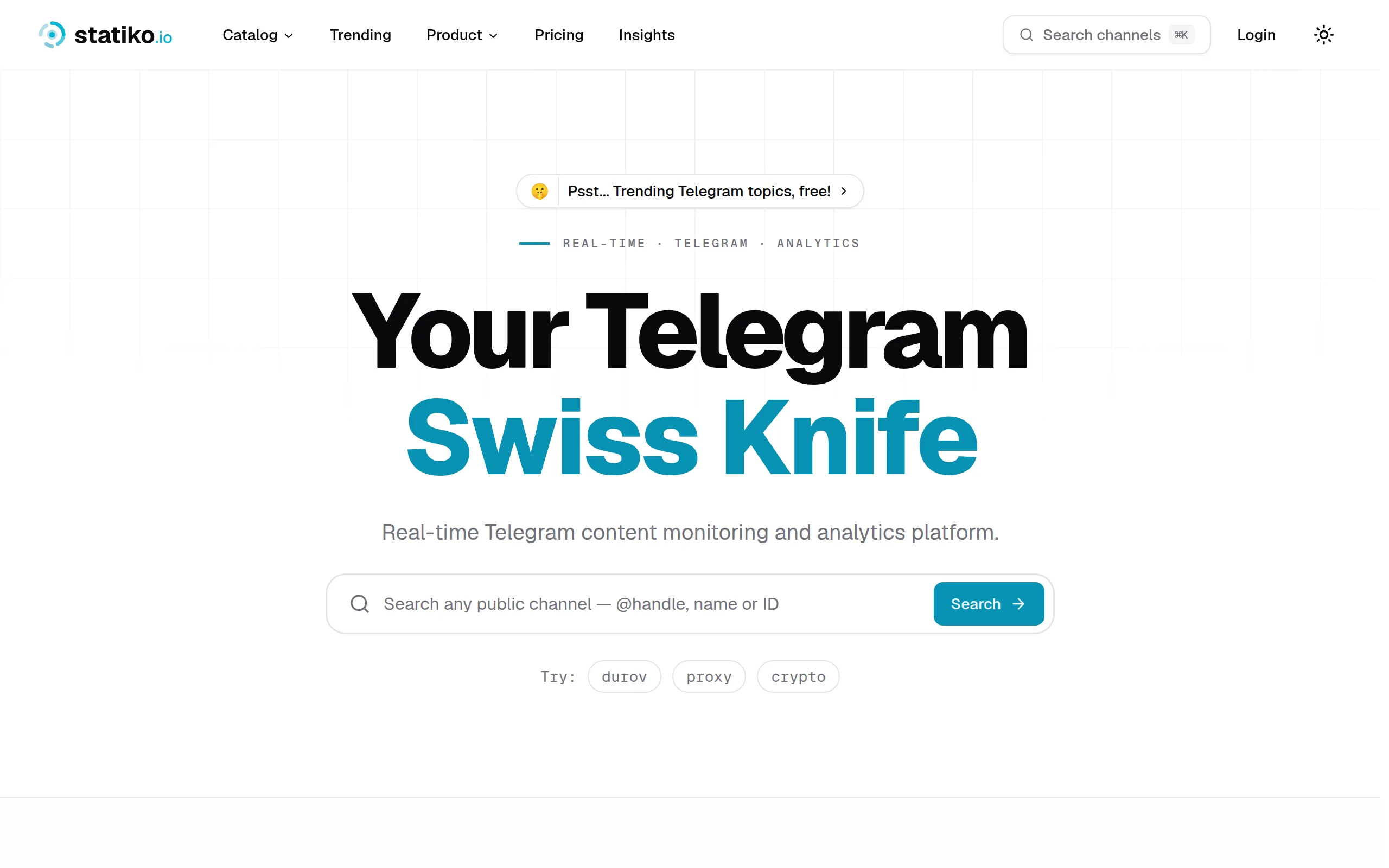
Statiko
Monitor any Telegram channel in real time - track posts, edits, deletions, and growth with AI recaps 📡

Shibui
AI website builder - describe your business, pick a niche template, edit by chatting, and publish instantly ✨

Pro Service
Find verified home service professionals, compare quotes, and pay securely through escrow - built for Brazilians across the US 🏠
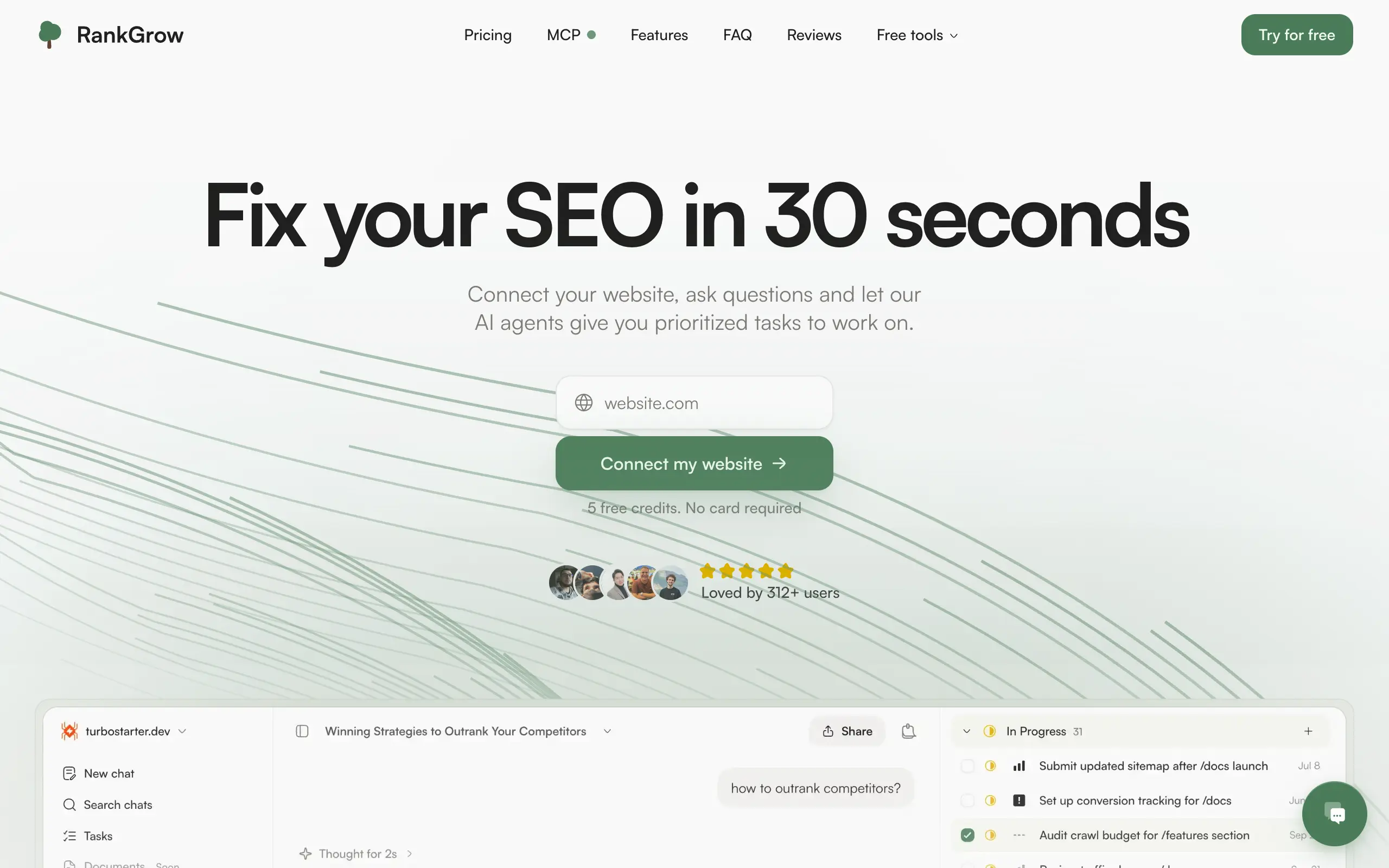
RankGrow
Fix your SEO with AI agents - connect Search Console, get prioritized tasks, and grow organic traffic 📈
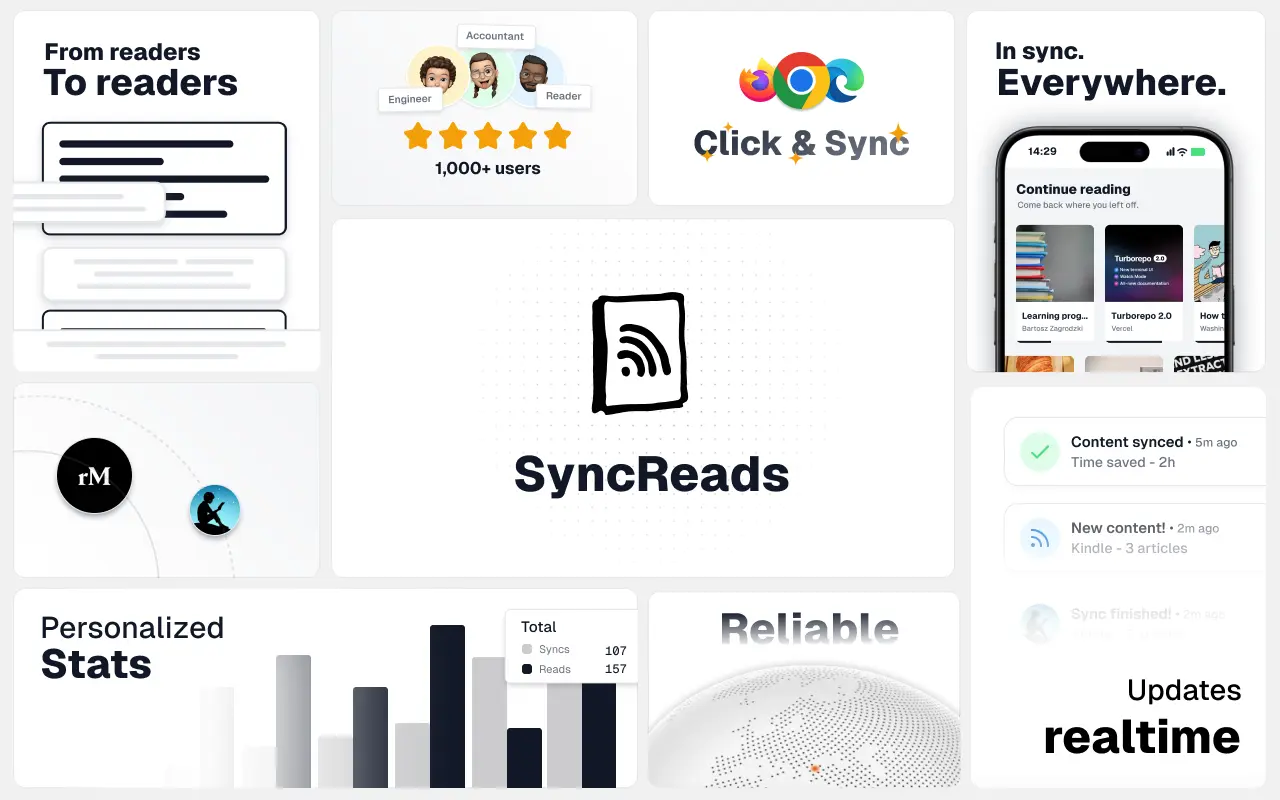
SyncReads
Sync your favorite content for distraction-free reading, save time and replace multiple apps. Anytime, anywhere 🔄
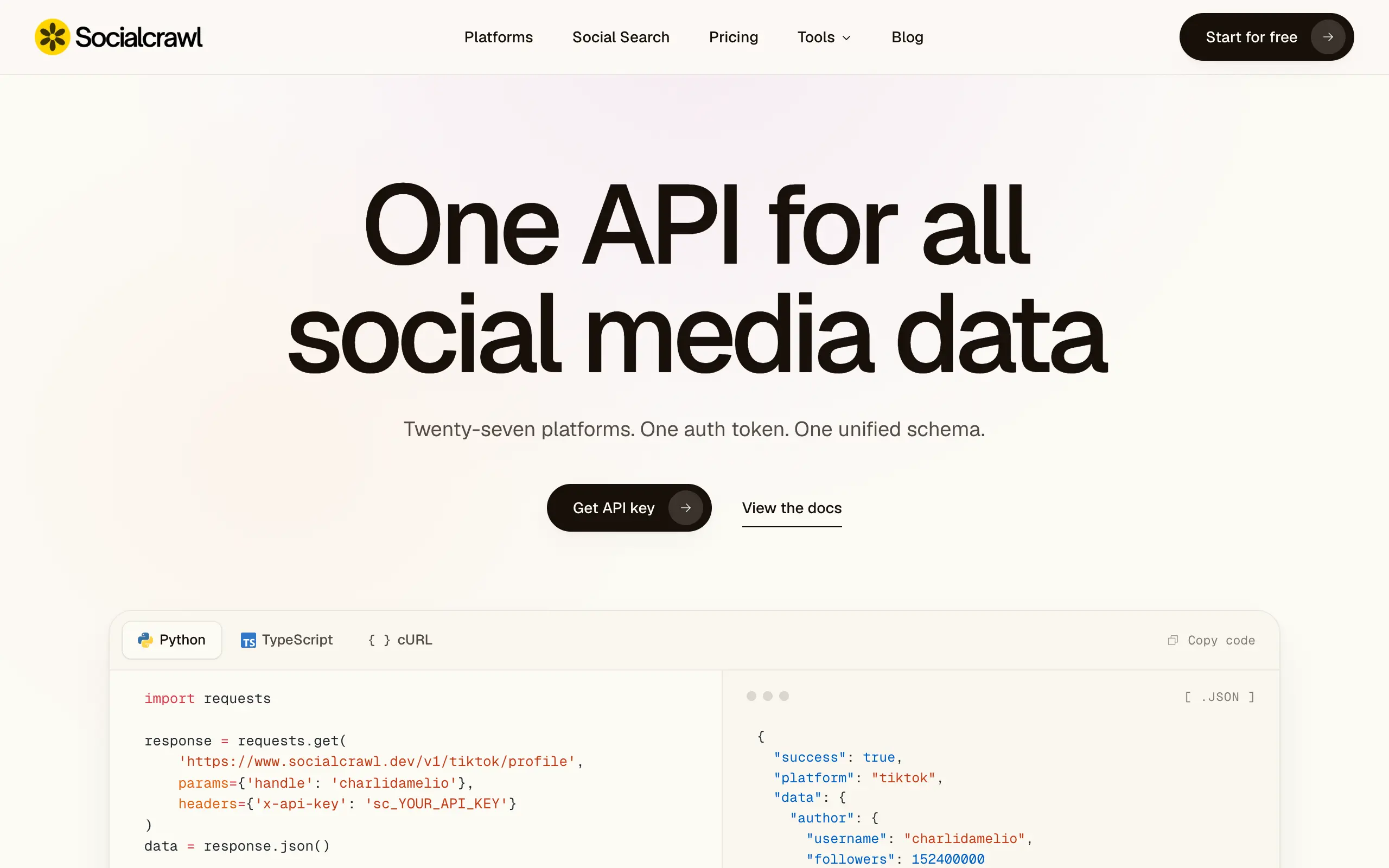
Socialcrawl
Get clean, structured data from 21 platforms like TikTok, Instagram, and YouTube with a single request 📊
Statiko
Monitor any Telegram channel in real time - track posts, edits, deletions, and growth with AI recaps 📡
Shibui
AI website builder - describe your business, pick a niche template, edit by chatting, and publish instantly ✨
Pro Service
Find verified home service professionals, compare quotes, and pay securely through escrow - built for Brazilians across the US 🏠
RankGrow
Fix your SEO with AI agents - connect Search Console, get prioritized tasks, and grow organic traffic 📈
SyncReads
Sync your favorite content for distraction-free reading, save time and replace multiple apps. Anytime, anywhere 🔄
Socialcrawl
Get clean, structured data from 21 platforms like TikTok, Instagram, and YouTube with a single request 📊
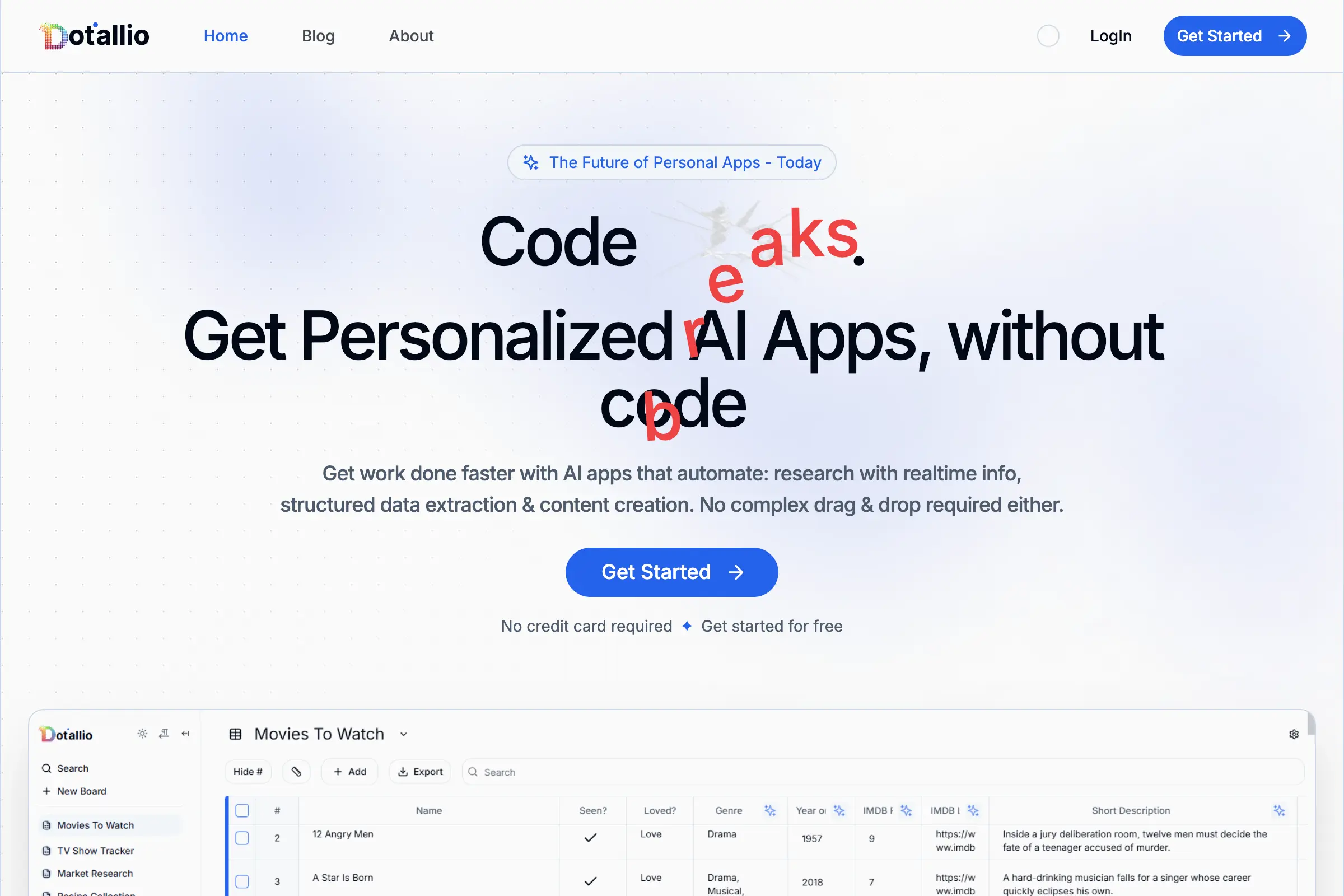
Dotallio
Personalized AI apps that automate research, data extraction, and content creation without code 🤖
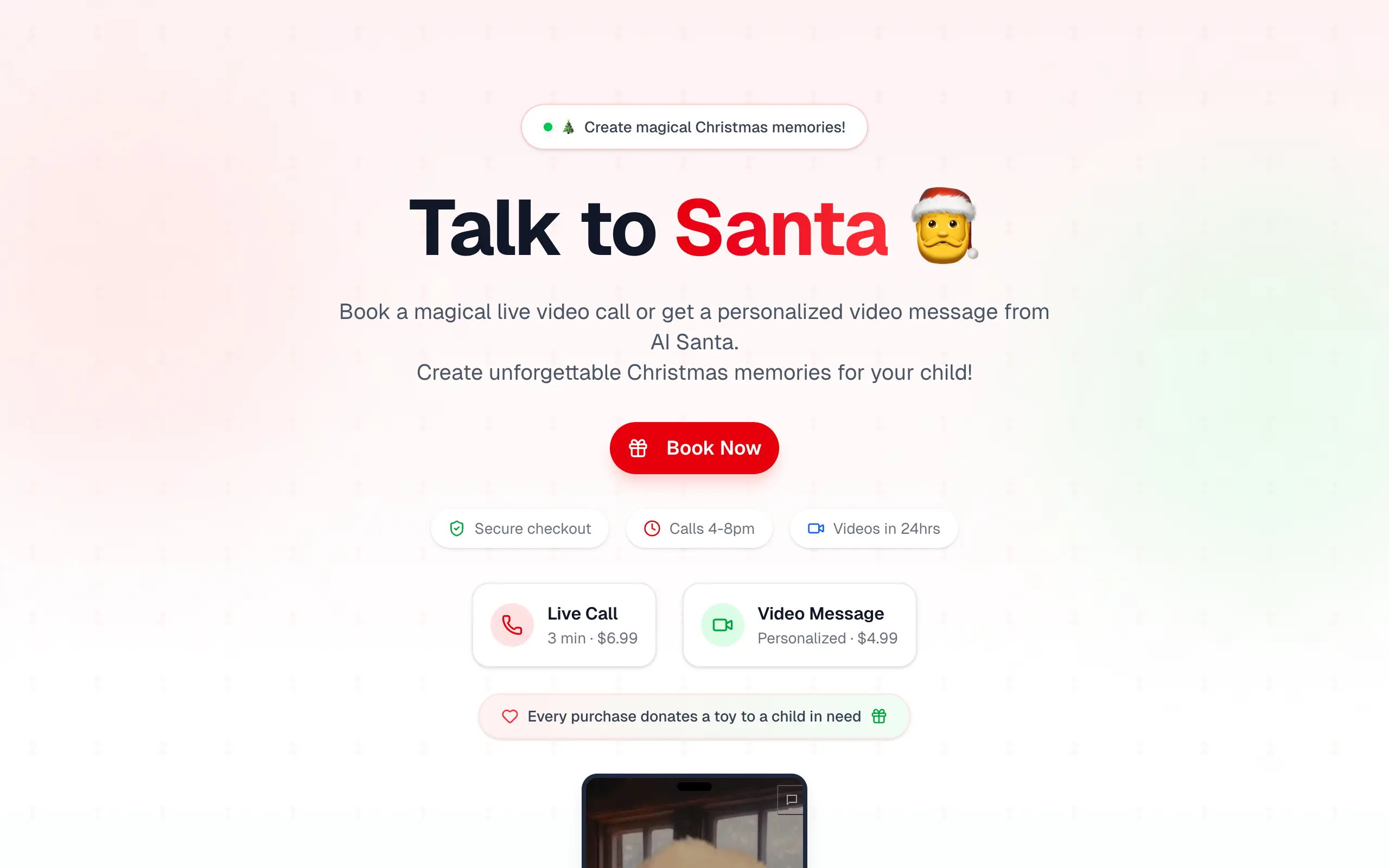
Talk to Santa
Enjoy a magical live video chat or receive a unique AI-generated video greeting from Santa Claus 🎅
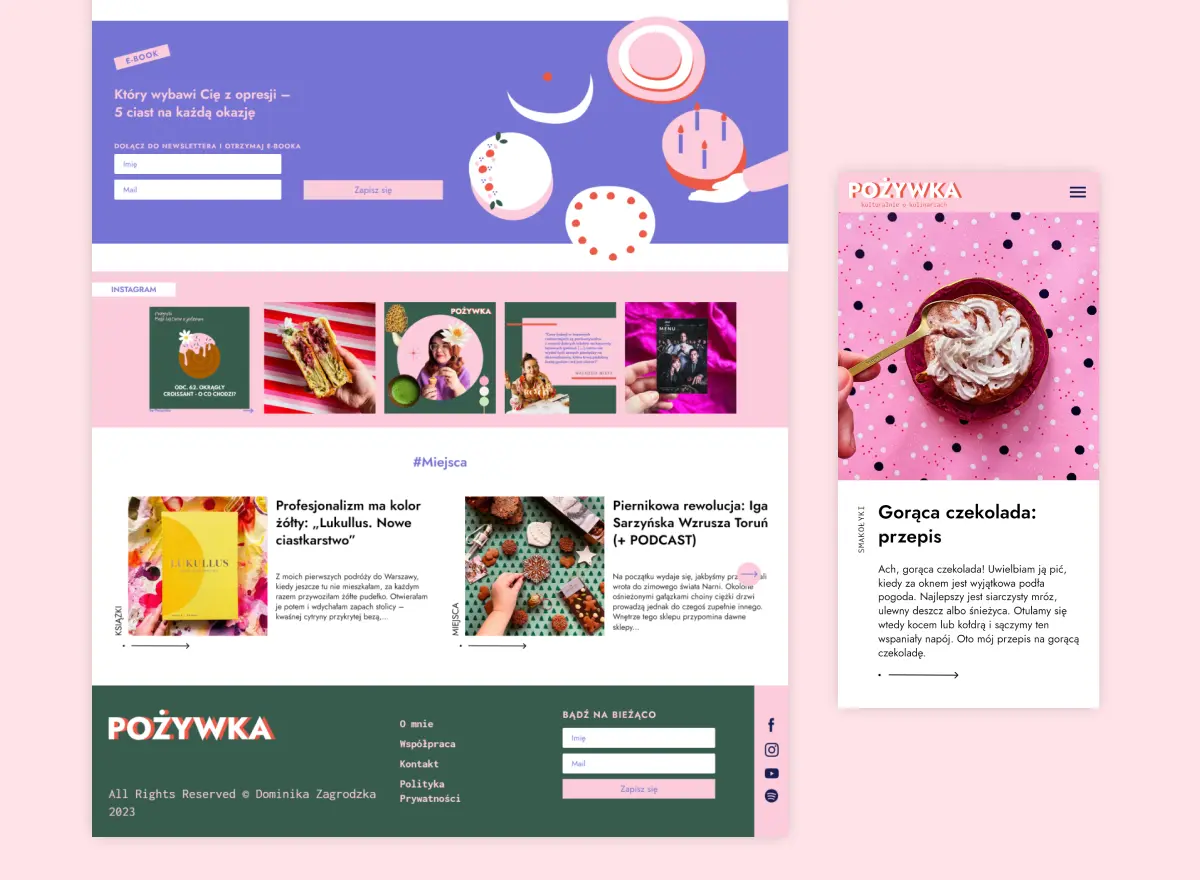
pozywka.pl
Scalable blog for food journalist, focused on performance and user experience 🌭
zagrodzki.me
Personal blog and portfolio of Bart Zagrodzki, where he shares his knowledge and work 💼
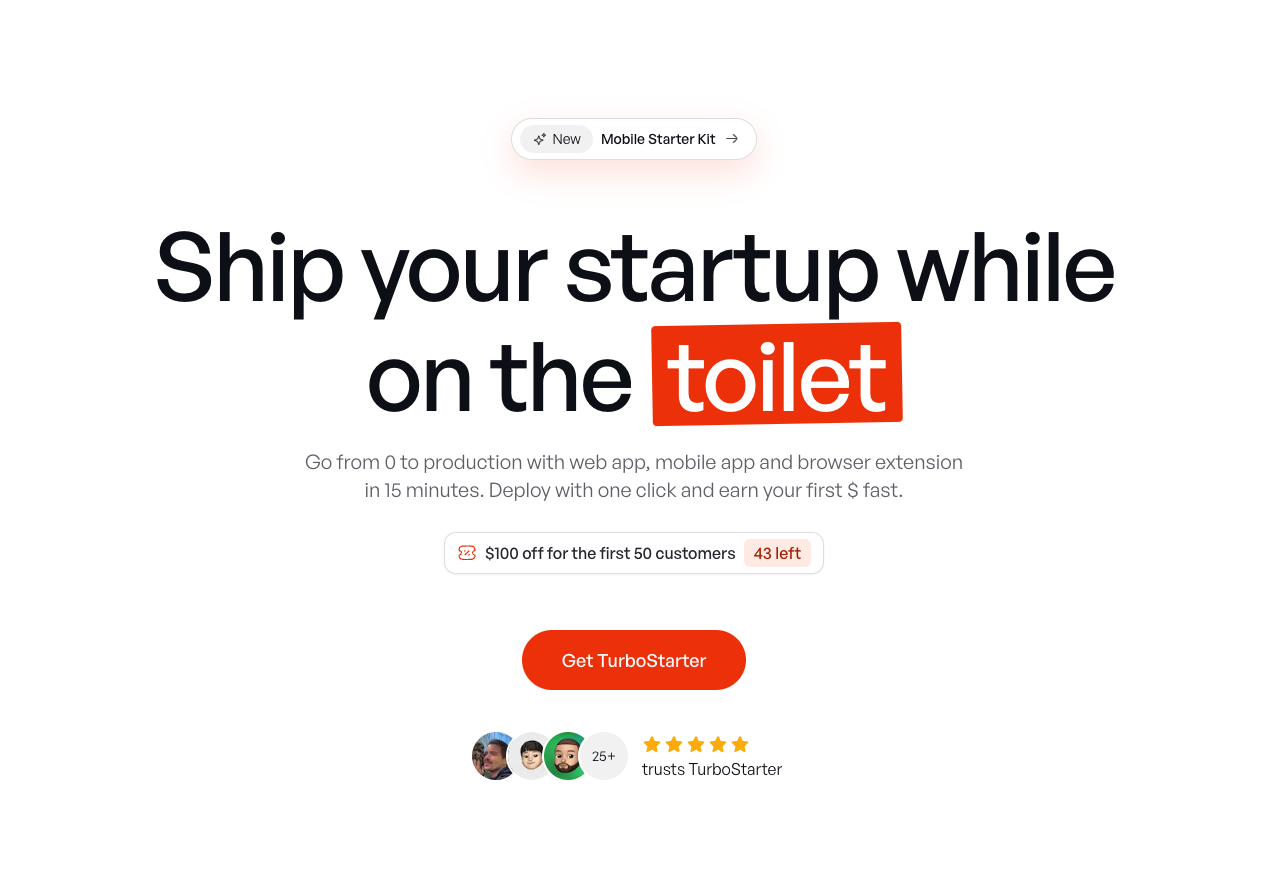
TurboStarter
Ship your startup everywhere. In minutes.
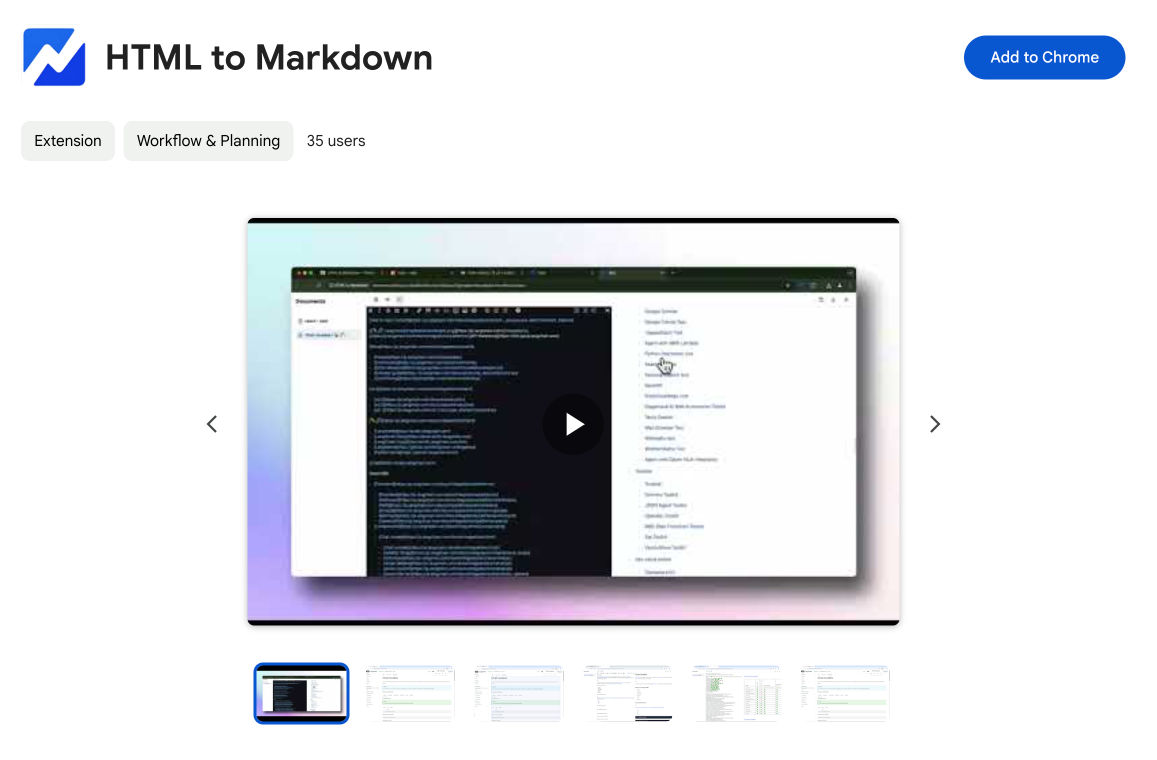
HTML to Markdown
Convert HTML to Markdown with ease, directly in your browser 📄
Dotallio
Personalized AI apps that automate research, data extraction, and content creation without code 🤖
Talk to Santa
Enjoy a magical live video chat or receive a unique AI-generated video greeting from Santa Claus 🎅
pozywka.pl
Scalable blog for food journalist, focused on performance and user experience 🌭
zagrodzki.me
Personal blog and portfolio of Bart Zagrodzki, where he shares his knowledge and work 💼
TurboStarter
Ship your startup everywhere. In minutes.
HTML to Markdown
Convert HTML to Markdown with ease, directly in your browser 📄
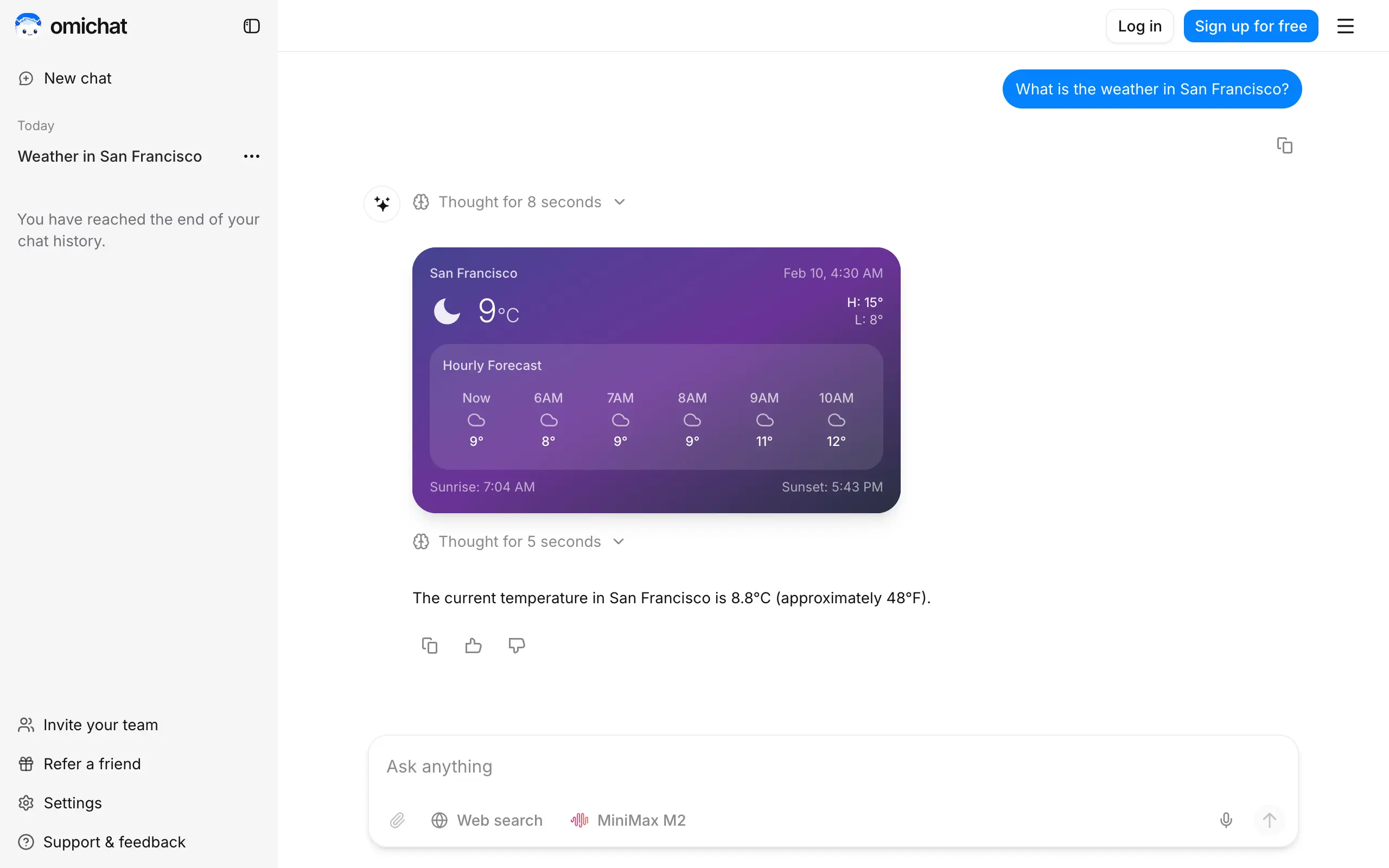
Omichat
Chat with 50+ AI models, including ChatGPT and Claude, in one place - switch models anytime without losing context 🤖
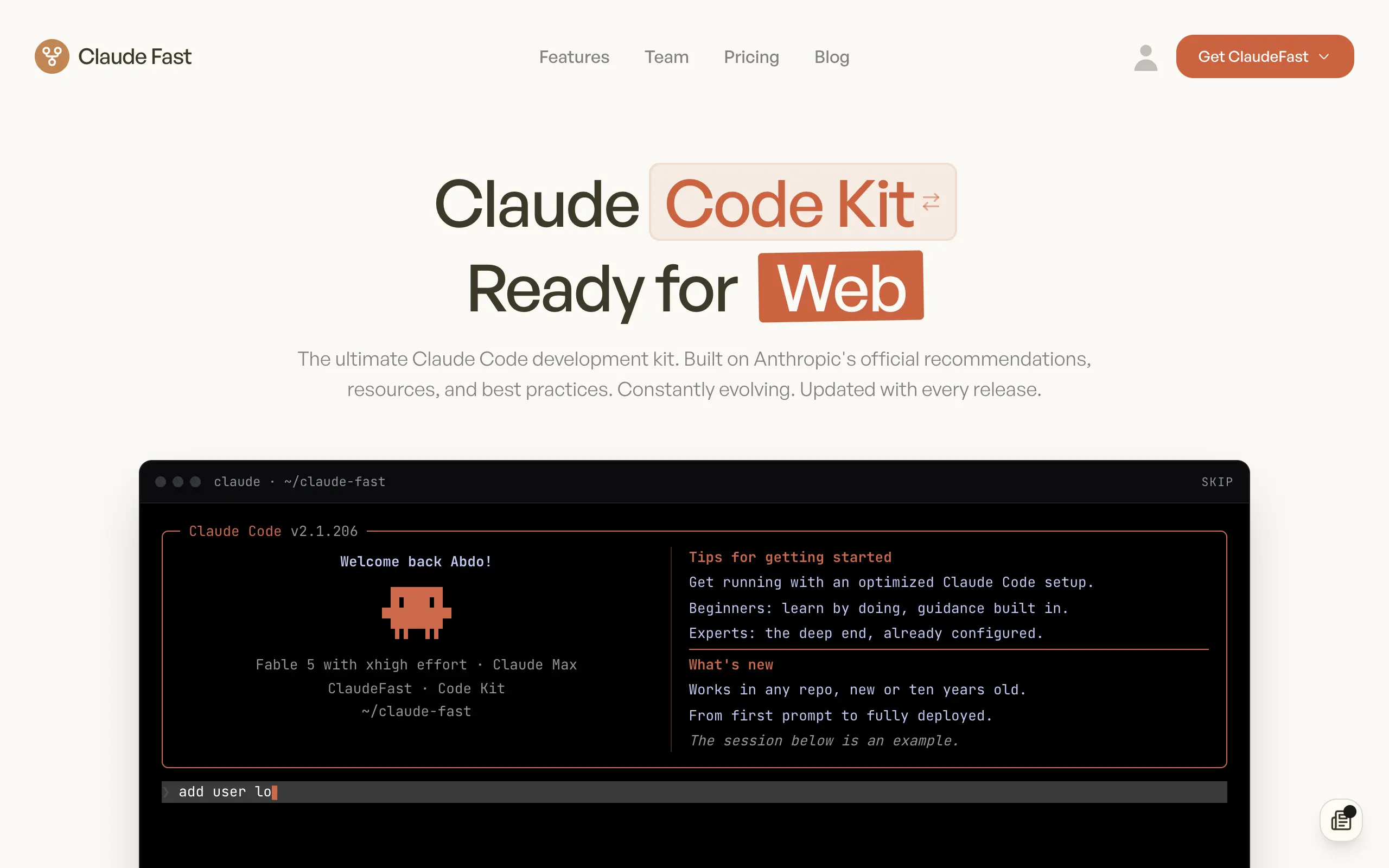
Claude Fast
Supercharge your Claude Code with 6x effective context window and specialized AI agents 🤖
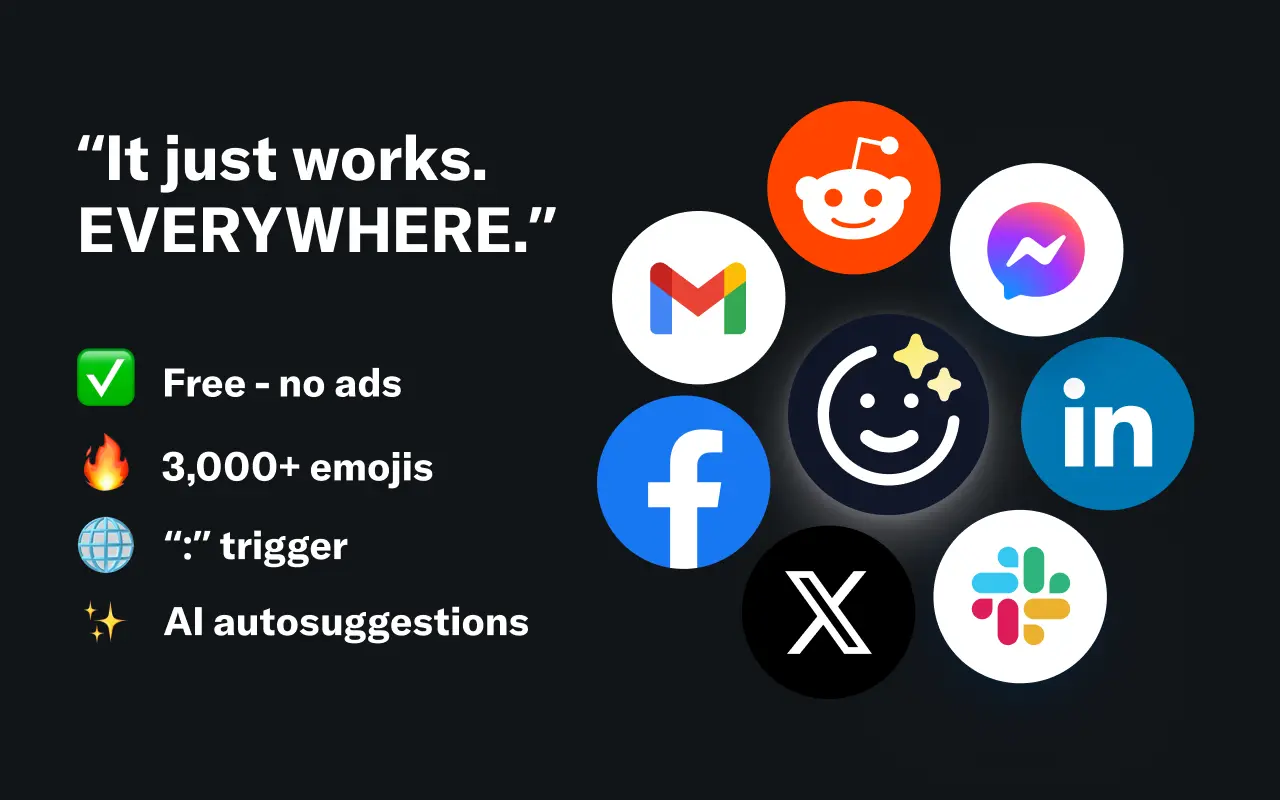
EmojAI
AI-powered emoji picker with smart, context-aware suggestions 🤖
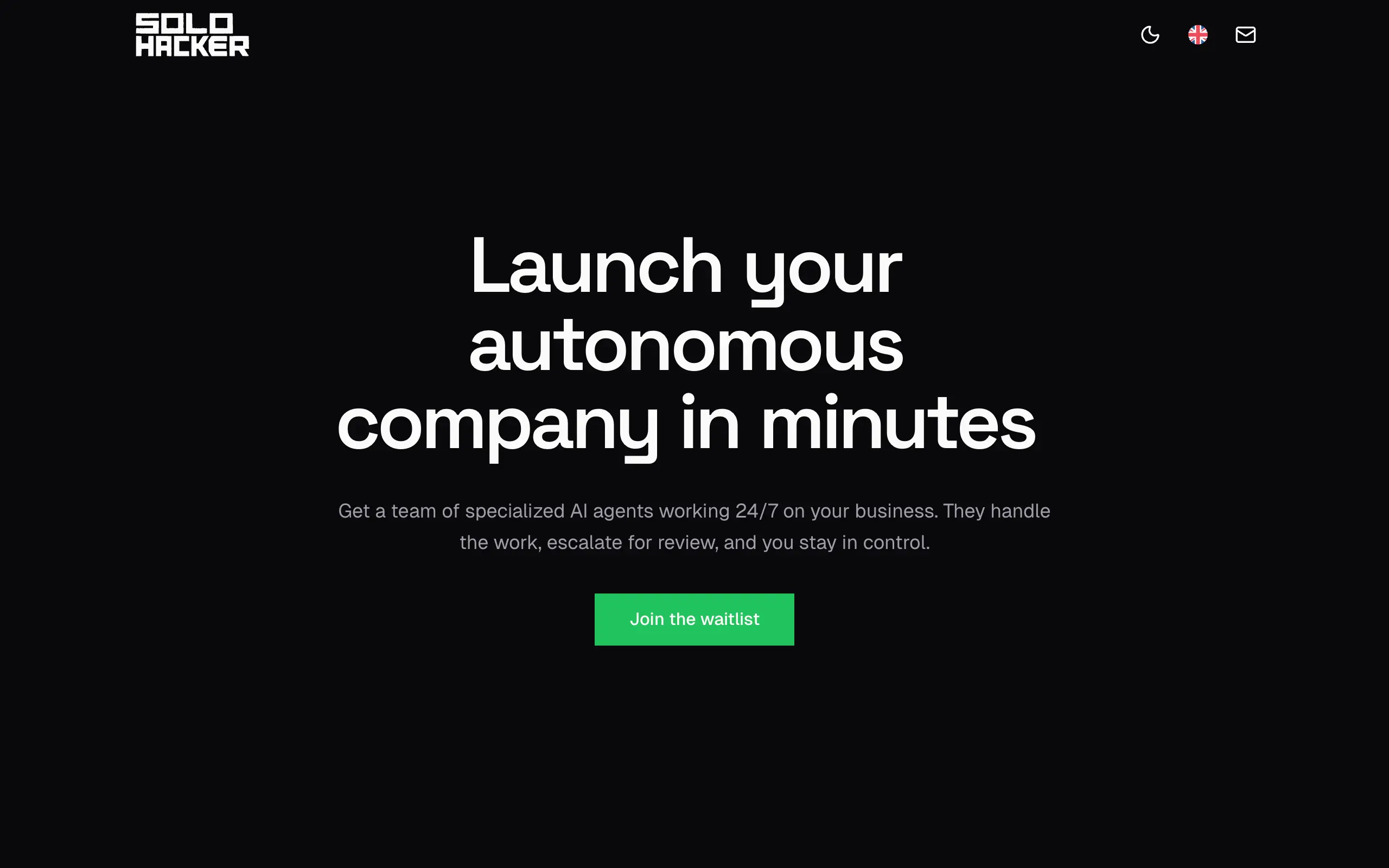
Solohacker
Autonomous company launcher - AI agents work 24/7, escalate what matters, and you stay in control 🤖
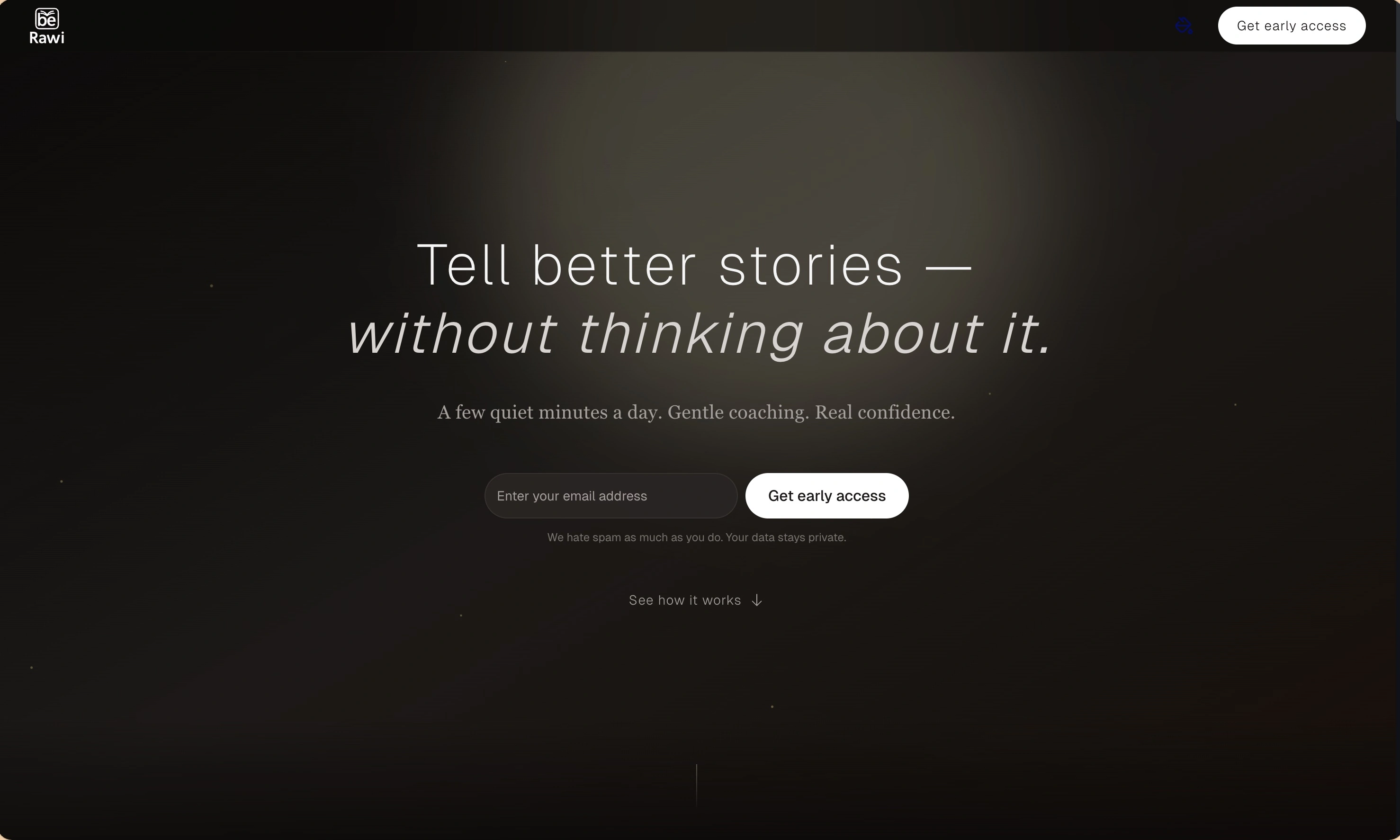
BeRawi: Storytelling Coach
Practice storytelling daily with instant feedback to sound clearer, more engaging, and confident 🎤
Omichat
Chat with 50+ AI models, including ChatGPT and Claude, in one place - switch models anytime without losing context 🤖
Claude Fast
Supercharge your Claude Code with 6x effective context window and specialized AI agents 🤖
EmojAI
AI-powered emoji picker with smart, context-aware suggestions 🤖
Solohacker
Autonomous company launcher - AI agents work 24/7, escalate what matters, and you stay in control 🤖
BeRawi: Storytelling Coach
Practice storytelling daily with instant feedback to sound clearer, more engaging, and confident 🎤

Connect with like-minded people
Join our community to get feedback, support, and grow together with 1,000+ builders on board, let's ship it!
Join usShip your startup everywhere. In minutes.
Don't burn tokens on setup and start building features on day one.