QuoteCraft
Help independent tradespeople create professional quotes from voice notes, photos, and job details. AI drafts itemized estimates they can review and send to customers.
What QuoteCraft is and the problem it solves
QuoteCraft is an AI quote generator for independent tradespeople. It turns the raw information a contractor captures on a job—voice notes, photos, measurements, and customer details—into a professional, itemized estimate that the contractor can review and send.
The idea addresses a familiar mismatch in field service work. A tradesperson may be skilled at diagnosing a repair or planning an installation, but turning that knowledge into a clear, timely quote often means finding a quiet moment after the job, remembering the details, writing line items, checking prices, and formatting a document. That administrative work can be easy to postpone, even when a customer is waiting for an estimate.
QuoteCraft’s promise is not simply “AI writes a quote.” It is a faster path from jobsite information to a reviewed, understandable estimate. The distinction matters: an estimate affects customer expectations, business revenue, and sometimes the scope of work. The product should help the professional communicate their judgment, not pretend that software can replace it.
The strongest initial positioning is therefore:
Capture the job once, turn it into a draft estimate, and keep the tradesperson in control of every price and promise.
This is a useful foundation for product development, market validation, and messaging. It communicates a clear outcome while acknowledging the trust customers and contractors need from estimating software.
Who QuoteCraft should serve first
“Independent tradespeople” is a promising audience, but it is too broad to guide an initial product. Estimating processes vary significantly by trade, job size, material requirements, and local business norms. QuoteCraft should start with a specific group whose quoting workflow is frequent, painful, and relatively repeatable.
Strong early customer segments
Potential early segments include:
- Residential repair and maintenance professionals who quote many small jobs and need a quick way to document labor, materials, and exclusions.
- Handymen and small renovation contractors who often assess work on site, capture photos, and build estimates from a combination of standard tasks and custom details.
- Plumbers and electricians who need to record a customer’s issue, describe the proposed work, and distinguish known costs from conditions that may change after inspection.
- Landscapers and exterior-service businesses that quote work based on site conditions, dimensions, materials, and customer preferences.
- Solo operators and small crews that do not have a dedicated office administrator but still need a consistent customer-facing process.
These are hypotheses to investigate, not assumptions to build into the product without evidence. A tradesperson who creates a handful of detailed estimates per month may value different features from a contractor who sends dozens of quotes each week.
How to choose the first niche
Use customer interviews and workflow observation to learn:
- How many estimates the business creates in a typical week.
- What information the professional collects before quoting.
- Which parts of the process happen on a phone, in a vehicle, or later at a desk.
- How prices are calculated and where they are stored.
- What commonly causes a quote to be delayed, revised, or misunderstood.
- How customers receive and approve estimates today.
- Which estimate types are repeatable enough to support templates.
Look for a segment where the current process is both frequent and frustrating. A strong early customer may say, “I already know what I want to charge; I just lose time turning my notes into something presentable.” That points to a document-generation and workflow problem. If they instead say, “I have no reliable way to price unfamiliar work,” the need may be closer to estimating guidance—and that brings greater complexity and risk.
Buyers, users, and other stakeholders
The user and buyer may be the same person in a solo business. In a small company, an owner might pay for the software while technicians, estimators, or office staff use it. Customers are also important stakeholders because they receive the quote and judge whether it is clear and trustworthy.
That means QuoteCraft should serve at least two experiences:
- A fast, low-friction capture and review workflow for the professional.
- A clear, credible estimate document for the customer.
A polished PDF is not enough if the contractor cannot correct an inaccurate draft quickly. Likewise, a convenient internal workflow is incomplete if customers cannot understand what is included, what is excluded, and what happens next.
The market opportunity and product gap
QuoteCraft sits at the intersection of AI-assisted documentation, field service management, and estimating software. These categories already contain tools for proposals, invoicing, customer management, scheduling, and job costing. The opportunity is not to claim that no one can create an estimate. It is to identify a workflow that existing tools may not make effortless: turning unstructured jobsite inputs into an editable, business-specific quote.
Many small businesses already use some combination of:
- Notes apps and voice memos.
- Messaging threads and camera rolls.
- Spreadsheets or saved price lists.
- Word processors and PDF templates.
- Invoicing, CRM, or field service products.
- Manual calculations and personal experience.
The product gap to test is the handoff between capture and customer-ready documentation. Information can become scattered across several places, while the business owner still has to reconstruct the job details later. QuoteCraft could reduce that friction by allowing a contractor to dictate observations, attach photos, add structured job details, and receive an organized first draft.
What the product should not promise
QuoteCraft should avoid presenting AI-generated estimates as automatically accurate or guaranteed. Photos may not reveal hidden damage. A voice note may omit a measurement. Local labor rates, material prices, taxes, code requirements, and business practices differ. Even a well-written estimate can be wrong if its assumptions are wrong.
Instead, the product should make its boundaries clear:
- AI can organize and draft information.
- The contractor remains responsible for scope, pricing, and approval.
- Uncertain details should be surfaced for review.
- The estimate should preserve assumptions, exclusions, and optional work.
- The customer-facing document should not imply that unverified details are certain.
This careful positioning can become a competitive advantage. In a high-trust workflow, transparency is more valuable than an exaggerated claim of full automation.
Core QuoteCraft features
A useful first version should focus on the complete quote workflow rather than an oversized set of business-management features.
1. Voice-note capture
A contractor should be able to dictate job observations naturally, without having to speak in a rigid form. For example, they might describe the customer’s issue, the visible condition, the likely work, and the materials they expect to use.
The system can transcribe the audio and organize it into draft fields such as:
- Customer concern.
- Work location.
- Observed condition.
- Proposed work.
- Materials or equipment mentioned.
- Measurements and quantities.
- Open questions.
- Assumptions and exclusions.
Voice capture should work well on mobile devices and tolerate interruptions. Users may be outdoors, wearing gloves, or moving between tasks. A draft should be recoverable if the connection drops, and the interface should make it easy to correct transcription errors.
2. Photo and attachment handling
Photos help a contractor remember the job and provide context for the estimate. QuoteCraft can let users attach images to a job, group them by room or work area, and add captions or annotations.
AI image analysis may eventually help describe visible conditions, but it should be treated as an assistive feature. It should not assert that it can see behind walls, verify code compliance, or determine a complete repair scope from an image. If image understanding is included, the interface should label generated observations as suggestions and require review.
3. Structured job details
Voice notes and photos are valuable, but estimates need structured information. A job record should include the customer, service address, job type, estimate date, expected timeline, and any relevant measurements. A contractor should be able to add details manually when voice capture is not appropriate.
Keep the initial form short. Ask for additional information only when needed for the selected work type. Too many required fields can undermine the very speed that makes the product appealing.
4. AI-generated itemized estimate drafts
The AI should transform approved source material into a draft that separates the work into understandable line items. Depending on the business, those might include labor, materials, disposal, travel, equipment, or optional upgrades.
Each line item should be editable. The contractor should be able to change the description, quantity, unit, rate, tax treatment, and whether it is optional. QuoteCraft should preserve the original source notes so the user can verify where a suggested item came from.
A sensible design principle is to distinguish drafted content from confirmed business data. For example, a proposed scope description can be generated from notes, while prices should come from a contractor’s configured rate card or be entered and confirmed by the user.
5. Reusable rates, services, and templates
Many contractors repeat work types, pricing structures, and standard terms. QuoteCraft should let businesses save their own service catalog, labor rates, material markups, tax settings, and estimate templates.
This feature may be more important than a sophisticated general-purpose AI model. A reliable assistant that follows a contractor’s existing pricing rules is more useful than a fluent assistant that invents plausible-looking numbers.
6. Review and approval controls
Before sending, users should see a clear review screen with:
- Missing information.
- Unconfirmed prices.
- Conflicting measurements.
- Items that may be optional.
- Assumptions that should be stated.
- Potentially unclear or unusually broad descriptions.
A “ready to send” status should mean that required fields have been reviewed, not that the AI has certified the estimate. QuoteCraft can also retain a record of who approved the document and when.
7. Customer-ready delivery
The estimate should be easy to share as a PDF or secure customer link. It should present the business’s name and contact information, the scope, itemized pricing, taxes where applicable, terms, validity period, and a clear acceptance action if the product supports approvals.
The customer should be able to understand what the price covers without having to interpret internal shorthand. Provide room for exclusions, allowances, and conditions that may change the final price.
8. Revision history and follow-up
Estimates are often revised. QuoteCraft should keep a version history and make it clear which version a customer received. A simple follow-up reminder can help a contractor remember to check on a pending quote, but it should be configurable and respectful rather than sending automatic pressure messages by default.
A practical end-to-end workflow
A strong workflow could look like this:
Capture the job
The contractor creates a job, chooses or adds a customer, records a voice note, and attaches relevant photos. The product saves the raw inputs before attempting any AI processing, so a temporary service problem does not erase the jobsite record.
Review the extracted details
QuoteCraft presents a structured summary and highlights uncertain or missing information. The contractor corrects the transcription, confirms measurements, and adds details the AI could not infer.
Draft the estimate
The system creates editable line items using the approved job information and the business’s own templates or rate catalog. Any unpriced or uncertain item is visibly marked rather than silently filled with an invented value.
Approve and send
The contractor checks the scope, pricing, assumptions, and customer details, then sends the estimate as a PDF or customer link. The system records the sent version and can track whether it was viewed or accepted if those capabilities are included.
This workflow makes the product’s value measurable. Teams can compare the time required to create and send an estimate before and after adoption, while also monitoring corrections and customer questions.
Recommended technology stack
QuoteCraft needs a dependable mobile-friendly interface, secure handling of customer information, reliable document generation, and an AI pipeline that can be inspected and improved. The best stack depends on the founding team’s strengths and the first customer segment; the choices below are practical starting points rather than universal requirements.
Web application and mobile experience
A web-first product built with React can support a responsive interface for phones, tablets, and desktop. Next.js is a reasonable framework choice if the team wants a mature React application framework with routing and server-side capabilities.
A progressive web app can be an efficient first step for field use. It avoids the immediate cost of maintaining separate native applications, although capabilities such as background audio processing, offline behavior, and deeper device integration may require additional work. If research shows that users need dependable offline capture or extensive native camera and audio features, a dedicated mobile application may become worthwhile.
For styling, Tailwind CSS can help a small team build and maintain a consistent interface quickly. The trade-off is that teams need shared design conventions; otherwise, utility classes can become inconsistent across screens.
Backend, database, and file storage
A relational database fits core QuoteCraft data because customers, jobs, estimates, line items, revisions, and payments have clear relationships. PostgreSQL is a strong option for this model.
A managed platform such as Supabase can reduce the operational burden by providing hosted Postgres, authentication, and storage services. The trade-off is platform dependency: the team should understand how to export data and avoid relying on provider-specific features where portability is important.
Store photos, audio, and generated documents in object storage rather than as database blobs. Use access controls and short-lived links where appropriate, and define retention rules for raw audio and images.
AI and speech processing
The AI layer should be modular. Transcription, extraction, estimate drafting, and document summarization are different tasks and should be evaluated separately. A language model can organize provided information, but the application should enforce business rules outside the model.
Useful safeguards include:
- Require structured output that matches a defined schema.
- Keep prices sourced from the business’s rate catalog or explicit user input.
- Attach references to the notes or fields that support each generated item.
- Mark missing information rather than filling gaps with guesses.
- Log model version, prompt version, and user edits for quality analysis.
- Avoid sending unnecessary customer data to external AI providers.
For each provider, review its current data processing terms, retention settings, and regional availability before choosing it. A model that performs well in a demo may still be unsuitable if its latency, cost, or data terms do not fit the product.
Payments and integrations
If QuoteCraft later charges subscriptions or processes payments, Stripe is a common payment platform to evaluate. It is not necessary to add payment collection to the initial product if the main customer problem is creating and sending estimates.
Accounting, CRM, and field service integrations should be prioritized from customer evidence. An integration that sounds impressive but is rarely requested can consume valuable engineering time. Start with reliable PDF and CSV export, then select integrations based on repeated demand.
A simple data model
A first pass could use entities such as:
Businessfor company settings, branding, and default terms.Userfor account access and role permissions.Customerfor customer contact details.Jobfor site information and source notes.Attachmentfor photos, audio, and supporting files.Estimatefor status, totals, and version history.EstimateLineItemfor description, quantity, unit, rate, and tax settings.RateCardItemfor reusable services, labor, and materials.
The exact schema should follow real workflows. For instance, some businesses need one estimate per job, while others need multiple options or revisions. Interviewing contractors before locking the model can prevent costly restructuring.
Monetization strategies for an AI quote generator
QuoteCraft can test several pricing models. The right choice depends on how often customers quote, how much administrative time the product saves, and whether teams need shared workflows.
Subscription tiers
A monthly subscription is easy for customers to understand and can provide predictable revenue. Possible tiers might be based on the number of users, estimates, or advanced capabilities.
- Starter plan for a solo professional with basic capture and estimate generation.
- Business plan for templates, rate catalogs, branding, and follow-up tools.
- Team plan for multiple users, permissions, shared customer records, and reporting.
Avoid creating too many limits before learning how customers use the product. A restrictive estimate cap can make the service feel unreliable during a busy period.
Usage-based pricing
Charging by AI usage may align price with transcription and model costs. However, customers often prefer predictable bills, especially when the software is part of a routine business process. A hybrid model could include a monthly allowance with clear additional usage pricing.
Annual plans and service-business bundles
Annual billing can improve cash flow and reduce churn, but it is easier to sell after QuoteCraft has demonstrated ongoing value. Bundles that include setup assistance, template configuration, or team onboarding may work for businesses that want help adapting their existing documents.
Pricing research to conduct
Before selecting a price, interview prospective customers about their current process and willingness to pay. Test concrete plans rather than asking only, “Would you pay for this?” Measure conversion and retention in a real pilot. Do not frame speculative savings as guaranteed financial returns; document the assumptions behind any value calculator.
Competitive advantage and positioning
QuoteCraft will compete with more than products labeled “AI estimating software.” Its practical alternatives include a contractor’s current paperwork, general-purpose AI tools, estimate templates, spreadsheets, and broader field-service platforms.
A useful competitive analysis looks at workflow fit, not just a feature checklist.
| Alternative | Typical strength | Potential friction | QuoteCraft opportunity | Risk to address |
|---|---|---|---|---|
| Manual templates and spreadsheets | Flexible and familiar | Repeated data entry and formatting | Generate a structured draft from jobsite inputs | Customers may prefer a tool they already own |
| General-purpose AI assistants | Useful for drafting and rewriting | May lack business rates and workflow controls | Connect approved notes to a contractor’s catalog | Users may assemble a low-cost workaround |
| Field service platforms | Can centralize several business workflows | May be more extensive than a solo operator needs | Offer a focused, low-friction quoting experience | Established platforms can add similar AI features |
The most defensible advantage is unlikely to be access to a particular AI model. Models change, and competitors can adopt similar technology. More durable differentiation could come from:
- A capture experience designed around real field conditions.
- Reliable use of each business’s own rates and estimate conventions.
- A transparent review process that exposes uncertainty.
- Trade-specific templates and terminology built from customer research.
- A growing library of corrections that improves the product with appropriate consent and privacy safeguards.
- Customer-ready documents that reduce confusion and help businesses look professional.
QuoteCraft should prove one segment’s workflow before attempting to serve every trade. That focus can create better templates, stronger onboarding, and clearer product messaging.
Risks and how to mitigate them
Incorrect or incomplete estimates
Risk: The system may omit work, misread a note, or draft an inaccurate line item.
Mitigation: Require human review, show source context, flag missing details, and never silently generate unverified prices. Track which draft fields users routinely change and improve those parts first.
False confidence in AI-generated content
Risk: Fluent language can make an uncertain scope appear definitive.
Mitigation: Use cautious wording, label generated content as a draft, and make assumptions and exclusions easy to edit. Avoid visual design that implies the estimate has been independently validated.
Sensitive customer and jobsite data
Risk: Audio, photographs, addresses, and customer records can contain private information.
Mitigation: Collect only what is needed, restrict access by role, encrypt data in transit and at rest, provide deletion controls, and review vendor data practices. Set a clear retention policy for raw audio and attachments.
Poor performance in noisy environments
Risk: Field recordings may include wind, machinery, accents, or interruptions.
Mitigation: Let users edit transcripts, offer manual entry, support short recordings, and provide visible confirmation before converting notes into an estimate. Test with actual users and varied recording conditions rather than relying only on clean sample audio.
Adoption friction
Risk: Contractors may not want to learn a complicated workflow or re-enter information they already store elsewhere.
Mitigation: Make the first successful estimate fast. Import or configure commonly used services during onboarding, support reusable customer and job details, and make export straightforward.
Regulatory and contractual differences
Risk: Estimate terms, tax practices, licensing rules, and consumer-protection requirements vary by location and trade.
Mitigation: Avoid representing generic templates as legal advice. Let businesses configure their terms, and seek qualified legal and tax review before offering region-specific compliance claims.
Competition and feature imitation
Risk: Larger field-service products may add voice capture or AI drafting.
Mitigation: Compete on workflow quality, trade-specific setup, transparency, and customer support. Maintain a product feedback loop that helps the team respond to real quoting problems rather than chasing every new AI feature.
Keep the contractor responsible for approval
AI-generated estimate language can affect a real customer decision. QuoteCraft should make review explicit and keep the business owner responsible for scope, pricing, and final approval.
Go-to-market strategy
A focused launch is likely to teach more than a broad release. Start with a small group in one trade and observe their quoting process from capture through customer follow-up.
Find design partners
Recruit independent professionals through local trade networks, industry communities, business associations, and referrals. Ask participants to share how they currently create estimates, while respecting customer confidentiality. Do not begin with a product demo alone; first understand where the current process breaks down.
Offer a pilot with a clear scope. For example, participants could use QuoteCraft to create a set number of estimates over several weeks and provide feedback on draft quality, correction time, and customer response.
Build proof around workflow outcomes
Measure outcomes that reflect product value:
- Time from job assessment to first estimate draft.
- Time from assessment to sending the estimate.
- Percentage of generated line items accepted with little or no editing.
- Frequency of missing or incorrect details.
- Estimate completion and sending rates.
- User retention across weeks, not just initial sign-up.
- Customer questions attributable to unclear quote language.
These metrics are more useful than celebrating the number of AI drafts generated. A draft that requires extensive correction may not save time.
Create useful search and educational content
QuoteCraft can earn relevant organic traffic with practical resources for contractors, such as:
- How to write a clear home-repair estimate.
- What to include in a contractor quote.
- Estimate versus invoice: what is the difference?
- How to explain exclusions and allowances to customers.
- A checklist for documenting a job before preparing an estimate.
- Quote templates tailored to the initial trade.
The content should be genuinely useful, not thin pages created only to target keywords. Where the product gives business guidance, distinguish general information from legal, tax, or trade-specific advice. For startup execution and launch planning, TurboStarter is one resource to consider.
Actionable implementation steps
Interview one narrow customer segment
Choose one trade and speak with owners or working professionals who create estimates regularly. Ask them to walk through a recent quote from the first customer conversation to the final document. Record the tools, delays, corrections, and decisions involved.
Map the current workflow
Write down every input, handoff, and approval. Separate what the contractor already knows from what must be measured, confirmed, or researched. Identify where information is commonly lost and which steps are repeated.
Test the value proposition before building the full product
Show a simple clickable prototype or a concierge workflow. Let participants submit notes and photos, then prepare a draft manually with AI assistance behind the scenes. This tests whether the output and workflow solve a real problem before substantial engineering investment.
Define safety and quality rules
Decide which fields AI may draft, which fields must come from the user or business catalog, and which cases should trigger a warning. Create a review checklist and a way for users to report errors.
Build the smallest useful product
Start with job creation, voice or text capture, photo attachments, structured extraction, editable estimate line items, saved business details, and PDF export. Defer scheduling, invoicing, complex analytics, and broad integrations until customers demonstrate a need.
Run a measured pilot
Track time-to-send, user edits, missing details, and repeat usage. Review examples with participants and ask what they would otherwise have done. Make product changes based on observed behavior, not only feature requests.
Validate pricing and retention
Test a small number of clear pricing options. Watch whether users continue creating estimates after the novelty of AI wears off. If adoption fades, investigate workflow fit and reliability before adding more features.
Expand only after the workflow works
Once one customer segment is consistently successful, consider adjacent trades, team features, integrations, and mobile-native capabilities. Revalidate templates and terminology for each new segment instead of assuming that one trade’s quoting process applies to all others.
The long-term opportunity for QuoteCraft
QuoteCraft has a credible product opportunity if it helps contractors move from jobsite observations to customer-ready estimates with less administrative effort and without taking control away from the professional. Its core value is the connection between unstructured field information and a business’s own quoting rules.
The idea’s strongest version is not an autonomous pricing engine. It is a trustworthy assistant that captures details, organizes them, drafts clear line items, flags uncertainty, and makes review straightforward. That distinction supports a more credible product, a safer customer experience, and a sharper competitive position.
The next step is to validate the workflow with one trade, measure whether QuoteCraft actually reduces the time and effort required to send a good estimate, and build the product around what those customers do—not around what AI can generate in a demo.
More 🤖 AI Startup SaaS ideas
Discover more innovative ai startup SaaS ideas that are trending in 2026. Each idea is AI-generated with market validation and growth potential to help you find your next profitable venture faster than competitors.
Your competitors are building with TurboStarter
Below are some of the SaaS ideas that have been generated and built with our starter kit.
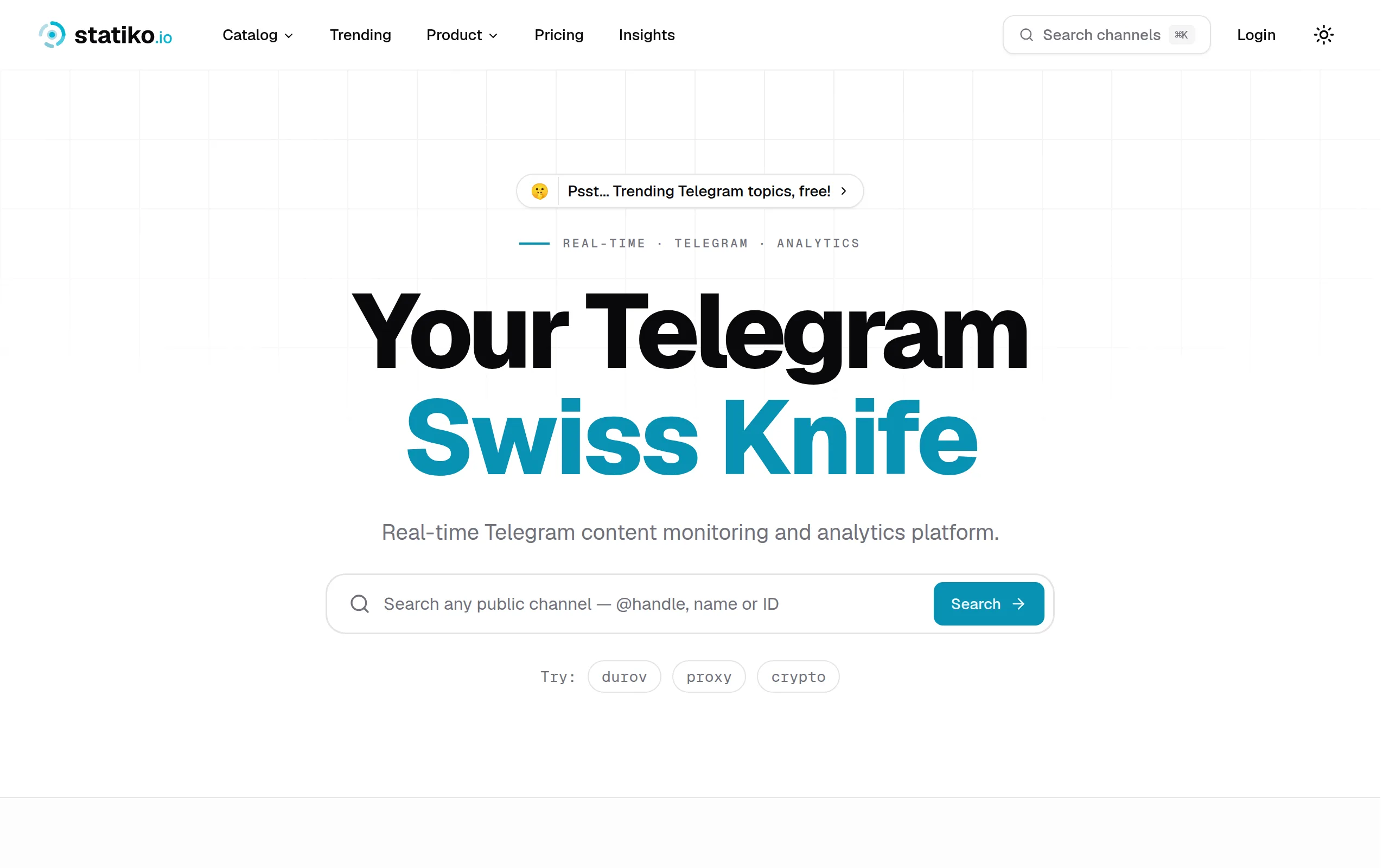
Statiko
Monitor any Telegram channel in real time - track posts, edits, deletions, and growth with AI recaps 📡

Shibui
AI website builder - describe your business, pick a niche template, edit by chatting, and publish instantly ✨

Pro Service
Find verified home service professionals, compare quotes, and pay securely through escrow - built for Brazilians across the US 🏠
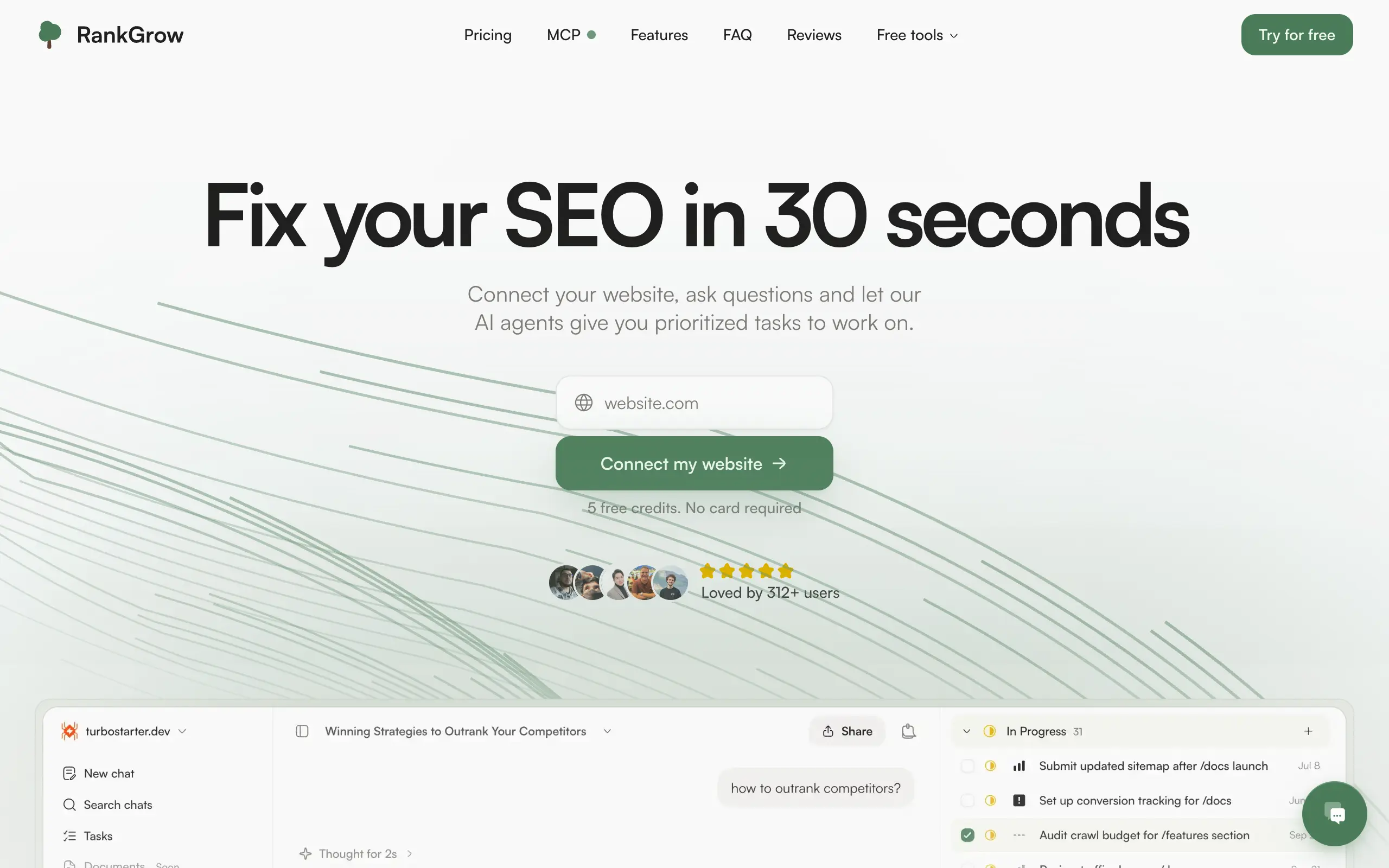
RankGrow
Fix your SEO with AI agents - connect Search Console, get prioritized tasks, and grow organic traffic 📈
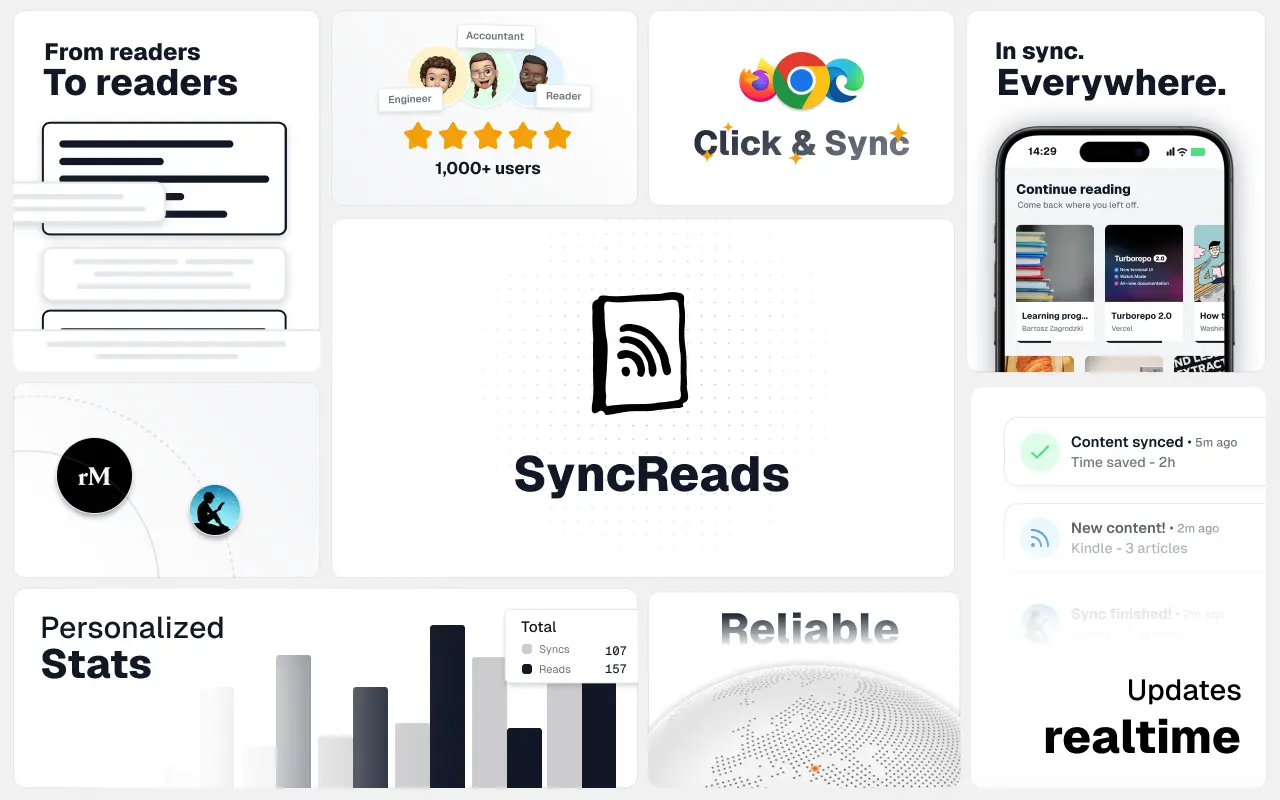
SyncReads
Sync your favorite content for distraction-free reading, save time and replace multiple apps. Anytime, anywhere 🔄
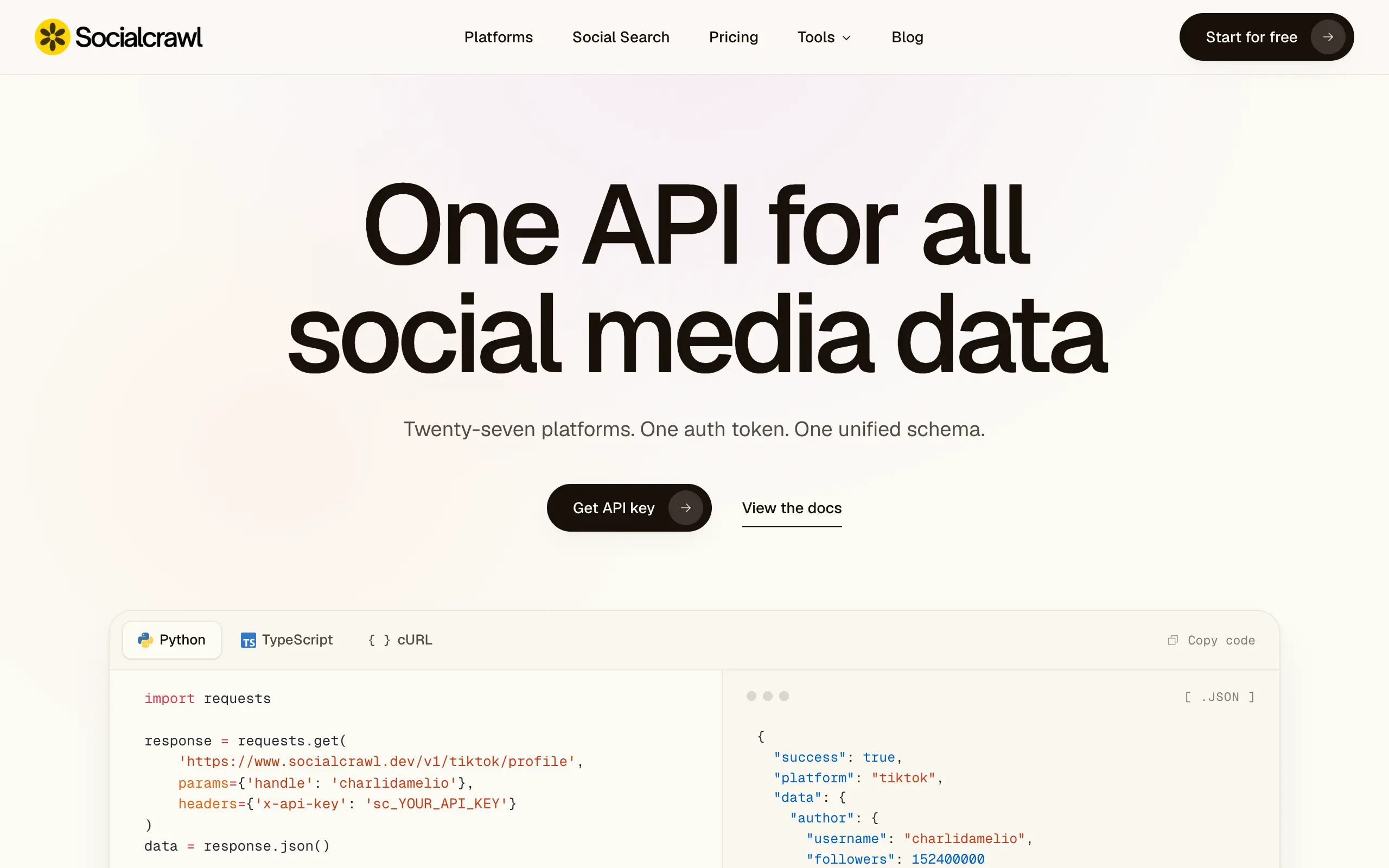
Socialcrawl
Get clean, structured data from 21 platforms like TikTok, Instagram, and YouTube with a single request 📊
Statiko
Monitor any Telegram channel in real time - track posts, edits, deletions, and growth with AI recaps 📡
Shibui
AI website builder - describe your business, pick a niche template, edit by chatting, and publish instantly ✨
Pro Service
Find verified home service professionals, compare quotes, and pay securely through escrow - built for Brazilians across the US 🏠
RankGrow
Fix your SEO with AI agents - connect Search Console, get prioritized tasks, and grow organic traffic 📈
SyncReads
Sync your favorite content for distraction-free reading, save time and replace multiple apps. Anytime, anywhere 🔄
Socialcrawl
Get clean, structured data from 21 platforms like TikTok, Instagram, and YouTube with a single request 📊
Statiko
Monitor any Telegram channel in real time - track posts, edits, deletions, and growth with AI recaps 📡
Shibui
AI website builder - describe your business, pick a niche template, edit by chatting, and publish instantly ✨
Pro Service
Find verified home service professionals, compare quotes, and pay securely through escrow - built for Brazilians across the US 🏠
RankGrow
Fix your SEO with AI agents - connect Search Console, get prioritized tasks, and grow organic traffic 📈
SyncReads
Sync your favorite content for distraction-free reading, save time and replace multiple apps. Anytime, anywhere 🔄
Socialcrawl
Get clean, structured data from 21 platforms like TikTok, Instagram, and YouTube with a single request 📊
Statiko
Monitor any Telegram channel in real time - track posts, edits, deletions, and growth with AI recaps 📡
Shibui
AI website builder - describe your business, pick a niche template, edit by chatting, and publish instantly ✨
Pro Service
Find verified home service professionals, compare quotes, and pay securely through escrow - built for Brazilians across the US 🏠
RankGrow
Fix your SEO with AI agents - connect Search Console, get prioritized tasks, and grow organic traffic 📈
SyncReads
Sync your favorite content for distraction-free reading, save time and replace multiple apps. Anytime, anywhere 🔄
Socialcrawl
Get clean, structured data from 21 platforms like TikTok, Instagram, and YouTube with a single request 📊
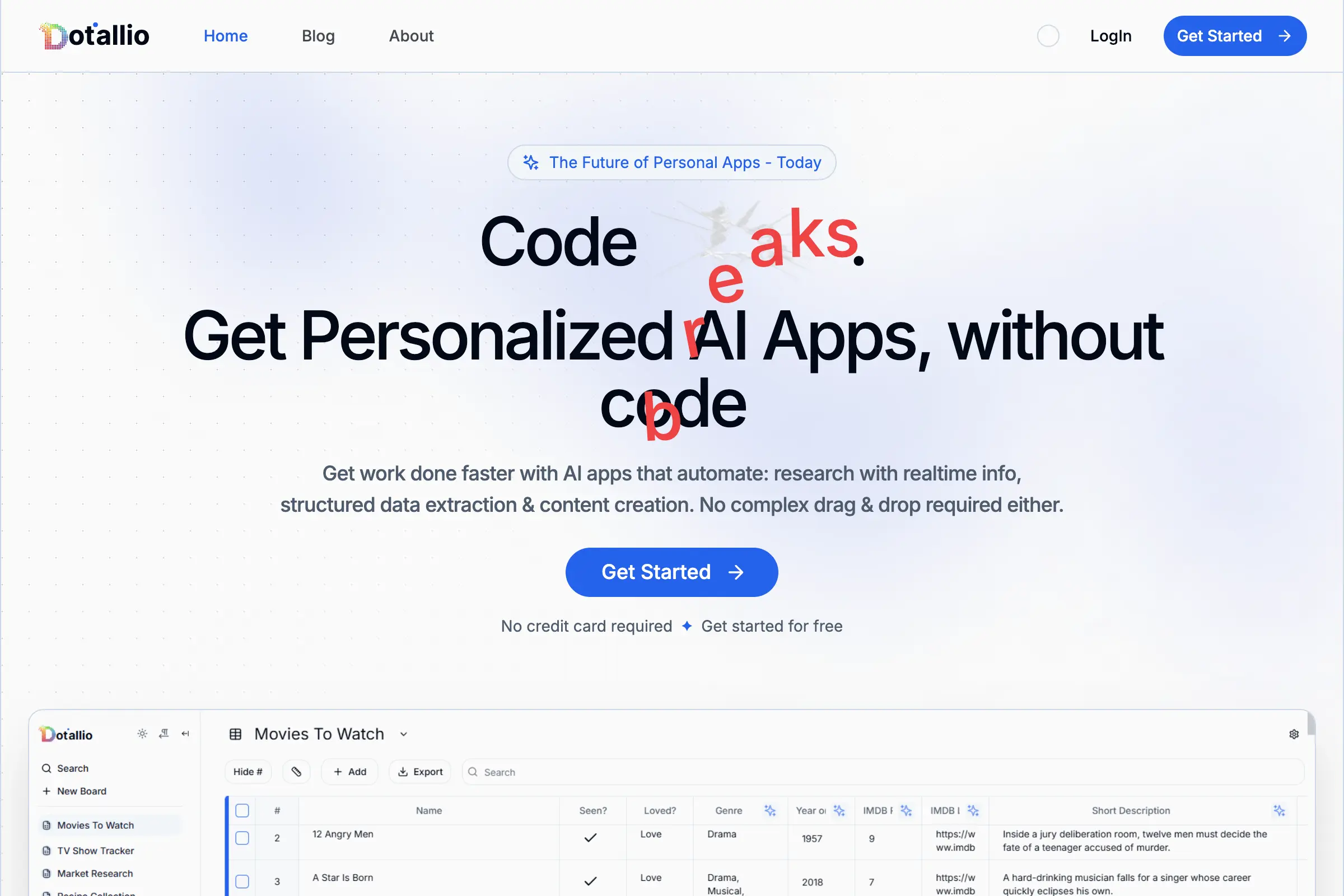
Dotallio
Personalized AI apps that automate research, data extraction, and content creation without code 🤖

Talk to Santa
Enjoy a magical live video chat or receive a unique AI-generated video greeting from Santa Claus 🎅
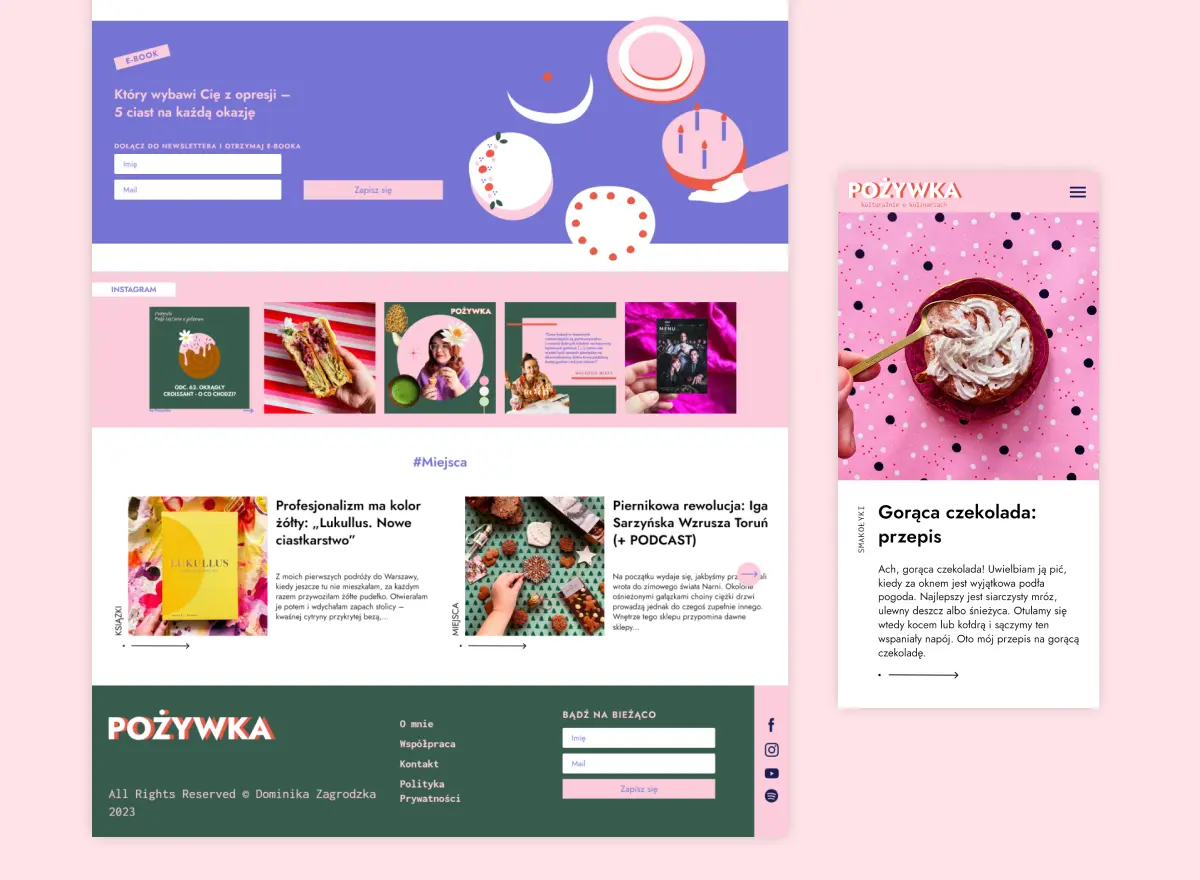
pozywka.pl
Scalable blog for food journalist, focused on performance and user experience 🌭
zagrodzki.me
Personal blog and portfolio of Bart Zagrodzki, where he shares his knowledge and work 💼
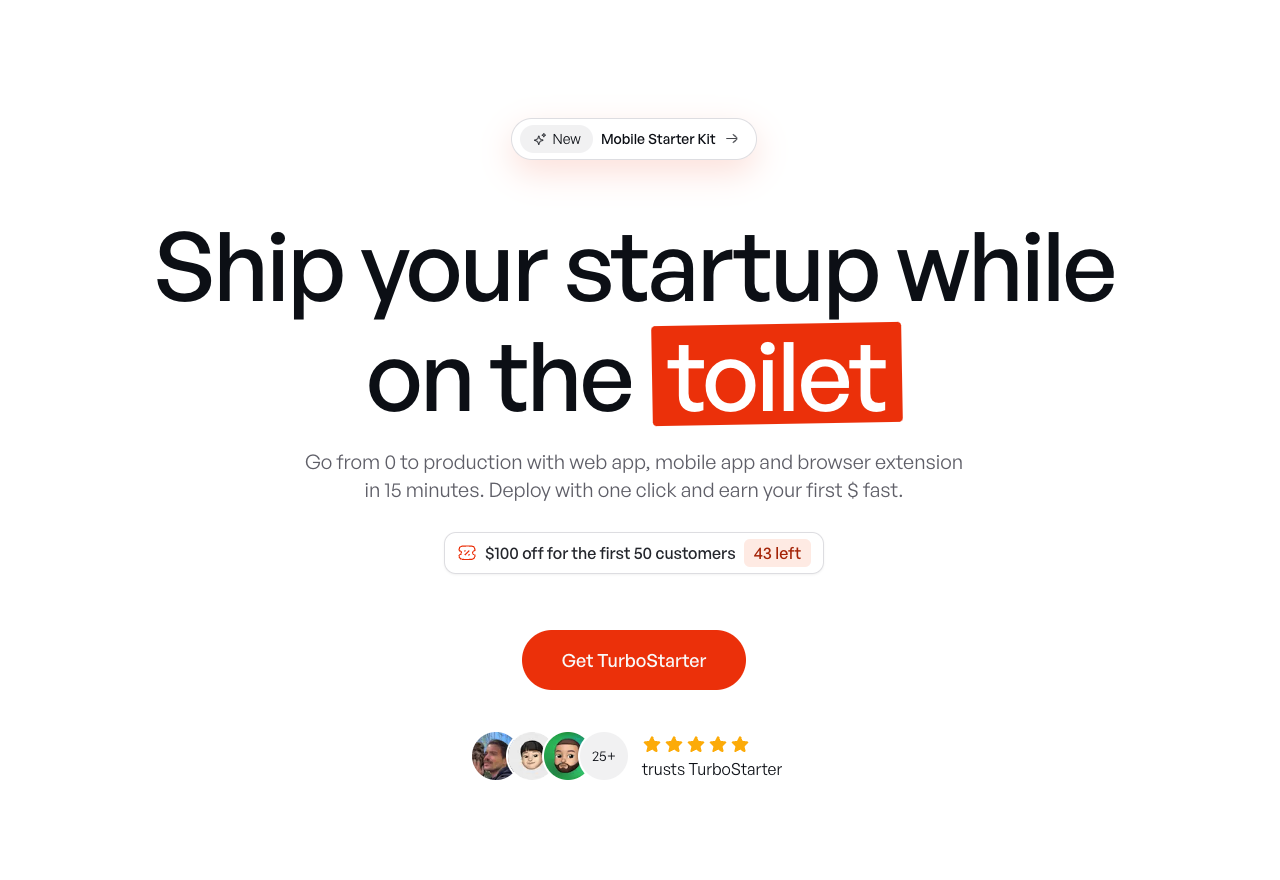
TurboStarter
Ship your startup everywhere. In minutes.
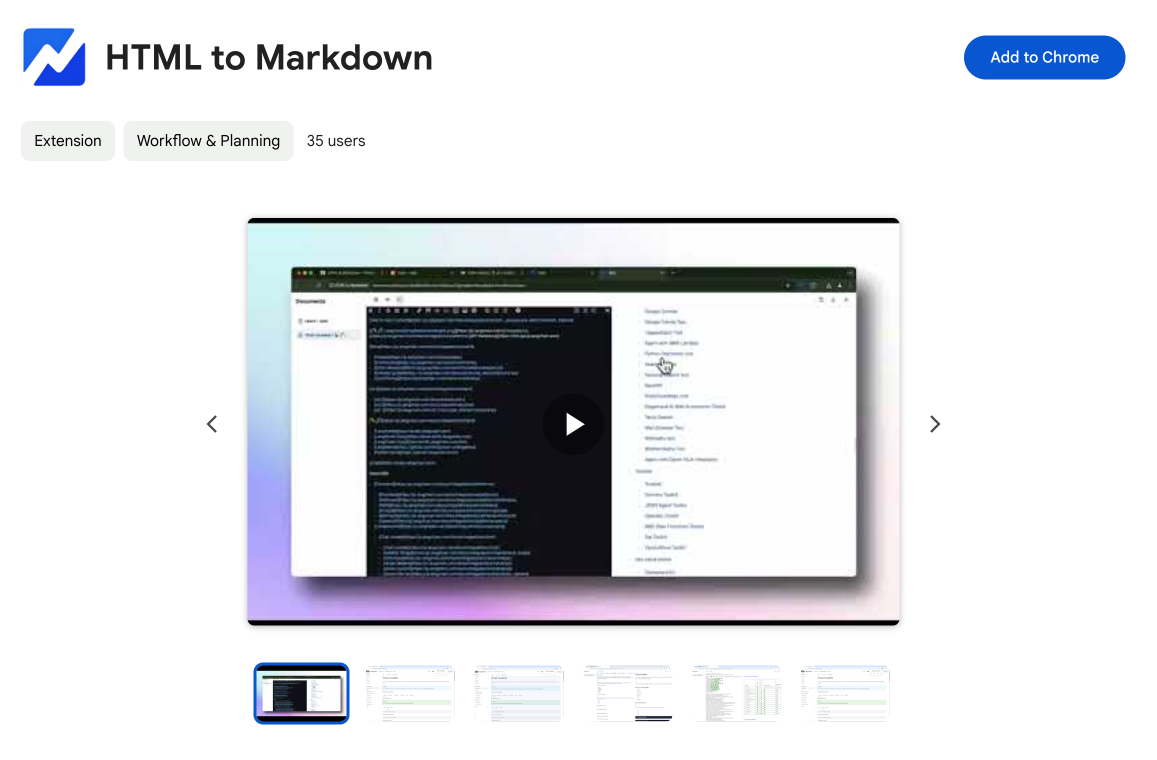
HTML to Markdown
Convert HTML to Markdown with ease, directly in your browser 📄
Dotallio
Personalized AI apps that automate research, data extraction, and content creation without code 🤖
Talk to Santa
Enjoy a magical live video chat or receive a unique AI-generated video greeting from Santa Claus 🎅
pozywka.pl
Scalable blog for food journalist, focused on performance and user experience 🌭
zagrodzki.me
Personal blog and portfolio of Bart Zagrodzki, where he shares his knowledge and work 💼
TurboStarter
Ship your startup everywhere. In minutes.
HTML to Markdown
Convert HTML to Markdown with ease, directly in your browser 📄
Dotallio
Personalized AI apps that automate research, data extraction, and content creation without code 🤖
Talk to Santa
Enjoy a magical live video chat or receive a unique AI-generated video greeting from Santa Claus 🎅
pozywka.pl
Scalable blog for food journalist, focused on performance and user experience 🌭
zagrodzki.me
Personal blog and portfolio of Bart Zagrodzki, where he shares his knowledge and work 💼
TurboStarter
Ship your startup everywhere. In minutes.
HTML to Markdown
Convert HTML to Markdown with ease, directly in your browser 📄
Dotallio
Personalized AI apps that automate research, data extraction, and content creation without code 🤖
Talk to Santa
Enjoy a magical live video chat or receive a unique AI-generated video greeting from Santa Claus 🎅
pozywka.pl
Scalable blog for food journalist, focused on performance and user experience 🌭
zagrodzki.me
Personal blog and portfolio of Bart Zagrodzki, where he shares his knowledge and work 💼
TurboStarter
Ship your startup everywhere. In minutes.
HTML to Markdown
Convert HTML to Markdown with ease, directly in your browser 📄
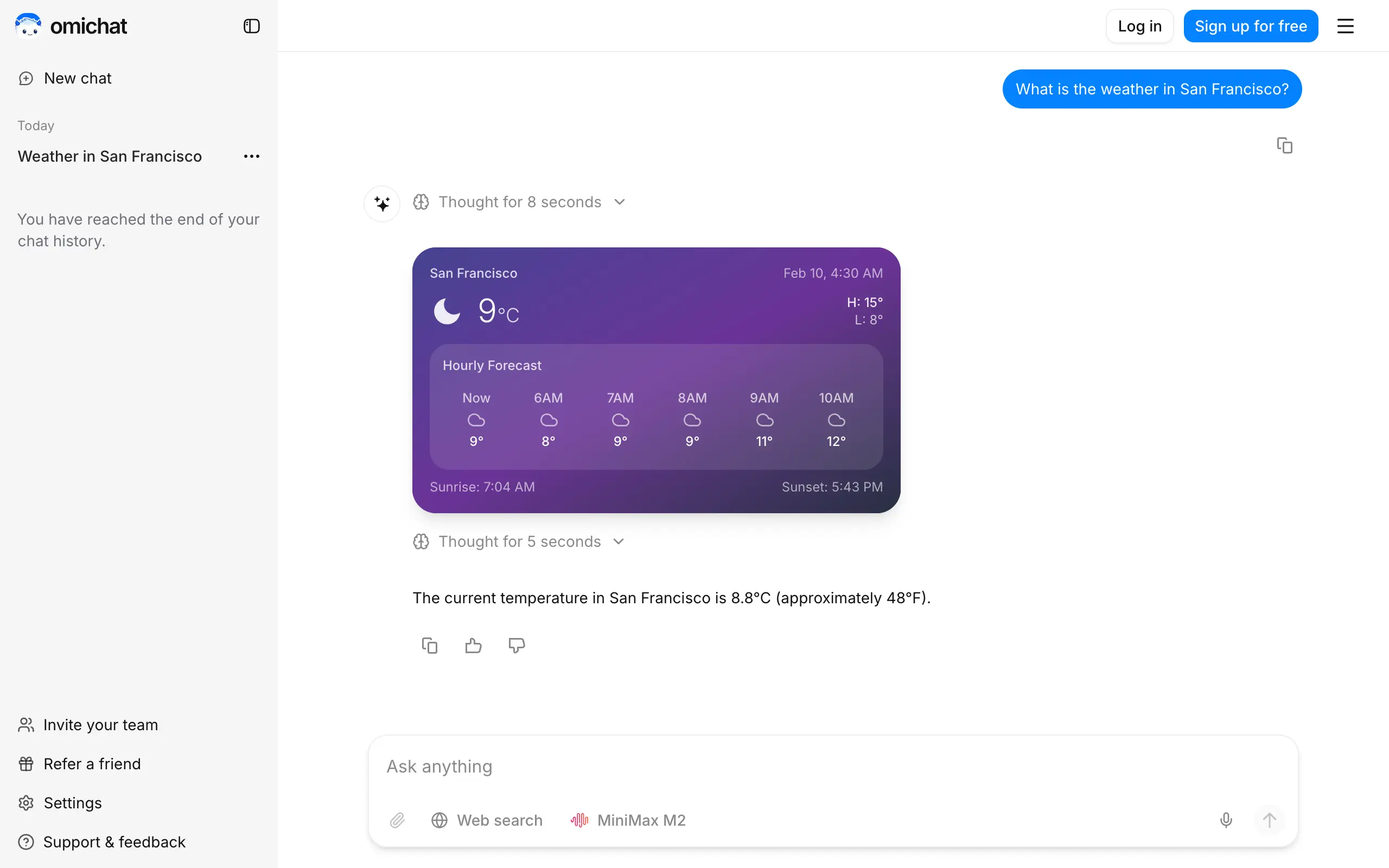
Omichat
Chat with 50+ AI models, including ChatGPT and Claude, in one place - switch models anytime without losing context 🤖
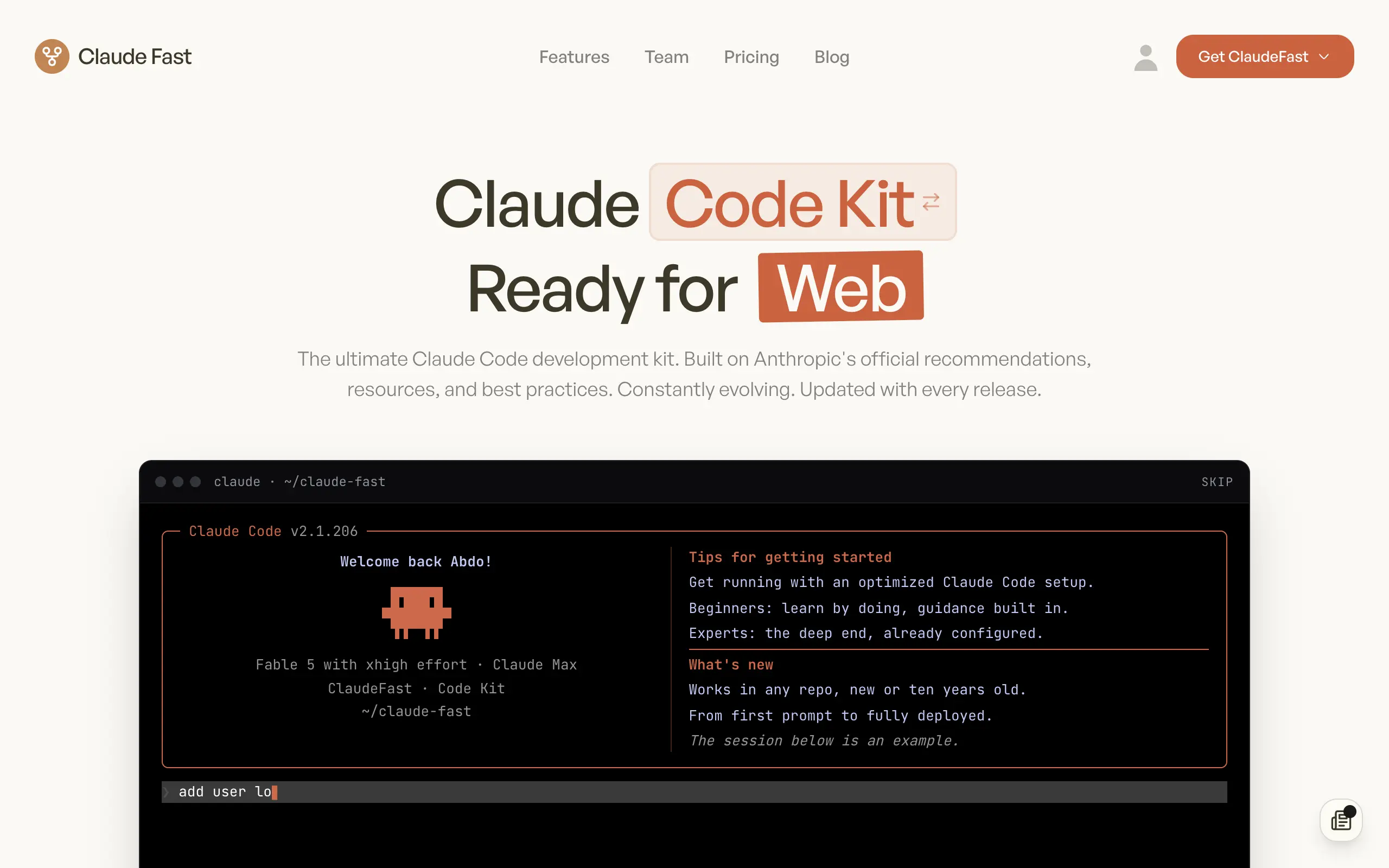
Claude Fast
Supercharge your Claude Code with 6x effective context window and specialized AI agents 🤖
EmojAI
AI-powered emoji picker with smart, context-aware suggestions 🤖
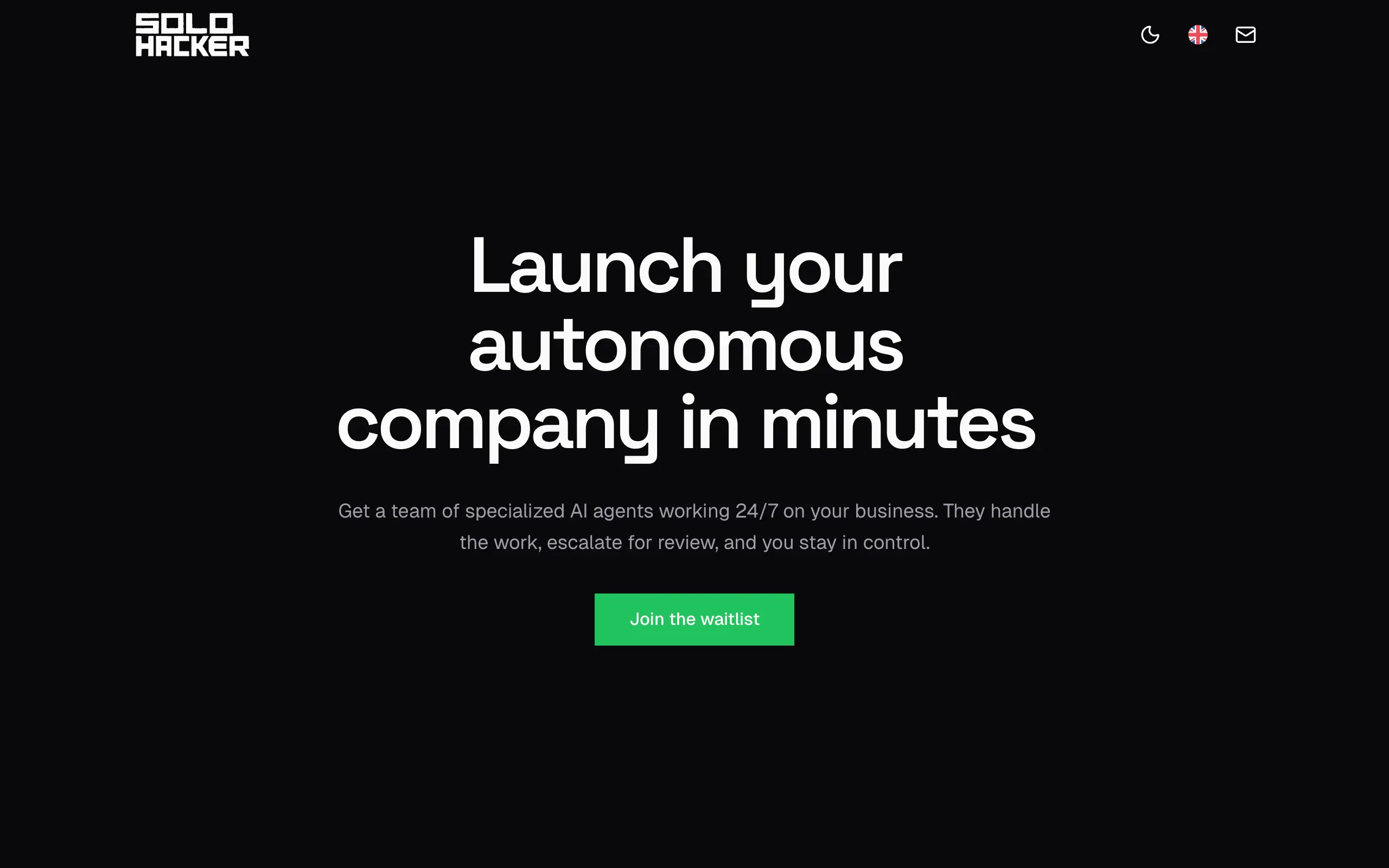
Solohacker
Autonomous company launcher - AI agents work 24/7, escalate what matters, and you stay in control 🤖
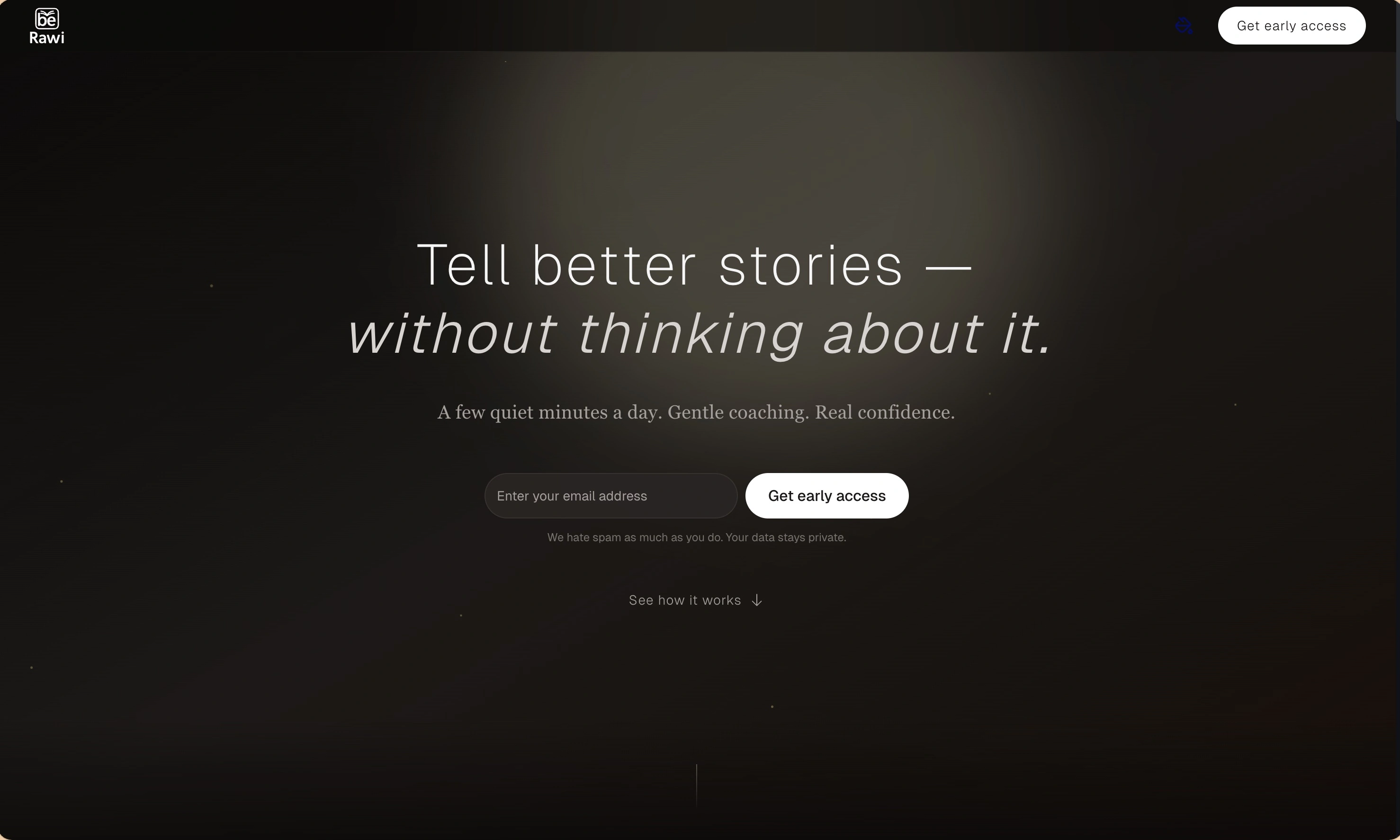
BeRawi: Storytelling Coach
Practice storytelling daily with instant feedback to sound clearer, more engaging, and confident 🎤
Omichat
Chat with 50+ AI models, including ChatGPT and Claude, in one place - switch models anytime without losing context 🤖
Claude Fast
Supercharge your Claude Code with 6x effective context window and specialized AI agents 🤖
EmojAI
AI-powered emoji picker with smart, context-aware suggestions 🤖
Solohacker
Autonomous company launcher - AI agents work 24/7, escalate what matters, and you stay in control 🤖
BeRawi: Storytelling Coach
Practice storytelling daily with instant feedback to sound clearer, more engaging, and confident 🎤
Omichat
Chat with 50+ AI models, including ChatGPT and Claude, in one place - switch models anytime without losing context 🤖
Claude Fast
Supercharge your Claude Code with 6x effective context window and specialized AI agents 🤖
EmojAI
AI-powered emoji picker with smart, context-aware suggestions 🤖
Solohacker
Autonomous company launcher - AI agents work 24/7, escalate what matters, and you stay in control 🤖
BeRawi: Storytelling Coach
Practice storytelling daily with instant feedback to sound clearer, more engaging, and confident 🎤
Omichat
Chat with 50+ AI models, including ChatGPT and Claude, in one place - switch models anytime without losing context 🤖
Claude Fast
Supercharge your Claude Code with 6x effective context window and specialized AI agents 🤖
EmojAI
AI-powered emoji picker with smart, context-aware suggestions 🤖
Solohacker
Autonomous company launcher - AI agents work 24/7, escalate what matters, and you stay in control 🤖
BeRawi: Storytelling Coach
Practice storytelling daily with instant feedback to sound clearer, more engaging, and confident 🎤

Connect with like-minded people
Join our community to get feedback, support, and grow together with 1,000+ builders on board, let's ship it!
Join usShip your startup everywhere. In minutes.
Don't burn tokens on setup and start building features on day one.