RageQuit Insights
Tracks player frustration signals in low-rated games and turns gameplay data into clear UX and retention improvement suggestions.
Understanding player frustration analytics in modern gaming
Player frustration is one of the most expensive invisible problems in game development. It quietly erodes retention, damages user experience, and ultimately impacts revenue. Yet most studios still rely on surface-level metrics like churn rate, session length, or crash logs to understand why players leave.
This is where player frustration analytics platforms like RageQuit Insights come in. Instead of guessing why players abandon a game, this AI-powered SaaS systematically detects frustration signals in low-rated gameplay sessions and translates them into actionable UX improvements.
In an era where player expectations are shaped by polished AAA experiences and hyper-optimized mobile games, understanding why players rage quit is no longer optional—it’s a competitive necessity.
What is RageQuit Insights and why it matters
RageQuit Insights is an AI-driven analytics platform designed specifically to identify, quantify, and explain frustration signals in gameplay. It transforms raw behavioral data into clear, prioritized recommendations for improving player experience and retention.
Unlike traditional analytics tools, which focus on what happened, RageQuit Insights focuses on:
- Why players disengage
- Where frustration spikes occur
- How to fix them efficiently
This shift from descriptive analytics to diagnostic and prescriptive analytics is what makes the product especially valuable.
The growing demand for player frustration analytics
The retention crisis in gaming
Modern games face an increasingly brutal retention landscape:
- Mobile games often lose 70–80% of users within the first 3 days
- Indie PC games struggle to maintain engagement past initial sessions
- Live-service games must constantly fight churn despite content updates
While metrics dashboards can highlight where players drop off, they rarely explain why.
Key industry insight
Game studios that actively optimize early-session frustration points see significantly higher retention rates. Industry reports from sources like Newzoo and GameAnalytics consistently emphasize onboarding friction as a top churn driver.
Why traditional analytics tools fall short
Most existing tools provide:
- Session length
- Funnel drop-offs
- Crash reports
- Event tracking
But they lack:
- Emotional context (frustration vs boredom)
- Behavioral anomaly detection
- Clear UX recommendations
RageQuit Insights fills this gap by combining behavioral modeling + AI pattern recognition + UX heuristics.
Target audience analysis
Understanding who benefits most from RageQuit Insights is critical for both product positioning and growth strategy.
Primary audience segments
1. Indie game developers
Small teams often lack dedicated UX researchers or data analysts.
Pain points:
- Limited resources for testing
- Difficulty interpreting analytics
- High sensitivity to early churn
Value from RageQuit Insights:
- Automated frustration detection
- Clear, prioritized fixes
- Faster iteration cycles
2. Mid-sized studios
These teams have data but struggle with interpretation at scale.
Pain points:
- Data overload
- Slow decision-making
- Fragmented analytics stack
Value:
- AI-powered insights layer
- Cross-session pattern detection
- Team-wide actionable reports
3. Live-service game teams
Retention is everything in ongoing games.
Pain points:
- Identifying churn causes quickly
- Balancing difficulty vs engagement
- Monitoring post-update impact
Value:
- Real-time frustration signals
- Patch impact analysis
- Player sentiment inference
4. QA and UX teams
Often responsible for improving gameplay but lack behavioral data.
Pain points:
- Reliance on limited playtesting
- Subjective feedback loops
Value:
- Objective frustration metrics
- Evidence-backed UX decisions
Core features of RageQuit Insights
AI-powered frustration detection
At the heart of the platform is a machine learning model trained to identify frustration signals from gameplay behavior.
These signals may include:
- Repeated failures in short intervals
- Abrupt session termination
- Input spamming or erratic behavior
- Sudden difficulty spikes
- Backtracking patterns
Gameplay session analysis
RageQuit Insights analyzes full player sessions and highlights:
- Frustration hotspots
- Drop-off points
- Difficulty cliffs
This allows developers to see not just metrics, but narratives of player struggle.
Actionable UX recommendations
Instead of raw data, the platform provides:
- Suggested difficulty adjustments
- UX improvements (e.g., clearer tutorials)
- Level design optimizations
- Progression pacing tweaks
Insight-driven design
Turn behavioral data into concrete design improvements without manual analysis.
Faster iteration cycles
Quickly identify and fix friction points before they impact retention.
Reduced churn
Address frustration early to keep players engaged longer.
Segment-based analysis
Not all players behave the same. RageQuit Insights segments users based on:
- Skill level
- Playstyle
- Progression stage
This allows teams to:
- Tailor difficulty curves
- Optimize onboarding experiences
- Personalize gameplay mechanics
Real-time alerts
Developers can receive alerts when:
- Frustration spikes after a patch
- A specific level causes mass churn
- New players fail onboarding steps
How RageQuit Insights works (technical breakdown)
Data collection layer
The platform integrates with game engines or analytics SDKs to capture:
- Player inputs
- Movement patterns
- Game events
- Session timing
- Failure states
Processing and modeling
AI models process this data to detect anomalies and patterns.
Typical techniques include:
- Sequence modeling (e.g., LSTMs or transformers)
- Clustering behavior patterns
- Anomaly detection algorithms
Insight generation engine
The system maps behavioral signals to UX principles.
For example:
- High retry rate + quick exits → frustration
- Long idle times → confusion or disengagement
Example integration snippet
import { initRageQuit } from "ragequit-insights-sdk";

initRageQuit({
  apiKey: "YOUR_API_KEY",
  gameId: "your-game-id",
  trackEvents: true,
});
Recommended tech stack for building a similar SaaS
If you're building a platform like RageQuit Insights, your architecture needs to handle high-volume behavioral data and real-time analysis.
Frontend
- React for dashboard UI
- TailwindCSS for rapid styling
Backend
- Node.js or Python (FastAPI)
- GraphQL or REST APIs
- Real-time processing with Kafka or Pub/Sub
AI/ML layer
- Python ecosystem (PyTorch or TensorFlow)
- Feature engineering pipelines
- Behavioral sequence modeling
Data infrastructure
- Data warehouse (BigQuery or Snowflake)
- Stream processing tools
- Event tracking pipeline
Trade-offs to consider
-
Real-time vs batch processing
- Real-time = faster insights, higher cost
- Batch = cheaper, slower feedback
-
Model complexity vs interpretability
- Complex models = better predictions
- Simpler models = easier to explain
Market opportunity and competitive landscape
Current market gap
While tools like GameAnalytics and Unity Analytics exist, they focus on:
- Event tracking
- Monetization metrics
- Funnel analysis
They do not deeply analyze emotional or behavioral frustration patterns.
Competitive comparison
| Feature | RageQuit Insights | GameAnalytics | Unity Analytics | Mixpanel |
|---|---|---|---|---|
| Frustration detection | ✅ | ❌ | ❌ | ❌ |
| UX recommendations | ✅ | ❌ | ❌ | ❌ |
| Behavioral AI | ✅ | ⚠️ | ⚠️ | ❌ |
| Game-specific insights | ✅ | ✅ | ✅ | ❌ |
Unique selling proposition (USP)
RageQuit Insights stands out because it:
- Focuses on player emotion inference, not just metrics
- Provides actionable recommendations, not just dashboards
- Uses AI to interpret behavior at scale
Monetization strategies
SaaS pricing tiers
Typical pricing could include:
- Free tier for indie developers
- Pro tier based on monthly active users (MAU)
- Enterprise tier with custom integrations
Usage-based pricing
Charge based on:
- Events processed
- Sessions analyzed
- Data volume
Add-on services
- Advanced AI insights
- Custom reporting
- Dedicated support
Enterprise contracts
Large studios may pay for:
- Custom model training
- On-premise deployment
- SLA guarantees
Potential risks and mitigation strategies
Data privacy concerns
Risk: Collecting gameplay data may raise privacy issues.
Mitigation:
- Anonymize user data
- Ensure GDPR/CCPA compliance
- Provide transparent data policies
False positives in frustration detection
Risk: Misinterpreting player behavior
Mitigation:
- Continuous model training
- Human-in-the-loop validation
- Confidence scoring for insights
Integration complexity
Risk: Developers may resist adding new SDKs
Mitigation:
- Lightweight SDK
- Clear documentation
- Pre-built integrations
Market education challenge
Risk: Developers may not understand the value of frustration analytics
Mitigation:
- Case studies
- ROI demonstrations
- Educational content marketing
Implementation roadmap
If you're building or launching a product like RageQuit Insights, here's a practical roadmap.
Go-to-market strategy
Phase 1: Indie developer adoption
- Launch on Product Hunt
- Engage in game dev communities
- Offer free tier
Phase 2: Content-driven growth
- Publish case studies
- SEO content around:
- "why players quit games"
- "game UX optimization"
- "player retention strategies"
Phase 3: Partnerships
- Integrate with game engines
- Collaborate with analytics platforms
- Partner with publishing platforms
Future trends in AI-powered game analytics
The gaming industry is rapidly moving toward:
- Emotion-aware analytics
- Personalized gameplay experiences
- Adaptive difficulty systems
- Real-time UX optimization
RageQuit Insights is aligned with these trends, positioning it as a forward-looking solution.
Practical example: detecting a rage quit scenario
A player fails the same level 5 times within 3 minutes and exits immediately.
High frustration likelihood due to difficulty spike and lack of progress.
Reduce enemy difficulty or add checkpoint before the challenge.
Why this idea has strong SaaS potential
RageQuit Insights checks all the boxes of a strong SaaS product:
- Clear pain point
- Measurable ROI (retention improvement)
- Scalable AI-driven solution
- Strong differentiation
Building faster with the right tools
Launching a SaaS like this from scratch can be complex. Using a starter framework like TurboStarter can significantly reduce development time by providing:
- Pre-built SaaS infrastructure
- Authentication and billing
- Scalable architecture
Final thoughts and next steps
RageQuit Insights represents a shift in how game developers approach analytics—from passive observation to proactive optimization.
If you're considering building or investing in a player frustration analytics platform, focus on:
- Delivering clear, actionable insights
- Reducing integration friction
- Demonstrating measurable impact on retention
The demand for smarter, AI-driven game analytics is only growing. Developers are no longer satisfied with knowing what happened—they need to understand why and how to fix it.
The opportunity is wide open for tools that bridge that gap.
More 🤖 AI Startup SaaS ideas
Discover more innovative ai startup SaaS ideas that are trending in 2026. Each idea is AI-generated with market validation and growth potential to help you find your next profitable venture faster than competitors.
Your competitors are building with TurboStarter
Below are some of the SaaS ideas that have been generated and built with our starter kit.
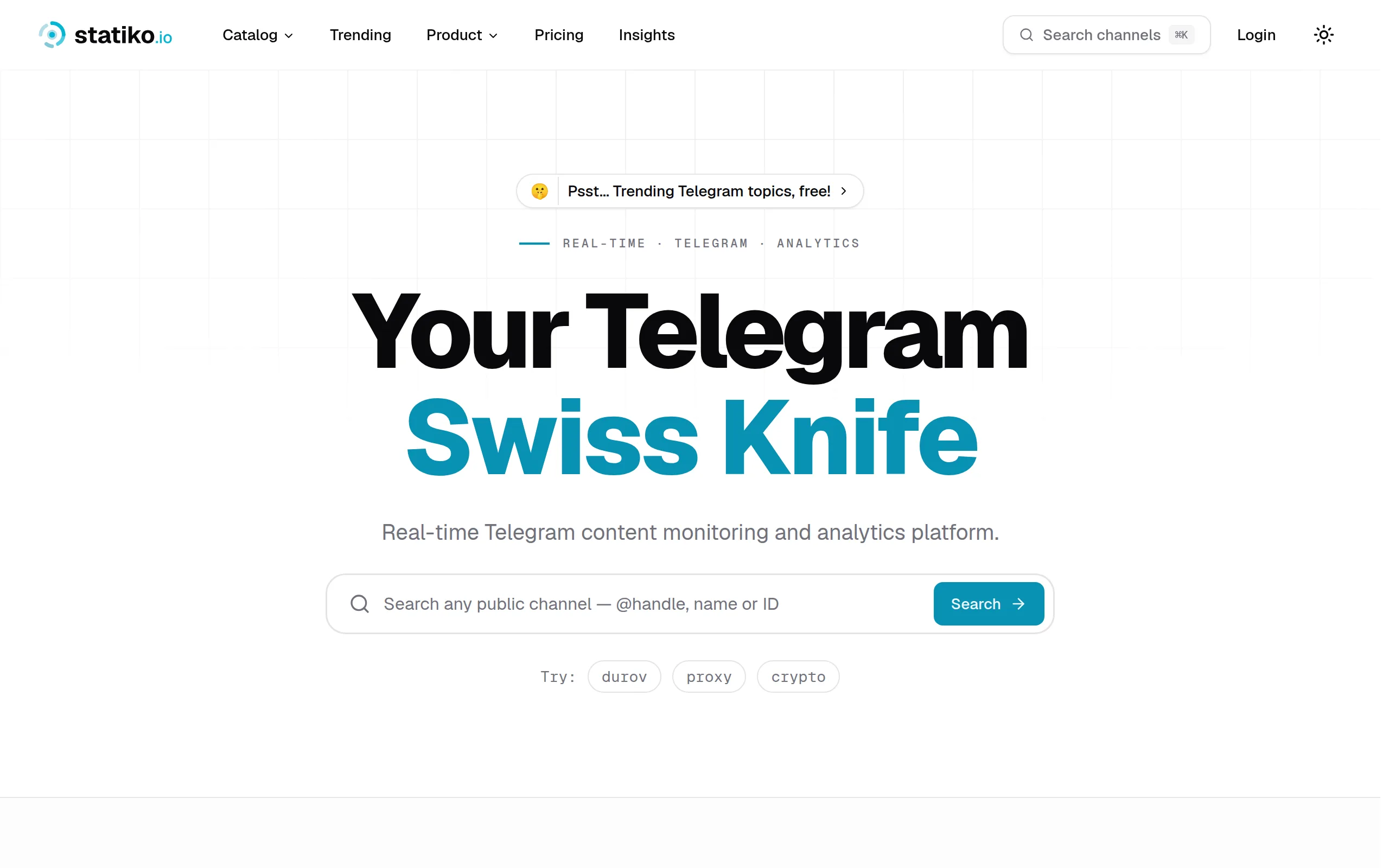
Statiko
Monitor any Telegram channel in real time - track posts, edits, deletions, and growth with AI recaps 📡

Shibui
AI website builder - describe your business, pick a niche template, edit by chatting, and publish instantly ✨

Pro Service
Find verified home service professionals, compare quotes, and pay securely through escrow - built for Brazilians across the US 🏠
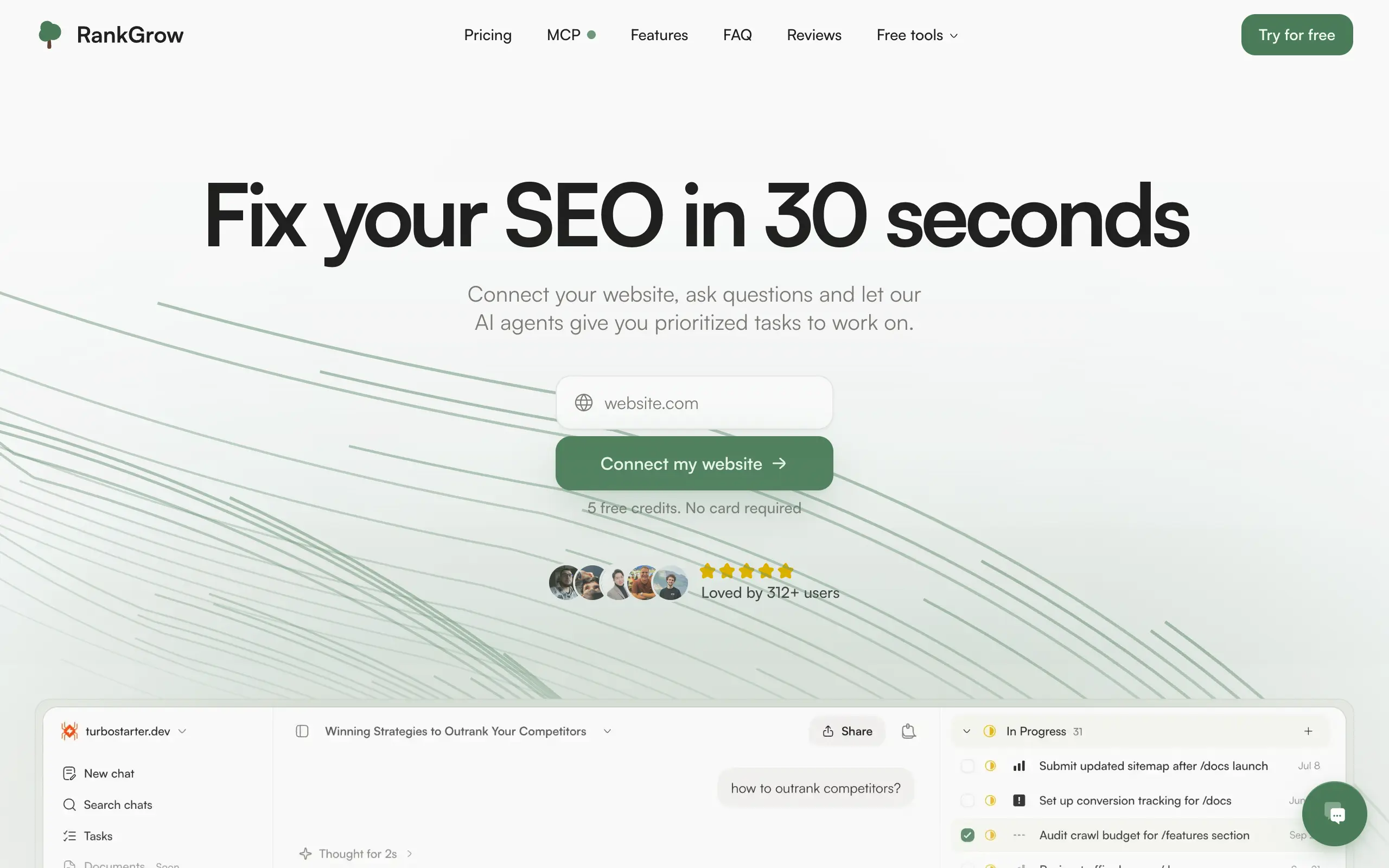
RankGrow
Fix your SEO with AI agents - connect Search Console, get prioritized tasks, and grow organic traffic 📈
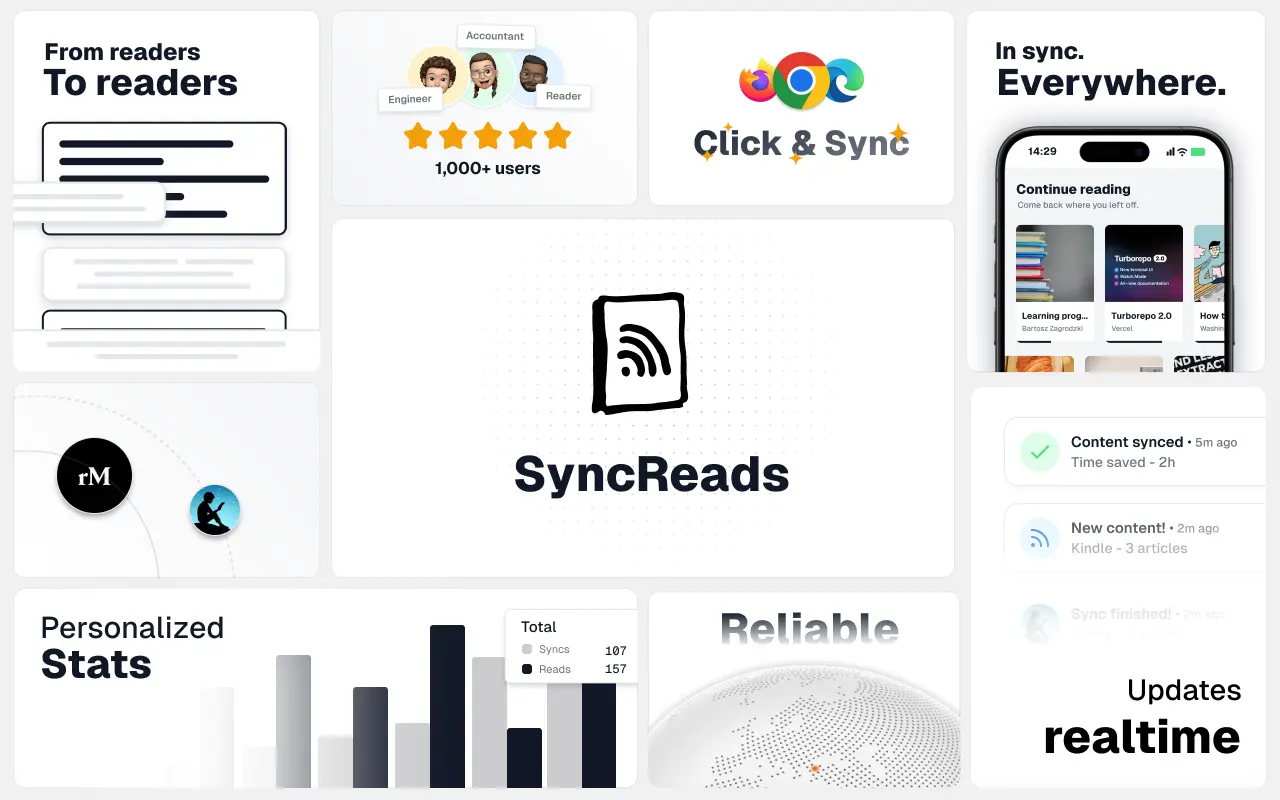
SyncReads
Sync your favorite content for distraction-free reading, save time and replace multiple apps. Anytime, anywhere 🔄
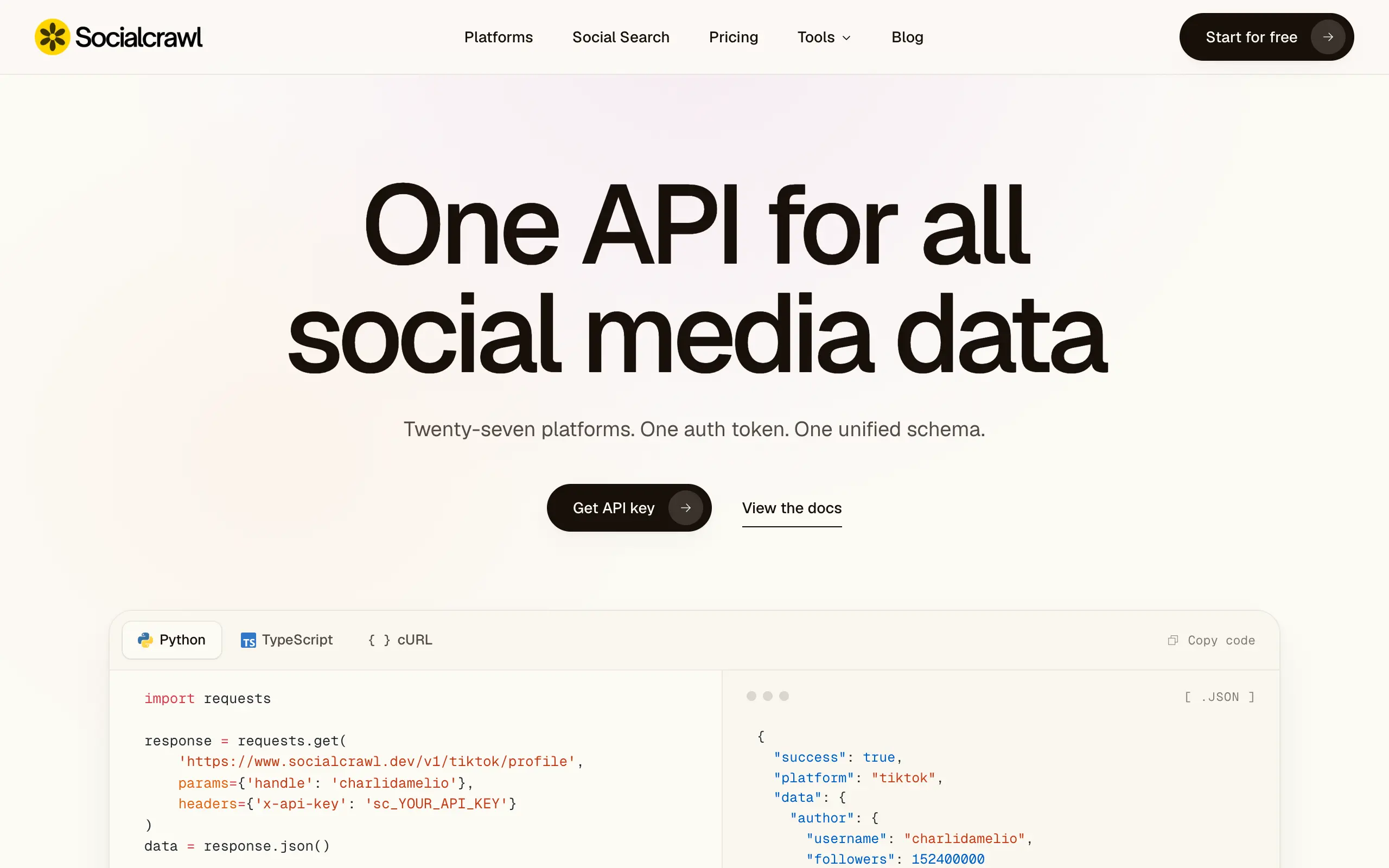
Socialcrawl
Get clean, structured data from 21 platforms like TikTok, Instagram, and YouTube with a single request 📊
Statiko
Monitor any Telegram channel in real time - track posts, edits, deletions, and growth with AI recaps 📡
Shibui
AI website builder - describe your business, pick a niche template, edit by chatting, and publish instantly ✨
Pro Service
Find verified home service professionals, compare quotes, and pay securely through escrow - built for Brazilians across the US 🏠
RankGrow
Fix your SEO with AI agents - connect Search Console, get prioritized tasks, and grow organic traffic 📈
SyncReads
Sync your favorite content for distraction-free reading, save time and replace multiple apps. Anytime, anywhere 🔄
Socialcrawl
Get clean, structured data from 21 platforms like TikTok, Instagram, and YouTube with a single request 📊
Statiko
Monitor any Telegram channel in real time - track posts, edits, deletions, and growth with AI recaps 📡
Shibui
AI website builder - describe your business, pick a niche template, edit by chatting, and publish instantly ✨
Pro Service
Find verified home service professionals, compare quotes, and pay securely through escrow - built for Brazilians across the US 🏠
RankGrow
Fix your SEO with AI agents - connect Search Console, get prioritized tasks, and grow organic traffic 📈
SyncReads
Sync your favorite content for distraction-free reading, save time and replace multiple apps. Anytime, anywhere 🔄
Socialcrawl
Get clean, structured data from 21 platforms like TikTok, Instagram, and YouTube with a single request 📊
Statiko
Monitor any Telegram channel in real time - track posts, edits, deletions, and growth with AI recaps 📡
Shibui
AI website builder - describe your business, pick a niche template, edit by chatting, and publish instantly ✨
Pro Service
Find verified home service professionals, compare quotes, and pay securely through escrow - built for Brazilians across the US 🏠
RankGrow
Fix your SEO with AI agents - connect Search Console, get prioritized tasks, and grow organic traffic 📈
SyncReads
Sync your favorite content for distraction-free reading, save time and replace multiple apps. Anytime, anywhere 🔄
Socialcrawl
Get clean, structured data from 21 platforms like TikTok, Instagram, and YouTube with a single request 📊
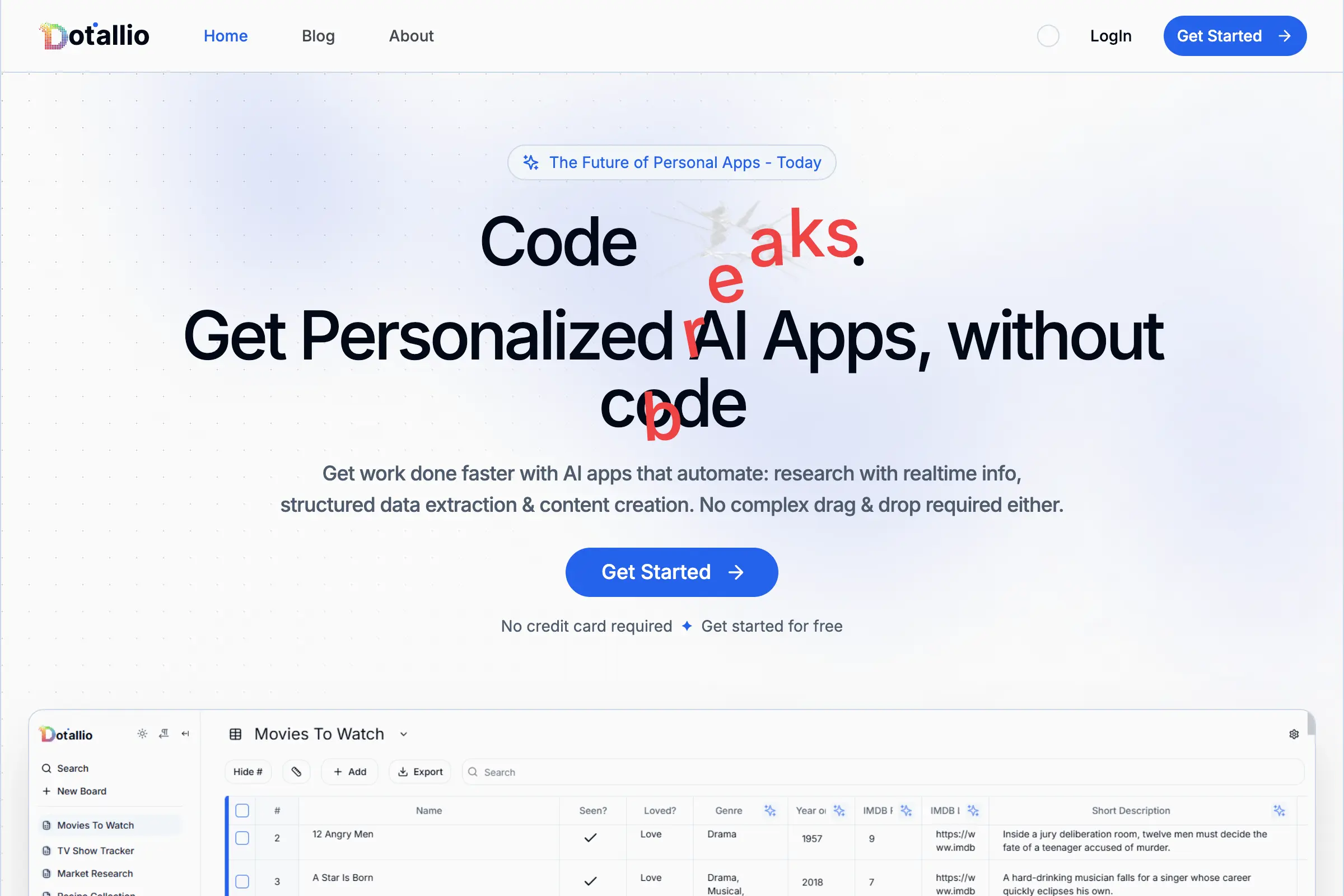
Dotallio
Personalized AI apps that automate research, data extraction, and content creation without code 🤖

Talk to Santa
Enjoy a magical live video chat or receive a unique AI-generated video greeting from Santa Claus 🎅

pozywka.pl
Scalable blog for food journalist, focused on performance and user experience 🌭
zagrodzki.me
Personal blog and portfolio of Bart Zagrodzki, where he shares his knowledge and work 💼
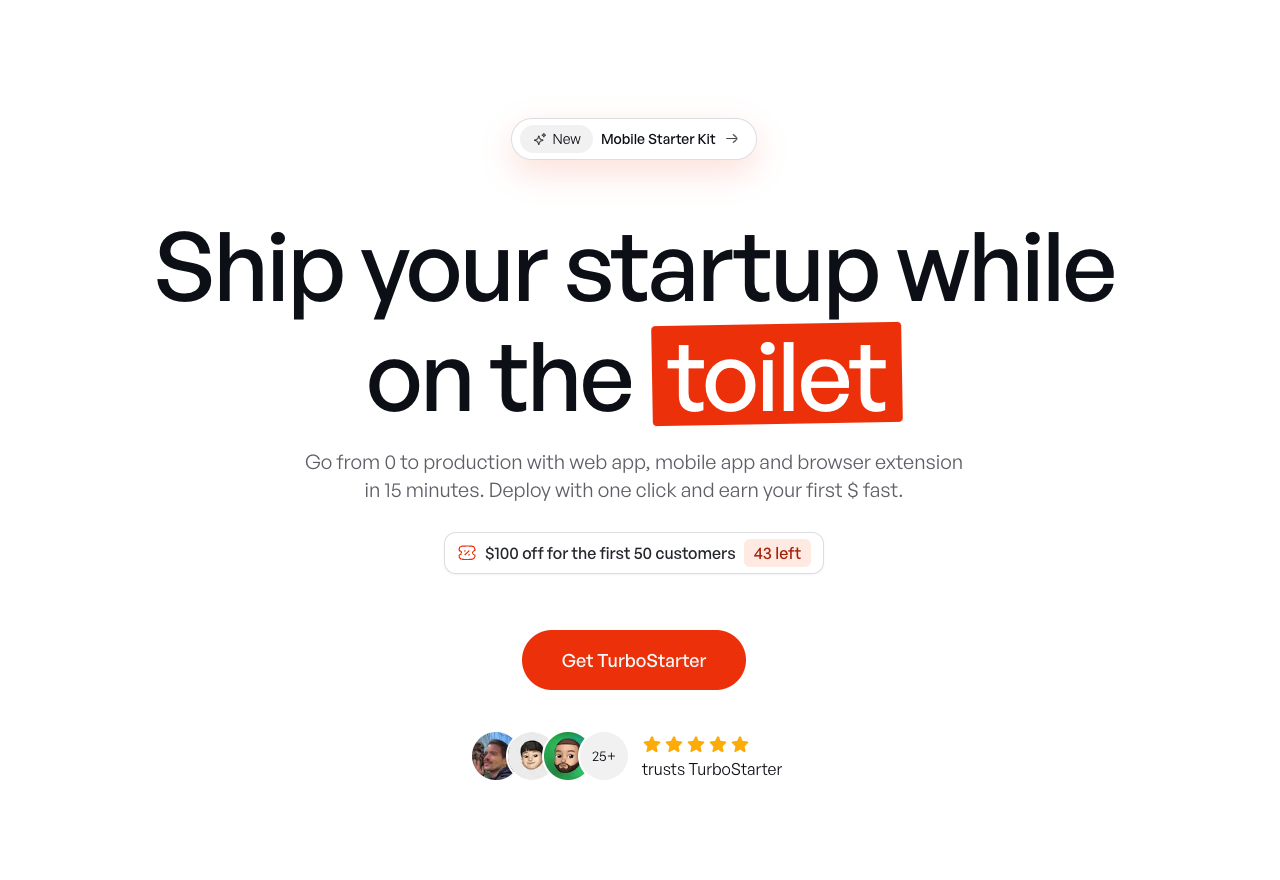
TurboStarter
Ship your startup everywhere. In minutes.
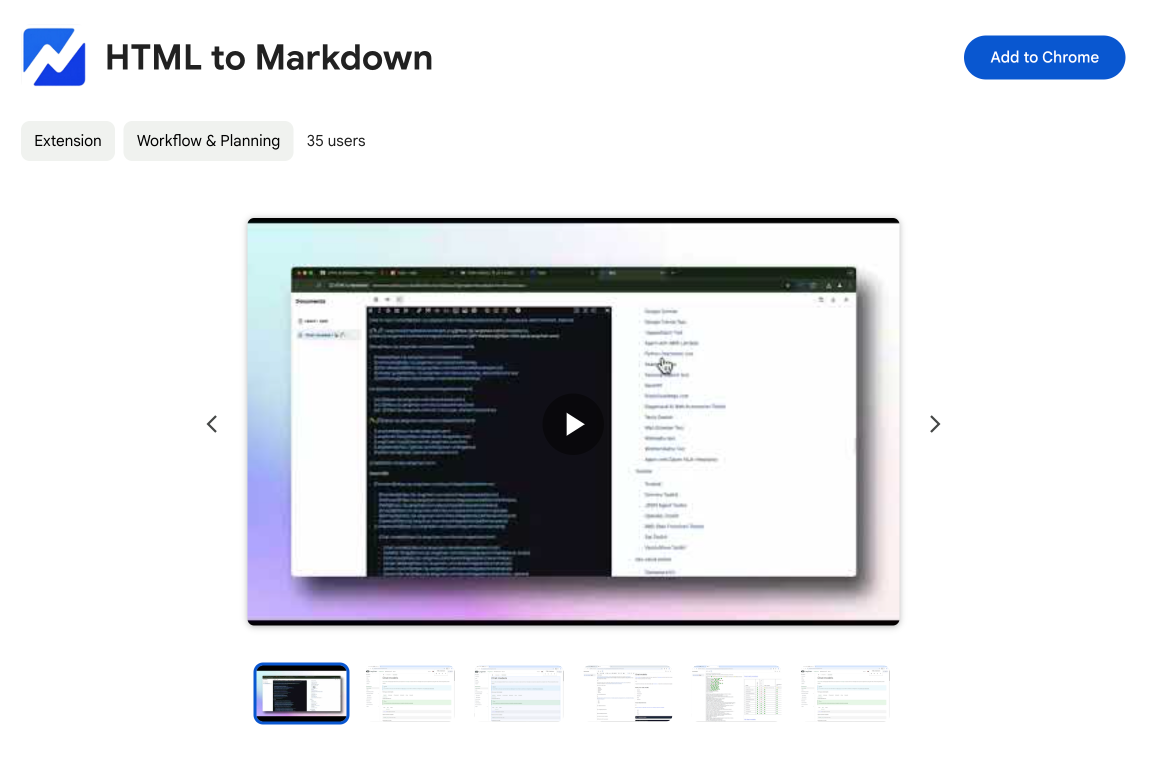
HTML to Markdown
Convert HTML to Markdown with ease, directly in your browser 📄
Dotallio
Personalized AI apps that automate research, data extraction, and content creation without code 🤖
Talk to Santa
Enjoy a magical live video chat or receive a unique AI-generated video greeting from Santa Claus 🎅
pozywka.pl
Scalable blog for food journalist, focused on performance and user experience 🌭
zagrodzki.me
Personal blog and portfolio of Bart Zagrodzki, where he shares his knowledge and work 💼
TurboStarter
Ship your startup everywhere. In minutes.
HTML to Markdown
Convert HTML to Markdown with ease, directly in your browser 📄
Dotallio
Personalized AI apps that automate research, data extraction, and content creation without code 🤖
Talk to Santa
Enjoy a magical live video chat or receive a unique AI-generated video greeting from Santa Claus 🎅
pozywka.pl
Scalable blog for food journalist, focused on performance and user experience 🌭
zagrodzki.me
Personal blog and portfolio of Bart Zagrodzki, where he shares his knowledge and work 💼
TurboStarter
Ship your startup everywhere. In minutes.
HTML to Markdown
Convert HTML to Markdown with ease, directly in your browser 📄
Dotallio
Personalized AI apps that automate research, data extraction, and content creation without code 🤖
Talk to Santa
Enjoy a magical live video chat or receive a unique AI-generated video greeting from Santa Claus 🎅
pozywka.pl
Scalable blog for food journalist, focused on performance and user experience 🌭
zagrodzki.me
Personal blog and portfolio of Bart Zagrodzki, where he shares his knowledge and work 💼
TurboStarter
Ship your startup everywhere. In minutes.
HTML to Markdown
Convert HTML to Markdown with ease, directly in your browser 📄
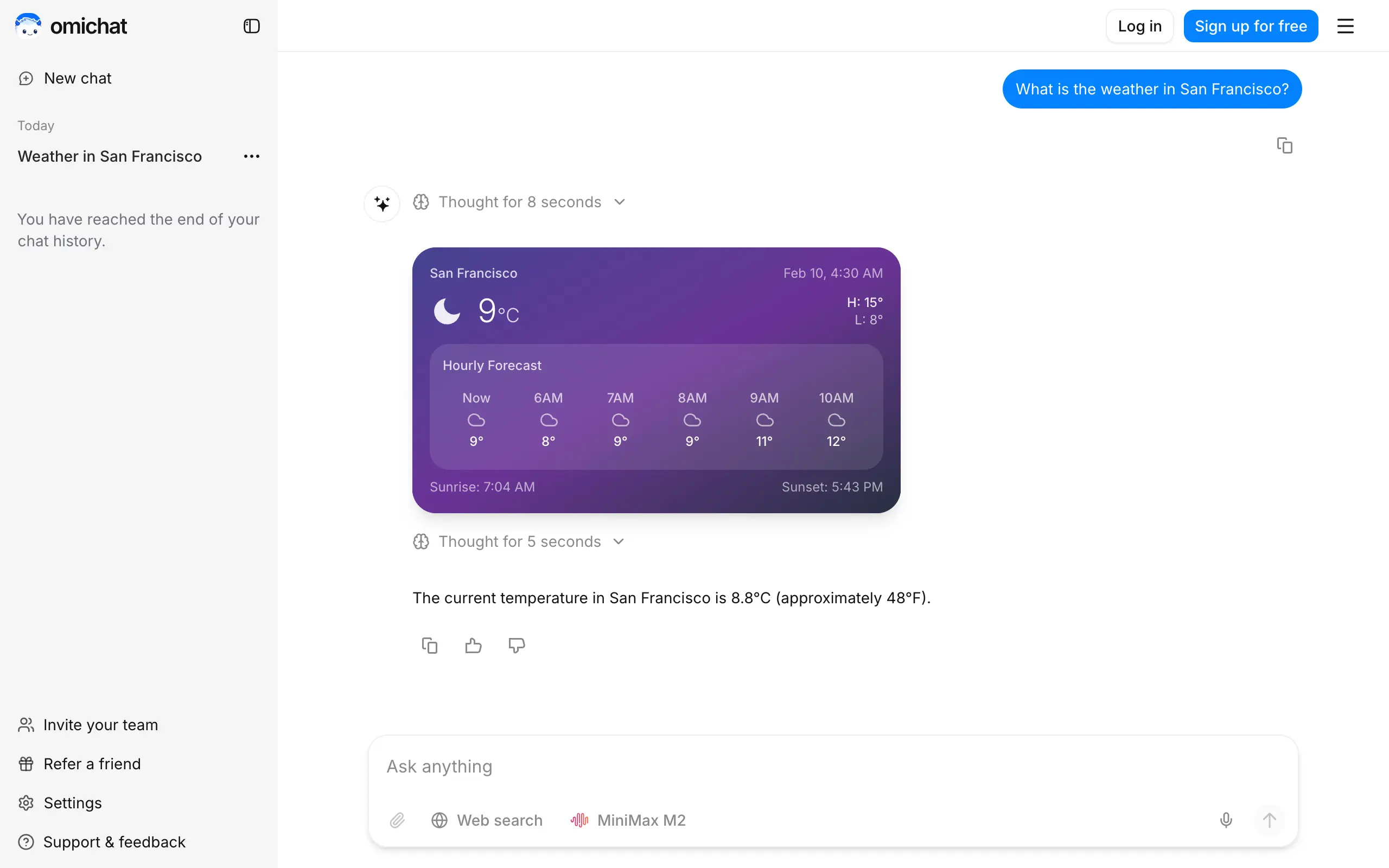
Omichat
Chat with 50+ AI models, including ChatGPT and Claude, in one place - switch models anytime without losing context 🤖
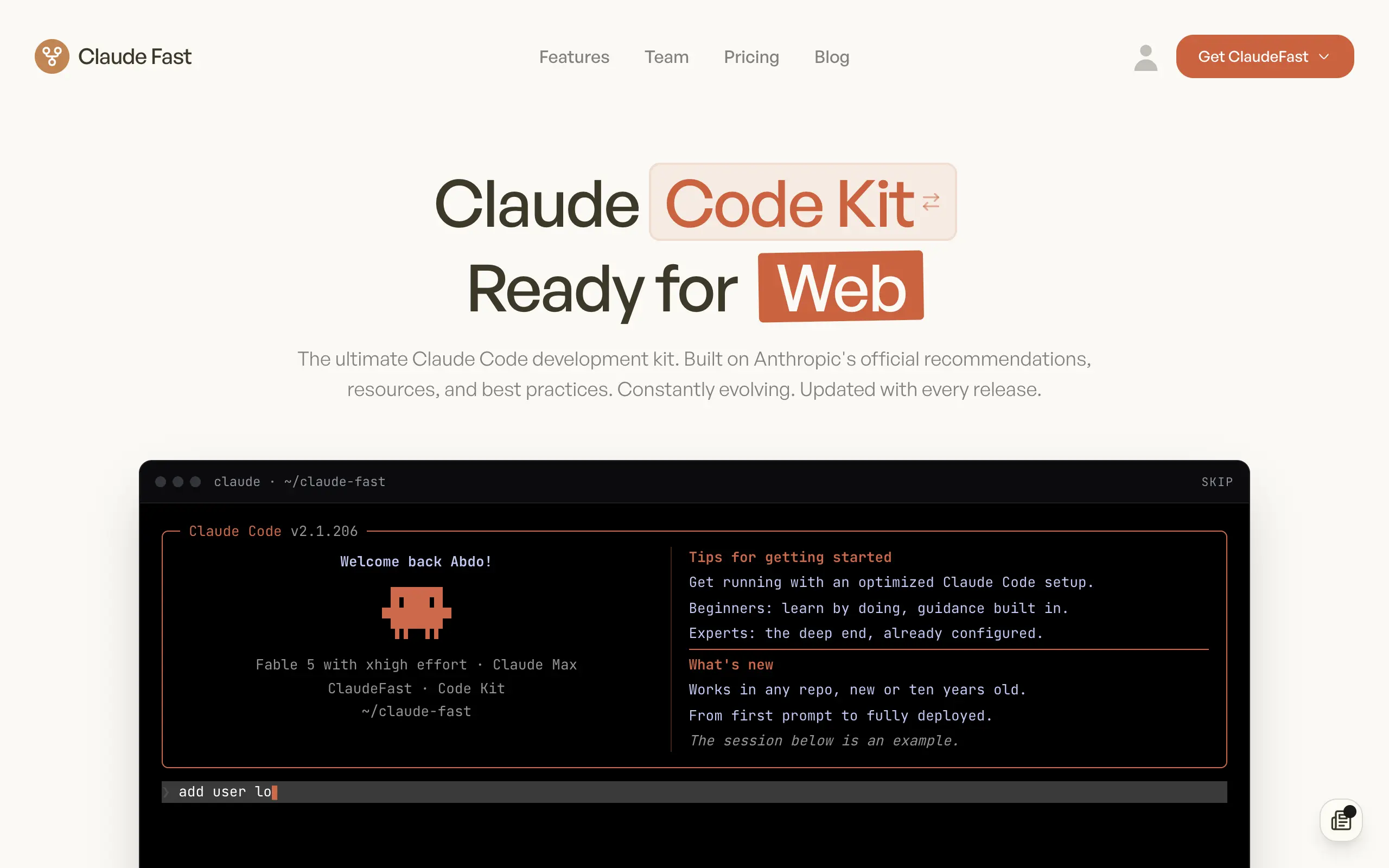
Claude Fast
Supercharge your Claude Code with 6x effective context window and specialized AI agents 🤖
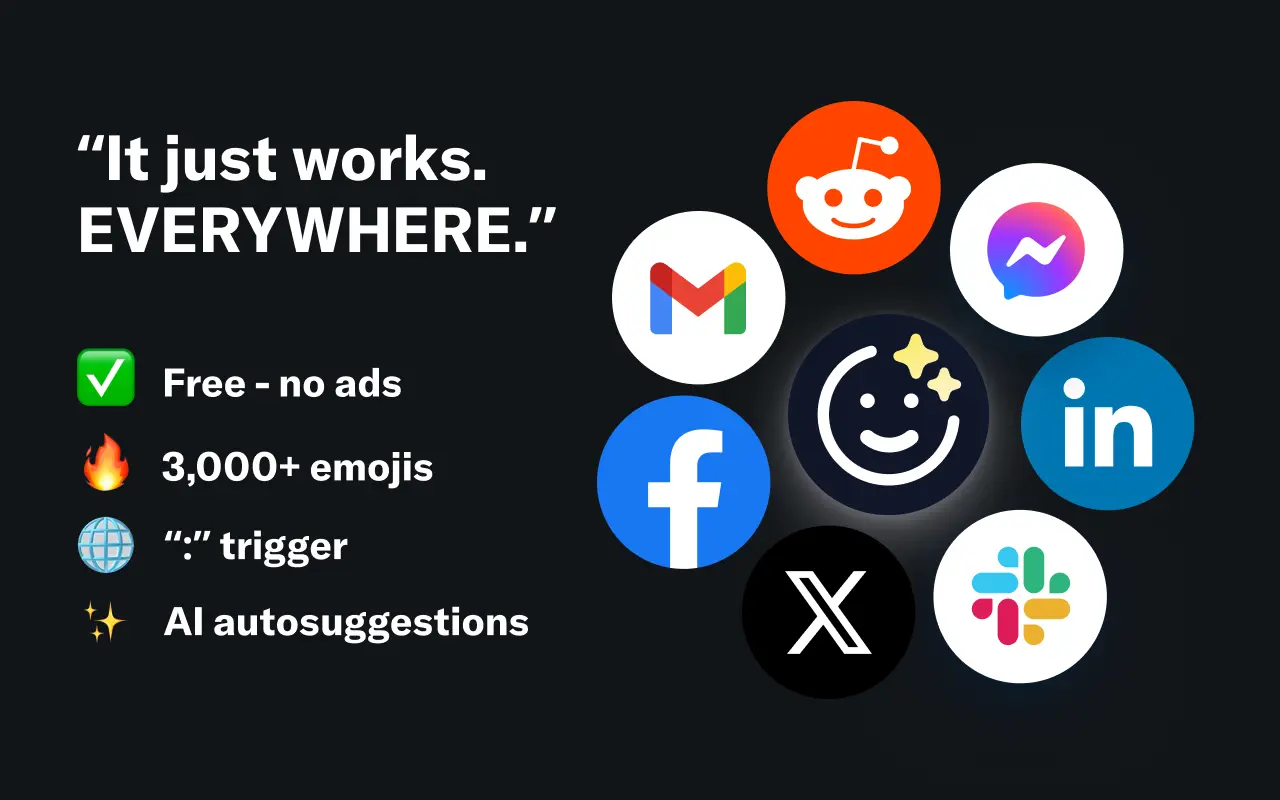
EmojAI
AI-powered emoji picker with smart, context-aware suggestions 🤖

Solohacker
Autonomous company launcher - AI agents work 24/7, escalate what matters, and you stay in control 🤖
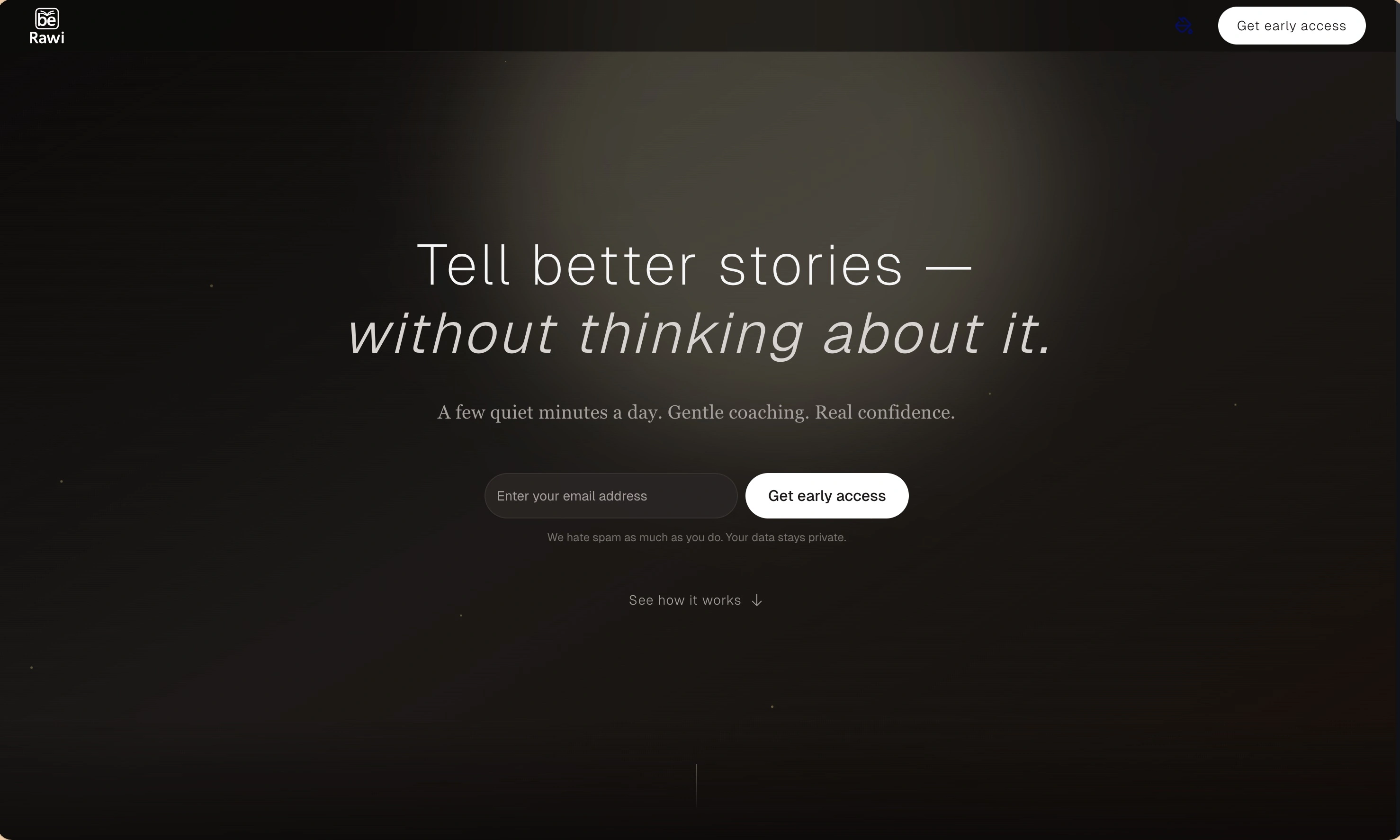
BeRawi: Storytelling Coach
Practice storytelling daily with instant feedback to sound clearer, more engaging, and confident 🎤
Omichat
Chat with 50+ AI models, including ChatGPT and Claude, in one place - switch models anytime without losing context 🤖
Claude Fast
Supercharge your Claude Code with 6x effective context window and specialized AI agents 🤖
EmojAI
AI-powered emoji picker with smart, context-aware suggestions 🤖
Solohacker
Autonomous company launcher - AI agents work 24/7, escalate what matters, and you stay in control 🤖
BeRawi: Storytelling Coach
Practice storytelling daily with instant feedback to sound clearer, more engaging, and confident 🎤
Omichat
Chat with 50+ AI models, including ChatGPT and Claude, in one place - switch models anytime without losing context 🤖
Claude Fast
Supercharge your Claude Code with 6x effective context window and specialized AI agents 🤖
EmojAI
AI-powered emoji picker with smart, context-aware suggestions 🤖
Solohacker
Autonomous company launcher - AI agents work 24/7, escalate what matters, and you stay in control 🤖
BeRawi: Storytelling Coach
Practice storytelling daily with instant feedback to sound clearer, more engaging, and confident 🎤
Omichat
Chat with 50+ AI models, including ChatGPT and Claude, in one place - switch models anytime without losing context 🤖
Claude Fast
Supercharge your Claude Code with 6x effective context window and specialized AI agents 🤖
EmojAI
AI-powered emoji picker with smart, context-aware suggestions 🤖
Solohacker
Autonomous company launcher - AI agents work 24/7, escalate what matters, and you stay in control 🤖
BeRawi: Storytelling Coach
Practice storytelling daily with instant feedback to sound clearer, more engaging, and confident 🎤

Connect with like-minded people
Join our community to get feedback, support, and grow together with 1,000+ builders on board, let's ship it!
Join usShip your startup everywhere. In minutes.
Don't burn tokens on setup and start building features on day one.